
Medicine Cabinet – OTC Medications & Everyday Health Essentials
Stock your home medicine cabinet with pharmacist-curated over-the-counter medications and everyday health essentials for pain, fever, cough and cold symptoms, allergies, digestive concerns, first aid, sleep, and family care.
────────────────────────────────────
About the Medicine Cabinet
A well-organized medicine cabinet can help households respond to common, minor health concerns without having to search for essential products when symptoms arise.
The Medicine Cabinet collection at Coal Harbour Pharmacy brings together over-the-counter (OTC) medications and practical healthcare essentials for everyday symptom relief and home preparedness.
Depending on availability, the collection may include products for pain and fever, cough and cold symptoms, allergies, heartburn, constipation, diarrhea, minor skin concerns, first aid, occasional sleeplessness, and children’s health.
OTC does not mean risk-free. Every medication has specific indications, dosing instructions, contraindications, and potential interactions. Selecting products according to the active ingredient—not simply the brand or symptom printed on the package—is particularly important when combining medications.
Key Benefits
• Makes everyday OTC medications easier to find in one collection
• Supports preparedness for common minor illnesses and symptoms
• Includes adult and age-appropriate children’s formulations
• Offers tablets, capsules, liquids, creams, sprays, drops, and other formats
• Includes both medications and practical first-aid essentials
• Helps households maintain commonly needed health products
• Provides access to pharmacist guidance when medication selection is unclear
Who It’s Ideal For
The Medicine Cabinet collection is useful for:
• Individuals restocking everyday OTC medications
• Families maintaining home health essentials
• Parents looking for age-appropriate children’s products
• Adults preparing for cold, flu, and allergy seasons
• Travellers building a basic medication kit
• Caregivers organizing commonly needed OTC products
• People replacing expired household medications
• Anyone creating a first medicine cabinet for a new home
People who are pregnant or breastfeeding, take prescription medications, have chronic medical conditions, or are choosing products for young children should check suitability carefully.
Pain & Fever Relief
Common non-prescription pain and fever medications include acetaminophen and non-steroidal anti-inflammatory drugs (NSAIDs) such as ibuprofen.
Acetaminophen
Commonly used for temporary relief of:
• Headache
• Muscle aches
• Minor pain
• Menstrual discomfort
• Fever
Taking more than the recommended amount can cause serious liver injury. One important source of accidental overdose is taking multiple products that contain acetaminophen.
Ibuprofen
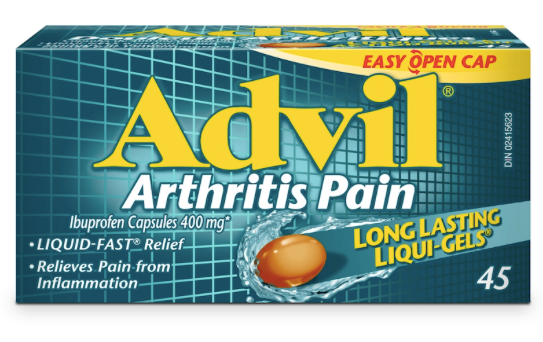
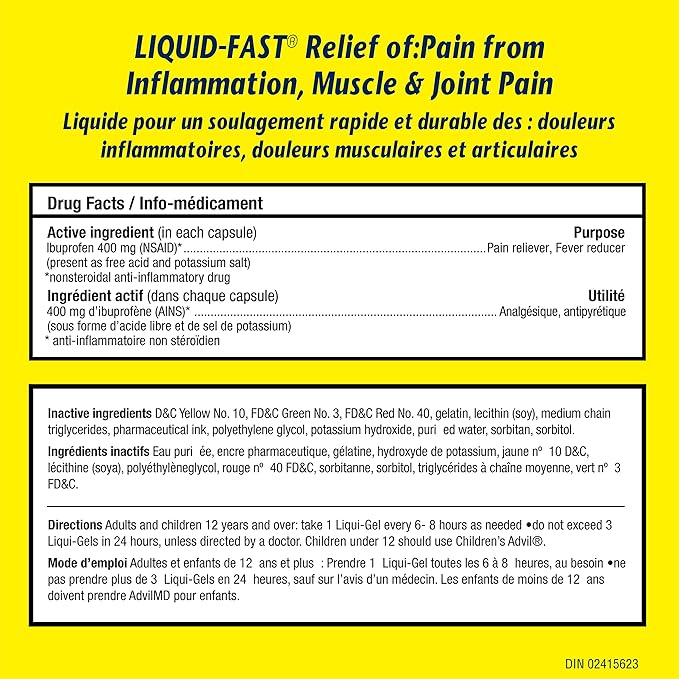
Ibuprofen is an NSAID used for temporary relief of pain, inflammation, and fever.
It may not be appropriate for everyone, particularly people with certain gastrointestinal, kidney, cardiovascular, bleeding, or medication-related risks.
Aspirin
Aspirin has pain-relieving, fever-reducing, anti-inflammatory, and antiplatelet effects depending on its use and dose.
Aspirin should generally not be given to children or teenagers with certain viral illnesses because of the association with Reye syndrome.
Low-dose aspirin for cardiovascular purposes is a separate medical use and should not be started or stopped without appropriate guidance.
Topical Pain Relief
Topical pain products may provide localized relief without being taken orally.
Depending on the product, options may include:
• Medicated creams
• Analgesic gels
• Patches
• Menthol-containing products
• Other topical analgesics
Different topical medications have different indications and precautions.
Avoid assuming that topical products can be freely combined with oral pain relievers without considering their active ingredients.
Cough & Cold Relief
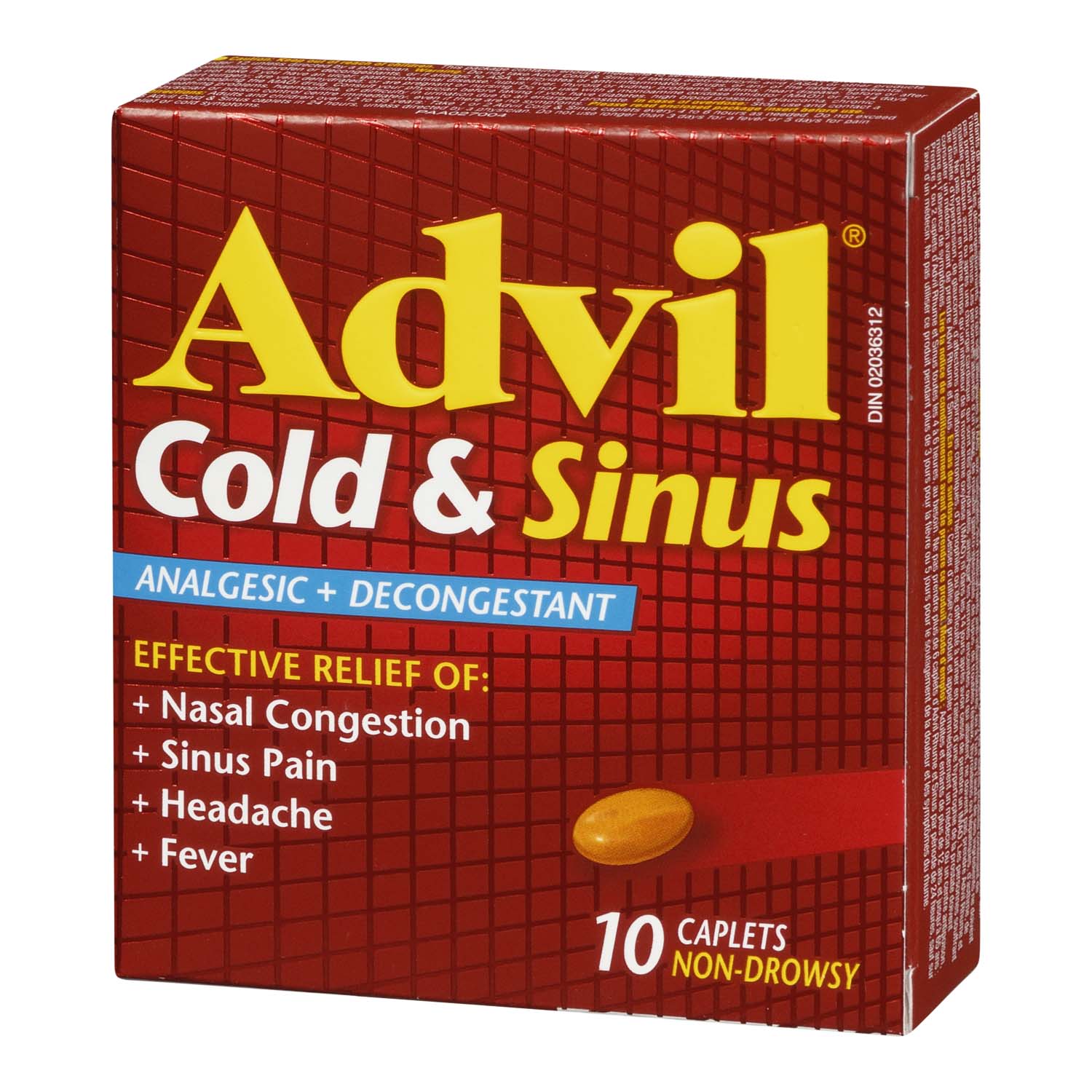
OTC cough and cold products may contain one or several active ingredients targeting different symptoms.
Common ingredient categories include:
• Cough suppressants
• Expectorants
• Decongestants
• Pain and fever relievers
• Antihistamines
• Medicated lozenges
The best product depends on the symptoms actually present.
A multi-symptom product is not automatically better if it contains ingredients you do not need.
Avoid Duplicate Cold & Flu Ingredients
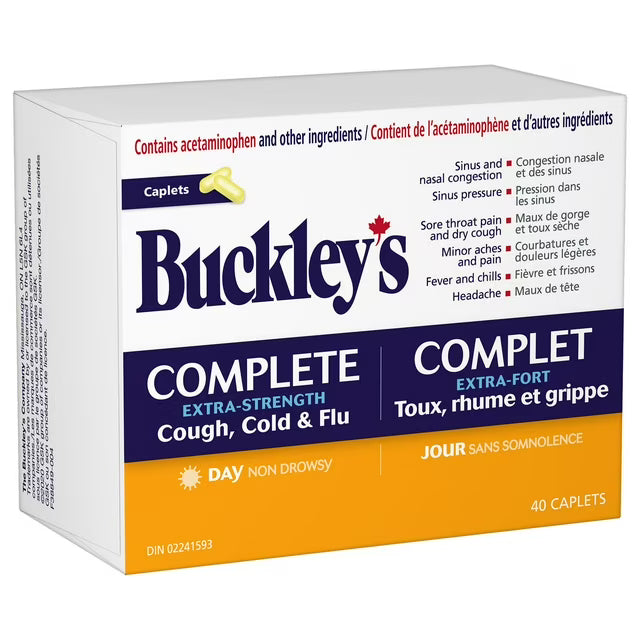
Combination cold and flu medications are a common source of unintentional ingredient duplication.
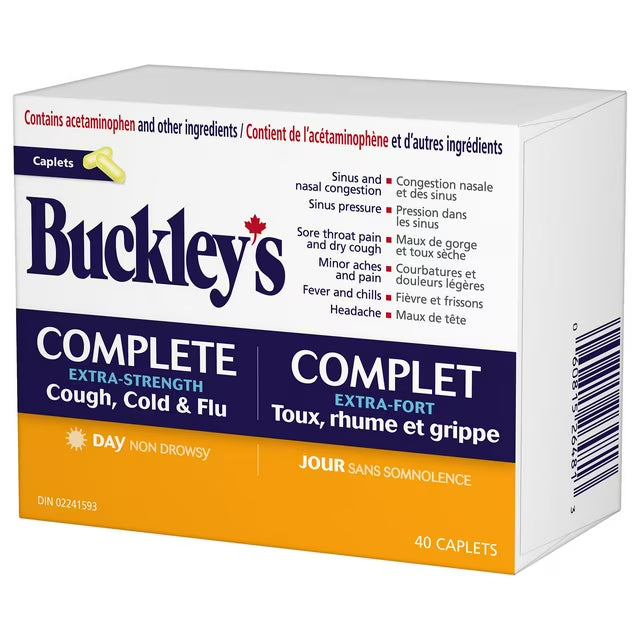
For example, a multi-symptom cold product may already contain acetaminophen. Taking additional acetaminophen separately could increase the total dose beyond the intended amount.
Before combining OTC medications:
1. Check the medicinal ingredients.
2. Compare the dose per tablet, capsule, or measured liquid.
3. Check how frequently each product is taken.
4. Avoid duplicate active ingredients unless specifically advised.
When uncertain, ask a pharmacist.
Allergy Relief
OTC allergy products may include:
• Cetirizine
• Loratadine
• Other antihistamines
• Selected nasal sprays
• Allergy eye drops
These products may help relieve symptoms such as:
• Sneezing
• Runny nose
• Itchy or watery eyes
• Nasal allergy symptoms
Some older antihistamines can cause significant drowsiness and impair driving or other activities requiring alertness.
Nasal Congestion
Congestion products can include oral or topical decongestants and saline preparations.
Certain decongestants may not be suitable for people with conditions such as high blood pressure, cardiovascular disease, glaucoma, prostate problems, or particular medication regimens.
Topical medicated nasal decongestants can also cause rebound congestion when used longer than directed.
Saline sprays and rinses offer a medication-free option for nasal moisture and cleansing.
Sore Throat & Cough Care
Depending on the cause and symptoms, options may include:
• Lozenges
• Throat sprays
• Cough syrups
• Honey-containing products where age-appropriate
• Analgesics
• Hydration and soothing fluids
A severe or persistent sore throat, difficulty swallowing or breathing, dehydration, or significant systemic illness requires appropriate assessment.
Honey should not be given to infants under 12 months.
Heartburn & Acid Relief
OTC heartburn products can include:
• Antacids
• Alginate-containing products
• H2-receptor antagonists
• Proton pump inhibitors (PPIs), where available without prescription
These medications work differently and have different onset times and intended durations of use.
Frequent or persistent heartburn should not simply be managed indefinitely with OTC medications because recurrent symptoms may require evaluation.
Constipation Relief
Constipation products may include:
• Fibre supplements
• Osmotic laxatives
• Stool softeners
• Stimulant laxatives
• Suppositories or other rectal products
Different laxative types work in different ways.
Adequate fluid intake, fibre, physical activity, medications, medical conditions, and bowel habits can all influence constipation.
Severe abdominal pain, vomiting, blood in the stool, or a significant unexplained change in bowel habits requires assessment.
Diarrhea Relief
OTC anti-diarrheal medications can be appropriate for certain cases of uncomplicated diarrhea.
However, diarrhea accompanied by blood, high fever, significant dehydration, severe pain, or other concerning symptoms may require medical evaluation rather than symptom suppression.
Maintaining adequate fluids and electrolytes is particularly important during significant diarrhea.
Gas & Bloating Relief
OTC digestive products may include ingredients designed for temporary relief of gas or selected digestive symptoms.
Persistent bloating can have many possible causes, including dietary factors, constipation, food intolerances, irritable bowel syndrome, and other gastrointestinal conditions.
Recurrent or unexplained symptoms deserve assessment rather than indefinite self-treatment.
First Aid & Wound Care
A medicine cabinet should contain practical first-aid supplies in addition to medications.
Useful items may include:
• Adhesive bandages
• Sterile gauze
• Medical tape
• Disposable gloves
• Wound-cleansing products
• Antiseptic products
• Cold packs
• Appropriate topical products
Minor wounds can often be managed at home, but deep wounds, uncontrolled bleeding, serious burns, animal bites, heavily contaminated injuries, and signs of infection require appropriate care.
Anti-Itch & Minor Skin Relief
Depending on the condition, OTC skin products may include:
• Hydrocortisone creams
• Calamine-type products
• Antihistamine-oriented products
• Moisturizers and barrier creams
• Selected antifungal medications
• Other medicated topical products
A rash should not automatically be treated with hydrocortisone because fungal infections, bacterial infections, allergic reactions, and inflammatory skin conditions can look similar.
Persistent, spreading, painful, blistering, or unexplained rashes should be assessed.
Sleep Aids
Some OTC sleep products contain sedating antihistamines and are intended for short-term or occasional sleeplessness.
Potential effects can include:
• Next-day drowsiness
• Dry mouth
• Dizziness
• Impaired coordination
• Other anticholinergic effects
These products may be particularly problematic for some older adults and can interact with alcohol, sedatives, and other medications.
Persistent insomnia should be evaluated rather than managed indefinitely with sedating OTC medication.
Melatonin
Melatonin is a hormone involved in circadian timing and is sold as a natural health product rather than a conventional OTC sleeping medication.
It may be useful for certain circadian-related sleep situations, including jet lag and selected sleep-timing concerns.
Timing, dose, age, medications, and the reason for sleep difficulty all matter.
More melatonin is not necessarily more effective.
Children’s OTC Medications
Children’s medications require particular attention to:
• Age restrictions
• Weight-based dosing when applicable
• Concentration of liquid medication
• Measuring device
• Maximum daily dose
• Active ingredients
• Contraindications
Adult and children’s products should never be assumed to be interchangeable simply by reducing the amount.
Cough and cold medications also have specific pediatric age restrictions. Always follow the Canadian product label or pharmacist guidance.
Liquid Medication Safety
Use the measuring syringe, cup, or dosing device supplied or recommended for the medication.
Household teaspoons and tablespoons are not sufficiently accurate for medication dosing.
Always confirm the concentration because two liquid products containing the same medication can sometimes have different strengths.
Building a Practical Medicine Cabinet
A basic household medicine cabinet might include:
• An appropriate pain and fever reliever
• A thermometer
• Allergy medication when needed
• Selected cough or cold symptom products
• Heartburn relief
• Appropriate constipation or digestive products
• Adhesive bandages and sterile dressings
• Wound-care supplies
• Any household-specific medications
• Emergency and healthcare contact information
The ideal contents depend on the ages, health conditions, allergies, medications, and needs of the household.
Medicine Cabinet Safety
Check Expiry Dates
Review medicines periodically and replace products that have expired or deteriorated.
Keep Original Packaging
Original packaging preserves important information including medicinal ingredients, strength, dosing, warnings, and expiry dates.
Store Correctly
Heat, moisture, and sunlight can affect some medications. Despite the name “medicine cabinet,” a humid bathroom may not be the ideal storage location for every medicine.
Keep Medications Secure
Store medicines out of sight and reach of children and appropriately secured where necessary.
Never Share Prescription Medications
Prescription medication is prescribed for a specific individual and should not become part of a household’s shared medicine supply.
How to Choose the Right OTC Medication
Match the Medicine to the Symptom
Avoid unnecessary multi-symptom products when only one symptom requires treatment.
Read the Medicinal Ingredients
Brand names alone do not tell you what medication you are taking.
Check for Duplication
Many combination products contain the same active ingredients as standalone medications.
Review Warnings
Pay attention to medical conditions, pregnancy, age restrictions, allergies, and medication interactions.
Follow the Label
Use the recommended dose, interval, and maximum duration unless otherwise directed by an appropriate healthcare professional.
Ask a Pharmacist When Unsure
This is especially important when combining products or selecting medication for children, older adults, pregnancy, or chronic medical conditions.
When to Seek Medical Care
OTC medications are intended primarily for temporary self-care of appropriate minor symptoms.
Seek professional or emergency care when symptoms are severe, unusual, rapidly worsening, or associated with warning signs such as:
• Difficulty breathing
• Chest pain
• Loss of consciousness
• Severe allergic reaction
• Signs of stroke
• Uncontrolled bleeding
• Severe dehydration
• Persistent high fever
• Severe or unexplained pain
• Blood in vomit or stool
• Significant confusion
• Other potentially serious symptoms
FAQs
What should every home medicine cabinet contain?
Needs vary, but common essentials include an appropriate pain and fever medication, thermometer, first-aid supplies, wound-care products, and symptom-specific medications relevant to the household.
Are OTC medications safe for everyone?
No. Suitability depends on age, pregnancy, medical conditions, allergies, other medications, and the specific active ingredient.
Can I take two different OTC products together?
Sometimes, but check the medicinal ingredients first. Combination cold, flu, pain, allergy, and sleep products can contain overlapping ingredients.
Can I buy children’s OTC medications online?
Many children’s non-prescription products can be purchased online where permitted. Always select an age-appropriate formulation and follow the product’s dosing instructions.
How do I know which medicine is right for my symptoms?
Start with the specific symptom and active ingredient rather than choosing based solely on the brand name. A pharmacist can help when the best option is unclear.
How often should I check my medicine cabinet?
Review it periodically for expired products, damaged packaging, missing essentials, and medications that are no longer needed.
Can expired medications be thrown in household garbage?
Medication-disposal recommendations vary. Pharmacy medication-return programs are generally preferable for unwanted or expired medications when available.
Should medications be stored in the bathroom?
Not necessarily. Heat and humidity can affect some products. Follow storage instructions on each medication.
Are sleep aids safe for regular nightly use?
Many OTC sedating sleep aids are intended for occasional or short-term use. Persistent sleep problems should be evaluated rather than continuously self-treated.
When should I ask a pharmacist before choosing an OTC medication?
Pharmacist guidance is particularly valuable for children, pregnancy or breastfeeding, older adults, chronic medical conditions, prescription-medication use, or when combining multiple OTC products.
Why Shop the Medicine Cabinet at Coal Harbour Pharmacy?
• Pharmacist-curated OTC medications and health essentials
• Pain, fever, cold, allergy, digestive, skin, sleep, and first-aid options
• Adult and age-appropriate children’s formulations
• Trusted Canadian and international healthcare brands
• Multiple dosage forms for different household needs
• Fast Canada-wide shipping
Related Collections
────────────────────────────────────
Shop Medicine Cabinet →
Sort by
57 products








FREE STANDARD SHIPPING
Satisfied or refunded
Top-notch support
Secure payments
Encrypted checkout processing
Offers exclude prescriptions and in-store purchases.
Subscribe & Get a First-Order Reward
Plus, earning reward points on eligible online purchases and enjoy future store credit.
We respect your inbox at Coal Harbour Pharmacy - Expect thoughtfully curated health and wellness updates, timely reminders, and exclusive online savings.