
Mushroom Blends – Functional Mushroom Supplements for Immune & Adaptogenic Support
Explore pharmacist-curated mushroom blends combining functional mushrooms such as Reishi, Lion’s Mane, Cordyceps, Turkey Tail, Maitake, Chaga, and other species selected to support normal immune function, stress resilience, cognitive wellness, energy metabolism, and everyday vitality.
────────────────────────────────────
About Mushroom Blends
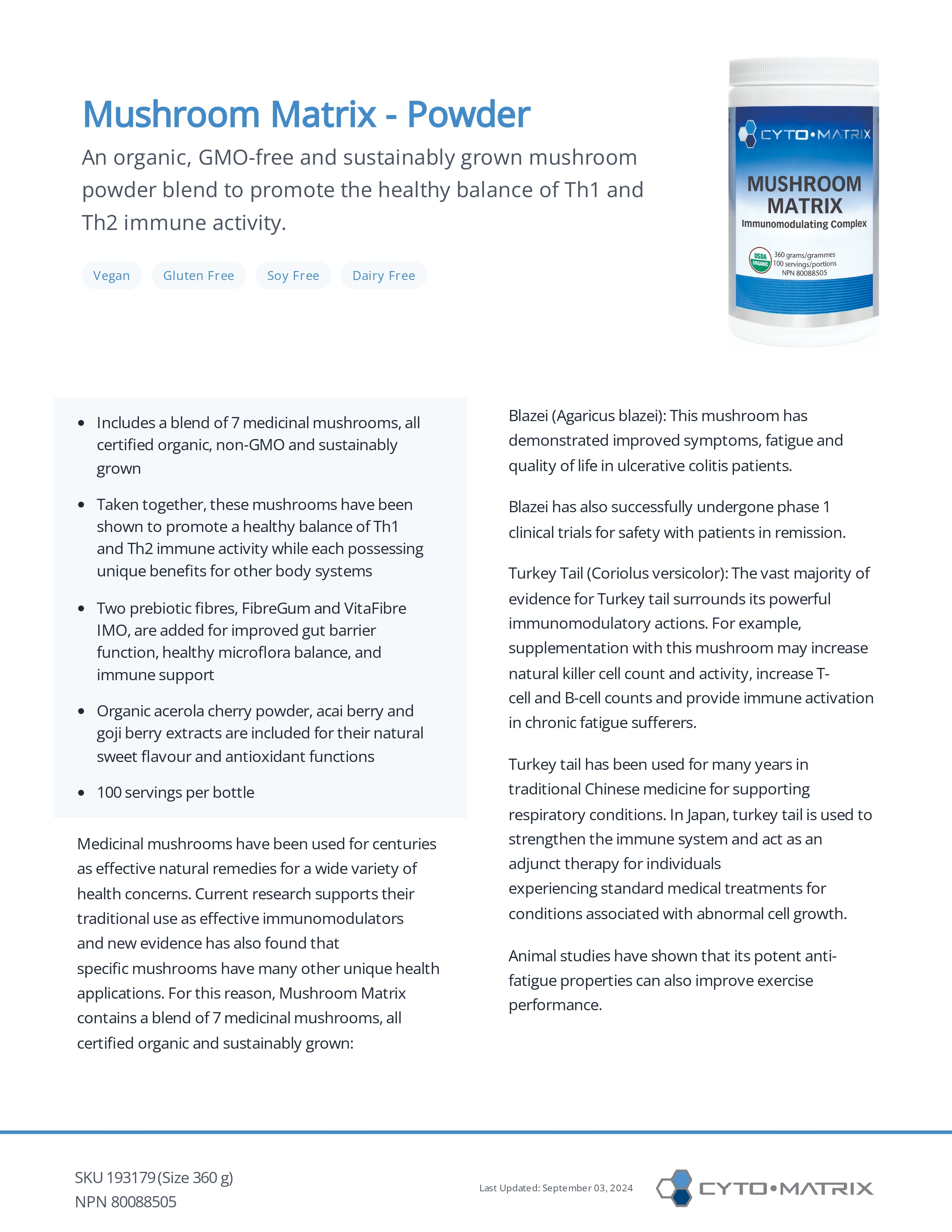
Mushroom blends combine several functional or medicinal mushroom species within one supplement. Rather than focusing on a single mushroom, these formulas provide multiple mushroom-derived compounds in a convenient capsule, powder, or liquid format.
Common ingredients include Reishi, Lion’s Mane, Cordyceps, Turkey Tail, Maitake, and Chaga, although composition varies substantially between products.
Mushrooms contain compounds such as beta-glucans, other polysaccharides, sterols, phenolic compounds, and species-specific metabolites. Reishi, for example, also contains characteristic triterpenoids.
Research into functional mushrooms is growing, but evidence differs significantly by species, extract, preparation, dose, and health outcome. A blend containing many mushrooms should therefore not automatically be considered more effective than a carefully selected single-mushroom product.
Key Benefits
Depending on the specific mushrooms and extracts used, mushroom blends may help:
• Support normal immune function
• Provide mushroom-derived beta-glucans and polysaccharides
• Complement everyday stress-management and wellness routines
• Support cognitive wellness where appropriate mushroom species are included
• Complement energy and active-lifestyle routines
• Provide compounds involved in antioxidant and cellular defence
• Combine several functional mushrooms in one convenient product
• Support broader healthy-aging and nutritional wellness strategies
Benefits should always be considered species- and product-specific rather than assumed from the term “mushroom blend.”
Who It’s Ideal For
Mushroom blends may appeal to:
• Adults seeking broad functional-mushroom support
• People looking for convenient multi-mushroom formulas
• Individuals interested in everyday immune support
• People incorporating adaptogenic-style products into stress-management routines
• Active adults interested in Cordyceps-containing formulas
• People interested in Lion’s Mane-containing cognitive wellness blends
• Adults focused on healthy aging and everyday vitality
• People who prefer mushroom powders, extracts, capsules, or tinctures
Individuals with significant medical conditions or those taking medications should evaluate individual mushroom ingredients before use.
What Are Functional Mushroom Blends?
Functional mushroom blends combine extracts or powders from two or more mushroom species.
A formula might include:
• Reishi
• Lion’s Mane
• Cordyceps
• Turkey Tail
• Maitake
• Chaga
• Shiitake
• Other mushroom species
Different mushrooms contain different profiles of biologically active compounds, which is why blends are often formulated for broader wellness applications.
However, combining several ingredients does not prove that they work synergistically.
Evidence supporting an individual mushroom also cannot automatically be transferred to a blend containing a small amount of that mushroom.
Medicinal Mushrooms vs Functional Mushrooms
“Medicinal mushroom” is widely used in traditional medicine, supplement research, and the natural-health industry.
“Functional mushroom” is another common wellness term.
Neither term means that an over-the-counter mushroom supplement is a pharmaceutical medicine or can independently treat a disease.
Some mushroom-derived preparations have been investigated extensively in medical settings, but those findings may involve specific standardized extracts or preparations that differ substantially from general consumer supplements.
Beta-Glucans
Beta-glucans are polysaccharides found in the cell walls of mushrooms, yeasts, and certain grains.
Mushroom beta-glucans can interact with components of the immune system and are an important area of functional-mushroom research.
However:
• Beta-glucan structure varies
• Different mushroom species contain different compounds
• Extraction methods matter
• Quantity alone does not establish effectiveness
• Effects should not be simplified as indiscriminately “boosting immunity”
A more appropriate description is that certain mushroom beta-glucans may support or modulate aspects of normal immune function.
Polysaccharides
Mushrooms contain numerous polysaccharides, including beta-glucans.
A label stating a high percentage of total polysaccharides does not necessarily indicate a high beta-glucan content because polysaccharides can also include other carbohydrates and, depending on the product, starch.
When available, clearly stated beta-glucan content can be more informative than total polysaccharides alone.
Reishi
Reishi generally refers to mushrooms from the Ganoderma group, commonly associated with Ganoderma lucidum and related species.
Reishi contains:
• Beta-glucans
• Polysaccharides
• Triterpenoids
• Other mushroom-derived compounds
It has a long history of traditional use and is commonly included in formulas targeting:
• General wellness
• Immune support
• Stress-related wellness
• Relaxation
Human clinical evidence varies considerably according to preparation and outcome.
Reishi should not be assumed to treat anxiety, insomnia, immune disorders, or other medical conditions.
Lion’s Mane
Lion’s Mane (Hericium erinaceus) has become particularly popular for cognitive and neurological wellness.
Research has investigated compounds associated with Lion’s Mane in relation to:
• Cognitive function
• Neurological signalling
• Nerve-related biological pathways
• Mood-related outcomes
Early human studies are promising in selected areas, but evidence remains developing.
Preclinical findings involving nerve growth factor should not be translated into claims that Lion’s Mane regenerates nerves, prevents dementia, or reliably improves memory in healthy people.
Cordyceps
Cordyceps supplements are commonly marketed for:
• Energy
• Exercise performance
• Stamina
• Respiratory wellness
• Adaptogenic support
Modern products frequently use cultivated fungal material from species such as Cordyceps militaris or related preparations rather than wild-harvested traditional Cordyceps.
Human exercise research has produced mixed findings.
Cordyceps should not be considered a stimulant or assumed to increase ATP production, endurance, or athletic performance in everyone.
Turkey Tail
Turkey Tail (Trametes versicolor, also known as Coriolus versicolor) contains mushroom polysaccharides and beta-glucans.
Specific Turkey Tail-derived polysaccharide preparations have been extensively investigated, including in clinical research.
However, evidence involving specialized extracts cannot automatically be applied to every retail Turkey Tail powder or mushroom blend.
General supplements should be positioned primarily for nutritional and immune-support purposes, not as cancer treatment.
People undergoing cancer treatment should discuss mushroom products with their oncology team.
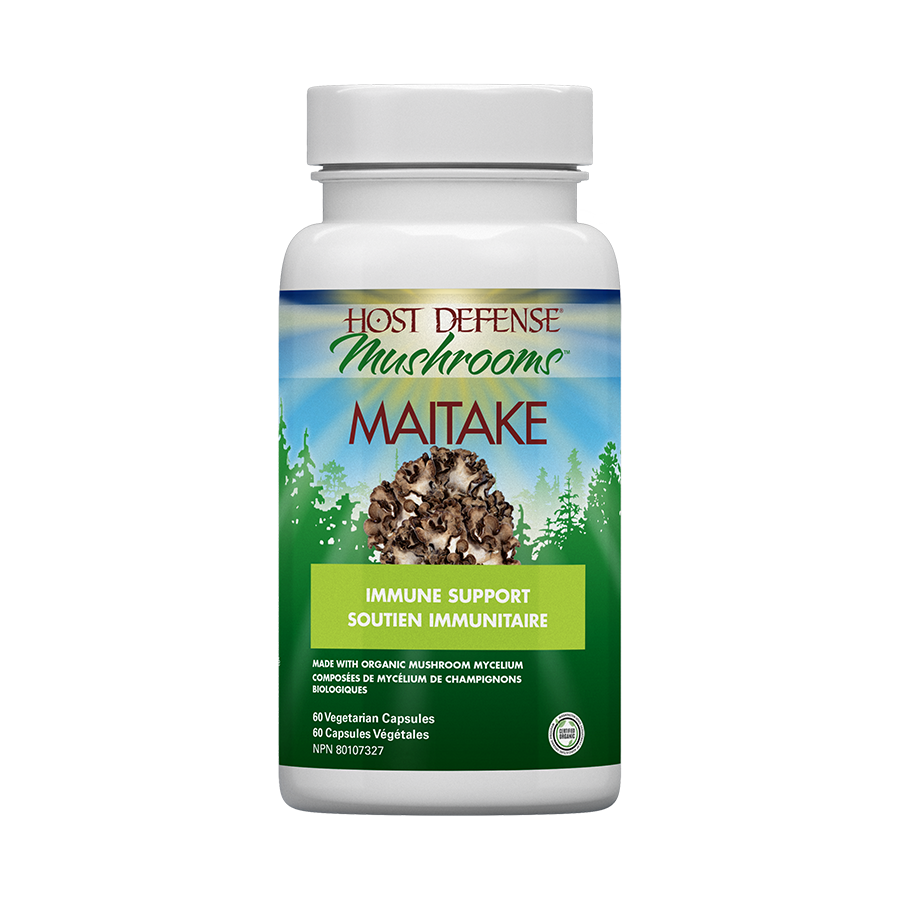
Maitake
Maitake (Grifola frondosa) is an edible and functional mushroom containing beta-glucans and other polysaccharides.
It has been investigated for:
• Immune-related activity
• Glucose metabolism
• Other metabolic outcomes
Human evidence remains limited for many marketed uses.
Maitake supplements should not replace medications or established management for diabetes or immune-related conditions.
Chaga
Chaga (Inonotus obliquus) has a long history of traditional use and contains various phenolic and polysaccharide compounds.
Much of the interest in Chaga relates to:
• Antioxidant activity
• Immune-related biological effects
• Traditional wellness applications
Much of the research remains preclinical.
Chaga also deserves particular caution because it can contain substantial amounts of oxalates, especially in concentrated or high-dose preparations.
People with kidney disease or a history of oxalate kidney stones should be especially cautious.
Shiitake
Shiitake (Lentinula edodes) is both a culinary and functional mushroom.
It provides nutrients and mushroom polysaccharides, including beta-glucans.
Specific Shiitake-derived compounds have been investigated for immune-related effects.
Supplement research should be distinguished from the nutritional benefits of consuming Shiitake as a food.
Mushroom Blends & Immune Function
Functional mushrooms are frequently marketed as immune boosters.
The immune system, however, does not simply need to be “boosted.”
Appropriate immune function requires carefully regulated responses.
Certain mushroom compounds can interact with immune pathways, making immune support or immune modulation more scientifically appropriate descriptions.
Mushroom supplements should not be expected to prevent or treat infections.
Mushroom Blends & Stress
Several functional mushrooms, particularly Reishi and Cordyceps, are sometimes categorized as adaptogens.
“Adaptogen” is a traditional and functional-medicine concept referring broadly to substances proposed to improve resilience to stress.
It should not be interpreted to mean that a mushroom automatically:
• Normalizes cortisol
• Repairs the adrenal glands
• Prevents burnout
• Treats anxiety
• Eliminates stress
Stress resilience still depends strongly on sleep, nutrition, physical activity, workload, psychological health, and appropriate medical care.
Mushroom Blends & “Adrenal Balance”
The phrase “adrenal balance” is common in supplement marketing but is physiologically imprecise.
Functional mushroom supplements should not be described as repairing exhausted adrenal glands.
“Adrenal fatigue” is not an established medical diagnosis.
Persistent fatigue deserves appropriate evaluation because it can result from sleep disorders, anemia, thyroid conditions, nutritional deficiencies, medication effects, mental-health conditions, infection, and many other causes.
Mushroom Blends & Cognitive Support
Lion’s Mane is the mushroom most commonly associated with cognitive-focused blends.
Some formulas combine it with:
• Cordyceps
• Reishi
• Other mushrooms
• Adaptogenic herbs
• Nootropic nutrients
Research into Lion’s Mane is developing, but mushroom blends should not be expected to reliably increase intelligence, reverse cognitive decline, or prevent dementia.
Mushroom Blends & Energy
Cordyceps is commonly included in energy-oriented mushroom blends.
However, mushrooms do not provide stimulant-like energy in the way caffeine does.
Claims that mushroom supplements directly increase cellular ATP or provide guaranteed endurance enhancement are stronger than current evidence supports.
Adequate calories, sleep, hydration, iron status, training, and overall health remain much more important determinants of energy.
Mushroom Blends for Active Lifestyles
Active adults sometimes use Cordyceps-containing blends as part of sports or wellness routines.
Potential applications studied include:
• Exercise tolerance
• Oxygen utilization
• Fatigue
• Recovery-related outcomes
Research remains mixed and depends on the specific Cordyceps preparation and population.
Mushroom supplements should complement—not replace—appropriate sports nutrition and training.
Mushroom Blends & Antioxidant Defence
Many mushrooms contain compounds capable of antioxidant activity in laboratory testing.
However, laboratory antioxidant activity does not automatically mean that taking a mushroom supplement produces a clinically meaningful antioxidant effect in humans.
The body also maintains its own antioxidant systems, and reactive oxygen species perform normal physiological signalling functions.
The goal is not to eliminate all oxidative activity.
Mushroom Blends & Healthy Aging
Mushrooms are sometimes marketed for longevity.
Research into mushroom compounds and pathways associated with aging is scientifically interesting, but evidence does not establish that general mushroom supplements extend human lifespan.
For healthy aging, stronger foundations include:
• Physical activity
• Resistance training
• Adequate nutrition
• Sleep
• Cardiovascular risk management
• Social engagement
• Avoiding smoking
Mushroom blends can be complementary wellness products within this broader approach.
Fruiting Body vs Mycelium
Mushroom supplements may contain:
Fruiting body — the familiar reproductive structure commonly recognized as the mushroom.
Mycelium — the network of fungal filaments from which the fruiting body can develop.
Both can contain biologically active compounds.
The claim that fruiting-body products are always superior and mycelium products are always inferior is too simplistic.
The more useful questions include:
• What species is used?
• Which fungal material is present?
• How was it cultivated?
• How was it extracted?
• What active compounds are measured?
• Is residual growth substrate present?
• Is the product appropriately tested?
Mycelium on Grain
Some mycelium products are cultivated on grain or another solid substrate.
The finished material can therefore contain varying amounts of:
• Fungal biomass
• Residual substrate
• Starch
This is one reason why total polysaccharide percentages should not automatically be interpreted as mushroom beta-glucan content.
Transparent labelling can help consumers understand what they are purchasing.
Full-Spectrum Mushroom Products
“Full-spectrum” is a marketing term without one universal formulation standard.
Depending on the manufacturer, it may describe:
• Fruiting body
• Mycelium
• Multiple fungal components
• Extract plus whole powder
• A particular extraction approach
Evaluate the actual ingredient description rather than assuming “full-spectrum” guarantees superior effectiveness.
Mushroom Extracts
Extraction can concentrate or make particular mushroom compounds more accessible.
Common approaches include:
• Hot-water extraction
• Alcohol extraction
• Dual extraction
Water extraction is often used for polysaccharides such as beta-glucans, while alcohol can extract other compounds, including some triterpenoids.
The ideal method depends on the mushroom and desired constituents.
“Dual extracted” is therefore not automatically necessary or superior for every species.
Extract Ratios
Some products list ratios such as:
8:1
10:1
or similar values.
An extract ratio alone does not establish:
• Potency
• Beta-glucan content
• Clinical effectiveness
• Absorption
• Quality
Standardized compound measurements and transparent sourcing may provide more useful information.
Are More Mushrooms Better?
Not necessarily.
A formula containing ten mushrooms is not automatically superior to one containing three.
Larger blends can sometimes provide relatively small quantities of each mushroom.
When comparing products, consider:
• Species
• Amount per serving
• Extract type
• Beta-glucan content where provided
• Other standardized compounds
• Intended use
• Supporting evidence
• Product quality
The number of mushrooms should not be the primary quality metric.
Mushroom Blends vs Single-Mushroom Supplements
Neither is universally better.
Mushroom Blends
Can provide several species conveniently and may suit people seeking broad functional-mushroom support.
Single-Mushroom Supplements
Can make it easier to select a specific species, dose, and extract for a targeted goal.
A single well-characterized mushroom product can sometimes be more appropriate than a large proprietary blend.
Capsules & Tablets
Capsules offer:
• Convenient dosing
• Minimal taste
• Easy portability
• Precisely measured servings
Check whether the product contains mushroom powder, extract, or both.
Mushroom Powders
Powders can be added to:
• Smoothies
• Coffee
• Tea
• Other beverages
• Foods
The term “mushroom powder” does not reveal whether the product is an extract or simply dried and ground mushroom material.
Review the ingredient information.
Liquid Mushroom Extracts
Liquid mushroom products may use water, alcohol, glycerin, or combinations as extraction and delivery media.
Liquid delivery does not automatically mean better absorption.
Evaluate the species, extraction method, concentration, serving size, and standardized compounds where available.
Mushroom Coffee & Beverage Blends
Functional mushrooms are increasingly included in coffee, cacao, and powdered beverage products.
These can be convenient, but the amount of each mushroom may be substantially lower than in dedicated supplements.
Coffee-containing products also provide caffeine, so perceived energy effects should not automatically be attributed to the mushrooms.
How to Choose a Mushroom Blend
Identify Your Goal
Consider whether you are primarily seeking:
• General mushroom wellness
• Immune support
• Cognitive support
• Stress resilience
• Active-lifestyle support
Check the Mushroom Species
Look beyond generic terms such as “mushroom complex.”
Review the Amounts
Transparent amounts are easier to evaluate than undisclosed proprietary blends.
Look for Extract Information
Determine whether the product uses:
• Whole mushroom powder
• Extract
• Fruiting body
• Mycelium
• A combination
Check Beta-Glucans
When immune-related mushroom compounds are a priority, declared beta-glucan content can be more informative than total polysaccharides alone.
Consider Quality Testing
Mushrooms can accumulate environmental contaminants depending on species and growing conditions.
Quality testing can therefore be particularly valuable.
Mushroom Blends & Proprietary Formulas
Some mushroom complexes use proprietary blends that disclose the total blend amount without stating the quantity of every mushroom.
This makes it harder to determine whether each species is provided in a meaningful amount.
Transparent formulations are generally easier to assess.
Safety & Precautions
Functional mushrooms are generally well tolerated by many adults, but they are biologically active ingredients.
Potential effects can include:
• Gastrointestinal discomfort
• Nausea
• Loose stools
• Dry mouth
• Allergic reactions
Individual mushroom species can have additional considerations.
Professional guidance is particularly important for people who:
• Take anticoagulant or antiplatelet medications
• Take diabetes medications
• Take blood-pressure medications
• Use immunosuppressive medications
• Have autoimmune conditions
• Have kidney disease
• Have a history of kidney stones
• Are preparing for surgery
• Are pregnant or breastfeeding
• Are undergoing cancer treatment
• Have mushroom allergies
The safety profile of a blend depends on every ingredient it contains.
Mushroom Allergies
Mushrooms can cause allergic reactions in susceptible individuals.
Stop use and seek appropriate care if symptoms suggest a significant allergic reaction, particularly:
• Difficulty breathing
• Facial or throat swelling
• Widespread hives
• Severe dizziness
Mushrooms & Immune-Suppressing Medications
Because certain mushroom compounds can interact with immune pathways, people taking immunosuppressive therapies should not assume immune-oriented mushroom supplements are appropriate.
This includes some people with:
• Organ transplants
• Autoimmune diseases
• Cancer treatment
• Other conditions requiring immune-modifying medications
Discuss use with the treating healthcare team.
Mushrooms & Cancer Care
Specific mushroom-derived preparations have been researched in oncology, particularly in some countries as adjunctive therapies.
This does not mean that general mushroom powders, tinctures, or multi-mushroom supplements treat cancer.
People undergoing cancer treatment should review mushroom supplements with their oncology team because of potential interactions and differences between research preparations and retail products.
Quality & Selection Considerations
When comparing mushroom blends, useful considerations include:
• Clearly identified mushroom species
• Fruiting body, mycelium, or other material disclosed
• Extraction method where relevant
• Beta-glucan content where available
• Transparent amounts per serving
• Appropriate Canadian product authorization where applicable
• Manufacturing quality controls
• Contaminant testing where available
• Allergen information
• Practical dosing instructions
Claims such as professional-grade, highly bioavailable, clinically proven, standardized, organic, full-spectrum, or practitioner-trusted should be verified for each specific product rather than assumed across the entire collection.
FAQs
What is a mushroom blend?
A mushroom blend combines two or more functional mushroom species in one supplement, commonly including Reishi, Lion’s Mane, Cordyceps, Turkey Tail, Maitake, Chaga, or Shiitake.
Are mushroom blends better than single mushrooms?
Not necessarily. Blends offer convenience and broader ingredient coverage, while single-mushroom supplements can provide a more targeted species and dose.
Do mushroom blends boost the immune system?
Certain mushroom compounds, particularly beta-glucans, interact with immune pathways. It is more accurate to describe this as supporting or modulating normal immune function rather than indiscriminately boosting immunity.
Which mushroom is best for brain health?
Lion’s Mane has received the most attention for cognitive and neurological applications. Early human research is promising, but evidence remains developing and does not establish that it prevents dementia or regenerates damaged nerves.
Which mushroom is used for energy?
Cordyceps is commonly included in energy and exercise-oriented products, although human performance research has produced mixed results.
Are mushroom blends adaptogens?
Some functional mushrooms are described as adaptogenic, particularly Reishi and Cordyceps. This does not mean they universally normalize cortisol or treat stress-related disorders.
Is fruiting body better than mycelium?
Not automatically. Both can contain useful compounds. Species, cultivation, extraction, active-compound content, residual substrate, and testing provide a more complete assessment of quality.
What should I look for in a mushroom supplement?
Look for clearly identified species, transparent amounts, disclosure of fruiting body or mycelium, extraction information, beta-glucan content where relevant, and appropriate quality testing.
Can I take several mushroom products together?
Possibly, but combining products can unnecessarily duplicate mushrooms and make total intake difficult to assess. Review the complete formulas before stacking products.
Can mushroom supplements replace medical treatment?
No. Functional mushroom supplements are intended for nutritional and wellness support and should not replace evidence-based treatment for infections, cancer, autoimmune disease, cognitive disorders, or other medical conditions.
Why Shop Mushroom Blends at Coal Harbour Pharmacy?
• Pharmacist-curated functional mushroom formulas
• Multi-mushroom and targeted blend options
• Reishi, Lion’s Mane, Cordyceps, Turkey Tail, Maitake, Chaga, and other mushroom combinations
• Capsules, powders, extracts, and liquid options where available
• Transparent and professionally formulated options
• Products from established Canadian and professional supplement brands
• Fast Canada-wide shipping
Related Collections
────────────────────────────────────
Shop Mushroom Blends →
Sort by
19 products










FREE STANDARD SHIPPING
Satisfied or refunded
Top-notch support
Secure payments
Encrypted checkout processing
Offers exclude prescriptions and in-store purchases.
Subscribe & Get a First-Order Reward
Plus, earning reward points on eligible online purchases and enjoy future store credit.
We respect your inbox at Coal Harbour Pharmacy - Expect thoughtfully curated health and wellness updates, timely reminders, and exclusive online savings.