
Natural Allergy Relief – Herbal & Nutrient Support for Seasonal & Year-Round Comfort
Explore pharmacist-curated natural allergy support featuring quercetin, vitamin C, stinging nettle, selected probiotics, saline nasal care, and targeted botanical formulas designed to complement seasonal and year-round allergy management and support nasal, sinus, eye, and respiratory comfort.
────────────────────────────────────
About Natural Allergy Relief
Seasonal and year-round allergies occur when the immune system reacts to otherwise harmless environmental substances known as allergens.
Common triggers include:
• Tree, grass, and weed pollen
• Dust mites
• Animal dander
• Mold spores
• Other environmental allergens
Exposure can trigger immune cells to release histamine and other inflammatory mediators, contributing to familiar symptoms such as sneezing, runny or congested nose, itchy or watery eyes, nasal itching, and throat irritation.
Natural health products can complement an allergy-management plan, but they should not be presented as equivalent replacements for proven allergy medications when symptoms require treatment.
Key Benefits
Depending on the ingredient or product, natural allergy-support options may help:
• Complement seasonal allergy management
• Support normal immune function
• Provide antioxidant nutrients
• Support nasal and sinus comfort
• Help maintain respiratory wellness
• Provide non-sedating nutritional options
• Support healthy mucous membranes
• Complement environmental allergen-reduction strategies
Evidence varies considerably among ingredients, and “natural” does not automatically mean clinically proven, non-drowsy, or risk-free.
Who It’s Ideal For
This collection may appeal to people who:
• Experience seasonal pollen-related symptoms
• Have year-round environmental allergies
• Want nutritional or botanical support alongside an allergy-management plan
• Prefer non-sedating daytime supplement options
• Are interested in quercetin or vitamin C
• Want saline nasal-care options
• Are exploring selected herbal approaches
• Want complementary support during high-pollen seasons
Persistent, severe, or poorly controlled symptoms should be appropriately assessed.
Understanding Allergic Rhinitis
Allergic rhinitis is an immune-mediated reaction involving the nasal passages.
Symptoms commonly include:
• Sneezing
• Clear runny nose
• Nasal congestion
• Nasal itching
• Itchy or watery eyes
• Postnasal drip
• Throat irritation
Seasonal allergic rhinitis is often associated with pollen, while perennial symptoms can be triggered by allergens such as dust mites, mold, or animal dander.
Histamine & Allergies
Histamine is an important signalling molecule released by mast cells and other cells during allergic reactions.
When an allergen interacts with allergen-specific IgE on mast cells, histamine and other mediators can be released.
This contributes to symptoms such as:
• Itching
• Sneezing
• Runny nose
• Watery eyes
• Nasal swelling
Histamine is not inherently harmful—it also has normal physiological roles.
The goal of allergy management is not to eliminate histamine from the body.
“Immune Balance” & Allergies
Allergies are sometimes described as an “overactive immune system.”
This is an oversimplification.
Allergic disease involves inappropriate immune recognition and responses to particular allergens, rather than the entire immune system simply being too strong.
Supplements should therefore not be assumed to “rebalance” or reset the immune system.
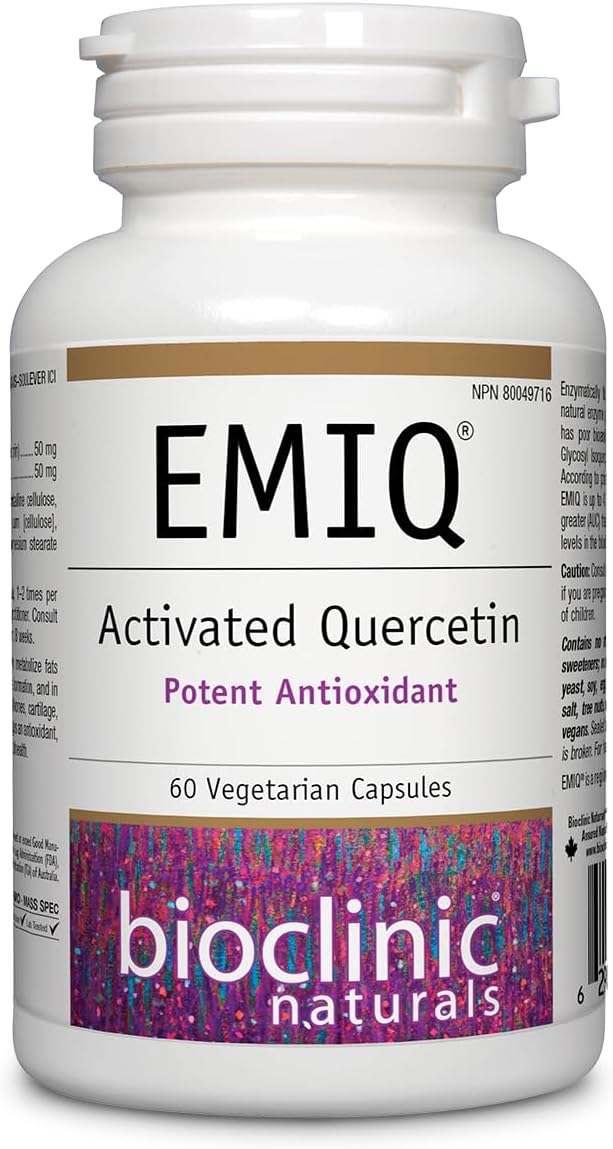
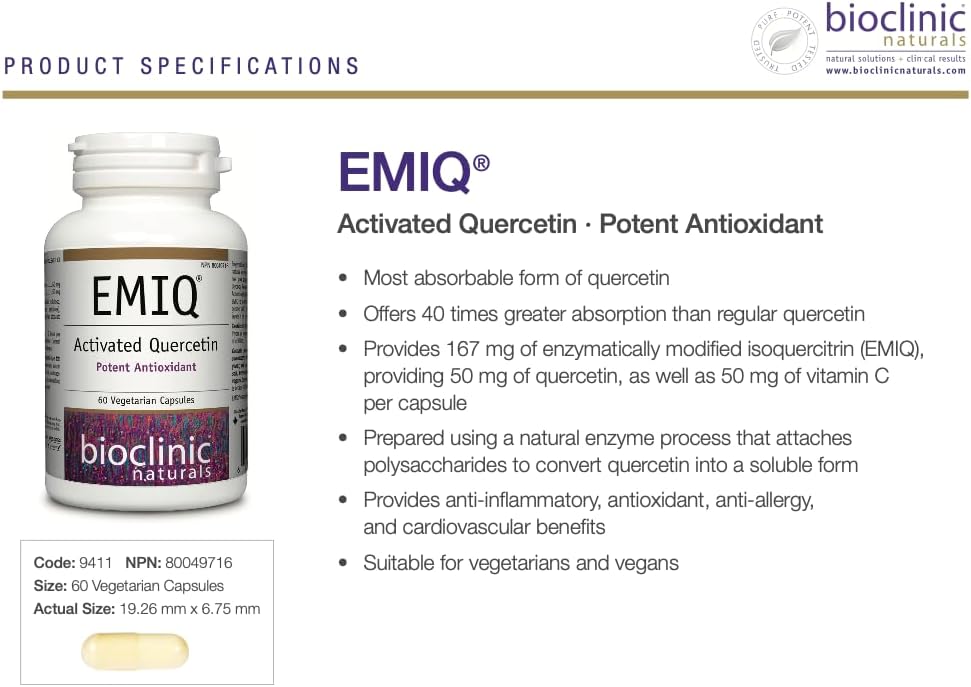
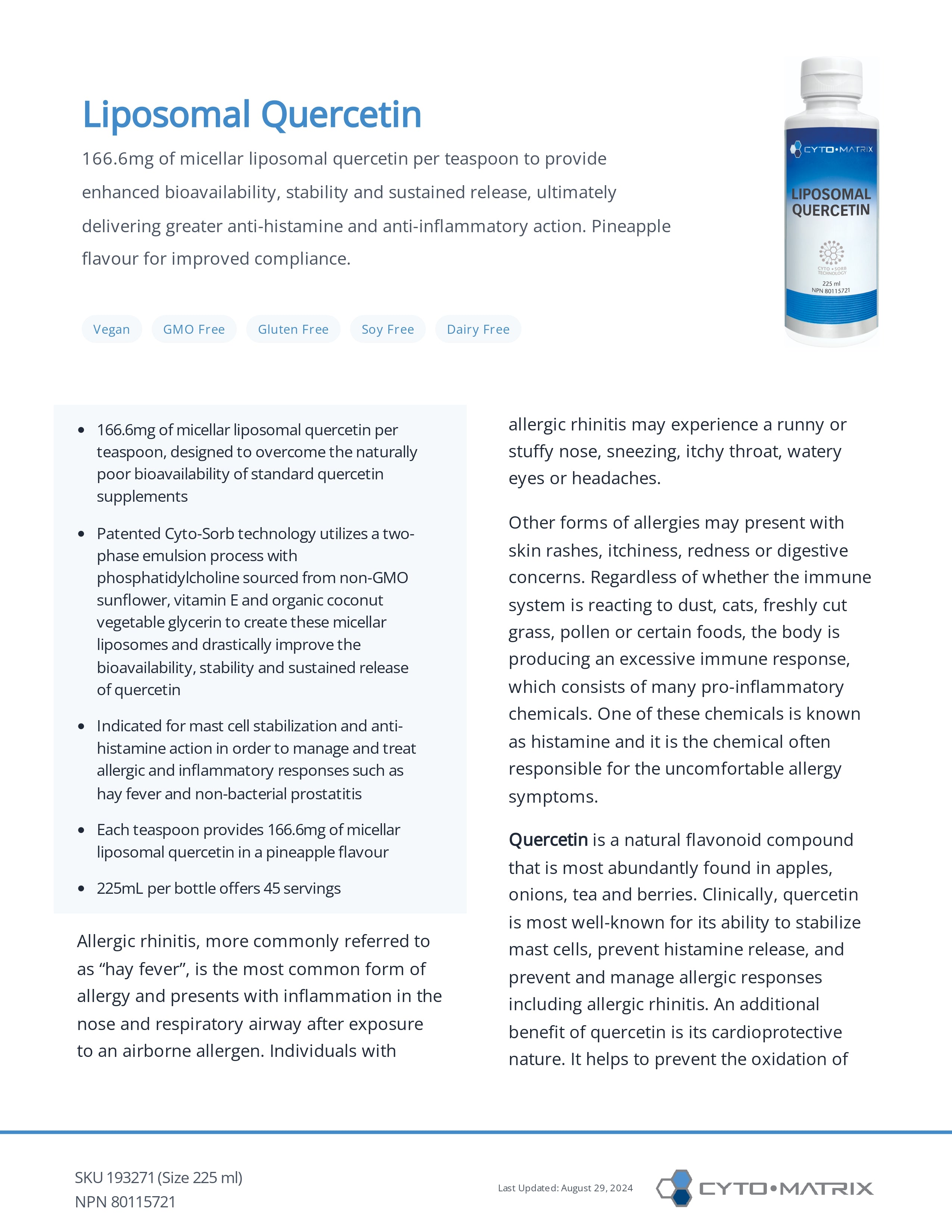
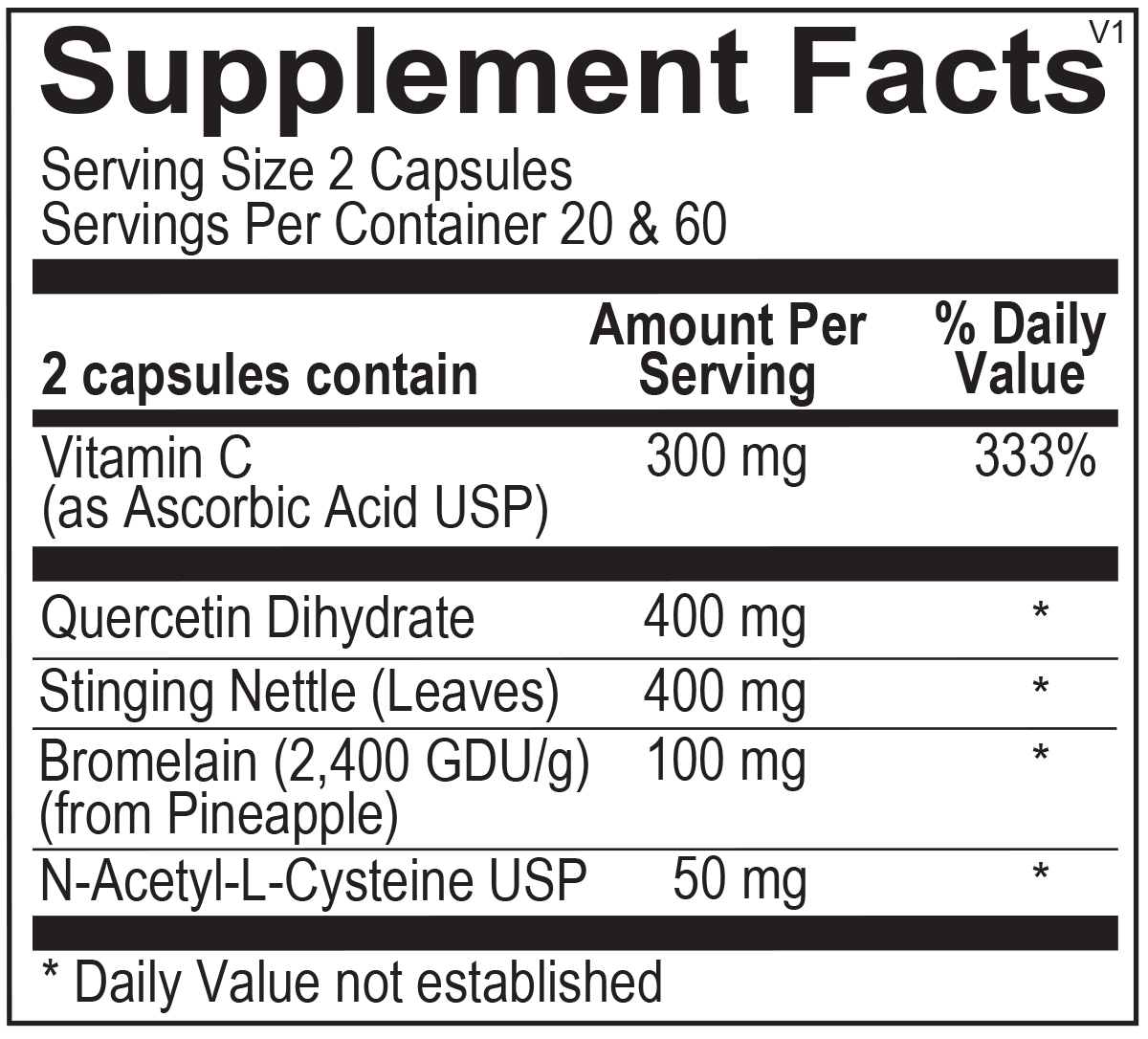
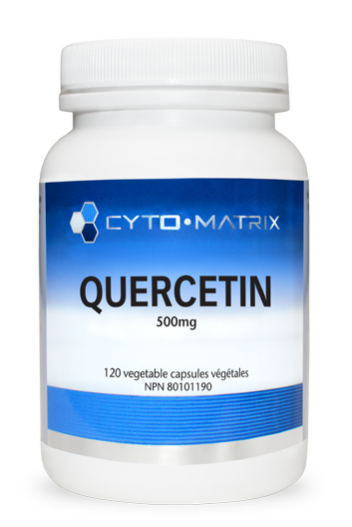
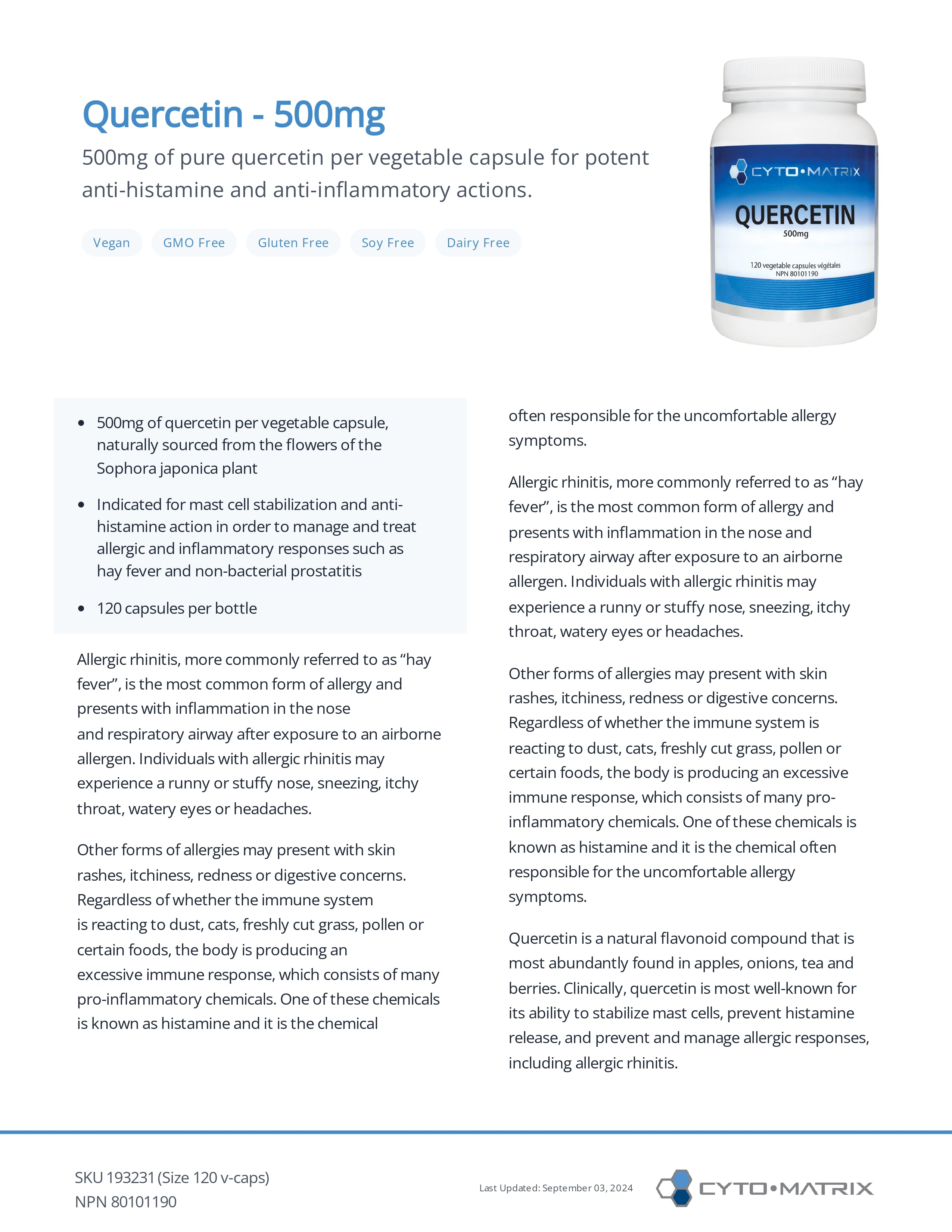
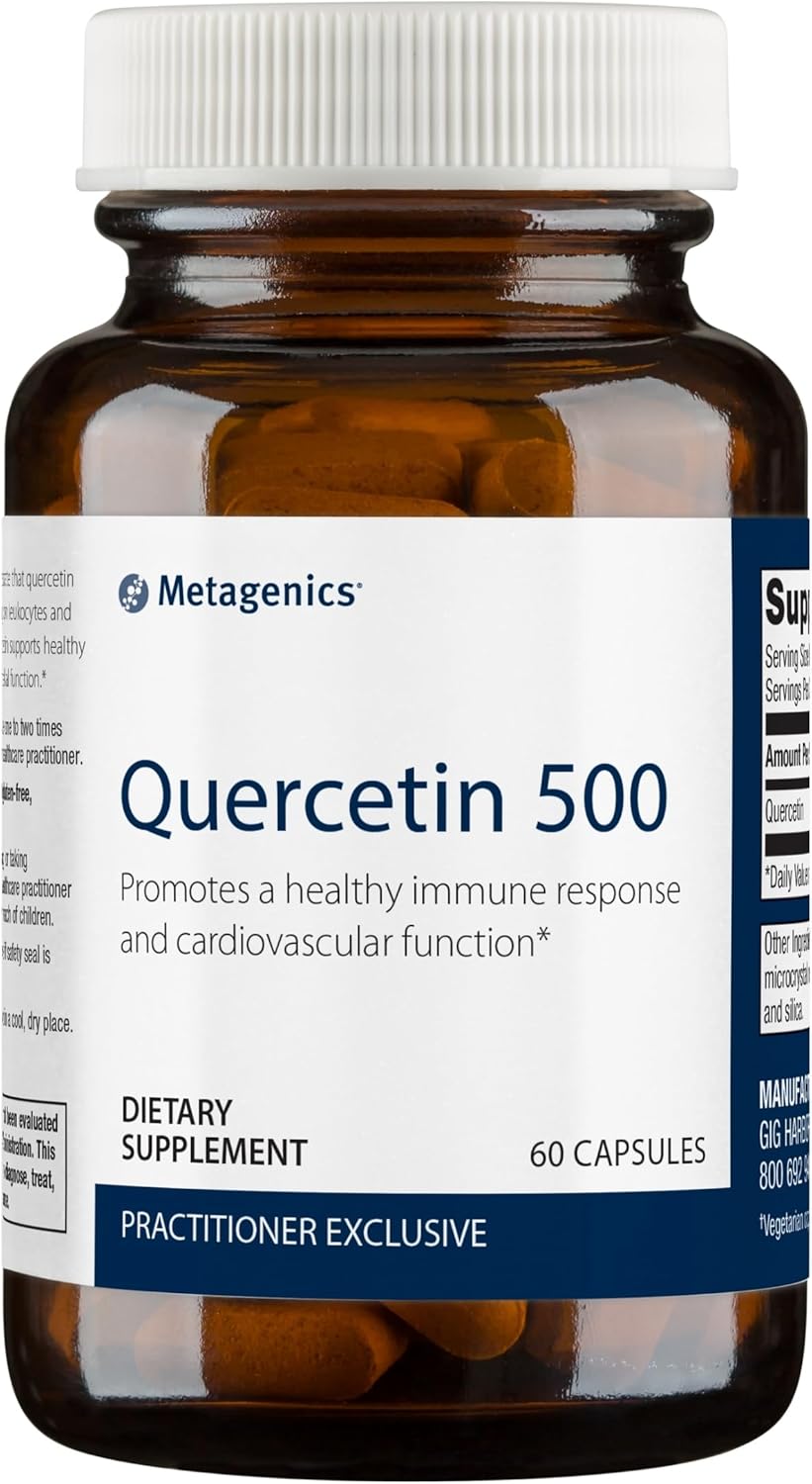
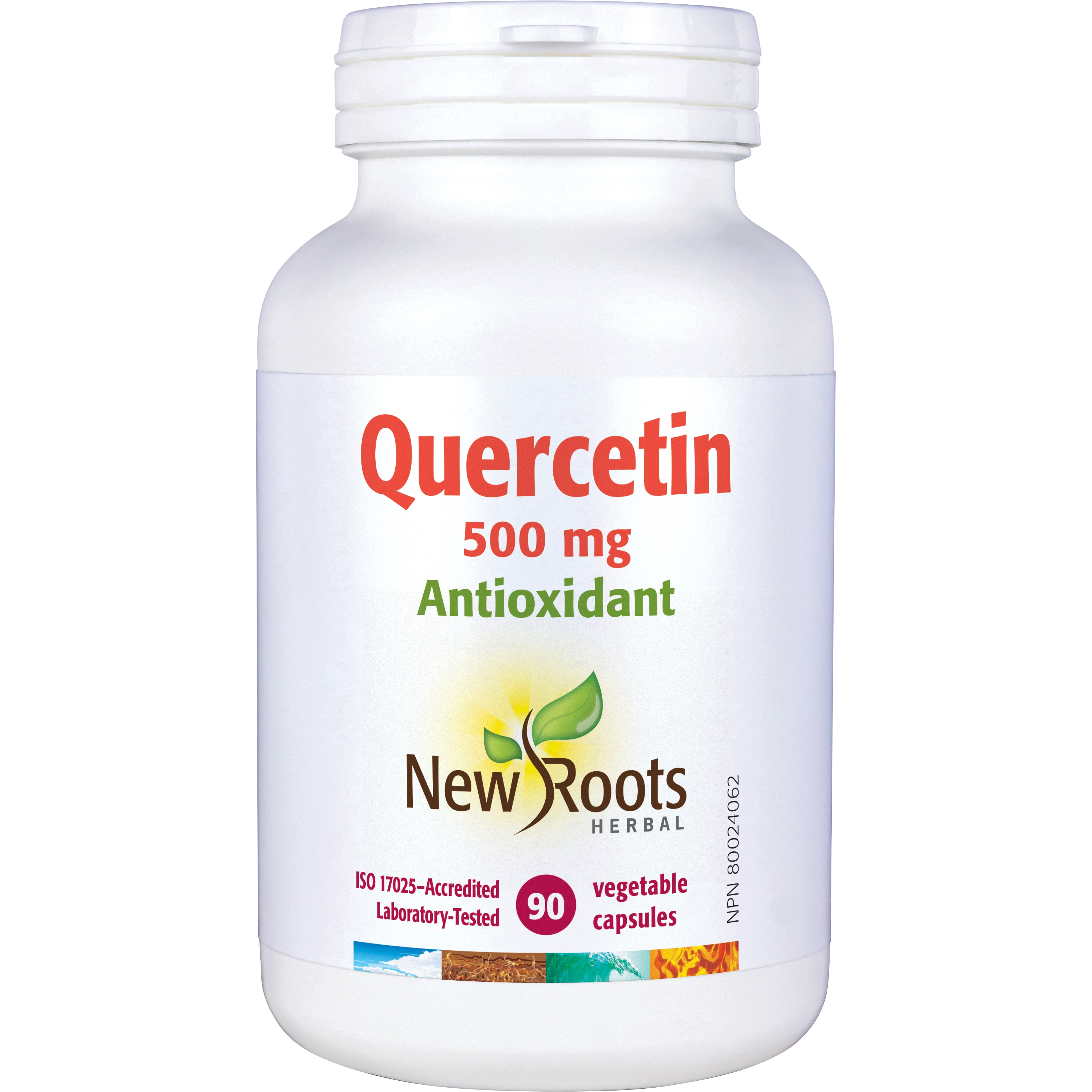
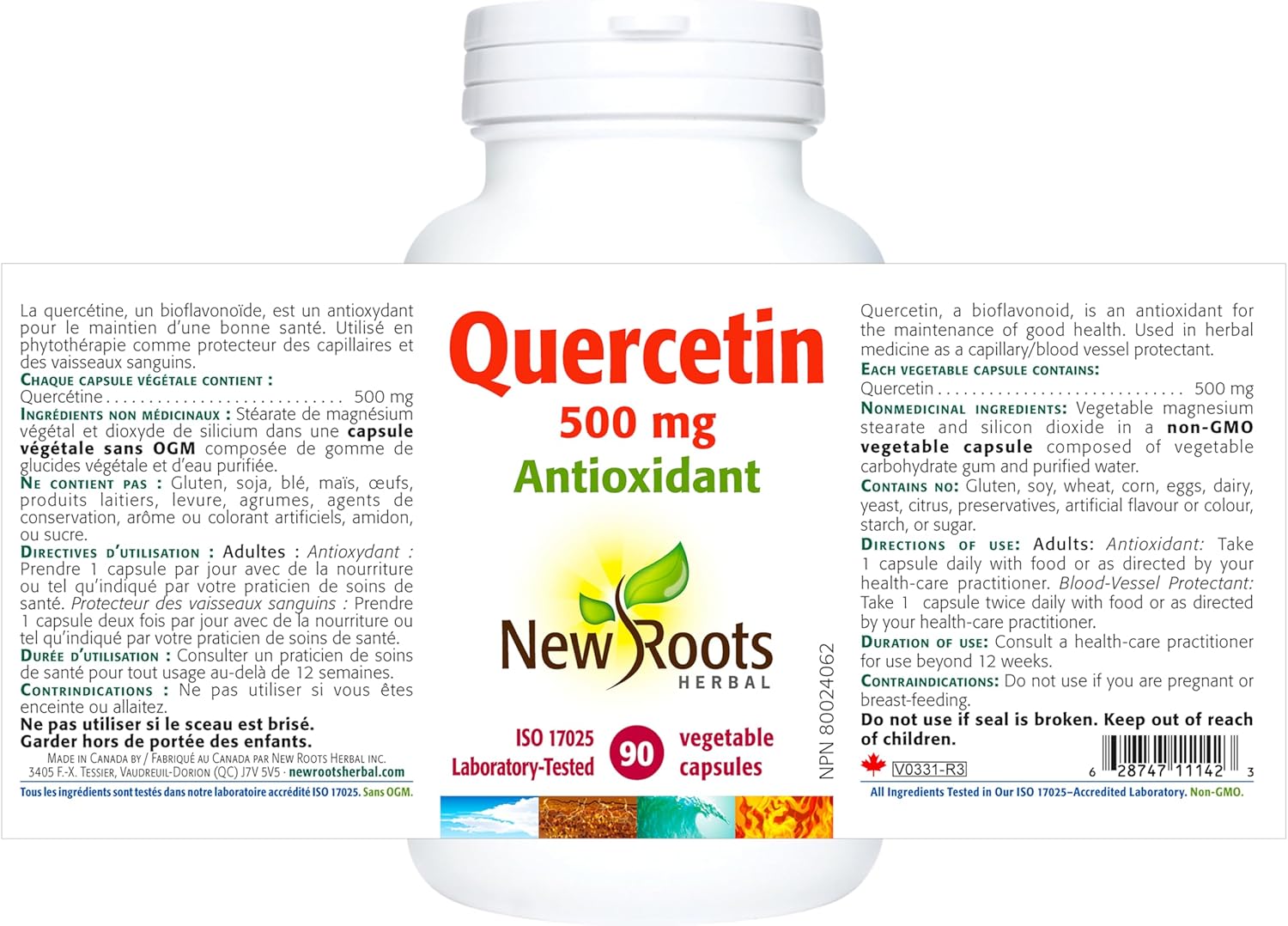
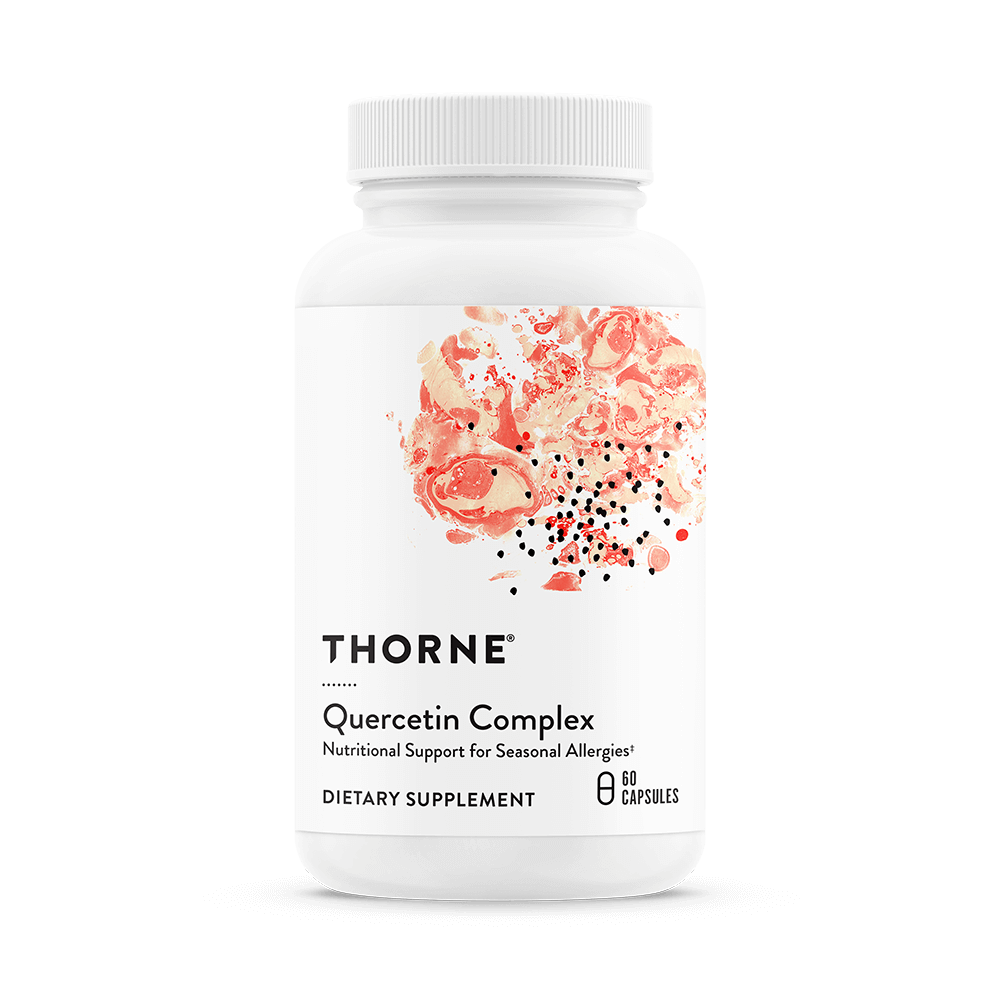
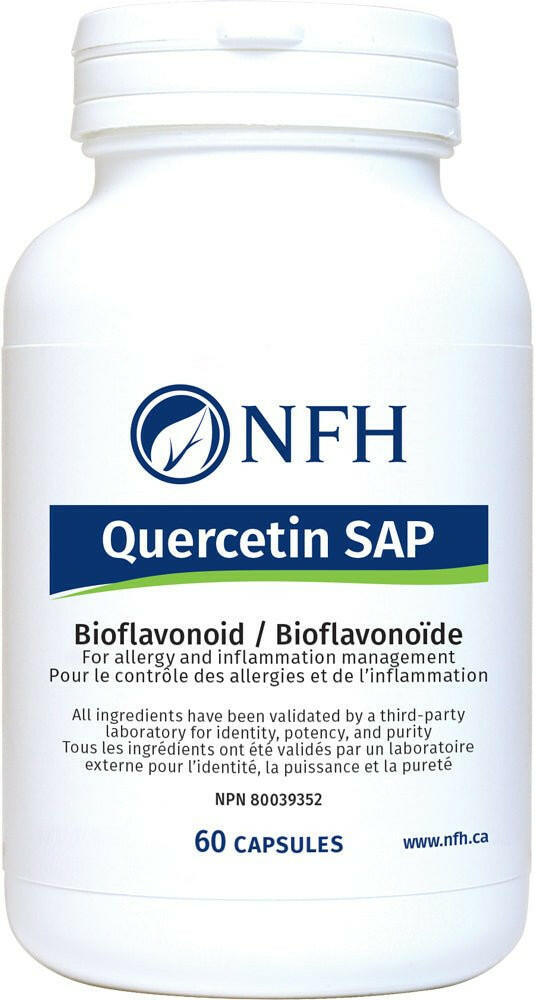
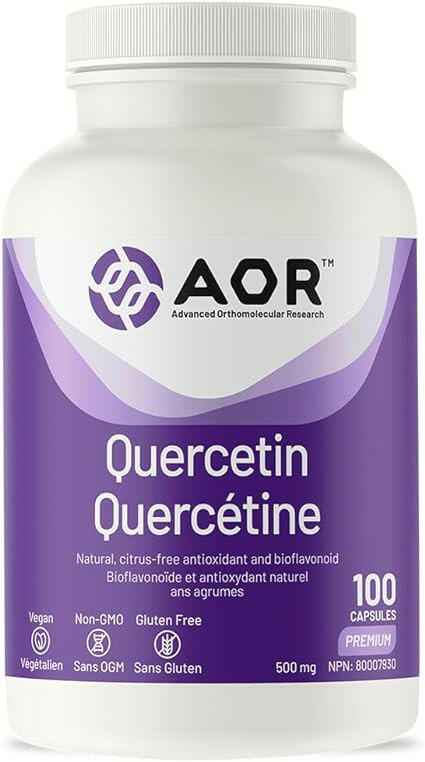
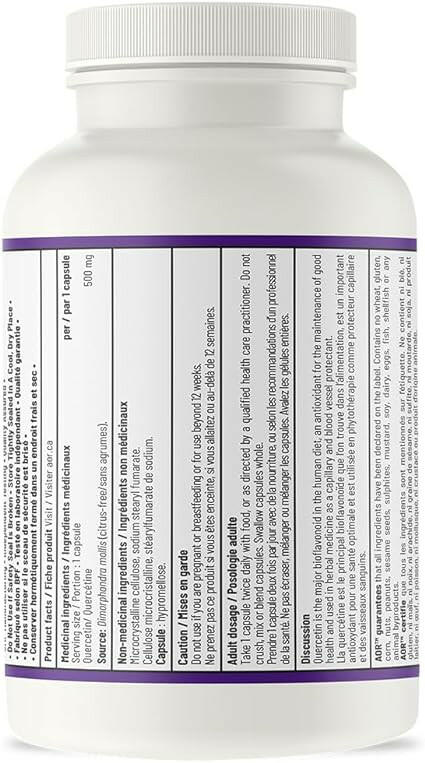
Quercetin
Quercetin is a flavonoid naturally found in foods such as:
• Onions
• Apples
• Berries
• Grapes
• Capers
Laboratory and preclinical research has investigated quercetin’s effects on mast cells, inflammatory signalling, and histamine-related pathways.
This has made quercetin one of the most common ingredients in natural allergy formulas.
However, evidence from human clinical trials for routine treatment of allergic rhinitis remains more limited than laboratory mechanisms sometimes suggest.
Quercetin should therefore be positioned as complementary nutritional support, not as a proven replacement for antihistamine medication.
Quercetin & Mast Cells
Quercetin is frequently described as a “mast-cell stabilizer.”
This terminology is based substantially on experimental findings.
It should not be interpreted to mean that an oral quercetin supplement reliably prevents mast-cell degranulation or allergic symptoms in every person.
Dose, formulation, absorption, and clinical context matter.
Vitamin C
Vitamin C is an essential nutrient involved in:
• Normal immune function
• Collagen formation
• Antioxidant defence
• Iron absorption
• Numerous enzyme reactions
Vitamin C also has relationships with histamine metabolism, which has led to its inclusion in many allergy-support formulas.
However, describing vitamin C simply as a “natural antihistamine” can overstate the evidence.
It does not function like a conventional antihistamine medication and should not be relied upon for acute severe allergic reactions.
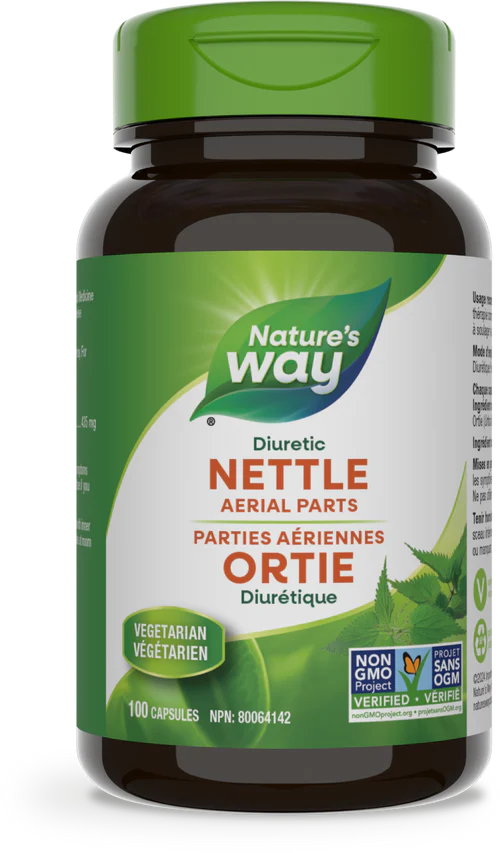
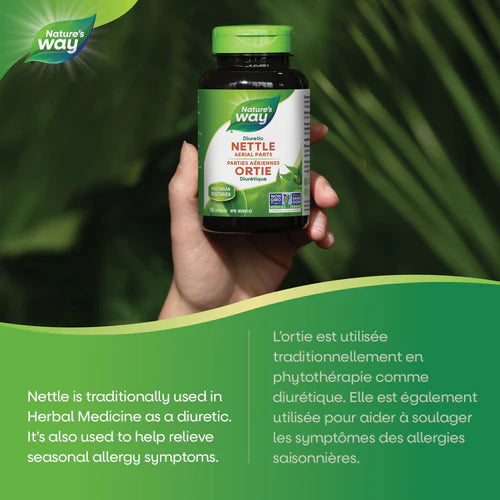
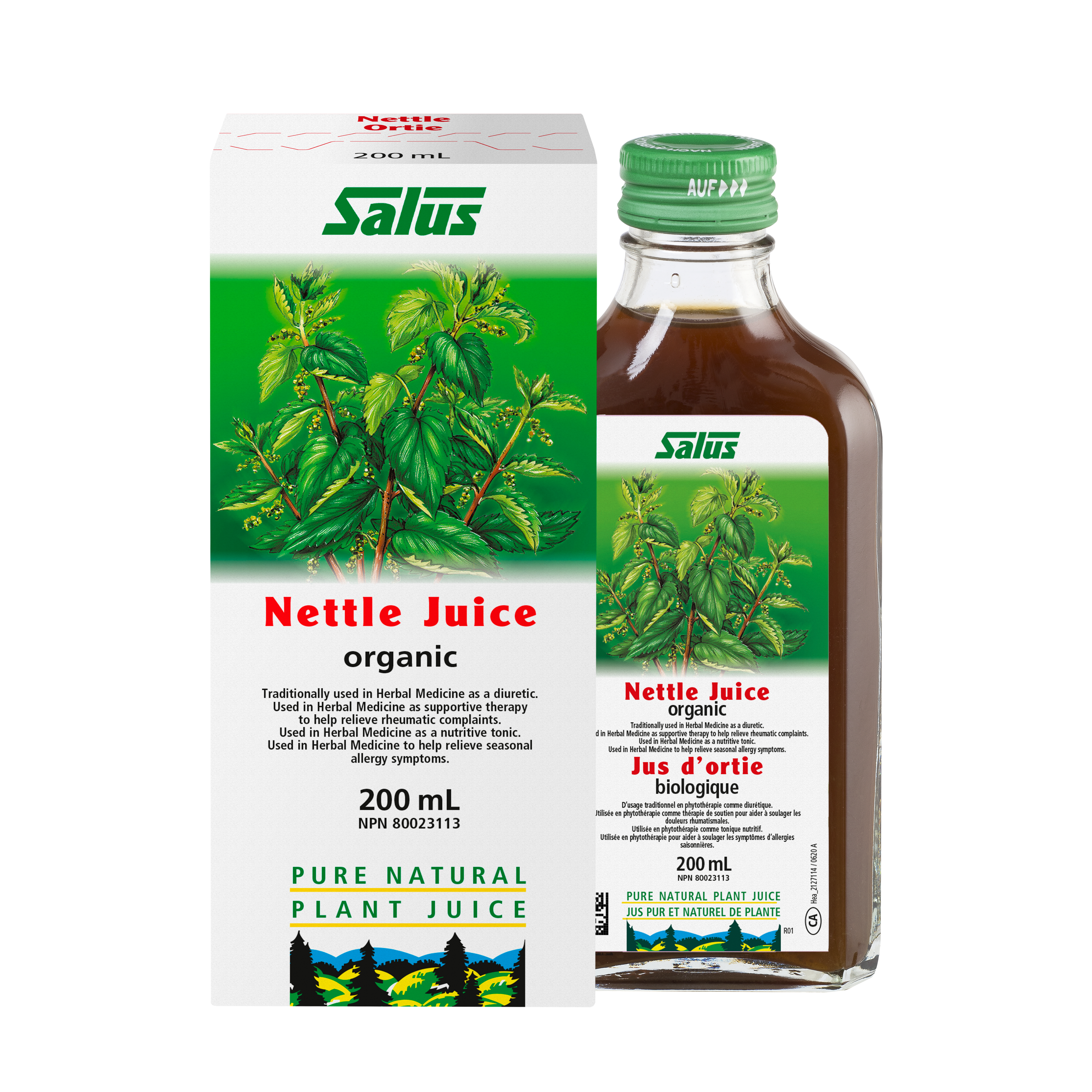
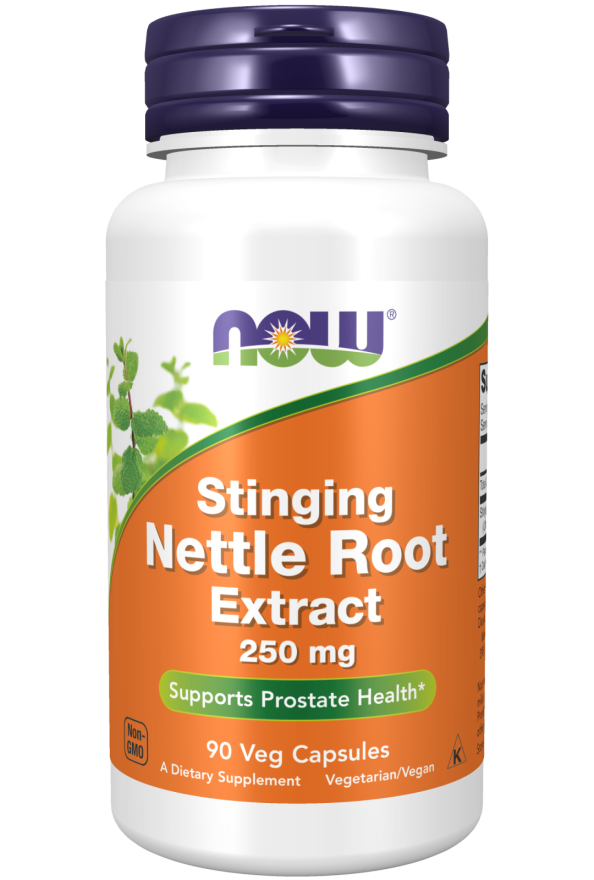
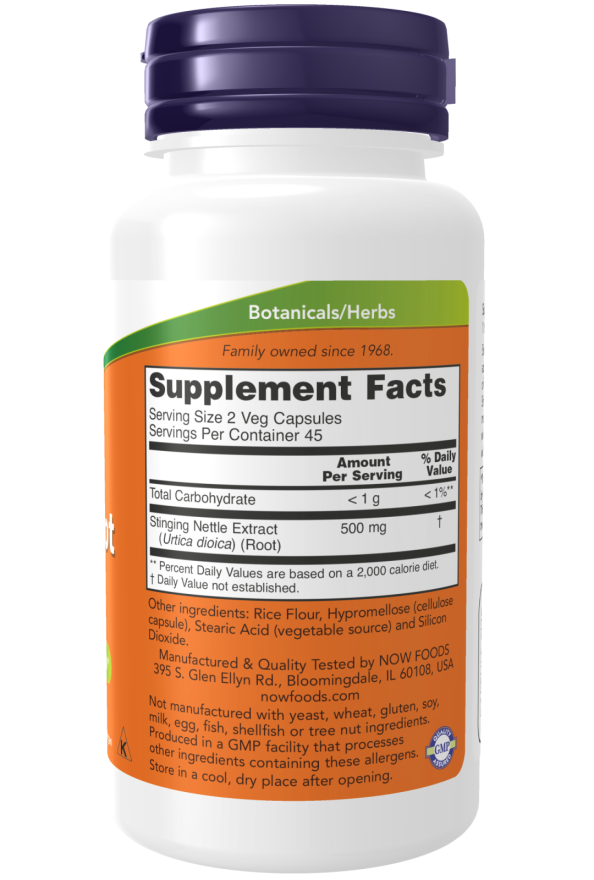
Stinging Nettle
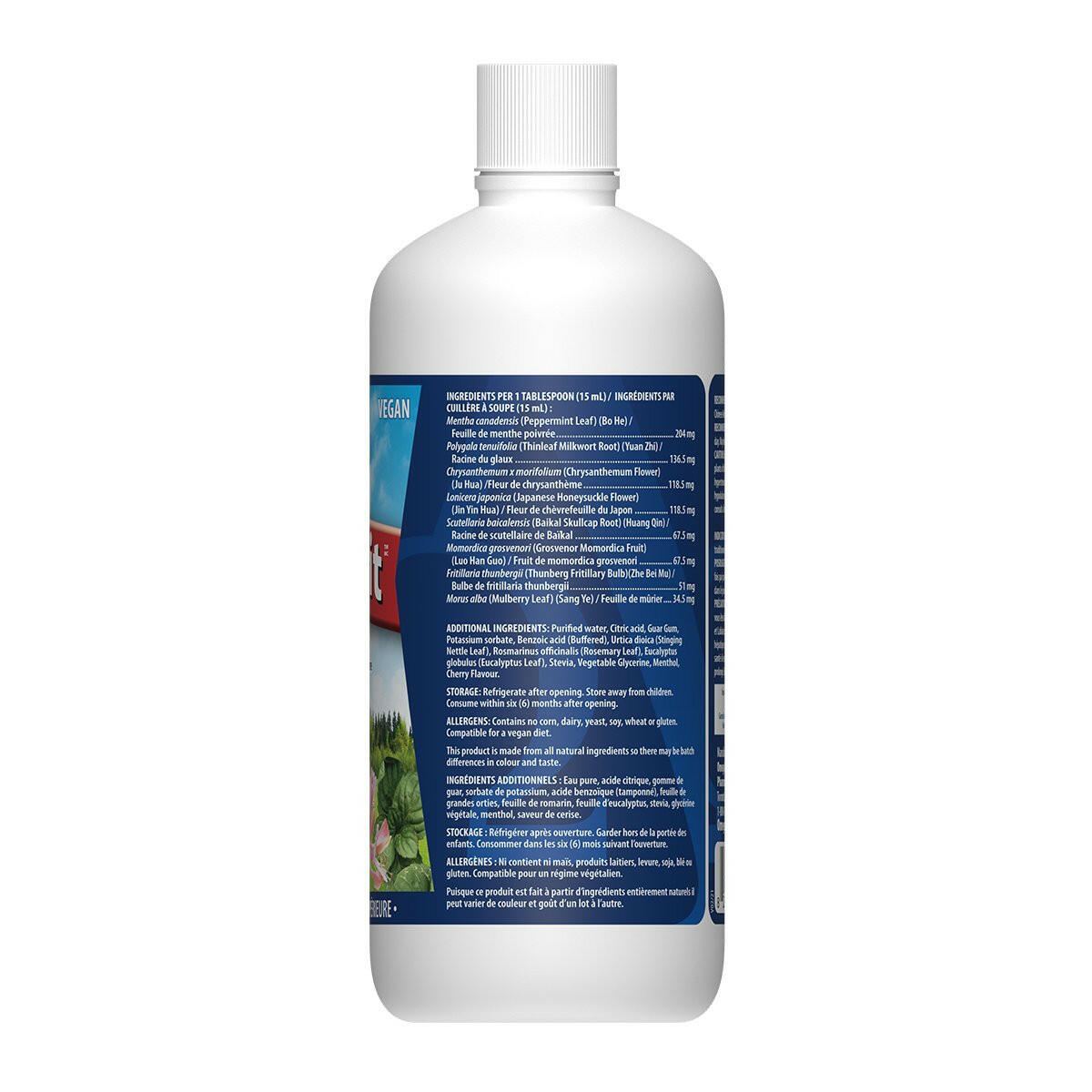
Stinging nettle (Urtica dioica) has a long history of traditional herbal use and is included in some seasonal allergy formulas.
Preliminary research has explored potential effects on inflammatory and histamine-related pathways.
Clinical evidence for allergic rhinitis remains limited.
Stinging nettle may also interact with medications or affect blood pressure, glucose, and fluid balance in some circumstances.
Butterbur
Butterbur (Petasites hybridus) has been investigated for allergic rhinitis and migraine-related applications.
Some clinical research has reported allergy-related benefits from particular standardized extracts.
However, butterbur requires an important safety distinction.
Raw or inadequately processed butterbur can contain pyrrolizidine alkaloids (PAs), compounds associated with potentially serious liver toxicity.
Only appropriately manufactured products verified to be free of harmful PA levels should be considered.
Butterbur should not be treated as a universally gentle or risk-free herbal allergy remedy.
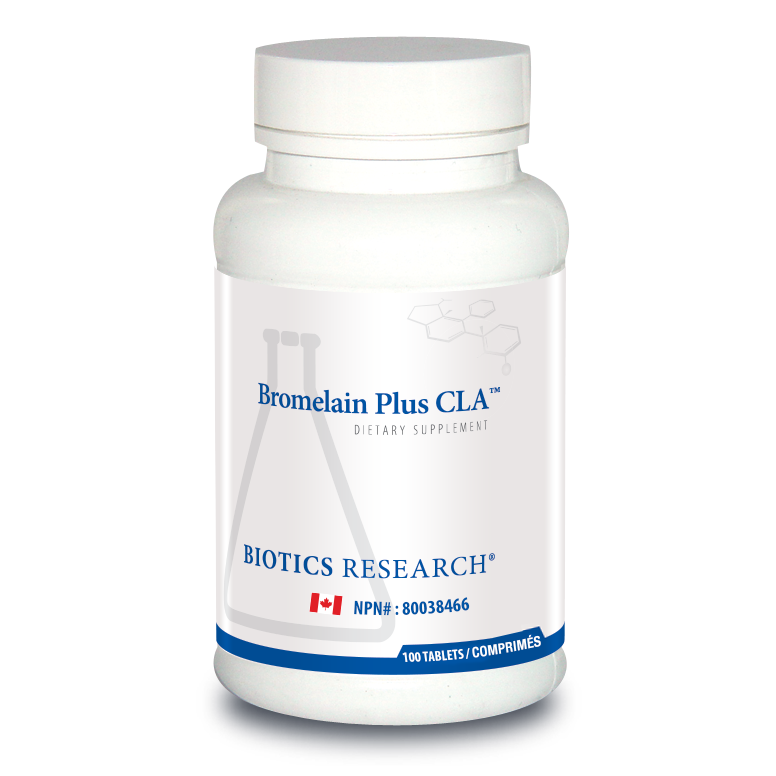
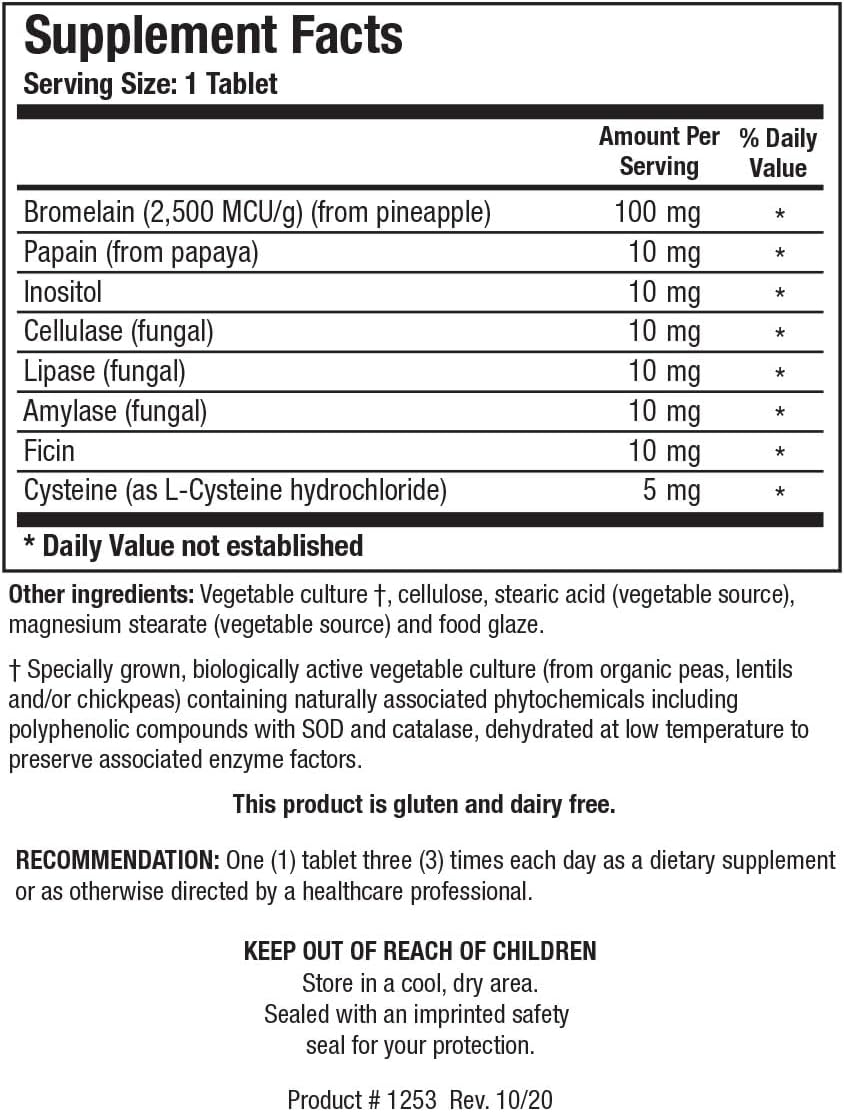
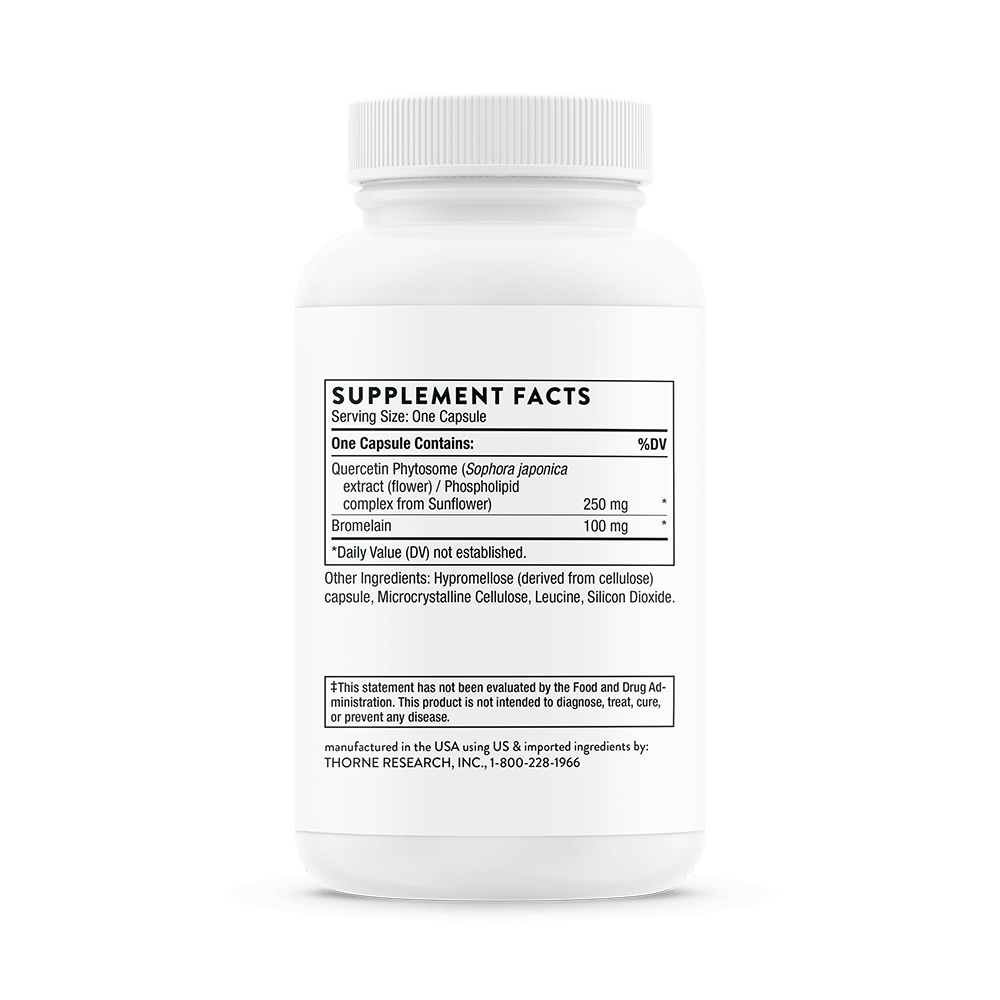
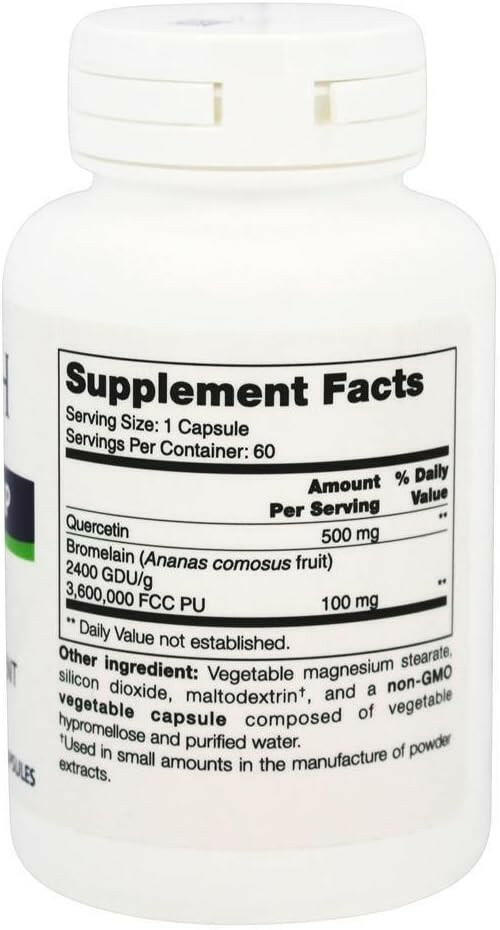
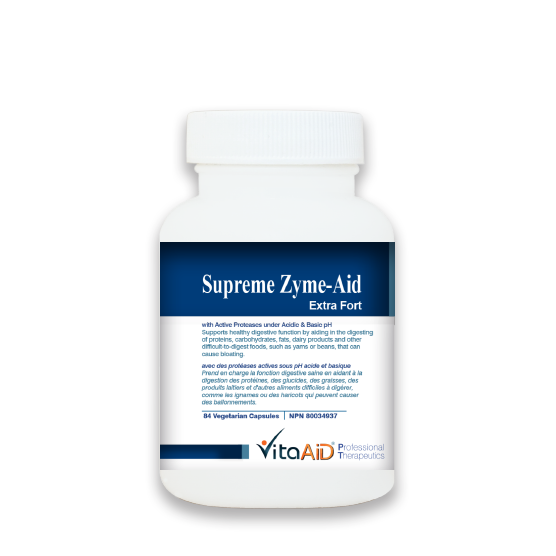
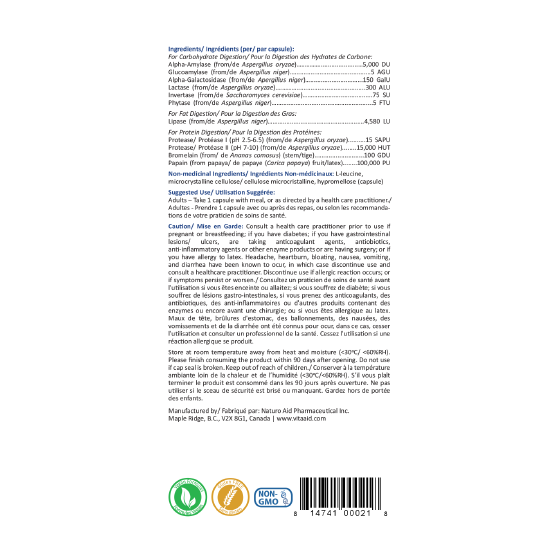
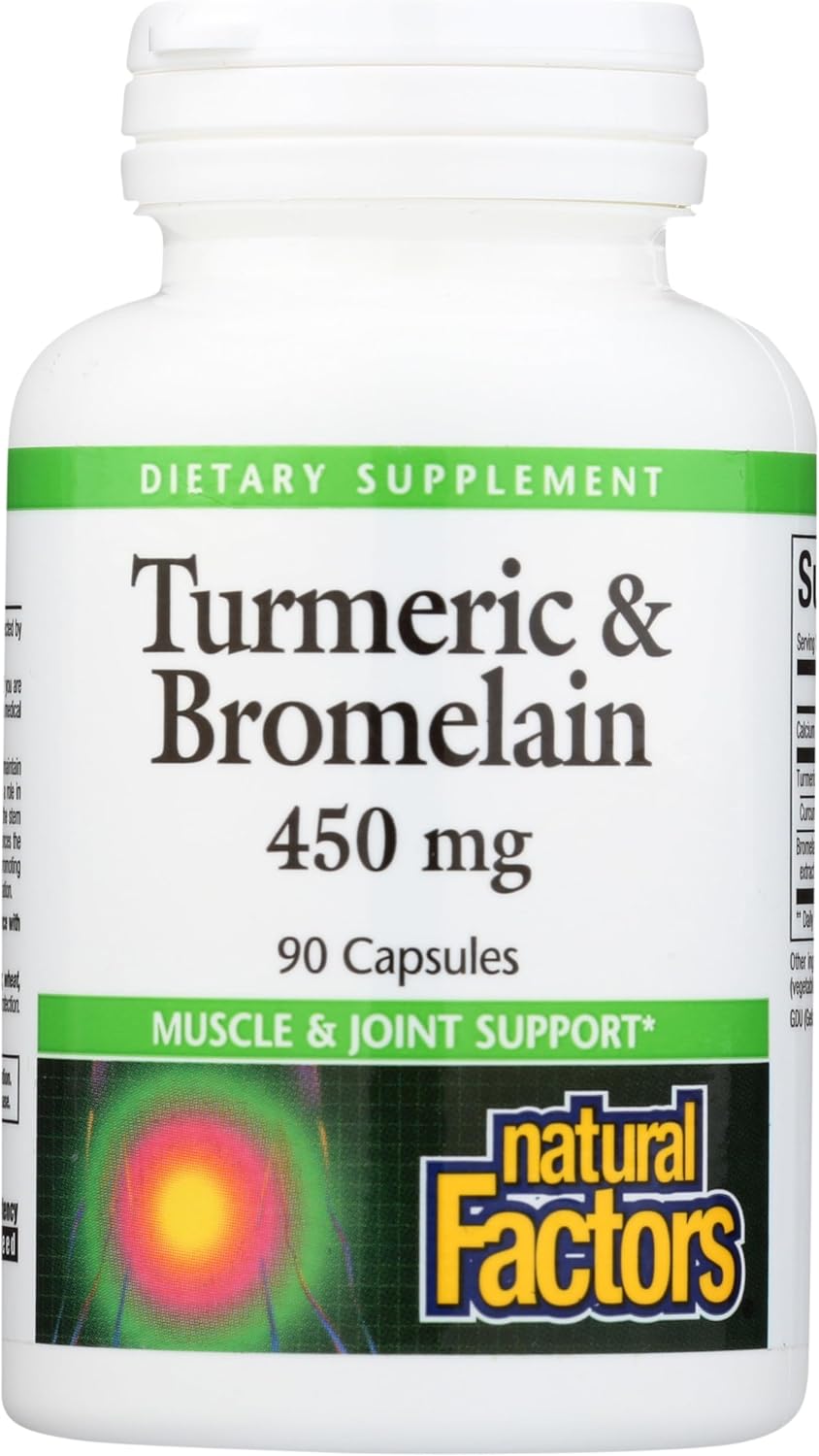
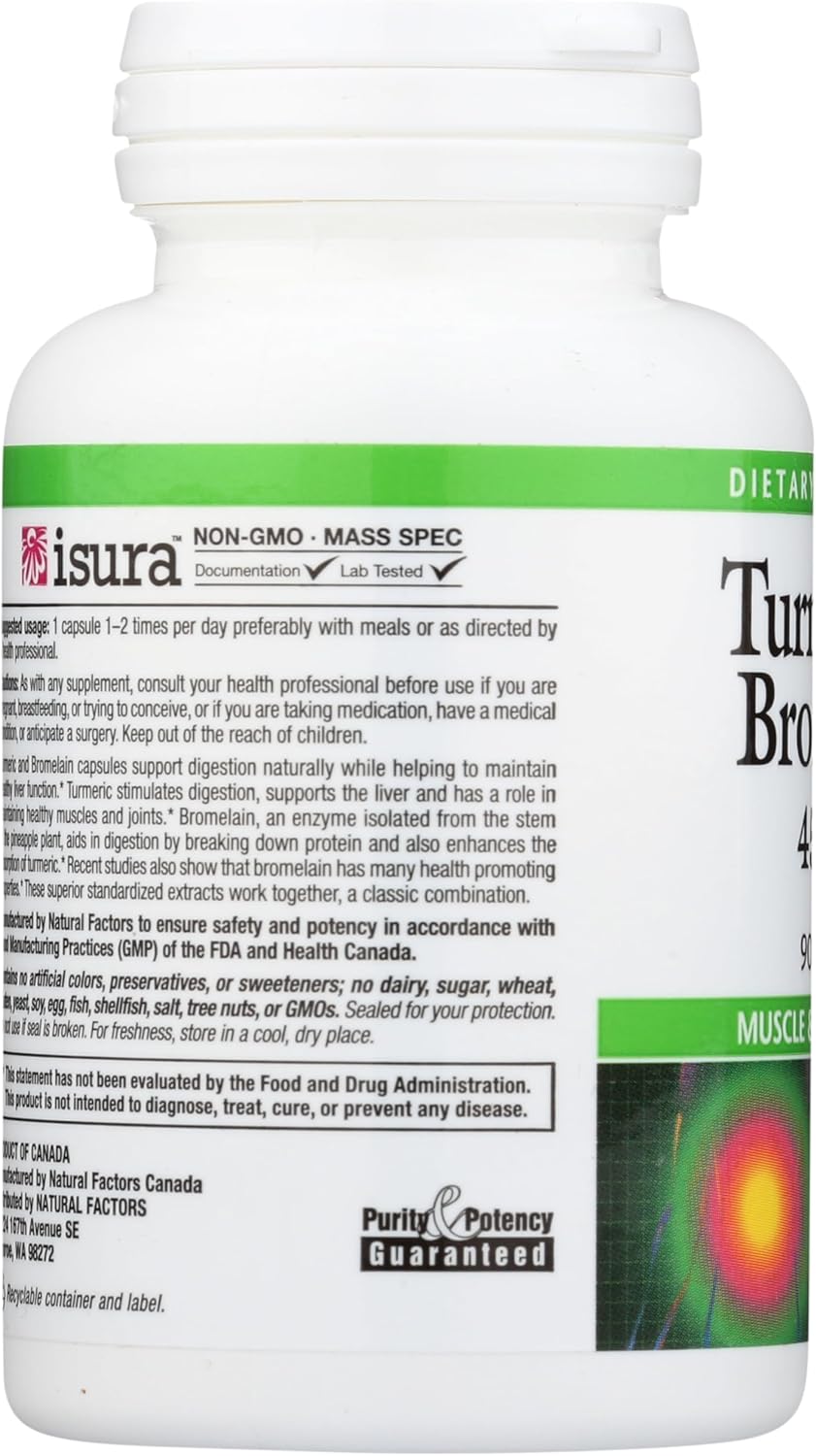
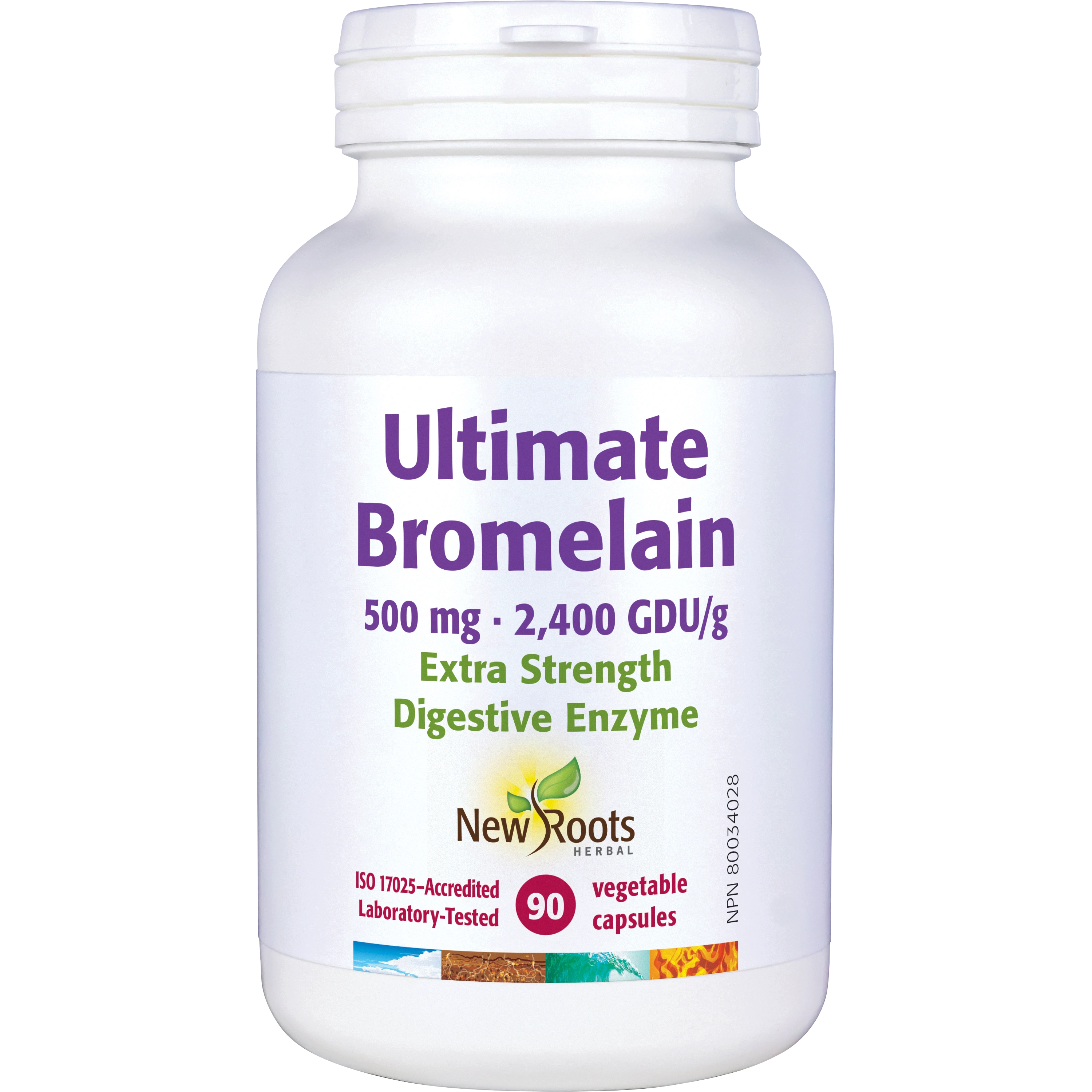
Bromelain
Bromelain is a mixture of proteolytic enzymes derived from pineapple.
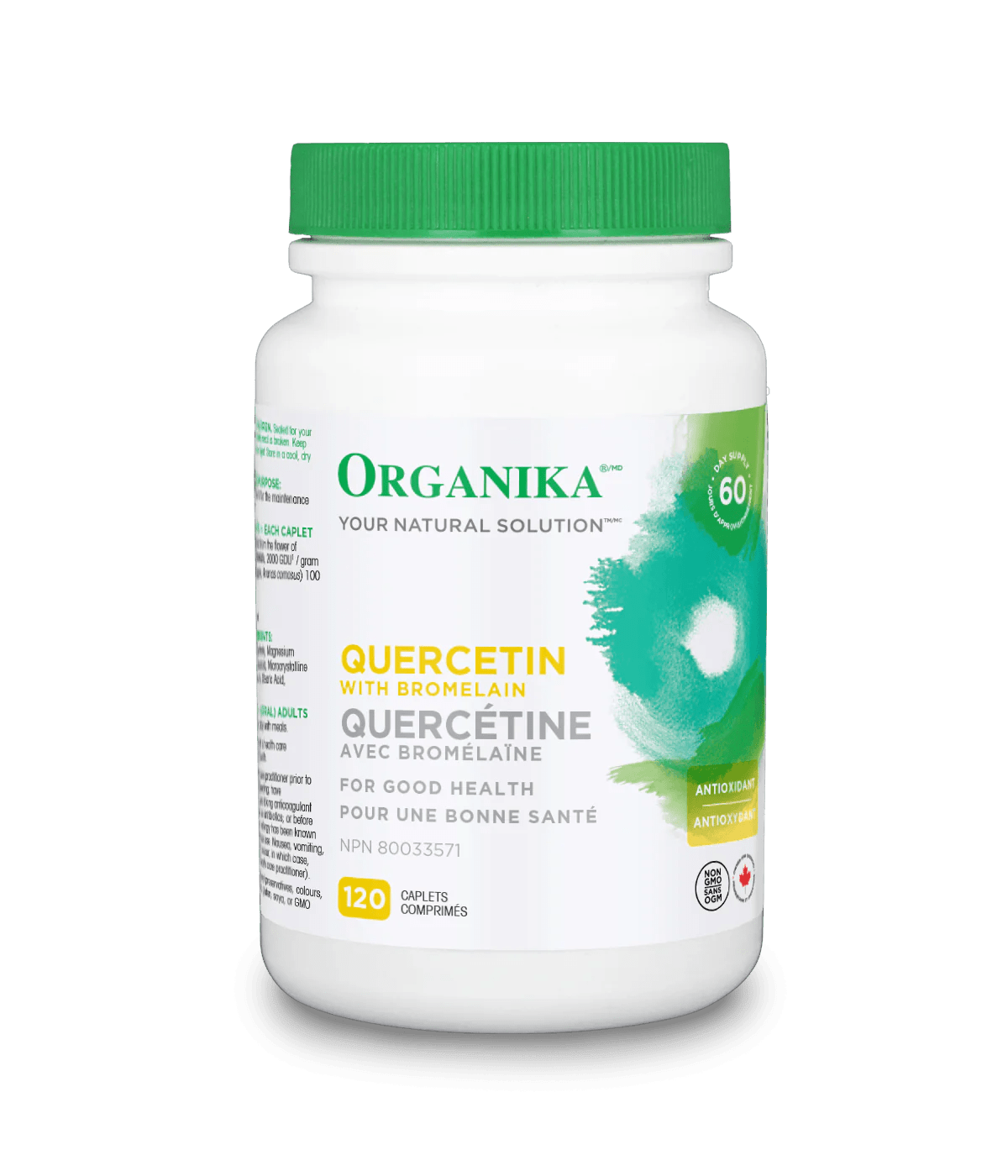
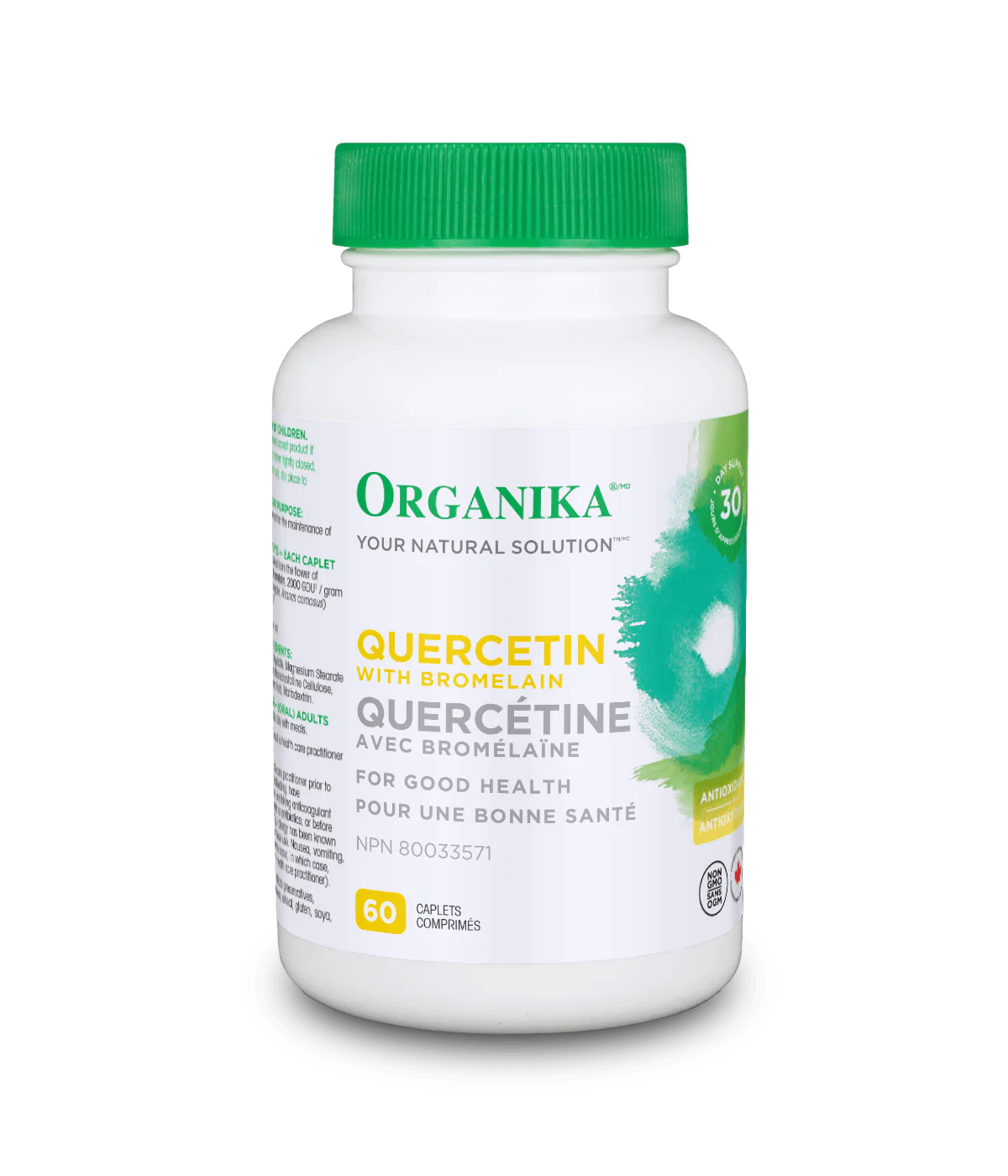
It is sometimes included in allergy and sinus formulas, frequently alongside quercetin.
Research has investigated bromelain in relation to inflammatory pathways and sinonasal conditions, but evidence does not establish it as a reliable treatment for allergic rhinitis or sinus infection.
Bromelain may also affect bleeding risk and can interact with certain medications.
Probiotics & Allergies
The intestinal microbiome interacts extensively with the immune system.
This has led to considerable research into probiotics and allergic conditions.
Some probiotic strains have shown potentially beneficial effects on selected allergic-rhinitis outcomes, but results are inconsistent.
Effects are strain-specific.
A generic statement that probiotics “regulate allergies through the gut” is too broad.
When selecting a probiotic, consider:
• Genus
• Species
• Strain
• Dose
• Clinical evidence
• Intended application
A higher CFU count does not automatically mean better allergy support.
NAC & Respiratory Support
N-acetylcysteine (NAC) is sometimes included in respiratory-oriented formulas because of its antioxidant and mucus-thinning properties.
However, NAC is not an antihistamine and should not be considered a primary treatment for allergic rhinitis.
Its role is more appropriately considered in relation to glutathione support and mucus viscosity.
Saline Nasal Care
Saline nasal sprays and irrigation can be useful non-drug options for nasal symptoms.
Saline may help:
• Moisturize nasal passages
• Remove mucus
• Physically reduce allergens and debris
• Improve nasal comfort
• Complement other allergy treatments
Unlike many supplements, nasal saline has a straightforward mechanical role and can be particularly useful during pollen season.
Nasal Irrigation Safety
When performing nasal irrigation, water quality matters.
Use water that is appropriate for nasal irrigation according to product and public-health instructions, such as:
• Distilled water
• Sterile water
• Previously boiled and appropriately cooled water when recommended
Do not simply use untreated tap water in nasal-rinsing devices.
Keep irrigation equipment clean and follow manufacturer instructions.
Herbal Nasal Sprays
Products marketed as herbal nasal sprays can contain very different ingredients.
“Herbal” does not automatically mean appropriate for direct application inside the nose.
Review:
• Active ingredients
• Product authorization
• Directions
• Preservatives
• Frequency of use
• Potential irritation
Products intended for oral use or essential oils should not be placed into the nasal passages unless specifically formulated and authorized for that use.
Steam Inhalation
Warm steam can temporarily feel soothing when nasal passages are congested.
However, steam does not treat the underlying allergic immune response.
Avoid very hot water because steam inhalation can cause serious burns.
Adding concentrated essential oils may also irritate sensitive airways in some people.
Herbal Teas
Warm beverages can provide hydration and temporary throat or nasal comfort.
Herbal teas may contain ingredients such as:
• Ginger
• Peppermint
• Chamomile
• Nettle
Their role is primarily supportive rather than a substitute for effective allergy treatment.
People with pollen or plant allergies should remember that herbal products themselves can occasionally cause allergic reactions.
Echinacea & Allergies
Echinacea is commonly associated with immune-oriented products, but it is not an established treatment for seasonal allergic rhinitis.
People allergic to plants in the Asteraceae family may also be more susceptible to reactions to certain Echinacea preparations.
“Immune stimulating” products are not automatically appropriate simply because allergy symptoms involve the immune system.
Goldenseal
Goldenseal (Hydrastis canadensis) is sometimes included in respiratory or sinus formulas.
Evidence does not establish goldenseal as a treatment for seasonal allergies or sinus infection.
Its constituent berberine can also have clinically relevant medication interactions.
Routine long-term use should not be assumed appropriate.
Seasonal Allergies
Seasonal allergic symptoms often correspond to periods when specific plants release pollen.
Depending on geography and climate, common triggers include:
• Tree pollen
• Grass pollen
• Ragweed and other weed pollens
Symptoms can fluctuate substantially with weather, outdoor activity, and local pollen levels.
Year-Round Allergies
Perennial allergic rhinitis can occur throughout the year.
Common triggers include:
• Dust mites
• Animal dander
• Indoor molds
• Occupational allergens
Identifying and reducing relevant exposure can sometimes provide more meaningful benefit than continuously adding supplements.
Dust-Mite Allergy
Helpful environmental strategies may include:
• Washing bedding appropriately
• Controlling indoor humidity
• Using appropriate mattress and pillow encasements
• Reducing dust accumulation
• Using effective filtration or vacuuming strategies where appropriate
Complete elimination of dust mites is generally unrealistic.
Pet Allergies
Pet allergy usually involves proteins found in:
• Dander
• Saliva
• Urine
It is not simply an allergy to animal hair.
Reducing allergen exposure, cleaning strategies, keeping animals out of sleeping areas, and appropriate medical treatment may help.
No supplement can reliably neutralize ongoing pet-allergen exposure.
Mold Allergy
Mold spores can trigger allergic symptoms in susceptible individuals.
Addressing indoor moisture and visible mold sources is generally more important than taking supplements intended to “detox mold.”
Persistent or significant indoor mold problems may require proper remediation.
Pollen Exposure
During high-pollen periods, practical strategies can include:
• Monitoring local pollen conditions
• Closing windows when pollen is particularly high
• Changing clothing after prolonged outdoor exposure
• Showering or washing hair after substantial exposure
• Using appropriate air filtration
• Saline nasal care
These measures can complement medications or supplements.
Natural vs Conventional Allergy Treatments
Natural and pharmaceutical options do not need to be viewed as mutually exclusive.
Evidence-based allergy management may include:
• Allergen avoidance
• Saline nasal care
• Oral antihistamines
• Intranasal corticosteroids
• Antihistamine nasal sprays
• Allergy eye drops
• Allergen immunotherapy
• Selected complementary supplements
For persistent moderate-to-severe allergic rhinitis, conventional therapies generally have substantially stronger clinical evidence than most supplements.
Antihistamines
Modern second-generation antihistamines are often less sedating than older antihistamines.
They can be useful for symptoms such as:
• Sneezing
• Itching
• Runny nose
• Eye symptoms
They are generally less effective for severe nasal congestion than appropriately used intranasal corticosteroids.
A preference for “natural” products should not lead someone to avoid an effective and appropriately used medication when symptoms are significant.
Intranasal Corticosteroids
For persistent allergic rhinitis, intranasal corticosteroids are among the most effective treatments for nasal symptoms.
When used correctly, they act primarily within the nasal passages.
They should not automatically be characterized as harsh medications.
A pharmacist can help with appropriate product selection and spray technique.
Allergy Eye Symptoms
Allergic conjunctivitis can cause:
• Itching
• Redness
• Watering
• Puffy eyelids
Cool compresses and appropriate allergy eye drops may help.
Seek assessment for significant eye pain, light sensitivity, visual changes, injury, or severe unilateral redness because these are not typical simple allergy symptoms.
Sinus Pressure vs Sinus Infection
Allergies can contribute to nasal swelling and sinus pressure.
This does not mean a bacterial sinus infection is present.
Symptoms such as congestion, pressure, and mucus can occur with:
• Allergies
• Viral respiratory infections
• Non-allergic rhinitis
• Sinusitis
Antibiotics are not appropriate for uncomplicated allergies.
Natural Allergy Products & Drowsiness
Many nutritional products are non-sedating, but “natural” does not guarantee non-drowsy.
Botanical blends can contain calming or sedating herbs.
Always review the complete ingredient list before:
• Driving
• Operating machinery
• Combining with alcohol
• Taking sedative medications
Can Natural Allergy Supplements Prevent Allergies?
No supplement has been established as a reliable way to prevent environmental allergies from occurring.
Some people choose to begin complementary products before their usual allergy season, but preventive claims depend on the individual ingredient and supporting evidence.
Environmental management and established allergy therapies remain important.
Food Allergies Are Different
This collection is intended primarily for seasonal and environmental allergy support.
Food allergies can cause serious systemic reactions and should not be self-treated with quercetin, vitamin C, herbs, or other supplements.
People at risk of anaphylaxis should follow their prescribed emergency plan.
Anaphylaxis Is an Emergency
Signs can include:
• Difficulty breathing
• Wheezing
• Throat or tongue swelling
• Trouble swallowing
• Widespread hives with systemic symptoms
• Severe dizziness or fainting
• Rapid progression of symptoms
Natural allergy supplements do not treat anaphylaxis.
Use prescribed epinephrine when indicated and seek emergency medical assistance.
How to Build a Natural Allergy-Support Routine
1. Identify the Trigger
Consider whether symptoms correspond with pollen, animals, dust, mold, or another exposure.
2. Reduce Relevant Exposure
Environmental management can significantly reduce allergen burden.
3. Consider Saline Nasal Care
This can provide non-drug mechanical support for nasal symptoms.
4. Choose Targeted Supplements
Select specific ingredients rather than stacking several overlapping allergy formulas.
5. Use Evidence-Based Medication When Needed
Supplements do not need to replace conventional allergy treatment.
6. Reassess Persistent Symptoms
If symptoms remain poorly controlled, professional assessment may help identify the allergen and improve treatment.
Choosing a Natural Allergy Supplement
Consider:
• Primary symptoms
• Seasonal vs year-round pattern
• Specific ingredients
• Evidence for those ingredients
• Dose
• Medication interactions
• Existing allergies
• Pregnancy or breastfeeding
• Other medical conditions
• Whether conventional treatment is also required
Avoid choosing a product simply because it contains the largest number of herbs.
Quality & Selection Considerations
When comparing natural allergy products, consider:
• Clearly identified medicinal ingredients
• Exact botanical species
• Standardized extracts where relevant
• Transparent doses
• Appropriate Canadian product authorization where applicable
• Allergen information
• Medication interactions
• Product-specific evidence
• Practical dosing instructions
Claims such as clinically proven, natural antihistamine, mast-cell stabilizing, immune balancing, non-drowsy, anti-inflammatory, or hypoallergenic should be verified for the individual product rather than assumed across the collection.
Safety & Precautions
Professional guidance is particularly appropriate for people who:
• Take anticoagulant or antiplatelet medication
• Take blood-pressure or diabetes medication
• Have liver or kidney disease
• Have asthma
• Have autoimmune conditions
• Have significant plant allergies
• Are pregnant or breastfeeding
• Take multiple medications
• Are considering butterbur-containing products
• Experience persistent or worsening symptoms
Botanical products can interact with medications and can themselves cause allergic reactions.
When Allergy Symptoms Need Medical Attention
Seek appropriate assessment for:
• Wheezing or persistent breathing difficulty
• Recurrent asthma symptoms
• Significant facial swelling
• Persistent sinus pain or fever
• Symptoms that substantially affect sleep or daily function
• Frequent nosebleeds
• Persistent symptoms despite appropriate treatment
• Uncertain triggers
• Recurrent severe reactions
• Suspected food or medication allergy
Allergy testing or referral to an allergist may be useful when symptoms are persistent or the trigger is unclear.
FAQs
What are natural allergy supplements?
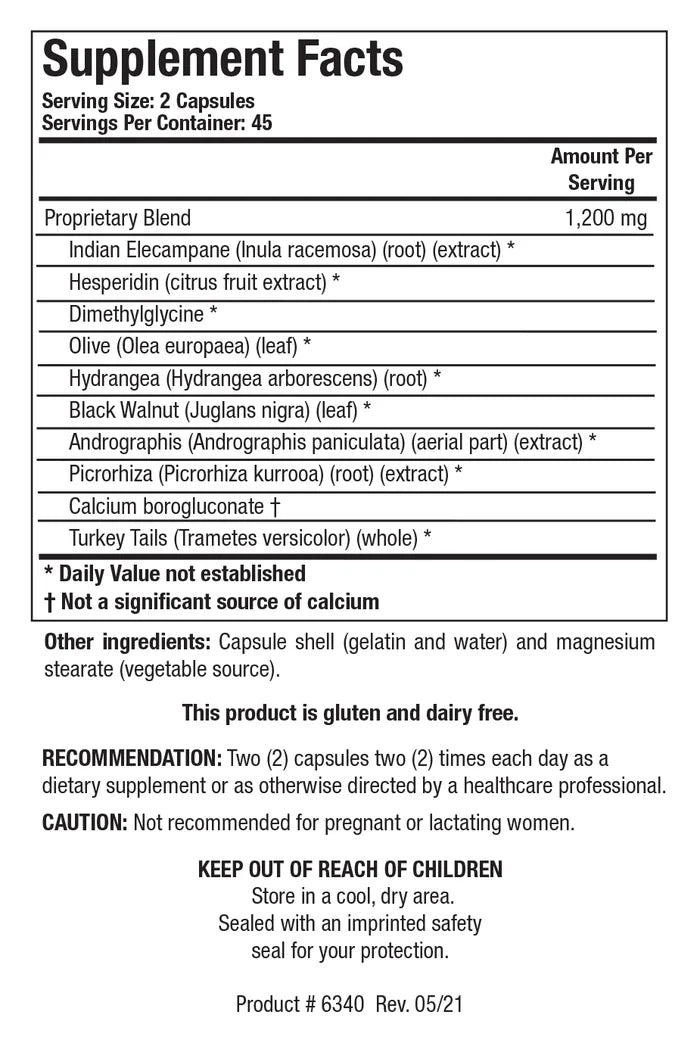
They are nutritional or botanical products used as complementary support for seasonal or environmental allergy symptoms. Common ingredients include quercetin, vitamin C, stinging nettle, bromelain, selected probiotics, and other botanicals.
Does quercetin work like an antihistamine?
Quercetin has demonstrated effects on mast-cell and histamine-related pathways in experimental research, but it should not be considered equivalent to a clinically established antihistamine medication.
Is vitamin C a natural antihistamine?
Vitamin C has relationships with histamine metabolism and normal immune function, but calling it a direct natural antihistamine oversimplifies the evidence.
Can stinging nettle help seasonal allergies?
Stinging nettle has traditional use and some preliminary research related to allergic symptoms, but clinical evidence remains limited.
Is butterbur safe for allergies?
Only appropriately manufactured butterbur products free of harmful pyrrolizidine alkaloid levels should be considered. Butterbur is not appropriate for everyone and has important safety considerations.
Can probiotics help allergies?
Certain probiotic strains have shown possible benefits in some studies, but effects are strain-specific and results are inconsistent. A generic probiotic cannot be assumed to treat allergic rhinitis.
Does saline nasal spray help allergies?
Saline can moisturize the nasal passages and physically help remove mucus and allergens. It can be a useful non-drug addition to an allergy-management routine.
Are natural allergy remedies always non-drowsy?
No. Some botanical ingredients can be sedating, and combination formulas vary. Check the complete label before driving or combining products with alcohol or sedating medications.
Can natural supplements replace allergy medication?
Not necessarily. Conventional antihistamines, nasal corticosteroids, allergy eye drops, and immunotherapy generally have stronger evidence for established allergic disease. Complementary products can sometimes be used alongside these approaches.
Can natural allergy supplements treat a severe allergic reaction?
No. They cannot treat anaphylaxis. Severe systemic allergic reactions require immediate emergency treatment, including prescribed epinephrine when indicated.
Why Shop Natural Allergy Relief at Coal Harbour Pharmacy?
• Pharmacist-curated nutritional and botanical allergy-support options
• Quercetin, vitamin C, herbal, probiotic, and combination formulas where available
• Saline and respiratory-support options
• Capsules, tablets, liquids, and sprays across the collection
• Options for seasonal and year-round wellness support
• Products from established Canadian and professional supplement brands
• Fast Canada-wide shipping
Related Collections
────────────────────────────────────
Shop Natural Allergy Relief →
Sort by
42 products











FREE STANDARD SHIPPING
Satisfied or refunded
Top-notch support
Secure payments
Encrypted checkout processing
Offers exclude prescriptions and in-store purchases.
Subscribe & Get a First-Order Reward
Plus, earning reward points on eligible online purchases and enjoy future store credit.
We respect your inbox at Coal Harbour Pharmacy - Expect thoughtfully curated health and wellness updates, timely reminders, and exclusive online savings.