
Prebiotic Supplements – Gut Health, Digestive Support & Prebiotic Fibre
Support your gut microbiome with prebiotic supplements from Coal Harbour Pharmacy. Explore inulin, fructooligosaccharides (FOS), galactooligosaccharides (GOS), resistant starch, acacia fibre, and prebiotic blends in convenient powders, capsules, and gummies. Discover prebiotic fibre supplements designed to support beneficial gut bacteria, digestive regularity, and everyday intestinal wellness.
ABOUT PREBIOTIC SUPPLEMENTS
Prebiotics are substances selectively utilized by microorganisms in the body that provide a health benefit.
Many well-studied prebiotics are non-digestible carbohydrates, including certain dietary fibres and oligosaccharides. These ingredients pass through the upper digestive tract and can be fermented by microorganisms in the colon.
Unlike probiotics, which contain live microorganisms, prebiotics provide substrates that selected microorganisms can use.
Prebiotic fermentation can produce compounds such as short-chain fatty acids (SCFAs), including acetate, propionate, and butyrate, which participate in normal intestinal physiology.
At Coal Harbour Pharmacy, our Prebiotics collection brings together selected fibre supplements, oligosaccharides, and microbiome-focused formulations.
Explore inulin, FOS, GOS, resistant starch, acacia fibre, and combination products designed for different dietary preferences and digestive wellness goals.
Prebiotic supplements may complement a diet containing fibre-rich foods such as vegetables, fruits, legumes, and whole grains.
Important: Not all dietary fibres are classified as prebiotics, and benefits vary according to the specific ingredient, dosage, and individual response.
KEY BENEFITS OF PREBIOTIC SUPPLEMENTS
- Gut Microbiome Support: Certain prebiotics selectively promote the activity of beneficial microorganisms.
- Digestive Wellness: Specific prebiotic fibres may support aspects of normal gastrointestinal function.
- Bowel Regularity: Some fibre formulations can help improve stool frequency or consistency.
- Short-Chain Fatty Acid Production: Fermentation of selected prebiotics can contribute to SCFA production.
- Nutritional Support: Certain prebiotics have been studied for their effects on mineral absorption and other physiological processes.
- Convenient Fibre Intake: Powders and capsules provide practical ways to supplement dietary fibre.
- Flexible Supplement Options: Explore individual prebiotic ingredients and combination formulas.
- Microbiome-Focused Nutrition: Prebiotics offer a complementary approach to probiotics and other digestive health products.
Benefits depend on the ingredient, dose, and individual digestive health needs.
WHO IT’S IDEAL FOR
Our Prebiotics collection may be suitable for:
- Adults Interested in Gut Health: Exploring nutritional approaches to microbiome support.
- Individuals With Low Fibre Intake: Seeking convenient ways to supplement dietary fibre.
- People Seeking Digestive Regularity: Comparing appropriate fibre products for bowel health.
- Customers Using Probiotics: Exploring complementary prebiotic ingredients.
- Individuals Interested in Microbiome Nutrition: Comparing inulin, FOS, GOS, and other substrates.
- Plant-Based Shoppers: Looking for suitable fibre supplements derived from plant ingredients.
- Adults Seeking Convenient Formats: Choosing powders, capsules, gummies, or combination formulas.
- Health-Conscious Individuals: Supporting everyday digestive wellness through nutrition.
Important: Individuals with irritable bowel syndrome (IBS), significant bloating, or sensitivity to fermentable carbohydrates may not tolerate certain prebiotics well.
CAUSES & APPROACHES TO DIGESTIVE & MICROBIOME SUPPORT NEEDS
Inadequate Dietary Fibre Intake
Many diets contain less fibre than recommended for overall health.
Nutritional Approach: Increase fibre-rich foods gradually and consider an appropriate supplement when dietary intake is insufficient.
Interest in Gut Microbiome Balance
The gut microbiome is influenced by diet, medications, lifestyle, and other factors.
Nutritional Approach: Include a variety of plant foods and consider specific prebiotics with evidence relevant to your goals.
Occasional Constipation
Low fibre intake, inadequate hydration, medications, and other factors can contribute to constipation.
Nutritional Approach: Review dietary fibre, fluid intake, and physical activity. Certain fibre supplements may be helpful, depending on their properties.
Digestive Sensitivity
Fermentable carbohydrates can produce gas as microorganisms break them down.
Nutritional Approach: Introduce prebiotic supplements gradually and choose ingredients according to individual tolerance.
Limited Dietary Variety
A restricted diet may reduce the variety of fermentable substrates reaching the gut microbiome.
Nutritional Approach: Where possible, incorporate diverse fibre-containing foods and select supplements that complement dietary intake.
Probiotic Supplementation
Some individuals use probiotics for specific digestive concerns.
Nutritional Approach: Consider whether a prebiotic or synbiotic formulation has evidence supporting the intended use.
TYPES OF PREBIOTIC SUPPLEMENTS
1. Inulin Prebiotic Fibre
Chicory Root & Plant-Derived Prebiotic Fibre
Inulin is a fermentable carbohydrate found naturally in foods such as chicory root, onions, garlic, and Jerusalem artichokes.
Explore:
- Inulin Powder
- Chicory Root Fibre
- Inulin Capsules
- Inulin-Based Prebiotic Blends
Best For: Individuals seeking a well-studied prebiotic ingredient for microbiome-focused nutrition.
Shopping Tip: Compare the amount of inulin per serving and begin with a small quantity to assess digestive tolerance.
Important: Inulin is a fructan and may trigger bloating, gas, or abdominal discomfort in individuals sensitive to FODMAPs.
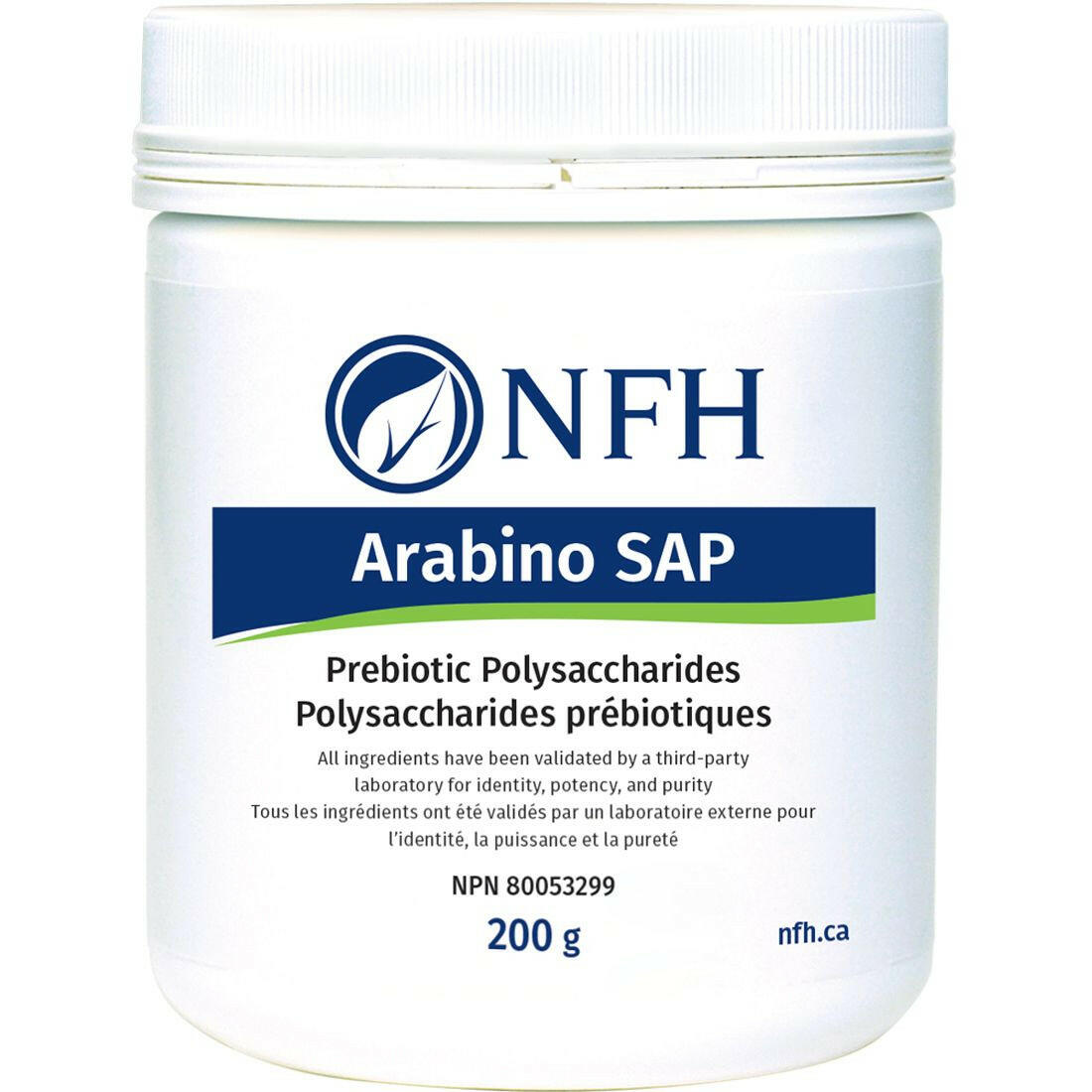
2. Fructooligosaccharides (FOS)
Fermentable Prebiotic Oligosaccharides
Fructooligosaccharides are short-chain carbohydrates that can be selectively fermented by certain intestinal microorganisms.
Products may include:
- FOS Powders
- Fructooligosaccharide Capsules
- FOS & Inulin Blends
- Prebiotic Drink Mixes
Best For: Individuals seeking targeted prebiotic supplementation.
Shopping Tip: Check the amount of FOS per serving and whether the formula contains additional fermentable fibres.
Important: FOS can cause gas and bloating, particularly when introduced rapidly or consumed in larger amounts.
3. Galactooligosaccharides (GOS)
Prebiotic Support for Selected Gut Bacteria
Galactooligosaccharides are carbohydrates studied for their effects on certain beneficial intestinal microorganisms.
Explore:
- GOS Supplements
- Galactooligosaccharide Powders
- GOS-Based Prebiotic Blends
- Specialized Microbiome Formulas
Best For: Individuals interested in specific prebiotic ingredients with documented microbiome effects.
Shopping Tip: Review the source of GOS, particularly if you have milk-related allergies or dietary restrictions.
Important: GOS is fermentable and may cause digestive symptoms in sensitive individuals.
4. Resistant Starch Supplements
Starch That Resists Digestion in the Small Intestine
Resistant starch passes through the small intestine without being fully digested and can be fermented in the colon.
Depending on the product, sources may include:
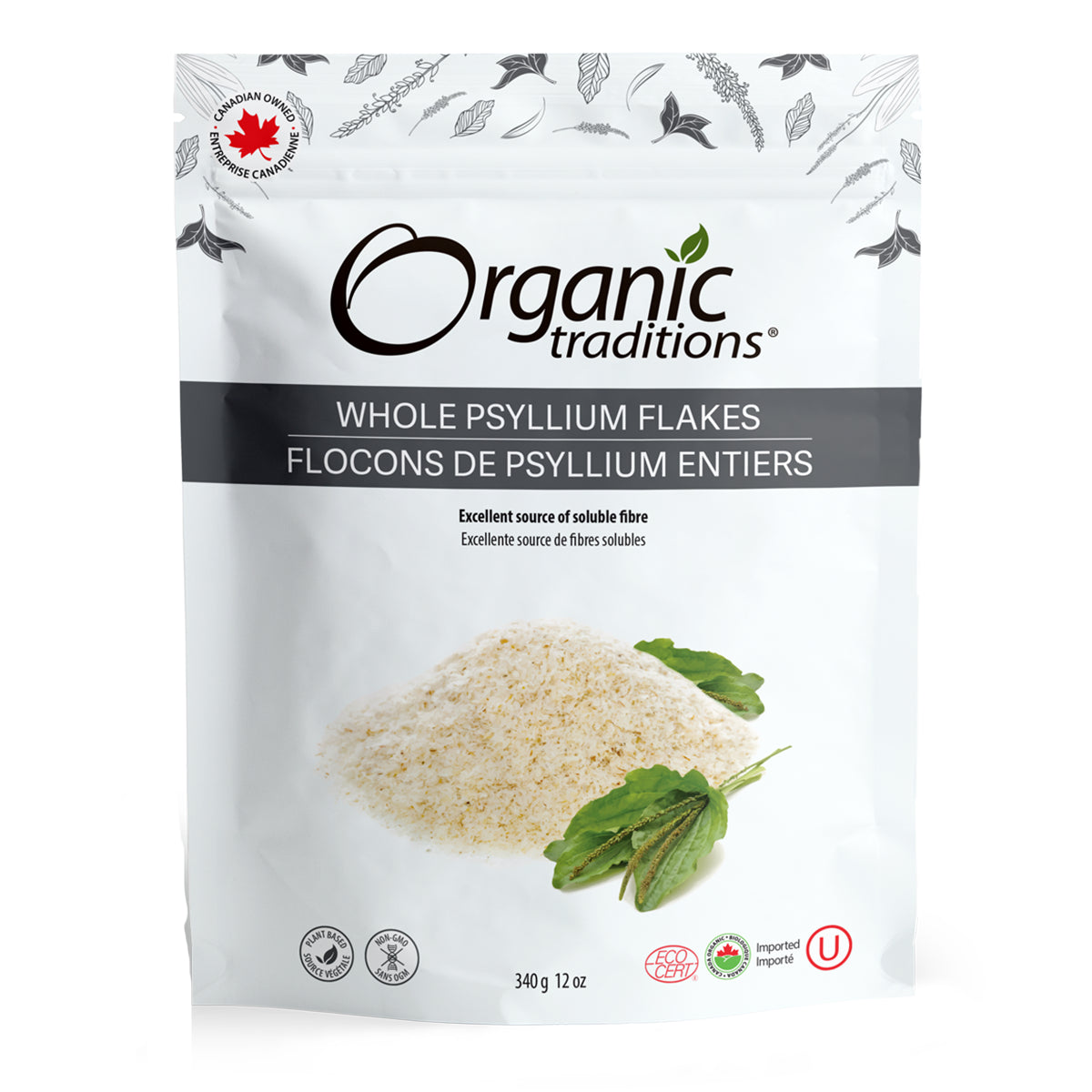
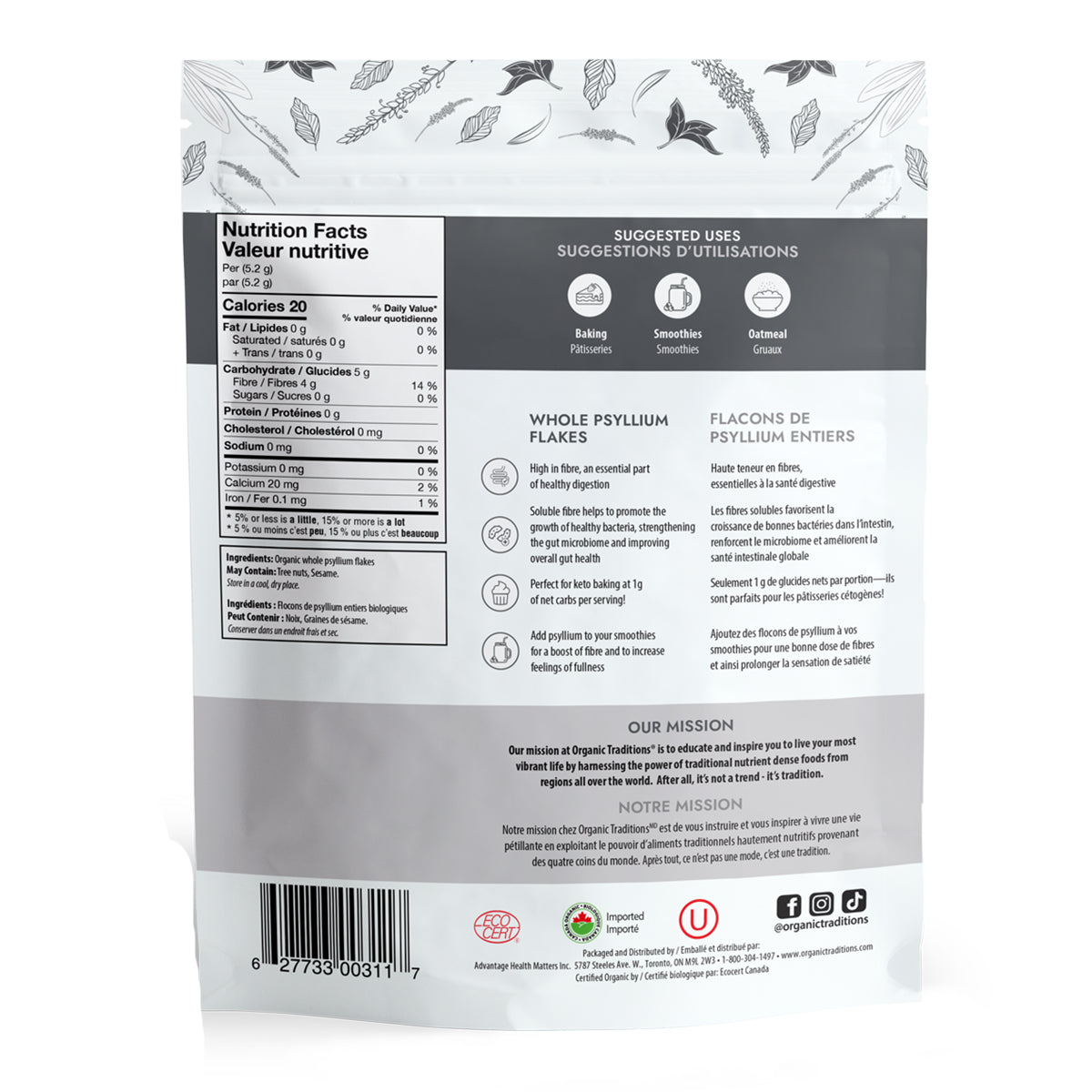
- Green Banana Flour
- Potato-Derived Resistant Starch
- High-Amylose Starch
- Resistant Starch Blends
Best For: Individuals exploring fermentable starches as part of a microbiome-focused diet.
Shopping Tip: Check whether the product contains resistant starch and how much is supplied per serving.
Important: Resistant starch is a broad category. Its prebiotic effects depend on the specific type and preparation.
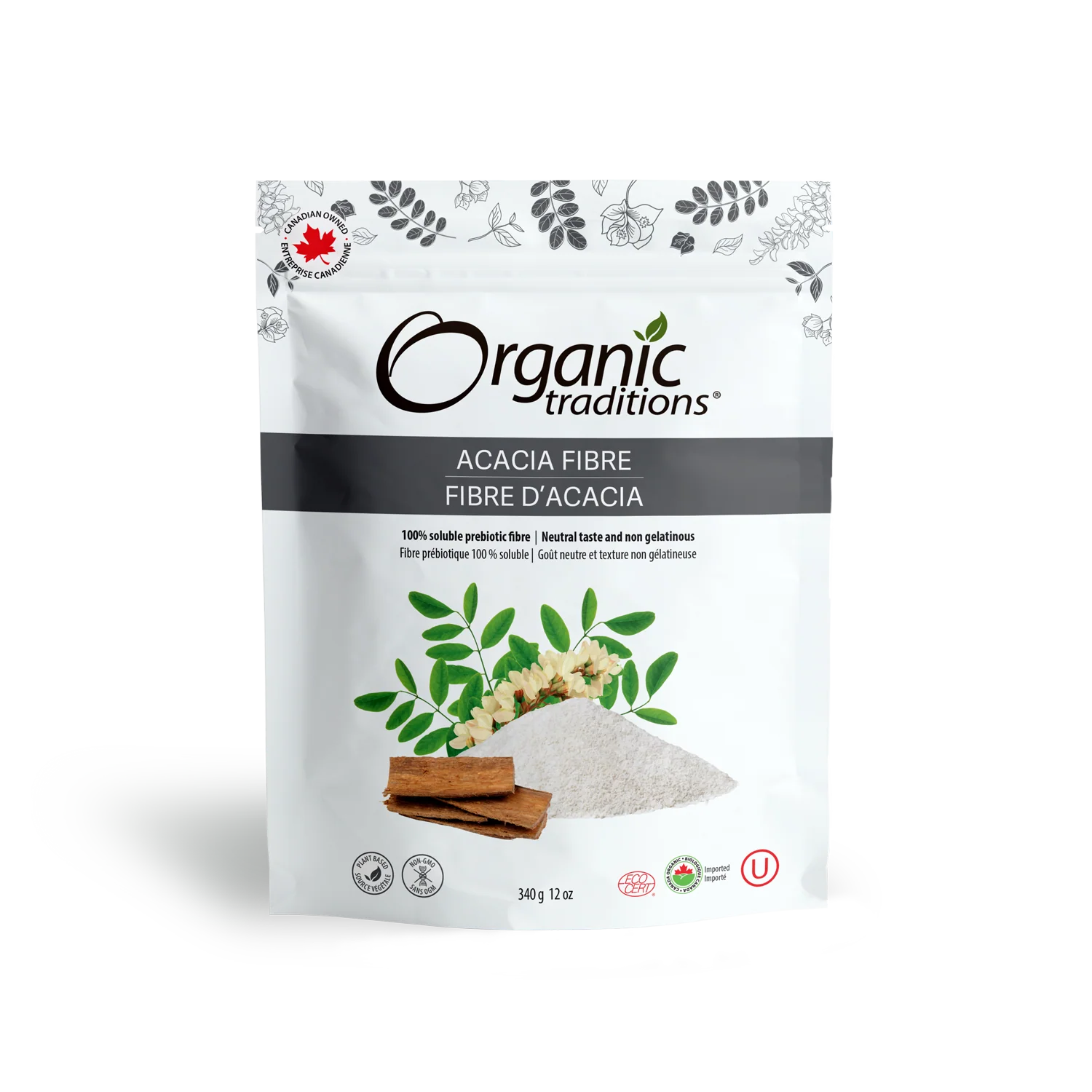
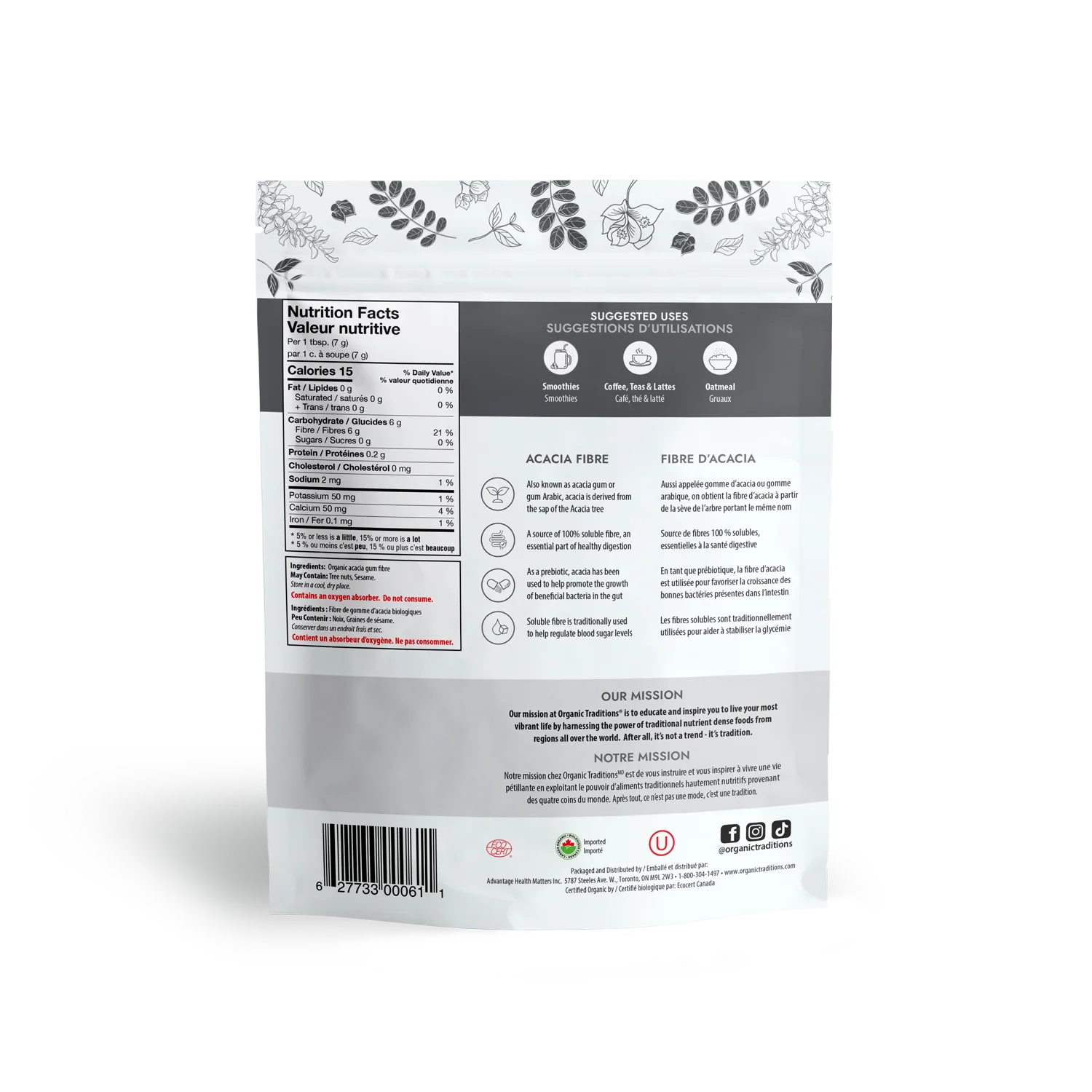
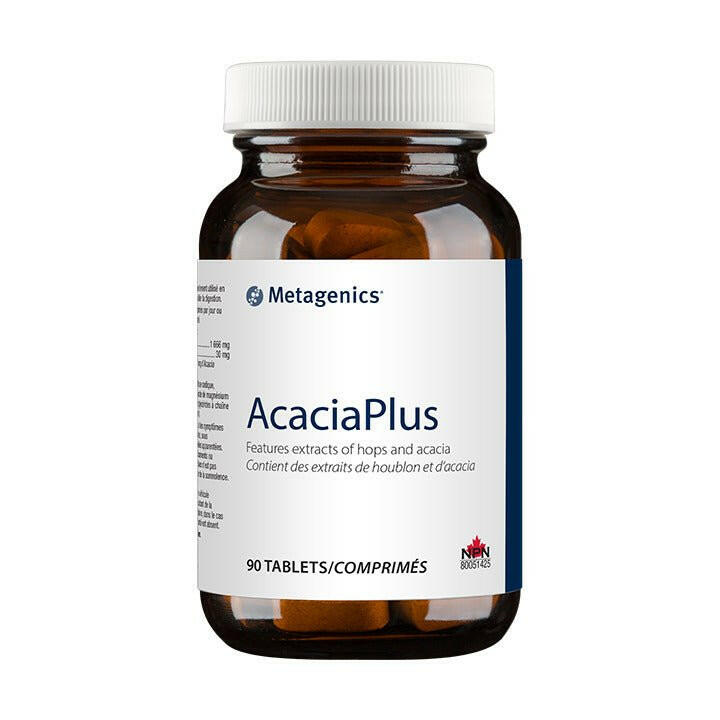
5. Acacia Fibre Supplements
Soluble Fibre From Acacia Gum
Acacia fibre is a soluble dietary fibre derived from acacia gum.
Products may include:
- Acacia Fibre Powder
- Acacia Gum Supplements
- Soluble Fibre Blends
- Digestive Fibre Formulas
Best For: Individuals seeking an alternative soluble fibre source.
Shopping Tip: Compare serving size, fibre content, and individual digestive tolerance.
Important: Acacia fibre is often marketed as a prebiotic, but evidence for specific prebiotic benefits varies by formulation and study.
6. Prebiotic Fibre Powders
Convenient Fibre for Drinks & Foods
Powdered supplements allow prebiotic ingredients to be mixed into beverages or suitable foods.
Options may include:
- Inulin Powder
- FOS Powder
- Acacia Fibre Powder
- Resistant Starch Powder
- Multi-Fibre Prebiotic Blends
Best For: Individuals who prefer flexible serving sizes and alternatives to capsules.
Shopping Tip: Check whether the powder contains added sweeteners, flavours, or other ingredients that may affect digestive tolerance.
7. Prebiotic Capsules & Gummies
Convenient Daily Supplement Formats
Prebiotics are also available in capsules, tablets, and gummies.
Explore:
- Prebiotic Capsules
- Prebiotic Tablets
- Prebiotic Gummies
- Multi-Ingredient Digestive Supplements
Best For: Individuals seeking convenient, portable supplementation.
Shopping Tip: Compare the actual amount of prebiotic fibre per serving. Gummies and capsules may provide smaller quantities than powdered products.
8. Synbiotic Supplements
Probiotic & Prebiotic Combinations
Synbiotics combine live microorganisms with substrates selectively utilized by microorganisms to provide a health benefit.
Products may include:
- Probiotic & Prebiotic Capsules
- Synbiotic Powders
- Digestive Microbiome Blends
- Specialized Combination Formulas
Best For: Individuals exploring products that combine live microorganisms with selected substrates.
Shopping Tip: Look for evidence supporting the specific combination rather than assuming any probiotic and prebiotic mixture will provide additional benefits.
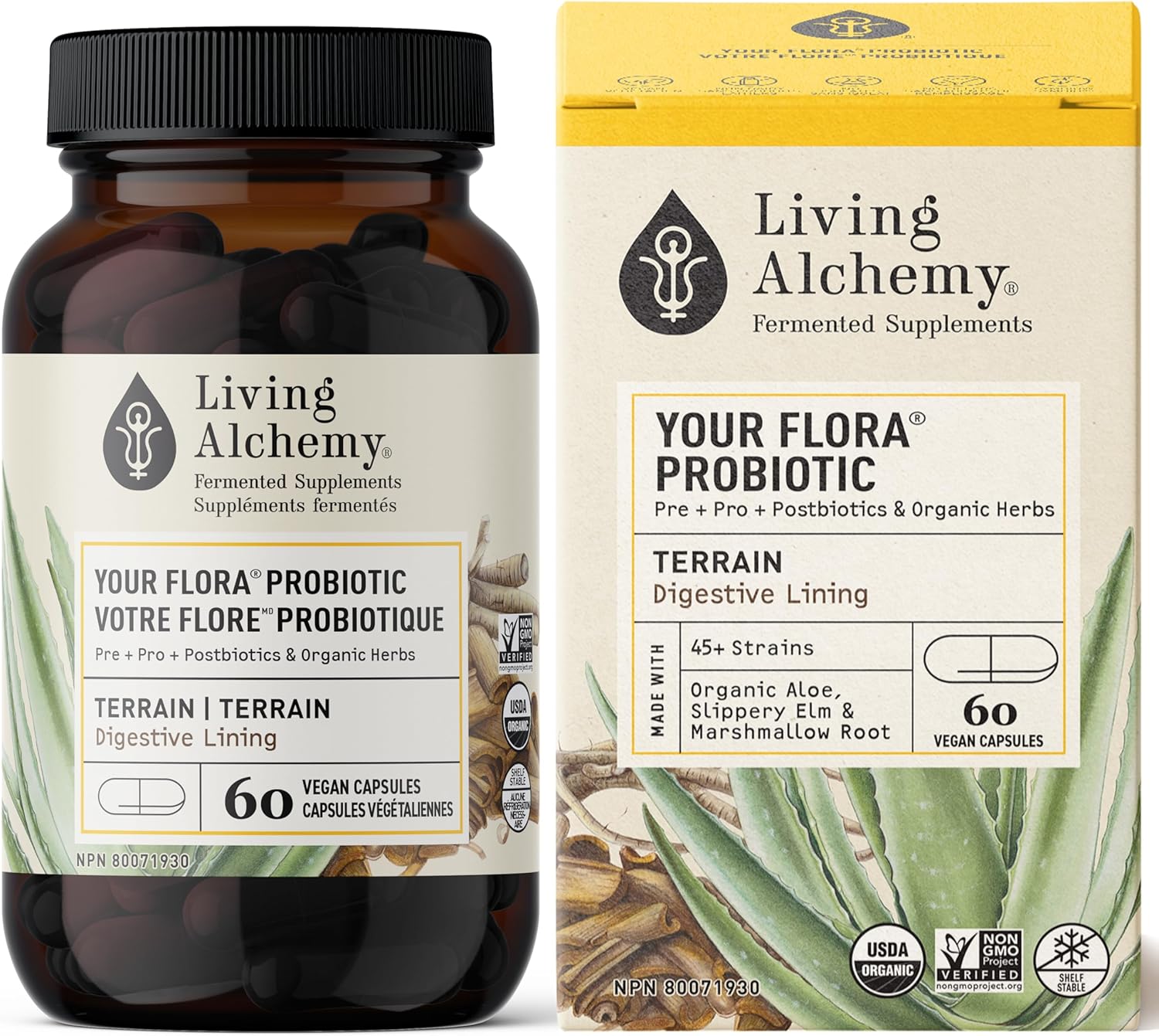
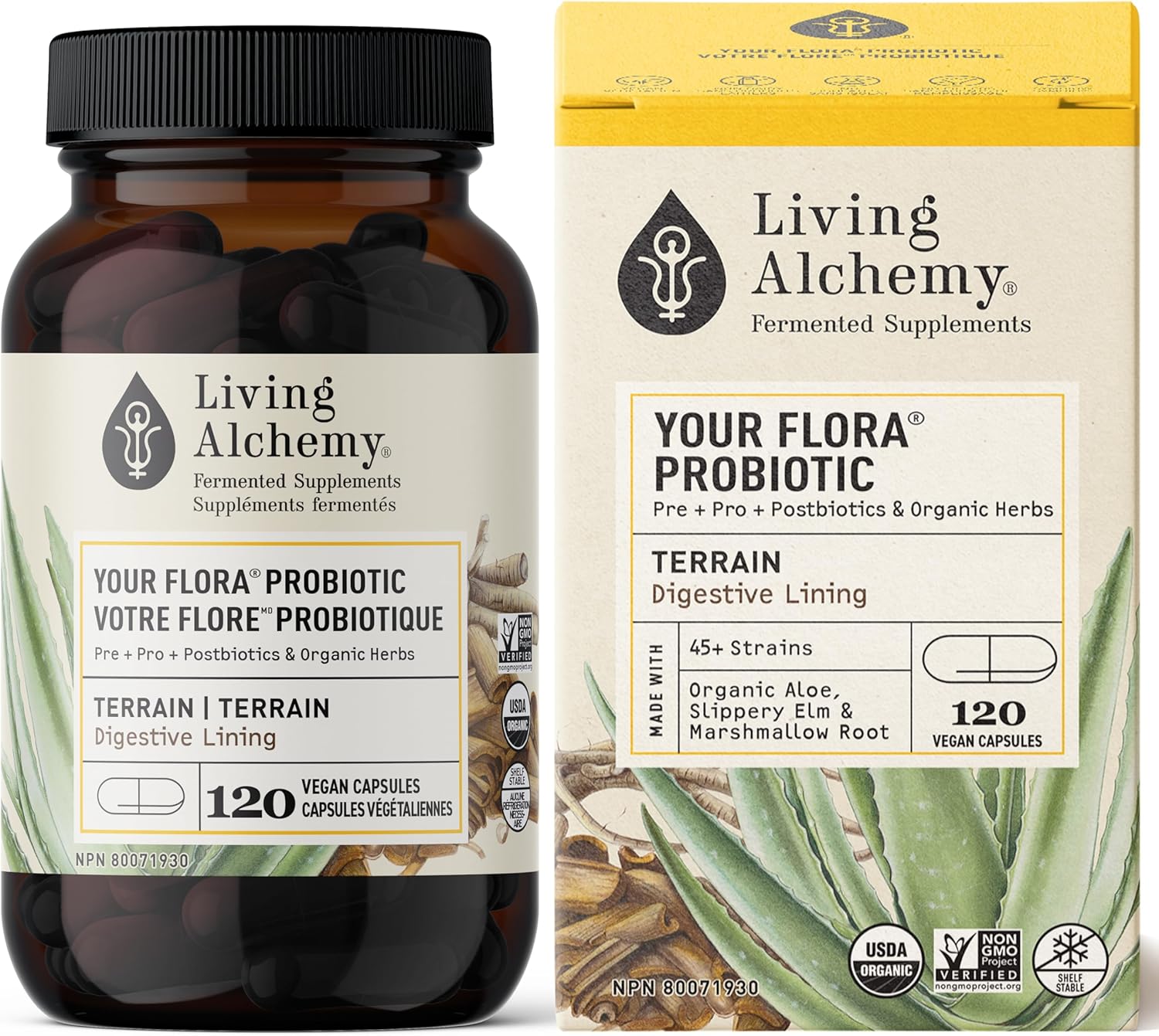
9. Prebiotic, Probiotic & Postbiotic Blends
Multi-Ingredient Microbiome Supplements
Some digestive wellness products combine several categories of microbiome-focused ingredients.
Formulations may include:
- Prebiotic Fibres
- Live Probiotic Microorganisms
- Postbiotic Preparations
- Selected Digestive Support Ingredients
Best For: Individuals comparing multi-ingredient microbiome products.
Important: More ingredients do not automatically mean greater effectiveness. Each component should be evaluated for its intended purpose.
PREBIOTICS VS. PROBIOTICS VS. POSTBIOTICS
|
Feature |
Prebiotics |
Probiotics |
Postbiotics |
|---|---|---|---|
|
What They Are |
Substrates selectively utilized by microorganisms that confer a health benefit |
Live microorganisms that confer a health benefit when administered in adequate amounts |
Preparations of inanimate microorganisms and/or their components that confer a health benefit |
|
Contain Live Microorganisms? |
No |
Yes |
No |
|
Primary Function |
Provide substrates for selected microorganisms |
Deliver beneficial live microorganisms |
Deliver characterized non-living microbial preparations |
|
Common Examples |
Inulin, FOS, GOS |
Selected Lactobacillus and Bifidobacterium strains |
Specific heat-inactivated microbial preparations |
|
Common Formats |
Powders, capsules, gummies |
Capsules, powders, fermented products |
Capsules, powders, combination formulas |
|
Main Consideration |
Fibre tolerance and ingredient-specific evidence |
Strain-specific evidence and viability |
Preparation-specific evidence |
Which should you choose?
The best option depends on your digestive health goals, individual tolerance, and the clinical evidence supporting the exact ingredient or formulation.
COMMON PREBIOTIC SUPPLEMENT CONCERNS
Do Prebiotics Help With Constipation?
Some prebiotic and fibre supplements may improve bowel regularity, but effects differ between ingredients.
What May Help: Choose a fibre product with evidence for the intended use and increase intake gradually.
Can Prebiotics Cause Bloating?
Yes. Fermentation of certain prebiotics can produce gas, particularly when intake increases quickly.
What May Help: Start with a small serving and adjust according to tolerance.
Are Prebiotics Good for IBS?
Some individuals with IBS are sensitive to fermentable carbohydrates, including inulin, FOS, and GOS.
What May Help: Consult a healthcare professional or registered dietitian before adding highly fermentable prebiotic supplements.
Should I Take Prebiotics With Probiotics?
Some combinations may be appropriate, but taking both is not necessary for everyone.
What May Help: Evaluate the evidence supporting the specific probiotic, prebiotic, or synbiotic product.
Are All Fibre Supplements Prebiotics?
No. Dietary fibre and prebiotics are overlapping but distinct categories.
What May Help: Look for evidence that the ingredient is selectively utilized by microorganisms and provides a health benefit.
Do Prebiotics Improve Immune Function?
The gut microbiome interacts with the immune system, but immune-related benefits cannot be generalized to every prebiotic.
What May Help: Choose products supported by evidence relevant to the specific intended outcome.
HOW TO BUILD A PREBIOTIC SUPPLEMENT ROUTINE
Step 1: Review Your Dietary Fibre Intake
Include fibre-rich foods such as vegetables, fruits, legumes, and whole grains.
Step 2: Identify Your Main Digestive Goal
Determine whether you’re seeking general microbiome support, improved fibre intake, or assistance with bowel regularity.
Step 3: Choose an Appropriate Prebiotic Ingredient
Compare inulin, FOS, GOS, resistant starch, acacia fibre, and other available formulations.
Step 4: Start With a Small Serving
Begin with a modest amount according to the product directions.
Gradually increase intake if well tolerated.
Step 5: Maintain Adequate Hydration
Drink sufficient fluids throughout the day, especially when increasing total dietary fibre.
Step 6: Consider Combination Products
If appropriate, compare prebiotic-only supplements with probiotics or synbiotic formulas.
Step 7: Monitor Digestive Tolerance
Pay attention to changes in bloating, gas, abdominal discomfort, and bowel habits.
Step 8: Reassess Your Routine
Adjust your supplement choice according to individual response and professional guidance.
Important: Persistent abdominal pain, unexplained weight loss, blood in the stool, severe constipation, or significant changes in bowel habits require medical assessment.
WHY SHOP PREBIOTICS AT COAL HARBOUR PHARMACY?
At Coal Harbour Pharmacy, we make it easier to explore prebiotic supplements and other digestive wellness products through one convenient online shopping destination.
Our Prebiotics collection brings together selected fibre supplements, oligosaccharides, and microbiome-focused formulations.
Convenient Online Shopping
Browse prebiotics alongside probiotics, digestive enzymes, and other gut health supplements.
Different Prebiotic Ingredients
Compare inulin, FOS, GOS, resistant starch, acacia fibre, and combination formulas.
Flexible Supplement Formats
Explore powders, capsules, gummies, and multi-ingredient digestive products.
Complementary Digestive Health Categories
Find related supplements for microbiome nutrition, fibre intake, and everyday digestive wellness.
International Shipping Options
Coal Harbour Pharmacy offers international shipping to eligible destinations, subject to product availability and applicable import restrictions.
FREQUENTLY ASKED QUESTIONS
1. What are prebiotics?
Prebiotics are substrates selectively utilized by microorganisms in the body that provide a health benefit. Many common prebiotics are fermentable carbohydrates.
2. What is the difference between prebiotics and probiotics?
Prebiotics provide substrates for selected microorganisms, while probiotics contain live microorganisms that provide a health benefit when administered in adequate amounts.
3. What are the best prebiotic supplements?
The best choice depends on your goals and tolerance. Common options include inulin, FOS, GOS, and certain resistant starch preparations.
4. Can prebiotics help with constipation?
Some fibre and prebiotic products may support bowel regularity, but effectiveness varies by ingredient and individual circumstances.
5. Do prebiotics cause gas and bloating?
They can. Fermentation may increase gas production, especially when intake rises quickly.
6. Can I take prebiotics and probiotics together?
Yes, some products combine them. However, the benefits depend on the specific ingredients and formulation.
7. Are prebiotics suitable for sensitive digestion?
Tolerance varies. Highly fermentable ingredients such as inulin, FOS, and GOS may aggravate symptoms in some individuals with IBS or FODMAP sensitivity.
8. Does Coal Harbour Pharmacy ship prebiotic supplements internationally?
International shipping is available to eligible destinations, depending on product availability and applicable import restrictions.
SHOP PREBIOTIC SUPPLEMENTS
Support your gut microbiome with targeted prebiotic fibres and digestive wellness supplements.
Explore inulin, FOS, GOS, resistant starch, acacia fibre, prebiotic powders, capsules, gummies, and synbiotic formulas at Coal Harbour Pharmacy.
RELATED COLLECTIONS
Explore complementary digestive health categories:
- Probiotics – Live microbial supplements for targeted digestive wellness.
- Postbiotics – Non-living microbial preparations for microbiome-focused support.
- Gut Health – Supplements for digestive and microbiome wellness.
- Digestive Health – Products for everyday digestive care.
- Digestive Enzymes – Enzyme supplements for specific digestive needs.
- Constipation Support – Products for bowel regularity and digestive comfort.
- Immune Support – Nutritional supplements for normal immune function.
- Natural Digestive Support – Fibre, botanical, and other digestive wellness products.
Shop Prebiotic Supplements →
Sort by
25 products























FREE STANDARD SHIPPING
Satisfied or refunded
Top-notch support
Secure payments
Encrypted checkout processing
Offers exclude prescriptions and in-store purchases.
Subscribe & Get a First-Order Reward
Plus, earning reward points on eligible online purchases and enjoy future store credit.
We respect your inbox at Coal Harbour Pharmacy - Expect thoughtfully curated health and wellness updates, timely reminders, and exclusive online savings.