
Melatonin Supplements – Sleep Support & Circadian Rhythm Balance
Explore pharmacist-curated melatonin supplements designed to support healthy sleep-wake timing, occasional sleeplessness, jet lag, and temporary circadian rhythm disruption, with low-dose, fast-acting, sublingual, and time-release options.
────────────────────────────────────
About Melatonin Supplements
Melatonin is a hormone naturally produced by the pineal gland, primarily in response to darkness. Its main physiological role is to help signal biological night and coordinate the body’s circadian sleep-wake rhythm.
Supplemental melatonin is commonly used for occasional sleep difficulties, jet lag, and certain situations involving disrupted sleep timing. Unlike conventional sedating sleep aids, melatonin primarily acts as a circadian signal rather than simply causing sedation.
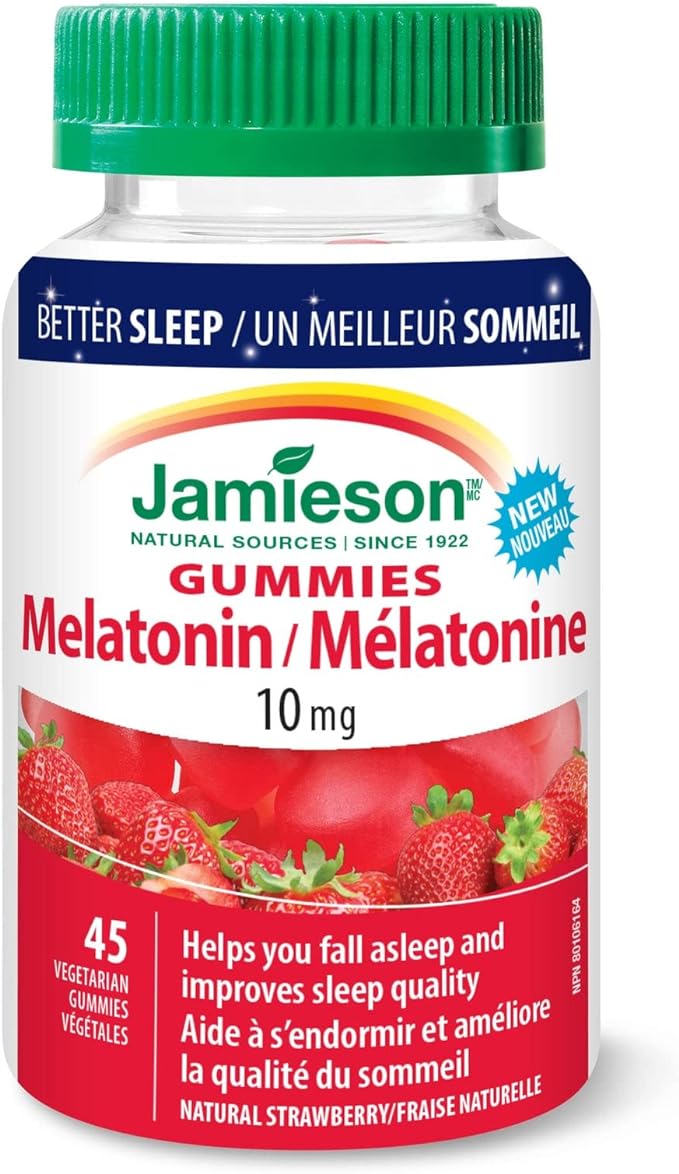
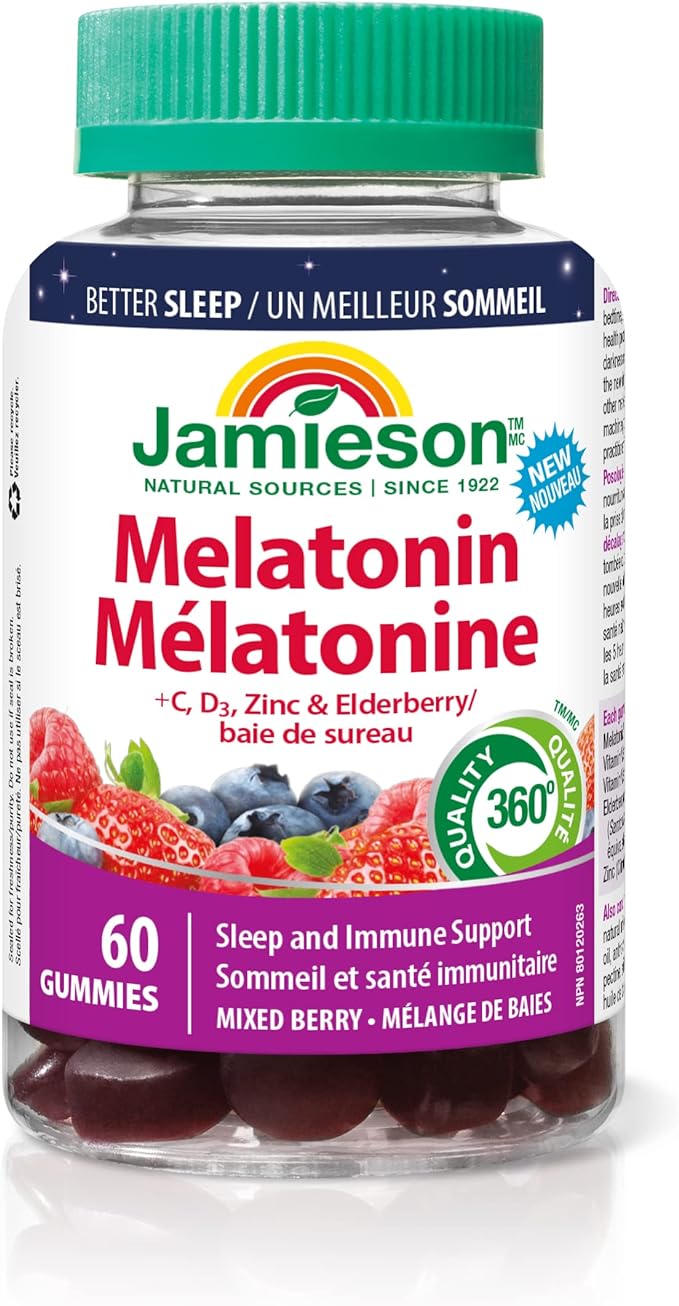
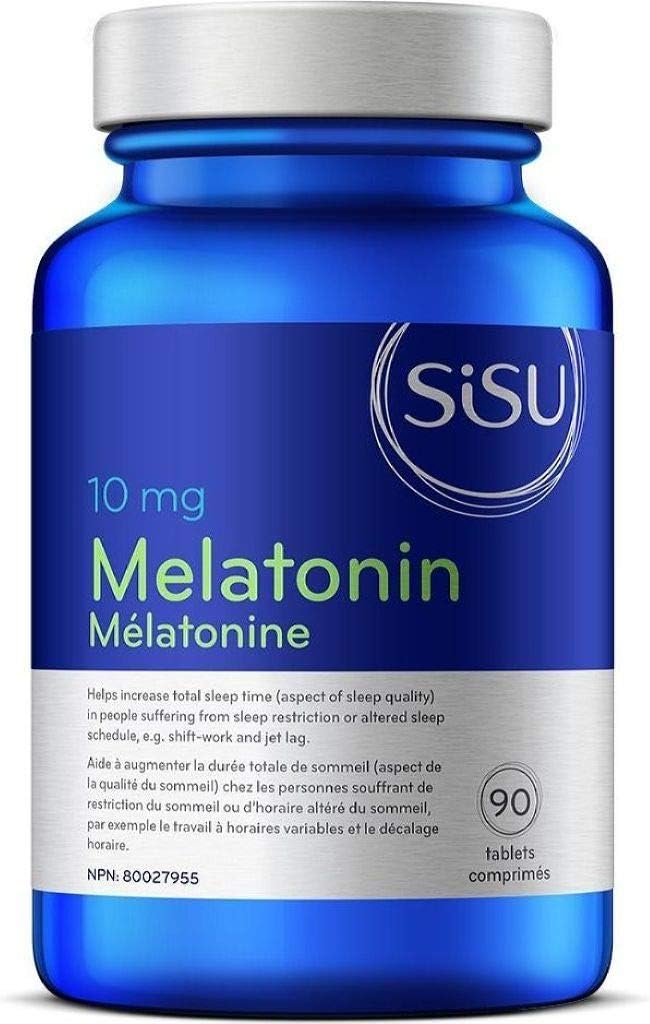
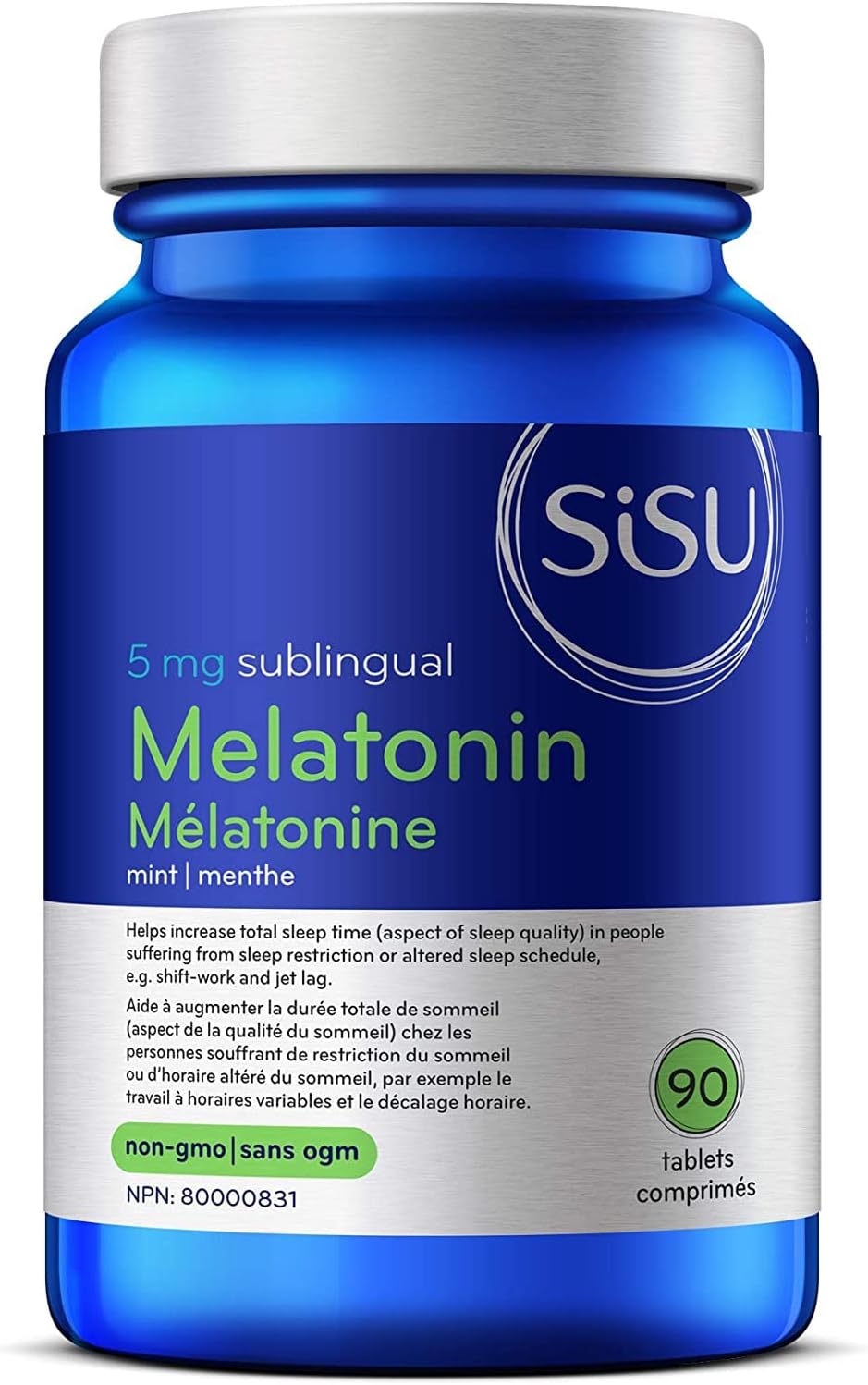
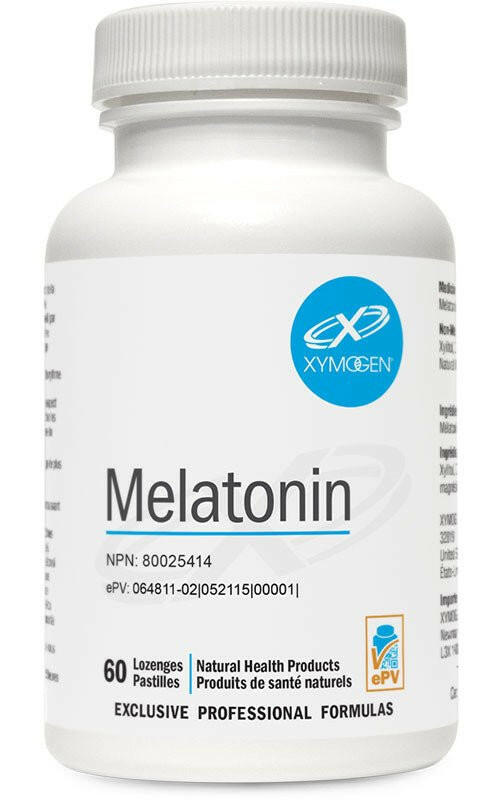
The Melatonin collection at Coal Harbour Pharmacy includes different strengths and delivery formats, such as tablets, capsules, sublingual products, gummies, liquid formulas, immediate-release and controlled-release options, as well as selected combinations with magnesium, L-theanine, or calming botanicals.
Timing, dose, formulation, age, and the underlying reason for sleep difficulty can all influence how useful melatonin may be.
Key Benefits
Depending on the individual and reason for use, melatonin may:
• Help support normal sleep-wake cycles
• Support circadian rhythm regulation
• Help reduce the time needed to fall asleep in certain circumstances
• Provide support for occasional sleeplessness
• Help manage jet lag associated with travel across time zones
• Support sleep timing when normal schedules are temporarily disrupted
• Provide a non-prescription option without the same dependence profile as many conventional sedative medications
Melatonin does not necessarily produce deeper or more restorative sleep for everyone, and higher doses are not automatically more effective.
Who It’s Ideal For
Melatonin may be considered by:
• Adults experiencing occasional difficulty falling asleep
• Travellers adjusting to a new time zone
• People experiencing temporary disruption to their usual sleep schedule
• Some shift workers managing changes in sleep timing
• Individuals looking for non-prescription circadian sleep support
• People seeking a low-dose melatonin option
• Individuals who prefer sublingual, liquid, tablet, capsule, or gummy formats
• People considering controlled-release melatonin for specific sleep concerns
Persistent insomnia or significant daytime sleepiness should be assessed rather than managed indefinitely with supplements.
What Is Melatonin?
Melatonin is an endogenous hormone involved in the body’s circadian timing system.
Its production normally increases in the evening as environmental light decreases, remains elevated during biological night, and falls toward morning.
Light exposure—particularly appropriately timed bright light—is also a powerful regulator of circadian timing.
Supplemental melatonin provides an external melatonin signal that can influence sleepiness and, depending on when it is taken, the timing of the circadian system.
This is why melatonin is not simply a conventional sleeping pill.
Melatonin & Circadian Rhythm
The circadian rhythm is the body’s approximately 24-hour internal timing system.
It helps coordinate:
• Sleep and wakefulness
• Hormonal rhythms
• Body temperature
• Alertness
• Metabolism
• Other physiological processes
Melatonin can help communicate a nighttime signal to this system.
Importantly, the timing of melatonin can matter as much as the dose when the goal is to shift circadian timing.
Melatonin for Falling Asleep
Immediate-release melatonin is commonly chosen when the main concern is sleep initiation.
It raises circulating melatonin relatively quickly and may help some people fall asleep sooner.
However, difficulty falling asleep can also result from:
• Caffeine
• Evening light exposure
• Stress or anxiety
• Irregular sleep schedules
• Medications
• Restless legs
• Circadian rhythm disorders
• Other sleep or medical conditions
Addressing the underlying factor is important when sleep-onset problems are persistent.
Immediate-Release Melatonin
Immediate-release formulations are designed to release melatonin relatively quickly.
They may be appropriate when the primary goal involves:
• Sleep initiation
• Temporary schedule changes
• Certain circadian-timing applications
• Jet lag
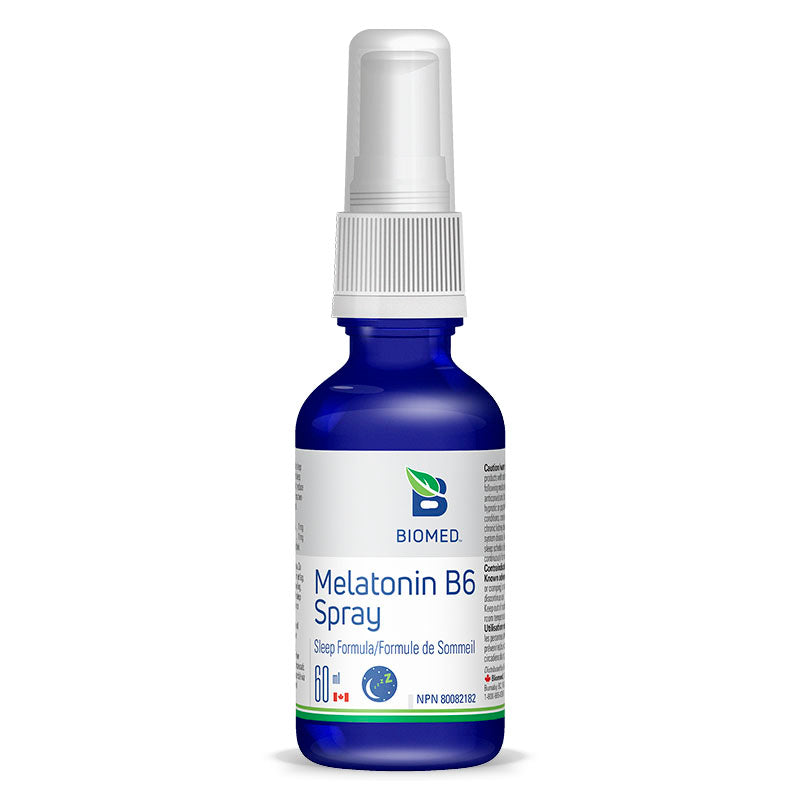
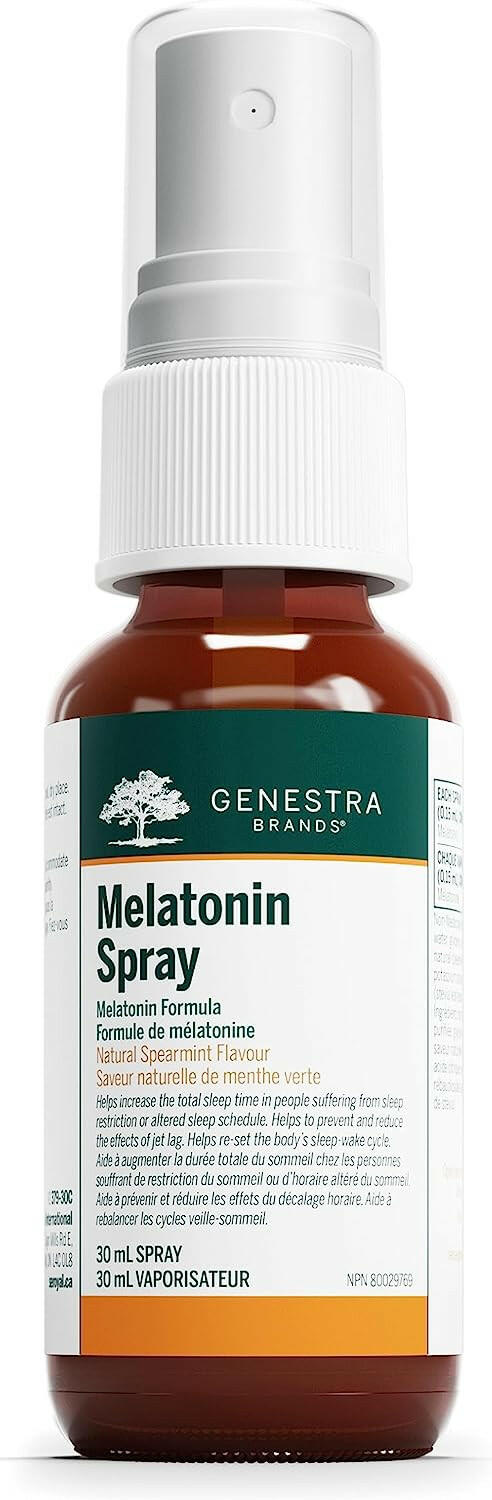
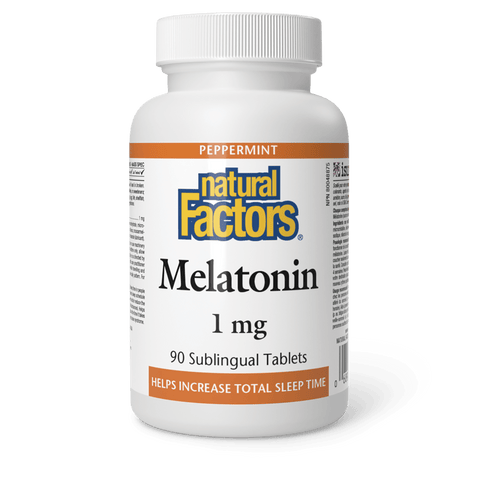
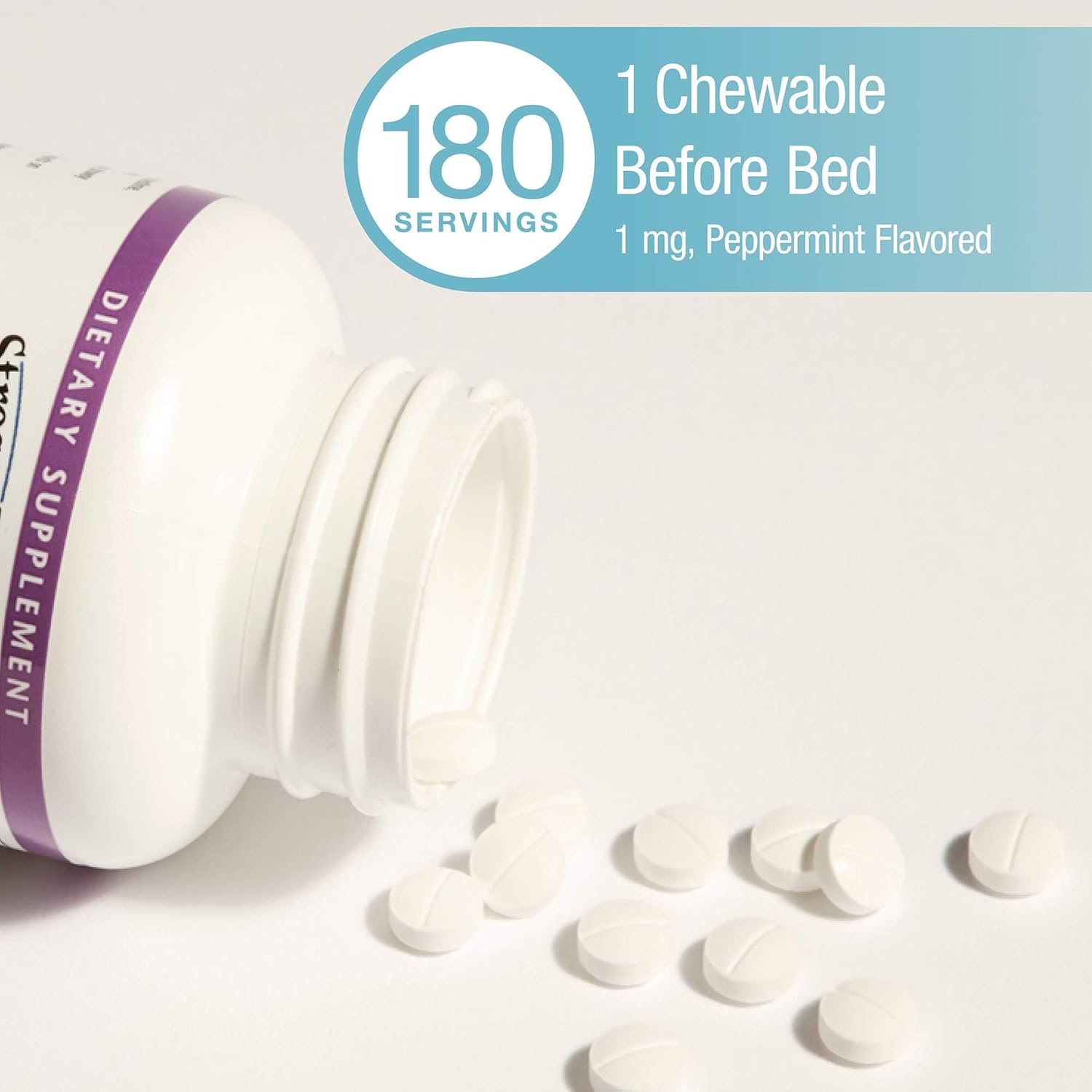
Available formats may include conventional tablets, capsules, liquids, gummies, and sublingual preparations.
“Fast acting” does not mean that every individual will respond within the same number of minutes.
Time-Release Melatonin
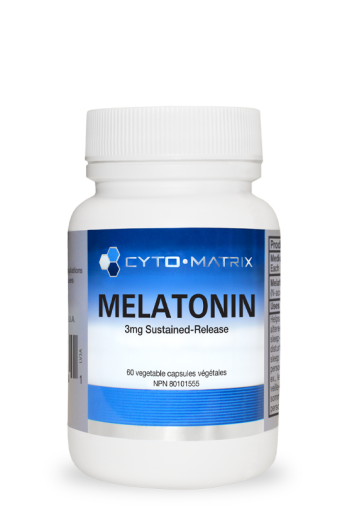
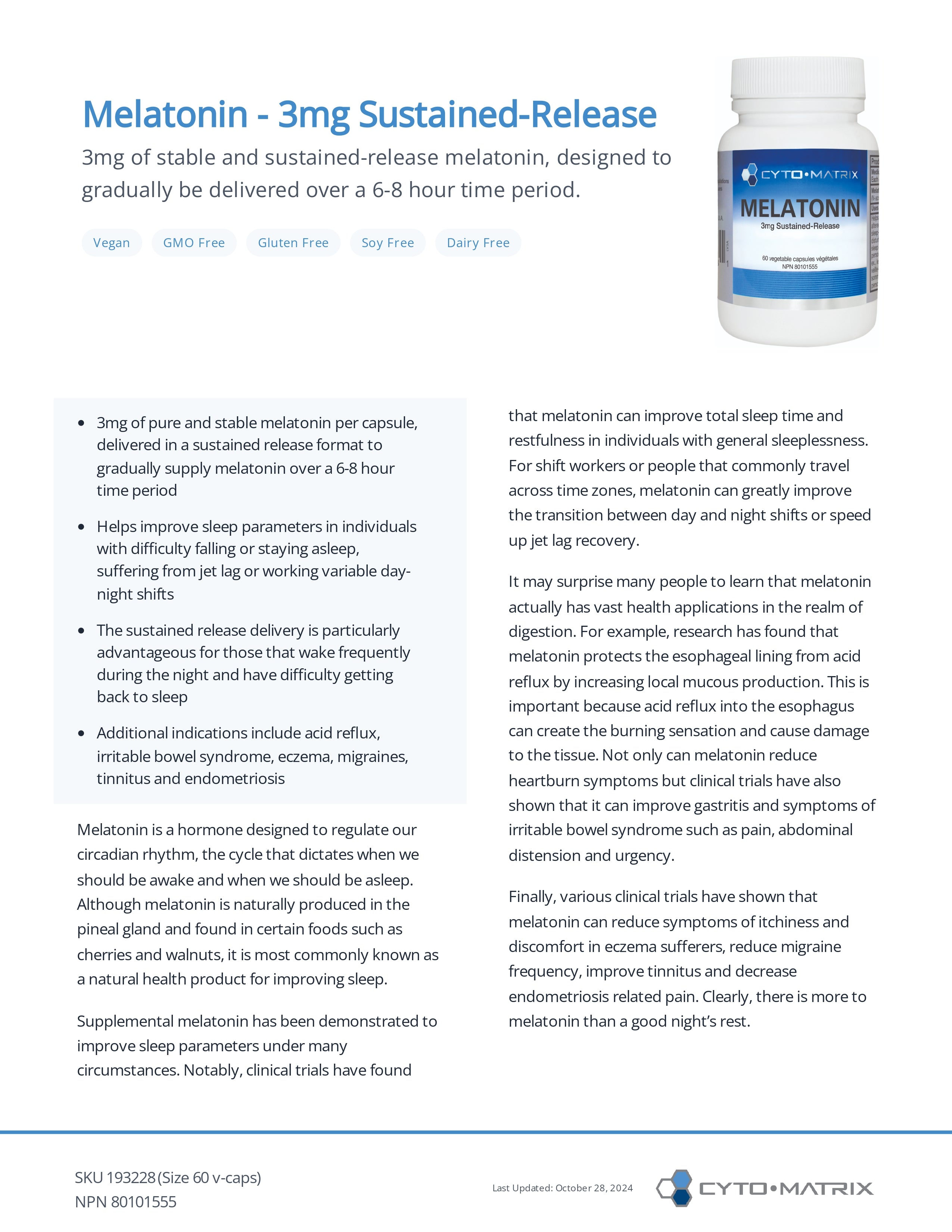
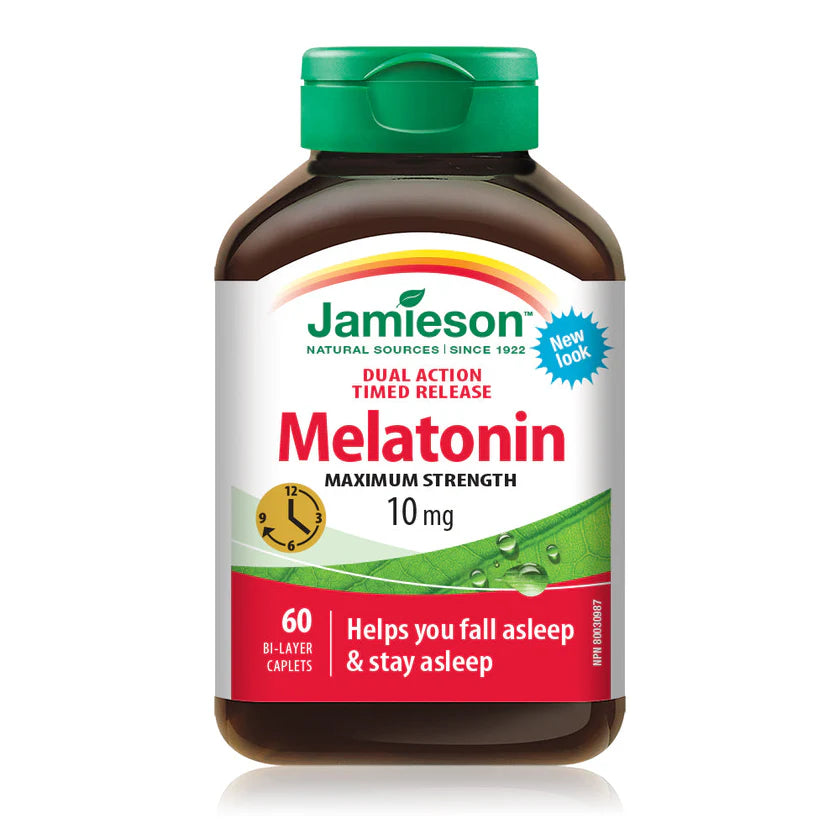
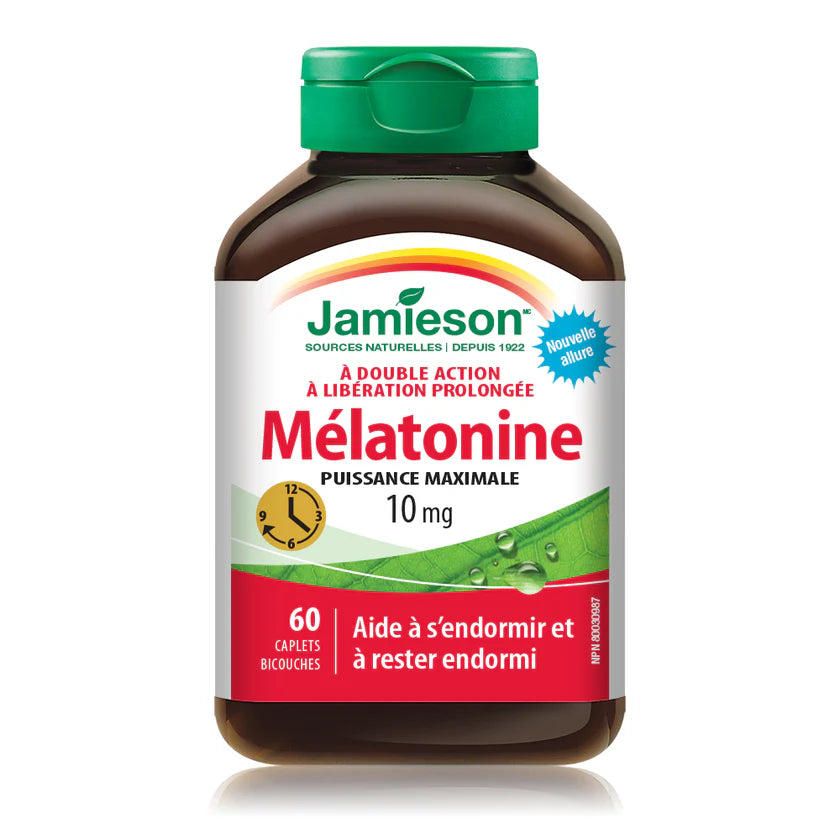
Controlled-, sustained-, or prolonged-release formulations release melatonin over a longer period.
They are sometimes considered when the desired approach is to extend melatonin exposure further into the night rather than produce a short initial peak.
However, waking during the night has many possible causes, and controlled-release melatonin is not automatically the best solution for every person with sleep-maintenance difficulties.
Sublingual Melatonin
Sublingual formulations are designed to dissolve under the tongue or in the mouth.
They may provide relatively rapid delivery and can be convenient for people who prefer not to swallow conventional tablets.
Absorption and onset still vary by formulation and individual.
Low-Dose Melatonin
More melatonin is not necessarily better.
Low-dose products can be useful for people who:
• Are new to melatonin
• Are sensitive to supplements
• Want more individualized dosing
• Experience next-day effects from larger doses
• Are using melatonin primarily for circadian timing
The appropriate dose depends on the reason for use rather than simply choosing the highest available strength.
Higher-Strength Melatonin
Higher-dose melatonin products are widely available, but increasing the dose can also increase exposure and the likelihood of adverse effects.
Potential effects can include:
• Morning drowsiness
• Headache
• Dizziness
• Vivid dreams
• Nausea
• Daytime sleepiness
A stronger product should therefore not automatically be interpreted as a more effective sleep product.
Melatonin for Jet Lag
Jet lag occurs when the body’s internal circadian timing remains aligned with the departure time zone after rapid travel across multiple time zones.
Melatonin is one of the better-established uses of supplemental melatonin because appropriately timed use can help the circadian system adjust to a new schedule.
A jet-lag strategy may also include:
• Correctly timed light exposure
• Avoiding light at certain times
• Adjusting sleep timing
• Appropriate meal timing
• Hydration
• Strategic caffeine use
Melatonin timing depends on travel direction, destination, and the desired circadian shift.
Melatonin & Shift Work
Shift work can create a mismatch between occupational schedules and the body’s normal circadian signals.
Melatonin may help some shift workers with particular sleep-timing problems, but it cannot completely override the effects of:
• Irregular schedules
• Daylight exposure
• Nighttime bright light
• Repeated schedule changes
• Sleep debt
• Occupational fatigue
A broader shift-work strategy may therefore involve light management, sleep scheduling, caffeine timing, and environmental changes.
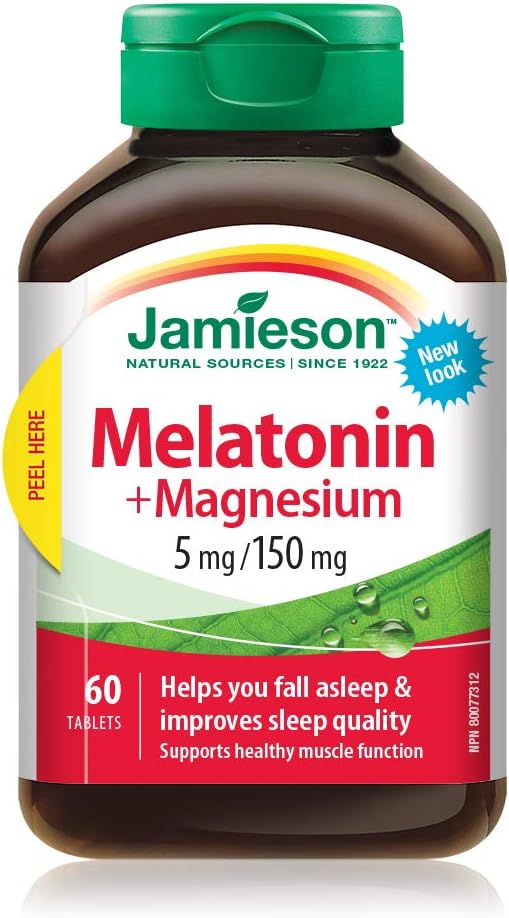
Melatonin + Magnesium
Some sleep formulas combine melatonin with magnesium.
Magnesium contributes to normal:
• Nervous-system function
• Muscle function
• Energy metabolism
• Electrolyte balance
Magnesium may complement a nighttime wellness routine when intake is inadequate or when the specific formulation is appropriate.
However, magnesium does not directly reset the circadian clock in the way that appropriately timed melatonin can.
Melatonin + L-Theanine
L-theanine is an amino acid naturally present in tea and commonly included in relaxation formulas.
It has been studied for relaxed wakefulness, stress-related outcomes, and selected aspects of sleep quality.
A melatonin and L-theanine combination may therefore target both circadian sleep signalling and relaxation, but the two ingredients work through different mechanisms.
Melatonin + Botanical Blends
Some formulations combine melatonin with botanicals such as:
• Valerian
• Passionflower
• Chamomile
• Lemon balm
• Lavender
These herbs are commonly used in nighttime and relaxation products, although their evidence and effects differ.
Combination products can also increase the possibility of excessive drowsiness or interactions, particularly when combined with alcohol, sedating medications, or other sleep products.
How to Choose a Melatonin Supplement
For Difficulty Falling Asleep
An immediate-release or appropriately formulated fast-release product may be considered.
For Circadian Timing
Dose and timing are particularly important. A lower dose may sometimes be sufficient.
For Jet Lag
Choose melatonin as part of a planned schedule based on destination time rather than simply taking it whenever you feel tired.
For Longer Overnight Exposure
A controlled- or prolonged-release formulation may be considered where appropriate.
For Flexible Dosing
Liquid or low-dose formulations can make individualized dosing easier.
For Relaxation + Sleep Support
Combination formulas containing ingredients such as L-theanine, magnesium, or selected calming botanicals may be appropriate when both relaxation and sleep support are desired.
When Should Melatonin Be Taken?
There is no single universal “20–60 minutes before bed” rule for every melatonin use.
For simple sleep-onset support, many products are directed to be taken relatively close to bedtime.
For circadian rhythm adjustment or jet lag, however, timing can be substantially more important and may differ from ordinary bedtime use.
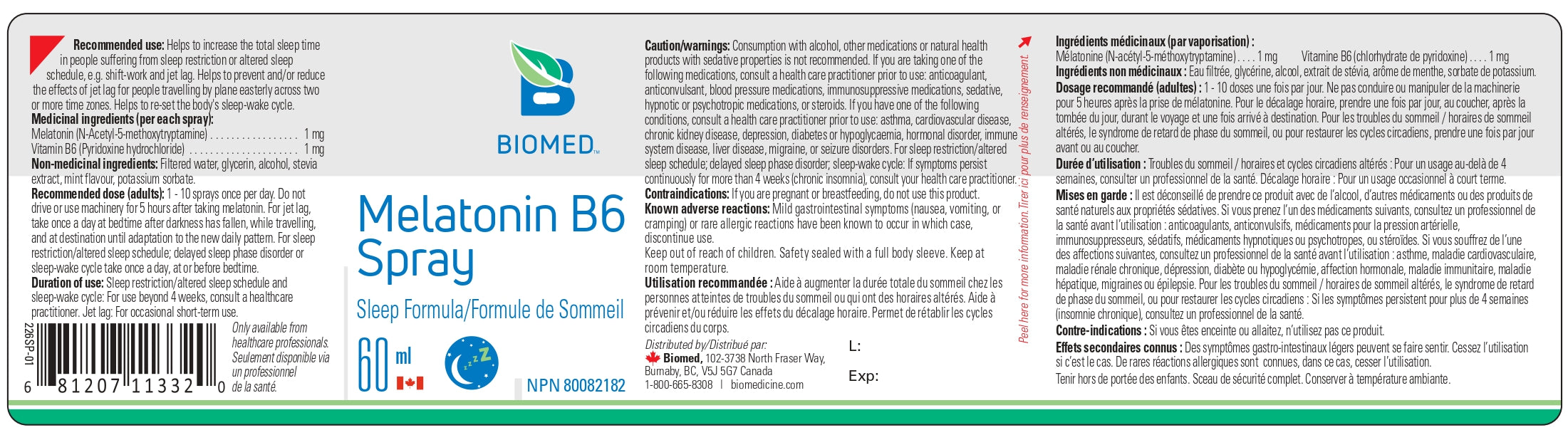
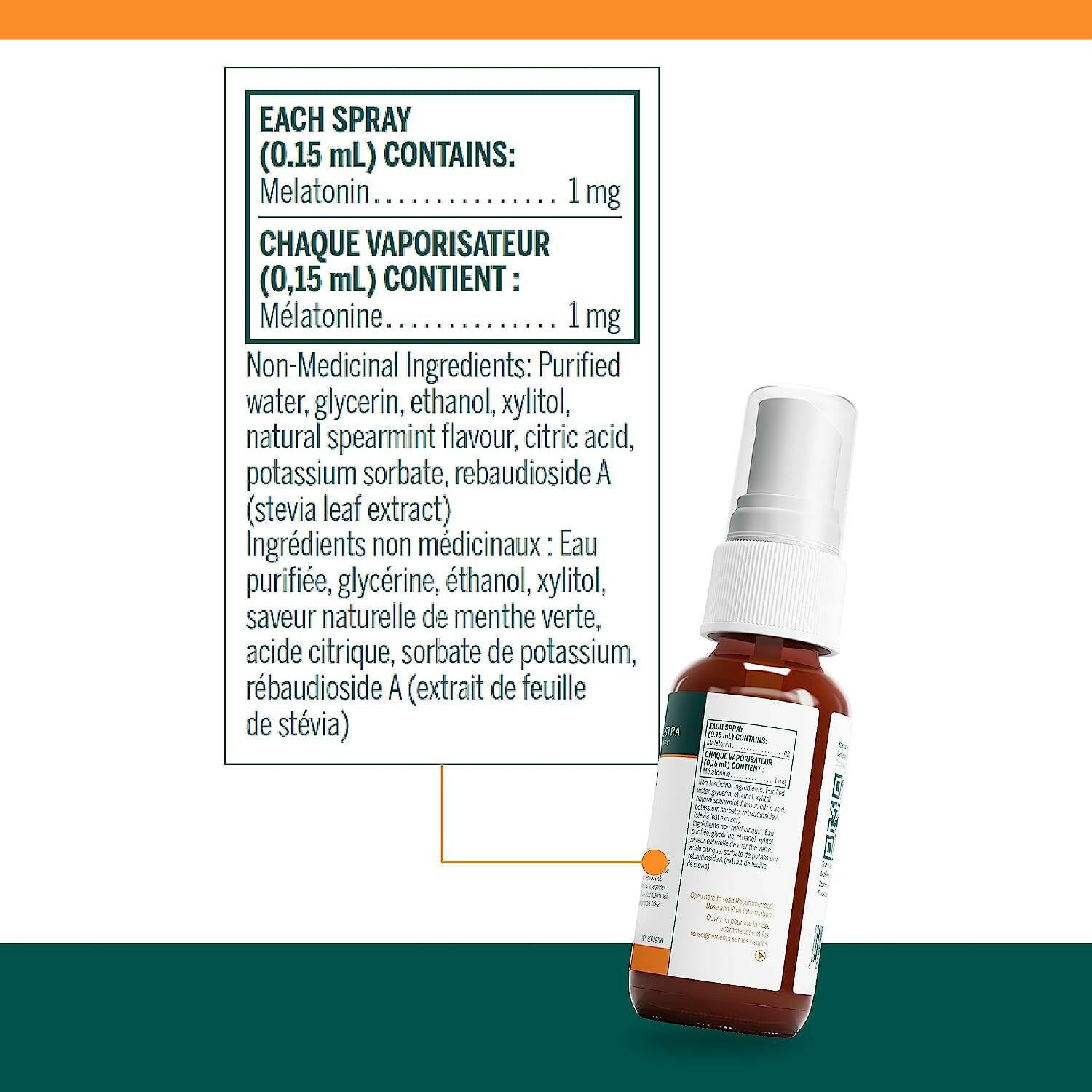
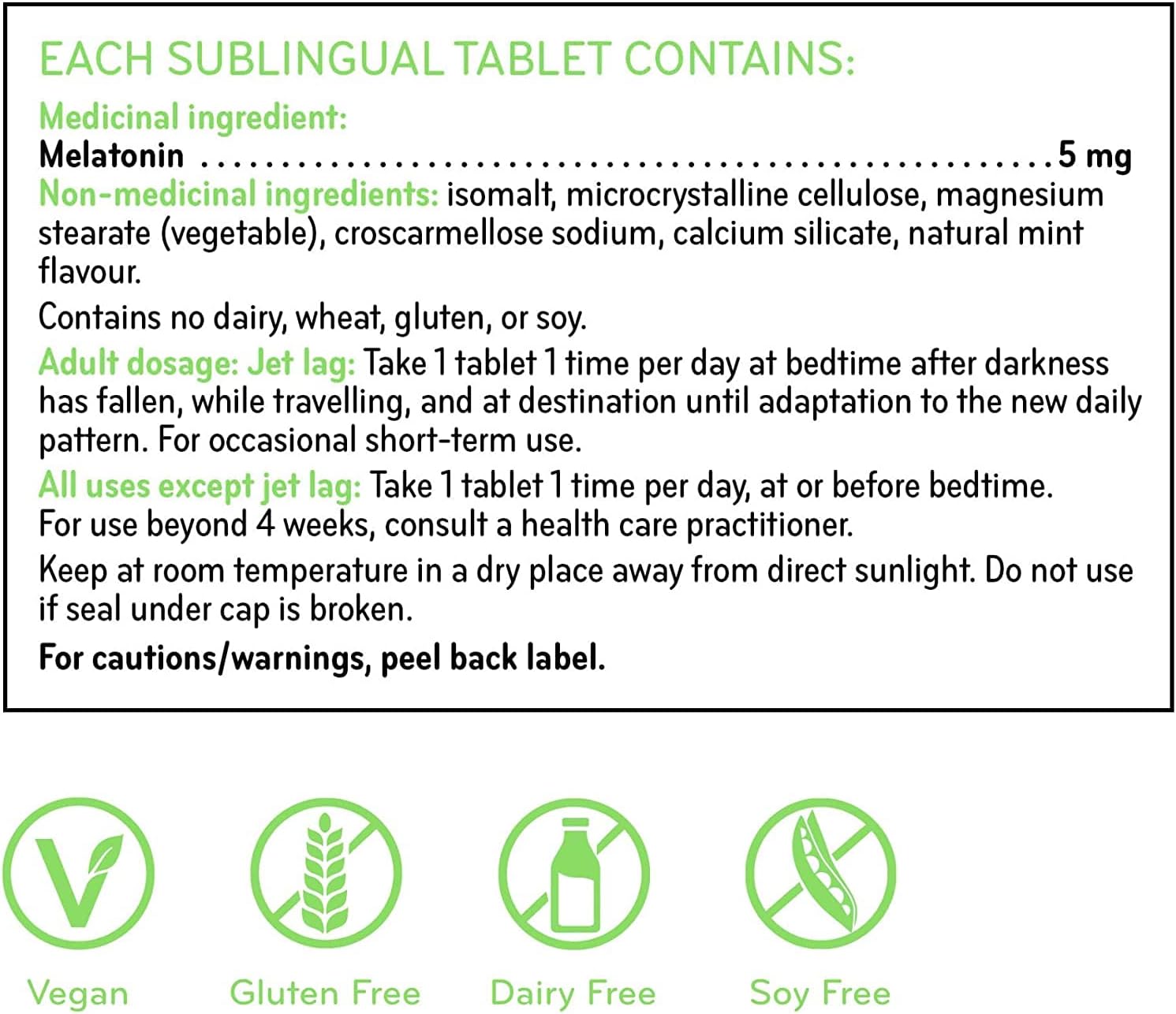
Always follow the directions on the individual Canadian product label, particularly because formulations and authorized uses vary.
Healthy Sleep Habits Still Matter
Melatonin works best within a broader sleep strategy.
Helpful habits can include:
• Maintaining a reasonably consistent wake time
• Getting appropriate daytime and morning light exposure
• Reducing excessive bright light late in the evening
• Limiting caffeine later in the day
• Keeping the bedroom dark, quiet, and comfortable
• Avoiding heavy meals immediately before bed
• Maintaining regular physical activity
• Developing a consistent wind-down routine
Supplements cannot fully compensate for chronic sleep deprivation or persistently irregular sleep schedules.
Melatonin Is Not a Sedative in the Traditional Sense
Melatonin differs from conventional sedative-hypnotic medications.
Its major physiological function is to signal circadian night.
This distinction helps explain why:
• Timing matters
• Higher doses are not always better
• Effects can vary according to the sleep problem
• It may be particularly useful for circadian disruption
• It does not necessarily produce strong sedation in everyone
Is Melatonin Habit-Forming?
Melatonin is not generally associated with the same physical dependence profile seen with certain prescription sedative-hypnotic medications.
However, describing it simply as “non-habit-forming” can overlook inappropriate or unnecessary long-term use.
If someone feels unable to sleep without taking melatonin every night, it is worth considering whether an underlying sleep, circadian, behavioural, medication-related, or medical issue needs attention.
Melatonin Safety
Melatonin is generally well tolerated by many adults when used appropriately, but side effects can occur.
These may include:
• Daytime drowsiness
• Headache
• Dizziness
• Nausea
• Vivid or unusual dreams
• Changes in alertness
Avoid driving or performing safety-sensitive activities if melatonin causes drowsiness or impaired alertness.
Melatonin & Medication Interactions
Professional guidance may be appropriate for people using medications that affect:
• Blood clotting
• Blood pressure
• Blood glucose
• Sedation
• Immune function
• Seizure control
• Other neurological or hormonal pathways
Medication interactions depend on the specific drug, melatonin dose, and individual circumstances.
Pregnancy & Breastfeeding
Safety data for routine melatonin supplementation during pregnancy and breastfeeding are not sufficient to assume that general OTC use is appropriate.
Pregnant or breastfeeding individuals should discuss melatonin use with an appropriate healthcare professional.
Melatonin for Children
Melatonin use in children requires different considerations from adult use.
Sleep difficulties in children can be related to:
• Behavioural sleep patterns
• Developmental factors
• Anxiety
• Circadian timing
• Neurodevelopmental conditions
• Medications
• Other sleep disorders
Parents or caregivers should seek appropriate professional guidance rather than treating children’s melatonin as a routine bedtime supplement.
When Sleep Problems Need Assessment
Consider professional assessment if sleep problems:
• Persist for several weeks
• Occur frequently despite adequate sleep opportunity
• Significantly impair daytime functioning
• Involve loud snoring or pauses in breathing
• Include uncomfortable urges to move the legs
• Are associated with significant anxiety or mood symptoms
• Cause dangerous daytime sleepiness
• Begin after starting or changing medication
Chronic insomnia is often best addressed through identification of underlying causes and evidence-based behavioural approaches such as cognitive behavioural therapy for insomnia (CBT-I).
FAQs
What does melatonin do?
Melatonin is a naturally occurring hormone that helps signal biological night and coordinate the body’s circadian sleep-wake rhythm.
How long before bed should I take melatonin?
It depends on the product and purpose. Sleep-onset products are often taken relatively close to bedtime, while circadian and jet-lag use may require more precise timing. Follow the specific product directions.
What melatonin strength should I start with?
The lowest appropriate dose is often a sensible starting point. Higher doses are not automatically more effective and may increase unwanted effects.
Is melatonin safe to take every night?
Appropriate duration depends on the individual and reason for use. Persistent nightly sleep problems should be evaluated rather than automatically managed indefinitely with melatonin.
Is time-release melatonin better for staying asleep?
It provides longer melatonin exposure and may be considered for some people, but nighttime waking has many possible causes and time-release melatonin is not universally superior.
Does melatonin help with jet lag?
Yes, appropriately timed melatonin can help with jet lag and circadian adjustment after travel across time zones. Timing is important.
Can melatonin make me groggy the next morning?
Yes. Morning drowsiness can occur, particularly depending on dose, formulation, timing, and individual sensitivity.
Can I take melatonin with magnesium or L-theanine?
These ingredients are available together in some formulations, but they have different roles. Consider total doses, other medications, and individual suitability.
Is melatonin addictive?
Melatonin is not generally associated with the same physical dependence seen with certain conventional sedative medications, but unnecessary long-term reliance should still be avoided.
Can children take melatonin?
Pediatric use deserves professional guidance because the reason for the child’s sleep difficulty, age, dose, timing, and duration all require consideration.
Why Shop Melatonin Supplements at Coal Harbour Pharmacy?
• Pharmacist-curated melatonin and sleep-support options
• Low-dose and higher-strength formulations
• Immediate-, fast-, and controlled-release options
• Tablets, capsules, liquids, gummies, and sublingual formats
• Combination formulas with complementary sleep-support ingredients
• Fast Canada-wide shipping
Related Collections
• Jet Lag
────────────────────────────────────
Shop Melatonin Supplements →
Sort by
24 products










FREE STANDARD SHIPPING
Satisfied or refunded
Top-notch support
Secure payments
Encrypted checkout processing
Offers exclude prescriptions and in-store purchases.
Subscribe & Get a First-Order Reward
Plus, earning reward points on eligible online purchases and enjoy future store credit.
We respect your inbox at Coal Harbour Pharmacy - Expect thoughtfully curated health and wellness updates, timely reminders, and exclusive online savings.