
Moisturizers & Lotions – Daily Hydration & Skin Barrier Support
Explore pharmacist-curated moisturizers, lotions, and creams for face and body, with options for dry, very dry, sensitive, normal, oily, and combination skin to support lasting hydration, softness, comfort, and a healthy skin barrier.
────────────────────────────────────
About Moisturizers & Lotions
Moisturizers are a foundation of everyday skincare. They help increase skin hydration, reduce water loss, soften rough or dry areas, and support the skin barrier—the outermost protective layer that helps separate the body from the external environment.
The Moisturizers & Lotions collection at Coal Harbour Pharmacy includes lightweight facial moisturizers, everyday body lotions, richer creams, fragrance-free options, and targeted hand, foot, elbow, and knee care.
Formulas may feature ingredients such as ceramides, glycerin, hyaluronic acid, colloidal oatmeal, urea, shea butter, petrolatum, dimethicone, and plant-derived oils, depending on the product.
Rather than assuming one moisturizer is best for everyone, choose according to your skin type, body area, climate, texture preference, and specific skincare needs.
Key Benefits
Regular use of an appropriate moisturizer can help:
• Increase and maintain skin hydration
• Reduce visible dryness, flaking, and roughness
• Support normal skin-barrier function
• Reduce transepidermal water loss
• Improve skin softness and smoothness
• Provide comfort to dry or tight-feeling skin
• Protect skin from drying environmental conditions
• Complement gentle cleansing and other skincare products
• Maintain healthier-looking skin throughout seasonal changes
Results depend on the formulation, ingredients, skin condition, and consistency of use.
Who It’s Ideal For
This collection includes options for:
• Normal skin needing everyday hydration
• Dry and very dry skin
• Sensitive or easily irritated skin
• Oily and combination skin
• Seasonal or winter dryness
• Frequent hand washing and dry hands
• Rough areas such as elbows, knees, and feet
• People looking for fragrance-free skincare
• Adults and families building simple daily skincare routines
Persistent redness, cracking, bleeding, significant itching, recurrent rashes, or other unexplained skin changes may require assessment rather than moisturizer alone.
Why Daily Moisturizing Matters
The outermost layer of the skin, known as the stratum corneum, contains skin cells surrounded by a lipid-rich matrix.
This structure helps:
• Retain water
• Maintain skin flexibility
• Reduce excessive moisture loss
• Protect against environmental irritants
• Support normal barrier function
When the barrier becomes dry or disrupted, skin may feel rough, tight, flaky, itchy, or uncomfortable.
A well-formulated moisturizer can help restore water and lipids to the outer skin layers and reduce further moisture loss.
How Moisturizers Work
Moisturizers commonly combine three broad categories of ingredients:
Humectants attract and hold water within the outer layers of skin.
Emollients help fill spaces between skin cells, improving softness and smoothness.
Occlusives form a surface layer that helps reduce water evaporation.
Many effective moisturizers contain ingredients from more than one category.
Lotions vs Creams vs Ointments
Texture can significantly affect how a moisturizer feels and performs.
Lotions
Lotions generally contain more water and have a lighter texture.
They are useful for:
• Everyday body moisturizing
• Larger skin areas
• Normal to mildly dry skin
• Warmer weather
• People who dislike heavy products
Creams
Creams are generally richer and more occlusive than lotions.
They may be better suited to:
• Dry skin
• Colder weather
• Hands and feet
• Areas requiring more substantial moisturization
Ointments
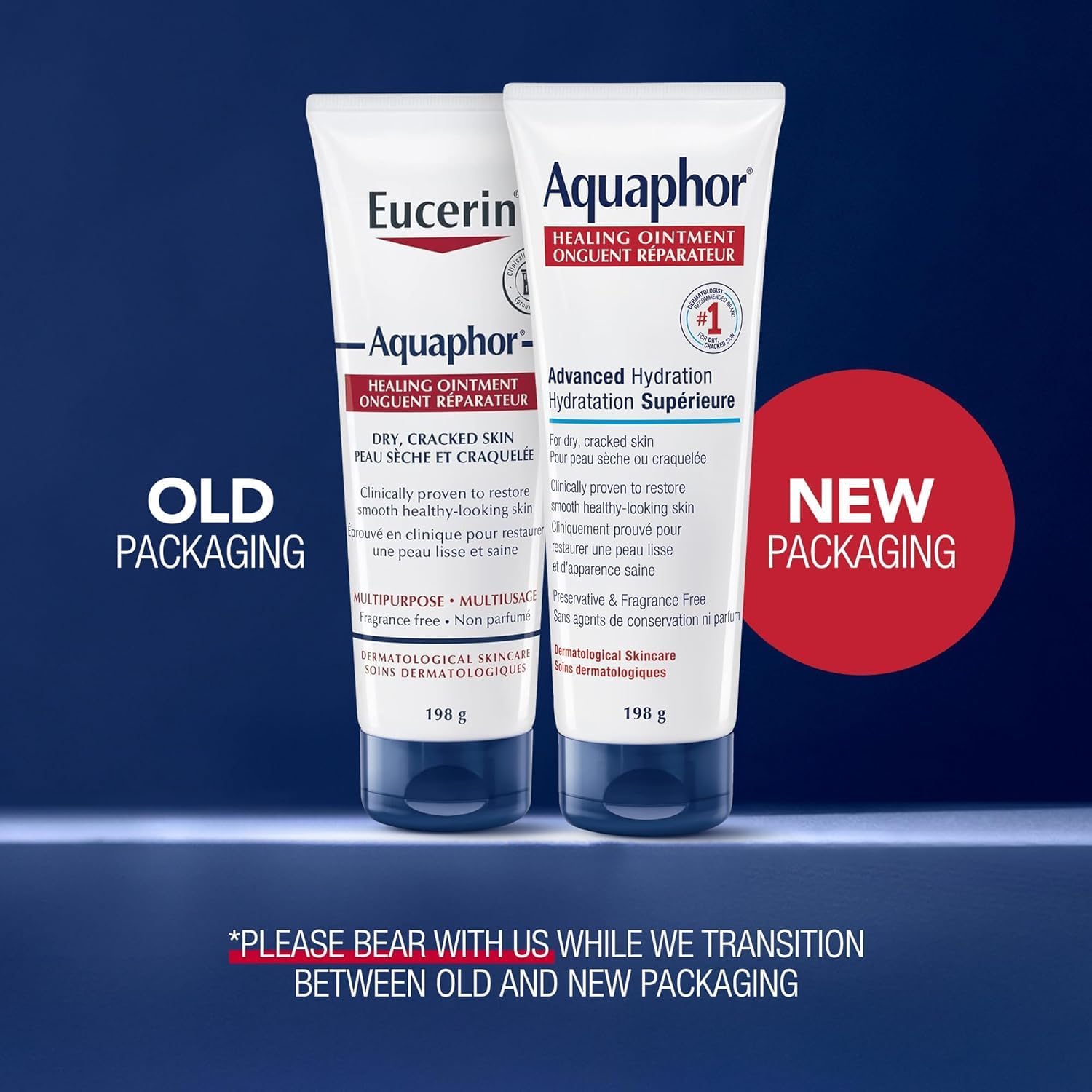
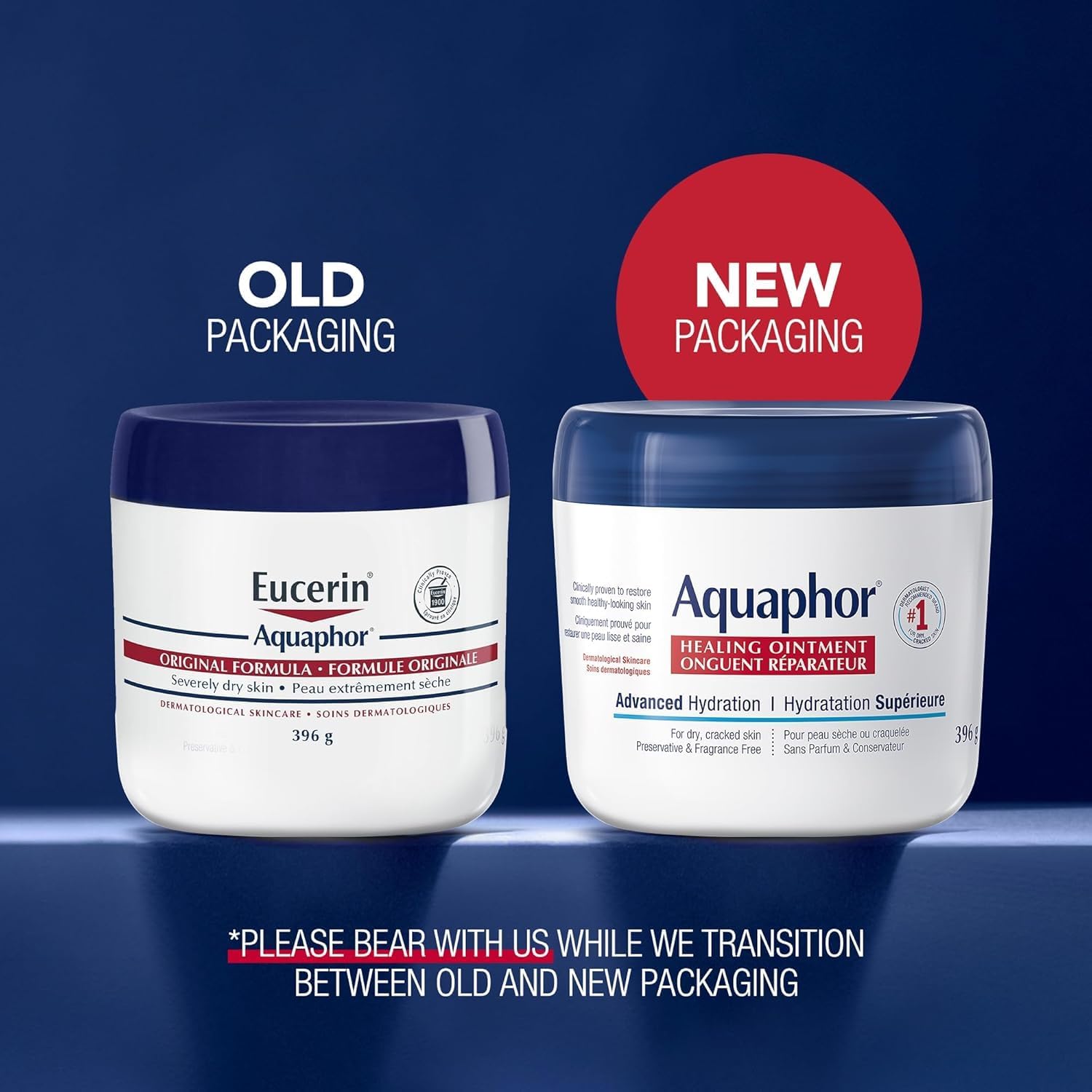
Ointments generally contain less water and provide stronger occlusion.
They can be particularly useful for very dry or cracked areas but may feel heavier or greasier.
Texture alone does not determine product quality—the best option is the one appropriate for the skin and likely to be used consistently.
Daily Facial Moisturizers
Facial moisturizers are generally formulated with texture, layering, and cosmetic acceptability in mind.
Options may include:
• Lightweight lotions
• Gel creams
• Barrier-support creams
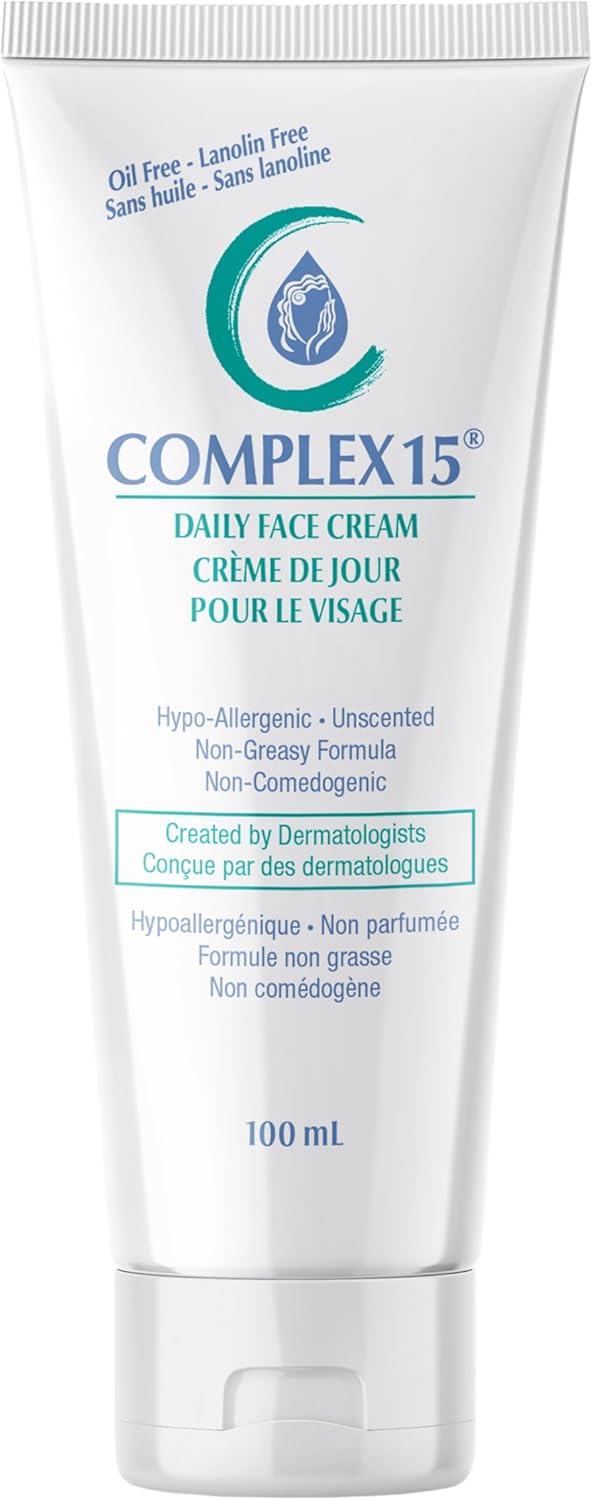
• Oil-free moisturizers
• Fragrance-free formulas
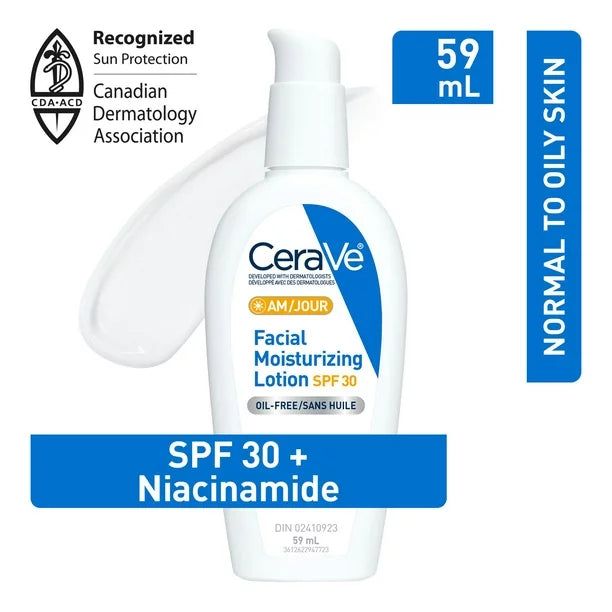
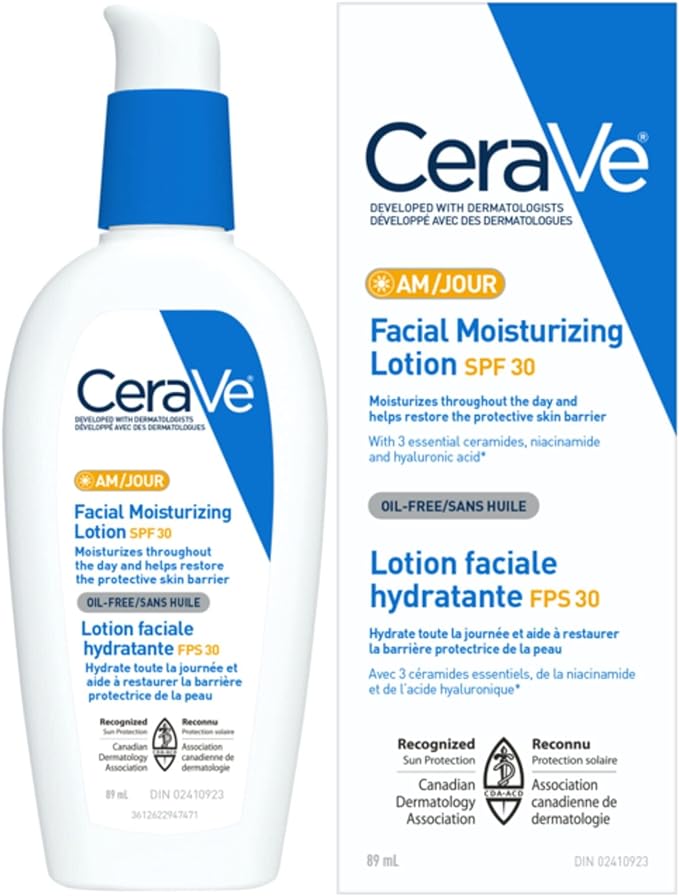
• Daytime moisturizers with SPF
• Richer nighttime creams
A facial moisturizer does not necessarily need to be expensive or contain numerous active ingredients to provide effective hydration.
Body Lotions & Creams
Body moisturizers are designed to cover larger areas efficiently.
They can be particularly useful:
• After bathing or showering
• During cold or dry weather
• Following frequent swimming
• For dry arms and legs
• After repeated exposure to soaps or sanitizers
Applying moisturizer while the skin is still slightly damp after bathing can help retain hydration.
Dry & Very Dry Skin
Dry skin can develop when the outer skin layer loses water and lipids.
Contributing factors can include:
• Cold weather
• Low humidity
• Hot showers
• Frequent bathing
• Harsh cleansers
• Repeated hand washing
• Age-related changes
• Certain medications
• Underlying skin or medical conditions
Richer creams and ointments containing humectants, emollients, and occlusive ingredients are often more useful for very dry skin than lightweight lotions.
Sensitive Skin
Sensitive skin may react to particular ingredients or environmental exposures with burning, stinging, redness, or discomfort.
Simpler products can sometimes be easier to tolerate.
Useful features may include:
• Fragrance-free formulations
• Minimalist ingredient lists
• Gentle preservatives
• Barrier-support ingredients
• Avoidance of known personal triggers
“Hypoallergenic,” “natural,” and “dermatologist tested” do not guarantee that a product will never cause irritation or allergy.
Fragrance-Free vs Unscented
These terms are not necessarily interchangeable.
Fragrance-free generally indicates that fragrance ingredients have not been intentionally added to provide scent.
Unscented products may still contain ingredients used to mask the natural smell of the formulation.
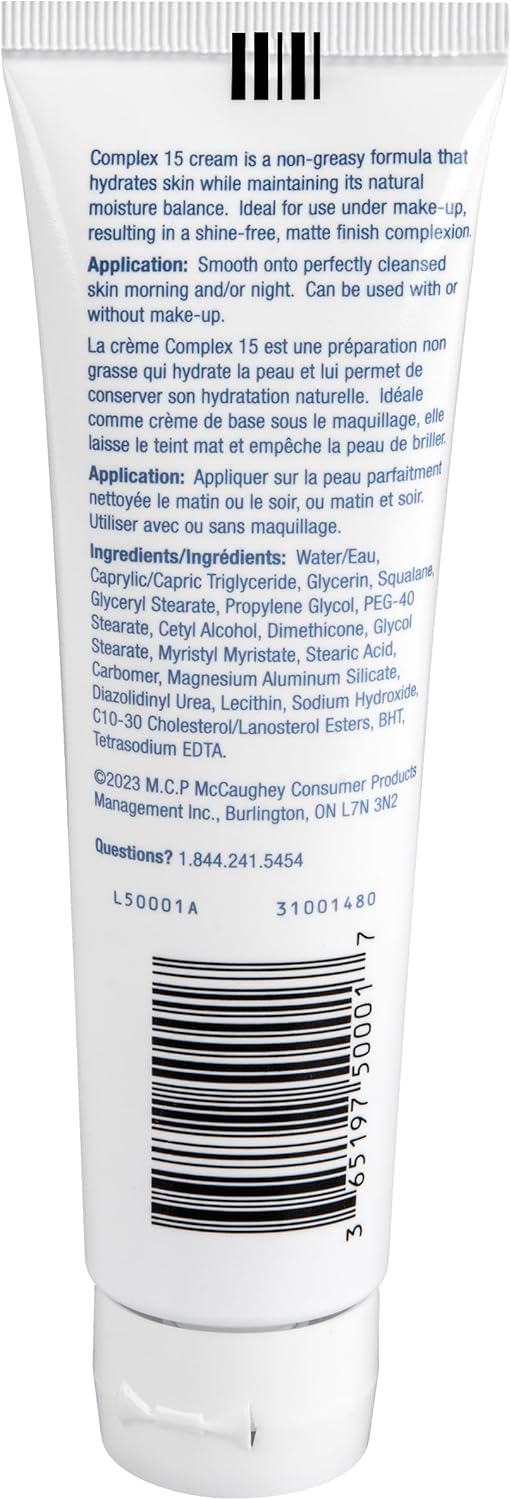
People with fragrance sensitivity should review the actual ingredient list rather than relying solely on front-label wording.
Moisturizers for Oily & Combination Skin
Oily skin still requires appropriate barrier care.
A lightweight moisturizer can help maintain hydration without creating an unnecessarily heavy feel.
Look for textures such as:
• Lightweight lotions
• Gel creams
• Fluid moisturizers
• Oil-free options
• Non-comedogenic products when appropriate
Skipping moisturizer entirely does not necessarily reduce oil production and may leave the skin feeling dehydrated or uncomfortable.
What Does “Non-Comedogenic” Mean?
Non-comedogenic products are formulated with the intention of minimizing pore blockage.
However, there is no guarantee that every product labelled non-comedogenic will work perfectly for every acne-prone individual.
Acne is influenced by multiple factors, and a moisturizer should complement rather than replace appropriate acne treatment when needed.
Ceramides
Ceramides are lipids naturally present in the skin barrier.
Together with cholesterol and fatty acids, they help form the lipid matrix of the stratum corneum.
Ceramide-containing moisturizers can help support barrier function and are commonly used in products for:
• Dry skin
• Sensitive skin
• Barrier-compromised skin
• Everyday facial and body hydration
Different products use different ceramide combinations and delivery systems.
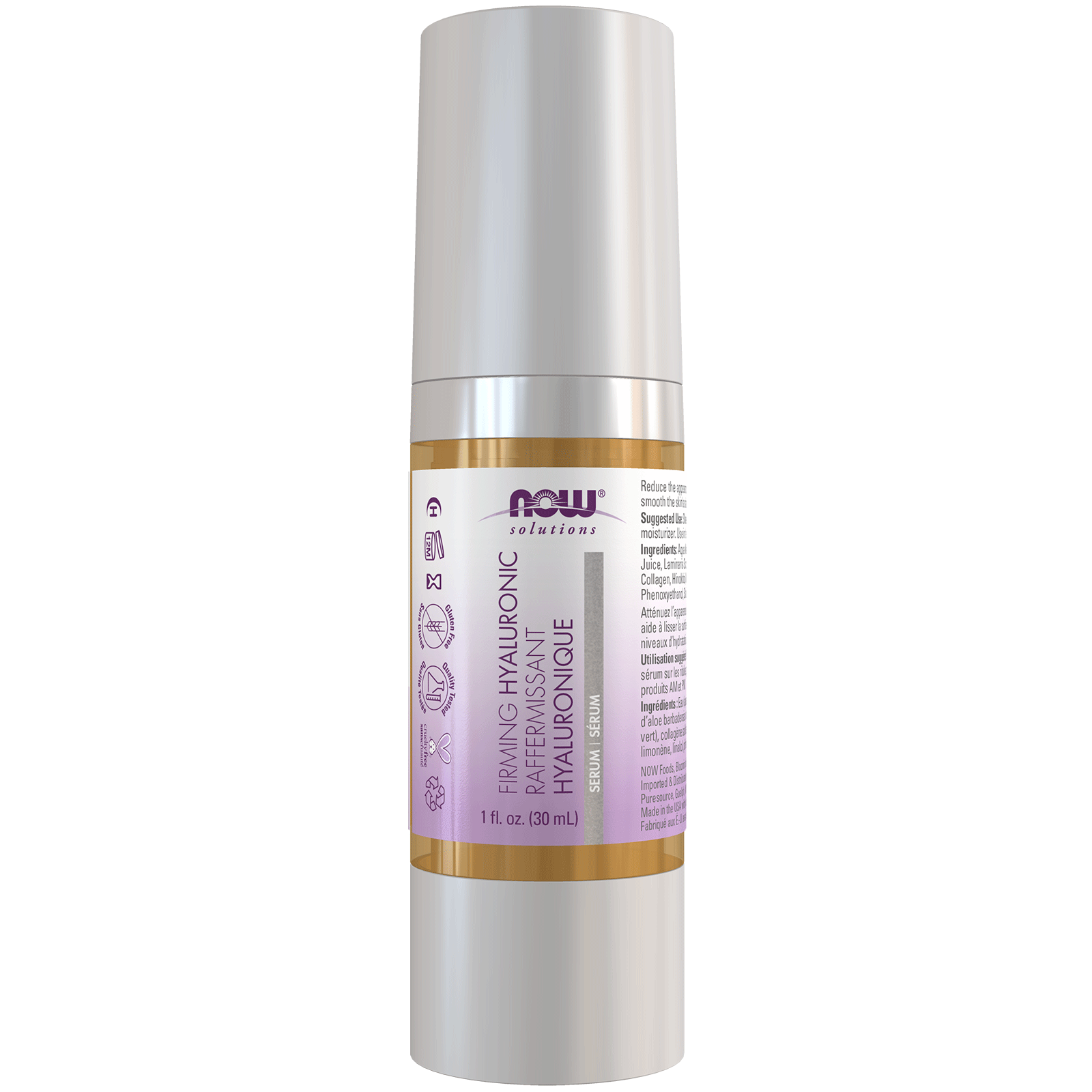
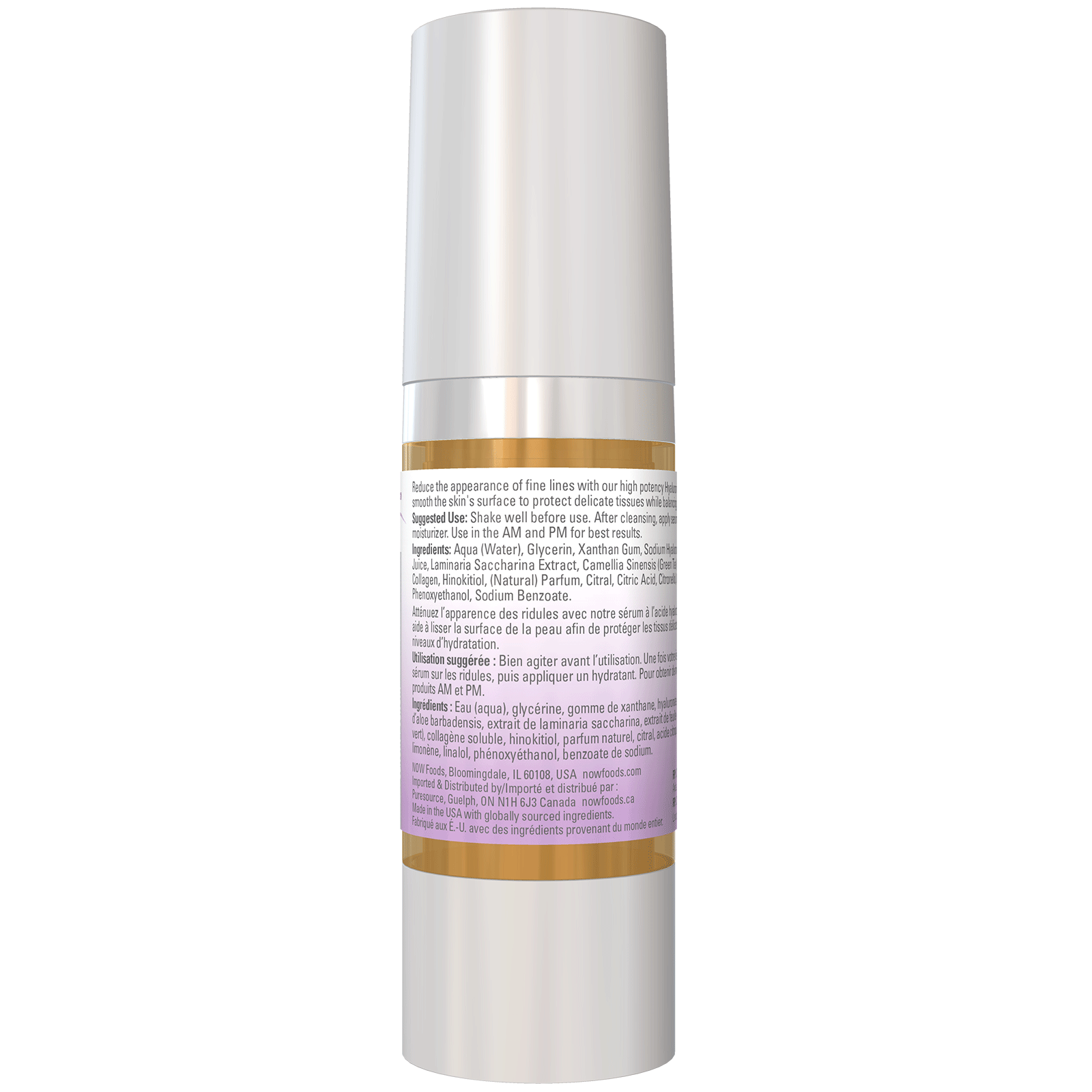
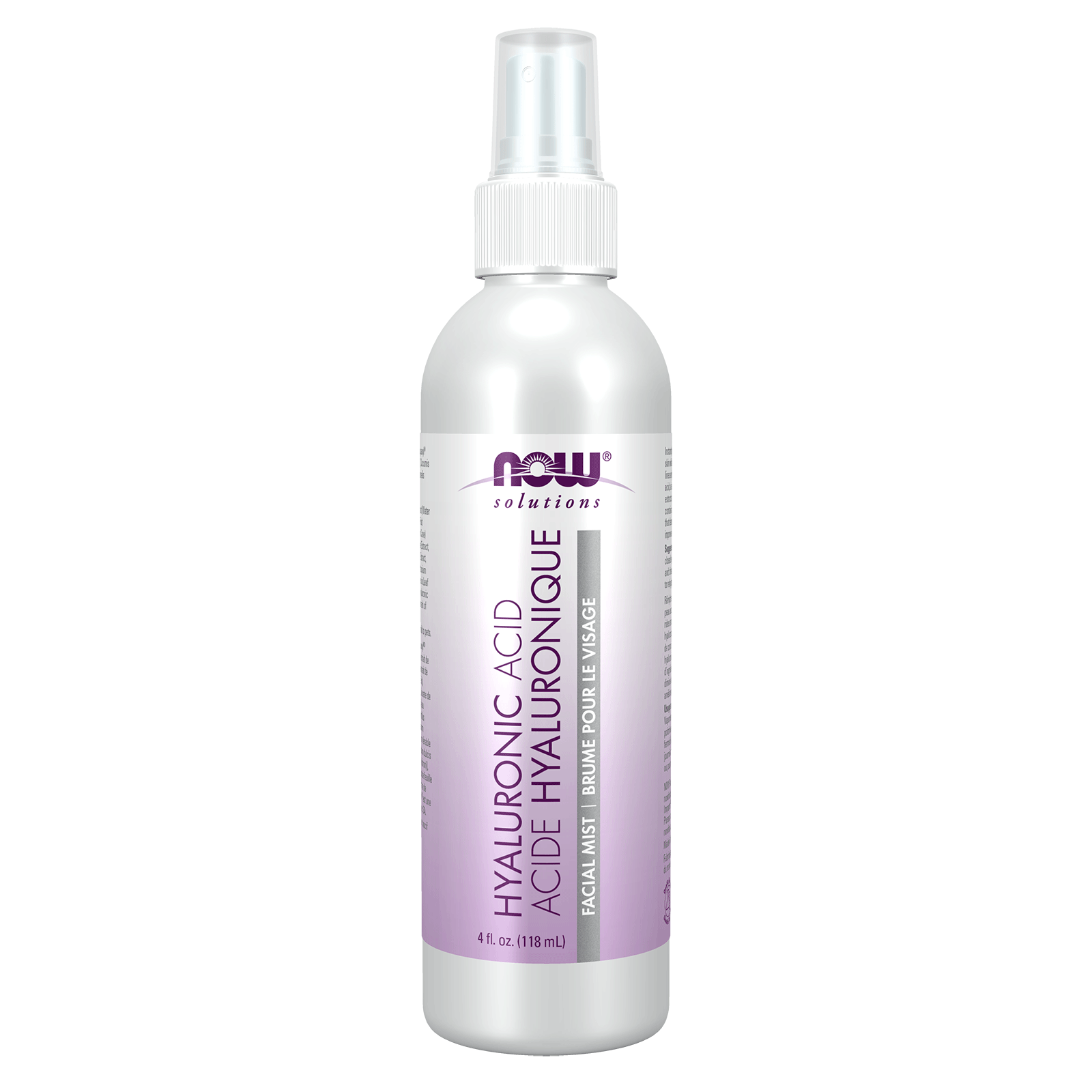
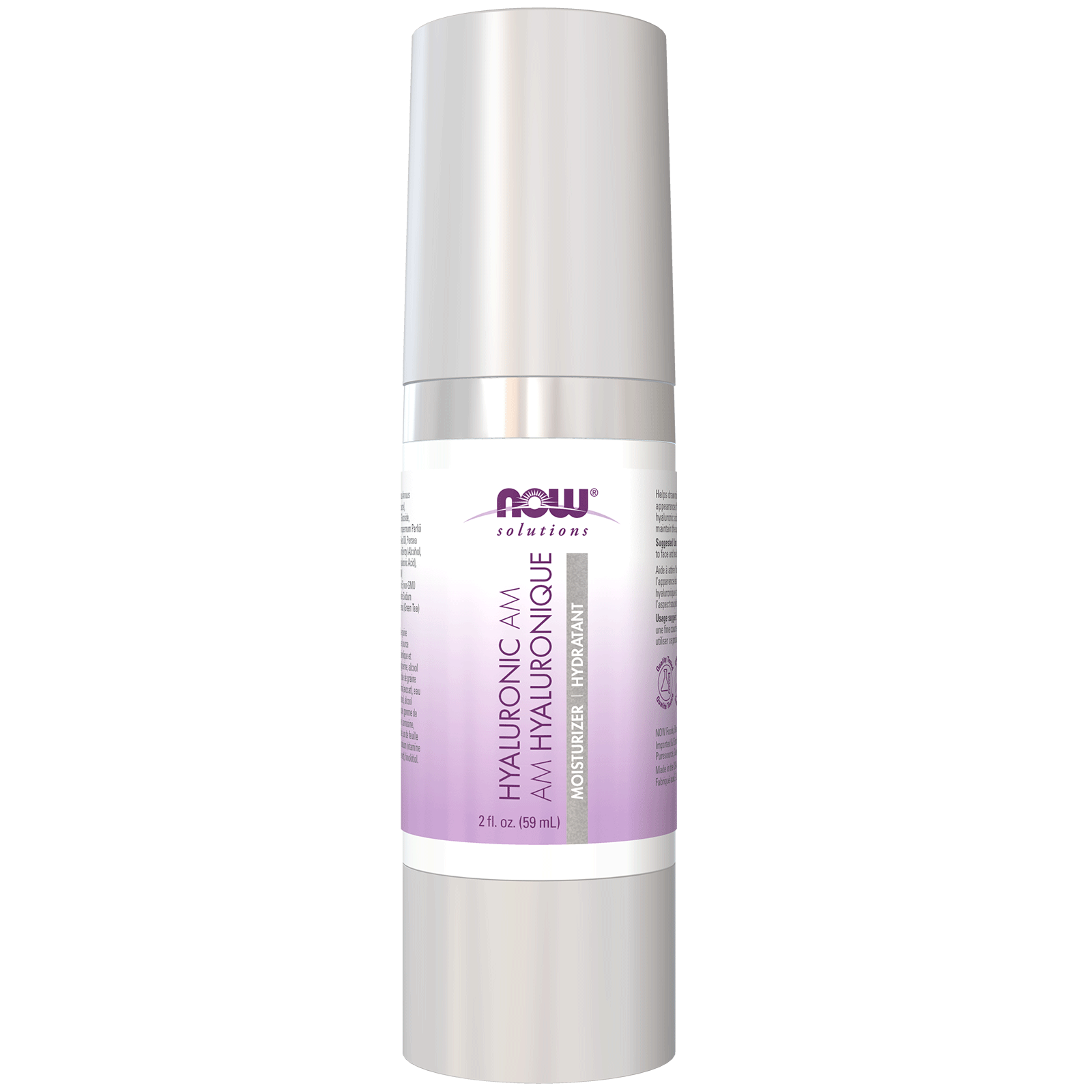
Hyaluronic Acid
Hyaluronic acid is a naturally occurring glycosaminoglycan with strong water-binding properties.
In topical skincare, it functions primarily as a humectant, helping attract and retain moisture in the outer skin layers.
It can contribute to a hydrated and temporarily plumper-looking appearance.
Topical hyaluronic acid should not be confused with injectable dermal fillers and does not permanently change facial structure.
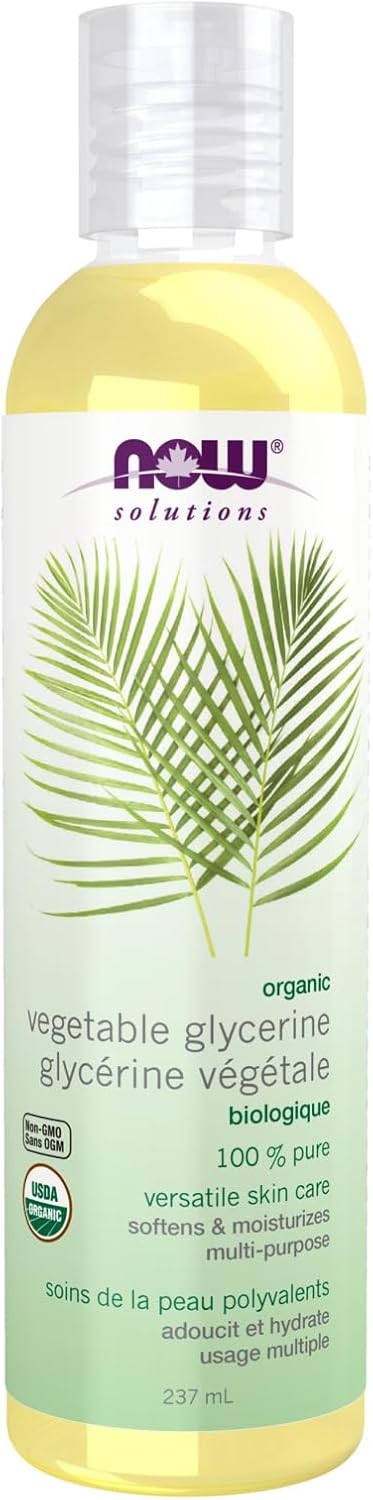
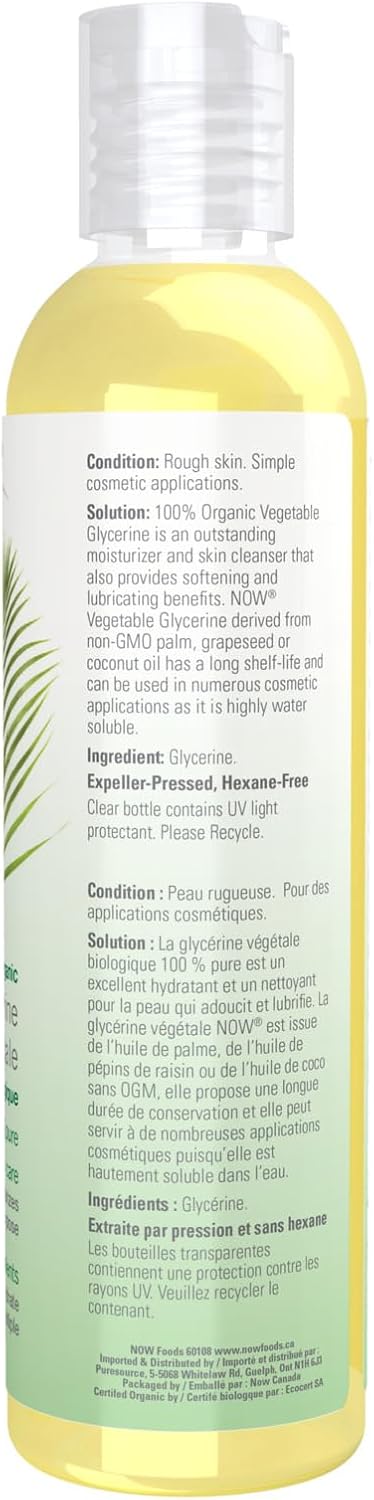
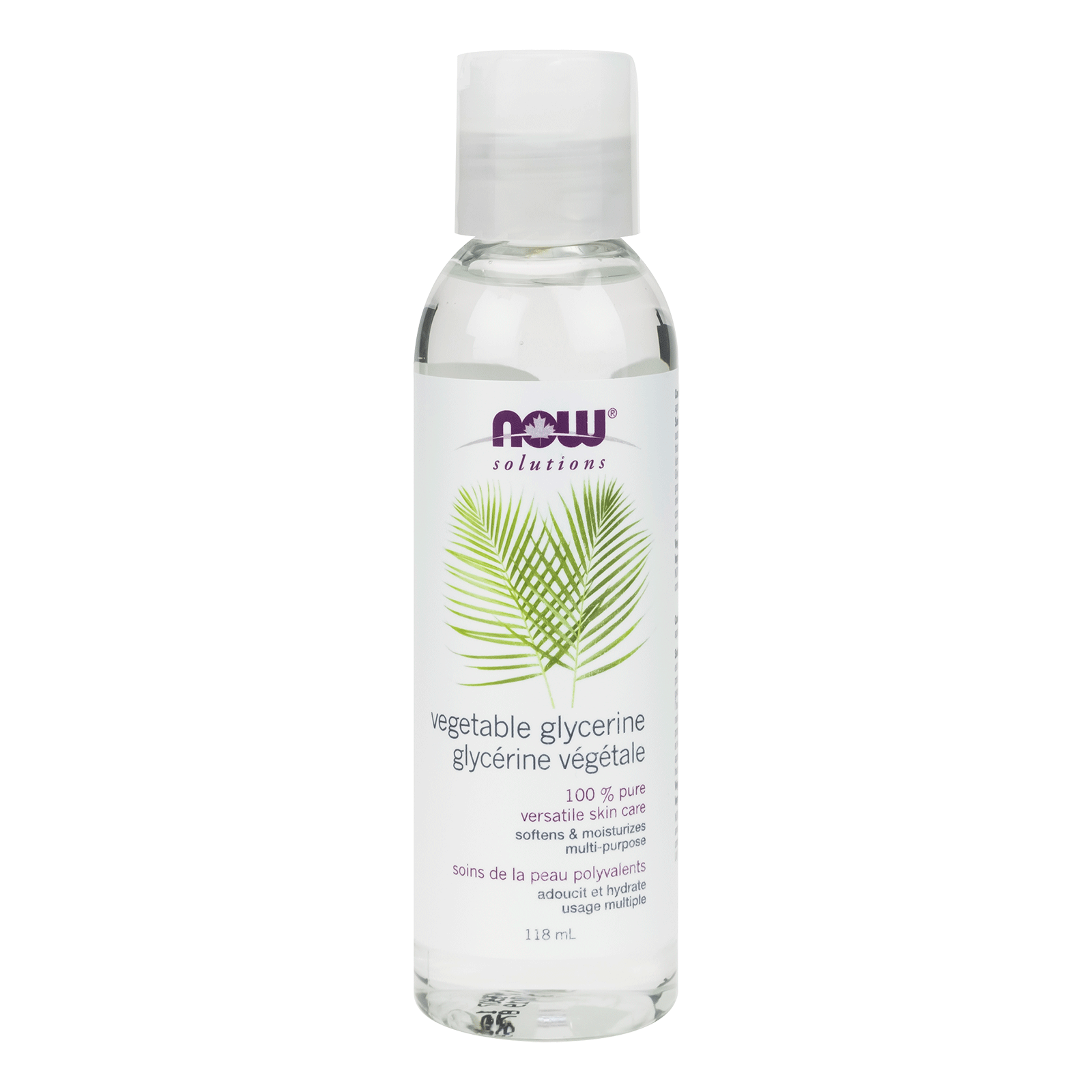
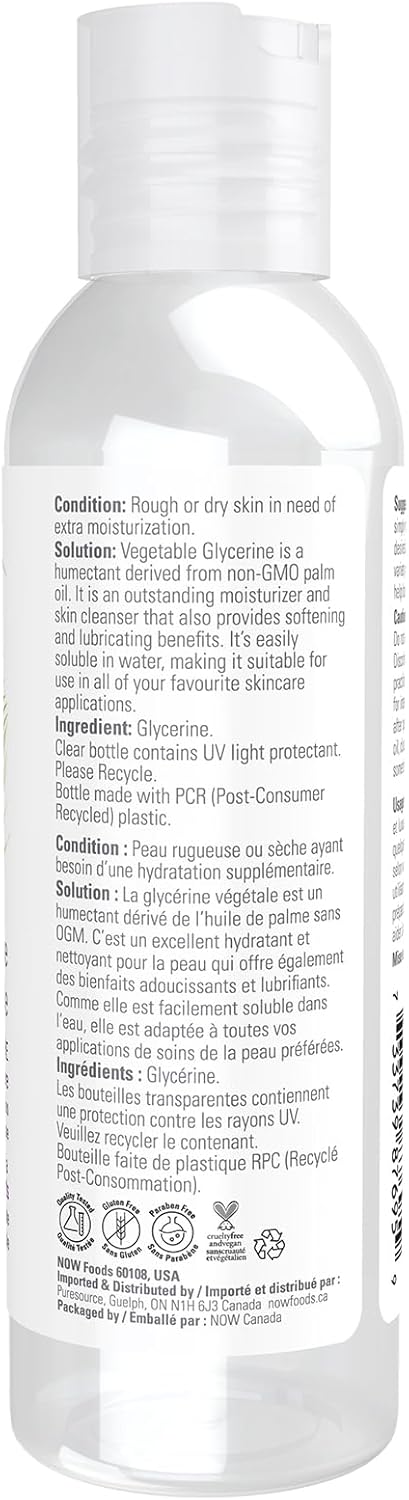
Glycerin
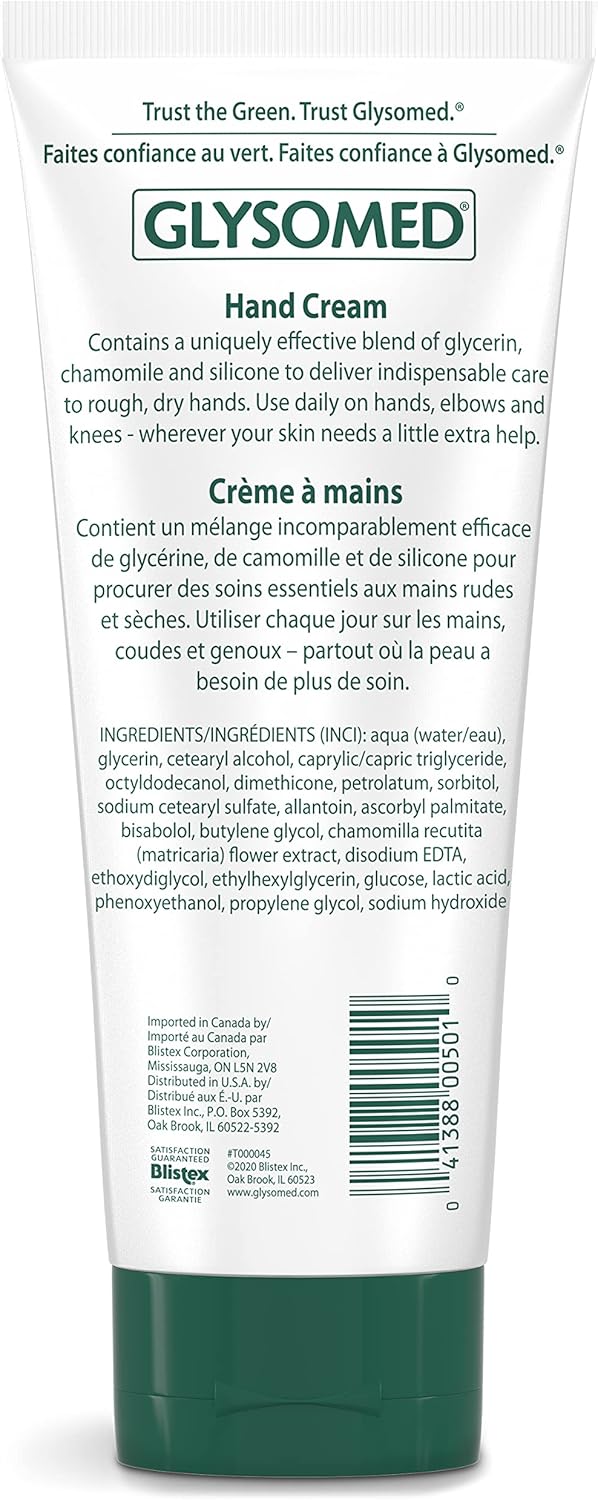
Glycerin is one of the most established humectants used in skincare.
It helps attract water into the outer layers of the skin and can support:
• Hydration
• Softness
• Barrier function
• Improved feel of dry skin
It works particularly well as part of formulas that also contain emollient and occlusive ingredients.
Shea Butter
Shea butter is a plant-derived lipid commonly used as an emollient.
It can help:
• Soften dry skin
• Improve surface smoothness
• Reduce rough texture
• Complement other moisturizing ingredients
As with any botanical ingredient, individual sensitivities can occur.
Colloidal Oatmeal
Colloidal oatmeal is finely processed oat material used in many skin-care preparations.
It has properties that can help support:
• Skin hydration
• Barrier function
• Comfort of dry or irritated-feeling skin
Certain colloidal oatmeal products may also have specific therapeutic indications depending on their formulation and regulatory status.
Urea
Urea occurs naturally as part of the skin’s natural moisturizing factors.
At appropriate concentrations, topical urea can function as a humectant and help improve hydration.
Higher-concentration formulations can also help soften thickened, rough, or scaly skin.
Because concentration matters, a urea product designed for thick heel skin may not be appropriate for sensitive facial skin.
Petrolatum
Petrolatum is a highly effective occlusive moisturizer.
It reduces water loss from the skin and can be particularly useful for:
• Very dry skin
• Cracked areas
• Lips
• Hands
• Targeted barrier protection
Its heavier texture may not suit everyone’s cosmetic preferences, but heaviness should not be confused with poor skincare quality.
Dimethicone
Dimethicone is a silicone-based ingredient commonly used in moisturizers and barrier products.
It can:
• Reduce water loss
• Improve skin feel
• Provide a smooth protective layer
• Reduce friction
Silicones are generally well established in cosmetic skincare and should not automatically be considered undesirable simply because they are synthetic ingredients.
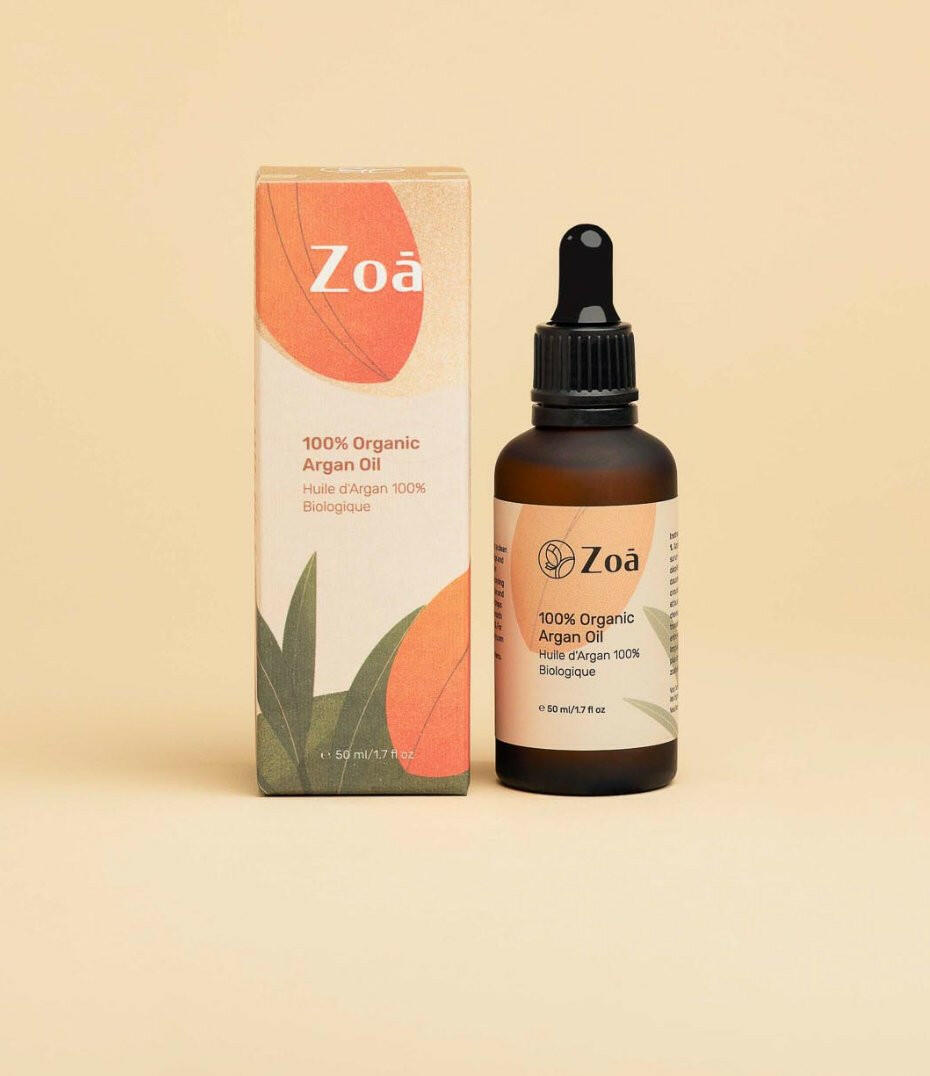
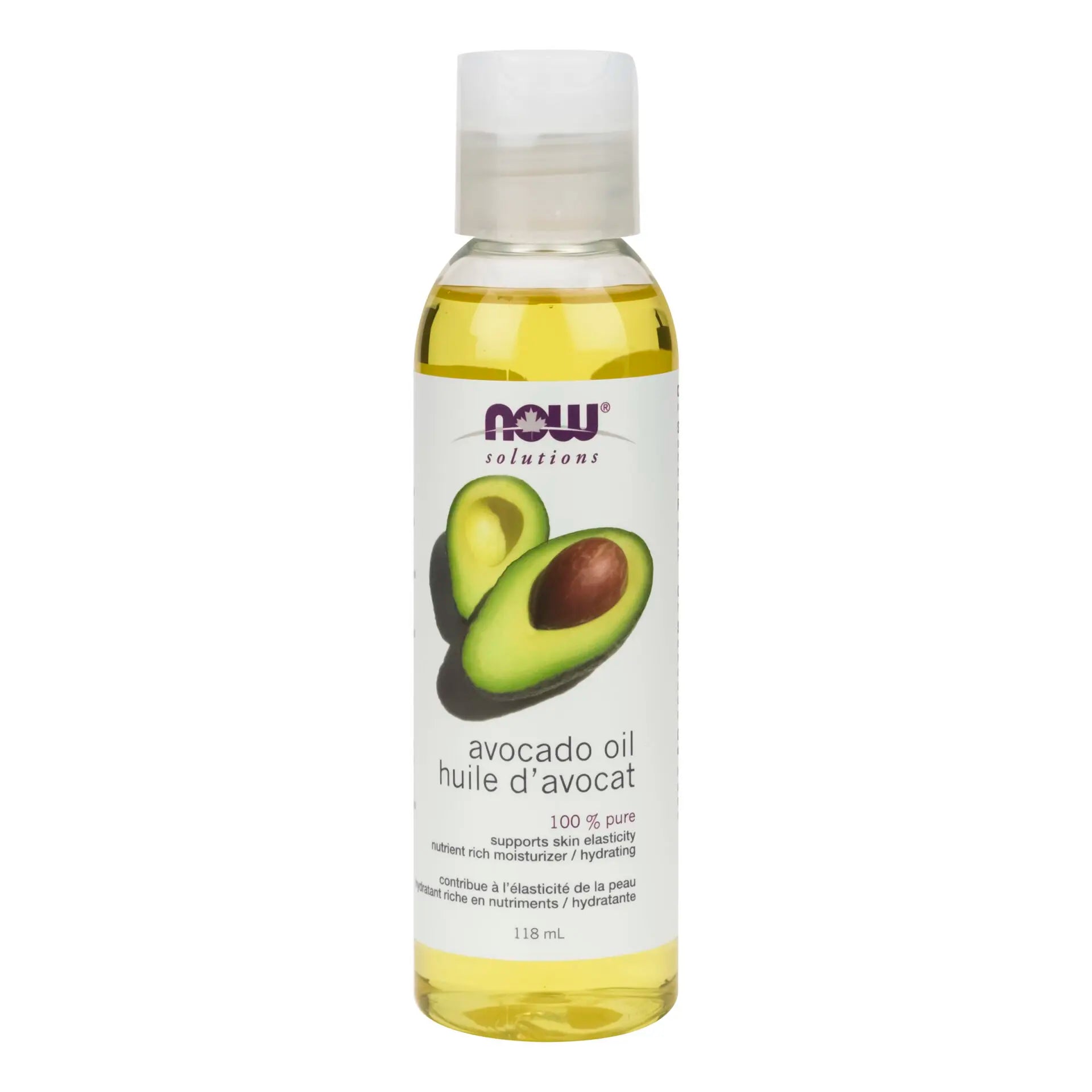
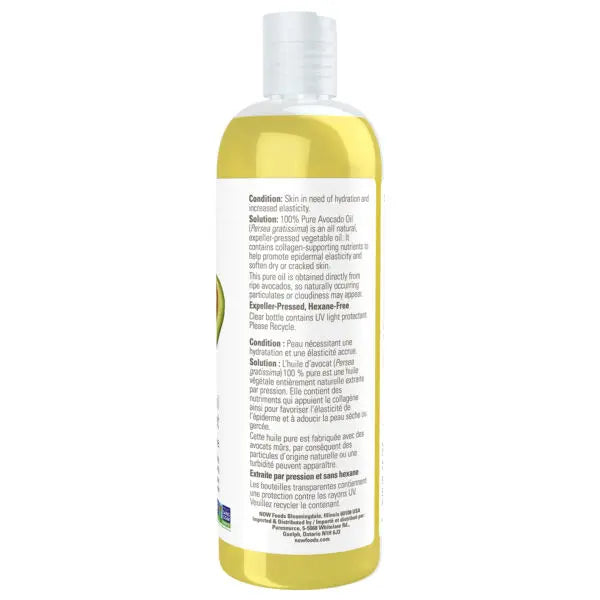
Botanical Oils
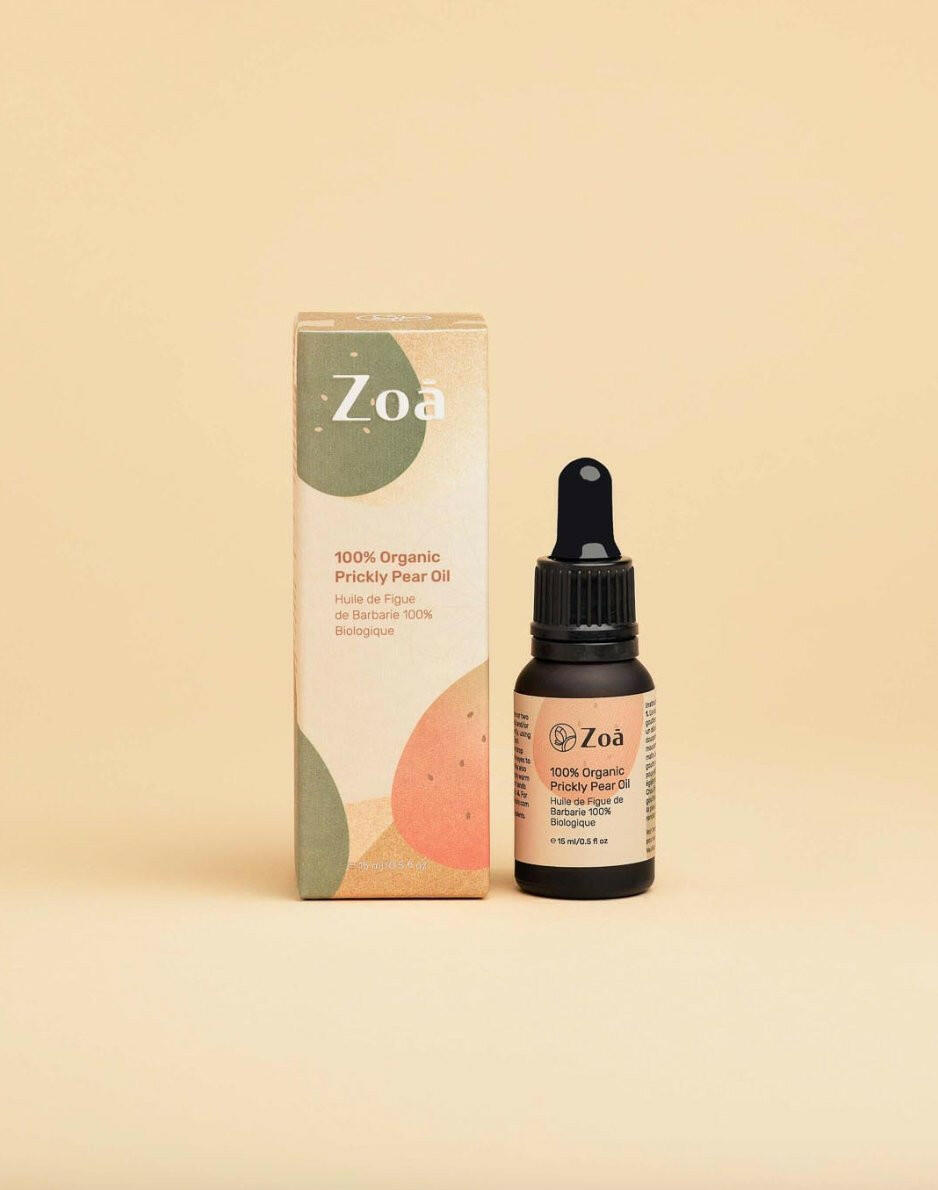
Moisturizers may contain oils such as:
• Jojoba
• Sunflower
• Coconut
• Avocado
• Argan
• Other plant-derived oils
These can provide emollient benefits, but botanical does not automatically mean non-irritating or superior.
Suitability depends on the oil, formulation, skin type, and individual sensitivity.
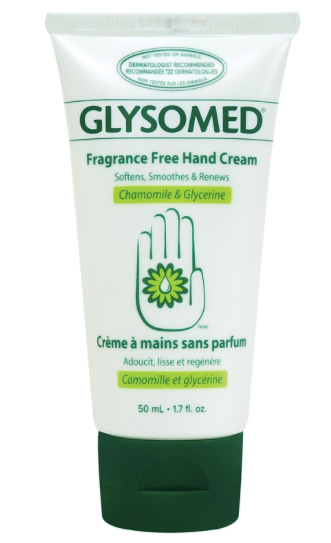
Hand Moisturizers
Hands are frequently exposed to:
• Soap
• Hand sanitizer
• Water
• Cleaning products
• Cold weather
Repeated exposure can disrupt the skin barrier and contribute to dryness.
Regular application of a hand cream—particularly after washing and before bed—can help maintain hydration and comfort.
Very dry hands may benefit from richer creams or ointments.
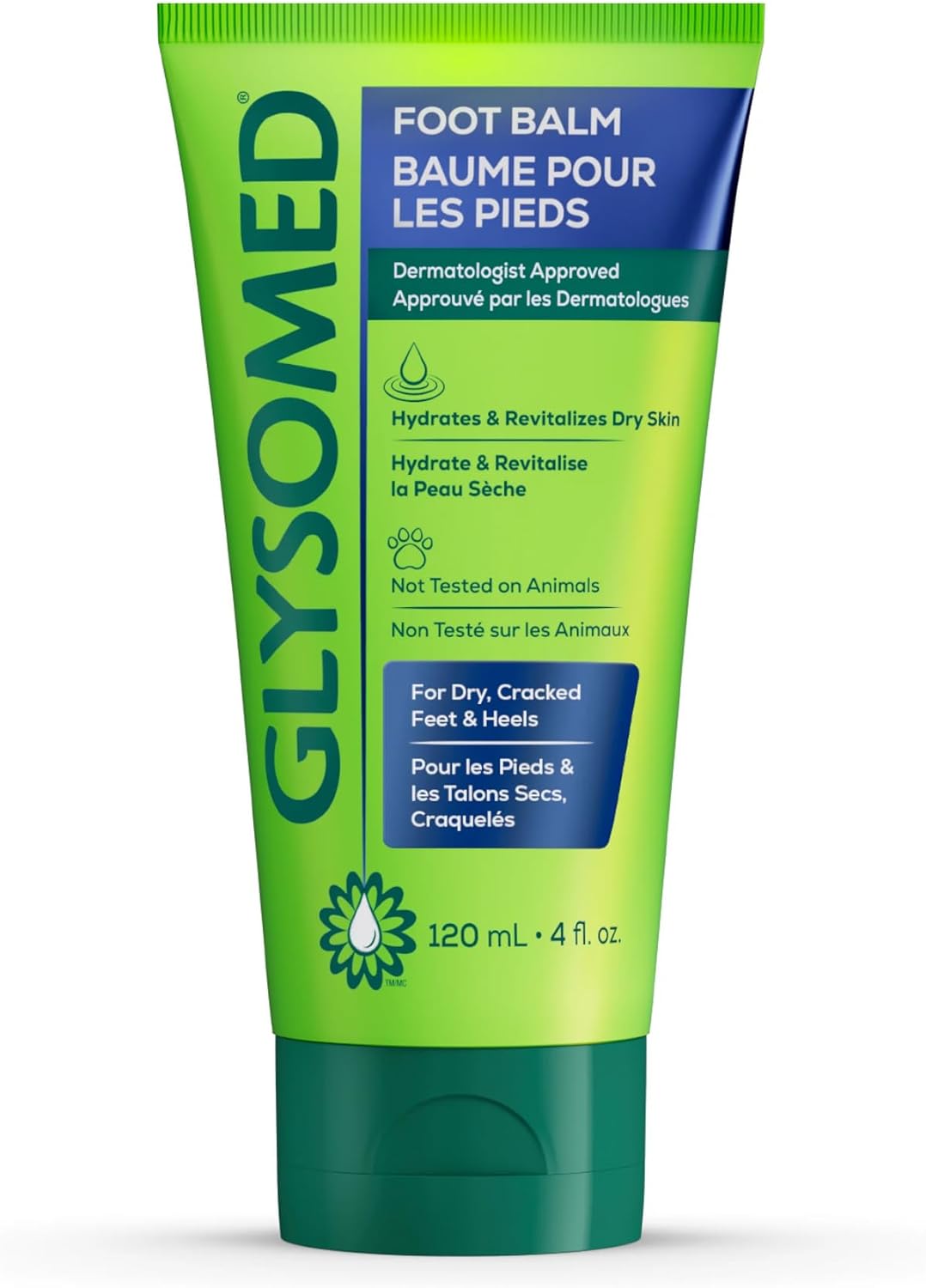
Foot, Heel & Targeted Moisturizers
Feet, heels, elbows, and knees can develop thicker, rougher skin.
Products intended for these areas may contain:
• Urea
• Lactic acid
• Other keratolytic ingredients
• Rich emollients
• Occlusive ingredients
Strong exfoliating or keratolytic products should be used carefully on cracked, irritated, or damaged skin.
People with diabetes, neuropathy, poor circulation, or recurrent foot wounds should seek appropriate professional foot-care guidance.
Moisturizing After Showering
One of the simplest ways to improve a moisturizing routine is to apply the product shortly after bathing.
A useful routine is:
• Use lukewarm rather than very hot water
• Choose a gentle cleanser when possible
• Avoid unnecessarily long showers
• Pat rather than aggressively rub the skin dry
• Apply moisturizer while the skin retains some moisture
This can help reduce post-shower dryness.
Moisturizers & the Skin Barrier
The skin barrier is sometimes described as a “brick-and-mortar” structure.
Corneocytes act somewhat like bricks, while lipids including ceramides, cholesterol, and fatty acids help form the surrounding matrix.
Barrier-supportive moisturizers can help replenish water and surface lipids.
However, “barrier repair” should not be interpreted as meaning a cosmetic product can treat every dermatological disorder involving barrier dysfunction.
Moisturizers & Eczema-Prone Skin
Moisturizing is an important component of skincare for many people with eczema-prone or very dry skin.
However, eczema is an inflammatory skin condition and may require specific medical treatment.
A cosmetic moisturizer should not automatically be presented as treating eczema unless the particular product has an authorized therapeutic indication.
Persistent itching, inflammation, oozing, infection, or significant flares warrant appropriate healthcare guidance.
Moisturizers & Acne-Prone Skin
Acne-prone skin can still become dry, particularly when using ingredients such as:
• Benzoyl peroxide
• Retinoids
• Salicylic acid
• Prescription acne medications
A compatible moisturizer may improve comfort and support adherence to an acne-care routine.
Choose products according to skin tolerance and treatment plan rather than avoiding moisturizers altogether.
Moisturizers & Mature Skin
Skin commonly becomes drier with age due to changes in:
• Sebum production
• Barrier lipids
• Natural moisturizing factors
• Skin structure
Richer moisturizers can improve hydration, softness, and the temporary appearance of fine dehydration lines.
Moisturizers cannot reverse intrinsic skin aging, but consistent hydration can significantly improve how dry mature skin feels and looks.
Seasonal Dryness
Skin needs can change throughout the year.
During colder or lower-humidity months, some people benefit from:
• Richer creams
• More frequent moisturizing
• Gentler cleansing
• Reduced hot-water exposure
• Targeted ointments for very dry areas
During warm or humid weather, lighter lotions or gel creams may feel more comfortable.
Daytime Moisturizers & Sunscreen
Some daytime facial moisturizers contain SPF.
When relying on one for sun protection, ensure it provides appropriate broad-spectrum protection and is applied in a sufficient amount according to the label.
A moisturizer without adequate SPF does not replace sunscreen.
Sun protection remains an important component of a comprehensive skincare routine.
How to Choose the Right Moisturizer
For Normal Skin
Choose a comfortable lotion or cream that maintains hydration without feeling unnecessarily heavy.
For Dry Skin
Look for combinations of humectants, emollients, and occlusives such as glycerin, ceramides, shea butter, dimethicone, or petrolatum.
For Very Dry Skin
Consider richer creams or ointments and targeted ingredients such as urea where appropriate.
For Oily or Combination Skin
Choose lighter lotions, fluids, or gel-cream textures.
For Sensitive Skin
Prioritize simple, fragrance-free formulas and avoid known personal triggers.
For Hands & Feet
Use products designed for repeated washing, thickened skin, or high-friction areas as appropriate.
A Simple Daily Moisturizing Routine
Morning
Cleanse gently if needed, apply an appropriate moisturizer, and finish with sunscreen when sun exposure is expected.
After washing or showering
Apply body moisturizer while the skin is still slightly damp.
Throughout the day
Reapply hand cream after frequent washing or whenever dryness develops.
Evening
Use a richer facial or body moisturizer when additional hydration is needed.
A skincare routine does not need to be complicated to be effective.
Product Claims & Dermatologist Recommendations
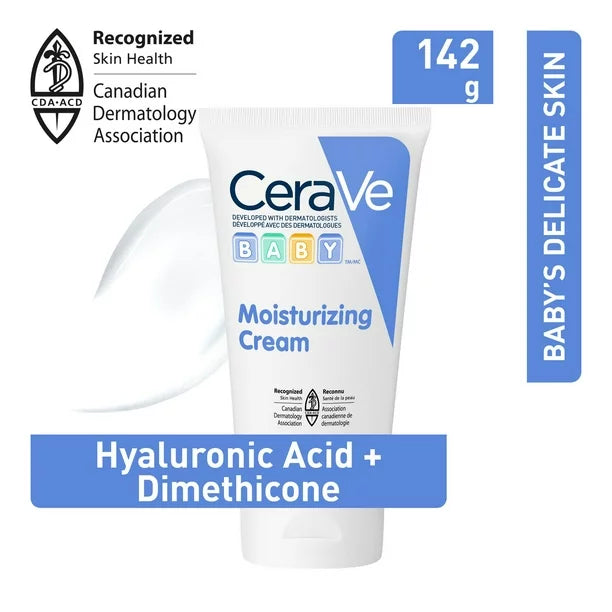
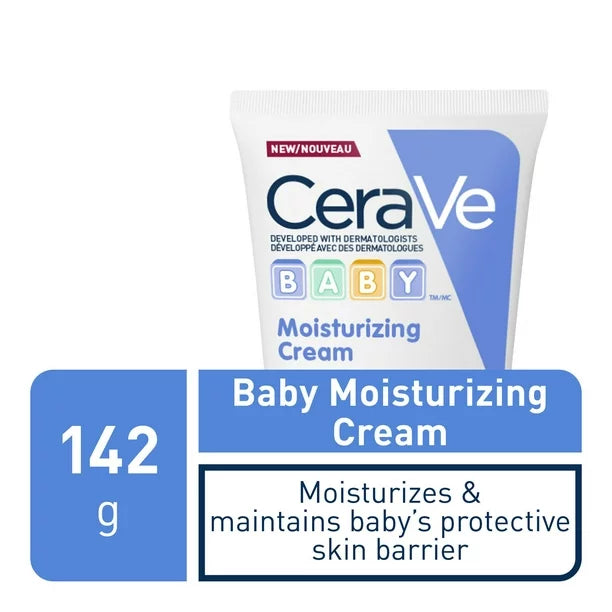
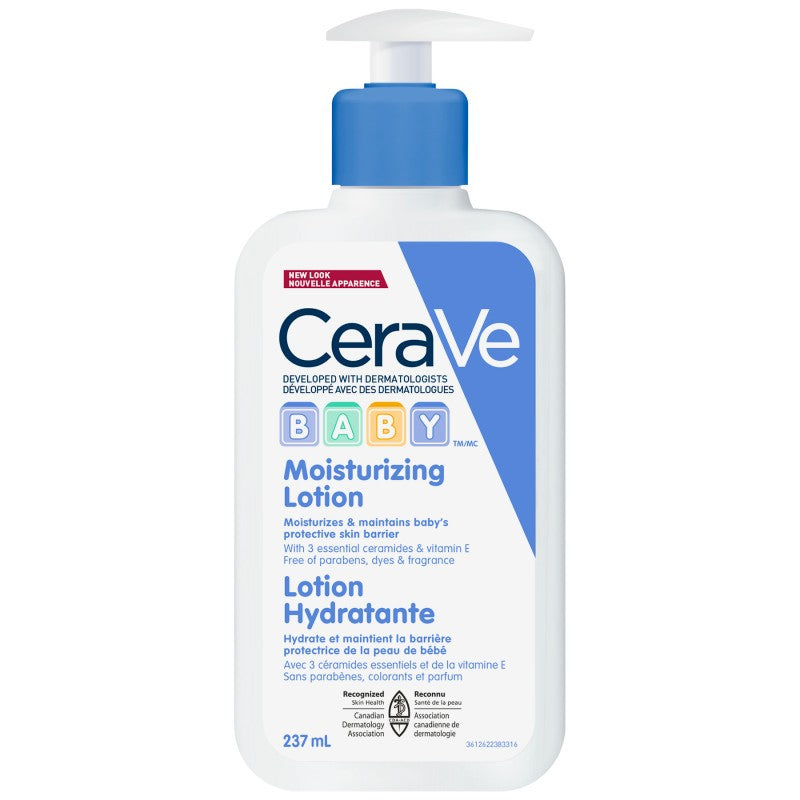
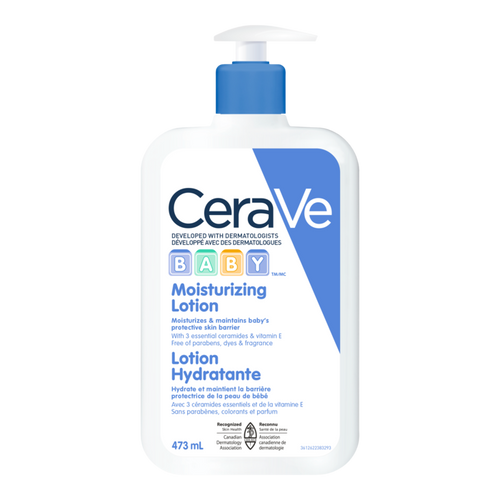
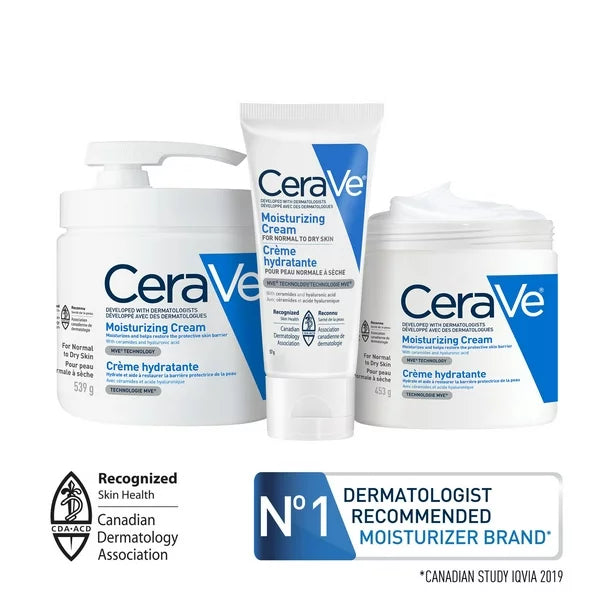
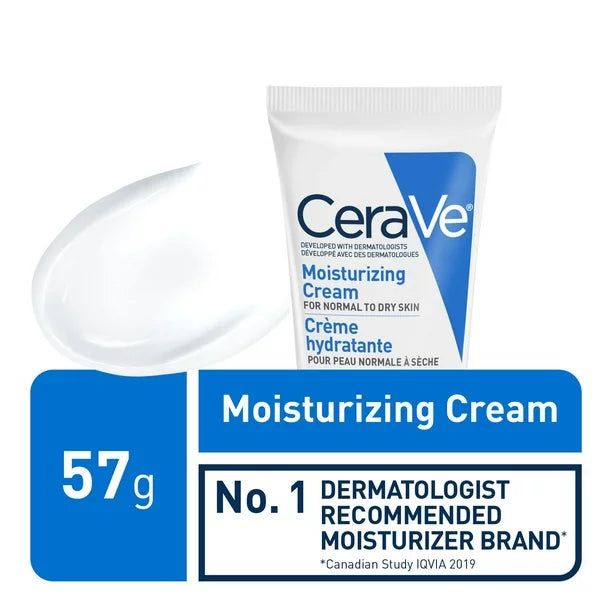
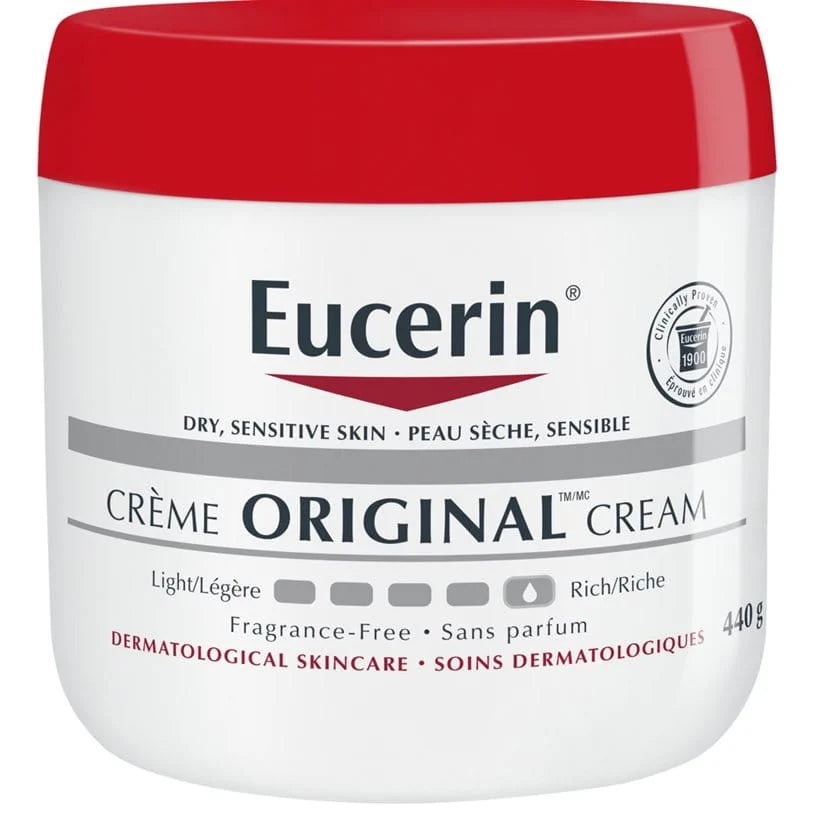
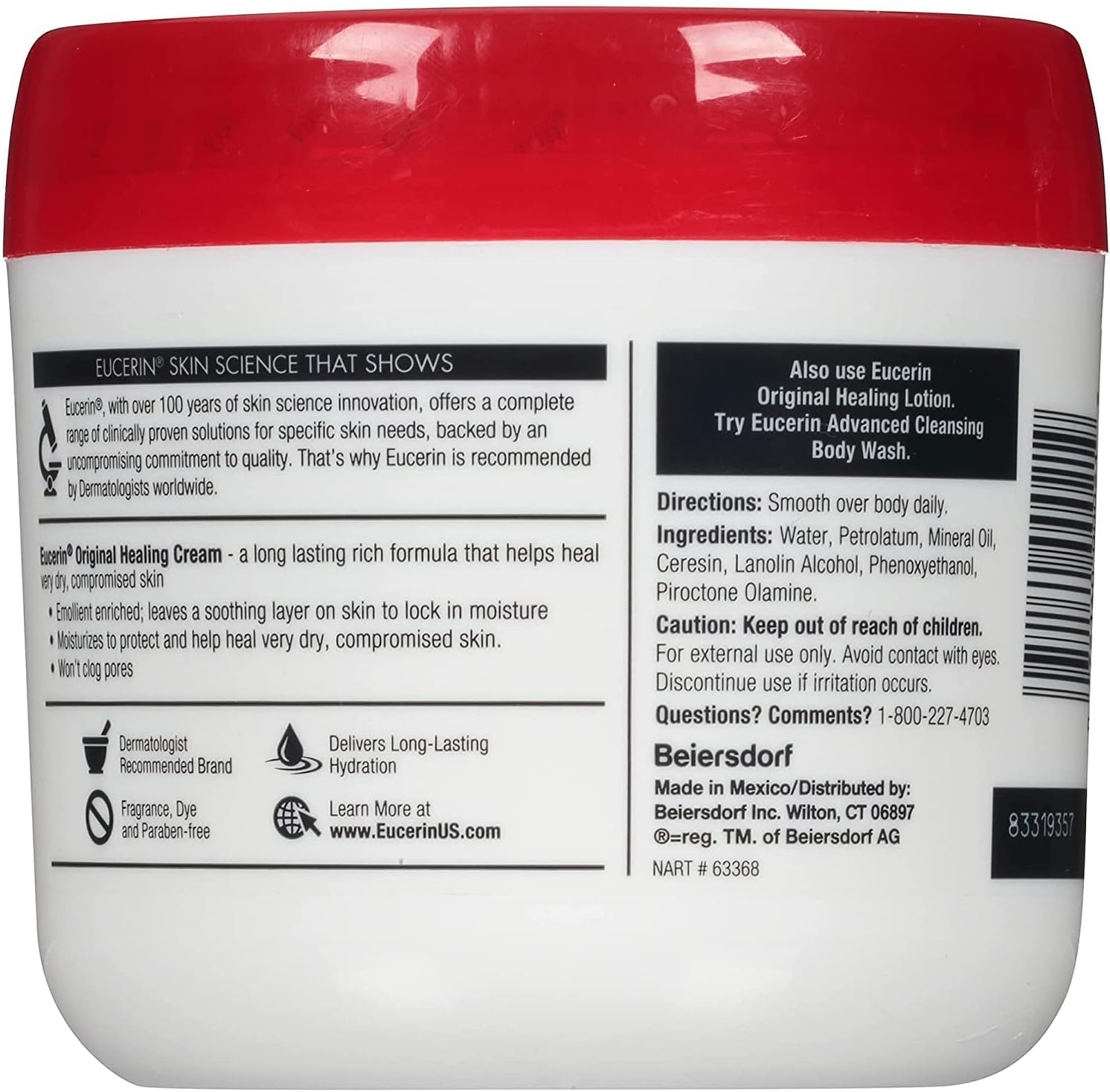
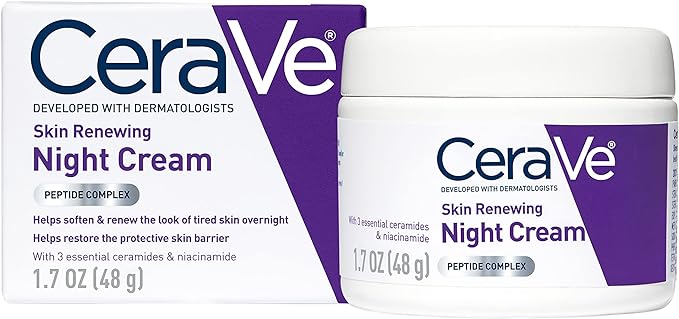
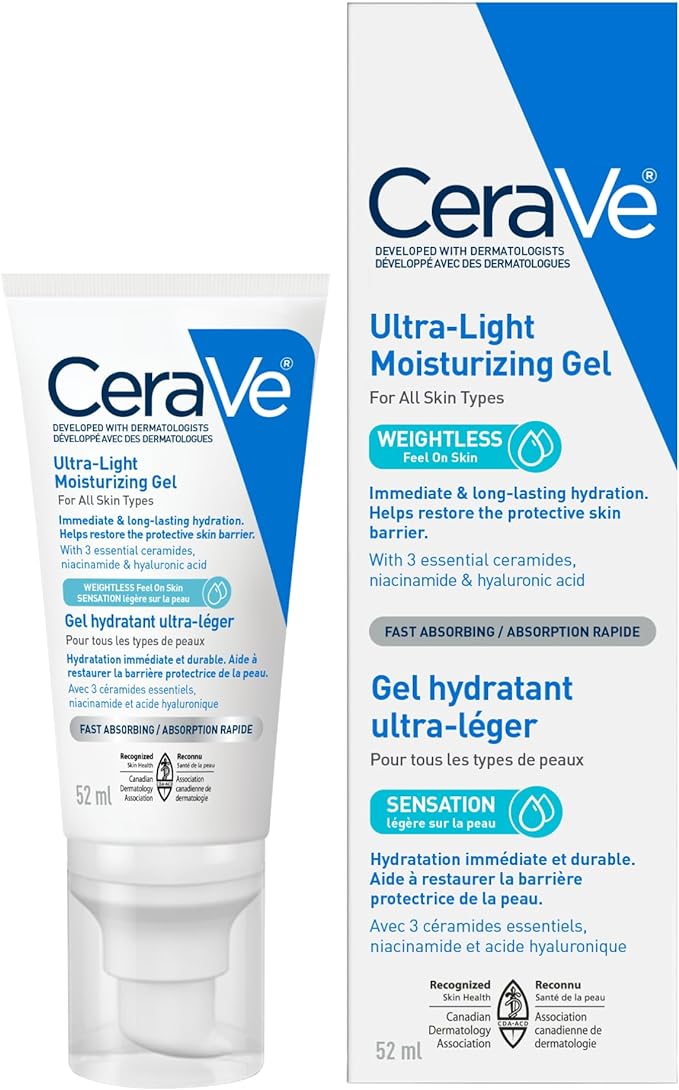
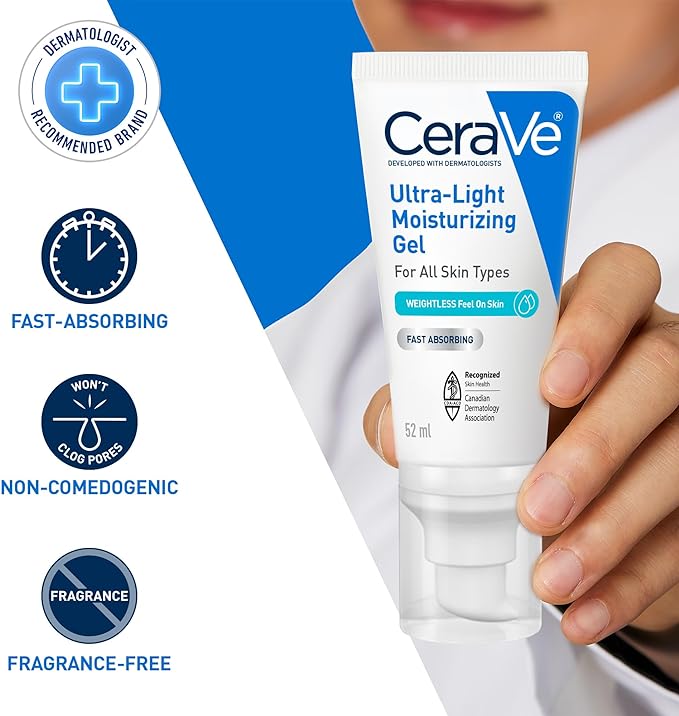
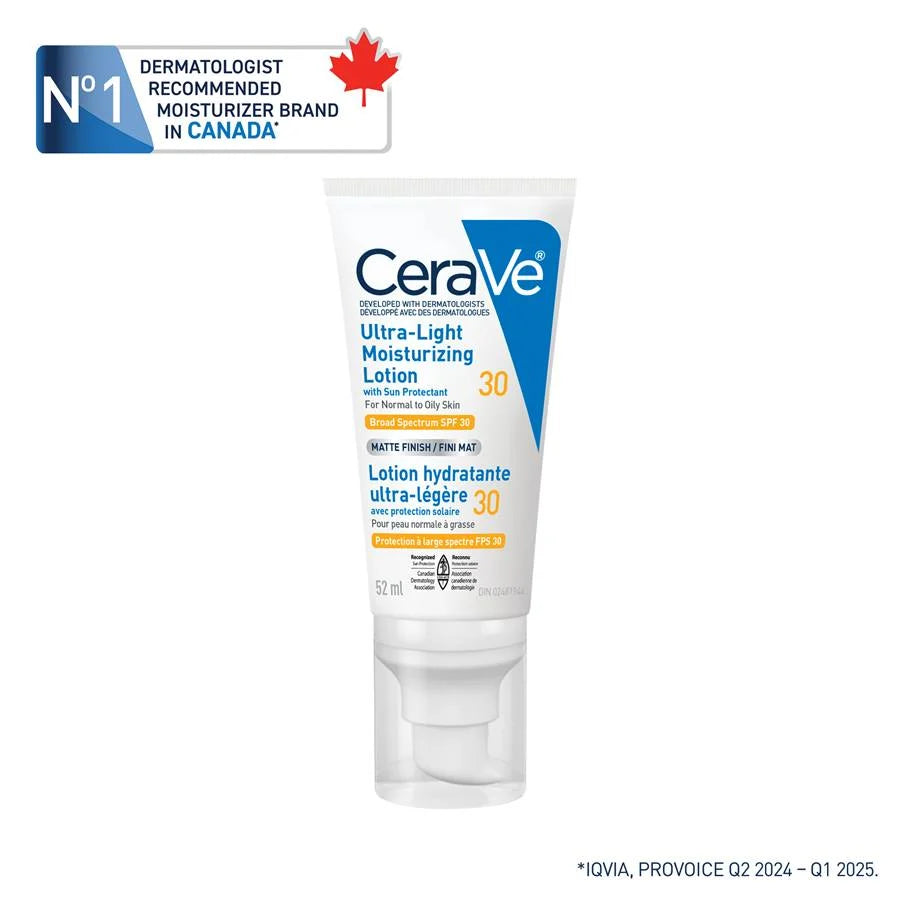
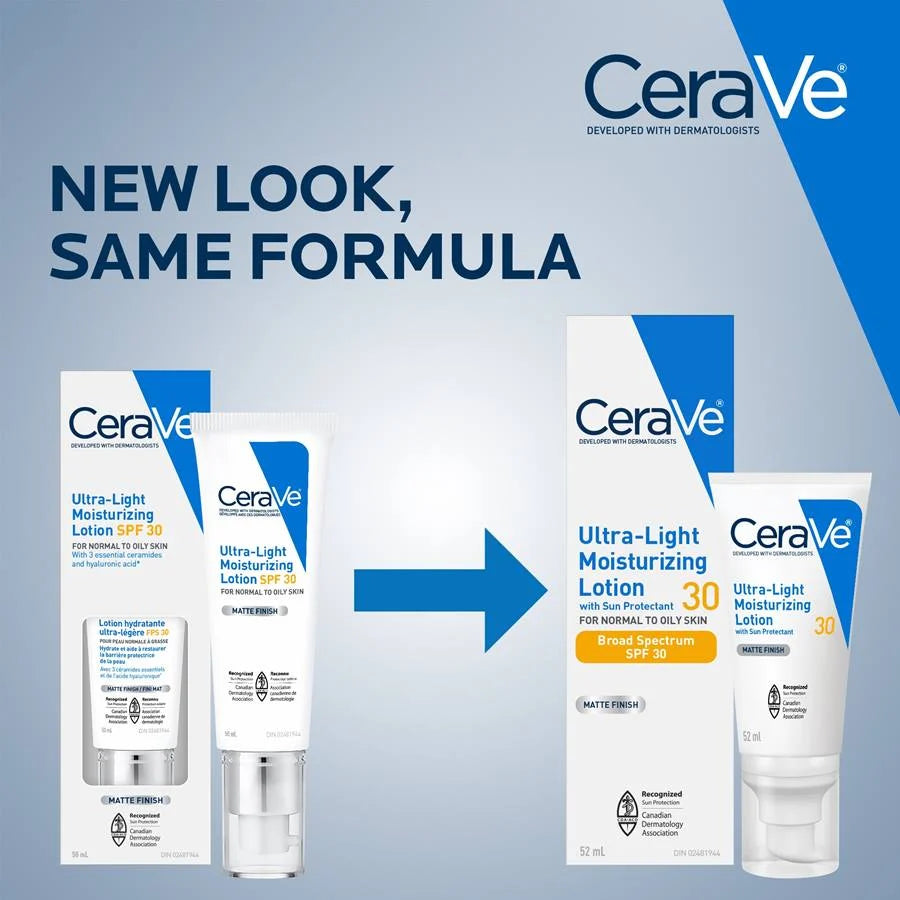
Brands such as CeraVe®, Eucerin®, and Aveeno® offer widely used moisturizers, including products developed with or recommended by dermatology professionals.
However, “dermatologist-recommended” claims can apply differently to specific brands and products.
Rather than assuming every product in an entire collection carries the same endorsement, evaluate the claims and directions on each individual product.
When to Patch Test
People with highly sensitive skin or a history of reactions may benefit from trying a small amount of a new product on a limited area before broader use.
Stop using a product if it causes persistent:
• Burning
• Significant itching
• Swelling
• Rash
• Worsening redness
Seek medical attention for signs of a severe allergic reaction.
When Dry Skin Needs Medical Assessment
Consider professional assessment when dryness is accompanied by:
• Persistent or severe itching
• Significant redness or inflammation
• Cracking or bleeding
• Oozing or crusting
• Signs of infection
• Painful skin changes
• A widespread or rapidly changing rash
• Symptoms that persist despite appropriate skincare
Dryness can sometimes be associated with eczema, psoriasis, contact dermatitis, medications, or underlying medical conditions.
FAQs
What is the difference between a lotion and a cream?
Lotions generally have a lighter texture and are convenient for larger areas, while creams are typically richer and may provide more substantial moisturization for dry skin.
What ingredients are good for dry skin?
Common useful ingredients include glycerin, ceramides, hyaluronic acid, petrolatum, dimethicone, urea, shea butter, and other humectant, emollient, and occlusive ingredients.
Are ceramides good for the skin barrier?
Ceramides are naturally present in the skin barrier, and ceramide-containing moisturizers can help support barrier function and hydration.
Is hyaluronic acid a moisturizer?
Hyaluronic acid is primarily a humectant. It attracts and holds water and is commonly combined with other moisturizing ingredients.
Should oily skin use moisturizer?
Yes, oily skin can still benefit from hydration. Lightweight, non-greasy lotions or gel creams are often more comfortable.
What is best for very dry skin?
Richer creams and ointments containing humectants and occlusives are often useful. Urea-containing products may also help rough or thickened skin depending on concentration and body area.
Should I moisturize immediately after showering?
Applying moisturizer soon after bathing, while the skin retains some moisture, can help reduce water loss and improve hydration.
Can moisturizer treat eczema?
Moisturizers are an important part of caring for eczema-prone skin, but cosmetic moisturizers are not substitutes for medical treatment when eczema is active or severe.
Is fragrance-free better for sensitive skin?
It can be helpful because fragrance is a potential irritant or allergen for some people. Individual sensitivities still vary.
Can I use body lotion on my face?
Some simple formulations may be suitable for both, but facial products are often designed specifically for facial texture, sensitivity, pore concerns, and layering. Follow the individual product directions.
Why Shop Moisturizers & Lotions at Coal Harbour Pharmacy?
• Pharmacist-curated facial and body moisturizers
• Options for normal, dry, very dry, oily, combination, and sensitive skin
• Lightweight lotions, rich creams, and targeted moisturizers
• Fragrance-free and barrier-support options
• Established skincare brands including CeraVe®, Eucerin®, Aveeno®, and more
• Fast Canada-wide shipping
Related Collections
────────────────────────────────────
Shop Moisturizers & Lotions →
Sort by
43 products









FREE STANDARD SHIPPING
Satisfied or refunded
Top-notch support
Secure payments
Encrypted checkout processing
Offers exclude prescriptions and in-store purchases.
Subscribe & Get a First-Order Reward
Plus, earning reward points on eligible online purchases and enjoy future store credit.
We respect your inbox at Coal Harbour Pharmacy - Expect thoughtfully curated health and wellness updates, timely reminders, and exclusive online savings.