
Mineral-Based Antioxidants – Zinc, Selenium, Copper & Manganese
Explore pharmacist-curated mineral antioxidants including zinc, selenium, copper, and manganese—essential trace nutrients that support the body’s natural antioxidant enzymes, immune function, cellular health, and protection against oxidative stress.
────────────────────────────────────
About Mineral-Based Antioxidants
The body has sophisticated antioxidant defence systems that help manage reactive oxygen species (ROS) produced during normal metabolism and in response to environmental and physiological stress.
Certain essential minerals are critical components or cofactors of these systems. Selenium, zinc, copper, and manganese are particularly important because they contribute to antioxidant enzymes such as glutathione peroxidases and superoxide dismutases.
Unlike compounds that can directly interact with reactive species, these minerals often support antioxidant defence by enabling the body’s own enzyme systems to function normally.
The Mineral-Based Antioxidants collection at Coal Harbour Pharmacy includes individual trace minerals, multi-mineral formulas, and combination antioxidant supplements for targeted nutritional support.
Key Benefits
When provided in appropriate amounts, antioxidant minerals may:
• Support the body’s natural antioxidant defence systems
• Help protect cells from oxidative stress
• Support normal immune function
• Contribute to normal thyroid physiology
• Support connective tissue and skin health
• Participate in normal energy and nutrient metabolism
• Support normal DNA and protein synthesis
• Contribute to bone and tissue health
• Serve as components or cofactors of important antioxidant enzymes
These minerals are essential nutrients, but more is not necessarily better. Both deficiency and excessive intake can create health problems.
Who It’s Ideal For
This collection may be useful for:
• Individuals with inadequate dietary intake of specific trace minerals
• People seeking targeted antioxidant nutritional support
• Adults looking for zinc or selenium supplements
• Individuals requiring copper or manganese supplementation for a defined nutritional reason
• People looking for multi-mineral or antioxidant combination formulas
• Those seeking nutritional support for normal immune function
• Individuals using professionally recommended mineral supplementation
Routine high-dose supplementation is not appropriate simply because someone experiences stress, exercises frequently, or wants more antioxidant protection.
What Are Mineral-Based Antioxidants?
“Mineral-based antioxidants” is a useful nutritional category, but the minerals themselves do not all function like direct antioxidants such as vitamin C.
Instead, trace minerals can serve as essential components or cofactors for enzymes involved in managing oxidative stress.
Important examples include:
Selenium → glutathione peroxidases and other selenoproteins
Copper + Zinc → cytosolic copper-zinc superoxide dismutase (Cu/Zn-SOD)
Manganese → mitochondrial manganese superoxide dismutase (MnSOD)
Adequate mineral status therefore helps maintain normal endogenous antioxidant defence.
Understanding Oxidative Stress
Reactive oxygen species are generated naturally during processes such as cellular energy production.
They are not inherently harmful. At controlled levels, reactive species also participate in normal cellular signalling and immune function.
Oxidative stress occurs when reactive species production and antioxidant defences become imbalanced.
The body manages this through interconnected systems involving:
• Antioxidant enzymes
• Glutathione
• Dietary antioxidants
• Cellular repair mechanisms
• Normal metabolic regulation
The goal is therefore not to eliminate all free radicals but to maintain healthy redox balance.
Selenium
Selenium is an essential trace mineral incorporated into specialized proteins called selenoproteins.
These proteins participate in several important physiological processes, including:
• Antioxidant defence
• Thyroid hormone metabolism
• Immune function
• Reproductive physiology
Selenium requirements are relatively small, and excessive supplementation can become harmful.
Selenium & Glutathione Peroxidase
Several glutathione peroxidase enzymes contain selenium.
These enzymes help reduce hydrogen peroxide and lipid hydroperoxides, contributing to cellular protection from oxidative damage.
This is one of the clearest examples of a trace mineral being directly incorporated into an antioxidant enzyme system.
However, taking selenium beyond nutritional requirements does not necessarily continue increasing antioxidant protection.
Selenium & Thyroid Health
Selenium-containing enzymes also participate in thyroid hormone metabolism and antioxidant protection within thyroid tissue.
Adequate selenium is therefore important for normal thyroid physiology.
However, selenium supplements should not be presented as treatments for hypothyroidism, Hashimoto’s thyroiditis, or other thyroid diseases.
People already taking selenium through multivitamins or thyroid formulas should check total intake carefully.
Selenium Safety
Chronic excessive selenium intake can cause selenosis.
Possible symptoms can include:
• Hair loss
• Brittle nails
• Gastrointestinal symptoms
• Metallic taste
• Garlic-like breath odour
• Neurological symptoms
This narrow margin between nutritional adequacy and excessive intake makes unnecessary high-dose supplementation particularly undesirable.
Zinc
Zinc is an essential mineral involved in hundreds of proteins and enzymes.
It contributes to:
• Normal immune function
• DNA synthesis
• Protein synthesis
• Wound healing
• Cell division
• Skin integrity
• Reproductive physiology
• Normal antioxidant defence
Zinc also has an important relationship with copper, making long-term high-dose supplementation an important consideration.
Zinc & Antioxidant Defence
Zinc contributes to antioxidant defence through several mechanisms.
Most notably, zinc works alongside copper in copper-zinc superoxide dismutase (Cu/Zn-SOD).
Zinc also contributes to cellular structures and proteins involved in maintaining normal responses to oxidative stress.
However, zinc should not be treated as a direct “free-radical scavenger” in the same way as certain conventional antioxidants.
Zinc & Immune Function
Adequate zinc is essential for normal immune function.
Zinc deficiency can impair aspects of immune response, but this does not mean progressively higher zinc intake creates progressively stronger immunity.
High-dose zinc used unnecessarily or for prolonged periods can produce adverse effects and disturb other mineral levels.
Zinc & Copper Balance
Zinc and copper have an important nutritional interaction.
Long-term high-dose zinc can reduce copper absorption and potentially contribute to copper deficiency.
Possible consequences of significant copper deficiency can include:
• Anemia
• Neurological abnormalities
• Changes in immune function
This is one reason mineral balance matters when using concentrated individual supplements over extended periods.
Copper
Copper is an essential trace mineral required for several enzymes involved in:
• Iron metabolism
• Connective tissue formation
• Energy metabolism
• Nervous-system function
• Pigmentation
• Antioxidant defence
Copper is also a component of Cu/Zn-SOD.
Both copper deficiency and excessive copper can be harmful.
Copper & Connective Tissue
Copper-dependent enzymes participate in the cross-linking of collagen and elastin.
This contributes to normal:
• Connective tissue
• Blood-vessel structure
• Skin
• Bone
Copper is therefore physiologically important for connective tissue, but additional copper should not be expected to increase collagen production when nutritional status is already adequate.
Copper & Iron Metabolism
Copper-dependent proteins help the body handle and transport iron.
This is one reason significant copper deficiency can sometimes contribute to hematological abnormalities.
Taking iron without understanding other potential nutritional issues may therefore not always address the cause of anemia.
Copper Supplement Safety
Copper supplementation is not routinely necessary for everyone.
People with certain disorders of copper metabolism, including Wilson disease, require specialized medical management and should not self-supplement copper.
Total intake should also consider multivitamins, multi-minerals, and other combination products.
Manganese
Manganese is an essential trace mineral involved in:
• Bone formation
• Connective tissue metabolism
• Carbohydrate and amino-acid metabolism
• Antioxidant defence
• Enzyme function
Only small amounts are required.
Dietary manganese is naturally present in foods including whole grains, legumes, nuts, seeds, leafy vegetables, and tea.
Manganese & MnSOD
Manganese is an essential component of manganese superoxide dismutase (MnSOD).
MnSOD is located primarily within mitochondria, where it helps convert superoxide radicals generated during cellular energy metabolism into less reactive compounds that can be further processed by other antioxidant systems.
This makes manganese physiologically important to mitochondrial antioxidant defence.
However, additional manganese does not automatically increase MnSOD activity when manganese status is already adequate.
Manganese Safety
Manganese deficiency is uncommon in otherwise healthy people consuming varied diets.
Excessive manganese exposure can be harmful, particularly because manganese can accumulate and affect the nervous system.
Additional caution may be appropriate for people with impaired liver or biliary function because these systems are involved in manganese elimination.
Antioxidant Enzymes
The body’s antioxidant network includes several important enzyme systems.
Superoxide Dismutase
Superoxide dismutases help convert superoxide radicals into hydrogen peroxide.
Different SOD enzymes use different minerals:
• Copper and zinc support Cu/Zn-SOD
• Manganese supports mitochondrial MnSOD
Glutathione Peroxidase
Several glutathione peroxidases depend on selenium and help reduce hydrogen peroxide and lipid hydroperoxides.
Catalase
Catalase is another important antioxidant enzyme that helps break down hydrogen peroxide and contains iron rather than the principal minerals highlighted in this collection.
These systems work together rather than functioning as isolated antioxidant pathways.
Mineral Antioxidants vs Vitamin Antioxidants
Mineral and vitamin antioxidants can support cellular protection in different ways.
Mineral antioxidants such as selenium, zinc, copper, and manganese primarily support enzyme systems and other physiological processes.
Vitamin antioxidants such as vitamins C and E can participate more directly in redox reactions.
Neither category should automatically be considered superior.
The body’s antioxidant network depends on adequate nutrition as a whole.
Antioxidants & Immune Health
Immune cells generate reactive oxygen species as part of normal immune defence and cellular signalling.
The body therefore needs mechanisms that both permit appropriate immune activity and protect tissues from excessive oxidative stress.
Minerals such as zinc and selenium contribute to normal immune physiology.
The goal is not to eliminate oxidative activity or indiscriminately “boost” the immune system.
Mineral Antioxidants & Skin Health
Trace minerals contribute to several processes relevant to skin physiology.
For example:
• Zinc supports normal wound healing and skin integrity
• Copper contributes to connective tissue formation
• Selenium contributes to antioxidant enzyme activity
These physiological roles do not mean that high-dose mineral supplementation automatically improves skin appearance, hair growth, or signs of aging.
Benefits are most clearly expected when nutritional requirements are not being met.
Mineral Antioxidants & Healthy Aging
Oxidative stress is involved in many biological processes associated with aging, which has generated interest in antioxidant nutrition.
However, healthy aging cannot be reduced to taking more antioxidants.
Important foundations include:
• Balanced nutrition
• Physical activity
• Maintaining muscle mass
• Adequate sleep
• Cardiovascular and metabolic health
• Avoiding smoking
• Moderating alcohol
• Preventive healthcare
Mineral supplements can help address specific nutritional needs within this broader strategy.
Mineral Antioxidants & Exercise
Exercise temporarily increases production of reactive oxygen species.
This is not necessarily harmful; oxidative signalling is also involved in normal adaptation to exercise.
Athletes require adequate micronutrient intake, but high-dose antioxidant supplementation is not automatically beneficial for performance or recovery.
A nutrient-rich diet and correction of identified deficiencies are generally more appropriate than attempting to suppress all exercise-related oxidative stress.
Mineral Antioxidants & Metabolic Health
Zinc, selenium, copper, and manganese participate in enzymes involved in metabolism.
This does not mean supplemental minerals will independently:
• Increase metabolic rate
• Cause weight loss
• Correct insulin resistance
• Prevent diabetes
• Eliminate fatigue
Their primary role is to support normal physiological processes when provided in appropriate amounts.
Are Trace Minerals Commonly Depleted?
Claims that stress, exercise, or environmental exposure universally “deplete” antioxidant minerals can be misleading.
Mineral status is influenced by factors including:
• Dietary intake
• Absorption
• Gastrointestinal conditions
• Medications
• Life stage
• Certain medical conditions
• Specific losses or increased requirements
Supplementation is most rational when there is a nutritional reason rather than an assumption that modern life automatically creates trace-mineral deficiency.
Dietary Sources of Antioxidant Minerals
A varied diet can provide many of these nutrients.
Selenium: seafood, meat, eggs, dairy products, grains, Brazil nuts
Zinc: meat, shellfish, dairy products, legumes, nuts, seeds
Copper: shellfish, nuts, seeds, organ meats, whole grains, cocoa
Manganese: whole grains, nuts, legumes, tea, leafy vegetables
Actual mineral content can vary according to food source and, for some minerals, soil conditions.
Single-Mineral Supplements
Individual mineral products can be useful when a specific nutrient is the priority.
They also make it easier to control the dose.
However, concentrated single-mineral supplementation can create imbalances when used unnecessarily—for example, long-term high-dose zinc affecting copper status.
Multi-Mineral Antioxidant Formulas
Multi-mineral products may combine:
• Zinc
• Selenium
• Copper
• Manganese
• Other trace minerals
They may be useful when broader nutritional support is appropriate.
A “balanced” formula is not automatically appropriate for everyone, so the actual amounts should still be reviewed.
Combination Antioxidant Formulas
Some formulas combine minerals with nutrients such as:
• Vitamin C
• Vitamin E
• Alpha-lipoic acid
• CoQ10
• NAC
• Botanical antioxidants
These ingredients have different physiological roles and evidence bases.
A larger number of antioxidants does not necessarily produce greater clinical benefit.
How to Choose a Mineral Antioxidant Supplement
Identify the Nutrient You Need
Determine whether the goal is zinc, selenium, copper, manganese, or broader multi-mineral support.
Check the Elemental Amount
Compare the actual amount of the mineral provided per serving rather than relying solely on the weight of the mineral compound.
Review Your Other Supplements
Multivitamins, immune formulas, thyroid supplements, and antioxidant complexes frequently contain overlapping trace minerals.
Avoid Unnecessary High Doses
Trace minerals are required in small amounts, and several have relatively narrow safe intake ranges.
Consider Mineral Interactions
Minerals can affect one another’s absorption or nutritional balance.
Follow the Canadian Label
Use the recommended dose, duration, and cautions provided for the specific product.
How to Use Mineral-Based Antioxidants
There is no single dosing rule that applies to all antioxidant minerals.
Some mineral supplements may be better tolerated with food, while absorption can also be influenced by other nutrients, medications, or supplements.
Follow the individual product label rather than assuming all mineral antioxidants should be taken together or at the same time.
Mineral Supplement Safety
More is not necessarily better with trace minerals.
Potential problems from excessive supplementation include:
• Zinc-induced copper deficiency
• Selenium toxicity
• Excessive copper accumulation in susceptible individuals
• Neurological effects from excessive manganese exposure
• Gastrointestinal symptoms
• Interactions with medications
Reviewing the total daily intake from all supplements is particularly important.
Medication Interactions
Minerals can interfere with the absorption of certain medications.
Depending on the mineral and medication, spacing may be necessary with products such as:
• Certain antibiotics
• Thyroid hormone medication
• Bisphosphonates
• Other medications affected by mineral binding
Follow medication-specific instructions or consult a pharmacist when timing is uncertain.
FAQs
What are mineral-based antioxidants?
They are essential minerals such as selenium, zinc, copper, and manganese that contribute to the body’s antioxidant defence systems, often by functioning as components or cofactors of antioxidant enzymes.
Do antioxidant minerals directly neutralize free radicals?
Their role is more nuanced. Several primarily enable antioxidant enzymes to function rather than acting as simple direct free-radical scavengers.
Which mineral supports glutathione peroxidase?
Selenium is incorporated into several glutathione peroxidase enzymes.
Which minerals are involved in superoxide dismutase?
Copper and zinc are components of Cu/Zn-SOD, while manganese is required for mitochondrial MnSOD.
Can I take zinc and copper together?
They can be present together in appropriately formulated products. Balance is important because prolonged high-dose zinc can interfere with copper absorption.
Should I take selenium for thyroid health?
Selenium is required for normal thyroid physiology, but supplementation is not automatically necessary and does not replace treatment for thyroid disease.
Do antioxidant minerals strengthen immunity?
Adequate zinc, selenium, copper, and other micronutrients contribute to normal immune function. Taking amounts beyond nutritional requirements does not necessarily produce stronger immunity.
Are antioxidant minerals good for athletes?
Athletes require adequate mineral nutrition, but exercise does not automatically justify high-dose antioxidant supplements. Reactive oxygen species also participate in normal training adaptation.
Can I combine mineral antioxidants with vitamins C and E?
Many formulas do. Whether combination supplementation is appropriate depends on total intake, diet, dose, and individual needs.
Are mineral antioxidant supplements safe for long-term use?
Safety depends heavily on the mineral and dose. Trace minerals can become harmful when chronically consumed in excessive amounts, so long-term use should consider total intake from all sources.
Why Shop Mineral-Based Antioxidants at Coal Harbour Pharmacy?
• Pharmacist-curated trace mineral and antioxidant supplements
• Zinc, selenium, copper, manganese, and multi-mineral options
• Individual and combination antioxidant formulations
• Options from established Canadian and professional supplement brands
• Products for targeted nutritional and antioxidant support
• Fast Canada-wide shipping
Related Collections
• Minerals
────────────────────────────────────
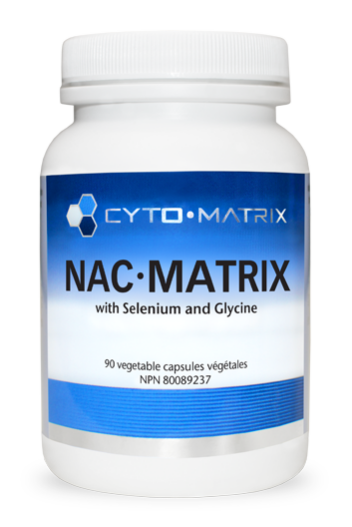
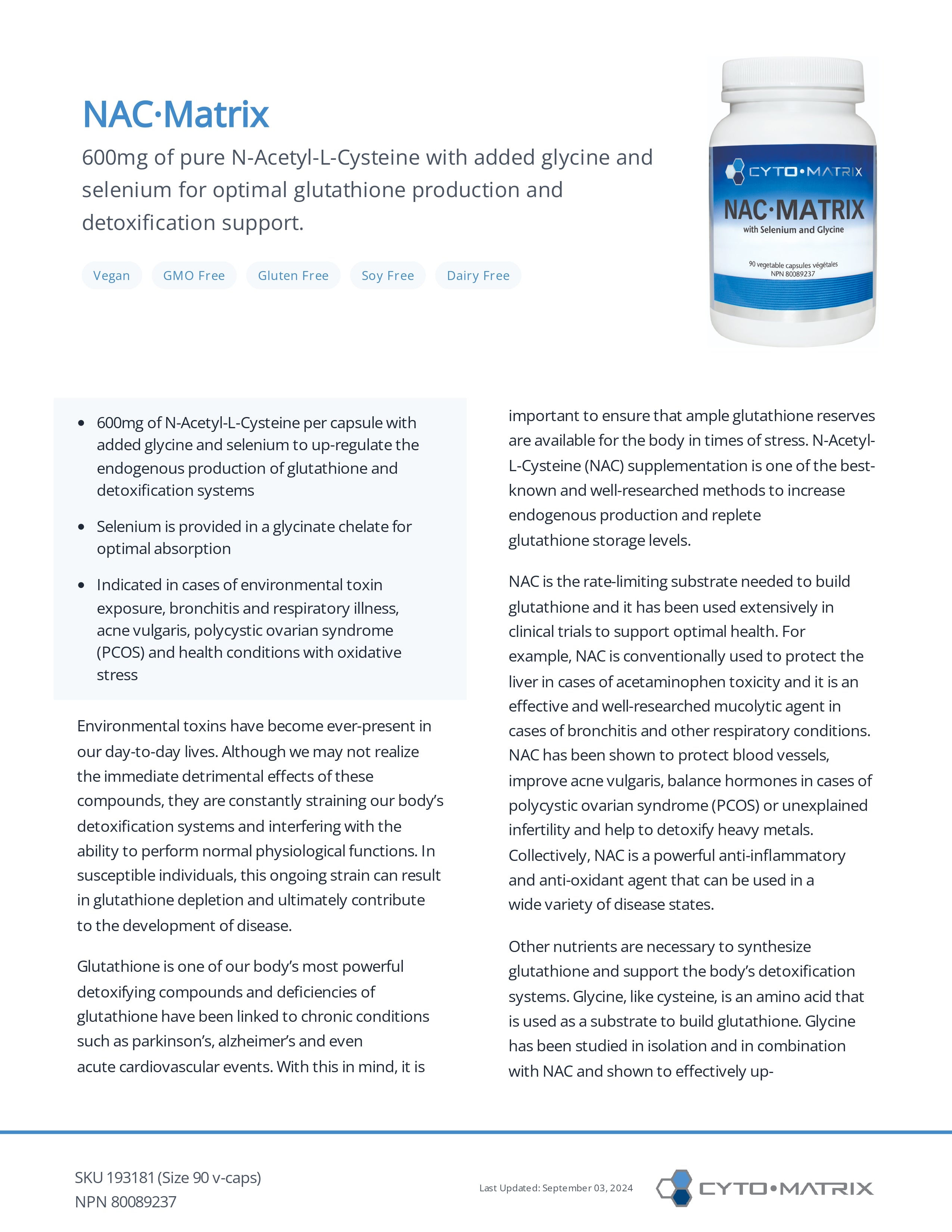
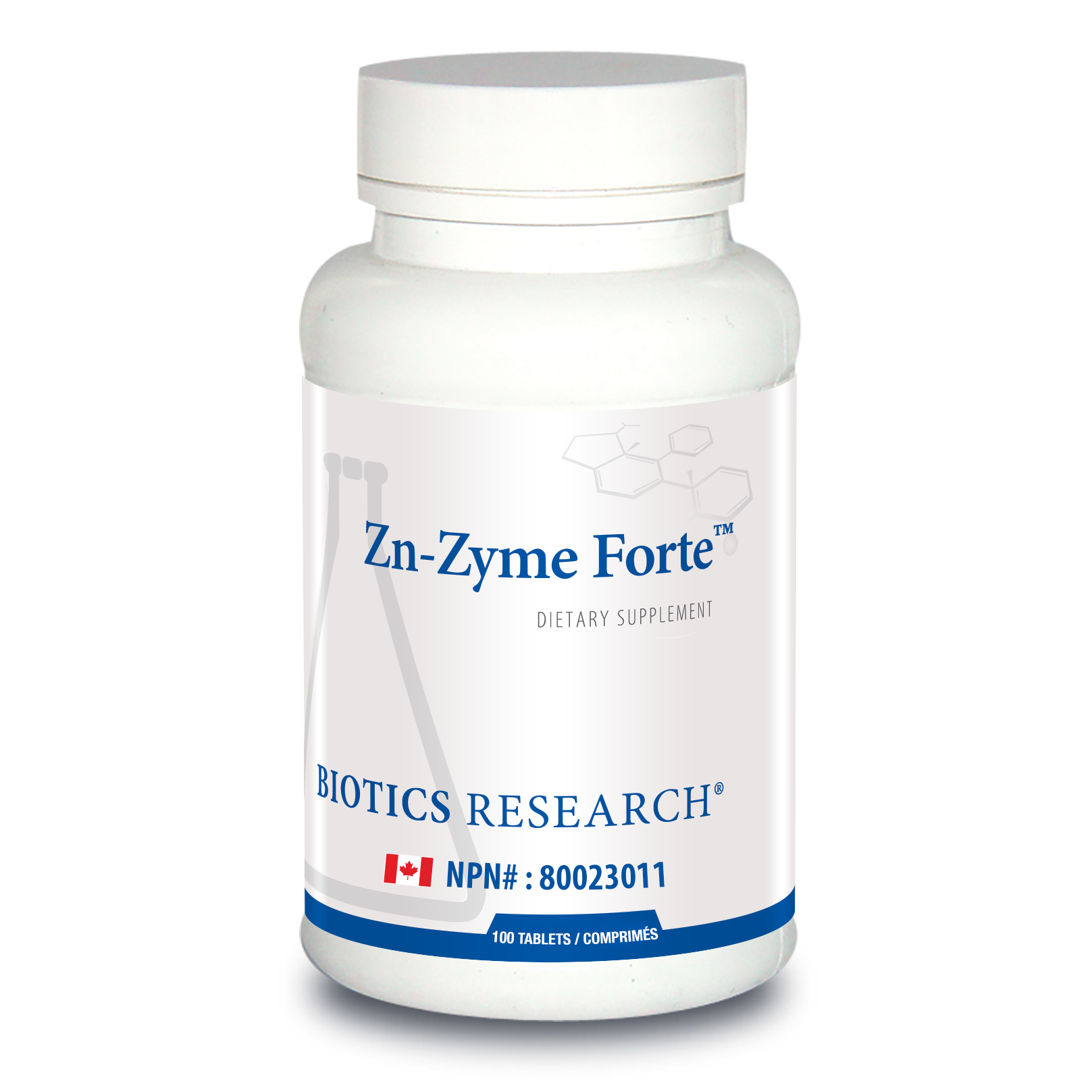
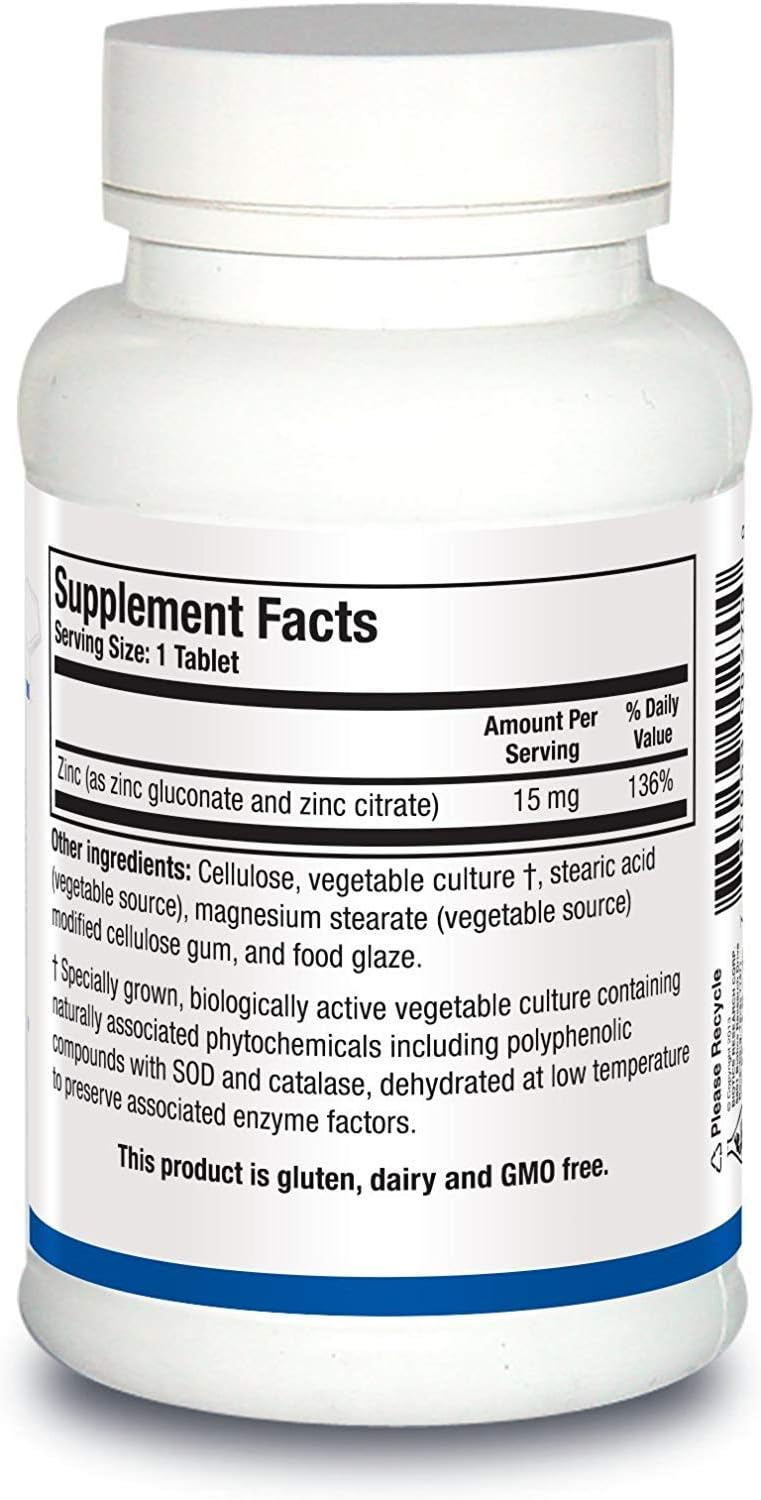
Shop Mineral-Based Antioxidants →
Sort by
27 products







FREE STANDARD SHIPPING
Satisfied or refunded
Top-notch support
Secure payments
Encrypted checkout processing
Offers exclude prescriptions and in-store purchases.
Subscribe & Get a First-Order Reward
Plus, earning reward points on eligible online purchases and enjoy future store credit.
We respect your inbox at Coal Harbour Pharmacy - Expect thoughtfully curated health and wellness updates, timely reminders, and exclusive online savings.