
Mitochondrial Support – Cellular Energy, Metabolism & Vitality
Explore pharmacist-curated mitochondrial support supplements featuring CoQ10, PQQ, L-carnitine, alpha-lipoic acid, B vitamins, magnesium, and NAD⁺-related nutrients selected to support normal cellular energy production, antioxidant defence, metabolic function, and healthy aging.
────────────────────────────────────
About Mitochondrial Support
Mitochondria are specialized structures within most human cells that play a central role in converting energy from carbohydrates, fats, and proteins into adenosine triphosphate (ATP)—the form of chemical energy cells use to perform many essential functions.
Tissues with substantial energy demands, including the heart, skeletal muscles, brain, liver, and kidneys, contain particularly active mitochondrial networks.
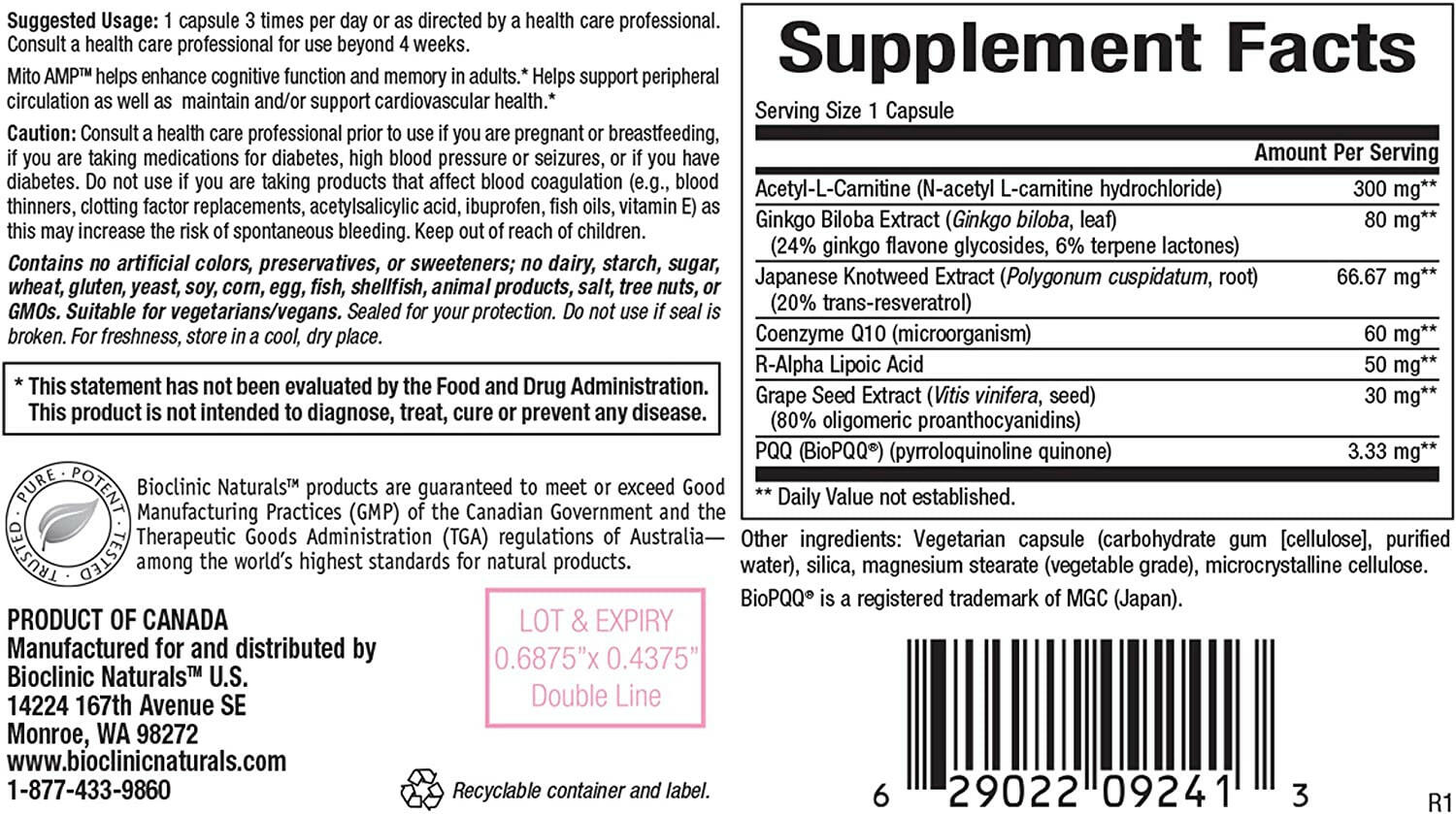
The Mitochondrial Support collection at Coal Harbour Pharmacy includes nutrients involved directly or indirectly in cellular energy pathways, including Coenzyme Q10 (CoQ10), L-carnitine, acetyl-L-carnitine, alpha-lipoic acid (ALA), PQQ, magnesium, B vitamins, and selected NAD⁺-related ingredients.
These nutrients can support normal mitochondrial physiology, but the concept of “mitochondrial support” should not be interpreted as evidence that supplements universally increase energy, create new mitochondria, reverse aging, or treat mitochondrial disease.
Key Benefits
Depending on the ingredient, nutritional status, and individual circumstances, mitochondrial-support supplements may:
• Support normal cellular energy metabolism
• Provide nutrients required for ATP-producing pathways
• Support normal mitochondrial enzyme function
• Support fatty-acid transport and metabolism
• Contribute to the body’s antioxidant defence systems
• Support normal cardiovascular and muscle physiology
• Complement nutritional strategies for healthy aging
• Support normal nervous-system and cognitive function
• Help meet nutritional requirements during periods of increased physiological demand
Benefits vary substantially by ingredient and population, and correcting a deficiency is different from supplementing someone whose nutritional status is already adequate.
Who It’s Ideal For
This collection may appeal to:
• Adults seeking nutritional support for cellular energy metabolism
• People interested in CoQ10 or other mitochondrial nutrients
• Active adults and athletes focused on performance and recovery nutrition
• Adults interested in healthy-aging nutrition
• Individuals seeking non-stimulant energy-support formulas
• People looking for targeted antioxidant and metabolic support
• Individuals using practitioner-recommended mitochondrial formulas
• People with specific nutritional needs affecting energy metabolism
Persistent fatigue, exercise intolerance, weakness, or cognitive changes should be evaluated rather than assumed to represent poor mitochondrial function.
What Do Mitochondria Do?
Mitochondria are often called the body’s “powerhouses,” but their functions extend beyond ATP production.
They participate in:
• Cellular energy production
• Fatty-acid oxidation
• Amino-acid metabolism
• Calcium signalling
• Reactive oxygen species signalling
• Cellular stress responses
• Programmed cell death
• Other metabolic processes
Mitochondria are dynamic structures that can change in number, shape, and activity according to cellular needs.
Understanding ATP Production
ATP is produced through interconnected metabolic pathways.
Nutrients from food are processed into intermediates that enter pathways including:
• Glycolysis
• The citric acid cycle
• Fatty-acid oxidation
• The mitochondrial electron transport chain
CoQ10, B vitamins, magnesium, carnitine, and other nutrients participate at different points within this broader metabolic network.
A supplement’s involvement in an ATP-related pathway does not automatically mean taking more of it will increase a person’s energy level.
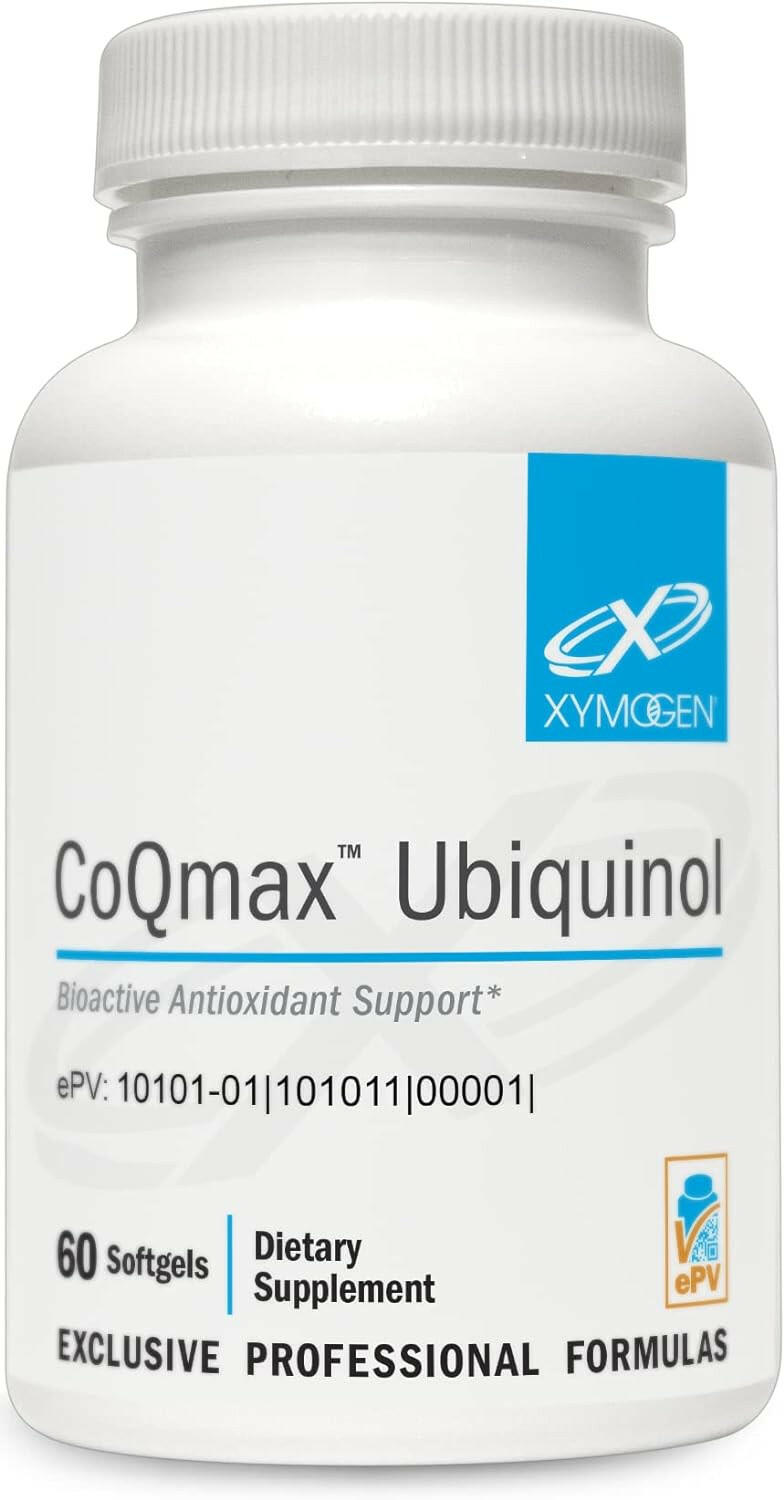
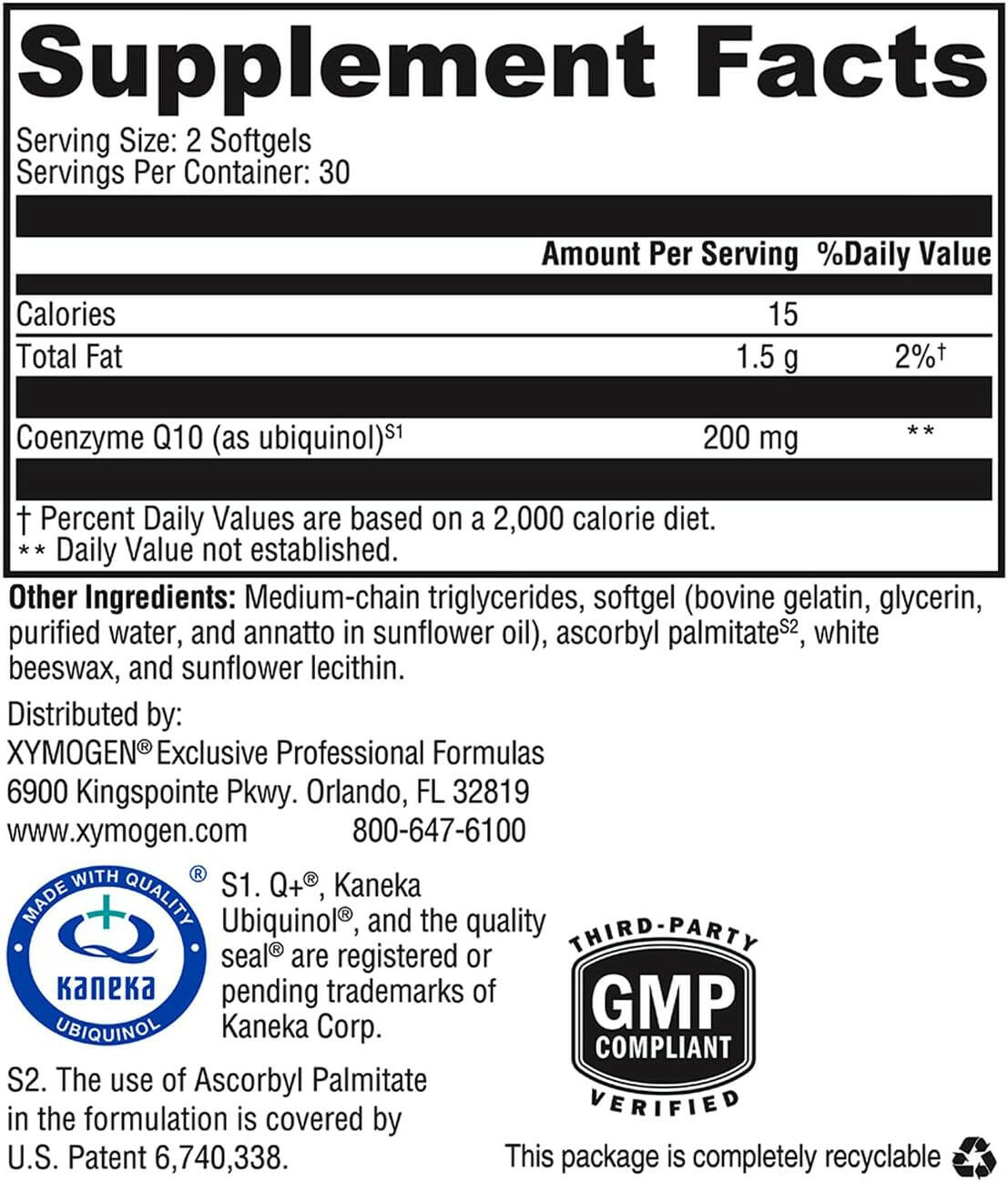
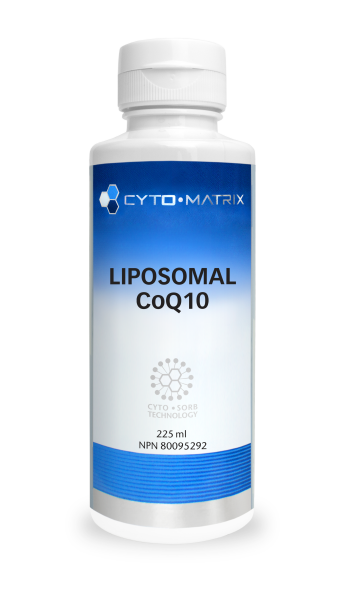
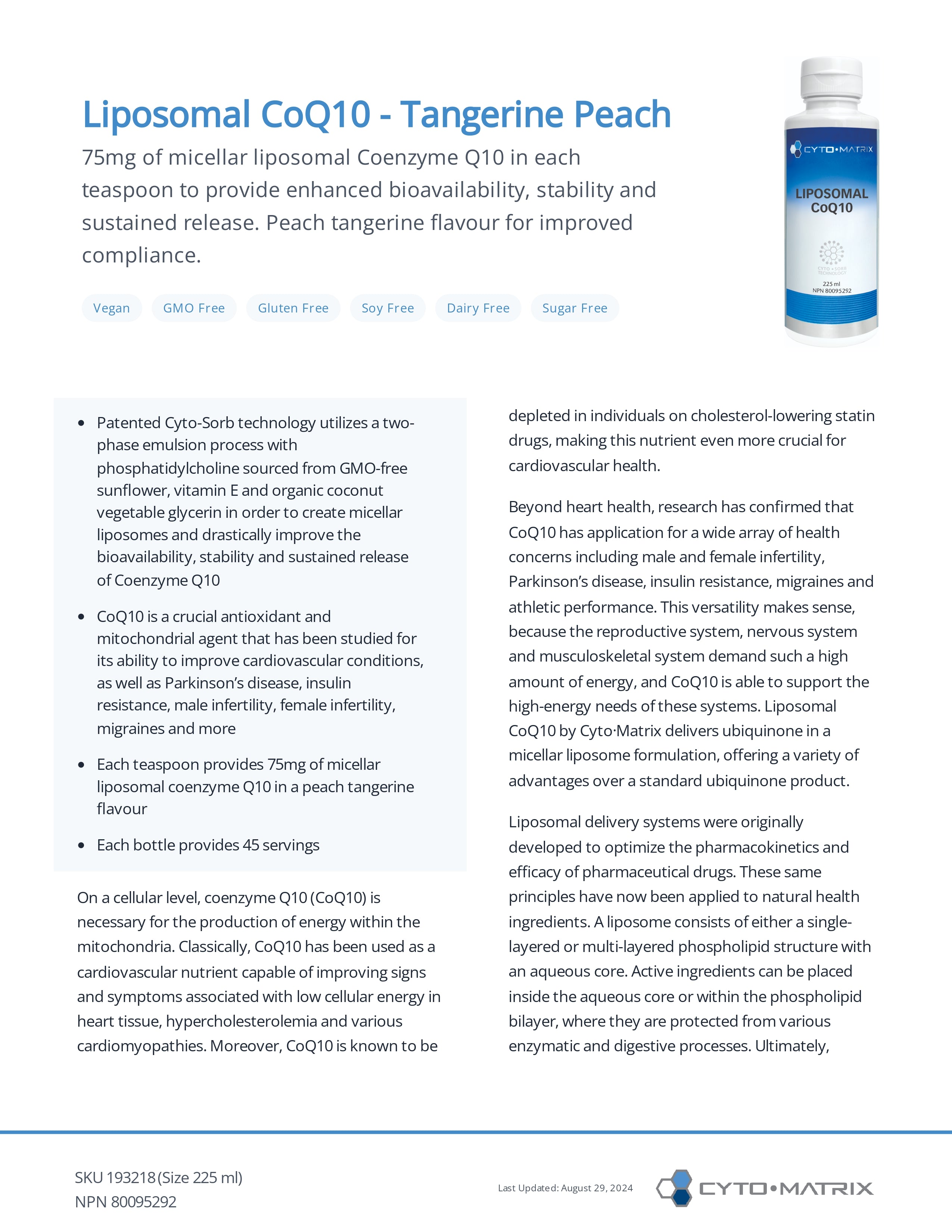
Coenzyme Q10 (CoQ10)
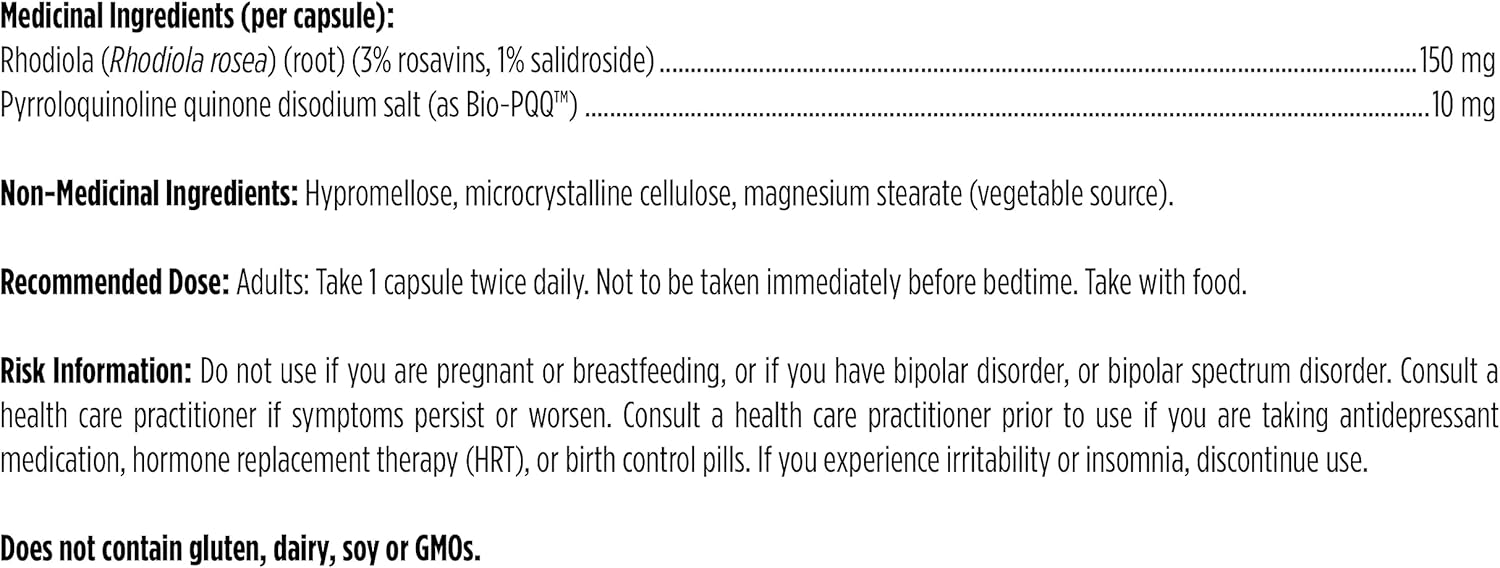
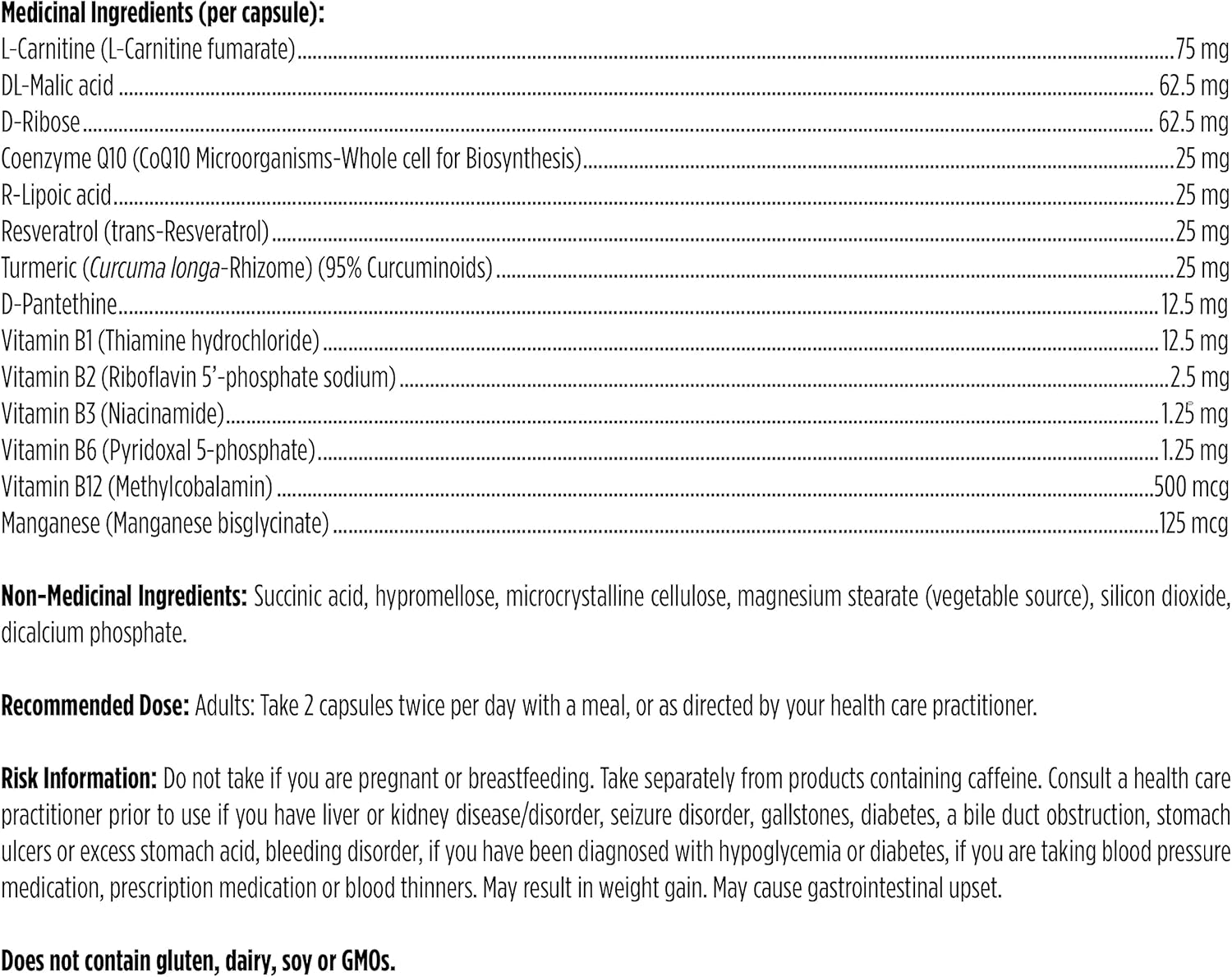
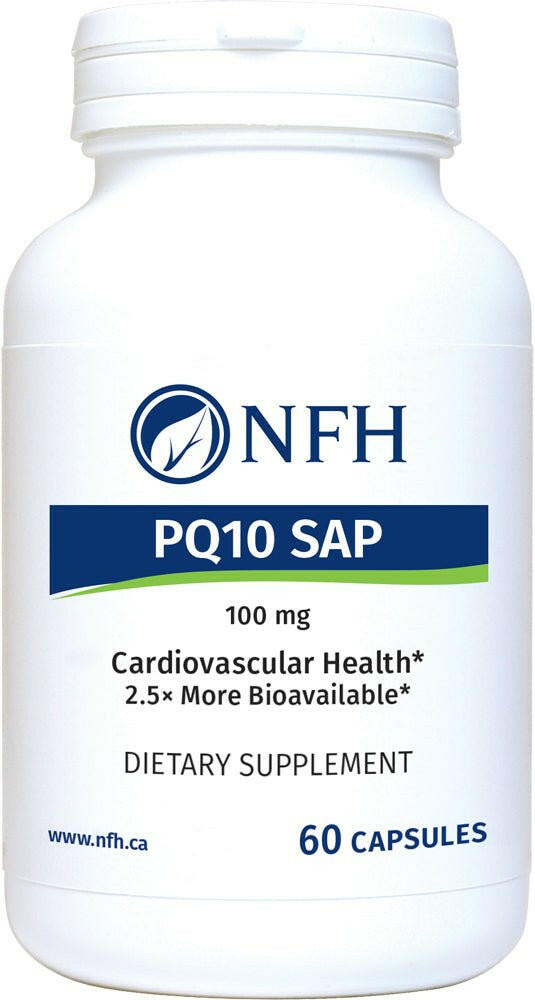
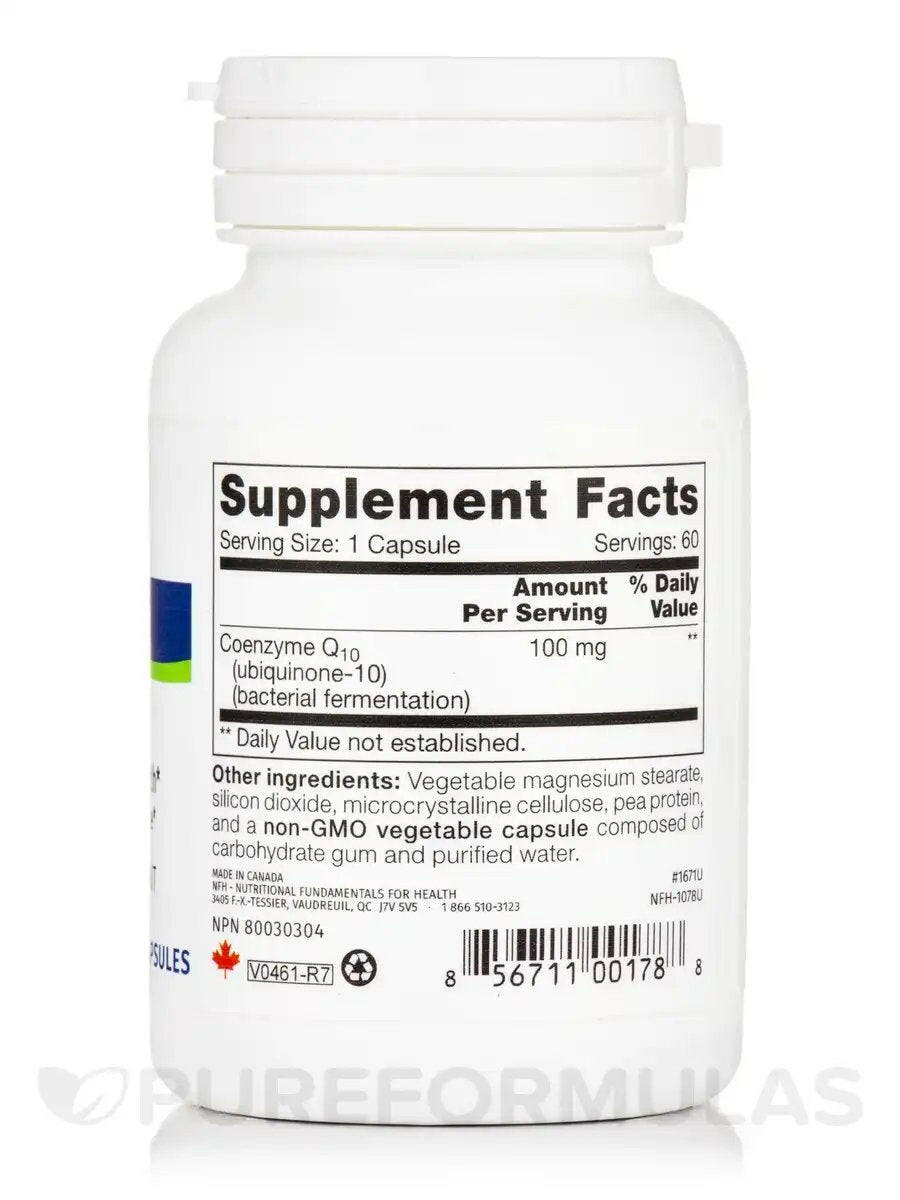
CoQ10 is a naturally occurring compound that plays a central role in the mitochondrial electron transport chain.
It helps transfer electrons during oxidative phosphorylation, contributing to ATP production.
CoQ10 also has antioxidant properties.
Supplemental CoQ10 has been investigated in areas including:
• Cardiovascular health
• Statin-associated muscle symptoms
• Exercise and fatigue-related outcomes
• Migraine prevention
• Other clinical and metabolic settings
Evidence varies according to the condition and population.
CoQ10 & Statin Use
Statins inhibit the mevalonate pathway, which is involved in both cholesterol and endogenous CoQ10 synthesis.
This biological relationship has led to considerable research into CoQ10 supplementation for people taking statins.
Some studies suggest possible benefit for statin-associated muscle symptoms, while results across trials are inconsistent.
CoQ10 should therefore not be described as automatically required for everyone taking a statin, and prescribed medication should not be discontinued in favour of supplementation.
Ubiquinone vs Ubiquinol
CoQ10 supplements are commonly available as:
• Ubiquinone – the oxidized form
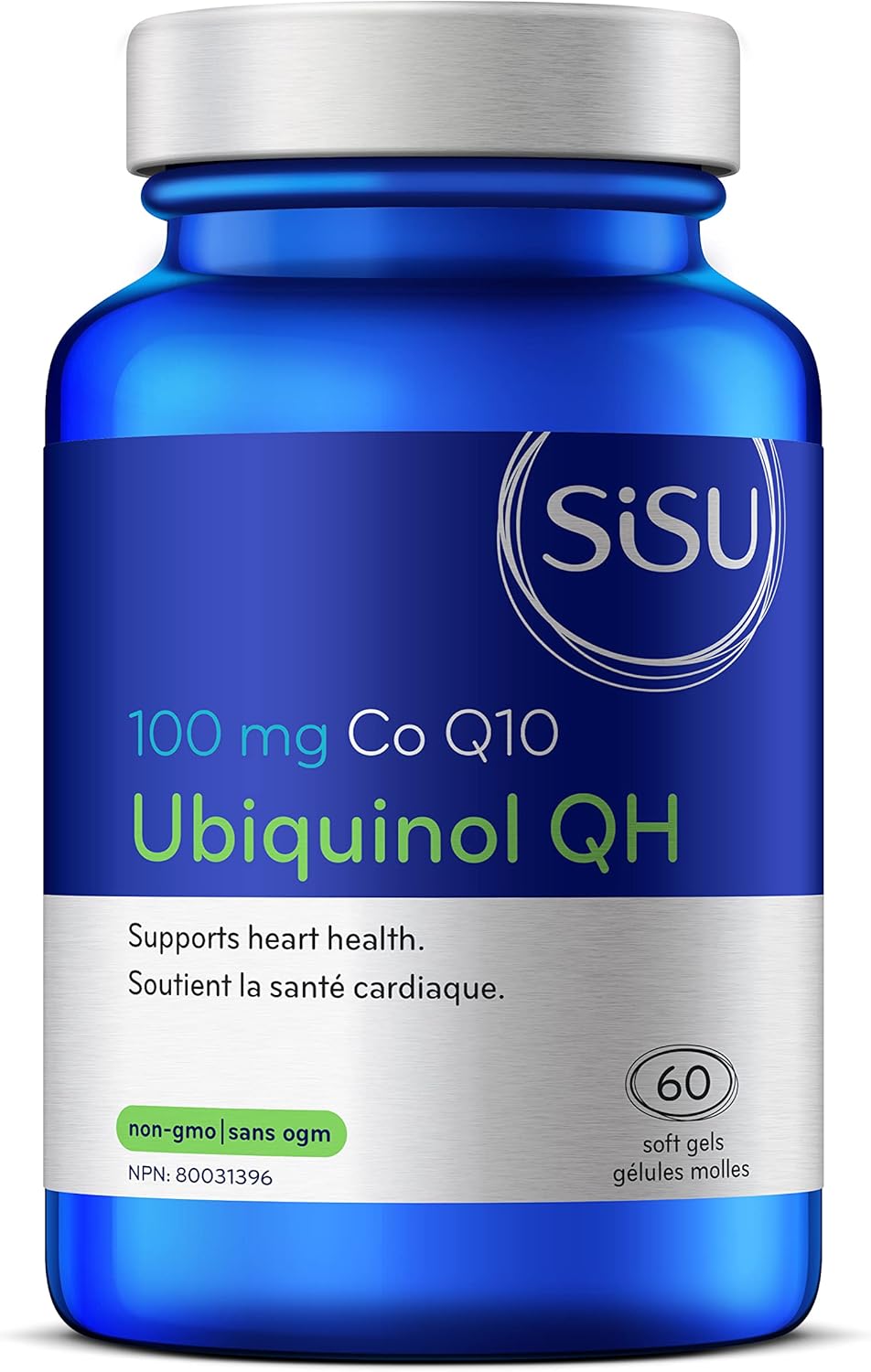
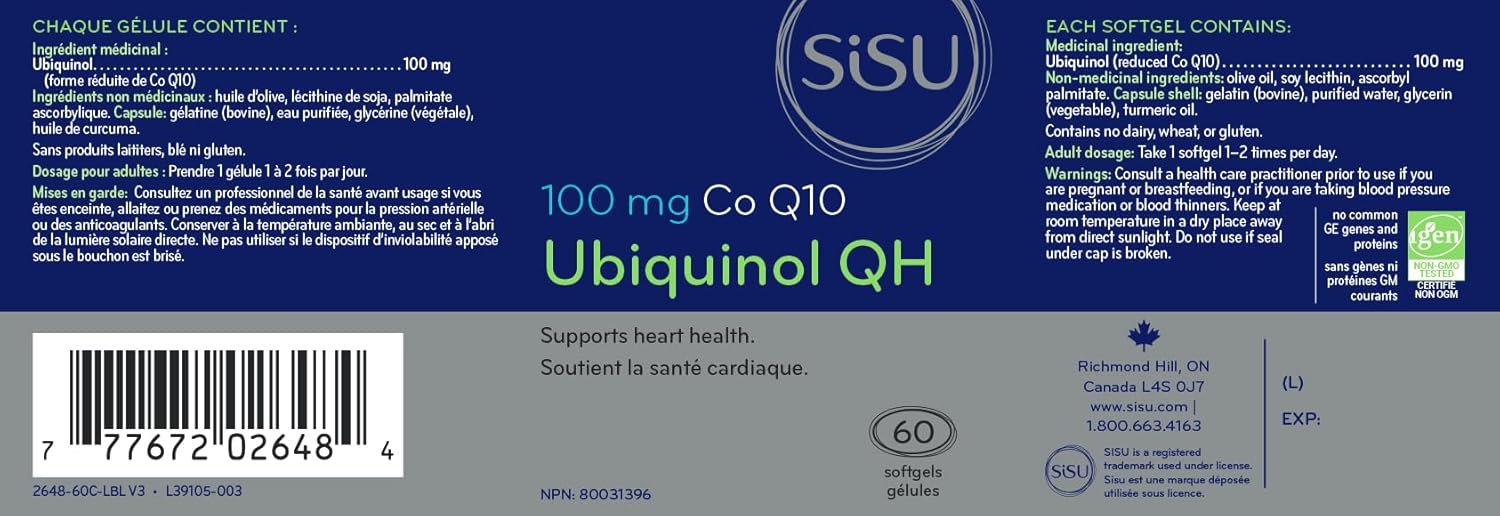
• Ubiquinol – the reduced form
Ubiquinol may provide greater bioavailability in some formulations and populations, but this does not mean ubiquinone is ineffective.
Dose, formulation, absorption technology, individual characteristics, and cost can all influence product selection.
PQQ
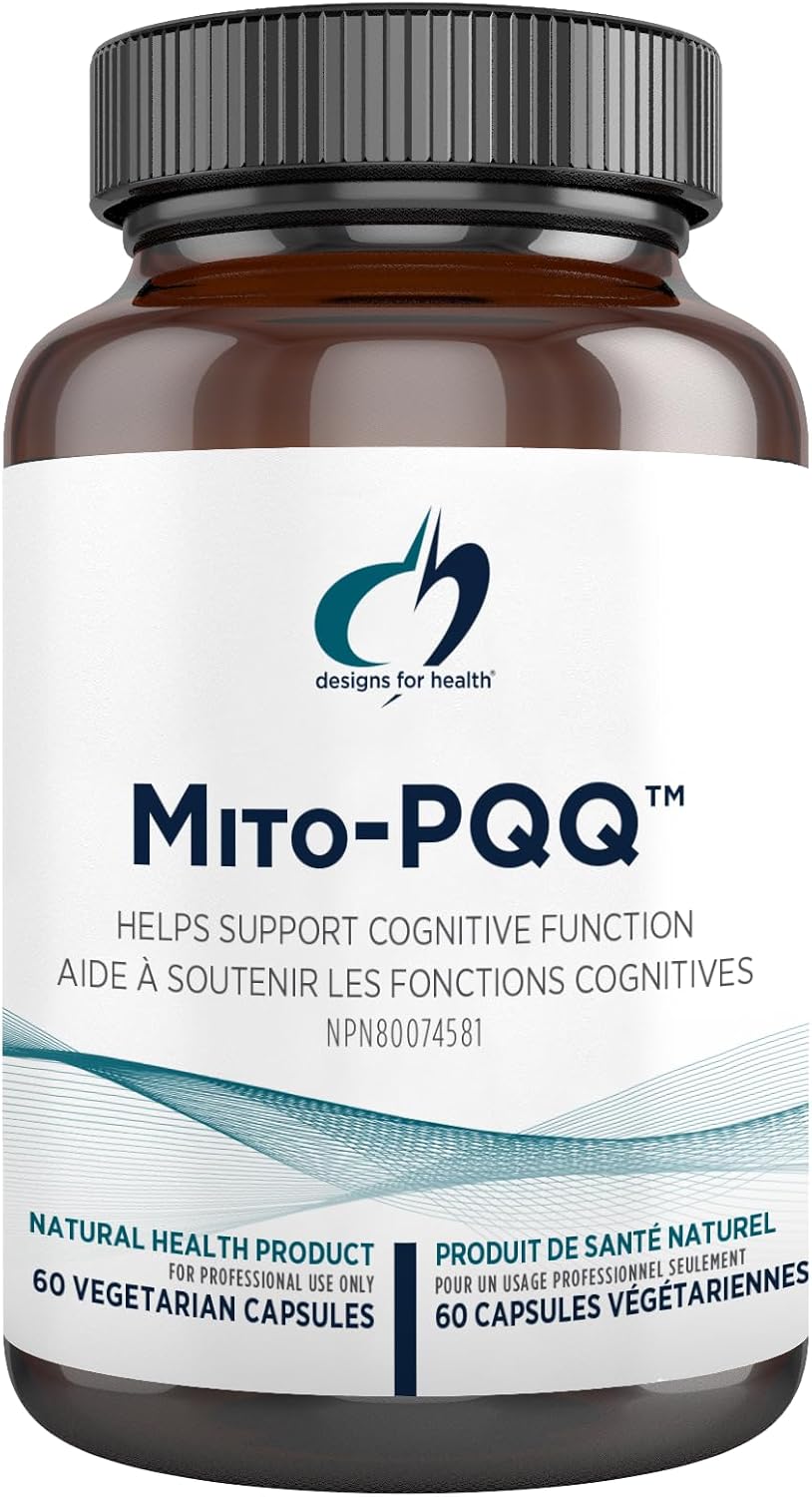
Pyrroloquinoline quinone (PQQ) is a compound investigated for its redox activity and potential influence on cellular signalling and mitochondrial biology.
Laboratory and early human research has generated interest in PQQ for:
• Mitochondrial-related pathways
• Antioxidant activity
• Cellular energy metabolism
• Cognitive and healthy-aging research
Claims that PQQ reliably stimulates clinically meaningful “mitochondrial biogenesis” in humans are stronger than current evidence supports.
Human clinical evidence remains considerably less established than the mechanistic and preclinical literature.
L-Carnitine
L-carnitine plays an important role in transporting long-chain fatty acids into mitochondria, where they can undergo beta-oxidation.
The body can synthesize carnitine, and it is also obtained from food, particularly animal-derived foods.
L-carnitine has been investigated across:
• Exercise physiology
• Cardiovascular health
• Certain deficiency states
• Male reproductive health
• Other clinical applications
Its essential role in fatty-acid metabolism does not mean supplemental L-carnitine automatically increases fat burning, endurance, or energy in healthy adults.
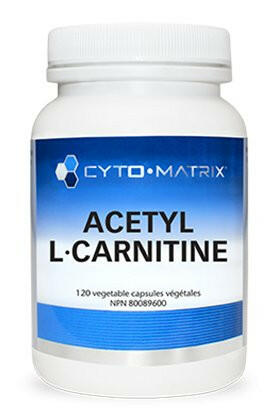
Acetyl-L-Carnitine (ALCAR)
Acetyl-L-carnitine is an acetylated form of carnitine that has been studied particularly in neurological and cognitive contexts.
Research has explored its potential roles in:
• Cellular metabolism
• Nervous-system function
• Cognitive health
• Selected fatigue-related conditions
However, ALCAR should not be presented as a proven brain-energy enhancer or treatment for brain fog, cognitive decline, or chronic fatigue.
Alpha-Lipoic Acid
Alpha-lipoic acid (ALA) functions as a cofactor for important mitochondrial enzyme complexes and also participates in redox reactions.
It has been studied in areas including:
• Glucose metabolism
• Oxidative stress
• Diabetic neuropathy
• Metabolic health
• Mitochondrial physiology
ALA can influence blood glucose and may require additional caution when combined with glucose-lowering medication.
B Vitamins & Mitochondrial Energy
Several B vitamins serve as precursors or cofactors for enzymes involved in energy metabolism.
Examples include:
• Thiamine (B1)
• Riboflavin (B2)
• Niacin (B3)
• Pantothenic acid (B5)
• Pyridoxine (B6)
• Biotin (B7)
• Folate (B9)
• Vitamin B12
Adequate B-vitamin status is essential for normal metabolism.
However, B vitamins are not stimulants, and taking amounts beyond nutritional requirements does not necessarily generate additional ATP or subjective energy.
Magnesium
Magnesium is required for hundreds of enzymatic reactions and is closely associated with ATP-dependent processes.
It contributes to:
• Normal energy metabolism
• Muscle function
• Nervous-system function
• Electrolyte balance
• Protein synthesis
ATP commonly functions biologically in association with magnesium.
This makes magnesium essential to cellular energy physiology, but supplemental magnesium does not automatically increase energy when magnesium status is already adequate.
Magnesium Malate
Magnesium malate combines magnesium with malic acid.
Malate participates in cellular metabolism, which has led to marketing of magnesium malate for energy and muscle-related applications.
However, its biochemical role should not be interpreted as evidence that magnesium malate uniquely increases mitochondrial ATP production or treats chronic fatigue.
Product selection should consider elemental magnesium, tolerability, dose, and individual needs.
NAD⁺ & Cellular Metabolism
Nicotinamide adenine dinucleotide (NAD⁺) is a coenzyme involved in:
• Cellular redox reactions
• Energy metabolism
• Mitochondrial function
• DNA-related enzyme systems
• Cellular signalling
NAD⁺ biology has become an important area of aging and metabolic research.
The body synthesizes NAD⁺ through several pathways using vitamin B3-related precursors.
NAD⁺ Precursors
Supplements marketed around NAD⁺ metabolism may include compounds such as:
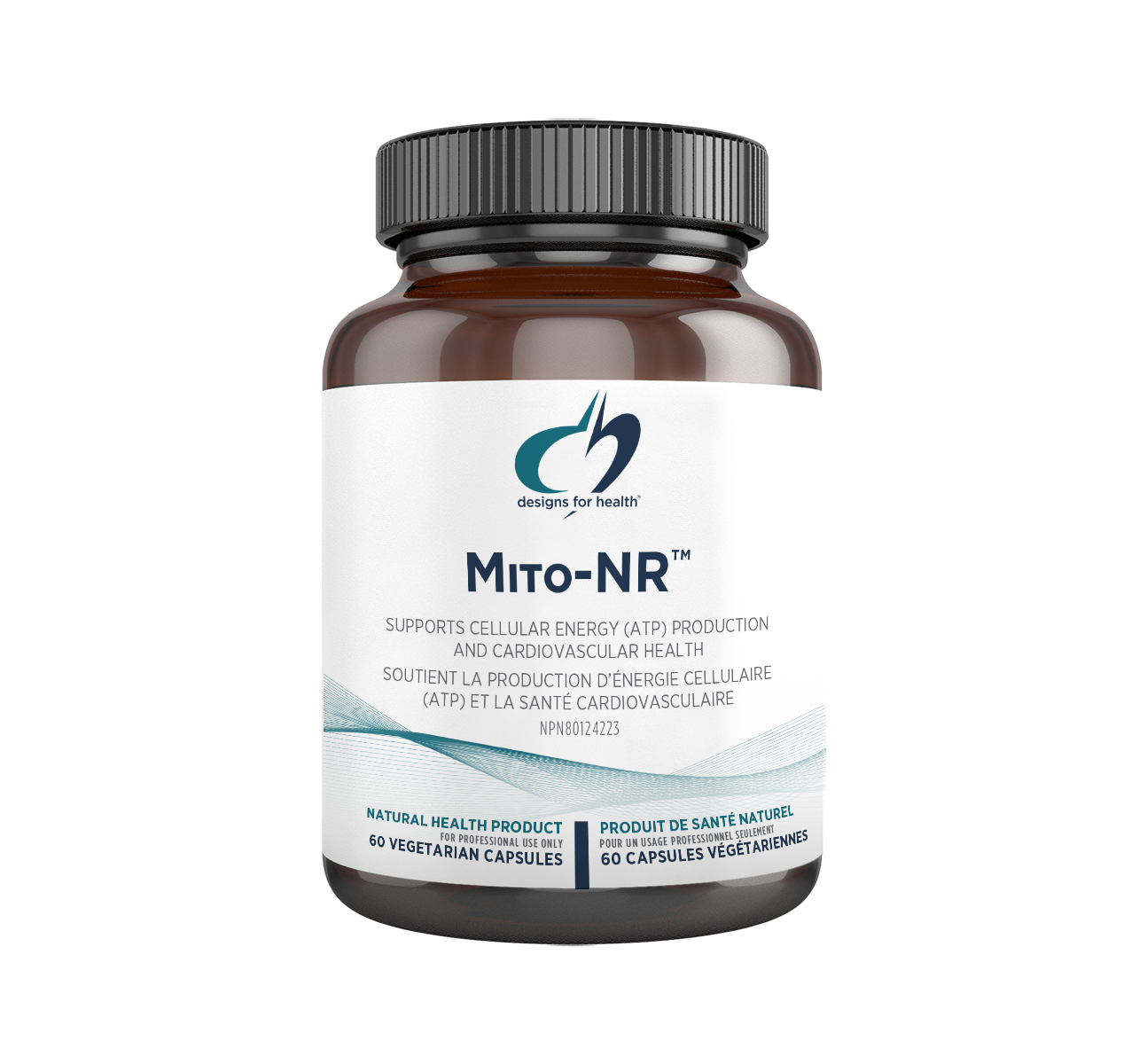
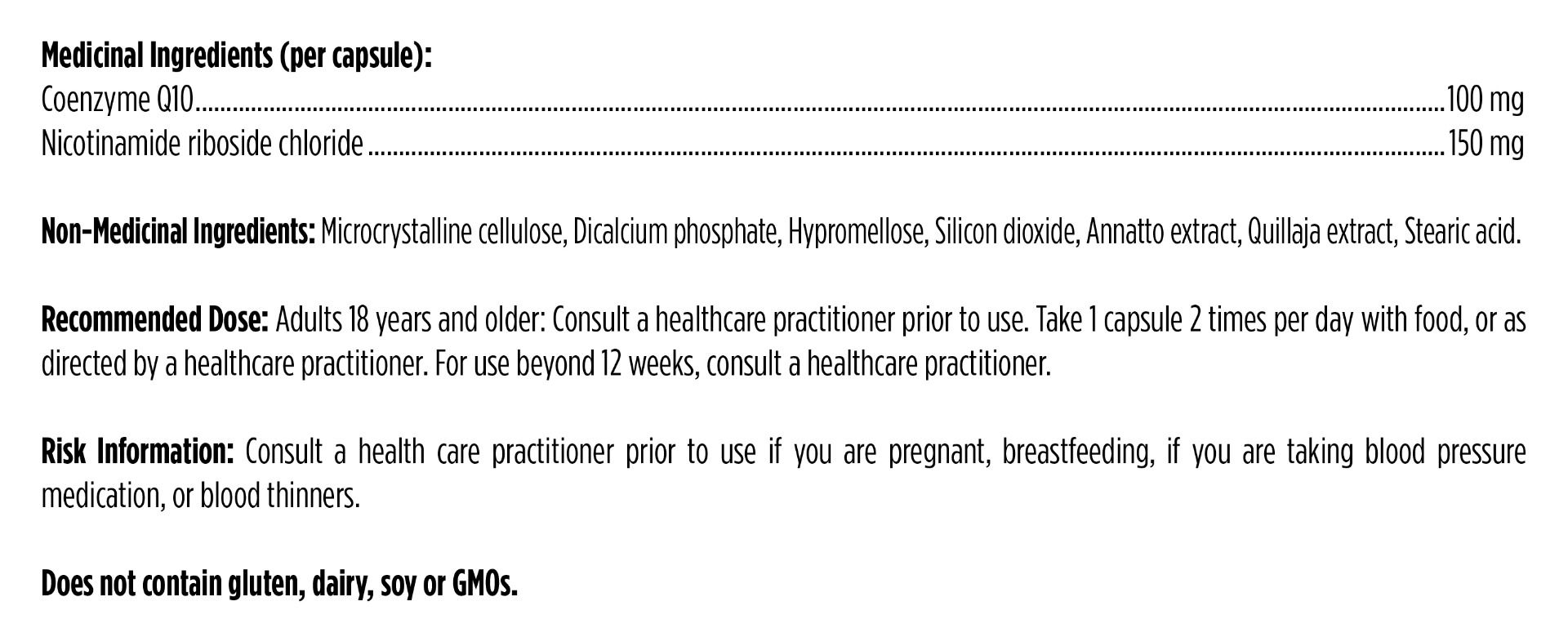
• Nicotinamide riboside (NR)
• Nicotinamide
• Niacin
• Other NAD⁺-related compounds
Some precursors can increase NAD⁺-related biomarkers under certain conditions.
However, demonstrating an increase in a biomarker is different from proving that a supplement extends lifespan, reverses aging, restores mitochondrial function, or prevents age-related disease.
Human clinical research remains active.
What About NMN?
Nicotinamide mononucleotide (NMN) has attracted substantial interest as an NAD⁺ precursor.
Human research is developing, with studies examining metabolic, aging-related, and physiological outcomes.
Claims that NMN has proven anti-aging, longevity, or mitochondrial-restoration effects in humans go beyond current evidence.
Availability and regulatory status may also differ by jurisdiction and product, so Canadian consumers should review current product authorization and labelling.
NADH
NADH is the reduced form of NAD⁺ and participates in cellular redox reactions and mitochondrial electron transport.
Supplemental NADH has been investigated in selected clinical and fatigue-related settings, but evidence is not sufficient to consider it a universal energy enhancer.
D-Ribose
D-ribose is a naturally occurring sugar involved in the structure of ATP, RNA, and other biological molecules.
Supplemental D-ribose has been studied in exercise, cardiovascular, and fatigue-related contexts.
Its presence in ATP does not mean consuming additional ribose directly produces more usable cellular energy in everyone.
Evidence varies considerably by population.
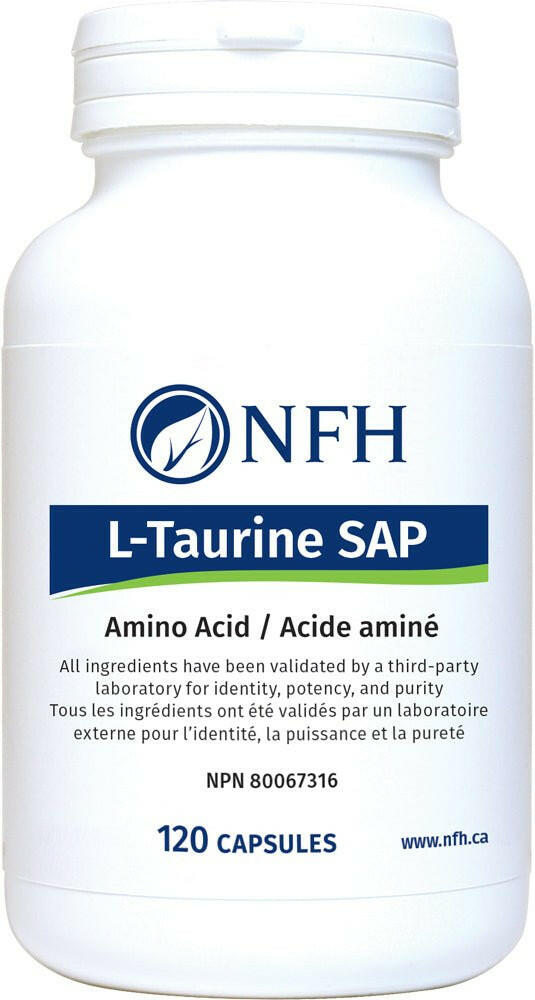
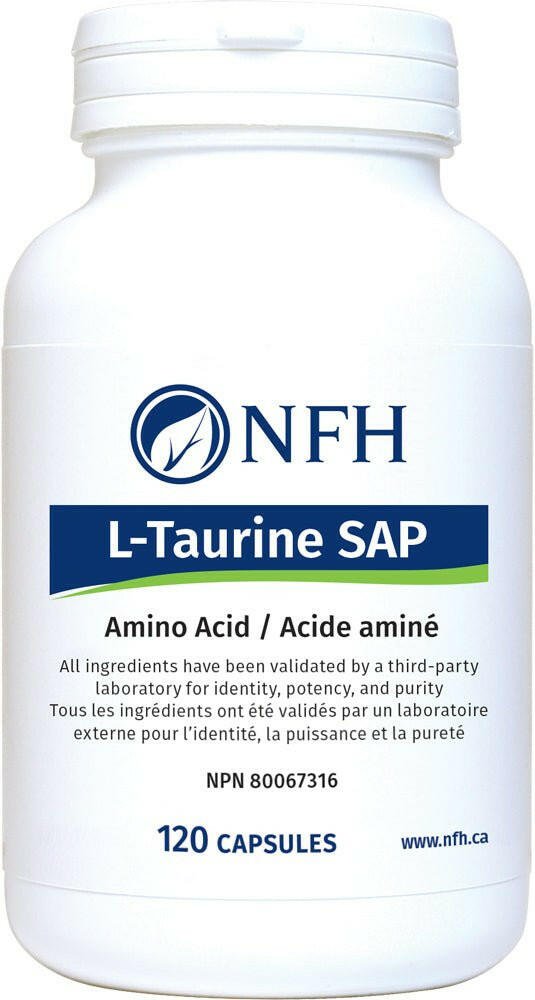
Taurine
Taurine is an amino-sulfonic compound found abundantly in several tissues, including the heart and skeletal muscle.
It participates in:
• Cellular osmoregulation
• Calcium handling
• Membrane physiology
• Bile-acid conjugation
• Other cellular processes
Research into taurine and cardiovascular, exercise, metabolic, and aging-related physiology continues.
It should not be portrayed as a direct mitochondrial stimulant.
Antioxidants & Mitochondria
Mitochondria generate reactive oxygen species as part of normal cellular metabolism.
These molecules are not simply harmful waste products—they also participate in normal cellular signalling.
The body manages them through antioxidant systems involving compounds and enzymes such as:
• Glutathione
• Superoxide dismutases
• Glutathione peroxidases
• Catalase
• Other cellular antioxidant systems
The goal is healthy redox regulation, not eliminating all reactive oxygen species.
Mitochondrial Support & Exercise
Exercise is one of the most important physiological stimuli for mitochondrial adaptation.
Regular endurance and appropriately structured high-intensity activity can promote changes associated with:
• Greater mitochondrial capacity
• Improved metabolic flexibility
• Cardiovascular fitness
• Better skeletal-muscle energy metabolism
Resistance training also contributes importantly to metabolic health and physical function.
Supplements should therefore complement—not replace—the powerful mitochondrial adaptations created by physical activity.
Mitochondrial Support & Cognitive Health
The brain has substantial energy requirements, making mitochondrial physiology important to normal neurological function.
Nutrients such as CoQ10, carnitine derivatives, B vitamins, and other compounds have therefore attracted interest in cognitive research.
However, supporting normal energy metabolism should not be equated with:
• Treating brain fog
• Preventing dementia
• Improving memory in every healthy adult
• Reversing neurological disease
Persistent or progressive cognitive symptoms require appropriate assessment.
Mitochondrial Support & Cardiovascular Health
The heart has exceptionally high and continuous energy requirements.
CoQ10, magnesium, carnitine, taurine, and other nutrients have been studied in cardiovascular contexts.
These supplements may complement cardiovascular nutrition in selected individuals, but they do not replace:
• Blood-pressure management
• Lipid management
• Exercise
• Appropriate nutrition
• Smoking cessation
• Prescription cardiovascular treatment when indicated
Mitochondrial Support & Healthy Aging
Mitochondrial biology changes with age and is an active area of longevity research.
Strategies associated with healthy mitochondrial function include:
• Regular physical activity
• Maintaining muscle mass
• Adequate protein and overall nutrition
• Appropriate energy intake
• Sufficient sleep
• Metabolic health
• Avoiding smoking
Supplements can complement these foundations, but no mitochondrial supplement has been established as a way to stop or reverse human aging.
Resveratrol & Quercetin
Resveratrol and quercetin are polyphenols investigated for effects on cellular signalling, oxidative pathways, and metabolic physiology.
They are frequently included in longevity and mitochondrial formulations.
Preclinical research is extensive, but human outcomes are less definitive.
Their inclusion in a mitochondrial formula should not be interpreted as proof of anti-aging or lifespan-extension effects.
Mitochondrial Support & Fatigue
Fatigue is sometimes attributed to “poor mitochondrial function,” but fatigue has many possible causes.
These include:
• Inadequate sleep
• Iron deficiency
• Vitamin B12 deficiency
• Thyroid disorders
• Infection or post-viral conditions
• Medication effects
• Diabetes
• Cardiovascular or respiratory conditions
• Sleep apnea
• Depression and other mental-health conditions
• Inadequate calorie intake
• Excessive training
• Other medical conditions
Persistent fatigue should not automatically be treated with a mitochondrial supplement stack.
Mitochondrial Support After Illness
Temporary fatigue and reduced exercise capacity can occur during recovery from illness.
Rest, adequate nutrition, hydration, sleep, and gradual return to activity are important.
Using supplements to push through substantial post-illness fatigue may be inappropriate.
Persistent exercise intolerance, shortness of breath, chest symptoms, neurological symptoms, or significant post-exertional worsening deserve professional evaluation.
Mitochondrial Support & Metabolic Health
Mitochondria play central roles in glucose and fatty-acid metabolism.
Metabolic health is nevertheless influenced by a much broader set of factors, including:
• Physical activity
• Muscle mass
• Body composition
• Diet
• Sleep
• Genetics
• Hormonal function
• Medications
• Cardiovascular health
A supplement cannot independently “optimize mitochondrial metabolism” or correct insulin resistance.
Mitochondrial Disease vs Mitochondrial Support
Inherited and acquired mitochondrial disorders are genuine medical conditions that can affect energy-demanding organs and tissues.
They are fundamentally different from the general wellness concept of “mitochondrial support.”
People with diagnosed or suspected mitochondrial disease require specialist medical assessment and should not rely on consumer supplement protocols as substitutes for clinical care.
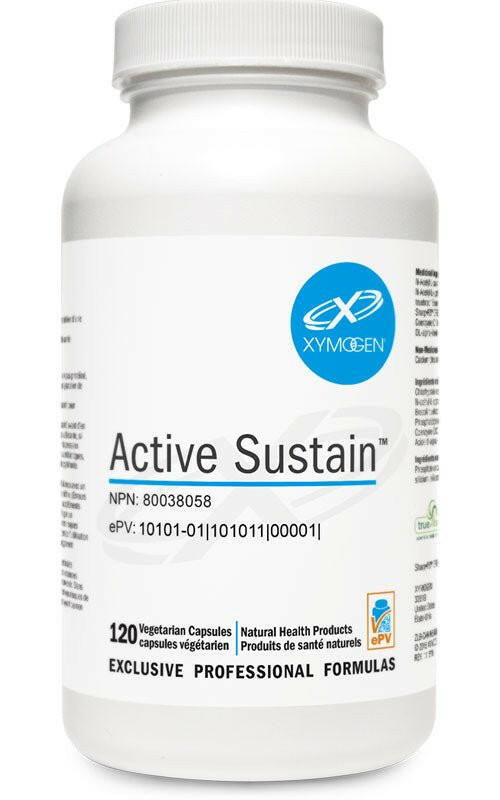
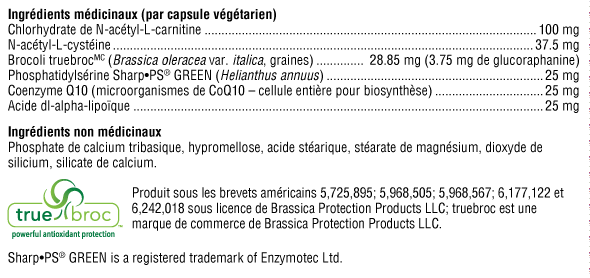
Combination Mitochondrial Formulas
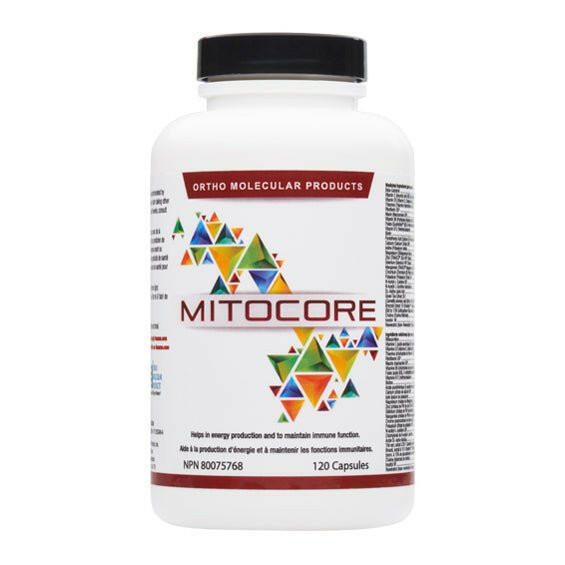
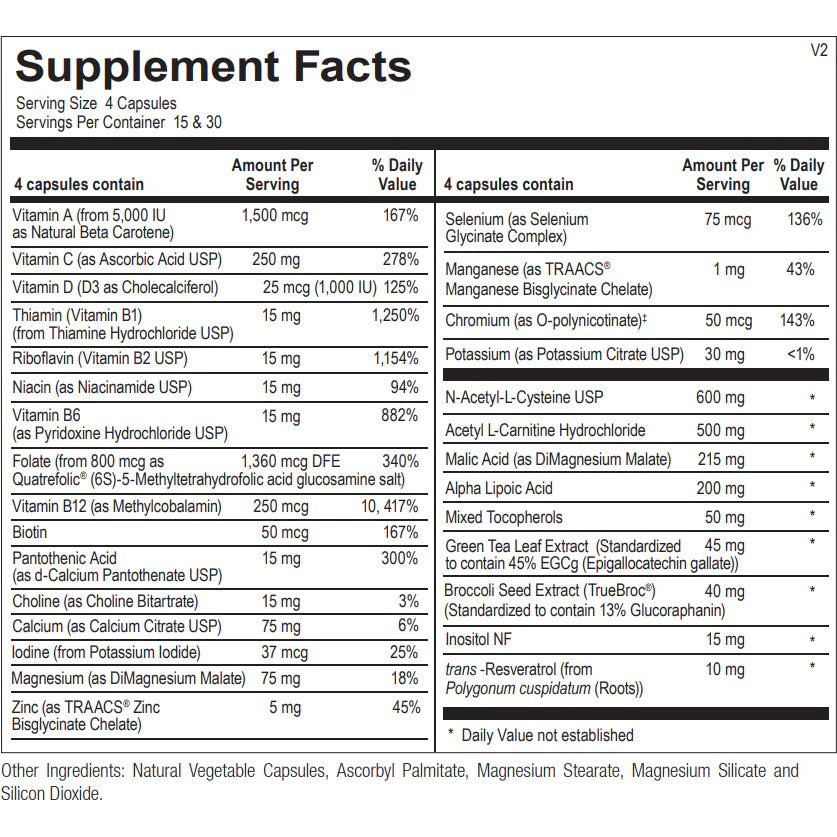
Multi-ingredient products may combine:
• CoQ10
• PQQ
• L-carnitine or ALCAR
• Alpha-lipoic acid
• Magnesium
• B vitamins
• NAD⁺-related ingredients
• Polyphenols
• Other nutrients
Combining multiple ingredients can be convenient, but more ingredients do not automatically produce greater mitochondrial benefit.
Check doses carefully, especially when combining a mitochondrial formula with a multivitamin or other targeted supplements.
Available Formats
Mitochondrial-support products may be available as:
• Capsules
• Tablets
• Powders
• Liquids
• Softgels
• Combination formulas
The best format depends on the ingredient.
For example, CoQ10 is fat-soluble and is commonly formulated in oil-based softgels, while other nutrients may be provided effectively in capsules or powders.
How to Choose a Mitochondrial Support Supplement
Define Your Goal
Determine whether the priority is nutritional energy support, cardiovascular wellness, exercise nutrition, antioxidant support, or healthy aging.
Choose Evidence-Informed Ingredients
Evaluate the evidence for the specific ingredient and intended outcome rather than relying solely on “mitochondrial” marketing.
Check the Dose
An ingredient appearing on a label does not mean the product provides an amount comparable with clinical research.
Review Overlapping Products
B vitamins, magnesium, CoQ10, antioxidants, and other ingredients may already be present in multivitamins or specialty formulas.
Consider Medications
Several mitochondrial-support ingredients can interact with medications or affect blood glucose, blood pressure, or other physiological pathways.
Address Lifestyle Foundations
Exercise, sleep, nutrition, and metabolic health remain fundamental to mitochondrial and overall health.
Supplement Safety & Interactions
Professional guidance may be particularly useful for people who:
• Take anticoagulant or antiplatelet medications
• Take blood-pressure medication
• Use glucose-lowering medication
• Take statins or other cardiovascular medications
• Have kidney or liver disease
• Have a diagnosed neurological or mitochondrial condition
• Are pregnant or breastfeeding
• Are preparing for surgery
• Use multiple high-dose supplements
Natural or non-stimulant does not mean interaction-free.
When Fatigue Needs Medical Assessment
Seek appropriate healthcare assessment for fatigue that:
• Persists without an obvious explanation
• Progressively worsens
• Significantly limits normal activity
• Occurs despite adequate sleep
• Is associated with unexplained weight loss
• Is accompanied by muscle weakness
• Causes substantial exercise intolerance
• Occurs with chest pain, palpitations, or shortness of breath
• Is associated with neurological symptoms
• Develops after starting or changing medication
A supplement should not be used to mask persistent symptoms that require diagnosis.
FAQs
What are mitochondrial support supplements?
They are nutritional products containing ingredients involved in or studied in relation to cellular energy metabolism, mitochondrial physiology, antioxidant defence, or related metabolic pathways.
What are the best-known mitochondrial nutrients?
CoQ10, L-carnitine, alpha-lipoic acid, B vitamins, magnesium, and PQQ are among the ingredients commonly used in mitochondrial-support formulas.
Does CoQ10 increase energy?
CoQ10 is essential to mitochondrial electron transport and ATP production. Supplemental benefits vary by population and should not be equated with an immediate stimulant-like energy effect.
Should everyone taking a statin use CoQ10?
Not necessarily. Statins can reduce circulating CoQ10, and supplementation has been studied for statin-associated muscle symptoms, but clinical results are mixed.
Does PQQ create new mitochondria?
PQQ has influenced pathways associated with mitochondrial biogenesis in experimental research, but claims that supplementation reliably creates clinically meaningful numbers of new mitochondria in humans are not established.
Do NAD⁺ supplements reverse aging?
No. NAD⁺ metabolism is an important area of aging research, but increasing NAD⁺-related biomarkers has not established that supplements reverse human aging or extend lifespan.
Can L-carnitine help burn fat?
L-carnitine is essential for transporting long-chain fatty acids into mitochondria, but supplementation does not automatically cause significant body-fat loss.
Can mitochondrial supplements help brain fog?
Some mitochondrial nutrients have been studied in neurological and cognitive contexts, but brain fog has many potential causes and should not automatically be attributed to mitochondrial dysfunction.
Are mitochondrial supplements useful for athletes?
Some ingredients may have specific sports-nutrition applications, but exercise itself is one of the strongest stimuli for beneficial mitochondrial adaptation. Supplements cannot replace appropriate training, nutrition, and recovery.
Can I combine CoQ10, PQQ, ALA, carnitine, and NAD⁺ support?
Combination formulas exist, but whether combining them is appropriate depends on dose, health goals, medications, and existing supplements. More ingredients do not necessarily produce better results.
Why Shop Mitochondrial Support at Coal Harbour Pharmacy?
• Pharmacist-curated mitochondrial and cellular-energy supplements
• CoQ10, PQQ, L-carnitine, ALA, magnesium, B vitamins, and NAD⁺-related options
• Individual nutrients and comprehensive combination formulas
• Non-stimulant cellular-energy support options
• Established Canadian and professional supplement brands
• Fast Canada-wide shipping
Related Collections
• CoQ10
────────────────────────────────────
Shop Mitochondrial Support →
Sort by
26 products












FREE STANDARD SHIPPING
Satisfied or refunded
Top-notch support
Secure payments
Encrypted checkout processing
Offers exclude prescriptions and in-store purchases.
Subscribe & Get a First-Order Reward
Plus, earning reward points on eligible online purchases and enjoy future store credit.
We respect your inbox at Coal Harbour Pharmacy - Expect thoughtfully curated health and wellness updates, timely reminders, and exclusive online savings.