
Nervous System Support – B Vitamins, Magnesium & Nerve Health Supplements
Explore pharmacist-curated nervous system support supplements at Coal Harbour Pharmacy, featuring B-complex vitamins, vitamin B12, magnesium, omega-3 fatty acids, L-theanine, alpha-lipoic acid, adaptogenic herbs, and specialty neurological wellness formulas. Discover targeted nutritional support for healthy nerve function, cognitive wellness, stress management, mood balance, and sleep.
────────────────────────────────────
About Nervous System Support
The nervous system is a complex network of the brain, spinal cord, and peripheral nerves responsible for communication throughout the body.
It plays an essential role in memory, concentration, movement, sensory perception, emotional regulation, sleep, and the body’s response to stress.
Maintaining normal nervous system function depends on adequate nutrition, healthy circulation, regular physical activity, restorative sleep, and appropriate management of underlying medical conditions.
At Coal Harbour Pharmacy, our Nervous System Support collection brings together vitamins, minerals, amino acids, herbal extracts, and specialty nutraceuticals commonly used in neurological and cognitive wellness routines.
Our selection may include:
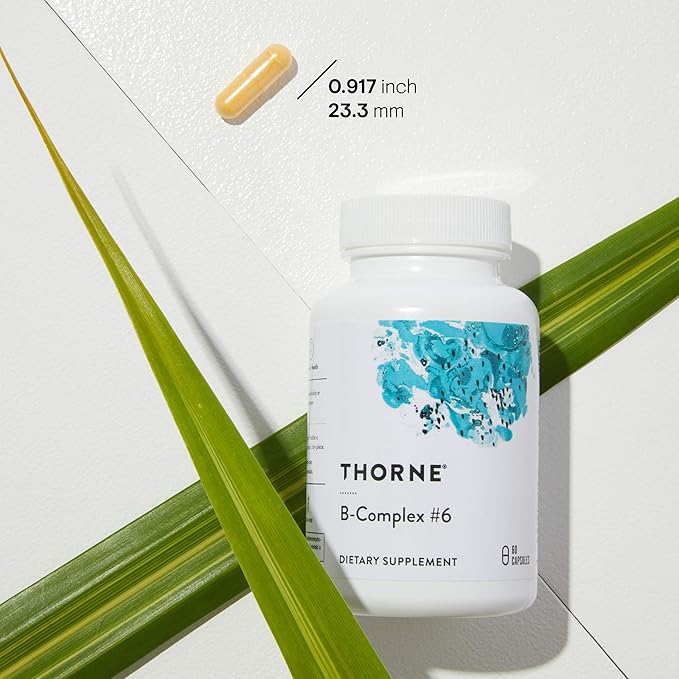
- B Vitamins: Essential nutrients involved in normal nerve function and energy metabolism.
- Vitamin B12: Important for myelin maintenance, red blood cell formation, and neurological health.
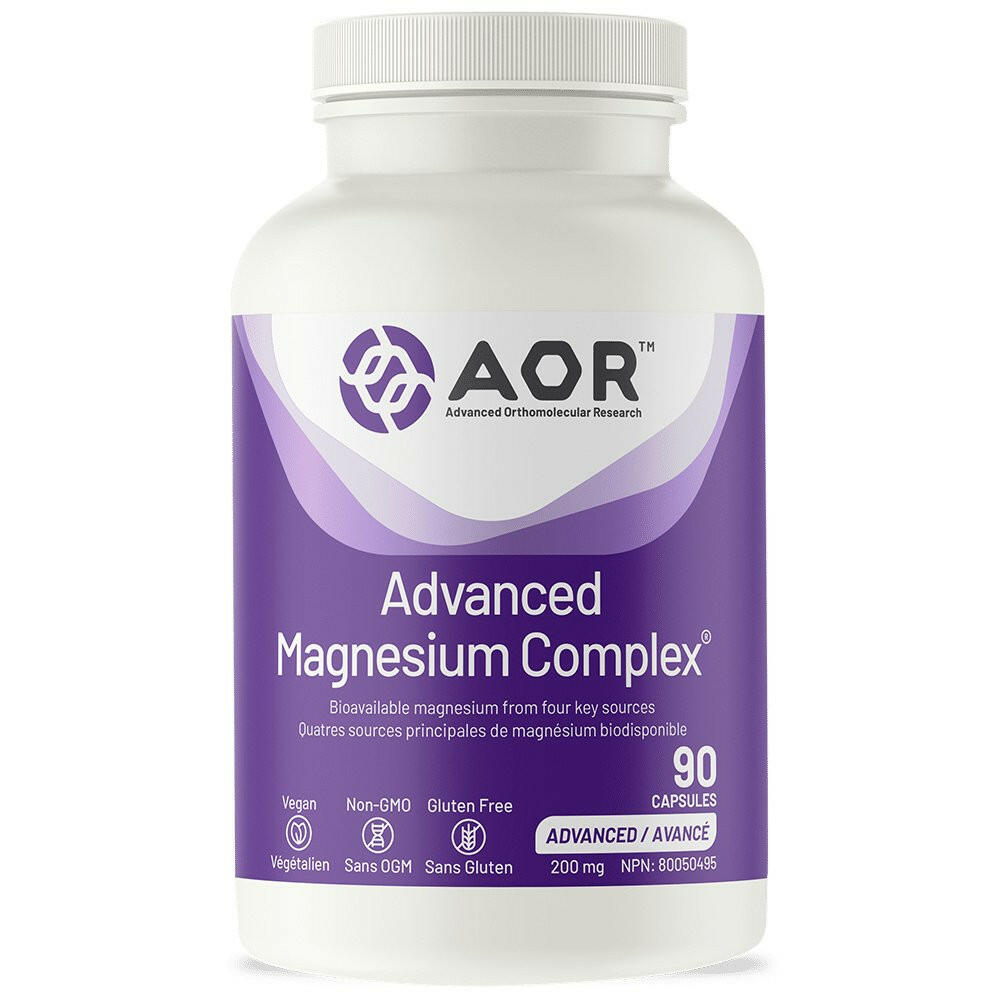
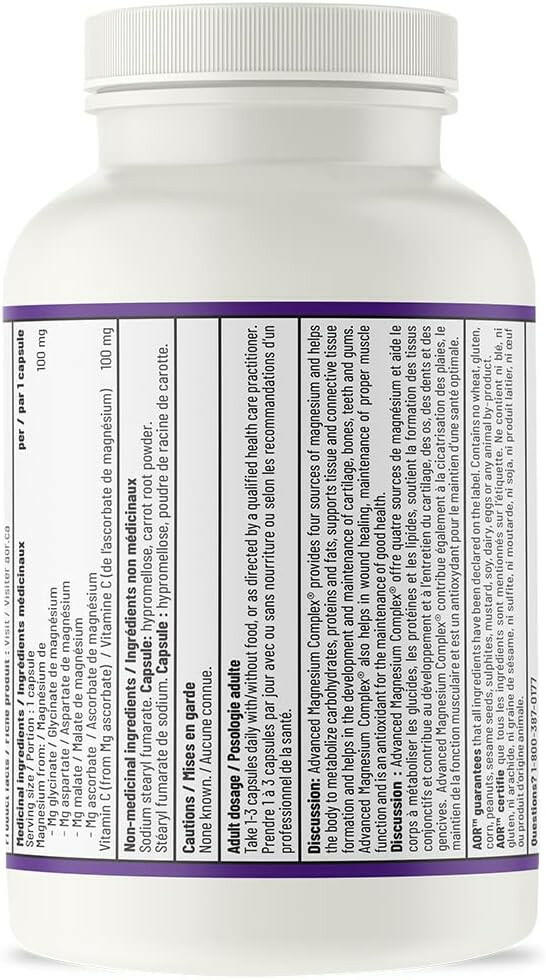
- Magnesium: Supports normal nerve signalling, muscle function, and electrolyte balance.
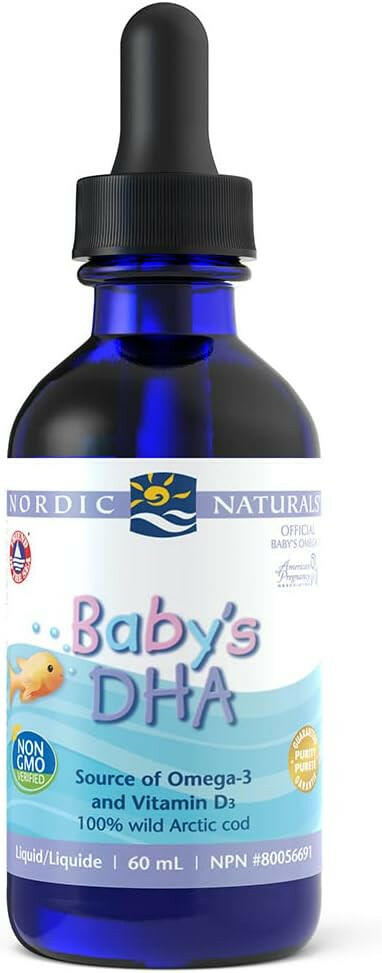
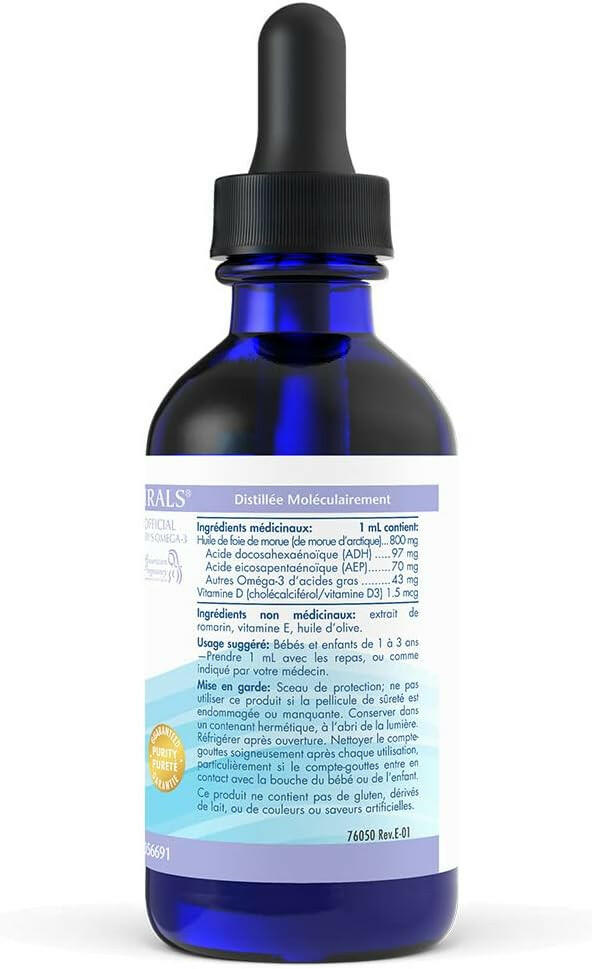
- Omega-3 Fatty Acids: DHA and EPA contribute to normal cell membrane structure and function.
- Alpha-Lipoic Acid: An antioxidant compound studied for selected neuropathy-related symptoms.
- L-Theanine: An amino acid investigated for relaxation and stress-related outcomes.
- Adaptogenic Herbs: Ashwagandha, rhodiola, and other botanicals traditionally used for stress-related wellness.
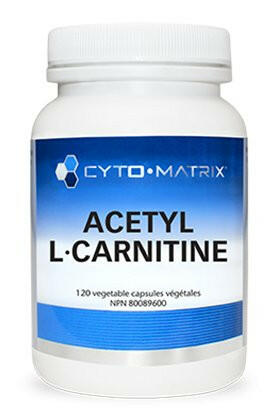
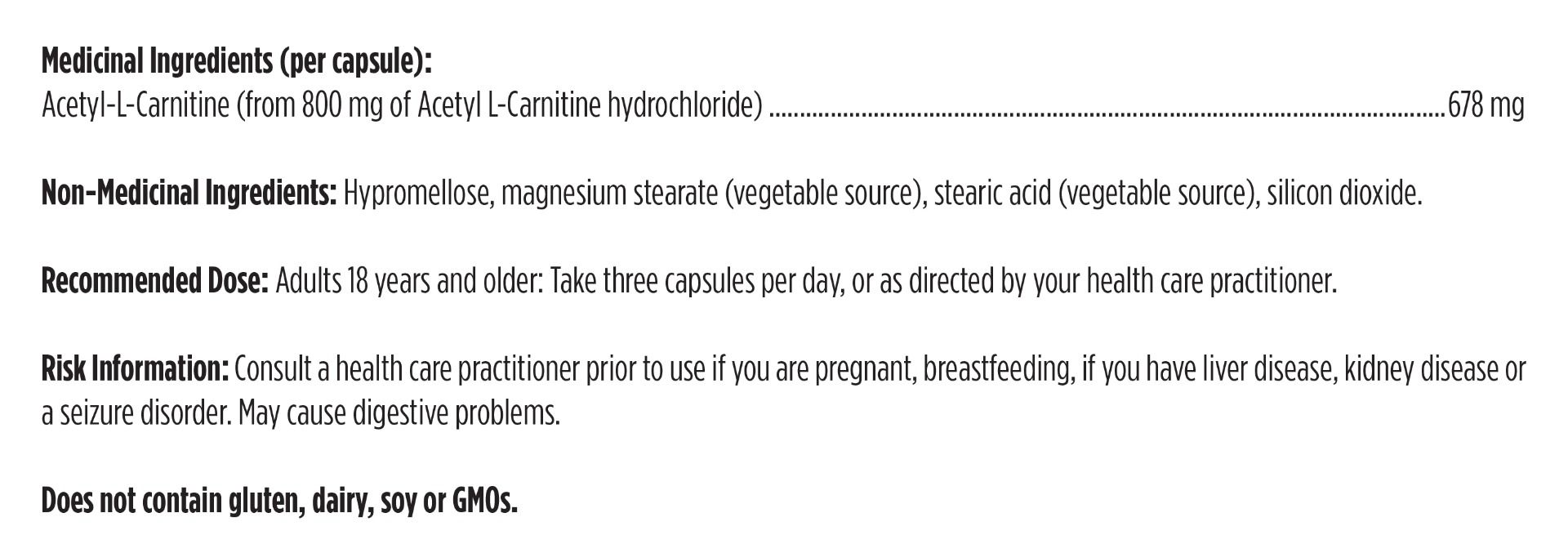
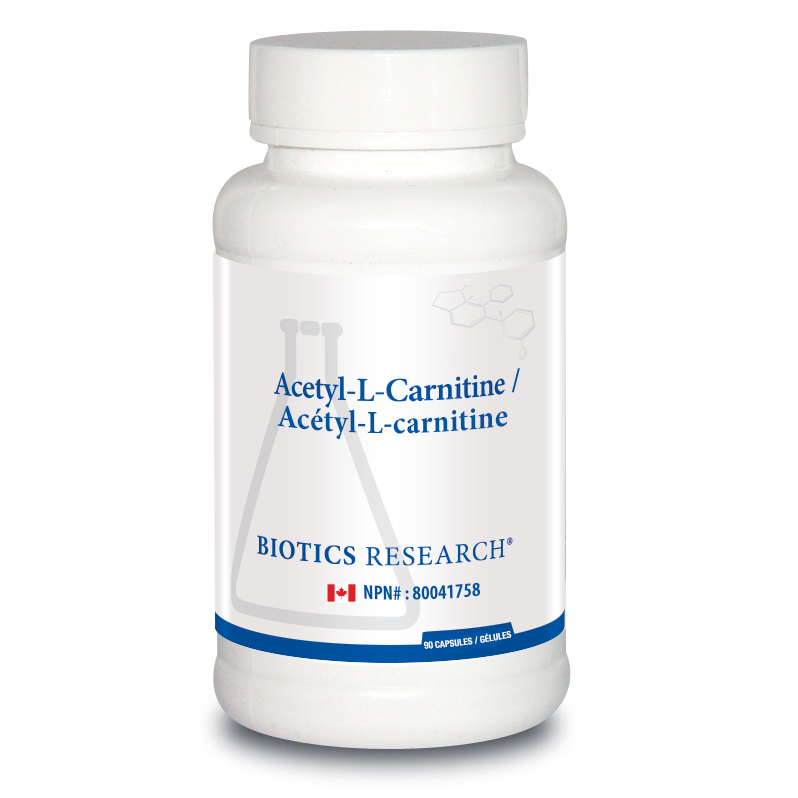
- Cognitive Support Nutrients: Phosphatidylserine, acetyl-L-carnitine, and other specialty ingredients.
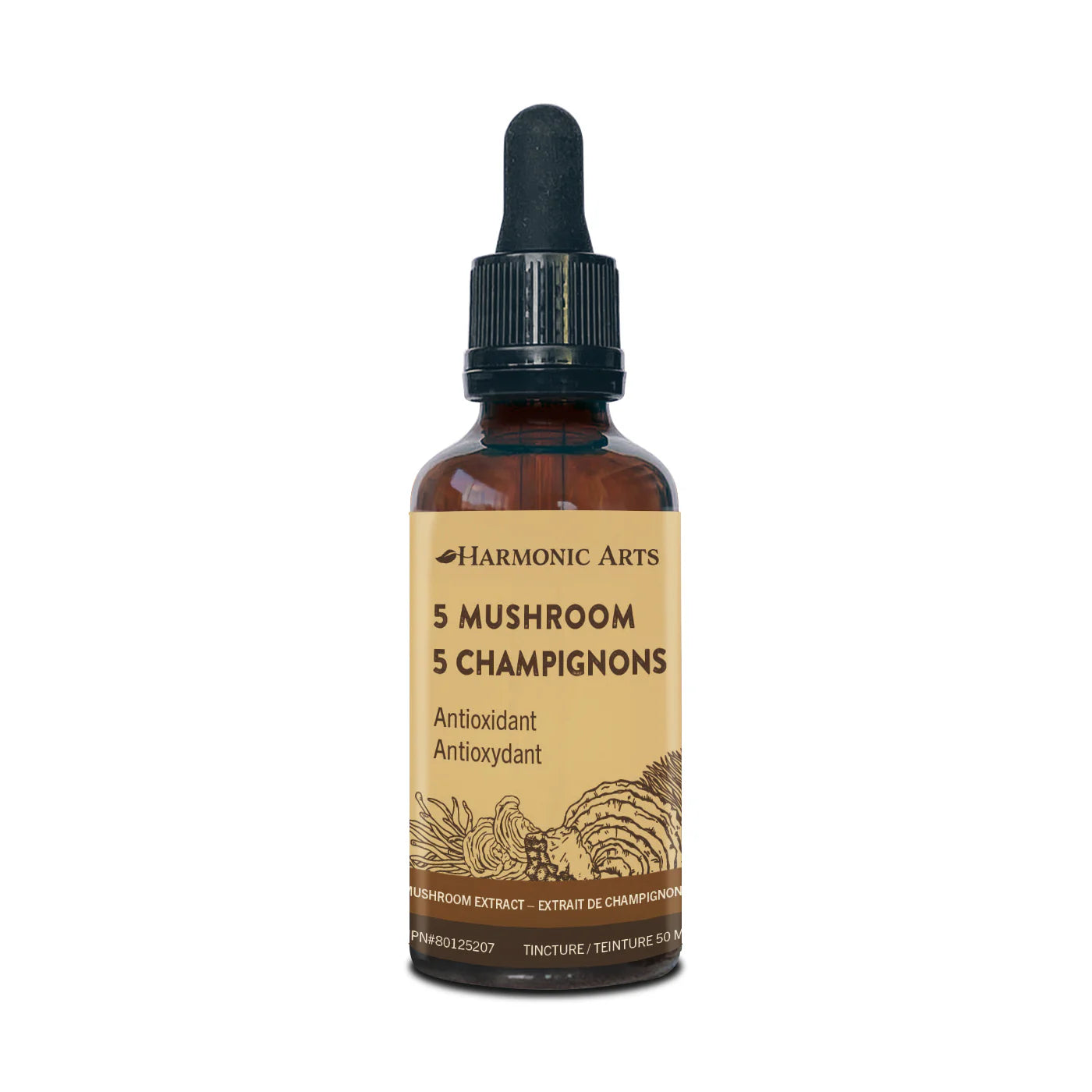
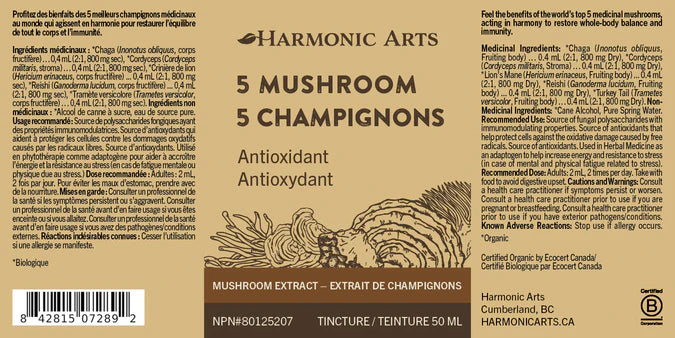
- Medicinal Mushrooms: Lion’s mane and other mushroom extracts investigated for neurological applications.
- Sleep Support: Melatonin, magnesium, and selected calming ingredients.
Nervous system supplements can help address specific nutritional needs, but they should not be considered treatments for neurological diseases or substitutes for appropriate medical care.
Key Benefits
Depending on the specific ingredient, formulation, and individual nutritional status, nervous system supplements may help:
- Normal Nerve Function: Supply essential nutrients involved in healthy neurological signalling.
- Myelin Maintenance: Provide vitamin B12 and other nutrients necessary for normal nervous system function.
- Cognitive Wellness: Support nutritional processes involved in brain health.
- Stress Management: Complement relaxation routines with selected nutrients and botanical ingredients.
- Mood-Related Nutrition: Help maintain adequate intake of nutrients involved in normal neurological processes.
- Muscle & Nerve Communication: Supply magnesium and other minerals involved in neuromuscular function.
- Energy Metabolism: Provide B vitamins and other nutrients required for normal cellular energy production.
- Antioxidant Defence: Support normal cellular processes involved in managing oxidative stress.
- Sleep-Wake Regulation: Offer targeted ingredients for specific sleep and circadian rhythm concerns.
- Healthy Aging: Complement lifestyle practices that support long-term neurological wellness.
Benefits vary considerably by ingredient and formulation. Taking additional nutrients beyond adequate intake does not necessarily improve cognitive performance or nerve function.
Who It’s Ideal For
This collection may appeal to:
- Adults interested in maintaining normal nervous system function
- Individuals seeking B-complex or vitamin B12 supplements
- People with increased risk of certain nutritional deficiencies
- Customers interested in magnesium for neuromuscular health
- Adults exploring nutritional approaches to cognitive wellness
- Individuals seeking relaxation-oriented supplements
- Students and professionals interested in focus and concentration
- Older adults reviewing nutritional needs associated with healthy aging
- People interested in omega-3 fatty acids and brain health
- Customers exploring specialty nutrients studied for peripheral nerve symptoms
- Individuals building personalized nutritional wellness routines
People experiencing persistent numbness, tingling, weakness, neuropathic pain, or cognitive changes should seek medical assessment rather than relying on supplements alone.
Understanding the Nervous System
The nervous system coordinates communication between the brain and the rest of the body.
It consists of two major divisions.
Central Nervous System
The central nervous system includes:
- Brain
- Spinal cord
It is responsible for processing information, coordinating movement, and regulating numerous physical and cognitive functions.
Peripheral Nervous System
The peripheral nervous system includes nerves extending throughout the body.
These nerves help transmit information related to:
- Touch
- Temperature
- Pain
- Muscle movement
- Internal organ function
Autonomic Nervous System
The autonomic nervous system helps regulate involuntary functions such as:
- Heart rate
- Digestion
- Blood pressure
- Breathing patterns
- Stress responses
Normal nervous system function depends on coordinated activity across these systems.
Why Nervous System Health Matters
The nervous system supports nearly every aspect of daily function.
Important roles include:
- Memory and learning
- Attention and concentration
- Sensory processing
- Movement and coordination
- Emotional regulation
- Sleep-wake cycles
- Pain perception
- Muscle control
- Autonomic functions
Neurological health is influenced by genetics, age, nutrition, metabolic health, sleep, physical activity, and medical conditions.
Although certain nutrients are essential for nerve function, supplementation cannot compensate for every cause of neurological symptoms.
B Vitamins – Foundational Nervous System Nutrition
B vitamins are among the most important nutrients involved in normal neurological function.
They participate in:
- Energy metabolism
- Neurotransmitter synthesis
- Myelin maintenance
- Red blood cell formation
- DNA synthesis
- Normal cellular processes
Important B Vitamins for Nerve Health
|
Nutrient |
Primary Functions |
|---|---|
|
Vitamin B1 (Thiamine) |
Energy metabolism and normal nerve function |
|
Vitamin B2 (Riboflavin) |
Cellular energy metabolism |
|
Vitamin B3 (Niacin) |
Energy metabolism and cellular function |
|
Vitamin B5 (Pantothenic Acid) |
Coenzyme A synthesis and metabolism |
|
Vitamin B6 (Pyridoxine) |
Neurotransmitter metabolism and normal nervous system function |
|
Vitamin B7 (Biotin) |
Normal metabolic processes |
|
Vitamin B9 (Folate) |
DNA synthesis and cell division |
|
Vitamin B12 (Cobalamin) |
Myelin maintenance and neurological function |
Do B-Complex Supplements Improve Nerve Health?
B-complex supplements can be useful when dietary intake is inadequate or specific deficiencies are present.
However, high-dose supplementation does not necessarily improve nerve function in people with adequate nutritional status.
Excessive vitamin B6 intake can itself cause peripheral neuropathy.
This is particularly important when combining several supplements containing vitamin B6.
Vitamin B12 – Nerve Function & Myelin Maintenance
Vitamin B12 is essential for normal neurological function.
It contributes to:
- Myelin maintenance
- Red blood cell formation
- DNA synthesis
- Normal nerve function
Myelin is a protective covering surrounding many nerve fibres.
Vitamin B12 Deficiency
Vitamin B12 deficiency can cause:
- Numbness
- Tingling
- Balance difficulties
- Fatigue
- Cognitive changes
- Neurological impairment
Prolonged deficiency may result in persistent neurological problems.
Who May Be at Risk?
Risk factors include:
- Vegan diets without adequate B12 supplementation
- Certain gastrointestinal conditions
- Impaired nutrient absorption
- Older age
- Certain medications, including metformin
- Pernicious anemia
Vitamin B12 supplementation is particularly important when deficiency is confirmed or dietary intake is insufficient.
However, additional B12 does not reliably improve memory or energy in people who already have adequate levels.
Vitamin B1 – Thiamine & Nerve Health
Thiamine is essential for normal carbohydrate metabolism and nervous system function.
Severe thiamine deficiency can cause neurological complications.
Certain populations may be at increased risk of deficiency, including people with:
- Significant malnutrition
- Alcohol use disorder
- Certain gastrointestinal conditions
- Impaired nutrient absorption
Benfotiamine
Benfotiamine is a thiamine derivative marketed in some nerve-support formulas.
It has been studied for selected complications associated with diabetes.
However, evidence does not establish that benfotiamine reverses nerve damage or reliably treats diabetic neuropathy.
Vitamin B6 – Neurotransmitter Metabolism
Vitamin B6 contributes to the normal metabolism of several neurotransmitters.
These include pathways involving:
- Serotonin
- Dopamine
- GABA
- Other neurotransmitter-related compounds
Important Safety Consideration
Although vitamin B6 is essential for neurological function, excessive supplemental intake can cause nerve damage.
Symptoms of vitamin B6 toxicity may include:
- Tingling
- Numbness
- Sensory changes
- Balance difficulties
The risk may increase when multiple products containing vitamin B6 are taken together.
High-dose vitamin B6 should not be used routinely for nerve health without an appropriate reason.
Magnesium – Nerve & Muscle Function
Magnesium is an essential mineral involved in hundreds of enzyme-dependent processes.
It contributes to:
- Normal nerve signalling
- Muscle contraction and relaxation
- Energy metabolism
- Electrolyte balance
- Bone health
Magnesium & Nervous System Function
Magnesium participates in normal neuromuscular activity and cellular signalling.
However, taking additional magnesium does not automatically improve stress tolerance, sleep quality, or cognitive performance.
Common Magnesium Forms
Products may contain:
- Magnesium glycinate
- Magnesium citrate
- Magnesium malate
- Magnesium oxide
- Magnesium L-threonate
These forms vary in elemental magnesium content, gastrointestinal tolerance, and available research.
Is Magnesium Glycinate Better for Relaxation?
Magnesium glycinate is commonly marketed for relaxation-oriented routines.
It may be well tolerated by some individuals.
However, evidence does not establish that it consistently provides superior sleep or anxiety benefits compared with every other magnesium form.
Magnesium L-Threonate & Cognitive Wellness
Magnesium L-threonate is marketed in some brain-health formulations.
It has attracted interest because of research investigating magnesium availability in the nervous system.
What Does the Research Show?
Preclinical research has explored potential neurological effects.
A limited number of human studies have also investigated cognitive-related outcomes.
However, current evidence does not establish that magnesium L-threonate prevents dementia, reverses cognitive decline, or is universally superior to other magnesium supplements.
Omega-3 Fatty Acids – Brain & Nerve Health
Omega-3 fatty acids are important components of normal cellular function.
Two major marine omega-3 fatty acids are:
- DHA
- EPA
DHA
DHA is an important structural component of neuronal cell membranes.
It contributes to normal brain and retinal structure.
EPA
EPA participates in cellular signalling and other physiological processes.
Do Omega-3 Supplements Improve Memory?
Omega-3 supplements have been studied for cognitive function, mood, and neurological health.
However, findings are mixed.
Supplementation does not consistently improve memory or prevent dementia in otherwise healthy adults.
Omega-3 products may be appropriate for individuals with low dietary intake or specific nutritional needs.
Alpha-Lipoic Acid – Antioxidant & Peripheral Nerve Support
Alpha-lipoic acid (ALA) is a compound involved in mitochondrial enzyme activity.
It also participates in antioxidant-related processes.
Alpha-Lipoic Acid & Neuropathy
ALA has been investigated for symptoms associated with diabetic peripheral neuropathy.
Some clinical studies suggest potential improvements in selected symptoms.
However, results vary by dose, route of administration, and study design.
Evidence does not establish that oral ALA reverses established nerve damage.
Important Precautions
ALA may affect blood glucose regulation.
People taking diabetes medications should seek professional guidance before using concentrated ALA supplements.
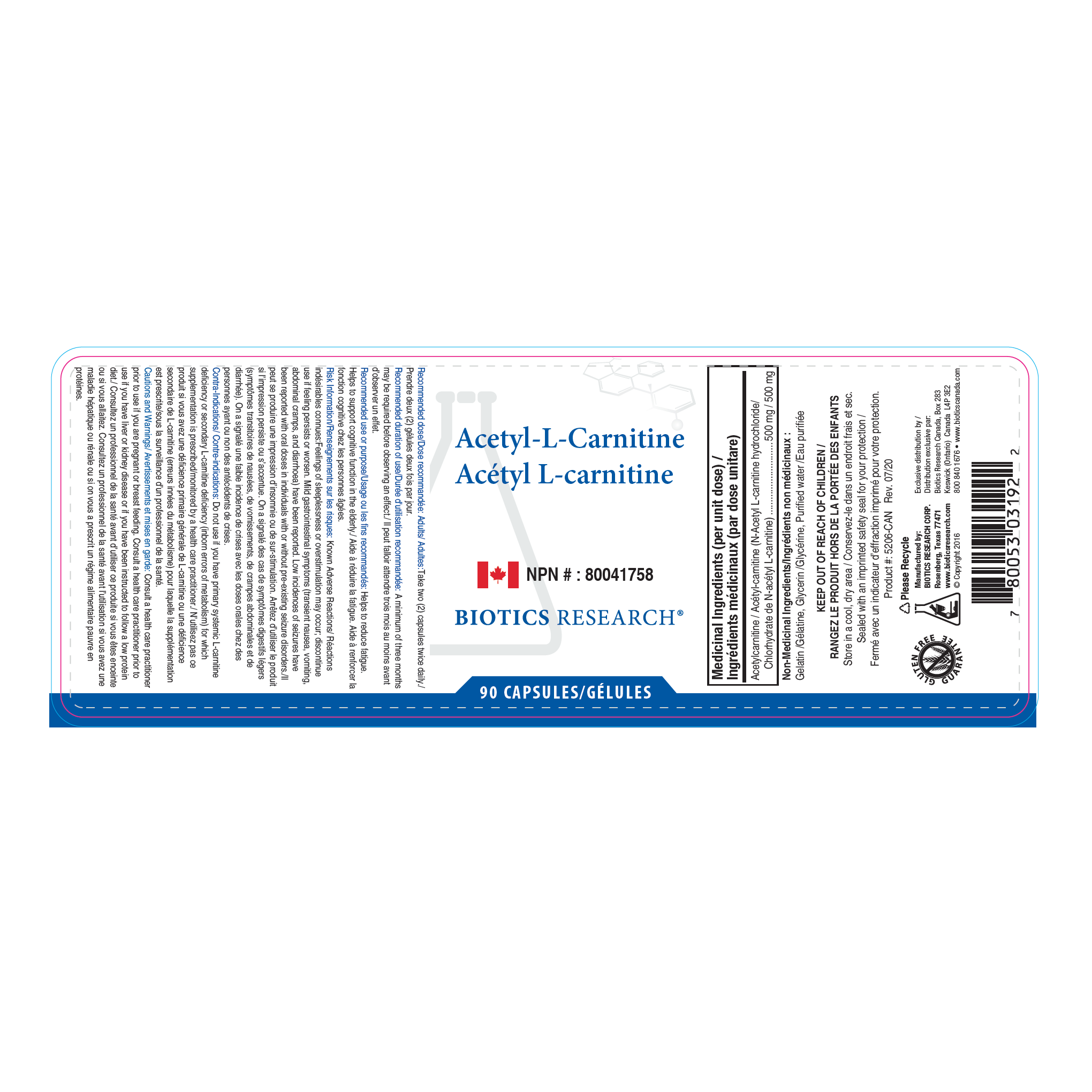
Acetyl-L-Carnitine – Cellular Energy & Nerve Research
Acetyl-L-carnitine is a derivative of carnitine involved in cellular metabolism.
It has been investigated for:
- Certain neuropathic symptoms
- Selected cognitive outcomes
- Fatigue-related concerns
- Mitochondrial function
What Does the Evidence Show?
Some studies have explored acetyl-L-carnitine for peripheral neuropathy.
However, evidence remains insufficient to recommend it broadly as a nerve-regeneration treatment.
It may also be inappropriate for certain individuals.
Professional guidance is recommended when using it for neurological symptoms.
Phosphatidylserine – Cognitive Support
Phosphatidylserine is a phospholipid found in cell membranes, including neuronal membranes.
It is involved in normal membrane structure and function.
Potential Applications
Phosphatidylserine has been investigated for:
- Memory
- Attention
- Cognitive performance
- Age-related cognitive concerns
However, available studies vary in quality, population, and formulation.
Evidence does not establish that supplementation prevents Alzheimer’s disease or reliably improves cognition in healthy adults.
Ginkgo Biloba – Brain & Circulatory Wellness
Ginkgo biloba is a botanical ingredient commonly marketed for memory and cognitive support.
Standardized extracts have been investigated for selected neurological and cognitive outcomes.
Does Ginkgo Improve Memory?
Clinical findings are inconsistent.
Ginkgo has not been established as a reliable method for preventing dementia or improving memory in otherwise healthy adults.
Important Safety Considerations
Ginkgo may increase bleeding risk or interact with medications affecting blood clotting.
People taking anticoagulants or antiplatelet medications should seek professional guidance.
Lion’s Mane Mushroom – Emerging Cognitive Research
Lion’s mane (Hericium erinaceus) is a medicinal mushroom investigated for potential neurological applications.
It contains naturally occurring compounds such as hericenones and erinacines.
Why Is Lion’s Mane Popular?
Laboratory and animal studies have explored certain compounds for their effects on nerve-related pathways.
Small human studies have investigated selected cognitive outcomes.
Does Lion’s Mane Regenerate Nerves?
Laboratory findings do not establish that lion’s mane supplements regenerate damaged human nerves.
Human clinical evidence remains preliminary.
Lion’s mane should not be considered a treatment for neuropathy, dementia, or neurodegenerative disease.
Adaptogenic Herbs – Stress-Related Wellness
Adaptogens are botanicals traditionally used to support the body’s response to stress.
Common examples include:
- Ashwagandha
- Rhodiola
- Holy basil
- Ginseng
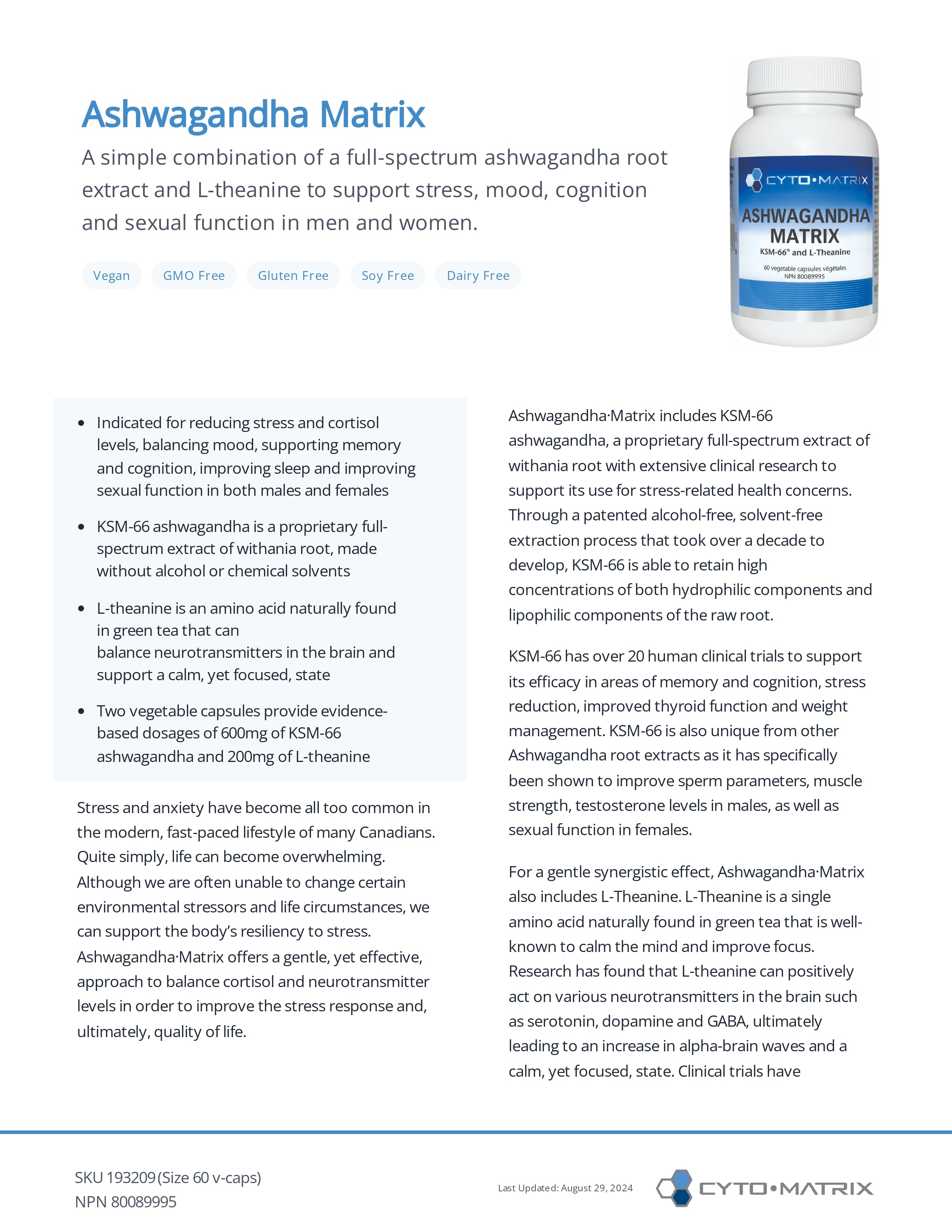
Ashwagandha
Certain standardized ashwagandha extracts have been studied for stress-related symptoms and sleep.
Some studies suggest potential benefits, but findings are formulation-specific.
Ashwagandha has also been associated with rare liver injury and may affect thyroid function.
Rhodiola
Rhodiola has been investigated for stress-related fatigue and mental performance.
Human evidence remains limited.
Holy Basil
Holy basil, also known as tulsi, has a history of traditional use.
Clinical evidence for specific stress-related benefits remains preliminary.
Understanding Stress Support
Adaptogens should not be assumed to normalize cortisol levels or correct an alleged adrenal imbalance.
Adrenal fatigue is not an established medical diagnosis.
Persistent fatigue or significant stress-related symptoms may require medical assessment.
L-Theanine – Relaxation & Focus
L-theanine is an amino acid naturally found in tea.
It is commonly included in supplements marketed for:
- Relaxation
- Stress management
- Mental focus
- Sleep-related wellness
What Does the Research Show?
Some small human studies suggest potential benefits for selected stress-related or attention-related outcomes.
However, evidence remains limited.
L-theanine should not be considered a proven treatment for anxiety disorders or insomnia.
GABA – Calming Supplement Formulas
Gamma-aminobutyric acid (GABA) is an inhibitory neurotransmitter in the central nervous system.
It plays an important role in normal neurological signalling.
Oral GABA Supplements
GABA is also sold as a dietary supplement.
However, it remains uncertain how much orally consumed GABA reaches the brain in meaningful amounts.
Clinical evidence for oral GABA supplements and improvements in anxiety or sleep remains limited.
Mood Balance & Nervous System Nutrition
Mood regulation involves complex interactions among:
- Brain signalling
- Sleep
- Hormones
- Psychological factors
- Physical health
- Social circumstances
- Nutrition
Certain nutrients are required for normal neurological processes.
These include:
- Vitamin B6
- Vitamin B12
- Folate
- Magnesium
- Iron
- Omega-3 fatty acids
Can Supplements Improve Mood?
Correcting a nutritional deficiency may improve symptoms associated with that deficiency.
However, supplementation does not necessarily improve mood when nutrient levels are adequate.
Persistent depression, anxiety, or significant mood changes require appropriate assessment and treatment.
5-HTP – Serotonin Precursor
5-Hydroxytryptophan (5-HTP) is a compound involved in serotonin synthesis.
It is marketed for mood and sleep-related applications.
Important Limitations
Clinical evidence for treating depression, anxiety, or insomnia remains insufficient.
Medication Interactions
5-HTP may interact with medications that affect serotonin.
Combining it with certain antidepressants or other serotonergic medications can increase the risk of serotonin syndrome.
Do not combine 5-HTP with serotonergic medications without explicit professional guidance.
St. John’s Wort – Herbal Mood Support
St. John’s wort (Hypericum perforatum) is a botanical ingredient studied for depressive symptoms.
Certain standardized extracts have shown benefits in some studies involving mild-to-moderate depression.
However, product formulations vary.
Important Drug Interactions
St. John’s wort can interact with numerous medications, including:
- Antidepressants
- Hormonal contraceptives
- Anticoagulants
- Immunosuppressants
- Certain HIV medications
- Other prescription treatments
It can reduce the effectiveness of some medications or increase adverse effects.
St. John’s wort should not be used without careful medication review.
SAMe – Specialty Mood-Related Nutraceutical
S-Adenosyl-L-methionine (SAMe) is involved in methylation reactions and other biochemical processes.
It has been investigated for selected mood-related applications.
Clinical Considerations
Evidence remains insufficient to recommend SAMe as a general substitute for established depression treatments.
SAMe may interact with serotonergic medications and may be inappropriate for people with bipolar disorder because of the risk of mood elevation.
Professional guidance is important.
Sleep & Nervous System Recovery
Sleep supports numerous neurological functions, including:
- Memory consolidation
- Learning
- Emotional regulation
- Attention
- Normal physiological recovery
Sleep-related supplements may contain:
- Melatonin
- Magnesium
- L-theanine
- Valerian
- Passionflower
- GABA
Melatonin
Melatonin is a hormone involved in circadian rhythm regulation.
It may help with selected sleep-onset and circadian timing concerns.
However, it is not a universal sedative.
Valerian
Valerian is traditionally used for occasional sleep difficulties.
Clinical evidence for consistent benefits remains mixed.
Persistent Insomnia
For chronic insomnia, cognitive behavioural therapy for insomnia (CBT-I) is generally recommended as a first-line treatment.
Supplements should not delay evaluation of persistent sleep problems.
Nerve Discomfort & Peripheral Neuropathy
Peripheral neuropathy occurs when peripheral nerves are damaged or function abnormally.
Possible symptoms include:
- Tingling
- Numbness
- Burning sensations
- Altered sensation
- Weakness
- Balance difficulties
- Neuropathic pain
Common Causes
Peripheral neuropathy may be associated with:
- Diabetes
- Vitamin B12 deficiency
- Excessive vitamin B6 intake
- Alcohol-related nerve damage
- Certain medications
- Nerve compression
- Autoimmune conditions
- Other neurological disorders
Can Supplements Repair Nerve Damage?
Correcting a nutritional deficiency may help prevent further damage and, in some cases, improve deficiency-related neurological symptoms.
However, supplements cannot be assumed to regenerate damaged nerves.
The underlying cause must be identified and managed.
Diabetic Nerve Health
Diabetes is a common cause of peripheral neuropathy.
Maintaining appropriate blood glucose management and addressing cardiovascular risk factors are important components of care.
Supplements Studied for Diabetic Neuropathy
These include:
- Alpha-lipoic acid
- Benfotiamine
- Acetyl-L-carnitine
- Selected B vitamins
Evidence varies.
These supplements should not replace diabetes management or established neuropathy treatments.
Nerve Compression & Musculoskeletal Symptoms
Numbness or tingling may sometimes result from nerve compression.
Examples include:
- Carpal tunnel syndrome
- Certain spinal conditions
- Peripheral nerve entrapment
Supplements are not established treatments for correcting mechanical nerve compression.
Persistent symptoms may require physical examination, imaging, rehabilitation, or other interventions.
Cognitive Health & Mental Clarity
Cognitive performance depends on multiple factors, including:
- Sleep
- Nutrition
- Physical activity
- Cardiovascular health
- Mental health
- Medication effects
- Neurological function
Supplements marketed for focus may contain:
- Omega-3 fatty acids
- Phosphatidylserine
- Ginkgo biloba
- Lion’s mane
- L-theanine
- B vitamins
Do Cognitive Supplements Work?
Some ingredients have been investigated for specific cognitive outcomes.
However, evidence does not establish that most cognitive supplements reliably improve memory, attention, or mental performance in healthy adults.
Sudden or progressive cognitive changes require medical evaluation.
Nervous System Support for Students & Professionals
Students and professionals may be interested in supplements marketed for:
- Focus
- Concentration
- Mental stamina
- Stress management
- Cognitive wellness
However, adequate sleep, nutrition, and structured work habits remain foundational.
Practical Cognitive Wellness Strategies
Consider:
- Consistent sleep schedules
- Regular physical activity
- Balanced meals
- Adequate hydration
- Scheduled breaks
- Managing excessive caffeine intake
- Addressing underlying stress or mental health concerns
Supplements should complement rather than replace these strategies.
Nervous System Support for Older Adults
Aging can affect neurological and cognitive function.
Relevant considerations include:
- Vitamin B12 status
- Medication use
- Sleep quality
- Physical activity
- Cardiovascular health
- Hearing and vision
- Metabolic conditions
Older adults may be more susceptible to medication interactions and adverse effects from certain herbal products.
Routine high-dose supplementation is not automatically beneficial.
Antioxidants & Neurological Wellness
The nervous system is exposed to normal oxidative processes associated with cellular metabolism.
Antioxidant-related nutrients and compounds include:
- Vitamin C
- Vitamin E
- Alpha-lipoic acid
- CoQ10
- Curcumin
- Other plant-derived compounds
Do Antioxidants Protect Against Neurological Disease?
Antioxidants participate in normal cellular defence systems.
However, laboratory antioxidant activity does not establish that a supplement prevents Alzheimer’s disease, Parkinson’s disease, neuropathy, or other neurological conditions.
High-dose antioxidant supplementation may also carry risks.
Curcumin & Neurological Research
Curcumin is a compound found in turmeric.
It has been investigated for inflammatory signalling, oxidative stress, and neurological pathways.
What Does the Evidence Show?
Much of the neurological research remains preclinical.
Human evidence does not establish curcumin as a treatment for neurodegenerative diseases or nerve damage.
Concentrated curcumin supplements may interact with medications, and certain formulations have been associated with rare liver injury.
CoQ10 & Cellular Energy
Coenzyme Q10 is involved in mitochondrial energy production.
It has been studied for selected neurological and metabolic applications.
CoQ10 & Brain Health
Although CoQ10 participates in normal cellular metabolism, supplementation does not automatically improve cognitive performance or neurological function.
Clinical benefits depend on the specific condition and formulation.
How to Choose Nervous System Supplements
1. Identify Your Main Goal
Determine whether you are seeking:
- Foundational nerve nutrition
- Vitamin B12 support
- Magnesium supplementation
- Cognitive wellness
- Stress and relaxation support
- Sleep support
- Nutritional support related to nerve discomfort
- Healthy aging
2. Review Nutritional Status
Consider whether a deficiency may be contributing to symptoms.
For example, vitamin B12 deficiency requires a different approach from nerve compression or diabetic neuropathy.
3. Choose Evidence-Informed Ingredients
Select supplements according to their specific intended applications and available clinical evidence.
4. Review the Dose
Higher doses are not automatically more effective.
Pay particular attention to vitamin B6.
5. Check for Ingredient Overlap
Combination formulas may contain several B vitamins, magnesium, and herbal extracts.
6. Review Medication Interactions
Certain mood and stress supplements can interact significantly with prescription medications.
7. Consider Underlying Medical Conditions
Neurological symptoms may require diagnosis and treatment rather than supplementation alone.
Choosing Supplements by Wellness Goal
|
Wellness Goal |
Ingredients to Consider |
Important Considerations |
|---|---|---|
|
Normal nerve function |
B vitamins, vitamin B12 |
Most useful when intake is inadequate or deficiency exists |
|
Neuromuscular function |
Magnesium |
Additional intake may not help when levels are adequate |
|
Brain nutrition |
Omega-3 DHA/EPA |
Cognitive benefits from supplementation are inconsistent |
|
Relaxation |
L-theanine, selected botanicals |
Evidence varies |
|
Stress-related wellness |
Ashwagandha, rhodiola |
Formulation-specific evidence and safety concerns |
|
Sleep-wake regulation |
Melatonin |
Primarily supports circadian timing |
|
Peripheral nerve symptoms |
Alpha-lipoic acid, selected nutrients |
Underlying cause requires assessment |
|
Cognitive wellness |
Phosphatidylserine, lion’s mane, ginkgo |
Evidence remains limited or mixed |
|
Mood-related nutrition |
B vitamins, omega-3 |
Supplements do not replace mental healthcare |
Available Product Formats
Nervous system support products may be available as:
- Capsules
- Tablets
- Softgels
- Powders
- Liquid supplements
- Sublingual vitamin B12
- Herbal tinctures
- Gummies
- Combination formulas
The best format depends on the ingredient, dose, tolerance, and individual preference.
Sublingual supplements are not automatically superior to conventional oral supplements.
Building a Nervous System Wellness Routine
A practical nervous system wellness routine should prioritize foundational health practices.
Morning – Nutrition & Daily Function
Focus on:
- Balanced meals
- Adequate protein
- Essential vitamins and minerals
- Regular hydration
- Appropriate physical activity
Use supplements when they address a specific need.
Daytime – Cognitive & Stress Management
Consider:
- Structured work periods
- Regular breaks
- Physical movement
- Relaxation techniques
- Managing caffeine intake
Evening – Sleep & Recovery
Support healthy sleep through:
- Consistent bedtimes
- Reduced late-night stimulation
- Appropriate light exposure
- A comfortable sleep environment
- Managing underlying sleep problems
Supplements should be selected according to individual needs rather than automatically combined into a large daily regimen.
Nutritional Deficiencies & Neurological Symptoms
Some nutritional deficiencies can cause neurological problems.
Examples include:
- Vitamin B12 deficiency
- Thiamine deficiency
- Copper deficiency
- Vitamin E deficiency in certain circumstances
Conversely, excessive intake of certain nutrients, particularly vitamin B6, can also cause neurological symptoms.
This highlights the importance of appropriate nutritional assessment.
Quality & Product Selection
When comparing nervous system supplements, consider:
- Clearly identified medicinal ingredients
- Appropriate ingredient amounts
- Product-specific clinical evidence
- Standardized botanical extracts where relevant
- Allergen information
- Medication interactions
- Canadian regulatory status
- Storage requirements
- Product-specific quality testing where documented
Some products may be available in:
- Vegan formulations
- Vegetarian capsules
- Gluten-free options
- Single-ingredient formulas
- Combination products
These characteristics should be verified individually.
Canadian Natural Health Product Regulations
Many natural health products sold in Canada are regulated by Health Canada.
Authorized products commonly display an eight-digit Natural Product Number (NPN).
An NPN indicates authorization under the applicable Canadian regulatory framework.
However, authorization does not mean that every supplement has demonstrated effectiveness for neurological diseases in large clinical trials.
Review the individual product’s authorized uses, directions, warnings, and contraindications.
Safety & Precautions
Nervous system supplements may cause adverse effects or interact with medications.
Professional guidance is particularly important if you:
- Take antidepressants or other psychiatric medications
- Use anticoagulants or antiplatelet medications
- Have epilepsy or a seizure disorder
- Have bipolar disorder
- Have diabetes
- Have thyroid disease
- Have liver or kidney disease
- Are pregnant or breastfeeding
- Are preparing for surgery
- Have diagnosed neuropathy
- Take multiple supplements
- Have unexplained neurological symptoms
Important Ingredient-Specific Risks
- Vitamin B6: Excessive intake can cause peripheral neuropathy.
- St. John’s Wort: Can interact with numerous prescription medications.
- 5-HTP: May increase serotonin syndrome risk when combined with serotonergic medications.
- SAMe: May be inappropriate for people with bipolar disorder.
- Ginkgo Biloba: May increase bleeding risk.
- Ashwagandha: May affect thyroid function and has been associated with rare liver injury.
- Alpha-Lipoic Acid: May affect blood glucose.
- Melatonin: Can cause drowsiness and interact with certain medications.
Natural does not automatically mean safe or appropriate for long-term use.
When to Seek Medical Attention
Neurological symptoms sometimes indicate conditions requiring prompt assessment.
Seek urgent medical attention for:
- Sudden weakness or numbness, particularly on one side of the body
- Facial drooping
- Difficulty speaking
- Sudden vision changes
- Severe sudden headache
- New confusion
- Loss of consciousness
- New seizures
- Sudden difficulty walking or maintaining balance
Other symptoms requiring medical assessment include:
- Persistent tingling or numbness
- Progressive weakness
- Burning nerve pain
- Unexplained balance problems
- Significant memory changes
- Persistent cognitive difficulties
- Symptoms that worsen over time
Do not delay neurological assessment while trying supplements.
FAQs
What are nervous system support supplements?
Nervous system support supplements contain vitamins, minerals, amino acids, botanical extracts, or specialty nutrients associated with normal neurological function and related wellness goals.
Which vitamins are important for nerve health?
Several B vitamins are important for normal nerve function, particularly vitamins B1, B6, and B12. However, excessive vitamin B6 intake can cause nerve damage.
Is vitamin B12 good for nerves?
Vitamin B12 is essential for normal neurological function and myelin maintenance. Correcting B12 deficiency is important, but extra B12 does not necessarily improve nerve function when levels are adequate.
Does magnesium support the nervous system?
Yes. Magnesium contributes to normal nerve signalling and muscle function. However, additional supplementation does not guarantee better sleep, reduced anxiety, or improved cognition.
What is the best magnesium for nerve health?
The appropriate form depends on the intended use, elemental magnesium content, gastrointestinal tolerance, and individual needs. No single form is universally superior.
Can B-complex vitamins repair nerve damage?
B vitamins are essential for normal neurological function. Correcting certain deficiencies may improve deficiency-related symptoms, but B-complex supplements are not established as universal nerve-repair treatments.
Does alpha-lipoic acid help neuropathy?
Some studies have investigated alpha-lipoic acid for diabetic neuropathy symptoms. Results vary, and evidence does not establish that oral supplementation reverses nerve damage.
Can supplements help with tingling and numbness?
They may be appropriate when symptoms are related to a nutritional deficiency. However, tingling and numbness have many possible causes and should be assessed if persistent or unexplained.
Are omega-3 supplements good for brain health?
DHA and EPA contribute to normal cellular function. However, supplementation does not consistently improve memory or prevent cognitive decline in all adults.
Does lion’s mane improve memory?
Preliminary human studies have explored selected cognitive outcomes, but evidence remains insufficient to establish reliable benefits.
Can adaptogens reduce stress?
Certain standardized botanical extracts have shown potential benefits in small studies. However, results vary by ingredient and formulation.
Does L-theanine help relaxation?
Some studies suggest possible benefits for selected stress-related outcomes, but evidence remains limited.
Is GABA effective for anxiety?
Evidence for oral GABA supplements is limited, and it remains uncertain how much orally consumed GABA reaches the brain.
Can nervous system supplements improve mood?
Correcting nutritional deficiencies may help when symptoms are related to inadequate nutrient status. Supplements should not replace appropriate treatment for depression, anxiety, or other mental health conditions.
Is St. John’s wort safe with antidepressants?
St. John’s wort can interact with antidepressants and numerous other medications. It should not be combined with antidepressants without explicit professional guidance.
Can vitamin B6 cause neuropathy?
Yes. Excessive supplemental vitamin B6 can cause peripheral neuropathy, particularly with prolonged intake.
What supplements are commonly used for cognitive wellness?
Common ingredients include omega-3 fatty acids, phosphatidylserine, ginkgo biloba, lion’s mane, and selected B vitamins. Evidence varies considerably.
Where can I buy nervous system support supplements in Canada?
Coal Harbour Pharmacy offers a pharmacist-curated selection of B vitamins, magnesium, omega-3 fatty acids, adaptogenic herbs, and specialty neurological wellness supplements with Canada-wide shipping.
Why Shop Nervous System Support at Coal Harbour Pharmacy?
- Pharmacist-curated nervous system supplements
- B-complex vitamins and vitamin B12 formulations
- Magnesium supplements in multiple forms
- Omega-3 fatty acids and cognitive wellness nutrients
- Alpha-lipoic acid and specialty nerve-support ingredients
- L-theanine and relaxation-oriented formulas
- Adaptogenic herbs and botanical supplements
- Single-ingredient and combination products
- Products from established Canadian and international supplement brands
- Convenient online ordering
- Canada-wide shipping options
- Vancouver-based pharmacy support
Related Collections
────────────────────────────────────
Shop Nervous System Support →
Sort by
283 products
















FREE STANDARD SHIPPING
Satisfied or refunded
Top-notch support
Secure payments
Encrypted checkout processing
Offers exclude prescriptions and in-store purchases.
Subscribe & Get a First-Order Reward
Plus, earning reward points on eligible online purchases and enjoy future store credit.
We respect your inbox at Coal Harbour Pharmacy - Expect thoughtfully curated health and wellness updates, timely reminders, and exclusive online savings.