
Omega-3 (EPA & DHA) – Fish Oil Supplements for Heart, Brain & Eye Health
Shop Omega-3 EPA & DHA supplements at Coal Harbour Pharmacy, featuring high-potency fish oil, concentrated omega-3 softgels, liquid fish oil, krill oil, and vegan algae-based omega-3. Explore pharmacist-curated essential fatty acid supplements for cardiovascular health, brain function, eye health, joint comfort, and prenatal nutrition from trusted Canadian and international brands.
About Omega-3 (EPA & DHA)
Omega-3 fatty acids are essential dietary fats that support normal cellular function and overall health. EPA (eicosapentaenoic acid) and DHA (docosahexaenoic acid) are long-chain omega-3s primarily found in fatty fish, marine oils, and algae.
EPA contributes to physiological processes involved in cardiovascular and inflammatory health, while DHA is an important structural component of the brain and retina.
At Coal Harbour Pharmacy, our Omega-3 collection includes fish oil capsules, concentrated EPA/DHA formulas, liquid supplements, krill oil, and plant-based alternatives for different nutritional needs.
Key Benefits of Omega-3 Supplements
- Heart Health: EPA and DHA support cardiovascular function and can help lower elevated triglycerides at appropriate doses.
- Brain Health: DHA contributes to normal brain structure and neurological function.
- Eye Health: DHA is an important component of retinal tissue.
- Joint Comfort: Selected omega-3 formulations have been studied for inflammatory joint symptoms.
- Prenatal Development: DHA contributes to normal fetal brain and eye development.
- Everyday Nutrition: Helps individuals meet omega-3 requirements when dietary intake is insufficient.
Benefits vary by formulation, dosage, and individual health needs.
Who It’s Ideal For
Omega-3 supplements may appeal to:
- Adults who rarely eat fatty fish.
- Individuals seeking cardiovascular nutritional support.
- Customers interested in brain and eye health.
- Pregnant or breastfeeding individuals seeking appropriate DHA supplementation.
- Athletes and active adults exploring joint and recovery nutrition.
- Vegetarians and vegans looking for algae-derived EPA or DHA.
Understanding EPA vs DHA
Although EPA and DHA are both omega-3 fatty acids, they have different biological roles.
|
Omega-3 |
Primary Role |
Common Supplement Focus |
|---|---|---|
|
EPA |
Participates in cellular signalling and inflammatory pathways |
Cardiovascular and inflammatory health |
|
DHA |
Structural component of brain and retinal tissue |
Brain, eye, and prenatal nutrition |
|
EPA + DHA |
Support normal cellular and physiological functions |
General omega-3 supplementation |
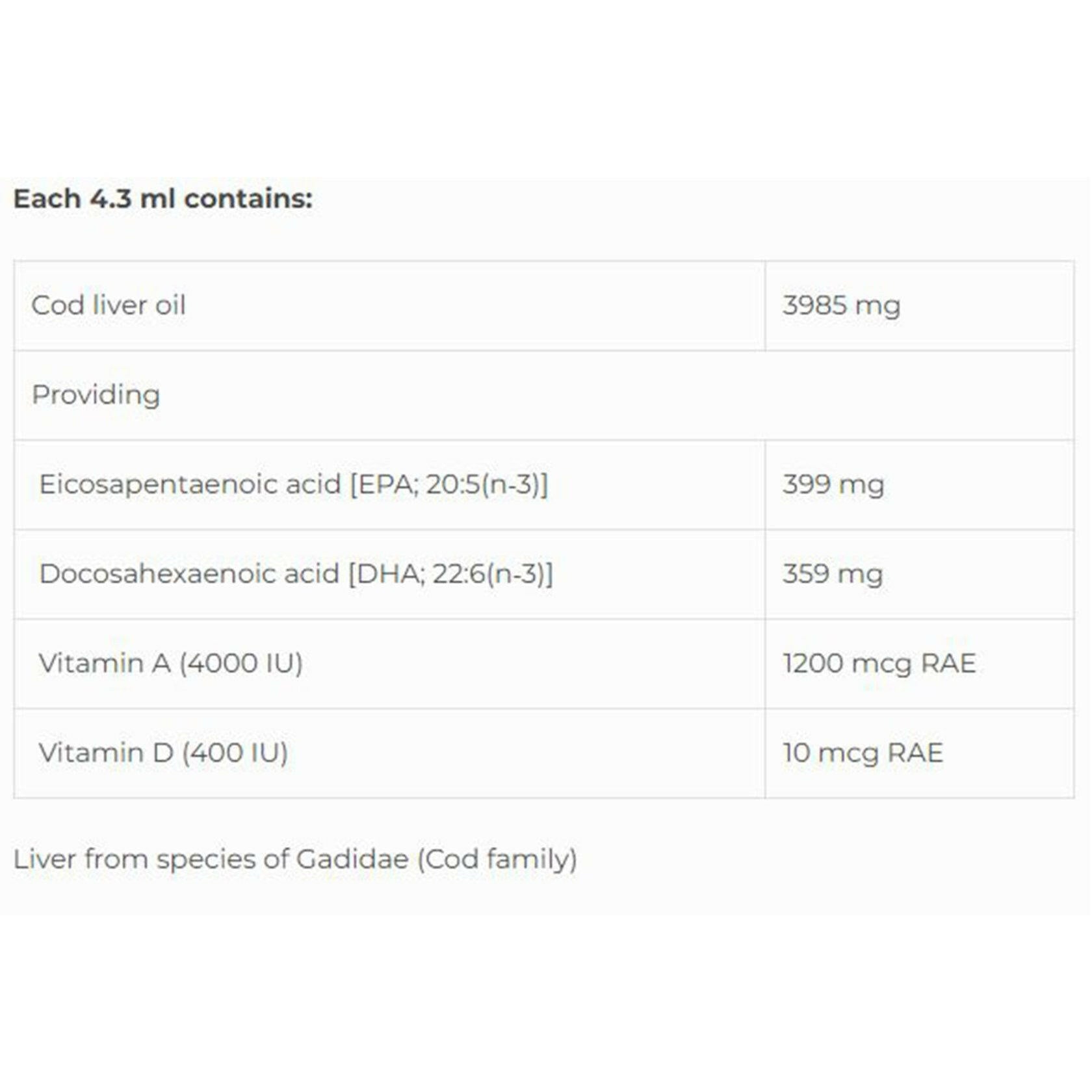
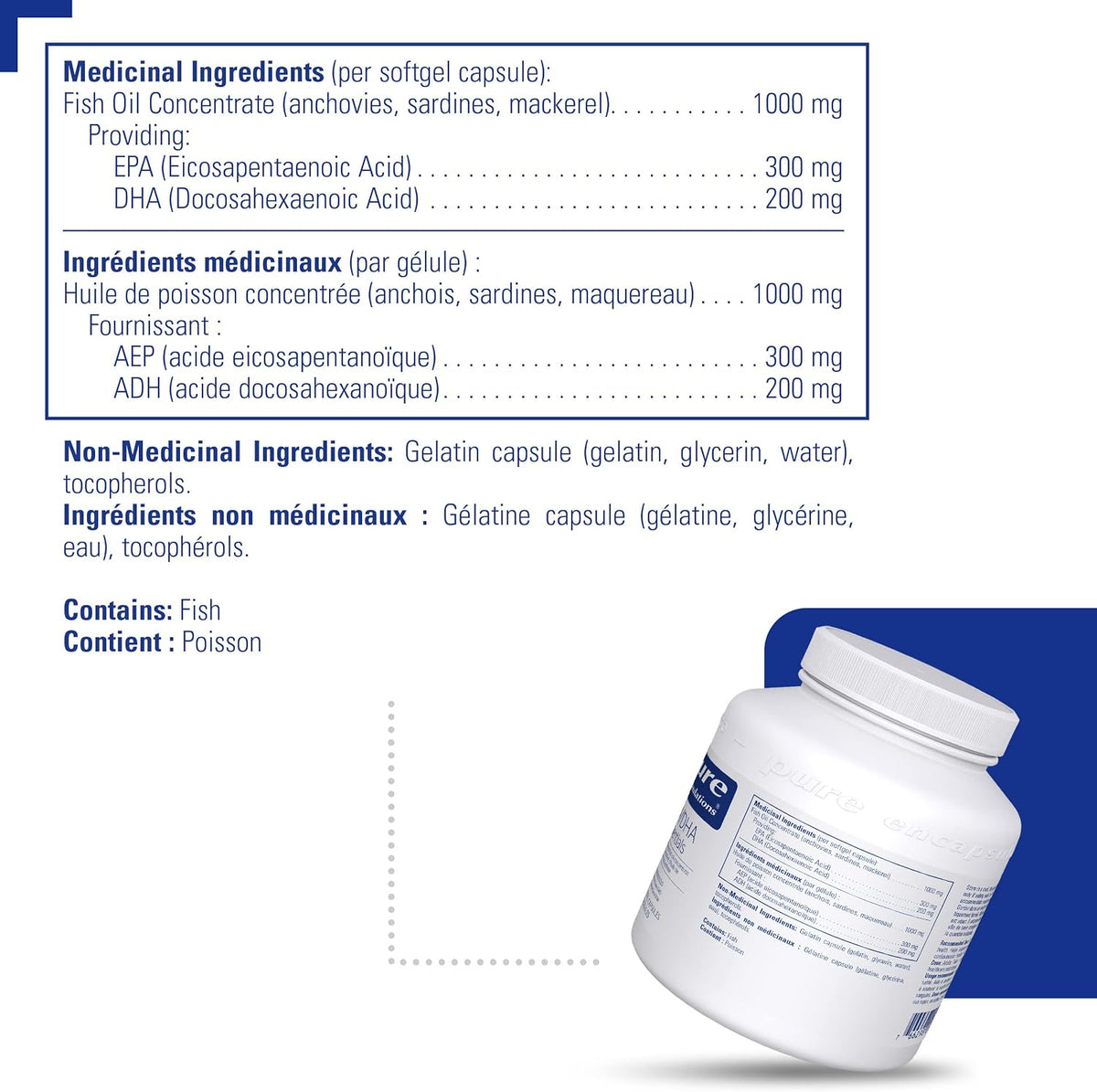
Shopping Tip: Compare the actual EPA and DHA amounts per serving—not just the total fish oil content.
A 1,000 mg fish oil capsule does not necessarily contain 1,000 mg of EPA and DHA.
Explore Omega-3 Supplement Types
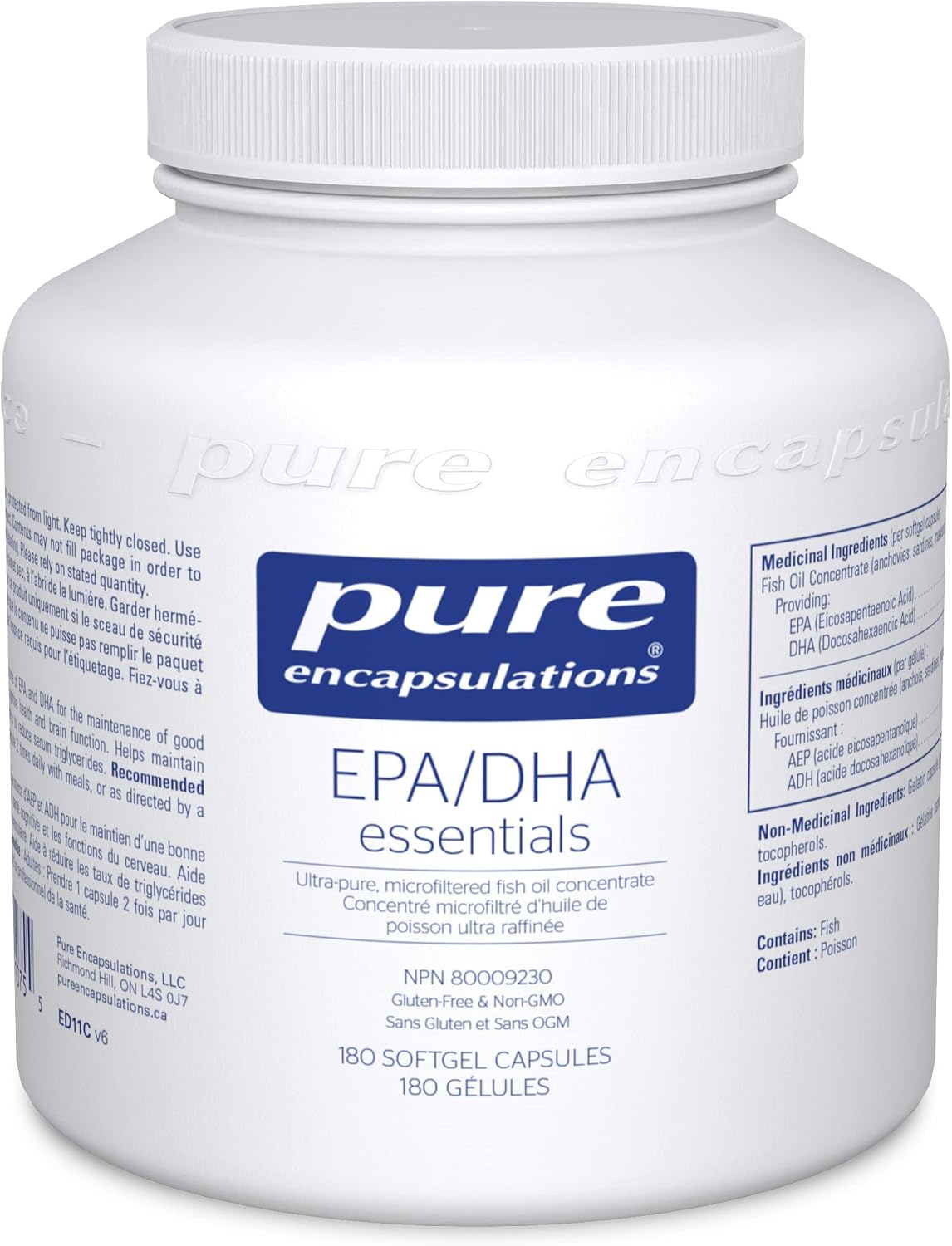
Fish Oil Softgels
A convenient option for daily omega-3 supplementation, available in standard and concentrated EPA/DHA formulations.
High-Potency Omega-3
Concentrated fish oils provide more EPA and DHA per serving, potentially reducing the number of capsules needed.
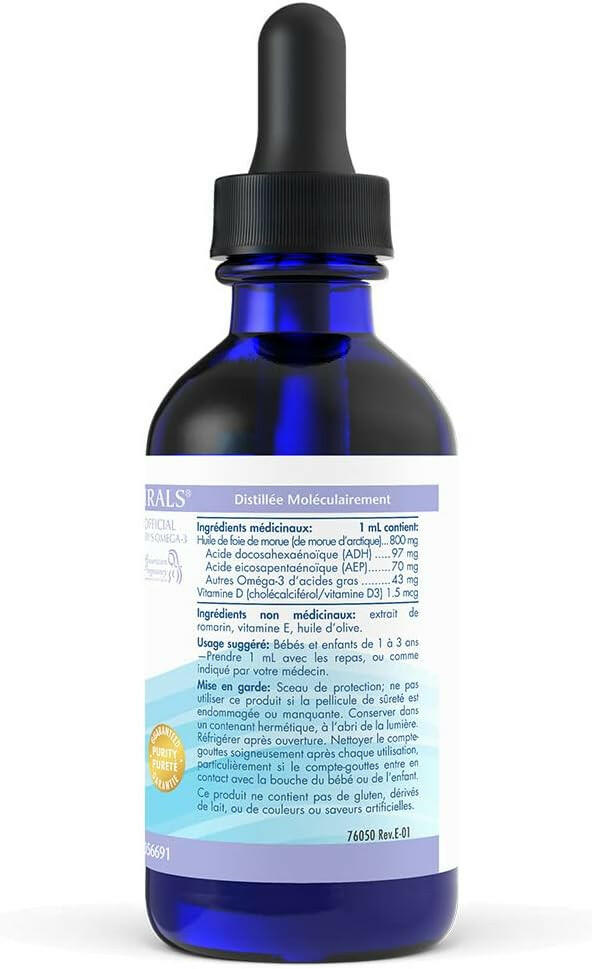
Liquid Fish Oil
Suitable for customers who prefer liquids or have difficulty swallowing softgels. Flavoured options may also be available.
Krill Oil
Derived from Antarctic krill, these supplements contain omega-3 fatty acids, including EPA and DHA, in a different lipid composition from conventional fish oil.
Vegan Algae Omega-3
Algae-derived supplements provide a fish-free source of DHA, with some products also containing EPA.
Prenatal DHA
Specialized omega-3 formulas designed to help meet DHA needs during pregnancy and breastfeeding.
How to Choose the Right Omega-3 Supplement
|
Your Wellness Goal |
Omega-3 Option to Explore |
|---|---|
|
Everyday omega-3 nutrition |
Balanced EPA/DHA fish oil |
|
Higher EPA/DHA intake |
Concentrated omega-3 softgels |
|
Brain and eye nutrition |
DHA-containing formulas |
|
Prenatal nutrition |
Pregnancy-appropriate DHA |
|
Plant-based supplementation |
Algae-derived EPA/DHA |
|
Alternative marine omega-3 |
Krill oil |
|
Difficulty swallowing capsules |
Liquid fish oil |
What to Look for When Shopping
1. EPA & DHA Concentration
Check the combined EPA/DHA amount per serving.
2. Supplement Form
Fish oils may contain omega-3s in triglyceride, re-esterified triglyceride, or ethyl ester forms. Absorption varies with formulation and meal composition; no single form is universally best.
3. Purity & Freshness
Look for transparent manufacturer information about contaminant testing, oxidation, and product quality.
4. Dietary Suitability
Check for fish, shellfish, and other allergens. Choose algae-based options when avoiding animal-derived marine oils.
5. Canadian Authorization
For applicable natural health products, review the Natural Product Number (NPN) and authorized uses.
Omega-3 for Heart & Cardiovascular Health
EPA and DHA have been extensively studied for cardiovascular health.
At appropriate doses, omega-3 fatty acids can lower elevated triglyceride levels. However, evidence for preventing cardiovascular events differs between formulations and populations.
Prescription omega-3 treatments used for specific medical conditions should not be considered interchangeable with ordinary dietary supplements.
Important: Omega-3 supplements do not consistently lower LDL cholesterol. Some DHA-containing formulations may increase LDL cholesterol in certain individuals.
Omega-3 for Brain & Eye Health
DHA is a major structural component of brain and retinal tissue.
Adequate DHA intake is particularly important during pregnancy and early development.
Although omega-3 supplements are widely marketed for memory, focus, and cognitive performance, clinical evidence does not establish consistent cognitive improvements in healthy adults.
Similarly, omega-3 supplements are not proven treatments for age-related macular degeneration or dry eye disease.
Omega-3 for Joint Comfort & Mobility
EPA and DHA participate in pathways involved in inflammatory regulation.
Omega-3 supplementation has been studied as an adjunct for certain inflammatory joint conditions, particularly rheumatoid arthritis.
Some studies suggest modest improvements in selected symptoms, but results vary.
Omega-3 supplements should not replace prescribed treatments for inflammatory arthritis.
How to Use Omega-3 Supplements
Follow the recommended serving instructions on each product.
For everyday supplementation:
- Take omega-3 supplements with meals when appropriate.
- Compare EPA and DHA content before selecting a dose.
- Avoid combining multiple high-potency products unnecessarily.
- Store products according to the label to maintain freshness.
- Review long-term supplementation needs with a healthcare professional.
There is no single optimal EPA/DHA dosage for every individual or wellness goal.
Safety & Precautions
Omega-3 supplements are generally well tolerated at appropriate doses, but important precautions include:
- Blood-Thinning Medications: Discuss higher-dose supplementation with a healthcare professional.
- Heart Rhythm Conditions: Certain high-dose omega-3 regimens have been associated with increased atrial fibrillation risk.
- Fish & Shellfish Allergies: Check the source and allergen information.
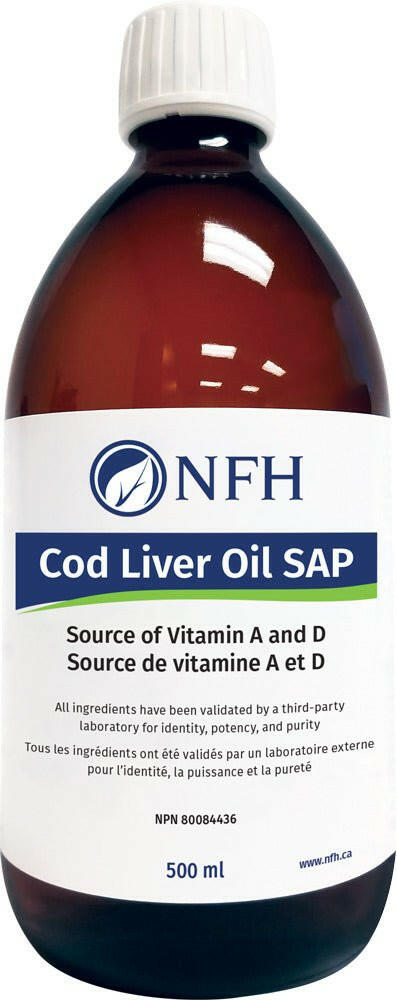
- Pregnancy: Select pregnancy-appropriate products and avoid excessive vitamin A intake from certain fish liver oils.
- Digestive Effects: Fishy aftertaste, nausea, and gastrointestinal discomfort may occur.
High-dose omega-3 supplementation for elevated triglycerides should be medically supervised.
FAQs
What is the difference between EPA and DHA?
EPA participates in inflammatory and cardiovascular signalling pathways, while DHA is an important structural component of the brain and retina. Many omega-3 supplements contain both.
How much EPA and DHA should I take daily?
Requirements depend on dietary intake, age, pregnancy status, and health goals. Follow the product label or obtain individualized guidance from a healthcare professional.
Is high-potency fish oil better than regular fish oil?
High-potency formulas provide more EPA and DHA per serving, but they are not automatically better for everyone. Choose according to your nutritional needs.
Is krill oil better than fish oil?
Neither is universally superior. Compare EPA/DHA content, price per serving, allergens, and individual product quality.
Can vegetarians and vegans take omega-3 supplements?
Yes. Algae-derived omega-3 supplements provide plant-based DHA, and some also contain EPA.
Where can I buy omega-3 supplements in Canada?
Coal Harbour Pharmacy offers pharmacist-curated fish oil, krill oil, concentrated EPA/DHA, and algae-based omega-3 supplements with convenient online ordering and Canada-wide shipping options.
Why Shop Omega-3 at Coal Harbour Pharmacy?
Coal Harbour Pharmacy offers a pharmacist-curated selection of omega-3 supplements from established Canadian and international brands.
Compare fish oil softgels, high-potency EPA/DHA formulas, liquid omega-3s, krill oil, and vegan algae supplements through our Vancouver-based pharmacy.
Enjoy convenient online ordering, Canada-wide shipping options, and access to pharmacy guidance when choosing the right omega-3 supplement.
Related Collections
Shop Omega-3 (EPA & DHA) Supplements →
Sort by
133 products













FREE STANDARD SHIPPING
Satisfied or refunded
Top-notch support
Secure payments
Encrypted checkout processing
Offers exclude prescriptions and in-store purchases.
Subscribe & Get a First-Order Reward
Plus, earning reward points on eligible online purchases and enjoy future store credit.
We respect your inbox at Coal Harbour Pharmacy - Expect thoughtfully curated health and wellness updates, timely reminders, and exclusive online savings.