
Infant Probiotics – Gentle Digestive & Microbiome Support for Babies
Support your baby’s developing digestive system with infant-specific probiotics selected for age-appropriate use, clinically studied strains, and convenient dosing.
────────────────────────────────────
ABOUT INFANT PROBIOTICS
A baby’s gut microbiome begins developing very early in life and continues to change rapidly throughout infancy. Feeding method, birth circumstances, environment, diet, and medications such as antibiotics can all influence the microorganisms living in the digestive tract.
Our Infant Probiotics collection at Coal Harbour Pharmacy features pharmacist-curated probiotic formulas specifically designed for babies and young children. Depending on the product, these formulas may contain researched strains of Bifidobacterium and Lactobacillus, including Bifidobacterium infantis, Lactobacillus rhamnosus GG (LGG), and Limosilactobacillus reuteri.
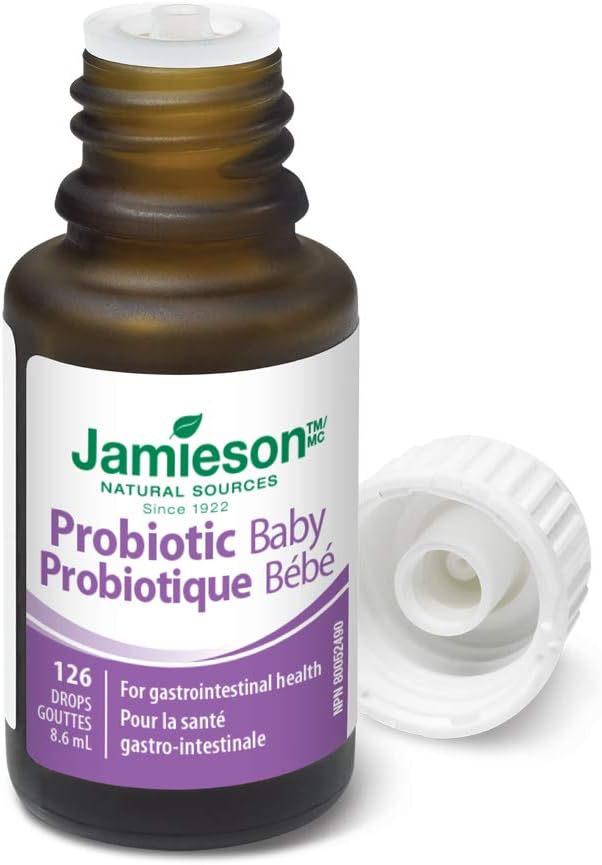
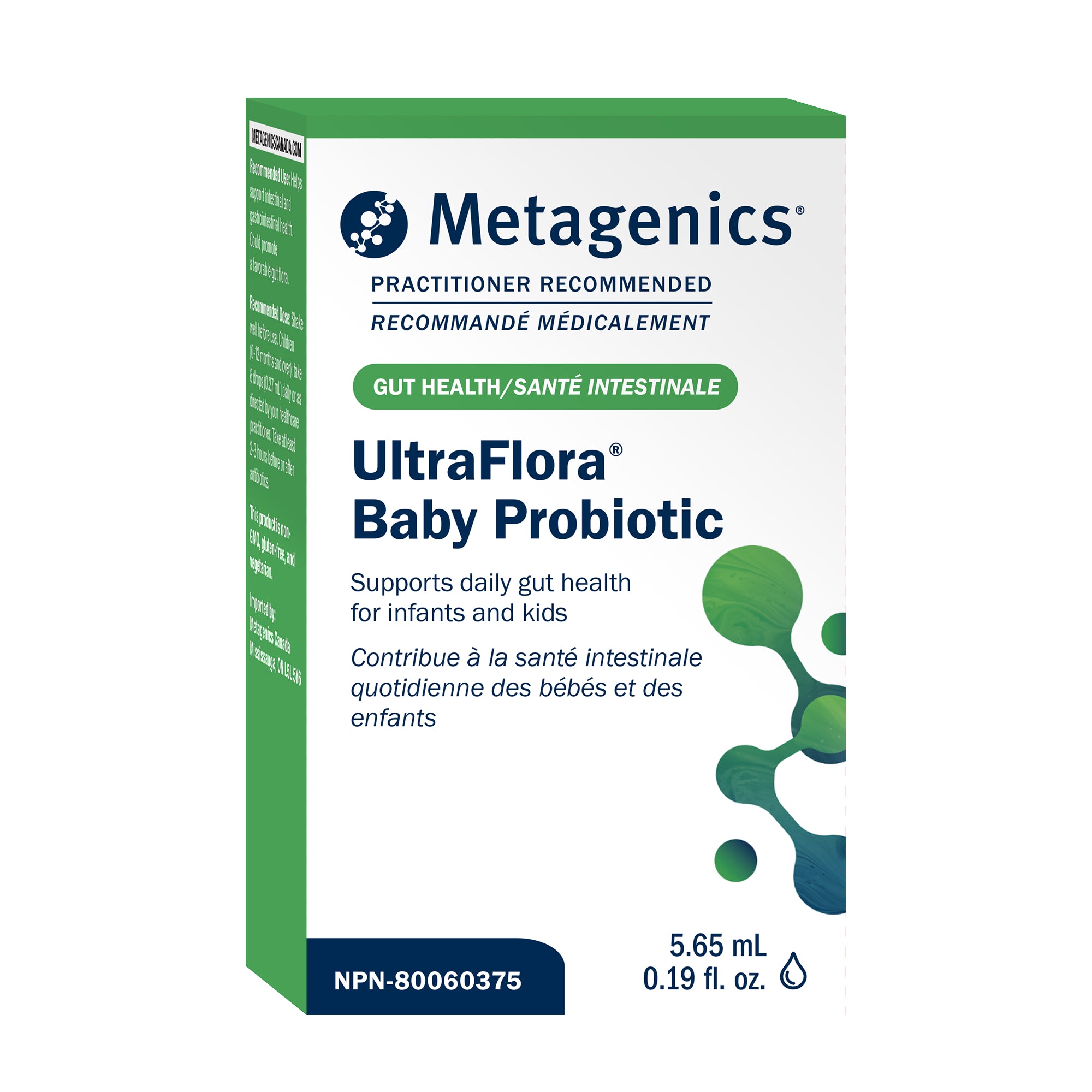
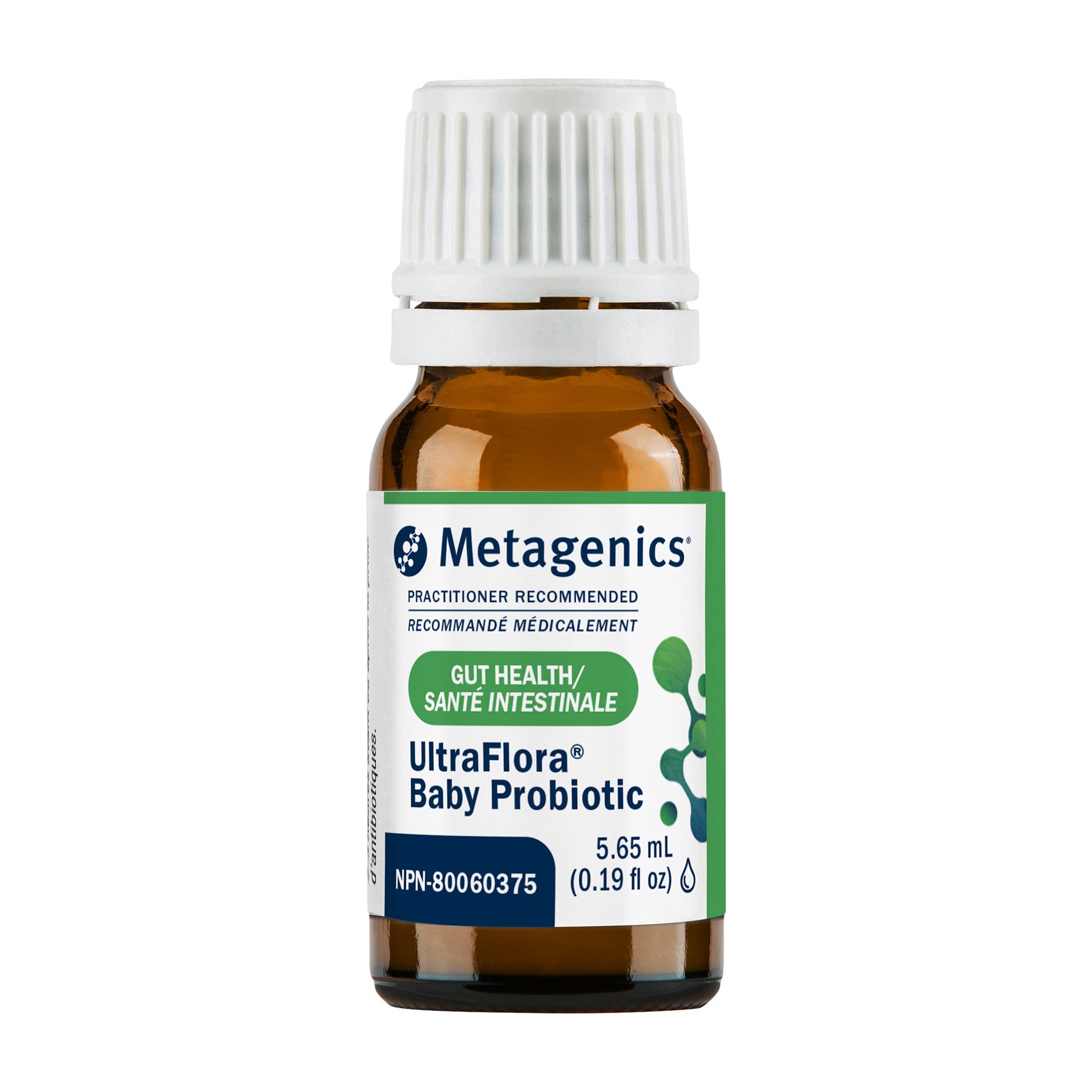
Available in convenient drops, powders, and sachets, infant probiotics can provide targeted microbiome and digestive support when appropriate.
KEY BENEFITS
Depending on the probiotic strain and formulation, infant probiotics may:
• Support a healthy intestinal microbiome
• Support normal digestive function
• Help maintain beneficial intestinal bacteria
• Support normal immune-system development and function
• Provide targeted digestive support during or after certain antibiotic treatments
• Help with specific digestive concerns when an appropriate, evidence-supported strain is selected
• Offer convenient infant-specific dosing
Importantly, probiotic benefits are strain-specific. A benefit demonstrated for one probiotic strain should not automatically be assumed for another.
WHO IT’S IDEAL FOR
Infant probiotics may be considered for:
• Breastfed babies
• Formula-fed or combination-fed babies
• Infants experiencing certain digestive concerns
• Babies who have received antibiotics
• Families seeking microbiome support during infancy
• Babies born by Caesarean section when probiotic supplementation is being considered with professional guidance
• Infants for whom a pediatric healthcare professional has recommended a specific probiotic strain
Probiotics are not necessary for every healthy baby, and the appropriate product depends on the reason for supplementation.
WHAT ARE INFANT PROBIOTICS?
Probiotics are live microorganisms that, when administered in adequate amounts, may provide a health benefit.
Infant probiotic products differ from one another in several important ways:
• Bacterial species
• Specific strain
• Number of microorganisms provided
• Combination of strains
• Storage requirements
• Recommended age
• Clinical evidence
For this reason, choosing an infant probiotic based solely on the total CFU count is not ideal. The specific strain and evidence for the intended use are often more important.
THE DEVELOPING INFANT MICROBIOME
During infancy, the intestinal microbiome develops alongside the digestive and immune systems.
Several factors can influence this process, including:
• Vaginal or Caesarean birth
• Breastfeeding
• Infant formula
• Antibiotic exposure
• Environment
• Introduction of complementary foods
Human breast milk also contains naturally occurring components called human milk oligosaccharides (HMOs) that can help nourish certain beneficial intestinal bacteria.
COMMON PROBIOTIC STRAINS FOR INFANTS
Bifidobacterium infantis
Bifidobacterium longum subsp. infantis is particularly associated with the infant intestinal microbiome and is well adapted to utilizing certain components found in human milk.
Depending on the specific strain and formulation, it may be used to support healthy infant gut microbial balance.
Lactobacillus rhamnosus GG (LGG)
LGG is one of the most extensively studied probiotic strains.
Research has examined its use in several pediatric digestive applications, but effectiveness depends on the particular condition, dose, and clinical circumstances.
Limosilactobacillus reuteri
Formerly classified as Lactobacillus reuteri, specific strains of L. reuteri have been studied for certain infant digestive concerns, including infant colic.
Evidence should not be generalized across every L. reuteri product because the effects of probiotics can differ by strain.
INFANT PROBIOTICS & COLIC
Certain probiotic strains have been investigated for infant colic, particularly in breastfed infants.
However, colic has multiple possible contributing factors, and probiotics are not a universal treatment for excessive crying.
Persistent or unusual crying should be discussed with a pediatric healthcare professional, particularly when accompanied by:
• Fever
• Vomiting
• Feeding difficulties
• Poor weight gain
• Blood in the stool
• Significant lethargy
• Abdominal swelling
PROBIOTICS DURING & AFTER ANTIBIOTICS
Antibiotics can alter intestinal bacteria along with treating susceptible pathogenic bacteria.
Certain probiotic strains have been studied for antibiotic-associated digestive effects in children.
When probiotics are being used alongside antibiotics:
• Choose an age-appropriate, evidence-supported product
• Follow the product directions
• Ask a pharmacist or healthcare professional about timing
• Continue the prescribed antibiotic exactly as directed
A probiotic should never be used as a replacement for a medically necessary antibiotic.
PROBIOTICS FOR C-SECTION BABIES
Babies delivered by Caesarean section can initially develop a different intestinal microbial profile compared with vaginally delivered infants.
This has led to considerable research into microbiome development and probiotic supplementation.
However, being born by C-section does not automatically mean a baby requires a probiotic. Decisions should consider feeding, health status, age, and the specific product being considered.
PROBIOTICS & IMMUNE HEALTH
The intestinal microbiome interacts extensively with the developing immune system.
Probiotics may influence this relationship, but claims that a general infant probiotic will prevent infections, allergies, or eczema are too broad.
Clinical effects depend on:
• Specific probiotic strain
• Dose
• Duration of supplementation
• Age
• Feeding method
• Individual health circumstances
Choose products for their demonstrated use rather than assuming all infant probiotics provide the same immune benefits.
AVAILABLE FORMATS
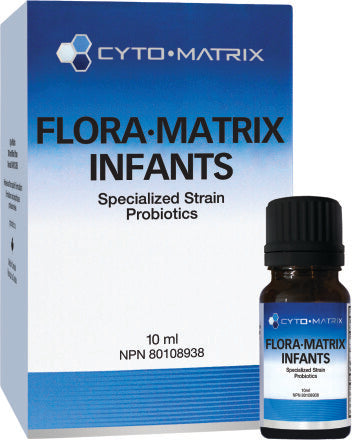
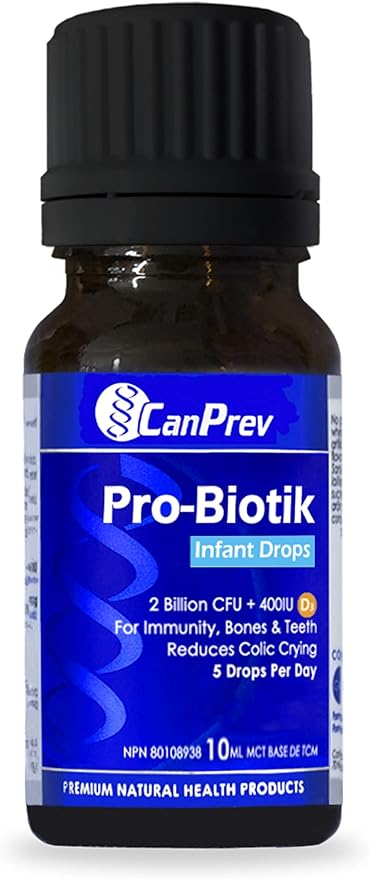
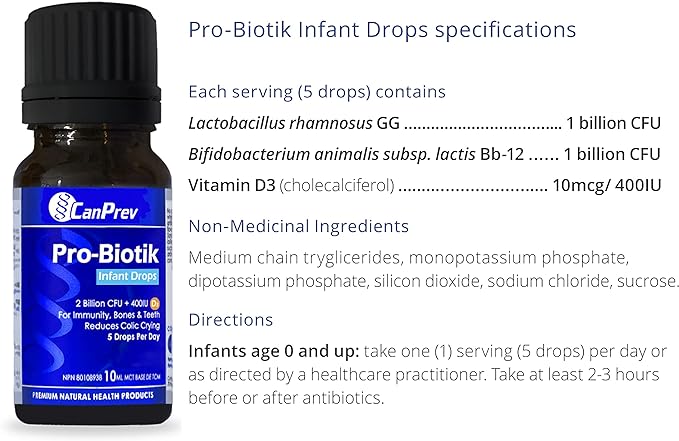
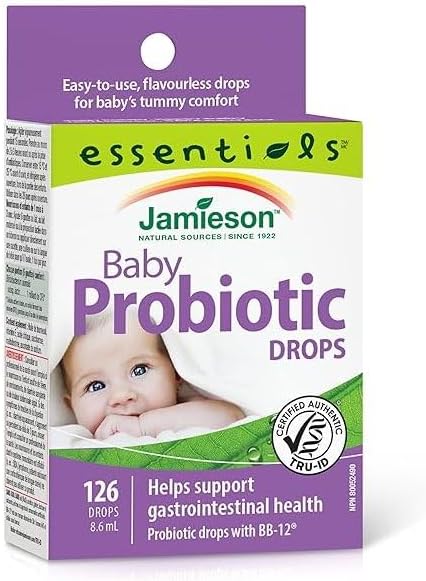
Infant Probiotic Drops
Convenient for babies who cannot take powders or chewables.
Drops allow small, measured amounts and may be given according to the individual product instructions.
Probiotic Powders
Powders may be mixed into an appropriate liquid or food when permitted by the manufacturer’s directions.
Sachets
Pre-measured sachets can provide convenient daily dosing and are particularly useful for older babies and children when age appropriate.
Probiotic + Vitamin D Formulas
Some infant products combine probiotics with vitamin D, providing two commonly considered forms of infant nutritional support in one product.
Check the amount of vitamin D carefully to avoid unintentionally duplicating supplementation from another product.
HOW TO CHOOSE THE RIGHT INFANT PROBIOTIC
Look beyond the front label.
Consider:
• Specific strain rather than species alone
• Evidence for the reason you are using the probiotic
• Appropriate age range
• Recommended daily dose
• CFU count through the stated shelf life
• Storage instructions
• Allergen information
• Additional ingredients
• Whether the baby is already receiving another probiotic-containing product
A higher CFU count does not automatically make a probiotic better.
HOW TO GIVE AN INFANT PROBIOTIC
Always follow the directions for the individual product.
Depending on the formulation:
• Shake liquid products when instructed
• Measure drops carefully
• Mix powders only as directed
• Avoid adding probiotics to very hot liquids unless the manufacturer specifically permits it
• Observe refrigeration or room-temperature storage requirements
• Do not exceed the recommended infant dose
PAIR WITH
Depending on your baby’s age and individual nutritional needs, Infant Probiotics may complement:
• Infant Foundational Nutrition
• Baby Vitamin D
• Baby Omega-3 & DHA
• Baby Feeding Essentials
• Children’s Probiotics
• Baby Health
Supplement combinations should be checked carefully to avoid unnecessary duplication.
FAQ
Can newborn babies take probiotics?
Some probiotic products are specifically formulated for newborns, but not every probiotic is appropriate from birth. Check the product’s age indication and seek professional advice when necessary.
Can infant probiotics help with colic?
Certain specific strains have shown potential benefits for some infants with colic, particularly in particular feeding populations. Results cannot be generalized to every probiotic product or every baby.
Can probiotics help a constipated baby?
Evidence varies by strain and age, and constipation in infants can have several causes. Persistent constipation should be discussed with a healthcare professional rather than treated solely with supplements.
Should babies take probiotics after antibiotics?
Certain probiotics may be appropriate during or after antibiotic therapy, but the choice of strain and timing matter. A pharmacist or pediatric healthcare professional can help select an appropriate product.
Do C-section babies need probiotics?
Not necessarily. C-section delivery can influence early microbiome development, but routine probiotic supplementation is not automatically required solely because of delivery method.
Are infant probiotics safe every day?
Many infant-specific products have good safety profiles when used appropriately in healthy babies. Safety considerations are different for premature, immunocompromised, or seriously ill infants.
Can I put probiotic drops into a baby’s bottle?
Some products can be mixed with milk or formula, but instructions vary. Follow the manufacturer’s directions and avoid temperatures that could damage live microorganisms.
Are more probiotic strains better?
No. A well-researched single strain may be more appropriate for a particular purpose than a multi-strain product with limited evidence.
CAUTIONS & WARNINGS
Consult a pediatrician, pharmacist, or other qualified healthcare professional before giving probiotics to:
• Premature infants
• Immunocompromised babies
• Infants who are seriously ill or hospitalized
• Babies with significant underlying medical conditions
• Infants with central venous catheters or other complex medical care
• Babies experiencing persistent or severe gastrointestinal symptoms
Stop use and seek professional advice if unexpected or concerning symptoms develop.
Probiotics are supportive products and should not delay medical assessment of illness in an infant.
WHY SHOP INFANT PROBIOTICS AT COAL HARBOUR PHARMACY
• Pharmacist-curated infant probiotic selection
• Infant-specific strains and formulations
• Trusted pediatric and professional health brands
• Convenient drops, powders, and sachets
• Clean-label and allergen-conscious options available
• Products selected with strain quality and appropriate dosing in mind
• Fast, secure Canada-wide shipping
• Personalized guidance available from our Vancouver pharmacy team
RELATED COLLECTIONS
• Infant Foundational Nutrition
• Baby & Children’s Probiotics
────────────────────────────────────
Shop Infant Probiotics →
Sort by
8 products





FREE STANDARD SHIPPING
Satisfied or refunded
Top-notch support
Secure payments
Encrypted checkout processing
Offers exclude prescriptions and in-store purchases.
Subscribe & Get a First-Order Reward
Plus, earning reward points on eligible online purchases and enjoy future store credit.
We respect your inbox at Coal Harbour Pharmacy - Expect thoughtfully curated health and wellness updates, timely reminders, and exclusive online savings.