
Metabolic Support – Blood Sugar, Energy & Weight Management
Explore pharmacist-curated metabolic support supplements with nutrients and botanicals selected to support healthy glucose metabolism, insulin function, cellular energy, weight-management strategies, and overall metabolic wellness.
────────────────────────────────────
About Metabolic Support
Metabolism describes the many chemical processes the body uses to convert nutrients into energy, build and maintain tissues, regulate blood glucose, and support normal physiological function.
Metabolic health is influenced by diet, physical activity, muscle mass, sleep, genetics, hormones, medications, age, and overall health. Supplements may complement these foundations, particularly when specific nutritional needs or wellness goals have been identified.
The Metabolic Support collection at Coal Harbour Pharmacy includes ingredients such as berberine, chromium, alpha-lipoic acid, magnesium, L-carnitine, CoQ10, B vitamins, green tea extracts, and other targeted nutritional and botanical formulations.
These products should support—not replace—evidence-based management of diabetes, thyroid disorders, PCOS, obesity, cardiovascular risk factors, or other metabolic conditions.
Key Benefits
Depending on the individual product and ingredients, metabolic support supplements may:
• Support normal glucose metabolism
• Support normal insulin function and sensitivity
• Complement healthy blood-sugar management strategies
• Support normal cellular energy metabolism
• Provide nutrients involved in mitochondrial function
• Complement healthy weight-management strategies
• Support normal lipid and cardiovascular metabolism
• Help meet nutritional requirements important for metabolic health
• Provide targeted botanical or nutritional support alongside healthy lifestyle habits
The clinical relevance of these effects varies by ingredient, dose, individual health status, and overall lifestyle.
Who It’s Ideal For
This collection may appeal to:
• Adults focused on maintaining metabolic wellness
• People seeking nutritional support for healthy glucose metabolism
• Individuals building a structured weight-management program
• Adults looking for non-stimulant metabolic support
• People interested in nutrients involved in cellular energy production
• Individuals working on cardiovascular and metabolic risk factors
• People with specific nutritional needs affecting metabolic function
• Individuals using supplements as part of a healthcare-guided metabolic wellness plan
People with diabetes, PCOS, thyroid disease, cardiovascular conditions, or other diagnosed metabolic disorders should discuss supplements with an appropriate healthcare professional, particularly when medications are involved.
Understanding Metabolic Health
Metabolic health involves much more than how quickly someone “burns calories.”
Important components include:
• Blood glucose regulation
• Insulin sensitivity
• Blood pressure
• Blood lipids
• Body composition
• Liver health
• Muscle mass
• Cardiovascular health
• Energy metabolism
• Hormonal and thyroid function
These systems interact, which is why no single supplement can meaningfully “reset” or universally optimize metabolism.
Blood Sugar & Glucose Metabolism
After carbohydrate-containing foods are digested, glucose enters the bloodstream and can be used by cells for energy.
Insulin helps regulate this process by facilitating glucose uptake and coordinating other aspects of metabolism.
Diet quality, physical activity, muscle mass, sleep, genetics, medications, and body composition can all influence glucose regulation.
Selected nutrients and botanicals may complement healthy glucose metabolism, but supplements should not replace diabetes screening, glucose monitoring, or prescribed treatment when these are required.
Insulin Sensitivity
Insulin sensitivity refers to how effectively tissues respond to insulin.
Regular physical activity—particularly resistance and aerobic exercise—can play an important role in supporting insulin sensitivity.
Other foundations include:
• Balanced nutrition
• Adequate fibre
• Healthy body composition
• Sufficient sleep
• Stress management
• Appropriate medical care
Some supplements have also been studied in this context, but their effects should be viewed as complementary.
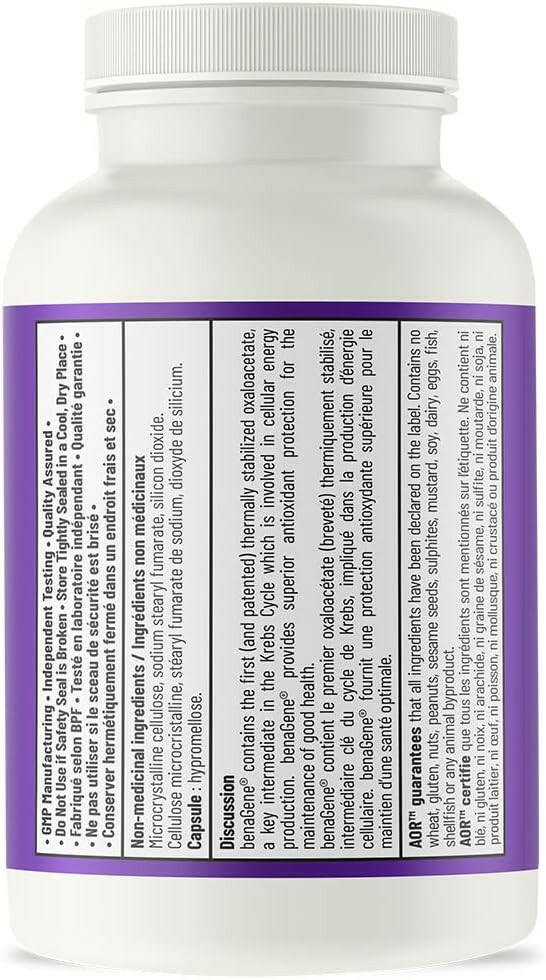
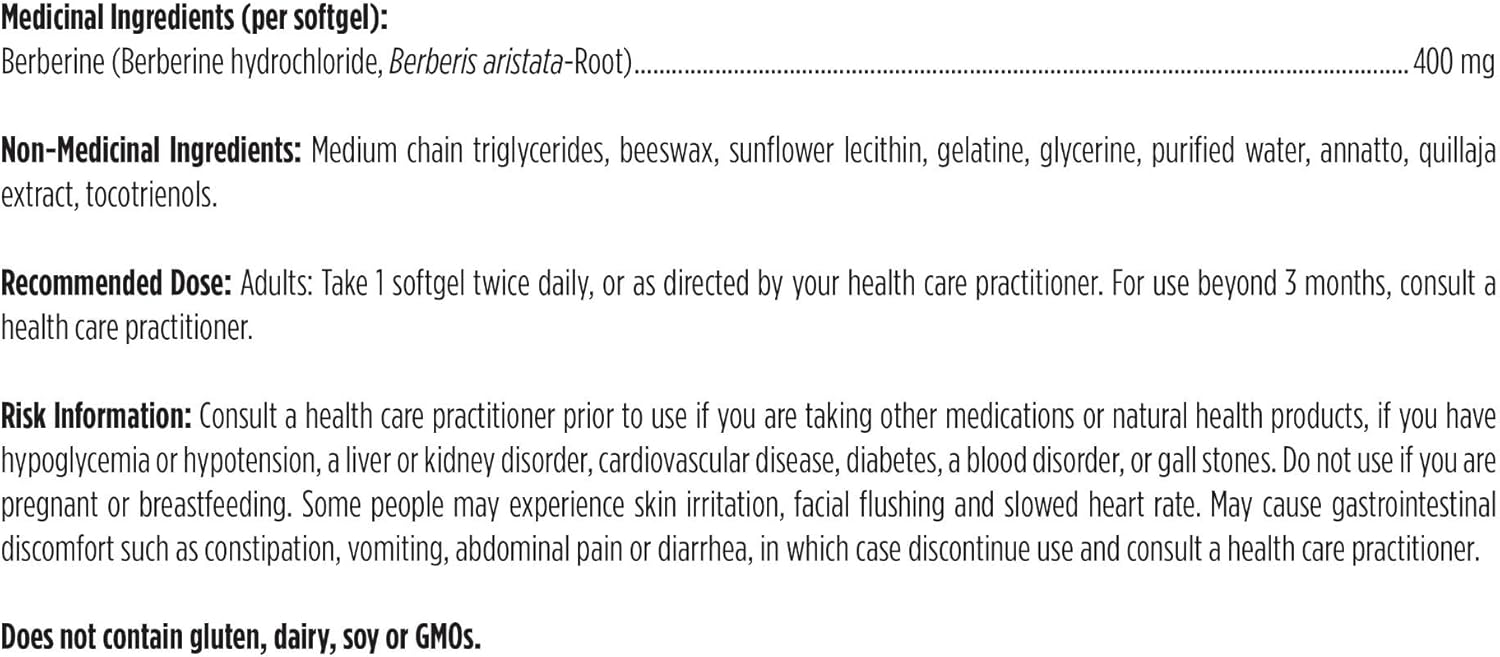
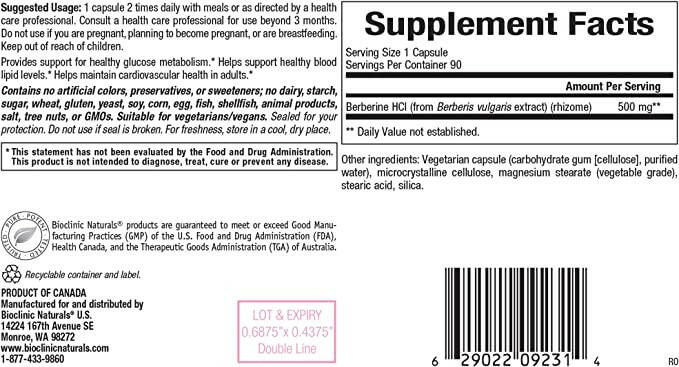
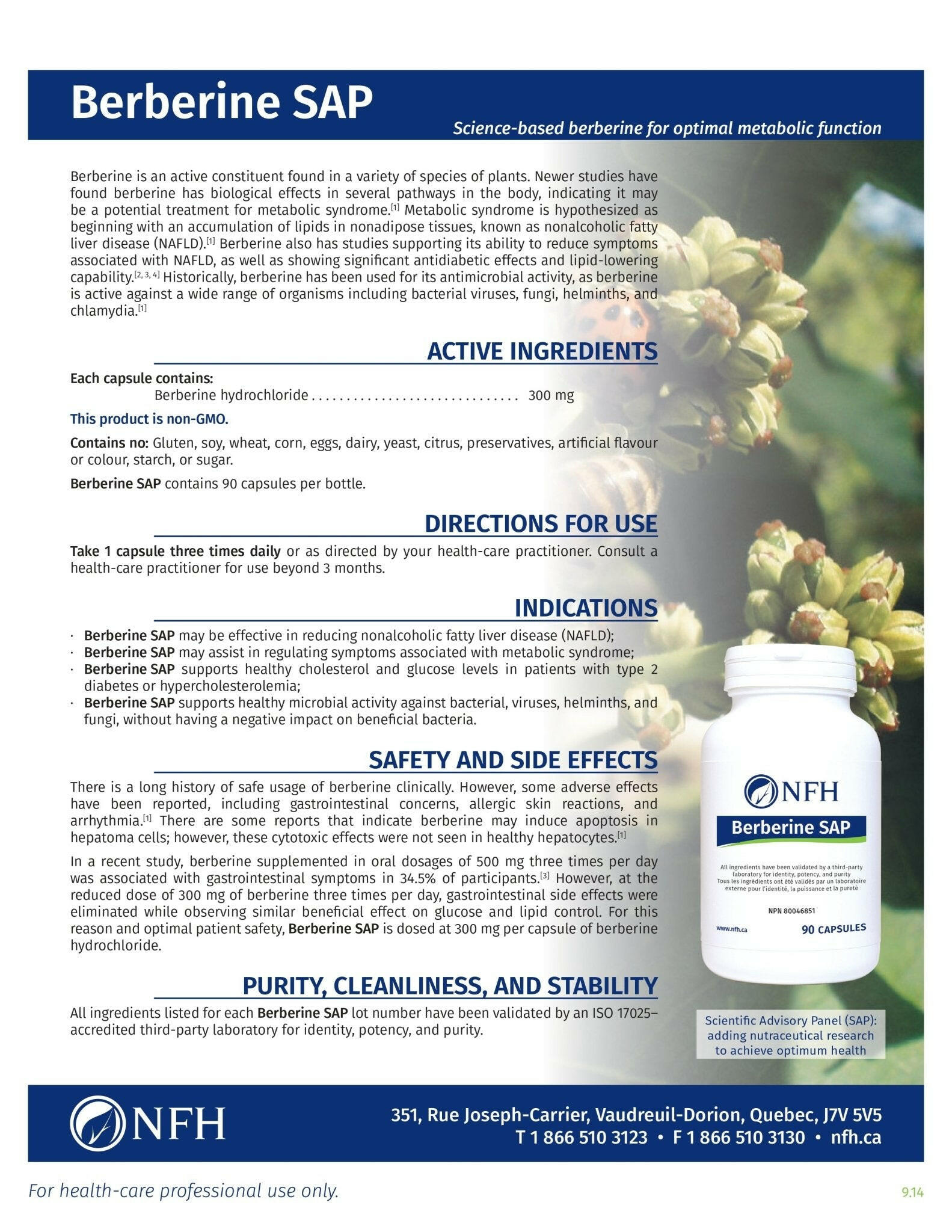
Berberine
Berberine is a naturally occurring alkaloid found in several medicinal plants.
It has been extensively investigated for effects related to:
• Glucose metabolism
• Insulin sensitivity
• Lipid metabolism
• Other aspects of metabolic health
Clinical research is promising for certain metabolic outcomes, but berberine should not be presented as a natural replacement for prescription diabetes or cholesterol medication.
It can also interact with medications and influence drug-metabolizing pathways.
Berberine & Medication Interactions
Berberine deserves particular attention when used alongside medications.
Potential concerns can involve:
• Blood-glucose-lowering medications
• Blood-pressure medications
• Anticoagulant or antiplatelet medications
• Immunosuppressant medications
• Other drugs affected by metabolic enzymes or transporters
People taking prescription medications should review berberine-containing formulas before use rather than assuming that a botanical ingredient is interaction-free.
Chromium
Chromium is a trace mineral associated with normal macronutrient metabolism and insulin function.
Chromium supplements are commonly marketed for:
• Blood sugar support
• Carbohydrate metabolism
• Weight management
However, clinical results are variable, and chromium should not be described as reliably producing weight loss or correcting insulin resistance.
Higher supplemental amounts are not necessarily more beneficial.
Alpha-Lipoic Acid
Alpha-lipoic acid (ALA) is involved in mitochondrial enzyme systems and also has antioxidant properties.
It has been investigated in areas including:
• Glucose metabolism
• Oxidative stress
• Diabetic neuropathy
• Metabolic health
Evidence differs by outcome, dose, and route of administration.
ALA can also influence blood glucose and therefore deserves additional consideration when used alongside glucose-lowering medication.
Cinnamon
Cinnamon is widely used as both a food and botanical supplement.
Research has investigated cinnamon extracts for blood glucose and lipid-related outcomes, but findings are inconsistent.
Cinnamon should therefore not be promoted as a treatment for diabetes.
Different cinnamon species and preparations also vary chemically, which can influence both research relevance and safety.
Magnesium & Metabolic Health
Magnesium contributes to:
• Normal energy metabolism
• Muscle function
• Nervous-system function
• Electrolyte balance
• Numerous enzyme reactions involved in glucose metabolism
Low magnesium status may occur in some individuals with metabolic conditions, but magnesium supplementation should still be based on dietary intake, health status, and individual need.
Kidney impairment requires particular caution with supplemental magnesium.
Weight Management
Healthy weight management is influenced primarily by:
• Energy intake
• Diet quality
• Physical activity
• Muscle mass
• Sleep
• Stress
• Medications
• Genetics
• Hormonal and metabolic conditions
Supplements can sometimes complement these foundations but do not independently cause sustainable fat loss.
Products described as “metabolism boosters” or “fat burners” should therefore be evaluated carefully.
Fat Metabolism
Fat metabolism refers to the body’s normal processes for storing, transporting, and using fatty acids.
A nutrient being involved in fat metabolism does not necessarily mean supplementing it causes the body to burn significantly more body fat.
This distinction is particularly important when evaluating ingredients such as L-carnitine and other products marketed for weight loss.
L-Carnitine
L-carnitine participates in transporting long-chain fatty acids into mitochondria, where they can be used in energy metabolism.
It is therefore biologically involved in fat metabolism.
However, this physiological role does not mean L-carnitine automatically produces substantial fat loss.
Research has investigated L-carnitine across exercise, metabolic, cardiovascular, and other contexts, with effects depending on the population and outcome.
Green Tea Extract
Green tea contains catechins, including EGCG, and naturally occurring caffeine unless the product has been decaffeinated.
Green tea extracts have been studied for:
• Energy expenditure
• Fat oxidation
• Cardiovascular health
• Metabolic outcomes
Effects on weight are generally modest and variable.
Concentrated green tea extracts are also different from drinking brewed tea. High-dose extracts, particularly when taken under certain conditions, have been associated with rare liver injury.
Product directions and cautions should be followed carefully.
Cellular & Mitochondrial Energy
Mitochondria convert energy from nutrients into ATP, the primary energy currency used by cells.
Several nutrients participate directly or indirectly in these processes, including:
• B vitamins
• Magnesium
• CoQ10
• Carnitine
• Alpha-lipoic acid
These ingredients may be described as supporting normal cellular energy metabolism.
However, “mitochondrial support” does not mean a supplement automatically increases subjective energy or corrects a medical cause of fatigue.
CoQ10
Coenzyme Q10 participates in mitochondrial electron transport and cellular energy production.
It has also been investigated for cardiovascular health and selected metabolic outcomes.
CoQ10 may be appropriate for specific wellness goals, but it should not be described as a universal metabolism or weight-loss supplement.
B Vitamins & Metabolism
B vitamins serve as cofactors in many reactions involved in converting food into usable energy.
Adequate B-vitamin status is therefore essential for normal energy metabolism.
However, taking extra B vitamins does not necessarily increase metabolism or energy expenditure when nutritional status is already sufficient.
B vitamins support metabolism; they do not function as calorie-burning stimulants.
Thyroid Function & Metabolism
Thyroid hormones play a major role in regulating metabolic processes.
Nutrients relevant to normal thyroid physiology include:
• Iodine
• Selenium
• Zinc
• Iron
• Other essential nutrients
However, thyroid support requires particular care.
Providing additional iodine does not improve thyroid function when intake is already adequate and can sometimes worsen thyroid dysfunction in susceptible individuals.
Iodine
Iodine is required for thyroid hormone synthesis.
Both too little and too much iodine can adversely affect thyroid function.
Iodine-containing metabolic supplements should therefore not be used as generic metabolism boosters, particularly in people with thyroid disease.
Symptoms suggesting a thyroid disorder deserve appropriate assessment and laboratory testing.
Selenium
Selenium contributes to normal thyroid hormone metabolism and antioxidant enzymes.
Like iodine, selenium is required in relatively small amounts.
More is not better, and excessive chronic selenium intake can cause toxicity.
Total intake from multivitamins, thyroid formulas, and individual selenium products should be considered together.
Metabolic Fatigue & Energy Crashes
Feeling tired or experiencing an “energy crash” does not necessarily indicate a slow metabolism.
Potential contributors include:
• Inadequate sleep
• Long gaps between meals
• Excessive alcohol
• Dehydration
• Iron deficiency
• Vitamin B12 deficiency
• Thyroid disorders
• Diabetes or glucose abnormalities
• Medications
• Stress
• Sleep apnea
• Other medical conditions
Persistent fatigue should be evaluated rather than automatically treated with a metabolic supplement.
PCOS & Metabolic Health
Polycystic ovary syndrome (PCOS) can involve:
• Irregular or absent ovulation
• Androgen-related symptoms
• Insulin resistance in some individuals
• Metabolic risk factors
• Fertility concerns
Certain supplements—including inositol and others—have been investigated in PCOS.
However, PCOS is a medical condition, and a general metabolic supplement should not be presented as a treatment.
Management may involve nutrition, physical activity, medications, reproductive care, and individualized metabolic assessment.
Metabolic Health & Exercise
Physical activity is one of the most powerful tools for supporting metabolic health.
Resistance exercise can help maintain or increase muscle mass, while aerobic activity can support:
• Cardiovascular fitness
• Insulin sensitivity
• Energy expenditure
• Blood-pressure management
• Overall metabolic health
Supplements work best as an adjunct to these foundations rather than a substitute for movement.
Sleep & Metabolism
Sleep influences appetite regulation, glucose metabolism, recovery, and behavioural food choices.
Chronically inadequate sleep can make metabolic and weight-management goals more difficult.
Improving sleep may therefore be as important as adding another supplement.
Persistent snoring, witnessed breathing pauses, or significant daytime sleepiness may warrant assessment for sleep apnea, which is also associated with metabolic health.
Stress & Metabolic Wellness
Chronic stress can affect:
• Sleep
• Appetite
• Eating behaviour
• Physical activity
• Glucose regulation
• Overall well-being
Adaptogenic herbs may complement stress-management strategies, but claims that they “normalize cortisol” or correct metabolic dysfunction are generally too broad.
Stress support should be viewed as one part of a comprehensive metabolic-health strategy.
Stimulant vs Non-Stimulant Metabolic Support
Some weight-management and metabolic products contain:
• Caffeine
• Green tea-derived caffeine
• Guarana
• Other stimulating ingredients
These may temporarily increase alertness or modestly influence energy expenditure but can also contribute to:
• Jitteriness
• Anxiety
• Palpitations
• Sleep disruption
• Increased blood pressure in susceptible individuals
Non-stimulant formulas may be preferable for some people, but “stimulant-free” does not automatically mean more effective or completely risk-free.
How to Choose a Metabolic Support Supplement
Define Your Primary Goal
Determine whether you are primarily interested in glucose metabolism, nutritional energy support, weight management, thyroid nutrition, or another metabolic priority.
Review the Evidence
Look beyond terms such as “fat burner,” “metabolism booster,” or “blood sugar optimizer.”
Evaluate the actual ingredients and evidence for your intended goal.
Check the Dose
An ingredient appearing on a label does not necessarily mean the formula contains an amount comparable with amounts studied clinically.
Review Medications
This is particularly important with berberine, alpha-lipoic acid, glucose-oriented botanicals, and stimulant-containing products.
Avoid Nutrient Duplication
Check multivitamins and other formulas for overlapping iodine, selenium, chromium, magnesium, or other nutrients.
Address the Foundations
Nutrition, exercise, sleep, and appropriate medical care generally have a much larger effect on long-term metabolic health than any individual supplement.
Metabolic Support & Medication Safety
Professional guidance is particularly important for people who:
• Take diabetes medications or insulin
• Take blood-pressure medications
• Use anticoagulant or antiplatelet medications
• Take thyroid medication
• Have liver or kidney disease
• Have a diagnosed thyroid disorder
• Are pregnant or breastfeeding
• Have cardiovascular disease
• Use multiple metabolic supplements simultaneously
Combining several glucose-lowering products with medication can potentially produce unwanted effects.
When Metabolic Concerns Need Assessment
Seek appropriate healthcare assessment for:
• Persistent excessive thirst or urination
• Unexplained weight loss
• Persistent or severe fatigue
• Recurrent symptoms suggestive of abnormal blood glucose
• New or worsening thyroid-related symptoms
• Significant unexplained weight changes
• Menstrual irregularity with signs of possible PCOS
• Persistent high blood pressure
• Abnormal cholesterol or glucose results
• Symptoms occurring after medication changes
Metabolic disorders are best identified through appropriate clinical assessment and laboratory testing rather than symptoms alone.
FAQs
What are metabolic support supplements?
They are nutritional or botanical products designed to support physiological processes such as glucose metabolism, cellular energy, nutrient metabolism, and other aspects of metabolic wellness.
What supplements are commonly used for blood sugar support?
Berberine, chromium, alpha-lipoic acid, magnesium, cinnamon, and other ingredients are commonly used. Evidence and suitability differ considerably between them.
Can berberine lower blood sugar?
Berberine has clinical evidence for effects on glucose metabolism, but it can interact with medications and should not be treated as a substitute for prescribed diabetes care.
Do metabolic supplements help with weight loss?
Some ingredients have been studied for weight-related outcomes, but effects are generally modest and supplements do not replace nutrition, activity, sleep, and appropriate energy intake.
Does L-carnitine burn fat?
L-carnitine participates in fatty-acid transport and energy metabolism, but this does not mean supplementation automatically causes significant body-fat loss.
Can B vitamins speed up metabolism?
B vitamins are required for normal energy metabolism but do not necessarily increase metabolic rate when nutritional status is already adequate.
Should I take iodine to boost my metabolism?
Not unless there is an appropriate nutritional reason. Iodine is essential for thyroid hormone production, but excessive iodine can adversely affect thyroid function.
Are metabolic supplements useful for PCOS?
Certain supplements have been investigated for specific aspects of PCOS, particularly metabolic features, but PCOS requires individualized assessment and should not be managed solely with general metabolic supplements.
Are non-stimulant metabolic supplements safer?
They avoid stimulant-related effects such as jitteriness and sleep disruption, but non-stimulant ingredients can still cause side effects or medication interactions.
Can I take metabolic supplements with diabetes medication?
Some metabolic supplements can influence blood glucose and potentially interact with diabetes medications. Professional guidance and appropriate glucose monitoring may be necessary.
Why Shop Metabolic Support at Coal Harbour Pharmacy?
• Pharmacist-curated metabolic health supplements
• Options for glucose metabolism, cellular energy, weight-management support, and nutritional wellness
• Berberine, chromium, alpha-lipoic acid, magnesium, CoQ10, L-carnitine, and other targeted ingredients
• Stimulant-free options available
• Established professional and natural health brands
• Fast Canada-wide shipping
Related Collections
────────────────────────────────────
Shop Metabolic Support →
Sort by
137 products





















FREE STANDARD SHIPPING
Satisfied or refunded
Top-notch support
Secure payments
Encrypted checkout processing
Offers exclude prescriptions and in-store purchases.
Subscribe & Get a First-Order Reward
Plus, earning reward points on eligible online purchases and enjoy future store credit.
We respect your inbox at Coal Harbour Pharmacy - Expect thoughtfully curated health and wellness updates, timely reminders, and exclusive online savings.