
Non-Essential Amino Acids – Glutamine, Glycine, Proline & Recovery Support
Explore pharmacist-curated non-essential amino acid supplements at Coal Harbour Pharmacy, featuring L-glutamine, glycine, L-proline, L-tyrosine, L-arginine, L-cysteine, N-acetylcysteine (NAC), and specialty amino acid formulas. Discover targeted nutritional support for muscle recovery, collagen formation, connective tissue health, neurotransmitter synthesis, antioxidant function, and normal energy metabolism. Shop amino acid powders, capsules, and combination supplements from trusted nutritional brands.
────────────────────────────────────
About Non-Essential Amino Acids
Non-essential amino acids are important building blocks of proteins and participate in numerous physiological processes throughout the body.
Unlike essential amino acids, which must be obtained through the diet, non-essential amino acids can be synthesized by the human body.
However, the term non-essential does not mean these amino acids are unimportant.
They contribute to processes involving:
- Protein synthesis
- Muscle and tissue maintenance
- Collagen formation
- Neurotransmitter production
- Antioxidant defence
- Nitrogen metabolism
- Cellular energy production
- Normal immune function
- Connective tissue structure
Some non-essential amino acids are also considered conditionally essential because the body’s ability to produce adequate amounts may become limited under certain circumstances, such as severe illness, major injury, or specific metabolic conditions.
At Coal Harbour Pharmacy, our Non-Essential Amino Acids collection includes selected individual amino acids and combination formulas for customers interested in sports nutrition, structural health, cognitive wellness, and targeted nutritional supplementation.
Our selection may include:
- L-Glutamine: An amino acid involved in nitrogen transport, immune-cell metabolism, and intestinal physiology.
- Glycine: A major component of collagen and a participant in neurotransmission and glutathione synthesis.
- L-Proline: An important structural amino acid in collagen.
- L-Tyrosine: A precursor to dopamine, norepinephrine, and thyroid hormones.
- L-Arginine: A precursor to nitric oxide and an intermediate in the urea cycle.
- L-Cysteine: A sulfur-containing amino acid involved in protein structure and glutathione synthesis.
- N-Acetylcysteine (NAC): A cysteine derivative used in selected medical and nutritional applications.
- L-Alanine: An amino acid involved in glucose-alanine metabolism.
- L-Aspartic Acid: An amino acid involved in nitrogen and energy-related metabolism.
- L-Serine: Important for protein synthesis, phospholipid metabolism, and other cellular processes.
- L-Ornithine: A non-protein amino acid involved in the urea cycle.
Although these amino acids have established biological functions, taking additional amounts does not necessarily improve those functions in healthy individuals with adequate protein intake.
Key Benefits
Depending on the amino acid, formulation, and individual nutritional needs, supplementation may provide:
- Protein Metabolism Support: Amino acids participate in protein synthesis and turnover.
- Muscle Recovery Nutrition: Selected amino acids contribute to normal muscle metabolism and tissue maintenance.
- Collagen Formation: Glycine and proline are important structural components of collagen.
- Connective Tissue Health: Amino acids are required for maintaining normal structural proteins.
- Neurotransmitter Synthesis: Tyrosine and glycine participate in nervous system processes.
- Antioxidant Function: Cysteine contributes to glutathione synthesis.
- Nitric Oxide Production: Arginine serves as a substrate for nitric oxide synthesis.
- Nitrogen Metabolism: Glutamine, arginine, and ornithine participate in nitrogen handling.
- Energy Metabolism: Alanine and other amino acids participate in metabolic pathways.
- Targeted Nutritional Support: Individual amino acids may be useful in selected clinical or dietary circumstances.
The clinical benefits of supplementation vary substantially between amino acids.
Who It’s Ideal For
Non-essential amino acid supplements may appeal to:
- Athletes exploring sports nutrition products
- Adults interested in post-workout recovery
- Individuals comparing collagen-support nutrients
- Customers interested in glycine or proline supplementation
- People exploring glutamine supplements
- Adults researching amino acids involved in neurotransmitter synthesis
- Customers seeking arginine-based sports nutrition formulas
- Individuals interested in NAC and glutathione-related nutrition
- People comparing individual amino acids with protein powders
- Customers seeking targeted nutritional formulas
- Adults interested in metabolic and cellular wellness
People recovering from major surgery, severe illness, or significant injury should use specialized nutritional supplements under appropriate medical supervision.
What Are Non-Essential Amino Acids?
Amino acids are organic compounds containing amino and carboxyl functional groups.
Twenty standard amino acids are used to build human proteins.
These are commonly divided into:
- Essential amino acids
- Non-essential amino acids
Essential Amino Acids
Essential amino acids cannot be synthesized in sufficient amounts by the body and must be supplied through the diet.
Examples include:
- Leucine
- Isoleucine
- Valine
- Lysine
- Methionine
- Threonine
- Tryptophan
- Phenylalanine
- Histidine
Non-Essential Amino Acids
Non-essential amino acids can normally be synthesized from other compounds.
Examples include:
- Alanine
- Asparagine
- Aspartic acid
- Glutamic acid
- Serine
Other amino acids, including glutamine, glycine, proline, arginine, cysteine, and tyrosine, may be described as conditionally essential in particular physiological circumstances.
Essential vs Non-Essential vs Conditionally Essential Amino Acids
Understanding these categories can help customers choose appropriate supplements.
|
Category |
Definition |
Examples |
|---|---|---|
|
Essential Amino Acids |
Must be obtained from dietary sources |
Leucine, lysine, valine |
|
Non-Essential Amino Acids |
Can normally be synthesized by the body |
Alanine, asparagine, aspartate |
|
Conditionally Essential Amino Acids |
Endogenous production may be insufficient in certain circumstances |
Glutamine, arginine, cysteine, glycine, proline, tyrosine |
Important Distinction
Conditionally essential does not mean everyone needs additional supplementation.
The need depends on factors such as age, health status, metabolism, and nutritional intake.
Why Are Non-Essential Amino Acids Important?
Non-essential amino acids participate in many biological processes beyond protein synthesis.
Structural Functions
Some amino acids are major components of proteins such as collagen.
Metabolic Functions
Others participate in glucose metabolism, nitrogen transport, and energy-related pathways.
Nervous System Functions
Certain amino acids act as neurotransmitters or serve as precursors to neurotransmitters.
Antioxidant Processes
Cysteine, glutamate, and glycine are components of glutathione.
Cellular Maintenance
Amino acids are required for normal protein turnover and tissue maintenance.
These functions occur naturally through the body’s metabolic processes.
L-Glutamine – Muscle, Gut & Immune-Cell Metabolism
L-glutamine is one of the most abundant free amino acids in the human body.
It plays important roles in nitrogen transport and cellular metabolism.
What Does Glutamine Do?
Glutamine participates in:
- Nitrogen transport
- Protein metabolism
- Immune-cell metabolism
- Intestinal cell metabolism
- Acid-base regulation
- Glutathione-related metabolic pathways
Glutamine & Muscle Recovery
Glutamine is commonly marketed as a sports recovery supplement.
However, studies in healthy athletes have not consistently demonstrated meaningful improvements in muscle growth, strength, or exercise recovery from additional glutamine supplementation.
Glutamine & Gut Health
Glutamine is an important metabolic fuel for certain intestinal cells.
However, this biological role does not establish that oral glutamine supplements reliably treat increased intestinal permeability or general digestive symptoms.
Glutamine During Severe Illness
Glutamine requirements and supplementation strategies have been investigated in critical illness and specialized clinical nutrition.
Such use requires professional oversight because supplementation may be inappropriate or harmful in certain critically ill populations.
Glycine – Collagen, Connective Tissue & Nervous System Support
Glycine is a simple amino acid involved in several important physiological functions.
It is particularly abundant in collagen.
Key Functions of Glycine
Glycine participates in:
- Collagen synthesis
- Protein formation
- Glutathione synthesis
- Creatine synthesis
- Neurotransmission
- Other metabolic processes
Glycine & Collagen
Glycine is a major structural component of collagen.
Collagen contains a repeating amino acid pattern in which glycine appears approximately every third position.
Glycine & Sleep
Small human studies have investigated glycine supplementation for subjective sleep quality and certain next-day outcomes.
Results are preliminary, and larger studies are needed.
Glycine is not an established treatment for chronic insomnia.
Glycine & Joint Health
Glycine is necessary for normal collagen formation.
However, additional glycine supplementation has not been established as a treatment for arthritis or cartilage damage.
L-Proline – Collagen & Connective Tissue Structure
Proline is an amino acid involved in protein structure.
It is particularly important in collagen.
What Does Proline Do?
Proline contributes to:
- Collagen structure
- Connective tissue proteins
- Normal tissue maintenance
- Protein synthesis
Proline & Hydroxyproline
Hydroxyproline is a modified amino acid derived from proline.
It contributes to collagen stability.
Vitamin C is required for normal collagen hydroxylation.
Does Proline Improve Skin Elasticity?
Proline is necessary for collagen formation, but evidence that isolated proline supplementation improves skin elasticity or reverses wrinkles in healthy adults is limited.
Proline & Tissue Repair
Adequate protein and amino acid availability are important during tissue repair.
However, isolated proline supplementation is not an established treatment for wound healing.
L-Tyrosine – Neurotransmitter & Cognitive Function
Tyrosine is an amino acid synthesized from phenylalanine.
It is a precursor to several important compounds.
What Is Tyrosine Used For?
Tyrosine participates in the production of:
- Dopamine
- Norepinephrine
- Epinephrine
- Thyroid hormones
- Melanin
Tyrosine & Cognitive Performance
Some studies suggest tyrosine supplementation may help preserve aspects of cognitive performance under certain acute stress conditions, such as sleep deprivation or demanding environments.
However, evidence is limited and does not establish routine benefits for focus or motivation in healthy adults.
Tyrosine & Mood
Tyrosine is involved in neurotransmitter synthesis.
However, additional tyrosine does not necessarily increase neurotransmitter activity or improve mood.
It is not an established treatment for depression or anxiety.
Important Precautions
Tyrosine may be unsuitable for individuals taking certain medications, including some thyroid treatments, levodopa, or monoamine oxidase inhibitors.
Professional guidance is recommended.
L-Arginine – Nitric Oxide & Circulatory Function
Arginine is a conditionally essential amino acid involved in several physiological processes.
Key Functions
Arginine participates in:
- Nitric oxide synthesis
- Protein metabolism
- Urea cycle function
- Creatine synthesis
- Normal cellular processes
What Is Nitric Oxide?
Nitric oxide is a signalling molecule involved in regulating blood vessel tone.
It helps promote relaxation of vascular smooth muscle.
Arginine & Exercise Performance
Arginine is commonly included in pre-workout and nitric oxide-oriented supplements.
However, studies have produced mixed results regarding exercise performance.
Arginine & Blood Pressure
Some clinical studies have investigated arginine supplementation for blood pressure-related outcomes.
It may influence vascular function, but it should not replace prescribed cardiovascular treatment.
Important Precautions
Arginine may interact with blood pressure medications, nitrates, and certain other treatments.
It may also be inappropriate in specific cardiovascular circumstances, including after a recent heart attack.
L-Cysteine – Protein Structure & Glutathione Synthesis
Cysteine is a sulfur-containing amino acid.
It plays important roles in protein structure and antioxidant metabolism.
What Does Cysteine Do?
Cysteine participates in:
- Protein synthesis
- Disulfide bond formation
- Glutathione production
- Sulfur metabolism
- Normal cellular functions
Cysteine & Hair Structure
Cysteine is an important component of keratin, a structural protein found in hair and nails.
However, additional cysteine supplementation has not been established as a reliable treatment for common forms of hair loss.
Cysteine & Antioxidant Function
Cysteine availability can influence glutathione synthesis.
However, supplementation does not necessarily produce clinically meaningful benefits in people with adequate nutritional status.
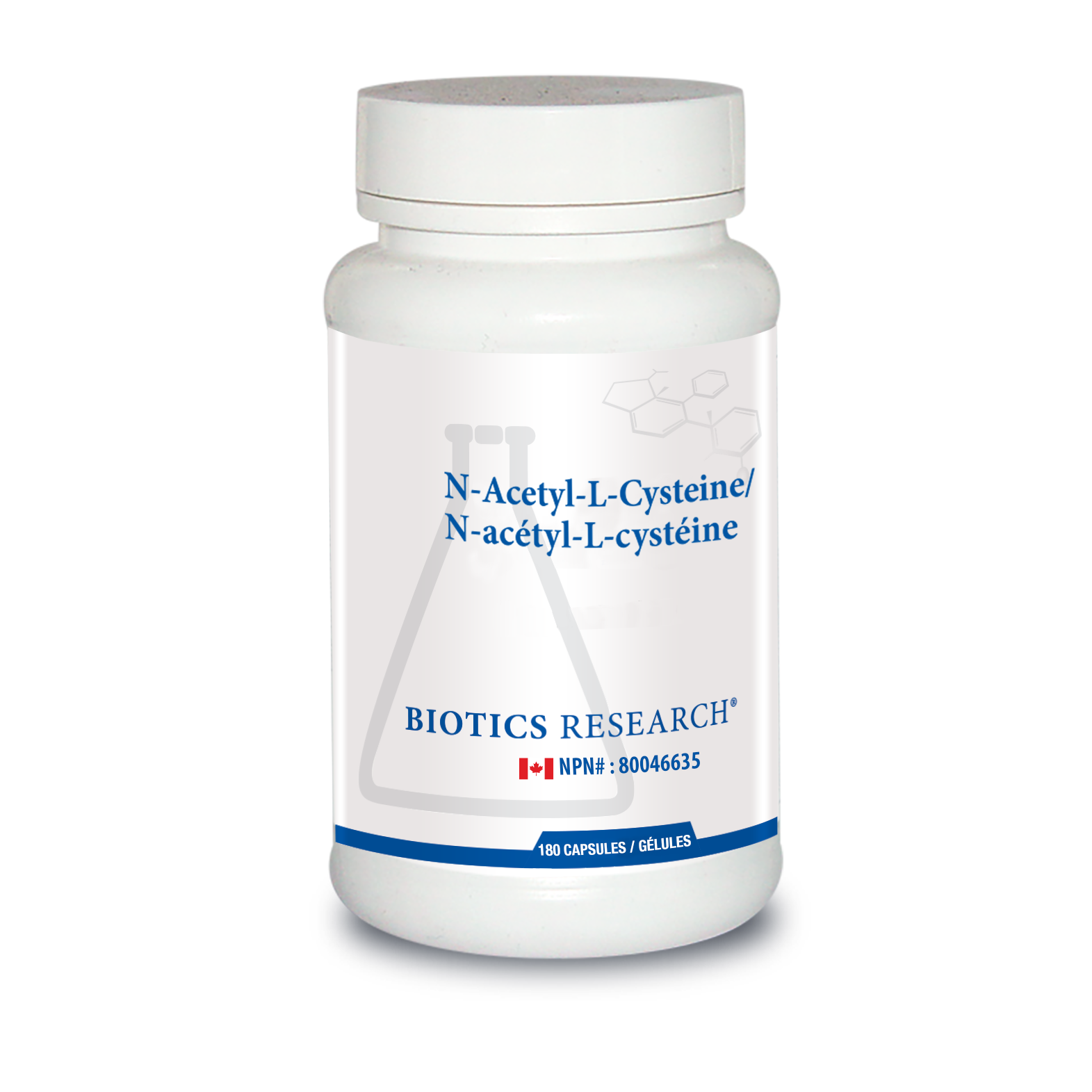
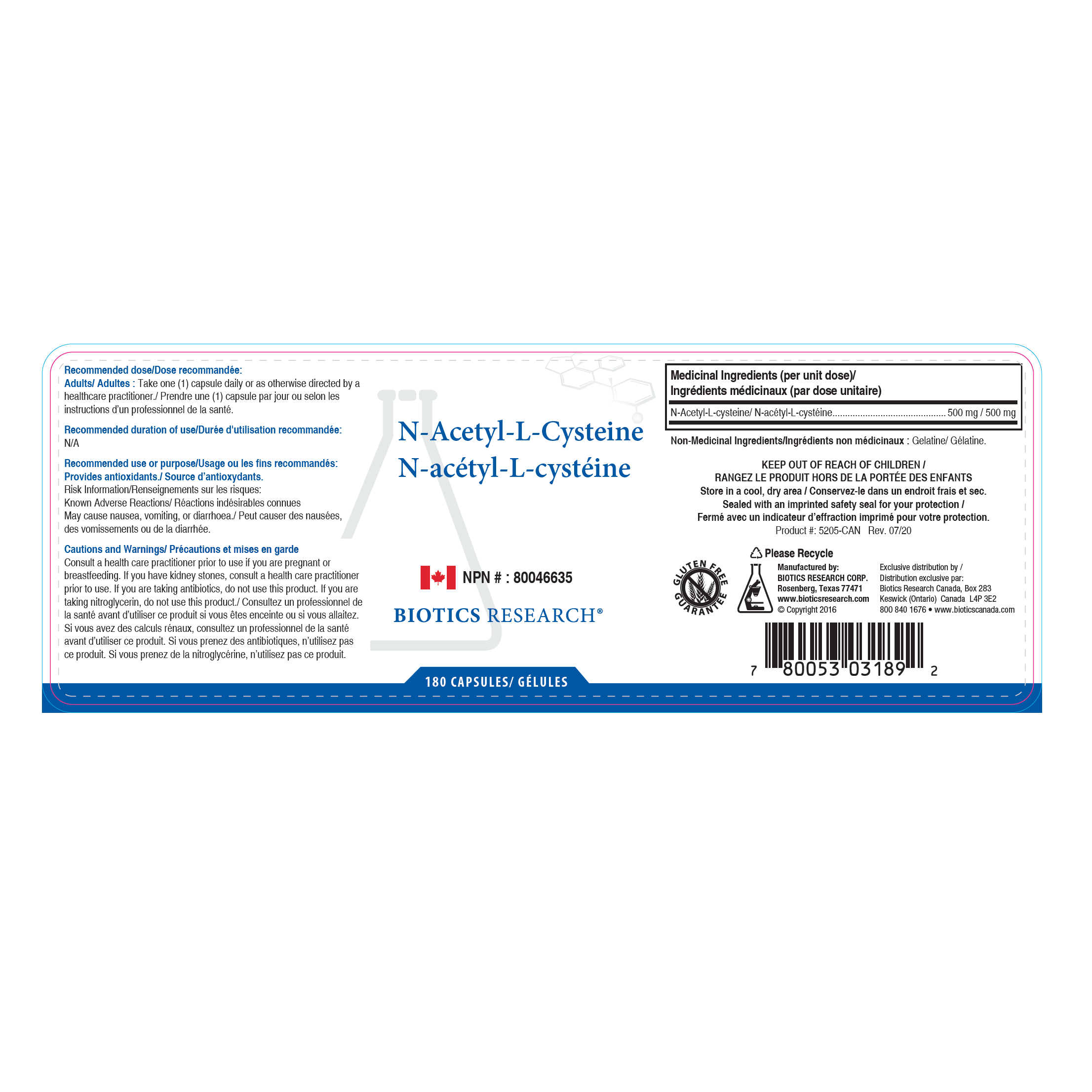
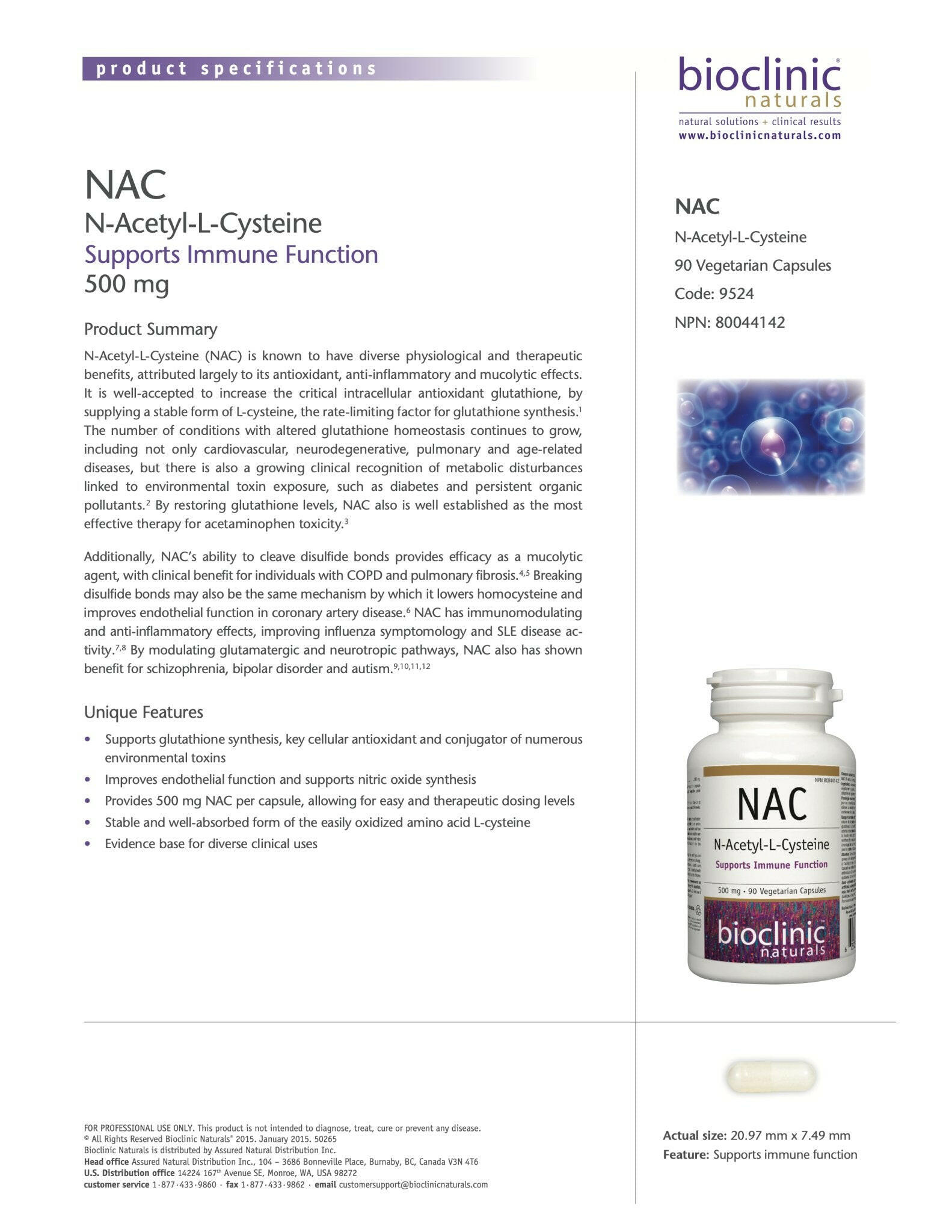
N-Acetylcysteine (NAC) – Glutathione Precursor & Respiratory Applications
N-acetylcysteine, commonly called NAC, is a derivative of cysteine.
It is widely recognized for its role in certain medical applications.
What Does NAC Do?
NAC can provide cysteine for glutathione synthesis.
It also has mucolytic properties that can help reduce mucus viscosity in appropriate clinical settings.
Established Medical Applications
NAC has recognized medical uses, including treatment of acetaminophen poisoning under medical supervision.
Certain NAC formulations are also used as mucolytic agents.
NAC as a Supplement
NAC supplements are marketed for:
- Antioxidant support
- Glutathione-related metabolism
- Respiratory wellness
- Selected metabolic and neurological research applications
However, benefits depend on the specific indication and formulation.
Important Precautions
NAC may cause gastrointestinal symptoms and can interact with medications such as nitroglycerin.
NAC should not be used to self-treat suspected poisoning or serious respiratory disease.
L-Alanine – Glucose & Energy Metabolism
Alanine is a non-essential amino acid involved in normal metabolic processes.
The Glucose-Alanine Cycle
Alanine participates in the transport of carbon and nitrogen between tissues.
During certain metabolic conditions, alanine can be converted into glucose through hepatic gluconeogenesis.
Alanine & Exercise
Alanine plays a role in normal energy-related metabolism.
However, isolated alanine supplementation has not been established as a reliable method for improving exercise endurance or reducing fatigue.
Alanine vs Beta-Alanine
These are different compounds.
L-Alanine
A standard protein-building amino acid.
Beta-Alanine
A non-protein amino acid used in sports nutrition because it contributes to muscle carnosine synthesis.
Beta-alanine has a separate evidence base for selected high-intensity exercise applications.
L-Aspartic Acid – Nitrogen & Cellular Metabolism
Aspartic acid is a non-essential amino acid involved in several metabolic pathways.
Key Functions
Aspartate participates in:
- Amino acid metabolism
- Urea cycle processes
- Nucleotide synthesis
- Cellular energy-related pathways
- Normal nitrogen metabolism
Aspartic Acid & Exercise Performance
Although aspartate participates in energy-related metabolism, evidence does not establish that isolated aspartic acid supplementation consistently improves endurance or reduces exercise fatigue.
Aspartic Acid vs D-Aspartic Acid
L-aspartic acid and D-aspartic acid are different molecular forms.
D-aspartic acid has been investigated in reproductive and hormonal research.
However, evidence does not establish that D-aspartic acid reliably increases testosterone in healthy men.
L-Serine – Cellular Membranes & Nervous System Metabolism
Serine is a non-essential amino acid involved in several important physiological processes.
Key Functions
Serine participates in:
- Protein synthesis
- Phospholipid metabolism
- One-carbon metabolism
- Synthesis of other amino acids
- Nervous system-related processes
Serine & Brain Health
Serine is involved in normal neurological metabolism.
However, routine serine supplementation has not been established as a treatment for cognitive decline or neurological diseases.
Specialized clinical uses should be managed by qualified healthcare professionals.
L-Asparagine – Protein & Cellular Function
Asparagine is a non-essential amino acid involved in protein synthesis and nitrogen metabolism.
Biological Roles
Asparagine participates in:
- Protein formation
- Nitrogen-related metabolism
- Cellular protein processing
- Normal metabolic functions
Is Asparagine Supplementation Necessary?
Most healthy individuals obtain adequate amino acids through normal dietary protein intake and endogenous synthesis.
There is limited evidence supporting routine isolated asparagine supplementation.
L-Glutamic Acid – Amino Acid & Neurotransmitter Metabolism
Glutamic acid, commonly referred to as glutamate in its physiological form, is involved in several important processes.
Key Functions
Glutamate participates in:
- Protein synthesis
- Nitrogen metabolism
- Neurotransmission
- Glutathione synthesis
- Cellular metabolic pathways
Glutamate & the Nervous System
Glutamate is a major excitatory neurotransmitter in the central nervous system.
However, consuming glutamate does not directly translate into increased brain glutamate activity because neurological regulation and the blood-brain barrier are complex.
Glutamate supplementation is not an established treatment for cognitive impairment.
L-Ornithine – Urea Cycle & Nitrogen Metabolism
Ornithine is a non-protein amino acid.
It is an important intermediate in the urea cycle.
What Is the Urea Cycle?
The urea cycle helps convert ammonia into urea for elimination.
This process is important for normal nitrogen metabolism.
Ornithine & Exercise Recovery
Ornithine has been investigated for fatigue and exercise-related outcomes.
However, clinical evidence remains limited.
Ornithine & Liver Health
Ornithine-containing medical formulations have specific clinical applications in selected liver-related conditions.
These uses should not be generalized to ordinary ornithine supplements.
Understanding Amino Acids & Collagen Formation
Collagen is the body’s most abundant structural protein.
It is found in:
- Skin
- Tendons
- Ligaments
- Cartilage
- Bones
- Blood vessels
- Other connective tissues
Important Collagen-Related Amino Acids
|
Amino Acid |
Role in Collagen |
|---|---|
|
Glycine |
Major structural component |
|
Proline |
Supports collagen structure |
|
Hydroxyproline |
Contributes to collagen stability |
|
Lysine |
Participates in collagen structure and cross-linking |
Vitamin C is also required for normal collagen formation.
Do Individual Amino Acids Increase Collagen?
Adequate amino acid availability is necessary for collagen synthesis.
However, isolated glycine or proline supplementation does not necessarily increase collagen production in healthy individuals with adequate protein intake.
Non-Essential Amino Acids & Muscle Recovery
Muscle recovery involves several processes, including:
- Repair of exercise-related tissue damage
- Muscle protein synthesis
- Glycogen replenishment
- Hydration
- Sleep
- Adaptation to training
Do Non-Essential Amino Acids Improve Recovery?
Some amino acids have been investigated for exercise-related outcomes.
However, isolated non-essential amino acid supplementation has generally shown less consistent evidence for muscle growth and recovery than adequate complete protein intake.
What Matters Most?
For most healthy active adults, recovery priorities include:
- Sufficient daily protein
- Adequate energy intake
- Appropriate training
- Sleep
- Hydration
Non-Essential Amino Acids vs Essential Amino Acids
Both groups participate in protein synthesis.
However, their nutritional roles differ.
Essential Amino Acids
Must be obtained through the diet.
They are particularly important when evaluating the ability of a protein source to support muscle protein synthesis.
Non-Essential Amino Acids
Can normally be synthesized by the body.
They participate in protein synthesis and many other metabolic processes.
Which Is Better for Muscle Growth?
For most healthy adults, complete protein sources containing all essential amino acids are more directly supported for muscle-building nutrition than isolated non-essential amino acids.
Non-Essential Amino Acids vs BCAAs
Branched-chain amino acids include:
- Leucine
- Isoleucine
- Valine
All three are essential amino acids.
BCAAs
Commonly marketed for muscle recovery and exercise performance.
Non-Essential Amino Acids
Often marketed for targeted metabolic or structural functions.
Important Consideration
BCAAs alone do not provide all essential amino acids needed for optimal muscle protein synthesis.
Complete protein or appropriately formulated essential amino acid products may be more useful for meeting overall protein requirements.
Non-Essential Amino Acids vs Protein Powders
Protein powders and isolated amino acid supplements serve different purposes.
|
Feature |
Non-Essential Amino Acid Supplements |
Protein Powders |
|---|---|---|
|
Composition |
One or selected amino acids |
Mixture of amino acids in dietary protein |
|
Main purpose |
Targeted supplementation |
Meeting protein requirements |
|
Muscle-building evidence |
Varies; often limited |
Stronger for adequate complete protein intake |
|
Common formats |
Capsules and powders |
Powders and ready-to-drink products |
|
Best suited for |
Specific nutritional applications |
General protein nutrition |
For most healthy adults, meeting overall protein requirements is more important than supplementing isolated non-essential amino acids.
Non-Essential Amino Acids & Glutathione
Glutathione is a naturally occurring compound composed of three amino acids:
- Glutamate
- Cysteine
- Glycine
It plays important roles in cellular antioxidant processes.
Why Is Glutathione Important?
Glutathione participates in:
- Cellular redox regulation
- Antioxidant defence
- Certain metabolic processes
- Normal cellular protection mechanisms
Does Supplementing Amino Acids Increase Glutathione?
Availability of precursor amino acids can influence glutathione synthesis.
However, changes in glutathione biomarkers do not necessarily establish improved clinical outcomes.
NAC and glycine have been investigated in this context, but benefits depend on the population and indication.
Glycine & NAC – Understanding GlyNAC
GlyNAC refers to the combination of glycine and N-acetylcysteine.
These ingredients provide precursors involved in glutathione synthesis.
Why Are They Combined?
Researchers have investigated whether providing both precursors may influence glutathione-related metabolism.
What Does the Research Show?
Small human studies have reported changes in selected biomarkers and physiological outcomes.
However, larger controlled trials are needed to determine meaningful clinical benefits.
GlyNAC has not been established as a treatment that reverses aging or prevents age-related diseases.
Non-Essential Amino Acids & Cognitive Wellness
Certain amino acids participate in neurotransmitter metabolism.
Tyrosine
A precursor to catecholamine neurotransmitters.
Glycine
Functions as an inhibitory neurotransmitter in certain regions of the nervous system and participates in other neurological signalling pathways.
Glutamate
A major excitatory neurotransmitter.
Serine
Participates in cellular processes important for nervous system function.
Important Distinction
An amino acid’s role in neurotransmitter synthesis does not automatically mean supplementation improves memory, mood, concentration, or cognitive performance.
Clinical evidence must be considered separately.
Non-Essential Amino Acids & Sleep
Some amino acids are marketed for sleep-related wellness.
Glycine
Small studies have investigated glycine for subjective sleep quality.
Ornithine
Limited studies have explored selected fatigue and sleep-related outcomes.
Glutamine
Not established as a treatment for insomnia.
Important Consideration
Persistent sleep difficulties may require evaluation for insomnia, sleep apnea, medication effects, or other underlying causes.
Non-Essential Amino Acids & Skin Health
Skin structure depends on proteins, lipids, hydration, and other physiological factors.
Amino acids contribute to normal protein synthesis and tissue maintenance.
Glycine & Proline
Important components of collagen.
Cysteine
Contributes to proteins containing disulfide bonds.
Other Amino Acids
Participate in general cellular and protein metabolism.
Can Amino Acids Reduce Wrinkles?
Evidence does not establish that isolated non-essential amino acid supplements reliably reduce wrinkles or reverse skin aging.
Consistent sun protection and appropriate skincare remain important.
Non-Essential Amino Acids & Joint Health
Joint tissues contain structural proteins, including collagen.
Amino acids are required for normal connective tissue maintenance.
Potential Areas of Interest
- Cartilage structure
- Tendon health
- Ligament maintenance
- General connective tissue nutrition
Important Consideration
Supplementation with isolated non-essential amino acids has not been established as a treatment for osteoarthritis or inflammatory joint disease.
Non-Essential Amino Acids & Metabolic Health
Amino acids participate in metabolic pathways involving:
- Glucose production
- Nitrogen transport
- Energy-related reactions
- Protein turnover
- Cellular signalling
Alanine
Participates in the glucose-alanine cycle.
Glutamine
Involved in nitrogen transport and cellular metabolism.
Aspartate
Participates in nitrogen-related and nucleotide synthesis pathways.
Arginine & Ornithine
Important components of the urea cycle.
Important Consideration
Participation in metabolic pathways does not establish that additional supplementation improves metabolism or causes weight loss.
Non-Essential Amino Acids & Liver Function
The liver is central to amino acid metabolism.
It participates in:
- Amino acid processing
- Protein synthesis
- Nitrogen metabolism
- Urea production
- Glucose metabolism
Do Amino Acid Supplements Detoxify the Liver?
No broad clinical evidence establishes that routine non-essential amino acid supplementation removes unspecified toxins or improves liver function in healthy individuals.
People with liver disease may require specialized nutritional management.
Non-Essential Amino Acids & Immune Function
Amino acids are required for normal immune-cell metabolism.
Glutamine is particularly important in certain immune-cell metabolic pathways.
However, a biological requirement for glutamine does not establish that additional oral glutamine improves immunity in healthy adults.
Supplementation during severe illness requires individualized medical guidance.
Food Sources of Non-Essential Amino Acids
Non-essential amino acids are naturally present in protein-containing foods.
Common sources include:
- Meat
- Poultry
- Fish
- Eggs
- Dairy products
- Soy foods
- Legumes
- Nuts
- Seeds
Collagen-Rich Foods
Glycine and proline are particularly abundant in collagen-containing animal tissues and gelatin.
Plant-Based Sources
Plant proteins also provide non-essential amino acids.
A varied plant-based diet can provide adequate protein when appropriately planned.
Do You Need Non-Essential Amino Acid Supplements?
Most healthy adults can obtain sufficient amino acids through dietary protein and normal endogenous synthesis.
Supplementation may be considered for specific purposes, but it is not universally necessary.
Factors to Consider
- Daily protein intake
- Dietary restrictions
- Training demands
- Medical conditions
- Nutritional status
- Specific supplementation goals
- Existing medications
When Might Professional Guidance Be Helpful?
Guidance may be particularly important for:
- Individuals with significant medical conditions
- People recovering from major illness
- Patients receiving specialized nutrition
- Individuals with kidney or liver disease
- People taking multiple medications
How to Choose Non-Essential Amino Acid Supplements
1. Identify Your Main Goal
Determine whether your interest involves:
- Sports nutrition
- Collagen-related nutrition
- Cognitive wellness
- Antioxidant metabolism
- Specific amino acid intake
2. Select the Appropriate Amino Acid
Different amino acids have different physiological functions.
3. Review the Dose
Compare the amount per serving with available research and product directions.
4. Consider the Formulation
Products may contain:
- Free-form amino acids
- Amino acid derivatives
- Combination formulas
- Additional vitamins or minerals
5. Check for Ingredient Overlap
Avoid unintentionally combining several products containing the same amino acids.
6. Review Medication Interactions
Certain amino acids and derivatives may interact with medications.
7. Consider Your Protein Intake
Adequate dietary protein should remain the foundation of amino acid nutrition.
Shop Non-Essential Amino Acids by Wellness Goal
|
Wellness Goal |
Amino Acid to Explore |
Evidence Consideration |
|---|---|---|
|
General muscle metabolism |
Glutamine |
Limited evidence for extra recovery benefits in healthy athletes |
|
Collagen-related nutrition |
Glycine, proline |
Structural roles established; supplement benefits less certain |
|
Cognitive performance under acute stress |
Tyrosine |
Limited context-specific evidence |
|
Nitric oxide production |
Arginine |
Established biological role; clinical outcomes vary |
|
Glutathione-related metabolism |
NAC, glycine |
Investigated for selected applications |
|
Nitrogen metabolism |
Ornithine, arginine |
Established physiological roles |
|
Glucose-alanine metabolism |
Alanine |
Routine supplementation benefits unproven |
|
Cellular metabolism |
Serine, aspartate |
Routine supplementation benefits unproven |
|
General protein nutrition |
Complete protein |
Often more appropriate than isolated amino acids |
Available Non-Essential Amino Acid Formats
Capsules
Convenient for measured servings.
Tablets
Useful for certain amino acid formulations.
Powders
May offer flexible serving sizes and easy mixing with beverages.
Combination Formulas
Contain multiple amino acids or additional nutrients.
Specialty Nutritional Products
May be developed for specific nutritional applications.
Professional Formulations
Some products may have specialized indications or purchasing requirements.
Amino Acid Powders vs Capsules
|
Feature |
Powders |
Capsules |
|---|---|---|
|
Serving flexibility |
Often flexible |
Usually fixed per capsule |
|
Convenience |
Requires mixing |
Easy to take |
|
Taste |
May be noticeable |
Usually avoids direct taste |
|
Larger servings |
Often practical |
May require multiple capsules |
|
Portability |
Depends on packaging |
Generally convenient |
|
Best choice |
Personal preference and dose |
Personal preference and dose |
Neither format is automatically more effective.
How to Use Non-Essential Amino Acid Supplements
Follow the specific manufacturer’s directions.
Consider:
- Recommended serving size
- Timing instructions
- Whether to take with food
- Potential gastrointestinal effects
- Medication interactions
- Existing protein intake
Before Exercise
Some amino acid products are marketed for pre-workout use.
However, timing recommendations should be based on the specific ingredient and available evidence.
After Exercise
Adequate complete protein intake is generally more important for muscle recovery than isolated non-essential amino acids.
Between Meals
Some products recommend use between meals.
Follow the individual product label rather than assuming one timing strategy is best for every amino acid.
Building an Amino Acid Wellness Routine
A practical routine should begin with adequate dietary protein.
Daily Nutrition
Include a variety of protein sources such as:
- Eggs
- Fish
- Meat
- Dairy
- Legumes
- Soy foods
Exercise Nutrition
Prioritize adequate energy intake and protein consumption.
Hydration
Maintain appropriate hydration according to activity level and individual needs.
Targeted Supplementation
Consider individual amino acids only when there is a clear reason for using them.
Recovery
Support recovery with sufficient sleep, balanced nutrition, and appropriate training.
Amino Acid Supplement Quality
When comparing products, consider:
- Clearly identified amino acid form
- Amount per serving
- Ingredient transparency
- Manufacturing information
- Allergen declarations
- Product-specific testing
- Additional ingredients
- Storage requirements
- Canadian regulatory authorization
Depending on the product, options may include:
- Vegan capsules
- Vegetarian formulations
- Unflavoured powders
- Gluten-free products
- Single-ingredient supplements
- Combination formulas
These characteristics should be verified individually.
Canadian Natural Health Product Regulations
Many amino acid supplements sold in Canada are regulated as natural health products.
Authorized products generally display an eight-digit Natural Product Number (NPN).
What Does an NPN Mean?
An NPN indicates that Health Canada has authorized the product under the applicable natural health product framework.
The authorization relates to the product’s approved ingredients, uses, and conditions of use.
It does not establish that every proposed benefit has been proven through large clinical trials.
Always review the individual product label.
Safety & Precautions
Non-essential amino acid supplements may cause adverse effects or interact with medications.
Digestive Effects
Some products may cause:
- Nausea
- Bloating
- Abdominal discomfort
- Diarrhea
Kidney Disease
People with kidney disease should seek professional guidance before using concentrated amino acid supplements.
Liver Disease
Certain amino acid supplements may be inappropriate in advanced liver disease or other metabolic conditions.
Cardiovascular Medications
Arginine may interact with medications affecting blood pressure and circulation.
Thyroid Medications
Tyrosine may interact with certain thyroid-related treatments.
NAC Interactions
NAC may interact with nitroglycerin and certain other medications.
Pregnancy & Breastfeeding
Safety information for high-dose isolated amino acid supplements is limited for many products during pregnancy and breastfeeding.
Children
Adult amino acid supplements should not automatically be used in children.
Metabolic Disorders
People with inherited amino acid metabolism disorders require specialized nutritional management.
Amino acids are naturally occurring nutrients, but concentrated supplements are not automatically safe for everyone.
When to Seek Medical Advice
Professional assessment may be appropriate for:
- Persistent unexplained fatigue
- Significant muscle weakness
- Poor recovery following illness
- Unexplained weight loss
- Persistent digestive symptoms
- Suspected nutritional deficiencies
- Kidney or liver disease
- Adverse reactions to supplements
- Ongoing sleep or cognitive concerns
Supplements should not delay appropriate medical diagnosis or treatment.
FAQs
What are non-essential amino acids?
Non-essential amino acids are amino acids the body can normally synthesize. They are important for protein synthesis and numerous physiological processes.
Does non-essential mean unimportant?
No. Non-essential refers to the body’s ability to produce an amino acid, not its biological importance.
What are examples of non-essential amino acids?
Examples include alanine, asparagine, aspartic acid, glutamic acid, and serine. Glutamine, glycine, proline, arginine, cysteine, and tyrosine may be conditionally essential.
What are conditionally essential amino acids?
These are amino acids that may need to be supplied in greater amounts under certain physiological or medical circumstances when endogenous production is insufficient.
Do I need non-essential amino acid supplements?
Most healthy adults can obtain adequate amino acids through normal dietary protein intake and endogenous synthesis.
Is glutamine good for muscle recovery?
Glutamine is involved in muscle and nitrogen metabolism, but supplementation has not consistently improved recovery or muscle growth in healthy athletes.
Does glutamine improve gut health?
Glutamine is important for intestinal cell metabolism, but evidence does not establish routine supplementation as an effective treatment for general digestive problems.
What is glycine used for?
Glycine is involved in collagen synthesis, neurotransmission, glutathione production, and other metabolic processes.
Does glycine help with sleep?
Small studies suggest possible benefits for selected sleep-related outcomes, but evidence remains preliminary.
What is proline good for?
Proline is an important structural component of collagen and participates in normal protein synthesis.
Does proline increase collagen production?
Proline is necessary for collagen formation, but additional supplementation has not been established as a reliable way to increase collagen production in healthy adults.
What does L-tyrosine do?
Tyrosine is a precursor to dopamine, norepinephrine, epinephrine, thyroid hormones, and melanin.
Does tyrosine improve focus?
Some studies suggest potential benefits under certain acute stress conditions, but evidence does not establish routine improvements in concentration for everyone.
What is L-arginine used for?
Arginine is involved in nitric oxide synthesis, protein metabolism, and the urea cycle.
Does arginine improve blood circulation?
Arginine contributes to nitric oxide production, but clinical effects depend on the dose, population, and health condition.
What is NAC?
N-acetylcysteine is a cysteine derivative involved in glutathione-related metabolism and used medically for certain established indications.
What is the difference between NAC and cysteine?
Cysteine is a standard protein-building amino acid. NAC is an acetylated derivative that can provide cysteine and has distinct pharmacological applications.
What is GlyNAC?
GlyNAC combines glycine and N-acetylcysteine. It has been investigated for glutathione-related outcomes, but broader clinical benefits remain uncertain.
Are non-essential amino acids good for bodybuilding?
Adequate complete protein intake is generally more important for muscle growth than isolated non-essential amino acid supplementation.
Can I take non-essential amino acids with protein powder?
Some combinations may be appropriate, but additional amino acids may be unnecessary when protein intake is already adequate.
Are amino acid powders better than capsules?
Neither format is inherently superior. The best choice depends on dose, convenience, tolerability, and individual preference.
Are non-essential amino acids safe to take every day?
Safety depends on the specific amino acid, dose, health status, and medications. Long-term safety information may be limited for certain concentrated supplements.
Where can I buy non-essential amino acids in Canada?
Coal Harbour Pharmacy offers a pharmacist-curated selection of amino acid powders, capsules, and targeted nutritional formulas with Canada-wide shipping options.
Why Shop Non-Essential Amino Acids at Coal Harbour Pharmacy?
- Pharmacist-curated amino acid supplements
- L-glutamine, glycine, proline, and specialty amino acids
- NAC and antioxidant-oriented nutritional formulas
- Arginine and sports nutrition products
- Collagen-related nutritional support
- Single-ingredient and combination supplements
- Capsules, tablets, and powder formats
- Products from established Canadian and international supplement brands
- Convenient online ordering
- Canada-wide shipping options
- Vancouver-based pharmacy support
Related Collections
────────────────────────────────────
Shop Non-Essential Amino Acids →
Sort by
25 products


FREE STANDARD SHIPPING
Satisfied or refunded
Top-notch support
Secure payments
Encrypted checkout processing
Offers exclude prescriptions and in-store purchases.
Subscribe & Get a First-Order Reward
Plus, earning reward points on eligible online purchases and enjoy future store credit.
We respect your inbox at Coal Harbour Pharmacy - Expect thoughtfully curated health and wellness updates, timely reminders, and exclusive online savings.