
Mobility & Flexibility – Joint Comfort, Cartilage & Movement Support
Explore pharmacist-curated mobility and flexibility supplements featuring glucosamine, chondroitin, MSM, collagen, curcumin, boswellia, hyaluronic acid, and other targeted nutrients to support joint comfort, cartilage and connective tissue health, flexibility, and comfortable movement.
────────────────────────────────────
About Mobility & Flexibility
Healthy mobility depends on the coordinated function of joints, cartilage, muscles, tendons, ligaments, bones, and the nervous system.
Changes in any of these tissues can affect flexibility, range of motion, physical comfort, and the ability to stay active. Age, previous injuries, repetitive physical demands, training load, body composition, and certain medical conditions can all influence mobility.
The Mobility & Flexibility collection at Coal Harbour Pharmacy brings together nutritional, botanical, and topical products designed to complement an active lifestyle and support normal musculoskeletal function.
Common ingredients include glucosamine, chondroitin, MSM, collagen, curcumin, boswellia, hyaluronic acid, vitamin C, magnesium, and other joint and connective-tissue nutrients.
Supplements can complement exercise and appropriate healthcare, but they cannot mechanically repair every type of cartilage damage, restore an injured ligament, or substitute for assessment of persistent joint problems.
Key Benefits
Depending on the individual ingredient and formulation, mobility-support products may:
• Support joint comfort and everyday movement
• Help maintain normal cartilage and connective tissue
• Support flexibility and range of motion
• Complement healthy inflammatory-response pathways
• Provide nutrients involved in collagen and connective-tissue formation
• Support normal joint lubrication and synovial physiology
• Complement exercise and post-activity recovery
• Support normal muscle function
• Help maintain mobility as part of healthy aging
Benefits vary considerably by ingredient, condition, dose, and individual.
Who It’s Ideal For
This collection may appeal to:
• Active adults and athletes
• Adults experiencing occasional joint stiffness
• Older adults focused on maintaining mobility
• People interested in long-term joint and connective-tissue nutrition
• Individuals looking for cartilage-support ingredients
• People seeking botanical joint-comfort formulas
• Adults incorporating mobility work into an exercise or recovery program
• People looking for topical products for temporary muscle or joint comfort
New, severe, persistent, or worsening joint symptoms should be assessed rather than managed indefinitely with supplements.
Understanding Mobility & Flexibility
Mobility and flexibility are related but different.
Flexibility generally refers to the ability of muscles and other soft tissues to lengthen through a range of motion.
Mobility is broader and involves the ability of a joint and surrounding tissues to move effectively through an appropriate range.
Mobility can be influenced by:
• Joint structure
• Muscle strength
• Tissue flexibility
• Neuromuscular control
• Pain
• Swelling
• Previous injury
• Activity level
• Age-related changes
Supplements address only some of these factors.
Joint & Cartilage Support
Articular cartilage covers the ends of bones within many joints and helps create a smooth, low-friction surface for movement.
Cartilage contains:
• Collagen
• Proteoglycans
• Water
• Specialized cells called chondrocytes
Ingredients such as glucosamine and chondroitin are commonly used in joint supplements because they relate to components found within cartilage and connective tissues.
Clinical outcomes, however, vary among formulations and individuals.
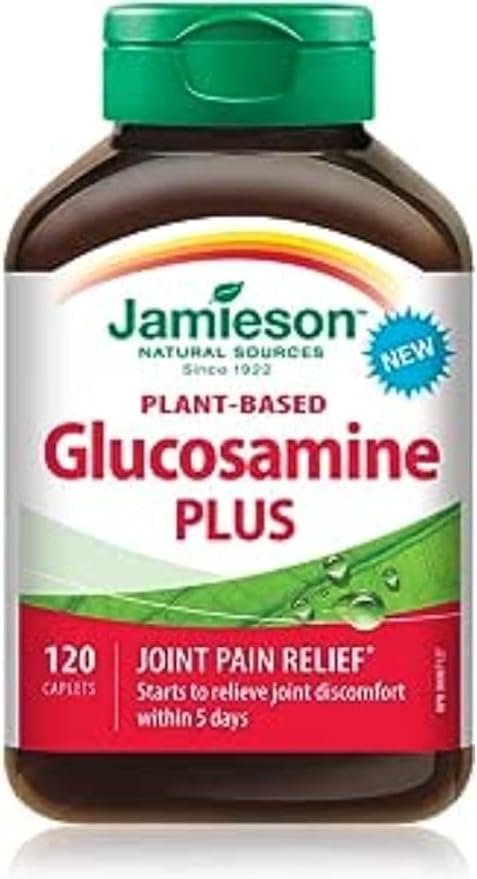
Glucosamine
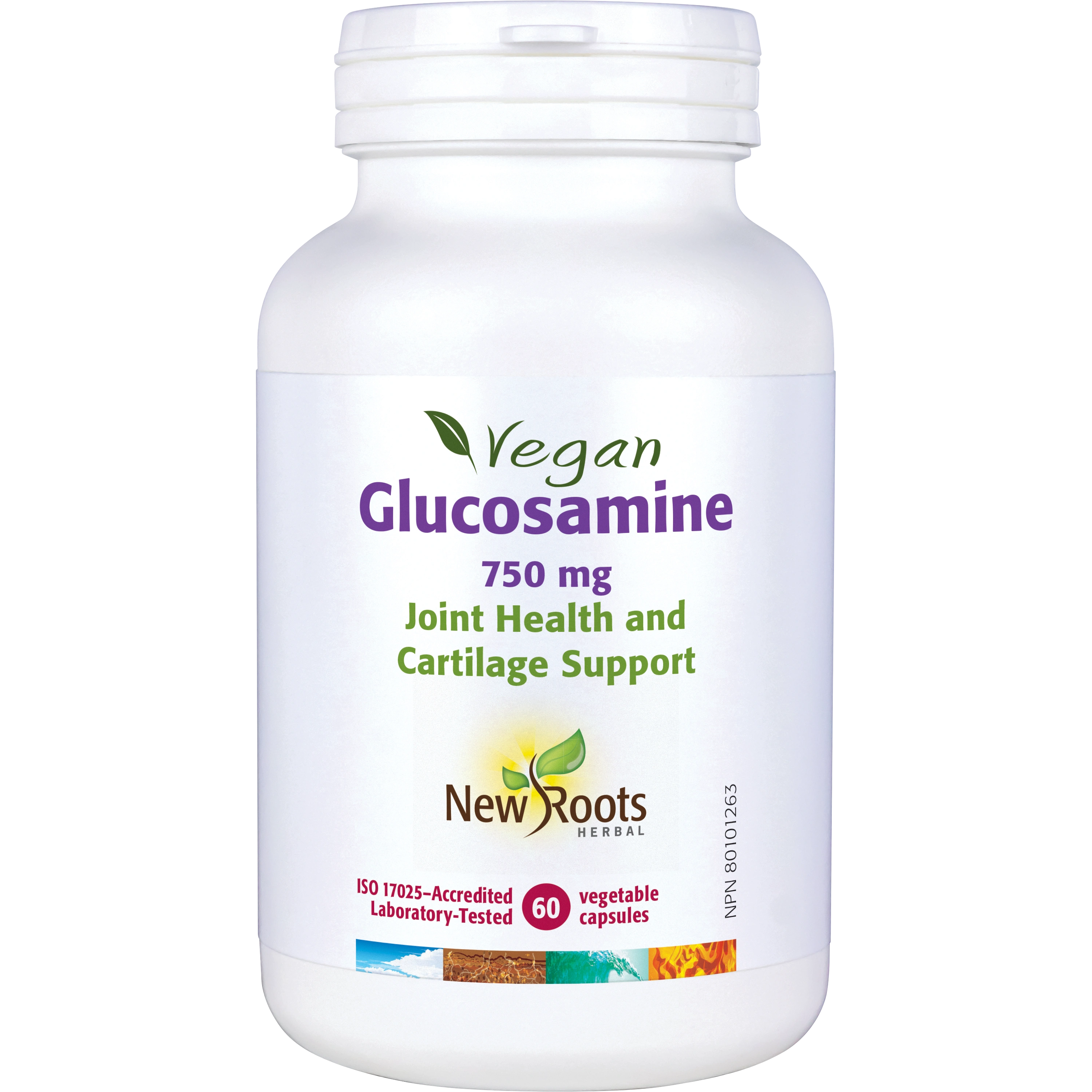
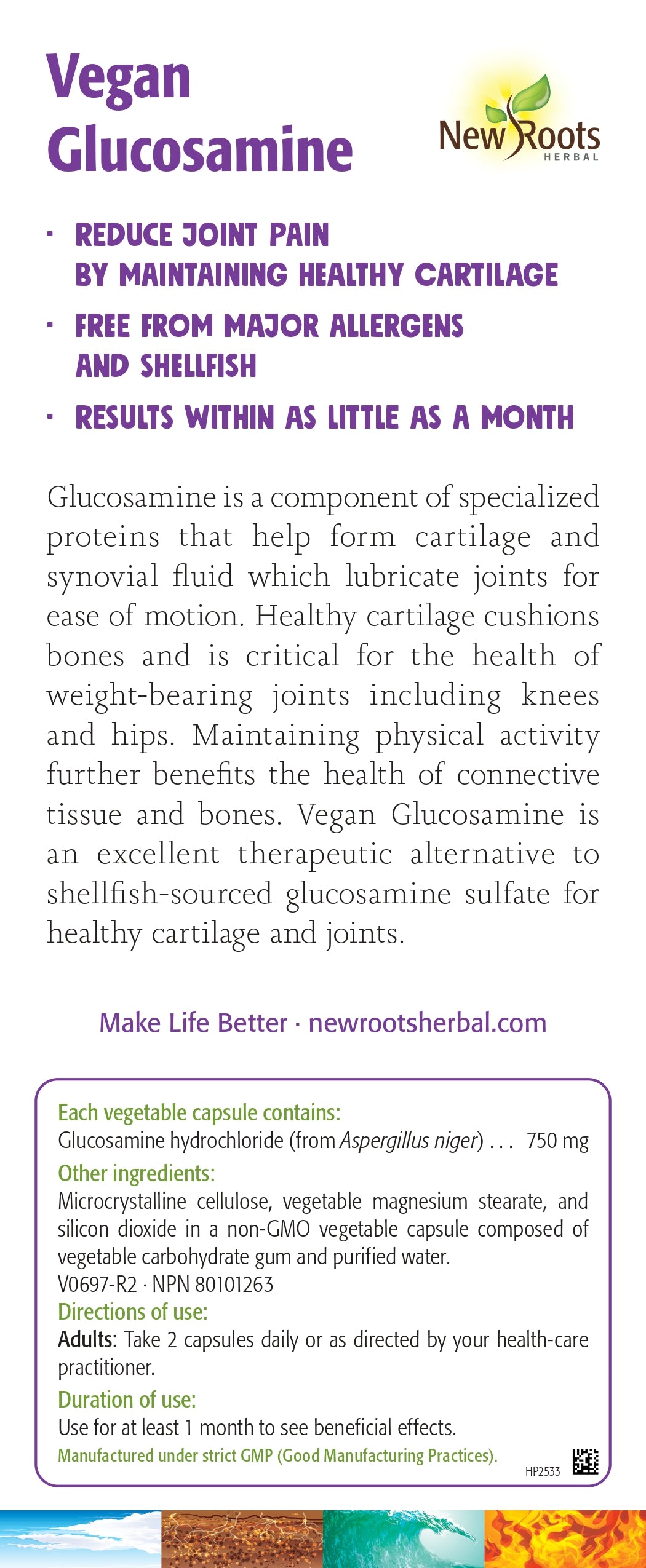
Glucosamine is an amino sugar naturally involved in compounds found in cartilage and other tissues.
Supplemental forms commonly include:
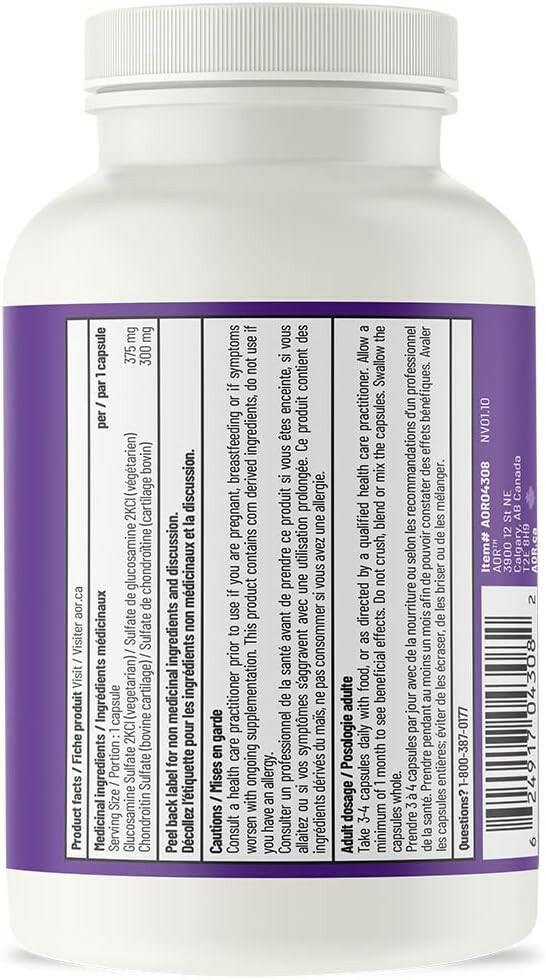
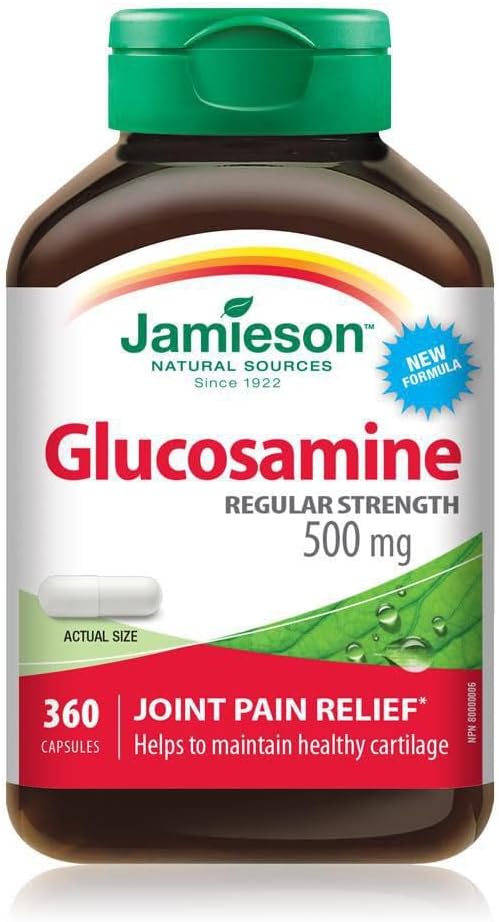
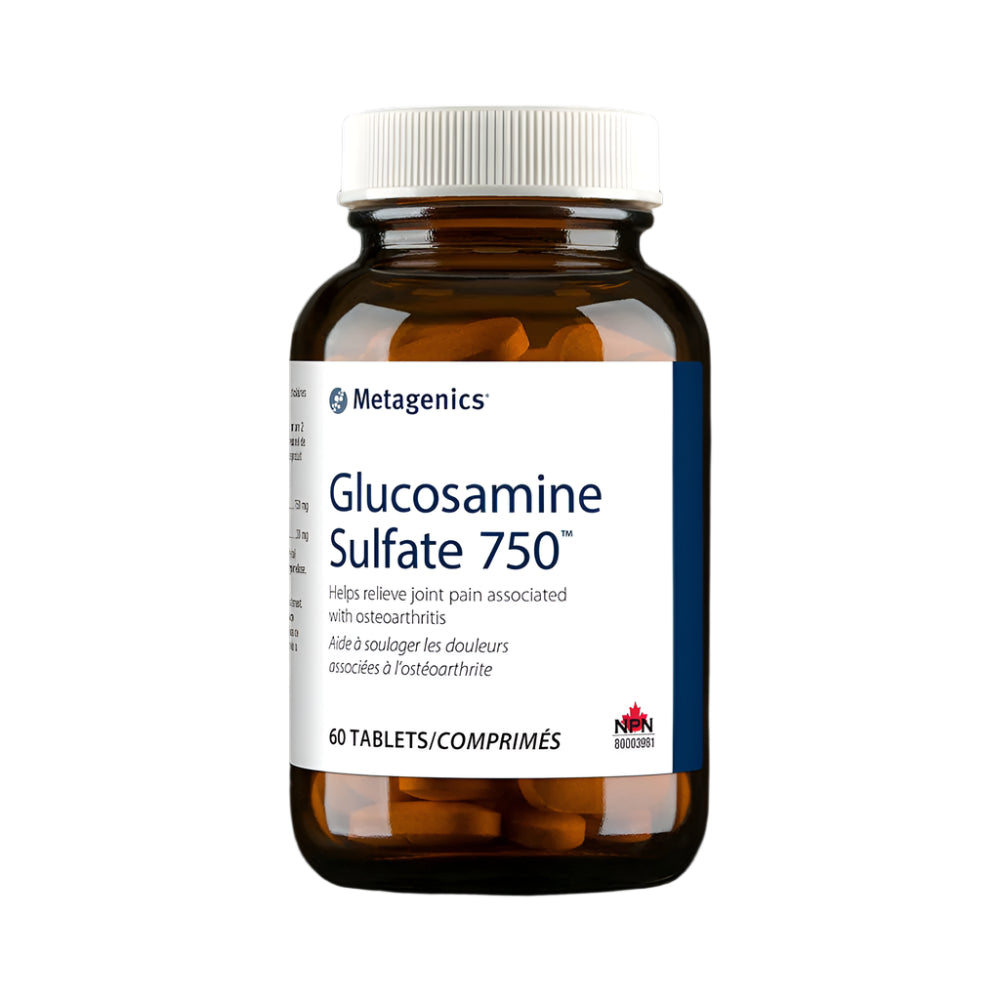
• Glucosamine sulfate
• Glucosamine hydrochloride
Research has focused particularly on osteoarthritis-related joint symptoms, with results varying according to preparation and study.
Some evidence is stronger for specific glucosamine sulfate preparations than for glucosamine products as a category.
Glucosamine should therefore not be described as proven to rebuild damaged cartilage.
Chondroitin
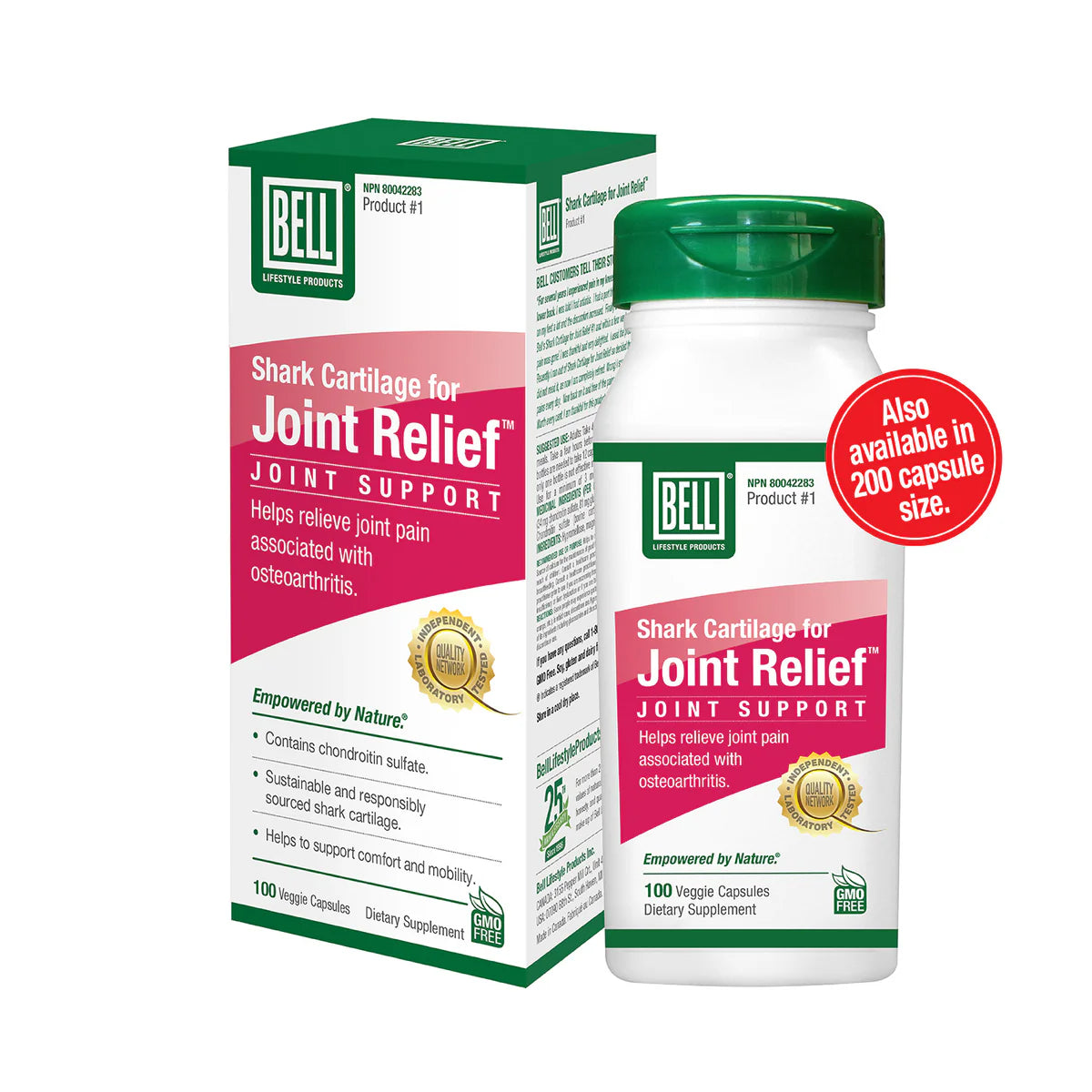
Chondroitin sulfate is a component of cartilage and other connective tissues.
It is frequently combined with glucosamine in joint-support formulas.
Research has investigated chondroitin for joint comfort and function, particularly in osteoarthritis, but outcomes vary according to product quality, formulation, and population.
Chondroitin supplementation should not be assumed to regenerate cartilage or reverse degenerative joint disease.
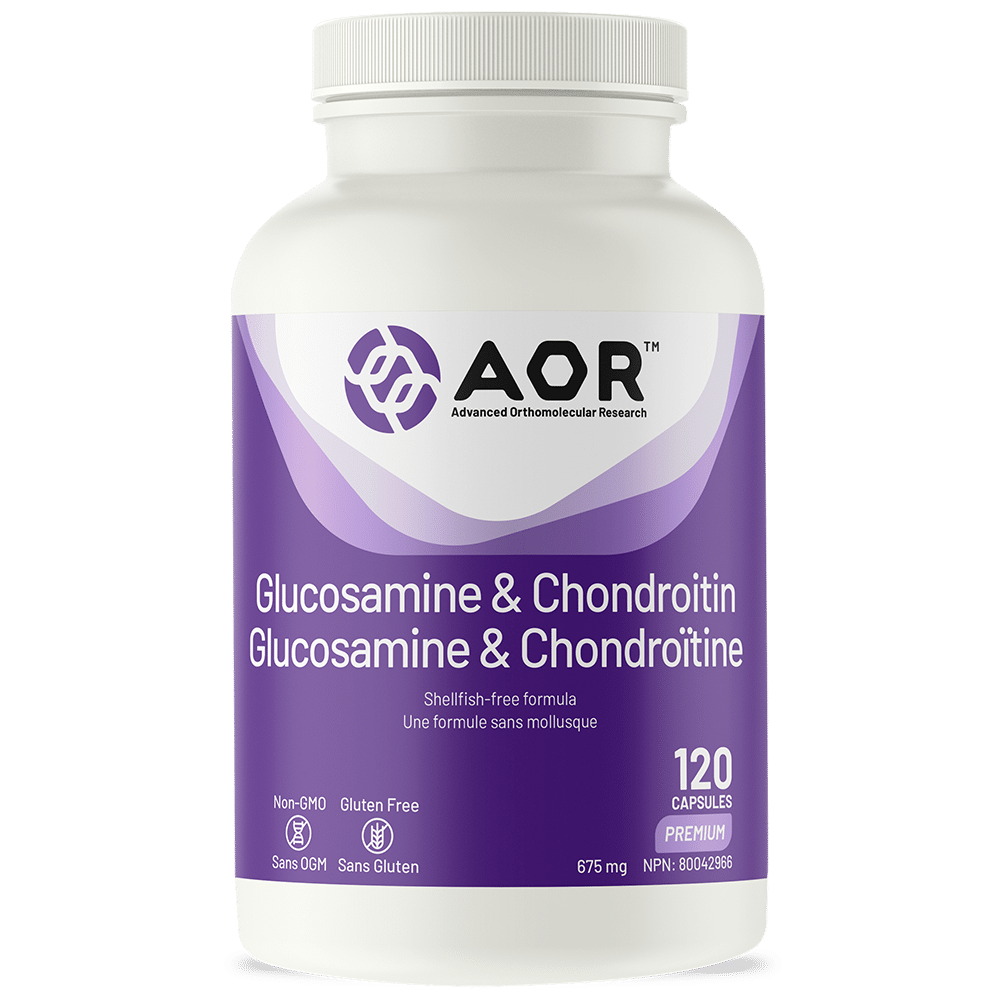
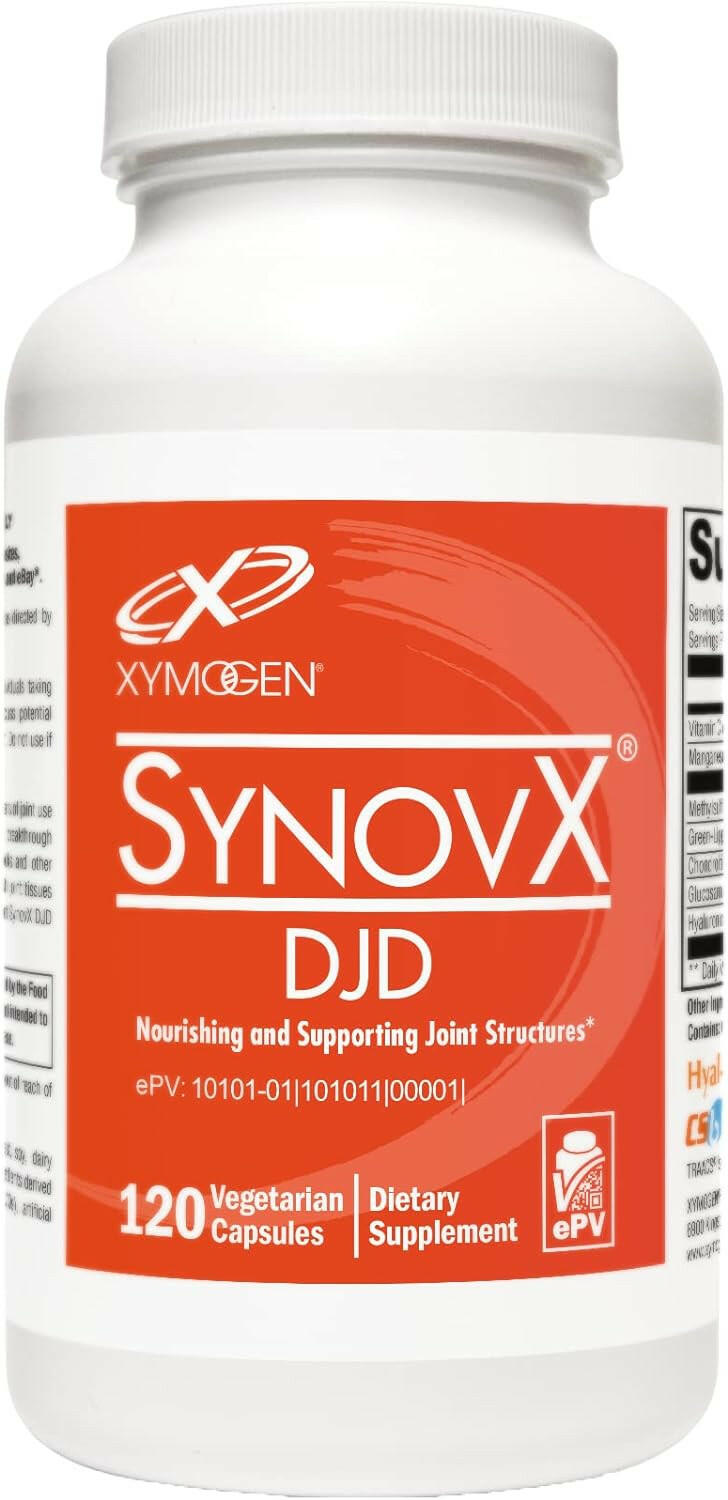
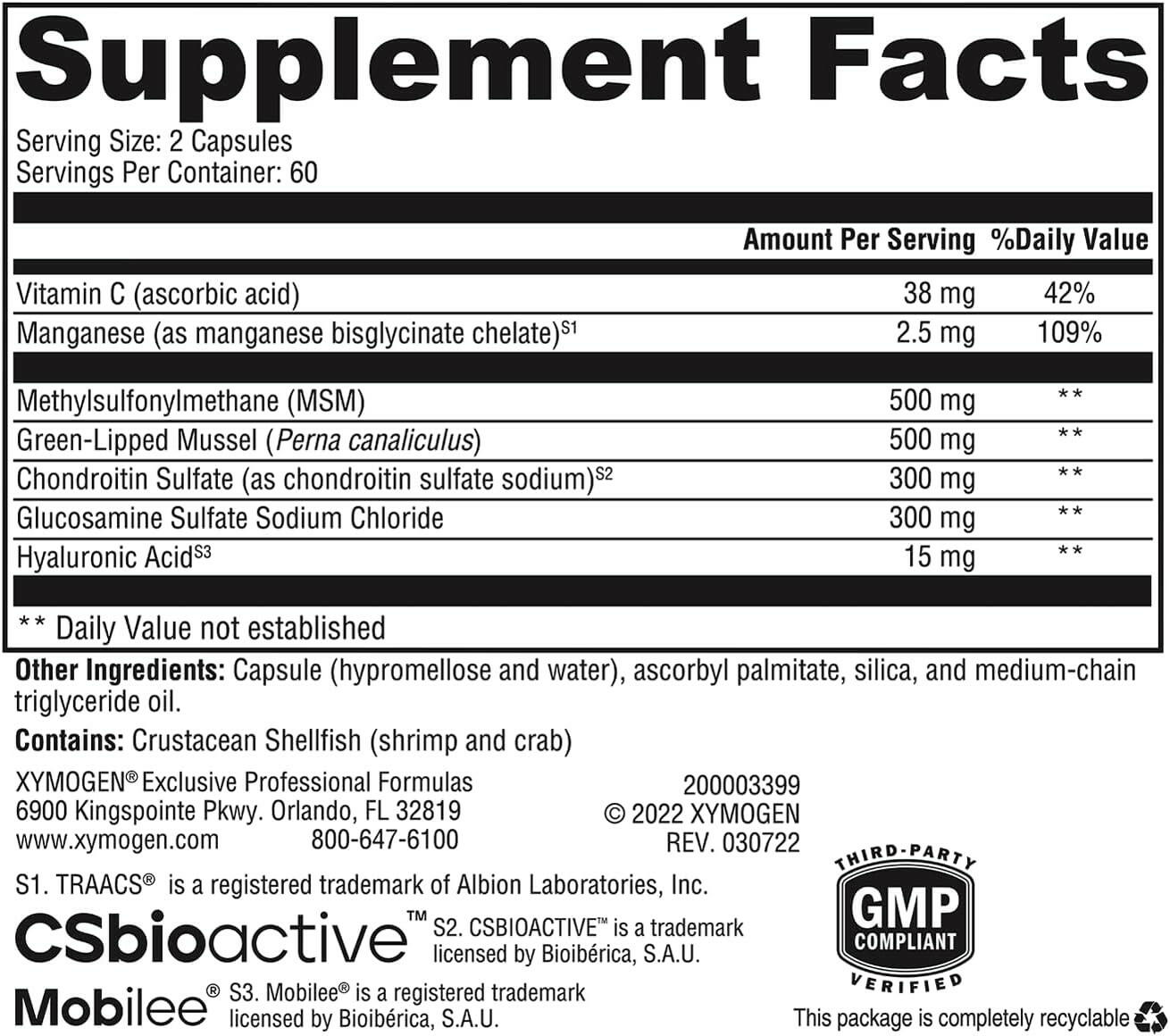
Glucosamine + Chondroitin
Combining glucosamine and chondroitin is common in joint formulas.
Some individuals may experience improvement in joint symptoms, while others may notice little difference.
Rather than assuming the combination will work for everyone, it is more appropriate to evaluate:
• The specific forms used
• Dose
• Product quality
• Intended joint concern
• Individual response
• Medication considerations
A defined trial followed by reassessment may be more useful than indefinite supplementation without evaluating benefit.
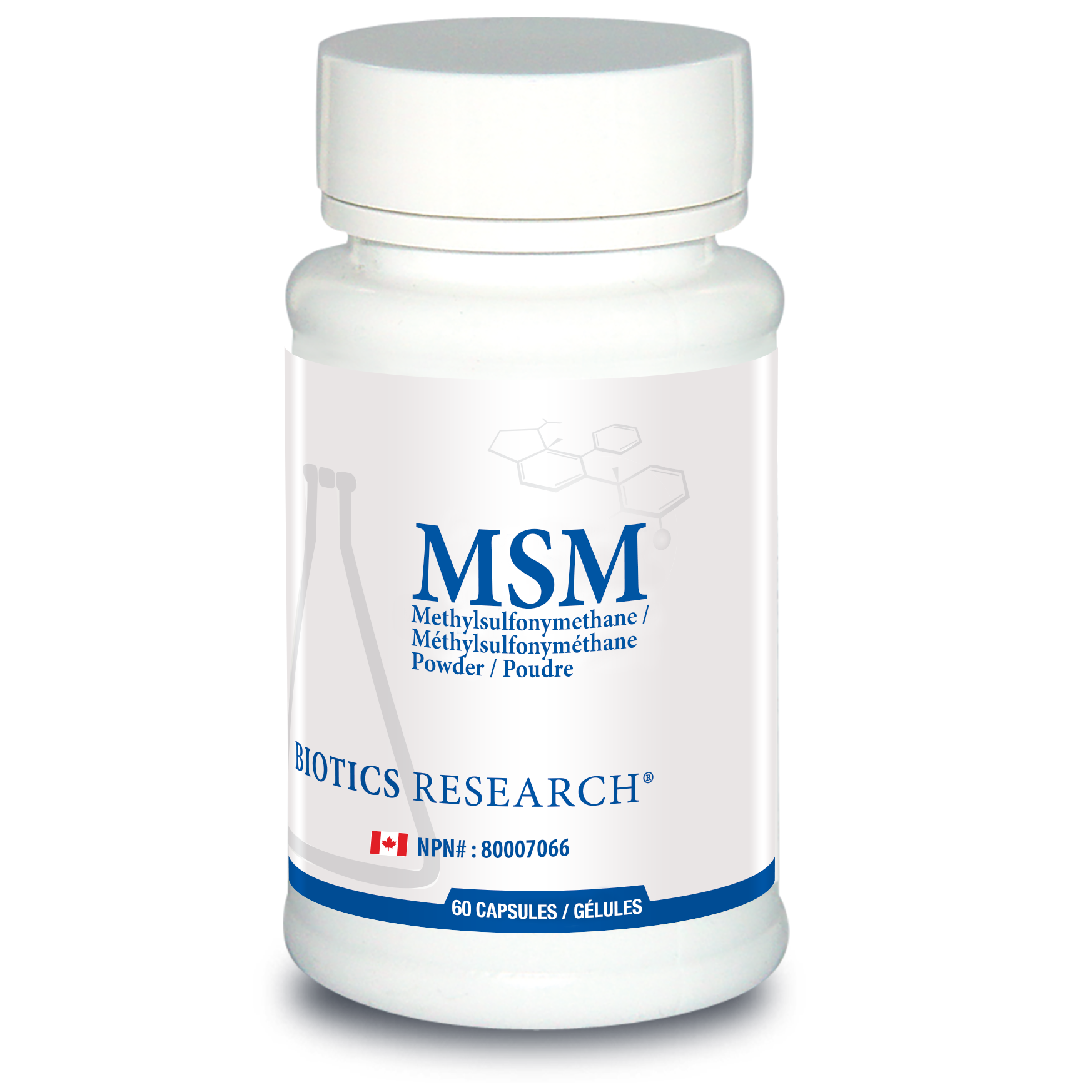
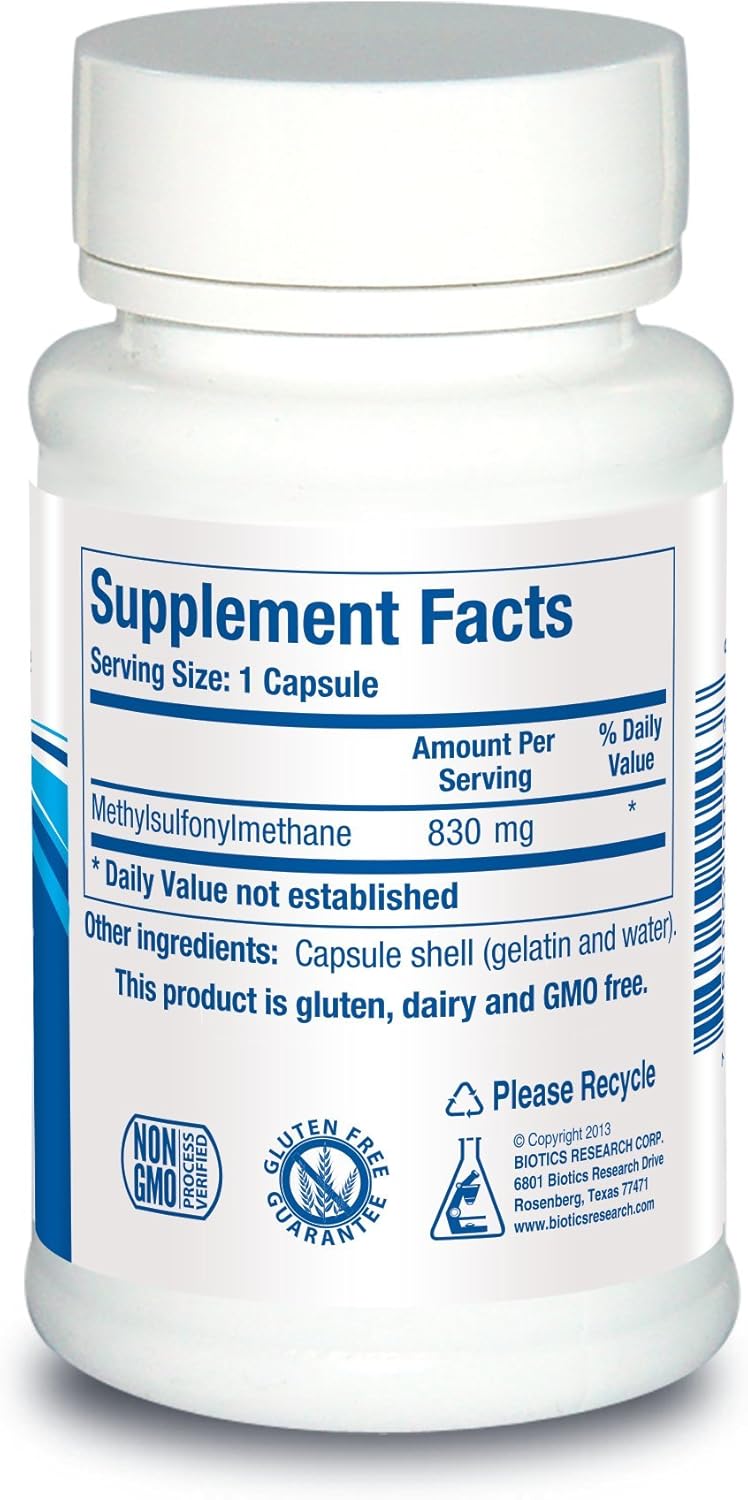
MSM
Methylsulfonylmethane (MSM) is a sulfur-containing compound commonly included in joint and mobility formulas.
Research has investigated MSM for:
• Joint comfort
• Exercise-related muscle soreness
• Physical function
• Oxidative and inflammatory pathways
Some clinical findings are encouraging, but MSM should not be described as rebuilding cartilage or treating inflammatory joint disease.
Collagen & Joint Health
Collagen is a major structural protein found in:
• Cartilage
• Tendons
• Ligaments
• Bone
• Skin
Joint-oriented supplements may contain:
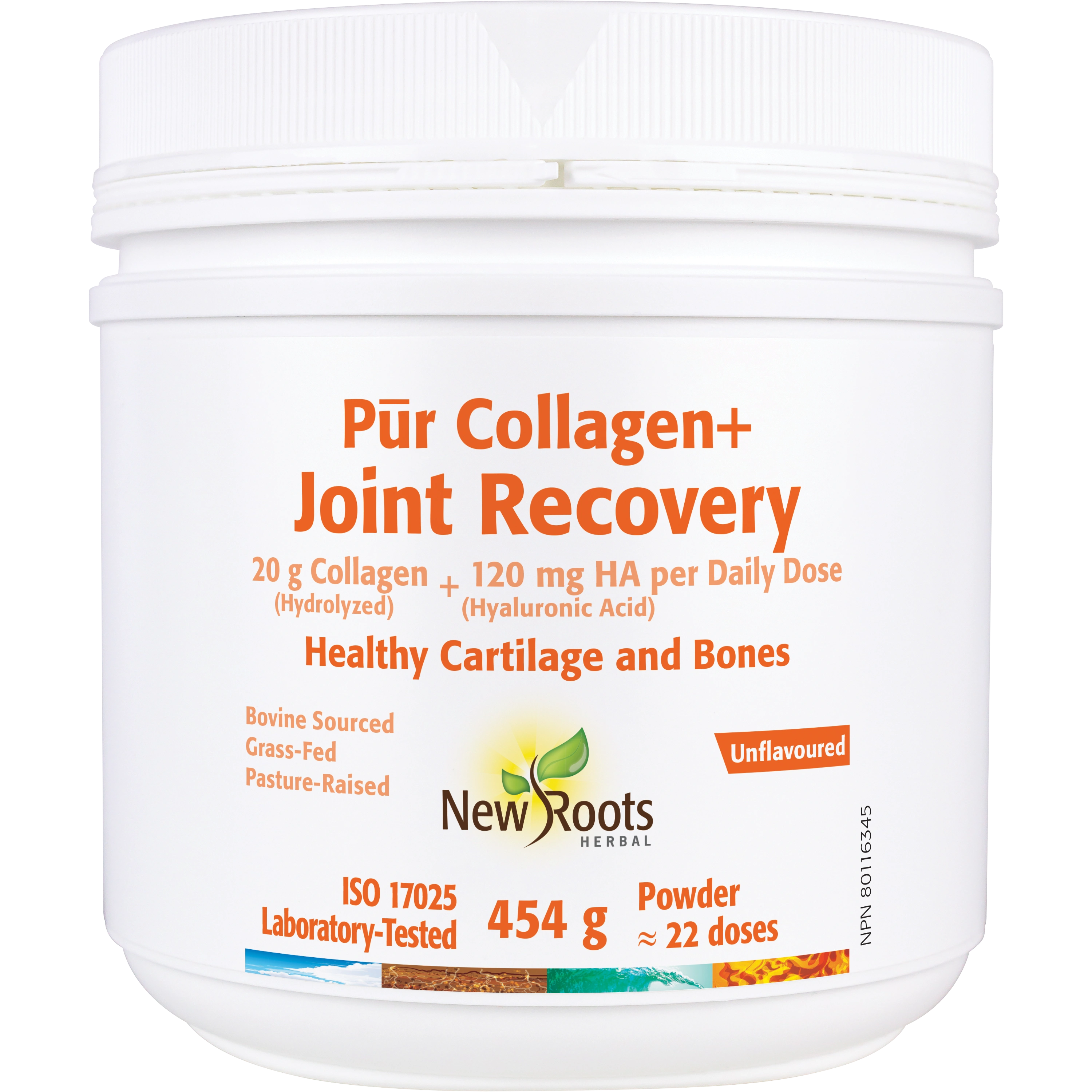
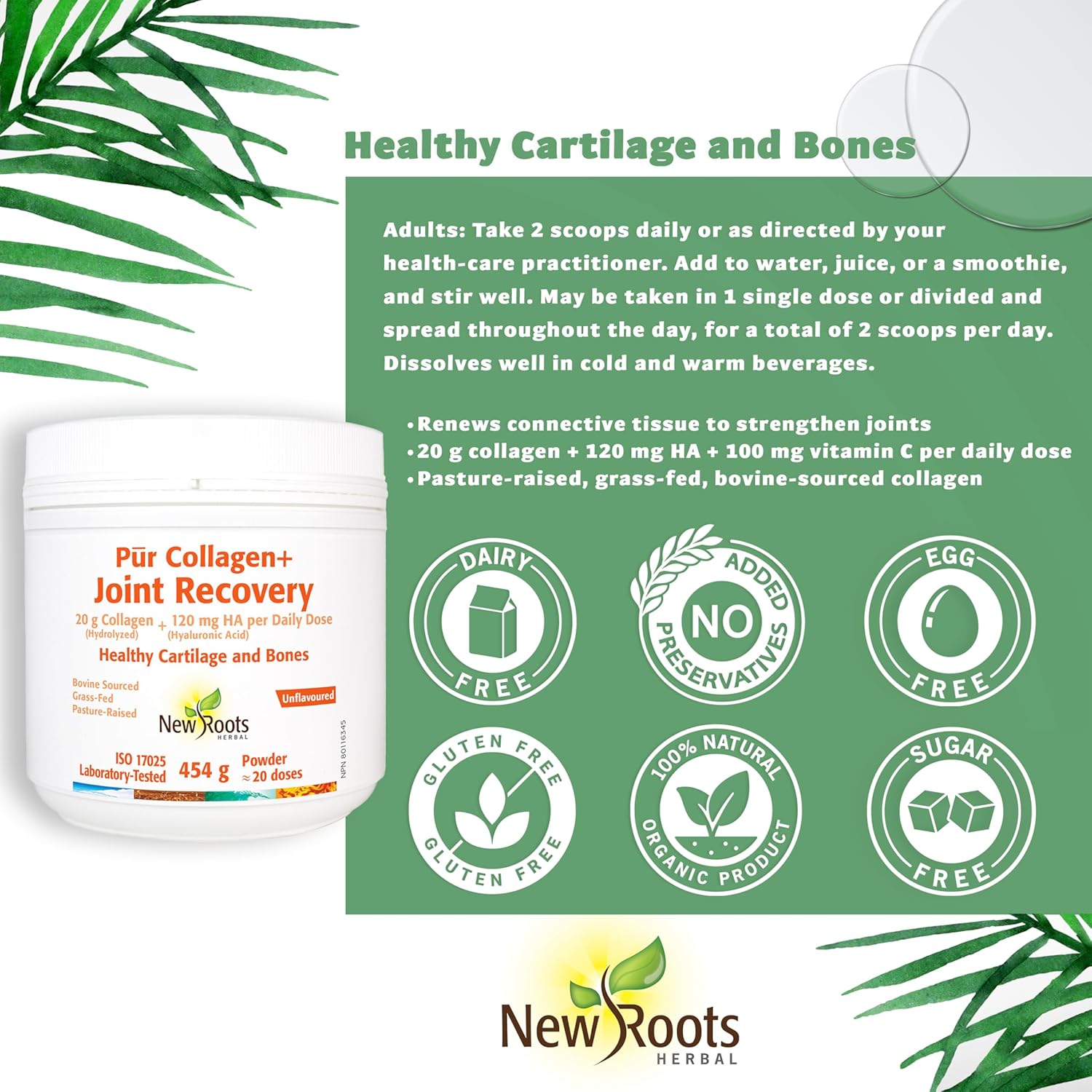
• Hydrolyzed collagen peptides
• Specific collagen peptide preparations
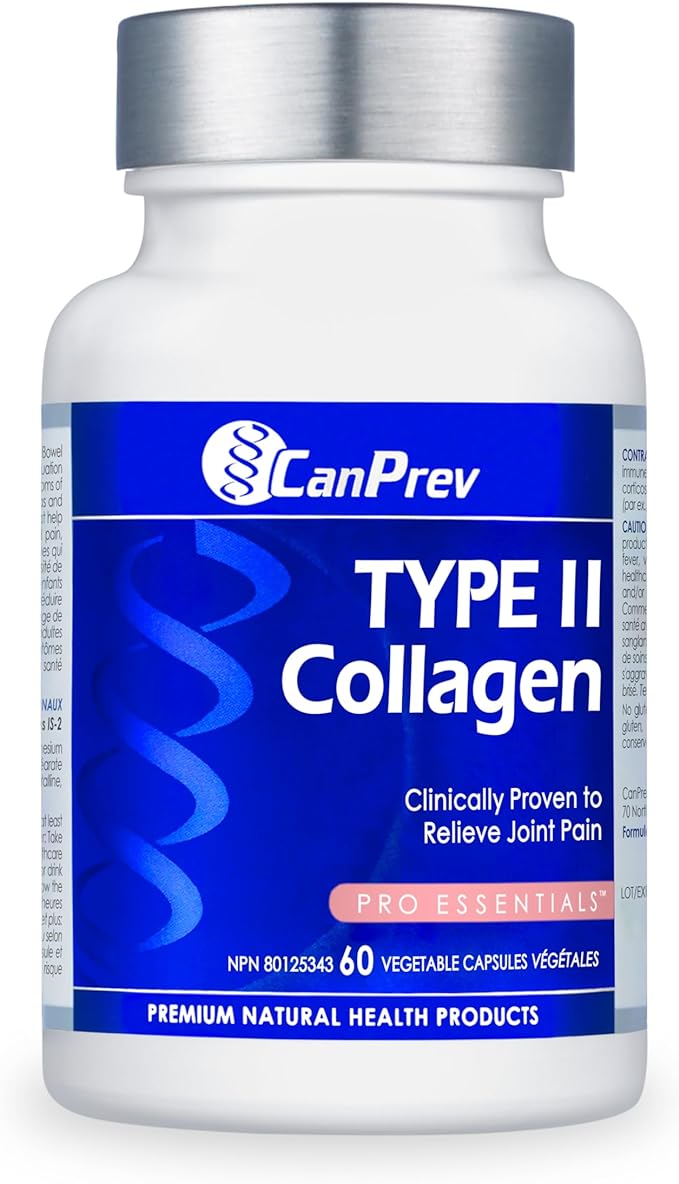
• Undenatured type II collagen
These are not interchangeable.
Different collagen preparations have been studied for different outcomes and may work through different proposed mechanisms.
Collagen Peptides
Hydrolyzed collagen provides collagen-derived peptides and amino acids.
Research has investigated specific collagen peptide preparations in relation to joint comfort, connective tissue, and exercise.
Collagen supplementation may complement adequate protein intake but should not be described as directly travelling to and rebuilding a damaged joint.
Undenatured Type II Collagen
Undenatured type II collagen differs from ordinary collagen peptides in both structure and proposed mechanism.
It is generally used in much smaller quantities and has been studied particularly for joint-related outcomes.
Consumers should therefore not compare collagen products based solely on the number of grams or milligrams on the label.
Vitamin C & Collagen Formation
Vitamin C is required for normal collagen synthesis.
It acts as a cofactor for enzymes involved in collagen maturation.
Adequate vitamin C therefore contributes to normal connective-tissue physiology.
However, taking increasingly high amounts of vitamin C does not necessarily cause the body to manufacture additional cartilage.
Hyaluronic Acid
Hyaluronic acid is naturally present in:
• Synovial fluid
• Cartilage
• Skin
• Other connective tissues
It contributes to tissue hydration and the physical properties of synovial fluid.
Oral hyaluronic acid has been investigated for joint and skin applications, but claims that supplements directly “lubricate the joints” oversimplify how orally consumed hyaluronic acid is processed.
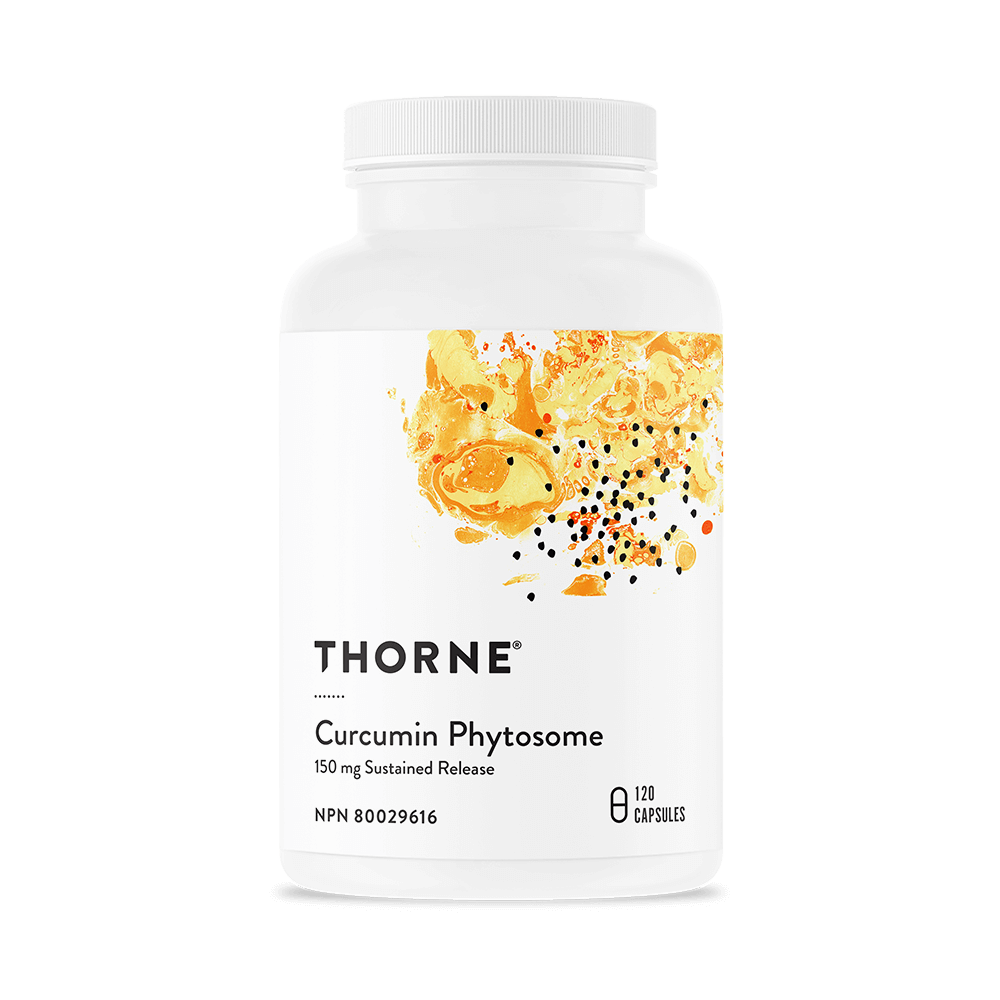
Curcumin
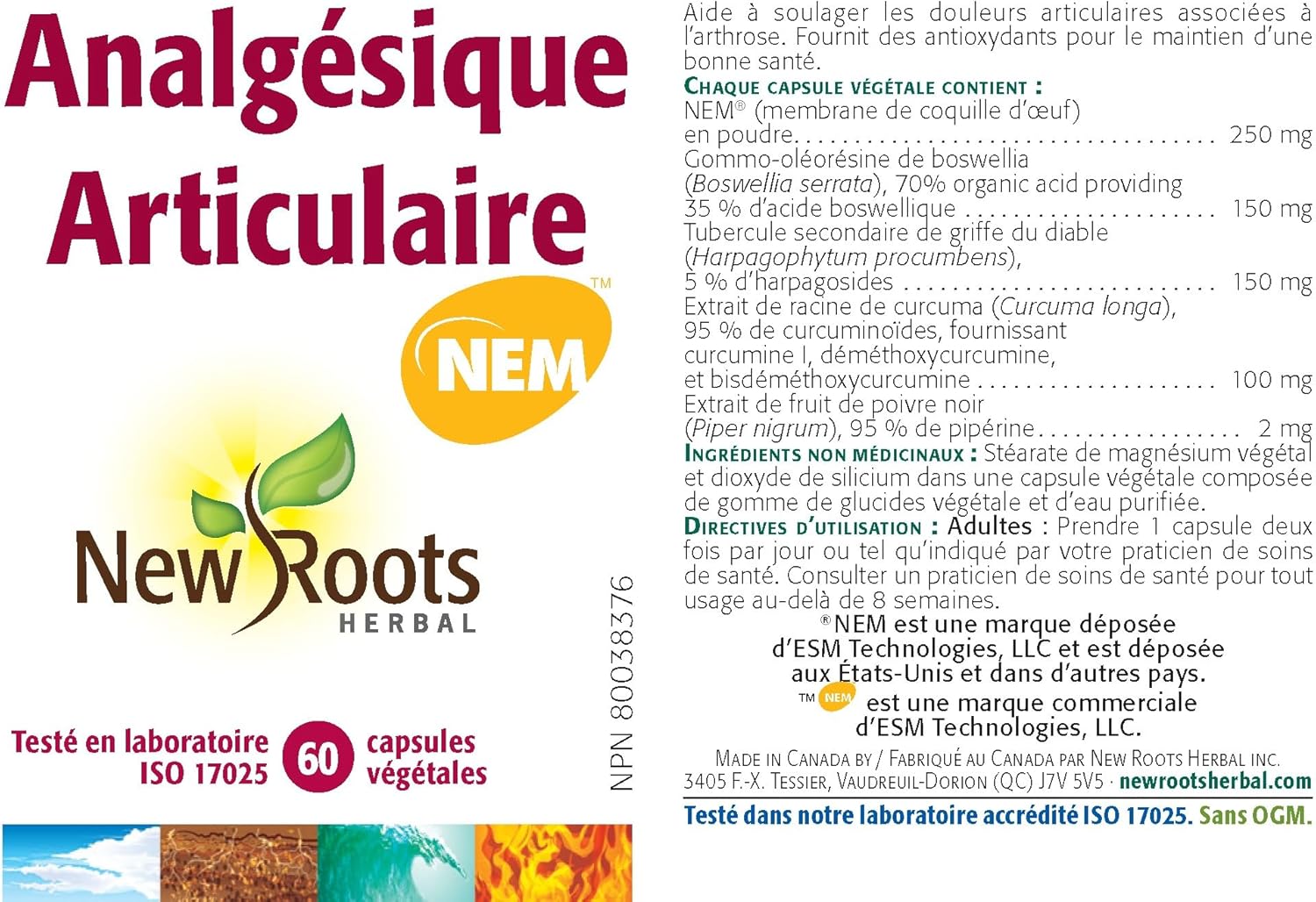
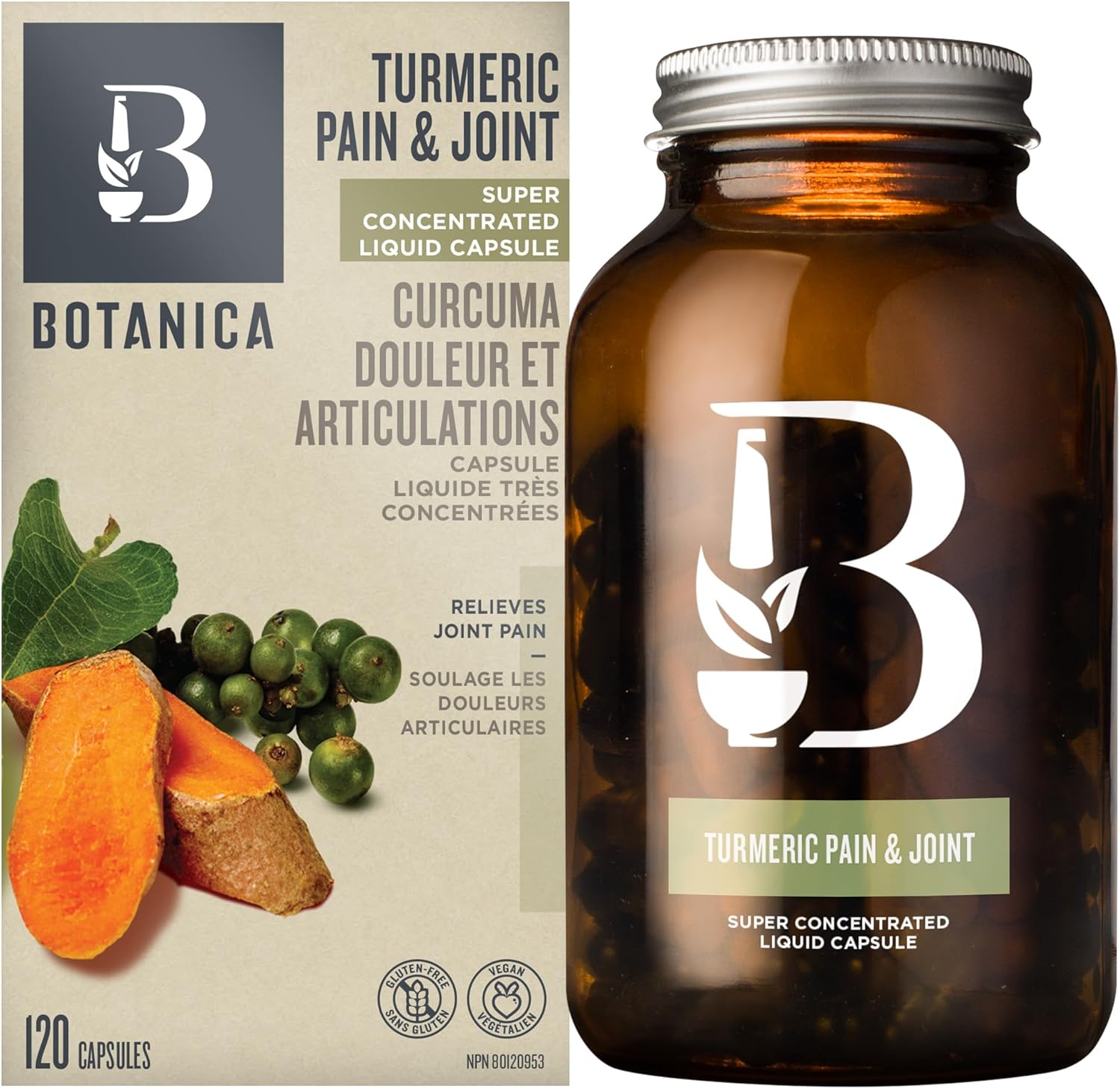
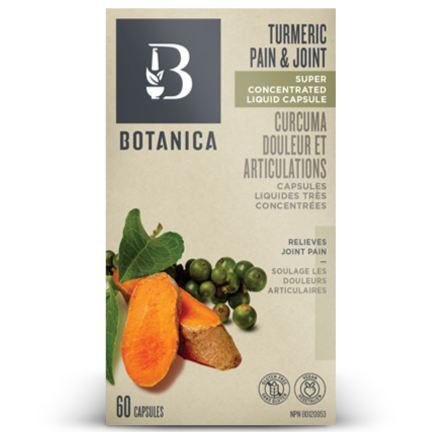
Curcumin is one of the major curcuminoids found in turmeric.
It has been extensively studied for its influence on inflammatory and oxidative signalling pathways.
Clinical research has also investigated certain curcumin preparations for joint comfort and function.
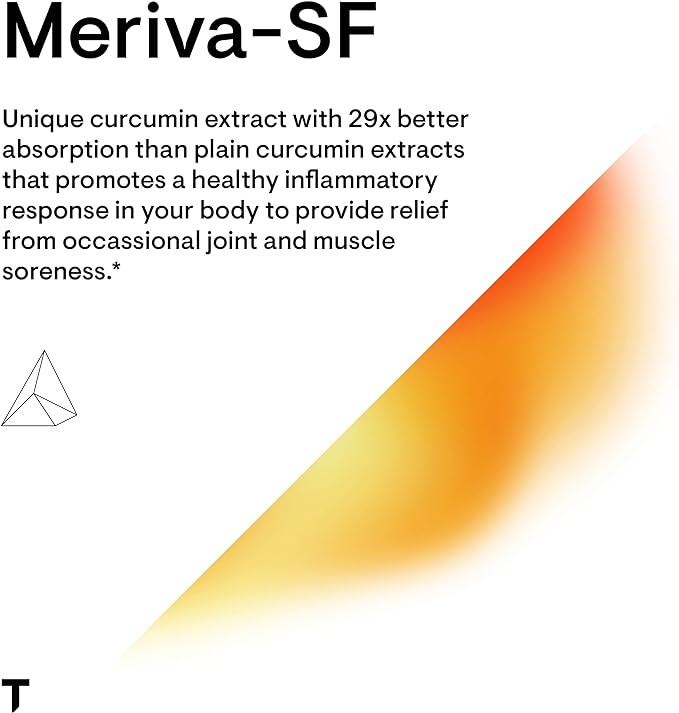
Bioavailability differs substantially between formulations, and evidence for one enhanced-absorption product cannot automatically be applied to every turmeric supplement.
Curcumin should not replace treatment for inflammatory arthritis or other diagnosed joint disease.
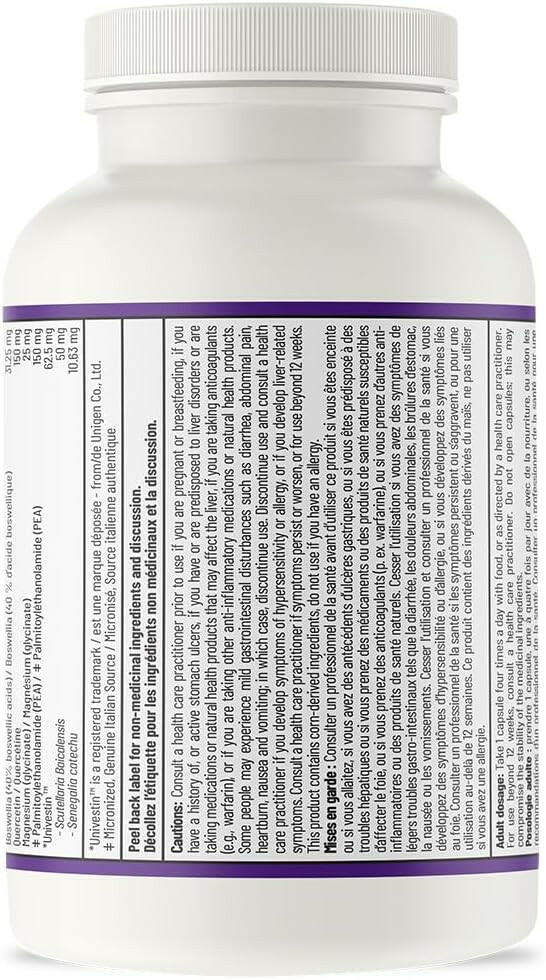
Boswellia
Boswellia extracts are derived from resin of Boswellia species and contain compounds including boswellic acids.
Certain standardized extracts have been studied for:
• Joint comfort
• Physical function
• Inflammatory pathways
Research is promising for selected formulations, but extract composition and dose matter.
The presence of “Boswellia” on a label does not make all products clinically equivalent.
Botanical Inflammatory-Response Support
Other botanical ingredients sometimes found in mobility formulas may include:
• Ginger
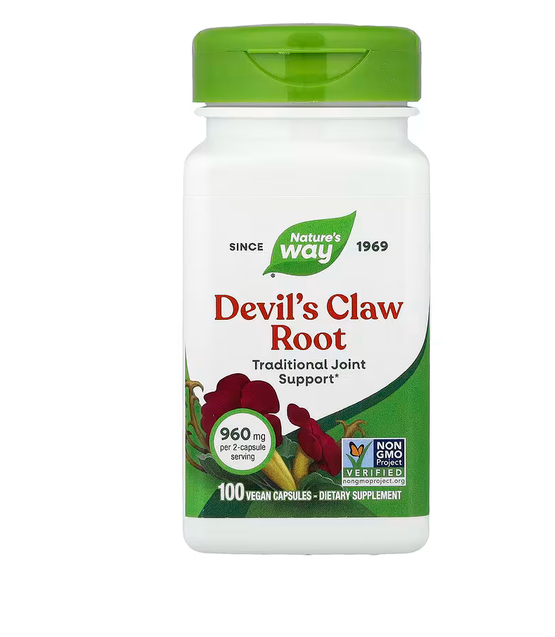
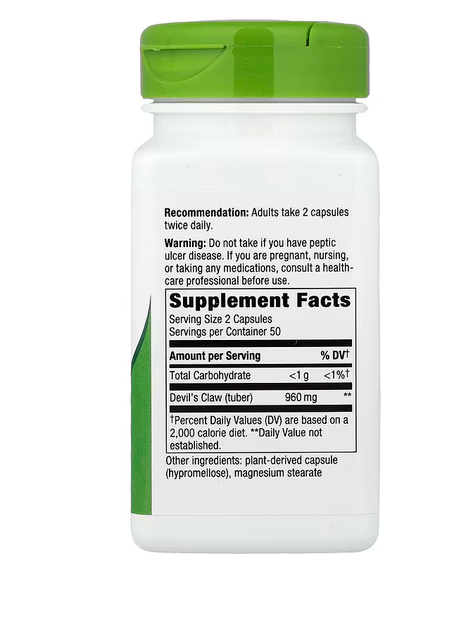
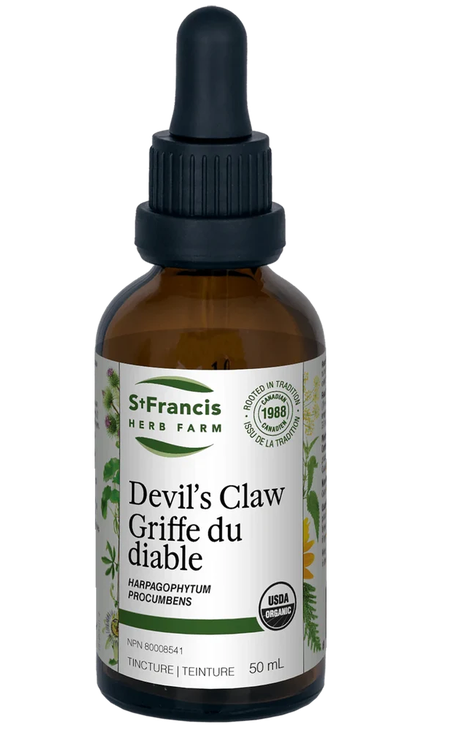
• Devil’s claw
• Tart cherry
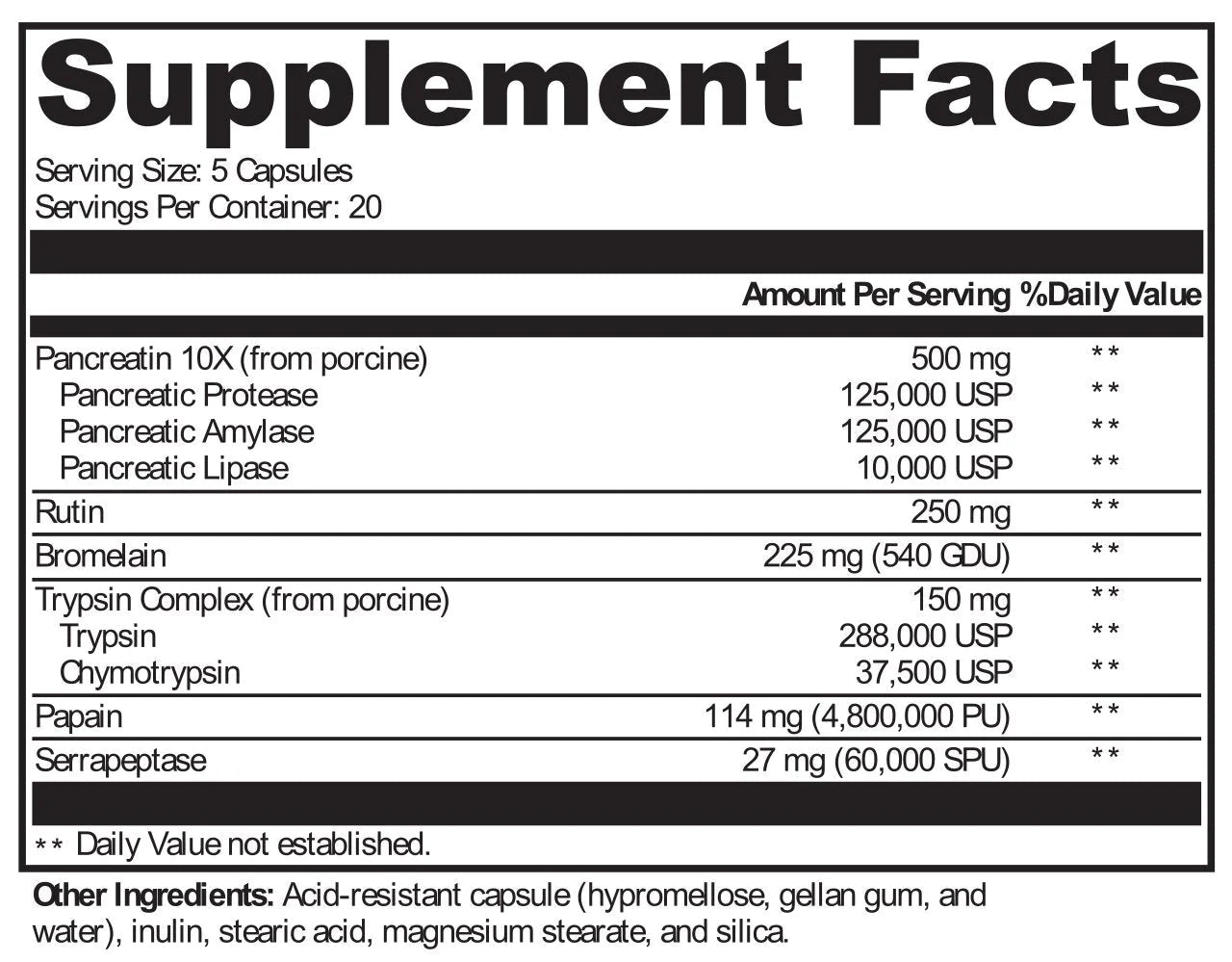
• Bromelain-containing formulas
• Other plant extracts
Evidence and safety differ among ingredients.
“Natural anti-inflammatory” should not be interpreted as meaning equivalent to an anti-inflammatory medication or appropriate for every inflammatory condition.
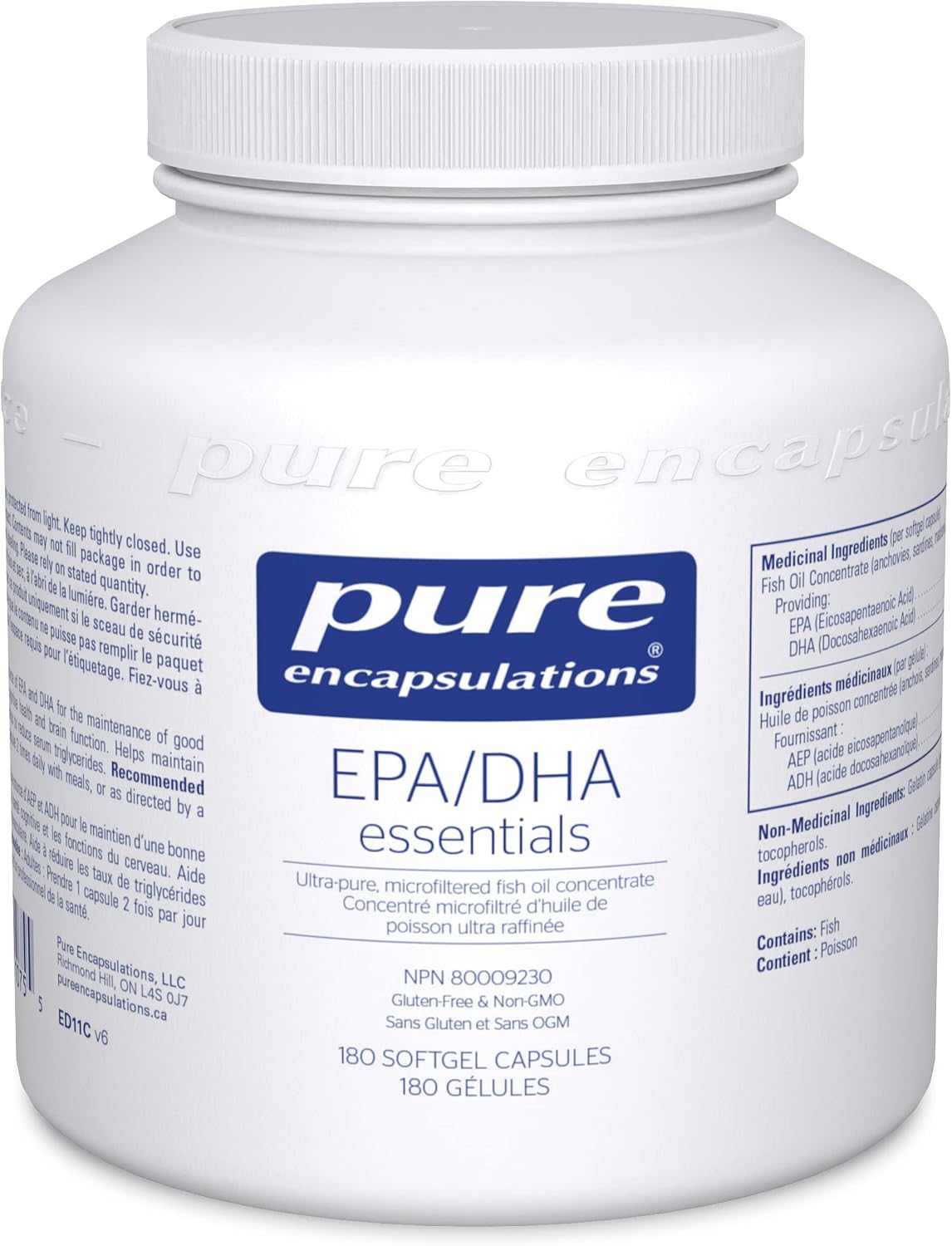
Omega-3 Fatty Acids
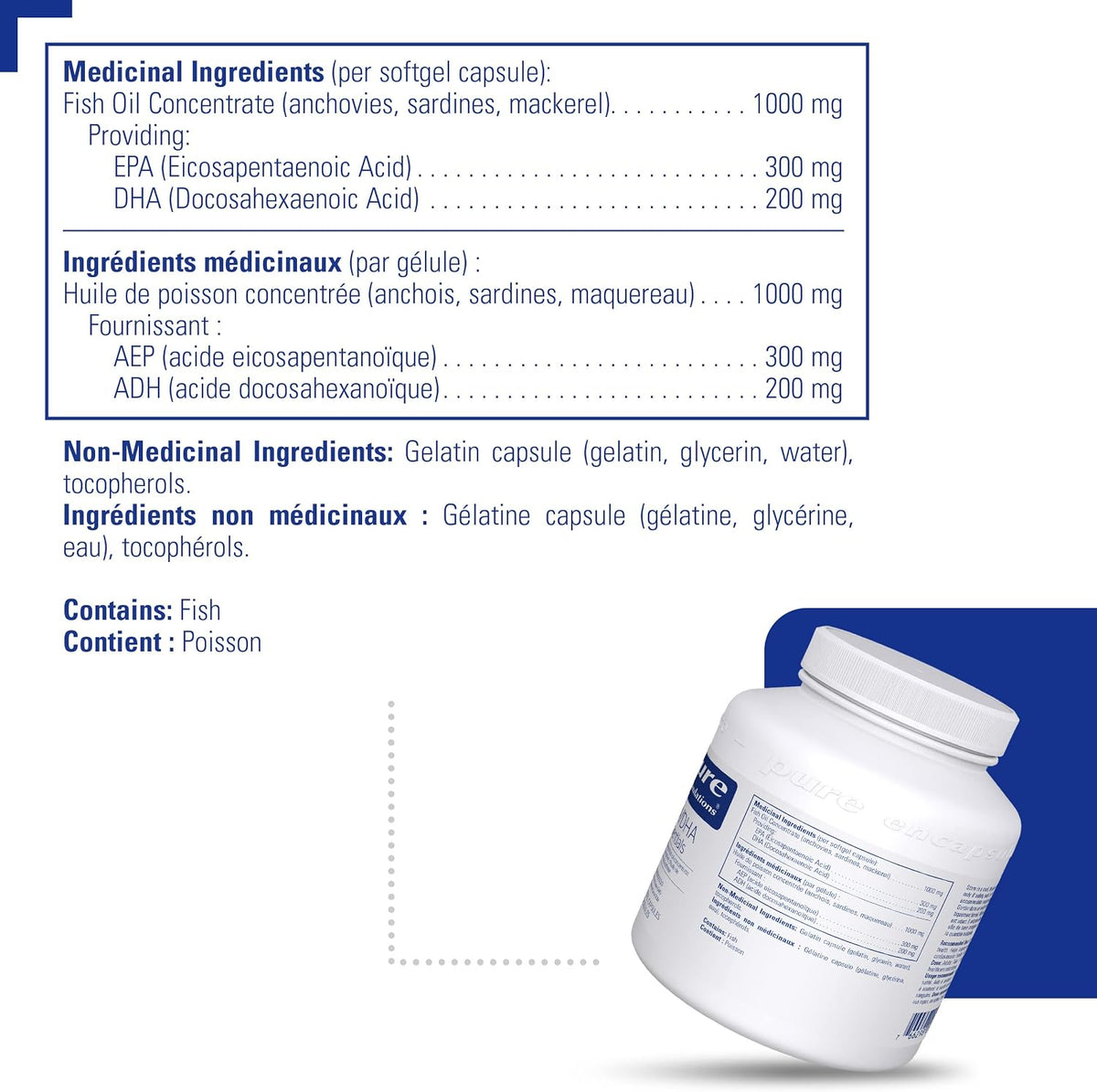
EPA and DHA influence lipid mediators and physiological pathways related to inflammatory regulation.
Omega-3 supplements may contribute to cardiovascular and general nutritional health and have also been investigated in musculoskeletal and inflammatory contexts.
They are not direct cartilage-building supplements.
Higher doses may also require consideration in people taking medications that affect clotting.
Joint Lubrication
Synovial joints contain synovial fluid, which helps reduce friction and support smooth movement.
Movement itself plays an important role in joint physiology.
Ingredients such as hyaluronic acid are associated with synovial structures, but oral supplements should not be presented as simply coating or lubricating a joint after ingestion.
Regular appropriate movement, muscle strength, and healthy joint mechanics remain important.
Tendons & Ligaments
Tendons connect muscle to bone, while ligaments connect bones and help stabilize joints.
Both contain collagen-rich connective tissue.
Adequate:
• Protein
• Vitamin C
• Overall nutrition
• Progressive mechanical loading
• Recovery
are important to connective-tissue health.
Supplements may provide nutritional support, but they do not replace appropriate rehabilitation for tendon or ligament injuries.
Flexibility & Range of Motion
Supplements alone rarely determine flexibility.
Range of motion is strongly influenced by:
• Regular movement
• Stretching when appropriate
• Joint structure
• Muscle strength
• Tissue tolerance
• Pain
• Previous injury
• Neuromuscular control
Mobility work and appropriately designed exercise are therefore central to improving or maintaining functional movement.
Muscle Function & Mobility
Strong muscles help stabilize joints and support everyday movement.
Resistance training can be particularly important for:
• Maintaining strength
• Preserving physical function
• Supporting bone health
• Improving balance
• Healthy aging
• Maintaining independence
Protein, magnesium, and other nutrients can support normal muscle physiology, but supplements cannot replace progressive exercise.
Magnesium & Muscle Function
Magnesium contributes to:
• Normal muscle function
• Nervous-system function
• Electrolyte balance
• Energy metabolism
Magnesium supplementation can help meet nutritional needs when intake is inadequate.
However, muscle tightness, cramps, or mobility limitations do not automatically indicate magnesium deficiency.
Mobility & Healthy Aging
Age-related changes can affect:
• Muscle mass
• Strength
• Bone density
• Cartilage
• Tendon properties
• Balance
• Neuromuscular coordination
Maintaining mobility with age involves much more than taking a joint supplement.
Important strategies include:
• Resistance training
• Regular walking and aerobic activity
• Balance exercises
• Adequate protein
• Healthy body composition
• Bone-supportive nutrition
• Appropriate rehabilitation after injury
Mobility for Athletes & Active Adults
Training places repeated mechanical demands on muscles, tendons, ligaments, and joints.
Appropriate recovery includes:
• Progressive training loads
• Sufficient calories
• Adequate protein
• Carbohydrate replenishment when needed
• Hydration
• Sleep
• Rest and recovery
• Rehabilitation when injured
Joint supplements may complement these foundations but should not be used to mask pain so that an athlete can continue training through an injury.
Post-Exercise Soreness vs Injury
Temporary muscle soreness after unfamiliar or demanding exercise can be normal.
Warning signs of possible injury can include:
• Sharp or severe pain
• Significant swelling
• Joint instability
• Sudden loss of strength
• Inability to bear weight
• Significant bruising
• Reduced range of motion following trauma
• Persistent pain that does not improve
Supplements should not substitute for appropriate assessment when injury is suspected.
Topical Joint & Muscle Products
Topical products may contain ingredients such as:
• Menthol
• Camphor
• Capsaicin
• Arnica
• Essential oils
• Other botanical ingredients
Depending on the product, they may provide cooling, warming, or other temporary sensory effects.
Some topical medicinal products also have specific authorized indications.
Follow the individual label carefully and avoid assuming all balms and creams work through the same mechanism.
Menthol
Menthol activates temperature-sensitive receptors in the skin, producing a cooling sensation.
This may provide temporary symptomatic comfort.
The cooling sensation does not mean underlying tissues have been physically cooled or healed.
Avoid contact with eyes and damaged skin, and follow product-specific directions.
Capsaicin
Capsaicin is derived from chili peppers and is used in certain topical products for localized pain relief.
Regular application may affect pain signalling in peripheral nerves.
Capsaicin products should be used exactly as directed because they can cause significant burning sensations, particularly when first used.
Wash hands appropriately after application and avoid eyes and sensitive areas.
Arnica
Arnica is commonly found in topical gels, creams, and other complementary products.
It has a history of use for bruising and musculoskeletal discomfort.
Evidence varies according to preparation and application.
Arnica should generally not be applied to broken skin unless the specific product is formulated and labelled for that use.
How Long Do Joint Supplements Take to Work?
There is no universal 4–6 week timeframe.
Some supplements are not intended to produce immediate effects, and response can vary according to:
• Ingredient
• Formulation
• Dose
• Joint condition
• Symptom severity
• Individual biology
• Concurrent exercise or treatment
Some clinical studies evaluate joint supplements over several weeks or months.
If a product is being used as a trial, reassess whether there is a meaningful benefit rather than assuming indefinite use is necessary.
How to Build a Mobility Support Routine
Start With the Main Concern
Determine whether the priority is joint comfort, cartilage support, connective-tissue nutrition, muscle recovery, or general mobility.
Choose a Targeted Formula
Select ingredients with evidence relevant to the intended goal rather than automatically combining multiple joint supplements.
Support Movement
Include appropriate strength, mobility, and flexibility work whenever possible.
Review Topical Options
Topical products can provide localized support without necessarily adding another oral supplement.
Reassess Your Response
If a supplement does not provide meaningful benefit after an appropriate trial, reconsider whether continued use makes sense.
Seek Assessment When Needed
Persistent pain or progressive loss of mobility deserves evaluation.
Avoid Unnecessary Supplement Stacking
Many comprehensive joint formulas already contain several ingredients.
Combining multiple products can unintentionally duplicate:
• Glucosamine
• Chondroitin
• MSM
• Curcumin
• Boswellia
• Magnesium
• Vitamin D
• Other botanicals or nutrients
More ingredients do not necessarily produce greater joint benefits.
Medication & Safety Considerations
Professional guidance may be particularly appropriate for people who:
• Take anticoagulant or antiplatelet medications
• Take diabetes medications
• Have gallbladder or biliary conditions
• Have significant shellfish allergies and are considering certain glucosamine products
• Have kidney or liver disease
• Are pregnant or breastfeeding
• Are preparing for surgery
• Take multiple botanical supplements
• Have diagnosed inflammatory or autoimmune joint disease
Product-specific cautions should always be reviewed.
When Joint Symptoms Need Assessment
Seek appropriate healthcare evaluation for:
• A hot, red, significantly swollen joint
• Sudden severe joint pain
• Joint pain accompanied by fever
• Inability to bear weight
• Significant trauma
• Joint instability
• Persistent unexplained swelling
• Progressive loss of mobility
• New weakness or numbness
• Prolonged morning stiffness
• Pain that repeatedly disrupts sleep or normal activities
These symptoms may require diagnosis and treatment beyond nutritional support.
FAQs
What supplements are commonly used for joint health?
Glucosamine, chondroitin, MSM, collagen, curcumin, boswellia, and hyaluronic acid are among the most common. Evidence differs by ingredient and formulation.
Do glucosamine and chondroitin rebuild cartilage?
They have been studied for joint symptoms and function, particularly in osteoarthritis, but current evidence does not justify promising that oral supplementation rebuilds damaged cartilage.
Is collagen good for joints?
Certain collagen peptide and undenatured type II collagen preparations have been studied for joint-related outcomes. The evidence is formulation-specific, and collagen types are not interchangeable.
Can curcumin help joint discomfort?
Certain curcumin preparations have demonstrated promising effects on joint comfort in clinical research. Bioavailability and formulation matter considerably.
What is boswellia used for?
Boswellia extracts are commonly used to support joint comfort and healthy inflammatory-response pathways. Evidence is strongest for certain standardized preparations.
How quickly do mobility supplements work?
There is no universal timeframe. Some products are studied over several weeks or months, and individual responses vary.
Can supplements improve flexibility?
Supplements may support joint or connective-tissue health, but flexibility is influenced much more directly by movement, stretching, strength, joint structure, and neuromuscular function.
Should I take several joint supplements together?
Not necessarily. Combination formulas may already contain several active ingredients, and adding more products can create unnecessary duplication.
Can I take joint supplements with prescription medications?
It depends on the ingredients and medication. Curcumin, boswellia, glucosamine, chondroitin, and other ingredients may require additional consideration with certain medications.
Can I exercise if my joints hurt?
Appropriate movement is often valuable for joint health, but exercise should be adapted to the cause and severity of symptoms. Acute injury, significant swelling, instability, or severe pain should be assessed before continuing strenuous activity.
Why Shop Mobility & Flexibility at Coal Harbour Pharmacy?
• Pharmacist-curated joint, cartilage, and connective-tissue supplements
• Glucosamine, chondroitin, MSM, collagen, curcumin, boswellia, and hyaluronic acid options
• Oral and topical mobility-support products
• Options for active adults, athletes, and healthy aging
• Established Canadian and professional supplement brands
• Fast Canada-wide shipping
Related Collections
• Joint & Connective Tissue Support
• Pain & Inflammation Support
• Collagen
• Healthy Aging & Longevity
────────────────────────────────────
Shop Mobility & Flexibility →
Sort by
46 products












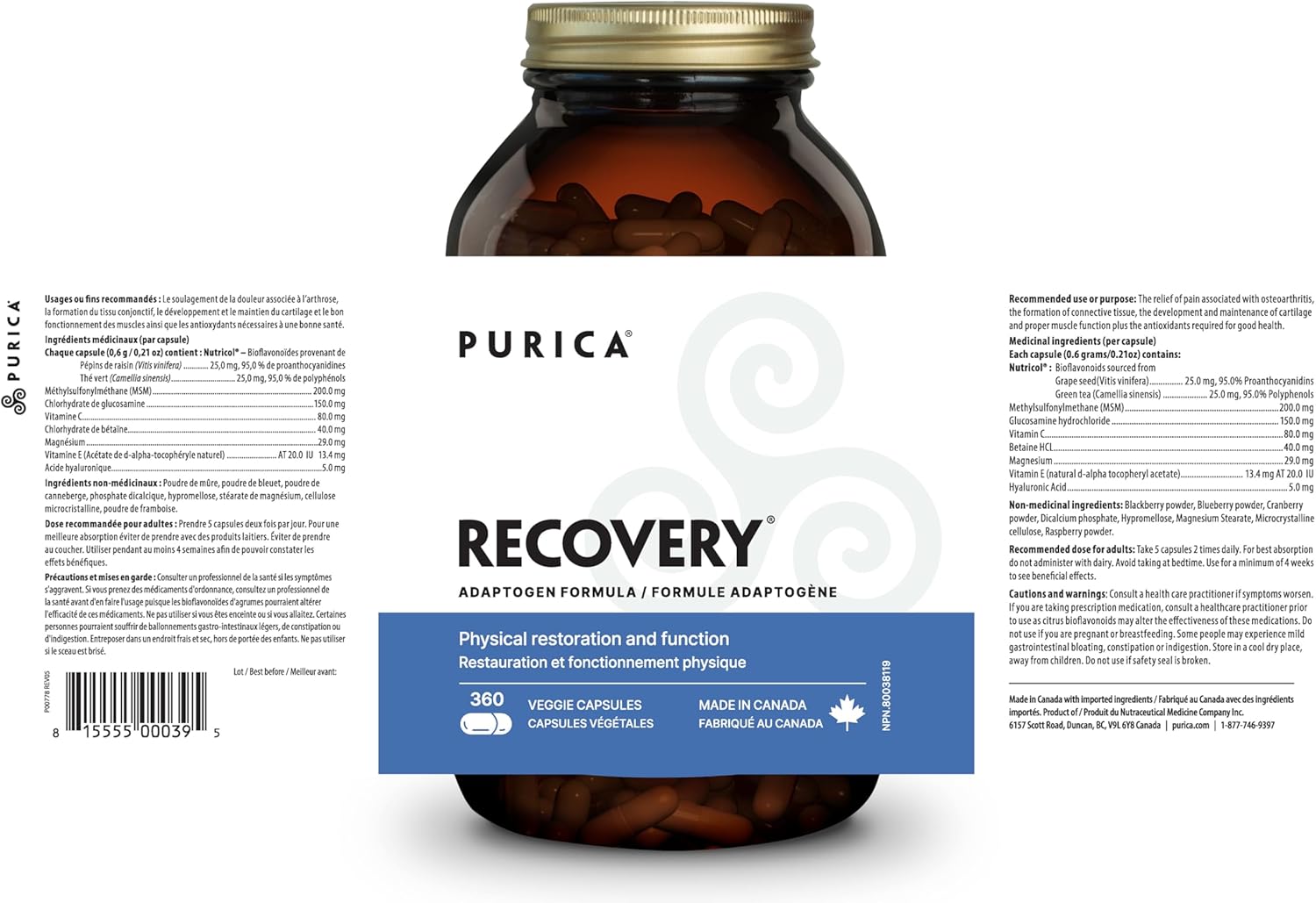
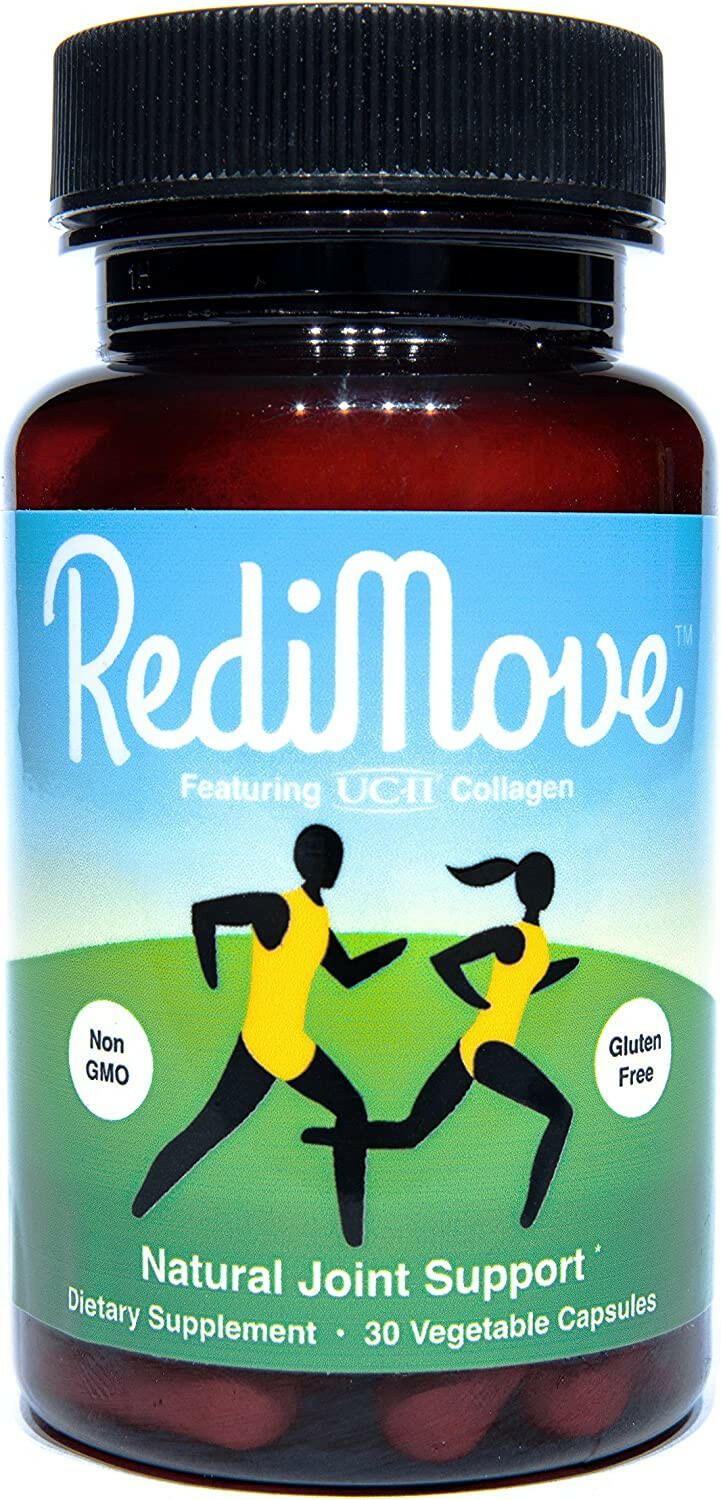
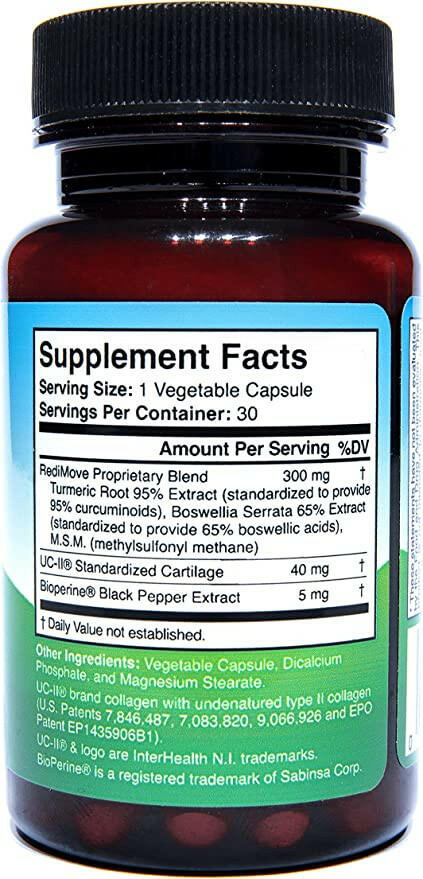
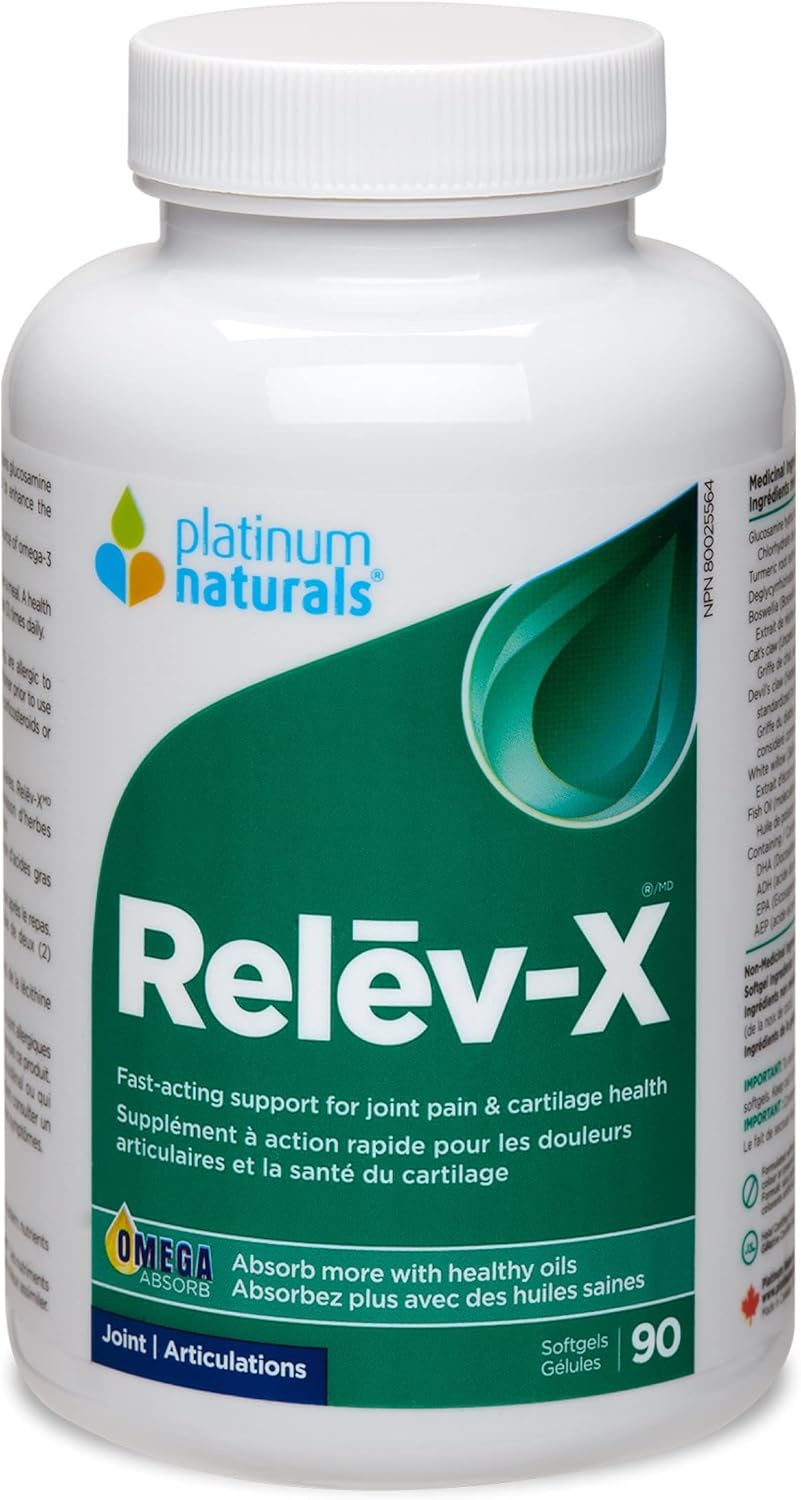





Free Delivery
Satisfied or refunded
Top-notch support
Secure payments
Encrypted checkout processing
Offers exclude prescriptions and in-store purchases.
Subscribe & Get a First-Order Reward
Plus, earning reward points on eligible online purchases and enjoy future store credit.
We respect your inbox at Coal Harbour Pharmacy - Expect thoughtfully curated health and wellness updates, timely reminders, and exclusive online savings.