
Licorice Root – Digestive, Stress & Respiratory Support
Discover licorice root supplements and DGL formulas for digestive comfort, traditional respiratory support, and herbal wellness—from capsules and chewables to teas, powders, and liquid extracts.
────────────────────────────────────
About Licorice Root
Licorice root comes primarily from Glycyrrhiza glabra, a plant with a long history of use in Western herbalism, Traditional Chinese Medicine, and other traditional health systems.
Its root contains numerous naturally occurring compounds, the best known being glycyrrhizin (glycyrrhizic acid). Licorice is used in herbal formulas for digestive comfort, respiratory and throat support, and other traditional applications.
The Licorice Root collection at Coal Harbour Pharmacy includes traditional licorice as well as deglycyrrhizinated licorice (DGL), which has most of its glycyrrhizin removed and is commonly selected when the primary goal is digestive support.
Understanding the difference between regular licorice and DGL is especially important because they have different uses and safety considerations.
Key Benefits
• Supports digestive comfort and gastrointestinal wellness
• DGL may help support and soothe the upper digestive tract
• Traditionally used to soothe throat and respiratory irritation
• Provides botanical support within selected stress and wellness formulas
• Available in glycyrrhizin-containing and DGL forms
• Offers capsules, chewables, teas, powders, and liquid extracts
• Has a long history of traditional herbal use
Who It’s Ideal For
Licorice root products may appeal to:
• Adults seeking botanical digestive support
• People interested in DGL for upper gastrointestinal comfort
• Individuals looking for soothing herbal throat support
• Customers building a traditional herbal wellness routine
• People who prefer herbal teas or liquid extracts
• Customers specifically seeking glycyrrhizin-free or reduced-glycyrrhizin DGL products
Regular licorice containing glycyrrhizin requires substantially more caution than DGL and is not appropriate for everyone.
What Is Licorice Root?
Licorice is a perennial plant whose roots have been used medicinally for centuries.
One of its most important constituents is glycyrrhizin, which contributes to licorice’s characteristic sweetness and many of its physiological effects.
Licorice also contains flavonoids and numerous other plant compounds.
While laboratory and traditional-use evidence has generated interest in licorice for many applications, this should not be translated into claims that ordinary licorice supplements can independently treat conditions such as ulcers, GERD, adrenal disorders, hormonal disorders, infections, or inflammatory diseases.
Licorice Root for Digestive Support
Digestive wellness is one of the most common reasons people seek licorice supplements.
Licorice—and particularly DGL—is used in formulas intended to support the gastrointestinal lining and provide soothing digestive support.
It may be considered as part of a broader routine for occasional upper digestive discomfort.
However, symptoms such as persistent heartburn, recurring stomach pain, difficulty swallowing, gastrointestinal bleeding, unexplained weight loss, or persistent vomiting warrant medical assessment rather than prolonged self-treatment with supplements.
What Is DGL Licorice?
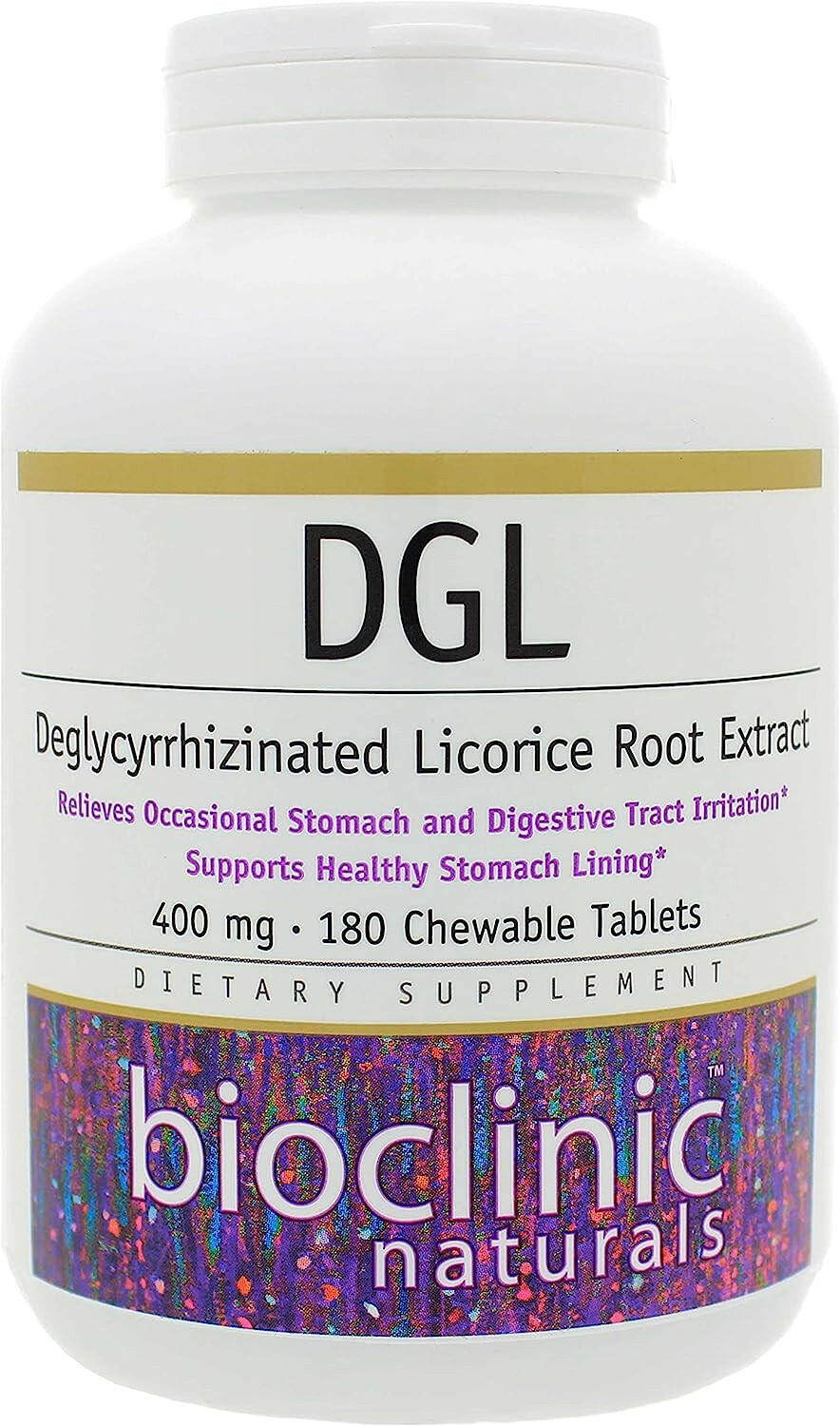
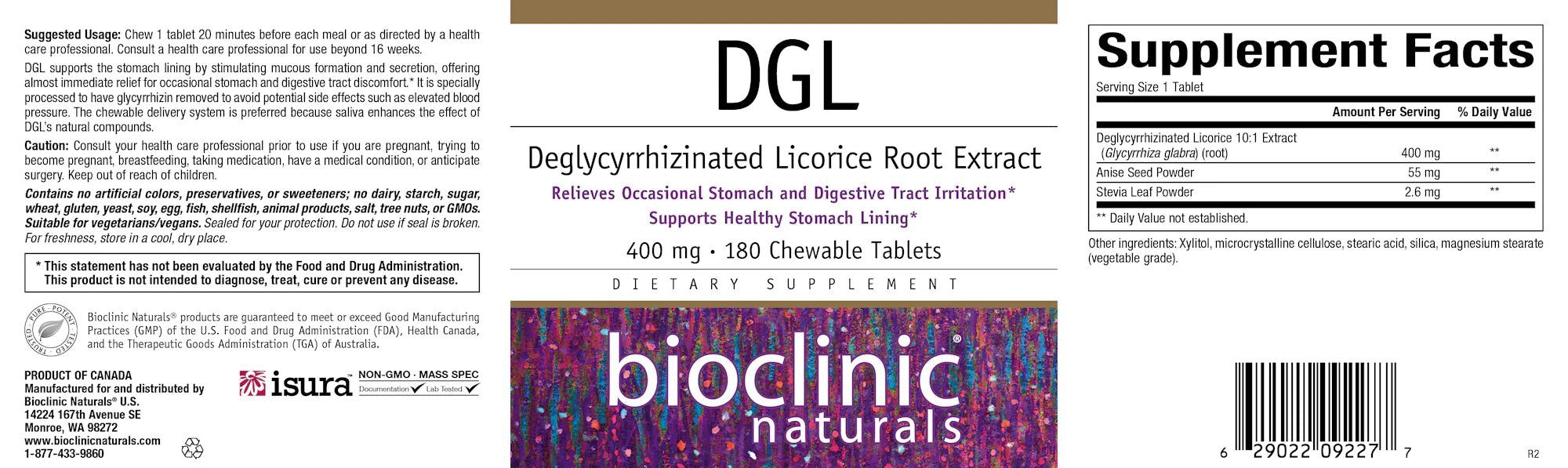
DGL stands for deglycyrrhizinated licorice.
It is processed to remove most of the glycyrrhizin naturally present in ordinary licorice root.
This distinction matters because glycyrrhizin can affect blood pressure, potassium balance, fluid retention, and hormone metabolism, particularly when consumed in substantial amounts or for prolonged periods.
DGL is therefore frequently chosen for digestive applications when the systemic effects of glycyrrhizin are undesirable.
However, describing DGL as completely risk-free or universally safe for unlimited long-term use would be too strong. Always follow the specific product directions.
Regular Licorice vs DGL
Regular Licorice Root
Contains naturally occurring glycyrrhizin and is commonly found in traditional herbal formulas, teas, tinctures, and capsules.
Because glycyrrhizin can have significant physiological effects, dose and duration deserve careful attention.
DGL Licorice
Has most glycyrrhizin removed and is primarily associated with digestive-support formulas.
DGL products are commonly available as chewable tablets or capsules.
Choose according to your intended use rather than assuming the two forms are interchangeable.
Licorice Root & Stress Support
Traditional licorice is sometimes included in supplements marketed for stress or “adrenal support.”
Glycyrrhizin can influence cortisol metabolism, which helps explain some of the interest in licorice within these formulas.
However, this should not be interpreted as evidence that licorice treats “adrenal fatigue,” balances cortisol in everyone, or restores impaired adrenal glands.
“Adrenal fatigue” is not an established medical diagnosis. Persistent fatigue can have many causes—including sleep disorders, anemia, thyroid disease, medication effects, nutritional deficiencies, depression, and other medical conditions—and deserves appropriate evaluation when ongoing.
Licorice Root & Hormonal Wellness
Licorice is sometimes incorporated into women’s health and hormone-oriented herbal formulations because some of its constituents have biological activity relevant to hormone metabolism.
Research in this area is still evolving, and licorice should not be presented as a general-purpose “hormone balancer.”
People with hormone-sensitive conditions or those using hormonal medications should discuss concentrated licorice supplementation with an appropriate healthcare professional.
Licorice for Throat & Respiratory Comfort
Licorice has a long history of traditional use in preparations intended to soothe irritated throats and support respiratory comfort.
This is why licorice frequently appears in:
• Herbal throat teas
• Lozenges
• Cough and respiratory herbal blends
• Liquid herbal extracts
These uses are best framed as traditional soothing support rather than treatment for respiratory infections or chronic lung disease.
Licorice Root Product Types
Capsules & Tablets
Convenient measured formats for traditional licorice or DGL supplementation.
DGL Chewables
A popular format specifically designed for digestive-support routines.
Liquid Extracts & Tinctures
Concentrated herbal preparations that allow flexible administration according to the product directions.
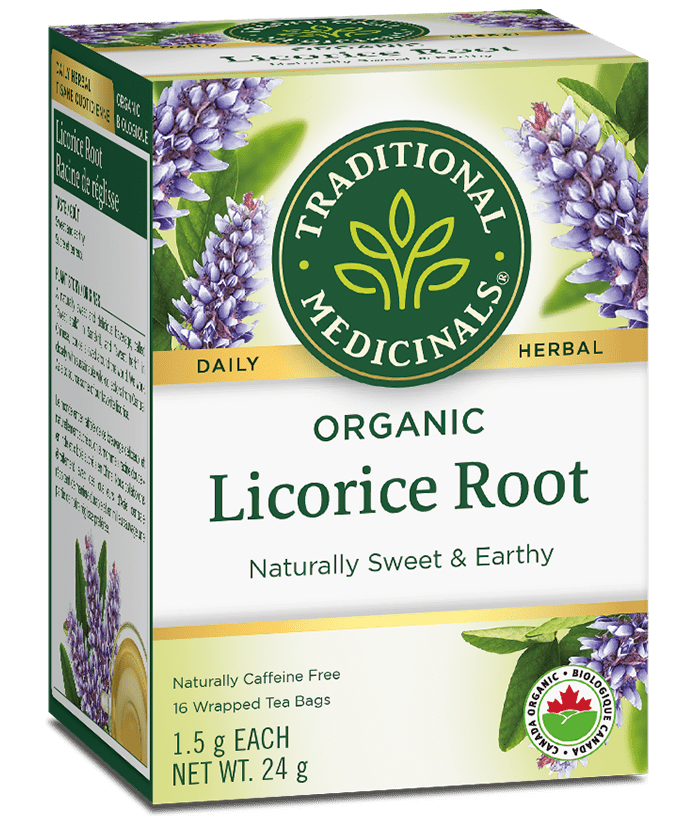
Licorice Root Tea
A traditional format commonly used for digestive, throat, and general herbal wellness.
Powdered Licorice Root
A versatile format that may be incorporated into herbal preparations according to appropriate directions.
Combination Formulas
Licorice or DGL may be combined with other botanicals and nutrients in digestive, respiratory, or stress-support products.
How to Choose a Licorice Root Product
For Digestive Support
Consider DGL, particularly when you want digestive support without substantial exposure to glycyrrhizin.
For Traditional Herbal Use
Regular licorice root may be included in teas, tinctures, or herbal combinations, but its glycyrrhizin content and duration of use should be considered.
For Throat Comfort
Look for teas, lozenges, or formulas specifically designed for soothing throat and respiratory support.
For Longer-Term Use
Do not assume regular glycyrrhizin-containing licorice is appropriate for continuous use. DGL may avoid many glycyrrhizin-related concerns, but product-specific directions still apply.
Licorice Root Safety
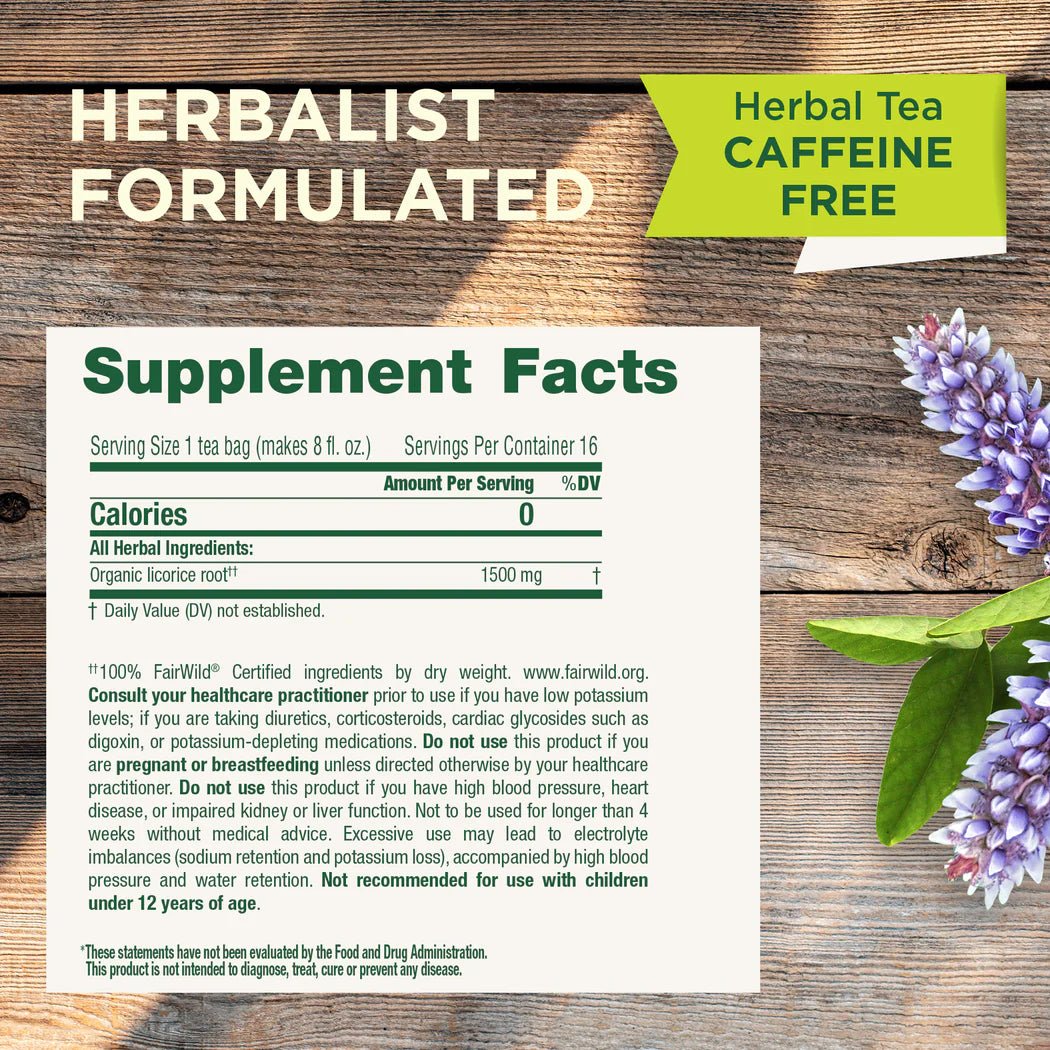
Safety is particularly important with regular licorice containing glycyrrhizin.
Excessive or prolonged intake can contribute to:
• Increased blood pressure
• Sodium and fluid retention
• Reduced potassium levels
• Swelling
• Muscle weakness
• Abnormal heart rhythms in severe cases
People with high blood pressure, heart disease, kidney disease, low potassium, or certain endocrine conditions should be especially cautious.
Licorice can also interact with medications, including some diuretics, corticosteroids, blood-pressure medications, digoxin, and other cardiovascular medicines.
Pregnant individuals should generally avoid medicinal amounts of glycyrrhizin-containing licorice unless specifically advised otherwise by an appropriate healthcare professional.
FAQs
What is licorice root commonly used for?
Licorice has traditionally been used for digestive, throat, and respiratory support. Modern supplements also frequently use DGL for gastrointestinal wellness.
What is DGL licorice?
DGL is deglycyrrhizinated licorice, meaning most of its glycyrrhizin has been removed. It is commonly used in digestive-support products.
Is DGL better for digestive support?
DGL is often preferred when the goal is gastrointestinal support because it minimizes exposure to glycyrrhizin, the component responsible for many of regular licorice’s blood-pressure and electrolyte effects.
Can licorice root help with heartburn or acid reflux?
DGL is used as complementary digestive support and has been studied in gastrointestinal formulations, but it should not replace appropriate evaluation or treatment for persistent GERD or recurrent heartburn.
Does licorice root balance cortisol?
Glycyrrhizin can influence cortisol metabolism, but describing licorice as universally “balancing cortisol” is misleading. Its effects can be clinically significant and are not necessarily beneficial for everyone.
Does licorice root treat adrenal fatigue?
No. “Adrenal fatigue” is not an established medical diagnosis. Persistent or unexplained fatigue should be evaluated for recognized medical and lifestyle causes.
Can licorice root raise blood pressure?
Yes. Glycyrrhizin-containing licorice can increase blood pressure and alter potassium and fluid balance, particularly with substantial or prolonged consumption.
Does DGL affect blood pressure?
Removing most glycyrrhizin substantially reduces the concern associated with regular licorice, but consumers should still check the individual formulation and follow its directions.
Can licorice root be taken every day?
That depends on the product, glycyrrhizin content, dose, health status, and duration. Regular glycyrrhizin-containing licorice should not be used indefinitely without appropriate professional guidance.
Why Shop Licorice Root at Coal Harbour Pharmacy?
• Pharmacist-curated licorice root and DGL supplements
• Digestive, herbal, and respiratory-support options
• Capsules, chewables, teas, powders, and liquid extracts
• Trusted herbal and natural-health brands
• Regular licorice and DGL options for different needs
• Fast Canada-wide shipping
Related Collections
────────────────────────────────────
Shop Licorice Root →
Sort by
3 products


FREE STANDARD SHIPPING
Satisfied or refunded
Top-notch support
Secure payments
Encrypted checkout processing
Offers exclude prescriptions and in-store purchases.
Subscribe & Get a First-Order Reward
Plus, earning reward points on eligible online purchases and enjoy future store credit.
We respect your inbox at Coal Harbour Pharmacy - Expect thoughtfully curated health and wellness updates, timely reminders, and exclusive online savings.