
Iodine – Supplements for Thyroid & Metabolic Support
Support healthy thyroid hormone production, metabolism, energy, and nutritional iodine intake with carefully selected iodine drops, capsules, tablets, potassium iodide, and seaweed-derived formulas.
────────────────────────────────────
About Iodine Supplements
Support healthy thyroid function and essential mineral intake with our Iodine Supplements collection at Coal Harbour Pharmacy. Iodine is an essential trace mineral required for the production of thyroid hormones, which influence metabolism, energy use, growth, temperature regulation, and neurological development.
Because the body cannot produce iodine, adequate intake must come from foods or supplements. Dietary sources include iodized salt, seafood, dairy products, eggs, and certain seaweeds, although intake can vary considerably depending on diet.
Our pharmacist-curated collection includes liquid iodine drops, tablets, capsules, potassium iodide, kelp and seaweed-derived iodine, and combination thyroid-support formulas from trusted natural and professional health brands.
Key Benefits
• Supports normal thyroid hormone production
• Helps maintain healthy metabolic function
• Supports normal energy metabolism
• Contributes to healthy growth and development
• Plays an important role in neurological development
• Helps maintain adequate iodine nutritional status
• Offers multiple formats for different supplementation needs
Who It’s Ideal For
Iodine supplementation may be considered for:
• Individuals with inadequate dietary iodine intake
• People who do not regularly use iodized salt
• Individuals following diets that exclude major iodine-rich foods
• Some vegans and vegetarians with limited dietary iodine sources
• People with increased iodine requirements under professional guidance
• Individuals advised by a healthcare professional to supplement iodine
• Those seeking a targeted thyroid-support nutrient as part of a broader wellness plan
People with an existing thyroid disorder should speak with a healthcare professional before beginning iodine supplementation.
Why Iodine Is Essential
The thyroid gland uses iodine to produce the hormones thyroxine (T4) and triiodothyronine (T3).
These thyroid hormones influence many physiological processes, including:
• Metabolic rate
• Energy utilization
• Growth and development
• Body-temperature regulation
• Brain and nervous-system development
• Normal function of numerous tissues and organs
Both inadequate and excessive iodine intake can affect thyroid function, making appropriate intake more important than simply taking a high dose.
Dietary Sources of Iodine
Iodine can naturally occur in foods or be added through fortification.
Common dietary sources include:
• Iodized table salt
• Fish and seafood
• Seaweed
• Dairy products
• Eggs
Iodine content can vary substantially, particularly in seaweed. People who avoid iodized salt, seafood, dairy, and eggs may need to pay closer attention to their overall iodine intake.
Types of Iodine Supplements
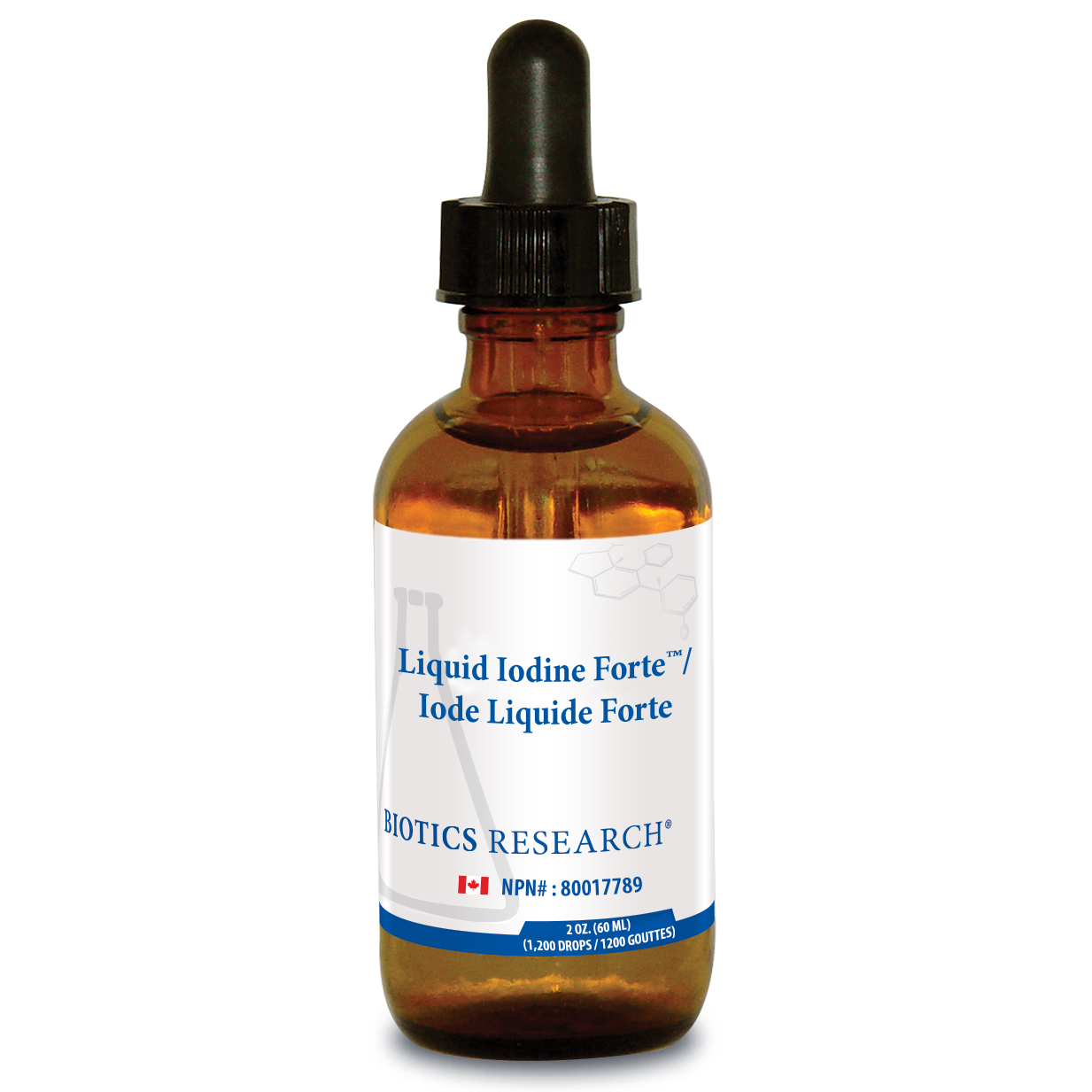
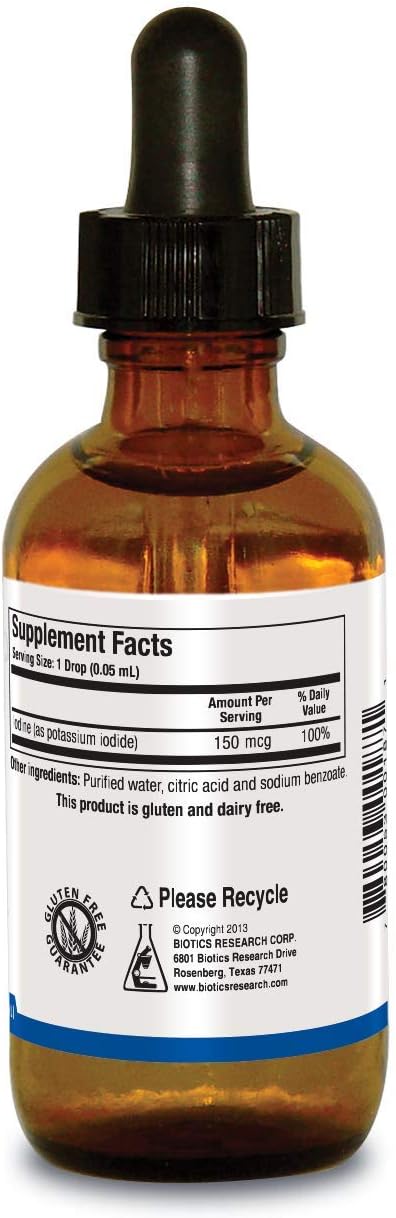
Liquid Iodine Drops
Liquid formulations provide an alternative for people who prefer not to swallow tablets or capsules.
Potential advantages include:
• Flexible serving sizes depending on the product
• Convenient addition to a daily supplement routine
• Easy-to-use format
Because iodine can be concentrated even in small amounts of liquid, carefully follow the individual product’s dosing instructions.
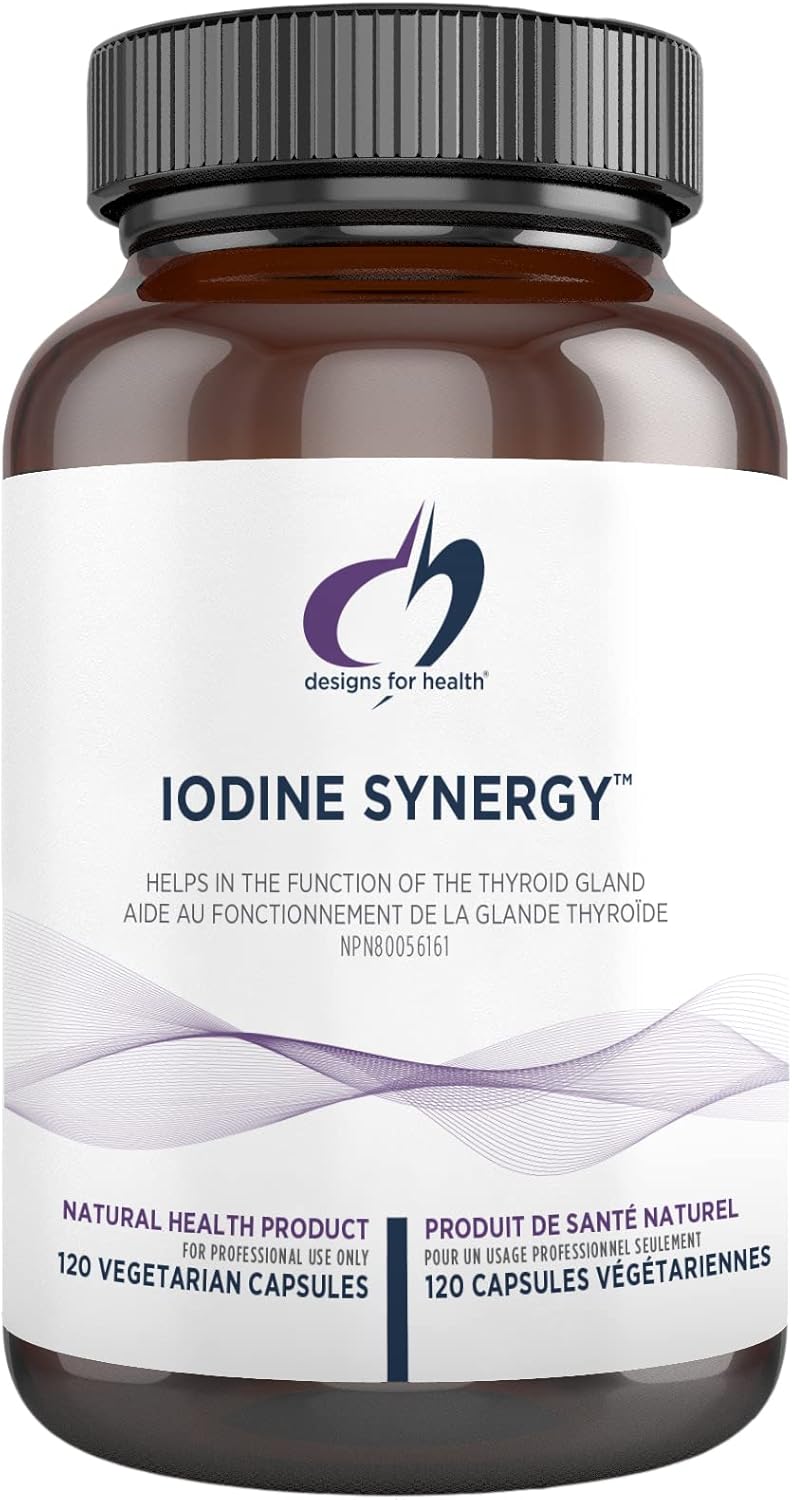
Iodine Tablets & Capsules
Tablets and capsules provide convenient, pre-measured servings.
Depending on the formulation, iodine may be provided alone or combined with other thyroid-related nutrients such as:
• Selenium
• Zinc
• L-tyrosine
• Selected vitamins and minerals
Combination formulas should be evaluated based on the complete ingredient profile rather than iodine content alone.
Kelp & Seaweed-Derived Iodine
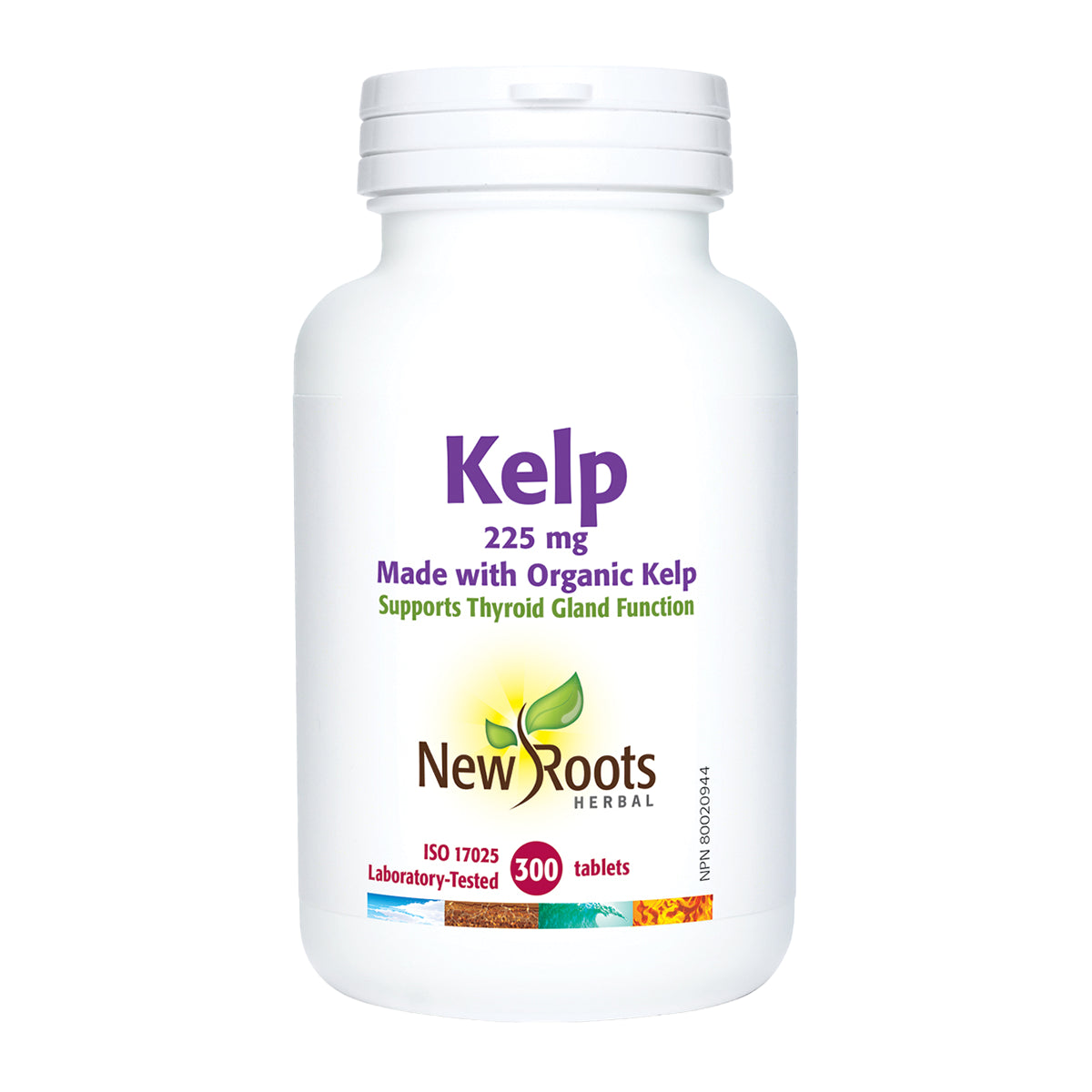
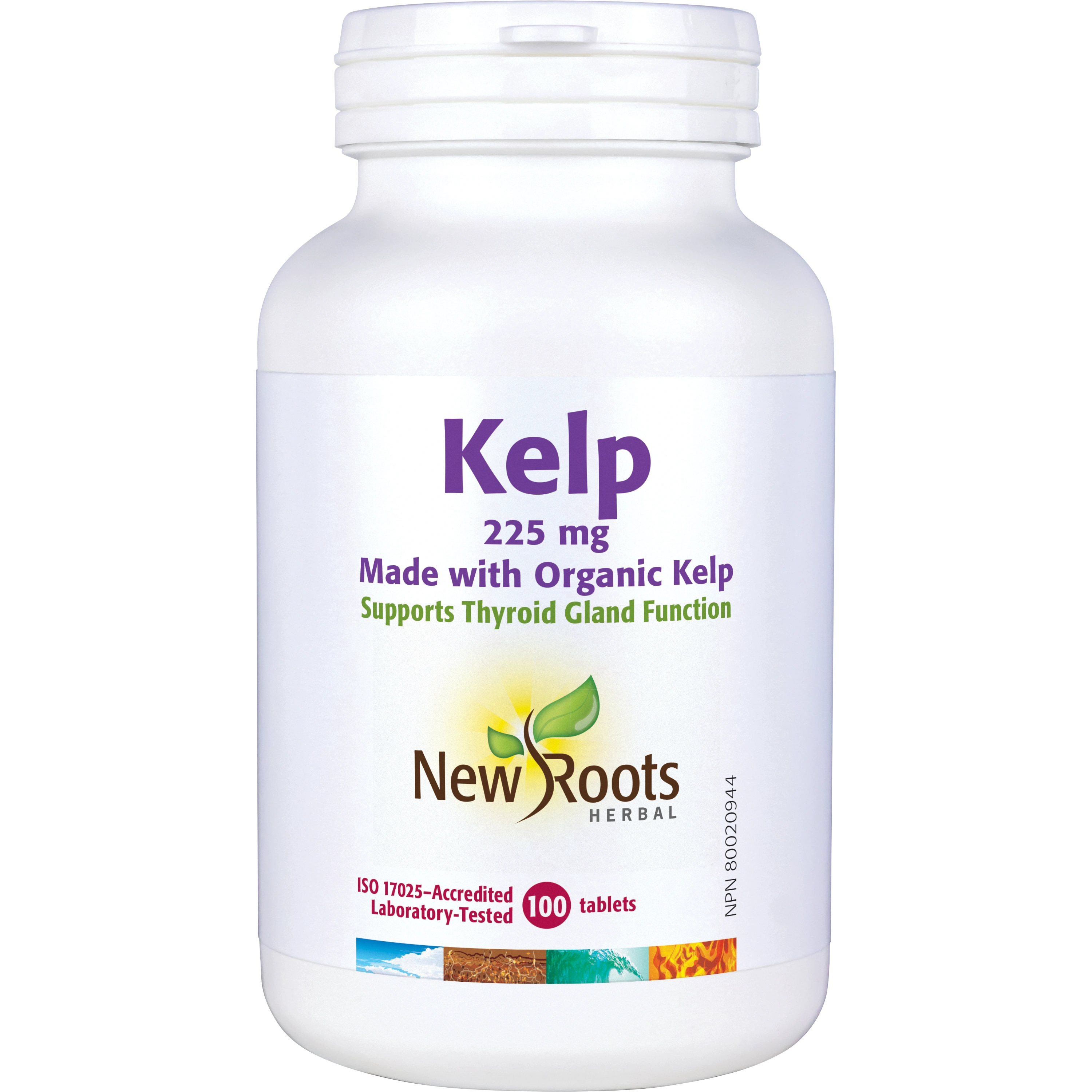
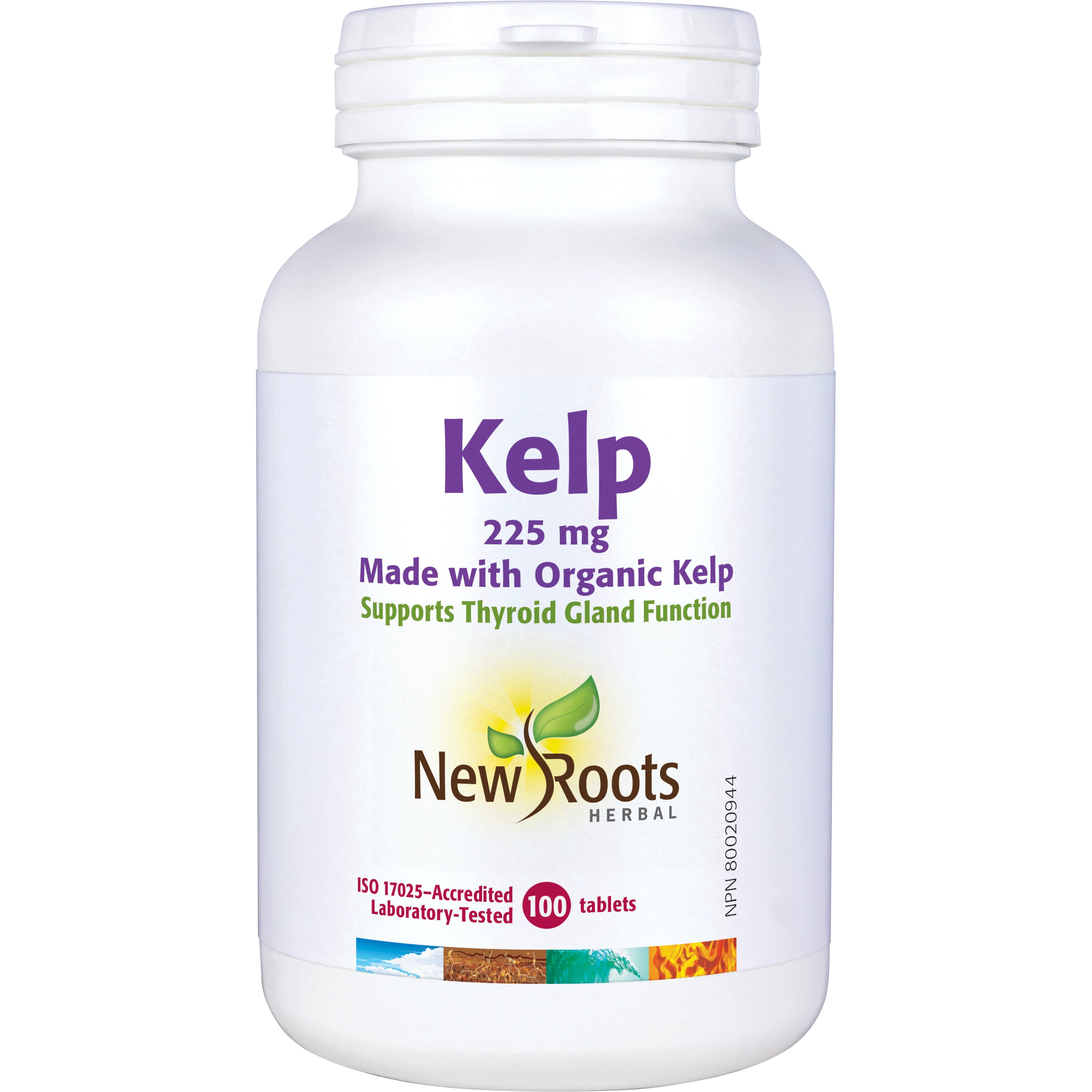
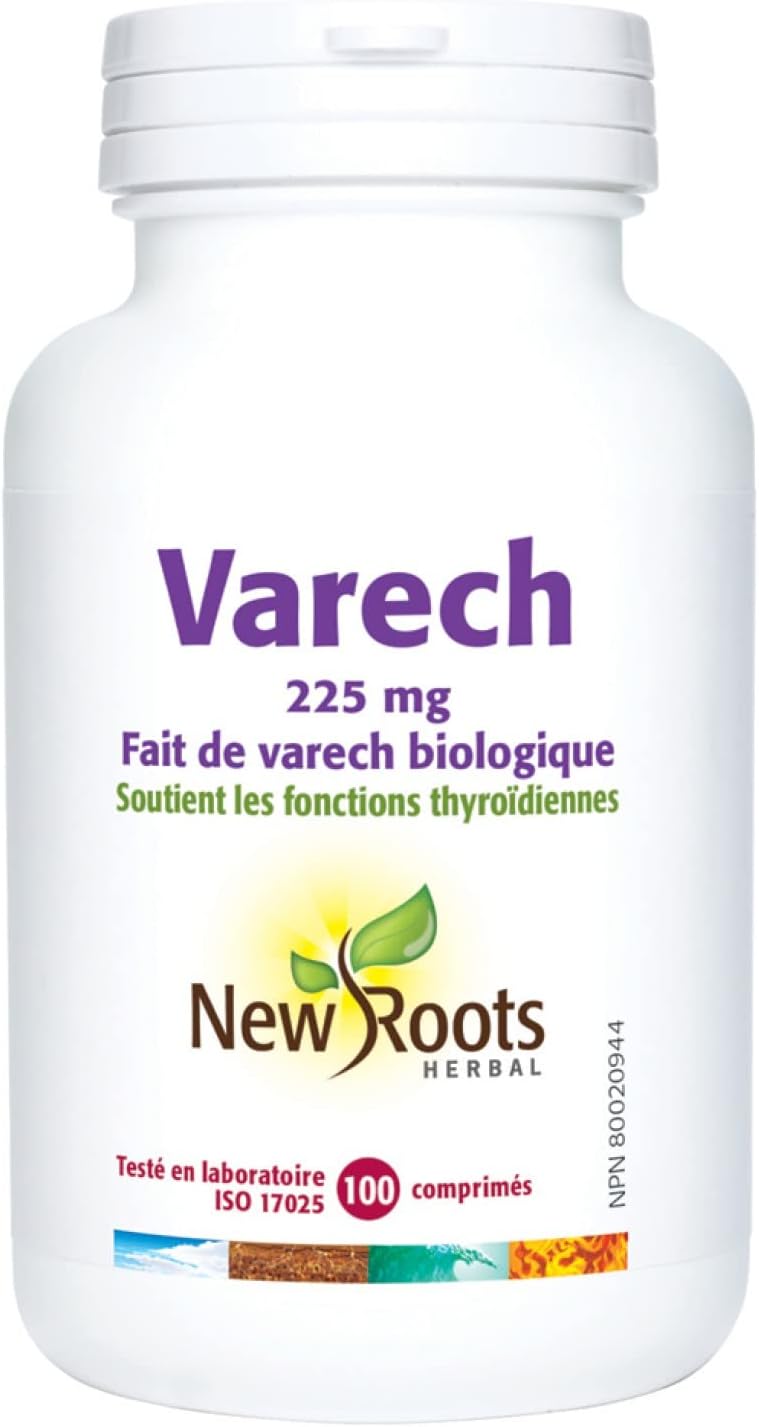
Kelp and other seaweeds naturally contain iodine and are commonly used in food-derived iodine supplements.
These products may appeal to individuals seeking:
• Plant-derived iodine
• Vegan-friendly supplementation
• Seaweed-based nutritional formulas
Iodine concentrations in seaweed can vary, so standardized products with clearly stated iodine amounts make intake easier to assess.
Potassium Iodide (KI)
Potassium iodide is a well-established supplemental form of iodine and may be found in nutritional products.
High-dose potassium iodide used for thyroid protection during specific radiation emergencies is different from routine daily iodine supplementation and should only be used according to public-health or medical instructions.
Other Iodine Formulations
Some supplements are marketed using terms such as “nascent,” “atomic,” or other proprietary descriptions.
Rather than assuming one marketed form is inherently superior, consider the actual iodine amount, dosing accuracy, product quality, and intended use when comparing products.
Common Concerns Around Iodine Intake
Low Dietary Intake
People whose diets contain few reliable iodine sources may be at greater risk of inadequate intake.
Thyroid Health
Iodine is essential for thyroid hormone synthesis, but more iodine is not necessarily better. Both deficiency and excessive intake can disrupt thyroid function in susceptible individuals.
Pregnancy & Breastfeeding
Iodine requirements increase during pregnancy and breastfeeding because adequate maternal iodine supports fetal and infant neurological development.
Supplementation during these stages should be discussed with a healthcare professional to ensure an appropriate total intake from diet, prenatal supplements, and other sources.
Vegan & Restricted Diets
Individuals avoiding dairy, eggs, seafood, and iodized salt may have fewer consistent dietary iodine sources.
A carefully dosed supplement may be appropriate when dietary intake is insufficient.
How to Choose the Right Iodine Supplement
Consider Your Diet
Before supplementing, consider how much iodine you may already receive from iodized salt, seafood, dairy, eggs, seaweed, multivitamins, or other supplements.
Check the Amount Per Serving
Iodine requirements are relatively small, so pay close attention to the amount listed on the label, usually expressed in micrograms (mcg).
Avoid Unnecessary High Doses
Taking substantially more iodine than needed does not provide greater thyroid support and can cause thyroid problems in susceptible individuals.
Consider Combination Formulas Carefully
If choosing a thyroid-support formula containing iodine plus selenium, zinc, or other nutrients, account for these nutrients from your other supplements as well.
Seek Guidance for Thyroid Conditions
Individuals with hypothyroidism, hyperthyroidism, Hashimoto’s thyroiditis, Graves’ disease, thyroid nodules, or those taking thyroid medication should discuss iodine supplementation with their healthcare professional.
FAQs
What does iodine do in the body?
Iodine is an essential mineral used by the thyroid gland to produce thyroid hormones. These hormones help regulate metabolism, growth, energy utilization, and development.
Can I take iodine every day?
Iodine is required daily through the diet, but whether you need a supplement depends on your dietary intake, life stage, and health status. Avoid taking high-dose iodine routinely unless specifically advised.
Can too much iodine affect the thyroid?
Yes. Excess iodine can alter thyroid function, particularly in people with certain underlying thyroid conditions. More is not necessarily better.
Is kelp a good source of iodine?
Kelp naturally contains iodine, but concentrations can vary considerably. When using a kelp supplement, choose a product that clearly states the amount of iodine provided per serving.
Is nascent iodine better absorbed than other iodine supplements?
There is not sufficient reason to assume a product marketed as “nascent iodine” is universally superior to established iodine forms. Appropriate dosage and reliable iodine content are more important considerations.
Should I take iodine if I have hypothyroidism or Hashimoto’s disease?
Do not automatically add iodine because you have a thyroid condition. Excess iodine can be problematic for some people with thyroid disease, including Hashimoto’s thyroiditis. Discuss supplementation with your healthcare professional.
Do iodine requirements change during pregnancy?
Yes. Iodine needs increase during pregnancy and breastfeeding because iodine is important for fetal and infant development. Appropriate supplementation should be coordinated with prenatal nutrition and professional guidance.
Why Shop Iodine Supplements at Coal Harbour Pharmacy?
• Pharmacist-curated iodine and thyroid-support supplements
• Liquid, capsule, tablet, and seaweed-derived options
• Trusted professional and natural health brands
• Clearly labelled formulations for informed supplementation
• Combination thyroid-support formulas available
• Fast Canada-wide shipping
• Personalized guidance available from our Vancouver pharmacy team
Related Collections
• Minerals
• Selenium
• Zinc
• Prenatal Vitamins & Supplements
────────────────────────────────────
Shop Iodine Supplements →
Sort by
5 products



Free Delivery
Satisfied or refunded
Top-notch support
Secure payments
Encrypted checkout processing
Offers exclude prescriptions and in-store purchases.
Subscribe & Get a First-Order Reward
Plus, earning reward points on eligible online purchases and enjoy future store credit.
We respect your inbox at Coal Harbour Pharmacy - Expect thoughtfully curated health and wellness updates, timely reminders, and exclusive online savings.