
Minerals – Essential Macro & Trace Mineral Supplements
Explore pharmacist-curated mineral supplements including magnesium, calcium, zinc, selenium, iron, iodine, potassium, copper, manganese, chromium, and other essential minerals for bone, muscle, nerve, electrolyte, metabolic, and nutritional support.
────────────────────────────────────
About Minerals
Minerals are essential inorganic nutrients required for normal human physiology. Unlike some compounds the body can manufacture, essential minerals must ultimately come from the diet.
They contribute to functions ranging from bone structure and muscle contraction to nerve signalling, oxygen transport, thyroid hormone production, fluid balance, enzyme activity, and antioxidant defence.
The Minerals collection at Coal Harbour Pharmacy includes individual mineral supplements, multi-mineral formulas, electrolyte products, chelated minerals, liquids, powders, capsules, tablets, and other specialized formulations.
Supplementation can be valuable when dietary intake is inadequate or when a specific need has been identified, but more mineral intake is not automatically better. Both deficiencies and excessive intake can have important health consequences.
Key Benefits
Depending on the specific mineral and individual nutritional needs, mineral supplements may:
• Help meet essential micronutrient requirements
• Support normal bone and tooth health
• Support muscle contraction and relaxation
• Contribute to normal nerve transmission
• Help maintain fluid and electrolyte balance
• Support normal energy metabolism
• Contribute to normal immune function
• Support red blood cell formation and oxygen transport
• Support normal thyroid physiology
• Serve as cofactors for numerous enzymes
• Contribute to the body’s antioxidant defence systems
Each mineral has distinct physiological roles, so these benefits should not be generalized to every mineral supplement.
Who It’s Ideal For
Mineral supplementation may be appropriate for:
• Individuals with inadequate dietary intake
• People with medically identified mineral deficiencies
• Individuals following restrictive diets
• Adults with increased requirements during particular life stages
• Athletes with meaningful electrolyte losses
• People seeking targeted bone or muscle nutrition
• Individuals requiring iron, iodine, calcium, magnesium, or other minerals for a defined reason
• People using healthcare-professional-recommended supplementation
Being physically active, stressed, or interested in healthy aging does not automatically mean someone needs additional minerals.
Why Minerals Are Essential
Minerals perform both structural and regulatory roles.
Some become part of physical structures such as bones and teeth. Others participate in:
• Enzyme reactions
• Electrical signalling
• Fluid regulation
• Oxygen transport
• Hormone production
• Cellular metabolism
• Antioxidant systems
The body tightly regulates many mineral concentrations because both insufficient and excessive levels can disrupt normal function.
Macro-Minerals vs Trace Minerals
Minerals are often classified according to the approximate quantities the body requires.
Macro-minerals are generally required in larger amounts and include:
• Calcium
• Magnesium
• Potassium
• Sodium
• Chloride
• Phosphorus
• Sulfur
Trace minerals are required in smaller quantities and include:
• Iron
• Zinc
• Copper
• Selenium
• Manganese
• Iodine
• Chromium
• Molybdenum
The word “trace” refers to the small quantity required—not to a lack of biological importance.
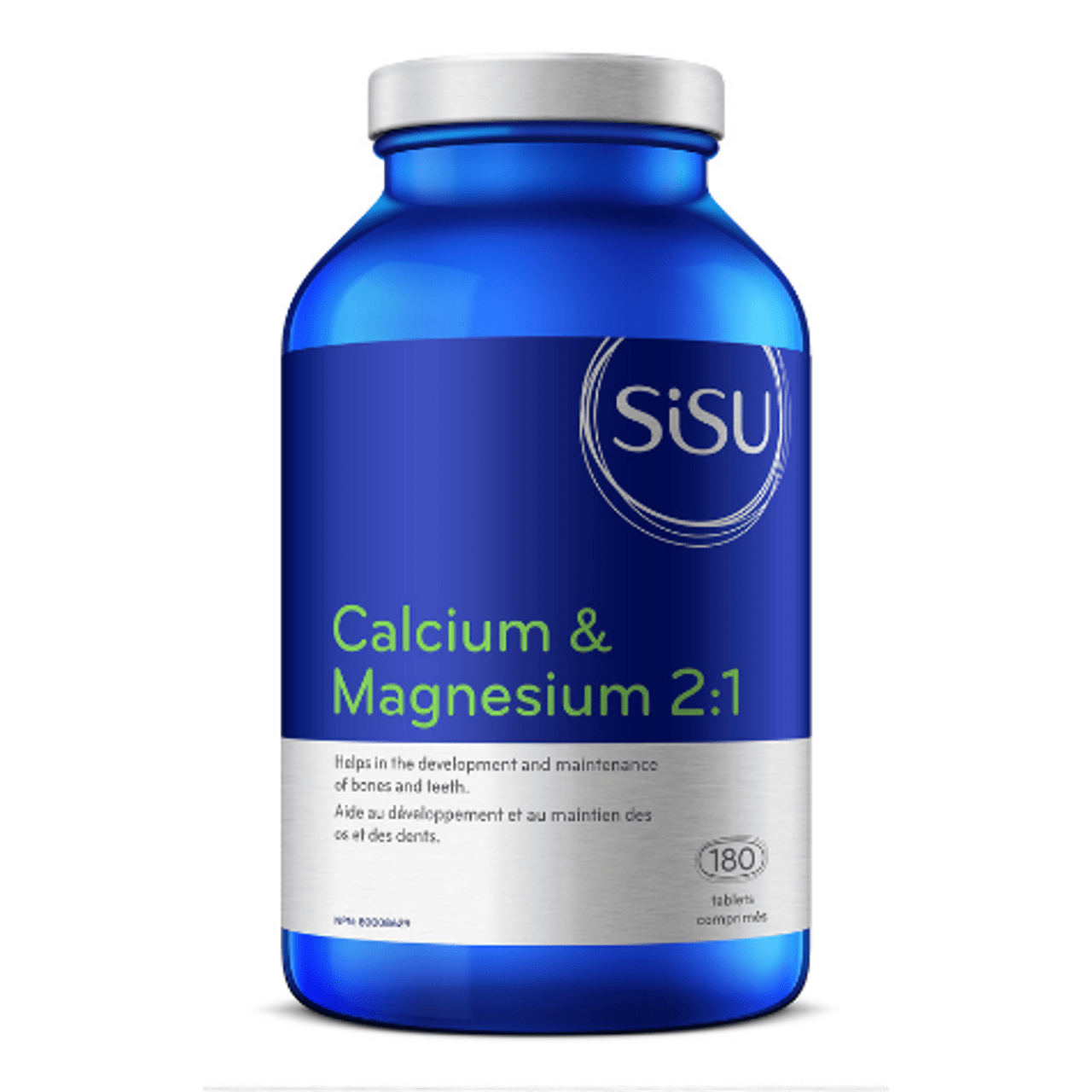
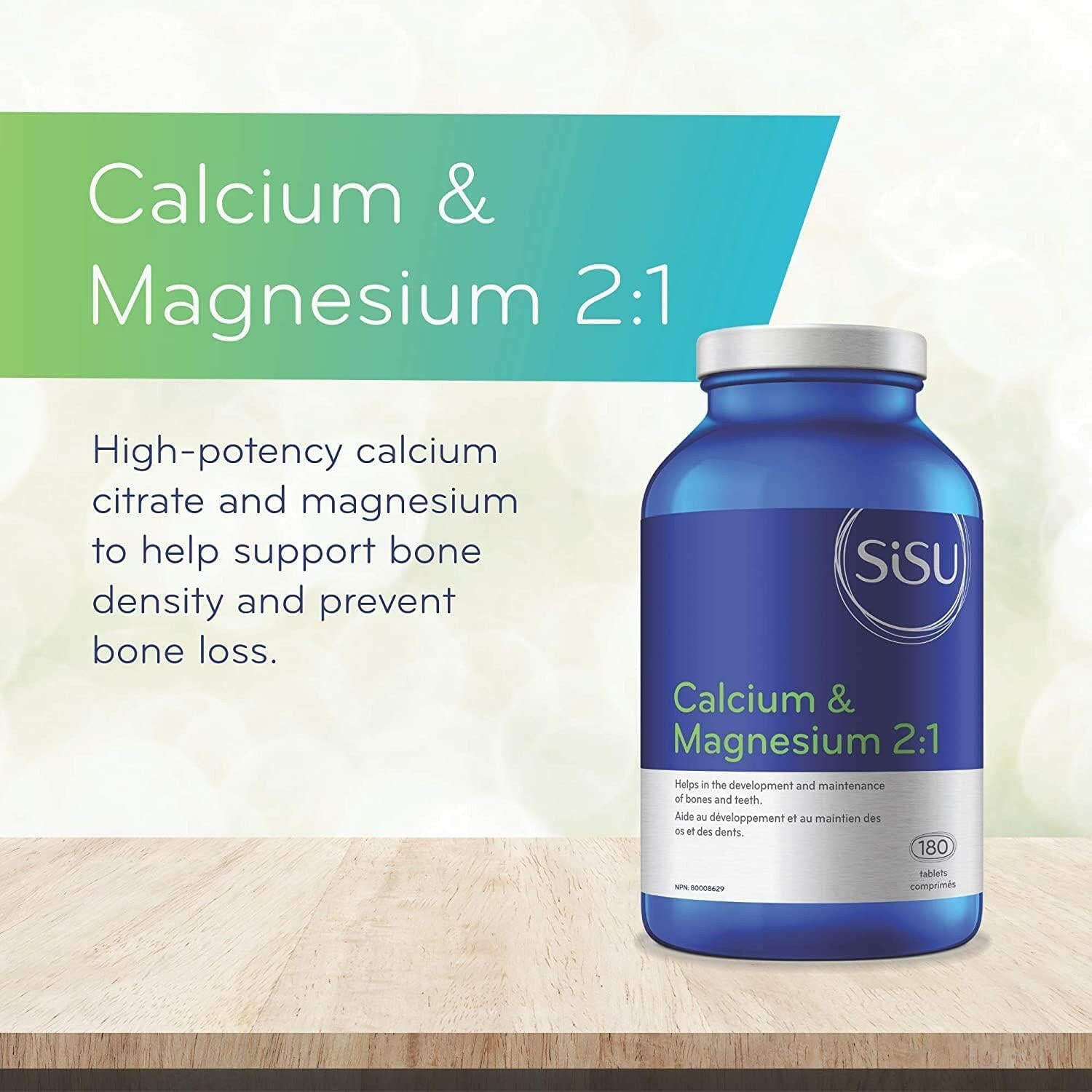
Calcium
Calcium is the most abundant mineral in the human body.
It contributes to:
• Bone and tooth structure
• Muscle contraction
• Nerve signalling
• Blood clotting
• Normal cellular function
Most calcium is stored in the skeleton.
Adequate calcium intake is important throughout life, but supplementation requirements depend on dietary intake, age, life stage, and individual health considerations.
Higher-dose calcium supplementation is not automatically beneficial and may be inappropriate for some individuals.
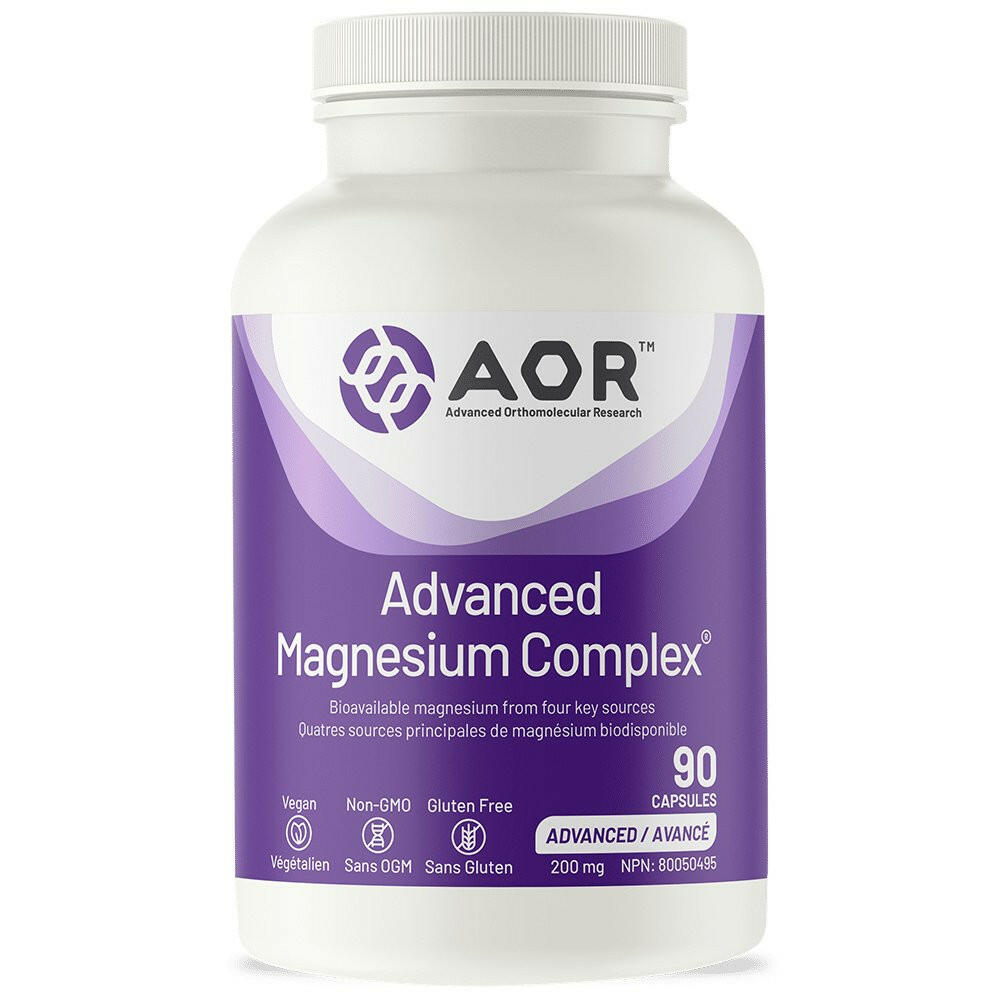
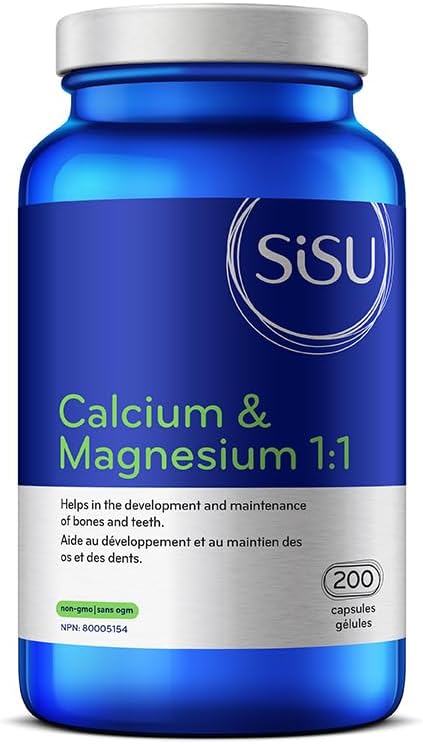
Magnesium
Magnesium participates in hundreds of enzymatic reactions.
It contributes to:
• Normal muscle function
• Nervous-system function
• Energy metabolism
• Electrolyte balance
• Protein synthesis
• Bone health
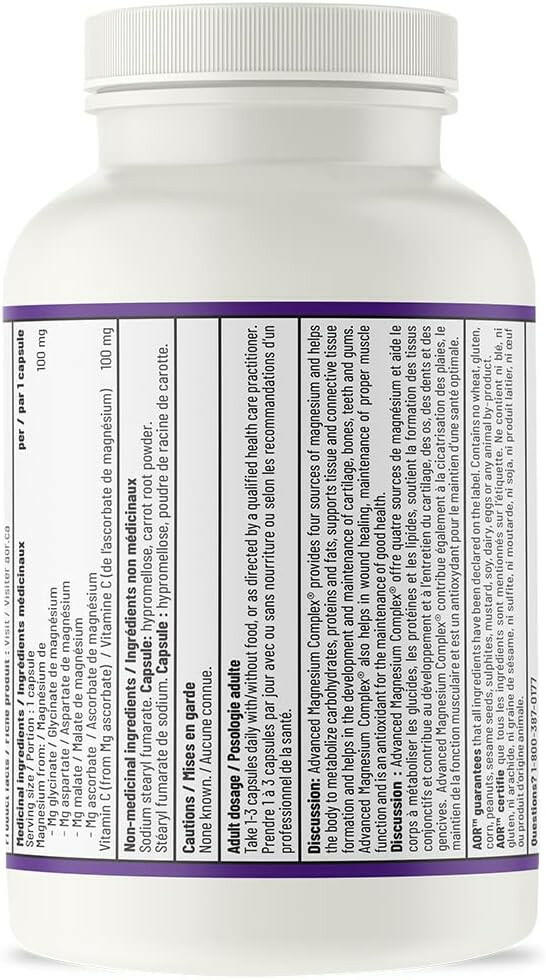
Common supplemental forms include magnesium glycinate, citrate, malate, oxide, chloride, and others.
Different forms can vary in elemental magnesium content, gastrointestinal effects, and intended use.
Magnesium may complement relaxation or sleep routines, but it should not universally be described as a sleep treatment.
Potassium
Potassium is a major intracellular electrolyte essential for:
• Normal nerve transmission
• Muscle contraction
• Fluid balance
• Normal cardiovascular physiology
Dietary potassium is abundant in many fruits, vegetables, legumes, dairy products, and other foods.
Supplemental potassium requires more caution than many general wellness supplements because abnormal blood potassium levels can affect cardiac rhythm.
People with kidney disease or those taking medications that affect potassium should not casually add concentrated potassium supplements.
Sodium
Sodium is an essential electrolyte involved in:
• Fluid balance
• Nerve impulses
• Muscle function
• Blood-volume regulation
Although sodium is essential, many people obtain more than enough from food.
Supplemental sodium is most relevant in circumstances involving meaningful losses, such as prolonged exercise with heavy sweating or other situations requiring electrolyte replacement.
More sodium is not inherently better for hydration.
Chloride
Chloride commonly accompanies sodium and potassium in the diet and electrolyte products.
It contributes to:
• Fluid balance
• Acid-base regulation
• Normal digestive physiology
Chloride is also a component of hydrochloric acid in the stomach.
Deficiency from an ordinary diet is uncommon.
Phosphorus
Phosphorus is an important structural and metabolic mineral.
It contributes to:
• Bones and teeth
• ATP and cellular energy systems
• Cell membranes
• Acid-base balance
• DNA and RNA
Phosphorus is widely available in food, and routine supplementation is generally unnecessary for most people unless there is a specific clinical indication.
Zinc
Zinc is an essential trace mineral involved in:
• Normal immune function
• DNA synthesis
• Protein synthesis
• Cell division
• Wound healing
• Skin integrity
• Reproductive physiology
• Antioxidant defence
Long-term excessive zinc intake can impair copper absorption and contribute to copper deficiency.
This makes total dose and duration particularly important.
Selenium
Selenium is incorporated into specialized proteins called selenoproteins.
These contribute to:
• Antioxidant defence
• Thyroid hormone metabolism
• Immune function
• Reproductive physiology
Selenium is required in relatively small quantities, and chronic excessive intake can cause toxicity.
High-dose selenium should therefore not be used simply because it has antioxidant or thyroid-related functions.
Copper
Copper is required for enzymes involved in:
• Iron metabolism
• Connective tissue formation
• Nervous-system function
• Energy metabolism
• Pigmentation
• Antioxidant defence
Copper and zinc interact nutritionally, so high-dose supplementation with one can affect the other.
People with disorders of copper metabolism require specialized medical management.
Manganese
Manganese contributes to:
• Bone formation
• Connective tissue metabolism
• Carbohydrate and amino-acid metabolism
• Antioxidant defence
It is also an essential component of mitochondrial manganese superoxide dismutase (MnSOD).
Manganese deficiency is uncommon in otherwise healthy individuals, while excessive exposure can be harmful, particularly to the nervous system.
Chromium
Chromium is a trace mineral associated with normal macronutrient metabolism and insulin function.
Chromium supplements are commonly marketed for:
• Glucose metabolism
• Metabolic wellness
• Weight-management support
Clinical effects vary, and chromium should not be expected to independently correct insulin resistance or produce meaningful weight loss.
Iodine
Iodine is essential for the production of thyroid hormones.
Both inadequate and excessive iodine intake can adversely affect thyroid function.
People with thyroid disorders should be particularly careful about adding iodine-containing supplements without professional guidance.
Iodine should not be used as a generic “metabolism booster.”
Iron
Iron is essential for:
• Hemoglobin formation
• Oxygen transport
• Red blood cell production
• Numerous cellular enzymes
Iron deficiency can contribute to fatigue, weakness, reduced exercise tolerance, and anemia.
However, iron is not an appropriate general energy supplement for everyone.
Unnecessary iron accumulation can be harmful, so supplementation should be based on dietary requirements, life stage, health status, and, when appropriate, laboratory assessment.
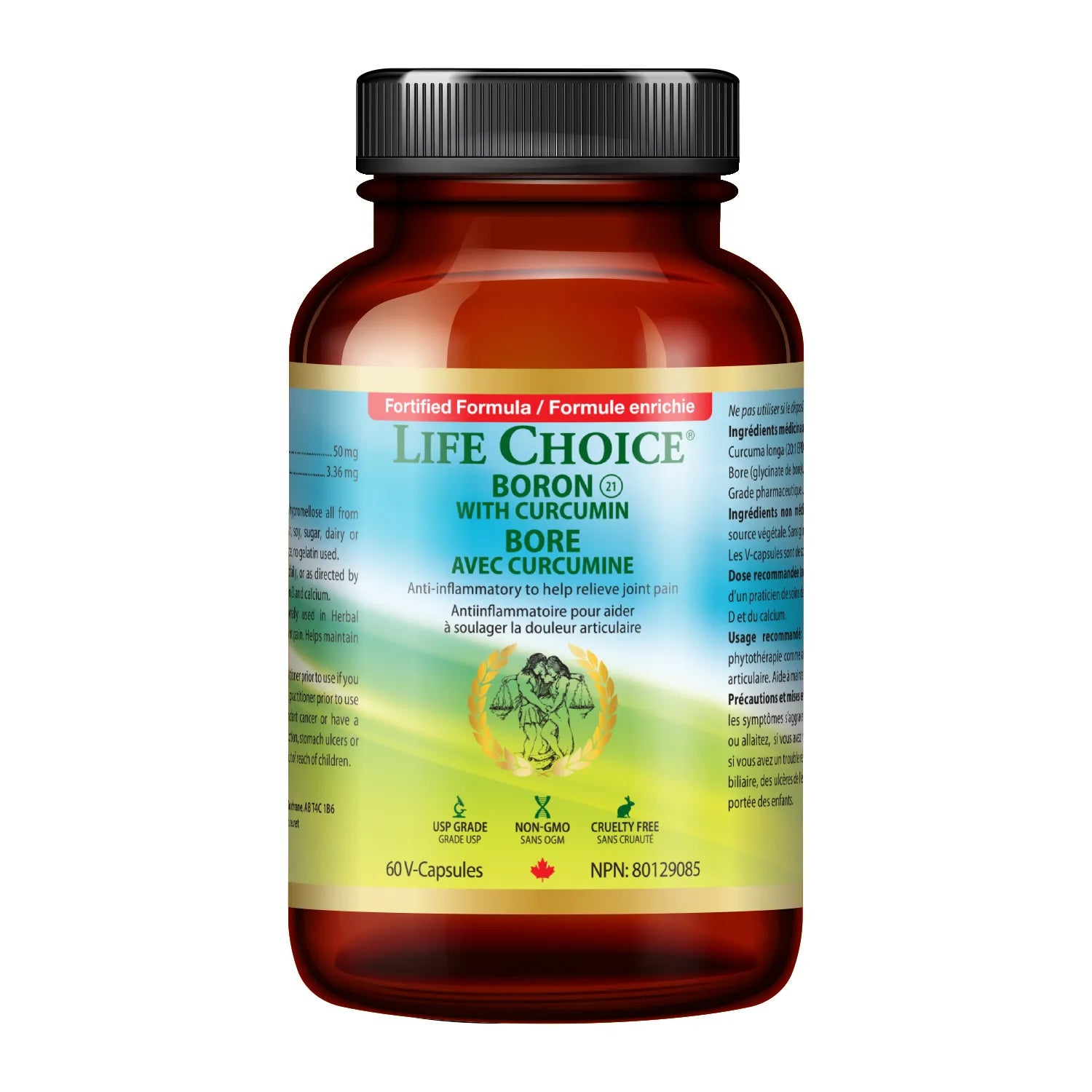
Boron
Boron is a trace element found naturally in foods such as fruits, vegetables, nuts, and legumes.
It has been investigated in relation to:
• Bone metabolism
• Mineral metabolism
• Vitamin D-related physiology
• Other biological processes
Boron is included in some bone and multi-mineral supplements.
Claims that boron reliably increases bone density, improves hormones, or treats joint conditions are stronger than current evidence supports.
Silicon
Silicon is naturally present in the diet and has attracted research interest in relation to:
• Connective tissue
• Bone
• Collagen-related physiology
• Skin and hair
Some supplements provide silicon in forms intended to improve bioavailability.
Research is developing, but silicon supplementation should not be promised to rebuild collagen, restore skin elasticity, or strengthen bones in every user.
Molybdenum
Molybdenum is an essential trace mineral that serves as a cofactor for several enzymes.
These enzymes participate in the metabolism of compounds including sulfites and certain sulfur-containing molecules.
Molybdenum is sometimes loosely marketed for “detoxification,” but this should not be interpreted as meaning supplementation flushes toxins from the body.
True molybdenum deficiency is very uncommon.
What About Lithium?
Lithium requires different treatment from the essential minerals above.
Prescription lithium is a medication used for specific psychiatric conditions and requires medical supervision and blood monitoring because the therapeutic range is narrow.
Very small amounts of lithium also occur naturally in food and water, and some supplements are marketed with low-dose lithium compounds. However, lithium should not be presented alongside established essential minerals as a routinely required nutrient for mood or cognitive health.
Anyone considering supplemental lithium—particularly someone taking psychiatric, kidney, blood-pressure, or other relevant medications—should seek professional guidance.
Mineral Antioxidants
Several minerals participate in the body’s endogenous antioxidant systems.
Important examples include:
• Selenium in glutathione peroxidases
• Copper and zinc in Cu/Zn-superoxide dismutase
• Manganese in mitochondrial Mn-superoxide dismutase
These minerals help antioxidant enzymes function normally.
This does not mean taking increasingly high amounts provides progressively greater antioxidant protection.
Minerals & Bone Health
Bone health depends on much more than calcium alone.
Important nutritional and lifestyle factors include:
• Calcium
• Vitamin D
• Protein
• Magnesium
• Phosphorus
• Vitamin K
• Trace minerals
• Resistance and weight-bearing activity
• Avoiding smoking
• Appropriate alcohol intake
Mineral supplementation should complement these foundations rather than substitute for them.
Minerals & Muscle Function
Minerals involved in muscle physiology include calcium, magnesium, potassium, sodium, and others.
Muscle contraction and relaxation depend on carefully regulated electrical and biochemical processes.
Exercise-related muscle symptoms do not automatically indicate a magnesium or electrolyte deficiency, so persistent cramps, weakness, or unusual muscle symptoms may deserve further assessment.
Minerals & Electrolyte Balance
Electrolytes are minerals that carry an electrical charge when dissolved in body fluids.
Major electrolytes include:
• Sodium
• Potassium
• Chloride
• Magnesium
• Calcium
They contribute to fluid balance, nerve signalling, and muscle function.
Electrolyte replacement can be particularly relevant during prolonged exercise, heavy sweating, gastrointestinal fluid loss, or other situations involving meaningful electrolyte depletion.
Minerals & Energy
Minerals participate in many reactions involved in normal energy metabolism.
For example:
• Magnesium supports ATP-dependent reactions
• Iron supports oxygen transport
• Copper contributes to iron metabolism and cellular enzymes
However, minerals do not act like stimulants.
If a deficiency is contributing to fatigue, correcting that deficiency may improve normal function. Taking additional minerals when status is already adequate does not necessarily increase energy.
Minerals & Thyroid Function
Iodine and selenium are particularly relevant to normal thyroid physiology.
Iron and zinc also participate in biological processes related to thyroid function.
However, taking a “thyroid mineral blend” cannot be assumed to correct hypothyroidism or other thyroid disorders.
Both excessive iodine and excessive selenium can create problems, making targeted supplementation preferable to indiscriminate high-dose use.
Minerals & Immune Function
Zinc, selenium, copper, iron, and other micronutrients contribute to normal immune physiology.
Deficiencies can impair immune function.
However, taking amounts above nutritional requirements does not necessarily create a stronger immune system and may sometimes be harmful.
The goal is nutritional adequacy rather than maximum intake.
Mineral Supplement Forms
Minerals are available in different chemical forms.
Examples include:
• Citrates
• Glycinates and bisglycinates
• Malates
• Gluconates
• Picolinates
• Oxides
• Chlorides
• Sulfates
• Other mineral salts and chelates
Absorption and gastrointestinal tolerance can differ among forms, but terms such as “chelated” or “highly absorbable” should not automatically be interpreted as proof of superior clinical outcomes.
Chelated Minerals
Chelated minerals are minerals bound to organic compounds such as amino acids.
Certain chelated forms may offer advantages in absorption or gastrointestinal tolerance compared with some other forms.
However, the actual mineral dose, formulation quality, evidence, individual need, and tolerability remain more important than simply choosing a product because the label says “chelated.”
Liquid & Ionic Minerals
Liquid mineral products can provide convenient dosing for people who prefer not to swallow tablets or capsules.
“Ionic” is frequently used in supplement marketing, but the term alone does not establish superior absorption or effectiveness.
Review the actual elemental mineral amount per serving.
Mineral Powders
Powders can be useful for:
• Flexible serving sizes
• Electrolyte drinks
• Higher-dose minerals such as magnesium
• People who prefer alternatives to capsules
Accurate measurement remains important, particularly for concentrated products.
Multi-Mineral Formulas
Multi-mineral supplements combine several nutrients into one product.
They may provide convenient foundational coverage, but the ideal ratio is not universal.
When evaluating a multi-mineral, consider:
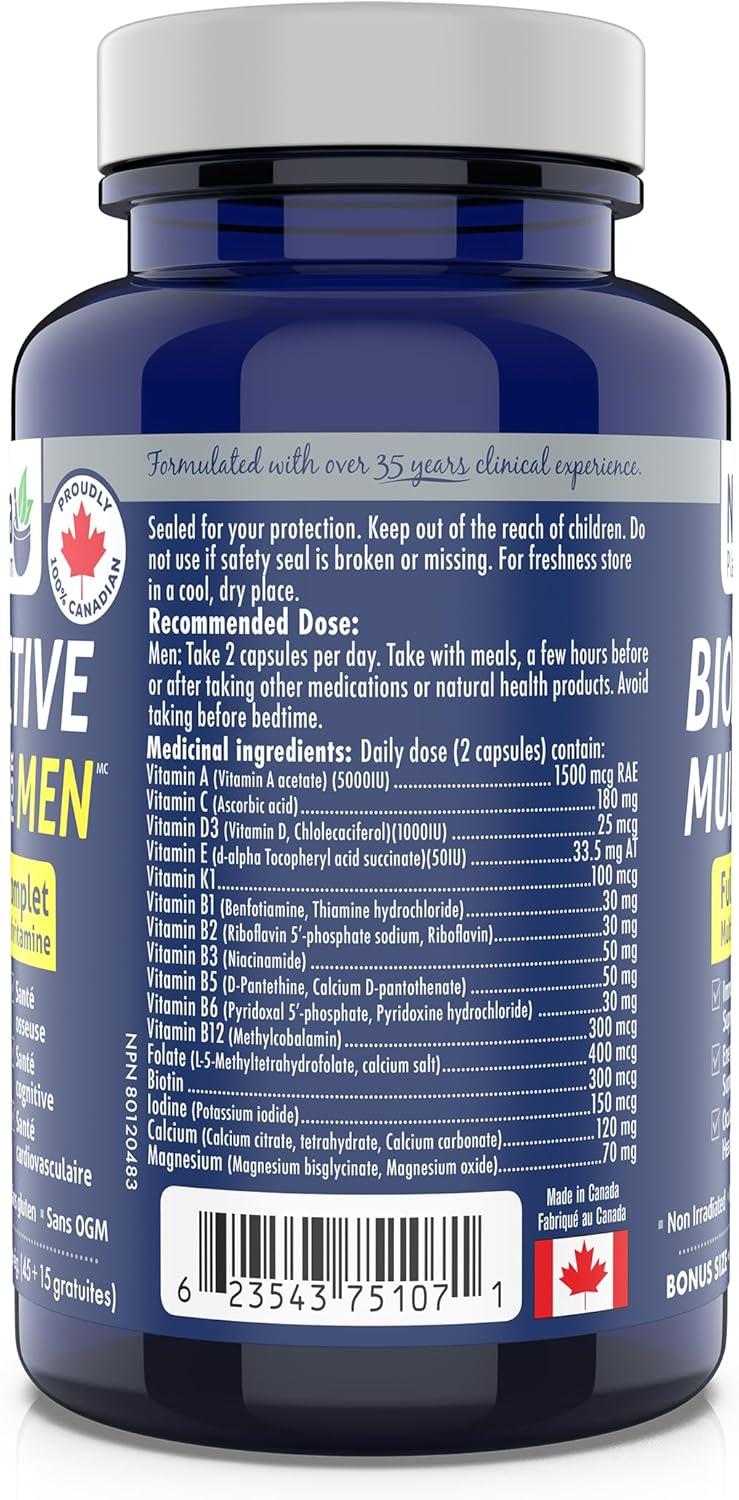
• Actual elemental amounts
• Dietary intake
• Existing multivitamins
• Mineral interactions
• Individual health needs
• Medications
• Life stage
A longer ingredient list does not necessarily make a formula better.
Mineral Absorption & Competition
Some minerals can influence the absorption of others.
Examples include interactions involving:
• Zinc and copper
• Calcium and iron
• Iron and zinc
Dose and timing can influence the clinical importance of these interactions.
This does not mean all minerals must always be taken separately, but high-dose targeted supplementation may require more careful planning.
Minerals & Medication Timing
Mineral supplements can interfere with the absorption of certain medications.
Depending on the specific mineral and medication, this may include:
• Levothyroxine
• Certain antibiotics
• Bisphosphonates
• Other medications susceptible to mineral binding
Spacing doses may be necessary.
Follow medication instructions or ask a pharmacist when timing is uncertain.
Food First vs Supplementation
Whole foods provide minerals alongside protein, fibre, vitamins, and other nutrients.
Important mineral-rich foods include:
• Dairy products and fortified alternatives
• Meat and seafood
• Legumes
• Nuts and seeds
• Whole grains
• Leafy vegetables
• Fruits and vegetables
• Eggs
Supplements are particularly useful when dietary intake is inadequate, requirements are increased, absorption is impaired, or a targeted dose has been professionally recommended.
How to Choose a Mineral Supplement
Identify the Mineral
Start with the specific nutrient or nutritional goal rather than automatically choosing a broad multi-mineral.
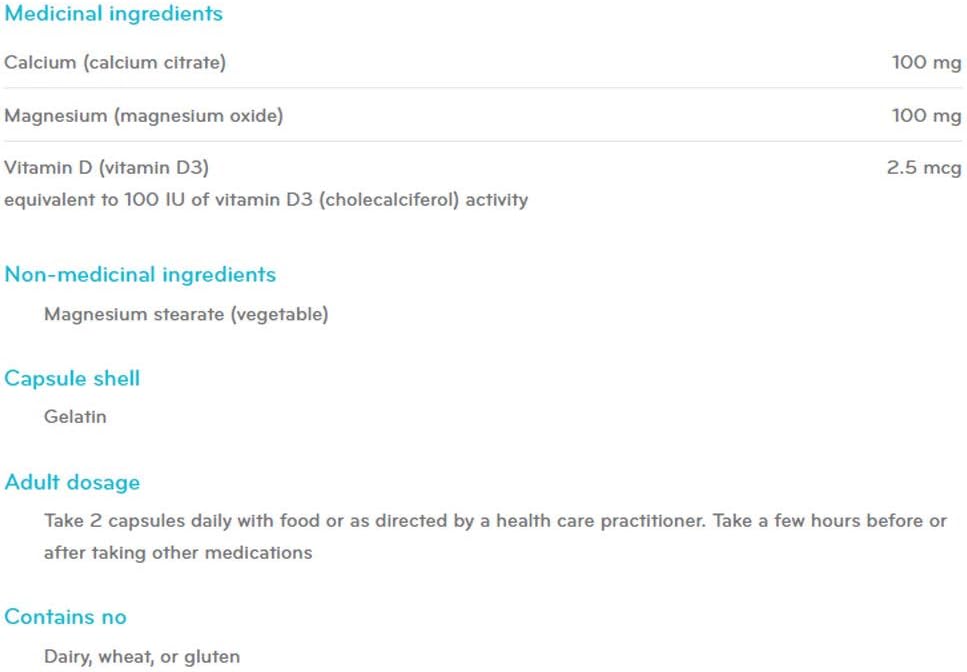
Check the Elemental Amount
The weight of a mineral compound is not necessarily the amount of elemental mineral provided.
Consider the Form
Compare tolerability, dose, formulation, and intended use rather than assuming one chemical form is universally best.
Review Existing Supplements
Multivitamins, electrolyte products, bone formulas, immune supplements, and specialty formulas may already contain minerals.
Consider Medications
Check for interactions and dose-spacing requirements.
Avoid Unnecessary High Doses
Minerals are essential because the body needs appropriate amounts—not because unlimited intake is beneficial.
Mineral Supplement Safety
Extra caution may be appropriate for people with:
• Kidney disease
• Liver disease
• Thyroid disorders
• Hemochromatosis or other iron-storage disorders
• Disorders of copper metabolism
• Cardiovascular conditions affecting electrolyte management
• Pregnancy or breastfeeding
• Multiple prescription medications
• Multiple overlapping supplements
Kidney function is particularly important for regulating several minerals and electrolytes.
FAQs
What are the most important minerals?
Many minerals are essential. Calcium, magnesium, potassium, sodium, chloride, phosphorus, iron, zinc, copper, selenium, manganese, iodine, chromium, and molybdenum have distinct physiological roles.
What is the difference between macro-minerals and trace minerals?
Macro-minerals are required in larger amounts, while trace minerals are required in much smaller amounts. Both groups can be essential.
Should everyone take a mineral supplement?
No. Supplementation is most useful when dietary intake is inadequate, requirements are increased, deficiency is present, or there is another defined nutritional reason.
Are chelated minerals better absorbed?
Some chelated forms may have favourable absorption or tolerability, but superiority depends on the particular mineral, comparison form, dose, and individual circumstances.
Can I take all my minerals together?
Sometimes, particularly in appropriately formulated multi-mineral products. Higher-dose individual minerals can compete for absorption or interact with medications, so timing may matter.
Which minerals support bone health?
Calcium, magnesium, phosphorus, and several trace minerals contribute to normal bone physiology, while vitamin D, vitamin K, protein, and physical activity are also important.
Which minerals are electrolytes?
Major electrolytes include sodium, potassium, chloride, magnesium, and calcium.
Do minerals increase energy?
Minerals such as magnesium and iron participate in energy-related physiology, but they are not stimulants. Correcting a deficiency may improve fatigue when that deficiency is contributing to symptoms.
Can I take iron if I feel tired?
Iron deficiency can cause fatigue, but fatigue has many causes. Unnecessary iron supplementation can be harmful, so testing may be appropriate when deficiency is suspected.
Can mineral supplements interact with medications?
Yes. Calcium, magnesium, iron, zinc, potassium, and other minerals can interact with certain medications or affect their absorption. A pharmacist can help determine appropriate timing.
Why Shop Minerals at Coal Harbour Pharmacy?
• Pharmacist-curated essential mineral supplements
• Macro-mineral and trace-mineral options
• Individual and multi-mineral formulations
• Capsules, tablets, powders, liquids, and specialized formulas
• Options from established Canadian and professional supplement brands
• Fast Canada-wide shipping
Related Collections
────────────────────────────────────
Shop Minerals →
Sort by
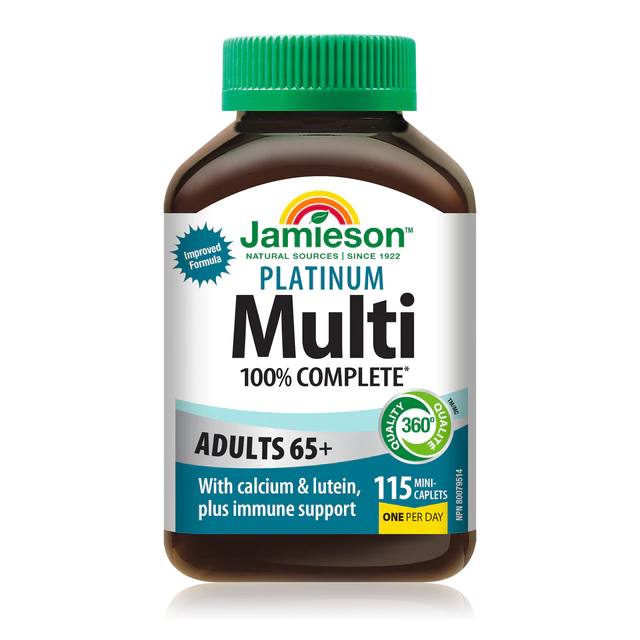
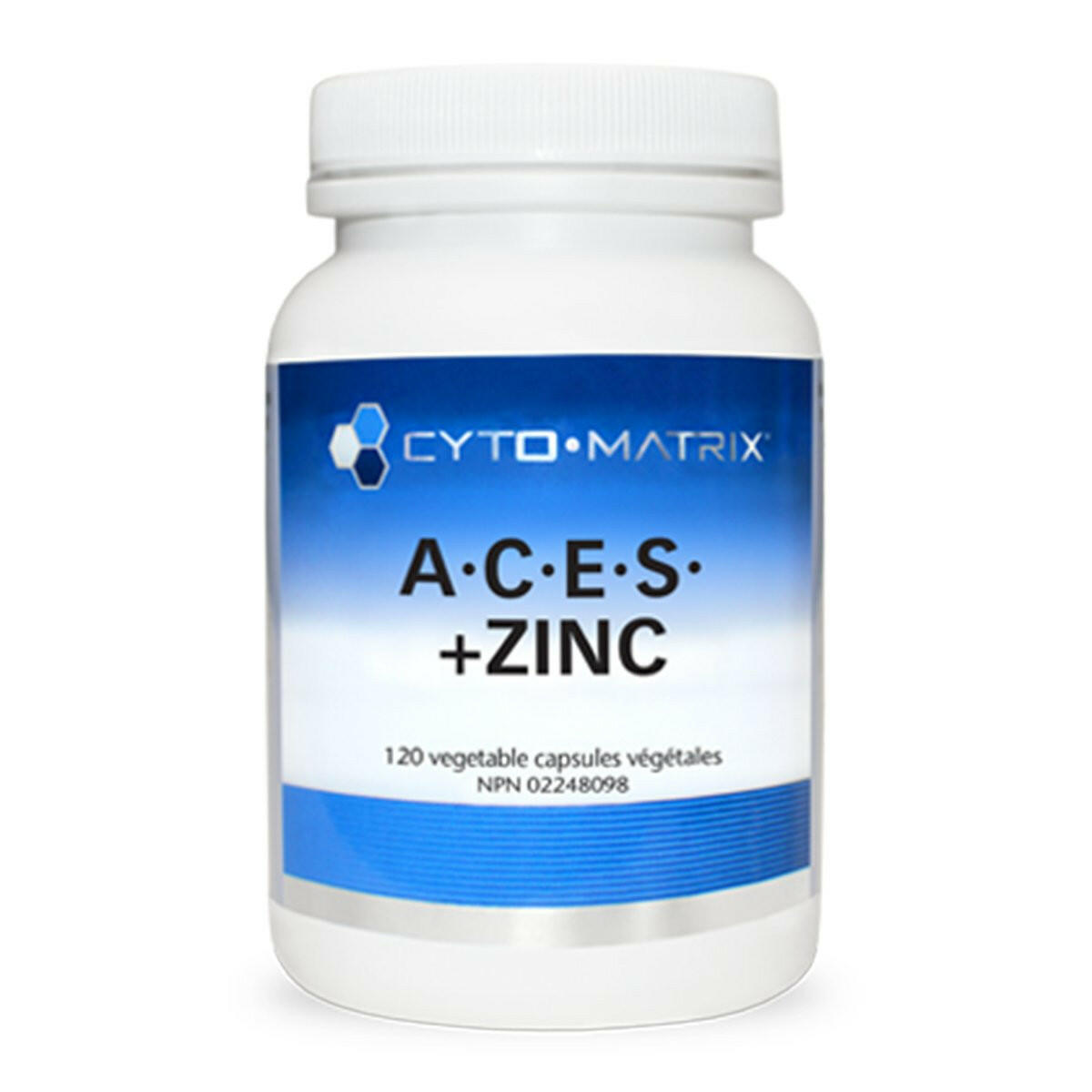
299 products























FREE STANDARD SHIPPING
Satisfied or refunded
Top-notch support
Secure payments
Encrypted checkout processing
Offers exclude prescriptions and in-store purchases.
Subscribe & Get a First-Order Reward
Plus, earning reward points on eligible online purchases and enjoy future store credit.
We respect your inbox at Coal Harbour Pharmacy - Expect thoughtfully curated health and wellness updates, timely reminders, and exclusive online savings.