
Menopause Health – Hormonal Transition & Symptom Support
Explore pharmacist-curated menopause supplements for hot flashes, night sweats, sleep, mood, bone health, cardiovascular wellness, and everyday support throughout perimenopause, menopause, and postmenopause.
────────────────────────────────────
About Menopause Health
Menopause is a normal biological transition, but the hormonal changes surrounding it can affect temperature regulation, sleep, mood, cognition, sexual and vaginal health, bone density, body composition, and cardiovascular risk.
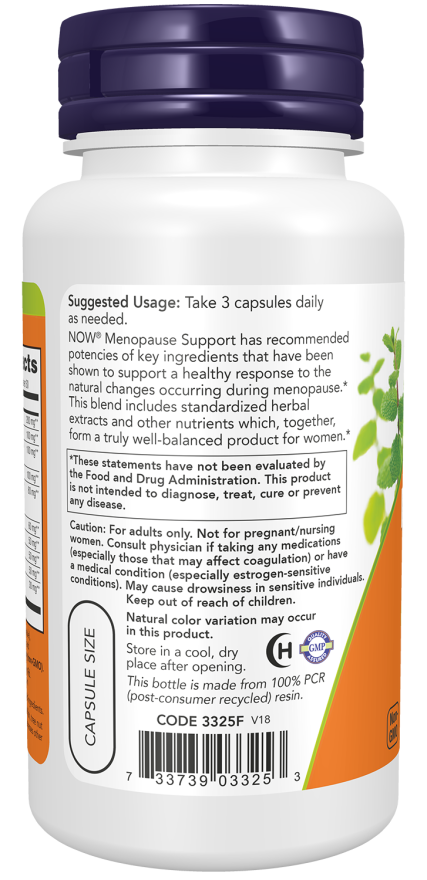
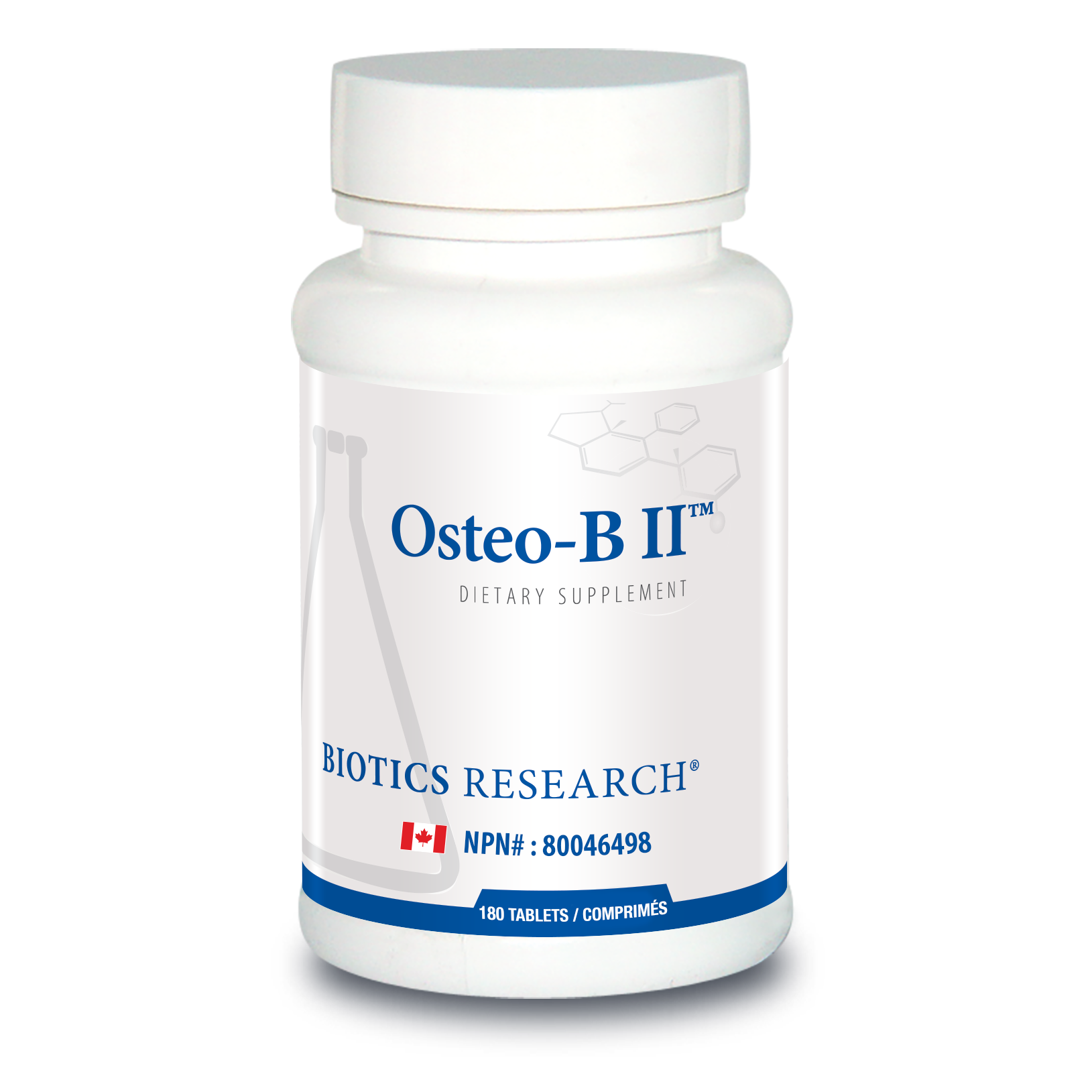
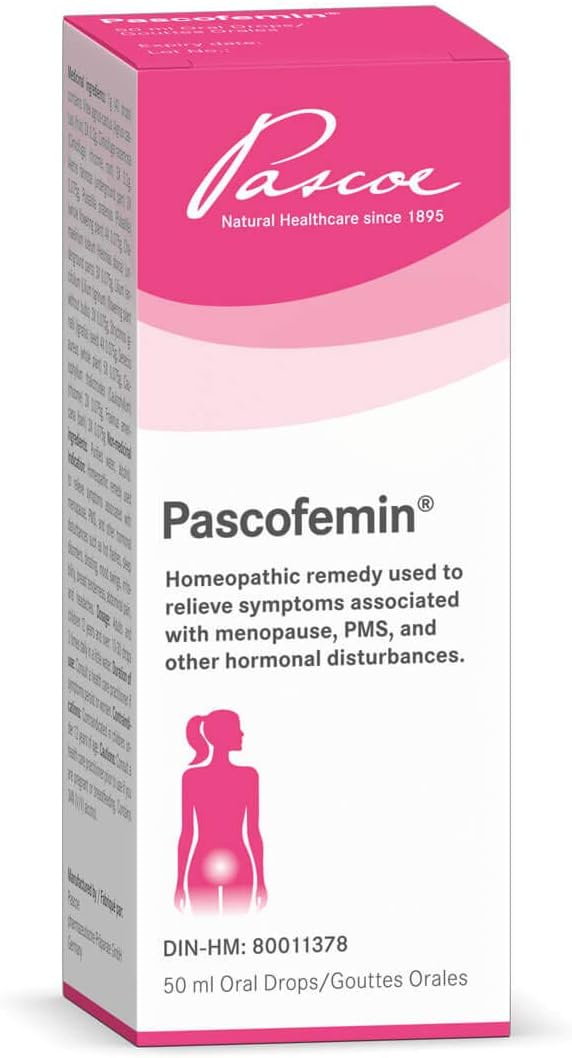
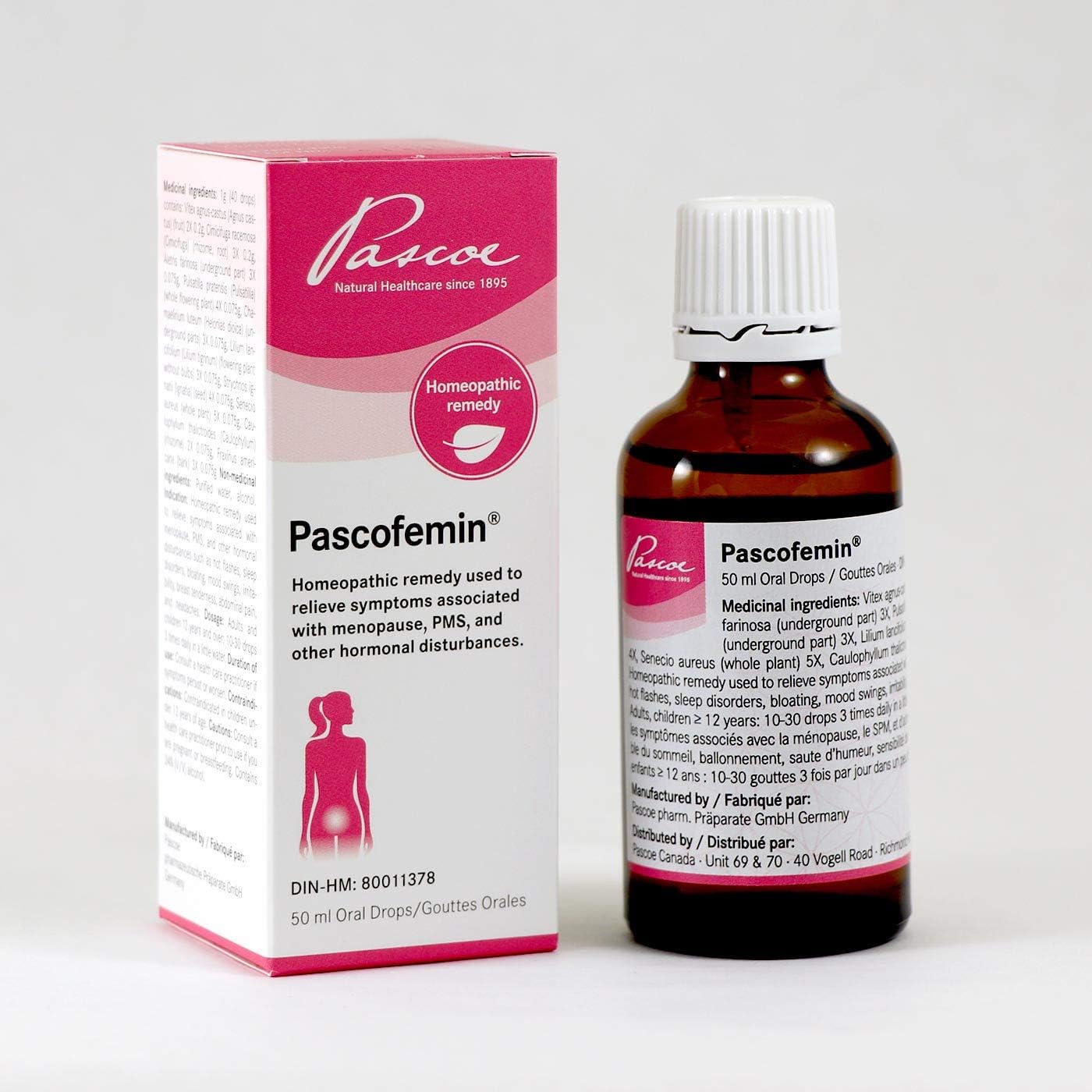
The Menopause Health collection at Coal Harbour Pharmacy brings together vitamins, minerals, botanical extracts, phytoestrogen-containing products, omega-3s, and targeted combination formulas for women navigating perimenopause, menopause, and postmenopause.
Supplements can provide targeted nutritional or botanical support, but they should not be presented as universally “balancing hormones” or as direct substitutes for menopausal hormone therapy (MHT). The appropriate approach depends on symptoms, health history, medications, personal preferences, and individual risk factors.
Key Benefits
Depending on the individual product and ingredients, menopause supplements may:
• Support comfort during hot flashes and night sweats
• Complement sleep and relaxation routines
• Support mood and emotional well-being
• Help maintain bone health as estrogen levels decline
• Support normal muscle and nervous-system function
• Provide nutritional support for cardiovascular health
• Complement healthy-aging and metabolic wellness strategies
• Support overall well-being during the menopausal transition
Evidence varies significantly between ingredients, and not every menopause supplement will address every symptom.
Who It’s Ideal For
This collection may be useful for:
• Women experiencing perimenopausal symptoms
• Women navigating the menopausal transition
• Postmenopausal women focused on healthy aging
• Individuals experiencing hot flashes or night sweats
• Women looking for nutritional support for bone health
• Those seeking botanical or non-hormonal supplement options
• Women building sleep, stress, and mood-support routines
• Individuals looking for targeted nutritional support alongside professional menopause care
New, severe, persistent, or unusual symptoms should be appropriately assessed rather than automatically attributed to menopause.
Understanding Perimenopause, Menopause & Postmenopause
These terms describe different stages of the reproductive transition.
Perimenopause is the transitional period leading up to menopause. Hormone levels can fluctuate substantially, and menstrual cycles may become irregular.
Menopause is reached retrospectively after 12 consecutive months without a menstrual period when another cause is not responsible.
Postmenopause refers to the years following menopause.
Natural menopause most commonly occurs between approximately 45 and 55 years of age, although timing varies.
Common Menopause Symptoms
The experience of menopause differs considerably between individuals.
Symptoms can include:
• Hot flashes
• Night sweats
• Sleep disruption
• Changes in menstrual patterns during perimenopause
• Mood changes
• Irritability
• Difficulty concentrating or subjective “brain fog”
• Vaginal dryness
• Changes in sexual comfort or desire
• Joint or muscle discomfort
• Changes in body composition
• Urinary or genitourinary symptoms
Some women experience relatively few symptoms, while others experience symptoms that substantially affect quality of life.
Hot Flashes & Night Sweats
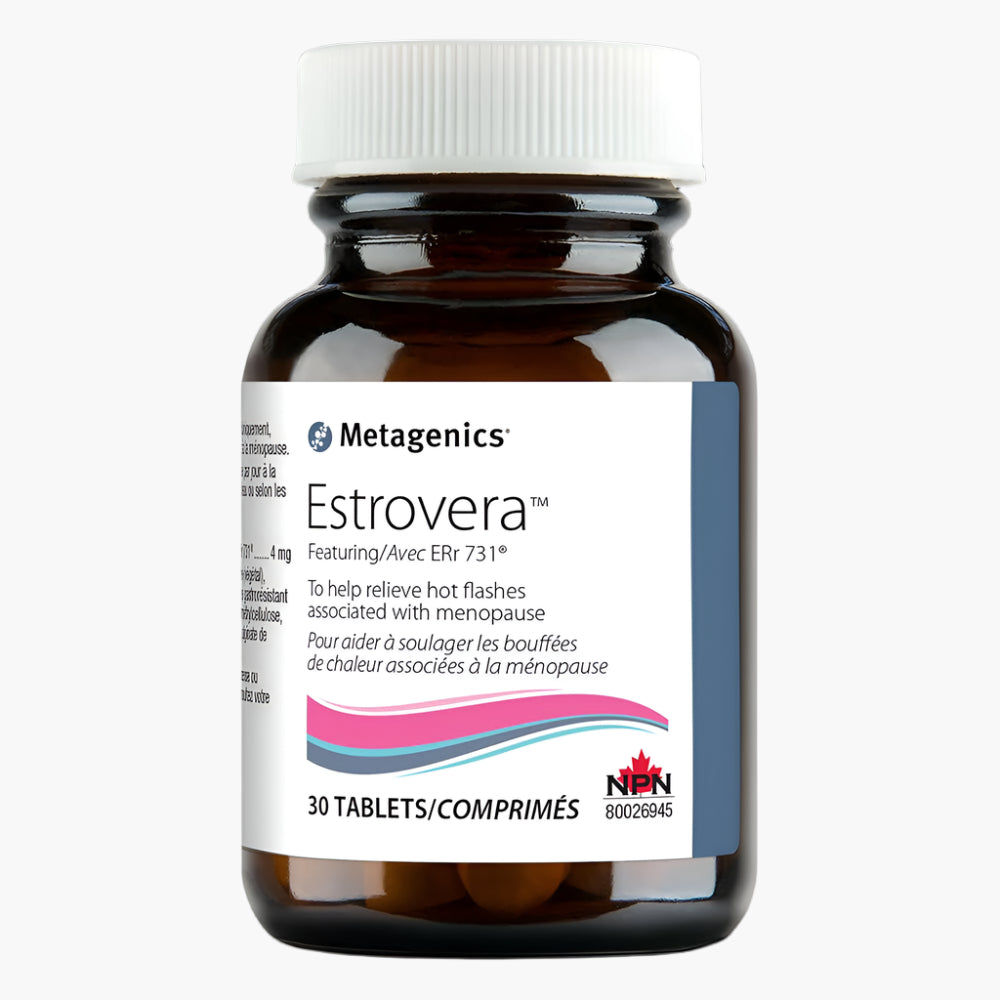
Hot flashes and night sweats are known collectively as vasomotor symptoms.
They are associated with changes in thermoregulation during the menopausal transition and are among the most characteristic menopause symptoms.
Selected supplements and botanicals have been studied for vasomotor symptoms, but results vary according to the ingredient, preparation, dose, and individual.
Products marketed for hot flashes should therefore not automatically be assumed to work equally well.
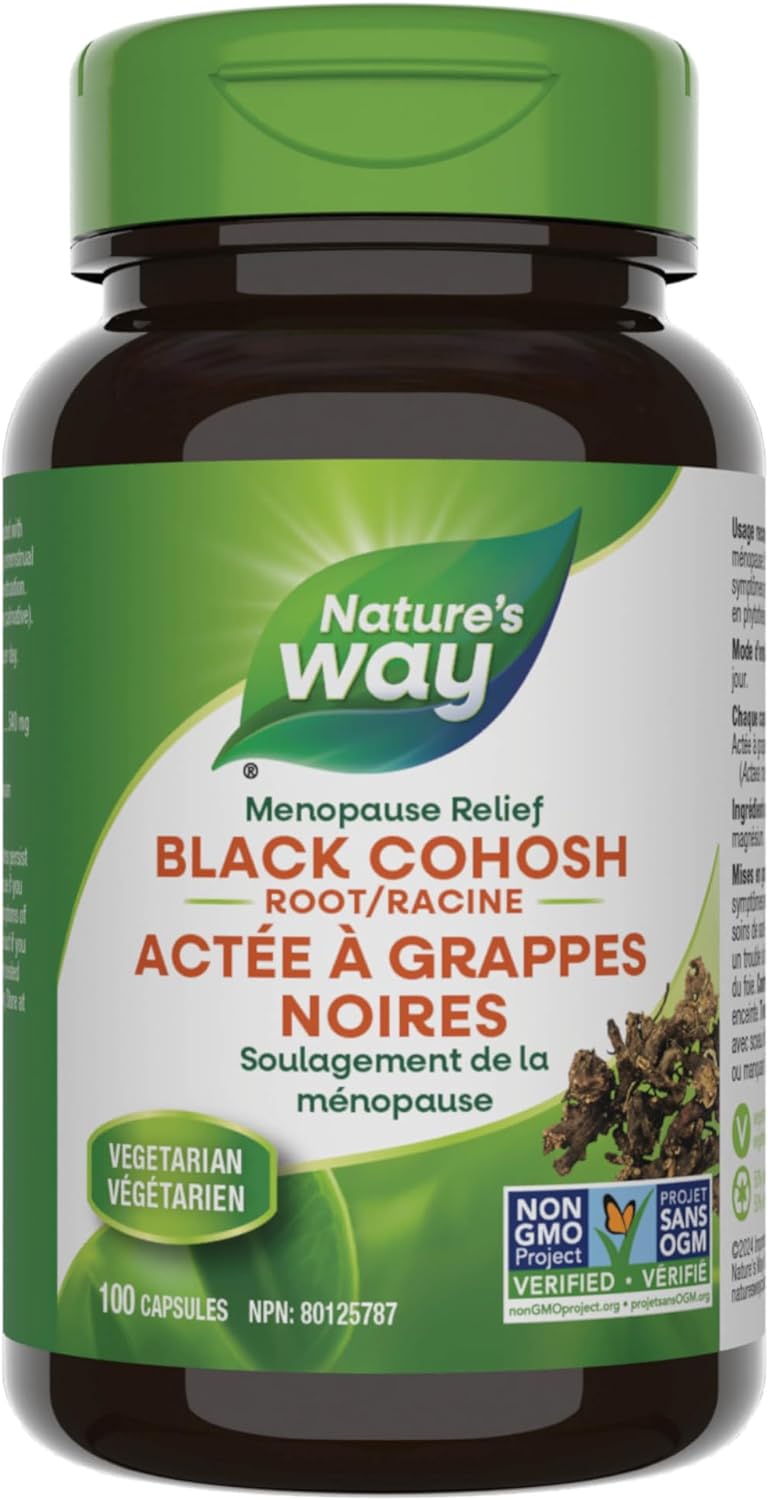
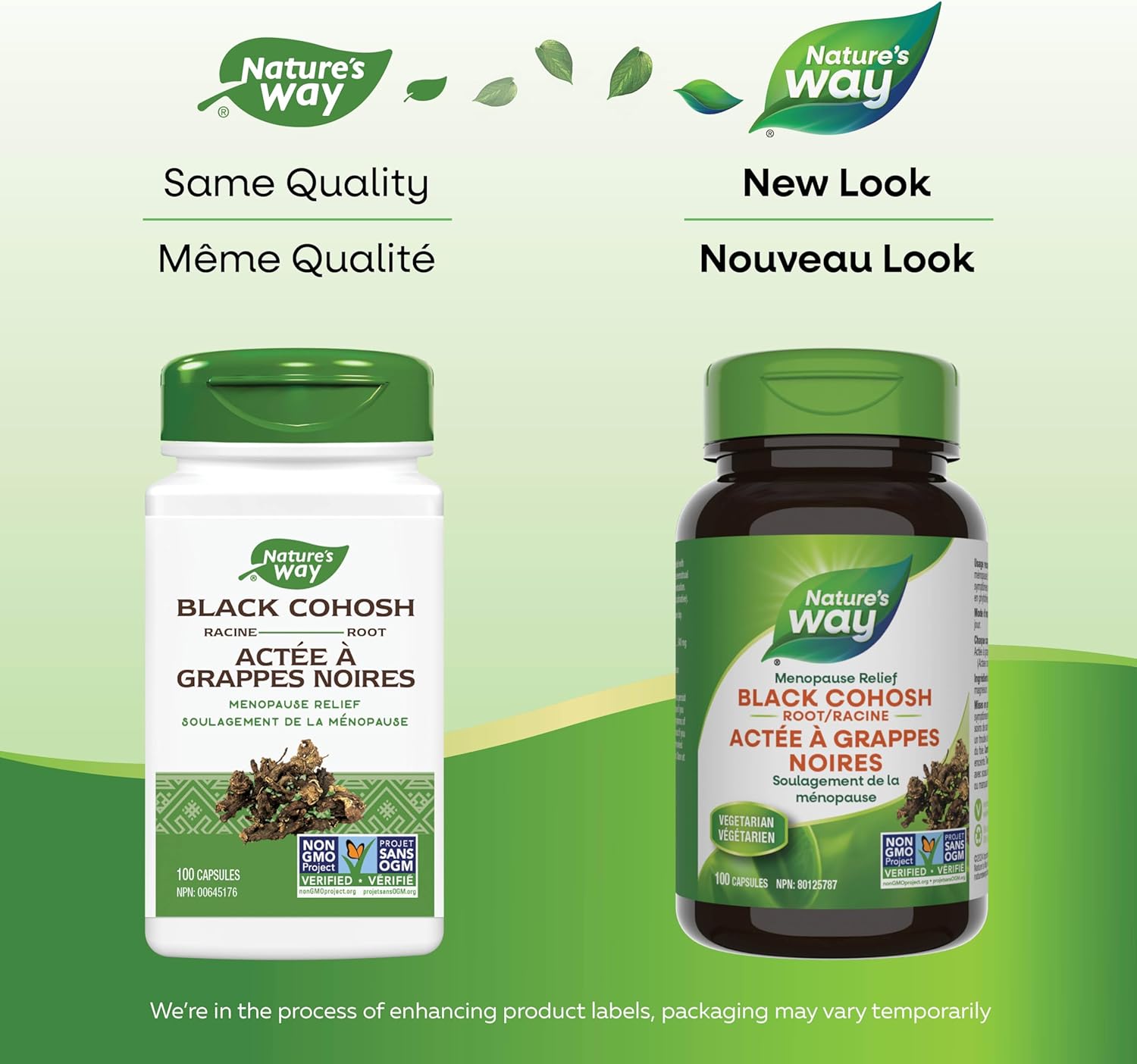
Black Cohosh
Black cohosh is one of the most commonly used botanicals in menopause supplements.
It has been studied primarily for menopausal symptoms, including hot flashes, although research findings have been mixed and can differ among preparations.
Black cohosh should not simply be described as a plant-based estrogen replacement.
People with liver disease or concerning symptoms such as jaundice or dark urine should seek professional guidance, and product-specific cautions should be followed.
Soy Isoflavones
Soy contains naturally occurring compounds called isoflavones, including genistein and daidzein.
These are classified as phytoestrogens because they can interact with estrogen receptors, although their biological effects are much weaker and more complex than those of endogenous estrogen.
Soy isoflavones have been investigated for menopausal vasomotor symptoms, with benefits varying among individuals and studies.
They should not be described as equivalent to estrogen therapy.
Red Clover
Red clover also contains isoflavones and is commonly included in menopause-oriented botanical formulas.
Research into its effects on hot flashes and other menopausal symptoms has produced variable results.
Individuals with hormone-sensitive conditions or those using medications that affect blood clotting should discuss concentrated phytoestrogen-containing supplements with an appropriate healthcare professional.
Sage
Sage preparations are sometimes used for menopausal sweating and hot flashes.
Some clinical research is encouraging, but evidence is less extensive than for established medical treatments.
Different sage extracts can also differ substantially in composition, making it important to follow the directions and cautions of the specific product.
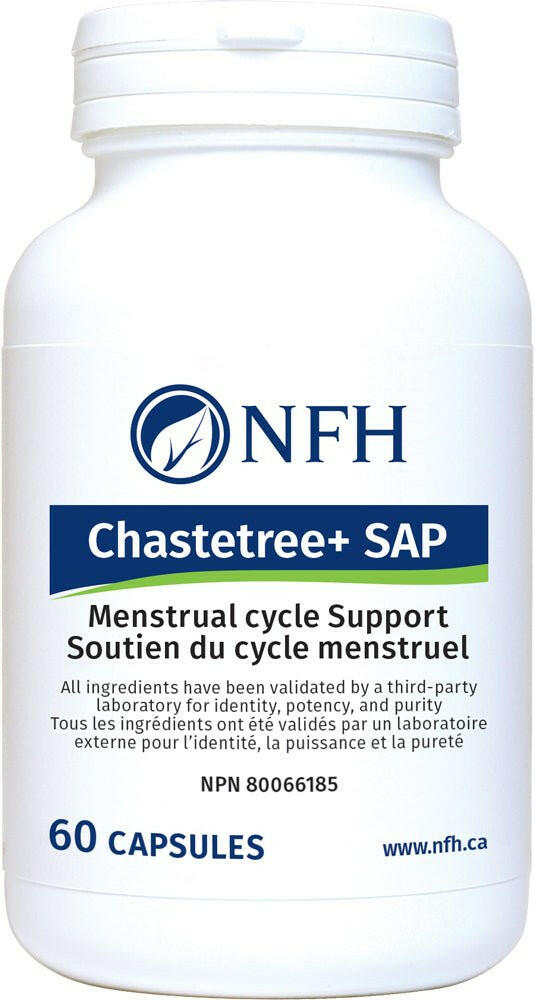
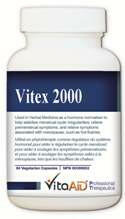
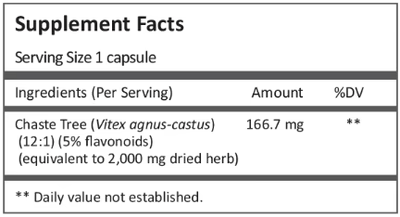
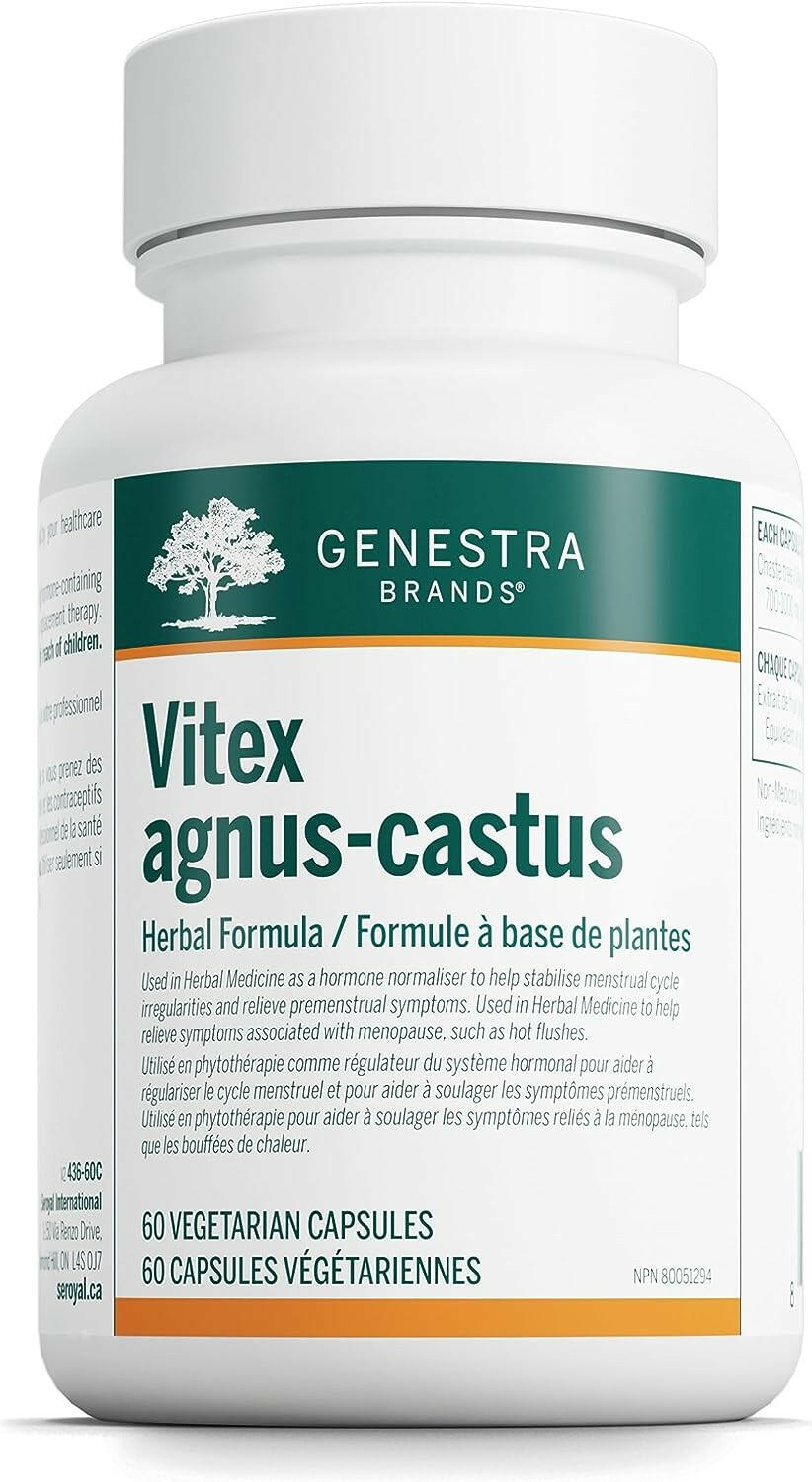
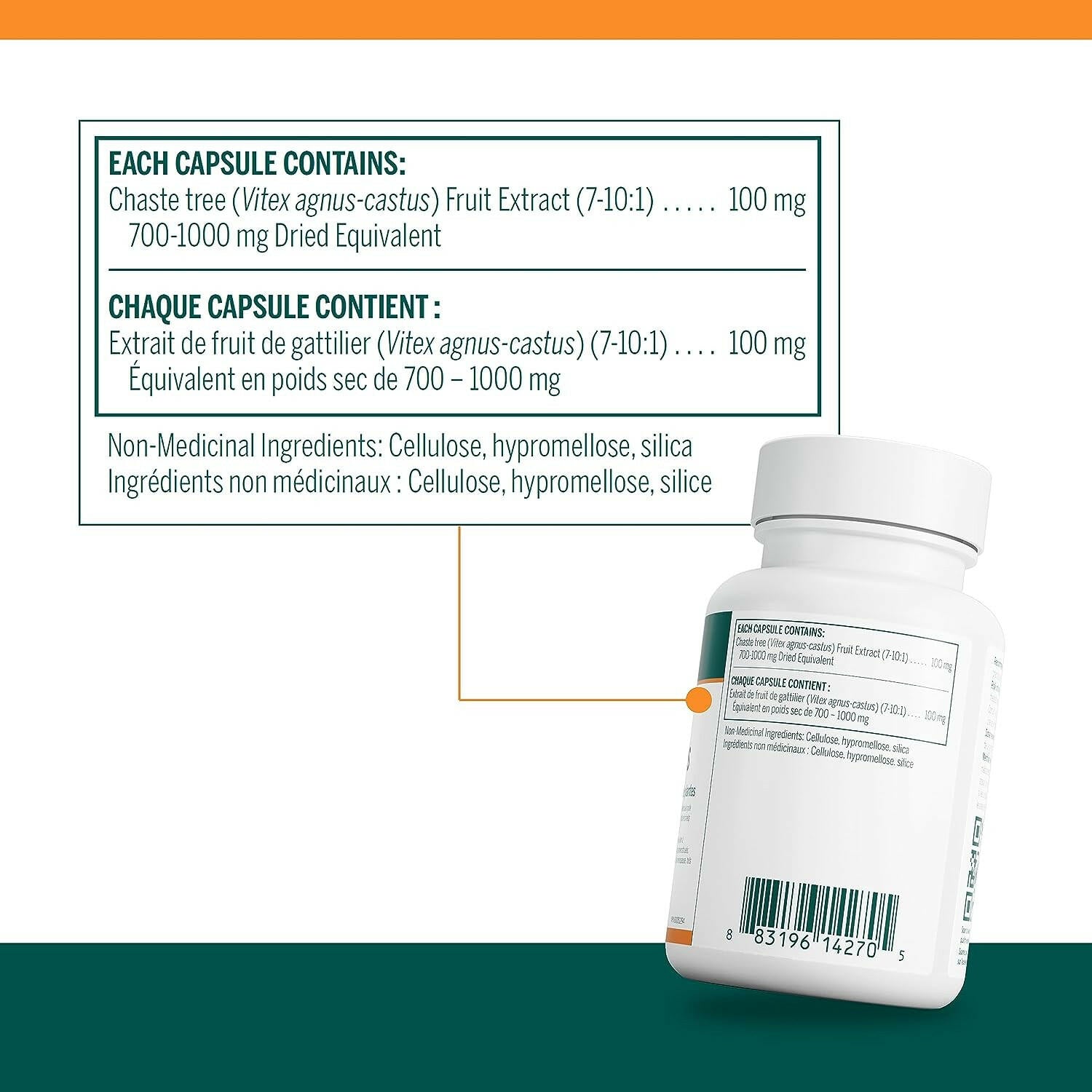
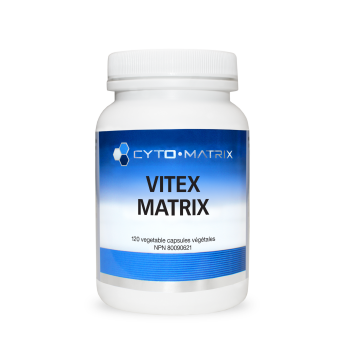
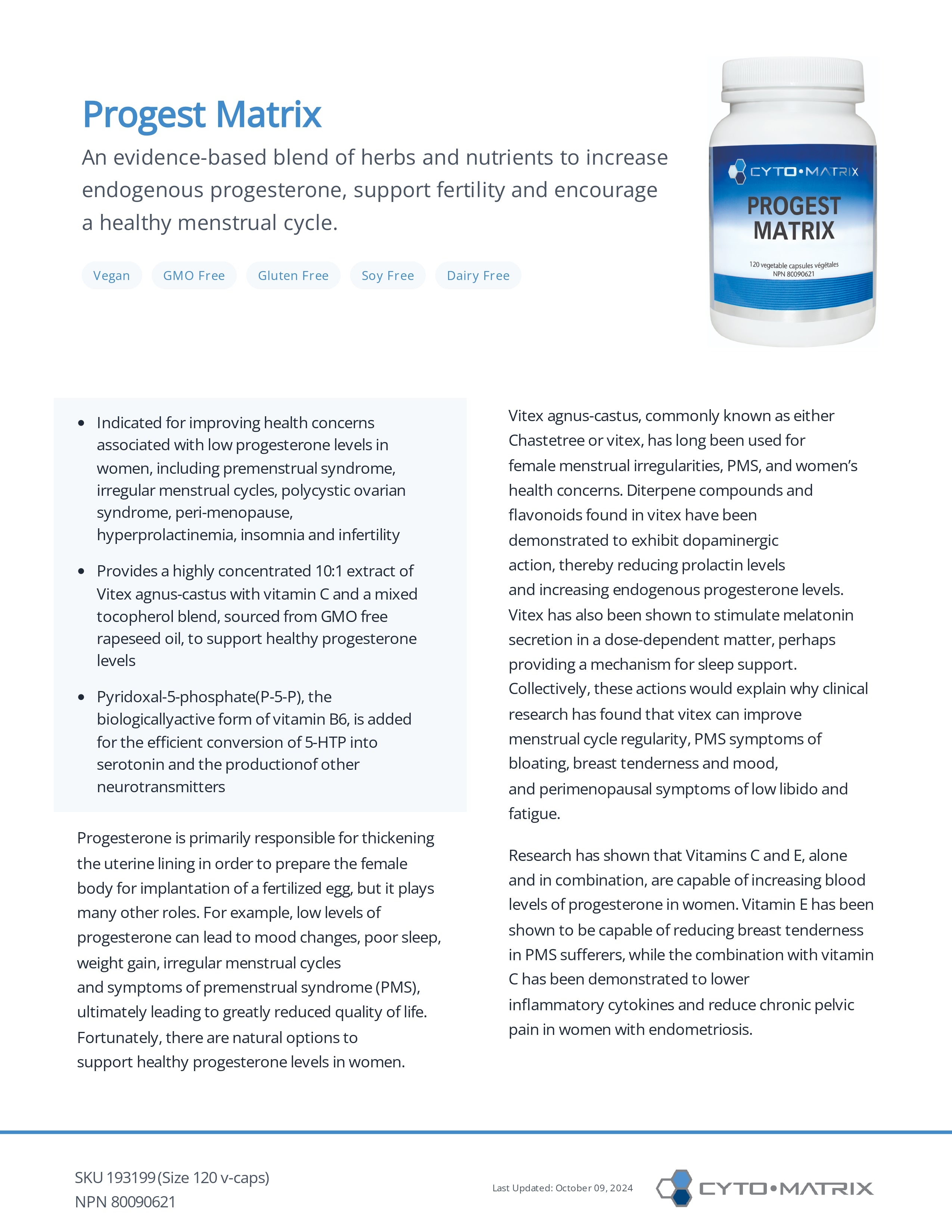
Chasteberry (Vitex)
Vitex, or chasteberry, is often marketed broadly for “hormonal balance.”
Its better-known traditional and clinical applications relate to certain premenstrual and reproductive-cycle concerns, and it should not automatically be assumed to be appropriate for every menopausal symptom.
Perimenopause and menopause involve complex hormonal changes rather than a simple deficiency that an herb can universally “rebalance.”
Dong Quai
Dong quai has a long history of use in traditional herbal practice, particularly in women’s health.
However, evidence for treating menopausal symptoms is limited, and traditional use should be distinguished from established clinical effectiveness.
Potential interactions—including with medications affecting blood clotting—should be considered.
Mood & Emotional Wellness
Hormonal transition, sleep disruption, life circumstances, and other factors can influence mood during perimenopause and menopause.
Nutritional or botanical products may complement broader wellness strategies involving:
• Regular physical activity
• Adequate sleep
• Stress management
• Social connection
• Balanced nutrition
• Psychological support when needed
Persistent anxiety, depression, severe mood changes, or significant impairment deserve appropriate professional assessment.
Sleep During Menopause
Sleep problems can result from several overlapping factors.
Night sweats may interrupt sleep, while stress, mood changes, circadian factors, sleep apnea, restless legs, medications, alcohol, and other health conditions can also contribute.
Sleep-support formulas may include:
• Magnesium
• Melatonin
• L-theanine
• Valerian
• Passionflower
• Other calming ingredients
These may complement a sleep routine but do not address every cause of disrupted sleep.
Magnesium
Magnesium contributes to normal:
• Muscle function
• Nervous-system function
• Energy metabolism
• Electrolyte balance
• Bone health
Magnesium may be useful when dietary intake is inadequate and is commonly included in nighttime wellness routines.
However, it should not be described as directly correcting menopausal hormone changes.
Bone Health After Menopause
Declining estrogen after menopause is associated with accelerated bone loss, making bone health an increasingly important consideration.
Important factors include:
• Adequate calcium intake
• Vitamin D
• Sufficient protein
• Magnesium and other nutrients
• Weight-bearing exercise
• Resistance training
• Avoiding smoking
• Moderating alcohol
• Assessment of osteoporosis risk when appropriate
Supplements can help meet nutritional requirements but do not independently prevent all menopause-related bone loss.
Calcium & Vitamin D
Calcium is a major structural component of bone, while vitamin D supports normal calcium absorption and bone mineralization.
Supplement requirements depend on dietary intake and individual circumstances.
More calcium is not automatically better, and total intake from both food and supplements should be considered.
Vitamin D requirements may also vary according to age, sun exposure, diet, and individual status.
Vitamin K & Bone Health
Vitamin K contributes to normal proteins involved in bone metabolism as well as normal blood clotting.
Some bone-support formulas combine vitamin K with calcium, vitamin D, or magnesium.
People taking vitamin K antagonist anticoagulants such as warfarin require particular care with changes in vitamin K intake.
Cardiovascular Health After Menopause
Cardiovascular risk becomes increasingly important with age and after the menopausal transition.
A comprehensive cardiovascular strategy includes attention to:
• Blood pressure
• Cholesterol and other blood lipids
• Blood glucose
• Physical activity
• Nutrition
• Smoking
• Body composition
• Sleep
• Family history
Supplements may complement cardiovascular nutrition but should not replace established risk-factor management or prescribed medications.
Omega-3 Fatty Acids
EPA and DHA omega-3 fatty acids contribute to cardiovascular nutrition and have established physiological roles.
They are sometimes incorporated into healthy-aging strategies during and after menopause.
Omega-3 supplements should not, however, be presented as treatments for hot flashes or as substitutes for appropriate cardiovascular care.
Energy & Fatigue
Fatigue during the menopausal transition can be influenced by:
• Sleep disruption
• Night sweats
• Stress
• Diet
• Physical activity
• Iron status
• Thyroid function
• Mood
• Medications
• Other medical conditions
B vitamins and other nutrients contribute to normal energy metabolism, but they do not function as stimulants when nutritional status is already adequate.
Persistent or unexplained fatigue deserves assessment.
Brain Fog & Cognitive Changes
Some women report difficulty concentrating, forgetfulness, or subjective “brain fog” during the menopausal transition.
Sleep disruption, stress, mood, medications, and hormonal changes may all contribute.
Supplements marketed for cognitive support should not be assumed to prevent dementia or reverse neurological disease.
Persistent, progressive, or significant cognitive changes warrant professional evaluation.
Metabolism & Body Composition
Changes in age, hormonal environment, activity, sleep, and muscle mass can influence body composition during midlife.
Menopause supplements do not independently “reset metabolism” or prevent weight gain.
Useful foundations include:
• Resistance training
• Regular aerobic activity
• Adequate protein
• Fibre-rich foods
• Appropriate total energy intake
• Sufficient sleep
• Management of metabolic risk factors
Maintaining muscle mass is particularly valuable for metabolic health and healthy aging.
Vaginal, Sexual & Genitourinary Health
Declining estrogen can affect tissues of the vulva, vagina, bladder, and urinary tract.
Symptoms may include:
• Vaginal dryness
• Irritation
• Discomfort during sexual activity
• Changes in urinary symptoms
• Changes in sexual function
These symptoms are sometimes collectively described as genitourinary syndrome of menopause (GSM).
Oral supplements are not always the most effective approach. Persistent symptoms should be discussed with a healthcare professional because targeted non-hormonal and hormonal treatments may be available.
Menopause Supplements vs Menopausal Hormone Therapy
Natural health products and menopausal hormone therapy are not equivalent.
Menopausal hormone therapy can be an effective evidence-based treatment for appropriate individuals, particularly for bothersome vasomotor symptoms, and its suitability depends on personal medical history, age, timing, symptoms, and risk factors.
Someone preferring a non-hormonal supplement should not be led to believe that synthetic or prescription hormones are inherently unsafe or that herbal products provide equivalent effects.
Treatment decisions are best individualized.
Hormone-Free Menopause Support
Many menopause supplements do not contain human hormones.
They may instead contain:
• Vitamins and minerals
• Botanical extracts
• Phytoestrogens
• Amino acids
• Fatty acids
• Other nutritional ingredients
However, “hormone-free” does not necessarily mean that a product has no interaction with hormone-related pathways. Phytoestrogen-containing botanicals, for example, can interact with estrogen receptors.
How to Choose a Menopause Supplement
Identify Your Main Symptom
A formula for hot flashes may differ substantially from one designed for sleep, bone health, or general nutritional support.
Review the Ingredients
Do not assume every product labelled “menopause support” contains evidence-informed ingredients for your specific concern.
Check the Dose & Extract
Botanical species, extract type, dose, and standardization can influence how research applies to a particular product.
Consider Your Medications
Some botanicals and nutrients can interact with prescription or non-prescription medications.
Avoid Unnecessary Duplication
Check multivitamins, bone formulas, sleep supplements, and menopause blends for overlapping nutrients.
Reassess Persistent Symptoms
Supplements should not delay appropriate evaluation when symptoms are severe, unusual, or persistent.
Menopause Supplement Safety
Professional guidance is particularly appropriate for individuals who:
• Have a history of breast, uterine, ovarian, or other hormone-sensitive cancers
• Have unexplained vaginal bleeding
• Have liver or kidney disease
• Have cardiovascular disease
• Have a history of blood clots
• Take anticoagulant or antiplatelet medication
• Take prescription hormone therapy
• Use multiple botanical supplements
• Are preparing for surgery
Safety depends on the individual ingredients rather than whether a product is marketed as “natural.”
When Symptoms Need Medical Assessment
Menopause is normal, but not every symptom occurring in midlife is caused by menopause.
Seek appropriate assessment for concerns such as:
• Very heavy or prolonged bleeding
• Bleeding after menopause
• New bleeding after 12 months without a period
• Severe pelvic pain
• Chest pain or unexplained shortness of breath
• Significant depression or anxiety
• Persistent or severe sleep problems
• Unexplained weight loss
• New breast changes
• Progressive cognitive changes
• Symptoms that significantly interfere with daily life
In particular, postmenopausal bleeding should be medically evaluated rather than attributed to normal hormonal fluctuation.
FAQs
What is the difference between perimenopause and menopause?
Perimenopause is the transition leading up to menopause, during which cycles and hormone levels can fluctuate. Menopause is reached after 12 consecutive months without menstruation when another cause is not responsible.
What supplements are commonly used for menopause?
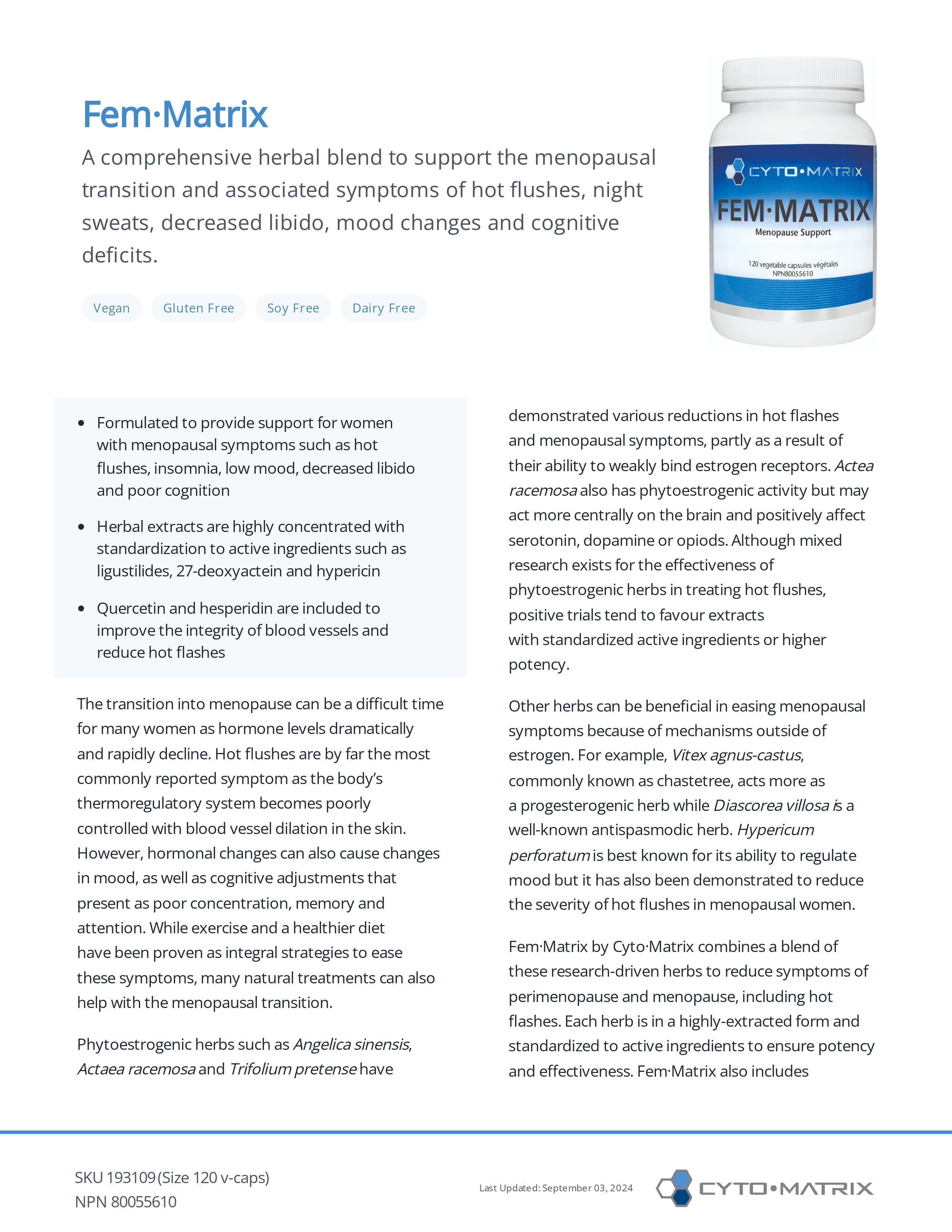
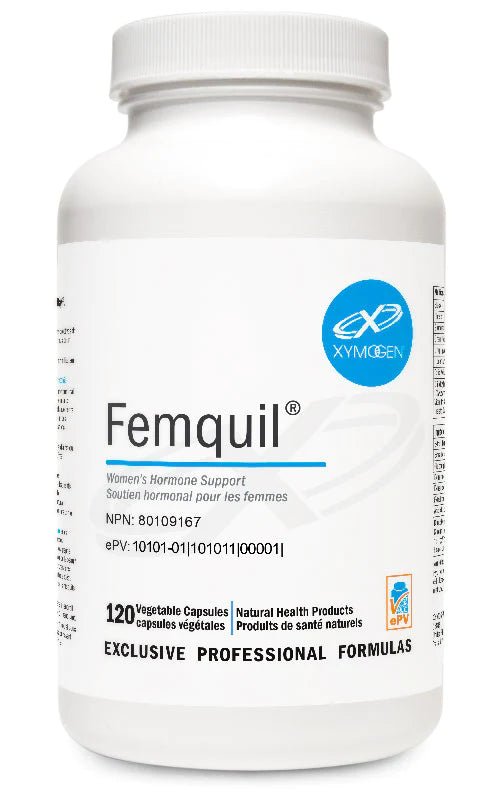
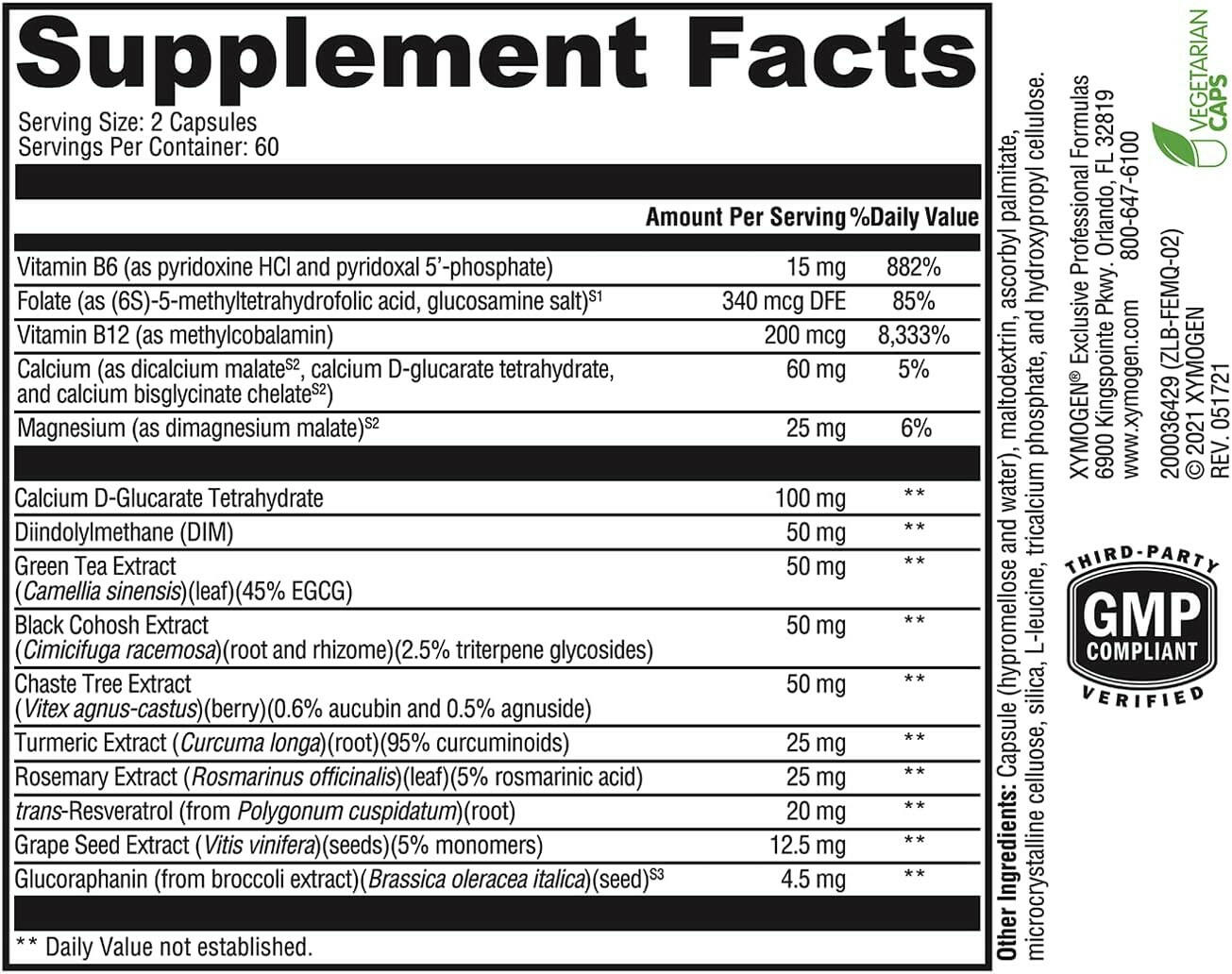
Depending on the goal, products may contain black cohosh, soy isoflavones, red clover, sage, magnesium, calcium, vitamin D, vitamin K, omega-3s, or other nutritional and botanical ingredients.
What supplements may help with hot flashes?
Black cohosh, soy isoflavones, red clover, and sage are among ingredients studied for vasomotor symptoms. Evidence varies, and no supplement works consistently for everyone.
Are menopause supplements the same as hormone therapy?
No. Nutritional and herbal supplements are not equivalent to menopausal hormone therapy in composition, evidence, or expected effects.
Are phytoestrogens the same as estrogen?
No. Phytoestrogens are plant compounds that can interact with estrogen receptors, but their actions and potency differ substantially from human estrogen and prescription estrogen therapy.
Does Vitex balance hormones during menopause?
Vitex is commonly marketed for hormonal balance, but evidence does not support describing it as a universal hormone-balancing solution for menopause. Its better-established uses relate to certain premenstrual concerns.
Can magnesium help during menopause?
Magnesium supports normal muscle, nervous-system, energy, and bone physiology and may complement a nighttime routine. It does not directly replace declining estrogen.
Should I take calcium after menopause?
Calcium requirements should first consider dietary intake. Supplements can help when food intake is insufficient, but total calcium intake and individual health circumstances matter.
Can menopause supplements be taken with hormone therapy?
Sometimes, but combinations should be reviewed for unnecessary duplication, interactions, and hormone-active botanicals.
When should menopause symptoms be evaluated by a healthcare professional?
Seek guidance when symptoms are severe, persistent, unusual, significantly affect quality of life, or include concerns such as postmenopausal bleeding, significant mood changes, or unexplained physical symptoms.
Why Shop Menopause Health at Coal Harbour Pharmacy?
• Pharmacist-curated menopause and healthy-aging supplements
• Options for hot flashes, sleep, stress, bone health, and everyday nutritional support
• Botanical, phytoestrogen, vitamin, mineral, and combination formulas
• Hormone-free natural health options available
• Established professional and natural health brands
• Fast Canada-wide shipping
Related Collections
• Women’s Health
• Hormonal Balance
• Bone Health
• Sleep & Stress
────────────────────────────────────
Shop Menopause Health →
Sort by
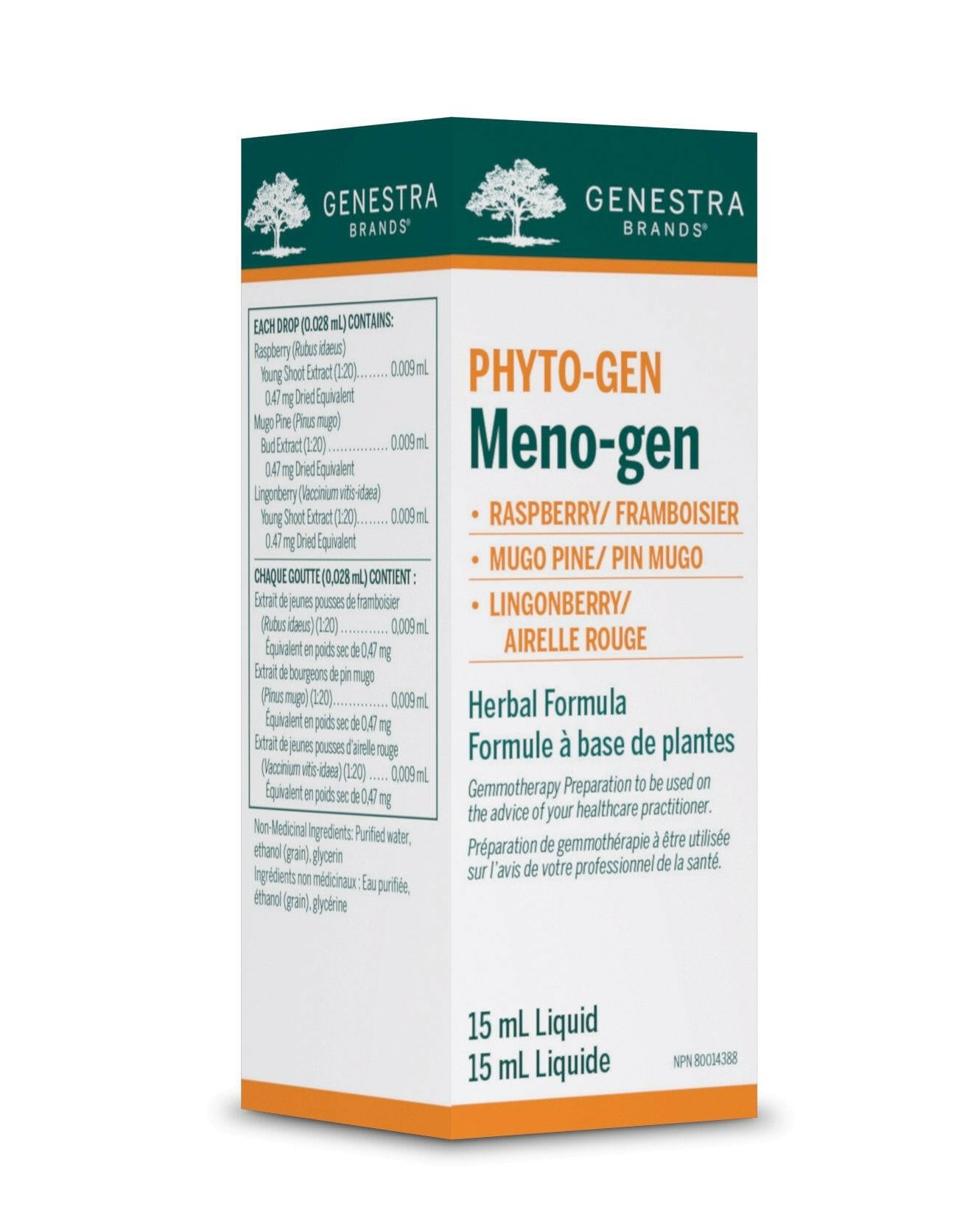
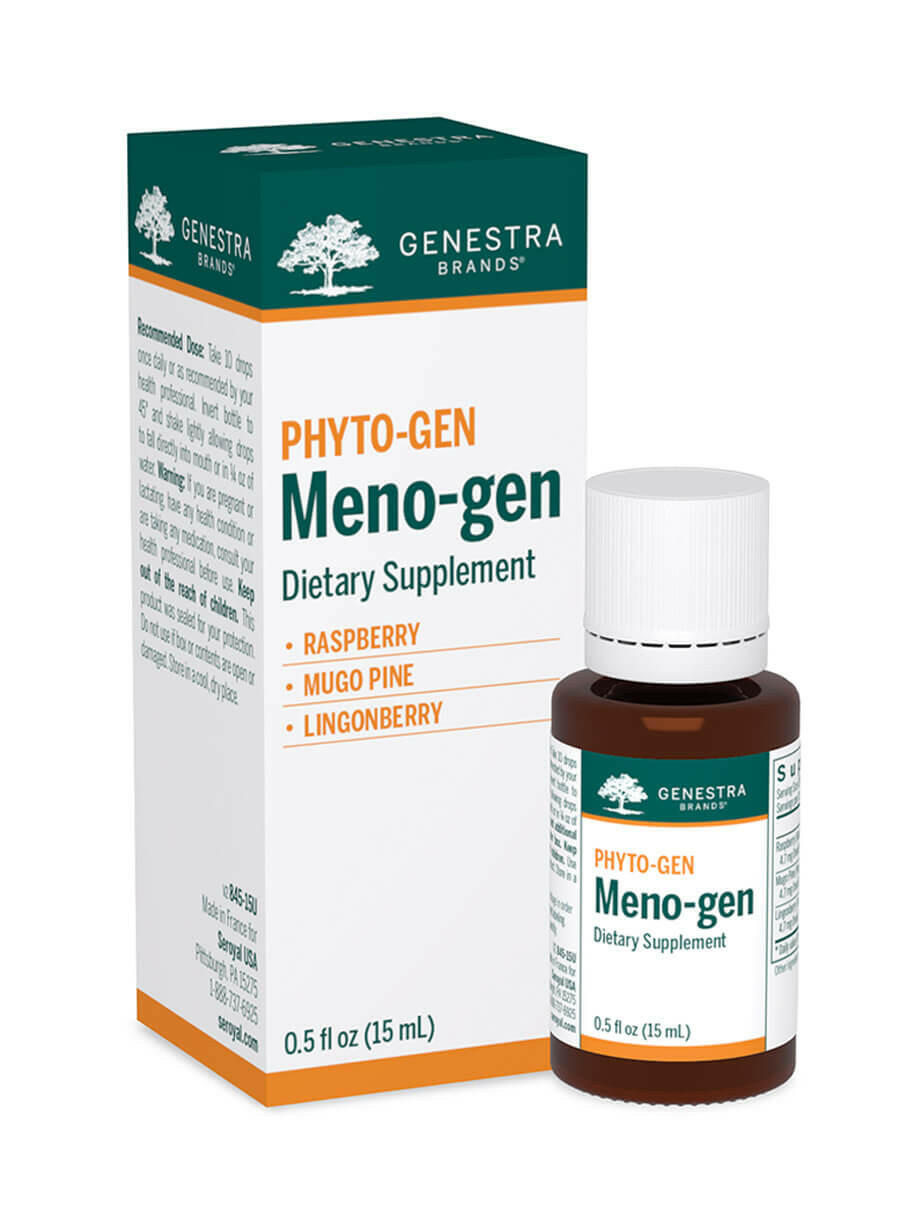
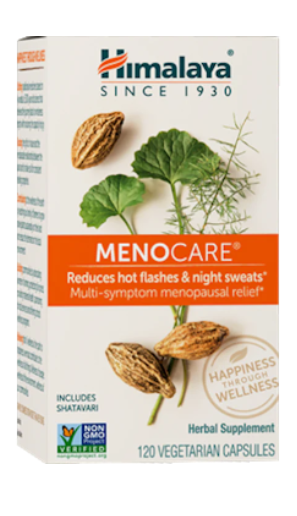
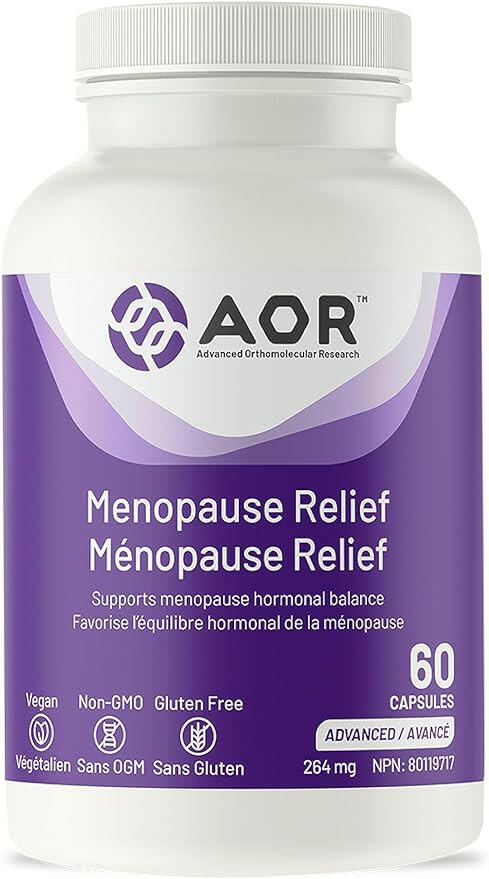
27 products


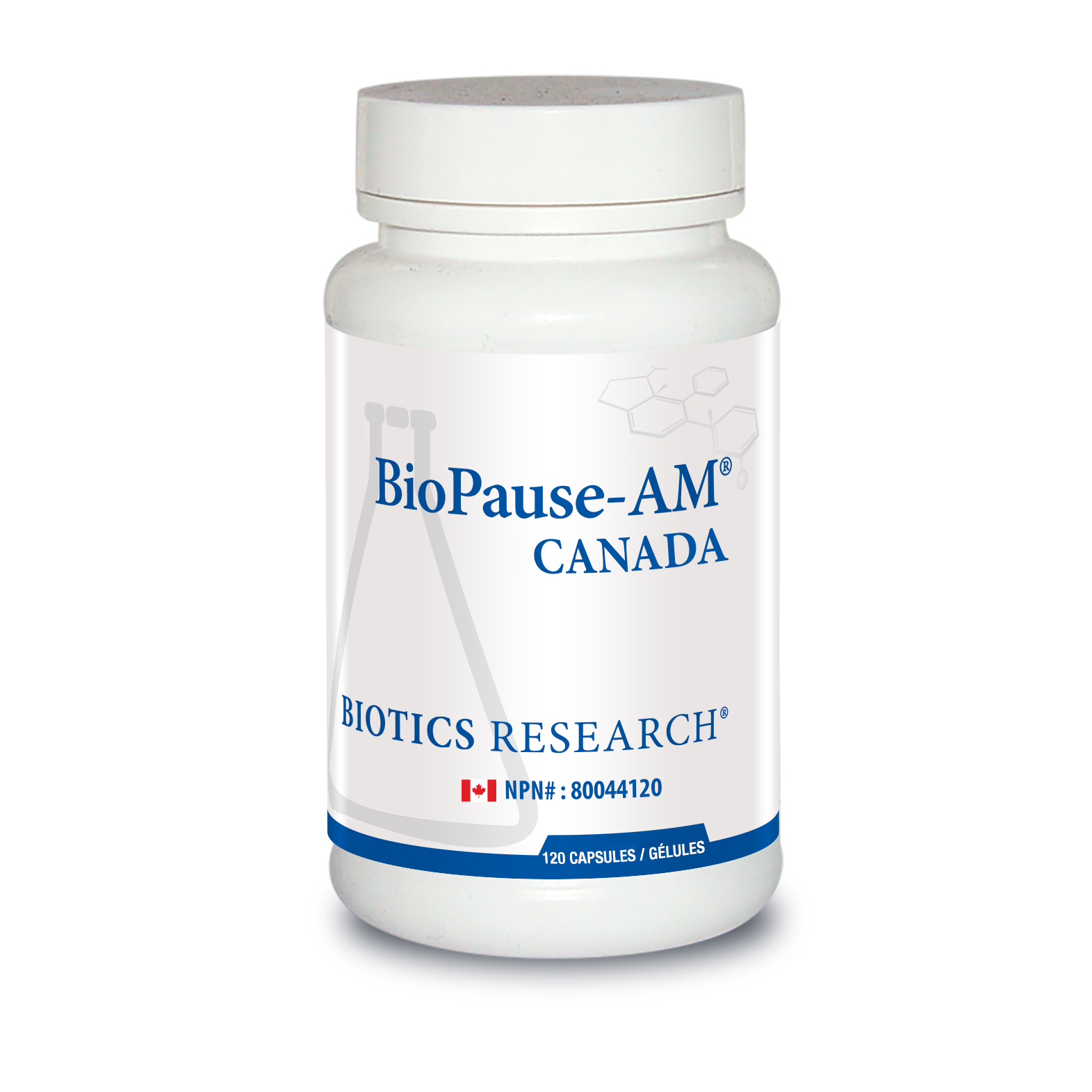
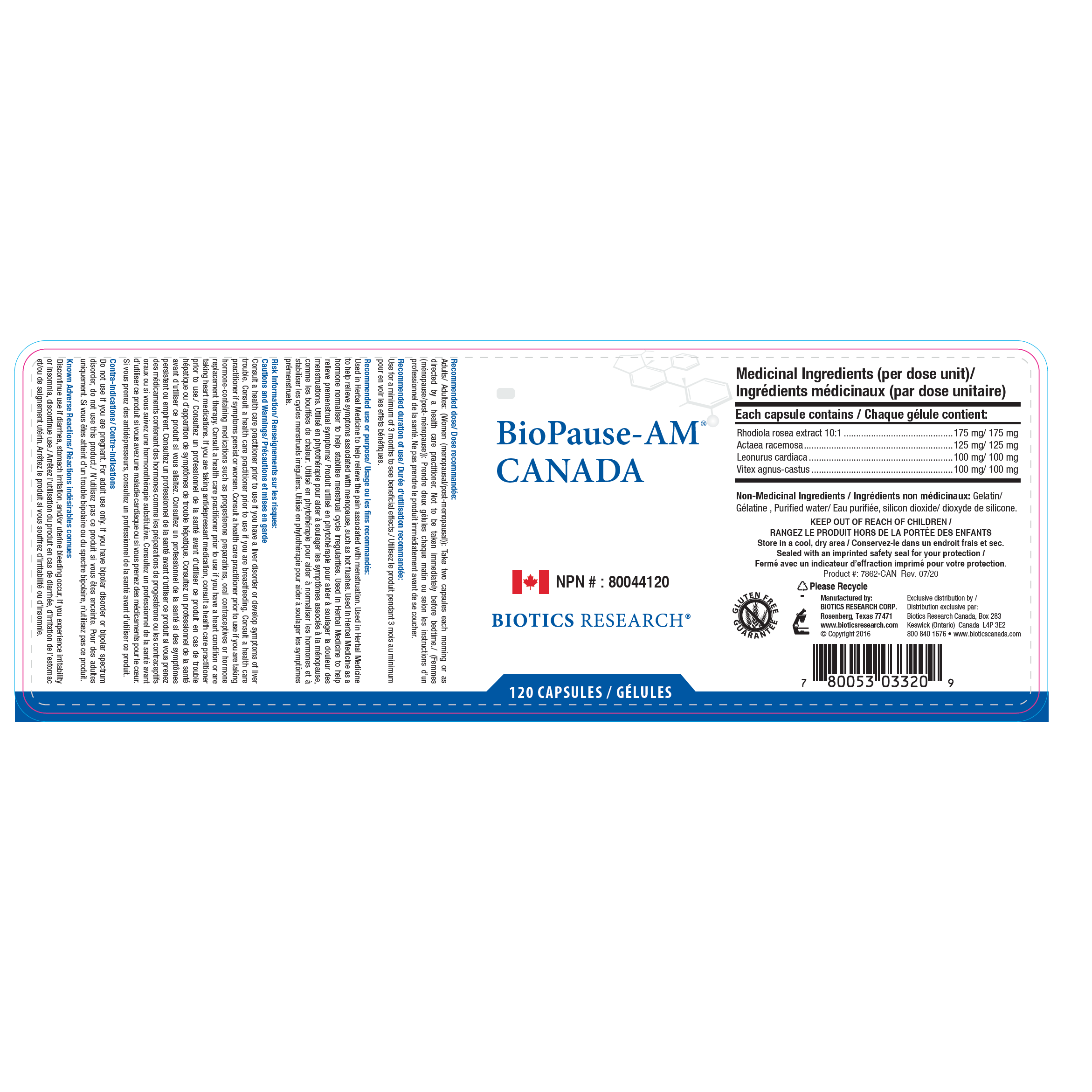
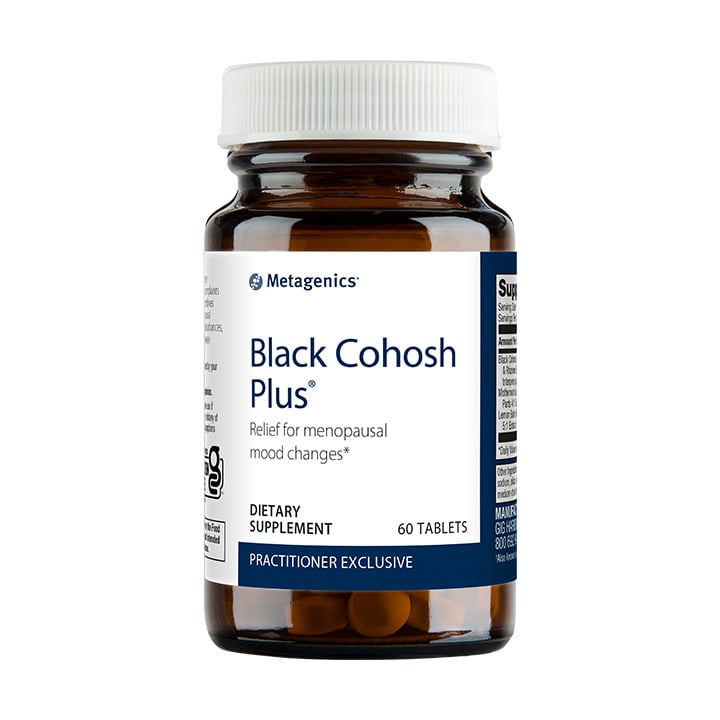
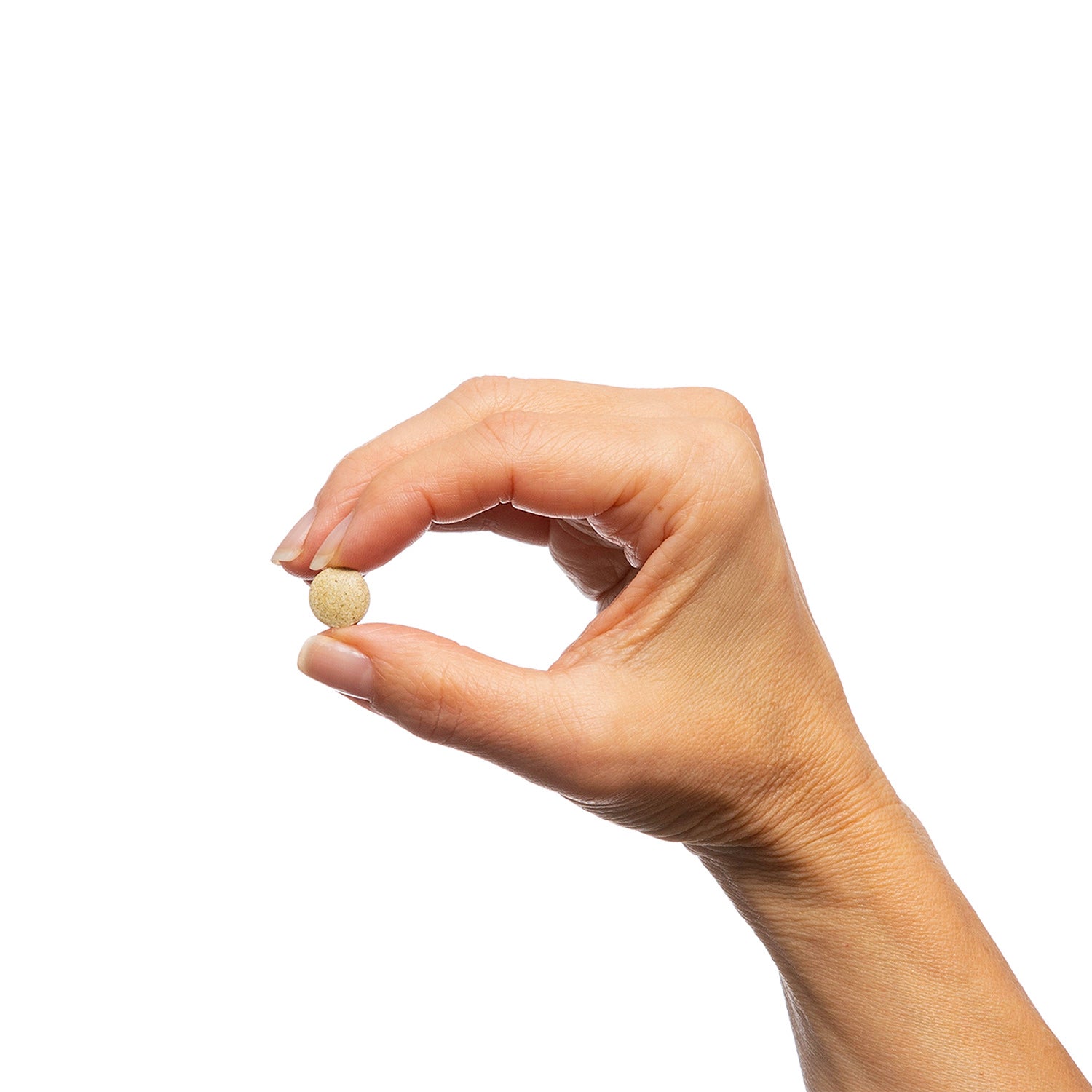

Free Delivery
Satisfied or refunded
Top-notch support
Secure payments
Encrypted checkout processing
Offers exclude prescriptions and in-store purchases.
Subscribe & Get a First-Order Reward
Plus, earning reward points on eligible online purchases and enjoy future store credit.
We respect your inbox at Coal Harbour Pharmacy - Expect thoughtfully curated health and wellness updates, timely reminders, and exclusive online savings.