
Nail Treatment – Antifungal, Strengthening & Nourishing Nail Care
Explore pharmacist-curated nail treatments for fingernails and toenails, with antifungal products, strengthening treatments, hydrating oils, cuticle care, keratolytic ingredients, and targeted formulas for fungal concerns, brittle or splitting nails, dryness, discoloration, and everyday nail maintenance.
────────────────────────────────────
About Nail Treatment
Healthy-looking nails depend on the condition of the nail plate, nail bed, surrounding skin, and cuticle, as well as overall health and repeated environmental exposure.
Nails can become brittle, thickened, discoloured, ridged, peeling, or damaged for many reasons. Common contributors include repeated wetting and drying, manicures, gel or acrylic removal, trauma, aging, skin conditions, nutritional deficiencies, medications, and fungal infection.
The Nail Treatment collection at Coal Harbour Pharmacy includes both medicated and cosmetic nail-care products, ranging from antifungal treatments to nail conditioners, moisturizers, cuticle oils, keratolytic preparations, and strengthening products.
Because different nail conditions can look similar, persistent or significantly abnormal nails should be correctly assessed rather than automatically treated as fungal infection.
Key Benefits
Depending on the product and underlying concern, nail treatments may help:
• Treat certain fungal nail infections when an appropriately indicated antifungal is used
• Improve hydration of dry or brittle nails
• Reduce splitting and peeling associated with external damage
• Soften thickened nail material where appropriate
• Condition dry cuticles and surrounding skin
• Protect nails from repeated environmental stress
• Improve the appearance and feel of damaged nails
• Support healthier nail-care habits during regrowth
• Complement treatment of specific nail conditions
Results vary considerably depending on the underlying cause.
Who It’s Ideal For
This collection may be useful for people experiencing:
• Suspected or confirmed fungal nail infection
• Brittle nails
• Splitting or peeling nails
• Dry nails and cuticles
• Thickened toenails
• Nail damage following gel or acrylic manicures
• Repeated nail exposure to water or chemicals
• Minor cosmetic nail discoloration
• Nails requiring regular conditioning and protection
Painful, severely damaged, rapidly changing, or unexplained nail abnormalities may require professional assessment.
Understanding Nail Structure
The visible hard portion of the nail is the nail plate, composed primarily of keratin.
Other important structures include:
Nail matrix — produces most of the nail plate.
Nail bed — tissue underneath the nail plate.
Cuticle — helps protect the space between the nail plate and surrounding skin.
Nail folds — skin surrounding the sides and base of the nail.
Because new nail is produced from the matrix, meaningful improvement in a damaged nail often depends on healthy new nail growing forward, rather than instantly repairing the existing plate.
Nail Growth Takes Time
Nails grow slowly.
Fingernails generally grow faster than toenails, and complete replacement can take months.
Toenails can take considerably longer to grow out completely.
This is particularly important with fungal nail treatment: even after the infection is successfully controlled, the abnormal portion of the nail must often grow out before the nail looks substantially clearer.
Claims promising rapid restoration of a severely damaged nail should therefore be viewed cautiously.
Fungal Nail Infections
Fungal nail infection, or onychomycosis, can cause:
• Yellow, white, or brown discoloration
• Nail thickening
• Crumbling
• Separation from the nail bed
• Distortion of the nail plate
• Debris underneath the nail
Toenails are affected more frequently than fingernails.
However, not every yellow, thick, or abnormal nail is fungal.
Not Every Discoloured Nail Is Fungus
Conditions that can resemble fungal nail infection include:
• Nail trauma
• Psoriasis
• Eczema
• Repeated pressure from footwear
• Aging-related changes
• Bacterial infection
• Nail-product staining
• Other dermatological conditions
When the diagnosis is uncertain, professional assessment or laboratory testing can help prevent unnecessary antifungal treatment.
Antifungal Nail Treatments
Topical antifungal products can be appropriate for selected fungal nail infections.
Depending on the specific product and Canadian authorization, options may include medicated:
• Solutions
• Lacquers
• Topical preparations
Treatment generally requires consistent, prolonged use because nail growth is slow and medication must reach the affected area.
Follow the exact product directions.
Topical vs Oral Antifungal Treatment
The most appropriate treatment depends on:
• Number of affected nails
• Extent of nail involvement
• Nail thickness
• Whether the nail matrix is involved
• Organism responsible
• Health conditions
• Medication interactions
Oral prescription antifungal therapy may be more effective for some extensive infections but also has additional safety and interaction considerations.
A pharmacist, physician, or other qualified healthcare professional can help determine the appropriate approach.
Antifungal Nail Lacquers
Medicated nail lacquers are designed to remain on the nail and deliver an antifungal ingredient over time.
Treatment instructions may involve:
• Regular application
• Periodic removal of accumulated lacquer
• Nail trimming
• Filing when directed
• Extended treatment duration
Instructions vary by medication, so follow the specific label rather than applying one universal regimen.
Tea Tree Oil for Nails
Tea tree oil is commonly marketed as a natural antifungal nail treatment.
Laboratory studies demonstrate antimicrobial activity, but clinical evidence for reliably treating established onychomycosis is much less robust than for appropriately indicated antifungal medications.
Tea tree oil can also cause:
• Irritation
• Allergic contact dermatitis
• Skin sensitivity
It should not automatically be considered a safer or equally effective replacement for proven antifungal treatment.
Nail Strengthening Treatments
Nail strengtheners can help improve the feel or durability of fragile nails, depending on the formulation.
Products may work by:
• Coating the nail
• Reducing water loss
• Increasing temporary hardness
• Conditioning the nail plate
• Protecting against environmental exposure
Very hard nails are not necessarily healthier nails. Excessive hardening can sometimes make nails more brittle.
Brittle Nails
Brittle nail syndrome can involve:
• Splitting
• Peeling
• Cracking
• Roughness
• Fragility
Common contributors include repeated exposure to:
• Water
• Detergents
• Solvents
• Nail-polish remover
• Manicure procedures
• Dry environments
Protective nail-care habits can sometimes be more important than adding multiple treatments.
Peeling Nails
Layered peeling of the nail plate is sometimes called onychoschizia.
Frequent wet-dry cycles and chemical exposure can contribute.
Helpful strategies can include:
• Reducing unnecessary water exposure
• Wearing gloves during wet work
• Using moisturizers regularly
• Minimizing harsh polish removers
• Avoiding aggressive buffing
• Allowing damaged nails to grow out
Persistent peeling can occasionally be associated with underlying health issues.
Dry Nails & Cuticles
Dryness can affect both the nail plate and surrounding skin.
Regular moisturization can help reduce:
• Roughness
• Cracking
• Splitting
• Dry cuticles
• Irritation around the nail
Oils and ointments can be particularly useful because they help reduce moisture loss.
Cuticle Care
The cuticle contributes to the protective barrier around the developing nail.
Aggressively cutting or repeatedly damaging the cuticle can increase the risk of:
• Irritation
• Inflammation
• Infection
• Nail-growth abnormalities
Gentle conditioning is generally preferable to aggressive cuticle removal.
Jojoba & Botanical Oils
Jojoba, almond, and other oils are frequently used in nail and cuticle products.
Their primary benefit is conditioning and reducing moisture loss.
They can help improve the appearance and flexibility of dry nail structures but should not be expected to stimulate the nail matrix or cure fungal infection.
People with relevant plant or nut allergies should review ingredients carefully.
Vitamin E
Topical vitamin E is commonly included in nail and cuticle products as an emollient and antioxidant ingredient.
It may contribute to conditioning and moisturization.
However, evidence does not establish that topical vitamin E dramatically accelerates nail growth or repairs structural nail disease.
It can also cause contact dermatitis in some individuals.
Keratin Nail Products
Keratin is the major structural protein of nails.
Some nail products therefore incorporate keratin or keratin-related ingredients.
These formulations may condition or coat the nail surface, but topical keratin should not be interpreted as directly rebuilding the living nail matrix.
Damaged nail plate generally needs to grow out over time.
Biotin
Biotin is frequently marketed for hair and nail strength.
Small studies and clinical observations have suggested possible benefit in some people with brittle nails, but evidence is limited.
Biotin deficiency is uncommon in the general population.
Taking high-dose biotin does not guarantee:
• Faster nail growth
• Stronger nails
• Thicker nails
• Correction of fungal infection
High-dose biotin can also interfere with certain laboratory tests, including some cardiac, thyroid, and hormone tests.
Calcium & Nail Strength
A common misconception is that brittle nails automatically indicate calcium deficiency.
Calcium is essential for many physiological functions, but nail brittleness is not generally a reliable indicator of low calcium intake.
Taking calcium specifically for brittle nails is unlikely to help unless an actual nutritional need exists.
Iron & Nail Changes
Iron deficiency can sometimes contribute to nail abnormalities.
However, nail appearance alone cannot diagnose iron deficiency.
Symptoms or risk factors suggesting iron deficiency may warrant appropriate blood testing.
Iron supplements should not be started solely because nails are weak or brittle.
Zinc & Nail Health
Zinc participates in normal cell division, protein synthesis, and tissue health.
Severe zinc deficiency can affect skin and nails.
However, taking additional zinc when intake is already adequate does not necessarily strengthen nails.
Long-term excessive zinc intake can contribute to copper deficiency.
Vitamin C
Vitamin C is required for normal collagen formation and contributes to antioxidant defence.
Adequate intake supports connective-tissue health.
However, high-dose vitamin C has not been established as a direct treatment for brittle or fungal nails.
Urea for Thickened Nails
Urea can act as both a humectant and keratolytic ingredient, depending on concentration.
Higher-concentration urea preparations may help soften thickened keratin and can be useful in certain nail and foot-care routines.
Urea does not itself function as a conventional antifungal medication.
However, softening a thickened nail may sometimes complement other treatment approaches when professionally appropriate.
Salicylic Acid
Salicylic acid is a keratolytic ingredient that helps loosen or remove excess keratin.
It can be useful in certain thickened-skin and nail-related preparations.
It should be used according to product directions because excessive or inappropriate application can irritate surrounding skin.
People with diabetes, impaired circulation, or neuropathy should be particularly cautious with self-treatment of feet.
Nail Discoloration
Nail discoloration can have many causes.
Possible colours and causes include:
Yellow — fungal infection, staining, aging, nail disorders, or other causes.
White — trauma, surface changes, fungal involvement, or other conditions.
Green — can occur with certain bacterial colonization.
Dark brown or black — may result from trauma and bleeding, pigmentation, medication effects, or more serious causes.
New or unexplained dark pigmentation should not automatically be treated cosmetically.
Dark Nail Streaks
A new or changing dark streak under a nail deserves medical assessment, particularly when it:
• Appears without known trauma
• Widens
• Changes colour
• Extends into surrounding skin
• Occurs in a single nail
Although many causes are benign, certain pigmented nail changes can rarely represent melanoma.
Post-Gel & Acrylic Nail Damage
Gel, acrylic, and artificial nail procedures can contribute to:
• Surface thinning
• Peeling
• Brittleness
• Dehydration
• Mechanical damage
• Allergic reactions
Damage can be worsened by aggressive filing or peeling off artificial material.
Recovery usually involves protecting the nail and allowing healthy nail to grow out.
Nail Polish Remover
Frequent use of strong solvents can dry the nail plate and surrounding skin.
When nails are brittle:
• Reduce unnecessary remover exposure
• Moisturize after use
• Avoid aggressive scraping
• Give damaged nails time to grow
Acetone is effective for polish removal but can be particularly drying with frequent exposure.
Toenail Care
Toenails experience additional stresses from:
• Footwear
• Running
• Repetitive pressure
• Moisture
• Fungal exposure
• Foot structure
Keep toenails appropriately trimmed and avoid shoes that repeatedly compress the toes.
Persistent thickening, pain, or discoloration should be assessed.
Preventing Fungal Nail Reinfection
When fungal infection is present, practical measures can complement treatment:
• Keep feet clean and appropriately dry
• Change damp socks
• Use breathable footwear when possible
• Avoid sharing nail tools
• Clean personal nail equipment
• Wear footwear in communal wet areas
• Treat coexisting athlete’s foot when appropriate
• Avoid repeatedly traumatizing affected nails
Reinfection can occur even after successful treatment.
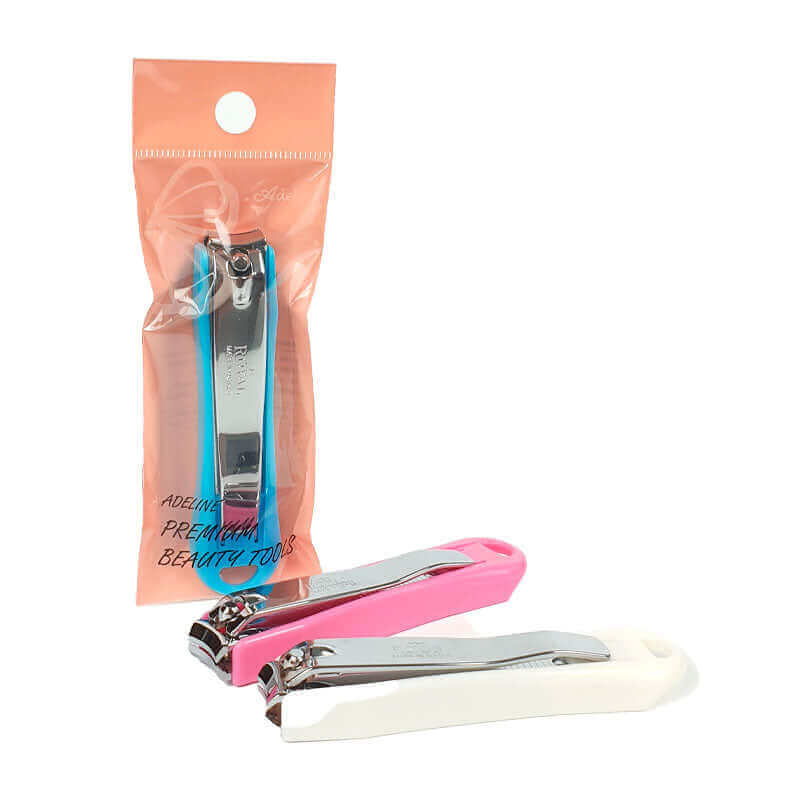
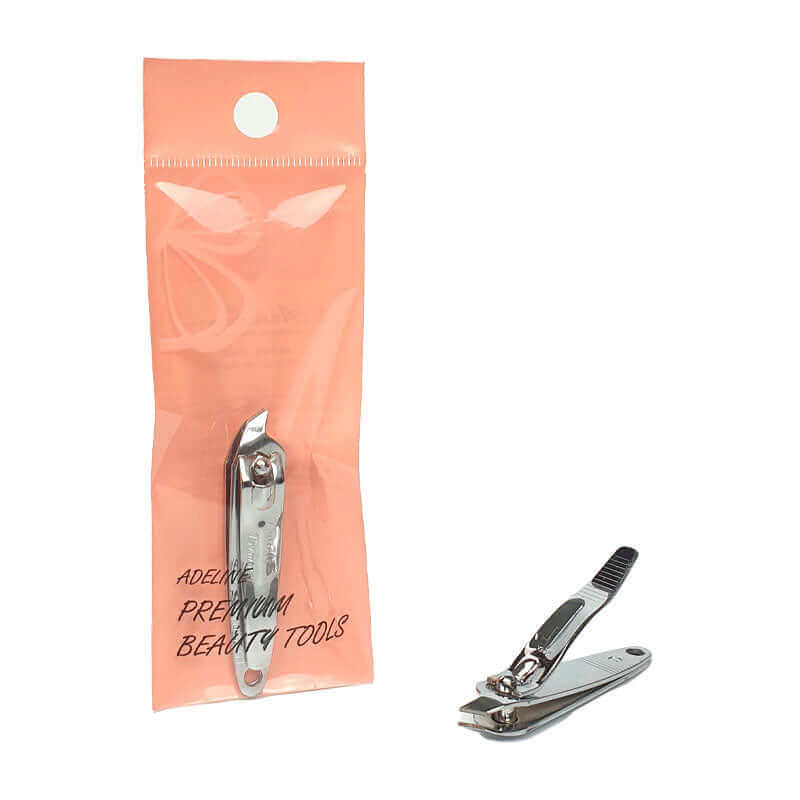
Nail Tools & Hygiene
Clippers, files, and other nail tools can potentially transfer microorganisms.
Good practices include:
• Keeping tools clean
• Avoiding sharing personal tools
• Discarding disposable files appropriately
• Cleaning reusable equipment
• Avoiding cutting infected and healthy nails with contaminated tools without cleaning
Salon hygiene is also important.
Nail Treatments for People With Diabetes
People with diabetes may have:
• Reduced sensation
• Impaired circulation
• Slower wound healing
• Increased consequences from foot infection
Avoid aggressive self-treatment of thickened nails, corns, or surrounding skin when neuropathy or poor circulation is present.
Professional foot care may be safer.
Nail Changes & Overall Health
Nails can sometimes reflect broader health conditions, but nail appearance is rarely diagnostic by itself.
Changes can occasionally occur with:
• Iron deficiency
• Thyroid disease
• Psoriasis
• Nutritional deficiencies
• Circulatory problems
• Systemic illness
• Medication effects
Avoid trying to diagnose systemic disease based solely on nail appearance.
Supplements for Nail Growth
Products marketed for nail growth may contain:
• Biotin
• Zinc
• Selenium
• Iron
• Amino acids
• Collagen
• Vitamins
Supplementation is most relevant when nutritional intake is inadequate or a deficiency exists.
More nutrients do not necessarily make nails grow faster.
Excessive selenium, vitamin A, zinc, and other nutrients can themselves cause health problems—and in some cases can adversely affect hair or nails.
Collagen & Nails
Collagen supplements have been investigated for skin and connective-tissue applications, and limited research has explored nail outcomes.
Evidence for significantly improving nail growth or strength remains less established than many marketing claims suggest.
Nails themselves are primarily composed of keratin, not collagen.
Nail Strength vs Nail Flexibility
Healthy nails require a balance between strength and flexibility.
A nail that is excessively rigid may fracture more easily.
Effective nail care therefore often focuses on:
• Moisture
• Protection
• Reducing trauma
• Appropriate conditioning
rather than simply making the nail as hard as possible.
How to Build a Nail-Care Routine
1. Identify the Concern
Determine whether the issue is primarily:
• Suspected fungus
• Brittleness
• Peeling
• Dryness
• Thickening
• Cuticle damage
• Trauma
• Discoloration
2. Choose a Targeted Treatment
Use an antifungal only when fungal infection is reasonably suspected or confirmed and the product is appropriate.
Use moisturizers and conditioning products for dry, brittle nails.
3. Protect the Nail
Reduce repeated exposure to water, solvents, harsh chemicals, and unnecessary mechanical trauma.
4. Maintain Nail Hygiene
Keep tools clean and trim nails appropriately.
5. Allow Time for Regrowth
Visible improvement can take months because damaged nail must grow out.
6. Reassess
If the nail continues to worsen or fails to improve, seek professional assessment rather than continuously adding treatments.
How to Choose a Nail Treatment
Consider:
• Whether the concern is cosmetic or medical
• Fingernail vs toenail involvement
• Number of nails affected
• Severity and duration
• Whether fungal infection has been confirmed
• Active ingredients
• Product indication
• Existing health conditions
• Pregnancy or breastfeeding
• Medication use
• Diabetes or circulation problems
A product labelled “nail repair” is not necessarily appropriate for fungal infection, and an antifungal is not useful for every abnormal nail.
Quality & Selection Considerations
When comparing nail treatments, look for:
• Clearly identified active ingredients
• Appropriate Canadian product authorization where applicable
• Clear directions for use
• Transparent antifungal ingredients when relevant
• Appropriate concentrations of keratolytic ingredients
• Complete allergen and ingredient information
• Hygienic packaging
• Practical application method
Claims such as clinically proven, dermatologist-approved, pharmacist-approved, medical-grade, natural antifungal, or nail-repairing should be verified for the specific product rather than assumed across the collection.
Safety & Precautions
Professional guidance is particularly important for people who:
• Have diabetes
• Have peripheral neuropathy
• Have impaired circulation
• Are immunocompromised
• Have severe or extensive fungal nail disease
• Have painful or inflamed nails
• Are pregnant or breastfeeding
• Have psoriasis or other chronic nail disorders
• Develop unexplained pigmentation
• Experience recurrent nail infections
Avoid applying concentrated essential oils or strong keratolytic ingredients to broken or severely irritated skin unless specifically directed.
When Nail Changes Need Assessment
Seek appropriate healthcare assessment for:
• Significant nail pain
• Redness, warmth, swelling, or pus
• Rapidly worsening nail changes
• New unexplained dark streaks or pigmentation
• Nail changes accompanied by systemic illness
• Severe thickening or deformity
• Recurrent infections
• Multiple unexplained abnormal nails
• Nail problems in someone with diabetes or poor circulation
• Suspected fungal infection that does not improve with appropriate treatment
Early assessment can help distinguish fungal infection from other nail disorders.
FAQs
What causes brittle nails?
Common causes include repeated wetting and drying, detergents, solvents, manicures, trauma, aging, and some medical or nutritional conditions.
How do I know if my nail has a fungal infection?
Fungal nails may become thickened, discoloured, brittle, crumbly, or separated from the nail bed. Other conditions can look similar, so testing may sometimes be useful.
Do topical antifungal nail treatments work?
They can be effective for selected fungal nail infections, particularly depending on severity and the specific medication. Treatment often takes many months because nails grow slowly.
Does tea tree oil cure nail fungus?
Tea tree oil has laboratory antifungal activity, but clinical evidence is not strong enough to consider it equivalent to appropriately indicated antifungal medication.
Does biotin strengthen nails?
Limited evidence suggests biotin may help some people with brittle nails, but it is not universally effective and high doses can interfere with important laboratory tests.
Does calcium make nails stronger?
Brittle nails are not generally a reliable sign of calcium deficiency. Calcium supplementation should be based on nutritional needs rather than nail appearance alone.
Can damaged nails be repaired?
Conditioning products can improve the appearance and flexibility of the existing nail, but significant structural damage generally needs to grow out as new nail is produced.
How long does nail fungus take to clear?
Treatment can take months, and normal appearance may take even longer because the affected nail must grow out. Toenails generally grow much more slowly than fingernails.
Can I cover nail fungus with polish?
This depends on the antifungal product being used. Some medicated treatments have specific instructions regarding cosmetic polish, so follow the individual label.
When should I see a healthcare professional about a nail problem?
Seek assessment for pain, swelling, infection, significant deformity, persistent unexplained changes, new dark pigmentation, treatment-resistant suspected fungus, or nail problems when diabetes or impaired circulation is present.
Why Shop Nail Treatment at Coal Harbour Pharmacy?
• Pharmacist-curated medicated and cosmetic nail-care options
• Antifungal treatments where appropriate
• Nail-strengthening and conditioning products
• Cuticle oils, creams, and moisturizing care
• Options for brittle, dry, thickened, or damaged nails
• Products from established pharmacy, dermatology, and personal-care brands
• Fast Canada-wide shipping
Related Collections
────────────────────────────────────
Shop Nail Treatment →
Sort by
20 products













FREE STANDARD SHIPPING
Satisfied or refunded
Top-notch support
Secure payments
Encrypted checkout processing
Offers exclude prescriptions and in-store purchases.
Subscribe & Get a First-Order Reward
Plus, earning reward points on eligible online purchases and enjoy future store credit.
We respect your inbox at Coal Harbour Pharmacy - Expect thoughtfully curated health and wellness updates, timely reminders, and exclusive online savings.