
Vitamin A (Retinol & Beta-Carotene) – Supports Vision, Skin Health & Immune Function
Explore Vitamin A supplements at Coal Harbour Pharmacy, including retinol, retinyl palmitate, beta-carotene, and combination eye health formulas.
Vitamin A is an essential fat-soluble nutrient that contributes to normal vision, healthy skin and mucous membranes, immune system function, and normal growth and development.
Compare preformed vitamin A, plant-derived provitamin A carotenoids, and multinutrient formulations to find an option suited to your dietary needs and nutritional goals.
Support essential nutrition for healthy vision, skin, and immune function.
ABOUT VITAMIN A
Vitamin A is a fat-soluble vitamin involved in several essential physiological functions.
It is particularly important for normal vision, including the ability to see in low-light conditions, and for maintaining healthy epithelial tissues that form protective barriers throughout the body.
Vitamin A also contributes to normal immune function, cellular differentiation, and growth.
The body obtains vitamin A through two main dietary forms:
-
Preformed Vitamin A: Retinol and retinyl esters found in animal-derived foods and certain supplements.
-
Provitamin A Carotenoids: Plant-derived compounds such as beta-carotene that the body can convert into vitamin A.
Because vitamin A is stored in the body, excessive intake of preformed vitamin A can be harmful.
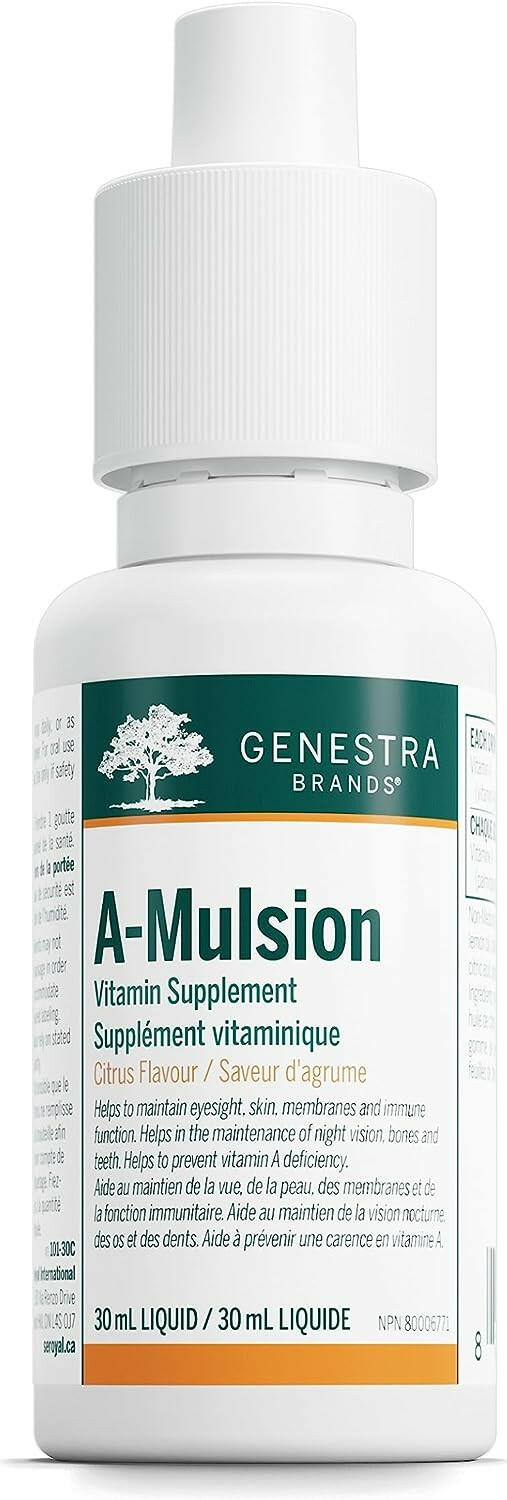
At Coal Harbour Pharmacy, explore vitamin A capsules, retinyl palmitate softgels, beta-carotene supplements, and combination nutritional formulas, where available.
KEY BENEFITS
-
Normal Vision: Vitamin A is essential for maintaining healthy eyesight.
-
Night Vision: Supports the visual processes involved in adapting to low-light environments.
-
Immune Function: Contributes to normal immune system activity.
-
Skin Health: Helps maintain normal skin and epithelial tissue function.
-
Mucous Membranes: Supports the maintenance of healthy protective tissue barriers.
-
Cell Growth: Plays an important role in normal cellular differentiation and development.
-
Reproductive Health: Required for normal reproductive and developmental processes.
-
Nutritional Support: Supplements may help individuals meet vitamin A requirements when dietary intake is inadequate.
These benefits reflect vitamin A's established nutritional roles. Taking additional vitamin A beyond adequate intake does not necessarily improve vision, skin appearance, or immune function.
WHO IT'S IDEAL FOR
-
Vision Nutrition Shoppers: Adults seeking supplements for normal eye health.
-
Individuals With Inadequate Intake: Customers who may not obtain sufficient vitamin A from their diets.
-
Plant-Based Diet Followers: Individuals comparing beta-carotene and vegan-compatible vitamin A options.
-
Skin Wellness Customers: Adults interested in nutrients involved in normal skin maintenance.
-
Immune Nutrition Shoppers: Customers seeking vitamins essential for normal immune function.
-
Customers Comparing Vitamin A Forms: Individuals choosing between retinol, retinyl palmitate, and beta-carotene.
-
Multivitamin Shoppers: Customers reviewing vitamin A content in daily nutritional formulas.
-
Individuals With Clinically Identified Deficiency: People following healthcare professional recommendations for vitamin A supplementation.
Routine high-dose vitamin A supplementation is not appropriate for everyone.
WHAT IS VITAMIN A?
An Essential Fat-Soluble Vitamin
Vitamin A belongs to the group of fat-soluble vitamins, alongside vitamins D, E, and K.
Role in Vision
Vitamin A is required for the formation of visual pigments involved in normal retinal function.
Role in Immune Health
Vitamin A supports normal immune cell development and the maintenance of protective epithelial barriers.
Role in Skin & Tissue Health
Vitamin A contributes to normal cellular differentiation and the maintenance of healthy skin and mucous membranes.
Storage in the Body
Preformed vitamin A is stored primarily in the liver.
This storage capacity makes excessive long-term intake a particular concern.
FORMS OF VITAMIN A SUPPLEMENTS
1. Retinol
Retinol is a form of preformed vitamin A that can be used by the body without conversion from carotenoids.
Key Features:
-
Preformed vitamin A
-
Involved in normal vision and cellular function
-
Commonly associated with animal-derived sources
-
Requires careful attention to total intake
Best For: Customers seeking a specific preformed vitamin A formulation when supplementation is appropriate.
2. Retinyl Palmitate
Retinyl palmitate is a vitamin A ester commonly used in dietary supplements.
It is converted into biologically active vitamin A forms through normal metabolism.
Key Features:
-
Common supplement ingredient
-
Available in capsules and softgels
-
Provides preformed vitamin A
-
Requires the same general caution regarding excessive preformed vitamin A intake
Best For: Customers seeking vitamin A supplements containing retinyl palmitate.
3. Retinyl Acetate
Retinyl acetate is another preformed vitamin A ester used in supplements and fortified foods.
Best For: Customers comparing different vitamin A ester formulations.
4. Beta-Carotene
Beta-carotene is a plant-derived carotenoid that can be converted into vitamin A.
Conversion depends on factors including nutritional status, genetics, and individual physiology.
Key Features:
-
Provitamin A carotenoid
-
Found naturally in orange, yellow, and dark green vegetables
-
Contributes to vitamin A nutrition
-
Also functions as a carotenoid antioxidant
Best For: Customers seeking plant-derived provitamin A, subject to individual safety considerations.
High-dose beta-carotene supplementation is not recommended for people who smoke or have significant asbestos exposure.
5. Mixed Carotenoids
Selected supplements contain combinations of carotenoids, which may include beta-carotene and other plant pigments.
Not all carotenoids can be converted into vitamin A.
Best For: Customers comparing carotenoid-based nutritional formulations.
6. Vitamin A Combination Formulas
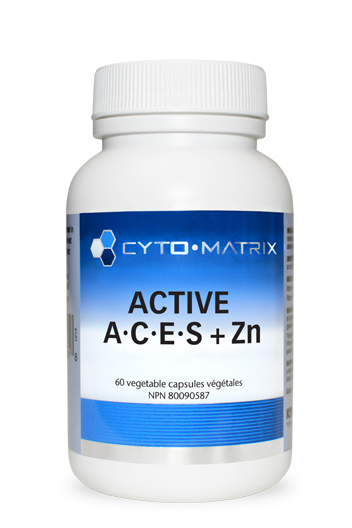
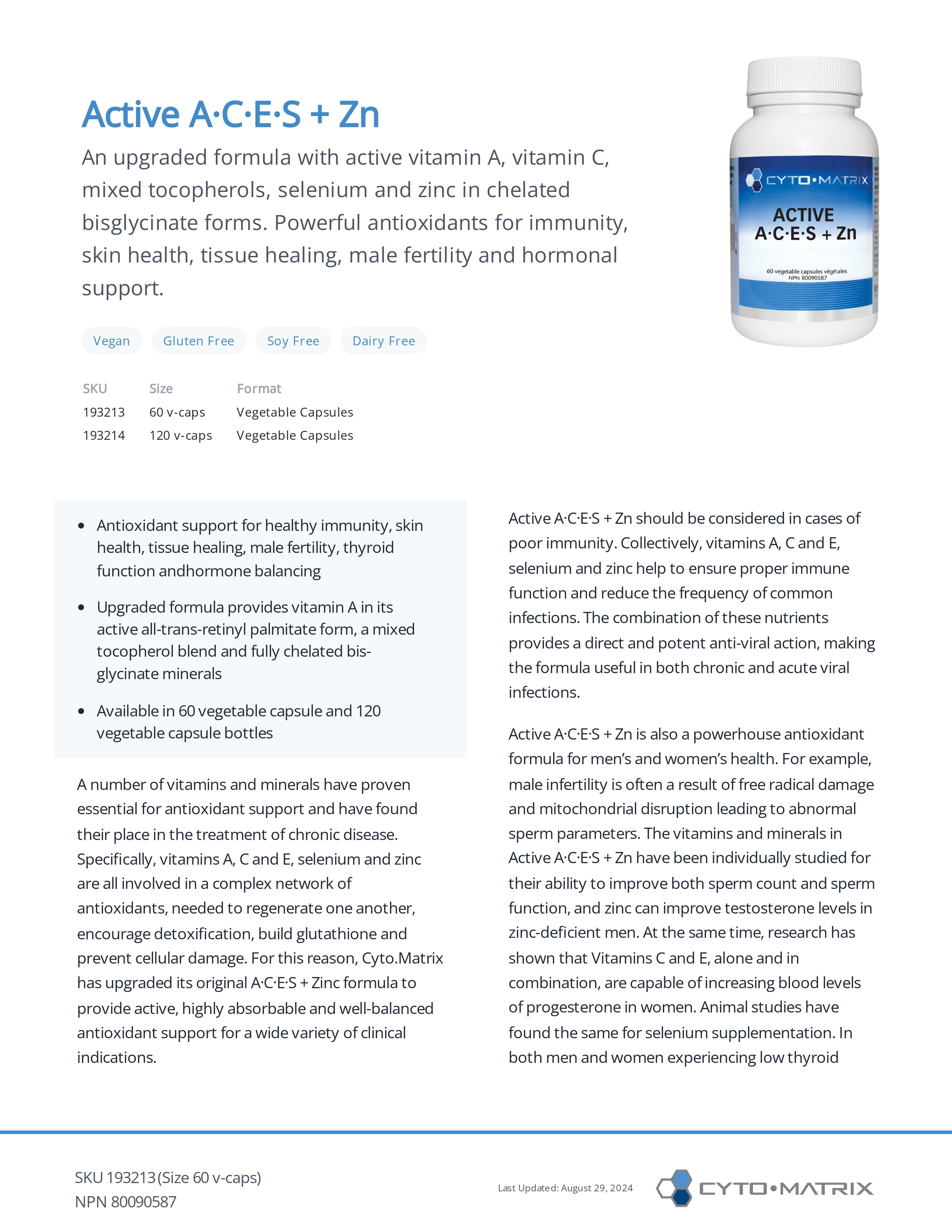
Vitamin A may be included in multivitamins, eye health products, and other combination supplements.
Common companion nutrients may include:
-
Vitamin C
-
Vitamin E
-
Zinc
-
Lutein
-
Zeaxanthin
Best For: Customers seeking broader nutritional formulations rather than vitamin A alone.
RETINOL VS. BETA-CAROTENE
Retinol & Retinyl Esters
Preformed vitamin A is directly available for the body's vitamin A requirements after normal digestion and metabolism.
It is commonly supplied as retinyl palmitate or retinyl acetate.
Beta-Carotene
Beta-carotene is a provitamin A carotenoid that must be converted into vitamin A.
Its conversion is regulated and varies between individuals.
Absorption & Conversion
Preformed vitamin A and beta-carotene differ in how they are absorbed and metabolized.
Safety Differences
Excessive preformed vitamin A can cause toxicity.
Beta-carotene does not carry the same classic preformed vitamin A toxicity risk, but high-dose supplementation has been associated with increased lung cancer risk in smokers and certain other high-risk groups.
Which Is Better?
Neither is universally superior.
The appropriate form depends on dietary intake, health status, age, pregnancy considerations, and the intended supplement dose.
Shopping Tip: Review the source and amount of vitamin A rather than assuming all vitamin A supplements are interchangeable.
VITAMIN A FOR EYE & VISION HEALTH
Normal Retinal Function
Vitamin A is required for normal retinal function and the visual cycle.
Night Vision
Vitamin A deficiency can impair adaptation to darkness and cause night blindness.
Eye Surface Health
Vitamin A helps maintain normal epithelial tissues, including those associated with the eye.
Vitamin A Deficiency
Severe deficiency can cause significant eye problems, including xerophthalmia and visual impairment.
Does Extra Vitamin A Improve Eyesight?
Not necessarily.
Additional vitamin A has not been established as a general method of improving eyesight in individuals who already have adequate vitamin A status.
Vitamin A & Eye Formulas
Some eye health supplements contain vitamin A or beta-carotene alongside other nutrients.
However, formulations for specific eye conditions should be selected according to clinical recommendations rather than general vitamin A marketing claims.
VITAMIN A FOR SKIN HEALTH
Skin Cell Differentiation
Vitamin A is involved in normal epithelial cell differentiation and maintenance.
Skin Barrier Function
Adequate vitamin A contributes to the normal functioning of skin and mucous membranes.
Vitamin A & Skin Renewal
Vitamin A plays a biological role in cellular development, but oral vitamin A supplements are not established treatments for general skin aging, wrinkles, or acne in people with adequate intake.
Oral Vitamin A vs. Topical Retinoids
Topical retinoids are different products with different uses, concentrations, and safety considerations.
Oral vitamin A supplements should not be treated as substitutes for prescription or non-prescription topical retinoid products.
Supporting Healthy Skin
Balanced nutrition, sun protection, appropriate skin care, and management of underlying conditions remain important.
VITAMIN A & IMMUNE FUNCTION
Normal Immune Cell Activity
Vitamin A contributes to normal immune system development and function.
Mucosal Barriers
Vitamin A helps maintain epithelial tissues in areas such as the respiratory and digestive tracts.
Immune Regulation
Vitamin A-derived compounds participate in processes involved in immune regulation.
Does Vitamin A Prevent Infections?
Adequate vitamin A is important for immune health, but high-dose supplementation should not be presented as a general way to prevent infections in otherwise adequately nourished adults.
Correcting Deficiency
Identifying and correcting vitamin A deficiency can be important for normal immune function and overall health.
VITAMIN A IN THE DIET
Animal-Derived Sources
Preformed vitamin A is found in foods such as:
-
Liver
-
Eggs
-
Dairy products
-
Certain fortified foods
Plant-Based Sources
Provitamin A carotenoids are found in:
-
Carrots
-
Sweet potatoes
-
Pumpkin
-
Spinach
-
Kale
-
Other dark green and orange vegetables
Absorption With Dietary Fat
Vitamin A is fat-soluble, and dietary fat can help support the absorption of vitamin A and carotenoids.
Balanced Dietary Intake
A varied diet can provide adequate vitamin A for many individuals without requiring a separate supplement.
UNDERSTANDING VITAMIN A DOSAGE
What Is RAE?
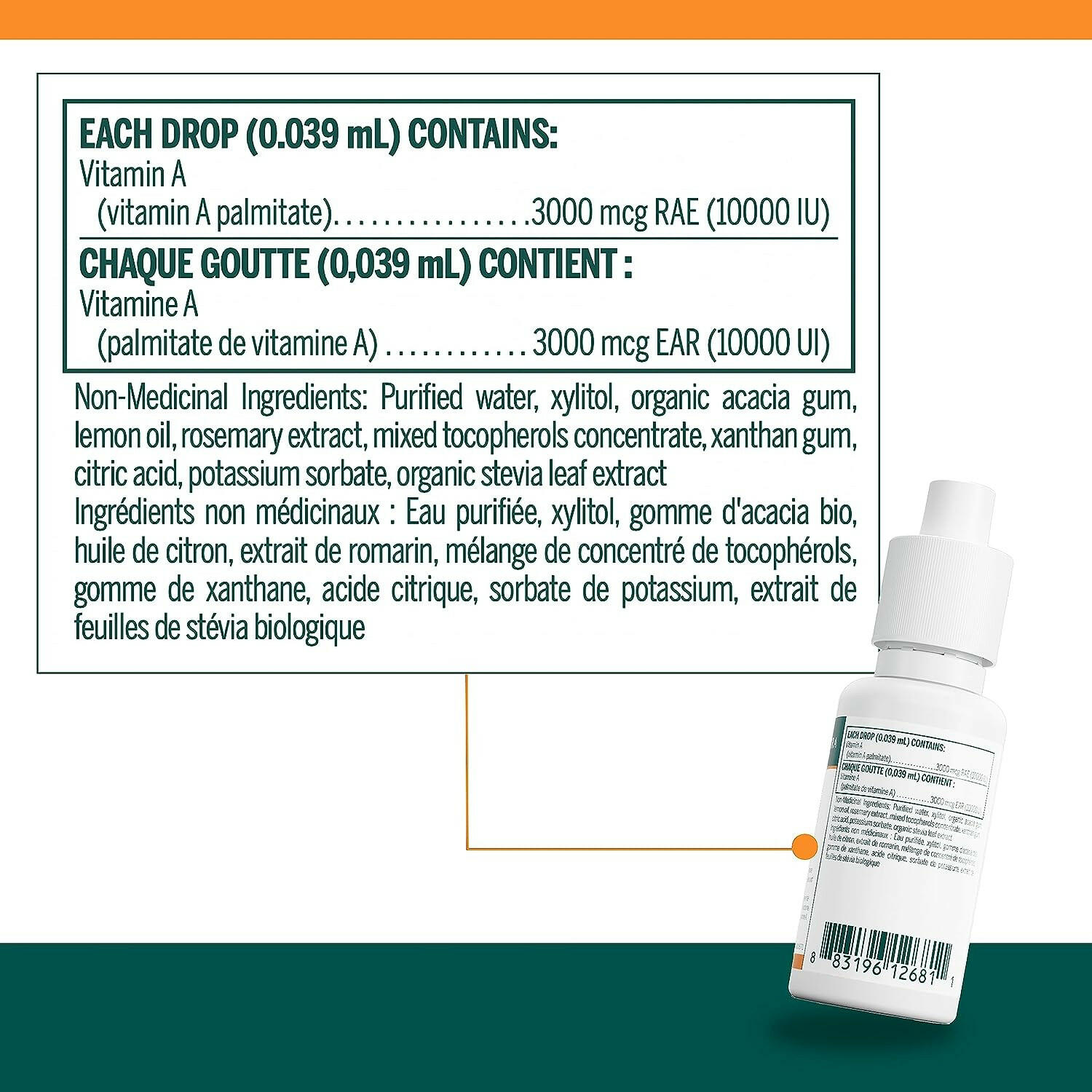
Vitamin A intake is commonly expressed in micrograms of retinol activity equivalents (mcg RAE).
RAE accounts for differences in vitamin A activity between preformed vitamin A and provitamin A carotenoids.
Recommended Daily Intake
For generally healthy adults aged 19 years and older, the Recommended Dietary Allowance is:
-
Adult Men: 900 mcg RAE per day
-
Adult Women: 700 mcg RAE per day
Requirements differ during pregnancy and breastfeeding.
Upper Intake Limit
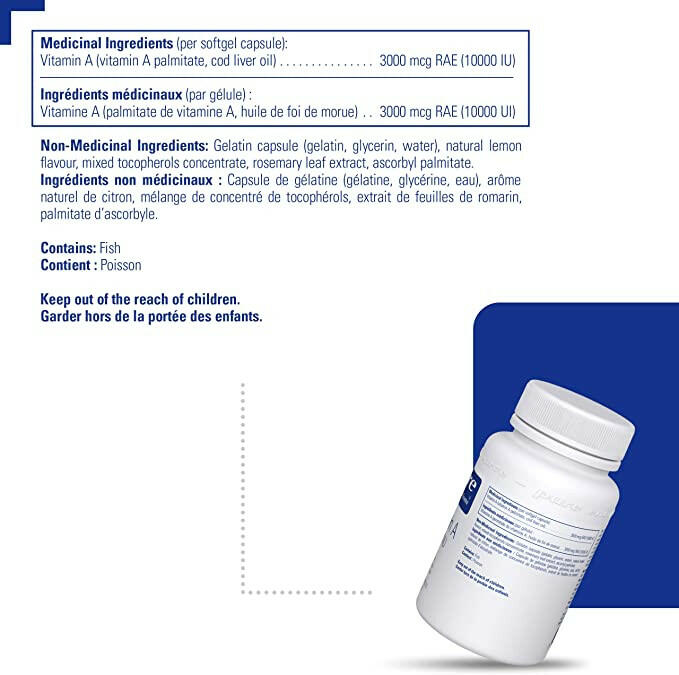
For adults aged 19 years and older, the tolerable upper intake level for preformed vitamin A is 3,000 mcg RAE per day.
This is a safety ceiling, not a recommended supplement dose.
The upper limit does not apply in the same way to provitamin A carotenoids.
Vitamin A in International Units
Some older supplement labels express vitamin A in international units (IU).
IU-to-RAE conversion depends on the vitamin A form.
Comparing Supplement Labels
Review the actual vitamin A form and amount before comparing products.
Avoiding Excessive Intake
Consider vitamin A supplied by multivitamins, cod liver oil, fortified foods, and other supplements.
VITAMIN A & PREGNANCY
Why Vitamin A Matters
Vitamin A is essential for normal fetal growth and development.
Why Excess Intake Is Dangerous
Excessive preformed vitamin A during pregnancy can cause serious fetal harm.
Retinol & Retinyl Esters
Pregnant individuals and those planning pregnancy should avoid unnecessary high-dose preformed vitamin A supplementation.
Prenatal Vitamins
Prenatal formulas differ in the amount and source of vitamin A they contain.
Professional Guidance
Vitamin A supplementation during pregnancy should follow prenatal healthcare recommendations.
Important: Do not use high-dose preformed vitamin A supplements during pregnancy unless specifically directed by a qualified healthcare professional.
HOW TO CHOOSE VITAMIN A SUPPLEMENTS
-
Identify Your Nutritional Need: Determine whether you require a standalone vitamin A supplement or a multivitamin.
-
Check the Vitamin A Form: Compare retinol, retinyl palmitate, retinyl acetate, and beta-carotene.
-
Review the Dose: Check mcg RAE and any IU information.
-
Consider Dietary Intake: Account for vitamin A from food and fortified products.
-
Review Other Supplements: Avoid duplicate vitamin A from multivitamins or cod liver oil.
-
Consider Pregnancy: Review preformed vitamin A exposure carefully.
-
Assess Smoking History: Avoid high-dose beta-carotene supplementation if you smoke or have significant asbestos exposure.
-
Check Dietary Suitability: Review capsule materials and vitamin A sources for vegan or vegetarian preferences.
-
Review Canadian Authorization: Look for an NPN and product-specific authorized indications.
-
Seek Professional Advice: Especially for high-dose products, liver disease, malabsorption, or suspected deficiency.
AVAILABLE VITAMIN A FORMATS
Capsules
Convenient vitamin A supplements with measured serving sizes.
Softgels
Common formats for oil-based vitamin A formulations.
Tablets
Vitamin A may be included in standalone tablets or combination supplements.
Liquid Drops
Selected liquid vitamin A products offer alternative serving formats.
Multivitamins
Daily formulas may contain preformed vitamin A, beta-carotene, or a combination.
Eye Health Formulas
Selected products combine vitamin A-related nutrients with other ingredients used in eye nutrition.
HOW TO USE VITAMIN A SUPPLEMENTS
Follow the Canadian Product Label
Use the recommended dose for the exact supplement.
Consider Taking With Food
Vitamin A is fat-soluble, and some formulations are directed to be taken with meals.
Check Total Daily Intake
Review all supplements containing vitamin A.
Avoid High-Dose Self-Supplementation
Do not use high-dose preformed vitamin A without professional guidance.
Monitor Long-Term Use
Long-term intake above recommended levels can increase toxicity risk.
Review Medication Interactions
Certain medications, including systemic retinoids, may increase the risk of vitamin A-related adverse effects.
CAUTIONS & WARNINGS
-
Vitamin A Toxicity: Excessive preformed vitamin A may cause headache, nausea, liver injury, and other serious adverse effects.
-
Pregnancy: High intakes of preformed vitamin A can cause birth defects.
-
Liver Disease: People with liver conditions should seek medical advice before supplementation.
-
Systemic Retinoids: Combining vitamin A supplements with medications such as isotretinoin may increase adverse effects.
-
Smoking: High-dose beta-carotene supplementation has been associated with increased lung cancer risk in smokers.
-
Asbestos Exposure: High-dose beta-carotene supplementation may also be inappropriate for individuals with significant asbestos exposure.
-
Children: Adult vitamin A doses may be unsafe for children.
-
Multiple Supplements: Multivitamins and other products may contribute substantial vitamin A.
-
Cod Liver Oil: Some products contain preformed vitamin A and should be included when calculating total intake.
-
Malabsorption Conditions: Certain gastrointestinal or liver disorders may affect vitamin A status and require medical management.
-
Bone Health: Long-term excessive preformed vitamin A intake may adversely affect bone health.
-
Eye Symptoms: New or worsening vision problems require appropriate assessment.
-
Skin Conditions: Oral vitamin A supplements should not replace appropriate treatment for acne or other dermatological conditions.
WHY SHOP VITAMIN A AT COAL HARBOUR PHARMACY?
-
Selection of vitamin A and beta-carotene supplements where available.
-
Retinol, retinyl palmitate, and combination formulations.
-
Eye health and multivitamin products containing vitamin A.
-
Convenient comparison of nutrient forms, strengths, and package sizes.
-
Access to a licensed Vancouver pharmacy.
-
Shipping to eligible Canadian destinations.
-
Product information to support informed supplement choices.
FREQUENTLY ASKED QUESTIONS
What is vitamin A good for?
Vitamin A is essential for normal vision, immune function, skin and mucous membrane health, and normal growth and development.
What is the difference between retinol and beta-carotene?
Retinol is preformed vitamin A, while beta-carotene is a plant-derived carotenoid that the body can convert into vitamin A.
Does vitamin A improve eyesight?
Vitamin A is necessary for normal vision, and correcting deficiency can improve deficiency-related problems. Extra vitamin A does not necessarily improve eyesight when intake is already adequate.
Is vitamin A good for skin?
Vitamin A supports normal skin and epithelial tissue function. Oral supplements are not proven general treatments for wrinkles or acne in people with adequate vitamin A status.
Can I take vitamin A every day?
Vitamin A is needed daily through diet or other sources, but a separate supplement may not be necessary. Follow product directions and consider total intake.
Is beta-carotene safer than retinol?
Beta-carotene has a different toxicity profile from preformed vitamin A, but high-dose supplements have important risks for smokers and certain other groups.
Can I take vitamin A with vitamin D?
These nutrients may be included in the same supplement. Check doses and total intake before combining products.
How much vitamin A do adults need?
The RDA is 900 mcg RAE for adult men and 700 mcg RAE for adult women, with different requirements during pregnancy and breastfeeding.
Can too much vitamin A be harmful?
Yes. Excessive preformed vitamin A can cause serious toxicity, particularly with prolonged high intake.
Is vitamin A safe during pregnancy?
Adequate vitamin A is essential, but excessive preformed vitamin A can harm fetal development. Follow prenatal healthcare guidance.
Are vitamin A supplements vegan?
Some beta-carotene and other vitamin A formulations may be vegan, but suitability depends on the complete ingredient list and capsule materials.
What is the difference between vitamin A and lutein?
Vitamin A is an essential nutrient required for normal vision. Lutein is a carotenoid found in the retina but is not converted into vitamin A.
SHOP VITAMIN A SUPPLEMENTS
Discover vitamin A capsules, retinyl palmitate softgels, beta-carotene supplements, and eye health formulas at Coal Harbour Pharmacy.
Compare vitamin A forms, strengths, ingredients, and Canadian-authorized indications to choose a product appropriate for your nutritional needs.
Essential vitamin A nutrition for vision, skin, and immune health.
RELATED COLLECTIONS
-
Eye & Vision Support – Vitamins, carotenoids, and nutritional formulas for eye health.
-
Beta-Carotene – Plant-derived provitamin A and carotenoid supplements.
-
Immune Support – Essential vitamins and minerals for normal immune function.
-
Beauty & Skin Care Supplements – Nutritional products for skin-focused wellness.
-
Multivitamins – Daily vitamin and mineral combinations containing selected forms of vitamin A.
Shop Vitamin A Supplements →
Sort by
14 products






FREE STANDARD SHIPPING
Satisfied or refunded
Top-notch support
Secure payments
Encrypted checkout processing
Offers exclude prescriptions and in-store purchases.
Subscribe & Get a First-Order Reward
Plus, earning reward points on eligible online purchases and enjoy future store credit.
We respect your inbox at Coal Harbour Pharmacy - Expect thoughtfully curated health and wellness updates, timely reminders, and exclusive online savings.