
Muscle-Building Supplements – Protein, Creatine & Strength Support
Explore pharmacist-curated muscle-building supplements including protein powders, creatine, essential amino acids, BCAAs, beta-alanine, L-citrulline, and calorie-support formulas selected to complement resistance training, muscle protein synthesis, strength, high-intensity performance, and post-exercise recovery.
────────────────────────────────────
About Muscle-Building Supplements
Building muscle is primarily an adaptation to progressive resistance training supported by sufficient calories, protein, recovery, and sleep. Supplements can make certain parts of this process easier or provide evidence-based performance support, but they cannot replace these fundamentals.
The Muscle-Building Supplements collection at Coal Harbour Pharmacy includes protein powders, creatine, essential amino acids, BCAAs, pre-workout ingredients, recovery products, and calorie-dense formulas for recreational lifters, strength athletes, physique-focused individuals, and other active adults.
Evidence differs substantially among sports supplements. Protein and creatine have particularly strong evidence for supporting resistance-training goals, while many other ingredients have narrower, context-dependent, or less-established benefits.
Key Benefits
Depending on the ingredient, diet, and training program, products in this collection may help:
• Support muscle protein synthesis
• Help meet increased daily protein requirements
• Support gains in muscle mass when combined with resistance training
• Improve strength and high-intensity exercise performance
• Support training quality and capacity
• Provide convenient pre- and post-workout nutrition
• Help meet increased calorie requirements
• Support hydration and electrolyte replacement where needed
• Complement recovery between training sessions
No supplement can compensate for inadequate training, insufficient protein, chronic under-eating, or inadequate recovery.
Who It’s Ideal For
Muscle-building supplements may be useful for:
• Adults performing resistance training
• Strength and power athletes
• Bodybuilding and physique-focused athletes
• Recreational gym-goers
• Athletes with increased protein requirements
• People who struggle to obtain enough protein through food
• Individuals intentionally increasing calorie intake
• Plant-based athletes seeking convenient protein options
• People using evidence-based sports nutrition to complement structured training
Beginners do not need a complicated supplement stack to start building muscle.
What Actually Builds Muscle?
Skeletal muscle grows when repeated training and recovery create conditions that favour muscle protein accretion over time.
The major controllable factors are:
• Progressive resistance training
• Adequate total protein
• Appropriate calorie intake
• Sufficient carbohydrate and dietary fat
• Sleep
• Recovery
• Training consistency
• Appropriate program design
Supplements sit on top of this foundation.
Muscle Protein Synthesis
Muscle protein synthesis is the biological process through which the body builds new muscle proteins.
Resistance exercise stimulates muscle protein synthesis, while dietary protein provides the essential amino acids needed for the process.
Repeated cycles of training, protein intake, and recovery contribute to muscular adaptation over time.
Simply stimulating muscle protein synthesis temporarily does not guarantee substantial muscle growth unless the overall training and nutrition environment supports it.
Protein Supplements
Protein powders are among the most practical supplements for people who find it difficult to meet protein requirements through food.
Options may include:
• Whey protein
• Whey isolate
• Casein
• Milk protein
• Soy protein
• Pea protein
• Rice protein
• Plant-protein blends
Protein powders are primarily convenient food supplements, not inherently superior muscle-building agents.
How Much Protein Do You Need?
Protein requirements vary with:
• Body size
• Training volume
• Energy intake
• Age
• Training goals
• Dietary pattern
For many resistance-trained adults, daily protein intake around 1.6 g/kg of body weight per day is a useful evidence-based target, with some individuals benefiting from somewhat higher intake depending on circumstances.
More protein is not indefinitely better.
Total daily intake and consistency generally matter more than obsessing over a narrow post-workout timing window.
Protein Distribution
Spreading protein across several meals can provide repeated opportunities to stimulate muscle protein synthesis.
A practical approach is to consume meaningful servings of high-quality protein across the day rather than obtaining nearly all protein at one meal.
Individual requirements vary, and meal size should be considered within total daily protein intake.
Whey Protein
Whey is a complete dairy protein providing all essential amino acids and is naturally rich in leucine.
It is:
• Rapidly digested
• Convenient
• Protein dense
• Well studied in resistance-training nutrition
Whey concentrate and whey isolate can both support protein requirements.
Isolate typically contains a higher percentage of protein and less lactose and fat, but it is not automatically superior for muscle growth when equivalent protein amounts are consumed.
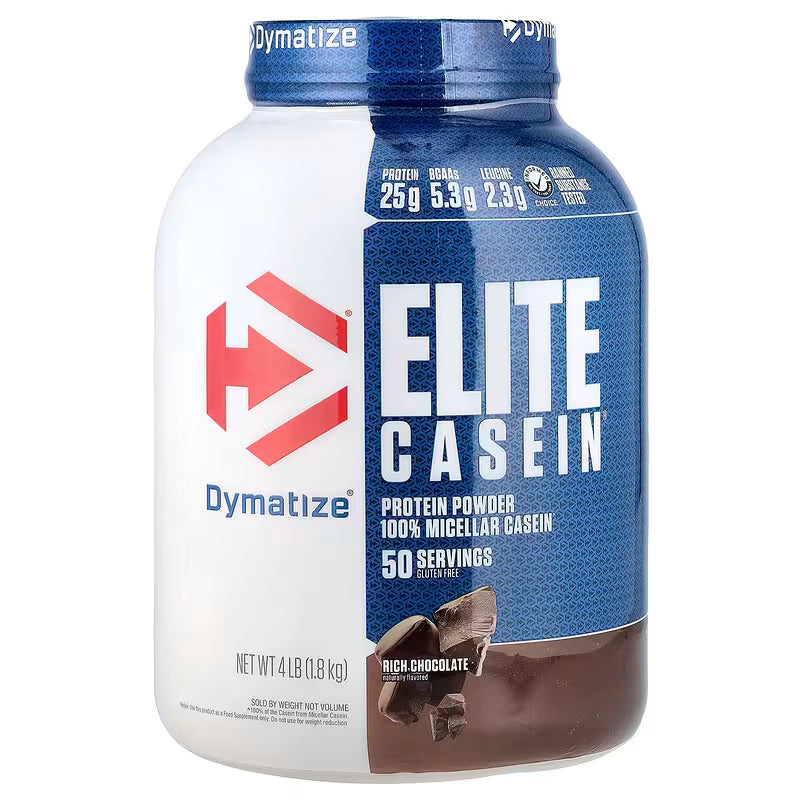
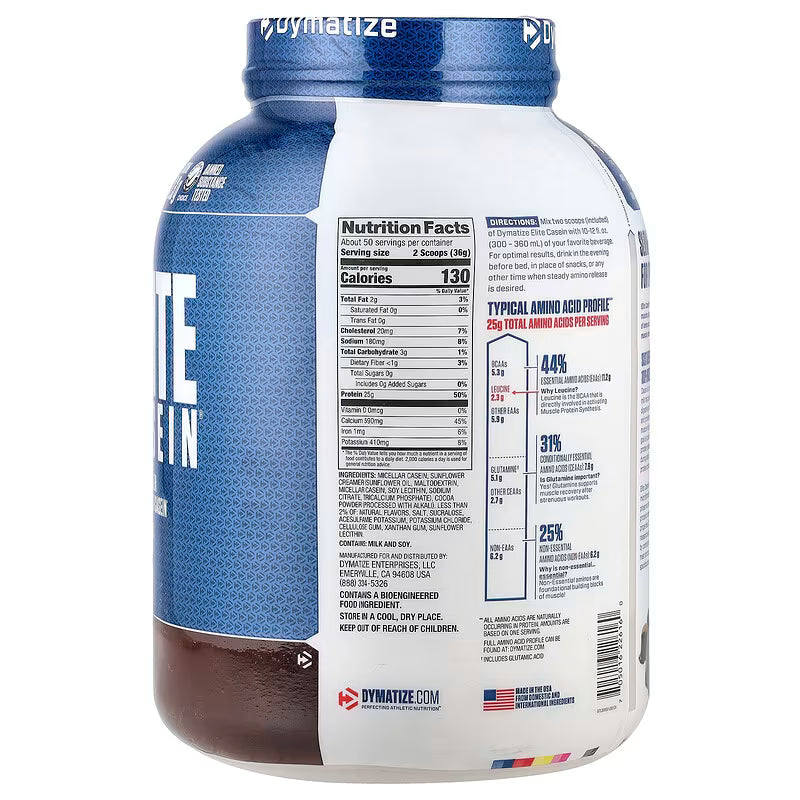
Casein Protein
Casein is another complete milk protein.
It digests more slowly than whey and can provide a sustained release of amino acids.
Casein is sometimes consumed before sleep, and research suggests pre-sleep protein can support overnight muscle protein synthesis in appropriate training and dietary contexts.
However, casein is not required for muscle growth if total daily protein intake is already adequate.
Plant-Based Protein
Plant-based athletes can build muscle effectively.
Common supplemental proteins include:
• Soy
• Pea
• Rice
• Pea-and-rice blends
Some plant proteins contain lower amounts of certain essential amino acids or leucine per serving than dairy proteins.
Using an adequate serving or combining complementary protein sources can help provide a robust essential amino-acid profile.
Leucine
Leucine is an essential amino acid with an important signalling role in muscle protein synthesis.
High-quality proteins typically provide leucine naturally.
Taking isolated leucine does not replace the need for all nine essential amino acids, because muscle protein synthesis requires the full set of amino-acid building blocks.
Essential Amino Acids (EAAs)
Essential amino acid supplements provide amino acids that the body cannot synthesize in sufficient quantities and must obtain through the diet.
EAAs can stimulate muscle protein synthesis, particularly when consumed in appropriate amounts.
However, people already consuming sufficient high-quality protein may gain limited additional muscle-building benefit from adding EAA supplements.
BCAAs
The branched-chain amino acids are:
• Leucine
• Isoleucine
• Valine
BCAAs are involved in muscle metabolism, and leucine is an important signal for muscle protein synthesis.
However, muscle tissue cannot be optimally built from three amino acids alone.
A complete protein or EAA formula supplies all essential amino acids and is generally a more comprehensive option when total protein intake is inadequate.
Do BCAAs Prevent Muscle Breakdown?
BCAAs are often marketed as “anti-catabolic.”
This can exaggerate their practical importance.
Muscle protein balance depends on:
• Total protein intake
• Essential amino-acid availability
• Energy intake
• Training
• Recovery
When adequate protein is already consumed, additional BCAAs may offer little incremental benefit for muscle growth.
Creatine
Creatine is among the best-studied sports supplements available.
Muscle cells store creatine primarily as phosphocreatine, which helps rapidly regenerate ATP during short-duration, high-intensity activity.
Supplemental creatine can increase intramuscular creatine stores.
When combined with resistance training, creatine can support:
• Strength
• Power
• Repeated high-intensity exercise performance
• Training capacity
• Gains in lean body mass over time
Creatine Monohydrate
Creatine monohydrate has the largest body of research supporting its effectiveness and safety in healthy adults.
Other forms include:
• Creatine hydrochloride
• Buffered creatine
• Creatine nitrate
• Various proprietary forms
These alternatives have not consistently demonstrated superior muscle or performance outcomes compared with standard creatine monohydrate.
How Much Creatine?
A common maintenance approach is approximately 3–5 grams of creatine monohydrate per day.
A loading phase is optional.
Loading protocols can increase muscle creatine stores more quickly, but daily maintenance dosing without loading can also achieve increased stores over time.
Follow the individual product directions.
Does Creatine Cause Water Weight?
Creatine can increase intracellular water within muscle, particularly during initial supplementation.
This can contribute to an early increase in body weight.
This should not automatically be interpreted as fat gain.
Longer-term increases in lean mass associated with creatine and resistance training reflect more than simply acute water changes.
Creatine & Kidney Health
Research in healthy individuals using recommended amounts has not demonstrated that creatine causes kidney damage.
However, people with existing kidney disease or significant medical conditions should seek healthcare guidance before supplementation.
Creatine supplementation can also affect serum creatinine measurements, so healthcare providers should know when a patient is taking creatine.
Beta-Alanine
Beta-alanine increases muscle carnosine concentrations.
Carnosine helps buffer acidity during high-intensity exercise.
Beta-alanine is most relevant to repeated or sustained high-intensity efforts where muscular acidosis contributes to fatigue.
It is not a direct muscle-building supplement.
Its value comes from potentially improving training performance in suitable exercise contexts.
Beta-Alanine Tingling
Beta-alanine can cause a temporary tingling sensation called paresthesia, particularly with larger single doses.
This sensation is generally not required for the supplement to work.
Divided doses or certain sustained-release formulations may reduce it.
L-Citrulline
L-citrulline is converted partly to L-arginine and can increase nitric oxide availability.
It is commonly used before exercise for potential effects on:
• Blood flow
• Training volume
• Perceived exertion
• Exercise performance
Evidence varies by dose, formulation, and exercise protocol.
A temporary exercise-related “pump” should not be confused with permanent muscle growth.
Citrulline Malate
Citrulline malate combines citrulline with malate.
It is frequently used in pre-workout products.
Research is mixed, and commercial products can use different citrulline-to-malate ratios.
Check the actual citrulline amount rather than assuming every gram of citrulline malate represents pure L-citrulline.
L-Arginine
Arginine is involved in nitric oxide synthesis.
Despite its popularity in older pre-workout formulas, oral L-arginine is generally less effective at raising circulating arginine than L-citrulline because of extensive intestinal and hepatic metabolism.
It should not be considered a direct muscle-growth agent.
Glutamine
Glutamine is abundant in skeletal muscle and performs important physiological functions.
However, in healthy resistance-trained adults consuming adequate protein, supplemental glutamine has not consistently demonstrated meaningful increases in:
• Muscle growth
• Strength
• Exercise performance
Its biological importance does not automatically mean supplementation improves bodybuilding outcomes.
HMB
HMB, or beta-hydroxy-beta-methylbutyrate, is a metabolite of leucine.
Research suggests potential applications in reducing muscle protein breakdown or supporting lean tissue in certain circumstances.
Benefits may be more relevant to:
• Untrained individuals beginning demanding exercise
• Older adults
• Periods of immobilization or muscle loss
• Certain clinical contexts
The incremental benefit in experienced lifters consuming adequate protein may be smaller.
Mass Gainers
Mass-gainer products combine substantial calories with ingredients such as:
• Protein
• Carbohydrates
• Fat
• Vitamins and minerals
• Creatine or other ingredients in some products
Their main advantage is convenience.
They can help people who struggle to consume enough calories to gain weight.
The term “mass gainer” does not mean that all weight gained will be muscle.
Calorie Surplus & Muscle Growth
Building muscle is generally easier when sufficient energy is available.
However, an excessively large calorie surplus can produce unnecessary fat gain.
A moderate, controlled surplus may be preferable for many people pursuing lean mass.
The appropriate strategy depends on:
• Training experience
• Body composition
• Goals
• Appetite
• Energy expenditure
• Individual response
Carbohydrates & Muscle Building
Carbohydrates are not directly converted into muscle protein, but they can support:
• Training intensity
• Glycogen replenishment
• High-volume resistance exercise
• Recovery
• Overall calorie intake
Very low carbohydrate intake may make high-volume training more difficult for some athletes.
Dietary Fat
Adequate dietary fat contributes to:
• Energy intake
• Essential fatty-acid intake
• Cell membranes
• Absorption of fat-soluble vitamins
• Normal hormonal physiology
Extremely low-fat diets are not necessary for lean muscle development.
Pre-Workout Supplements
Pre-workouts may contain ingredients such as:
• Caffeine
• Citrulline
• Beta-alanine
• Creatine
• Electrolytes
• Amino acids
• Botanical ingredients
Their purpose is usually to support training performance, not directly build muscle.
Better training can indirectly contribute to long-term adaptation when nutrition and recovery are appropriate.
Caffeine
Caffeine has substantial evidence for improving aspects of:
• Alertness
• Endurance performance
• High-intensity exercise
• Perceived effort
However, caffeine can also cause:
• Insomnia
• Anxiety or jitteriness
• Increased heart rate
• Gastrointestinal effects
• Dependence and withdrawal symptoms
Late-day caffeine can impair sleep, which may undermine recovery.
Electrolytes
Electrolytes can be useful when training produces substantial sweat losses.
Important electrolytes include:
• Sodium
• Potassium
• Chloride
• Magnesium
• Calcium
They support normal fluid balance and neuromuscular function.
Electrolytes do not directly increase muscle growth.
Magnesium & Zinc
Magnesium and zinc are essential nutrients involved in numerous physiological processes.
Correcting inadequate intake is important.
However, supplementing additional magnesium or zinc when status is already adequate has not been established as a reliable way to substantially increase testosterone or muscle growth.
Excessive zinc can contribute to copper deficiency.
“Testosterone Boosters”
Many sports products claim to naturally increase testosterone.
Ingredients can include:
• Tribulus
• Fenugreek
• Ashwagandha
• Zinc
• Magnesium
• Herbal blends
Evidence for meaningful testosterone increases in healthy, non-deficient men is often limited or inconsistent.
A product that changes a laboratory marker also does not automatically increase muscle mass.
Persistent symptoms of testosterone deficiency require appropriate medical evaluation.
Muscle Soreness & Recovery
Delayed-onset muscle soreness commonly develops after unfamiliar or demanding training.
Recovery depends strongly on:
• Appropriate training progression
• Protein
• Calories
• Carbohydrates
• Hydration
• Sleep
• Rest between demanding sessions
Some supplements may influence soreness, but eliminating soreness is neither necessary nor sufficient for muscle growth.
Sleep & Muscle Growth
Sleep is a major component of recovery.
Insufficient sleep can negatively affect:
• Training performance
• Appetite regulation
• Recovery
• Mood
• Cognitive performance
• Hormonal physiology
No muscle-building supplement can compensate fully for chronic sleep deprivation.
Progressive Overload
Muscle-building supplements only make sense within an effective training program.
Resistance training should progressively challenge muscle through appropriate changes in factors such as:
• Load
• Repetitions
• Sets
• Exercise difficulty
• Training volume
• Range of motion
• Technique
Progression should be gradual enough to allow adaptation and reduce unnecessary injury risk.
Beginners
New lifters can make substantial progress without complicated supplement regimens.
A simple foundation may consist of:
• Structured resistance training
• Adequate protein
• Appropriate calorie intake
• Creatine if desired
• Sufficient sleep
• Consistency
Additional supplements should address a specific need rather than being added automatically.
Experienced Lifters
As training experience increases, gains generally become slower.
Supplements do not eliminate this biological reality.
Experienced athletes often benefit more from optimizing:
• Programming
• Training volume
• Exercise selection
• Nutrition
• Recovery
than continually adding new supplements.
Plant-Based Athletes
Plant-based athletes can build muscle effectively.
Important considerations include:
• Total protein
• Essential amino-acid intake
• Protein distribution
• Overall calorie intake
• Vitamin B12
• Iron
• Zinc
• Calcium
• Vitamin D
Creatine may be particularly relevant because vegetarian and vegan diets typically provide less dietary creatine than omnivorous diets.
Competitive Athletes
Athletes subject to anti-doping regulations should be particularly cautious with sports supplements.
Products can occasionally contain:
• Undeclared substances
• Prohibited ingredients
• Contaminants
• Manufacturing cross-contamination
Look for recognized independent sport certification when appropriate.
No certification completely eliminates risk.
Muscle Building During Weight Loss
It is possible for some people to gain muscle while losing fat, particularly:
• Beginners
• People returning after a training break
• Individuals with higher body-fat levels
• People with highly optimized training and protein intake
More advanced, lean athletes may find simultaneous muscle gain and fat loss increasingly difficult.
Do You Need a Post-Workout Shake?
No specific shake is mandatory immediately after training.
Muscle remains responsive to dietary protein for an extended period following resistance exercise.
A post-workout protein shake can be convenient, particularly when the next protein-rich meal is not soon, but the overall daily diet remains more important.
How to Build a Simple Muscle-Support Routine
A practical hierarchy is:
1. Resistance training
Follow a progressive and sustainable program.
2. Calories
Consume enough energy to support the intended goal.
3. Protein
Meet an appropriate daily protein target.
4. Carbohydrates and fats
Support training, recovery, and overall nutrition.
5. Sleep and recovery
Allow adaptation between training sessions.
6. Evidence-based supplements
Add products such as protein or creatine when they provide a clear advantage.
This approach helps prevent unnecessary supplement stacking.
How to Choose Muscle-Building Supplements
Start With the Goal
Determine whether you need help with:
• Protein intake
• Strength and power
• High-intensity performance
• Calorie intake
• Hydration
• Training energy
Prioritize Evidence
Protein and creatine have particularly strong evidence for resistance-training applications.
Other supplements should be evaluated individually.
Check Effective Ingredient Amounts
A long ingredient list does not guarantee meaningful doses.
Avoid Proprietary-Blend Confusion
Transparent labels make it easier to understand how much of each active ingredient is present.
Review Your Existing Supplements
Avoid unnecessarily duplicating caffeine, creatine, amino acids, vitamins, minerals, or other performance ingredients.
Consider Sport Certification
This is particularly important for tested competitive athletes.
Quality & Selection Considerations
When comparing sports supplements, useful considerations include:
• Transparent ingredient amounts
• Appropriate Canadian product authorization where applicable
• Manufacturing quality controls
• Independent testing when available
• Sport certification when relevant
• Complete allergen information
• Protein source and amino-acid quality
• Added sugars and total calories where relevant
• Stimulant content
• Practical serving size
Claims such as GMP-certified, third-party tested, professional-grade, pharmaceutical-grade, banned-substance free, or clinically proven should be verified for the individual product rather than assumed across the entire collection.
Safety & Precautions
Professional guidance may be appropriate for people who:
• Have kidney or liver disease
• Have cardiovascular conditions
• Take prescription medications
• Are pregnant or breastfeeding
• Are under 18
• Have significant food allergies
• Have a history of eating disorders
• Use stimulant medications
• Have unexplained muscle weakness
• Compete under anti-doping regulations
Always evaluate the complete formulation, particularly for pre-workouts and multi-ingredient performance products.
When Muscle Symptoms Need Assessment
Seek appropriate healthcare assessment for:
• Severe muscle pain
• Significant unexplained weakness
• Major swelling
• Dark urine after intense exercise
• Persistent loss of strength
• Significant injury
• Numbness or neurological symptoms
• Unexplained muscle wasting
• Persistent fatigue affecting training or daily life
Supplements should not delay diagnosis or treatment of an injury or medical condition.
FAQs
What supplements are best supported for building muscle?
Adequate protein and creatine monohydrate have particularly strong evidence. Protein supports muscle protein synthesis, while creatine can improve strength, power, training capacity, and lean-mass gains when combined with resistance training.
Do I need protein powder to build muscle?
No. Protein powder is mainly a convenient way to meet protein requirements. Whole-food protein can work equally well when total protein intake is sufficient.
Is creatine good for muscle growth?
Creatine can support greater gains in strength and lean mass over time when combined with resistance training. Creatine monohydrate is the most extensively studied form.
Are BCAAs necessary for muscle growth?
Usually not when sufficient high-quality protein is already consumed. Complete protein or EAAs provide all essential amino acids required for muscle protein synthesis.
Are EAAs better than BCAAs?
EAAs provide all nine essential amino acids, whereas BCAAs provide only three. When supplemental amino acids are needed, EAAs offer a more complete substrate for muscle protein synthesis.
Does glutamine build muscle?
Supplemental glutamine has not consistently demonstrated meaningful additional muscle or strength gains in healthy resistance-trained adults consuming adequate protein.
Do I need a post-workout supplement immediately after training?
No. Protein around training can be convenient, but total daily protein and its distribution across the day generally matter more than hitting a very narrow post-workout window.
Do mass gainers build muscle faster?
Mass gainers provide convenient calories and protein. They can help people who struggle to eat enough, but excessive calorie intake can also increase body fat.
Can supplements increase testosterone and muscle growth?
Many “testosterone booster” supplements have limited or inconsistent evidence in healthy adults. Suspected low testosterone should be medically assessed rather than managed with bodybuilding supplements.
Can beginners use creatine?
Healthy adults beginning resistance training can consider creatine if appropriate. It is not essential, and establishing training, nutrition, and recovery habits should come first.
Why Shop Muscle-Building Supplements at Coal Harbour Pharmacy?
• Pharmacist-curated sports nutrition selection
• Protein, creatine, EAAs, BCAAs, and performance-support options
• Whey, casein, and plant-based protein choices
• Products for strength, recovery, calorie support, and active lifestyles
• Sport-certified options where available
• Products from established sports nutrition and professional brands
• Fast Canada-wide shipping
Related Collections
• Protein
• Creatine
────────────────────────────────────
Shop Muscle-Building Supplements →
Sort by
10 products




FREE STANDARD SHIPPING
Satisfied or refunded
Top-notch support
Secure payments
Encrypted checkout processing
Offers exclude prescriptions and in-store purchases.
Subscribe & Get a First-Order Reward
Plus, earning reward points on eligible online purchases and enjoy future store credit.
We respect your inbox at Coal Harbour Pharmacy - Expect thoughtfully curated health and wellness updates, timely reminders, and exclusive online savings.