
Multivitamins – Complete Daily Nutrition for Energy, Immunity & Wellness
Explore pharmacist-curated multivitamins for adults, children, seniors, athletes, pregnancy, and different nutritional needs, with essential vitamins and minerals selected to help fill dietary gaps and support normal energy metabolism, immune function, bone health, nervous-system function, and everyday wellness.
────────────────────────────────────
About Multivitamins
Multivitamins combine multiple essential vitamins—and often minerals—within a single nutritional supplement. They are designed primarily to help meet micronutrient requirements and fill dietary gaps when food intake alone may not consistently provide adequate amounts.
Formulas can vary substantially. Some provide basic daily coverage, while others are designed for particular ages, life stages, dietary patterns, or nutritional priorities.
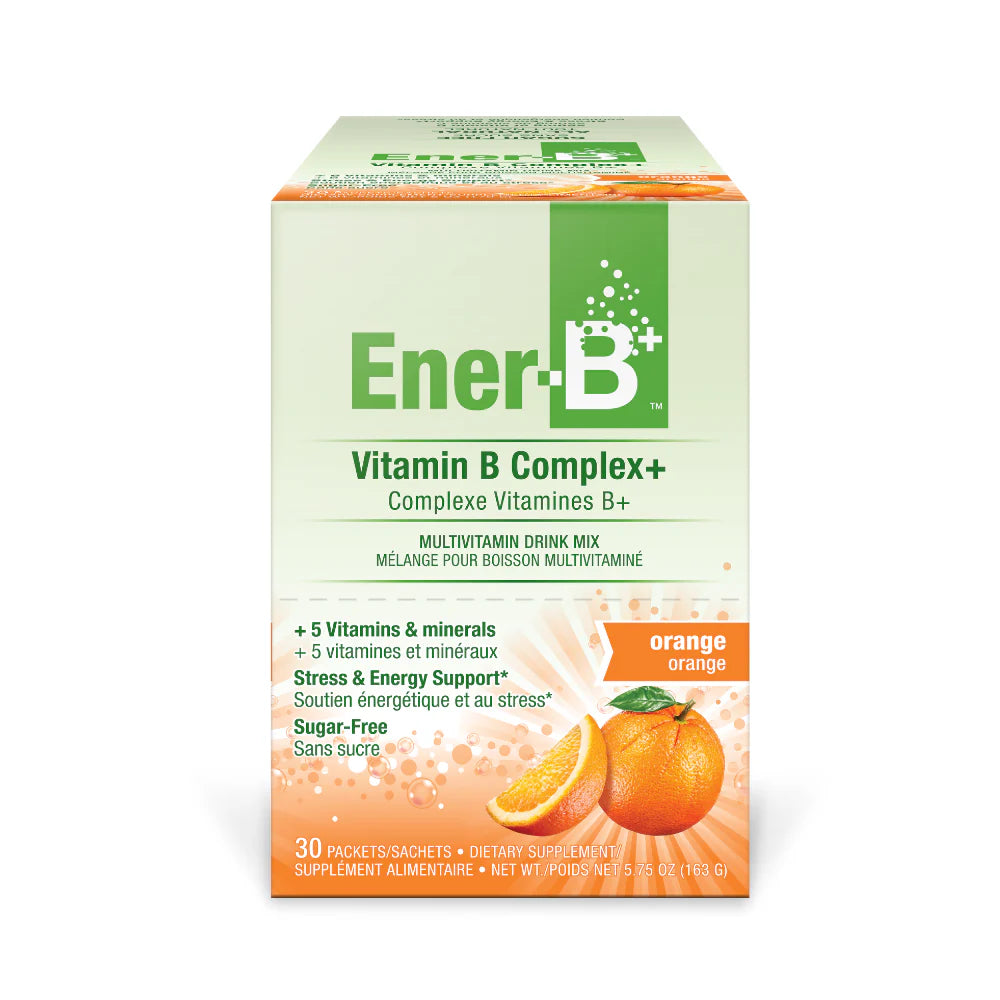
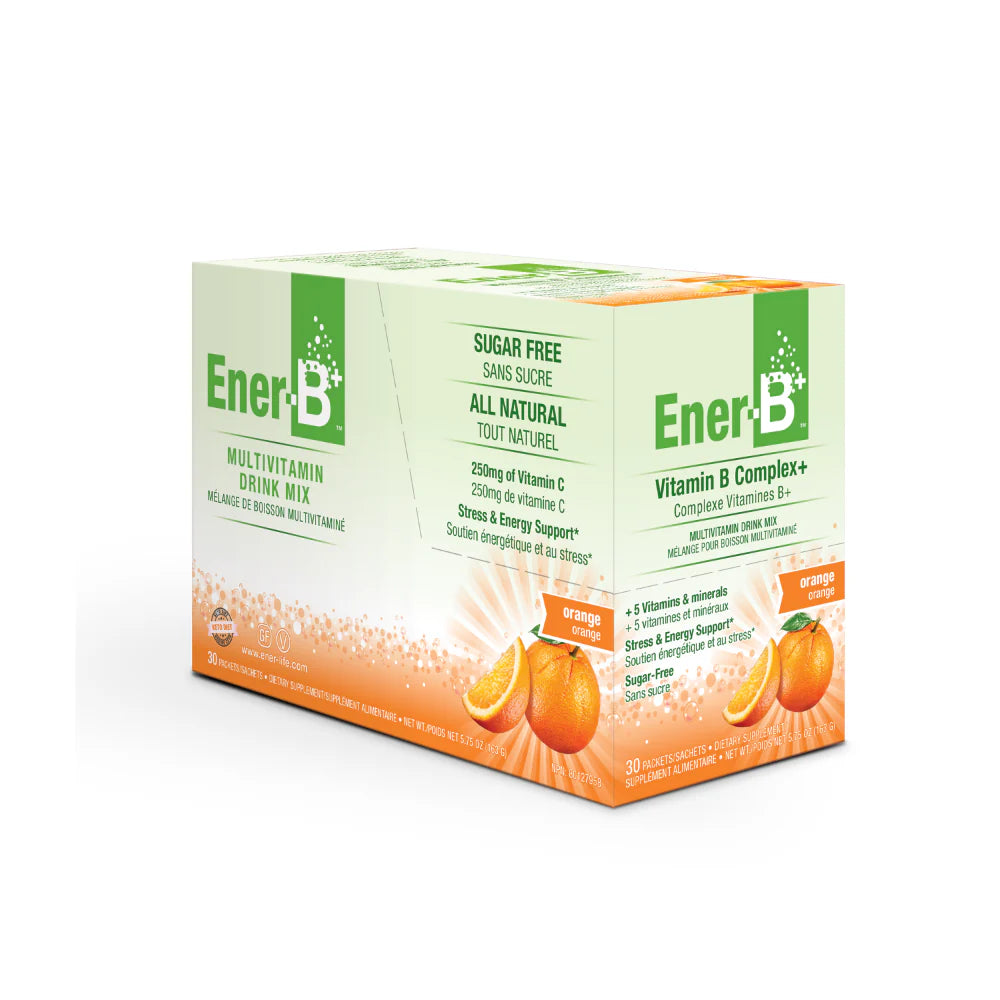
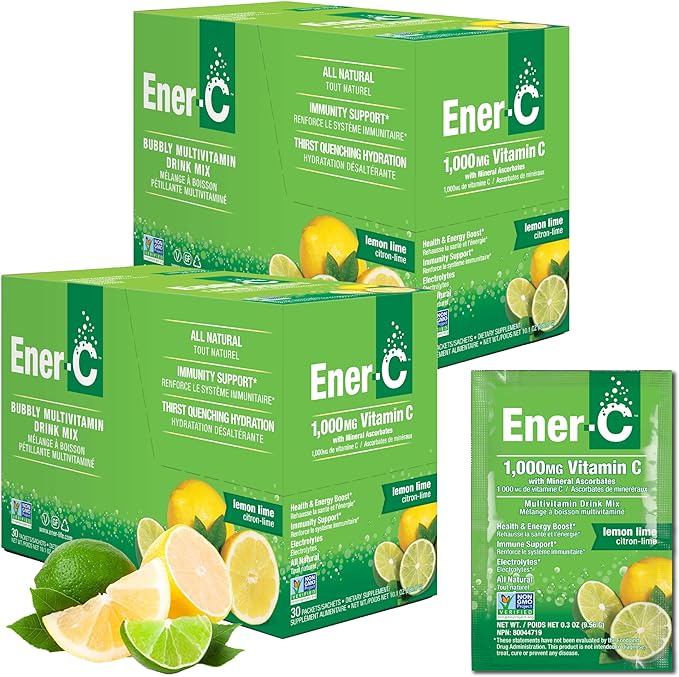
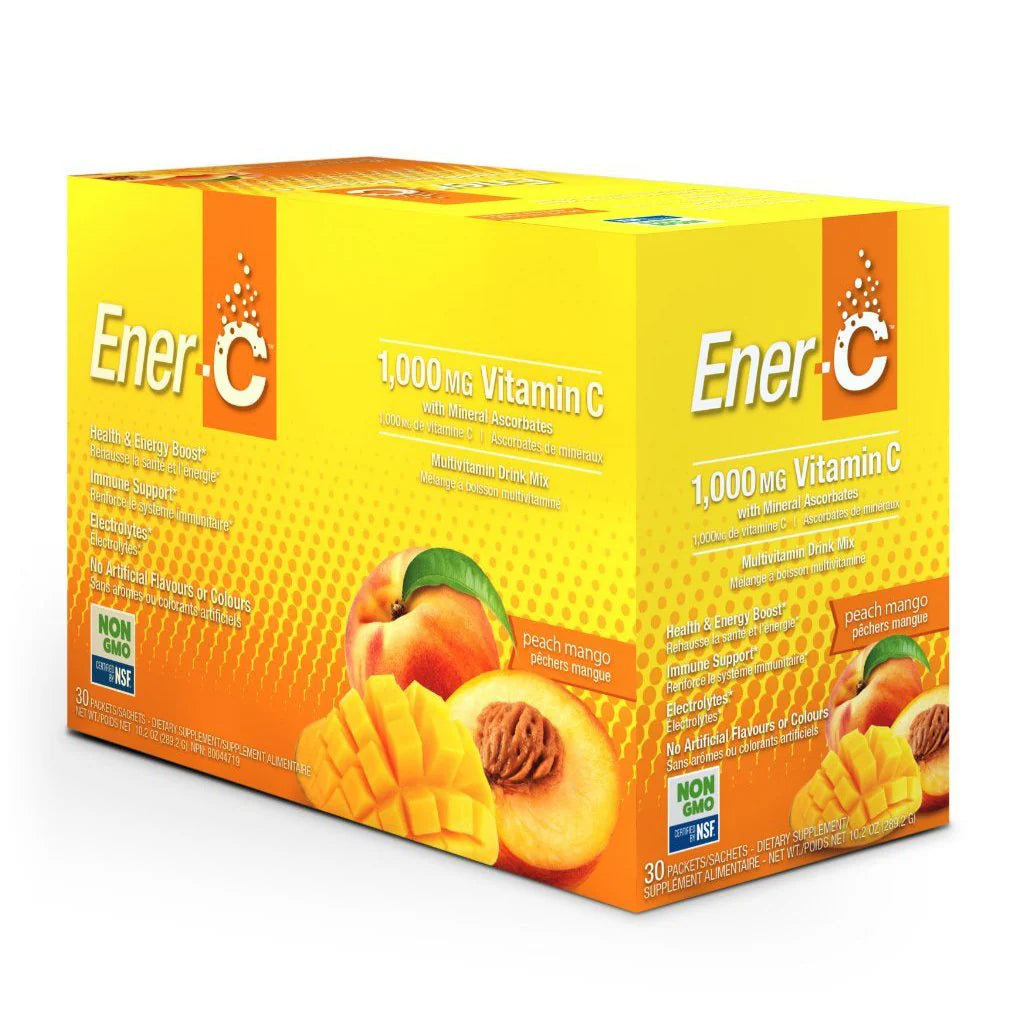
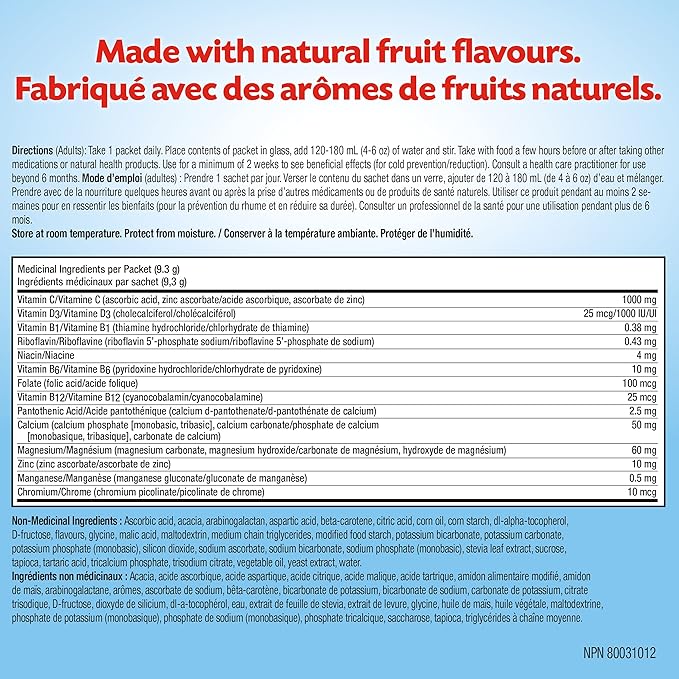
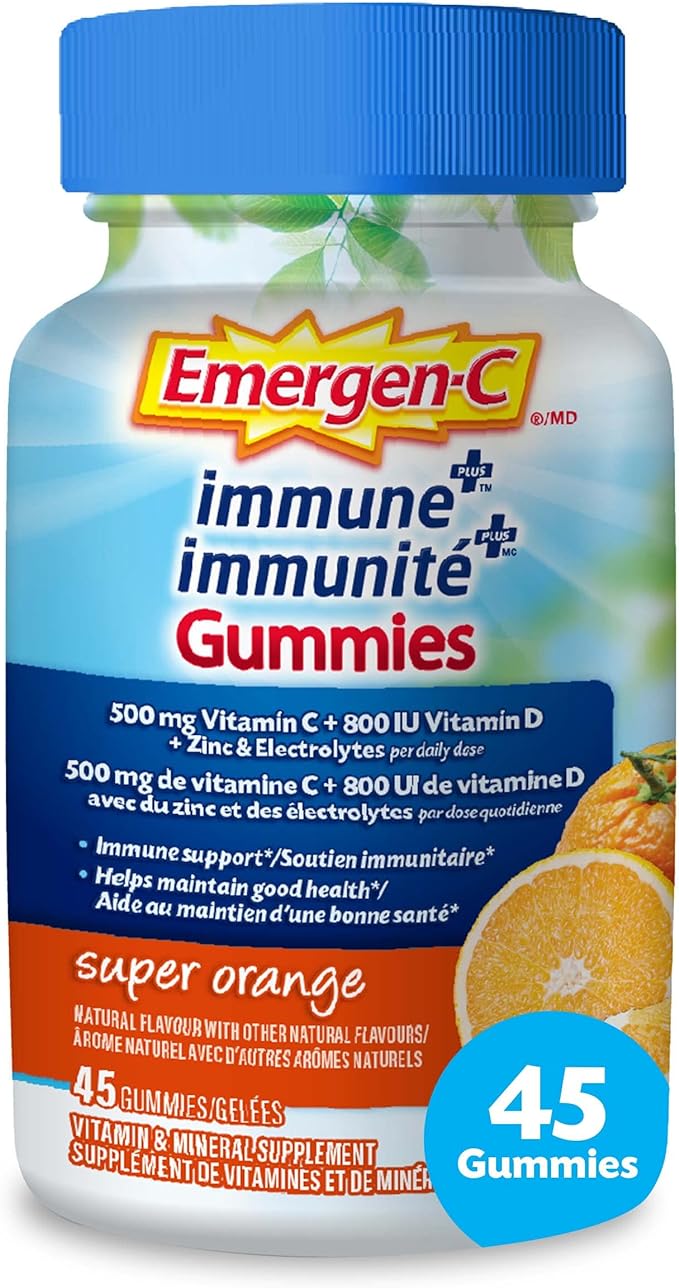
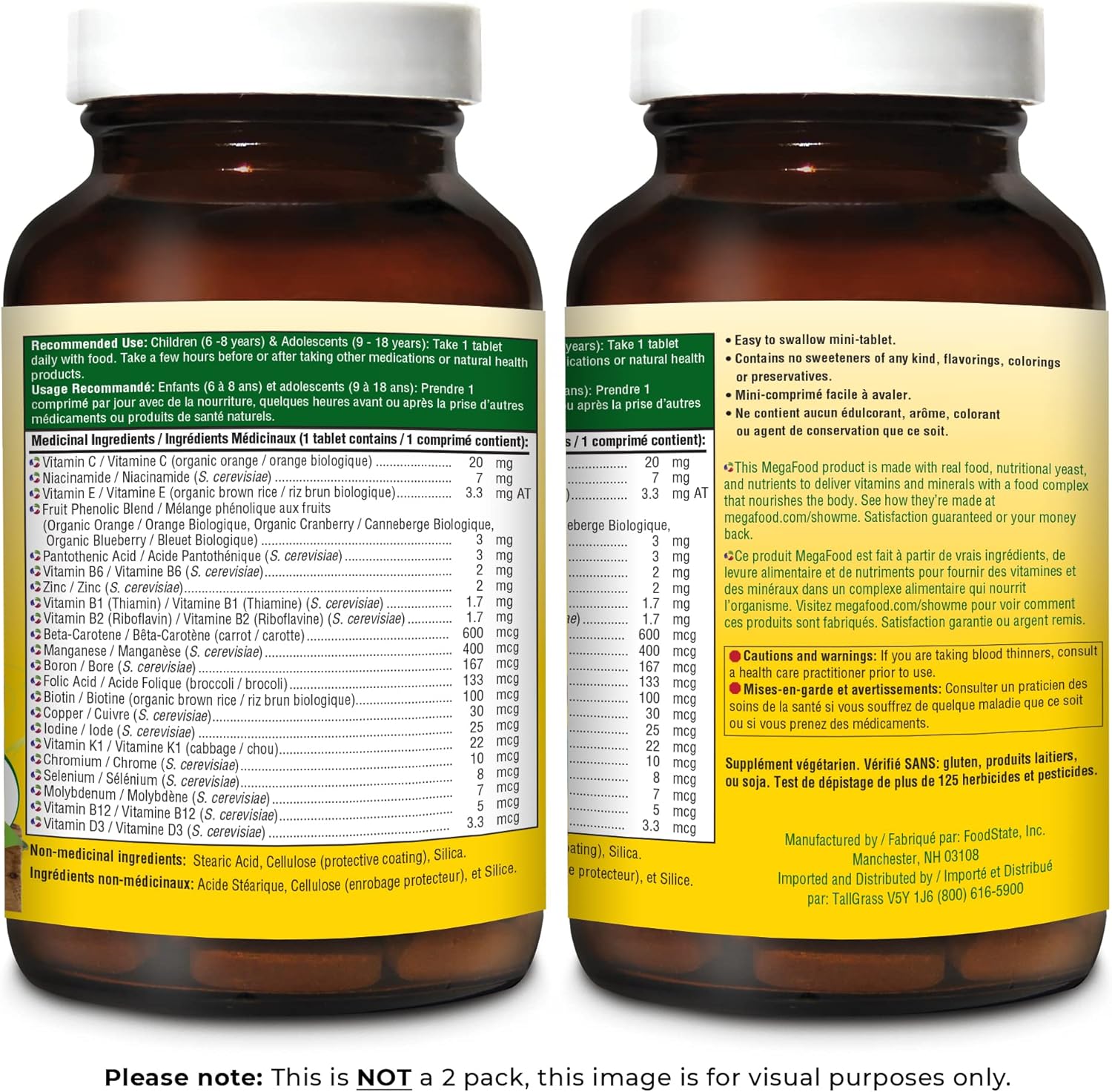
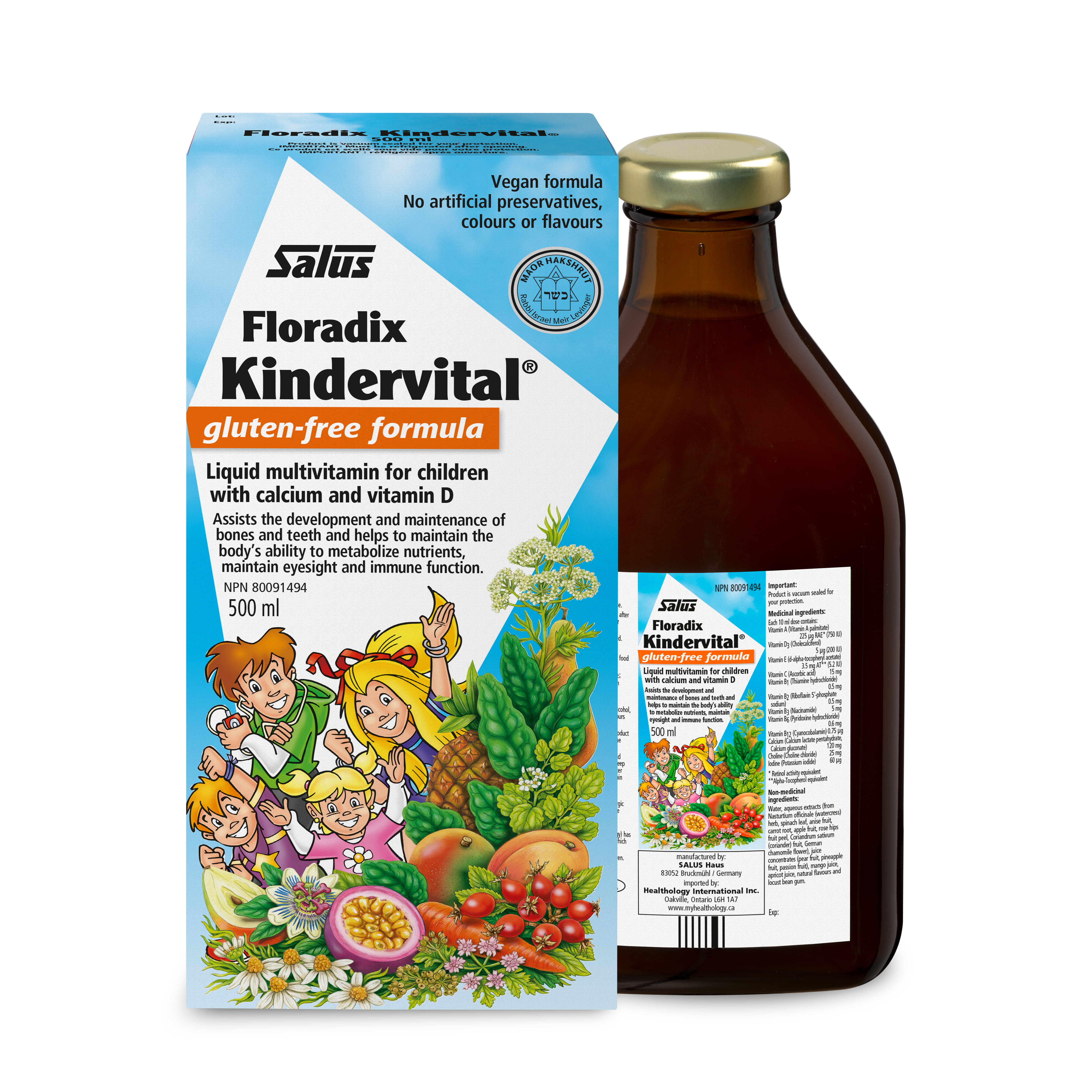
The Multivitamins collection at Coal Harbour Pharmacy includes options for adults, men, women, children, seniors, athletes, pregnancy and breastfeeding, plant-based diets, and other specialized nutritional needs, available in tablets, capsules, gummies, powders, and liquids.
Multivitamins can complement a nutritious diet, but they should not be viewed as a substitute for varied foods, adequate protein and energy intake, physical activity, sleep, or appropriate medical care.
Key Benefits
Depending on the formulation and individual nutritional needs, multivitamins may help:
• Fill gaps in vitamin and mineral intake
• Support normal energy metabolism
• Maintain normal immune function
• Support bone and muscle health
• Maintain normal nervous-system function
• Support normal red blood cell formation
• Provide nutrients involved in antioxidant defence
• Support normal vision and skin health
• Provide targeted nutrition during specific life stages
• Offer convenient daily micronutrient coverage
The greatest benefit generally occurs when a multivitamin addresses nutrients that would otherwise be inadequately consumed.
Who It’s Ideal For
Multivitamins may be useful for:
• Adults with limited dietary variety
• People following restrictive diets
• Vegetarians and vegans with specific nutritional considerations
• Older adults
• Children with appropriate nutritional needs
• Pregnant or breastfeeding individuals using an appropriate formula
• Athletes with dietary gaps or increased nutritional considerations
• People consuming reduced-calorie diets
• Individuals with medically relevant nutrient requirements
• People looking for convenient foundational micronutrient coverage
Not everyone needs a multivitamin, and higher-potency formulas are not automatically better.
What Are Multivitamins?
A multivitamin typically contains several vitamins and may also contain minerals and other nutritional ingredients.
Common nutrients include:
Fat-soluble vitamins
• Vitamin A
• Vitamin D
• Vitamin E
• Vitamin K
Water-soluble vitamins
• Vitamin C
• Thiamine
• Riboflavin
• Niacin
• Pantothenic acid
• Vitamin B6
• Biotin
• Folate
• Vitamin B12
Minerals
• Calcium
• Magnesium
• Zinc
• Selenium
• Iodine
• Copper
• Manganese
• Chromium
• Molybdenum
• Iron in selected formulas
Exact composition varies considerably between products.
Multivitamins & Nutritional Gaps
A varied diet remains the preferred foundation for obtaining nutrients because foods provide much more than isolated vitamins and minerals.
Whole foods can also provide:
• Protein
• Essential fatty acids
• Fibre
• Carbohydrates
• Phytonutrients
• Water
• Other biologically active compounds
A multivitamin can help fill selected micronutrient gaps but cannot reproduce the full nutritional value of a balanced diet.
Do Multivitamins Provide “Nutritional Insurance”?
The phrase “nutritional insurance” is commonly used to describe multivitamins, but it should not imply that taking one guarantees nutritional adequacy or prevents disease.
A multivitamin may provide useful additional coverage when intake of certain micronutrients is inconsistent.
Its value depends on the individual’s diet and the nutrients actually contained in the formula.
Multivitamins & Energy
Vitamins do not provide calories.
B vitamins and several minerals participate in biochemical pathways that allow the body to metabolize carbohydrates, fats, and proteins.
Correcting a nutrient deficiency can improve symptoms when inadequate status contributes to fatigue.
However, taking additional vitamins beyond requirements does not automatically provide more energy or stamina.
B-Complex Vitamins
B vitamins have important roles in:
• Energy metabolism
• Nervous-system function
• Red blood cell formation
• Amino-acid metabolism
• DNA synthesis
• Homocysteine metabolism
Many multivitamins provide the full B-complex.
Large doses are not necessarily advantageous, and certain B vitamins can cause adverse effects when chronically consumed in excessive amounts.
Vitamin B12
Vitamin B12 contributes to:
• Normal red blood cell formation
• Neurological function
• DNA synthesis
• Normal energy metabolism
People at greater risk of inadequate B12 can include:
• Vegans
• Some vegetarians
• Older adults
• People with certain gastrointestinal disorders
• Individuals taking medications that affect B12 absorption
A multivitamin may provide B12, but people with established deficiency may require a different dose or treatment approach.
Vitamin B6
Vitamin B6 contributes to amino-acid metabolism, nervous-system function, glycogen metabolism, and pathways involved in neurotransmitter synthesis.
However, chronic excessive supplemental B6 can cause peripheral neuropathy.
Check total intake when combining a multivitamin with B-complex, energy, stress, or other fortified supplements.
Folate
Folate is essential for:
• DNA synthesis
• Cell division
• Red blood cell formation
• Normal fetal development
Adequate folate is particularly important before and during early pregnancy.
Folic acid, folate salts, and 5-MTHF forms may appear in different supplements.
The presence of a particular branded or methylated form does not automatically make a product superior for every individual.
Vitamin C
Vitamin C contributes to:
• Normal collagen formation
• Antioxidant protection
• Immune function
• Iron absorption
• Normal connective-tissue physiology
Multivitamins commonly provide vitamin C, although amounts vary widely.
Taking substantially more than required does not necessarily provide greater immune protection.
Vitamin D
Vitamin D contributes to:
• Calcium absorption
• Bone and teeth health
• Normal muscle function
• Immune function
Individual vitamin D requirements can vary according to dietary intake, sun exposure, age, skin pigmentation, geographic location, health status, and other factors.
Some people may require a separate vitamin D supplement even when using a multivitamin.
Vitamin A
Vitamin A supports:
• Vision
• Immune function
• Cell differentiation
• Skin and epithelial tissues
Supplements may provide preformed vitamin A, carotenoids such as beta-carotene, or a combination.
Because preformed vitamin A is fat soluble and can accumulate, excessive intake should be avoided.
Pregnancy requires particular attention to vitamin A form and dose.
Vitamin E
Vitamin E is a fat-soluble antioxidant that helps protect cell membranes from oxidative damage.
Multivitamins typically provide modest amounts.
High-dose vitamin E supplementation is different from obtaining an appropriate amount within a balanced multivitamin and may carry additional risks.
Vitamin K
Vitamin K is important for:
• Normal blood clotting
• Bone-related protein function
Forms can include vitamin K1 and different forms of vitamin K2.
People taking vitamin K-antagonist anticoagulants such as warfarin require professional guidance regarding vitamin K intake and consistency.
Multivitamins & Immune Function
Nutrients involved in normal immune function include:
• Vitamins A, C, D, E and B6
• Folate
• Vitamin B12
• Zinc
• Selenium
• Copper
Adequate intake supports normal immune physiology.
However, a multivitamin should not be marketed as preventing infections or indiscriminately “boosting” immunity.
Multivitamins & Brain Health
The brain depends on adequate nutrition, including several B vitamins, minerals, fatty acids, protein, and energy.
Multivitamins can contribute nutrients required for normal neurological function.
However, taking a multivitamin should not be expected to:
• Prevent dementia
• Treat cognitive impairment
• Sharply improve memory
• Enhance intelligence
• Correct every cause of brain fog
Persistent cognitive changes deserve appropriate evaluation.
Multivitamins & Bone Health
Bone health depends on nutrients including:
• Calcium
• Vitamin D
• Protein
• Magnesium
• Vitamin K
along with physical activity and hormonal and metabolic factors.
Many multivitamins provide vitamin D but relatively little calcium or magnesium because these minerals require substantial physical space.
People seeking significant calcium or magnesium supplementation should check the actual amounts rather than assuming a multivitamin provides enough.
Multivitamins & Heart Health
Several micronutrients contribute to normal cardiovascular physiology.
However, a general multivitamin should not be described as preventing heart disease.
Cardiovascular health depends strongly on:
• Dietary pattern
• Physical activity
• Smoking status
• Blood pressure
• Blood lipids
• Glucose control
• Sleep
• Genetics
• Appropriate medical treatment
Multivitamins & Skin, Hair & Nails
Nutrients such as zinc, biotin, selenium, vitamin C, vitamin A, and other micronutrients contribute to normal tissue physiology.
Correcting a deficiency can be important.
However, taking additional amounts when nutritional status is already adequate does not guarantee:
• Faster hair growth
• Stronger nails
• Clearer skin
• Increased collagen production
Hair loss or significant skin and nail changes can have medical causes that require assessment.
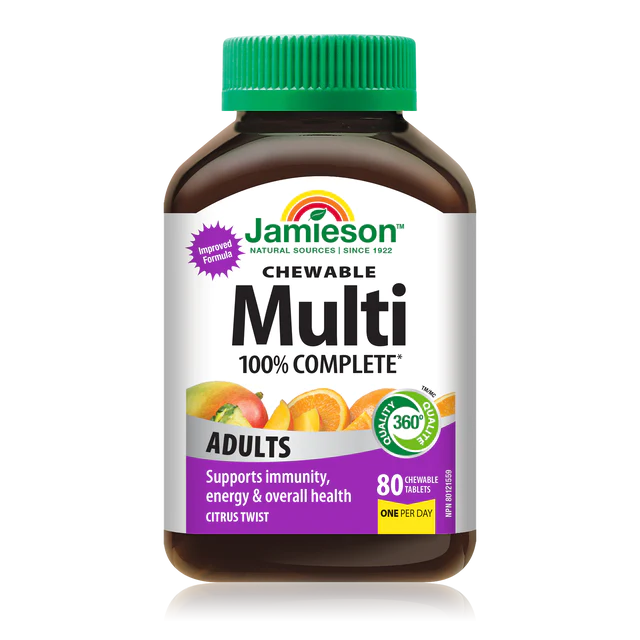
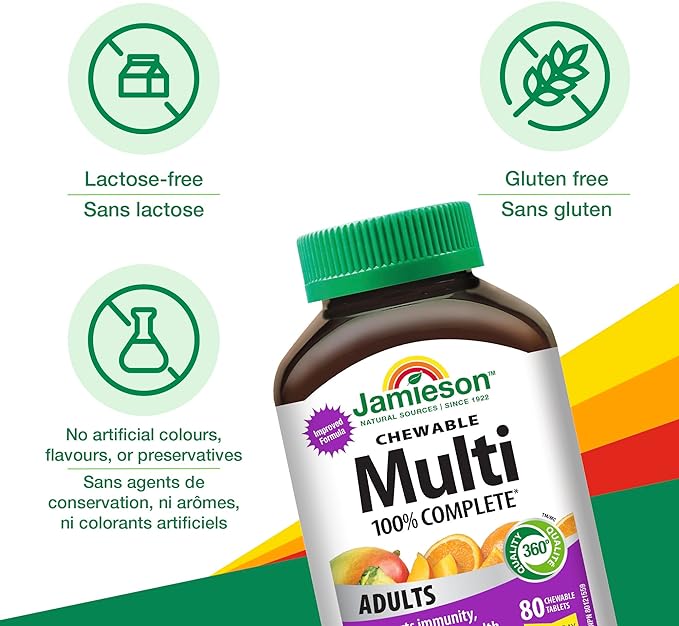
Daily Essential Multivitamins
Basic daily multivitamins generally aim to provide broad micronutrient coverage without highly specialized ingredients.
They can be useful for adults seeking:
• Simple supplementation
• Convenient daily coverage
• Support for inconsistent dietary intake
A straightforward formula with appropriate nutrient amounts can sometimes be preferable to a highly complex product.
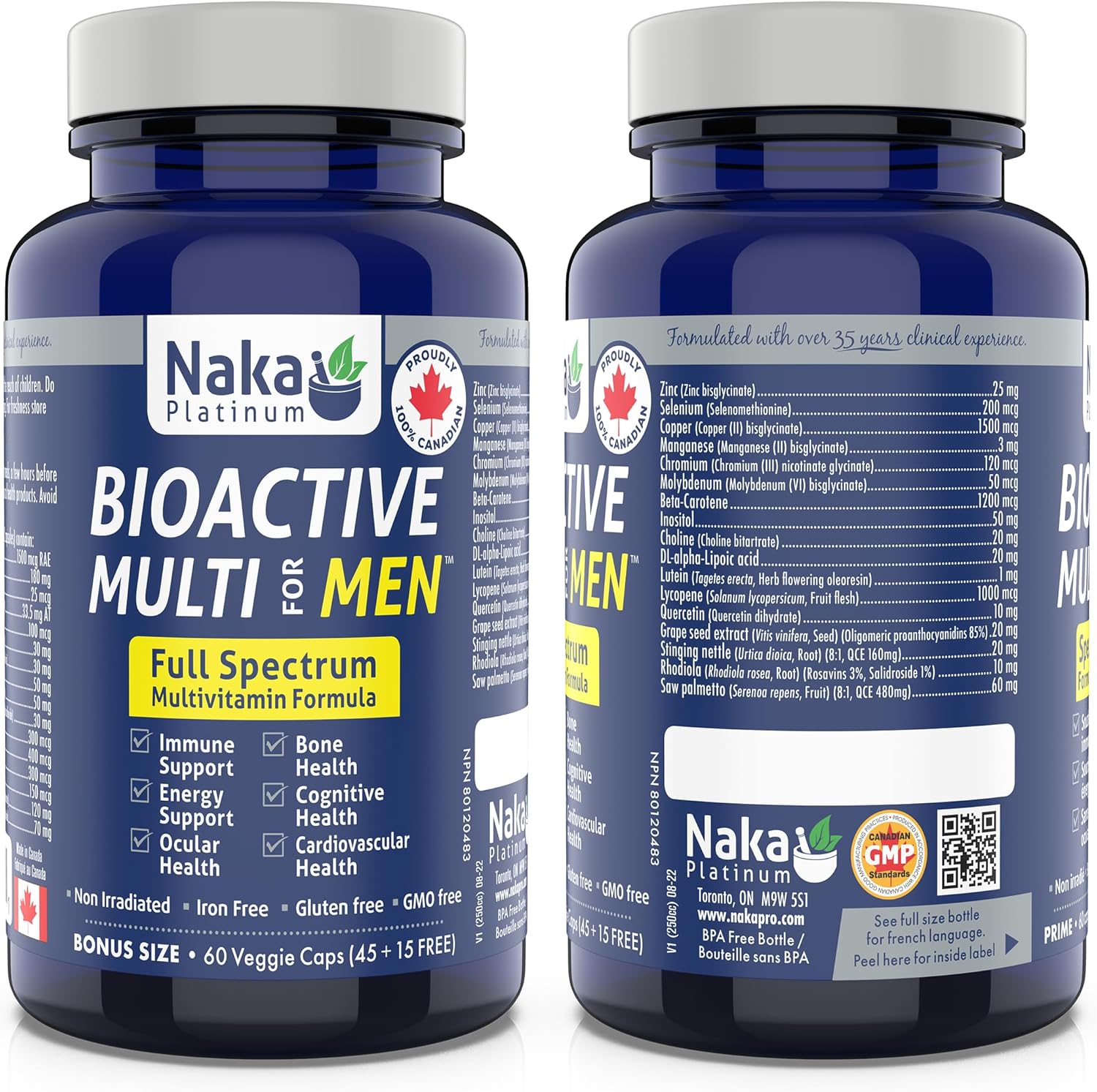
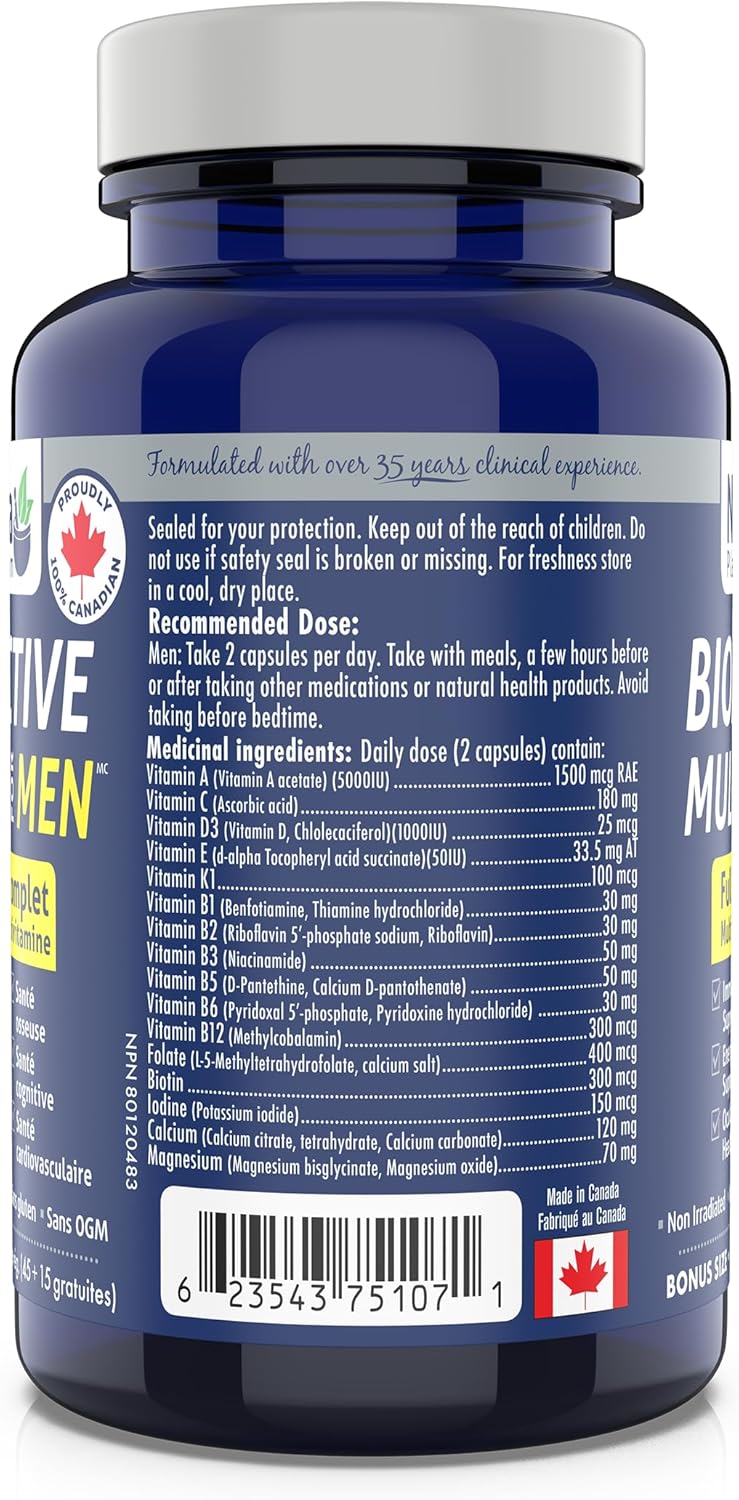
Men’s Multivitamins
Men’s formulas may differ through:
• Iron content
• Zinc levels
• Added antioxidants
• Botanical ingredients
• Other specialty nutrients
Many men’s formulas contain little or no iron because adult men generally have lower iron requirements than menstruating women.
A product labelled “for men” does not automatically improve testosterone, prostate function, or athletic performance.
Women’s Multivitamins
Women’s formulas may place additional emphasis on:
• Iron
• Folate
• Calcium
• Vitamin D
• Other nutrients relevant to particular life stages
Needs differ substantially between menstruating women, pregnancy, breastfeeding, perimenopause, and postmenopause.
Claims that a general women’s multivitamin “balances hormones” should be treated cautiously.
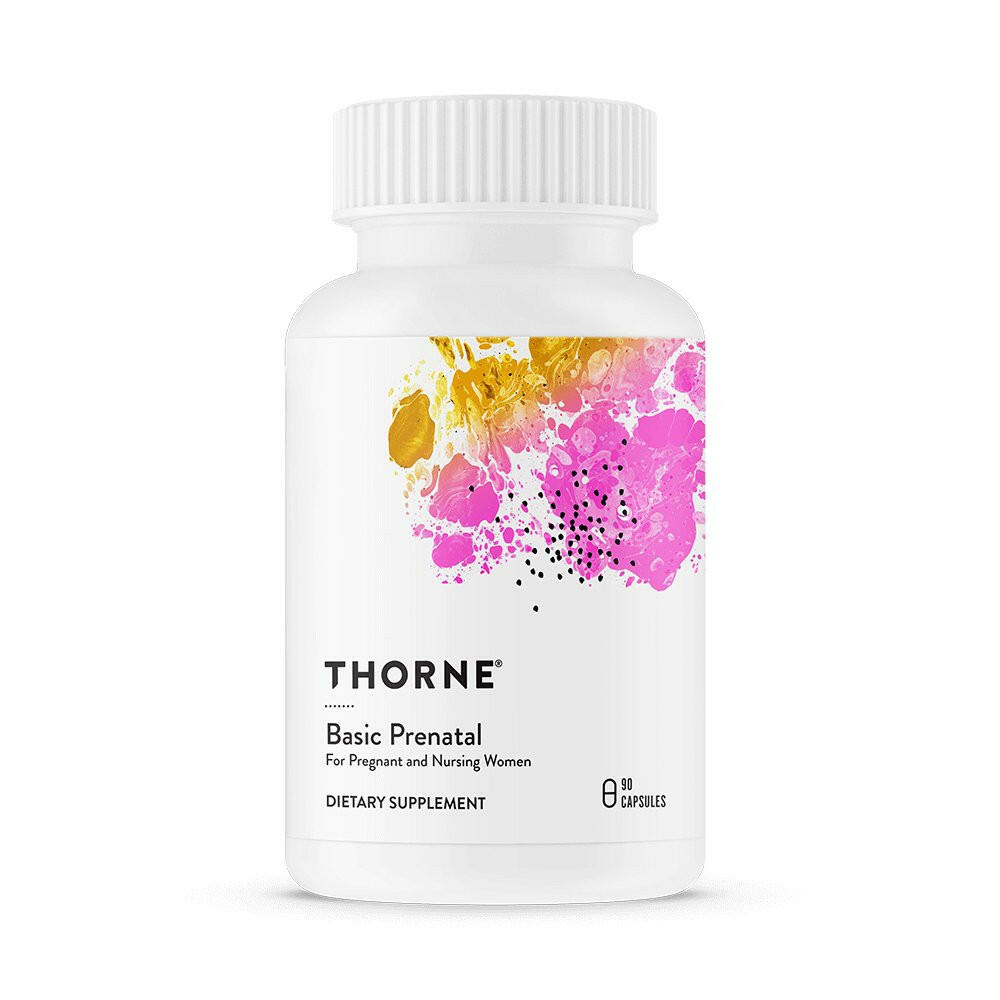
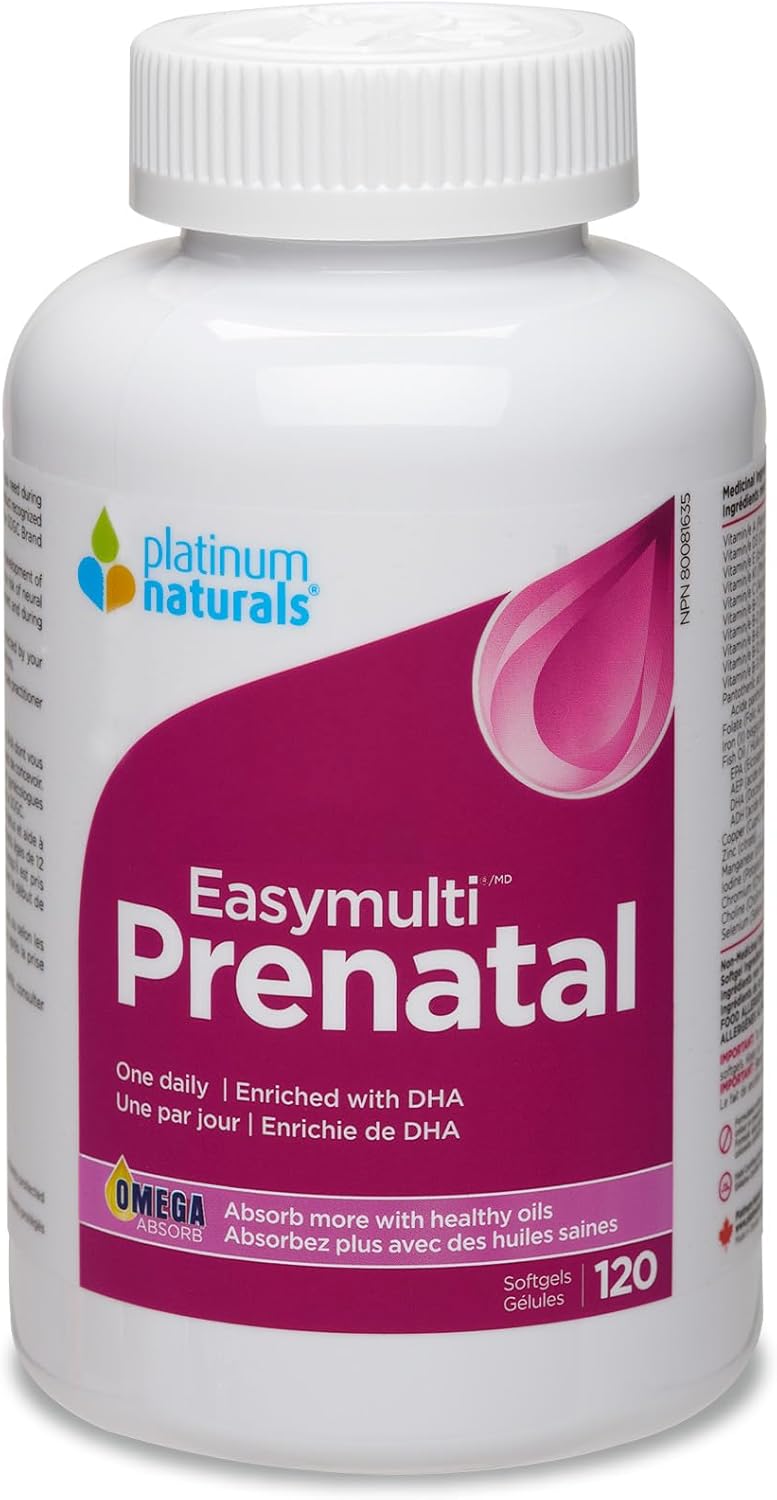
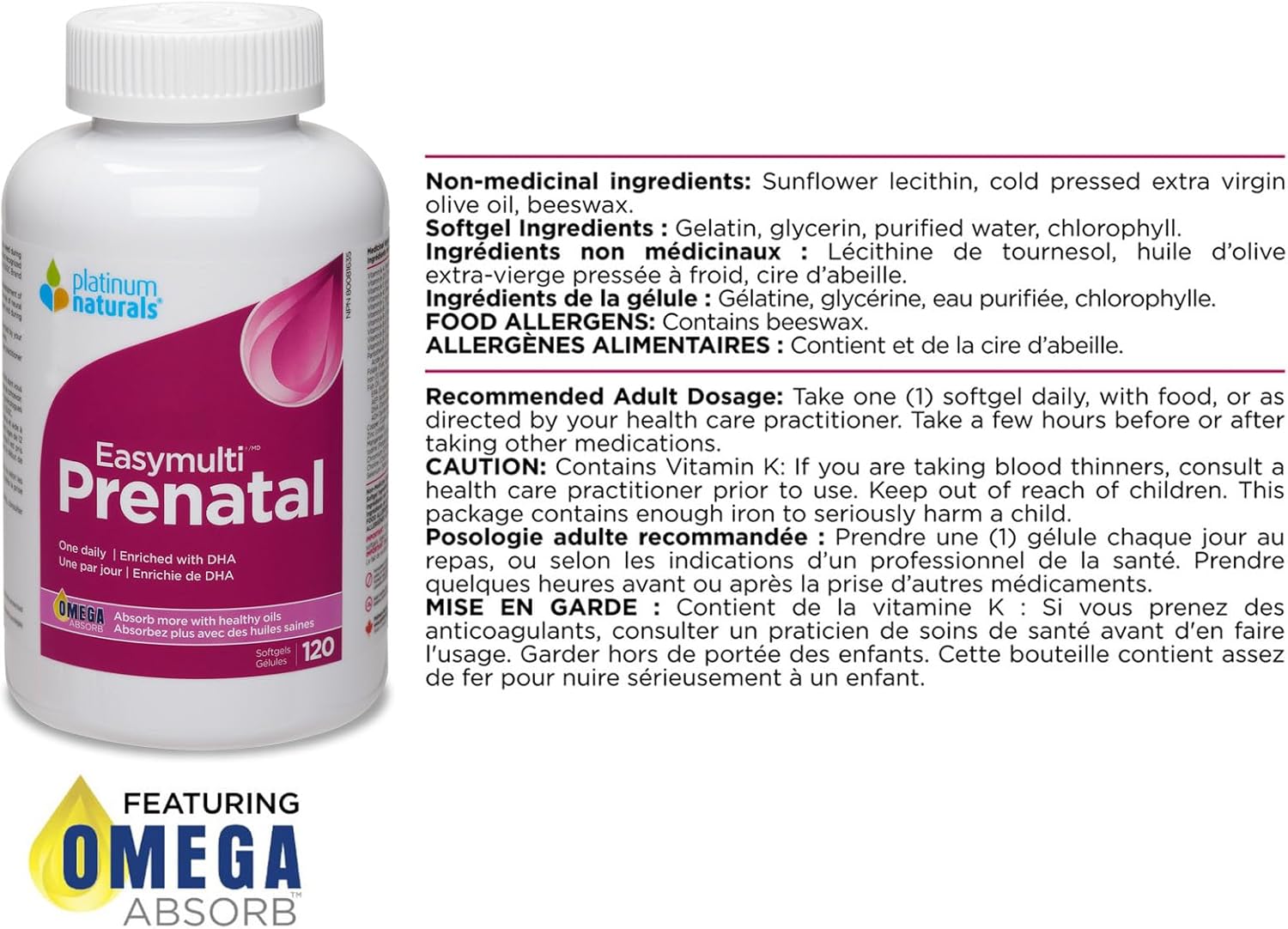
Prenatal Multivitamins
Prenatal supplements are specifically formulated for nutritional needs surrounding pregnancy.
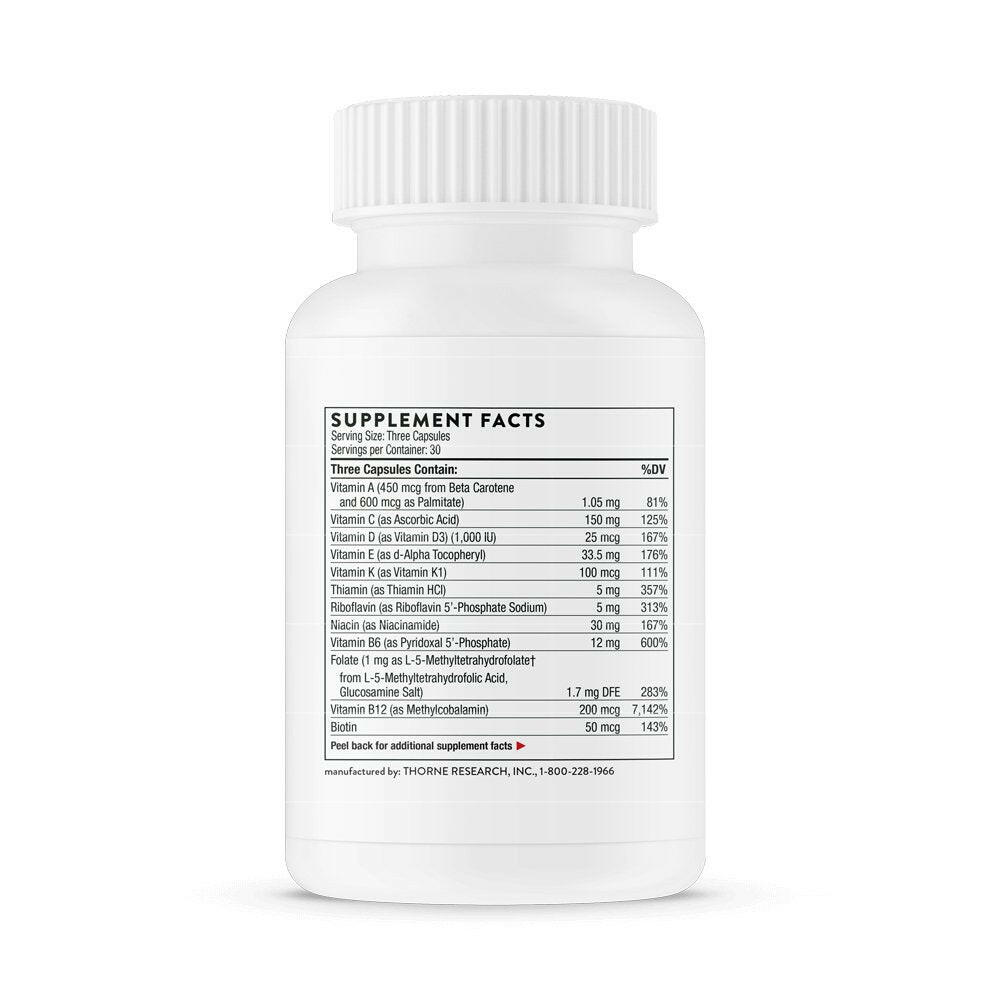
Particularly important nutrients can include:
• Folate
• Iron
• Iodine
• Vitamin D
• Vitamin B12
• Other essential micronutrients
Some prenatal products may also include DHA, while others require it separately.
Prenatal supplementation should begin according to appropriate healthcare guidance, particularly for folate.
Postnatal & Breastfeeding Multivitamins
Nutritional requirements remain important after delivery and during breastfeeding.
Relevant nutrients may include:
• Iodine
• Vitamin D
• Vitamin B12
• Iron depending on status
• Other vitamins and minerals
Postnatal needs vary according to diet, breastfeeding status, blood loss, medications, and individual health.
Children’s Multivitamins
Children’s supplements should be:
• Age appropriate
• Appropriately dosed
• Stored securely
• Used according to label directions
Gummies can resemble candy, so they should always be kept out of children’s reach.
A children’s multivitamin does not replace a varied diet or compensate completely for highly selective eating.
Persistent growth or nutritional concerns deserve professional assessment.
Senior Multivitamins
Older adults may have different nutritional considerations related to:
• Vitamin B12
• Vitamin D
• Calcium
• Appetite
• Medication use
• Gastrointestinal absorption
• Reduced food intake
Some senior formulas adjust iron or other nutrients accordingly.
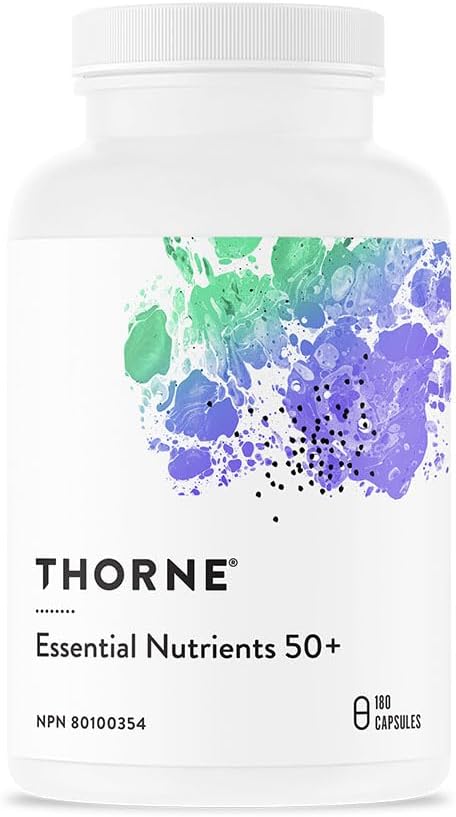
The best formula should reflect actual needs rather than simply selecting the highest-potency product labelled “50+.”
Athlete Multivitamins
Athlete-oriented formulas may contain different amounts of:
• B vitamins
• Magnesium
• Zinc
• Vitamin D
• Antioxidant nutrients
• Other performance-oriented ingredients
Training can increase nutritional demands, but an athlete multivitamin does not directly increase strength, speed, endurance, or recovery when nutrient requirements are already met.
Competitive athletes should also consider third-party sport certification where relevant.
Multivitamins for Plant-Based Diets
Vegetarian and vegan diets can be nutritionally complete when well planned.
Nutrients requiring particular attention can include:
• Vitamin B12
• Iron
• Zinc
• Iodine
• Calcium
• Vitamin D
depending on food choices and fortification.
A plant-based multivitamin may help fill some gaps but does not automatically provide everything needed, such as sufficient protein or omega-3 fatty acids.
Iron-Containing vs Iron-Free Multivitamins
Iron needs vary considerably.
Iron-containing formulas may be useful for some:
• Menstruating individuals
• Pregnant individuals
• People with inadequate dietary intake
• People with professionally identified increased requirements
Iron-free products may be more appropriate for many:
• Adult men
• Postmenopausal women
• People already using separate iron
• Individuals advised to avoid supplemental iron
Iron deficiency should ideally be confirmed and appropriately managed rather than treated indefinitely through an arbitrary multivitamin dose.
Multivitamins & Iodine
Iodine is required for thyroid hormone synthesis.
Both inadequate and excessive iodine can affect thyroid function.
People with thyroid disease should review iodine-containing supplements carefully rather than assuming more iodine improves metabolism.
Multivitamins & Zinc
Zinc supports immune function, wound healing, protein synthesis, and numerous enzymes.
Long-term excessive zinc intake can interfere with copper status.
This becomes particularly important when combining a multivitamin with separate zinc or immune-support products.
Multivitamins & Selenium
Selenium supports selenoproteins involved in antioxidant defence and thyroid hormone metabolism.
Only small quantities are required.
Combining multiple selenium-containing products can result in unnecessary intake, and chronic excess can cause toxicity.
Multivitamins & Magnesium
Many consumers expect a multivitamin to provide substantial magnesium.
In reality, comprehensive one- or two-tablet formulas often contain relatively small amounts because magnesium compounds occupy considerable space.
Check the actual elemental magnesium amount if magnesium intake is an important goal.
Multivitamins & Calcium
Calcium presents a similar formulation challenge.
Because adult calcium requirements are relatively large, many multivitamins provide only a fraction of daily needs.
Dietary calcium and any separate supplements should be considered when assessing total intake.
Multivitamins & Antioxidants
Multivitamins commonly contain antioxidant nutrients such as:
• Vitamin C
• Vitamin E
• Selenium
• Zinc
• Copper
• Manganese
These nutrients contribute to normal antioxidant systems.
The objective is not to eliminate all free radicals or oxidative stress, because reactive oxygen species also perform normal signalling functions.
Whole-Food Multivitamins
Some products incorporate fruit, vegetable, herb, or food-derived ingredients and may be marketed as “whole-food” multivitamins.
This can be a legitimate formulation approach.
However, a whole-food-based supplement is not equivalent to eating whole fruits, vegetables, legumes, grains, nuts, and seeds.
It is also not automatically better absorbed or clinically superior to a well-formulated conventional multivitamin.
“Natural” vs Synthetic Vitamins
The source of a vitamin does not alone determine its quality or usefulness.
Some vitamins from natural and synthetic sources are chemically identical, while others can exist in different forms.
Evaluate:
• Dose
• Chemical form
• Evidence
• Safety
• Product quality
rather than assuming “natural” always means better.
Methylated Multivitamins
Some formulas contain nutrients such as:
• 5-MTHF instead of folic acid
• Methylcobalamin instead of another B12 form
These can be useful formulation choices.
However, the term “methylated” does not establish that a multivitamin is superior or necessary for everyone.
High-Potency Multivitamins
High-potency formulas may provide nutrient amounts substantially above basic requirements.
Higher doses can sometimes be appropriate, but they can also increase the risk of excessive intake.
Nutrients deserving particular attention include:
• Vitamin A
• Vitamin D
• Vitamin E
• Vitamin B6
• Niacin
• Iron
• Zinc
• Selenium
• Iodine
A larger percentage of Daily Value should not automatically be interpreted as better quality.
Gummies
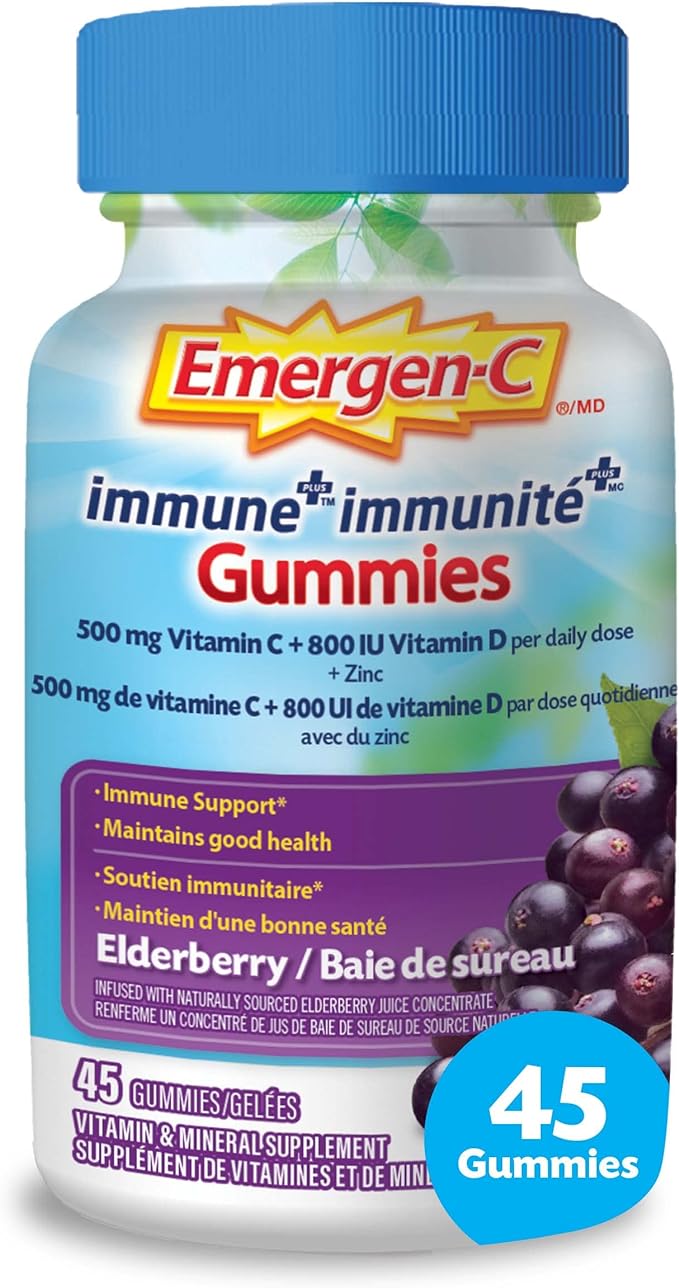
Gummy multivitamins can be convenient for children and adults who dislike tablets.
However, gummies may:
• Contain added sugars or sugar alcohols
• Provide fewer minerals
• Require multiple pieces per serving
• Be easier to accidentally overconsume
Store them securely, particularly around children.
Capsules & Tablets
Capsules and tablets can provide:
• Consistent servings
• Broad nutrient combinations
• Convenient storage
• Lower sugar than many gummies
Comprehensive formulas may require multiple capsules or tablets because minerals occupy substantial physical space.
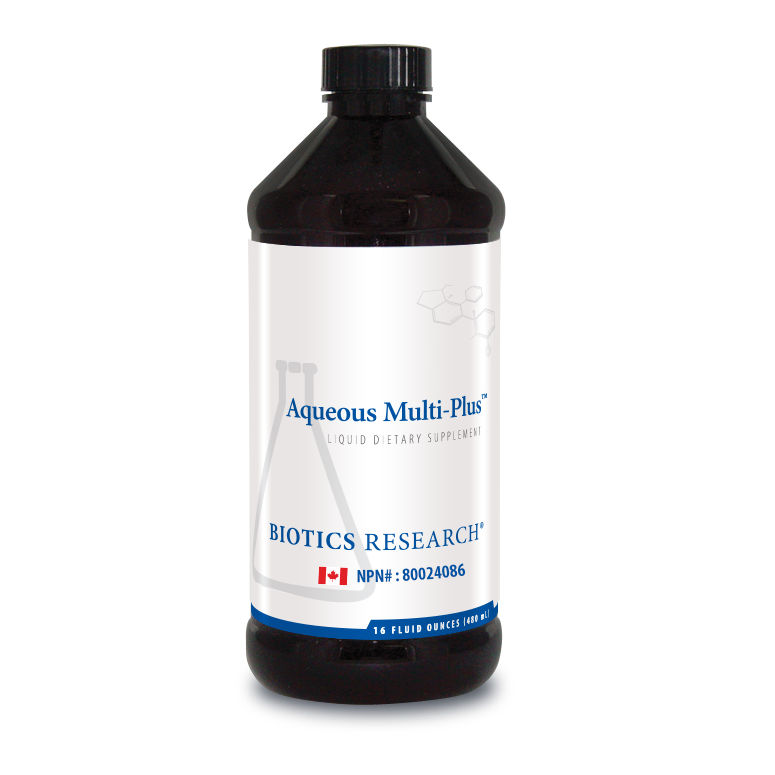
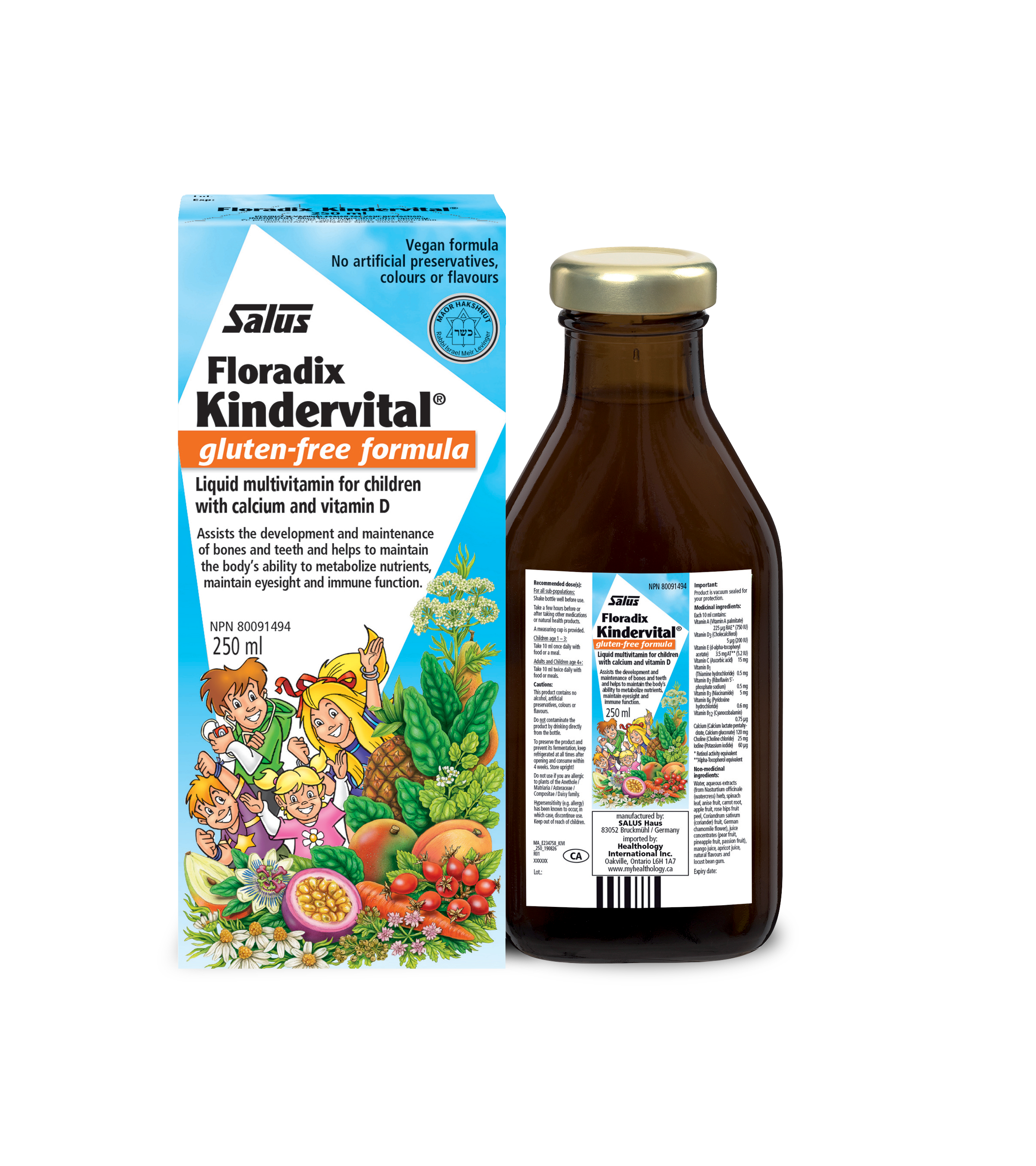
Liquid Multivitamins
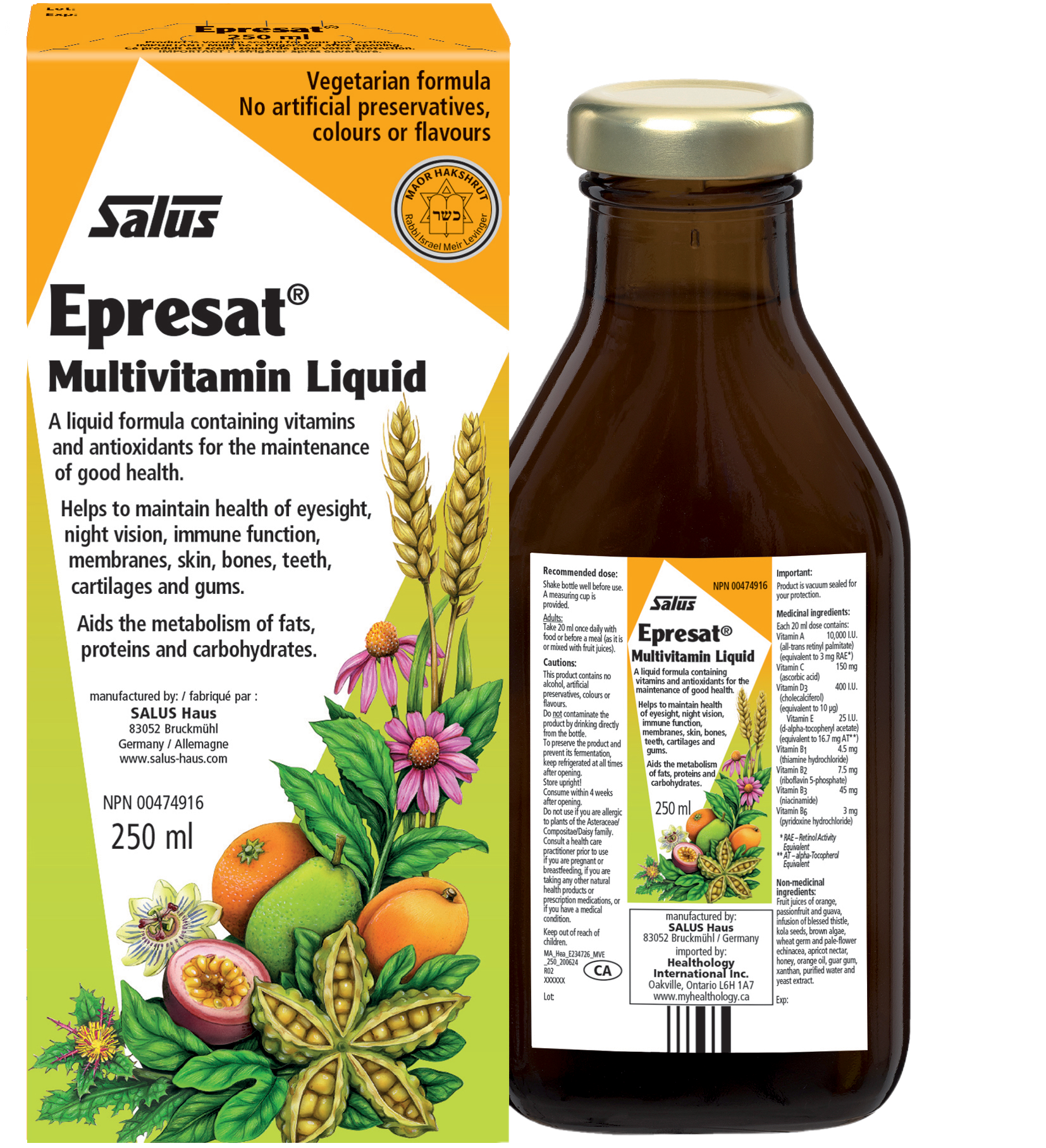
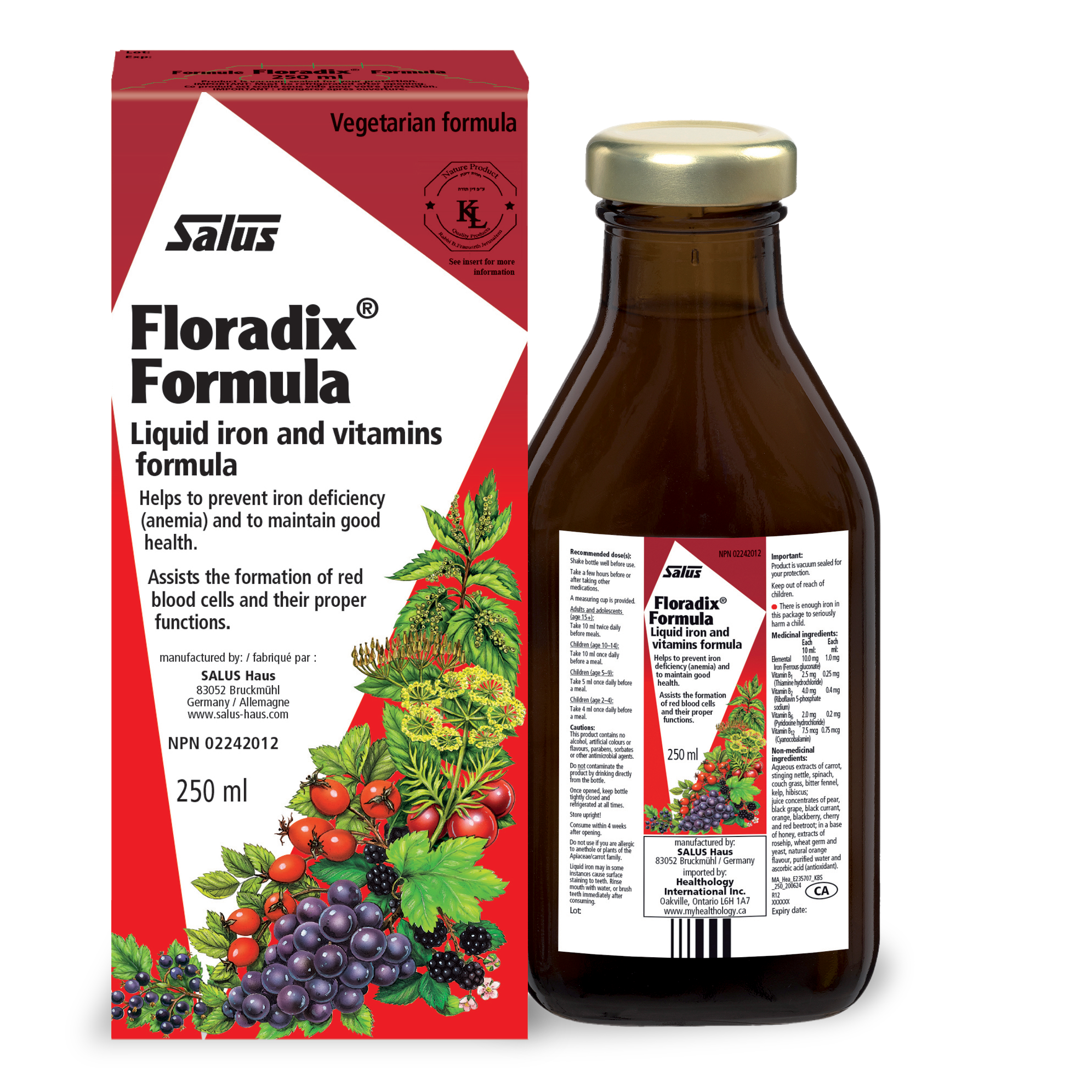
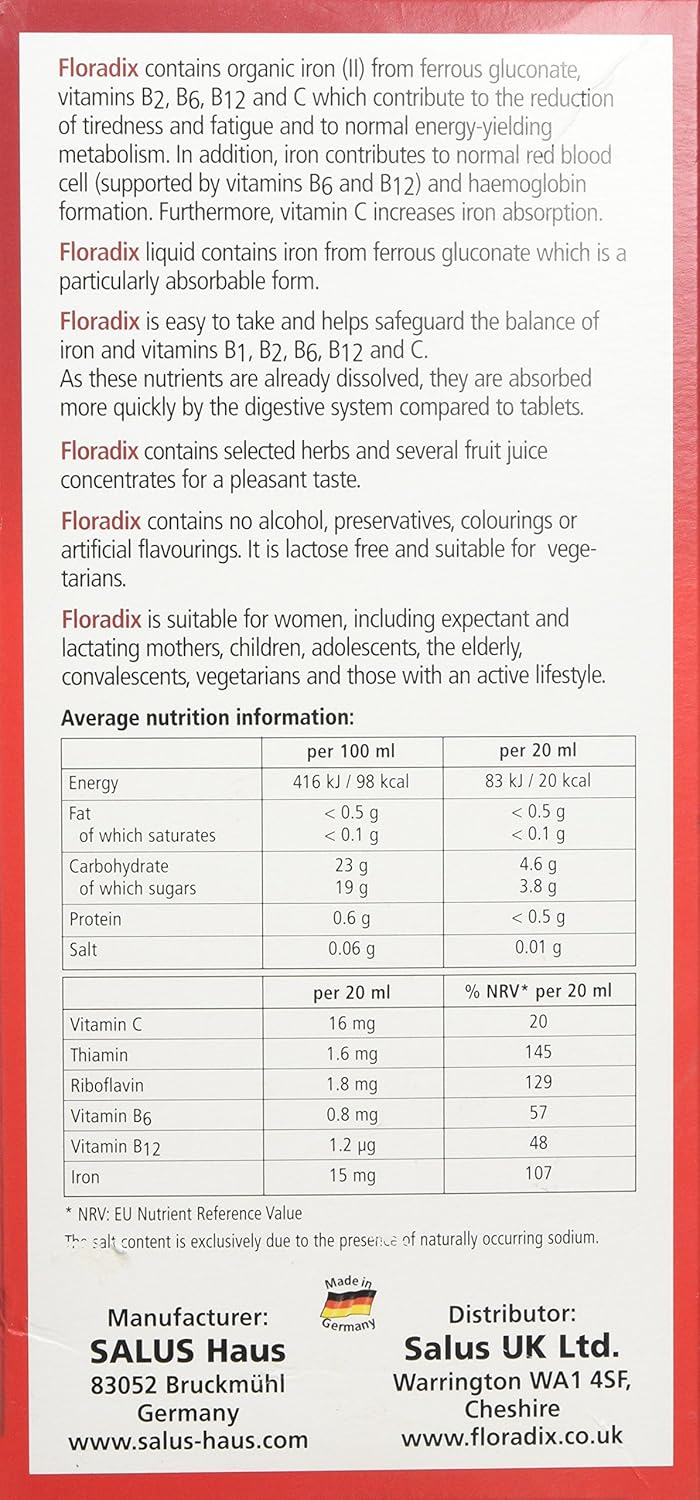
Liquid formulas can be useful for people who have difficulty swallowing pills.
However, liquid delivery does not automatically provide superior absorption.
Follow storage instructions carefully, particularly after opening.
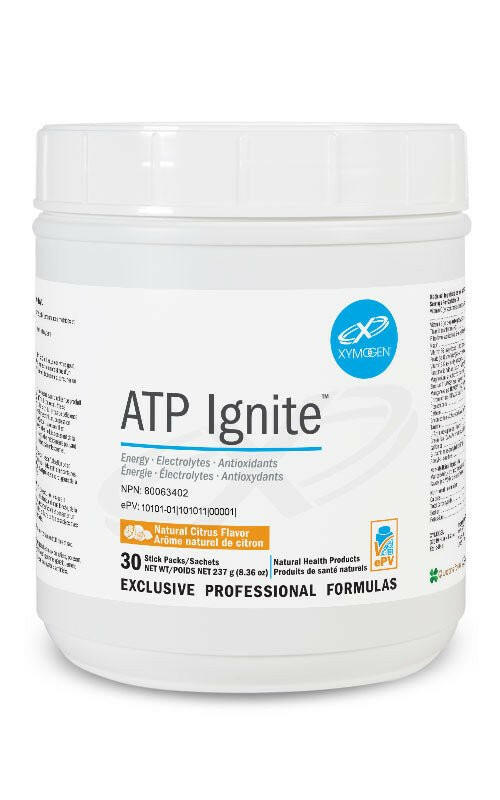
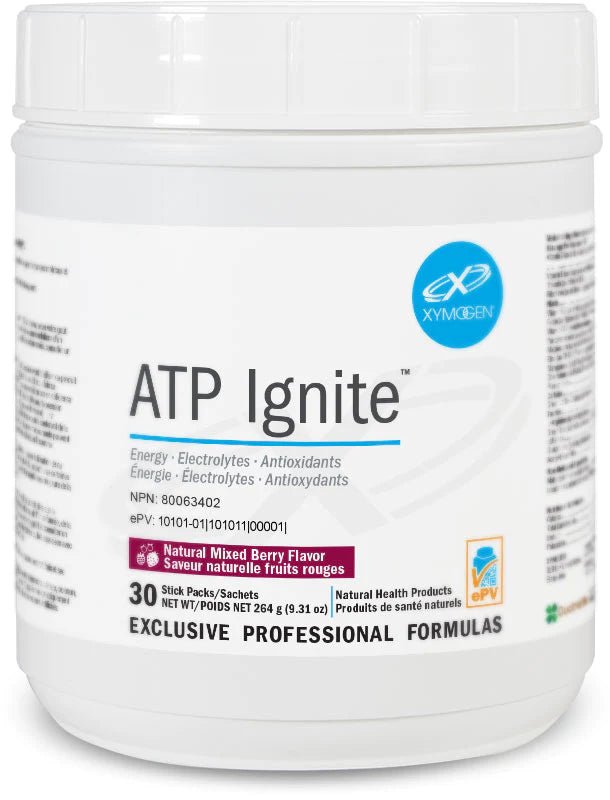
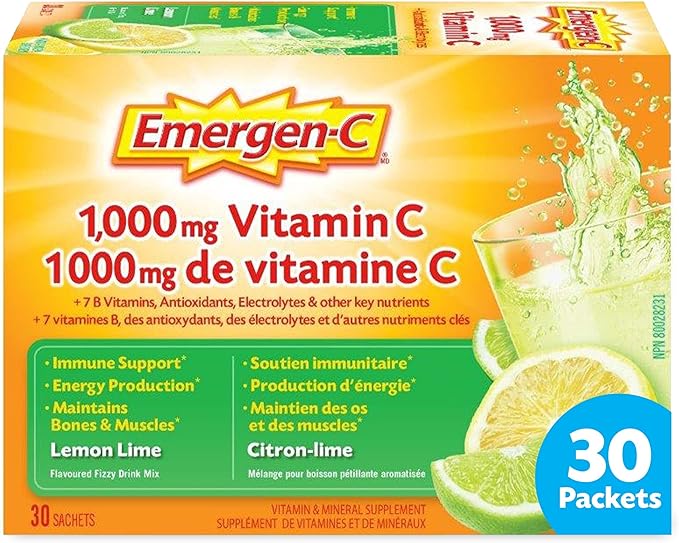
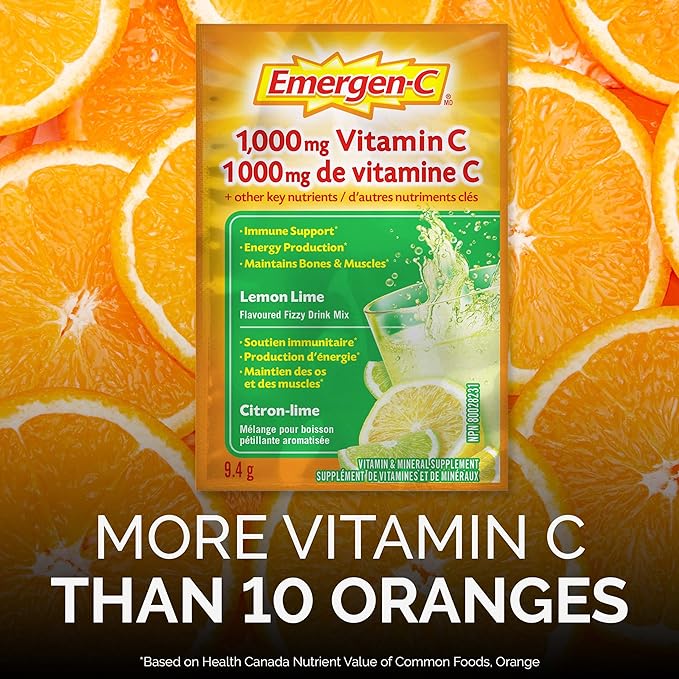
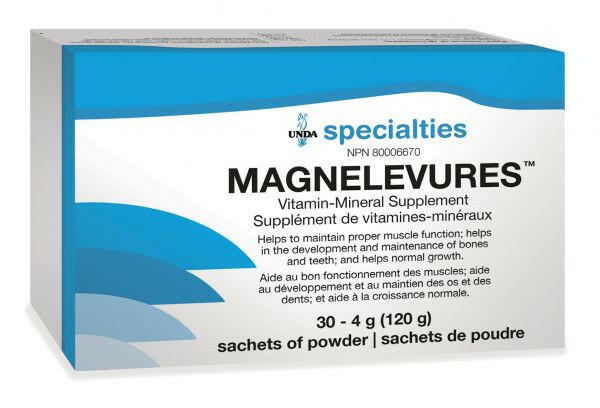
Powdered Multivitamins
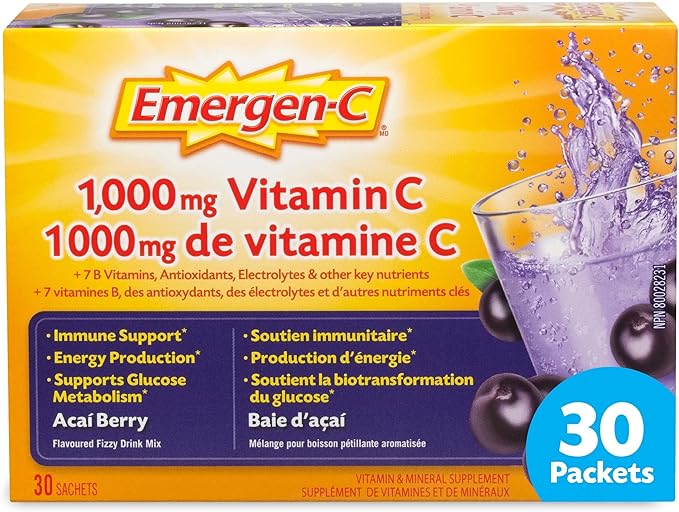
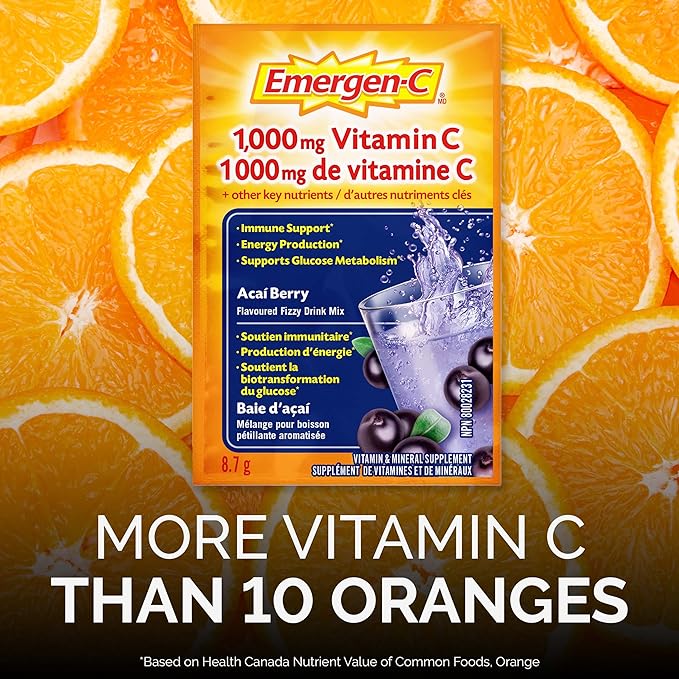
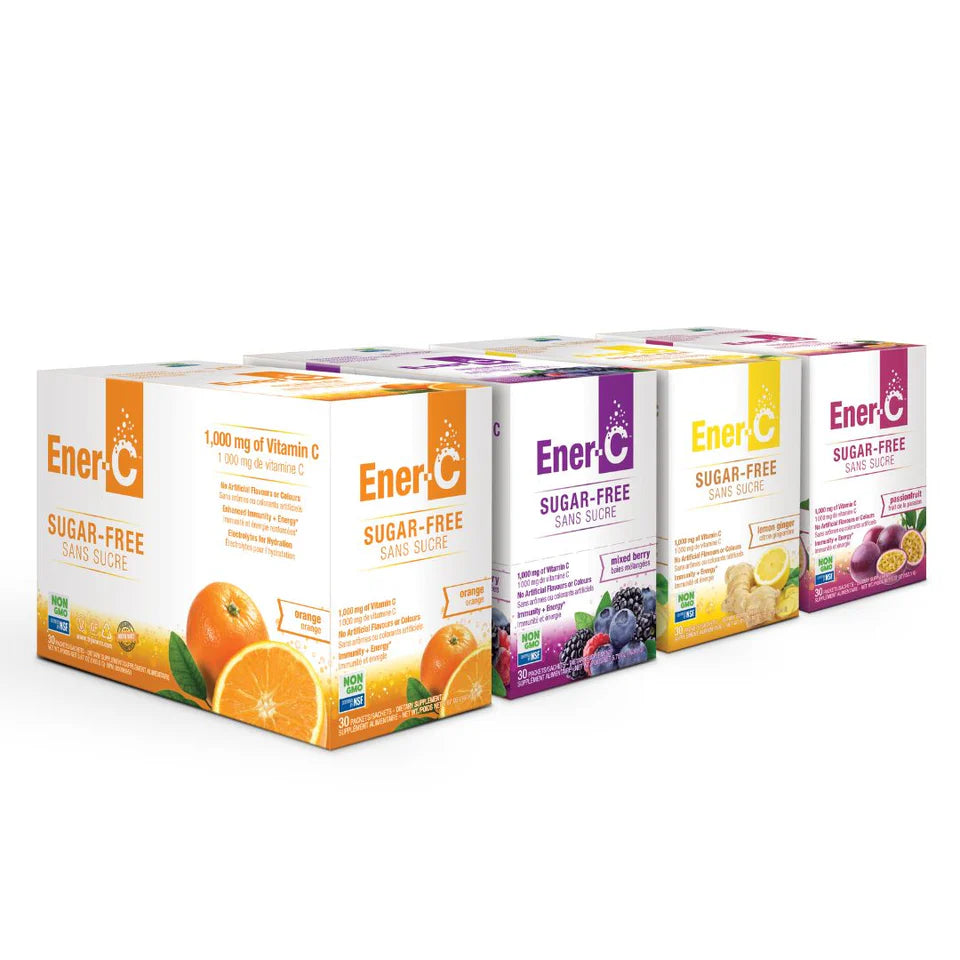
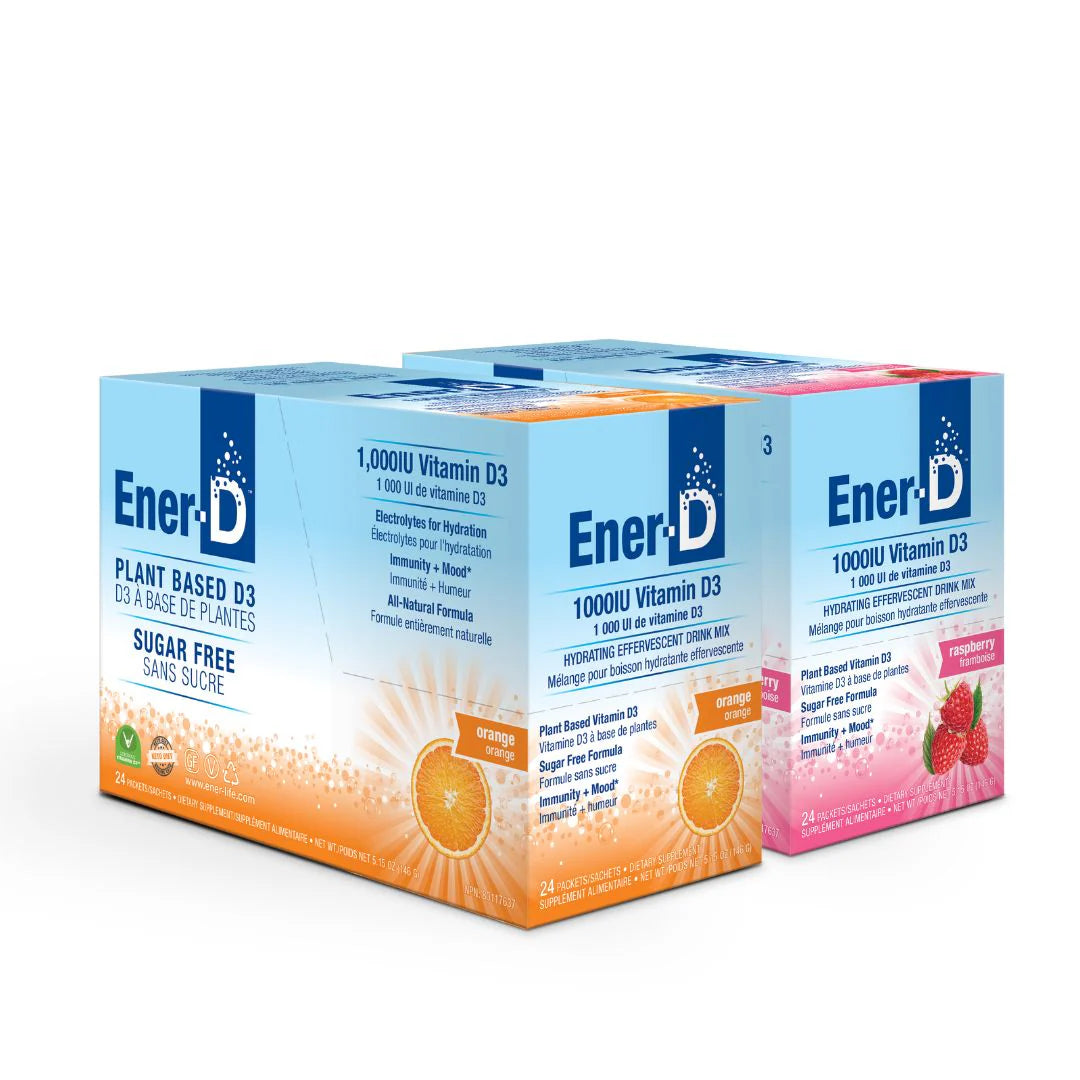
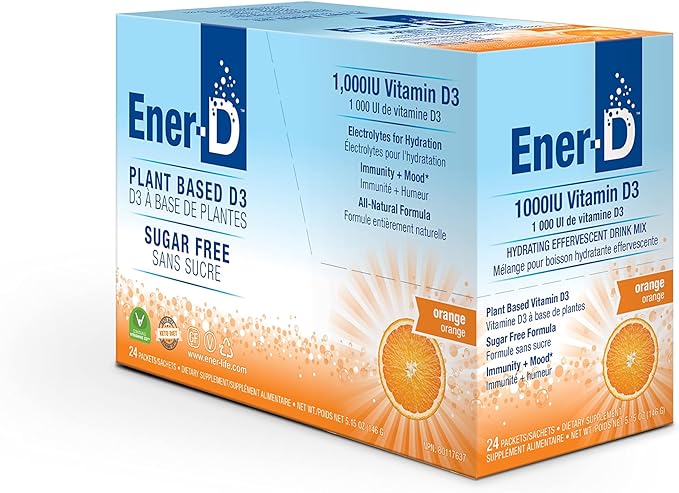
Powders may combine vitamins and minerals with additional ingredients such as:
• Electrolytes
• Amino acids
• Plant extracts
• Greens
• Fibre
• Flavouring ingredients
Review the complete formula to avoid duplication with other supplements.
When Should You Take a Multivitamin?
Follow the individual product directions.
Many multivitamins are taken with food, which may improve gastrointestinal tolerance and can support absorption of fat-soluble vitamins when the meal contains some dietary fat.
There is no universal best time of day for every multivitamin.
Some people prefer morning or midday because certain formulas containing B vitamins or other ingredients may not suit them near bedtime.
Can You Take a Multivitamin Long Term?
Many products are formulated for ongoing use.
However, long-term suitability depends on:
• Nutrient amounts
• Diet
• Age
• Life stage
• Medications
• Health conditions
• Other supplements
Periodically reviewing the need for supplementation can help prevent unnecessary nutrient stacking.
Multivitamins & Medication Interactions
Certain nutrients can interact with medications.
Examples include:
Vitamin K with vitamin K-antagonist anticoagulants.
Calcium, magnesium, iron and zinc with levothyroxine, certain antibiotics, and bisphosphonates.
Iron with several medications and other minerals.
Medication timing may need to be adjusted.
Ask a pharmacist when uncertain.
Avoiding Supplement Stacking
A common issue is combining:
• Multivitamin
• B-complex
• Vitamin D
• Zinc
• Magnesium
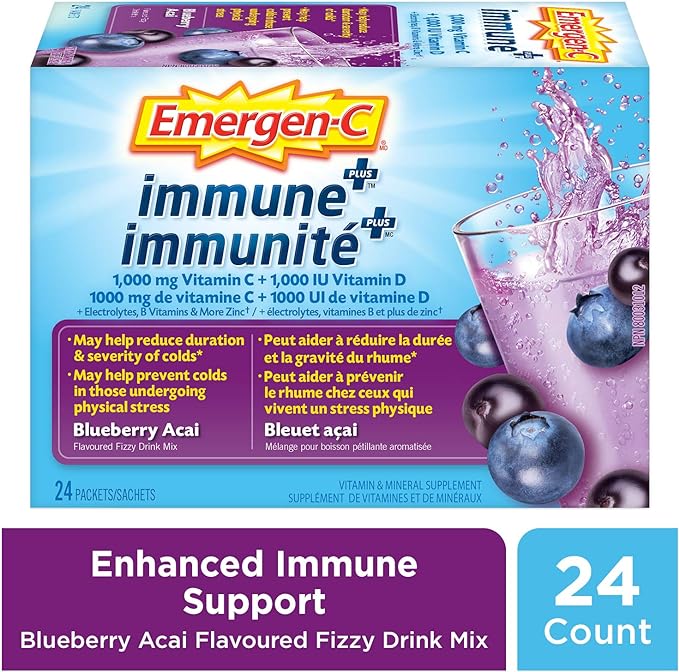
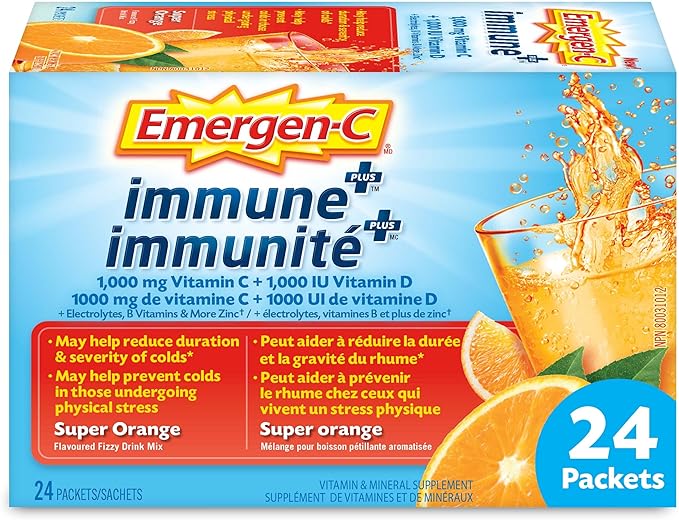
• Immune formula
• Greens powder
• Electrolyte powder
• Fortified protein or meal replacement
This can unintentionally create high total intakes of certain nutrients.
Always consider the combined daily intake across all products.
Quality & Formulation Considerations
When comparing multivitamins, consider:
• Appropriate nutrient amounts
• Clearly identified forms
• Transparent labelling
• Canadian product authorization where applicable
• Manufacturing quality controls
• Independent testing when available
• Allergen information
• Dietary suitability
• Practical serving size
• Appropriate storage
Claims such as GMP-certified, third-party tested, professional-grade, highly bioavailable, clean-label, non-GMO, or clinically supported should be verified for the specific product rather than assumed across the entire collection.
Safety & Precautions
Professional guidance may be particularly important for people who:
• Are pregnant or planning pregnancy
• Are breastfeeding
• Take prescription medications
• Use anticoagulants
• Have kidney or liver disease
• Have thyroid disorders
• Have iron-overload disorders
• Have known vitamin deficiencies
• Take multiple supplements
• Are preparing for surgery
• Have malabsorption or gastrointestinal disease
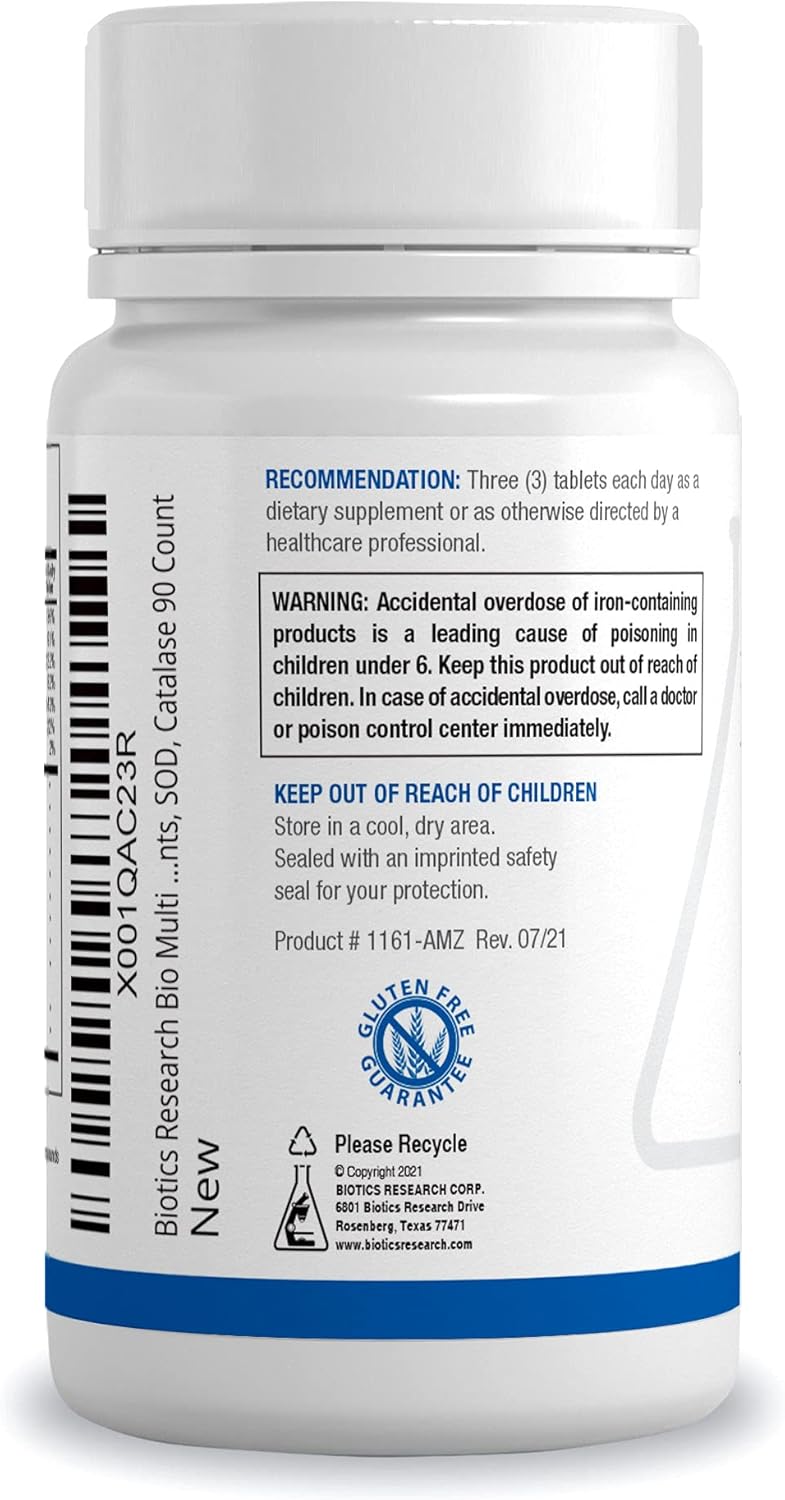
Keep supplements out of reach of children, particularly products containing iron.
When Fatigue Needs Assessment
Fatigue is commonly used as a reason to start a multivitamin, but it can have many causes, including:
• Insufficient sleep
• Low calorie intake
• Iron deficiency
• Vitamin B12 deficiency
• Thyroid disorders
• Infection
• Medication effects
• Psychological stress
• Sleep disorders
• Other medical conditions
Persistent or unexplained fatigue should not automatically be treated with increasingly high-dose vitamins.
FAQs
What is a multivitamin?
A multivitamin combines multiple essential vitamins and usually several minerals in one supplement to help support micronutrient intake.
Should everyone take a multivitamin?
No. Many people can meet most nutrient requirements through a varied diet. Multivitamins can be particularly useful when dietary gaps, restrictive diets, life stages, or specific nutritional needs make adequate intake more difficult.
Do multivitamins give you energy?
They do not provide calories or act like stimulants. Several vitamins and minerals support normal energy metabolism, and correcting a deficiency may improve deficiency-related fatigue.
Can multivitamins boost immunity?
Micronutrients such as vitamins A, C, D, zinc, and selenium support normal immune function. Taking more than required does not necessarily provide additional immune protection.
Is a high-potency multivitamin better?
Not automatically. Excessive amounts of certain nutrients can cause adverse effects, and the most appropriate formula is one matched to actual nutritional needs.
Should my multivitamin contain iron?
That depends on age, sex, menstrual status, pregnancy, diet, and iron status. Many adult men and postmenopausal women do not need routine supplemental iron unless a specific need exists.
Can I take a multivitamin with other supplements?
Often yes, but compare labels carefully to avoid excessive intake of nutrients such as vitamin D, B6, zinc, selenium, iodine, and iron.
Are gummy multivitamins as good as tablets?
They can provide useful vitamins, but many contain fewer minerals and may contain added sugars. Compare the actual nutrient profile rather than the format alone.
Are whole-food multivitamins better?
Not necessarily. Whole-food ingredients can be useful, but they do not automatically make a supplement more bioavailable or clinically superior.
What is the best multivitamin?
The best choice depends on age, sex, diet, life stage, nutritional gaps, medications, health conditions, and other supplements already being used.
Why Shop Multivitamins at Coal Harbour Pharmacy?
• Pharmacist-curated multivitamin selection
• Adult, children’s, senior, prenatal, athlete, men’s, and women’s options
• Iron-containing and iron-free formulas where available
• Plant-based and specialized formulations
• Capsules, tablets, gummies, powders, and liquids
• Products from established Canadian and professional supplement brands
• Fast Canada-wide shipping
Related Collections
• Vitamins
• Everyday Wellness Essentials
────────────────────────────────────
Shop Multivitamins →
Sort by
110 products























FREE STANDARD SHIPPING
Satisfied or refunded
Top-notch support
Secure payments
Encrypted checkout processing
Offers exclude prescriptions and in-store purchases.
Subscribe & Get a First-Order Reward
Plus, earning reward points on eligible online purchases and enjoy future store credit.
We respect your inbox at Coal Harbour Pharmacy - Expect thoughtfully curated health and wellness updates, timely reminders, and exclusive online savings.