
Nootropics – Natural Brain Health, Memory & Focus Supplements
Explore pharmacist-curated nootropic supplements at Coal Harbour Pharmacy, featuring natural brain health formulas, cognitive support nutrients, adaptogenic herbs, and medicinal mushrooms. Discover L-theanine, Bacopa monnieri, Ginkgo biloba, Lion’s Mane, Rhodiola rosea, citicoline, Alpha-GPC, and phosphatidylserine supplements for memory, focus, mental clarity, and cognitive wellness. Shop nootropic capsules, powders, and combination formulas from trusted Canadian and international supplement brands.
────────────────────────────────────
About Nootropics
Nootropics are substances commonly marketed or investigated for their potential effects on cognitive function, including memory, attention, learning, and mental performance.
Often referred to as smart supplements or brain health supplements, nootropics include a broad range of botanical extracts, amino acids, phospholipids, nutritional compounds, and combination formulas.
Some ingredients have been studied for specific cognitive outcomes, while others are primarily associated with traditional herbal use or preliminary research.
At Coal Harbour Pharmacy, our Nootropics collection brings together selected supplements for customers interested in maintaining cognitive wellness, managing everyday mental demands, and exploring nutritional approaches to brain health.
Our selection may include:
- Memory Support: Bacopa monnieri, phosphatidylserine, and selected cognitive nutrients.
- Focus & Attention: L-theanine, citicoline, and other attention-oriented ingredients.
- Mental Fatigue Support: Rhodiola rosea, Panax ginseng, and selected adaptogenic formulas.
- Brain Cell Nutrition: Choline-containing compounds and phospholipids.
- Medicinal Mushrooms: Lion’s Mane and other mushroom extracts investigated for neurological applications.
- Stress & Cognitive Wellness: Ashwagandha, holy basil, and calming botanical formulas.
- Antioxidant Brain Support: Selected nutrients and botanical extracts associated with cellular antioxidant processes.
- Nootropic Blends: Multi-ingredient formulas combining herbs, amino acids, and cognitive nutrients.
Nootropic supplements differ substantially in their ingredients, mechanisms, safety profiles, and clinical evidence. No supplement has been established as a universal solution for improving intelligence, preventing dementia, or reversing cognitive decline.
Key Benefits
Depending on the ingredient and formulation, nootropic supplements may provide:
- Focus & Attention Support: Selected ingredients have been investigated for attention-related outcomes.
- Memory Wellness: Certain botanicals and nutrients have been studied for memory performance.
- Mental Clarity: Some formulas target subjective mental fatigue and alertness.
- Stress-Related Cognitive Support: Adaptogenic herbs may influence certain stress-related outcomes.
- Calm Alertness: L-theanine has been investigated for relaxation and attention.
- Brain Cell Nutrition: Choline and phospholipids participate in normal cellular and neurological functions.
- Antioxidant Support: Selected botanical compounds participate in antioxidant-related processes.
- Healthy Aging: Some ingredients are being investigated for age-related cognitive outcomes.
- Everyday Cognitive Wellness: Targeted supplements may complement adequate nutrition, sleep, and other established health practices.
Clinical benefits are ingredient-specific and should not be assumed for every product.
Who It’s Ideal For
Nootropic supplements may appeal to:
- Students interested in maintaining concentration during demanding study periods
- Professionals managing mentally intensive workloads
- Adults exploring memory and attention supplements
- Individuals interested in cognitive wellness during healthy aging
- Customers comparing natural nootropic ingredients
- People researching L-theanine for calm alertness
- Adults interested in Bacopa monnieri or Ginkgo biloba
- Customers exploring Lion’s Mane mushroom supplements
- Individuals comparing citicoline and Alpha-GPC
- People interested in adaptogenic herbs for stress-related wellness
- Adults seeking alternatives to stimulant-focused energy products
- Customers exploring combination cognitive support formulas
Persistent brain fog, memory changes, difficulty concentrating, or unusual fatigue should be assessed appropriately rather than automatically attributed to a need for supplements.
What Are Nootropics?
The term nootropic is commonly used to describe substances intended to influence aspects of cognitive function.
However, it is important to distinguish between the original scientific concept and modern supplement marketing.
Traditional Definition
The term was originally associated with substances intended to support learning and memory while having relatively low toxicity.
Modern Definition
Today, the term is used more broadly for products marketed for:
- Memory
- Attention
- Concentration
- Mental alertness
- Cognitive processing
- Stress-related performance
- Brain health
Are All Nootropics Natural?
No.
The broader nootropic category includes natural compounds, nutritional supplements, caffeine-containing products, and certain synthetic substances.
Our collection focuses primarily on nutritional and botanical supplements.
Are Nootropics Proven to Work?
Evidence varies considerably.
Some ingredients have demonstrated modest effects in selected studies, while others lack sufficient high-quality human evidence.
How Do Nootropic Supplements Work?
Different ingredients may influence different physiological pathways.
Neurotransmitter Metabolism
Certain nutrients participate in the synthesis or function of neurotransmitters.
Cellular Membrane Function
Phospholipids and related compounds contribute to normal cell membrane structure.
Stress-Related Physiology
Some adaptogenic herbs have been investigated for their effects on stress-related outcomes.
Cerebral Circulation
Certain botanical extracts have been studied for vascular and cognitive effects.
Cellular Energy Metabolism
Some nutrients participate in mitochondrial and energy-related processes.
Antioxidant Activity
Botanical compounds may demonstrate antioxidant properties.
A biological mechanism does not automatically establish that supplementation produces meaningful improvements in memory, intelligence, or cognitive performance.
L-Theanine – Calm Focus & Mental Relaxation
L-theanine is an amino acid naturally found in tea leaves.
It is commonly used in supplements marketed for relaxation and cognitive wellness.
Potential Benefits
L-theanine has been investigated for:
- Subjective relaxation
- Stress-related outcomes
- Attention
- Calm alertness
- Selected sleep-related measures
L-Theanine & Focus
Some studies suggest L-theanine may influence attention-related outcomes, particularly when combined with caffeine.
However, findings vary.
L-Theanine Without Caffeine
L-theanine is also available as a standalone supplement.
It is often chosen by customers seeking relaxation-oriented support without adding a stimulant.
Important Consideration
L-theanine is not an established treatment for ADHD, anxiety disorders, or chronic insomnia.
Ginkgo Biloba – Memory & Cognitive Wellness
Ginkgo biloba is a botanical extract derived from the leaves of the ginkgo tree.
It has been widely investigated for cognitive and circulatory applications.
Common Wellness Goals
Ginkgo supplements are marketed for:
- Memory
- Concentration
- Cognitive wellness
- Healthy aging
- Circulatory support
What Does the Research Show?
Some standardized ginkgo extracts have been studied in people with cognitive impairment or dementia.
Results vary by population, preparation, and outcome.
Evidence does not establish that ginkgo reliably prevents dementia or improves memory in healthy adults.
Important Precautions
Ginkgo may increase bleeding risk, particularly when combined with anticoagulant or antiplatelet medications.
It may also be unsuitable for people with certain seizure disorders.
Bacopa Monnieri – Memory & Learning Support
Bacopa monnieri is an herb traditionally used in Ayurvedic medicine.
It is commonly included in supplements marketed for memory and learning.
What Is Bacopa Used For?
Traditional and modern applications include:
- Memory-related wellness
- Learning
- Attention
- Stress-related support
Clinical Research
Some human trials and systematic reviews suggest Bacopa monnieri extracts may provide modest improvements in selected memory outcomes.
However, results depend on the extract, dose, study duration, and population.
How Long Does Bacopa Take to Work?
Clinical studies commonly investigate supplementation over several weeks rather than evaluating only immediate effects.
Important Precautions
Bacopa may cause gastrointestinal discomfort and may interact with certain medications.
Lion’s Mane Mushroom – Brain & Nervous System Research
Lion’s Mane, scientifically known as Hericium erinaceus, is a medicinal mushroom used in traditional wellness practices.
It has attracted research interest for potential neurological applications.
Why Is Lion’s Mane Popular?
Lion’s Mane contains compounds such as:
- Hericenones
- Erinacines
- Other mushroom-derived constituents
Lion’s Mane & Nerve Growth Factor
Certain compounds have been investigated in laboratory and animal studies for effects involving nerve growth factor-related pathways.
Does Lion’s Mane Improve Memory?
Small human studies have explored cognitive outcomes.
However, evidence remains preliminary, and larger high-quality trials are needed.
Important Consideration
Laboratory findings involving nerve growth factor do not establish that ordinary Lion’s Mane supplements regenerate nerves or prevent neurological disease in humans.
Rhodiola Rosea – Mental Fatigue & Stress-Related Wellness
Rhodiola rosea is a botanical traditionally used in parts of Europe and Asia.
It is commonly categorized as an adaptogenic herb.
Common Applications
Rhodiola supplements are marketed for:
- Mental fatigue
- Stress-related wellness
- Physical fatigue
- Everyday vitality
Clinical Evidence
Some studies suggest possible benefits for subjective fatigue or stress-related outcomes.
However, many trials are small or methodologically limited.
Rhodiola & Cognitive Performance
Evidence for consistent improvements in memory, attention, or overall cognitive performance remains insufficient.
Important Precautions
Rhodiola may cause side effects and may interact with certain medications.
People with bipolar disorder or those taking psychiatric medications should seek professional guidance.
Citicoline (CDP-Choline) – Choline & Brain Cell Nutrition
Citicoline is a compound involved in phospholipid-related metabolism.
It is also known as CDP-choline.
What Does Citicoline Do?
Citicoline provides components involved in:
- Choline metabolism
- Phospholipid synthesis
- Cellular membrane maintenance
- Normal neurological processes
Citicoline & Memory
Citicoline has been investigated for cognitive outcomes in several populations.
However, evidence is mixed, and routine supplementation has not been established as a reliable way to improve memory in all healthy adults.
Citicoline & Focus
Some studies have explored attention-related outcomes.
Further research is needed to clarify which populations may benefit.
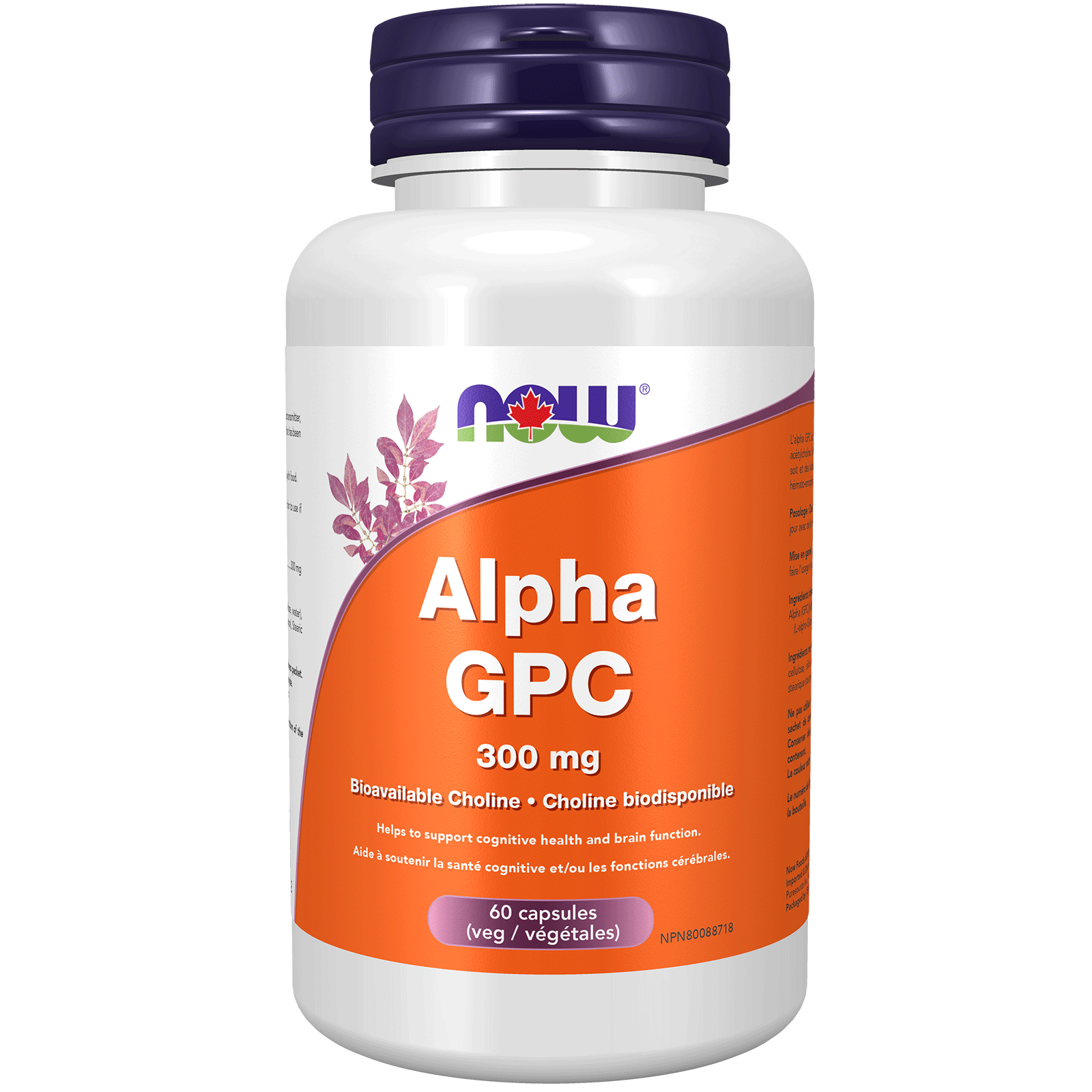
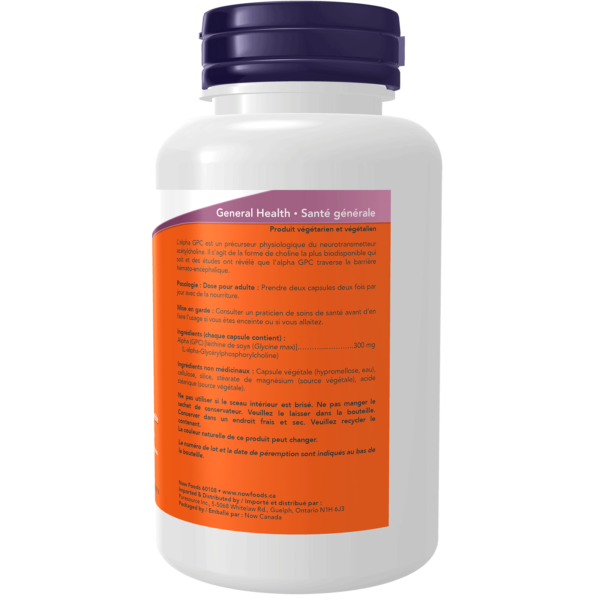
Alpha-GPC – Choline & Acetylcholine Support
Alpha-GPC, also known as alpha-glycerylphosphorylcholine, is a choline-containing compound.
What Is Acetylcholine?
Acetylcholine is a neurotransmitter involved in:
- Memory-related processes
- Attention
- Neuromuscular signalling
- Other neurological functions
Alpha-GPC & Brain Health
Alpha-GPC supplies choline, which can be used in acetylcholine synthesis.
However, providing a neurotransmitter precursor does not necessarily increase cognitive performance.
Clinical Evidence
Alpha-GPC has been investigated for neurological and cognitive applications.
Evidence remains insufficient to recommend routine supplementation for cognitive enhancement in healthy adults.
Important Consideration
Some observational research has raised questions about possible long-term cardiovascular risks associated with Alpha-GPC use.
These findings do not establish causation, but they reinforce the importance of considering long-term safety.
Phosphatidylserine – Brain Cell Membrane Support
Phosphatidylserine is a phospholipid naturally found in cell membranes.
It is particularly relevant to normal neurological cell function.
Key Biological Roles
Phosphatidylserine contributes to:
- Cell membrane structure
- Cellular signalling
- Normal neuronal function
- Membrane-associated processes
Phosphatidylserine & Memory
Some studies have investigated phosphatidylserine for memory and cognitive outcomes.
However, results are mixed, and evidence varies by formulation and population.
Phosphatidylserine & Stress
Certain studies have explored stress-related physiological responses.
Findings are not sufficient to establish broad stress-management benefits.
Ashwagandha – Stress & Cognitive Wellness
Ashwagandha, scientifically known as Withania somnifera, is an herb traditionally used in Ayurvedic medicine.
Common Wellness Goals
Ashwagandha is marketed for:
- Stress-related wellness
- Relaxation
- Sleep support
- General vitality
Ashwagandha & Cognitive Function
Some small studies have explored cognitive outcomes.
However, evidence is insufficient to establish reliable memory enhancement.
Important Precautions
Ashwagandha may affect thyroid function and interact with certain medications.
Rare cases of liver injury have also been reported.
It should generally be avoided during pregnancy unless specifically recommended by a qualified healthcare professional.
Panax Ginseng – Mental Performance & Vitality
Panax ginseng is a botanical traditionally used in East Asian medicine.
It contains compounds known as ginsenosides.
Common Applications
Ginseng supplements are marketed for:
- General vitality
- Mental performance
- Fatigue
- Stress-related wellness
Cognitive Research
Some studies have investigated Panax ginseng for attention, memory, and mental performance.
Results remain inconsistent.
Important Precautions
Ginseng may interact with medications, including certain anticoagulants and glucose-lowering treatments.
Holy Basil – Stress-Related Botanical Support
Holy basil, also called tulsi, is a traditional botanical used in Ayurvedic wellness practices.
Common Wellness Goals
- Stress-related wellness
- General relaxation
- Everyday vitality
- Traditional herbal support
Clinical Evidence
Small human studies have investigated holy basil for stress-related outcomes.
However, evidence remains limited.
Important Consideration
Holy basil is not an established treatment for anxiety disorders or cognitive impairment.
Caffeine & Nootropic Supplements
Caffeine is one of the most extensively studied substances affecting alertness.
It acts primarily through adenosine receptor antagonism.
Potential Effects
Caffeine can temporarily improve:
- Alertness
- Vigilance
- Reaction time
- Certain attention-related outcomes
Caffeine & L-Theanine
Some studies suggest the combination may improve selected attention-related outcomes.
Important Precautions
Caffeine may cause:
- Anxiety
- Palpitations
- Sleep disruption
- Restlessness
- Increased heart rate
Customers should consider total caffeine intake from coffee, tea, energy drinks, and supplements.
Natural Nootropics vs Stimulant-Based Formulas
Nootropic products may differ significantly in their ingredients and intended effects.
|
Feature |
Natural Botanical Nootropics |
Stimulant-Based Formulas |
|---|---|---|
|
Common ingredients |
Bacopa, ginkgo, Lion’s Mane |
Caffeine and other stimulants |
|
Main focus |
Memory, stress-related wellness, cognitive support |
Alertness and wakefulness |
|
Onset |
Varies by ingredient |
Often relatively rapid |
|
Clinical evidence |
Highly variable |
Stronger for caffeine-related alertness |
|
Sleep disruption |
Ingredient-dependent |
More likely with stimulants |
|
Medication interactions |
Possible |
Possible |
|
Best choice |
Based on individual goals and evidence |
Based on individual goals and tolerance |
Natural products are not automatically safer than stimulant-containing formulas.
Nootropic Supplements for Focus & Attention
Focus involves the ability to direct attention toward a task while managing distractions.
Ingredients Commonly Marketed for Focus
- L-theanine
- Citicoline
- Alpha-GPC
- Rhodiola
- Caffeine-containing combinations
What Does the Evidence Suggest?
Caffeine has relatively strong evidence for temporary improvements in alertness.
Other ingredients have more limited or mixed evidence.
Important Consideration
Persistent attention difficulties may be associated with:
- Sleep deprivation
- Anxiety
- ADHD
- Medication effects
- Nutritional deficiencies
- Other medical conditions
Supplements should not replace appropriate assessment or established treatment.
Nootropic Supplements for Memory
Memory includes several distinct processes.
Working Memory
Temporarily holding and manipulating information.
Short-Term Memory
Retaining information over a relatively brief period.
Long-Term Memory
Storing and retrieving information over longer periods.
Common Memory-Oriented Ingredients
- Bacopa monnieri
- Ginkgo biloba
- Phosphatidylserine
- Citicoline
- Lion’s Mane
Important Consideration
A supplement showing an effect on one memory test does not necessarily improve all aspects of memory.
Nootropics for Mental Clarity & Brain Fog
Brain fog is an informal term used to describe symptoms such as:
- Difficulty concentrating
- Mental fatigue
- Slower thinking
- Forgetfulness
- Reduced mental clarity
What Causes Brain Fog?
Potential contributors include:
- Poor sleep
- Stress
- Medication effects
- Iron deficiency
- Vitamin B12 deficiency
- Thyroid disorders
- Chronic illness
- Other medical conditions
Can Nootropics Help?
Some ingredients have been investigated for selected cognitive outcomes.
However, no nootropic supplement has been established as a universal treatment for brain fog.
Identifying the underlying cause is often more important than choosing a supplement.
Nootropics for Students
Students may be interested in supplements marketed for:
- Concentration
- Study-related mental endurance
- Alertness
- Memory
- Stress management
Important Priorities
Effective learning depends on:
- Adequate sleep
- Consistent study habits
- Balanced nutrition
- Physical activity
- Appropriate breaks
Supplement Considerations
Students should avoid assuming that higher stimulant doses improve learning.
Excessive caffeine may worsen anxiety and sleep quality, potentially undermining academic performance.
Nootropics for Professionals
Professionals working under sustained cognitive demands may explore products marketed for:
- Attention
- Mental alertness
- Stress-related wellness
- Subjective fatigue
Important Consideration
Long working hours, poor sleep, and chronic stress can impair cognitive performance.
Supplements cannot reliably compensate for prolonged sleep deprivation or excessive workload.
Nootropics for Healthy Aging
Cognitive wellness becomes an important concern as people age.
Common Areas of Interest
- Memory
- Attention
- Learning
- Processing speed
- Everyday cognitive function
What Supports Brain Health?
Established health practices include:
- Regular physical activity
- Blood pressure management
- Adequate sleep
- Social engagement
- Cognitive activity
- Balanced nutrition
- Management of diabetes and other chronic conditions
Do Nootropics Prevent Dementia?
No nootropic supplement has been established as a reliable method for preventing Alzheimer’s disease or other dementias.
Nootropics & Brain Cell Membranes
Brain cells rely on specialized membranes containing phospholipids.
Nutrients associated with membrane metabolism include:
- Choline
- Phosphatidylserine
- Citicoline
- Alpha-GPC
Why Are Cell Membranes Important?
Cell membranes participate in:
- Cellular signalling
- Transport processes
- Structural integrity
- Normal neuronal function
Does Supplementation Improve Brain Cell Function?
Providing membrane-related nutrients does not automatically establish measurable cognitive benefits.
Clinical evidence must be considered separately.
Nootropics & Neurotransmitter Support
Neurotransmitters are chemical messengers involved in nervous system communication.
Acetylcholine
Associated with memory, attention, and neuromuscular function.
Dopamine
Participates in motivation, movement, reward processing, and other neurological functions.
Norepinephrine
Involved in alertness and stress-related responses.
GABA
An inhibitory neurotransmitter involved in regulating neuronal activity.
Glutamate
A major excitatory neurotransmitter.
Important Consideration
Supplements marketed as neurotransmitter boosters may not reliably increase neurotransmitter activity in the brain.
Neurotransmitter regulation is complex and cannot be inferred solely from the presence of precursor nutrients.
Nootropics & Adaptogenic Herbs
Adaptogens are botanicals traditionally associated with helping the body respond to stress.
Common examples include:
- Rhodiola rosea
- Ashwagandha
- Panax ginseng
- Holy basil
What Does Adaptogenic Mean?
The term is used to describe certain herbs investigated for stress-related physiological effects.
However, adaptogen is not a guarantee of clinical effectiveness.
Are Adaptogens Nootropics?
Some adaptogens are included in nootropic formulas because stress and fatigue can affect cognitive performance.
Their effects on cognition remain ingredient-specific.
Nootropics & Antioxidant Support
The brain has substantial metabolic activity and relies on systems that regulate oxidative processes.
Some nootropic products contain antioxidant-oriented ingredients.
Examples may include:
- Botanical polyphenols
- Ginkgo extracts
- Mushroom-derived compounds
- Selected vitamins and nutrients
Do Antioxidants Improve Memory?
Antioxidant activity in laboratory studies does not necessarily translate into better memory or cognitive performance in humans.
Clinical outcomes depend on the specific ingredient and study population.
Nootropics & Mitochondrial Function
Mitochondria participate in cellular energy production.
Some nutritional supplements are marketed for mitochondrial or cellular energy support.
Common Ingredients of Interest
- Coenzyme Q10
- Acetyl-L-carnitine
- Alpha-lipoic acid
- Selected B vitamins
Important Consideration
These compounds participate in important physiological processes.
However, routine supplementation has not been established as a reliable way to improve cognitive performance in healthy adults.
Acetyl-L-Carnitine & Cognitive Wellness
Acetyl-L-carnitine is a derivative of carnitine involved in metabolic processes.
It has been investigated for neurological and cognitive applications.
Common Wellness Goals
- Cellular energy metabolism
- Cognitive wellness
- Healthy aging
- Nervous system support
Clinical Evidence
Studies have explored acetyl-L-carnitine in selected populations.
However, evidence does not establish broad cognitive-enhancement benefits for healthy adults.
Nootropic Stacks – Combination Brain Support Formulas
A nootropic stack refers to a combination of ingredients intended to address one or more cognitive wellness goals.
Common Stack Categories
Focus-Oriented Formulas
May contain L-theanine, caffeine, or choline-related compounds.
Memory-Oriented Formulas
May include Bacopa monnieri, phosphatidylserine, or other memory-related ingredients.
Stress-Related Formulas
May contain Rhodiola, ashwagandha, or calming ingredients.
Healthy-Aging Formulas
May include botanical extracts, phospholipids, and nutritional compounds.
Are Nootropic Stacks Better?
Not necessarily.
Combining several ingredients does not guarantee better results.
Multi-ingredient formulas may also make it more difficult to identify which ingredient causes a benefit or side effect.
Single-Ingredient Nootropics vs Combination Formulas
|
Feature |
Single-Ingredient Nootropics |
Combination Nootropics |
|---|---|---|
|
Ingredients |
One primary active ingredient |
Multiple active ingredients |
|
Dose transparency |
Often easier to evaluate |
Depends on label |
|
Flexibility |
Easier to adjust one ingredient |
Less flexible |
|
Convenience |
May require multiple products |
Several ingredients in one serving |
|
Interaction considerations |
Generally simpler |
Potentially more complex |
|
Clinical evidence |
Ingredient-specific |
Exact combination may lack direct evidence |
A well-defined single-ingredient product may be preferable when evaluating individual tolerability and evidence.
Comparing Popular Nootropic Ingredients
|
Ingredient |
Common Wellness Focus |
Evidence Consideration |
|---|---|---|
|
L-Theanine |
Relaxation and attention |
Limited but promising findings for selected outcomes |
|
Ginkgo Biloba |
Memory and cognitive wellness |
Mixed evidence; bleeding precautions |
|
Bacopa Monnieri |
Memory and learning |
Some evidence for modest memory-related effects |
|
Lion’s Mane |
Neurological wellness |
Preliminary human evidence |
|
Rhodiola Rosea |
Mental fatigue and stress |
Limited, variable-quality evidence |
|
Citicoline |
Choline and cognitive nutrition |
Mixed clinical findings |
|
Alpha-GPC |
Choline and acetylcholine metabolism |
Limited evidence for healthy adults |
|
Phosphatidylserine |
Cell membrane and memory support |
Mixed evidence |
|
Ashwagandha |
Stress-related wellness |
Some evidence for stress outcomes; safety precautions |
|
Panax Ginseng |
Vitality and mental performance |
Inconsistent cognitive findings |
|
Holy Basil |
Stress-related wellness |
Limited evidence |
|
Caffeine |
Alertness and vigilance |
Stronger evidence for acute alertness |
How to Choose the Right Nootropic Supplement
1. Identify Your Cognitive Wellness Goal
Determine whether your main interest is:
- Focus
- Memory
- Mental alertness
- Stress-related wellness
- Healthy aging
- General brain nutrition
2. Review the Active Ingredients
Check the specific botanical extracts, nutrients, and compounds included.
3. Examine the Dose
Compare the ingredient amount with available clinical research.
4. Check Botanical Standardization
For herbal extracts, consider:
- Botanical species
- Plant part
- Extraction method
- Standardization
- Dose
5. Review Stimulant Content
Check for caffeine or other stimulating ingredients.
6. Consider Medication Interactions
Some nootropic ingredients may interact with prescription medications.
7. Avoid Unnecessary Ingredient Overlap
Combination formulas may contain ingredients already present in other supplements.
8. Prioritize Evidence Over Marketing Claims
Claims involving intelligence enhancement, brain regeneration, or dementia prevention should be evaluated critically.
Shop Nootropics by Wellness Goal
|
Wellness Goal |
Ingredients to Explore |
Important Consideration |
|---|---|---|
|
Calm focus |
L-theanine |
Evidence varies by dose and combination |
|
Memory wellness |
Bacopa, phosphatidylserine |
Benefits are not guaranteed |
|
Mental fatigue |
Rhodiola, Panax ginseng |
Clinical evidence remains limited |
|
Choline nutrition |
Citicoline, Alpha-GPC |
Cognitive benefits are uncertain |
|
Mushroom-based brain support |
Lion’s Mane |
Human research is preliminary |
|
Stress-related wellness |
Ashwagandha, holy basil |
Safety and interactions matter |
|
Temporary alertness |
Caffeine-containing formulas |
May disrupt sleep |
|
Healthy aging |
Selected nutritional and botanical formulas |
No supplement reliably prevents dementia |
Available Nootropic Supplement Formats
Capsules
Convenient for measured daily servings.
Tablets
Available for selected nutritional and botanical ingredients.
Powders
May offer flexible serving sizes and convenient mixing.
Liquid Extracts
Commonly used for certain herbal preparations.
Mushroom Extracts
Available in selected capsule, powder, and liquid formats.
Combination Formulas
Contain multiple cognitive wellness ingredients.
Practitioner-Oriented Formulations
Some specialty products may have professional guidance or purchasing requirements.
Nootropic Capsules vs Powders
|
Feature |
Capsules |
Powders |
|---|---|---|
|
Convenience |
Easy to carry |
Requires mixing |
|
Serving size |
Usually fixed |
May offer flexibility |
|
Taste |
Generally minimal |
May be noticeable |
|
Portability |
Convenient |
Depends on packaging |
|
Ingredient combinations |
Available |
Available |
|
Best choice |
Individual preference |
Individual preference |
The most suitable format depends on the ingredient, intended use, and personal preference.
How to Use Nootropic Supplements
Follow the manufacturer’s directions for each product.
Morning
Some stimulating or alertness-oriented formulas are intended for earlier use.
During the Day
Certain products may be marketed for use during periods of cognitive demand.
Evening
Relaxation-oriented ingredients may be more appropriate for some individuals later in the day.
Important Consideration
There is no universal timing schedule that applies to every nootropic.
The appropriate timing depends on the ingredient, formulation, and individual response.
Building a Brain Health Wellness Routine
A practical cognitive wellness routine should begin with established health practices.
Morning
- Maintain a consistent wake time.
- Eat a balanced breakfast when appropriate.
- Stay hydrated.
- Use supplements only when suitable.
During the Day
- Take regular breaks from prolonged mental work.
- Include physical activity.
- Maintain adequate nutrition.
- Avoid excessive stimulant intake.
Evening
- Limit caffeine close to bedtime.
- Maintain a consistent sleep schedule.
- Create a suitable sleep environment.
Long-Term Wellness
Support cognitive health through:
- Physical activity
- Cardiovascular risk management
- Social engagement
- Cognitive stimulation
- Adequate sleep
- Appropriate medical care
Nootropics vs Brain Health Vitamins
Nootropic formulas and conventional vitamin supplements may serve different purposes.
Brain Health Vitamins
Often provide essential nutrients such as:
- Vitamin B12
- Folate
- Vitamin B6
- Other vitamins and minerals
These nutrients are required for normal neurological function.
Nootropic Supplements
May contain botanical extracts, phospholipids, amino acids, or specialty compounds.
Which Is Better?
The appropriate choice depends on nutritional status, health goals, and evidence.
Correcting a genuine vitamin deficiency may be more important than adding a nootropic formula.
Nootropics vs Adaptogens
These categories overlap but are not identical.
Nootropics
Primarily marketed for cognitive performance or brain wellness.
Adaptogens
Primarily associated with stress-related physiological responses.
Overlapping Ingredients
Some herbs, including Rhodiola and Panax ginseng, appear in both categories.
Important Consideration
Category labels do not establish clinical effectiveness.
Nootropics vs Energy Supplements
Energy supplements and nootropics may contain overlapping ingredients.
Energy Supplements
Often emphasize:
- Stimulants
- Caffeine
- B vitamins
- Physical or subjective energy
Nootropics
Often emphasize:
- Memory
- Focus
- Attention
- Cognitive wellness
Important Distinction
A product that increases alertness does not necessarily improve memory, learning, or long-term brain health.
Understanding Nootropic Ingredient Quality
When comparing products, consider:
- Ingredient identity
- Botanical species
- Extract standardization
- Dose per serving
- Manufacturer information
- Allergen declarations
- Stimulant content
- Product-specific testing
- Storage instructions
- Canadian regulatory authorization
Proprietary Blends
Some formulas list a total blend weight without clearly identifying the amount of each ingredient.
This can make it difficult to compare doses with clinical research.
Where possible, prioritize transparent ingredient information.
Canadian Natural Health Product Regulations
Many nootropic supplements sold in Canada are regulated as natural health products.
Authorized products generally display an eight-digit Natural Product Number (NPN).
What Does an NPN Mean?
An NPN indicates that Health Canada has authorized the product under the applicable natural health product framework.
Authorization relates to the product’s approved ingredients, uses, and conditions of use.
It does not establish that every marketing claim has been demonstrated through large clinical trials.
Important Consideration
Not every substance marketed internationally as a nootropic is necessarily authorized for sale as a natural health product in Canada.
Review individual product information.
Safety & Precautions
Nootropic supplements may contain biologically active botanical extracts, amino acids, stimulants, or concentrated nutritional compounds.
Medication Interactions
Potential interactions may occur with:
- Anticoagulants
- Antiplatelet medications
- Antidepressants
- Sedatives
- Blood pressure medications
- Diabetes medications
- Thyroid medications
- Other prescription treatments
Ginkgo Biloba
May increase bleeding risk and may be unsuitable for individuals with certain seizure disorders.
Ashwagandha
May affect thyroid function and has been associated with rare reports of liver injury.
Rhodiola
May interact with psychiatric medications and may be unsuitable for individuals with bipolar disorder.
Caffeine
May cause anxiety, palpitations, and sleep disruption.
Combination Formulas
Multiple active ingredients can increase the complexity of interactions and side effects.
Pregnancy & Breastfeeding
Safety information for many nootropic ingredients is insufficient during pregnancy and breastfeeding.
Children & Adolescents
Adult nootropic supplements should not automatically be used by children or adolescents.
Neurological & Psychiatric Conditions
People with seizure disorders, bipolar disorder, or other neurological or psychiatric conditions should seek professional guidance before using nootropic supplements.
Nootropics should not replace prescribed treatment for ADHD, dementia, depression, anxiety disorders, or other medical conditions.
When to Seek Medical Advice
Professional evaluation may be appropriate for:
- Persistent memory difficulties
- Significant brain fog
- New concentration problems
- Unexplained mental fatigue
- Progressive cognitive changes
- Sleep disturbances
- Suspected nutritional deficiencies
- New neurological symptoms
- Adverse effects from supplements
Sudden confusion, difficulty speaking, facial drooping, or weakness on one side of the body requires emergency medical attention.
FAQs
What are nootropics?
Nootropics are substances commonly marketed or investigated for their potential effects on memory, attention, learning, alertness, and other cognitive functions.
Are nootropics natural?
Some nootropics are derived from plants, mushrooms, or naturally occurring nutrients. Others are synthetic substances.
Do nootropic supplements actually work?
Evidence varies by ingredient. Some have demonstrated modest effects in selected studies, while others lack sufficient clinical evidence.
What are the best natural nootropics for focus?
L-theanine, citicoline, and selected botanical ingredients are commonly marketed for focus. However, no single supplement is universally effective.
What are the best nootropics for memory?
Bacopa monnieri, phosphatidylserine, and Ginkgo biloba are frequently studied or marketed for memory-related outcomes. Evidence varies.
Does L-theanine improve concentration?
Some studies suggest potential attention-related benefits, particularly when combined with caffeine. Results are not consistent across all populations.
Does Bacopa monnieri improve memory?
Some clinical trials suggest modest improvements in selected memory outcomes, but more research is needed.
Does Lion’s Mane improve brain function?
Lion’s Mane has shown interesting laboratory findings and preliminary human results, but strong clinical evidence remains limited.
Does Ginkgo biloba prevent dementia?
No. Ginkgo has not been established as a reliable method for preventing dementia.
What is citicoline?
Citicoline is a choline-containing compound involved in phospholipid metabolism and normal cellular functions.
What is Alpha-GPC?
Alpha-GPC is a choline-containing compound that can contribute to choline availability for normal physiological processes.
Is Alpha-GPC better than citicoline?
There is insufficient high-quality comparative evidence to establish that one is universally better for cognitive performance.
What is phosphatidylserine used for?
Phosphatidylserine is a phospholipid involved in cell membrane structure and is commonly included in cognitive wellness supplements.
Can Rhodiola help with mental fatigue?
Some studies suggest possible benefits for subjective fatigue, but evidence remains limited.
Can ashwagandha improve memory?
Some small studies have explored cognitive outcomes, but evidence does not establish reliable memory enhancement.
Are caffeine-free nootropics available?
Yes. Many formulas contain non-stimulant ingredients such as L-theanine, Bacopa, phosphatidylserine, or mushroom extracts.
What is a nootropic stack?
A nootropic stack is a combination of ingredients marketed for one or more cognitive wellness goals.
Are nootropic stacks better than individual supplements?
Not necessarily. Combination formulas may offer convenience but can complicate dosing and interaction assessment.
Can nootropics help with brain fog?
Some ingredients are marketed for mental clarity, but persistent brain fog should be evaluated for underlying causes.
Can nootropics help with ADHD?
Nootropic supplements are not established replacements for evidence-based ADHD treatment.
Can nootropics prevent Alzheimer’s disease?
No nootropic supplement has been established as a reliable method for preventing Alzheimer’s disease.
How long do nootropics take to work?
Timing varies. Caffeine can affect alertness relatively quickly, while certain herbal supplements have been studied over several weeks.
Can I take nootropics every day?
Safety depends on the ingredient, dose, medical history, and medication use. Long-term safety data may be limited for some products.
Are nootropics safe during pregnancy?
Many nootropic ingredients lack sufficient pregnancy safety data. Professional guidance is recommended.
Where can I buy nootropic supplements in Canada?
Coal Harbour Pharmacy offers a pharmacist-curated selection of natural nootropics, cognitive nutrients, medicinal mushroom supplements, and brain health formulas with Canada-wide shipping options.
Why Shop Nootropics at Coal Harbour Pharmacy?
- Pharmacist-curated nootropic supplement selection
- Natural brain health and cognitive wellness formulas
- L-theanine and calm-focus supplements
- Bacopa monnieri and Ginkgo biloba extracts
- Lion’s Mane medicinal mushroom products
- Rhodiola and adaptogenic herbs
- Citicoline, Alpha-GPC, and phosphatidylserine supplements
- Caffeine-free and stimulant-containing options, where available
- Single-ingredient and combination formulas
- Capsules, powders, and specialty nutritional products
- Products from established Canadian and international supplement brands
- Convenient online ordering
- Canada-wide shipping options
- Vancouver-based pharmacy support
Related Collections
────────────────────────────────────
Shop Nootropics →
Sort by
12 products










FREE STANDARD SHIPPING
Satisfied or refunded
Top-notch support
Secure payments
Encrypted checkout processing
Offers exclude prescriptions and in-store purchases.
Subscribe & Get a First-Order Reward
Plus, earning reward points on eligible online purchases and enjoy future store credit.
We respect your inbox at Coal Harbour Pharmacy - Expect thoughtfully curated health and wellness updates, timely reminders, and exclusive online savings.