
Milk Thistle – Liver Health, Antioxidant & Digestive Support
Explore pharmacist-curated milk thistle supplements featuring Silybum marianum and standardized silymarin extracts for traditional herbal liver support, antioxidant protection, digestive wellness, and everyday liver health.
────────────────────────────────────
About Milk Thistle
Milk thistle (Silybum marianum) is a flowering plant in the Asteraceae family with a long history of use in traditional herbal medicine, particularly for liver and digestive health.
Its best-known constituents are collectively called silymarin, a mixture of flavonolignans that includes silybin (silibinin) and related compounds. Silymarin has been extensively investigated for its antioxidant and liver-related biological activity.
Milk thistle is commonly available as standardized extracts, capsules, tablets, tinctures, and combination liver-support formulas.
Although milk thistle is frequently marketed as a “detox” herb, the liver already performs sophisticated detoxification and metabolic functions. Milk thistle is better understood as a traditional liver-support botanical rather than something that flushes toxins from the body.
Key Benefits
Depending on the preparation and intended use, milk thistle may:
• Provide traditional herbal support for liver health
• Provide antioxidant activity through silymarin compounds
• Help protect cells against oxidative stress
• Support normal liver function
• Complement digestive and hepatobiliary wellness
• Provide botanical support within broader liver-health routines
• Be combined with other nutrients and botanicals in targeted liver formulas
Evidence varies considerably according to the condition being studied, extract, dose, and individual, so milk thistle should not be considered a treatment for liver disease.
Who It’s Ideal For
Milk thistle may appeal to:
• Adults looking for traditional herbal liver support
• Individuals seeking antioxidant botanical supplements
• People building a liver-health wellness routine
• Those looking for standardized silymarin extracts
• Individuals seeking milk thistle in capsule, tablet, tincture, or combination formulas
• People interested in herbal digestive and hepatobiliary support
Anyone with known liver or gallbladder disease, abnormal liver tests, persistent digestive symptoms, or significant medication use should seek professional guidance rather than relying on a liver supplement alone.
What Is Milk Thistle?
Milk thistle is native to Mediterranean regions but is now found in many parts of the world.
The fruit and seeds are primarily used in supplements because they contain the plant’s characteristic flavonolignan complex.
Milk thistle has historically been associated with liver and biliary health in herbal medicine and has subsequently become the subject of substantial laboratory and clinical research.
Traditional use, biological activity, and demonstrated clinical effectiveness should nevertheless be distinguished from one another.
What Is Silymarin?
Silymarin is not one single molecule.
It is a complex of naturally occurring compounds extracted from milk thistle, including:
• Silybin/silibinin
• Isosilybin
• Silychristin
• Silydianin
Silybin is generally considered one of its major biologically active constituents.
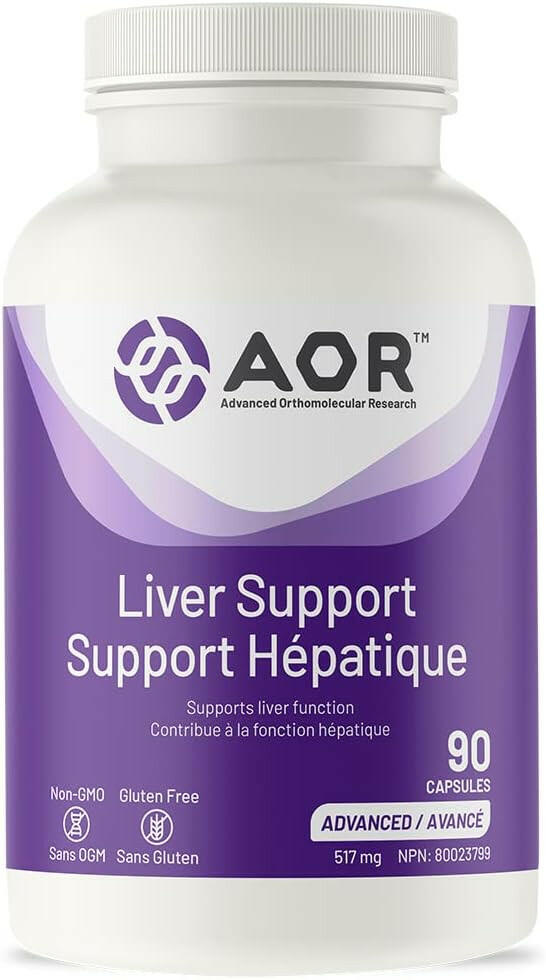
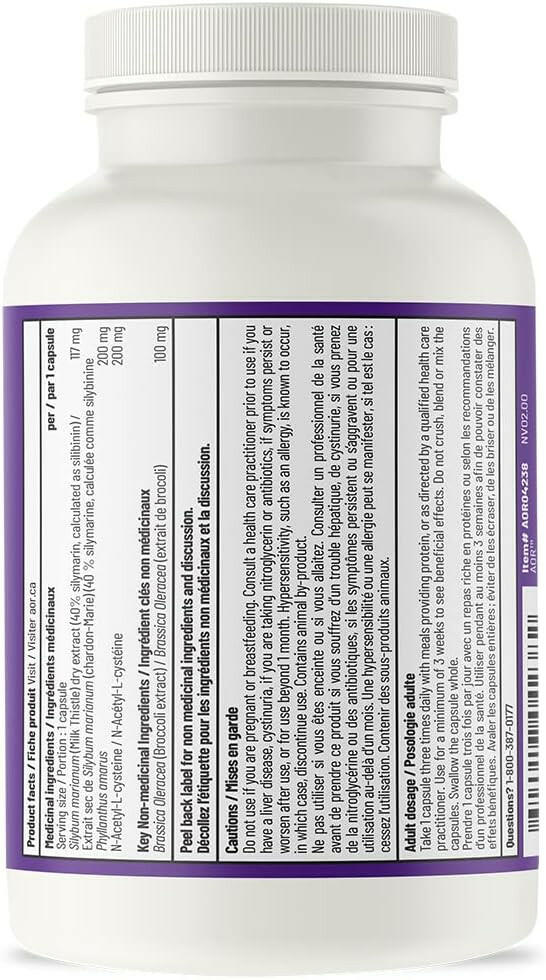
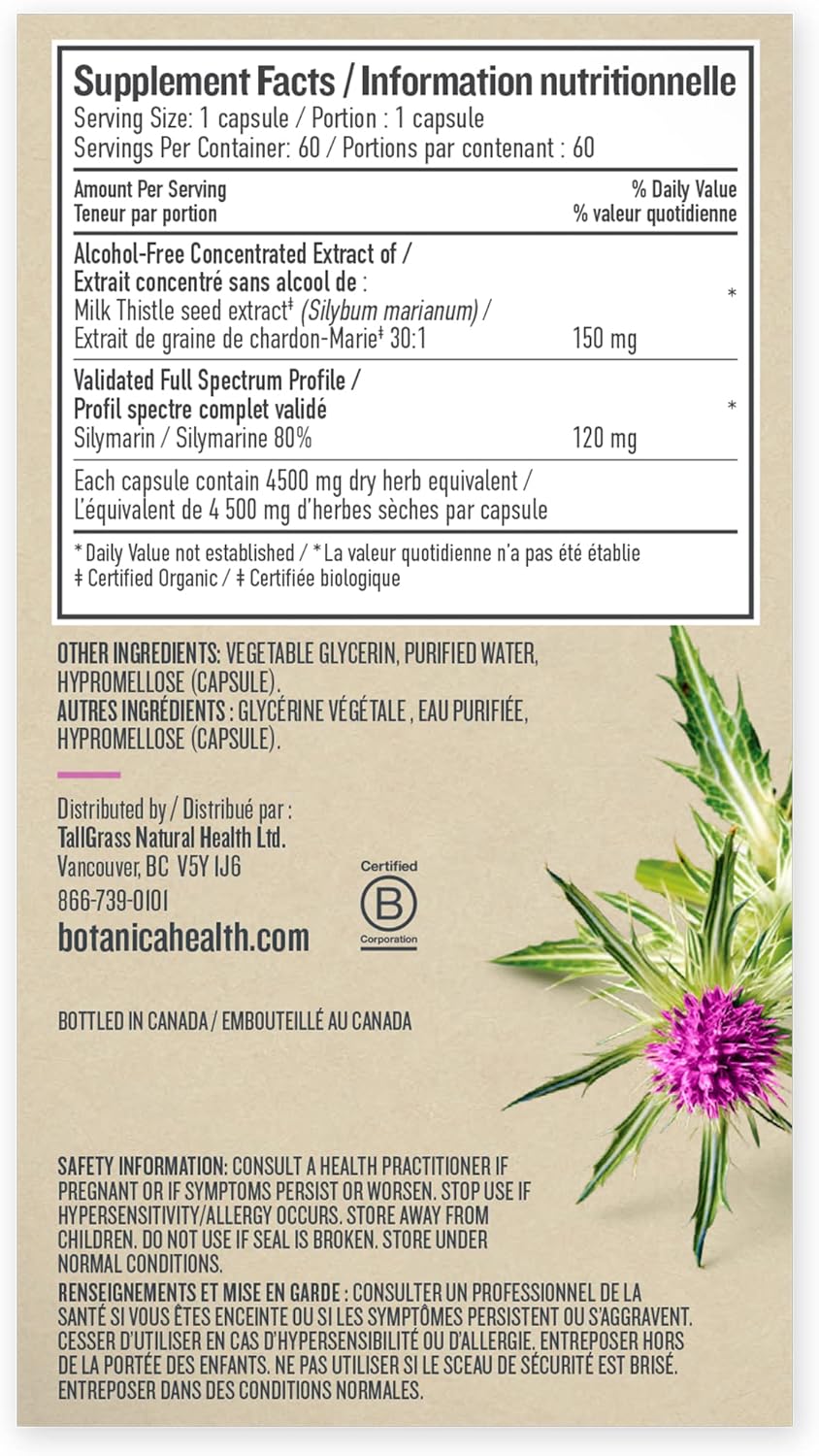
Many milk thistle supplements therefore identify the amount or percentage of standardized silymarin rather than simply listing the total weight of milk thistle seed.
Milk Thistle & Liver Health
The liver performs hundreds of essential functions, including:
• Processing nutrients
• Metabolizing medications and other compounds
• Producing bile
• Synthesizing important proteins
• Regulating aspects of glucose and lipid metabolism
• Transforming and eliminating metabolic waste products
Milk thistle compounds have been studied for antioxidant, cellular, and liver-related effects.
However, evidence from laboratory mechanisms should not be interpreted as proof that milk thistle prevents or reverses liver disease in humans.
Does Milk Thistle Detox the Liver?
The term “liver detox” is widely used in supplement marketing but can be misleading.
The liver does not ordinarily need to be “flushed” or cleansed by a supplement. It continuously processes and transforms substances through complex enzymatic pathways, while the kidneys, gastrointestinal tract, lungs, and other systems contribute to normal elimination.
Milk thistle may be used as part of a liver-support wellness routine, but it should not be described as physically removing accumulated toxins from the liver.
Antioxidant Support
Silymarin has demonstrated antioxidant activity and has been investigated for its influence on oxidative-stress pathways.
Oxidative stress occurs when the production of reactive compounds exceeds the body’s ability to manage them through endogenous antioxidant systems.
This research helps explain scientific interest in milk thistle, but taking more antioxidants does not necessarily translate into greater health benefits.
Antioxidant activity alone is also not evidence that a product can prevent or treat a particular disease.
Liver Cell Protection
Laboratory and experimental research suggests that silymarin can influence several cellular pathways related to oxidative stress, membrane function, and inflammatory signalling.
This is sometimes described as “hepatoprotective” activity.
However, statements that milk thistle universally protects or regenerates human liver cells can overstate the clinical evidence.
It is more appropriate to describe milk thistle as a botanical investigated for liver-supportive and antioxidant properties.
What About Liver Regeneration?
The liver naturally has a substantial capacity for regeneration following certain types of injury.
Milk thistle has been investigated for mechanisms potentially relevant to liver-cell function, but supplements should not be marketed as reliably regenerating a damaged liver.
The ability of the liver to recover depends on the type and severity of injury, ongoing exposures, nutrition, metabolic health, and appropriate medical treatment.
Milk Thistle & Fatty Liver
Milk thistle and silymarin have been investigated in people with metabolic dysfunction-associated steatotic liver disease and other liver conditions.
Some studies have reported changes in liver enzymes or selected metabolic markers, but evidence remains insufficient to treat milk thistle as a stand-alone therapy.
Management of fatty liver commonly focuses on broader factors such as:
• Body composition
• Physical activity
• Nutrition
• Blood glucose
• Blood lipids
• Alcohol intake
• Cardiovascular risk factors
• Appropriate medical care
A liver supplement cannot replace these foundations.
Milk Thistle & Alcohol
Milk thistle is sometimes marketed toward people who consume alcohol.
It should not be viewed as protection against alcohol-related liver damage or as a way to neutralize the effects of heavy drinking.
Reducing harmful alcohol exposure is far more important for liver health than adding a supplement.
Someone concerned about alcohol-related liver injury should seek appropriate medical assessment.
Milk Thistle & Medications
The liver metabolizes many medications, but this does not mean that milk thistle is routinely needed by people taking prescription drugs.
A supplement cannot be assumed to protect the liver from medication-related injury.
If a medication is known to require liver monitoring, follow the healthcare professional’s monitoring recommendations rather than attempting to counteract potential effects with milk thistle.
Milk thistle may also affect drug-metabolizing pathways, making medication review important in some circumstances.
Bile & Digestive Wellness
The liver produces bile, which contributes to the digestion and absorption of dietary fats.
Milk thistle has traditionally been used in herbal medicine in relation to liver and digestive function.
However, claims that milk thistle substantially increases bile flow or corrects gallbladder problems should not be generalized across products.
People with known gallstones, bile-duct obstruction, or persistent upper abdominal symptoms should seek professional guidance.
Milk Thistle & Metabolic Health
Because the liver plays a major role in glucose and lipid metabolism, milk thistle has also been investigated in metabolic-health research.
Some studies have explored potential effects on:
• Glucose-related markers
• Lipid metabolism
• Oxidative stress
• Liver enzymes
These findings are not sufficient to describe milk thistle as a treatment for diabetes, high cholesterol, obesity, or metabolic syndrome.
People taking glucose-lowering medications should also consider potential additive effects.
Milk Thistle & Skin Health
Liver “detox” products are sometimes promoted for clearer skin.
The relationship between liver function, metabolism, inflammation, and skin health is complex, and there is not strong evidence that taking milk thistle routinely “detoxifies the skin” or clears acne by removing toxins.
Persistent skin concerns are better addressed according to their specific cause.
Standardized Milk Thistle Extracts
Milk thistle products can differ substantially in concentration.
A label may provide:
• Total milk thistle extract
• Extract ratio
• Standardized silymarin percentage
• Actual silymarin amount
• Silybin content
Standardization can improve consistency between servings, but a higher percentage is not automatically clinically superior.
The formulation, dose, absorption, quality, and intended use all matter.
Silymarin Bioavailability
Conventional silymarin has relatively limited oral bioavailability.
Some formulations therefore use delivery technologies or complexes intended to improve absorption.
Enhanced absorption may increase systemic exposure, but “better absorbed” should not automatically be interpreted as “more effective” for every health goal.
Product-specific research is more informative than absorption claims alone.
Milk Thistle Capsules & Tablets
Capsules and tablets commonly contain:
• Ground milk thistle seed
• Concentrated extracts
• Standardized silymarin extracts
• Combination formulas
When comparing products, look beyond the total milligrams on the front label and review whether the product specifies the extract and silymarin content.
Milk Thistle Tinctures
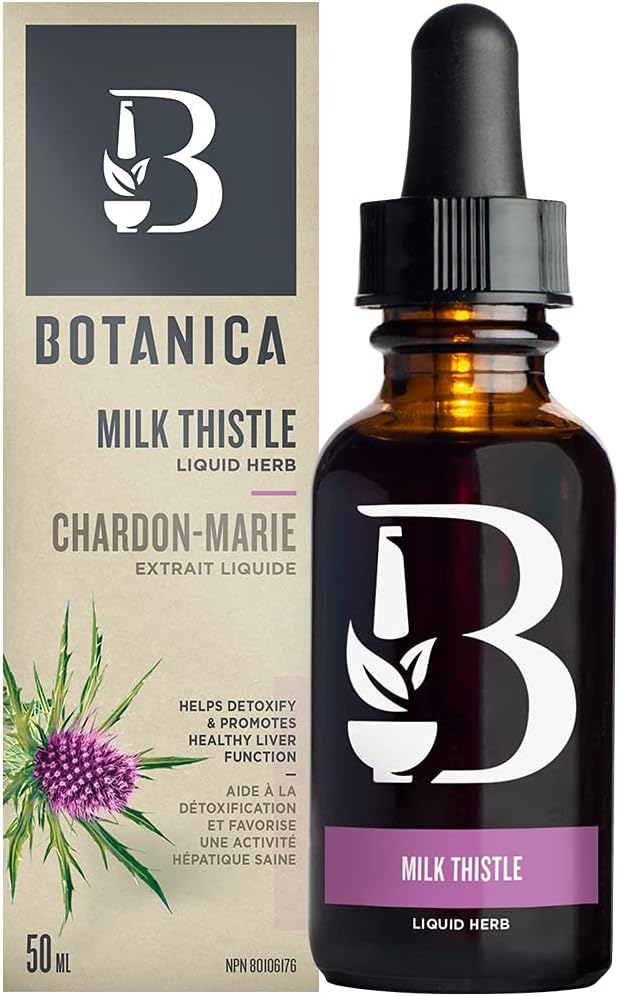
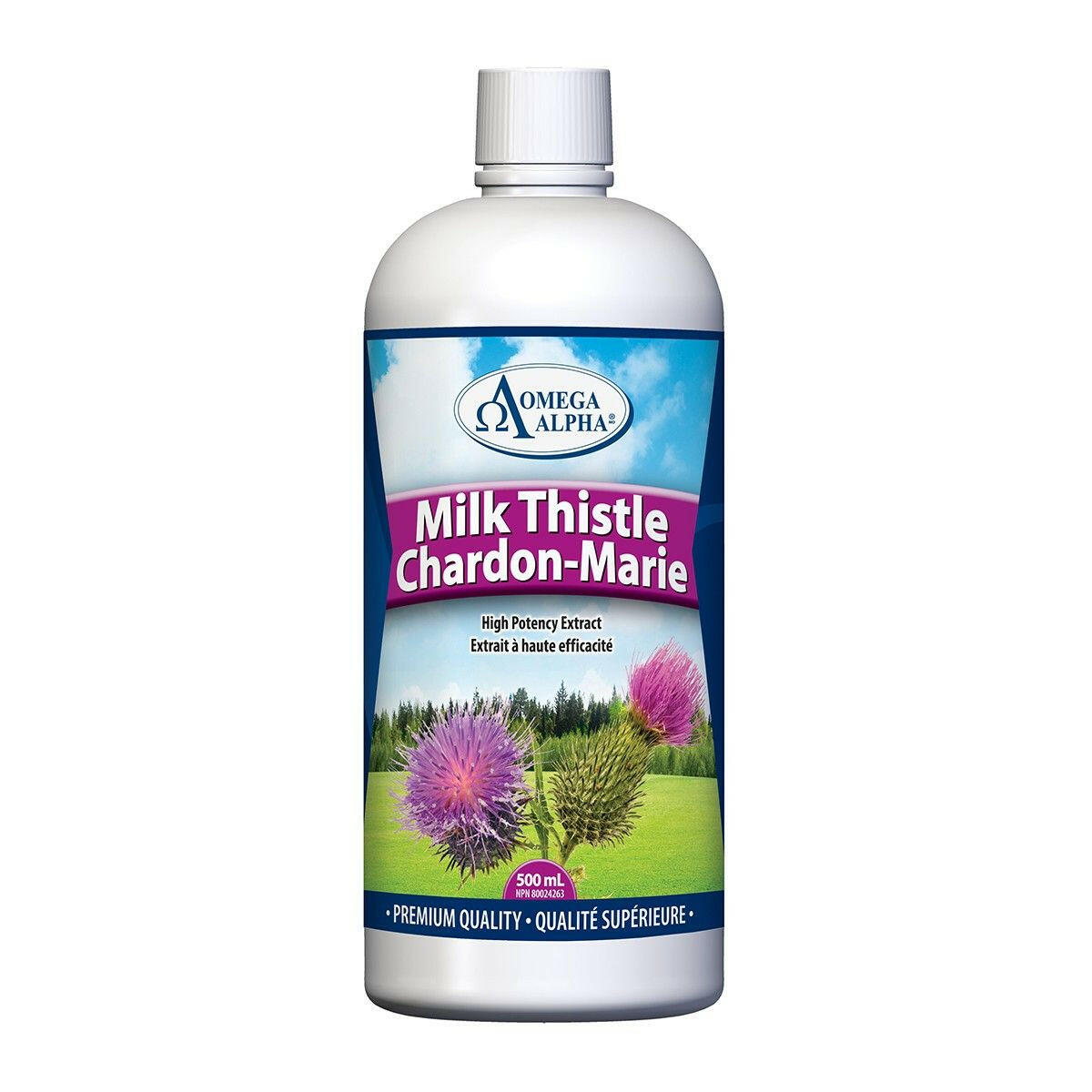
Liquid milk thistle products can provide an alternative for people who prefer tinctures to capsules.
Concentration and recommended serving size vary substantially among liquid extracts.
Follow the individual product directions rather than attempting to convert capsule doses directly into drops or millilitres.
Combination Liver-Support Formulas
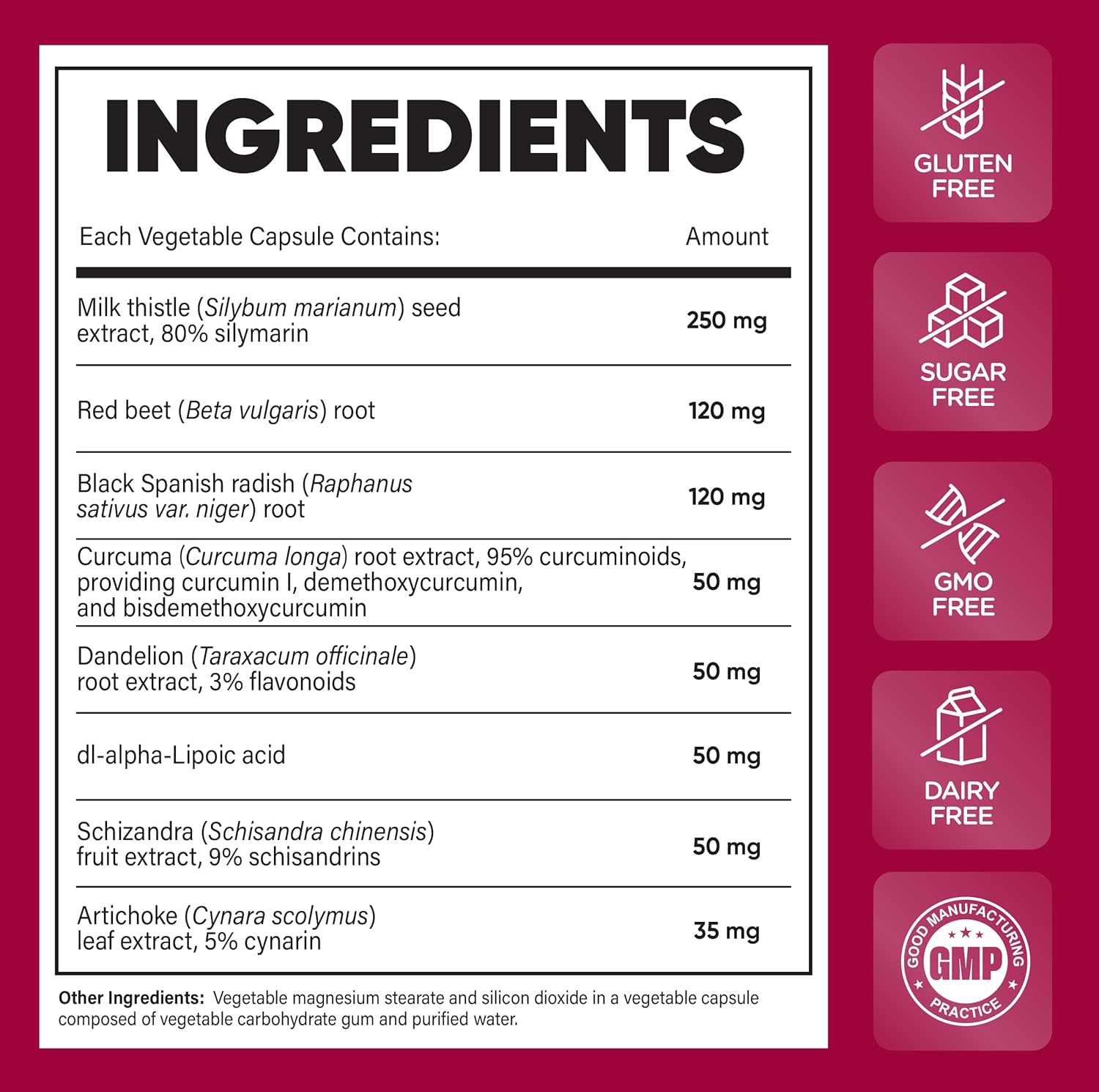
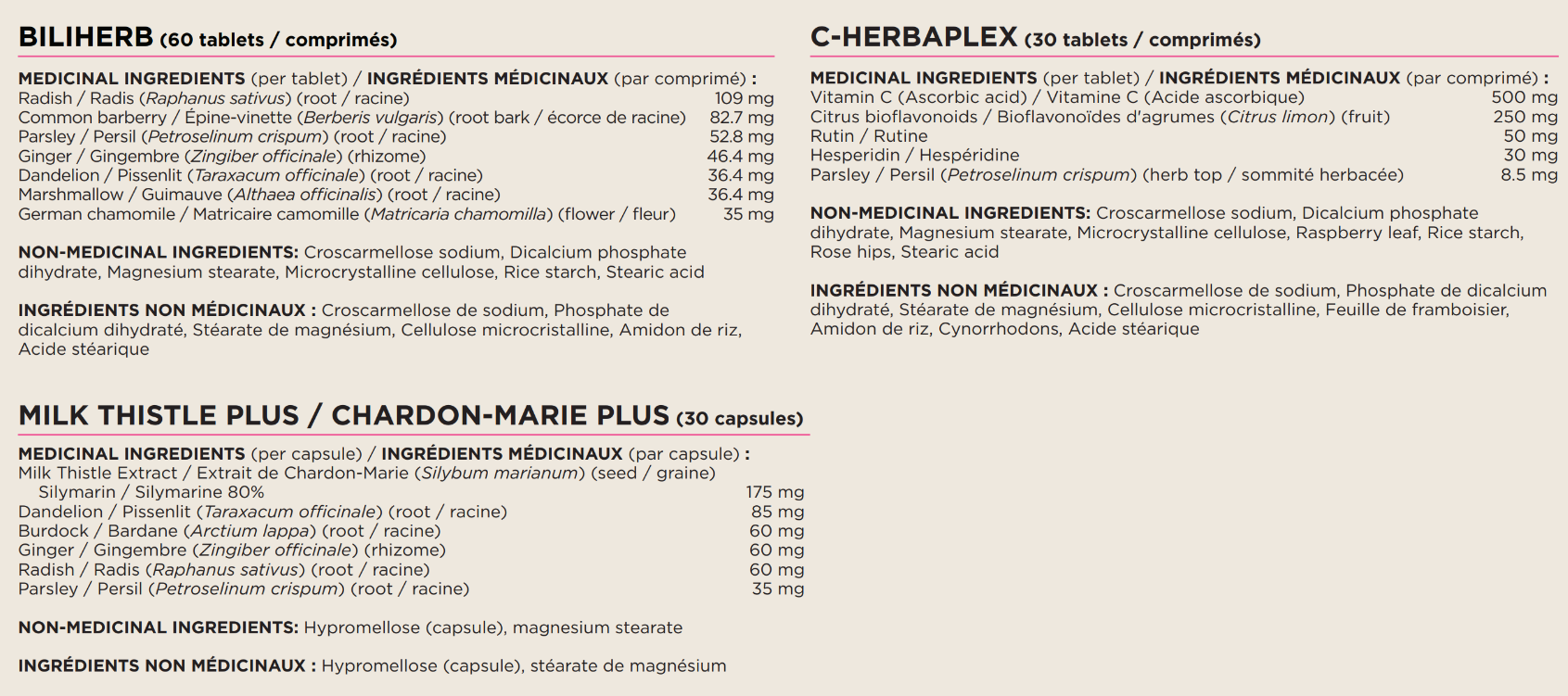
Milk thistle is frequently combined with ingredients such as:
• Artichoke
• Dandelion
• Turmeric or curcumin
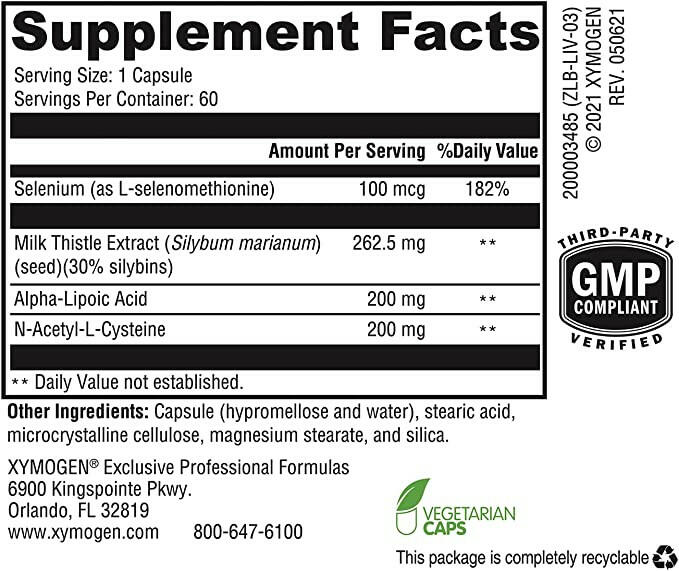
• N-acetyl-L-cysteine (NAC)
• Alpha-lipoic acid
• Choline
• Other botanical or nutritional ingredients
Each ingredient has a different physiological role and evidence base.
More ingredients do not automatically create a more effective “detox” formula.
Milk Thistle & NAC
N-acetyl-L-cysteine is a precursor to glutathione and has distinct physiological and medical applications.
It is sometimes combined with milk thistle in antioxidant or liver-oriented nutritional formulas.
The two ingredients should not be treated as interchangeable, and the presence of NAC does not mean a retail supplement provides the same effects as medically administered NAC in specific clinical situations.
Milk Thistle & Dandelion
Dandelion and milk thistle are often paired in traditional herbal liver and digestive formulas.
Dandelion has its own history of traditional use and should not simply be described as a detoxifying agent.
Combination products should be assessed according to each ingredient, dose, intended use, and safety profile.
Milk Thistle & Artichoke
Artichoke leaf extracts are sometimes included in digestive and liver-support formulations.
They have been investigated for digestive and lipid-related outcomes and have traditional applications related to digestion.
People with certain gallbladder or biliary conditions should consider professional guidance before using concentrated herbal products intended to influence biliary function.
How to Choose a Milk Thistle Supplement
Look for the Botanical Name
Quality products should identify milk thistle as Silybum marianum.
Check the Extract
Determine whether the product contains whole seed powder or a concentrated extract.
Review Silymarin Standardization
For standardized products, check the amount or percentage of silymarin rather than comparing products solely by total milligrams.
Consider the Formulation
Capsules, tablets, tinctures, and enhanced-absorption formulations may differ considerably.
Review Combination Ingredients
Liver formulas can contain multiple botanicals and nutrients with different contraindications and medication interactions.
Follow the Canadian Product Label
Use the recommended dose, duration, cautions, and conditions of use provided for the specific product.
How to Use Milk Thistle
There is no universal milk thistle dose appropriate for every formulation.
Recommended use varies according to:
• Extract concentration
• Silymarin standardization
• Delivery system
• Combination ingredients
• Intended use
• Individual health circumstances
Some products are taken with food, while others have different directions.
Follow the specific product label rather than applying a generic dose across all milk thistle supplements.
Milk Thistle Safety
Milk thistle is generally well tolerated by many adults, but possible adverse effects can include:
• Gastrointestinal upset
• Nausea
• Diarrhea
• Headache
• Allergic reactions
Milk thistle belongs to the Asteraceae family, so individuals with significant allergies to related plants such as ragweed, daisies, chrysanthemums, or marigolds may need additional caution.
Medication & Health Considerations
Professional guidance is particularly appropriate for people who:
• Take multiple prescription medications
• Use diabetes medications
• Take medications with narrow therapeutic ranges
• Have diagnosed liver disease
• Have gallbladder or bile-duct disorders
• Are preparing for surgery
• Are pregnant or breastfeeding
• Have significant botanical allergies
A known liver condition should not be self-managed with milk thistle without appropriate medical care.
When Liver Concerns Need Medical Assessment
Seek appropriate medical evaluation for symptoms such as:
• Yellowing of the skin or eyes
• Dark urine
• Pale or clay-coloured stool
• Persistent upper-right abdominal pain
• Unexplained abdominal swelling
• Persistent nausea or vomiting
• Unusual itching accompanied by other liver symptoms
• Significant unexplained fatigue
• Confusion
• Abnormal liver blood tests
These symptoms require investigation rather than a “liver cleanse.”
FAQs
What is milk thistle used for?
Milk thistle is traditionally used as a liver-support herb and is commonly taken for antioxidant and hepatobiliary wellness. Modern research has investigated silymarin across several liver and metabolic contexts.
What is silymarin?
Silymarin is a mixture of flavonolignans found in milk thistle, including silybin and related compounds. It is responsible for much of the scientific interest in milk thistle.
Does milk thistle detox the liver?
Milk thistle does not literally flush toxins from the liver. The liver already performs detoxification and metabolic processes. Milk thistle is better described as a traditional liver-support botanical.
Can milk thistle regenerate the liver?
The liver naturally has regenerative capacity, but current evidence does not justify promising that milk thistle will regenerate damaged liver tissue.
Is milk thistle good for fatty liver?
Silymarin has been studied in fatty liver and related metabolic conditions, but it should not replace nutrition, physical activity, weight management when appropriate, or medical treatment.
Can I take milk thistle if I drink alcohol?
Milk thistle should not be used as protection against alcohol-related liver damage. Limiting harmful alcohol exposure is substantially more important for liver health.
Can milk thistle be taken with medications?
It depends on the medication and formulation. Milk thistle may interact with certain medications or metabolic pathways, so professional guidance can be appropriate.
Is standardized silymarin better than milk thistle seed powder?
Standardization provides a more defined amount of silymarin, making dosing more consistent. That does not automatically mean every standardized product is clinically superior.
Can I take milk thistle every day?
Duration of use depends on the specific product, dose, intended purpose, health status, and Canadian label directions. Long-term use should not be assumed appropriate for everyone.
Should I use milk thistle if my liver enzymes are elevated?
Elevated liver enzymes can have many causes and should be investigated. Milk thistle should not be used as a substitute for determining why the results are abnormal.
Why Shop Milk Thistle at Coal Harbour Pharmacy?
• Pharmacist-curated milk thistle and liver-support supplements
• Standardized silymarin extracts and traditional herbal preparations
• Capsules, tablets, tinctures, and combination formulas
• Options from established natural health and professional supplement brands
• Guidance for selecting appropriate formulations when needed
• Fast Canada-wide shipping
Related Collections
• Medicinal Herbs & Herbal Botanicals
────────────────────────────────────
Shop Milk Thistle →
Sort by
14 products
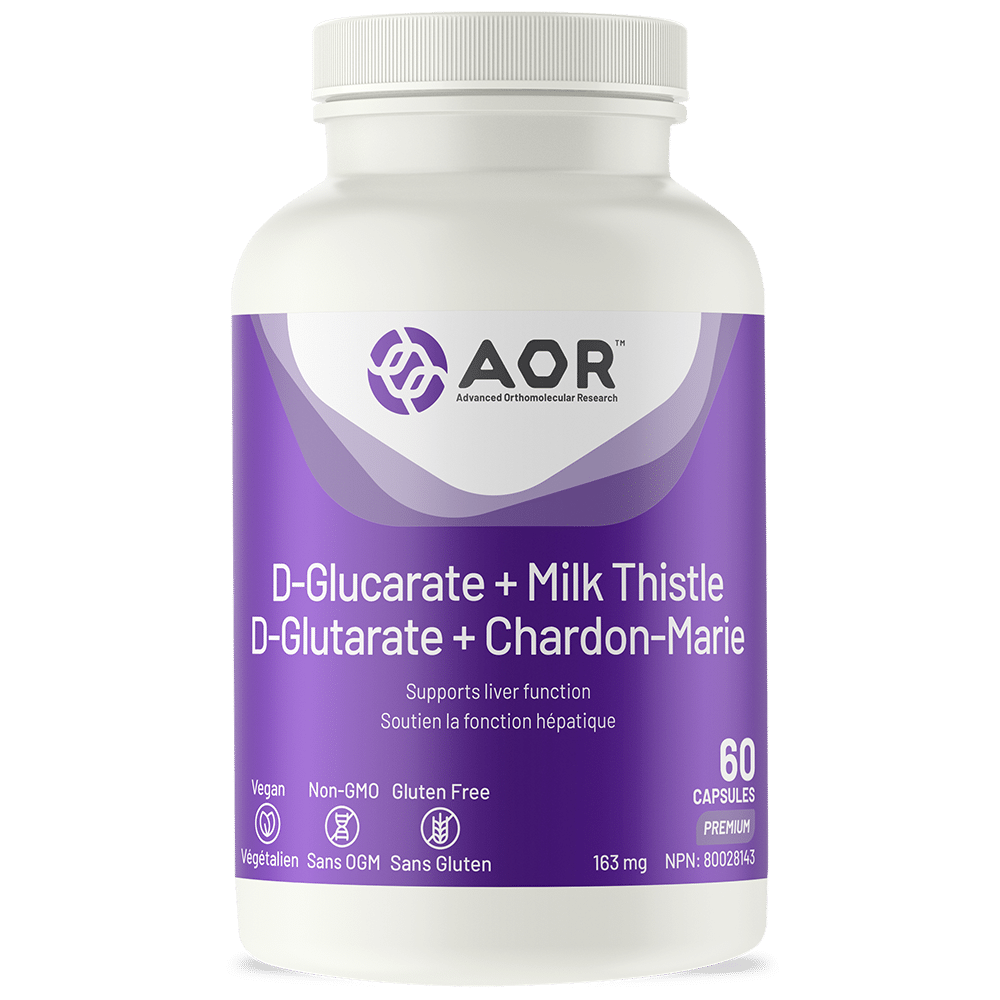
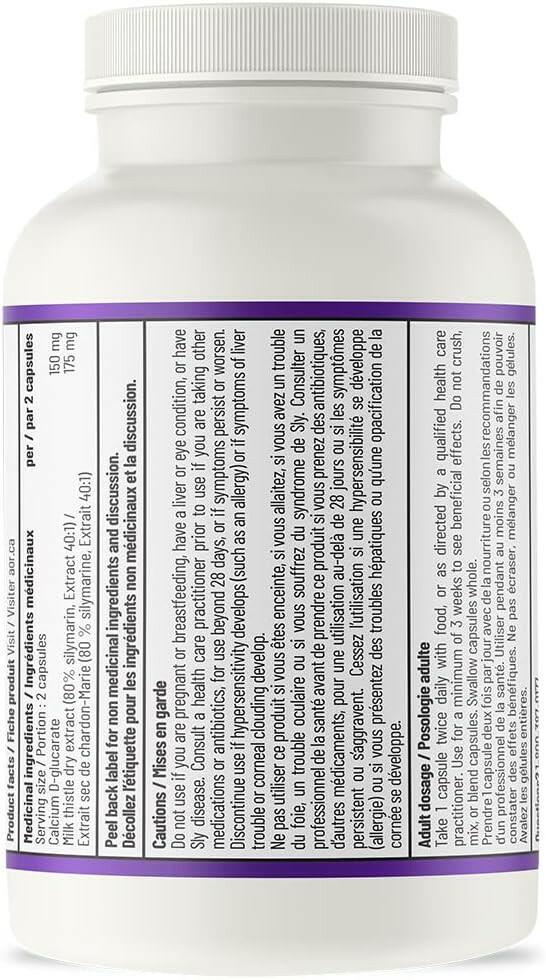
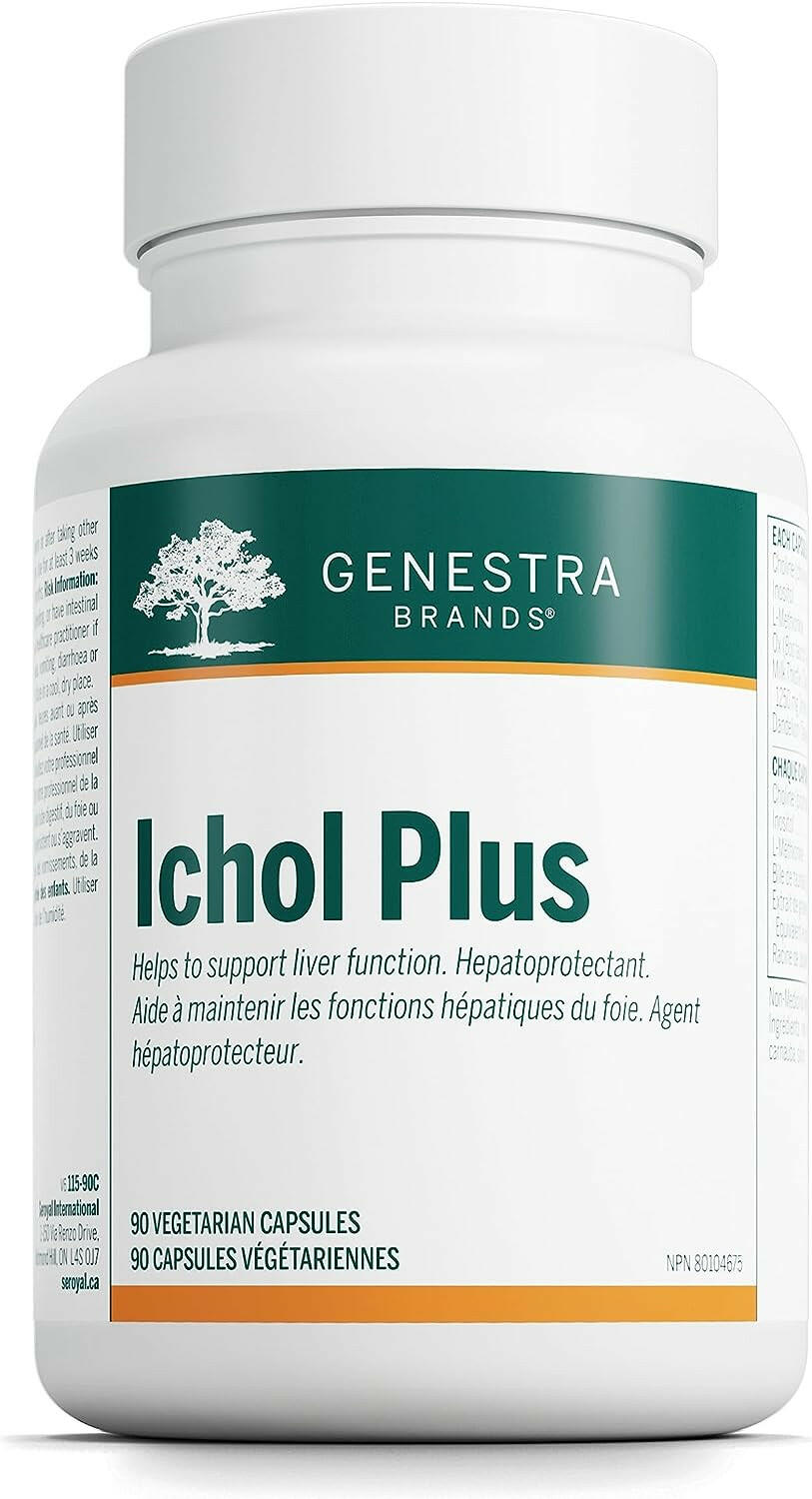
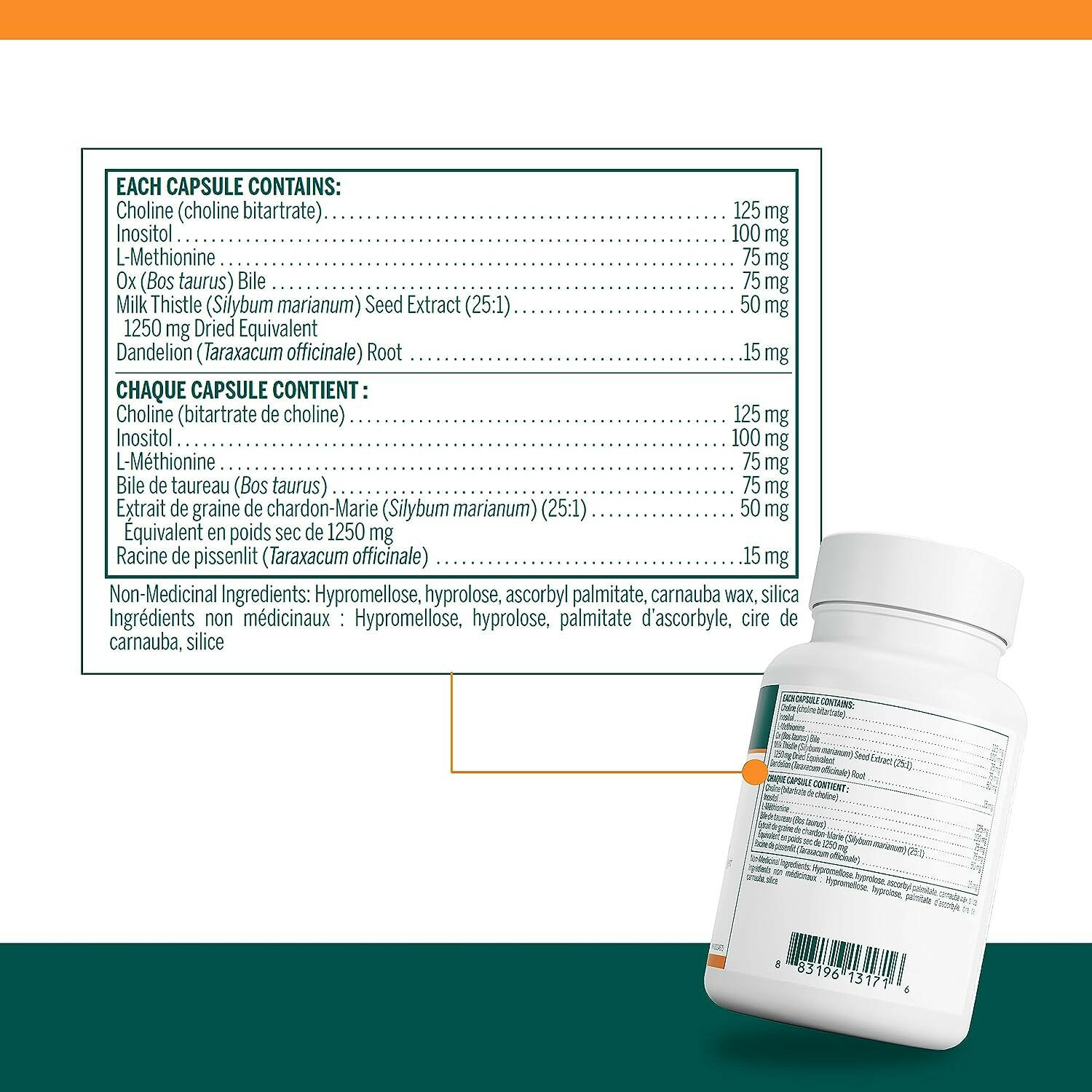

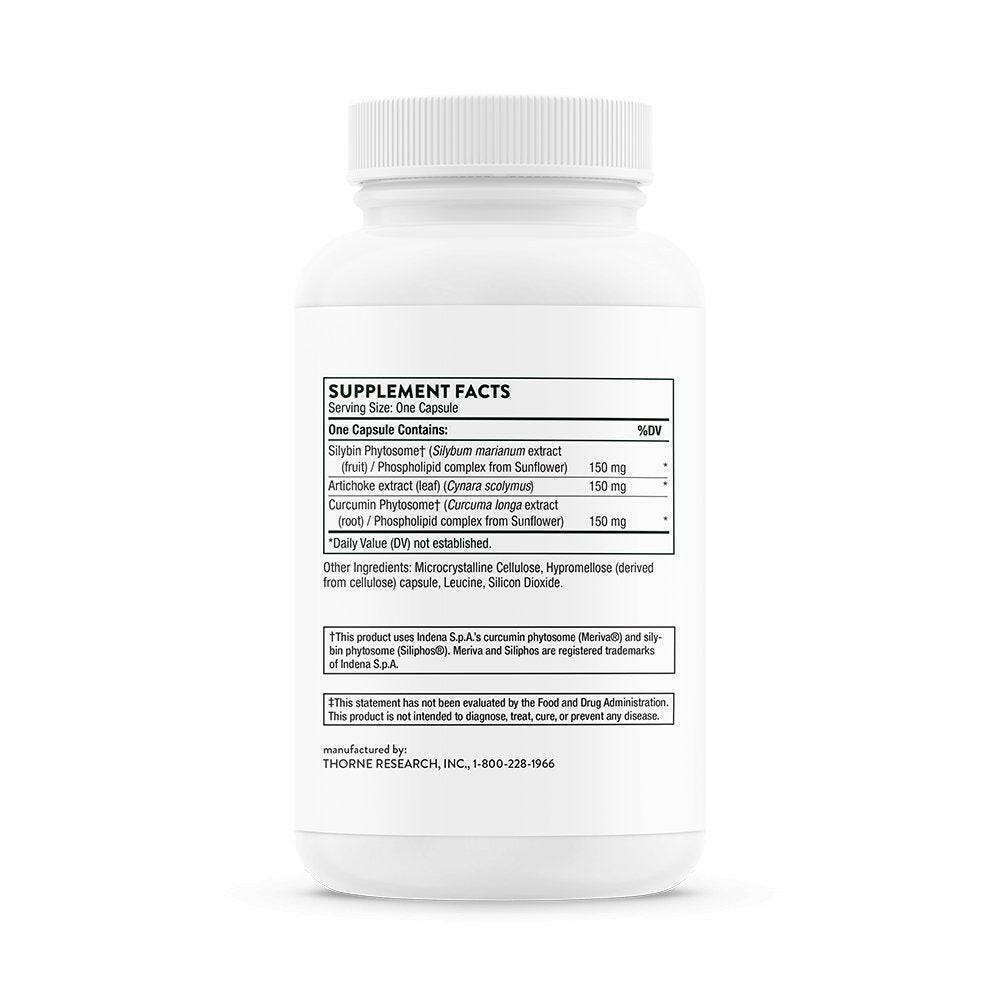
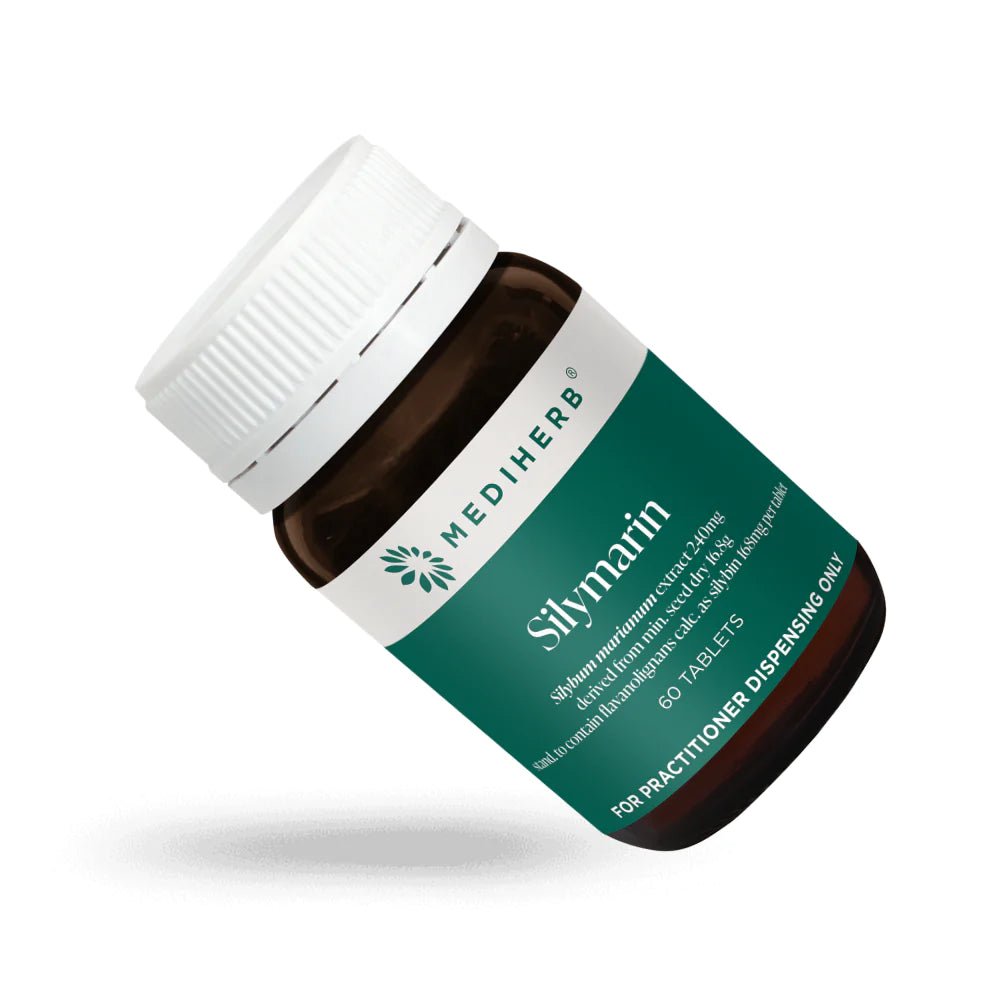


FREE STANDARD SHIPPING
Satisfied or refunded
Top-notch support
Secure payments
Encrypted checkout processing
Offers exclude prescriptions and in-store purchases.
Subscribe & Get a First-Order Reward
Plus, earning reward points on eligible online purchases and enjoy future store credit.
We respect your inbox at Coal Harbour Pharmacy - Expect thoughtfully curated health and wellness updates, timely reminders, and exclusive online savings.