
Medicinal Herbs & Herbal Botanicals – Plant-Based Wellness & Traditional Herbal Support
Explore pharmacist-curated medicinal herbs and botanical supplements featuring traditional plant ingredients and evidence-informed formulations for digestive health, stress, sleep, immune function, healthy aging, and everyday wellness.
────────────────────────────────────
About Medicinal Herbs & Herbal Botanicals
Herbal medicine uses preparations derived from plants, roots, leaves, flowers, fruits, seeds, bark, and other botanical materials to support health and well-being.
The Medicinal Herbs & Herbal Botanicals collection at Coal Harbour Pharmacy brings together traditional herbal preparations and modern botanical supplements in capsules, tablets, powders, teas, tinctures, and standardized extracts.
Botanicals such as ashwagandha, turmeric, ginger, echinacea, milk thistle, valerian, rhodiola, bacopa, elderberry, and saw palmetto have long histories of traditional use, while many are also subjects of contemporary clinical research.
Herbal products should be selected according to the specific botanical, preparation, dose, evidence, and intended use. “Natural” does not automatically mean safe, gentle, or appropriate for everyone.
Key Benefits
Depending on the specific herb and formulation, botanical supplements may:
• Support normal digestive function and gastrointestinal comfort
• Complement stress-management and relaxation routines
• Support normal immune function and seasonal wellness
• Provide naturally occurring antioxidant compounds
• Support sleep and evening relaxation
• Complement joint and mobility wellness
• Support cognitive and emotional well-being
• Provide traditional support for liver and digestive function
• Support women’s and men’s wellness at different life stages
Benefits vary substantially among herbs and should not be generalized across all botanical supplements.
Who It’s Ideal For
Herbal and botanical products may appeal to:
• Adults interested in traditional herbal wellness
• People looking for plant-based supplement options
• Individuals seeking targeted digestive, sleep, stress, or immune support
• People incorporating herbs into an integrative wellness routine
• Adults interested in adaptogenic botanicals
• People looking for teas, tinctures, powders, or botanical extracts
• Individuals following recommendations from a healthcare or natural-health practitioner
People taking prescription medications or managing medical conditions should pay particular attention to herb–drug interactions and contraindications.
What Are Botanical Supplements?
A botanical supplement contains ingredients derived from plants or plant materials.
Depending on the product, the active material may come from the:
• Root or rhizome
• Leaf
• Flower
• Fruit or berry
• Seed
• Bark
• Aerial portions
• Resin
• Other specified plant part
The plant part matters because different portions of the same botanical can contain substantially different chemical constituents.
Traditional Use vs Clinical Evidence
Herbal medicine has been used within numerous traditional health systems, including Western herbalism, Ayurveda, Traditional Chinese Medicine, and Indigenous healing traditions.
Traditional use can provide valuable historical context, but it is not identical to modern clinical evidence.
For some botanicals, human research supports particular applications. For others, evidence remains preliminary, inconsistent, or primarily based on traditional use.
A responsible botanical approach distinguishes between:
Traditional use – how an herb has historically been used.
Preclinical research – laboratory or animal findings.
Clinical research – studies conducted in humans.
These forms of evidence should not be treated as interchangeable.
Herbal Extracts & Standardization
Two supplements containing the same herb may not necessarily be equivalent.
Important differences can include:
• Botanical species
• Plant part used
• Extraction method
• Extract concentration
• Standardized constituents
• Dose
• Manufacturing quality
• Combination with other ingredients
For example, research conducted with a particular standardized extract cannot automatically be applied to every powder, tea, tincture, or extract made from that plant.
Immune & Seasonal Wellness Herbs
Botanicals commonly used in seasonal wellness products include:
• Echinacea
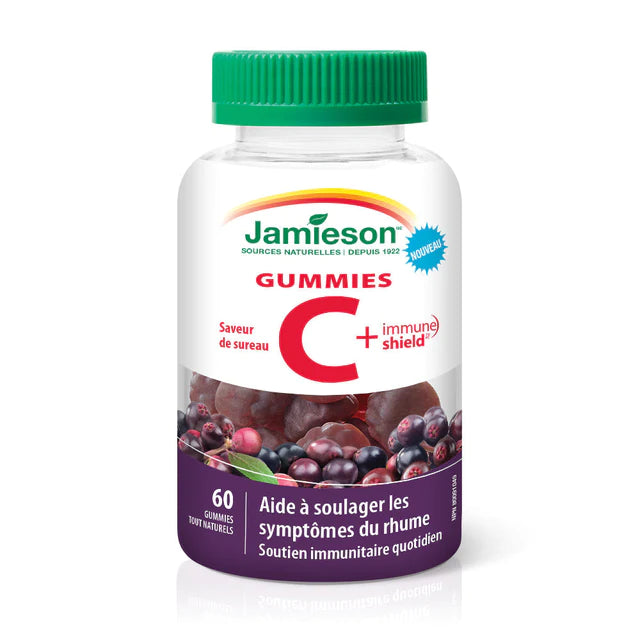
• Elderberry
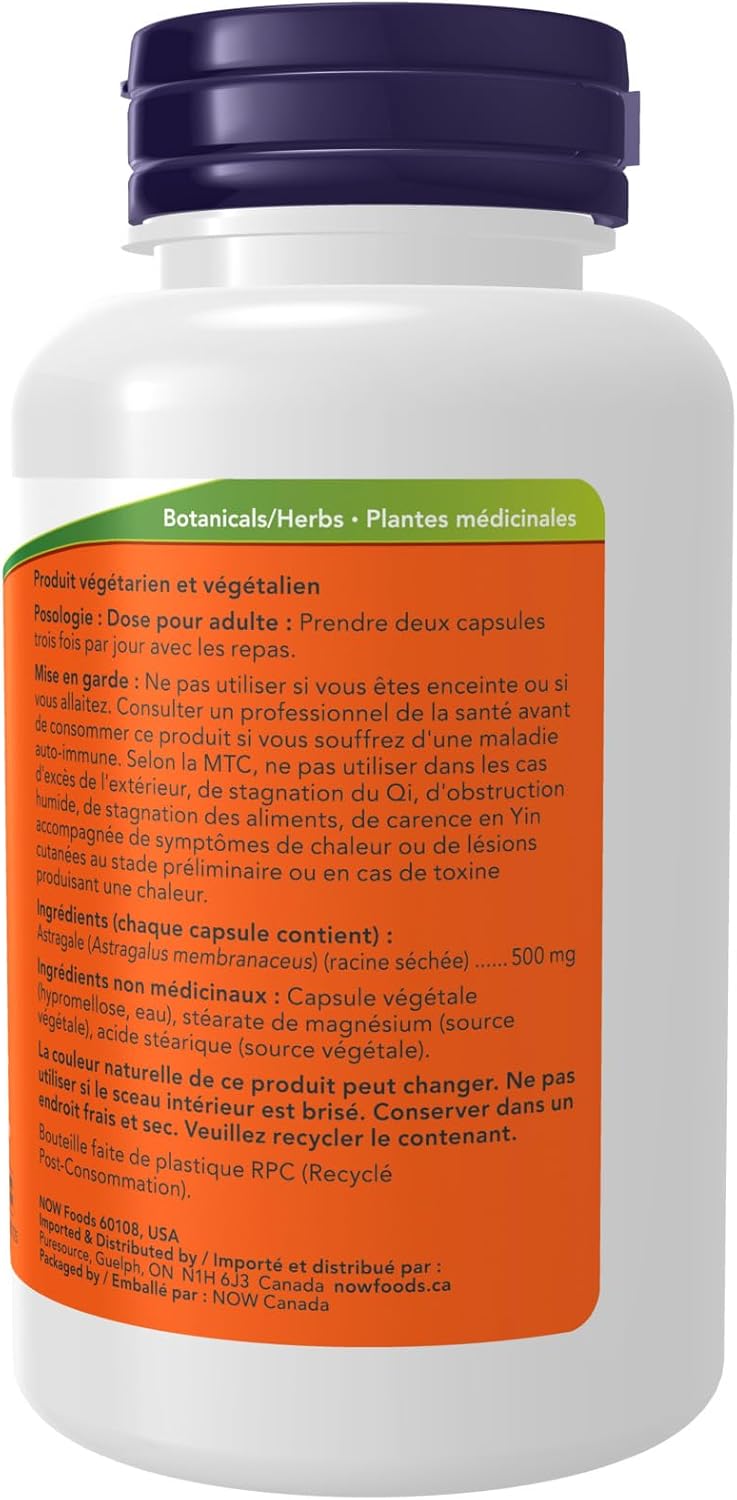
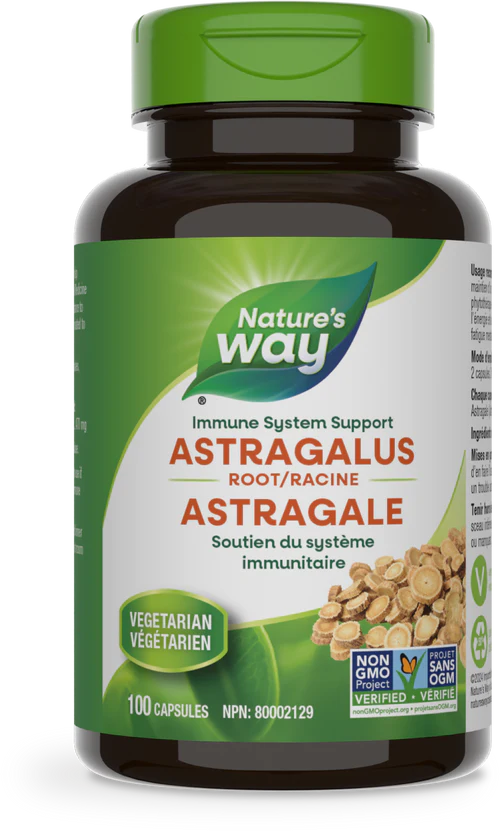
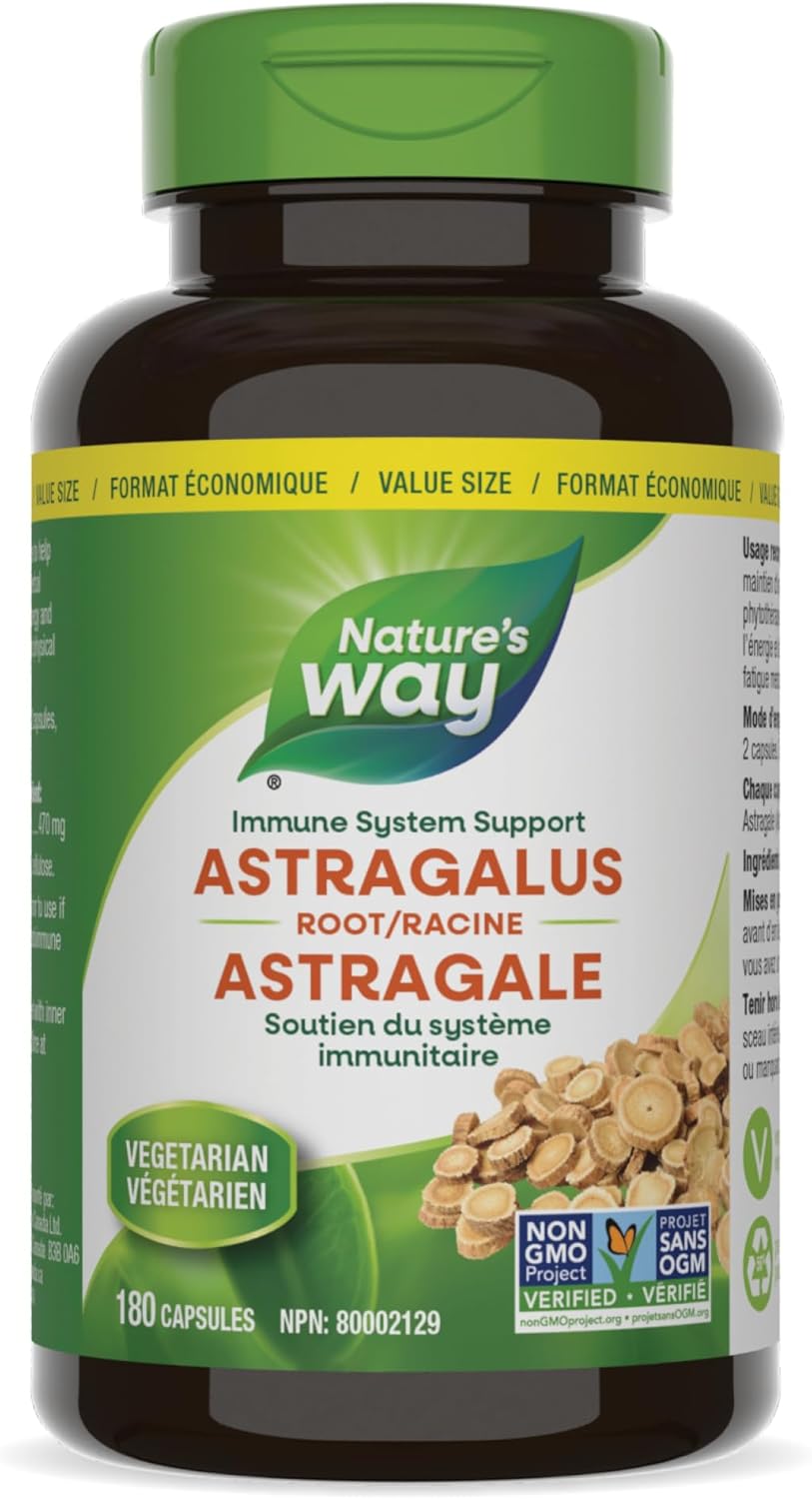
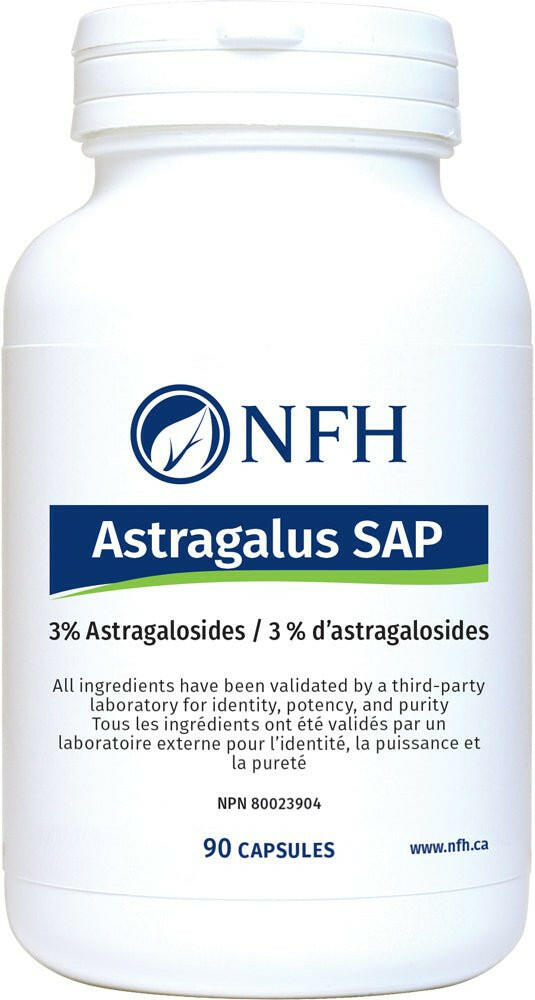
• Astragalus
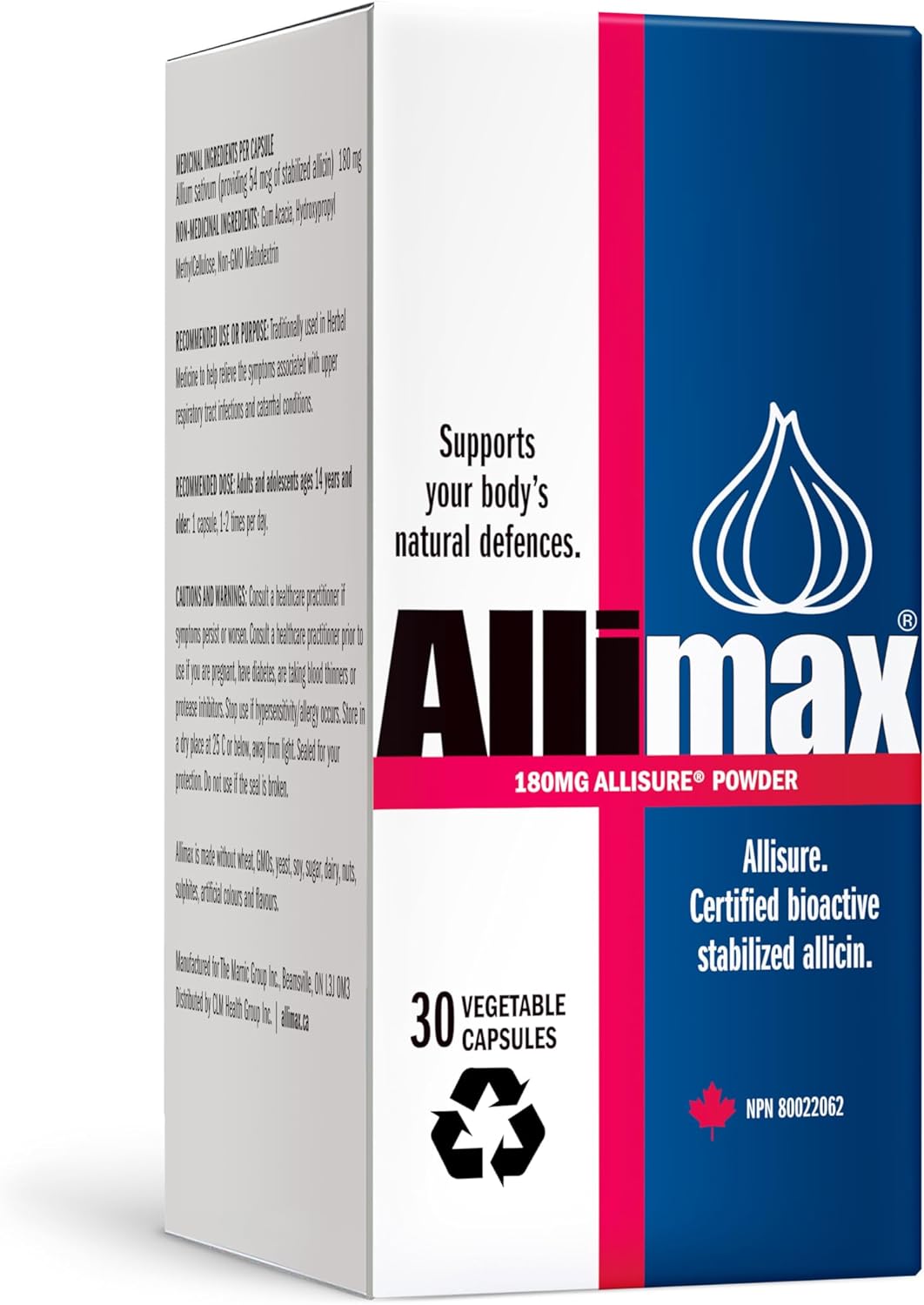
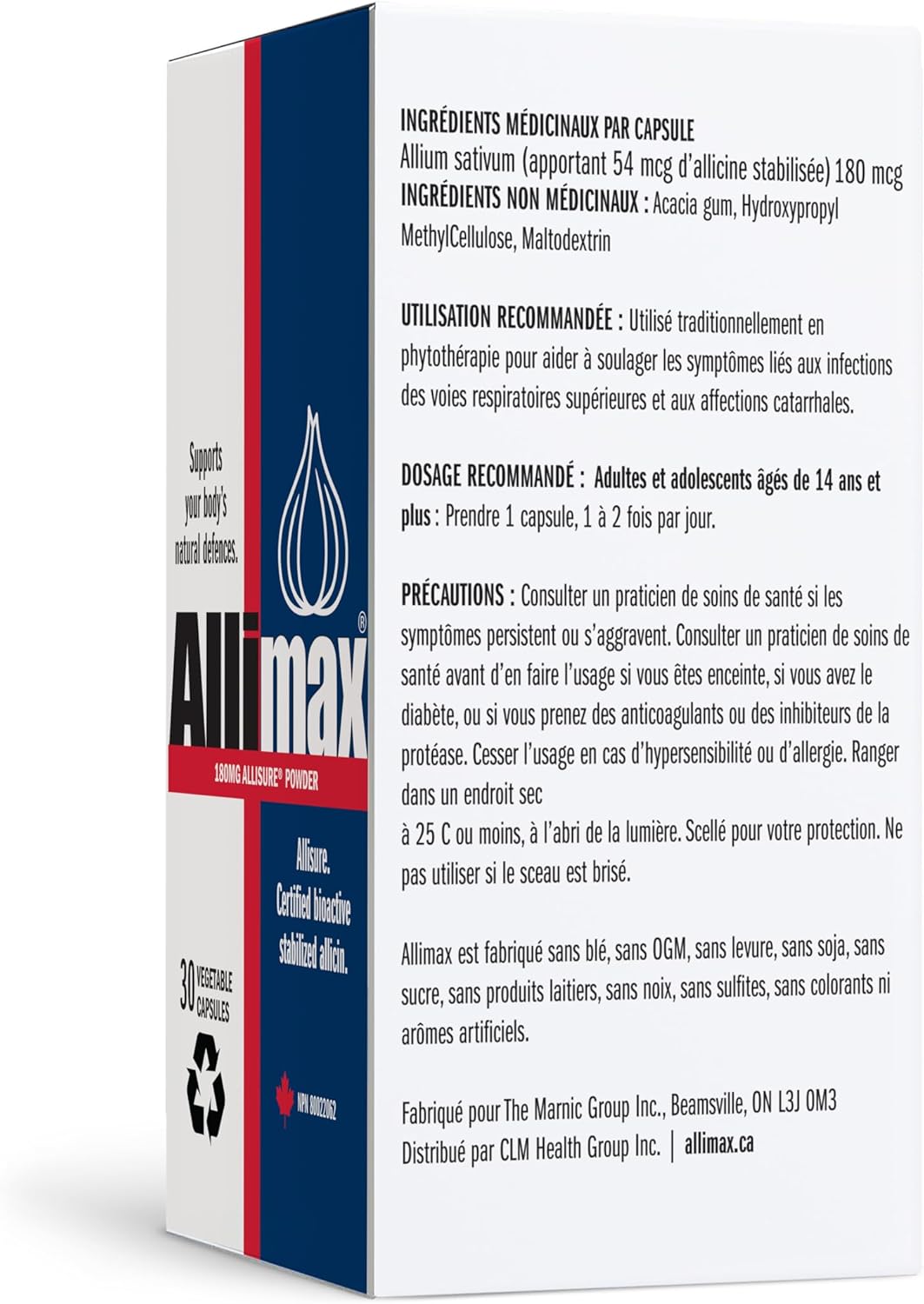
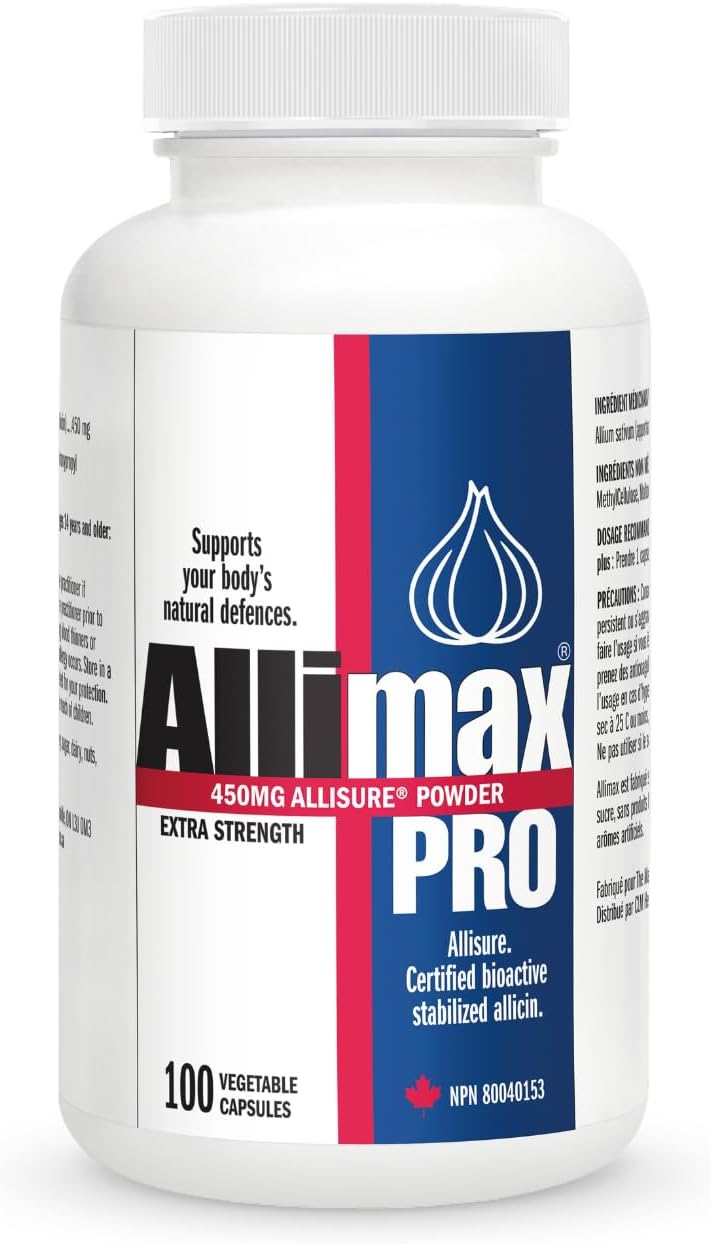
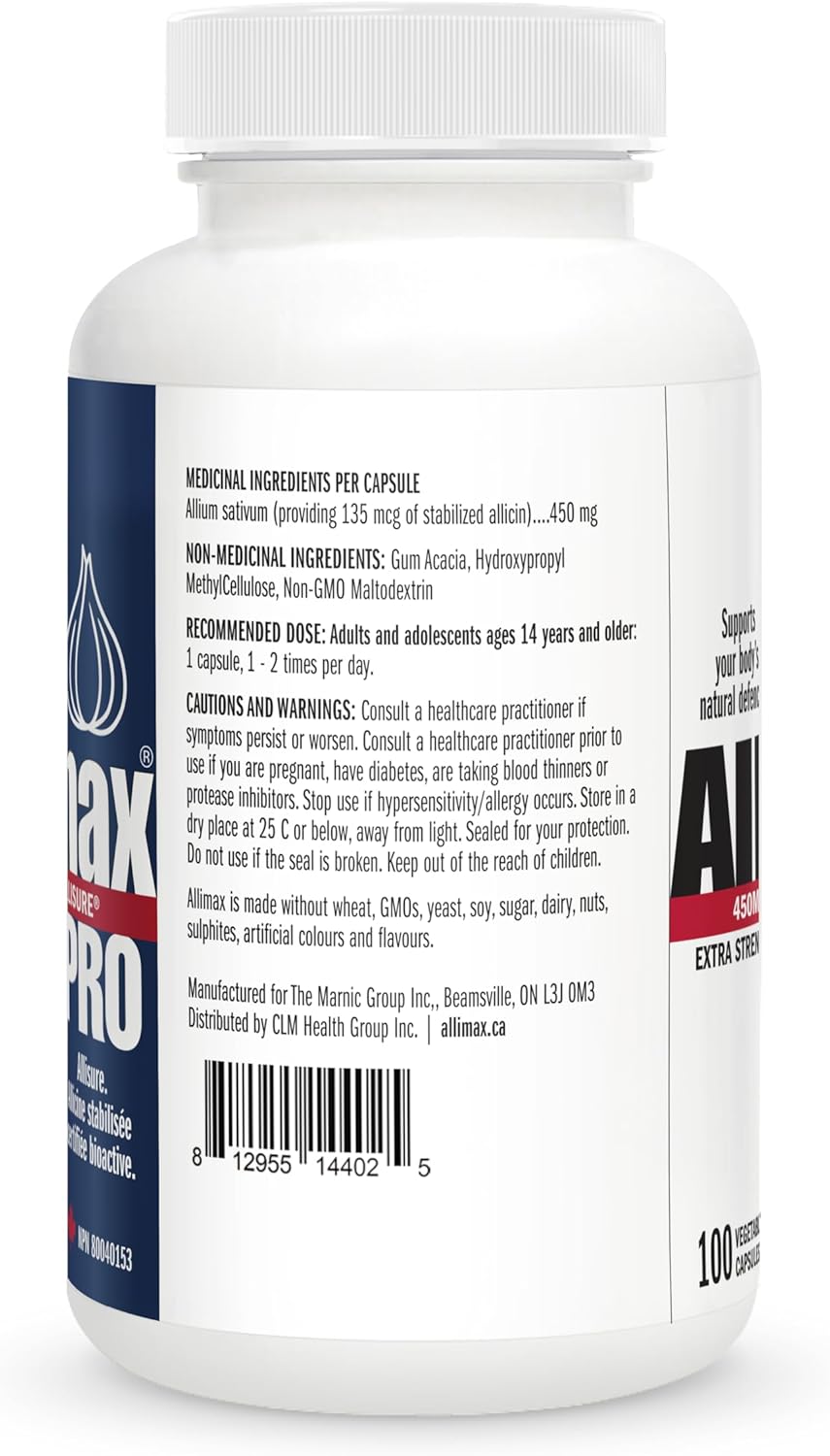
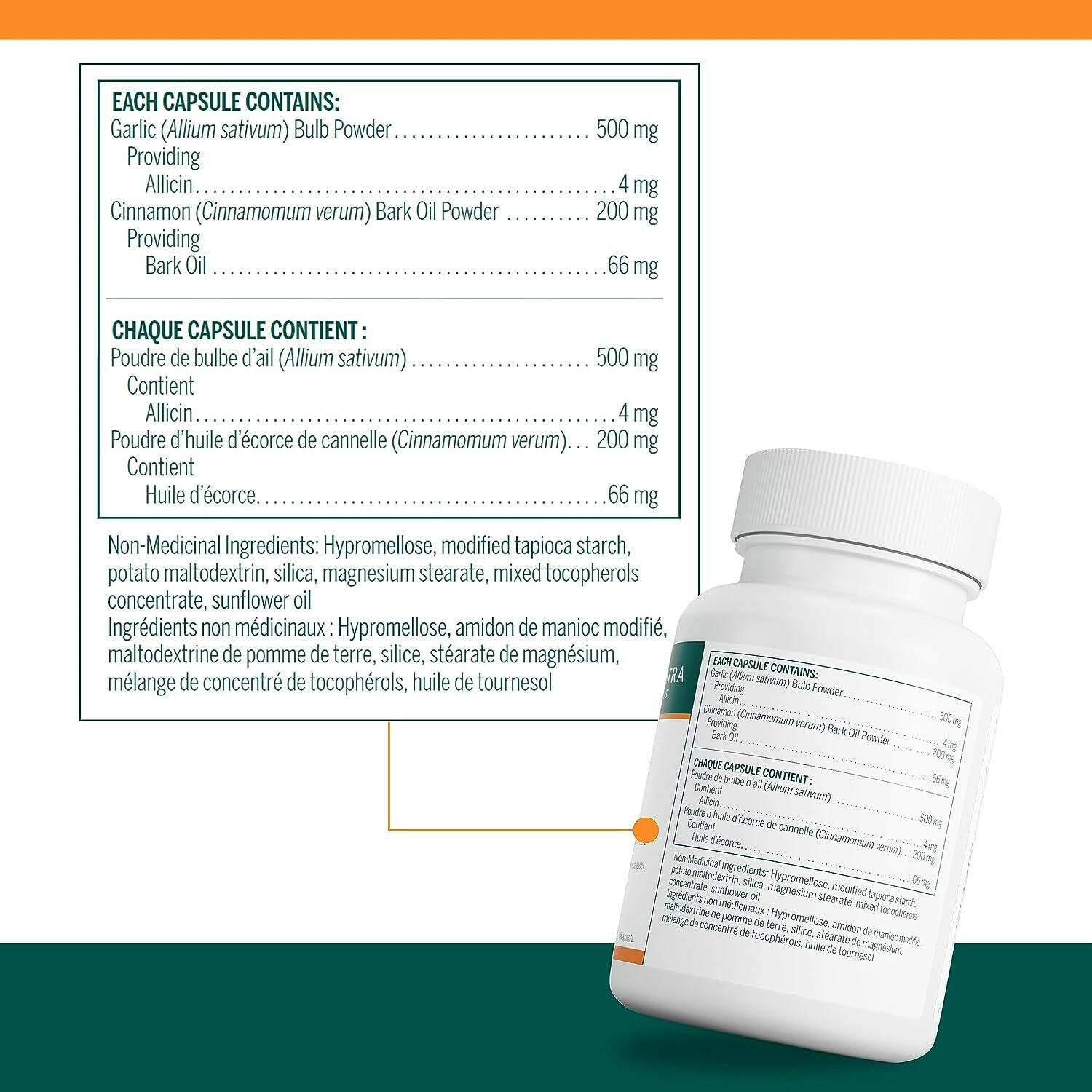
• Garlic
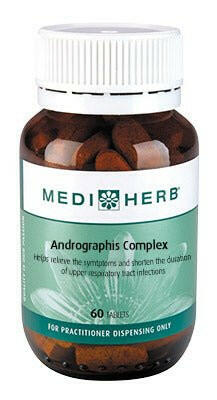
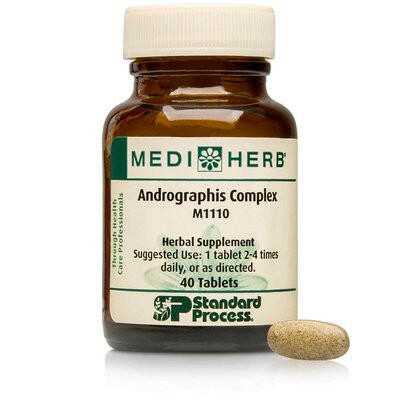
• Andrographis
Different herbs have different evidence and traditional applications.
They should not collectively be described as “immune boosters.” A more accurate goal is to support normal immune function or seasonal wellness, where appropriate.
Herbal supplements should not replace vaccination, medical evaluation, or appropriate treatment of infections.
Digestive Herbs
Traditional digestive botanicals include:
• Ginger
• Peppermint
• Fennel
• Chamomile
• Slippery elm
• Artichoke leaf
• Licorice root
• Dandelion
Depending on the botanical and preparation, these herbs have been used for digestive comfort, nausea, gas, appetite, or other gastrointestinal applications.
Persistent abdominal pain, unexplained weight loss, blood in the stool, recurrent vomiting, or significant changes in bowel habits require medical assessment rather than prolonged self-treatment with herbs.
Adaptogenic Herbs
“Adaptogen” is a term commonly applied to certain botanicals traditionally used to support resilience during periods of physical or psychological stress.
Common examples include:
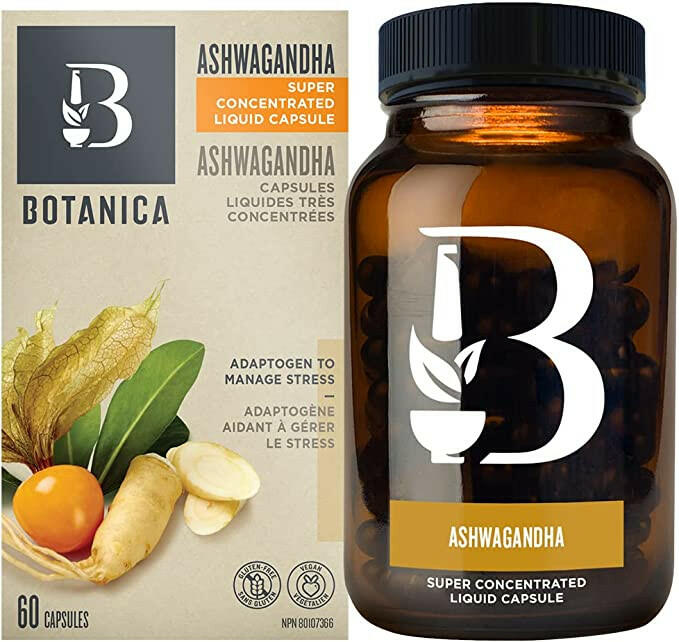
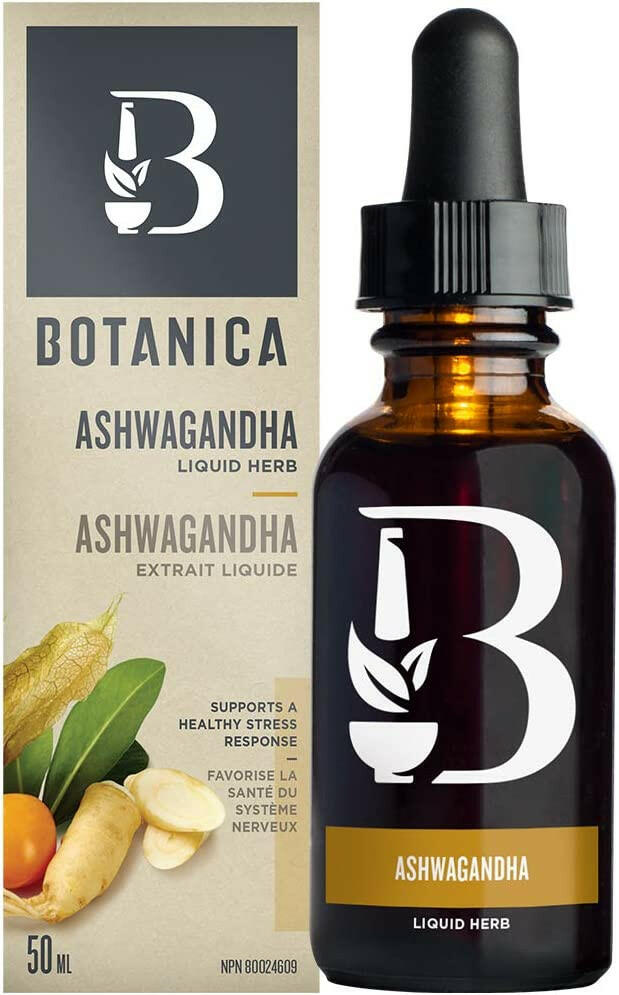
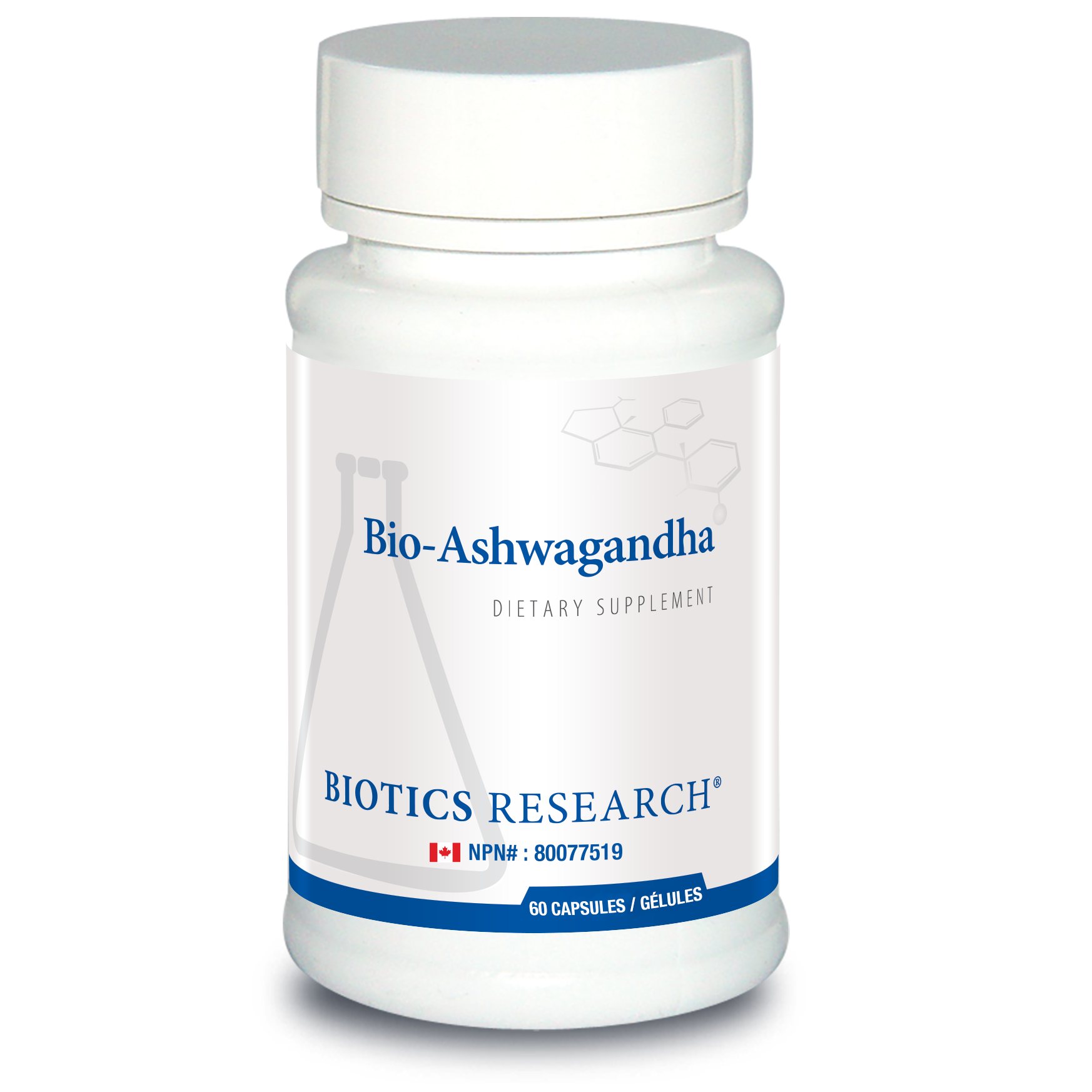
• Ashwagandha
• Rhodiola
• Holy basil
• Panax ginseng
• Eleuthero
Adaptogens are not interchangeable.
For example, ashwagandha is frequently used in stress and relaxation-oriented formulas, while rhodiola is often incorporated into fatigue and performance-oriented products.
They should not be presented as treatments for anxiety disorders, depression, adrenal disease, or chronic fatigue without appropriate clinical context.
Herbs for Sleep & Relaxation
Botanicals commonly incorporated into relaxation and evening formulas include:
• Valerian
• Passionflower
• Lemon balm
• Chamomile
• Lavender
Some have clinical research supporting selected relaxation or sleep-related applications, while evidence varies by preparation and outcome.
Herbal sleep products may cause drowsiness and can interact with alcohol, sedatives, and other medications.
Persistent insomnia deserves assessment of sleep habits, medications, stress, medical conditions, and possible sleep disorders.
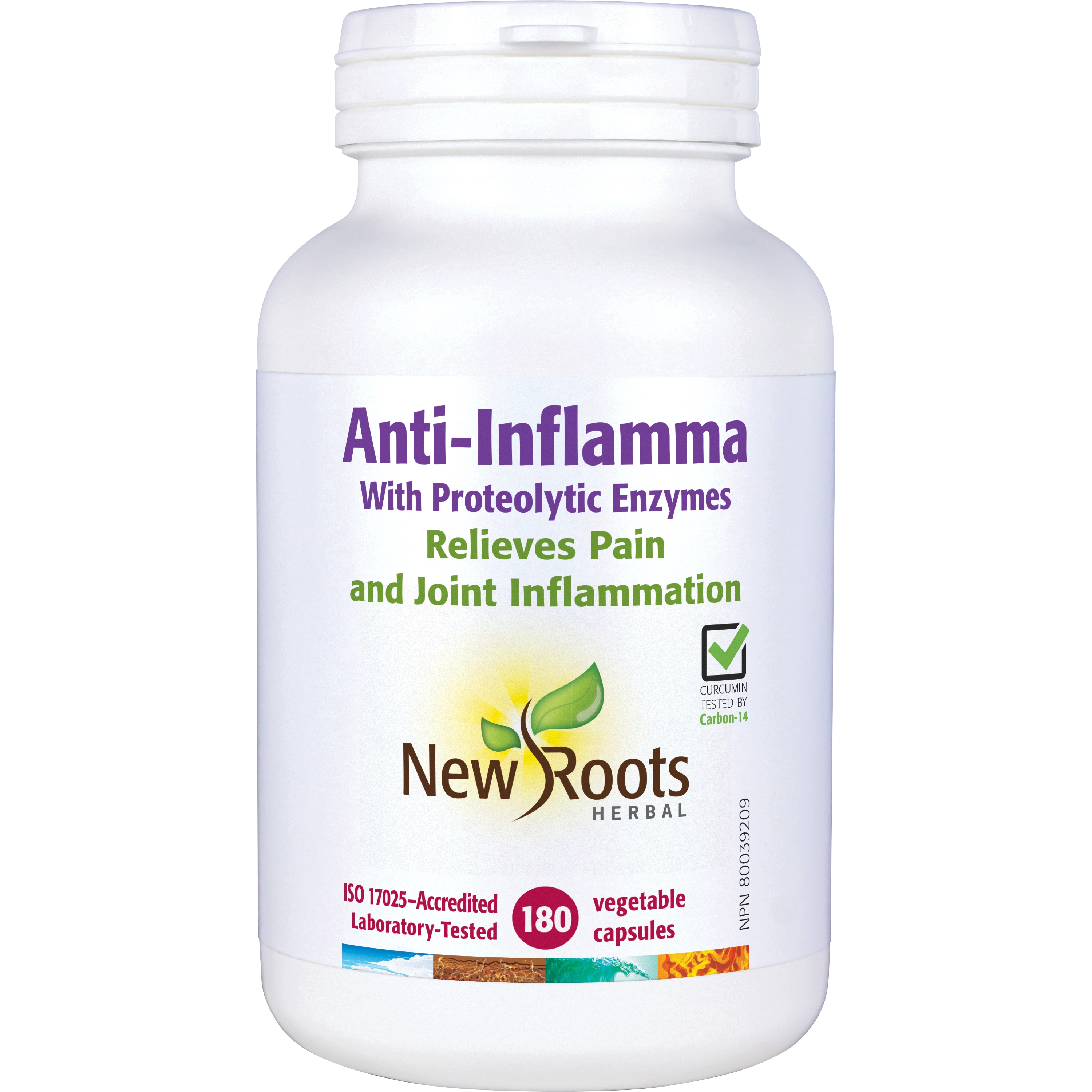
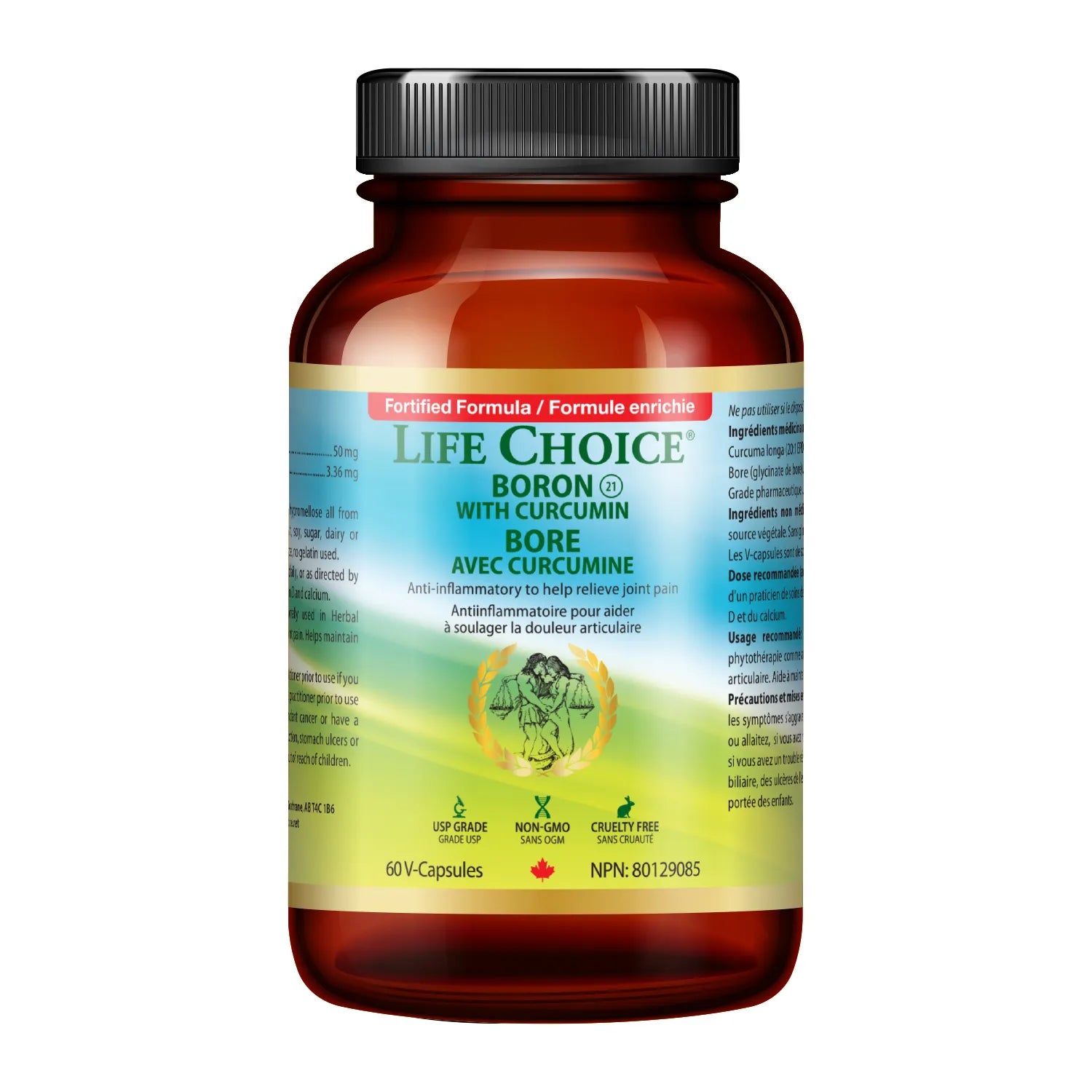
Turmeric & Curcumin
Turmeric (Curcuma longa) contains naturally occurring curcuminoids, including curcumin.
Curcumin has been extensively investigated for its effects on inflammatory signalling and antioxidant pathways, particularly in relation to joint health and other areas of wellness.
Bioavailability varies substantially among formulations, and some products use specialized delivery technologies.
Turmeric supplements should not be assumed to treat inflammatory diseases simply because curcumin influences inflammatory pathways.
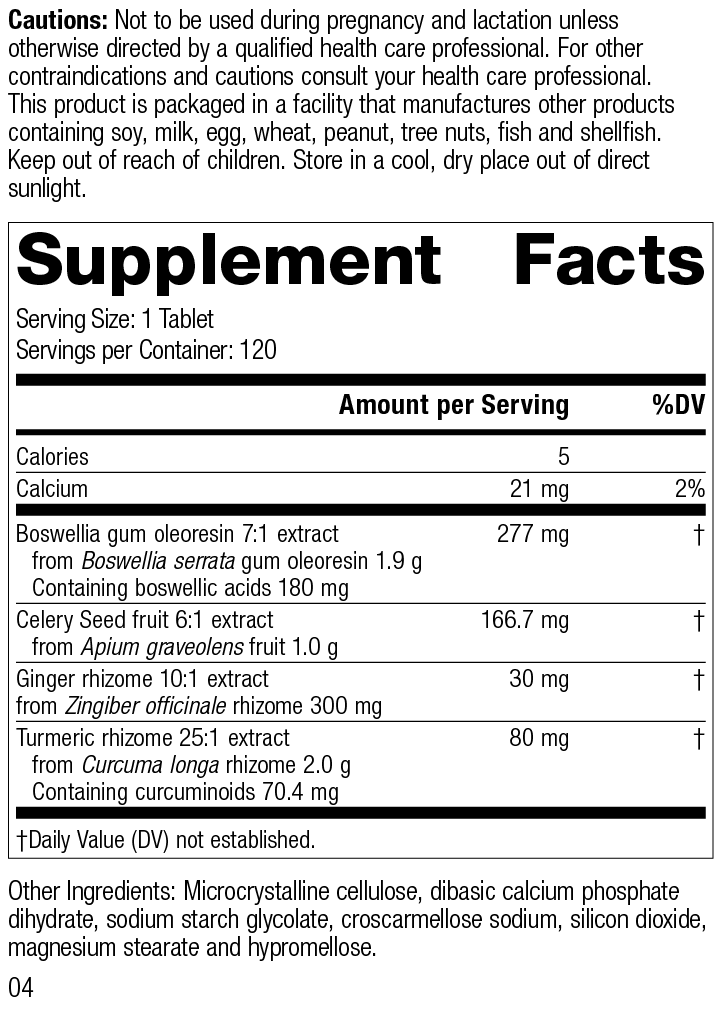
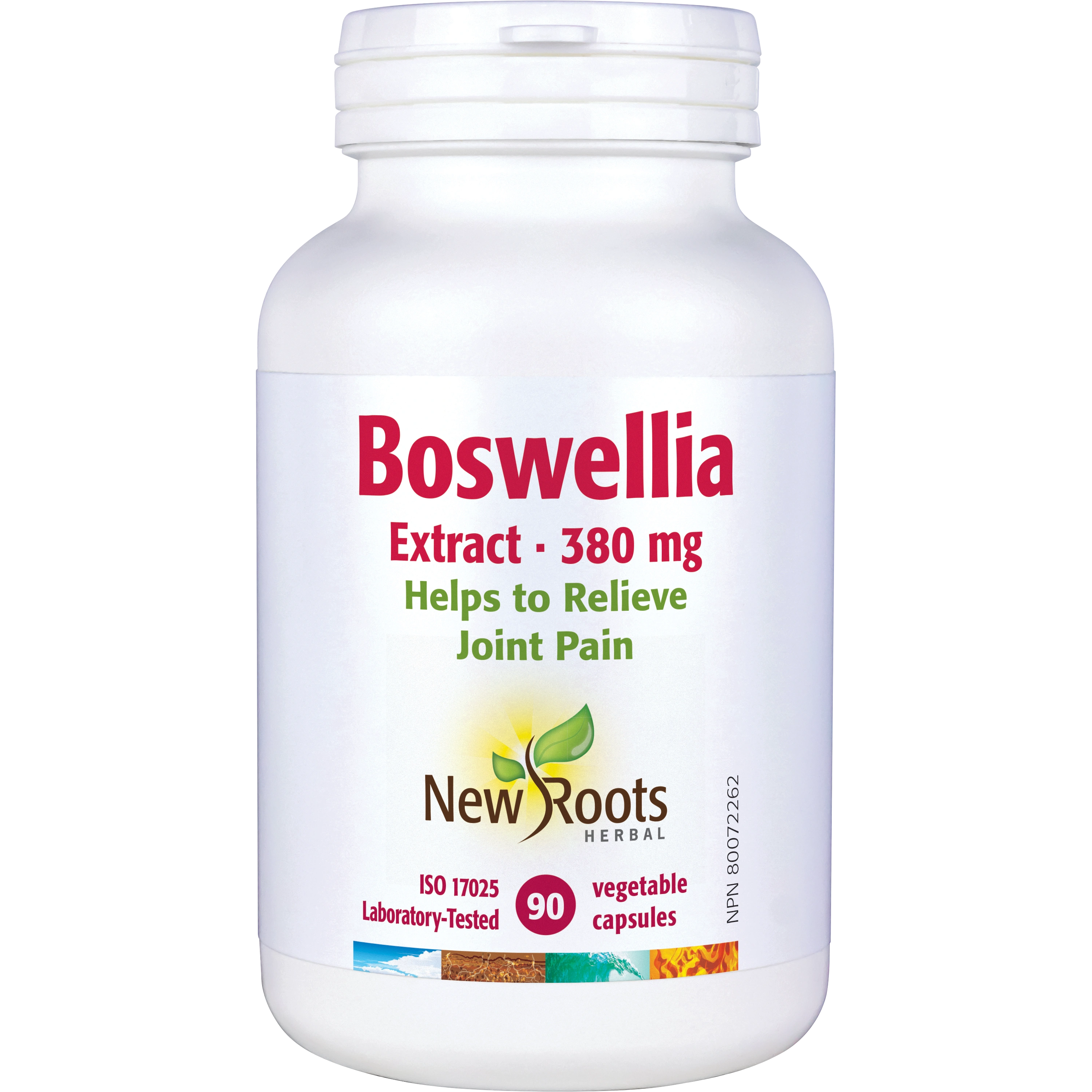
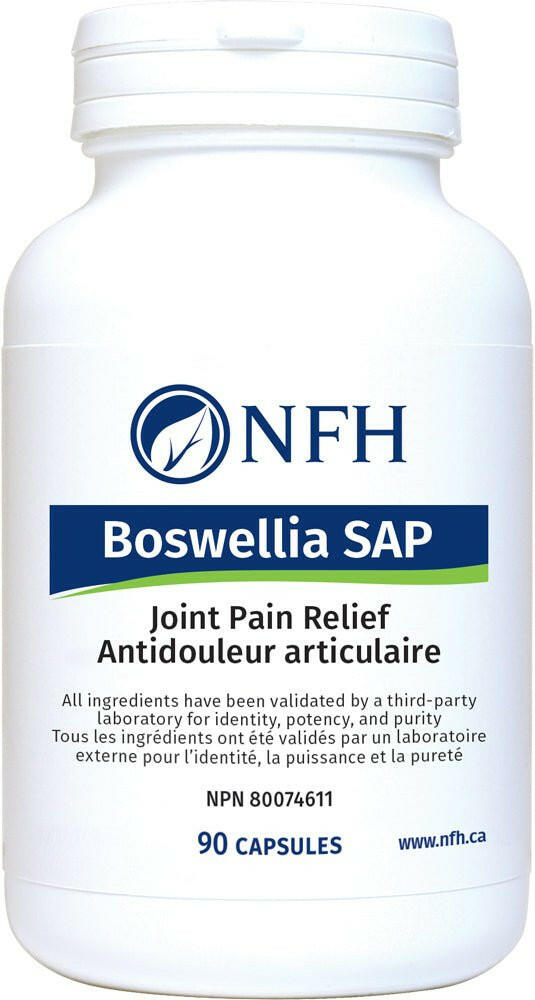
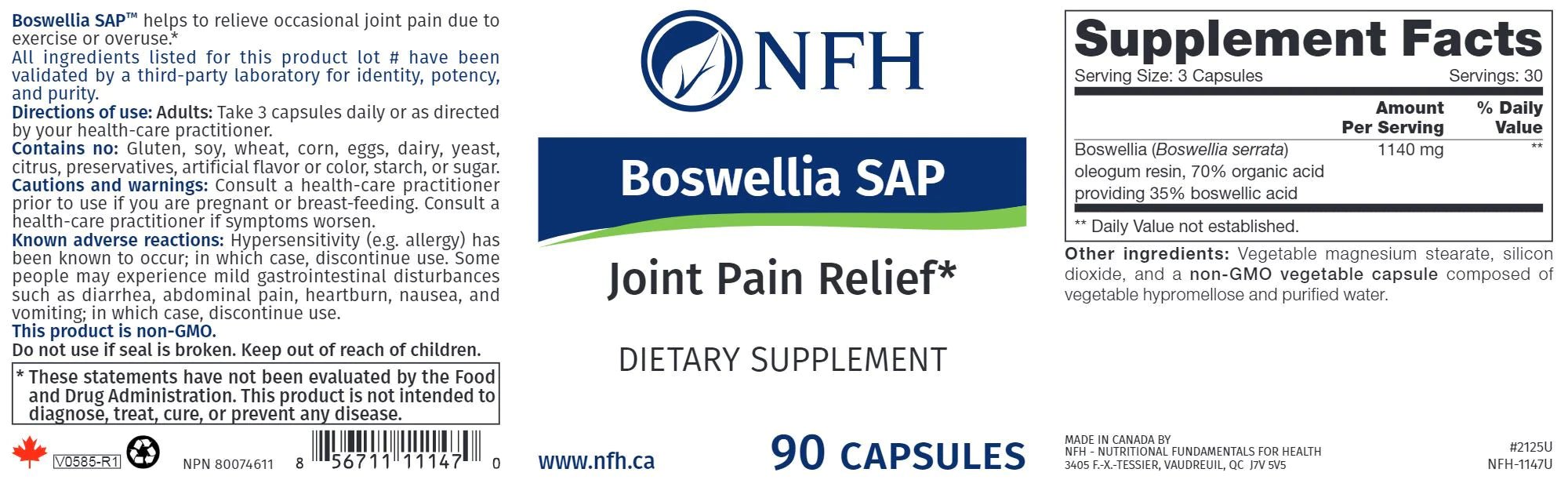
Boswellia & Joint Support
Boswellia extracts are derived from the resin of Boswellia species and contain compounds known as boswellic acids.
Standardized Boswellia preparations have been studied particularly in relation to joint comfort and function.
As with other botanical extracts, outcomes from research using a particular standardized preparation should not automatically be attributed to every Boswellia product.
Cognitive & Mood-Oriented Botanicals
Botanicals used in cognitive or emotional-wellness formulas may include:
• Bacopa
• Ginkgo
• Saffron
• Lemon balm
• Rhodiola
• Gotu kola
Evidence varies considerably according to the herb and intended outcome.
These products may complement general cognitive or emotional wellness but should not be represented as treatments for dementia, depression, anxiety disorders, ADHD, or other neurological or psychiatric conditions unless a specific authorized indication applies.
Liver & Digestive Support Herbs
Traditional liver-oriented formulas commonly contain:
• Milk thistle
• Dandelion
• Artichoke
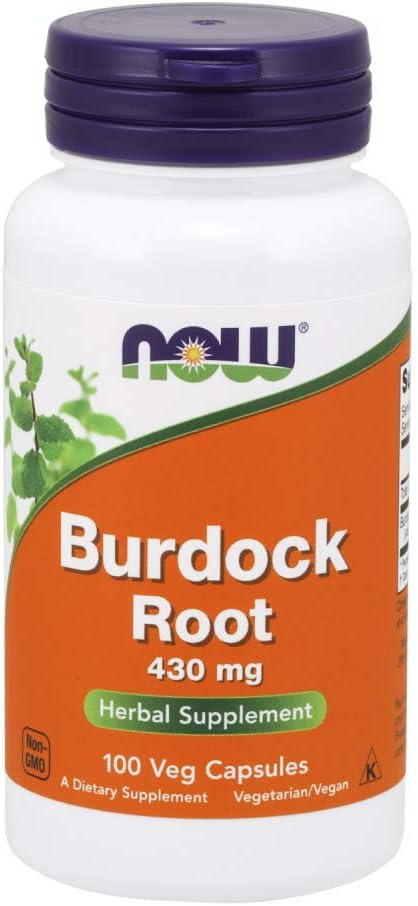
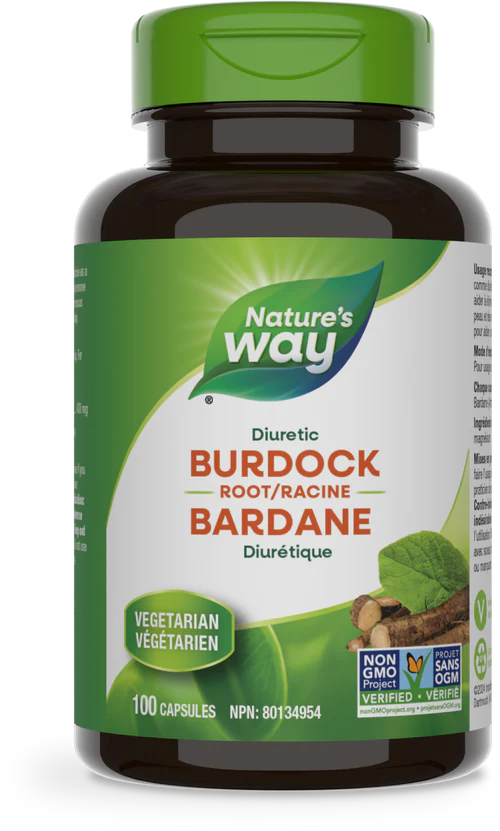
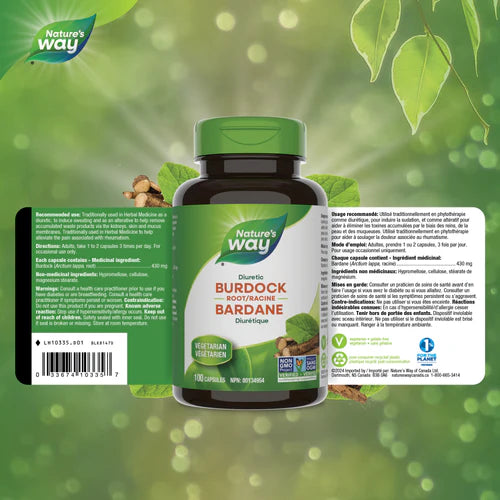
• Burdock
• Other bitter botanicals
Milk thistle, particularly its silymarin constituents, has been extensively investigated in liver-related research.
However, the liver already performs sophisticated metabolic and detoxification functions.
Herbal supplements do not literally “flush toxins” from the liver, and suspected liver disease requires medical evaluation.
Cardiovascular & Circulatory Botanicals
Herbs used in cardiovascular or circulatory wellness products may include:
• Hawthorn
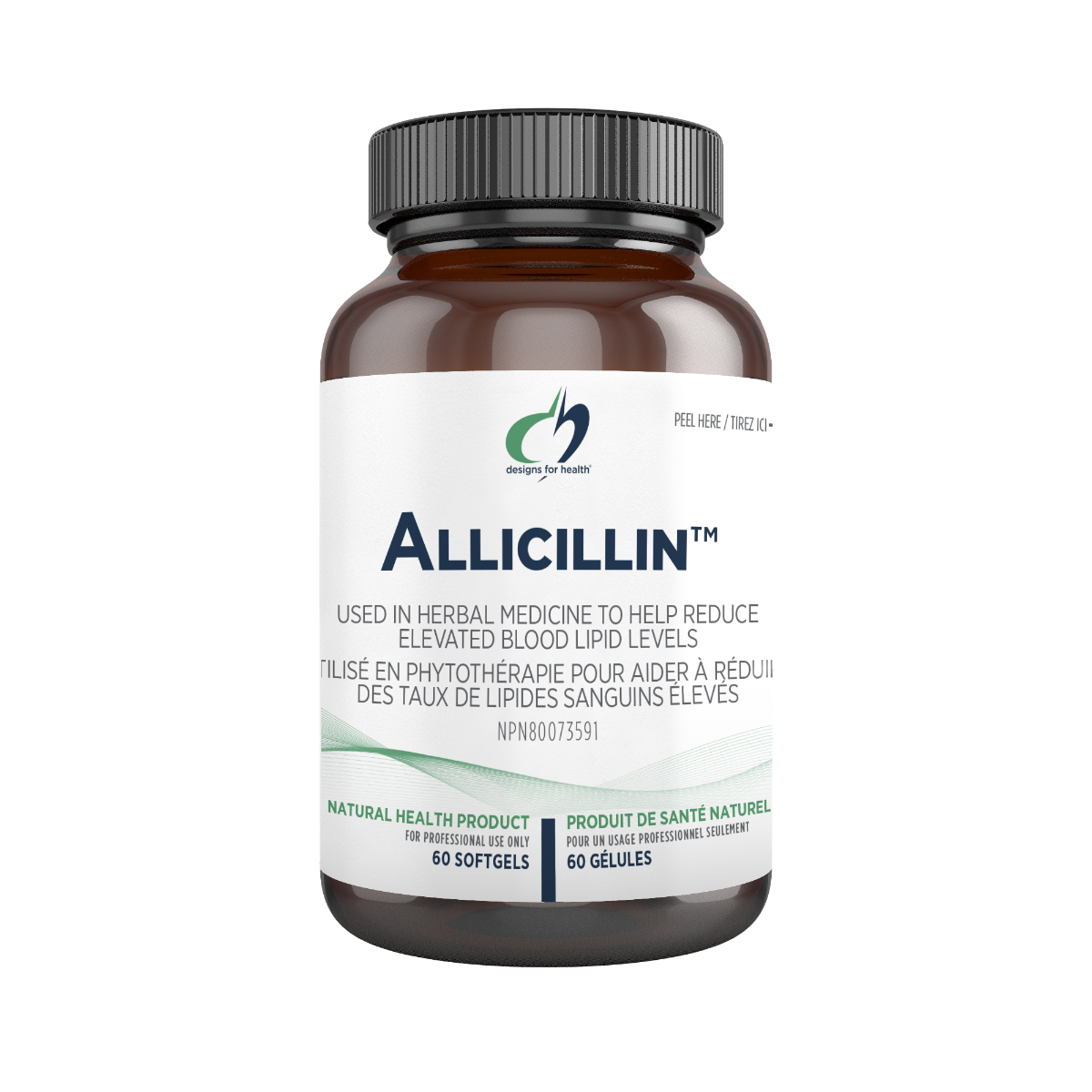
• Garlic
• Ginkgo
• Olive leaf
• Horse chestnut
Their mechanisms, evidence, and safety considerations differ considerably.
Some can affect blood pressure, platelet function, or medication activity, making professional guidance particularly important for people using cardiovascular medications or anticoagulants.
Women’s Health Botanicals
Botanical ingredients used in women’s wellness products may include:
• Chaste tree (Vitex)
• Black cohosh
• Dong quai
• Maca
• Ginger
Different products may target menstrual, menopausal, reproductive, or general wellness concerns.
Hormonal symptoms can have many causes, and botanical supplements should not delay appropriate assessment of abnormal bleeding, severe pelvic pain, fertility concerns, or other persistent symptoms.
Men’s Health Botanicals
Men’s wellness formulas may contain botanicals such as:
• Saw palmetto
• Maca
• Ashwagandha
• Fenugreek
• Tribulus
• Pygeum
Evidence varies by ingredient and outcome.
In particular, traditional use for male vitality should not automatically be interpreted as evidence that an herb reliably increases testosterone or treats erectile dysfunction, infertility, or prostate disease.
Metabolic Health Botanicals
Botanical ingredients studied in relation to metabolic health include:
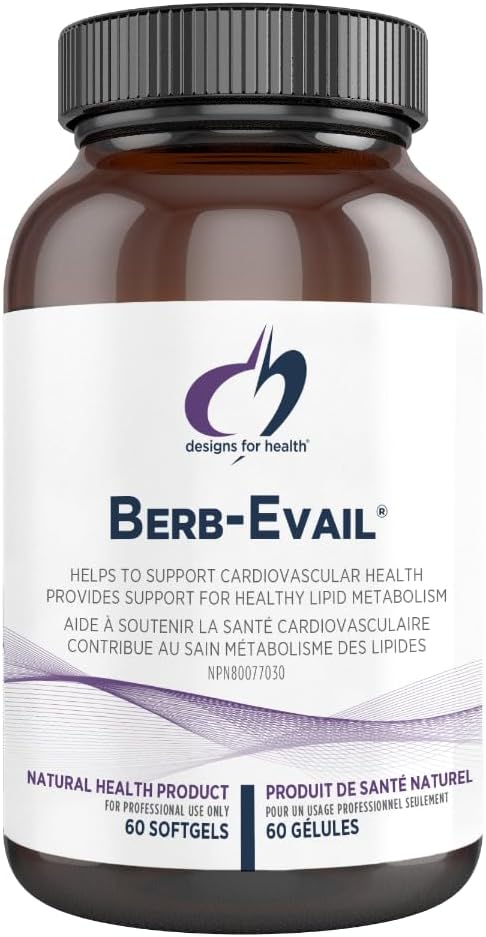
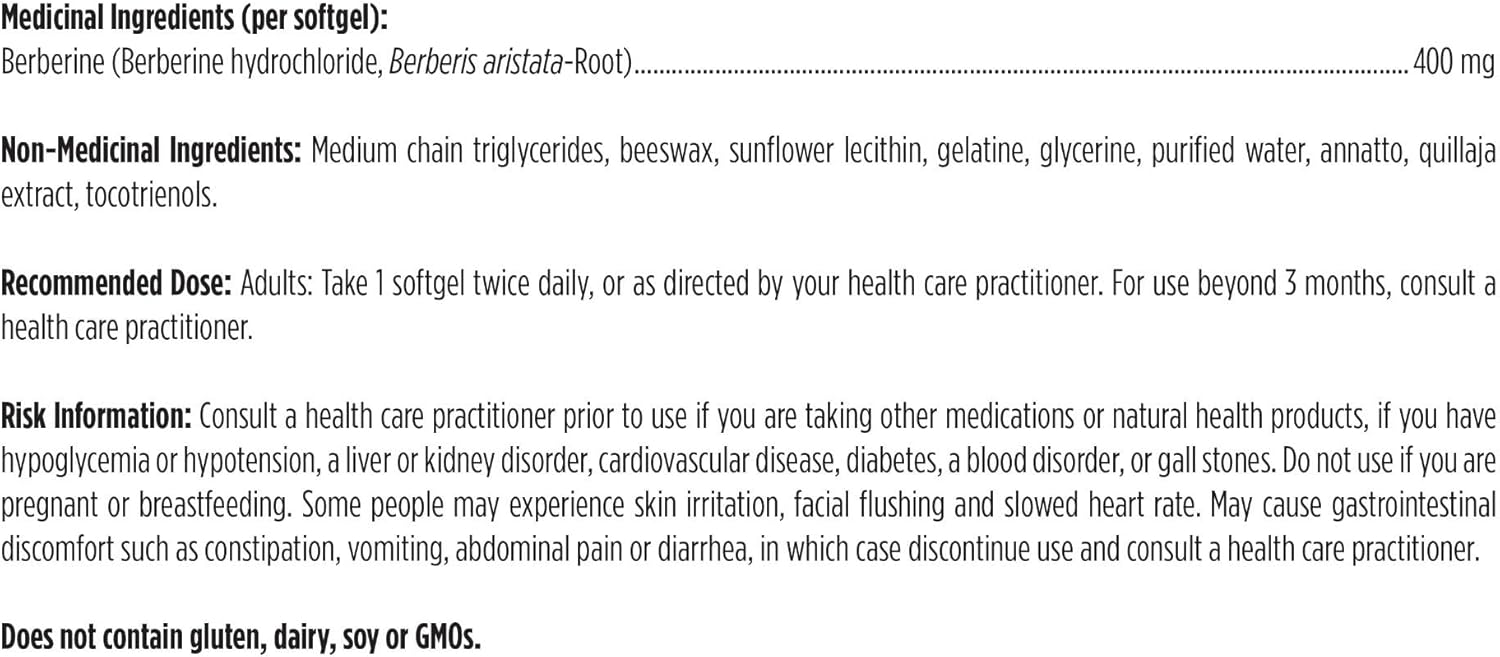
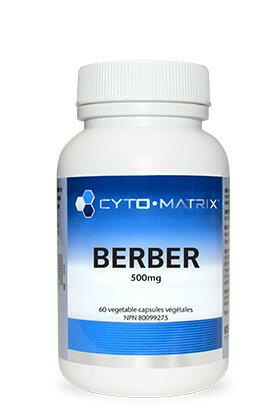
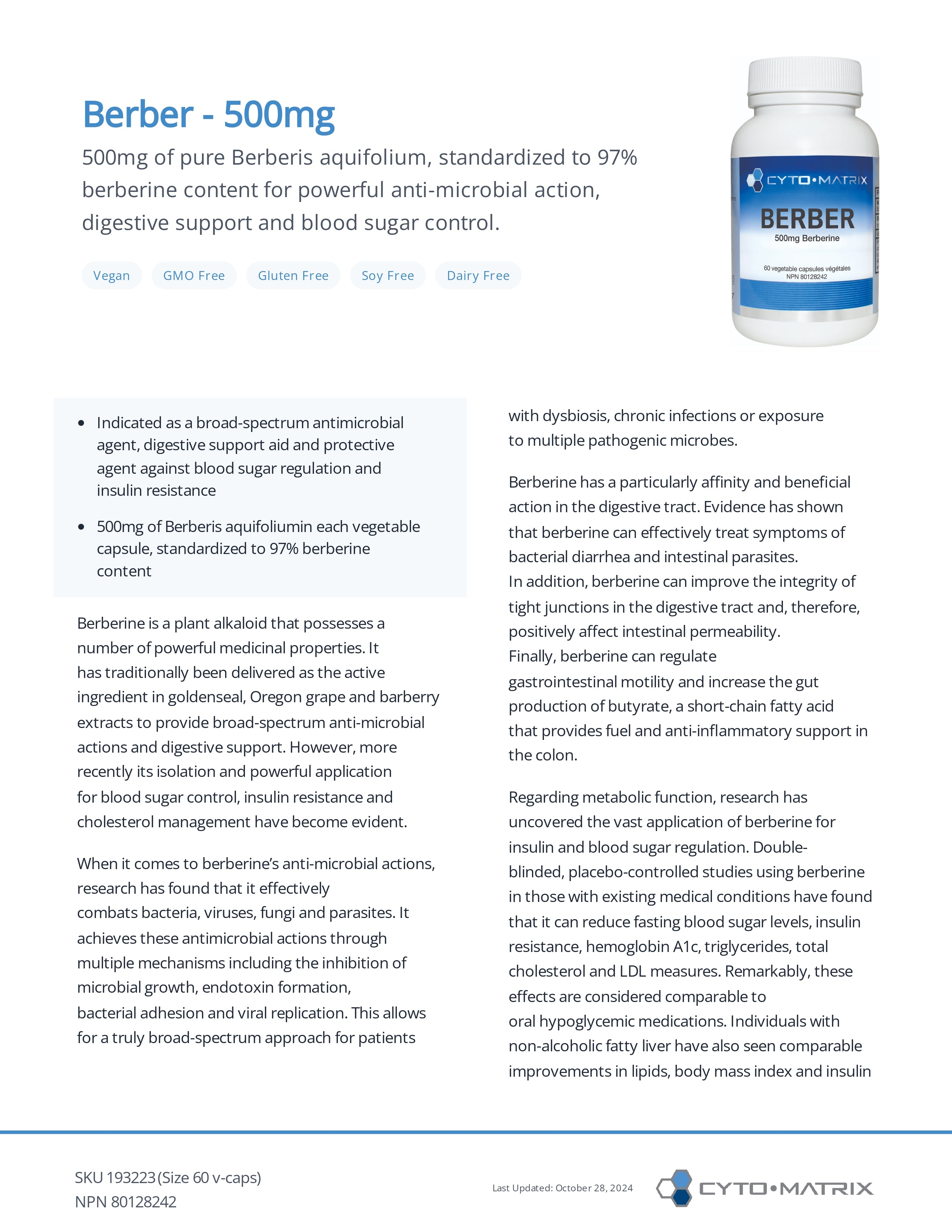
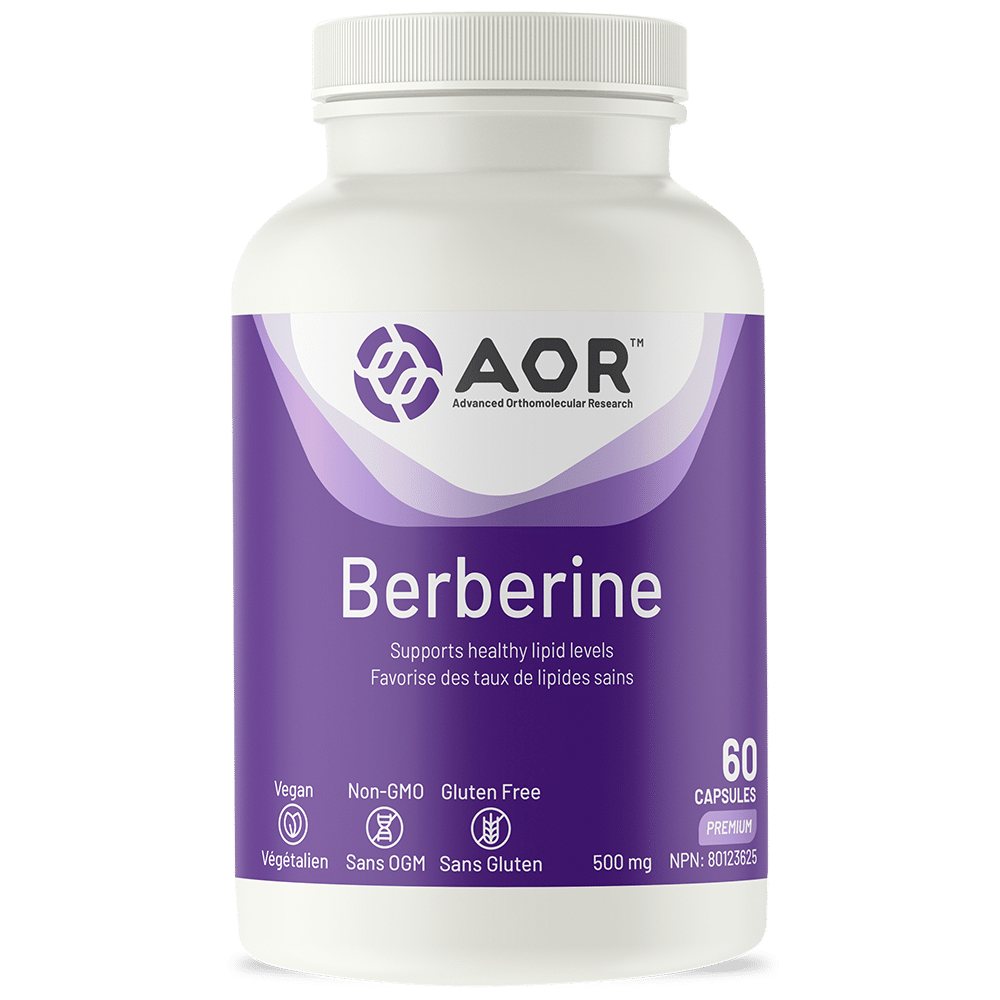
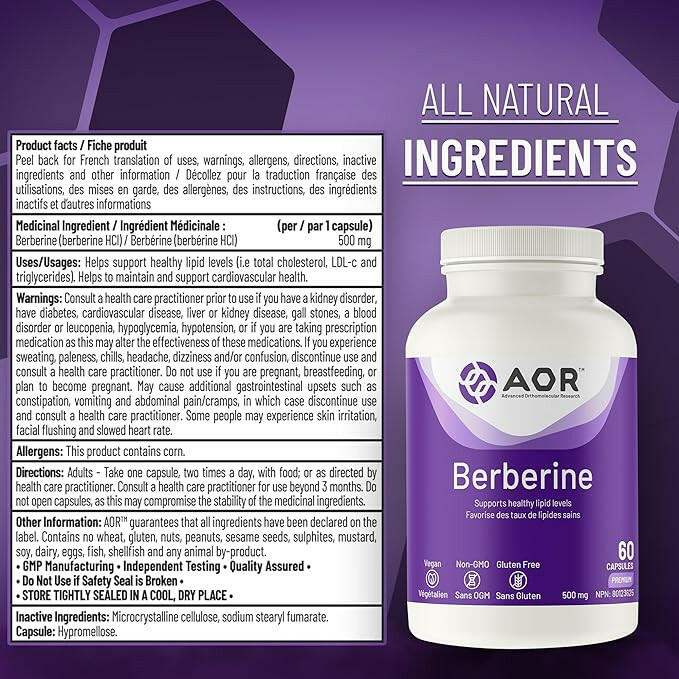
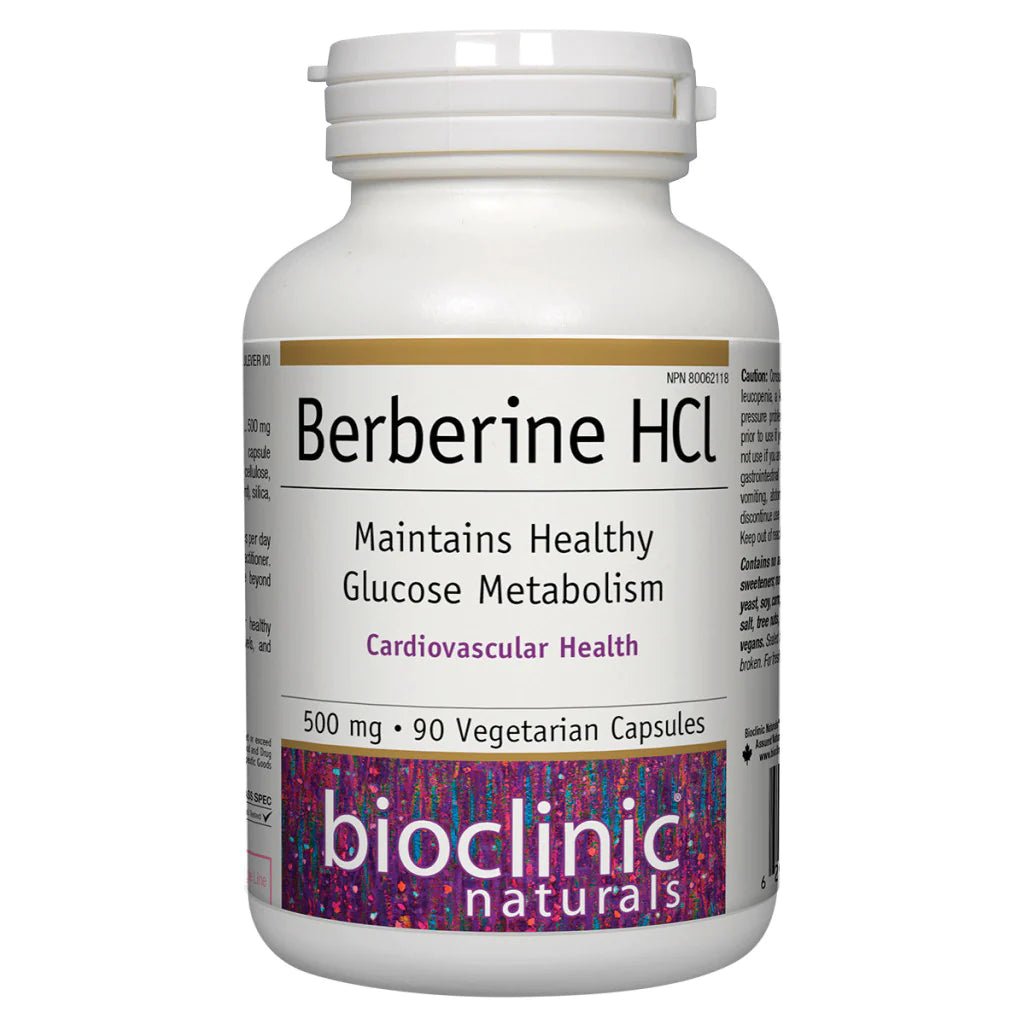
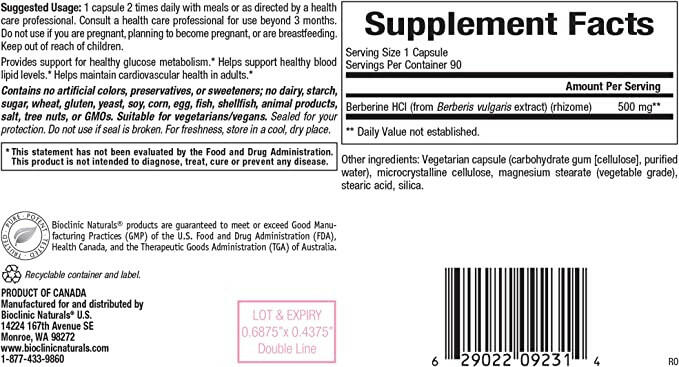
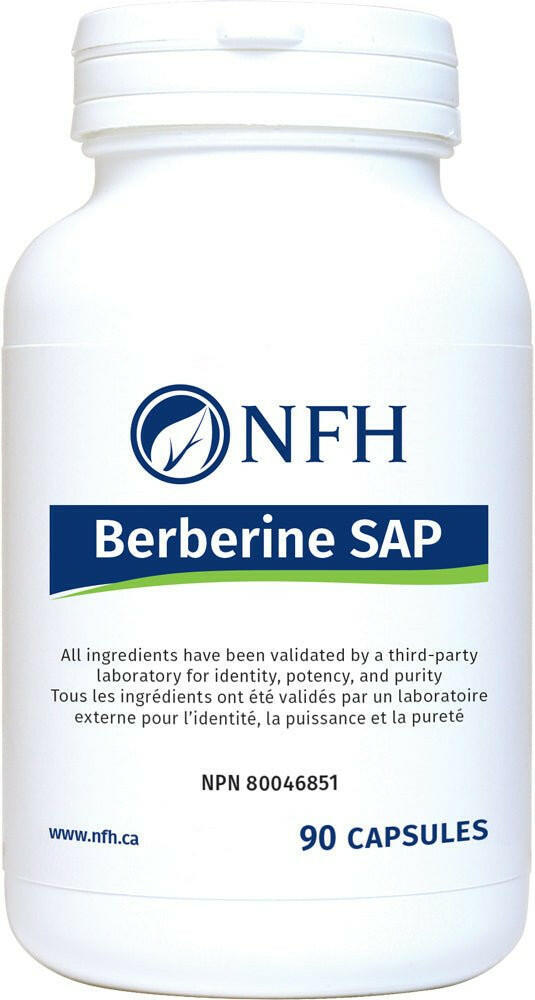
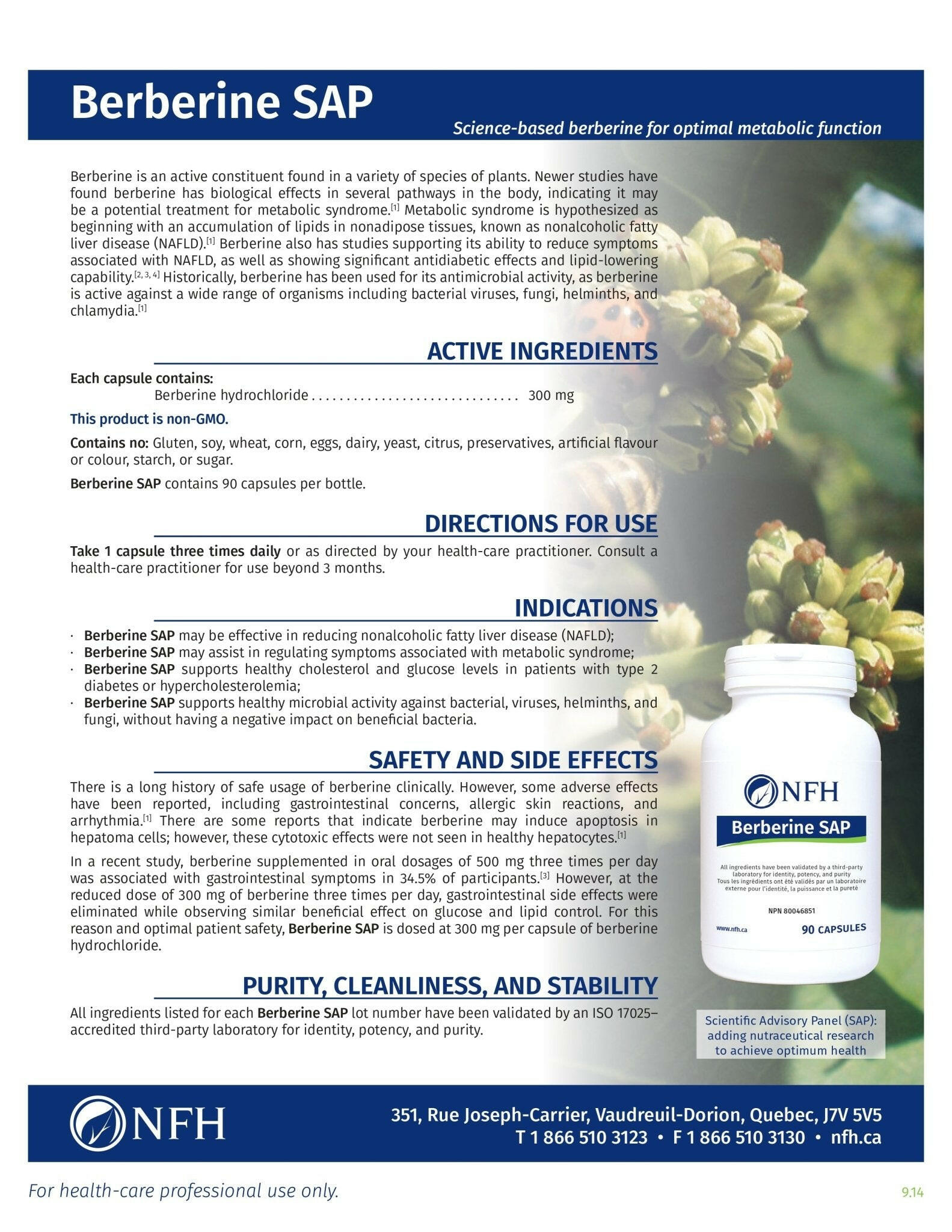
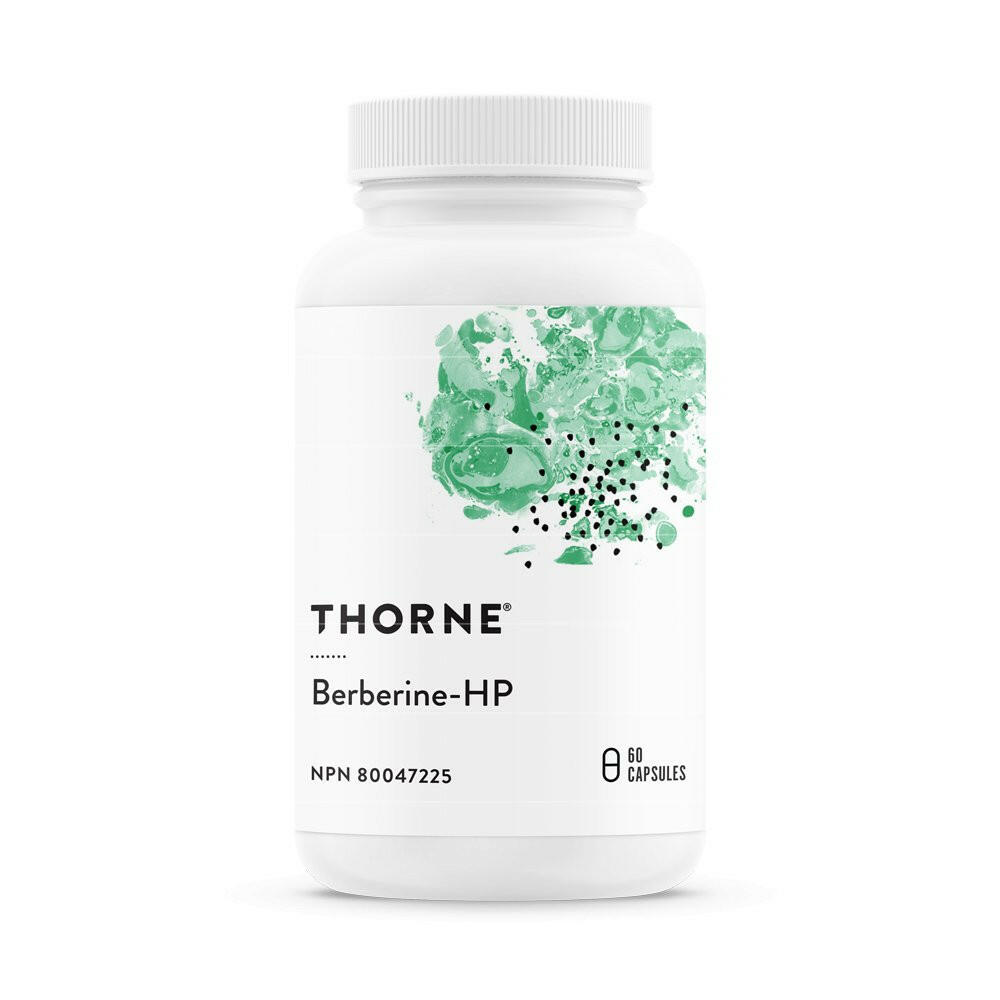
• Berberine
• Cinnamon
• Bitter melon
• Fenugreek
• Gymnema
Some of these ingredients can affect blood glucose and may interact with glucose-lowering medications.
People managing diabetes should not replace prescribed treatment with botanical supplements without guidance from their healthcare professional.
Herbal Antioxidants
Plants naturally contain numerous phytochemicals, including polyphenols, flavonoids, carotenoids, and other compounds with antioxidant activity.
Botanicals commonly promoted for antioxidant support include:
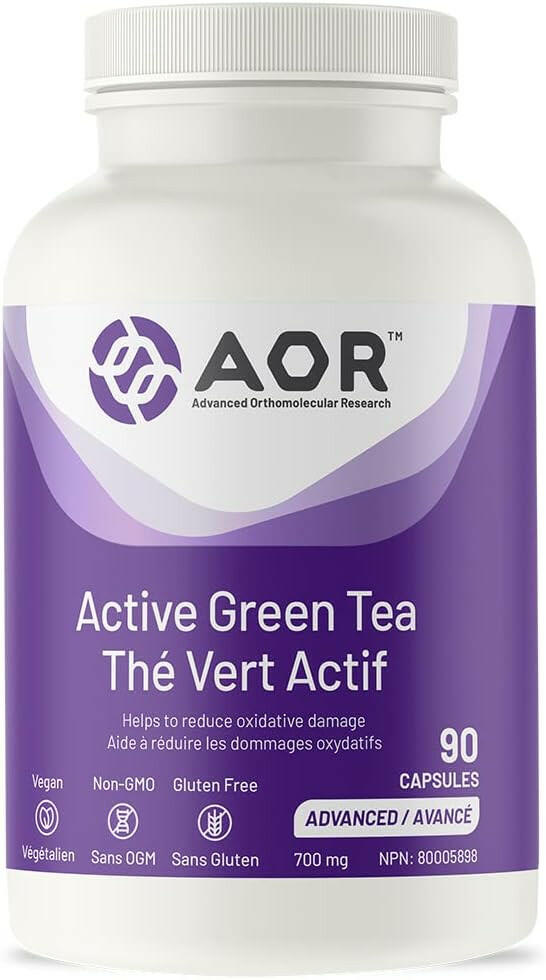
• Green tea
• Turmeric
• Milk thistle
• Grape seed
• Bilberry
• Rosemary
Antioxidants participate in complex biological systems. Higher-dose antioxidant supplementation is not automatically more beneficial than obtaining a diverse range of plant compounds through a balanced diet.
Common Botanical Supplement Formats
Capsules & Tablets
Convenient, pre-measured formats that may contain powders or concentrated extracts.
Tinctures & Liquid Extracts
Concentrated liquid preparations made using water, alcohol, glycerin, or other extraction systems.
Herbal Teas
Traditional preparations that extract water-soluble constituents from herbs.
Powders
May contain whole or milled plant material and can sometimes be mixed into foods or beverages.
Standardized Extracts
Formulated to provide a specified concentration of selected botanical constituents.
The most appropriate format depends on the herb, formulation, intended use, and individual preference.
Choosing a Quality Herbal Supplement
When comparing botanical products, look beyond claims such as “premium” or “natural.”
Useful information can include:
• Full botanical name
• Plant part used
• Extract ratio or concentration
• Standardized constituents when relevant
• Dose per serving
• Other active ingredients
• Appropriate quality testing
• Clear manufacturer information
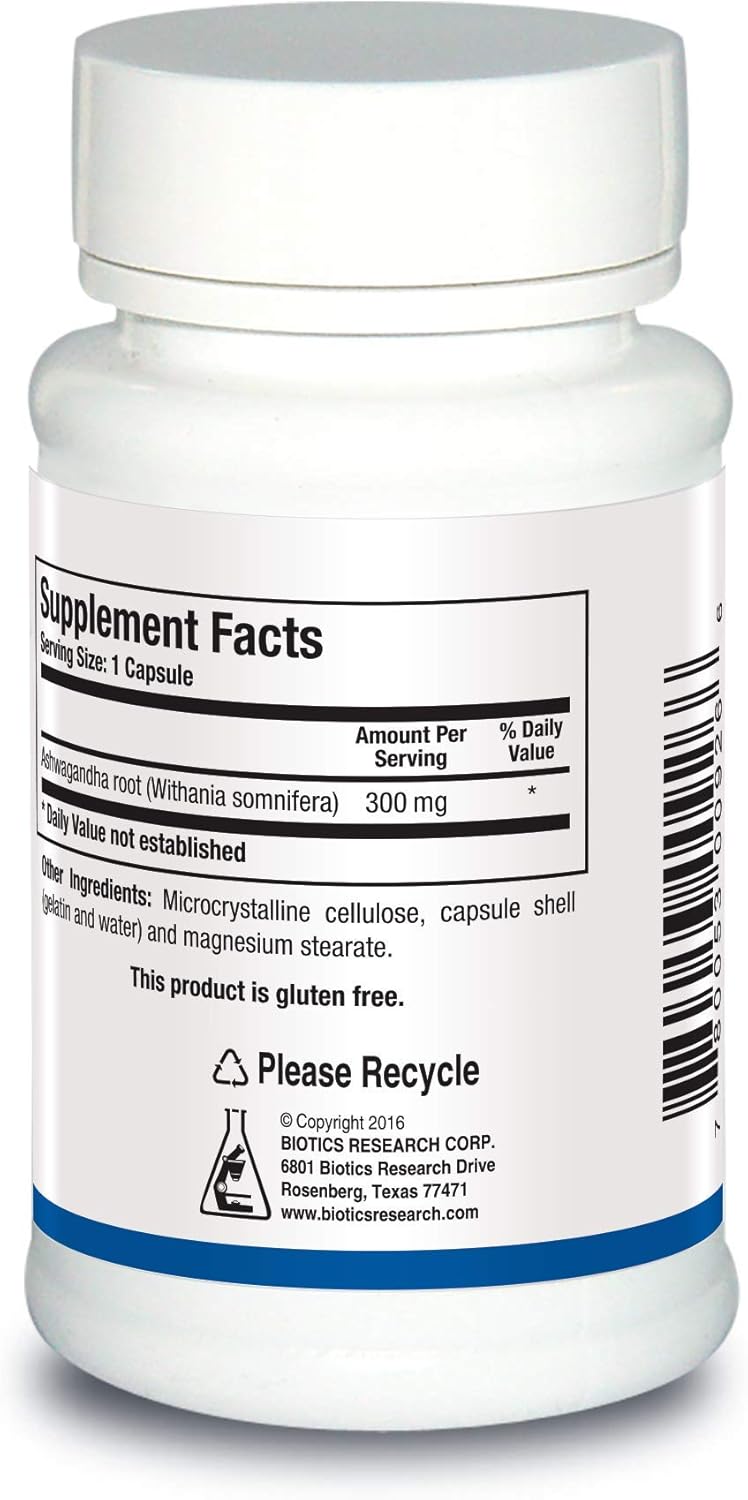
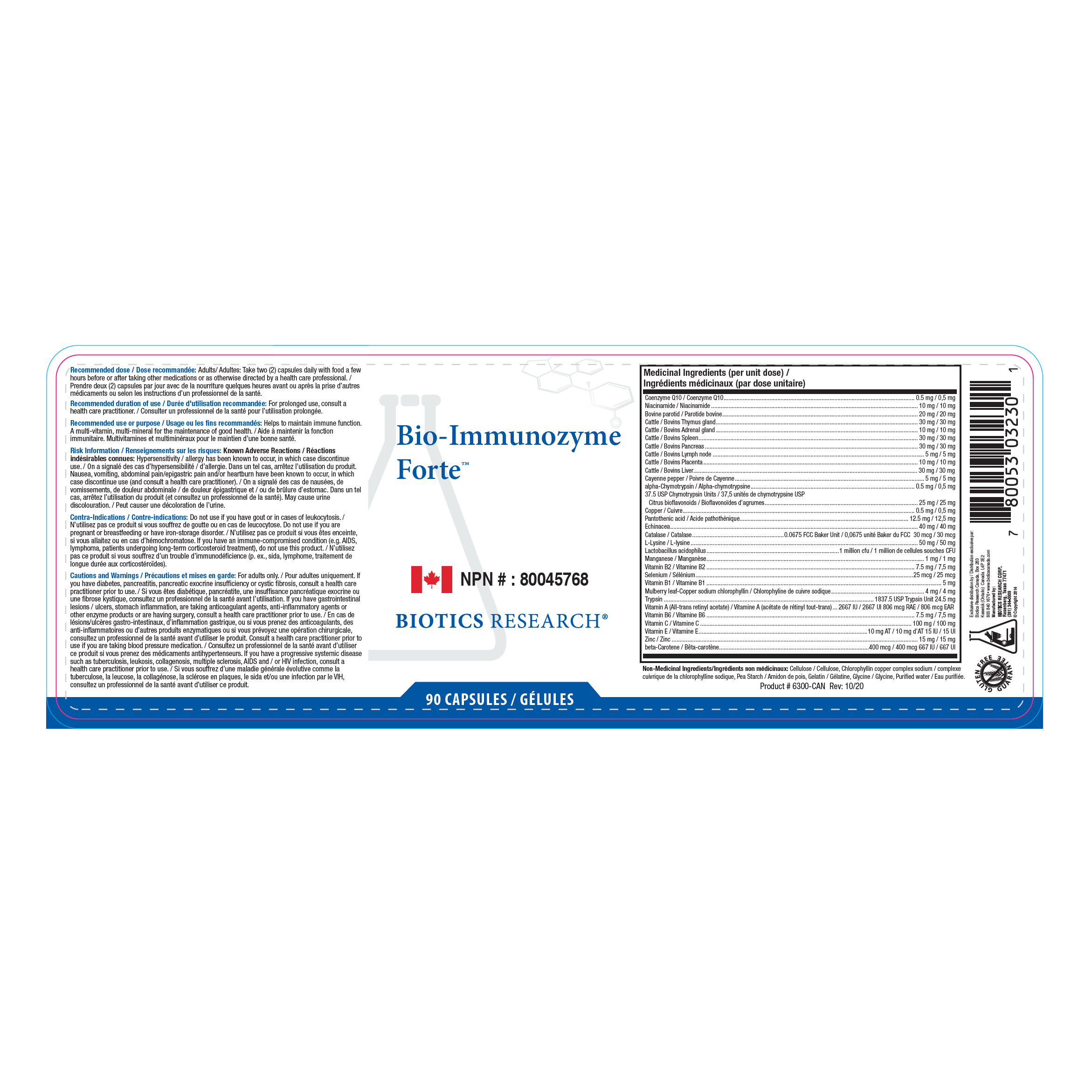
• Canadian Natural Product Number (NPN), where applicable
Species identification is particularly important because different plants may share similar common names.
Herbal Supplements & Medications
Botanical ingredients can have clinically important interactions with medications.
Examples can include herbs that affect:
• Blood clotting
• Blood pressure
• Blood glucose
• Sedation
• Liver drug-metabolizing enzymes
• Immune function
• Hormonal pathways
• Medication absorption
People taking prescription medications should therefore review relevant interactions before adding concentrated herbal products.
Pregnancy & Breastfeeding
“Natural” does not automatically mean appropriate during pregnancy or breastfeeding.
Some herbs may affect:
• Uterine activity
• Hormonal pathways
• Blood pressure
• Blood glucose
• Medication metabolism
• Fetal or infant exposure
Pregnant or breastfeeding individuals should use botanical supplements only when the specific product and ingredient are considered appropriate.
Herbal Safety & Responsible Use
Use botanical supplements according to their labelled directions.
Extra caution is appropriate for people who:
• Take prescription medications
• Have liver or kidney disease
• Have bleeding disorders
• Use anticoagulant or antiplatelet medication
• Have hormone-sensitive conditions
• Have diabetes or low blood pressure
• Are preparing for surgery
• Are pregnant or breastfeeding
• Are giving herbal products to children
• Have known plant allergies
Adverse effects can occur even with widely used herbs.
FAQs
What are medicinal herbs?
Medicinal herbs are plants or plant-derived preparations traditionally or clinically used for particular health and wellness purposes.
Are herbal and botanical supplements the same thing?
The terms overlap substantially. “Botanical” is a broader term for plant-derived ingredients, while “herbal” commonly refers to plants used within traditional or modern herbal medicine.
Are herbal supplements scientifically proven?
Evidence varies greatly. Some botanicals have substantial human research, while others are supported mainly by preliminary studies or traditional use.
Are herbal supplements safer than medications?
Not necessarily. Botanical products can cause side effects, allergies, toxicity, and medication interactions. Safety depends on the specific ingredient, dose, preparation, and individual.
What does a standardized herbal extract mean?
It generally means the product has been manufactured to provide a specified amount of one or more selected botanical constituents.
Can I take several herbs together?
Sometimes, but combining products can increase the possibility of duplicated ingredients, side effects, or interactions. Evaluate the complete regimen rather than each supplement separately.
Can herbal supplements interact with prescription medications?
Yes. Some interactions can be clinically significant, particularly with blood thinners, sedatives, diabetes medications, blood-pressure drugs, immunosuppressants, and other medicines.
Are herbs safe during pregnancy?
Not all herbs are appropriate during pregnancy or breastfeeding. Check the safety of the specific botanical and product before use.
Do liver-support herbs detox the body?
The liver naturally performs metabolic and detoxification functions. Certain botanicals may support aspects of normal liver physiology, but supplements should not be described as literally flushing toxins from the body.
How do I choose a high-quality botanical supplement?
Look for clear species identification, plant part, extract information, appropriate dosing, transparent labelling, reputable manufacturing, and an NPN for applicable Canadian natural health products.
Why Shop Medicinal Herbs & Herbal Botanicals at Coal Harbour Pharmacy?
• Pharmacist-curated botanical and herbal supplements
• Traditional herbs and evidence-informed standardized extracts
• Capsules, tinctures, teas, powders, and liquid formulations
• Single-herb and comprehensive botanical formulas
• Trusted Canadian, international, and professional brands
• Fast Canada-wide shipping
Related Collections
────────────────────────────────────
Shop Medicinal Herbs & Herbal Botanicals →
Sort by
299 products














FREE STANDARD SHIPPING
Satisfied or refunded
Top-notch support
Secure payments
Encrypted checkout processing
Offers exclude prescriptions and in-store purchases.
Subscribe & Get a First-Order Reward
Plus, earning reward points on eligible online purchases and enjoy future store credit.
We respect your inbox at Coal Harbour Pharmacy - Expect thoughtfully curated health and wellness updates, timely reminders, and exclusive online savings.