
Mental & Physical Fatigue – Energy, Focus & Performance Support
Explore pharmacist-curated supplements for mental and physical fatigue, with nutrients and botanicals selected to support normal energy metabolism, cognitive performance, stress resilience, exercise recovery, and everyday vitality.
────────────────────────────────────
About Mental & Physical Fatigue
Fatigue is a feeling of reduced physical or mental energy that can affect concentration, motivation, exercise performance, productivity, and everyday functioning.
Occasional fatigue can follow inadequate sleep, demanding work, travel, psychological stress, intense exercise, or recovery from illness. Persistent or unexplained fatigue, however, can have many potential causes and should not automatically be treated as a nutritional problem.
The Mental & Physical Fatigue collection at Coal Harbour Pharmacy includes B vitamins, magnesium, CoQ10, amino acids, electrolytes, omega-3s, adaptogenic herbs, and other targeted nutritional formulas designed to complement healthy sleep, nutrition, hydration, stress management, and recovery.
Supplements may support physiological processes involved in energy production and performance, but they do not literally create energy unless they provide calories, nor can they correct every underlying cause of fatigue.
Key Benefits
Depending on the individual product and ingredients, fatigue-support supplements may:
• Support normal cellular energy metabolism
• Help meet nutritional requirements for vitamins and minerals involved in energy-producing pathways
• Support cognitive performance during demanding periods
• Complement stress-management strategies
• Support normal muscle and nervous-system function
• Help maintain hydration and electrolyte balance during physical activity
• Support exercise performance and recovery
• Provide nutritional support during periods of increased physical or mental demand
• Offer non-stimulant alternatives for people who do not want caffeine-based energy products
Benefits depend on the cause of fatigue, nutritional status, formulation, dose, sleep, lifestyle, and individual health circumstances.
Who It’s Ideal For
This collection may be useful for:
• Adults experiencing occasional mental tiredness
• People managing demanding work or study periods
• Active adults experiencing exercise-related fatigue
• Travellers dealing with temporary schedule disruption
• Individuals looking for non-stimulant energy support
• People seeking nutritional support during periods of increased physical demand
• Adults interested in adaptogenic or stress-support formulas
• Individuals looking for nutrients involved in normal energy metabolism
Persistent, severe, recurrent, or unexplained fatigue deserves appropriate healthcare assessment.
Understanding Mental vs Physical Fatigue
Mental and physical fatigue overlap, but they are not identical.
Mental fatigue may involve:
• Reduced concentration
• Slower cognitive performance
• Difficulty sustaining attention
• Reduced motivation
• Subjective brain fog
• Mental exhaustion
Physical fatigue may involve:
• Reduced exercise capacity
• Muscle tiredness
• Perceived lack of physical energy
• Reduced stamina
• Slower recovery
• General physical exhaustion
Understanding which type predominates can help guide a more appropriate approach.
Common Causes of Fatigue
Fatigue is a symptom rather than a single condition.
Potential contributors include:
• Insufficient or poor-quality sleep
• Stress
• Excessive workload
• Inadequate calorie intake
• Nutritional deficiencies
• Dehydration
• Intense exercise or inadequate recovery
• Jet lag or shift work
• Alcohol or substance use
• Medication side effects
• Iron-deficiency anemia
• Vitamin B12 deficiency
• Thyroid disorders
• Sleep apnea
• Infection or post-viral symptoms
• Diabetes and other metabolic conditions
• Cardiovascular conditions
• Depression or other mental-health conditions
Because the causes are so diverse, supplementation should not be used to indefinitely mask persistent fatigue.
Energy Metabolism
Cells convert energy from carbohydrates, fats, and proteins into forms the body can use, particularly ATP.
Many micronutrients participate as cofactors in these metabolic pathways.
These include several:
• B vitamins
• Magnesium-dependent enzymes
• Iron-containing proteins
• Other essential nutrients
When a deficiency is present, restoring adequate nutrient status can improve normal physiological function.
When nutrient status is already adequate, taking increasingly large amounts does not necessarily create additional energy.
B-Complex Vitamins
B vitamins contribute to numerous processes involved in:
• Energy metabolism
• Nervous-system function
• Red blood cell formation
• Amino-acid metabolism
• DNA synthesis and other cellular processes
B-complex supplements may help meet nutritional requirements, particularly when diet, absorption, medication use, or other factors affect status.
However, B vitamins are not stimulants and do not automatically increase energy in someone whose intake and status are already sufficient.
Vitamin B12
Vitamin B12 is required for normal red blood cell formation, neurological function, and DNA synthesis.
Risk of inadequate B12 status may be greater in:
• Vegans
• Some vegetarians
• Older adults
• People with certain gastrointestinal conditions
• Individuals taking particular medications
• People with impaired B12 absorption
Vitamin B12 deficiency can contribute to fatigue and neurological symptoms, but fatigue alone does not establish B12 deficiency.
Iron & Fatigue
Iron is required for hemoglobin formation and oxygen transport.
Iron deficiency—with or without anemia—can contribute to fatigue, reduced exercise tolerance, weakness, and other symptoms.
People at increased risk can include those with:
• Heavy menstrual bleeding
• Low dietary iron intake
• Gastrointestinal blood loss
• Pregnancy
• Certain digestive disorders
Iron should not routinely be taken for unexplained fatigue without considering whether deficiency is actually present.
Laboratory assessment can help guide appropriate supplementation.
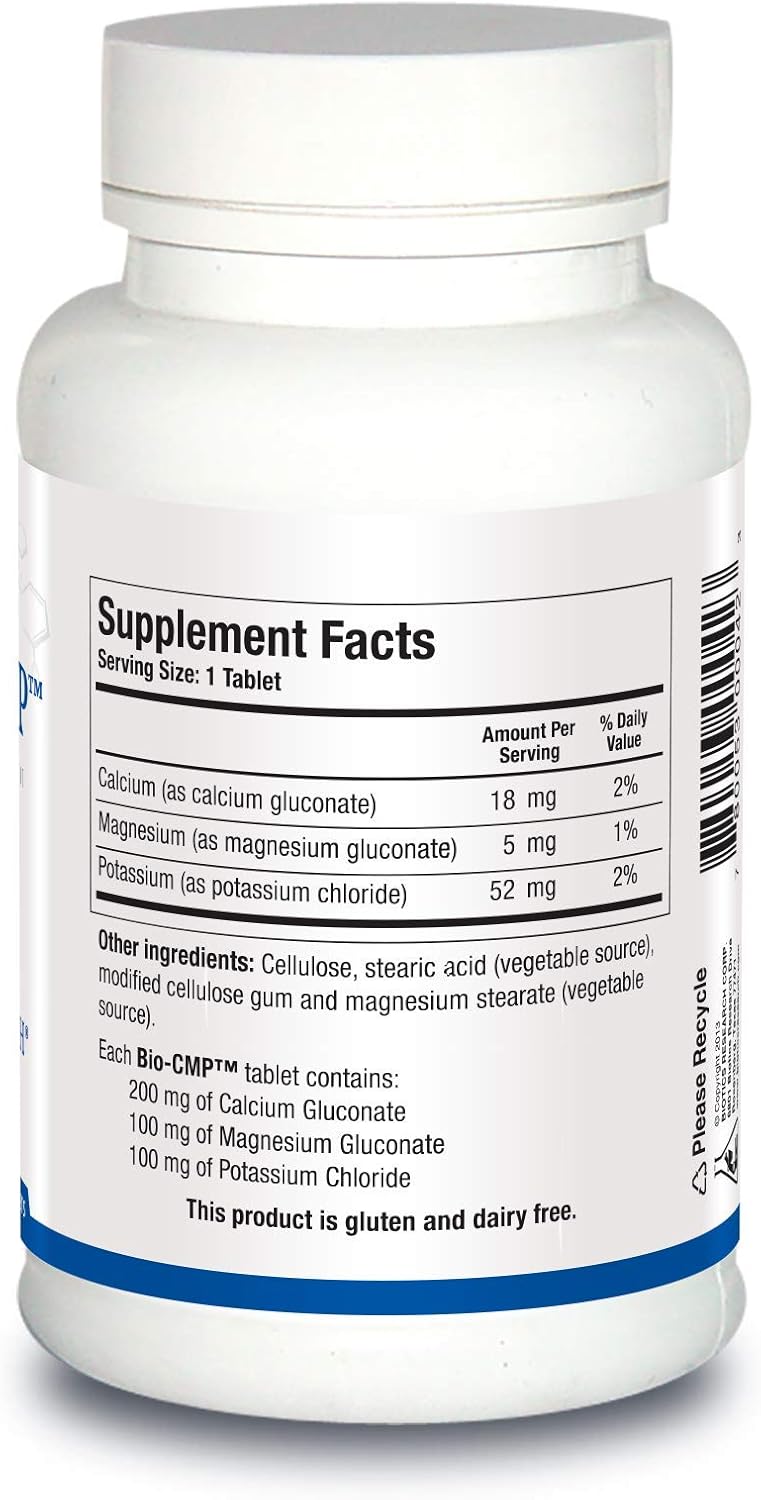
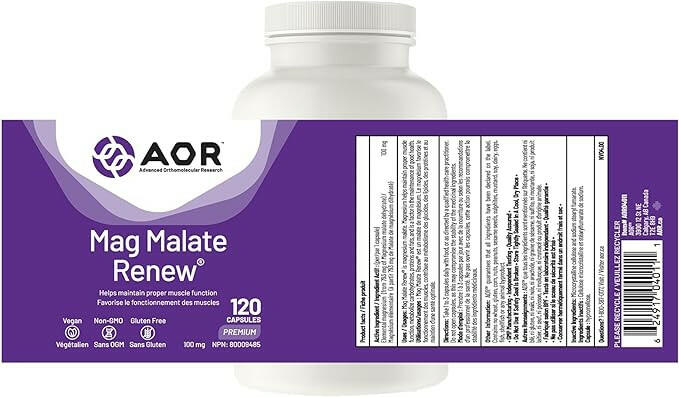
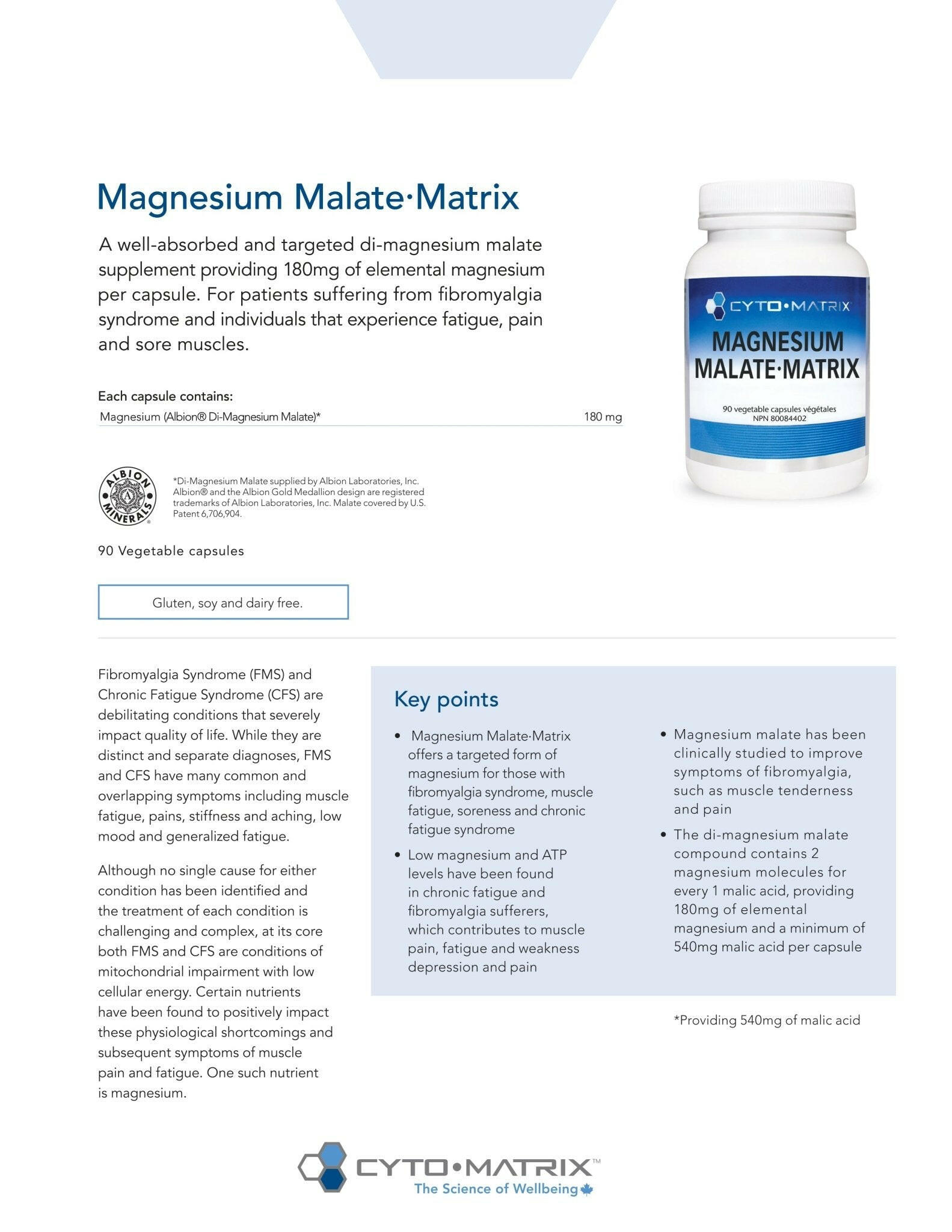
Magnesium
Magnesium participates in hundreds of enzymatic reactions and contributes to normal:
• Energy metabolism
• Muscle function
• Nervous-system function
• Electrolyte balance
• Protein synthesis
Magnesium supplementation may be appropriate when intake is inadequate or when there is another specific reason for supplementation.
It should not, however, be described as a universal treatment for fatigue.
CoQ10
Coenzyme Q10 participates in mitochondrial electron transport and cellular energy production.
CoQ10 is also present in many tissues and has been investigated in a variety of cardiovascular, metabolic, exercise, and fatigue-related contexts.
Research suggests potential benefit in selected populations, but CoQ10 should not be assumed to restore energy in every person experiencing fatigue.
Its usefulness depends on the individual and clinical context.
Mitochondrial Support
Mitochondria play a central role in cellular energy metabolism.
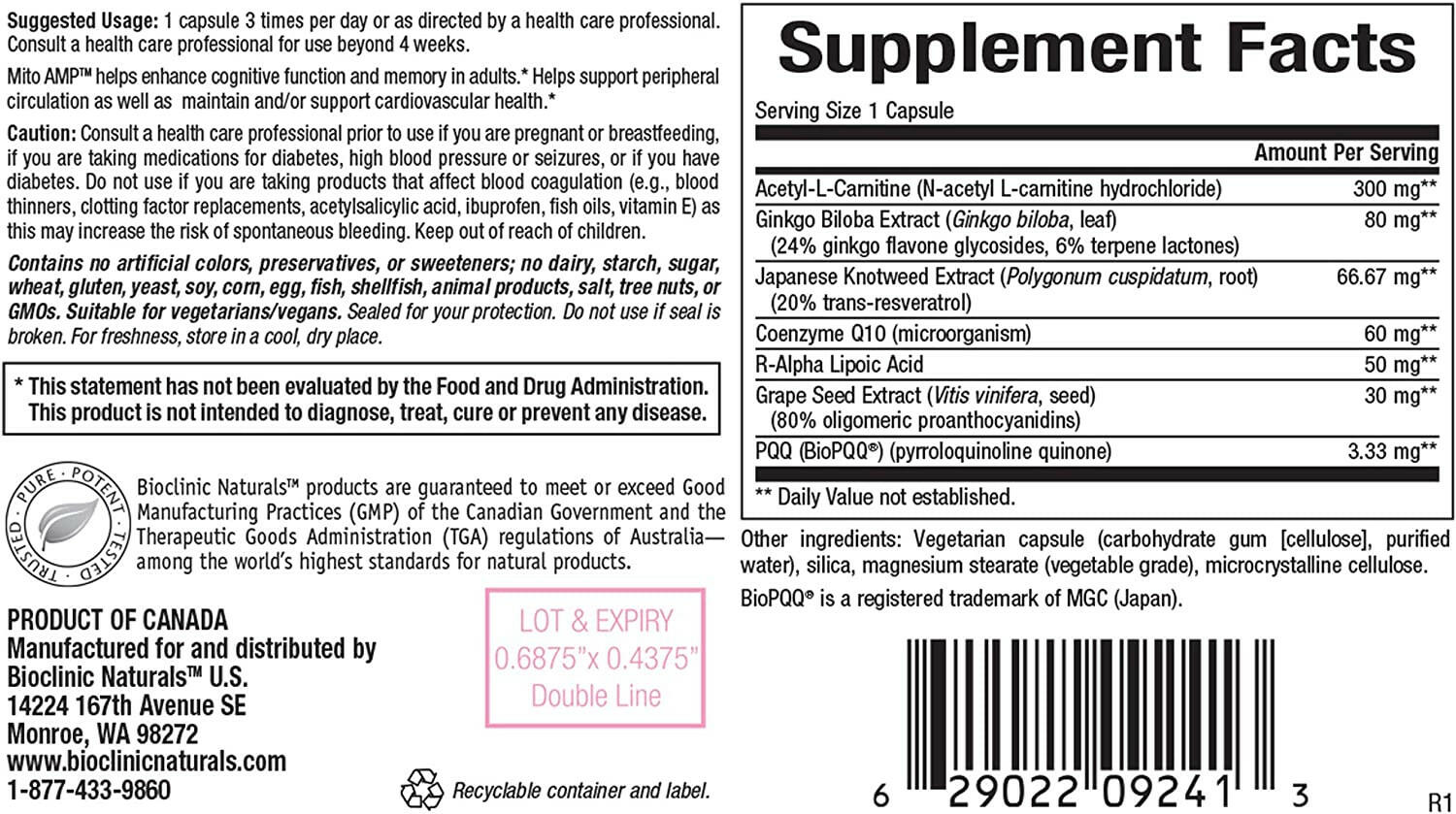
Supplements marketed for “mitochondrial support” may contain ingredients such as:
• CoQ10
• Acetyl-L-carnitine
• Alpha-lipoic acid
• B vitamins
• Magnesium
• Other antioxidants or nutrients
These compounds participate in different aspects of cellular physiology, but the term “mitochondrial support” should not be interpreted as evidence that a supplement reverses mitochondrial dysfunction or treats chronic fatigue.
Adaptogens & Stress-Related Fatigue
Adaptogens are botanicals traditionally or clinically investigated for their potential effects on stress-related physiology and resilience.
Common examples include:
• Ashwagandha
• Rhodiola rosea
• Panax ginseng
• Eleuthero
Different adaptogens have different phytochemicals, research, effects, and safety considerations.
They should not be treated as interchangeable or assumed to “normalize cortisol” in every user.
Ashwagandha
Ashwagandha is an adaptogenic herb studied for stress-related outcomes, sleep, and selected aspects of physical performance.
Some clinical studies suggest benefits for perceived stress in certain populations.
However, it should not be described as treating burnout or adrenal dysfunction.
Potential considerations include thyroid conditions, sedating medications, pregnancy, liver concerns, and individual tolerability.
Rhodiola Rosea
Rhodiola has been investigated for:
• Stress-related fatigue
• Mental performance under demanding conditions
• Perceived fatigue
• Selected aspects of exercise performance
Some findings are promising, but research varies considerably by extract and outcome.
Rhodiola should not be described as reliably enhancing endurance or mental performance for everyone.
Panax Ginseng
Panax ginseng has a long history of traditional use and has been studied for fatigue, cognitive performance, metabolic health, and other outcomes.
Clinical evidence varies according to preparation and population.
Because ginseng can interact with medications and may affect sleep, blood glucose, or other physiological pathways, suitability should be considered individually.
L-Tyrosine & Mental Performance
L-tyrosine is an amino acid used to synthesize catecholamines, including dopamine and norepinephrine.
Research is particularly interesting in situations involving acute cognitive stress, such as:
• Sleep deprivation
• Cold exposure
• High cognitive workload
• Other demanding conditions
L-tyrosine does not simply “boost dopamine” or function as a universal focus supplement.
Its potential benefits appear most relevant when cognitive demands temporarily challenge normal catecholamine availability.
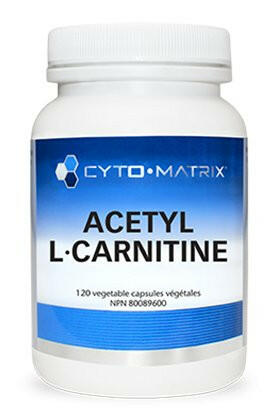
Acetyl-L-Carnitine
Acetyl-L-carnitine (ALCAR) is a form of carnitine that participates in cellular metabolism and is used in supplements marketed for neurological and energy support.
Research has explored ALCAR across several contexts, but it should not be assumed to improve brain energy or eliminate fatigue in otherwise healthy individuals.
Clinical relevance depends on the population and reason for use.
Omega-3 Fatty Acids
EPA and DHA are important structural and functional fatty acids with established roles in cardiovascular and neurological physiology.
Adequate omega-3 intake can contribute to overall nutritional health.
However, omega-3 supplements should not be marketed as immediate energy enhancers or as proven treatments for brain fog or mental fatigue.
Amino Acids & Physical Fatigue
Amino acids are building blocks of protein and play essential roles in muscle and other tissues.
Adequate total protein intake is particularly important for:
• Muscle maintenance
• Exercise adaptation
• Recovery
• Healthy aging
Individual amino-acid supplements may be useful in specific circumstances, but they are not automatically superior to adequate dietary protein.
Creatine & Performance
Creatine is one of the more extensively studied sports nutrition ingredients.
Creatine supplementation can increase muscle phosphocreatine availability and can support performance during repeated high-intensity exercise.
Combined with resistance training, it can also support training-related increases in strength and lean mass.
Creatine is therefore more appropriately viewed as a performance and training-support supplement than as a general treatment for unexplained fatigue.
Research into cognitive applications is also developing.
Electrolytes, Hydration & Fatigue
Fluid and electrolyte losses can contribute to reduced physical performance, particularly during:
• Prolonged exercise
• Heavy sweating
• Hot environments
• Certain illnesses
Electrolyte products can help replace sodium and other electrolytes when losses are meaningful.
For ordinary daily activity, however, most people do not require high-electrolyte drinks simply because they feel tired.
Exercise Fatigue & Recovery
Exercise naturally produces temporary fatigue.
Recovery depends on:
• Adequate calories
• Protein
• Carbohydrates
• Hydration
• Sleep
• Rest between demanding sessions
• Appropriate training progression
Supplements can complement these foundations but cannot compensate for chronic under-recovery or excessive training.
Persistent performance decline, unusual exhaustion, recurrent injury, mood changes, or disrupted sleep may indicate inadequate recovery or another issue requiring attention.
Sleep & Energy
Insufficient sleep is one of the most important causes of daytime fatigue.
Before adding multiple energy supplements, consider:
• Total sleep duration
• Sleep consistency
• Nighttime awakenings
• Snoring
• Breathing interruptions
• Alcohol use
• Caffeine timing
• Medications
• Shift-work schedules
• Circadian disruption
Persistent daytime sleepiness—particularly with loud snoring or witnessed pauses in breathing—can warrant assessment for sleep apnea.
Caffeine & Stimulant-Based Energy Products
Caffeine can temporarily improve alertness and reduce perceived fatigue.
However, excessive or poorly timed caffeine may contribute to:
• Anxiety or jitteriness
• Palpitations
• Sleep disruption
• Headaches
• Gastrointestinal symptoms
• Increased tolerance
• A cycle of poor sleep followed by greater stimulant use
For people seeking sustained wellness, correcting sleep, nutrition, hydration, or other underlying contributors is often more useful than repeatedly increasing stimulant intake.
Stress, Burnout & Fatigue
The term “burnout” commonly describes work- or stress-related exhaustion, but persistent fatigue should not automatically be attributed to stress.
Stress can certainly contribute to:
• Poor sleep
• Mental exhaustion
• Reduced concentration
• Muscle tension
• Changes in appetite
• Lower motivation
Adaptogens and nutritional products may complement stress-management strategies, but they do not replace changes to workload, sleep, recovery, mental-health support, or medical assessment when needed.
What About “Adrenal Fatigue”?
“Adrenal fatigue” is not an established medical diagnosis.
The adrenal glands can be affected by genuine medical disorders, including adrenal insufficiency, but these require appropriate medical diagnosis and treatment.
Supplements marketed as “adrenal support” should therefore not be assumed to correct an exhausted or depleted adrenal gland.
Fatigue During or After Illness
Temporary fatigue can persist during recovery from infections or other illnesses.
Adequate:
• Rest
• Nutrition
• Hydration
• Gradual return to activity
can support recovery.
Persistent or severe post-illness fatigue should be evaluated, particularly when accompanied by shortness of breath, chest symptoms, neurological symptoms, significant exercise intolerance, or other concerning changes.
Supplements should not be used to push through significant post-illness symptoms.
How to Choose a Fatigue Support Supplement
Identify the Type of Fatigue
Determine whether the main concern is mental fatigue, exercise-related fatigue, inadequate sleep, stress, or suspected nutritional deficiency.
Address the Basics First
Review sleep, diet, hydration, activity, caffeine, alcohol, stress, and recovery.
Choose Ingredients for a Defined Purpose
Select a supplement because its ingredients fit your specific goal—not simply because the label promises “energy.”
Check for Deficiencies
Iron, vitamin B12, and other deficiencies may require targeted assessment and supplementation rather than a generic energy blend.
Review Stimulant Content
Some energy products contain caffeine or stimulating botanicals even when this is not obvious from the front label.
Check Medication Interactions
Adaptogens and other active ingredients can interact with prescription and non-prescription medications.
When Fatigue Needs Medical Assessment
Seek professional assessment for fatigue that:
• Persists without an obvious explanation
• Is severe or progressively worsening
• Significantly interferes with daily activities
• Occurs despite adequate sleep
• Is accompanied by unexplained weight loss
• Is associated with shortness of breath, chest pain, or palpitations
• Occurs with unusual weakness or neurological symptoms
• Is accompanied by persistent fever or night sweats
• Is associated with significant depression or mood changes
• Develops after starting or changing a medication
• Is associated with heavy menstrual bleeding or other signs of possible anemia
Fatigue can sometimes be an early symptom of a medical condition, so persistent exhaustion should not simply be covered up with stimulants or supplements.
FAQs
What supplements are commonly used for fatigue?
B vitamins, magnesium, CoQ10, iron when deficient, adaptogenic herbs, amino acids, and other targeted nutrients are commonly used. The best option depends on why fatigue is occurring.
Do B vitamins give you energy?
B vitamins participate in normal energy metabolism, but they are not stimulants. Extra B vitamins do not necessarily increase energy when nutritional status is already adequate.
Can magnesium help with fatigue?
Magnesium is required for normal energy metabolism, muscle function, and nervous-system function. Supplementation may be useful when intake is inadequate but is not a universal treatment for fatigue.
Does CoQ10 increase energy?
CoQ10 participates in mitochondrial energy production and has been researched in several fatigue-related settings. Benefits vary, and it does not function like an immediate stimulant.
Which adaptogen is best for fatigue?
There is no universally best adaptogen. Rhodiola, ashwagandha, ginseng, and others have different evidence, effects, and safety considerations.
Can L-tyrosine help mental fatigue?
Research suggests L-tyrosine may help preserve aspects of cognitive performance during certain acutely demanding conditions, but it is not a general treatment for brain fog or chronic fatigue.
Should I take iron if I feel tired?
Not automatically. Iron deficiency can cause fatigue, but unnecessary iron supplementation can be harmful. Testing may be appropriate when deficiency is suspected.
Are non-stimulant energy supplements better than caffeine?
They serve different purposes. Nutrients support normal physiology, while caffeine temporarily increases alertness. Neither approach replaces adequate sleep or treatment of an underlying cause of fatigue.
Can supplements treat burnout?
No supplement addresses all causes of burnout. Nutritional and botanical products may complement stress-management strategies, but workload, recovery, sleep, psychological health, and other factors also need attention.
When should I see a healthcare professional about fatigue?
Persistent, unexplained, worsening, or disabling fatigue—or fatigue accompanied by other concerning symptoms—should be professionally assessed.
Why Shop Mental & Physical Fatigue Support at Coal Harbour Pharmacy?
• Pharmacist-curated energy and fatigue-support supplements
• Non-stimulant and targeted nutritional options available
• B vitamins, magnesium, CoQ10, amino acids, adaptogens, and performance-support formulas
• Options for mental performance, stress, exercise, and recovery
• Established professional and natural health brands
• Fast Canada-wide shipping
Related Collections
────────────────────────────────────
Shop Mental & Physical Fatigue Support →
Sort by
67 products























FREE STANDARD SHIPPING
Satisfied or refunded
Top-notch support
Secure payments
Encrypted checkout processing
Offers exclude prescriptions and in-store purchases.
Subscribe & Get a First-Order Reward
Plus, earning reward points on eligible online purchases and enjoy future store credit.
We respect your inbox at Coal Harbour Pharmacy - Expect thoughtfully curated health and wellness updates, timely reminders, and exclusive online savings.