
MSM (Methylsulfonylmethane) – Joint, Muscle & Connective Tissue Support
Explore pharmacist-curated MSM (methylsulfonylmethane) supplements for joint comfort, mobility, connective-tissue health, exercise recovery, and skin wellness, available as standalone MSM and in formulas with glucosamine, chondroitin, collagen, hyaluronic acid, turmeric, and other joint-support ingredients.
────────────────────────────────────
About MSM (Methylsulfonylmethane)
MSM, or methylsulfonylmethane, is a sulfur-containing compound widely used in nutritional supplements for joint comfort, mobility, exercise recovery, and connective-tissue support.
MSM has been studied for its potential effects on joint symptoms, exercise-related muscle soreness, oxidative stress, and inflammatory signalling. It is also included in some beauty-oriented supplements because sulfur is relevant to the structure and metabolism of proteins found throughout the body.
The MSM collection at Coal Harbour Pharmacy includes capsules, tablets, powders, combination joint formulas, and select topical products.
Although MSM is often marketed as a sulfur supplement, claims that it directly rebuilds cartilage, produces collagen or keratin, or repairs damaged tissues oversimplify its biology and current clinical evidence.
Key Benefits
Depending on the formulation and individual response, MSM supplementation may:
• Support joint comfort and everyday mobility
• Help maintain comfortable movement and flexibility
• Support healthy connective-tissue physiology
• Help with exercise-related muscle soreness in some individuals
• Influence normal inflammatory and oxidative-stress pathways
• Complement broader joint and mobility routines
• Provide a sulfur-containing compound used in several areas of wellness research
Evidence is more established for some applications than others, and benefits should not be assumed for every individual.
Who It’s Ideal For
MSM may be of interest to:
• Adults seeking nutritional support for joint comfort
• People experiencing occasional stiffness associated with activity or aging
• Active adults and athletes focused on recovery
• People building a joint and mobility routine
• Individuals interested in connective-tissue nutrition
• Customers looking for standalone MSM powder or capsules
• People seeking combination formulas containing MSM with other joint-support ingredients
Persistent or worsening joint or muscle symptoms should be appropriately assessed rather than managed indefinitely with supplements.
What Is MSM?
Methylsulfonylmethane is a small organic sulfur-containing compound.
MSM occurs naturally in the environment and can be detected in small amounts in certain foods and biological systems.
Supplemental MSM provides a concentrated source of this compound and is substantially different from relying on the small quantities naturally present in food.
MSM should also not be confused with essential sulfur-containing amino acids such as methionine and cysteine, which have their own nutritional and physiological roles.
MSM & Sulfur
Sulfur is present throughout the human body and is incorporated into important biological molecules, including sulfur-containing amino acids.
These molecules contribute to the structure and function of:
• Proteins
• Enzymes
• Connective tissues
• Skin
• Hair
• Nails
• Antioxidant systems such as glutathione
However, the fact that MSM contains sulfur does not mean supplemental MSM is automatically incorporated directly into cartilage, collagen, hair, or nails.
Its biological effects are more complex than simply supplying “building blocks.”
MSM & Joint Comfort
Joint health is one of the most extensively marketed uses of MSM.
Clinical research has investigated MSM for outcomes including:
• Joint discomfort
• Stiffness
• Physical function
• Mobility
Some studies suggest potential improvements in joint-related symptoms, particularly in people with osteoarthritis, but the overall evidence base remains limited compared with established medical therapies.
MSM can therefore be considered a joint-support ingredient, but not a treatment that reverses osteoarthritis or restores damaged joints.
MSM & Osteoarthritis Research
Several clinical studies have evaluated MSM in people with osteoarthritis, particularly involving the knee.
Some have reported improvements in pain or physical function compared with placebo.
Important limitations include:
• Relatively small studies
• Different MSM doses
• Different study durations
• Variation in combination products
• Limited long-term outcome data
MSM should not replace appropriate medical assessment, exercise therapy, weight management where relevant, physiotherapy, or prescribed treatment for osteoarthritis.
MSM & Cartilage
MSM is commonly included in products labelled for cartilage support.
However, it is important to distinguish supporting joint health from claiming to regenerate cartilage.
Current evidence does not establish that oral MSM can:
• Rebuild substantially damaged cartilage
• Reverse cartilage loss
• Restore an injured joint
• Cure degenerative joint disease
Cartilage health is influenced by mechanical loading, age, injury, genetics, body composition, inflammation, physical activity, and many other factors.
MSM & Connective Tissue
Connective tissues include:
• Cartilage
• Tendons
• Ligaments
• Fascia
• Skin
• Bone-supporting matrices
Because sulfur-containing molecules participate in connective-tissue biology, MSM is often positioned as a connective-tissue supplement.
However, adequate protein, vitamin C, minerals, physical loading, and overall nutrition remain fundamental to connective-tissue health.
MSM should complement—not replace—these foundations.
MSM & Collagen
Collagen is the body’s major structural protein and is abundant in skin, cartilage, tendons, ligaments, and bone.
MSM is sometimes described as “increasing collagen production.”
Research into MSM and skin or connective-tissue biology is interesting, but current evidence does not justify treating MSM as equivalent to collagen peptides or claiming that it reliably stimulates substantial collagen production in humans.
For normal collagen synthesis, adequate protein and vitamin C are particularly important nutritional considerations.
MSM & Exercise Recovery
MSM has been studied for exercise-related outcomes including:
• Muscle soreness
• Oxidative stress
• Recovery after strenuous activity
Some small studies suggest possible benefits, but evidence remains developing.
MSM should not be expected to compensate for:
• Excessive training load
• Inadequate calories
• Low protein intake
• Poor hydration
• Insufficient sleep
• Inadequate recovery time
These fundamentals have a much larger influence on exercise recovery.
MSM & Muscle Soreness
Delayed-onset muscle soreness can develop after unfamiliar or strenuous exercise, particularly following eccentric muscle activity.
Some research has investigated MSM for reducing subjective soreness or exercise-related oxidative markers.
Results should be interpreted cautiously because study sizes and protocols vary.
Significant pain, weakness, swelling, or loss of function following exercise should not automatically be treated as normal muscle soreness.
MSM & Inflammatory Pathways
Laboratory and clinical research suggests MSM may influence certain signalling pathways associated with inflammation.
This is one reason MSM is commonly incorporated into joint formulas.
However, describing MSM simply as a “natural anti-inflammatory” can imply that it is equivalent to anti-inflammatory medication.
It is more accurate to say that MSM has been studied for its effects on inflammatory-response pathways and joint comfort.
MSM & Oxidative Stress
MSM has also been investigated in relation to oxidative-stress markers and endogenous antioxidant systems.
These findings are biologically interesting but do not establish MSM as a universal antioxidant supplement.
The body maintains complex antioxidant systems involving nutrients and enzymes, including glutathione-related pathways and enzymes dependent on selenium, zinc, copper, and manganese.
MSM for Skin
MSM appears in some supplements marketed for skin wellness.
Limited human research has explored potential effects on:
• Skin appearance
• Hydration
• Elasticity
• Visible signs associated with skin aging
This remains a developing area of research.
MSM should not be described as proven to restore collagen, reverse skin aging, or treat dermatological conditions.
MSM for Hair & Nails
Hair and nails contain keratin, a structural protein containing sulfur-rich amino acids.
This biochemical fact has led to claims that MSM improves hair and nail strength.
However, the presence of sulfur in keratin does not demonstrate that taking additional MSM will automatically increase keratin production or improve hair growth.
Hair thinning and brittle nails can have many causes, including nutritional deficiencies, thyroid disorders, hormonal changes, medications, illness, and dermatological conditions.
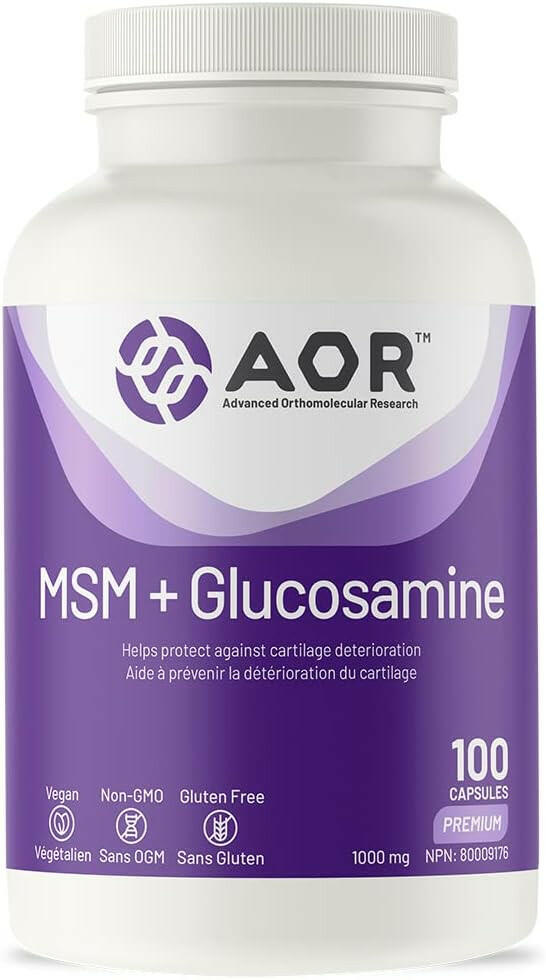
MSM + Glucosamine
MSM is frequently combined with glucosamine in joint formulas.
Glucosamine is involved in compounds found naturally in cartilage and connective tissue and has been studied extensively for osteoarthritis-related symptoms.
Combining MSM and glucosamine may provide two different approaches to joint support, but the combination should not be assumed to rebuild cartilage.
MSM + Chondroitin
Chondroitin sulfate is another common component of cartilage-oriented supplements.
Products may combine:
MSM + glucosamine + chondroitin
to create a comprehensive joint formula.
Evidence for these ingredients differs, and clinical outcomes can depend on the forms, doses, product quality, and individual.
More ingredients do not automatically produce better results.
MSM + Collagen
Some formulas combine MSM with collagen peptides or other collagen-related nutrients.
This can provide complementary ingredients within a connective-tissue routine.
However, MSM and collagen are not interchangeable:
Collagen peptides provide collagen-derived amino acids and peptides.
MSM provides a sulfur-containing compound with different proposed physiological effects.
MSM + Hyaluronic Acid
Hyaluronic acid is naturally present in synovial fluid, cartilage, skin, and other connective tissues.
Combining MSM with oral hyaluronic acid is common in joint formulas.
Hyaluronic acid has been studied for joint and skin applications, but oral supplementation should not be described as simply travelling directly to the joints and “lubricating” them.
MSM + Turmeric or Curcumin
Curcumin is a major group of active compounds found in turmeric and has been studied extensively for inflammatory-response pathways and joint comfort.
Combining curcumin with MSM may provide complementary ingredients within a mobility formula.
However, curcumin can interact with certain medications and may require caution in people with gallbladder or biliary conditions.
MSM + Boswellia
Boswellia extracts contain boswellic acids and have been investigated for joint comfort and inflammatory-response pathways.
MSM and boswellia may appear together in comprehensive joint formulas.
When comparing products, consider the actual standardized extract and dose rather than assuming all boswellia-containing formulas are equivalent.
MSM Powder
Powdered MSM can be convenient for people who:
• Prefer not to swallow capsules
• Want flexible serving sizes
• Use larger daily quantities
• Prefer mixing supplements into water or another beverage
Powder is not inherently more effective than capsules.
Accurate measurement and adherence to the product’s directions remain important.
MSM Capsules & Tablets
Capsules and tablets provide convenient premeasured servings.
They may be preferable for:
• Travel
• Consistent dosing
• People who dislike the taste of MSM powder
• Simple daily routines
The best format is generally the one that provides an appropriate amount and can be used consistently.
MSM Combination Formulas
Combination products may include MSM alongside:
• Glucosamine
• Chondroitin
• Collagen
• Hyaluronic acid
• Curcumin
• Boswellia
• Vitamin C
• Minerals
These products can simplify a joint routine, but check the amount of each ingredient.
A long ingredient list does not necessarily mean that every component is present at a meaningful dose.
Topical MSM
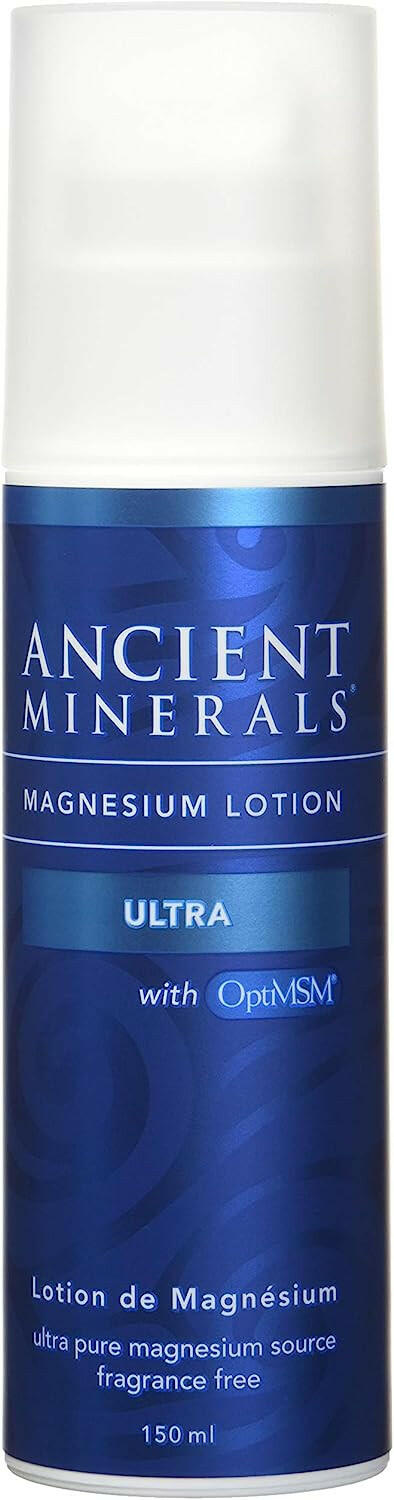
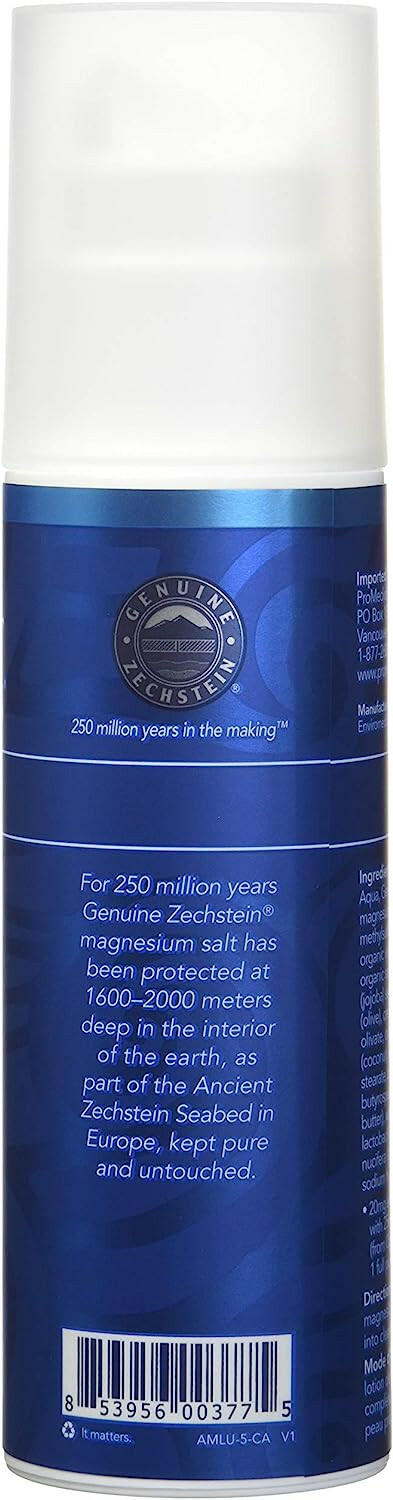
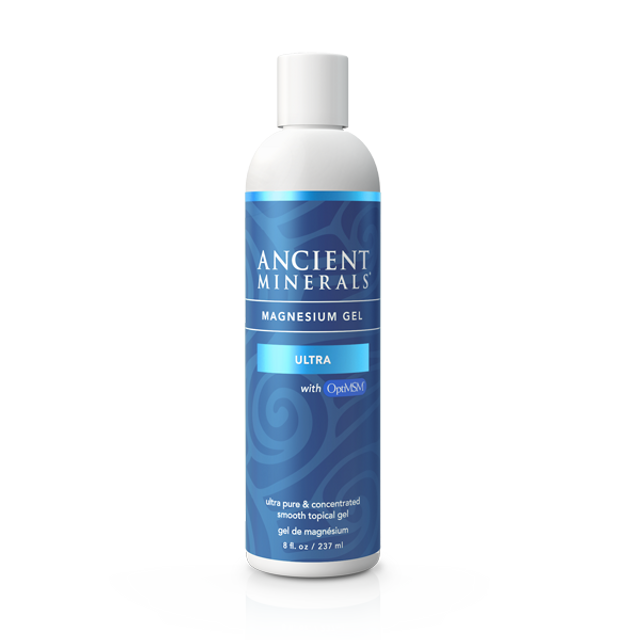
MSM is also found in some topical creams, gels, and cosmetic preparations.
Topical formulations should be evaluated according to the complete product rather than assuming the evidence for oral MSM applies directly to topical use.
Avoid application to damaged or irritated skin unless the specific product directions allow it.
How to Choose an MSM Supplement
Decide Between Standalone & Combination MSM
Standalone MSM is useful when you specifically want MSM without additional joint ingredients.
Combination formulas may be convenient when several ingredients align with your goals.
Check the MSM Amount
Compare the actual amount per serving rather than relying on terms such as “maximum strength.”
Consider the Format
Choose capsules, tablets, or powder according to convenience and the required serving.
Review Other Joint Supplements
Avoid unnecessarily duplicating MSM, glucosamine, chondroitin, curcumin, or other ingredients across multiple products.
Consider Medication Interactions
The complete formulation matters, particularly when MSM is combined with herbs or other active ingredients.
How Much MSM Should You Take?
There is no single ideal MSM dose for every purpose or individual.
Clinical studies have used different amounts and treatment periods.
For retail supplements, follow the individual Canadian product label rather than assuming that a dose used in one study applies to every MSM product.
Higher doses are not necessarily more effective.
How Long Does MSM Take to Work?
MSM should not be expected to provide immediate pain relief.
Studies evaluating joint-related outcomes have generally assessed supplementation over periods of weeks rather than hours or days.
Individual response varies according to:
• Dose
• Formulation
• Reason for use
• Severity of symptoms
• Other treatments
• Physical activity
• Individual biology
Rather than promising a fixed timeframe, evaluate whether there is a meaningful improvement after an appropriate trial.
MSM & Healthy Aging
Maintaining mobility with age involves multiple factors, including:
• Regular physical activity
• Resistance training
• Healthy body composition
• Adequate protein
• Bone-supportive nutrition
• Balance training
• Sleep and recovery
• Appropriate management of joint conditions
MSM may complement this broader strategy but should not be considered a substitute for movement or rehabilitation.
MSM for Active Adults
Active people may use MSM as part of a routine focused on joint comfort or exercise recovery.
The foundations remain:
• Appropriate training progression
• Adequate calories
• Sufficient protein
• Carbohydrates when appropriate
• Hydration
• Sleep
• Recovery days
• Injury management
Supplements are most useful when these fundamentals are already addressed.
Is MSM a Pain Reliever?
MSM is not equivalent to an OTC analgesic such as acetaminophen or an NSAID.
Research has investigated MSM for joint discomfort and exercise-related soreness, but it should not be expected to provide rapid symptomatic pain relief.
Persistent pain deserves investigation of the underlying cause.
MSM vs Sulfur-Containing Foods
Foods naturally provide sulfur primarily through sulfur-containing amino acids and other compounds.
Good dietary sources of sulfur-containing amino acids include protein-rich foods such as:
• Eggs
• Meat
• Fish
• Dairy products
• Legumes
• Nuts and seeds
Cruciferous and allium vegetables also contain various sulfur-containing phytochemicals.
Eating sulfur-containing foods is not equivalent to taking concentrated supplemental MSM.
MSM Safety & Tolerability
MSM is generally well tolerated at commonly studied supplemental amounts, but adverse effects can occur.
Reported effects may include:
• Gastrointestinal discomfort
• Bloating
• Diarrhea
• Nausea
• Headache
Individual product formulations can also contain additional ingredients with their own cautions.
Pregnancy & Breastfeeding
Safety data for supplemental MSM during pregnancy and breastfeeding are limited.
Pregnant or breastfeeding individuals should consult a qualified healthcare professional before using concentrated MSM supplements.
Medication & Health Considerations
Seek professional guidance when appropriate if you:
• Take multiple medications or supplements
• Use anticoagulant or antiplatelet medications
• Have significant kidney or liver disease
• Are pregnant or breastfeeding
• Are preparing for surgery
• Have persistent joint inflammation
• Have an unexplained musculoskeletal condition
Combination formulas may create additional interactions that would not apply to standalone MSM.
Quality & Sourcing
When comparing MSM products, useful considerations include:
• Clearly identified ingredient amounts
• Appropriate Canadian product authorization where applicable
• Transparent manufacturer information
• Manufacturing quality controls
• Appropriate purity testing
• Complete allergen information
• Clear directions and cautions
Claims such as GMP-certified, third-party tested, non-GMO, vegan, or specific purity standards should be verified for the individual product rather than applied automatically to every product in a collection.
When Joint or Muscle Symptoms Need Assessment
Seek appropriate healthcare assessment for:
• Sudden or severe joint pain
• Significant swelling
• A hot or red joint
• Joint pain accompanied by fever
• Inability to bear weight
• Significant injury
• Progressive weakness
• Numbness
• Persistent unexplained pain
• Joint instability
• Symptoms that increasingly interfere with normal activity
Supplements should not delay diagnosis of an injury or underlying joint condition.
FAQs
What is MSM?
MSM, or methylsulfonylmethane, is a sulfur-containing compound commonly used in supplements for joint, mobility, connective-tissue, and exercise-recovery support.
What is MSM most commonly used for?
Joint comfort and mobility are among its most common uses. MSM has also been studied for exercise-related soreness, oxidative stress, and certain skin-related outcomes.
Does MSM reduce joint stiffness?
Some clinical studies suggest MSM may improve joint-related symptoms such as discomfort and stiffness in certain individuals, but responses vary.
Does MSM rebuild cartilage?
Current evidence does not establish that oral MSM rebuilds damaged cartilage or reverses degenerative joint disease.
Is MSM an anti-inflammatory?
MSM has been studied for effects on inflammatory signalling pathways, but it should not be considered equivalent to an anti-inflammatory medication.
Does MSM help muscle recovery?
Some small studies have investigated MSM for exercise-related muscle soreness and recovery markers. Evidence is promising but not definitive.
Is MSM good for skin, hair, and nails?
MSM has been investigated for skin-related outcomes, but evidence for hair and nail benefits is much more limited. Its sulfur content alone does not prove that supplementation increases collagen or keratin production.
Can MSM be taken with glucosamine and chondroitin?
These ingredients are frequently combined in joint formulas. Whether the combination is appropriate depends on the individual, doses, medications, and overall supplement routine.
Is MSM powder better than capsules?
Not necessarily. Powder and capsules primarily offer different ways of taking the same ingredient. Choose according to dose, convenience, and product quality.
How quickly does MSM work?
There is no universal timeframe. Joint studies typically evaluate outcomes over weeks, and individual responses vary.
Why Shop MSM at Coal Harbour Pharmacy?
• Pharmacist-curated MSM and joint-support supplements
• Standalone MSM and multi-ingredient formulas
• Capsules, tablets, powders, and select topical options
• Formulas with glucosamine, chondroitin, collagen, curcumin, boswellia, and hyaluronic acid
• Products from established Canadian and professional supplement brands
• Fast Canada-wide shipping
Related Collections
• Joint & Connective Tissue Support
• Collagen
────────────────────────────────────
Shop MSM (Methylsulfonylmethane) →
Sort by
10 products






FREE STANDARD SHIPPING
Satisfied or refunded
Top-notch support
Secure payments
Encrypted checkout processing
Offers exclude prescriptions and in-store purchases.
Subscribe & Get a First-Order Reward
Plus, earning reward points on eligible online purchases and enjoy future store credit.
We respect your inbox at Coal Harbour Pharmacy - Expect thoughtfully curated health and wellness updates, timely reminders, and exclusive online savings.