
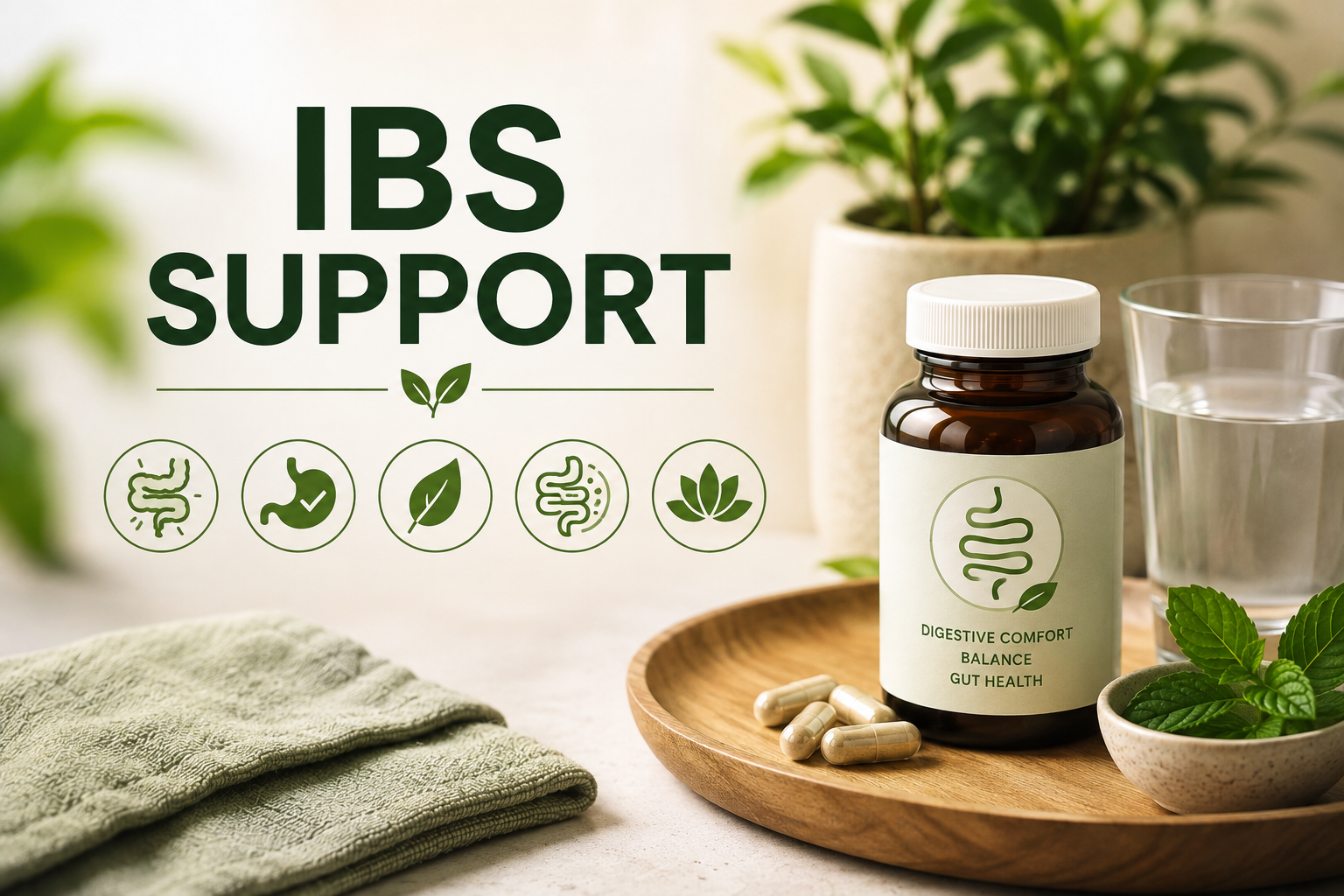
IBS Support – Digestive Comfort, Bloating, Regularity & Gut Health Support
Support digestive comfort and more predictable bowel habits with targeted IBS support products for bloating, gas, abdominal discomfort, constipation, diarrhea, and overall gut health.
────────────────────────────────────
ABOUT IBS SUPPORT
Irritable Bowel Syndrome (IBS) is a common gastrointestinal disorder characterized by recurring abdominal pain or discomfort together with changes in bowel habits. Symptoms can vary considerably between individuals and may include bloating, gas, constipation, diarrhea, or alternating episodes of both.
Our IBS Support collection at Coal Harbour Pharmacy brings together pharmacist-curated probiotics, soluble fibre, digestive-support supplements, peppermint oil, and other targeted products designed to support digestive comfort and bowel regularity.
Because IBS symptoms overlap with several other gastrointestinal conditions, persistent or unexplained symptoms should be appropriately assessed by a healthcare professional.
KEY BENEFITS
• Supports digestive comfort and regularity
• Helps manage occasional bloating and gas
• Provides targeted support for constipation- or diarrhea-predominant symptoms
• Supports a healthy intestinal microbiome
• Helps maintain normal bowel function
• Offers nutritional and botanical options for digestive wellness
• Includes products suitable for individualized IBS-support routines
WHO IT’S IDEAL FOR
This collection may be useful for:
• Individuals diagnosed with IBS
• People experiencing recurring bloating and abdominal discomfort
• Those with constipation-predominant IBS (IBS-C)
• Those with diarrhea-predominant IBS (IBS-D)
• Individuals experiencing alternating bowel patterns (IBS-M)
• People looking for targeted probiotic or fibre support
• Anyone working with a healthcare professional on an IBS-management plan
WHAT IS IBS?
IBS is classified as a disorder of gut-brain interaction. Unlike inflammatory bowel diseases such as Crohn’s disease and ulcerative colitis, IBS does not typically cause visible structural damage to the gastrointestinal tract.
Its development is complex and may involve interactions between:
• Gut motility
• Intestinal sensitivity
• Gut-brain communication
• Diet
• Psychological stress
• Changes in the intestinal microbiome
• Previous gastrointestinal infections
IBS is a genuine gastrointestinal condition, but symptoms and triggers differ substantially between individuals.
COMMON IBS SYMPTOMS
IBS may involve:
• Abdominal pain or cramping
• Bloating
• Excess gas
• Constipation
• Diarrhea
• Alternating constipation and diarrhea
• Changes in stool frequency or consistency
• Urgency
• Feeling of incomplete bowel movements
Symptoms often fluctuate over time and may be influenced by food, stress, sleep, hormonal changes, illness, and other factors.
TYPES OF IBS
IBS-C – Constipation Predominant
Bowel movements are more frequently hard, difficult, or infrequent.
Support may include:
• Appropriate soluble fibre
• Adequate fluid intake
• Regular movement
• Targeted digestive products
IBS-D – Diarrhea Predominant
Loose or frequent stools are the predominant bowel pattern.
Management should focus on identifying triggers and maintaining hydration while avoiding unnecessary supplements that may worsen diarrhea.
IBS-M – Mixed Type
Both constipation and diarrhea occur at different times.
This type often requires a particularly individualized approach because strategies that help one symptom can sometimes aggravate another.
SOLUBLE FIBRE FOR IBS
Fibre can be helpful for some people with IBS, but the type and amount matter.
Soluble fibre such as psyllium can help absorb water and support stool consistency, making it useful in many bowel-regularity routines.
Fibre should generally be introduced gradually because increasing intake too quickly may worsen:
• Gas
• Bloating
• Cramping
Adequate fluid intake is also important when increasing fibre.
PROBIOTICS & THE GUT MICROBIOME
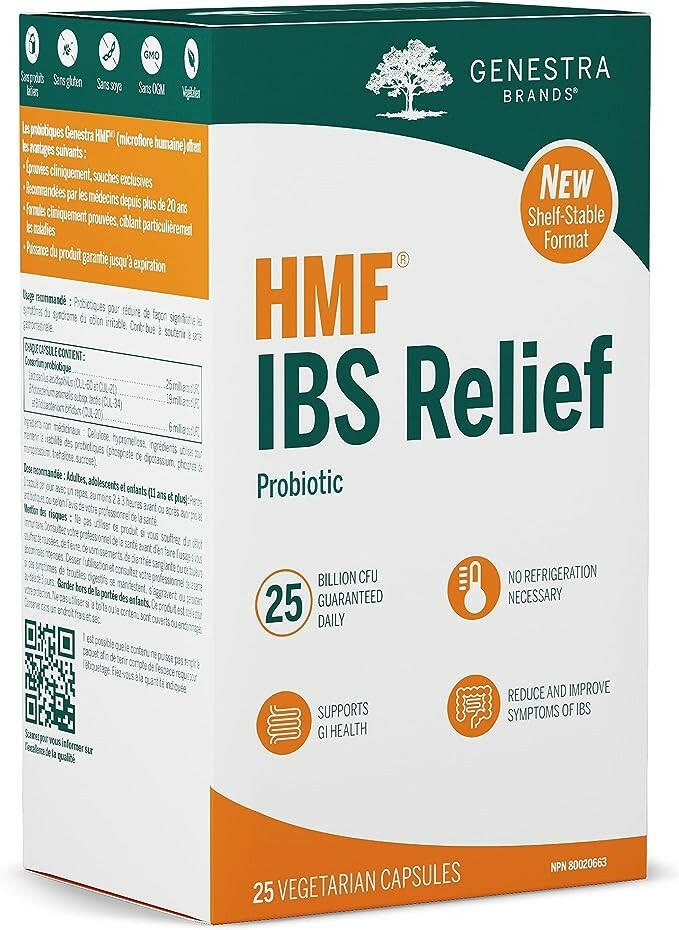
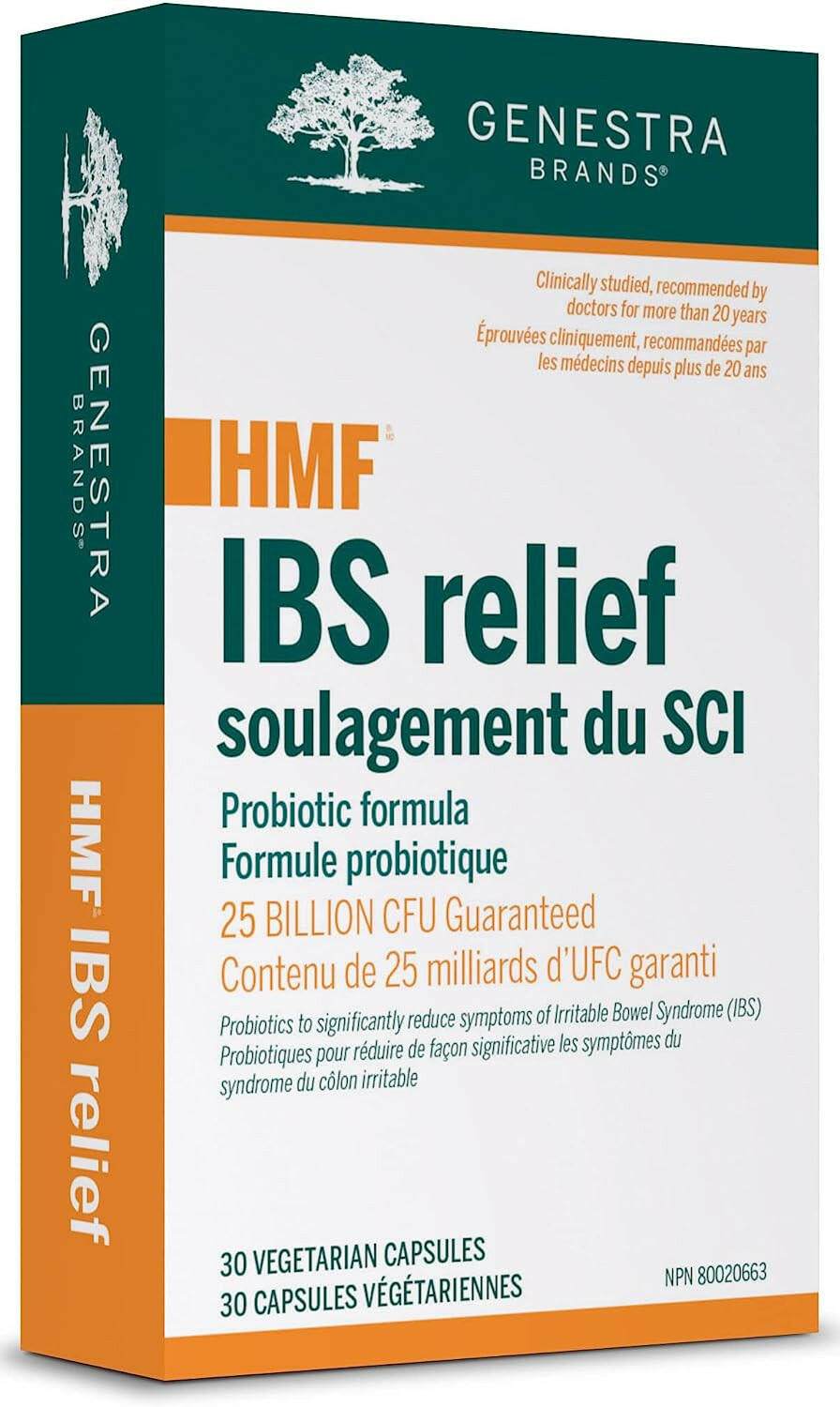
Probiotics are frequently used as part of IBS-support routines.
Different probiotic strains have different properties, and a product that works well for one person may not have the same effect for another.
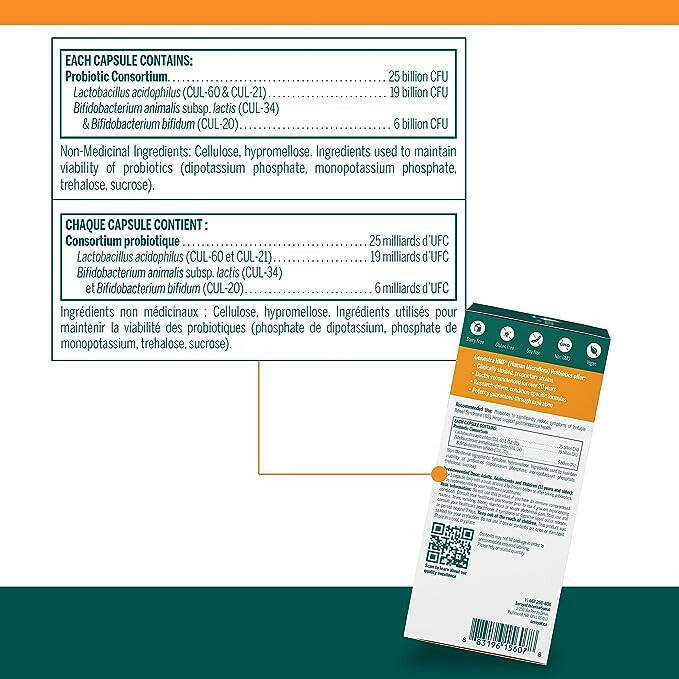
When choosing a probiotic, consider:
• Specific bacterial strains
• Number of strains
• Colony-forming units (CFUs)
• Storage requirements
• Clinical evidence for the individual formulation
• Your predominant digestive symptoms
Rather than assuming that the highest CFU count is automatically best, choose a formula appropriate for your needs.
PEPPERMINT OIL FOR IBS
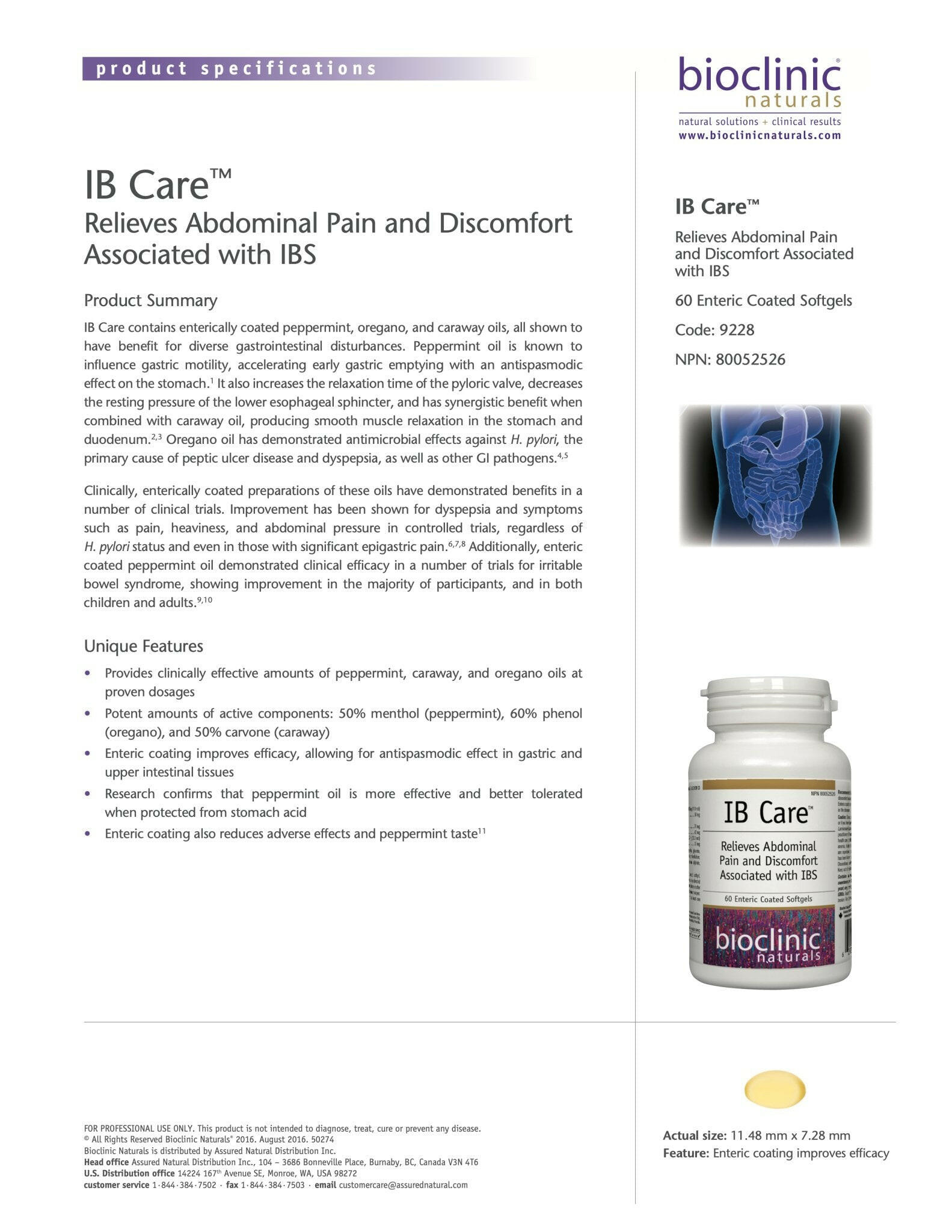
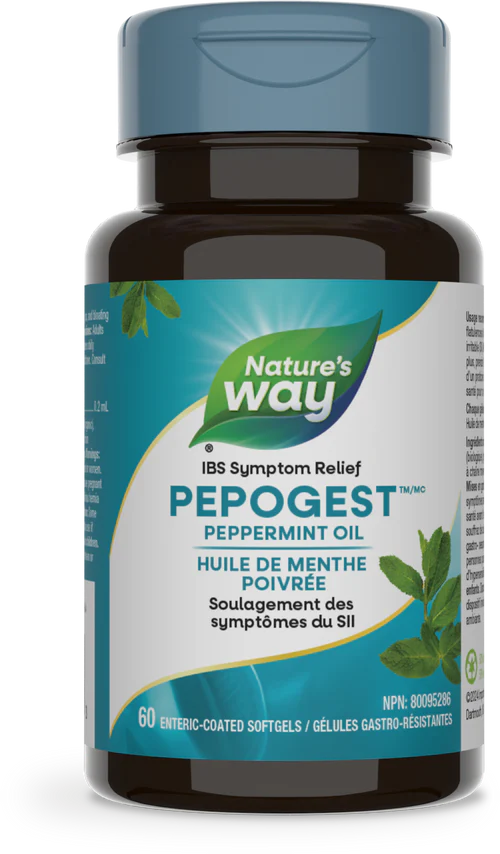
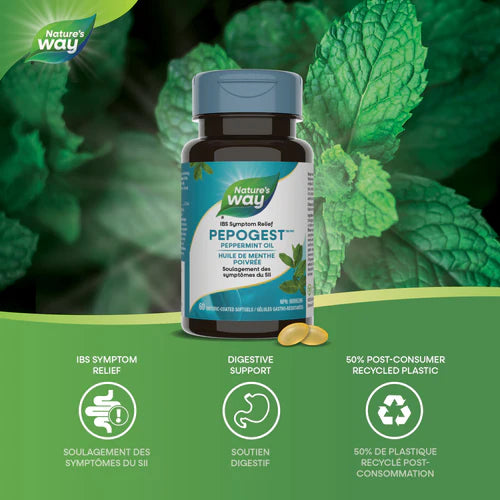
Enteric-coated peppermint oil is one of the commonly used botanical options for IBS-related digestive discomfort.
Peppermint oil may help support relaxation of gastrointestinal smooth muscle and can be used for symptoms such as:
• Abdominal discomfort
• Cramping
• Bloating
Enteric-coated capsules are designed to release peppermint oil farther along the gastrointestinal tract.
Peppermint oil can aggravate heartburn or acid reflux in some individuals and may not be appropriate for everyone.
DIGESTIVE ENZYMES
Digestive enzymes help break down particular components of food.
Depending on the formula, they may contain enzymes such as:
• Lactase
• Lipase
• Protease
• Amylase
• Alpha-galactosidase
Enzymes can be useful when symptoms are associated with difficulty digesting specific foods—for example, lactase for lactose intolerance—but they are not a universal treatment for IBS.
PREBIOTICS
Prebiotics are fermentable substances that provide nourishment for certain beneficial intestinal microorganisms.
Although they can support microbiome health, some highly fermentable prebiotic fibres can increase gas and bloating in sensitive people with IBS.
Introduce prebiotic products gradually and evaluate individual tolerance.
LOW-FODMAP & DIETARY SUPPORT
Some individuals with IBS benefit from temporarily reducing certain fermentable carbohydrates known as FODMAPs.
These include specific:
• Fermentable oligosaccharides
• Disaccharides
• Monosaccharides
• Polyols
A low-FODMAP diet is generally intended as a structured elimination followed by systematic reintroduction, rather than an unnecessarily restrictive lifelong diet.
Working with a dietitian or other qualified healthcare professional can help identify personal triggers while maintaining adequate nutrition and dietary variety.
STRESS, SLEEP & THE GUT-BRAIN CONNECTION
The gastrointestinal tract and nervous system communicate continuously through the gut-brain axis.
Stress does not mean IBS is simply psychological, but stress can influence:
• Intestinal motility
• Digestive sensitivity
• Perception of abdominal discomfort
• Bowel habits
A comprehensive IBS routine may therefore include:
• Regular physical activity
• Consistent sleep
• Relaxation techniques
• Mindfulness
• Appropriate psychological therapies
• Individual stress-management strategies
PRODUCTS YOU MAY FIND IN THIS COLLECTION
Depending on availability, IBS Support may include:
• Targeted probiotics
• Soluble fibre supplements
• Psyllium
• Enteric-coated peppermint oil
• Digestive enzymes
• Selected prebiotic formulas
• Digestive herbal formulas
• Electrolytes for appropriate hydration support
• Gut-supportive nutritional formulas
HOW TO CHOOSE THE RIGHT IBS SUPPORT
• For constipation: Consider appropriate soluble fibre and bowel-regularity support
• For diarrhea: Focus on hydration and products suited to diarrhea-predominant symptoms
• For bloating and gas: Review dietary triggers and consider carefully selected digestive support
• For cramping: Enteric-coated peppermint oil may be worth considering when appropriate
• For microbiome support: Choose probiotics according to strains and formulation rather than CFU count alone
• For food-specific symptoms: Consider targeted digestive enzymes when a particular intolerance has been identified
• For mixed symptoms: Build a personalized routine rather than treating constipation and diarrhea simultaneously without a clear strategy
PAIR WITH
Depending on your symptoms, IBS Support may complement:
• Gastrointestinal Health
• Probiotics
• Digestive Enzymes
• Fiber Supplements
• Bloating & Gas Relief
• Constipation Relief
• Diarrhea Relief
• Electrolytes & Hydration
• Peppermint
• Stress & Relaxation
FAQ
What is the difference between IBS and IBD?
IBS is a disorder of gut-brain interaction involving bowel function and sensitivity. IBD, including Crohn’s disease and ulcerative colitis, involves intestinal inflammation and can cause tissue damage. They are different conditions.
What supplements are commonly used for IBS?
Depending on the symptoms, commonly considered options include soluble fibre, selected probiotics, enteric-coated peppermint oil, and specific digestive enzymes.
Are probiotics good for IBS?
Certain probiotics may help some individuals, but effects are strain- and formulation-specific. Not every probiotic is equally appropriate for IBS.
Can fibre make IBS worse?
Yes. Some types or excessive amounts of fibre can increase bloating and gas. Soluble fibre such as psyllium is generally better tolerated than some highly fermentable fibres, but it should still be introduced gradually.
Does peppermint oil help IBS?
Enteric-coated peppermint oil may help some people with abdominal discomfort and cramping. It can worsen reflux or heartburn in susceptible individuals.
Is IBS caused by stress?
No single factor causes all cases of IBS. Stress can influence symptoms through the gut-brain axis, but IBS is a multifactorial gastrointestinal disorder.
Should I avoid gluten if I have IBS?
Not automatically. Some people report symptoms after gluten-containing foods, but wheat also contains fermentable carbohydrates that may contribute to symptoms. Celiac disease should be appropriately evaluated before beginning a strict gluten-free diet when clinically indicated.
Can IBS be cured?
There is no single cure that works for everyone, but symptoms can often be substantially improved through individualized dietary, lifestyle, psychological, supplement, and medical strategies.
CAUTIONS & WARNINGS
Do not assume recurring gastrointestinal symptoms are IBS without appropriate assessment.
Seek medical advice for symptoms such as:
• Blood in the stool
• Unexplained weight loss
• Persistent fever
• Severe or progressively worsening abdominal pain
• Persistent vomiting
• Iron-deficiency anemia
• Symptoms that regularly wake you from sleep
• A significant unexplained change in bowel habits
• New gastrointestinal symptoms at an older age
• A strong family history of colorectal cancer, inflammatory bowel disease, or celiac disease
Consult a healthcare professional before using supplements if you are pregnant or breastfeeding, take prescription medications, have a diagnosed gastrointestinal disease, or are undergoing treatment for a significant medical condition.
WHY SHOP IBS SUPPORT AT COAL HARBOUR PHARMACY
• Pharmacist-curated digestive-health selection
• Targeted options for different IBS symptom patterns
• Professional and natural health brands
• Probiotic, fibre, enzyme, and botanical options
• Clean-label formulations available
• Products for both everyday and targeted digestive support
• Fast, secure Canada-wide shipping
• Vancouver-based pharmacy with personalized guidance
RELATED COLLECTIONS
You may also be interested in:
────────────────────────────────────
Shop IBS Support →
Sort by
7 products




FREE STANDARD SHIPPING
Satisfied or refunded
Top-notch support
Secure payments
Encrypted checkout processing
Offers exclude prescriptions and in-store purchases.
Subscribe & Get a First-Order Reward
Plus, earning reward points on eligible online purchases and enjoy future store credit.
We respect your inbox at Coal Harbour Pharmacy - Expect thoughtfully curated health and wellness updates, timely reminders, and exclusive online savings.