
Multi for Athletes – Athlete-Focused Multivitamins for Energy, Recovery & Performance
Explore pharmacist-curated multivitamins for athletes and active adults, with targeted vitamins, minerals, electrolytes, and performance-support nutrients selected to help maintain energy metabolism, muscle and nerve function, recovery, immune health, and everyday micronutrient adequacy during demanding training routines.
────────────────────────────────────
About Multi for Athletes
Athletes and physically active adults may have different nutritional priorities from less active individuals, particularly when training volume, energy expenditure, dietary restriction, sweat losses, travel, or competition schedules make it harder to consistently meet micronutrient needs through food alone.
The Multi for Athletes collection at Coal Harbour Pharmacy features sport-oriented multivitamins and multinutrient formulas designed for people involved in endurance training, strength sports, recreational fitness, competitive athletics, and physically demanding lifestyles.
These products may include B vitamins, vitamin D, magnesium, zinc, selenium, iron where appropriate, electrolytes, and antioxidant nutrients, with some formulas also incorporating amino acids, botanical extracts, or specialty performance ingredients.
Athlete multivitamins should be viewed primarily as a way to support nutritional adequacy, not as direct performance-enhancing products.
Key Benefits
Depending on the formula and individual need, athlete-focused multivitamins may help:
• Support normal energy metabolism
• Maintain normal muscle and nerve function
• Support red blood cell formation and oxygen transport where relevant nutrients are adequate
• Support immune function during periods of demanding training
• Help fill micronutrient gaps in active lifestyles
• Support bone health and muscle function
• Contribute to normal antioxidant defence
• Provide convenient daily micronutrient coverage
• Complement a structured nutrition and recovery plan
Benefits depend on the specific nutrients provided, the athlete’s baseline diet, training load, and whether a true nutritional gap exists.
Who It’s Ideal For
Athlete multivitamins may be useful for:
• Endurance athletes
• Strength and resistance-training athletes
• Recreationally active adults
• Competitive athletes
• People with high weekly training volumes
• Individuals with physically demanding occupations
• Athletes following calorie-restricted diets
• Vegetarian or vegan athletes with specific nutrient considerations
• Athletes with limited dietary variety
• People looking for a convenient daily multinutrient foundation
A multivitamin is not automatically necessary for every athlete who eats a balanced, sufficient diet.
What Are Multivitamins for Athletes?
Athlete multivitamins are supplements formulated to provide a broad range of vitamins and minerals, often with amounts or ingredient combinations selected with active individuals in mind.
Typical nutrients may include:
• B-complex vitamins
• Vitamin C
• Vitamin D
• Vitamin E
• Vitamin K
• Magnesium
• Zinc
• Selenium
• Copper
• Manganese
• Chromium
• Iodine
• Iron in selected formulas
Some products may also contain:
• Electrolytes
• Amino acids
• CoQ10
• Antioxidant compounds
• Botanical extracts
• Carotenoids
• Performance-oriented cofactors
The presence of additional ingredients does not automatically make a product more effective.
Do Athletes Need More Vitamins & Minerals?
Sometimes—but not always.
Exercise can increase:
• Total energy expenditure
• Turnover of certain nutrients
• Sweat losses
• Recovery demands
• Food requirements
However, when calorie intake rises appropriately to match training, intake of vitamins and minerals often rises as well.
Athletes at greater risk of inadequate micronutrient intake may include those who:
• Restrict calories
• Follow highly selective diets
• Avoid major food groups
• Have low energy availability
• Train while travelling frequently
• Have gastrointestinal limitations
• Have confirmed deficiencies
• Have heavy menstrual losses
The goal should be to identify nutritional gaps rather than assume every athlete needs high-dose supplementation.
Athlete Multivitamins vs Standard Multivitamins
A sport-oriented multivitamin may differ from a general daily multivitamin through:
• Different nutrient amounts
• Additional minerals
• Electrolytes
• Higher or lower iron depending on the target user
• Added antioxidants
• Botanical or performance-support ingredients
• Sports-certification programs
However, “athlete formula” does not automatically mean superior.
The best product depends on:
• Diet
• Sex
• Age
• Training type
• Competition requirements
• Existing supplements
• Laboratory findings when relevant
• Medication and health considerations
B Vitamins & Energy Metabolism
B vitamins are involved in many enzymatic pathways that help the body extract and use energy from carbohydrates, fats, and proteins.
They do not themselves provide calories or act as stimulants.
Examples include:
• Thiamine
• Riboflavin
• Niacin
• Pantothenic acid
• Vitamin B6
• Biotin
• Folate
• Vitamin B12
Correcting inadequate intake is important, but taking large amounts beyond requirements does not necessarily increase energy or athletic performance.
Vitamin B12
Vitamin B12 supports:
• Normal red blood cell formation
• Neurological function
• DNA synthesis
• Normal energy-yielding metabolism
Athletes who may need particular attention to B12 include:
• Vegans
• Some vegetarians
• Older adults
• People with certain gastrointestinal conditions
• People using medications that affect absorption
Low B12 status can contribute to fatigue, but fatigue should not automatically be assumed to be a B12 problem.
Folate
Folate contributes to:
• Cell division
• DNA synthesis
• Red blood cell formation
• Homocysteine metabolism
Adequacy is important, particularly in women of reproductive age.
High-dose folic acid can potentially mask some manifestations of vitamin B12 deficiency, which is one reason more is not always better.
Vitamin B6
Vitamin B6 participates in:
• Amino-acid metabolism
• Glycogen metabolism
• Neurotransmitter synthesis pathways
• Hemoglobin formation
Chronic excessive supplemental vitamin B6 can cause nerve injury.
Athletes taking multiple fortified products should check total daily intake.
Vitamin D
Vitamin D contributes to:
• Bone health
• Calcium metabolism
• Normal muscle function
• Immune function
Athletes training indoors, living at northern latitudes, having limited sun exposure, or having other risk factors may be more likely to have low vitamin D status.
Vitamin D supplementation should be based on dietary intake, sun exposure, individual risk, and testing where clinically appropriate.
Calcium
Calcium is essential for:
• Bone structure
• Muscle contraction
• Nerve signalling
• Blood clotting
Athletes with low dairy intake, restricted diets, or low energy availability may require greater attention to calcium intake.
Food sources should generally form the foundation.
Magnesium
Magnesium contributes to:
• Normal muscle function
• Normal nervous-system function
• Electrolyte balance
• Energy metabolism
• Protein synthesis
• Bone health
Athletes commonly use magnesium for cramps or recovery, but muscle cramps have many possible causes and are not always due to magnesium deficiency.
Zinc
Zinc contributes to:
• Immune function
• Protein synthesis
• DNA synthesis
• Wound healing
• Normal reproductive function
Heavy sweating and restrictive diets may influence zinc status in some athletes, but chronic excessive zinc intake can impair copper status.
Iron
Iron deserves special attention in athletic populations because it is required for:
• Hemoglobin
• Oxygen transport
• Myoglobin
• Energy-related enzymes
Athletes at greater risk of low iron status can include:
• Menstruating athletes
• Endurance runners
• Vegetarians and vegans
• Athletes with low energy intake
• People with gastrointestinal blood loss or malabsorption
Iron should not be routinely added in high doses without a reason.
Excess iron can be harmful, and unexplained fatigue should not automatically be self-treated with iron.
Iron-Free Athlete Multivitamins
Iron-free formulas can be useful for:
• Men who obtain adequate iron from diet
• Postmenopausal women
• People already taking a separate iron supplement
• Athletes with normal iron stores
• People advised to avoid additional iron
Whether iron should be included is an individual decision.
Electrolytes
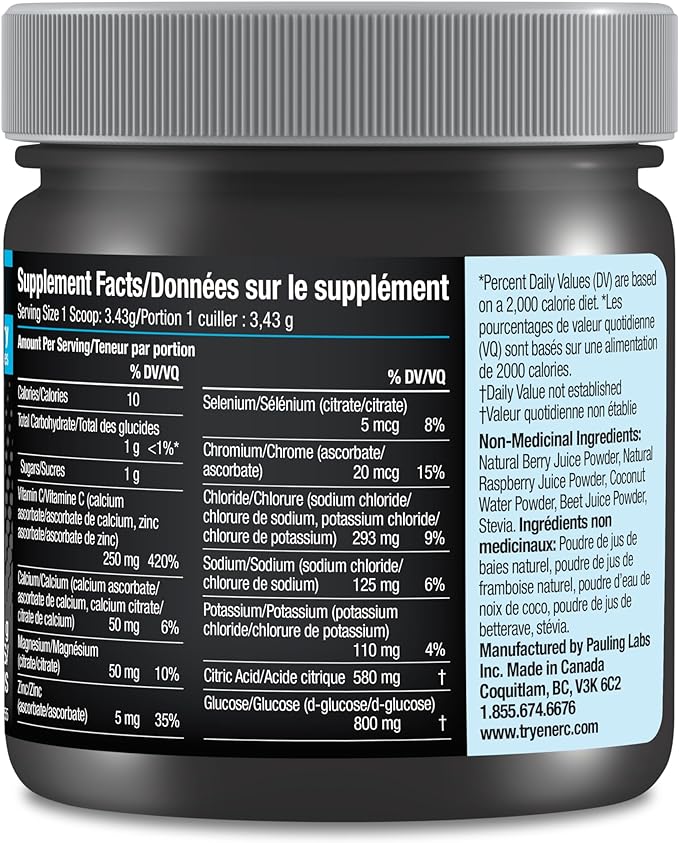
Electrolytes include:
• Sodium
• Potassium
• Chloride
• Magnesium
• Calcium
These minerals contribute to fluid balance, muscle contraction, nerve signalling, and many other physiological processes.
However, most athlete multivitamins do not provide enough sodium to replace substantial sweat losses during prolonged exercise.
For long-duration or high-sweat activities, a dedicated hydration strategy may be more appropriate.
Sodium & Sweat Losses
Sodium is the electrolyte lost in the greatest quantity through sweat.
Losses vary widely between individuals.
Athletes training:
• For long durations
• In hot environments
• At high intensity
• With high sweat rates
may need additional sodium beyond what a multivitamin provides.
Blanket advice to increase sodium is not appropriate for everyone.
Potassium
Potassium is essential for:
• Nerve transmission
• Muscle function
• Fluid balance
• Cardiac function
Most potassium intake should come from food.
High-dose potassium supplementation can be dangerous in people with kidney disease or those taking certain medications.
Antioxidants & Exercise
Exercise temporarily increases reactive oxygen species.
This is not entirely harmful.
Reactive oxygen species also participate in normal signalling involved in adaptation to training.
Nutrients involved in antioxidant defence include:
• Vitamin C
• Vitamin E
• Selenium
• Zinc
• Copper
• Manganese
High-dose antioxidant supplementation is not automatically beneficial and, in some contexts, may interfere with normal training adaptations.
The goal is adequate nutritional support rather than eliminating all exercise-related oxidative stress.
Vitamin C
Vitamin C contributes to:
• Normal collagen formation
• Antioxidant protection
• Immune function
• Iron absorption
It can be useful in correcting inadequate intake, but megadoses are not necessary for most athletes.
Vitamin E
Vitamin E is a fat-soluble antioxidant that helps protect cellular membranes from oxidative damage.
High supplemental doses are not routinely necessary for performance and may create risks in some individuals.
Athletes should consider total intake from both food and supplements.
Selenium
Selenium is required for selenoproteins involved in:
• Antioxidant defence
• Thyroid hormone metabolism
• Immune function
It is needed only in small amounts.
Excessive selenium intake can be toxic, so stacking multiple selenium-containing supplements should be avoided.
Multivitamins & Immune Health During Training
Periods of intense training, inadequate recovery, low energy availability, poor sleep, and psychological stress can affect immune resilience.
Micronutrient adequacy supports normal immune function.
However, multivitamins should not be presented as preventing illness in athletes.
Important foundations include:
• Adequate calories
• Sufficient carbohydrate
• Sufficient protein
• Sleep
• Hydration
• Recovery
• Appropriate training progression
Multivitamins & Muscle Recovery
Muscle recovery depends primarily on:
• Appropriate training load
• Adequate protein
• Sufficient total calories
• Carbohydrate availability
• Hydration
• Sleep
• Recovery time
Micronutrients support the biological processes involved, but a multivitamin does not replace protein or recovery nutrition.
Multivitamins & Muscle Function
Minerals such as magnesium, calcium, potassium, and sodium contribute to normal muscle function.
Vitamin D also plays a role.
However, taking extra amounts beyond requirements does not automatically improve strength, power, or endurance.
Multivitamins & Endurance Training
Endurance athletes may have particular concerns around:
• Iron
• Vitamin B12
• Folate
• Vitamin D
• Calcium
• Electrolytes
• Energy availability
The most important step is matching nutrition to training volume.
A multivitamin may be helpful where gaps exist, but it cannot compensate for insufficient energy intake.
Multivitamins & Strength Training
Strength athletes often focus on:
• Protein intake
• Creatine
• Total energy intake
• Carbohydrate availability
• Recovery
• Hydration
A multivitamin provides micronutrient coverage but should not be expected to directly increase muscle size or strength.
Multivitamins & High-Intensity Training
High-intensity exercise increases overall metabolic demand, but this does not mean that extremely high vitamin doses are required.
Micronutrients function mainly as cofactors and structural components.
Once requirements are met, higher intake does not necessarily result in greater performance.
High-Potency Multivitamins
The term high potency generally refers to larger amounts of certain vitamins or minerals.
Higher amounts can sometimes be useful, but they can also increase the risk of:
• Nutrient duplication
• Gastrointestinal effects
• Medication interactions
• Excessive vitamin B6
• Excessive niacin
• Excess zinc
• Excess selenium
• Excess fat-soluble vitamins
More is not automatically better.
Fat-Soluble Vitamins
Vitamins A, D, E, and K are fat soluble.
Unlike most water-soluble vitamins, they can be stored in the body.
This means prolonged high intake deserves more caution.
Athletes using:
• Multivitamins
• Greens powders
• Fortified protein products
• Meal replacements
• Separate vitamin D
• Fish-liver oils
should review their combined intake.
Sports-Certified Multivitamins
Competitive athletes subject to anti-doping rules should pay particular attention to supplement certification.
Independent sport-certification programs can help reduce—not eliminate—the risk of contamination with prohibited substances.
Depending on the product and jurisdiction, athletes may look for recognized third-party sport testing or certification.
No supplement certification can guarantee zero risk.
Competitive Athletes & Supplement Risk
Supplements can occasionally contain:
• Undeclared ingredients
• Contaminants
• Manufacturing cross-contamination
• Ingredients prohibited by sporting organizations
Competitive athletes are responsible for substances detected in their bodies under many anti-doping frameworks.
Choose products carefully and verify current sport certification rather than relying solely on marketing claims such as “clean” or “athlete safe.”
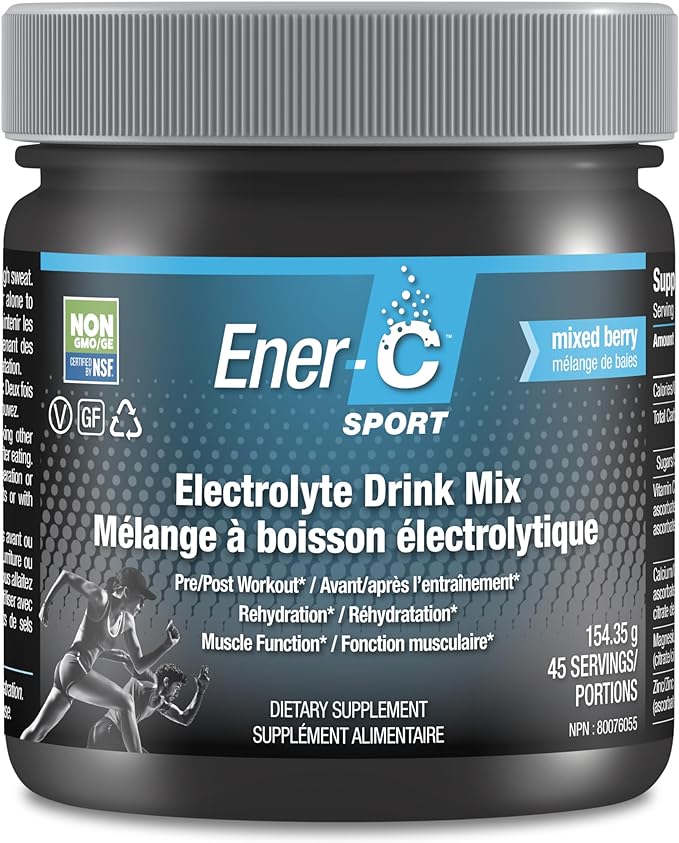
Powdered Athlete Multivitamins
Powders can be convenient for athletes who:
• Prefer drinkable supplements
• Already use shakes or hydration beverages
• Have difficulty swallowing tablets
• Want a multinutrient blend
However, powdered formulas may overlap with:
• Electrolyte products
• Pre-workouts
• Greens powders
• Protein powders
• Recovery drinks
Check the total nutrient intake across all products.
Capsules & Tablets
Capsules and tablets offer:
• Consistent premeasured servings
• Convenience
• Easy travel
• Simple daily routines
Some athlete multis require several capsules or tablets per serving because comprehensive mineral formulas require more physical space.
This does not necessarily indicate better or worse quality.
Multinutrient Performance Blends
Some athlete multis include additional ingredients such as:
• Amino acids
• CoQ10
• Alpha-lipoic acid
• Botanical extracts
• Carotenoids
• Digestive enzymes
• Performance-support compounds
Each added ingredient should be evaluated independently.
A complex label is not automatically evidence of a more effective formula.
Should Athletes Take a Multivitamin Every Day?
Some athletes may benefit from daily supplementation, while others may obtain adequate micronutrients from food.
Consider:
• Dietary variety
• Calorie intake
• Training load
• Bloodwork when appropriate
• Dietary restrictions
• Existing supplements
• Individual health factors
The purpose should be to address likely nutritional gaps, not to maximize the number of supplements used.
How to Choose a Multi for Athletes
Review Your Diet
Identify which nutrients may actually be difficult to obtain consistently.
Check Iron Content
Choose iron-containing or iron-free formulas based on individual need.
Compare Nutrient Amounts
Avoid formulas that provide unnecessarily high amounts of multiple nutrients without a clear reason.
Check Existing Supplements
Review:
• Electrolytes
• Magnesium
• Vitamin D
• Zinc
• Greens powders
• Protein powders
• Meal replacements
• Recovery products
for overlapping nutrients.
Consider Sport Certification
This is especially important for drug-tested athletes.
Choose a Practical Format
A supplement that is easy to take consistently is often more useful than a complicated regimen that is rarely followed.
Multivitamins Cannot Replace Sports Nutrition
A strong sports nutrition plan still requires:
• Adequate calories
• Sufficient protein
• Appropriate carbohydrate intake
• Healthy fats
• Fruits and vegetables
• Hydration
• Electrolytes when needed
• Meal timing appropriate to training
Multivitamins complement these foundations rather than replacing them.
Low Energy Availability
Athletes who consistently consume less energy than their bodies require can experience low energy availability.
This can affect:
• Hormonal function
• Bone health
• Recovery
• Performance
• Immune health
• Menstrual function
• Mood
• Injury risk
A multivitamin cannot correct inadequate calorie intake.
Persistent under-fuelling requires nutritional assessment rather than simply adding more supplements.
RED-S & Athlete Health
Relative Energy Deficiency in Sport, or RED-S, can occur when energy intake is insufficient relative to training and physiological needs.
It can affect multiple body systems.
Potential signs can include:
• Declining performance
• Recurrent injury
• Fatigue
• Menstrual disruption
• Low libido
• Mood changes
• Poor recovery
• Bone stress injuries
• Frequent illness
Multivitamins do not treat RED-S.
Appropriate sports nutrition and healthcare guidance are important.
Athlete Fatigue
Fatigue can have many causes, including:
• Under-recovery
• Poor sleep
• Low energy availability
• Iron deficiency
• Vitamin B12 deficiency
• Infection
• Thyroid disease
• Excess training load
• Psychological stress
• Medication effects
Unexplained or persistent fatigue should not automatically be addressed with a high-potency multivitamin.
Training Cramps
Muscle cramps are often attributed to electrolyte deficiency, but their causes can be multifactorial.
Potential contributors include:
• Neuromuscular fatigue
• Training intensity
• Heat
• Sweat losses
• Hydration status
• Conditioning
• Medications
A multivitamin should not be expected to prevent all exercise-associated cramps.
Vegetarians & Vegan Athletes
Plant-based athletes may need particular attention to:
• Vitamin B12
• Iron
• Zinc
• Calcium
• Iodine
• Vitamin D
• Omega-3 fats
• Protein quantity and quality
A well-designed vegan or vegetarian athlete multivitamin can help address some—but not all—of these considerations.
Female Athletes
Female athletes may need particular attention to:
• Iron
• Calcium
• Vitamin D
• Energy availability
• Menstrual health
Heavy menstrual bleeding can increase iron requirements.
Changes in menstrual cycles can also be a sign of inadequate energy availability or other health concerns and should not simply be “treated” with a multivitamin.
Male Athletes
Men generally have lower iron requirements than menstruating women.
An iron-free multivitamin may be appropriate for many male athletes when dietary intake and iron status are adequate.
Routine high-dose iron supplementation should generally be avoided without a specific indication.
Masters & Older Athletes
Older athletes may have particular nutritional priorities around:
• Vitamin D
• Vitamin B12
• Calcium
• Protein
• Hydration
• Overall energy intake
Muscle preservation also depends strongly on resistance training and adequate protein.
A multivitamin may support nutritional coverage but does not replace these factors.
Quality & Sourcing Considerations
Useful quality considerations include:
• Clear ingredient amounts
• Appropriate Canadian product authorization where applicable
• Transparent manufacturer information
• Manufacturing quality controls
• Independent testing when available
• Sport certification when relevant
• Allergen information
• Appropriate expiry and storage instructions
Claims such as GMP-certified, third-party tested, clean-label, professional-grade, non-GMO, vegan, or banned-substance tested should be verified for each specific product rather than applied automatically to the entire collection.
Safety & Precautions
Professional guidance may be appropriate for people who:
• Take prescription medications
• Have kidney or liver disease
• Have thyroid disease
• Have iron-overload disorders
• Take anticoagulants
• Are pregnant or breastfeeding
• Use multiple fortified sports products
• Have known vitamin or mineral deficiencies
• Are preparing for surgery
• Have persistent unexplained fatigue
Check the complete ingredient list rather than assuming every athlete multivitamin contains only standard vitamins and minerals.
When to Consider Nutritional Testing
Testing may be useful when there is concern about:
• Iron status
• Vitamin B12
• Vitamin D
• Anemia
• Persistent fatigue
• Restricted diets
• Poor recovery
• Recurrent injuries
Testing should be chosen according to symptoms, risk factors, and clinical context rather than ordering broad panels without a clear purpose.
FAQs
Do athletes need a special multivitamin?
Not always. Athletes who eat enough calories and maintain a varied diet may meet most micronutrient needs through food. An athlete-focused multivitamin can be useful when dietary gaps or increased risk of inadequacy exist.
Do athlete multivitamins improve performance?
They primarily support nutritional adequacy. Correcting a deficiency can improve health and potentially performance, but taking extra vitamins beyond requirements does not automatically increase strength, speed, or endurance.
Do athletes need more B vitamins?
Training increases energy metabolism, but higher calorie intake also increases dietary B-vitamin intake. Supplementation is most useful when intake is inadequate rather than simply because someone exercises.
Should athletes take iron?
Only when appropriate. Menstruating athletes and endurance athletes may have greater risk of iron deficiency, but routine high-dose iron is not suitable for everyone.
Do athlete multis replace electrolytes during training?
Usually not. Most multivitamins do not provide enough sodium or fluid to replace significant sweat losses during prolonged exercise.
Can a multivitamin help recovery?
Micronutrients support normal physiological processes involved in recovery, but adequate protein, calories, carbohydrates, hydration, sleep, and training management are more important.
What does sports-certified mean?
It generally means a product has undergone independent testing designed to reduce the risk of prohibited-substance contamination. Certification lowers risk but cannot guarantee zero risk.
Should athletes use high-potency multivitamins?
Not automatically. Higher doses may increase the chance of excessive intake without providing additional benefit.
Can I take a multivitamin with a protein powder or greens powder?
Often yes, but check for overlapping vitamins and minerals, especially vitamin D, zinc, selenium, magnesium, iron, and B vitamins.
What is the best multivitamin for an athlete?
The best choice depends on diet, sex, age, training load, iron needs, dietary restrictions, existing supplements, and whether sport certification is required.
Why Shop Multi for Athletes at Coal Harbour Pharmacy?
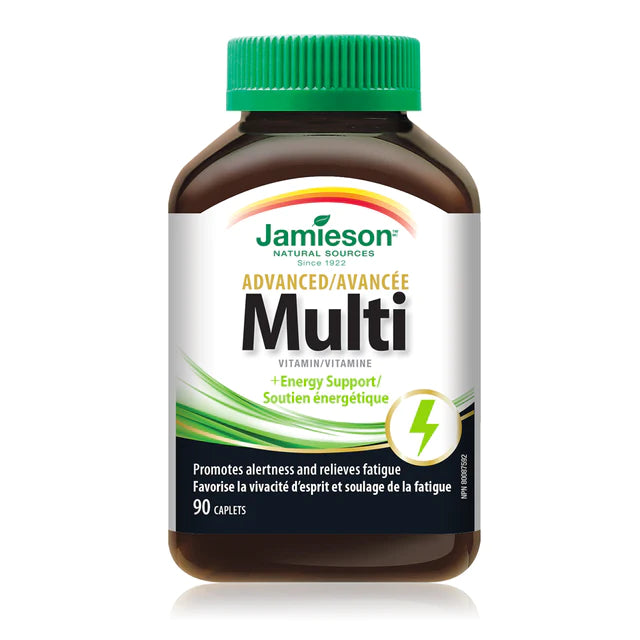
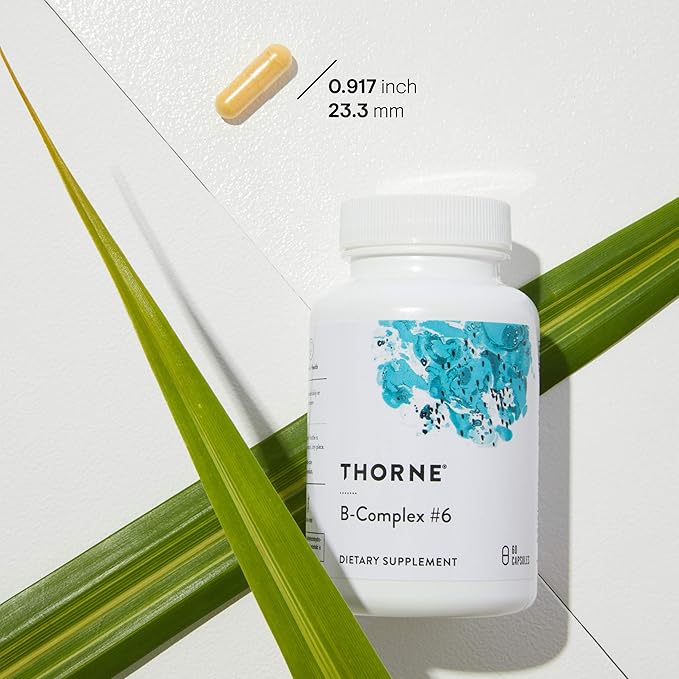
• Pharmacist-curated athlete multivitamins and multinutrient formulas
• Options for endurance, strength, recreational, and competitive athletes
• Iron-containing and iron-free formulas where available
• Sport-certified options where applicable
• Capsules, tablets, powders, and performance-oriented blends
• Products from established Canadian and professional supplement brands
• Fast Canada-wide shipping
Related Collections
────────────────────────────────────
Shop Multi for Athletes →
Sort by
11 products



FREE STANDARD SHIPPING
Satisfied or refunded
Top-notch support
Secure payments
Encrypted checkout processing
Offers exclude prescriptions and in-store purchases.
Subscribe & Get a First-Order Reward
Plus, earning reward points on eligible online purchases and enjoy future store credit.
We respect your inbox at Coal Harbour Pharmacy - Expect thoughtfully curated health and wellness updates, timely reminders, and exclusive online savings.