
Infant Foundational Nutrition – Essential Nutrition for Babies & Infants
Support healthy growth and development during the earliest stages of life with carefully selected infant nutrition essentials, including vitamin D, iron, DHA, probiotics, and other age-appropriate nutritional support.
────────────────────────────────────
ABOUT INFANT FOUNDATIONAL NUTRITION
Infancy is a period of exceptionally rapid growth. During the first years of life, adequate nutrition supports brain and vision development, bone growth, healthy blood formation, immune function, and overall physical development.
Our Infant Foundational Nutrition collection at Coal Harbour Pharmacy brings together pharmacist-curated nutritional products specifically designed for babies and infants. Depending on age and individual needs, this may include vitamin D drops, infant iron, DHA and omega-3s, probiotics, and other pediatric nutritional products.
Breast milk or properly prepared commercial infant formula remains the primary source of nutrition during early infancy. Supplements should be used to address established nutritional recommendations or individual needs—not as replacements for appropriate infant feeding.
KEY BENEFITS
• Supports healthy growth and development
• Provides age-appropriate nutritional support
• Supports normal brain and vision development
• Helps maintain healthy bones and teeth
• Supports normal immune-system function
• Helps maintain healthy red blood cell formation when iron supplementation is appropriate
• Supports digestive and microbiome health
• Provides convenient infant-specific dosing formats
WHO IT’S IDEAL FOR
Depending on the individual product, this collection may be appropriate for:
• Breastfed infants requiring recommended vitamin D supplementation
• Babies with specific nutritional needs identified by a healthcare professional
• Infants requiring supplemental iron when recommended
• Babies receiving DHA or omega-3 supplementation when appropriate
• Infants using selected pediatric probiotic products
• Babies transitioning toward complementary foods
• Parents seeking age-specific nutritional products for their infant
Premature infants and babies with medical conditions or growth concerns may have different nutritional requirements and should follow individualized medical guidance.
WHY FOUNDATIONAL NUTRITION MATTERS
The first years of life involve extraordinary development.
Adequate nutrition contributes to:
Brain & Nervous-System Development
The infant brain develops rapidly, requiring sufficient energy, essential fatty acids, iron, iodine, and numerous other nutrients.
Bone & Skeletal Development
Vitamin D, calcium, phosphorus, protein, and other nutrients contribute to normal bone development.
Healthy Blood Formation
Iron is required for hemoglobin production and oxygen transport and is particularly important during periods of rapid growth.
Immune Development
Adequate nutrition supports normal development and function of the immune system.
Growth & Tissue Development
Protein, essential fatty acids, vitamins, minerals, and sufficient calories provide the nutritional foundation for normal growth.
CORE INFANT NUTRITION CATEGORIES
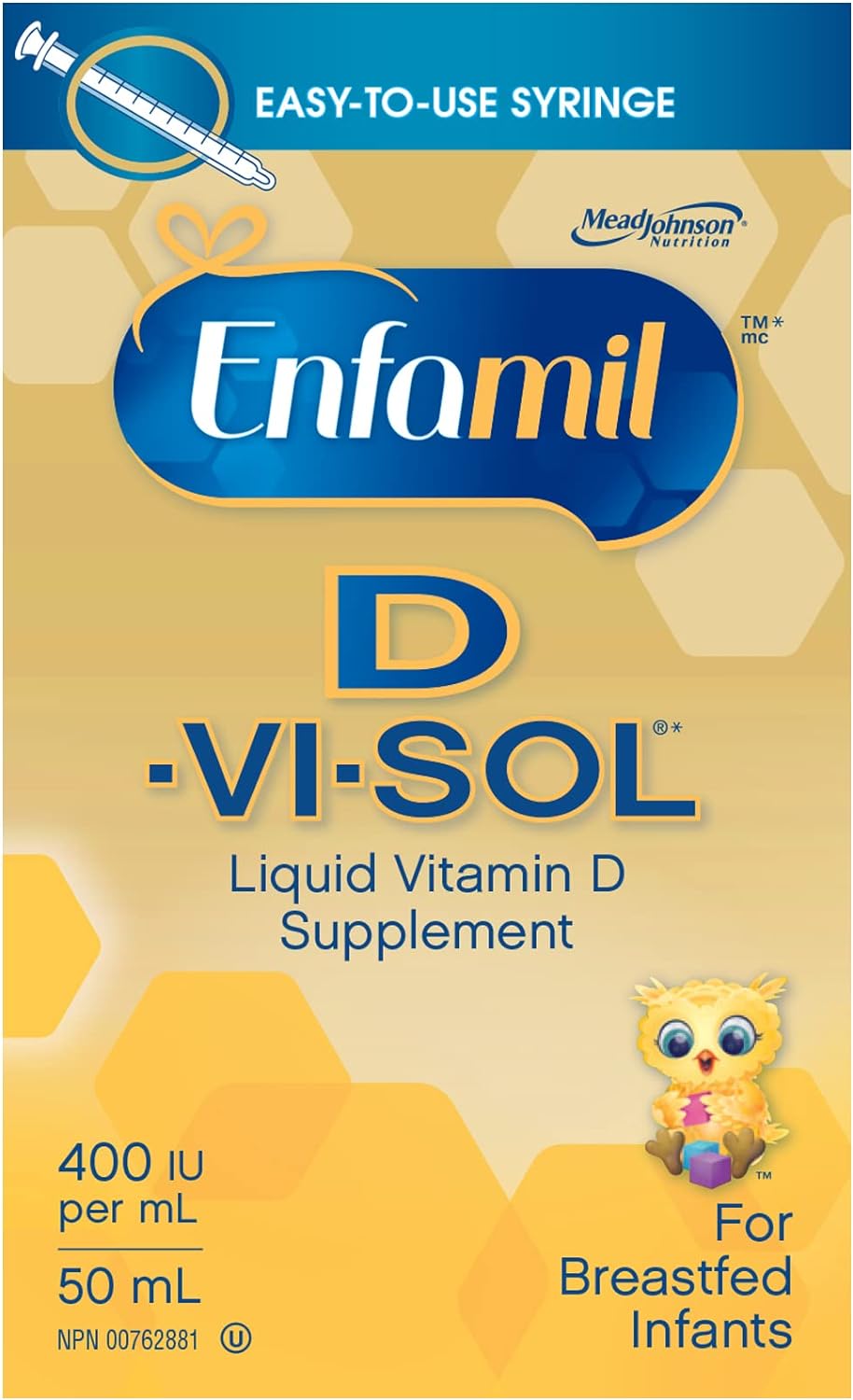
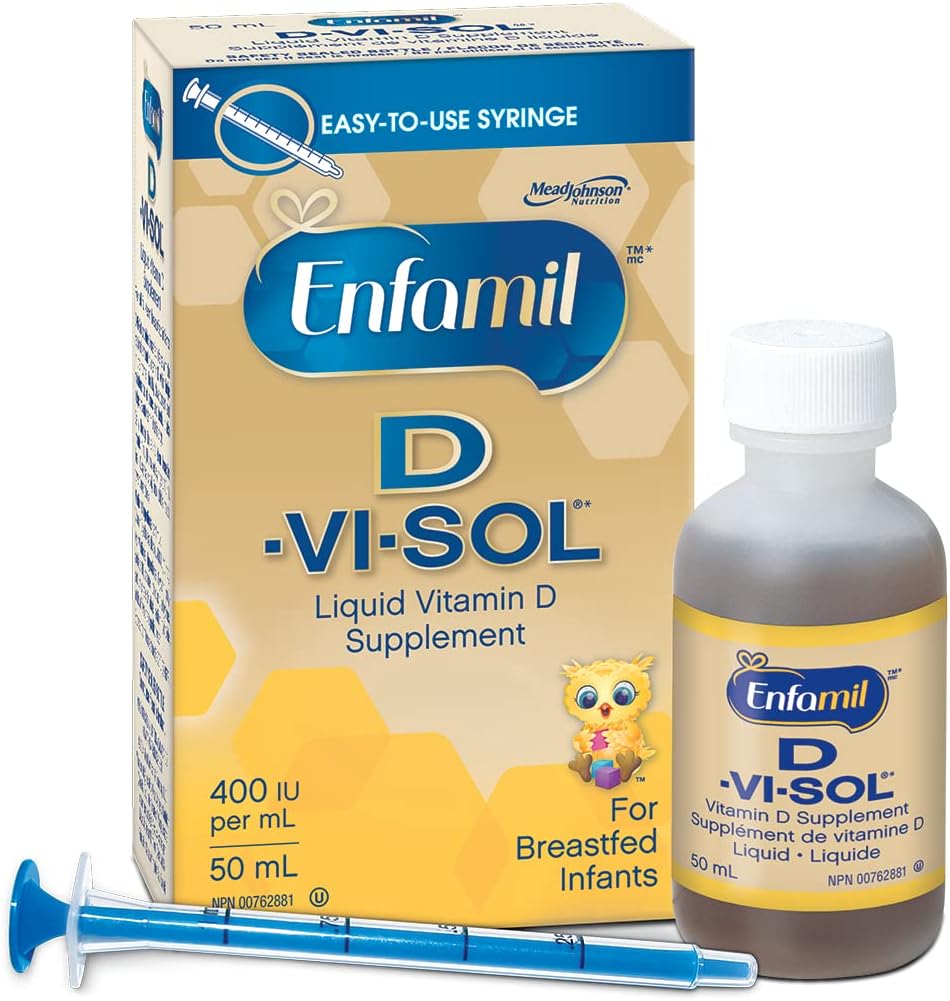
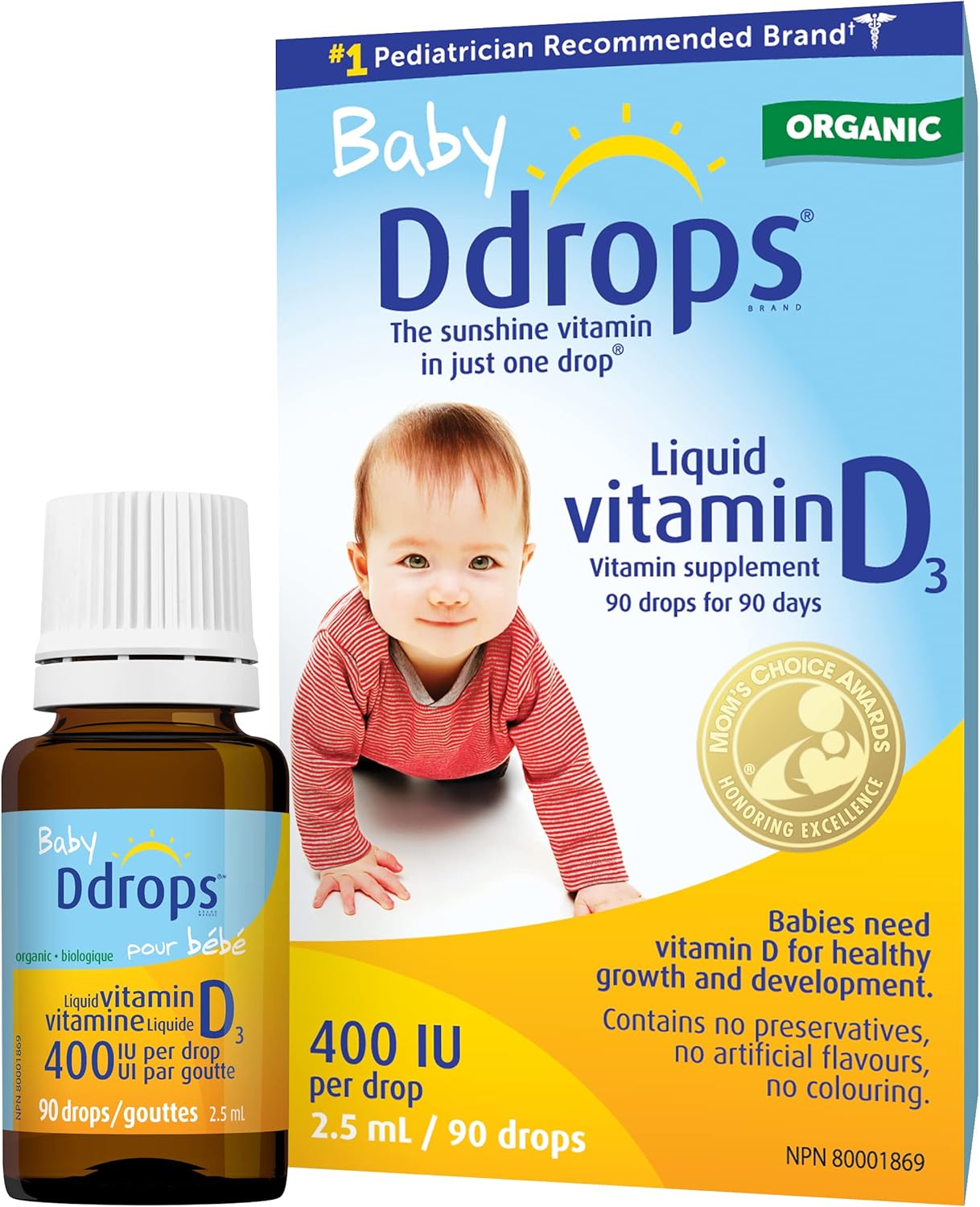
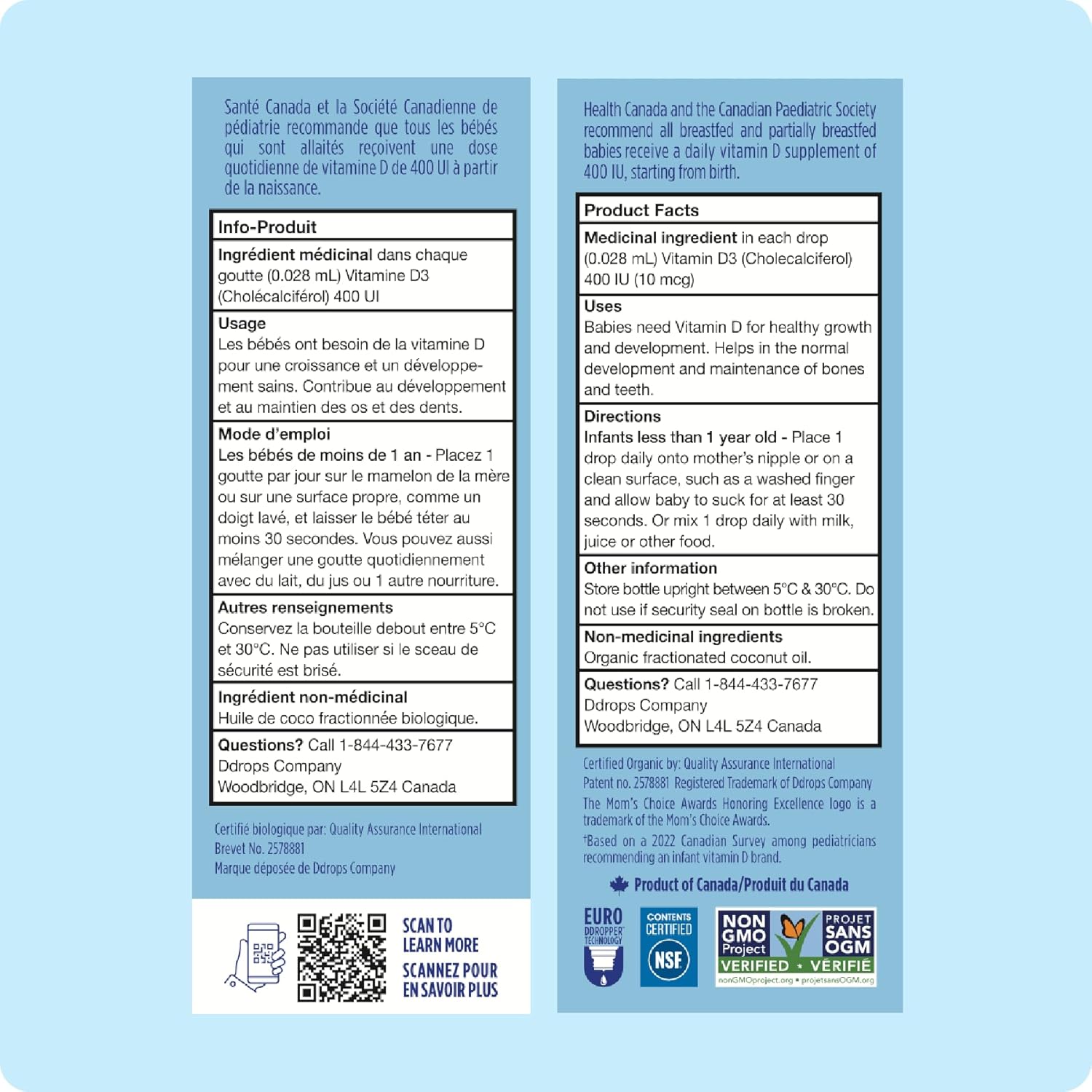
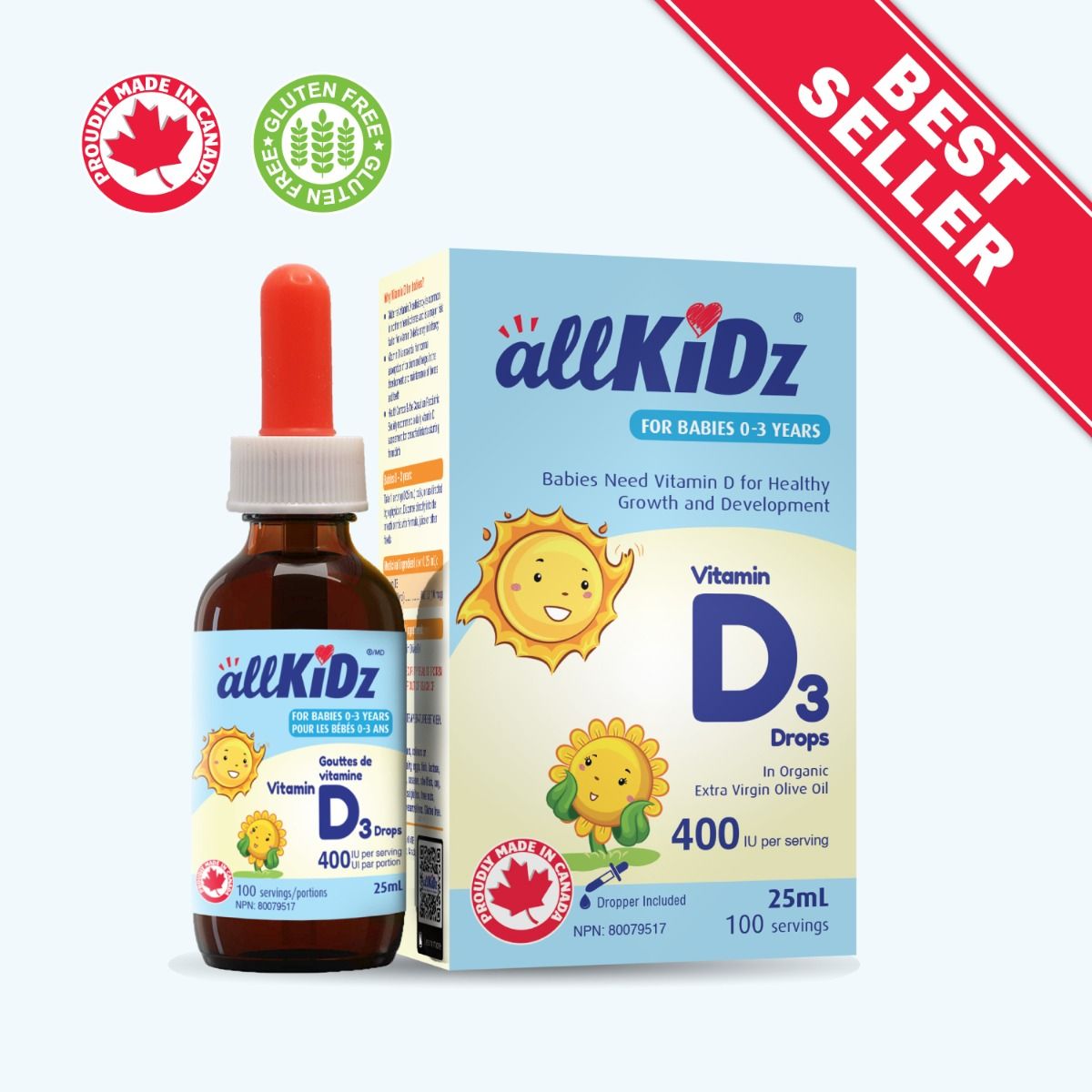
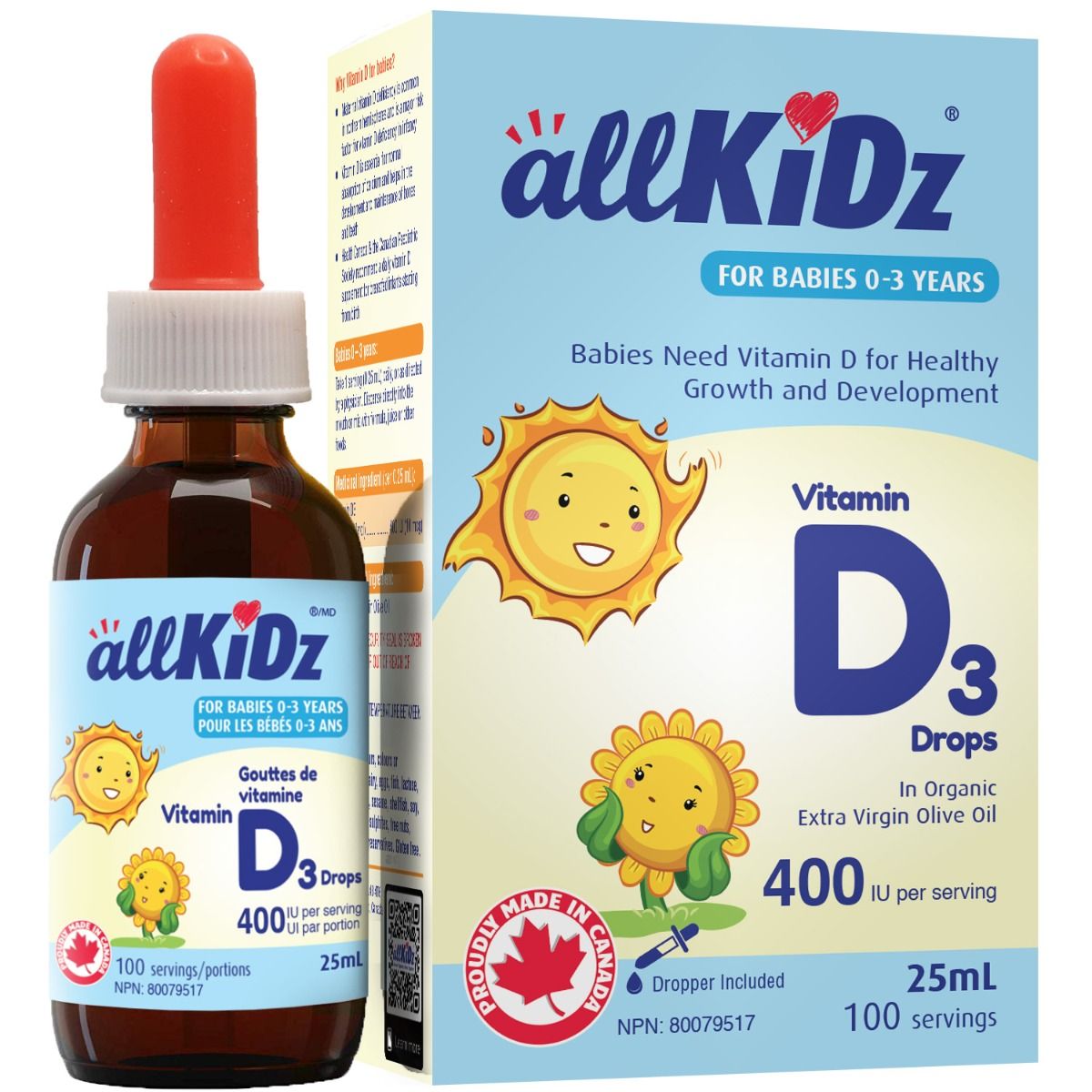
Vitamin D Drops
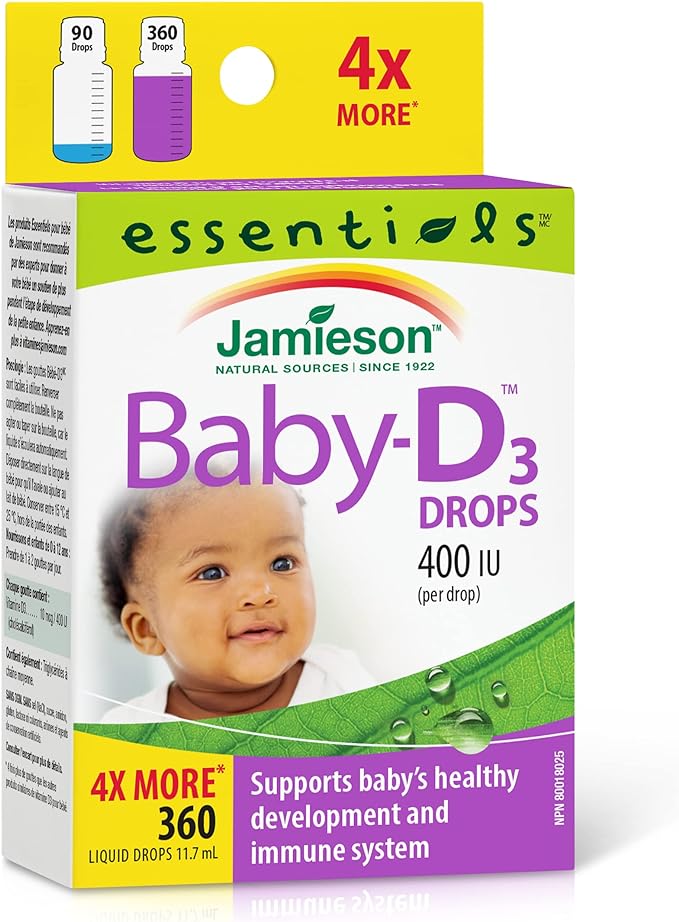
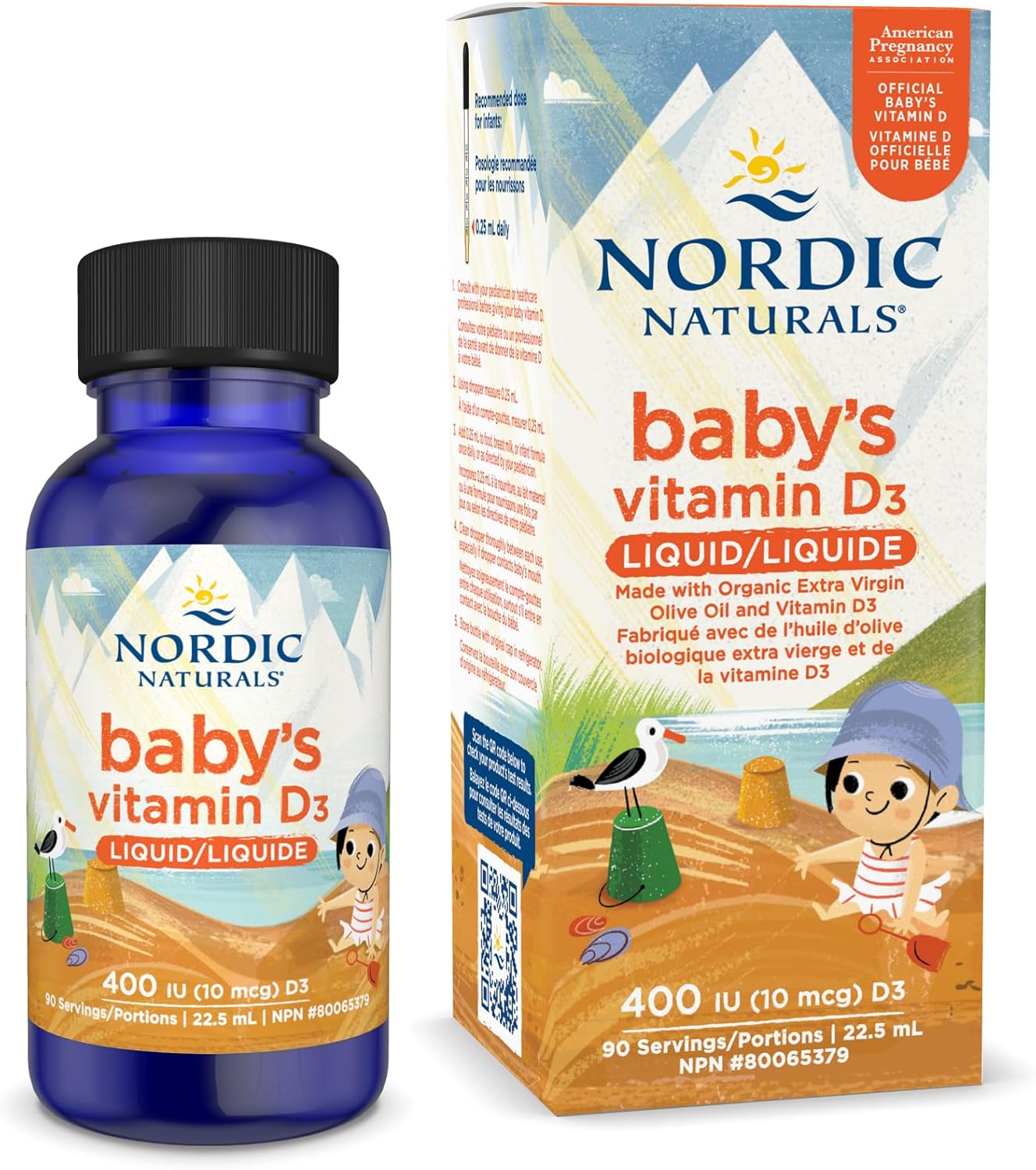
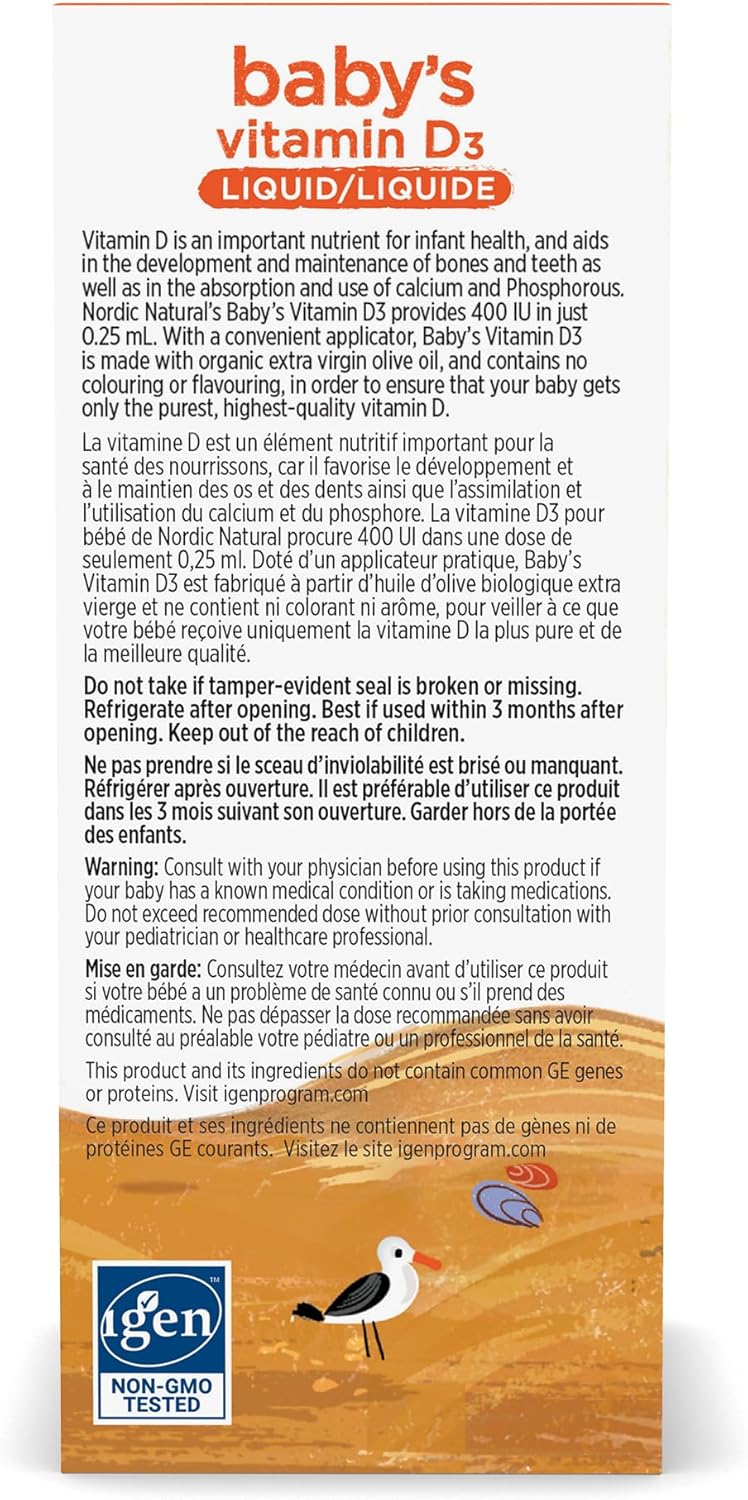
Vitamin D is particularly important during infancy because it supports:
• Normal bone development
• Calcium and phosphorus utilization
• Healthy teeth
• Normal immune function
Liquid drops allow very small amounts to be measured for infant use.
Parents should follow current pediatric recommendations and the dosage instructions of their specific product.
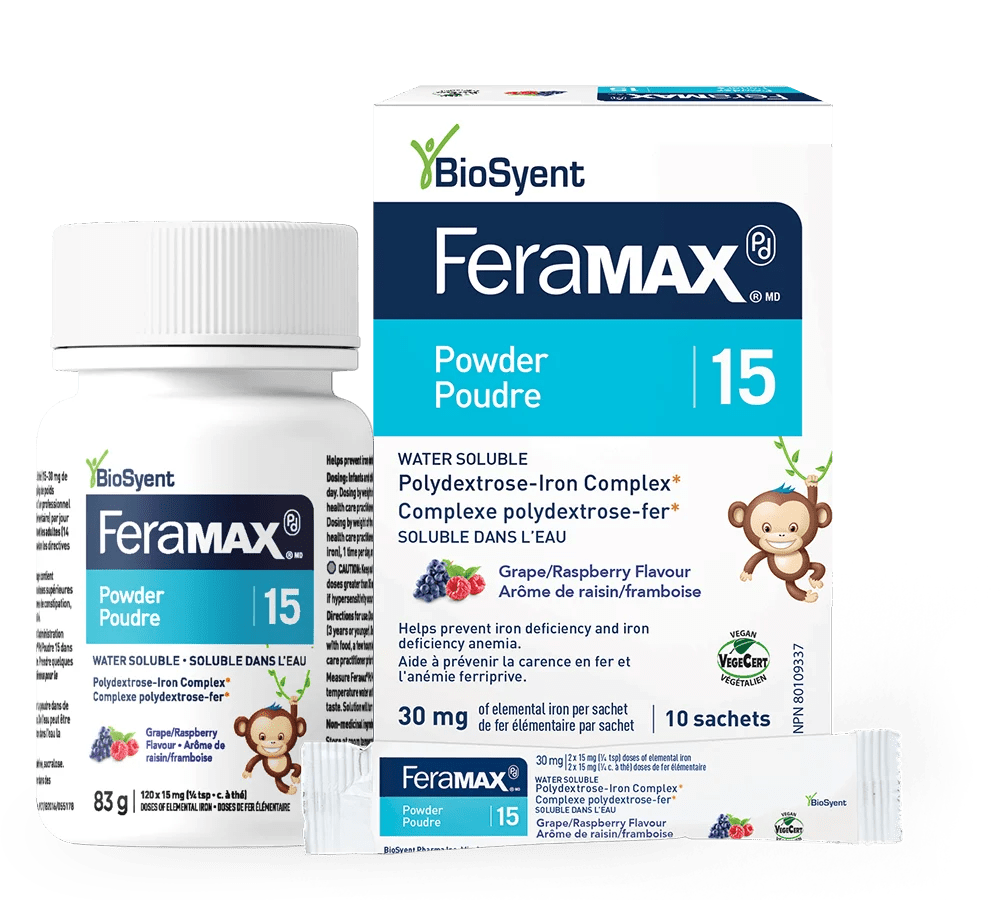
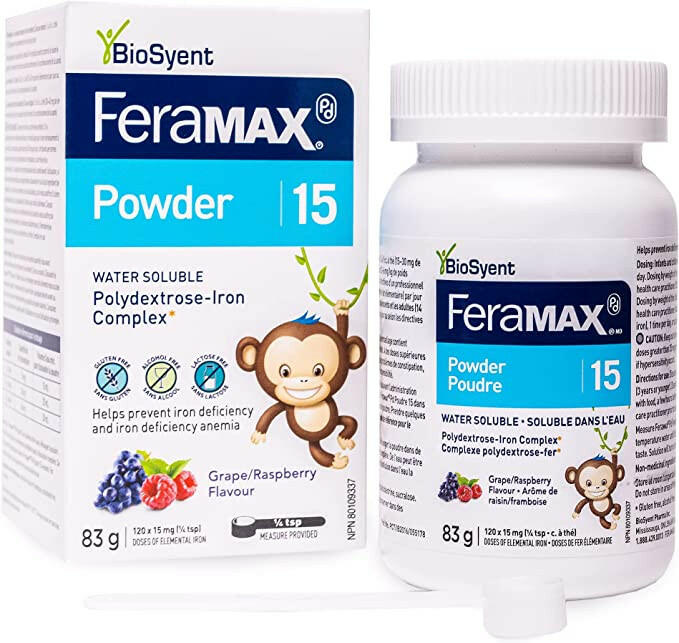
Infant Iron
Iron is essential for:
• Healthy red blood cell production
• Hemoglobin formation
• Oxygen transport
• Normal neurological development
An infant’s need for supplemental iron depends on factors including age, feeding method, iron stores, prematurity, and complementary-food intake.
Iron should not be routinely added without considering the baby’s individual needs, because excessive iron can be harmful.
Omega-3 & DHA
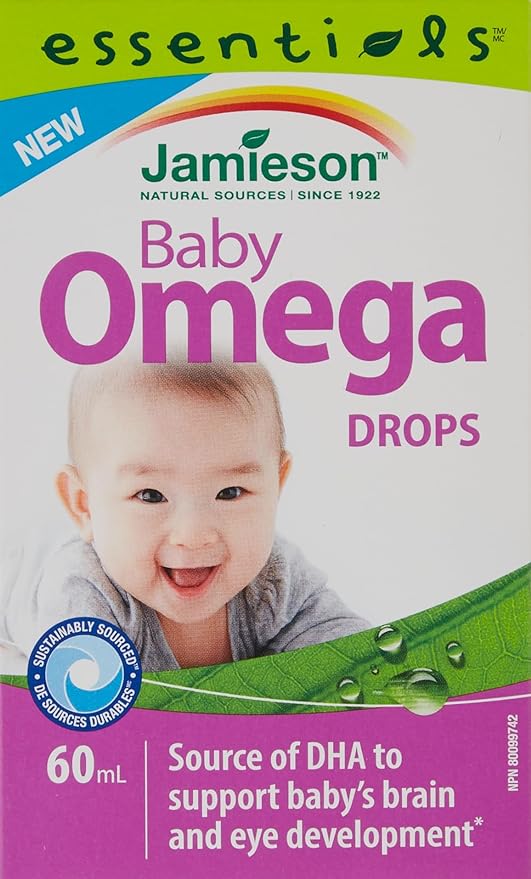
DHA (docosahexaenoic acid) is an omega-3 fatty acid found in high concentrations in the brain and retina.
Infant DHA products may include:
• Fish-derived DHA
• Algae-derived DHA
• Infant-specific omega-3 liquids
• Combination omega-3 products
Breast milk and many commercial infant formulas already provide DHA, so the need for additional supplementation should be considered in the context of the infant’s overall diet.
Infant Probiotics
The intestinal microbiome develops rapidly during infancy and is influenced by factors including delivery method, feeding, environment, medications, and diet.
Selected infant probiotic products may be used to support:
• Digestive health
• Healthy intestinal microbiota
• Normal bowel function
• Specific pediatric digestive needs
Probiotic benefits are strain-specific, so different infant probiotics should not be assumed to have identical effects.
BREASTFEEDING & INFANT NUTRITION
Breast milk provides extensive nutritional and biological support for infants.
Depending on individual circumstances, exclusively or partially breastfed infants may still require specific supplementation—most notably vitamin D according to applicable pediatric recommendations.
Maternal nutrition can also influence the concentration of certain nutrients in breast milk.
Parents with questions about breastfeeding, milk supply, supplementation, or infant growth should consult their pediatric healthcare professional or qualified lactation specialist.
INFANT FORMULA
Commercial infant formula is specifically formulated to provide appropriate nutrition when formula feeding is used.
Formula may be used:
• Exclusively
• Alongside breastfeeding
• During transitions from breastfeeding
• According to individual medical or family circumstances
Formula should always be prepared exactly according to manufacturer directions. Incorrect dilution can result in inadequate nutrition or potentially dangerous electrolyte disturbances.
Homemade infant formula should not be used as a substitute for appropriately regulated commercial infant formula.
TRANSITIONING TO COMPLEMENTARY FOODS
As babies become developmentally ready for complementary foods, nutrition gradually expands beyond breast milk or formula.
Important considerations include:
• Iron-rich foods
• Appropriate textures
• Nutrient-dense foods
• Introduction of diverse foods
• Safe allergen introduction according to current professional guidance
• Avoidance of choking hazards
Breast milk or formula continues to make an important nutritional contribution during this transition.
CALCIUM & BONE-BUILDING NUTRIENTS
Calcium is essential for normal skeletal development, but healthy infants generally obtain calcium through breast milk, appropriately prepared formula, and later complementary foods.
Routine standalone calcium supplementation is not generally necessary for healthy infants unless specifically recommended by a healthcare professional.
Vitamin D is also essential because it contributes to normal calcium absorption and bone development.
AVAILABLE FORMATS
Infant nutritional products may include:
• Precision liquid drops
• Oral liquids
• Infant probiotic drops
• Powders
• Sachets
• Infant-specific DHA liquids
• Age-appropriate formulations for older babies and toddlers
Always check the stated age range before giving a product to an infant.
HOW TO CHOOSE AN INFANT NUTRITION PRODUCT
• Choose a product specifically formulated for the baby’s age
• Check the concentration carefully—different liquid products may provide very different amounts per drop or millilitre
• Review existing nutrition from breast milk, formula, food, and other supplements
• Avoid unnecessary duplication of vitamins and minerals
• Check allergen information when relevant
• Follow storage requirements, particularly for probiotics and oils
• Use the measuring device supplied with the product
• Follow pediatric or healthcare-professional recommendations when supplementation is being used for a specific deficiency or condition
FAQ
What supplements do babies commonly need?
Needs vary by age, feeding method, health, and nutritional status. Vitamin D is commonly recommended for breastfed infants, while iron and other supplements depend more heavily on individual circumstances.
Do breastfed babies need vitamin D?
Vitamin D supplementation is commonly recommended for breastfed infants because breast milk alone may not provide enough vitamin D to meet recommended intake. Follow current Canadian pediatric guidance for your baby.
Does my baby need an iron supplement?
Not every infant requires supplemental iron. Requirements depend on factors such as age, prematurity, birth iron stores, breastfeeding or formula feeding, and intake of iron-rich complementary foods.
Can babies take probiotics?
Certain probiotic products are specifically formulated for infants. Evidence and intended uses vary by strain, so select an age-appropriate product and seek professional guidance when treating persistent symptoms.
Does my baby need DHA supplements?
Not necessarily. DHA may already be provided through breast milk or infant formula. Additional supplementation should be considered based on the baby’s diet and professional recommendations.
Can I give an adult vitamin to my baby at a smaller dose?
No. Infant supplements should be specifically formulated and appropriately concentrated for babies. Adult products may contain unsuitable ingredients or make accurate infant dosing difficult.
Can supplements replace infant formula or breast milk?
No. Individual vitamin, mineral, probiotic, or DHA supplements do not provide the complete nutrition required during infancy.
When should babies start solid foods?
Complementary foods should be introduced when the infant is developmentally ready and according to current pediatric feeding guidance. Parents should discuss individual readiness or feeding concerns with their healthcare professional.
CAUTIONS & WARNINGS
Infants are particularly sensitive to incorrect supplement doses.
• Always use an age-appropriate product
• Measure liquid supplements carefully
• Never exceed the recommended dose unless specifically instructed by a healthcare professional
• Keep iron supplements and all vitamins out of children’s reach
• Do not give honey to children under 12 months because of the risk of infant botulism
• Do not substitute herbal remedies for appropriate medical assessment or treatment
• Do not use homemade infant formula
• Consult a healthcare professional before giving supplements to premature infants or babies with medical conditions
Seek medical attention for concerns such as poor feeding, dehydration, persistent vomiting or diarrhea, difficulty breathing, unusual lethargy, failure to gain weight, or other significant changes in your baby’s health.
WHY SHOP INFANT FOUNDATIONAL NUTRITION AT COAL HARBOUR PHARMACY
• Pharmacist-curated infant nutrition products
• Age-appropriate vitamin and mineral formulations
• Infant vitamin D, DHA, iron, and probiotic options
• Trusted pediatric and natural health brands
• Convenient precision-dosing formats
• Clean-label and allergen-conscious options available
• Fast, secure Canada-wide shipping
• Vancouver-based pharmacy with personalized guidance
RELATED COLLECTIONS
• Baby & Children’s Probiotics
────────────────────────────────────
Shop Infant Foundational Nutrition →
Sort by
8 products




FREE STANDARD SHIPPING
Satisfied or refunded
Top-notch support
Secure payments
Encrypted checkout processing
Offers exclude prescriptions and in-store purchases.
Subscribe & Get a First-Order Reward
Plus, earning reward points on eligible online purchases and enjoy future store credit.
We respect your inbox at Coal Harbour Pharmacy - Expect thoughtfully curated health and wellness updates, timely reminders, and exclusive online savings.