
Molybdenum – Trace Mineral for Essential Enzyme & Sulfite Metabolism Support
Explore pharmacist-curated molybdenum supplements providing an essential trace mineral required for specialized enzymes involved in sulfite metabolism, sulfur-containing amino acid metabolism, purine breakdown, and normal cellular biochemical processes.
────────────────────────────────────
About Molybdenum
Molybdenum is an essential trace mineral required by the human body in very small amounts. Unlike minerals needed in larger quantities, molybdenum’s primary nutritional importance comes from its role as part of the molybdenum cofactor, which enables several specialized enzymes to function normally.
These molybdenum-dependent enzymes participate in processes involving sulfite metabolism, sulfur-containing compounds, purine breakdown, and certain metabolic intermediates.
Molybdenum is naturally present in many foods, particularly legumes, grains, nuts, and some vegetables. As a result, true dietary deficiency is considered very uncommon in people consuming a varied diet.
Supplements can provide targeted molybdenum when there is a defined nutritional reason, but molybdenum should not be portrayed as a general-purpose “detox” supplement.
Key Benefits
Adequate molybdenum contributes to:
• Normal activity of molybdenum-dependent enzymes
• Normal sulfite metabolism
• Metabolism of certain sulfur-containing compounds
• Normal purine metabolism
• Processing of specific metabolic intermediates
• Overall trace-mineral nutritional adequacy
• Normal biochemical and cellular metabolism
These are physiological functions of an essential nutrient. Taking molybdenum beyond nutritional requirements does not necessarily enhance these pathways further.
Who It’s Ideal For
Molybdenum supplementation may be considered by:
• Individuals with a professionally identified need for molybdenum
• People with unusually limited dietary sources of trace minerals
• Individuals using a professionally recommended trace-mineral protocol
• People looking for a multi-trace-mineral supplement that includes molybdenum
• Those seeking targeted nutritional support for normal molybdenum-dependent enzyme function
Most healthy adults obtain molybdenum through food, so routine standalone supplementation is not necessary for everyone.
What Is Molybdenum?
Molybdenum is a naturally occurring element and essential micronutrient.
After absorption, the body uses molybdenum to form a specialized molybdenum cofactor, sometimes abbreviated MoCo.
This cofactor is required by several human enzymes.
The nutritional significance of molybdenum therefore comes primarily from supporting these enzyme systems rather than acting directly as an antioxidant, stimulant, or detoxifying substance.
Molybdenum-Dependent Enzymes
Human molybdenum-containing enzymes include:
• Sulfite oxidase
• Xanthine oxidoreductase
• Aldehyde oxidase
• Mitochondrial amidoxime-reducing component-related enzyme systems
These enzymes have different functions, so molybdenum should not be reduced to a single “detox enzyme activator.”
Sulfite Oxidase
Sulfite oxidase is one of the most important molybdenum-dependent enzymes.
It helps convert sulfite to sulfate during normal metabolism of sulfur-containing compounds.
This process is part of normal sulfur metabolism.
The presence of molybdenum in sulfite oxidase explains why molybdenum is sometimes marketed for “sulfite support,” but supplementation should not be assumed to prevent reactions to sulfite-containing foods or beverages.
Molybdenum & Sulfur Metabolism
Sulfur-containing amino acids and other compounds undergo multiple metabolic reactions in the body.
Molybdenum contributes to this network primarily through the activity of sulfite oxidase.
This is different from claiming that molybdenum broadly “detoxifies sulfur.”
People experiencing symptoms after consuming sulfur-containing foods should not automatically assume they have a molybdenum deficiency.
Molybdenum & Sulfite Sensitivity
Sulfites are used as preservatives in certain foods, beverages, and medications and can also occur naturally.
Some people—particularly certain individuals with asthma—can experience sensitivity reactions to sulfites.
Molybdenum is required for normal sulfite oxidase activity, but there is not sufficient evidence to recommend routine molybdenum supplementation as a treatment for sulfite sensitivity.
Significant reactions to sulfites deserve appropriate healthcare guidance.
Xanthine Oxidoreductase
Xanthine oxidoreductase is involved in the metabolism of purines, compounds found naturally in human cells and many foods.
This pathway ultimately contributes to the production of uric acid.
Molybdenum’s role in this enzyme does not mean supplementation improves uric-acid metabolism or treats gout.
People with elevated uric acid or gout should follow appropriate medical and dietary guidance rather than attempting to modify the pathway with molybdenum.
Aldehyde Oxidase
Aldehyde oxidase is another molybdenum-containing enzyme.
It participates in the metabolism of various endogenous compounds and certain drugs or other molecules.
This biochemical function is sometimes incorporated into broad “detoxification” marketing.
However, enzyme participation in compound metabolism is not evidence that taking additional molybdenum will accelerate removal of toxins from the body.
Does Molybdenum Support Detoxification?
The word detox requires careful interpretation.
The body continuously processes endogenous and external compounds through complex systems involving the:
• Liver
• Kidneys
• Gastrointestinal tract
• Lungs
• Enzymatic pathways throughout the body
Molybdenum is required for specific enzymes involved in normal metabolism, but it does not broadly “flush toxins” from the body.
For this reason, enzyme and sulfite metabolism support is a more accurate description than “detox support.”
Molybdenum & Cellular Metabolism
Molybdenum-dependent enzymes participate in several biochemical reactions essential to normal metabolism.
However, molybdenum should not be expected to independently:
• Increase metabolic rate
• Increase energy levels
• Accelerate fat loss
• Improve mitochondrial performance
• Correct metabolic disease
Its primary role is as an essential micronutrient required for normal enzyme activity.
Is Molybdenum an Antioxidant?
Molybdenum is not generally classified as a conventional dietary antioxidant in the same way as vitamin C or vitamin E.
Its enzyme-related functions intersect with cellular oxidation-reduction chemistry, but describing molybdenum as a powerful antioxidant can be misleading.
For mineral-based antioxidant defence, nutrients such as selenium, zinc, copper, and manganese have more clearly established roles in major endogenous antioxidant enzyme systems.
Molybdenum Deficiency
True molybdenum deficiency is extremely uncommon.
Most diets provide adequate amounts, and the body requires only very small quantities.
Deficiency has been described primarily in unusual clinical circumstances rather than as a common nutritional problem.
Symptoms should therefore not be attributed to molybdenum deficiency without appropriate assessment.
Dietary Sources of Molybdenum
Molybdenum occurs naturally in foods including:
• Beans and other legumes
• Lentils
• Whole grains
• Nuts
• Seeds
• Certain vegetables
• Dairy and animal-derived foods in varying amounts
The molybdenum content of plant foods can vary according to the mineral composition of the soil in which they were grown.
A varied diet generally provides adequate molybdenum.
Molybdenum in Multi-Mineral Supplements
Molybdenum is frequently included in:
• Multi-mineral supplements
• Trace-mineral complexes
• Multivitamin/mineral products
• Practitioner-oriented micronutrient formulas
For many people seeking broad nutritional coverage, obtaining molybdenum through a balanced multi-mineral product may make more sense than using a high-dose standalone supplement.
Check existing supplements before adding additional molybdenum.
Standalone Molybdenum Supplements
Standalone products can provide a specific amount of molybdenum without additional minerals.
They may be appropriate when a practitioner has recommended targeted supplementation or when a specific nutritional need has been identified.
Because molybdenum requirements are small, dose should be considered carefully.
Supplemental Forms of Molybdenum
Depending on the product, molybdenum may appear in forms such as:
• Sodium molybdate
• Molybdenum amino-acid chelates
• Molybdenum glycinate complexes
• Other mineral complexes
Product availability varies.
A different chemical form does not automatically mean superior clinical effectiveness.
What Does “Chelated Molybdenum” Mean?
Chelated minerals are bound to organic molecules, often amino acids or related compounds.
Chelation can influence characteristics such as stability, tolerability, or absorption for certain minerals.
However, describing every chelated molybdenum product as dramatically more bioavailable is not justified without formulation-specific evidence.
Because molybdenum is required only in trace amounts and is generally absorbed adequately from the diet, “maximum absorption” should not be the primary goal.
Molybdenum Glycinate
Products may use molybdenum in an amino-acid complex sometimes marketed as molybdenum glycinate.
This can provide a convenient supplemental form.
Claims that glycinate is universally gentler or substantially more bioavailable than every alternative form should be supported by product-specific evidence rather than assumed from the name alone.
Sodium Molybdate
Sodium molybdate is a commonly used source of supplemental molybdenum.
The body can absorb molybdenum from soluble molybdate compounds.
As with other formulations, the important considerations are the actual amount of molybdenum provided, product quality, intended use, and total intake.
Liquid Molybdenum
Liquid formulations can be convenient for people who:
• Prefer not to swallow capsules
• Need flexible serving sizes
• Use liquid trace-mineral products
However, liquid does not inherently mean faster, better, or more complete absorption.
Concentrated drops also require accurate measurement.
Sublingual Molybdenum
Some liquid products may be marketed for sublingual use.
The presence of a sublingual delivery method does not automatically establish a meaningful absorption advantage over appropriately formulated oral molybdenum.
Follow the directions for the individual product rather than changing the intended route of administration.
How Much Molybdenum Do We Need?
Molybdenum is required in microgram quantities, not the large amounts associated with macro-minerals such as calcium or magnesium.
This distinction matters when comparing supplements.
Higher-dose products are not automatically more effective, and an amount substantially above nutritional requirements should have a clear rationale.
Always check whether molybdenum is already present in a multivitamin or multi-mineral product.
More Molybdenum Is Not Better
Essential nutrients can become harmful when consumed excessively.
Molybdenum is no exception.
Once nutritional requirements are met, taking progressively larger amounts does not mean:
• More efficient enzymes
• Faster detoxification
• Better sulfite tolerance
• Greater antioxidant protection
• More energy
• Improved metabolism
The goal is nutritional adequacy rather than maximizing intake.
Molybdenum & Copper
Very high molybdenum exposure can interact with copper metabolism.
This relationship is particularly well recognized in animal nutrition, while the relevance to ordinary human supplementation depends on dose and circumstances.
It nevertheless reinforces an important principle: concentrated trace-mineral supplementation can influence other minerals.
Avoid unnecessarily high long-term doses.
Molybdenum & Uric Acid
Because a molybdenum-dependent enzyme participates in purine metabolism, excessive molybdenum intake has raised questions about uric-acid production.
This is another reason high-dose supplementation should not be assumed harmless.
Individuals with gout or elevated uric acid should discuss concentrated molybdenum supplementation with a healthcare professional when appropriate.
Molybdenum & Restrictive Diets
A restrictive diet does not automatically result in molybdenum deficiency.
Legumes, grains, nuts, and seeds can provide substantial dietary molybdenum, meaning many plant-based diets contain good sources.
When a diet is highly restricted, evaluating overall nutrient adequacy is generally more useful than assuming a single trace mineral is missing.
Molybdenum & Processed Diets
A highly processed or nutritionally limited diet may reduce dietary diversity, but it does not automatically establish molybdenum deficiency.
Improving overall diet quality can provide molybdenum along with fibre, vitamins, other minerals, protein, and beneficial plant compounds.
Supplementation should complement—not substitute for—nutritional foundations.
How to Choose a Molybdenum Supplement
Check Whether You Already Take It
Review multivitamins, multi-minerals, and trace-mineral products before adding standalone molybdenum.
Check the Actual Dose
Molybdenum is usually measured in micrograms.
Do not assume a higher number is preferable.
Consider the Reason for Supplementation
A clear nutritional or professionally recommended purpose is preferable to using molybdenum simply for generic “detox.”
Review the Formula
Determine whether the product contains molybdenum alone or as part of a broader trace-mineral complex.
Follow the Canadian Product Label
Use the recommended serving, duration, and cautions provided for the specific product.
How to Use Molybdenum Supplements
There is no reason to assume every molybdenum product should be taken using the same schedule.
Follow the specific product label for:
• Serving size
• Frequency
• Whether to take with food
• Duration of use
• Age restrictions
• Relevant cautions
If molybdenum has been recommended for a specific clinical or nutritional concern, follow the healthcare professional’s instructions.
Safety & Precautions
Professional guidance may be particularly appropriate for people who:
• Already use multiple trace-mineral supplements
• Have gout or elevated uric acid
• Have significant kidney or liver disease
• Have a known metabolic disorder
• Are pregnant or breastfeeding
• Take medications for chronic health conditions
• Are considering prolonged high-dose supplementation
Trace minerals should be treated as biologically active nutrients even though the quantities involved are small.
Molybdenum Cofactor Deficiency Is Different
Molybdenum cofactor deficiency is a rare inherited metabolic disorder affecting the body’s ability to produce functional molybdenum cofactor.
It is not equivalent to ordinary dietary molybdenum deficiency.
Taking a standard molybdenum supplement does not correct the underlying genetic defect.
This condition requires specialized medical management.
FAQs
What is molybdenum used for in the body?
Molybdenum is required to form a cofactor used by several enzymes involved in sulfite metabolism, purine metabolism, and processing certain endogenous and external compounds.
Does molybdenum detox the body?
Not in the popular “detox” sense. Molybdenum supports specific enzymes involved in normal metabolism, but taking a supplement does not broadly flush toxins from the body.
Does molybdenum help process sulfites?
Molybdenum is required for sulfite oxidase, an enzyme that converts sulfite to sulfate. However, supplementation has not been established as a general treatment for sulfite sensitivity.
Is molybdenum deficiency common?
No. True dietary deficiency is considered extremely uncommon because only small amounts are required and molybdenum occurs in many foods.
What foods contain molybdenum?
Legumes, whole grains, nuts, seeds, and various other foods can provide molybdenum. Concentrations in plant foods can vary with soil conditions.
Is molybdenum an antioxidant?
It is not generally considered a conventional antioxidant nutrient. Its primary established nutritional role is as part of the molybdenum cofactor required by specific enzymes.
Is chelated molybdenum better?
Chelated forms can be useful supplemental sources, but there is no basis for assuming every chelated product is clinically superior to other appropriate forms.
Can molybdenum help with sulfite sensitivity?
Its role in sulfite oxidase provides a biological connection, but this does not establish molybdenum supplements as a treatment for sulfite reactions.
Can I take molybdenum every day?
It may be included in daily multivitamin or mineral formulas. Standalone daily supplementation should consider the dose, dietary intake, existing supplements, and reason for use.
Can too much molybdenum be harmful?
Yes. As with other trace minerals, excessive intake is undesirable and may affect metabolic processes or interact with other minerals. More is not better.
Why Shop Molybdenum at Coal Harbour Pharmacy?
• Pharmacist-curated trace-mineral supplements
• Standalone and multi-mineral molybdenum options
• Clearly labelled supplemental forms and serving amounts
• Products from established Canadian and professional supplement brands
• Options for targeted trace-mineral nutritional support
• Fast Canada-wide shipping
Related Collections
• Minerals
────────────────────────────────────
Shop Molybdenum →
Sort by
3 products
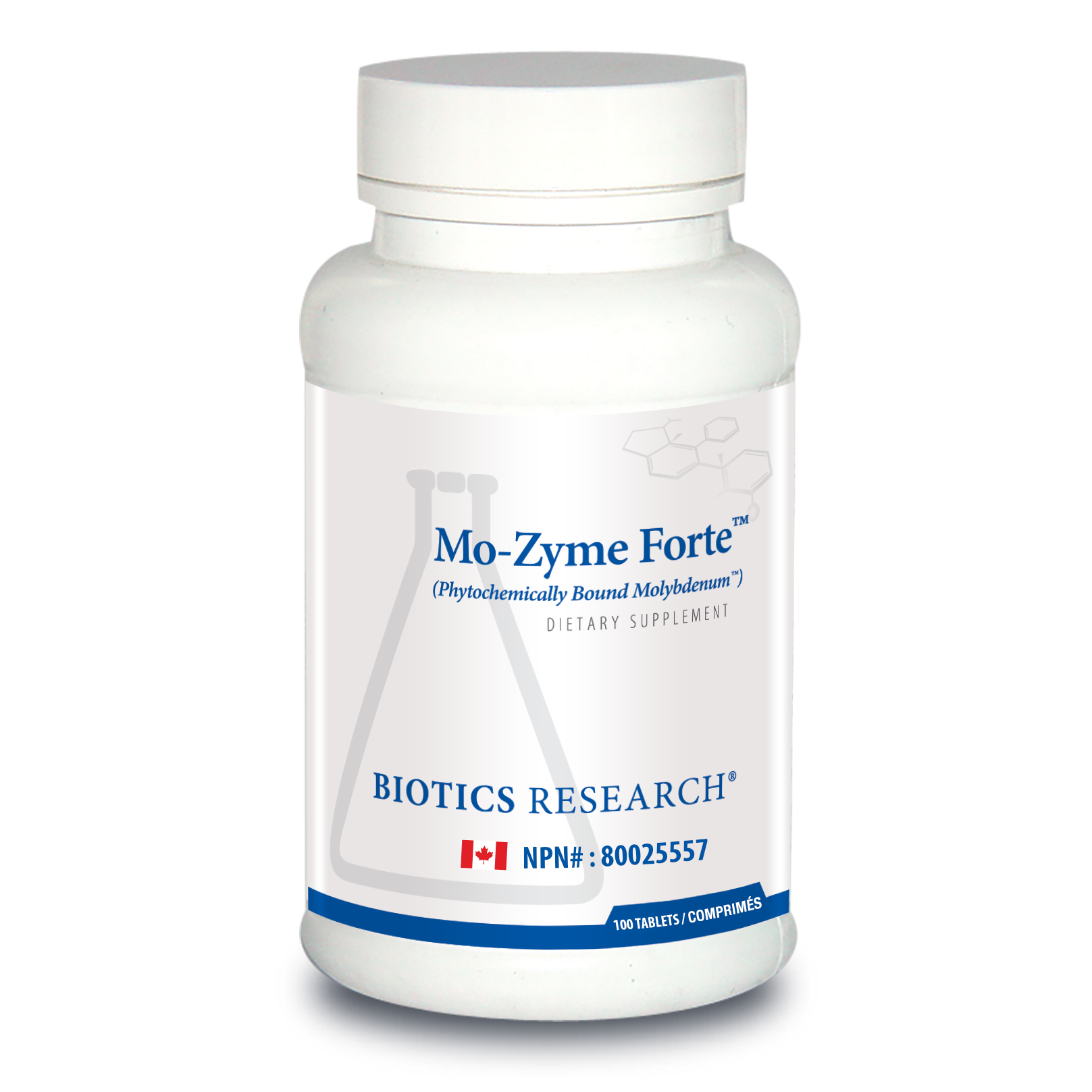
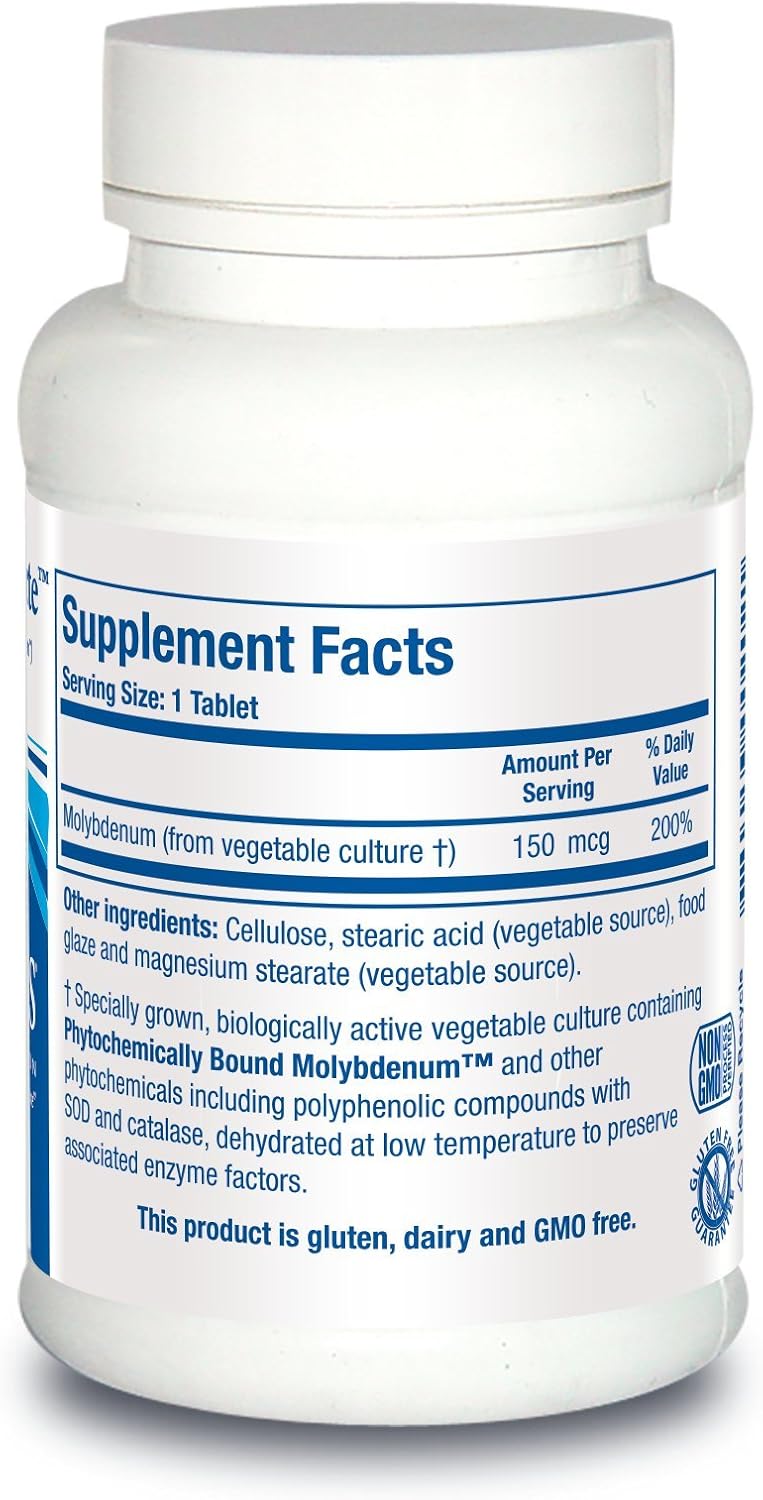


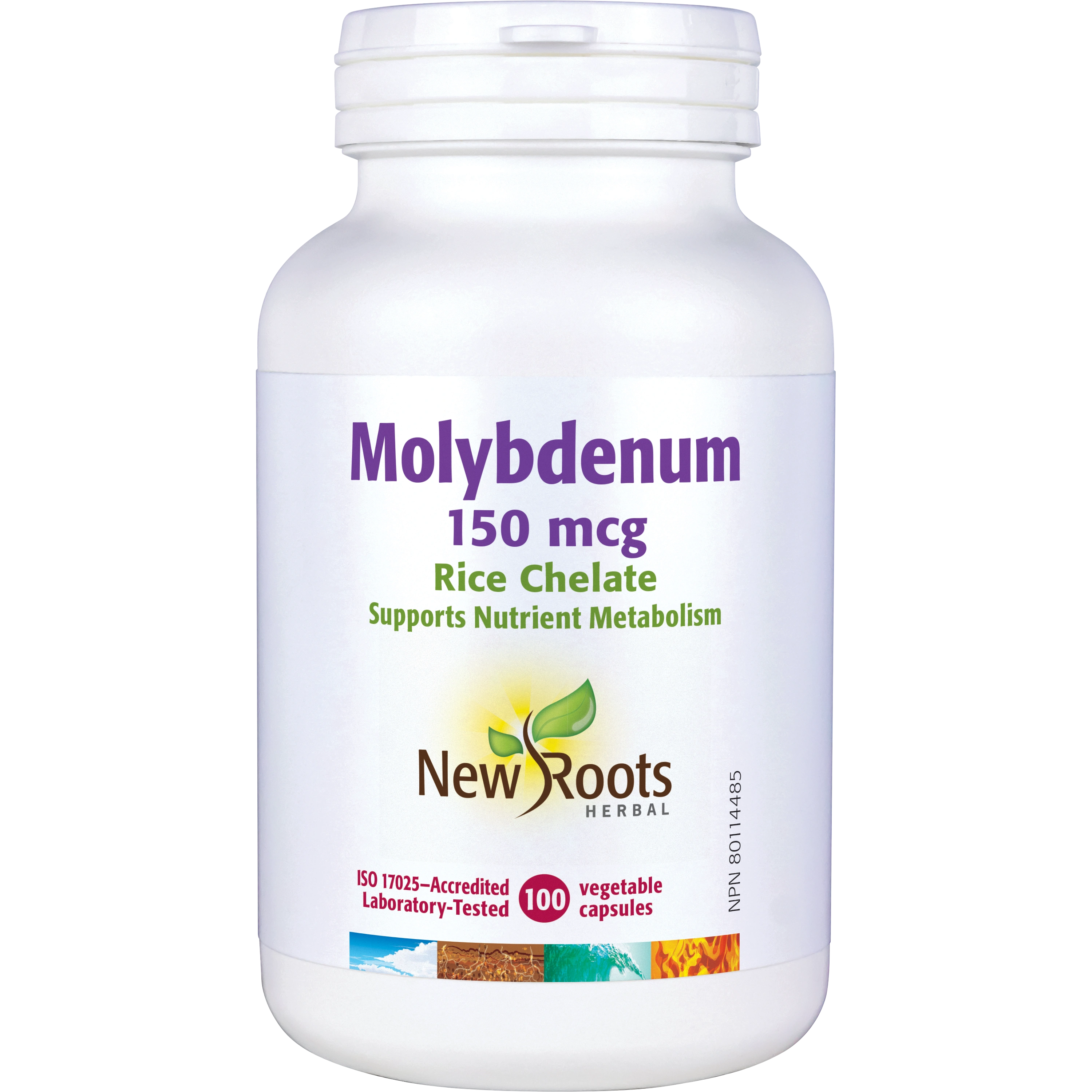
FREE STANDARD SHIPPING
Satisfied or refunded
Top-notch support
Secure payments
Encrypted checkout processing
Offers exclude prescriptions and in-store purchases.
Subscribe & Get a First-Order Reward
Plus, earning reward points on eligible online purchases and enjoy future store credit.
We respect your inbox at Coal Harbour Pharmacy - Expect thoughtfully curated health and wellness updates, timely reminders, and exclusive online savings.