
Vitamin E (Tocopherols & Tocotrienols) – Antioxidant, Skin & Immune Support
Explore Vitamin E supplements at Coal Harbour Pharmacy, including natural d-alpha tocopherol, mixed tocopherols, tocotrienol complexes, vitamin E softgels, and selected antioxidant combination formulas.
Vitamin E is an essential fat-soluble nutrient that helps protect cells against oxidative damage, maintain normal immune function, and support healthy cellular membranes. Available in natural and synthetic forms, vitamin E supplements offer different ingredient profiles, strengths, and delivery formats to suit individual nutritional needs.
Whether you're looking for natural vitamin E, mixed tocopherols, tocotrienols, or vitamin E with selenium, compare available formulations to find an option that fits your daily wellness routine.
Essential antioxidant nutrition for cellular protection, immune function, and overall nutritional health.
ABOUT VITAMIN E (TOCOPHEROLS & TOCOTRIENOLS)
Vitamin E refers to a family of eight naturally occurring fat-soluble compounds:
-
Alpha-tocopherol
-
Beta-tocopherol
-
Gamma-tocopherol
-
Delta-tocopherol
-
Alpha-tocotrienol
-
Beta-tocotrienol
-
Gamma-tocotrienol
-
Delta-tocotrienol
Although all eight compounds belong to the vitamin E family, alpha-tocopherol is the form recognized as meeting the human vitamin E requirement.
Vitamin E acts primarily as a lipid-soluble antioxidant, helping protect cell membranes from oxidative damage.
It also participates in normal immune function and cellular processes.
Vitamin E is naturally present in nuts, seeds, vegetable oils, and certain vegetables. Supplements provide additional vitamin E in different forms and concentrations.
At Coal Harbour Pharmacy, explore natural d-alpha tocopherol, synthetic vitamin E, mixed tocopherols, tocotrienol complexes, vitamin E with selenium, and selected topical vitamin E products, where available.
KEY BENEFITS
-
Antioxidant Protection: Helps protect cellular components from oxidative damage.
-
Cell Membrane Health: Contributes to the protection of lipid-rich cell membranes.
-
Immune Function: Supports normal immune system function.
-
Nutritional Maintenance: Helps meet essential vitamin E requirements.
-
Skin Nutrition: Supports normal cellular health, including the maintenance of skin tissues.
-
Cellular Integrity: Participates in processes that help maintain normal cell function.
-
Vitamin E Deficiency Prevention: Adequate intake helps prevent deficiency-related complications.
These benefits reflect vitamin E's established nutritional roles. High-dose vitamin E supplementation has not been established as a reliable method of preventing cardiovascular disease, reversing skin aging, balancing hormones, or treating chronic inflammatory conditions.
WHO IT'S IDEAL FOR
-
Adults Seeking Antioxidant Nutrition: Customers interested in nutrients that help protect cells against oxidative damage.
-
Individuals With Low Dietary Vitamin E Intake: People whose diets provide limited vitamin E-rich foods.
-
Customers Comparing Natural Vitamin E: Individuals seeking d-alpha tocopherol supplements.
-
Mixed Tocopherol Shoppers: Customers interested in formulas containing multiple tocopherol compounds.
-
Tocotrienol Supplement Shoppers: Individuals exploring specialty vitamin E formulations.
-
Adults Seeking Immune Nutrition: Customers reviewing vitamin E's role in normal immune function.
-
Customers With Identified Vitamin E Deficiency: Individuals following professional supplementation recommendations.
-
People With Fat-Malabsorption Conditions: Individuals whose vitamin E absorption may require medical assessment and treatment.
-
Customers Comparing Antioxidant Combinations: Individuals interested in vitamin E with selenium or other nutrients.
WHAT IS VITAMIN E?
An Essential Fat-Soluble Vitamin
Vitamin E is absorbed along with dietary fats and transported through the body in lipoproteins.
A Family of Eight Compounds
Vitamin E includes four tocopherols and four tocotrienols.
Role in Antioxidant Protection
Vitamin E helps limit lipid peroxidation in cellular membranes.
Role in Immune Function
Vitamin E contributes to normal immune system activity.
Role in Cellular Health
Vitamin E participates in maintaining normal cellular integrity.
Role in Nutritional Maintenance
Adequate alpha-tocopherol intake is required to meet the body's vitamin E needs.
TYPES OF VITAMIN E SUPPLEMENTS
1. Natural Vitamin E (d-Alpha Tocopherol)
Natural vitamin E is commonly labelled as d-alpha tocopherol or RRR-alpha-tocopherol.
Key Features:
-
Naturally occurring alpha-tocopherol stereoisomer
-
Recognized vitamin E activity
-
Available in softgels and capsules
-
Commonly supplied in oil-based formulations
Best For: Customers seeking natural alpha-tocopherol supplements.
2. Synthetic Vitamin E (dl-Alpha Tocopherol)
Synthetic vitamin E is commonly labelled as dl-alpha tocopherol or all-rac-alpha-tocopherol.
Key Features:
-
Manufactured form of vitamin E
-
Contains a mixture of stereoisomers
-
Provides vitamin E activity
-
Available in selected multivitamins and standalone products
Best For: Customers seeking conventional vitamin E supplementation.
Natural and synthetic vitamin E have different biological activity per milligram, so label units and ingredient forms should be compared carefully.
3. Mixed Tocopherols
Mixed tocopherol supplements contain combinations of alpha-, beta-, gamma-, and delta-tocopherols.
Key Features:
-
Broader tocopherol ingredient profile
-
Available in selected capsules and softgels
-
Often marketed as full-spectrum vitamin E
-
May contain different proportions of individual tocopherols
Best For: Customers specifically seeking mixed tocopherol formulations.
A broader ingredient profile does not automatically establish superior clinical benefits.
4. Tocotrienol Complexes
Tocotrienols are members of the vitamin E family with a different side-chain structure from tocopherols.
Key Features:
-
Available in selected specialty supplements
-
May contain alpha-, beta-, gamma-, or delta-tocotrienols
-
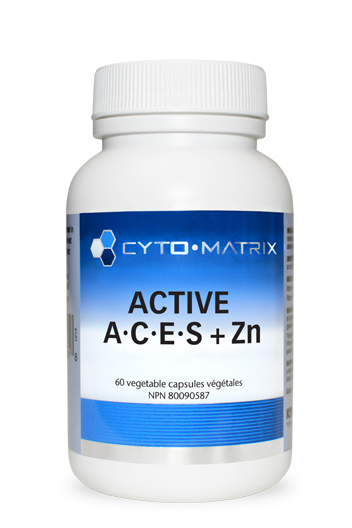
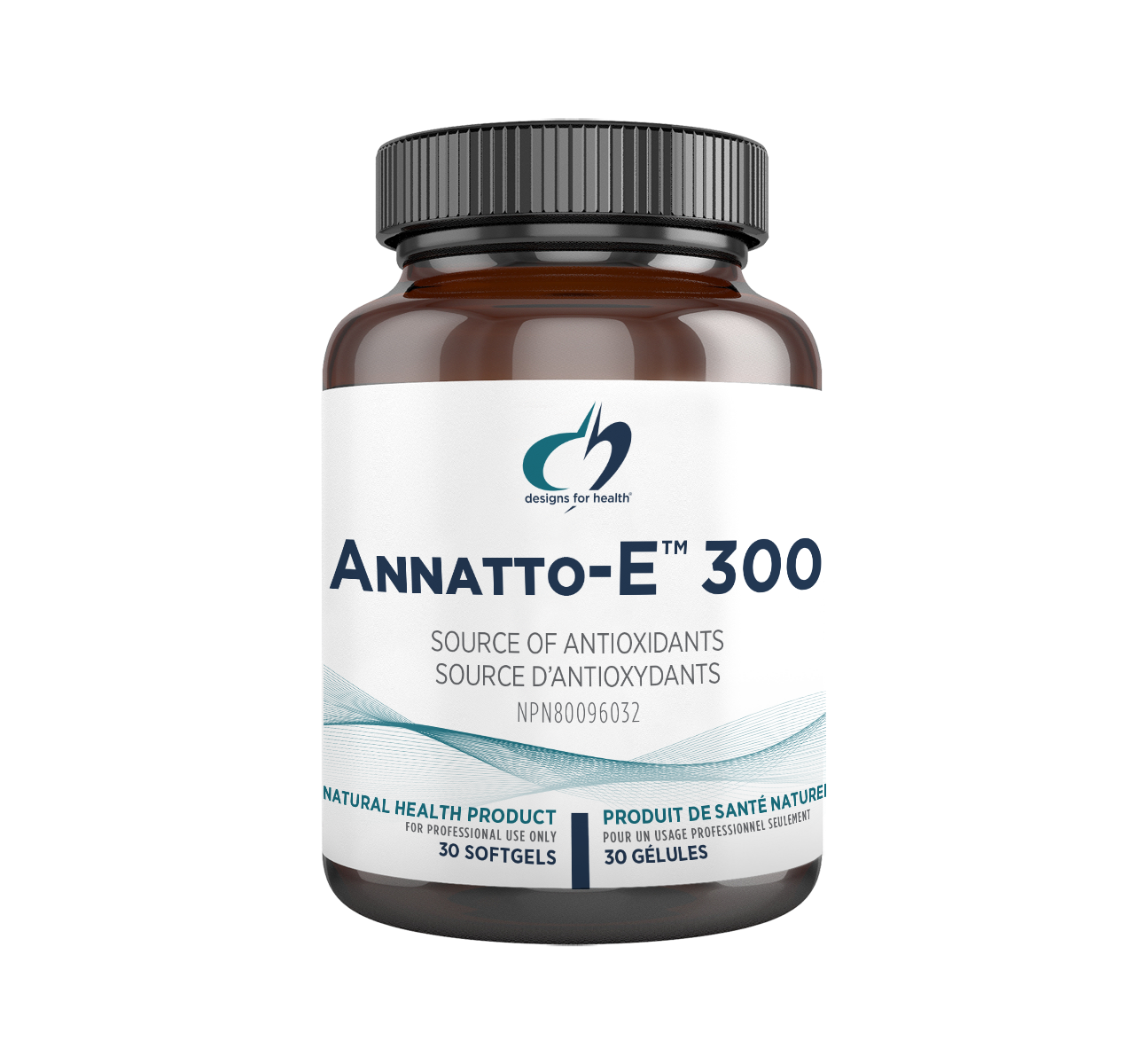
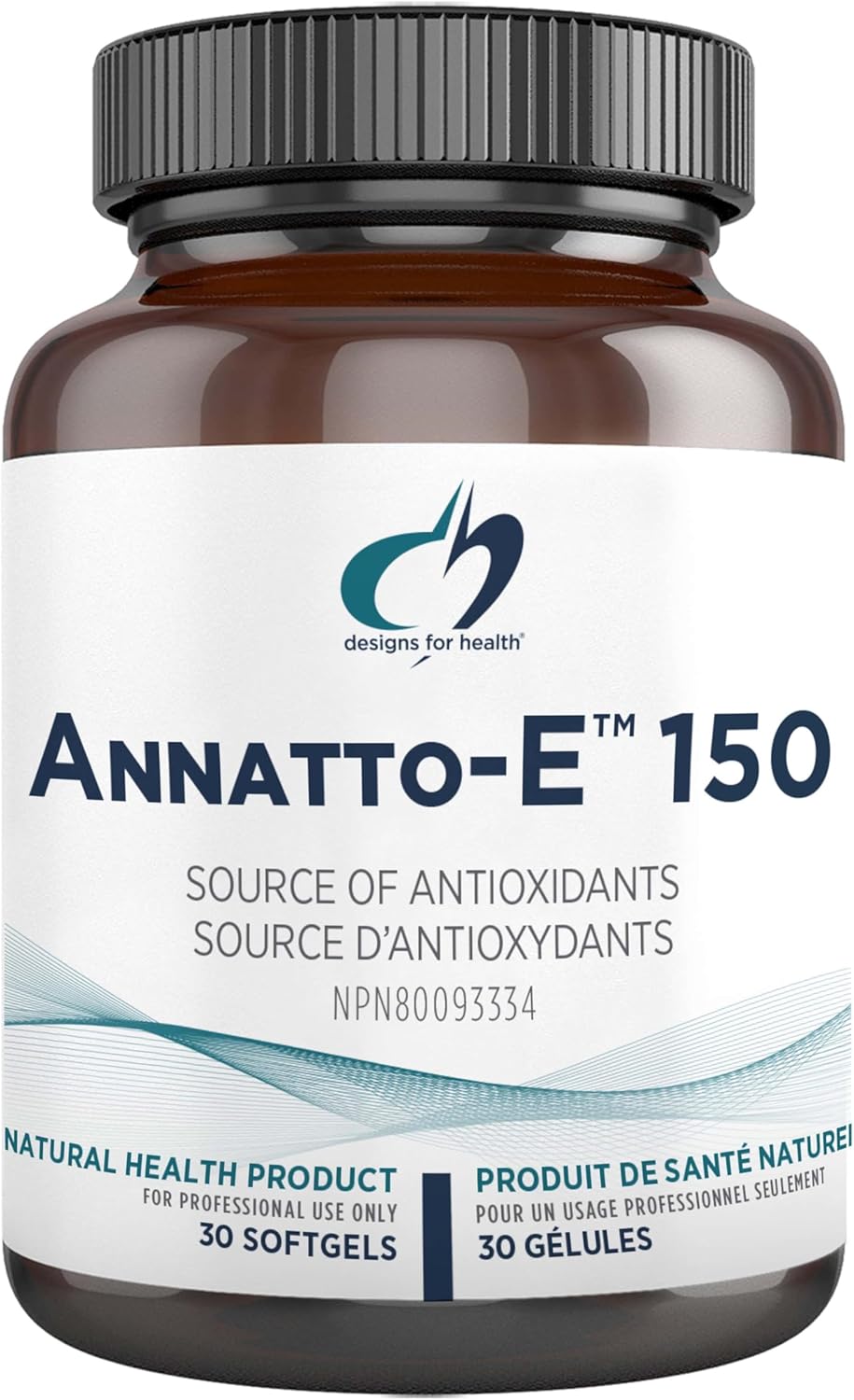
Often sourced from annatto, palm, or rice-derived ingredients
-
Investigated for various biological activities
Best For: Customers interested in specialty tocotrienol supplements.
Tocotrienol research remains an evolving field, and these compounds should not automatically be considered substitutes for alpha-tocopherol when meeting established vitamin E requirements.
5. Vitamin E With Selenium
Combination formulas contain vitamin E and selenium.
Key Features:
-
Provides two nutrients involved in antioxidant-related biological processes
-
Available in selected capsules and tablets
-
Different strengths and ingredient combinations
Best For: Customers seeking a combined vitamin E and selenium nutritional formula.
Large clinical trials have not established that vitamin E and selenium supplements prevent cancer or cardiovascular disease. High-dose supplementation may carry risks.
6. Vitamin E With Other Antioxidants
Selected formulas combine vitamin E with nutrients such as:
-
Vitamin C
-
Selenium
-
Zinc
-
Carotenoids
-
Other antioxidant-related ingredients
Key Features:
-
Multiple nutrients in one formula
-
Different nutritional purposes
-
Available in selected antioxidant complexes
Best For: Customers seeking a combination antioxidant supplement.
7. Topical Vitamin E Oils
Topical vitamin E products are designed for external skin application.
Key Features:
-
Available as oils, creams, and lotions
-
Used in selected skin-care formulations
-
May contribute to product emollient properties
-
Different concentrations and supporting ingredients
Best For: Customers seeking topical vitamin E skin-care products.
Topical vitamin E is not proven to consistently prevent scars, improve wound healing, or reverse skin aging. Some individuals may experience contact dermatitis.
NATURAL VS. SYNTHETIC VITAMIN E
What Is Natural Vitamin E?
Natural vitamin E commonly refers to RRR-alpha-tocopherol.
What Is Synthetic Vitamin E?
Synthetic vitamin E commonly refers to all-rac-alpha-tocopherol, a mixture of stereoisomers.
Are They Chemically Identical?
They contain related alpha-tocopherol structures but differ in stereoisomer composition.
Which Has Greater Biological Activity?
Natural RRR-alpha-tocopherol has greater vitamin E activity per milligram than synthetic all-rac-alpha-tocopherol.
Does Natural Mean Clinically Superior?
Not necessarily.
The appropriate product depends on the amount of vitamin E activity provided, intended use, and individual nutritional requirements.
How Should You Compare Products?
Review the ingredient form and vitamin E amount, rather than relying solely on marketing terms such as natural, premium, or high-potency.
TOCOPHEROLS VS. TOCOTRIENOLS
What Are Tocopherols?
Tocopherols are one of the two main families of vitamin E compounds.
What Are Tocotrienols?
Tocotrienols are vitamin E-family compounds with an unsaturated side chain.
Are Both Antioxidants?
Both families have antioxidant-related properties.
Do All Forms Meet Vitamin E Requirements?
No.
Alpha-tocopherol is the form used to establish human vitamin E requirements.
Are Tocotrienols Better Antioxidants?
Laboratory findings cannot automatically be translated into superior clinical outcomes.
Which Should You Choose?
For meeting established vitamin E nutritional requirements, compare alpha-tocopherol content. Specialty tocotrienol products may be considered separately according to their specific formulation and intended use.
VITAMIN E FOR ANTIOXIDANT PROTECTION
What Is Oxidative Stress?
Oxidative stress occurs when reactive compounds exceed the body's capacity to manage them through normal protective systems.
How Does Vitamin E Work?
Vitamin E acts as a lipid-soluble antioxidant and helps limit oxidative damage to cell membrane lipids.
Vitamin E & Free Radicals
Alpha-tocopherol can participate in reactions that interrupt lipid peroxidation chains.
Vitamin E & Vitamin C
Vitamin C can participate in biochemical processes associated with regenerating oxidized vitamin E.
Does More Vitamin E Provide Greater Protection?
Not necessarily.
Higher-dose vitamin E supplementation has not consistently demonstrated additional health benefits in adequately nourished individuals.
Can Vitamin E Prevent Chronic Disease?
Evidence does not support routine high-dose vitamin E supplementation for the general prevention of cancer or cardiovascular disease.
VITAMIN E FOR SKIN HEALTH
Vitamin E & Skin Cells
Vitamin E is present in skin tissues and participates in antioxidant protection.
Vitamin E & Skin Barrier Function
Vitamin E contributes to normal cellular integrity, although oral supplementation is not established as a universal treatment for impaired skin barrier function.
Does Vitamin E Improve Skin Elasticity?
Evidence does not establish that oral vitamin E supplements reliably improve skin elasticity in adequately nourished individuals.
Can Vitamin E Reduce Wrinkles?
Vitamin E supplements are not established treatments for wrinkles or skin aging.
Does Vitamin E Help Wound Healing?
Adequate nutrition supports normal tissue function, but supplemental vitamin E has not been established as a general wound-healing treatment.
Oral vs. Topical Vitamin E
Oral supplements and topical skin-care products have different uses and evidence.
VITAMIN E & IMMUNE FUNCTION
Role in Normal Immunity
Vitamin E contributes to normal immune function.
Immune Cell Membranes
Vitamin E helps protect lipid-rich cellular structures.
Vitamin E Deficiency
Significant deficiency can impair normal physiological function, including immune-related processes.
Does Vitamin E Boost Immunity?
Vitamin E is essential for normal immune function, but additional supplementation does not necessarily improve immune outcomes in people with adequate intake.
Can Vitamin E Prevent Infections?
Vitamin E supplements are not established as reliable methods of preventing infections.
VITAMIN E & CARDIOVASCULAR HEALTH
Why Is Vitamin E Studied for Heart Health?
Vitamin E's antioxidant activity has led to research on lipid oxidation and cardiovascular outcomes.
Vitamin E & Lipid Oxidation
Vitamin E can help protect lipids against oxidative damage in biological systems.
Does Vitamin E Prevent Heart Disease?
Large clinical trials have not established that routine vitamin E supplementation prevents cardiovascular disease.
Can Vitamin E Improve Circulation?
Vitamin E supplements are not established treatments for poor circulation.
Does Vitamin E Lower Cholesterol?
Vitamin E is not an established cholesterol-lowering treatment.
Should Vitamin E Replace Cardiovascular Medication?
No.
Vitamin E supplements should not replace prescribed treatment or established cardiovascular prevention strategies.
VITAMIN E & HEALTHY AGING
Cellular Antioxidant Protection
Vitamin E contributes to the protection of cellular membranes from oxidative damage.
Vitamin E & Normal Tissue Maintenance
Adequate vitamin E intake supports normal physiological function.
Does Vitamin E Slow Aging?
Clinical evidence does not establish vitamin E supplements as treatments that slow biological aging.
Does Vitamin E Improve Memory?
Vitamin E supplementation has not been established as a general memory enhancer or method of preventing dementia.
Does Vitamin E Support Longevity?
There is no reliable evidence that routine high-dose vitamin E supplementation extends lifespan.
VITAMIN E & HORMONAL HEALTH
Why Is Vitamin E Studied in Reproductive Health?
Vitamin E has been investigated in relation to oxidative stress and selected reproductive health outcomes.
Does Vitamin E Balance Hormones?
Evidence does not establish vitamin E supplements as general treatments for hormonal imbalance.
Vitamin E & Fertility
Vitamin E supplementation has not been established as a universal fertility treatment.
Vitamin E & Menstrual Health
Some small studies have examined vitamin E for menstrual-related symptoms, but evidence is insufficient to recommend it as a general treatment.
What Should Customers Consider?
Reproductive or hormonal concerns should receive appropriate clinical assessment rather than relying on high-dose vitamin E supplementation.
VITAMIN E DEFICIENCY
What Is Vitamin E Deficiency?
Vitamin E deficiency occurs when vitamin E availability is insufficient to support normal physiological requirements.
Is Vitamin E Deficiency Common?
Clinically significant deficiency is uncommon in otherwise healthy individuals with adequate dietary intake.
Who May Be at Risk?
Risk may be increased by:
-
Certain fat-malabsorption conditions
-
Specific inherited disorders affecting vitamin E transport
-
Some severe nutritional disorders
-
Certain medical conditions affecting fat absorption
Possible Symptoms
Significant deficiency may cause:
-
Peripheral neuropathy
-
Muscle weakness
-
Coordination difficulties
-
Retinal abnormalities
-
Other neurological complications
Why Diagnosis Matters
Vitamin E deficiency requires appropriate medical assessment and may need specialized supplementation.
FOOD SOURCES OF VITAMIN E
Sunflower Seeds
A rich dietary source of vitamin E.
Almonds
Provide alpha-tocopherol and other nutrients.
Hazelnuts
Contribute vitamin E to the diet.
Sunflower Oil
Contains vitamin E, although amounts vary by product.
Wheat Germ Oil
A concentrated dietary source of vitamin E.
Avocados
Provide vitamin E and other nutrients.
Spinach
Contributes smaller amounts of vitamin E.
Fortified Foods
Selected fortified products contain added vitamin E.
Nutritional Tip: Nuts, seeds, and vegetable oils can contribute meaningful amounts of vitamin E as part of a varied diet.
UNDERSTANDING VITAMIN E DOSAGE
Recommended Daily Intake
For adults aged 19 years and older, the Recommended Dietary Allowance is:
15 mg of alpha-tocopherol daily
Pregnancy
The recommended intake during pregnancy for adults is:
15 mg daily
Breastfeeding
The recommended intake during lactation for adults is:
19 mg daily
Vitamin E Units
Vitamin E supplements may be labelled in milligrams or International Units (IU).
Conversions depend on whether the product contains natural or synthetic vitamin E.
Natural Vitamin E Conversion
For natural RRR-alpha-tocopherol:
1 IU ≈ 0.67 mg alpha-tocopherol
Synthetic Vitamin E Conversion
For synthetic all-rac-alpha-tocopherol:
1 IU ≈ 0.45 mg alpha-tocopherol
Common Supplement Strengths
Vitamin E products may be available in different strengths, including:
-
100 IU
-
200 IU
-
400 IU
Other strengths and combinations may also be available.
Upper Intake Limit
For adults aged 19 years and older, the established North American tolerable upper intake level for supplemental alpha-tocopherol is generally:
1,000 mg daily
This is not a recommended daily target, and adverse effects may occur below this level.
Does Higher Potency Mean Better Results?
No.
High-dose vitamin E supplementation is not automatically more effective and may increase safety risks.
HIGH-DOSE VITAMIN E SAFETY
Bleeding Risk
High-dose vitamin E may increase bleeding risk, particularly in individuals taking medications that affect blood clotting.
Anticoagulant Medications
People taking warfarin or other anticoagulants should seek professional advice before using high-dose vitamin E.
Antiplatelet Medications
Vitamin E may increase bleeding concerns when combined with certain antiplatelet medications.
Hemorrhagic Stroke
Some evidence suggests that high-dose vitamin E supplementation may increase the risk of hemorrhagic stroke.
Prostate Cancer Research
A major clinical trial found an increased risk of prostate cancer among men assigned to 400 IU daily of synthetic vitamin E.
Surgery
Individuals preparing for surgery should disclose vitamin E supplementation to their healthcare team.
Is 400 IU Suitable for Everyone?
No.
A 400 IU vitamin E supplement provides substantially more than typical daily nutritional requirements and is not automatically appropriate for routine use.
VITAMIN E WITH SELENIUM
What Is Selenium?
Selenium is an essential trace mineral involved in selenoproteins, including antioxidant-related enzymes.
Why Are They Combined?
Vitamin E and selenium participate in different biological systems associated with cellular protection.
Does the Combination Improve Antioxidant Health?
Both nutrients have established physiological roles, but combination supplementation does not automatically provide additional clinical benefits.
Can Vitamin E With Selenium Prevent Cancer?
No.
Large clinical trials have not established a preventive benefit, and high-dose supplementation may carry risks.
What Should Customers Review?
Check both vitamin E and selenium amounts to avoid unnecessary high intake.
TOPICAL VITAMIN E OILS VS. ORAL SUPPLEMENTS
Oral Vitamin E
Oral supplements provide vitamin E for nutritional intake.
Topical Vitamin E
Topical products are intended for external application.
Can Topical Vitamin E Moisturize Skin?
Vitamin E-containing oil formulations may provide emollient benefits, depending on the complete product.
Does Vitamin E Oil Remove Scars?
Evidence does not establish topical vitamin E as a reliable treatment for preventing or removing scars.
Can Vitamin E Oil Cause Irritation?
Yes.
Some individuals develop irritation or allergic contact dermatitis.
Can Oral Vitamin E Be Applied to Skin?
Oral supplements should not automatically be used as topical products. Follow the intended use and directions of the finished product.
HOW TO CHOOSE VITAMIN E SUPPLEMENTS
-
Identify Your Goal: General vitamin E nutrition, antioxidant support, or a specific professional recommendation.
-
Choose the Form: Natural alpha-tocopherol, synthetic alpha-tocopherol, mixed tocopherols, or tocotrienols.
-
Review Alpha-Tocopherol Content: This is particularly important when comparing products intended to meet vitamin E requirements.
-
Compare Strengths: Review milligrams and International Units where applicable.
-
Consider Combination Formulas: Compare vitamin E with selenium or other nutrients.
-
Choose Your Preferred Format: Softgels, capsules, tablets, or specialty formulas.
-
Review Other Supplements: Multivitamins and antioxidant products may already contain vitamin E.
-
Consider Medication Use: Particularly anticoagulants and antiplatelet medications.
-
Avoid Unnecessary High Doses: Higher potency is not automatically better.
-
Check Canadian Authorization: Review the product's NPN or DIN and authorized conditions of use.
-
Seek Professional Guidance: Particularly for high-dose use, bleeding disorders, or diagnosed deficiency.
AVAILABLE PRODUCT FORMATS
Natural Vitamin E Softgels
RRR-alpha-tocopherol formulations.
Synthetic Vitamin E
All-rac-alpha-tocopherol products.
Mixed Tocopherol Complexes
Formulas containing multiple tocopherol compounds.
Tocotrienol Supplements
Specialty vitamin E-family formulations.
Vitamin E With Selenium
Combination antioxidant supplements.
Vitamin E With Other Antioxidants
Selected multi-ingredient nutritional formulas.
High-Potency Vitamin E
Higher-strength supplements requiring careful review.
Topical Vitamin E Oils
External-use skin-care products.
Vitamin E Creams & Lotions
Selected topical products containing vitamin E.
HOW TO USE VITAMIN E SUPPLEMENTS
Follow the Canadian Product Label
Use the recommended serving size and frequency.
Consider Taking With Food
Vitamin E is fat-soluble, and taking it with a meal containing some fat may support absorption.
Review Total Vitamin E Intake
Check vitamin E amounts in multivitamins and other supplements.
Compare Natural & Synthetic Forms
Review the exact ingredient form and vitamin E activity.
Avoid Unnecessary High Doses
High-potency products may carry additional safety concerns.
Review Medication Interactions
Particularly if taking anticoagulants or antiplatelet medications.
Reassess Long-Term Use
Review whether continued supplementation remains appropriate.
CAUTIONS & WARNINGS
-
Bleeding Risk: High-dose vitamin E may increase bleeding risk.
-
Anticoagulants: Consult a healthcare professional before combining vitamin E with anticoagulant medications.
-
Antiplatelet Medications: Additional caution may be necessary.
-
Hemorrhagic Stroke: Some high-dose supplementation research has raised safety concerns.
-
Prostate Cancer: A major trial reported increased prostate cancer risk with 400 IU daily synthetic vitamin E in men.
-
Surgery: Inform healthcare professionals about vitamin E supplementation.
-
High-Potency Products: Avoid assuming higher doses provide greater benefits.
-
Vitamin E Deficiency: Suspected deficiency requires appropriate assessment.
-
Fat-Malabsorption Conditions: Specialized supplementation may be necessary.
-
Pregnancy & Breastfeeding: Follow appropriate nutritional recommendations.
-
Children: Use age-appropriate products and doses.
-
Topical Vitamin E: External-use products may cause irritation or allergic reactions.
-
Allergies: Review medicinal and non-medicinal ingredients.
-
Canadian Authorization: Follow the exact product's NPN- or DIN-authorized indications, directions, and warnings.
WHY SHOP VITAMIN E AT COAL HARBOUR PHARMACY?
-
Selection of vitamin E supplements where available.
-
Natural alpha-tocopherol and mixed tocopherol options.
-
Specialty tocotrienol formulations.
-
Different strengths, package sizes, and formats.
-
Vitamin E with selenium and other antioxidant combinations.
-
Convenient comparison of ingredient forms and strengths.
-
Access to a licensed Vancouver pharmacy.
-
Shipping to eligible Canadian destinations.
-
Product information to support informed supplement choices.
FREQUENTLY ASKED QUESTIONS
What is vitamin E good for?
Vitamin E is an essential antioxidant nutrient that helps protect cell membranes and supports normal immune function.
What is the scientific name of vitamin E?
Vitamin E refers to eight compounds in the tocopherol and tocotrienol families. Alpha-tocopherol is the form used to establish human vitamin E requirements.
What is the difference between natural and synthetic vitamin E?
Natural vitamin E commonly refers to RRR-alpha-tocopherol, while synthetic vitamin E contains a mixture of alpha-tocopherol stereoisomers.
Is natural vitamin E better absorbed?
Natural alpha-tocopherol has greater vitamin E activity per milligram than synthetic alpha-tocopherol, but this does not automatically establish superior health outcomes.
What are mixed tocopherols?
Mixed tocopherols are formulas containing combinations of alpha-, beta-, gamma-, and delta-tocopherols.
What are tocotrienols?
Tocotrienols are vitamin E-family compounds with a different molecular side-chain structure from tocopherols.
Are tocotrienols better than tocopherols?
Evidence does not establish universal clinical superiority of tocotrienols.
Does vitamin E support immunity?
Yes. Adequate vitamin E intake contributes to normal immune function.
Is vitamin E good for skin?
Vitamin E contributes to normal cellular antioxidant protection, including in skin tissues. Oral supplements are not established treatments for wrinkles or skin aging.
Does vitamin E help heart health?
Vitamin E has antioxidant activity, but clinical trials have not established that routine supplementation prevents cardiovascular disease.
Can vitamin E improve circulation?
Vitamin E supplements are not established treatments for poor circulation.
How much vitamin E do adults need?
Most adults require 15 mg of alpha-tocopherol daily.
Is 400 IU of vitamin E safe?
A 400 IU dose is substantially above normal daily nutritional requirements and has been associated with safety concerns in certain clinical trials. It should not be assumed appropriate for everyone.
Can I take vitamin E every day?
Vitamin E is an essential daily nutrient, but the need for a supplement depends on dietary intake, dose, and individual circumstances.
Should vitamin E be taken with food?
Taking vitamin E with a meal containing some fat may support absorption.
Can vitamin E oil remove scars?
Evidence does not establish topical vitamin E as a reliable scar-removal treatment, and some individuals experience skin irritation.
SHOP VITAMIN E SUPPLEMENTS
Discover Vitamin E (Tocopherols & Tocotrienols) supplements, including natural d-alpha tocopherol, mixed tocopherols, tocotrienol complexes, vitamin E softgels, and selected antioxidant combination formulas at Coal Harbour Pharmacy.
Compare ingredient forms, strengths, delivery formats, and Canadian-authorized indications to find a vitamin E supplement suited to your nutritional needs.
Essential vitamin E nutrition for antioxidant protection, cellular health, and normal immune function.
RELATED COLLECTIONS
-
Antioxidant Supplements – Vitamins, minerals, and other nutrients involved in antioxidant-related wellness.
-
Vitamin C (Ascorbic Acid) – Vitamin C supplements for immune function, collagen formation, and antioxidant protection.
-
Selenium Supplements – Essential trace mineral supplements involved in normal antioxidant enzyme function.
-
Skin Health Supplements – Nutritional products for normal skin and connective tissue maintenance.
-
Healthy Fats & Oils – Nutritional oils and essential fatty acid supplements for everyday wellness.
Shop Vitamin E (Tocopherols & Tocotrienols) Supplements →
Sort by
23 products








FREE STANDARD SHIPPING
Satisfied or refunded
Top-notch support
Secure payments
Encrypted checkout processing
Offers exclude prescriptions and in-store purchases.
Subscribe & Get a First-Order Reward
Plus, earning reward points on eligible online purchases and enjoy future store credit.
We respect your inbox at Coal Harbour Pharmacy - Expect thoughtfully curated health and wellness updates, timely reminders, and exclusive online savings.