
Nausea & Vomiting Relief – OTC Medications, Ginger & Motion Sickness Remedies
Explore pharmacist-curated nausea and vomiting relief products at Coal Harbour Pharmacy, featuring OTC anti-nausea medications, ginger supplements, vitamin B6, motion sickness remedies, oral rehydration solutions, and selected herbal formulas. Find targeted options for travel-related nausea, occasional digestive upset, pregnancy-related morning sickness, and hydration support.
────────────────────────────────────
About Nausea & Vomiting Relief
Nausea is an uncomfortable sensation that may occur with or without vomiting. It can be triggered by motion sickness, pregnancy, digestive disturbances, migraines, medications, infections, and other medical conditions.
Because nausea has many possible causes, choosing an appropriate remedy depends on the underlying trigger, symptom severity, age, medical history, and other medications being used.
At Coal Harbour Pharmacy, our Nausea & Vomiting Relief collection brings together conventional over-the-counter medications, natural remedies, and hydration products to help customers find suitable options for occasional nausea and related discomfort.
Our selection may include:
- OTC Anti-Nausea Medications: Products containing dimenhydrinate and other appropriate medicinal ingredients.
- Motion Sickness Remedies: Tablets, chewables, ginger products, and travel-oriented preparations.
- Ginger Supplements: Capsules, chews, teas, and liquid formulations.
- Vitamin B6: Pyridoxine supplements sometimes used in pregnancy-related nausea management.
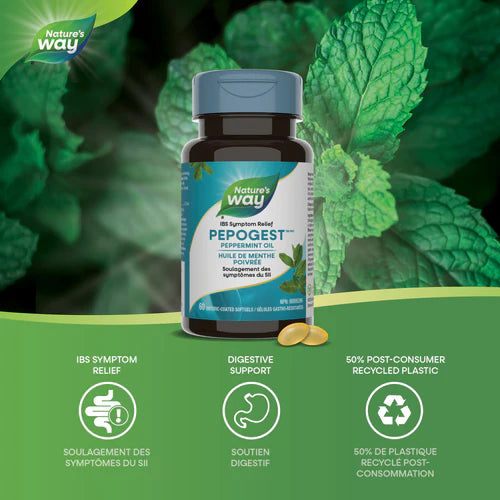
- Peppermint Products: Teas and selected digestive-support preparations.
- Oral Rehydration Solutions: Products designed to replace fluids and electrolytes lost through vomiting.
- Homeopathic Remedies: Preparations marketed for nausea and motion sickness, with important limitations in clinical evidence.
- Digestive Wellness Products: Selected formulations for occasional digestive discomfort.
The most appropriate nausea remedy depends on the cause. Products that help with motion sickness may not be suitable for nausea caused by pregnancy, medication side effects, infection, or an underlying medical condition.
Key Benefits
Depending on the specific product and formulation, nausea relief products may help:
- Motion Sickness Relief: Certain OTC medications can help prevent or reduce travel-related nausea and vomiting.
- Pregnancy-Related Nausea: Selected ingredients, including vitamin B6, may be appropriate under professional guidance.
- Digestive Comfort: Ginger and certain digestive preparations may help with specific nausea-related symptoms.
- Vomiting-Related Hydration: Oral rehydration solutions help replace lost fluids and electrolytes.
- Travel Preparedness: Portable tablets, chewables, and other products can be convenient for travel.
- Flexible Product Formats: Choose from tablets, capsules, liquids, powders, and other preparations.
- Age-Appropriate Options: Certain products are formulated or labelled for specific age groups.
- Targeted Symptom Management: Different products address different causes of nausea.
Not all products directly prevent or treat vomiting. Hydration products, for example, replace fluid losses rather than stopping nausea itself.
Who It’s Ideal For
This collection may be useful for:
- Adults prone to motion sickness
- Travellers preparing for car, boat, or air travel
- Individuals experiencing occasional digestive-related nausea
- Pregnant individuals seeking guidance for morning sickness
- People looking for ginger-based nausea support
- Customers seeking OTC anti-nausea medications
- Individuals needing oral rehydration after vomiting
- Parents looking for age-appropriate hydration products
- Adults experiencing occasional migraine-associated nausea
- People seeking convenient travel wellness essentials
Children, older adults, pregnant individuals, and people with significant medical conditions may require additional guidance before using anti-nausea products.
What Causes Nausea & Vomiting?
Nausea and vomiting are symptoms rather than specific diseases.
They can occur when signals from the gastrointestinal tract, brain, inner ear, or other physiological systems activate pathways involved in nausea and vomiting.
Common causes include:
- Motion sickness
- Pregnancy
- Gastroenteritis
- Foodborne illness
- Indigestion
- Acid reflux
- Migraine
- Medication side effects
- Anxiety
- Vestibular disorders
- Certain metabolic or medical conditions
Why Identifying the Cause Matters
Different causes respond to different treatments.
For example:
- Motion sickness may respond to certain antihistamine medications.
- Pregnancy-related nausea may require vitamin B6 or other pregnancy-appropriate treatments.
- Vomiting from gastroenteritis often requires careful hydration.
- Migraine-associated nausea may improve when the underlying migraine is appropriately treated.
- Medication-related nausea may require adjustment of the medication regimen.
Persistent or unexplained nausea should not be managed indefinitely with OTC products.
Understanding Motion Sickness
Motion sickness occurs when the brain receives conflicting information from the eyes, inner ear, and other sensory systems involved in balance.
It commonly occurs during:
- Car travel
- Boat trips
- Air travel
- Bus journeys
- Amusement park rides
- Certain virtual-reality experiences
Symptoms may include:
- Nausea
- Vomiting
- Dizziness
- Cold sweating
- Increased salivation
- General discomfort
Motion sickness remedies are generally most useful when selected and taken according to their labelled preventive directions.
OTC Motion Sickness Medications
Over-the-counter motion sickness medications are among the more established options for preventing or managing travel-related nausea.
Dimenhydrinate
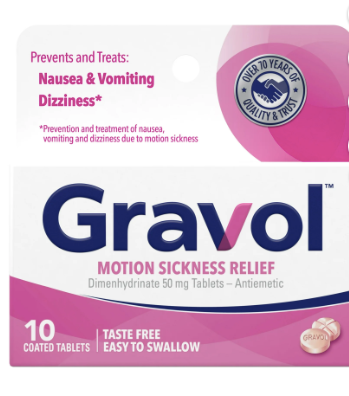
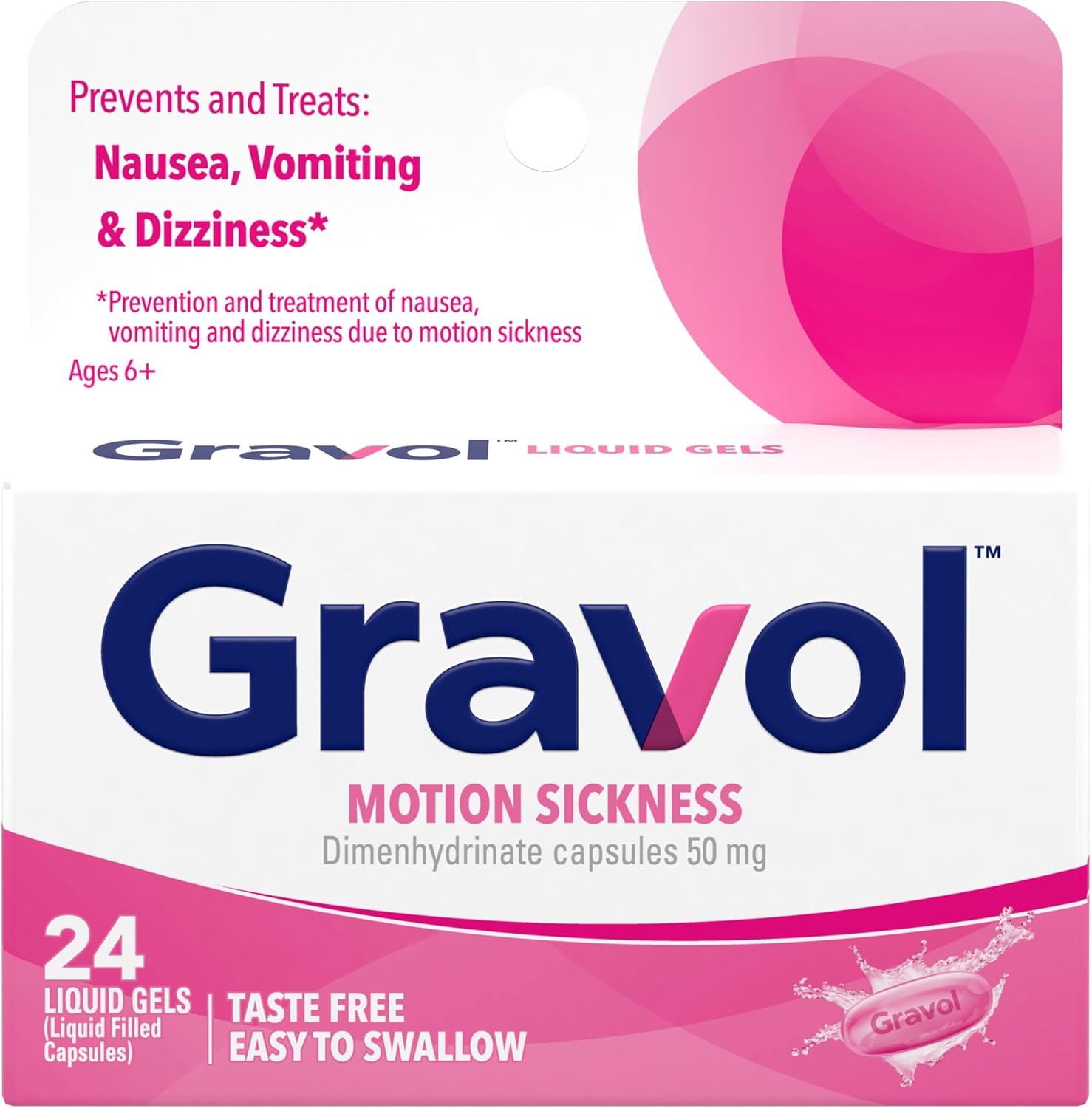
Dimenhydrinate is an antihistamine commonly used in Canada for motion sickness and certain nausea-related symptoms.
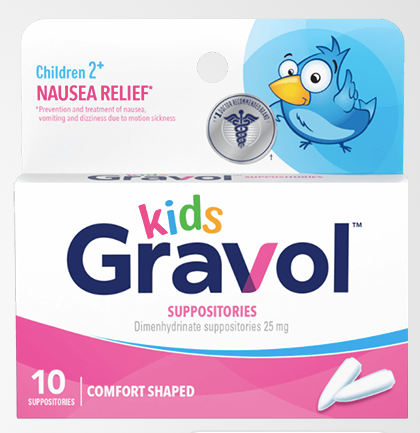
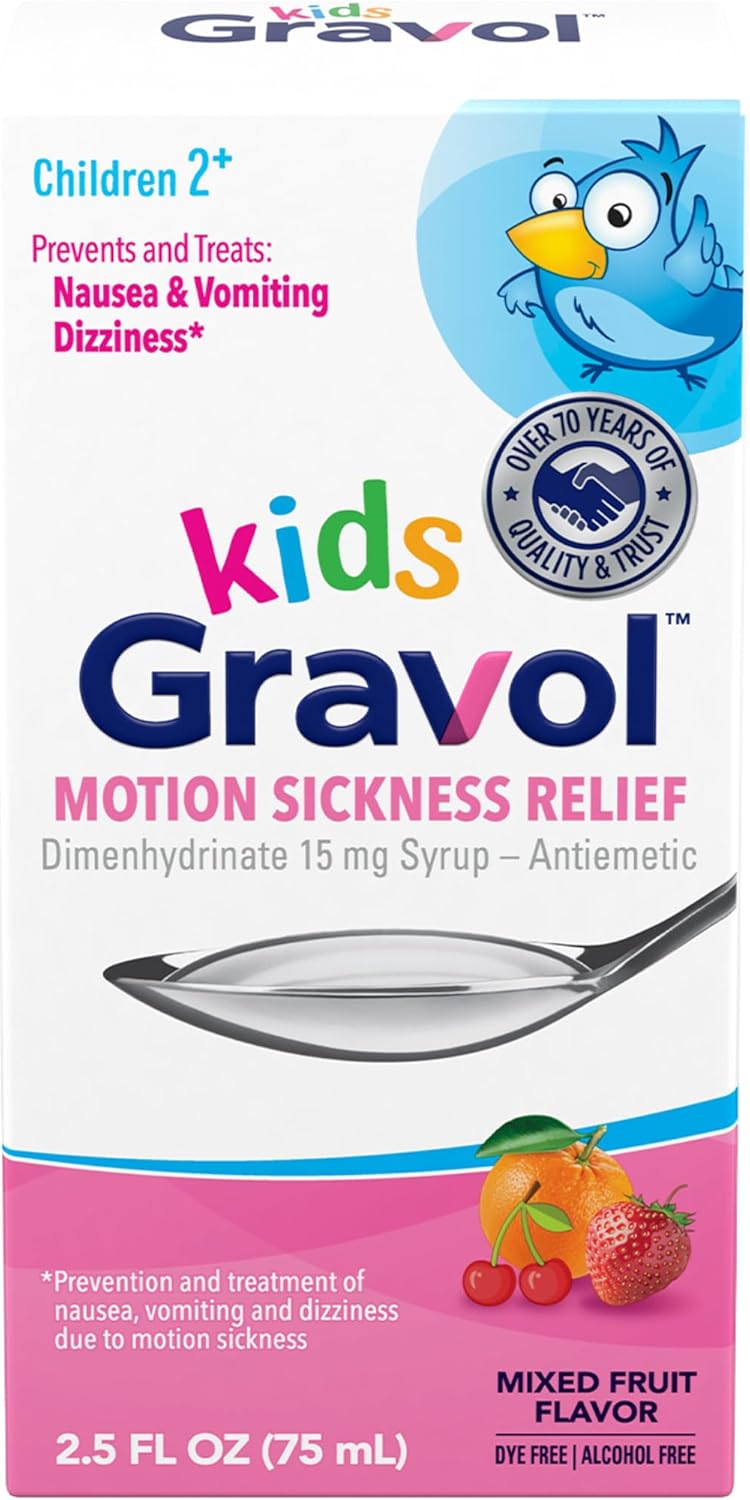
It is found in selected formulations marketed under brands such as Gravol®.
Depending on the product, it may be available as:
- Tablets
- Chewable tablets
- Liquid preparations
- Other dosage forms
How Dimenhydrinate Works
Dimenhydrinate acts on pathways involved in nausea and motion sickness.
It can help reduce symptoms associated with certain vestibular disturbances.
Important Considerations
Dimenhydrinate may cause:
- Drowsiness
- Dizziness
- Dry mouth
- Blurred vision
- Reduced alertness
Some individuals, particularly children, may experience unexpected agitation rather than sedation.
Avoid alcohol and use caution with other sedating medications.
Do not drive or operate machinery if affected.
Ginger – Natural Nausea Support
Ginger (Zingiber officinale) is one of the better-studied botanical ingredients for certain nausea-related applications.
It contains naturally occurring compounds, including gingerols and shogaols.
What Is Ginger Used For?
Ginger has been investigated for:
- Pregnancy-related nausea
- Certain postoperative nausea outcomes
- Selected digestive symptoms
- Motion sickness
Evidence varies by condition.
Ginger has relatively supportive evidence for some pregnancy-related nausea outcomes, but findings for motion sickness are inconsistent.
Ginger Product Formats
Depending on availability:
- Ginger capsules
- Ginger tablets
- Ginger chews
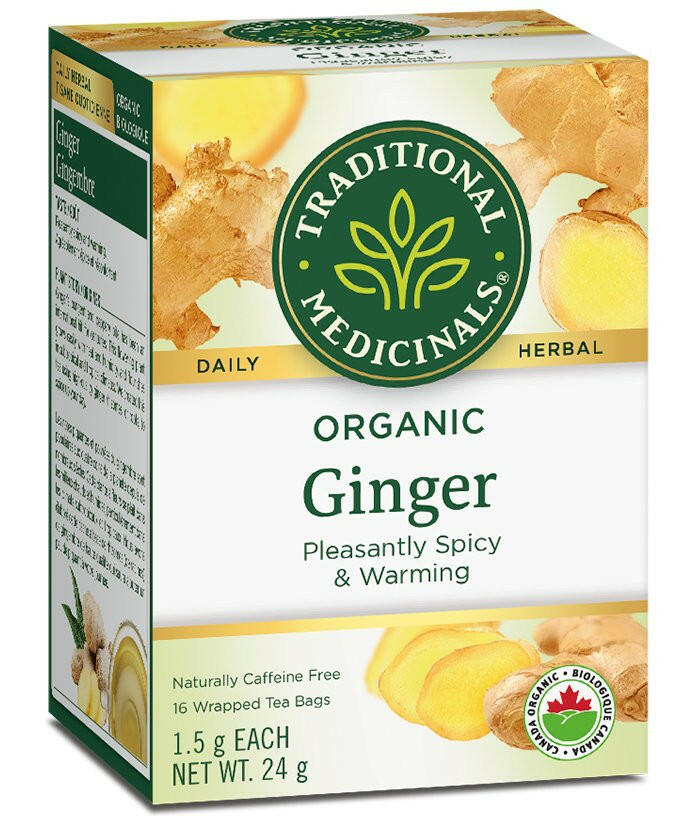
- Ginger tea
- Ginger liquid extracts
- Combination digestive formulas
Ginger Safety
Ginger may cause:
- Heartburn
- Abdominal discomfort
- Gastrointestinal irritation
Concentrated supplements may interact with certain medications.
Pregnant individuals should review the product and dose with an appropriate healthcare professional.
Peppermint – Digestive Comfort
Peppermint (Mentha × piperita) is traditionally used for digestive discomfort.
It contains menthol and other naturally occurring compounds.
Potential Applications
Peppermint products are commonly marketed for:
- Occasional digestive discomfort
- Bloating
- Abdominal cramping
- General digestive wellness
Specific enteric-coated peppermint oil formulations have been studied for irritable bowel syndrome symptoms.
However, evidence for peppermint as a general anti-nausea treatment remains limited.
Peppermint Product Formats
Products may include:
- Peppermint tea
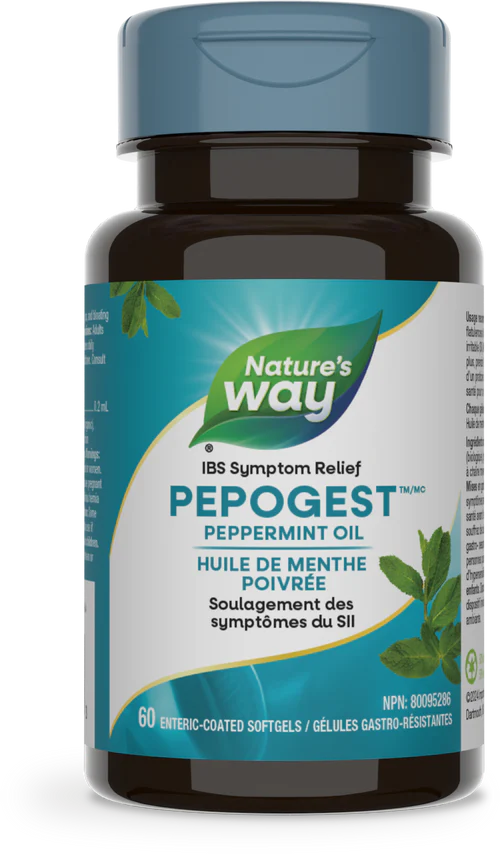
- Enteric-coated capsules
- Herbal blends
- Aromatherapy preparations
Important Precautions
Peppermint may worsen heartburn or acid reflux in some individuals.
Concentrated peppermint essential oil should not be swallowed unless specifically manufactured and authorized for oral use.
Essential oils are not interchangeable with peppermint tea or properly formulated oral capsules.
Vitamin B6 – Pregnancy-Related Nausea
Vitamin B6, also called pyridoxine, is an essential nutrient involved in numerous metabolic processes.
It is also used in the management of nausea and vomiting during pregnancy.
Vitamin B6 & Morning Sickness
Vitamin B6 has clinical evidence supporting its use for selected pregnancy-related nausea symptoms.
It may be recommended alone or as part of a treatment regimen.
In Canada, prescription treatment options combining doxylamine and pyridoxine may also be used when clinically appropriate.
Important Considerations
Pregnant individuals should seek professional guidance before selecting a vitamin B6 supplement for nausea.
Excessive or prolonged vitamin B6 intake can cause peripheral neuropathy.
Taking a prenatal multivitamin alongside additional vitamin B6 may increase total intake.
Pregnancy-related nausea should not automatically be treated with the same products used for motion sickness.
Morning Sickness & Pregnancy Nausea
Nausea and vomiting during pregnancy are common, particularly during the first trimester.
Despite the name, morning sickness can occur at any time of day.
Symptoms vary from mild nausea to severe vomiting.
Supportive Strategies
Depending on individual tolerance, helpful approaches may include:
- Eating smaller, more frequent meals
- Avoiding personally identified triggers
- Choosing bland foods when tolerated
- Drinking fluids in small amounts
- Trying appropriate ginger preparations
- Discussing vitamin B6 with a healthcare professional
- Reviewing prescription treatment options when necessary
When Pregnancy Nausea Requires Medical Care
Persistent vomiting, inability to maintain hydration, significant weight loss, or signs of dehydration may indicate a more serious condition.
Hyperemesis gravidarum is a severe form of pregnancy-related nausea and vomiting that requires medical assessment and treatment.
Nausea During Travel
Travellers may experience nausea during:
- Road trips
- Cruises
- Flights
- Ferry journeys
- Bus travel
- Other forms of transportation
Practical Motion Sickness Strategies
Consider:
- Sitting where movement is less noticeable
- Looking toward the horizon
- Avoiding reading during travel
- Getting fresh air when possible
- Keeping meals light before travel
- Avoiding excessive alcohol
- Staying hydrated
- Following preventive medication directions when appropriate
Choosing a Travel Remedy
For people with a history of significant motion sickness, an appropriately selected OTC medication may offer more reliable prevention than an herbal or homeopathic product.
Ginger may be considered as a complementary option, but it should not be assumed equally effective.
Nausea From Indigestion
Digestive-related nausea can occur alongside:
- Bloating
- Fullness
- Heartburn
- Acid reflux
- Abdominal discomfort
The appropriate treatment depends on the cause.
For example, reflux-related nausea may require a different approach from nausea associated with delayed stomach emptying or gastrointestinal infection.
Digestive Support Products
Depending on the symptoms, relevant products may include:
- Selected antacids
- Acid-reducing medications
- Ginger preparations
- Peppermint products
- Other digestive remedies
Not all digestive supplements are effective anti-nausea treatments.
Frequent indigestion or persistent nausea should be assessed rather than repeatedly treated without identifying the cause.
Nausea From Gastroenteritis
Gastroenteritis is inflammation of the stomach and intestines, commonly associated with infectious causes.
Symptoms may include:
- Nausea
- Vomiting
- Diarrhea
- Abdominal cramps
- Fever
The Importance of Hydration
For uncomplicated gastroenteritis, maintaining hydration is often a priority.
Vomiting and diarrhea can cause losses of both fluids and electrolytes.
Oral rehydration solutions can help replace these losses.
Do Supplements Treat Stomach Flu?
Ginger may help with some nausea symptoms, but it does not treat the underlying infection.
Probiotics should not automatically be considered effective treatments for vomiting caused by gastroenteritis.
Antibiotics are not routinely appropriate for viral gastroenteritis.
Oral Rehydration Solutions
Oral rehydration solutions are formulated to replace water and electrolytes lost through vomiting or diarrhea.
They typically contain:
- Sodium
- Potassium
- Glucose
- Other electrolytes, depending on the formulation
Why Glucose Matters
Appropriately formulated oral rehydration solutions use glucose and sodium together to support intestinal fluid absorption.
This is one reason they differ from ordinary flavoured water or many sports drinks.
When Oral Rehydration May Help
Oral rehydration solutions may be useful for:
- Mild dehydration from vomiting
- Diarrhea-related fluid losses
- Gastroenteritis
- Certain travel-related illnesses
Severe dehydration requires urgent medical assessment and may require intravenous fluids.
Electrolyte Drinks vs Oral Rehydration Solutions
Although both products contain electrolytes, they are not necessarily interchangeable.
|
Feature |
Oral Rehydration Solution |
General Electrolyte Drink |
|---|---|---|
|
Primary purpose |
Replace fluid and electrolyte losses from illness |
Support hydration in various circumstances |
|
Sodium and glucose balance |
Formulated for oral rehydration |
Varies considerably |
|
Vomiting and diarrhea |
Often the preferred formulation |
May not provide appropriate electrolyte ratios |
|
Product selection |
Based on age and dehydration needs |
Based on general hydration requirements |
For significant gastrointestinal fluid losses, choose an appropriate oral rehydration product rather than assuming any electrolyte drink is equivalent.
Nausea & Migraine
Nausea is a common symptom associated with migraine.
It may occur alongside:
- Headache
- Light sensitivity
- Sound sensitivity
- Dizziness
- Vomiting
Treating the Underlying Migraine
Migraine-related nausea may improve when the migraine itself is appropriately treated.
Some individuals require prescription migraine or anti-nausea medications.
General digestive supplements should not be considered reliable treatments for migraine-associated vomiting.
Magnesium & Migraine
Magnesium has been studied for migraine prevention in selected individuals.
However, this does not mean magnesium provides immediate relief from nausea during an active migraine.
Medication-Related Nausea
Some medications can cause nausea as an adverse effect.
Examples include certain:
- Antibiotics
- Pain medications
- Iron supplements
- Diabetes medications
- Antidepressants
- Other prescription treatments
What to Do
Medication-related nausea may depend on:
- The medication
- Dose
- Timing
- Whether it is taken with food
- Individual tolerance
Do not stop a prescribed medication without appropriate guidance.
A pharmacist can help review whether symptoms may be medication-related and whether an adjustment or medical assessment is needed.
Stress & Anxiety-Related Nausea
Stress and anxiety can affect gastrointestinal sensations and function.
Some individuals experience:
- Nausea
- Reduced appetite
- Abdominal discomfort
- Changes in bowel habits
Relaxation strategies and management of the underlying stressor may help.
However, persistent nausea should not automatically be attributed to anxiety without considering other possible causes.
Probiotics & Digestive Wellness
Probiotics contain specific live microorganisms that may provide health benefits when consumed in adequate amounts.
Certain strains have been studied for:
- Antibiotic-associated diarrhea
- Selected digestive symptoms
- Other gastrointestinal applications
Do Probiotics Relieve Nausea?
Probiotics are not established as general treatments for nausea and vomiting.
Their benefits depend on the specific strain, condition, and formulation.
They should not replace hydration or appropriate treatment for gastrointestinal illness.
Chamomile & Traditional Herbal Remedies
Chamomile is traditionally used in calming and digestive preparations.
It is commonly available as:
- Herbal tea
- Liquid extracts
- Combination formulas
Does Chamomile Relieve Nausea?
Chamomile has a history of traditional use for digestive comfort.
However, high-quality clinical evidence for treating nausea and vomiting remains limited.
People with allergies to plants in the Asteraceae family should use caution.
Pregnant individuals should seek guidance before using concentrated herbal extracts.
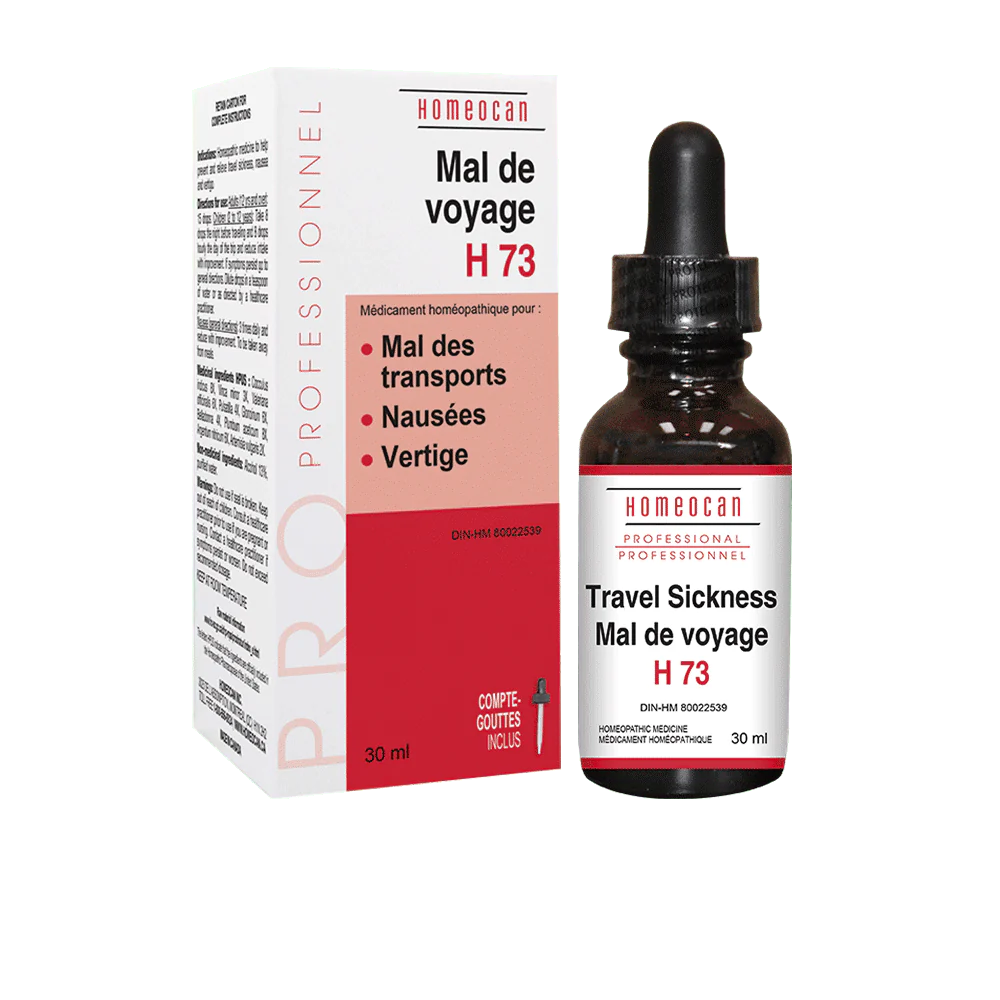
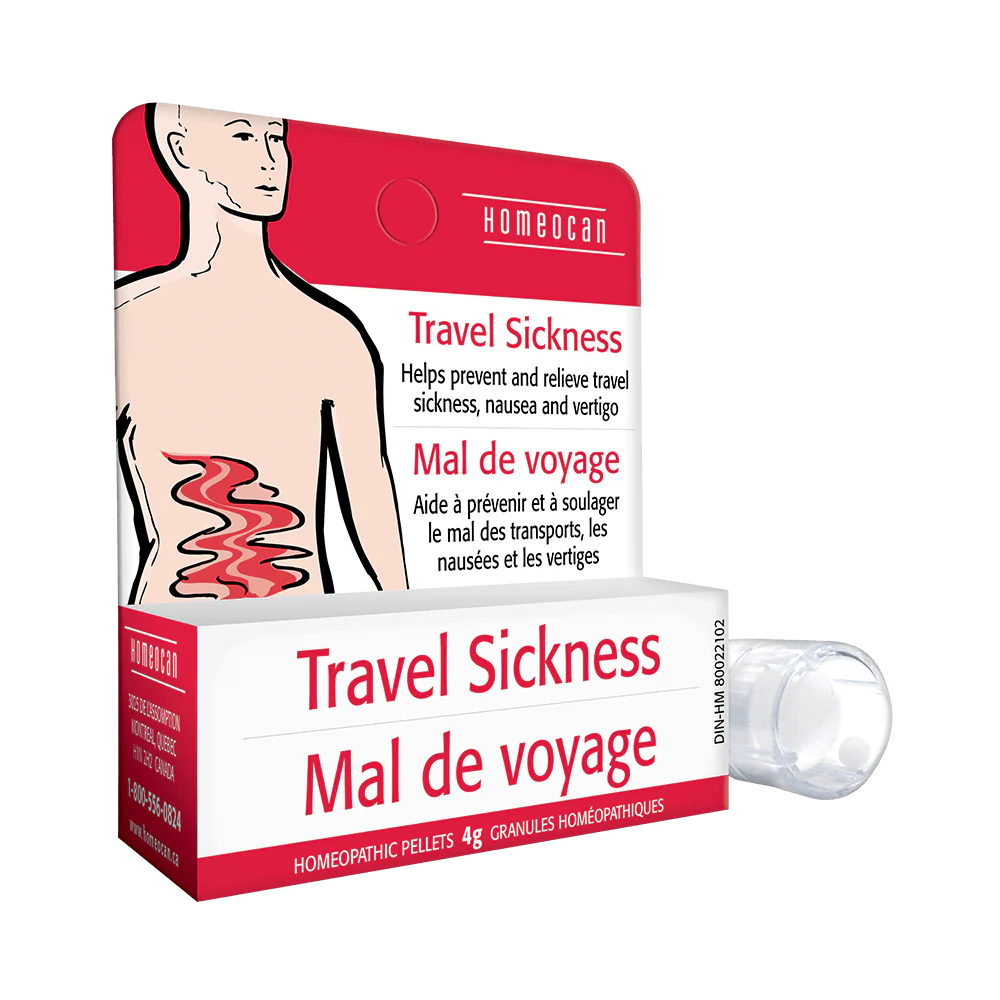
Homeopathic Nausea Remedies
Homeopathic products are sometimes marketed for:
- Motion sickness
- Travel-related nausea
- Dizziness
- Digestive upset
- Other nausea-related concerns
They may be available as:
- Pellets
- Tablets
- Drops
- Combination preparations
Understanding Homeopathic Evidence
High-quality scientific evidence does not establish homeopathy as an effective treatment for nausea, vomiting, motion sickness, or other medical conditions beyond placebo effects.
Homeopathic products should not replace established treatments or delay medical assessment.
Are Homeopathic Remedies Non-Drowsy?
Some homeopathic preparations may not contain conventional sedating antihistamines.
However, product ingredients and formulations vary.
A non-drowsy claim should be verified for the specific product.
Non-drowsy does not automatically mean effective or appropriate for every individual.
Acupressure & Motion Sickness Wristbands
Acupressure wristbands are sometimes used for nausea and motion sickness.
They typically apply pressure near the P6 point on the inner wrist.
Do Acupressure Bands Work?
Clinical research has explored acupressure for several nausea-related applications.
Results vary by condition and study design.
Wristbands may be considered a low-risk complementary option for some individuals, but they should not replace appropriate medication or hydration when needed.
Nausea Relief for Children
Children can become dehydrated more quickly than adults when vomiting or experiencing diarrhea.
Product selection should account for:
- Age
- Weight
- Symptoms
- Hydration status
- Medical history
- Product-specific directions
Oral Rehydration for Children
Appropriately formulated oral rehydration solutions are often useful for children with mild dehydration from vomiting or diarrhea.
Small, frequent amounts may be better tolerated than large drinks.
Children’s Anti-Nausea Medications
Not all OTC anti-nausea medications are suitable for children.
Age restrictions and dosing vary by product.
Dimenhydrinate and other anti-nausea medications should only be used when appropriate for the child’s age and circumstances.
Do not give adult anti-nausea products to children without confirming that the formulation and dose are suitable.
Infants and young children with persistent vomiting or signs of dehydration require prompt medical assessment.
Nausea Relief for Older Adults
Older adults may be more susceptible to medication side effects and dehydration.
Certain sedating antihistamines can increase the risk of:
- Confusion
- Dizziness
- Falls
- Urinary retention
- Excessive drowsiness
People taking multiple medications should review OTC anti-nausea products with a pharmacist.
Nausea Relief During Pregnancy & Breastfeeding
Pregnancy and breastfeeding require additional consideration when selecting medications and supplements.
Not all products marketed as natural are appropriate.
Potential concerns include:
- Medication exposure
- Herbal ingredient safety
- Vitamin dose
- Dehydration
- Underlying causes of vomiting
Vitamin B6 and certain other treatments may be appropriate in pregnancy under professional guidance.
Do not assume that ginger, peppermint, herbal blends, or homeopathic preparations are universally safe during pregnancy.
How to Choose the Right Nausea Relief Product
1. Identify the Likely Cause
Consider whether nausea is associated with:
- Travel
- Pregnancy
- Digestive upset
- Infection
- Migraine
- Medication use
- Another health condition
2. Consider the Most Appropriate Product Category
|
Main Concern |
Products to Consider |
Important Considerations |
|---|---|---|
|
Motion sickness |
Appropriate OTC motion sickness medication |
Drowsiness and age restrictions |
|
Pregnancy-related nausea |
Vitamin B6 or other clinician-recommended treatment |
Pregnancy-specific guidance |
|
Occasional digestive nausea |
Ginger or treatment directed at the underlying cause |
Evidence varies |
|
Vomiting with fluid loss |
Oral rehydration solution |
Does not directly stop vomiting |
|
Migraine-associated nausea |
Appropriate migraine treatment |
May require prescription medication |
|
Medication-related nausea |
Pharmacist medication review |
Do not independently stop prescribed treatment |
|
Travel preparedness |
Motion sickness tablets, ginger, oral rehydration products |
Select according to the traveller’s needs |
3. Review the Medicinal Ingredients
Check whether the product contains:
- Dimenhydrinate
- Ginger
- Vitamin B6
- Peppermint
- Other herbal ingredients
- Electrolytes
4. Consider Drowsiness
Certain OTC medications can cause sedation.
This is particularly important when driving or travelling.
5. Review Age Restrictions
Children’s and adult formulations are not interchangeable.
6. Consider Pregnancy or Breastfeeding
Seek professional guidance before selecting medications or concentrated supplements.
7. Review Medication Interactions
Certain products may interact with prescription medications or increase sedation.
Available Product Formats
Our Nausea & Vomiting Relief collection may include:
- Tablets
- Chewable tablets
- Capsules
- Softgels
- Liquids
- Ginger chews
- Herbal teas
- Oral rehydration powders
- Ready-to-drink oral rehydration solutions
- Electrolyte products
- Homeopathic pellets
- Acupressure wristbands
Availability varies by product.
Building a Travel Nausea Relief Kit
For individuals prone to travel-related nausea, consider preparing appropriate products before departure.
A practical travel kit may include:
- An age-appropriate motion sickness medication
- Ginger chews or capsules
- Oral rehydration packets
- Drinking water
- Light snacks
- Other personally required medications
Choose products according to the destination, travel duration, medical history, and expected conditions.
Avoid trying an unfamiliar sedating medication immediately before driving or performing activities requiring alertness.
Practical Tips for Managing Mild Nausea
For occasional, uncomplicated nausea, supportive strategies may include:
- Drinking small amounts of fluid frequently
- Eating smaller meals
- Avoiding strong odours when they worsen symptoms
- Choosing bland foods when tolerated
- Avoiding excessive alcohol
- Resting when needed
- Staying in a well-ventilated environment
- Avoiding large, heavy meals before travel
If vomiting occurs, maintaining hydration becomes particularly important.
Understanding Dehydration
Vomiting and diarrhea can lead to fluid and electrolyte losses.
Possible signs of dehydration include:
- Thirst
- Dry mouth
- Reduced urination
- Dark urine
- Dizziness
- Weakness
More serious dehydration may cause:
- Markedly reduced urine output
- Significant lethargy
- Confusion
- Fainting
- Rapid heartbeat
Severe dehydration requires urgent medical attention.
Safety & Precautions
Anti-nausea medications and natural remedies can cause adverse effects or interact with other products.
Professional guidance is particularly important if you:
- Are pregnant or breastfeeding
- Are selecting medication for a child
- Are an older adult
- Take sedating medications
- Take anticoagulants
- Have glaucoma
- Have urinary retention or certain prostate conditions
- Have significant liver or kidney disease
- Have recurrent migraines
- Have persistent gastrointestinal symptoms
- Take multiple prescription medications
Certain antihistamine medications may be unsuitable for individuals with specific medical conditions.
Follow the product’s labelled directions and warnings.
When to Seek Medical Attention
Nausea and vomiting sometimes indicate a condition requiring medical assessment.
Seek urgent medical attention for:
- Severe or worsening abdominal pain
- Blood in vomit
- Vomit resembling coffee grounds
- Severe dehydration
- Confusion or fainting
- Severe headache with neurological symptoms
- Vomiting after a significant head injury
- Chest pain
- Difficulty breathing
- A rigid or significantly swollen abdomen
Medical assessment is also important for:
- Persistent or recurrent vomiting
- Inability to keep fluids down
- Significant unexplained weight loss
- Pregnancy-related vomiting affecting hydration or nutrition
- Vomiting in infants or young children
- Symptoms that worsen despite appropriate self-care
FAQs
What is the best OTC medication for nausea in Canada?
The best option depends on the cause. Dimenhydrinate is commonly used for motion sickness and certain nausea-related symptoms, but it is not appropriate for every situation.
Does Gravol® help with motion sickness?
Certain Gravol® products containing dimenhydrinate are used to prevent or relieve motion sickness. Other products sold under the brand may contain different ingredients, so check the specific formulation.
Does ginger help with nausea?
Ginger has been studied for several nausea-related conditions. Evidence is relatively supportive for certain pregnancy-related nausea outcomes, while results for motion sickness are less consistent.
Is ginger better than dimenhydrinate for motion sickness?
Dimenhydrinate has more established evidence for motion sickness prevention. Ginger may be considered as a complementary option, but it should not be assumed equally effective.
Does peppermint help with nausea?
Peppermint is traditionally used for digestive comfort, but evidence for treating nausea is limited. It may also worsen acid reflux in some people.
Can vitamin B6 help with morning sickness?
Yes. Vitamin B6 is used for selected pregnancy-related nausea symptoms. Pregnant individuals should confirm the appropriate product and dose with a healthcare professional.
Are anti-nausea medications safe during pregnancy?
Some treatments may be appropriate, but safety depends on the medication and individual circumstances. Pregnancy-related nausea should be managed using pregnancy-specific guidance.
Do probiotics stop vomiting?
Probiotics are not established as general treatments for vomiting. Certain strains may help with specific digestive conditions, but they do not replace hydration or appropriate medical care.
What should I drink after vomiting?
Small, frequent amounts of fluid may be easier to tolerate. An appropriately formulated oral rehydration solution can help replace fluids and electrolytes lost through vomiting.
Are electrolyte drinks the same as oral rehydration solutions?
No. Oral rehydration solutions are specifically formulated for fluid and electrolyte replacement during illnesses such as gastroenteritis. General electrolyte drinks may have different compositions.
Can children take motion sickness medication?
Some products are labelled for children, but suitability and dosing depend on age, weight, and the specific medication. Consult a pharmacist before use when uncertain.
Do homeopathic nausea remedies work?
High-quality scientific evidence does not establish homeopathy as an effective treatment for nausea or motion sickness beyond placebo effects.
Can acupressure wristbands prevent motion sickness?
Research findings are mixed. Some people use wristbands as a complementary option, but they should not be considered equivalent to established medications.
Why do migraines cause nausea?
Migraine involves neurological pathways that can also influence nausea and vomiting. Treating the underlying migraine may help relieve associated symptoms.
When is vomiting dangerous?
Vomiting requires urgent assessment when accompanied by severe dehydration, blood, severe abdominal pain, neurological symptoms, or other concerning signs.
Where can I buy nausea and motion sickness remedies in Canada?
Coal Harbour Pharmacy offers a pharmacist-curated selection of OTC nausea medications, ginger supplements, motion sickness remedies, and oral rehydration products with Canada-wide shipping.
Why Shop Nausea & Vomiting Relief at Coal Harbour Pharmacy?
- Pharmacist-curated nausea and vomiting relief products
- OTC medications and natural nausea support options
- Motion sickness tablets and travel-friendly formulations
- Ginger supplements, chews, and digestive preparations
- Vitamin B6 and other targeted nutritional products
- Oral rehydration solutions and electrolyte support
- Selected products for adults and children
- Multiple formats for different preferences and needs
- Convenient online ordering
- Canada-wide shipping options
- Vancouver-based pharmacy support
Related Collections
────────────────────────────────────
Shop Nausea & Vomiting Relief →
Sort by
27 products











FREE STANDARD SHIPPING
Satisfied or refunded
Top-notch support
Secure payments
Encrypted checkout processing
Offers exclude prescriptions and in-store purchases.
Subscribe & Get a First-Order Reward
Plus, earning reward points on eligible online purchases and enjoy future store credit.
We respect your inbox at Coal Harbour Pharmacy - Expect thoughtfully curated health and wellness updates, timely reminders, and exclusive online savings.