
Thermometers – Digital, Infrared, Ear & Forehead Models
Shop digital thermometers, infrared thermometers, ear thermometers, and forehead thermometers at Coal Harbour Pharmacy. Explore temperature monitoring devices for adults, children, babies, and family health care.
Compare contact and non-contact thermometers with convenient features such as digital displays, memory functions, fever alerts, and quick temperature readings.
ABOUT THERMOMETERS
Medical thermometers are devices used to measure body temperature and help identify fever or changes in temperature during illness.
Different thermometer types measure temperature at different body sites, including the mouth, armpit, rectum, ear, and forehead.
Our collection includes digital oral thermometers, flexible-tip thermometers, infrared forehead thermometers, tympanic ear thermometers, and non-contact temperature monitoring devices.
The most appropriate thermometer depends on the person's age, the measurement site, the device's intended use, and the level of accuracy required.
KEY BENEFITS
-
Fever Monitoring: Helps identify elevated body temperature during illness.
-
Family Health Care: Options for adults, children, and infants.
-
Quick Measurements: Selected electronic devices provide readings within seconds.
-
Non-Contact Convenience: Infrared models allow temperature checks without direct skin contact.
-
Easy-to-Read Displays: Digital screens simplify temperature readings.
-
Temperature Tracking: Selected models store previous measurements.
-
Home Health Preparedness: A thermometer is a useful addition to household medical supplies.
WHO IT'S IDEAL FOR
-
Families seeking reliable home temperature monitoring.
-
Parents comparing thermometers for babies and children.
-
Adults monitoring fever or illness symptoms.
-
Caregivers assisting older adults.
-
Customers seeking non-contact temperature measurement.
-
Healthcare professionals requiring appropriate clinical thermometers.
TYPES OF THERMOMETERS
1. Digital Thermometers
Electronic thermometers designed for body temperature measurement at approved sites, which may include oral, axillary (underarm), or rectal use.
Best For: General household temperature monitoring.
Features may include:
-
Digital temperature display.
-
Celsius and Fahrenheit settings.
-
Audible completion alerts.
-
Memory recall.
-
Flexible-tip designs.
Always confirm the approved measurement sites for the specific model.
2. Infrared Non-Contact Thermometers
Infrared devices designed to estimate body temperature without touching the skin.
Best For: Convenient, touch-free temperature checks.
Features may include:
-
Rapid measurements.
-
Minimal physical contact.
-
Backlit displays.
-
Temperature memory.
-
Fever indicators.
Accuracy may be affected by positioning, room temperature, perspiration, and device-specific operating conditions.
3. Ear Thermometers
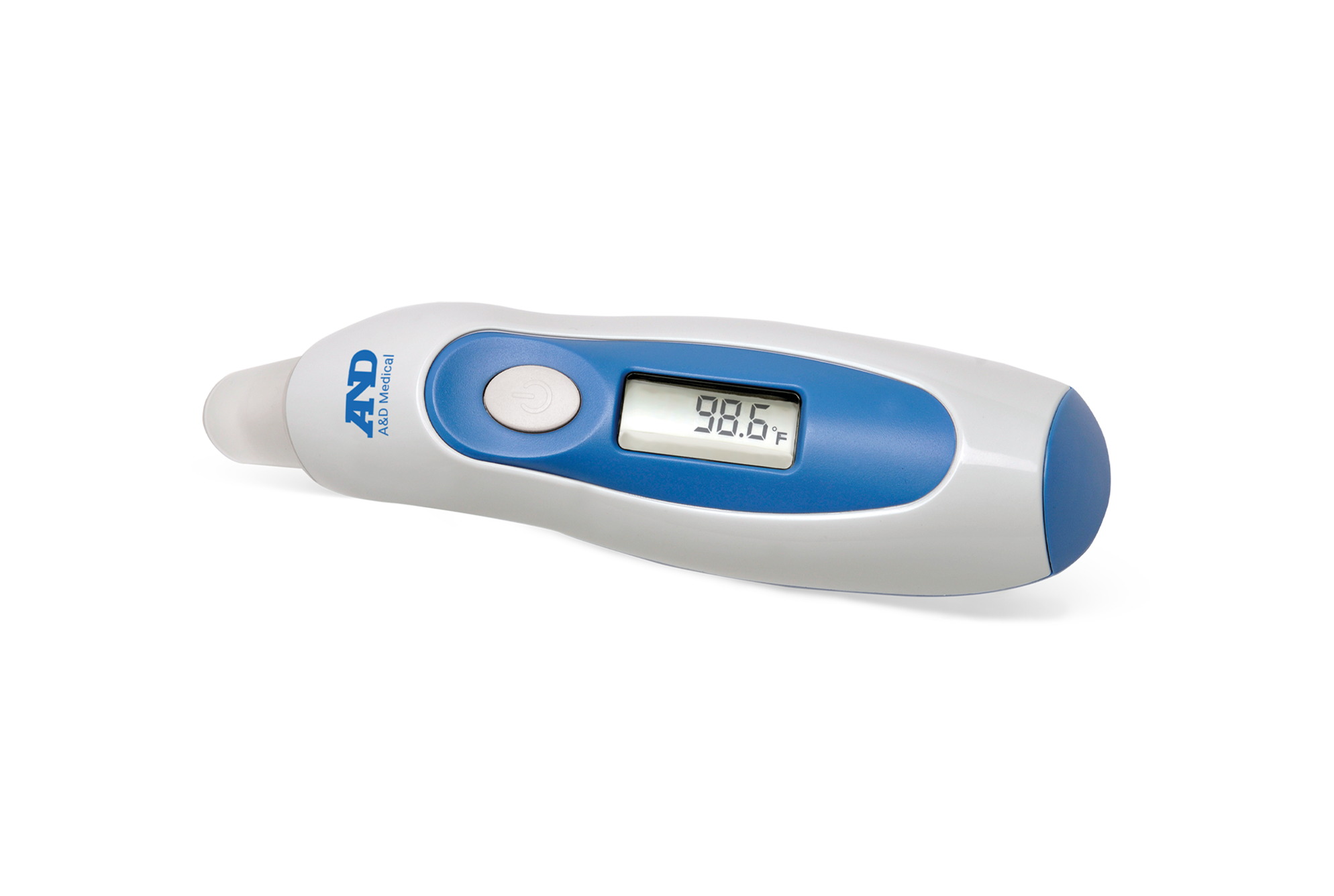
Also known as tympanic thermometers, these devices use infrared technology to estimate temperature from the ear canal.
Best For: Quick temperature monitoring in age groups approved by the manufacturer.
Features may include:
-
Rapid readings.
-
Digital displays.
-
Disposable probe covers on selected models.
-
Memory functions.
Ear thermometers are generally not recommended for infants younger than six months because of ear canal size and measurement limitations.
4. Forehead Thermometers
Forehead or temporal artery thermometers measure temperature using infrared-based technology.
Best For: Convenient, non-invasive temperature monitoring.
Features may include:
-
Gentle measurement.
-
Quick results.
-
Contact or non-contact operation.
-
Easy-to-read screens.
Accuracy depends on the specific device, correct technique, and environmental conditions.
5. Flexible-Tip Thermometers
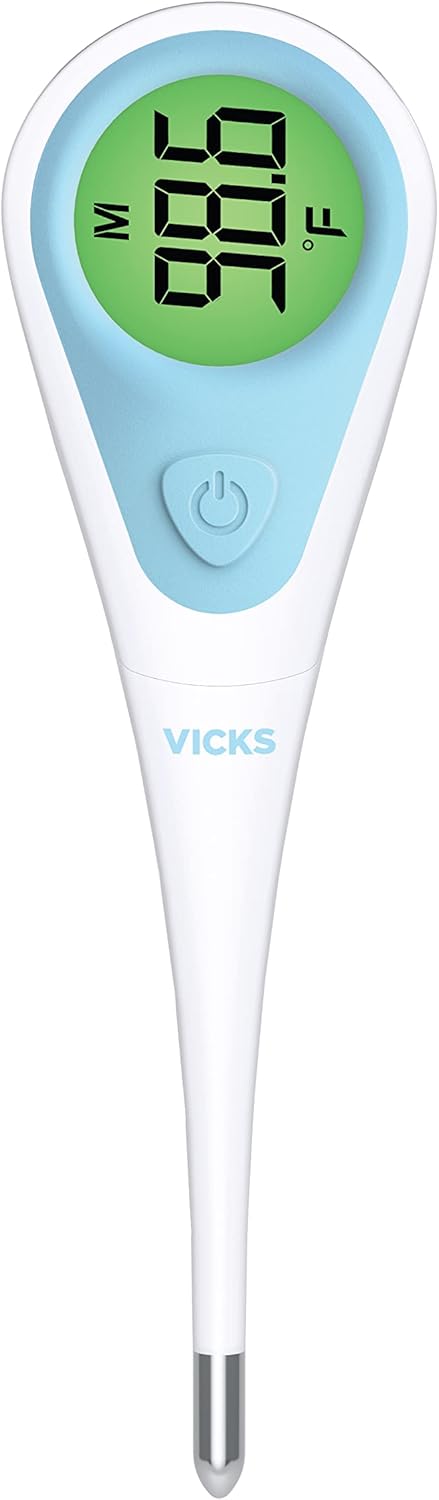
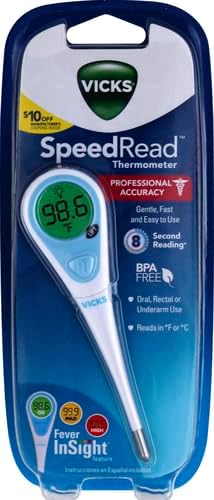
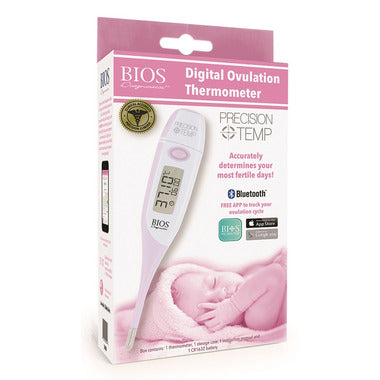
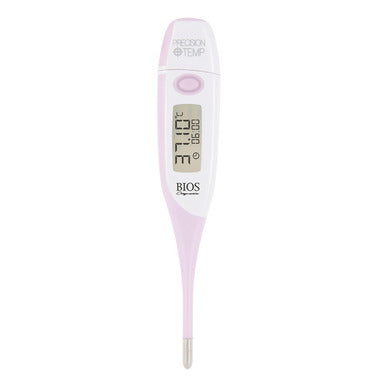
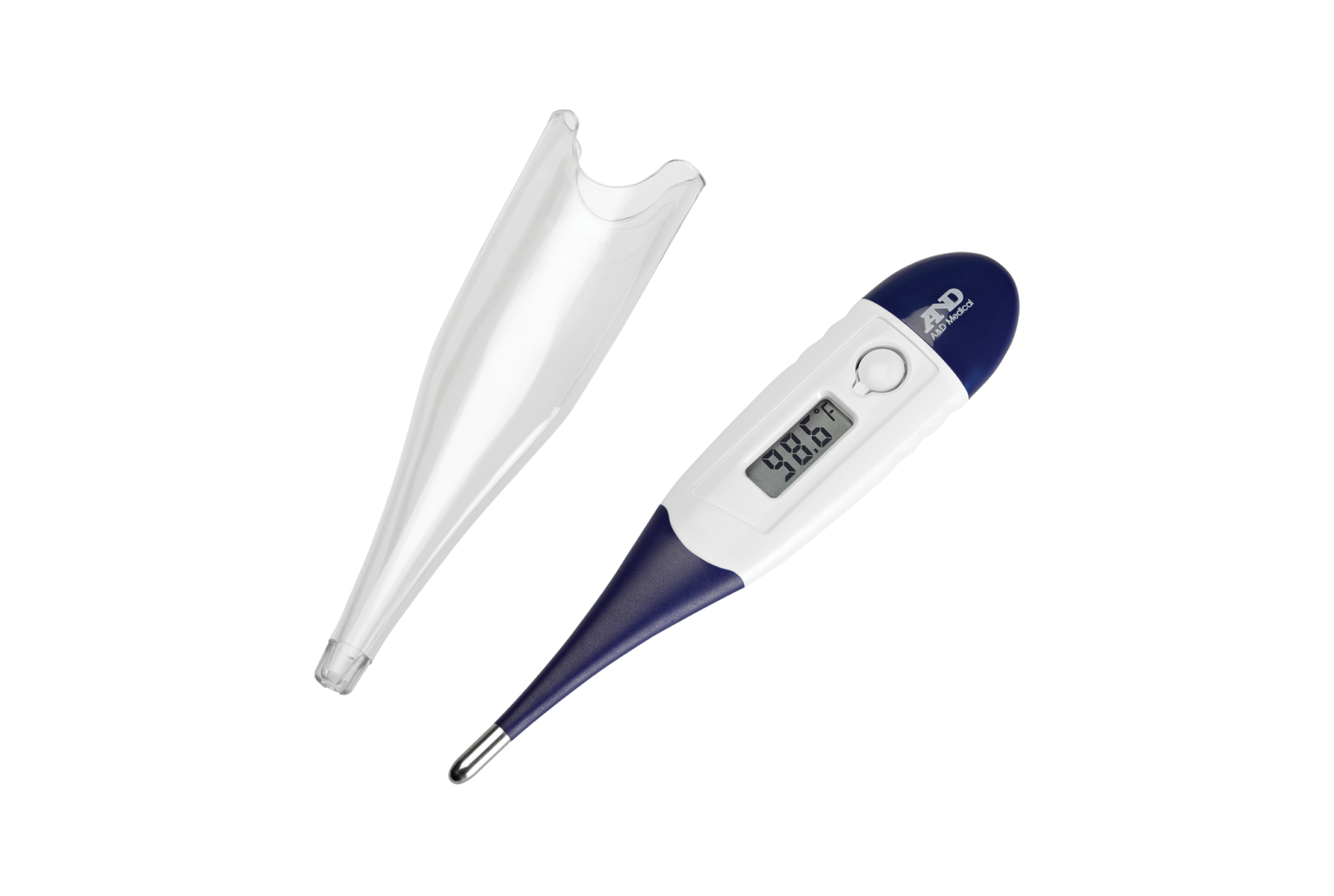
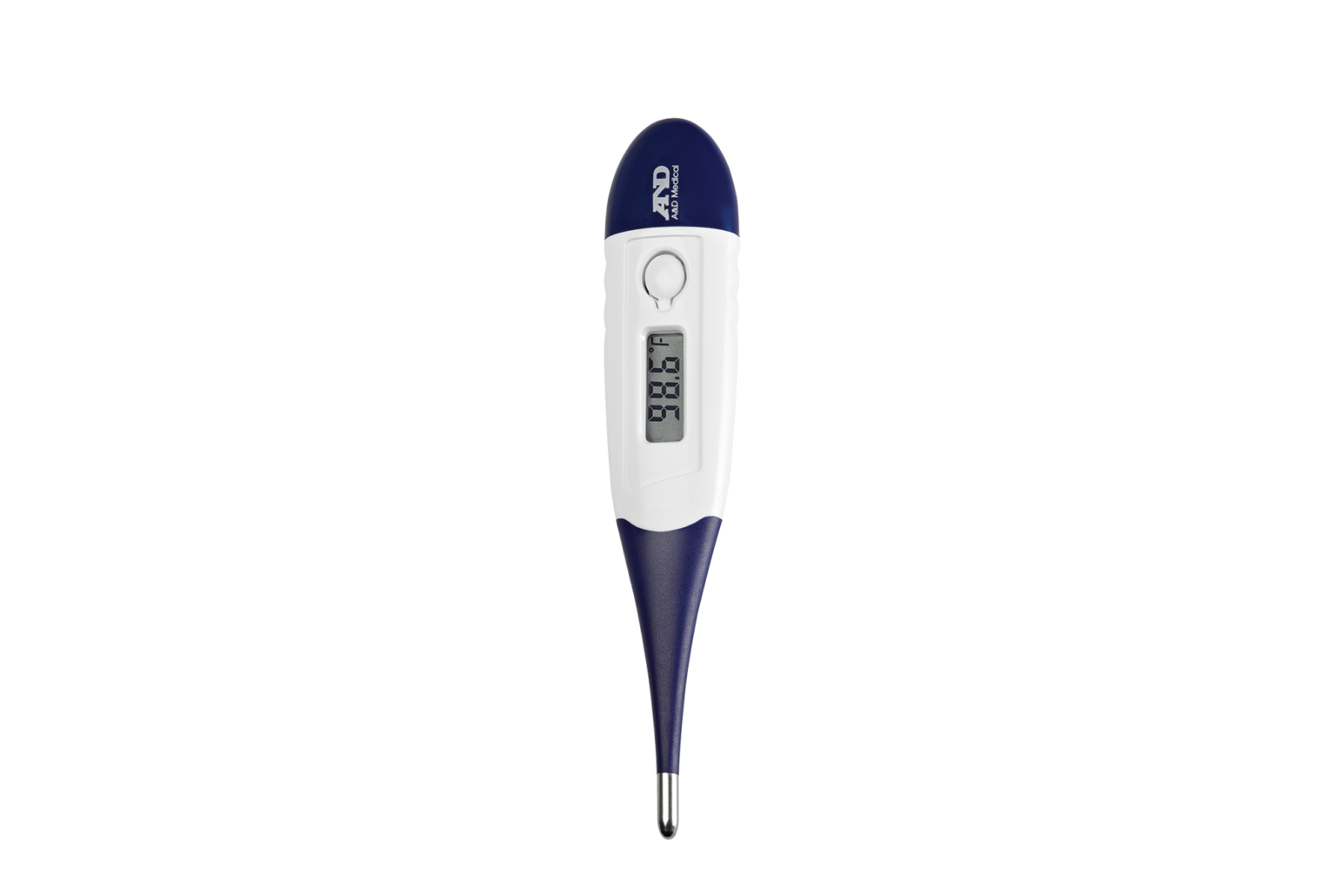
Selected digital thermometers feature a flexible probe tip for more comfortable use.
Best For: Families seeking a compact, multipurpose thermometer.
A flexible tip does not automatically mean the thermometer is suitable for every measurement site or age group.
6. Pediatric & Baby Thermometers
Thermometers designed or marketed for use with babies and young children.
Best For: Parents and caregivers seeking age-appropriate temperature monitoring.
For young infants, the recommended measurement method is particularly important. A thermometer marketed for babies is not necessarily the most accurate option for every infant.
7. Clinical & Professional Thermometers
Selected devices designed for healthcare or institutional temperature monitoring.
Best For: Healthcare settings requiring equipment suited to their clinical procedures.
Shopping Tip: Compare the measurement method, approved age range, accuracy specifications, response time, and Canadian medical device status before purchasing.
HOW TO CHOOSE THE RIGHT THERMOMETER
-
Consider the User's Age: Thermometer recommendations differ for infants, children, and adults.
-
Choose the Measurement Method: Compare oral, rectal, underarm, ear, and forehead measurements.
-
Check Device Accuracy: Review the manufacturer's specifications and intended operating conditions.
-
Compare Features: Consider backlit displays, memory storage, fever alerts, and silent modes.
-
Review Hygiene Requirements: Some devices require disposable probe covers or cleaning between uses.
-
Check Battery Requirements: Confirm battery type and replacement needs.
-
Follow Manufacturer Instructions: Correct positioning and technique are essential for reliable readings.
UNDERSTANDING BODY TEMPERATURE & FEVER
Normal body temperature varies depending on age, time of day, activity, and measurement site.
A temperature of 38°C (100.4°F) or higher is commonly used as a fever threshold for rectal measurements, although thresholds and interpretation differ by measurement method.
| Measurement Method | Important Consideration |
|---|---|
| Rectal | Often preferred for confirming fever in young infants |
| Oral | Appropriate for individuals able to hold the thermometer correctly |
| Underarm | Convenient but generally less precise for core temperature estimation |
| Ear | Fast, but positioning and age affect reliability |
| Forehead | Convenient, but technique and environmental conditions matter |
Important: A baby younger than three months with a rectal temperature of 38°C (100.4°F) or higher requires prompt medical assessment.
HOW TO USE A THERMOMETER CORRECTLY
-
Read the device instructions before use.
-
Use the measurement site approved for the model.
-
Avoid measuring oral temperature immediately after hot or cold drinks.
-
Ensure the forehead is dry when using applicable infrared devices.
-
Position ear thermometers correctly according to the instructions.
-
Clean reusable probes between uses.
-
Record the temperature, time, and measurement site when tracking fever.
-
If a reading seems inconsistent with symptoms, repeat it correctly or use an appropriate confirmatory method.
CAUTIONS & WARNINGS
-
Young Infants: Fever in babies younger than three months requires prompt medical attention.
-
Measurement Differences: Oral, rectal, underarm, ear, and forehead temperatures are not directly interchangeable.
-
Device Limitations: Incorrect positioning or unsuitable environmental conditions may produce inaccurate readings.
-
Ear Conditions: Earwax, ear canal anatomy, and improper probe placement may affect tympanic readings.
-
Non-Contact Devices: Follow the specified distance and room-temperature requirements.
-
Hygiene: Clean thermometers as instructed and avoid sharing uncleaned probes.
-
Rectal Use: Use an appropriate thermometer carefully and follow pediatric guidance.
-
Persistent Symptoms: A normal temperature does not rule out serious illness.
-
Medical Emergencies: Seek urgent medical attention for fever accompanied by breathing difficulties, severe lethargy, seizures, or other serious symptoms.
Thermometers support temperature monitoring but do not replace medical assessment.
WHY SHOP THERMOMETERS AT COAL HARBOUR PHARMACY?
-
Selection of digital, infrared, ear, and forehead thermometers.
-
Temperature monitoring options for different ages and household needs.
-
Convenient comparison of measurement methods and device features.
-
Home health and family care essentials.
-
Access to a licensed Vancouver pharmacy.
-
Shipping to eligible Canadian destinations.
FREQUENTLY ASKED QUESTIONS
Which type of thermometer is most accurate?
Accuracy depends on the device, measurement site, and technique. Rectal digital measurements are commonly used when an accurate temperature assessment is particularly important in young infants.
Are infrared thermometers accurate?
Appropriately designed infrared thermometers can provide useful readings when used correctly, but results may be affected by positioning and environmental conditions.
Can I use an ear thermometer on a newborn?
Ear thermometers are generally not recommended for babies younger than six months. Follow pediatric guidance and the manufacturer's age restrictions.
What temperature is considered a fever?
A rectal temperature of 38°C (100.4°F) or higher is commonly considered a fever. Interpretation depends on the person's age and the measurement method.
Are forehead thermometers suitable for babies?
Some models are designed for infant use, but suitability and accuracy vary. Follow the manufacturer's age recommendations and seek appropriate medical guidance when fever is suspected.
Can I use the same digital thermometer orally and rectally?
Some models support both methods, but a thermometer designated for rectal use should not subsequently be used orally. Follow the manufacturer's instructions and maintain appropriate hygiene.
Do digital thermometers need calibration?
Calibration requirements vary by device. Follow manufacturer recommendations and replace devices that produce inconsistent readings or fail accuracy checks.
SHOP DIGITAL & INFRARED THERMOMETERS
Discover digital thermometers, non-contact infrared thermometers, ear thermometers, forehead thermometers, flexible-tip models, and pediatric temperature monitoring devices at Coal Harbour Pharmacy.
Compare measurement methods, age suitability, and features to find a thermometer suited to your household or healthcare needs.
RELATED COLLECTIONS
-
Home Health Monitoring – Devices for monitoring everyday health indicators.
-
Baby Health & Care – Infant care and health monitoring essentials.
-
Cold & Flu Medications – OTC products for selected cold and flu symptoms.
-
First Aid & Medical Supplies – Everyday household healthcare essentials.
-
Medical Devices & Equipment – Health monitoring and diagnostic devices.
Shop Thermometers →
Sort by
5 products
FREE STANDARD SHIPPING
Satisfied or refunded
Top-notch support
Secure payments
Encrypted checkout processing
Offers exclude prescriptions and in-store purchases.
Subscribe & Get a First-Order Reward
Plus, earning reward points on eligible online purchases and enjoy future store credit.
We respect your inbox at Coal Harbour Pharmacy - Expect thoughtfully curated health and wellness updates, timely reminders, and exclusive online savings.