
Medical Supplies – Home Health, Recovery & Everyday Care Essentials
Shop dependable medical supplies for first aid, wound care, health monitoring, mobility, personal protection, home recovery, daily living, and ongoing care needs.
────────────────────────────────────
About Medical Supplies
Medical supplies include a broad range of products used to support health monitoring, first aid, wound care, mobility, hygiene, recovery, personal protection, and everyday care at home or in professional settings.
The Medical Supplies collection at Coal Harbour Pharmacy brings together practical healthcare essentials for individuals, families, caregivers, older adults, and healthcare professionals.
Products may range from bandages, dressings, gloves, thermometers, and blood pressure monitors to mobility aids, orthopedic supports, incontinence products, respiratory-care accessories, and home-recovery equipment.
Selecting the appropriate product—and using it according to its instructions—is especially important when medical supplies are being used for an existing health condition, following surgery, or as part of professional care.
Key Benefits
• Supports home healthcare and everyday medical needs
• Provides first-aid and wound-care essentials
• Helps individuals monitor selected health measurements at home
• Supports mobility, accessibility, and independent living
• Provides practical products for post-surgical and injury recovery
• Includes hygiene and personal-protection supplies
• Offers solutions for caregivers and long-term care
• Includes products for both household and professional healthcare settings
Who It’s Ideal For
Medical supplies may be useful for:
• Individuals recovering from surgery or injury
• Families building or maintaining a home first-aid kit
• Older adults with changing mobility or daily-living needs
• Family members and professional caregivers
• People monitoring certain chronic health conditions at home
• Individuals requiring wound-care or dressing supplies
• People using mobility or orthopedic supports
• Households preparing essential health and safety supplies
• Healthcare and personal-care professionals
The correct medical supply depends on the intended use, individual circumstances, and—in some cases—a healthcare professional’s recommendations.
First Aid Essentials
A well-organized first-aid kit can help manage minor injuries and everyday emergencies while appropriate professional care is arranged when needed.
Common first-aid supplies include:
• Adhesive bandages
• Sterile gauze
• Medical tape
• Antiseptic products
• Disposable gloves
• Cold packs
• First-aid dressings
• Basic first-aid kits
First-aid products are intended for appropriate minor-care situations and should not delay emergency assessment for serious injuries.
Wound Care & Dressings
Wound-care products help protect injured skin and support an appropriate healing environment.
Depending on the wound and stage of healing, options may include:
• Adhesive dressings
• Sterile gauze
• Non-adherent dressings
• Absorbent dressings
• Medical tapes
• Wound cleansers
• Specialized wound-care products
Not every dressing is appropriate for every wound.
Deep wounds, significant burns, heavily contaminated wounds, wounds that will not stop bleeding, signs of infection, and wounds that are not healing appropriately require professional assessment.
Personal Protective Equipment
Personal protective equipment can help reduce exposure to selected environmental, occupational, or infectious hazards when appropriately chosen and used.
Products may include:
• Medical and non-medical masks
• Disposable gloves
• Protective gowns
• Face protection
• Other barrier products
The appropriate level of protection depends on the activity and exposure risk.
PPE works best when combined with appropriate hand hygiene, correct application and removal, environmental cleaning, and other relevant infection-control practices.
Hygiene & Sanitation
Hygiene products can help maintain clean hands, surfaces, and care environments.
Options may include:
• Hand sanitizers
• Disinfecting wipes
• Disposable gloves
• Cleaning and sanitation products
• Personal hygiene supplies
Cleaning and disinfecting are related but different processes. Follow the manufacturer’s directions, including required surface contact time when using disinfectants.
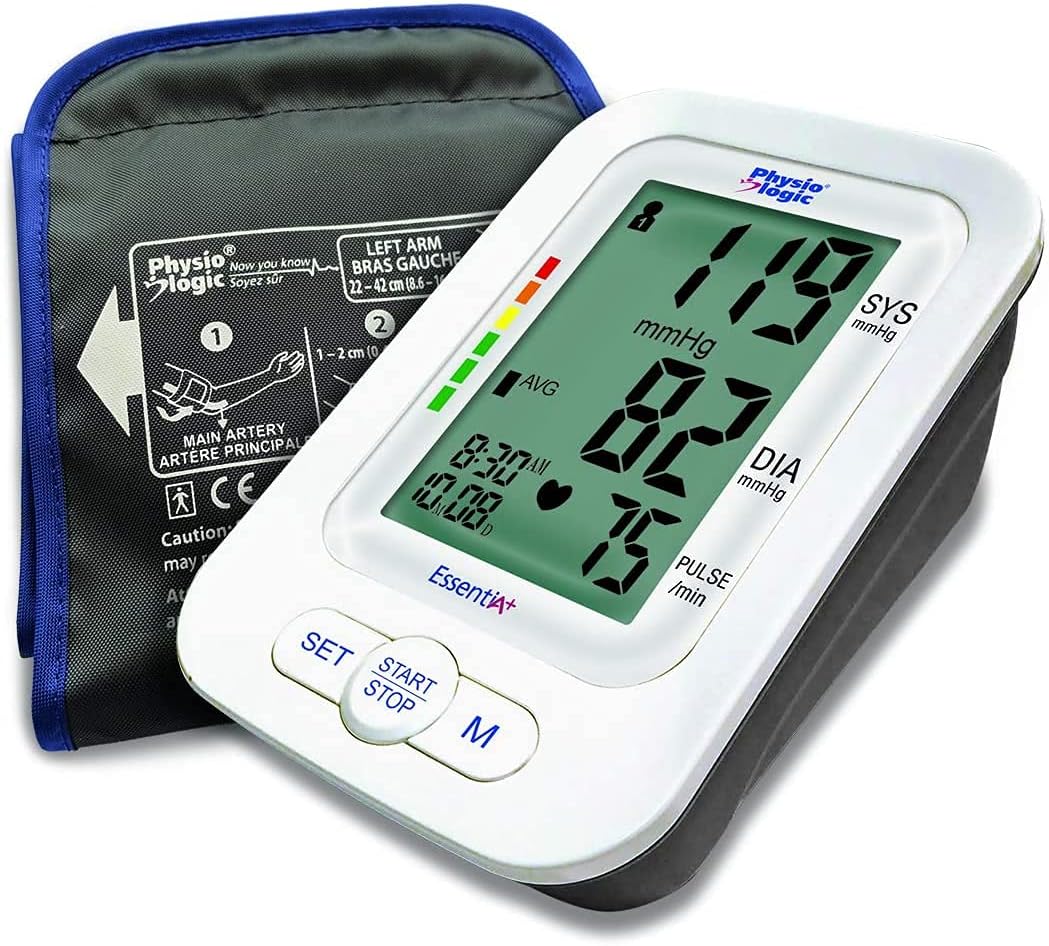
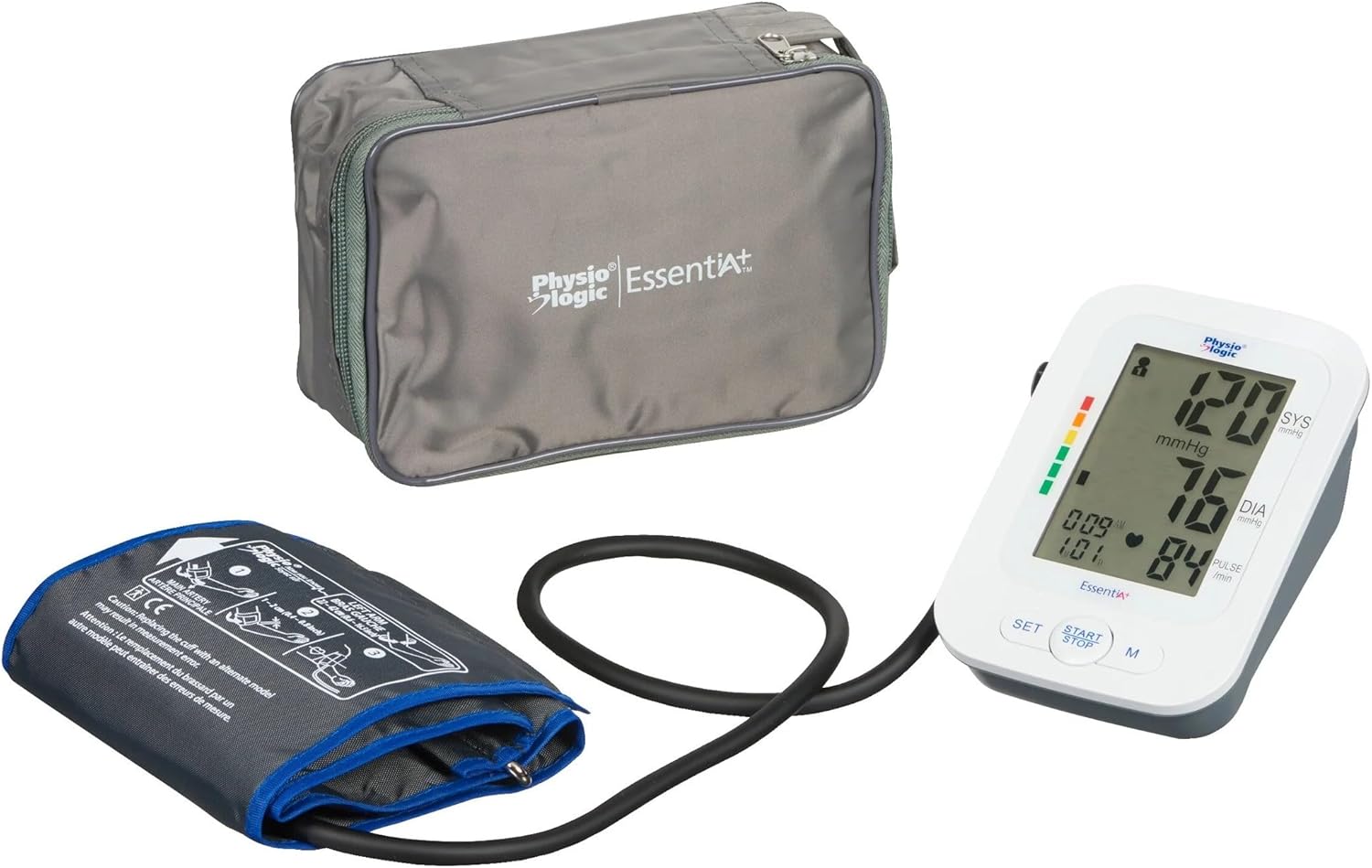
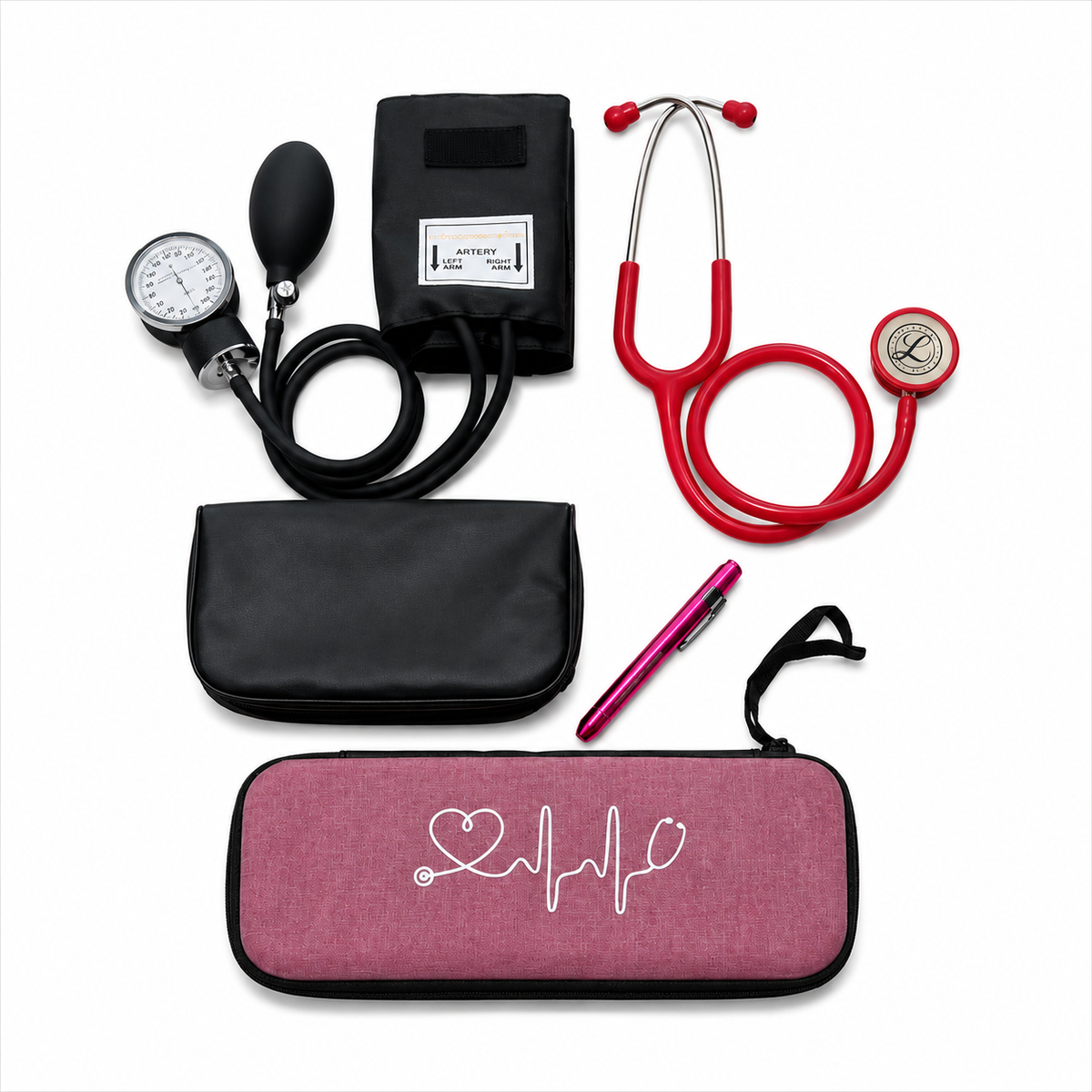
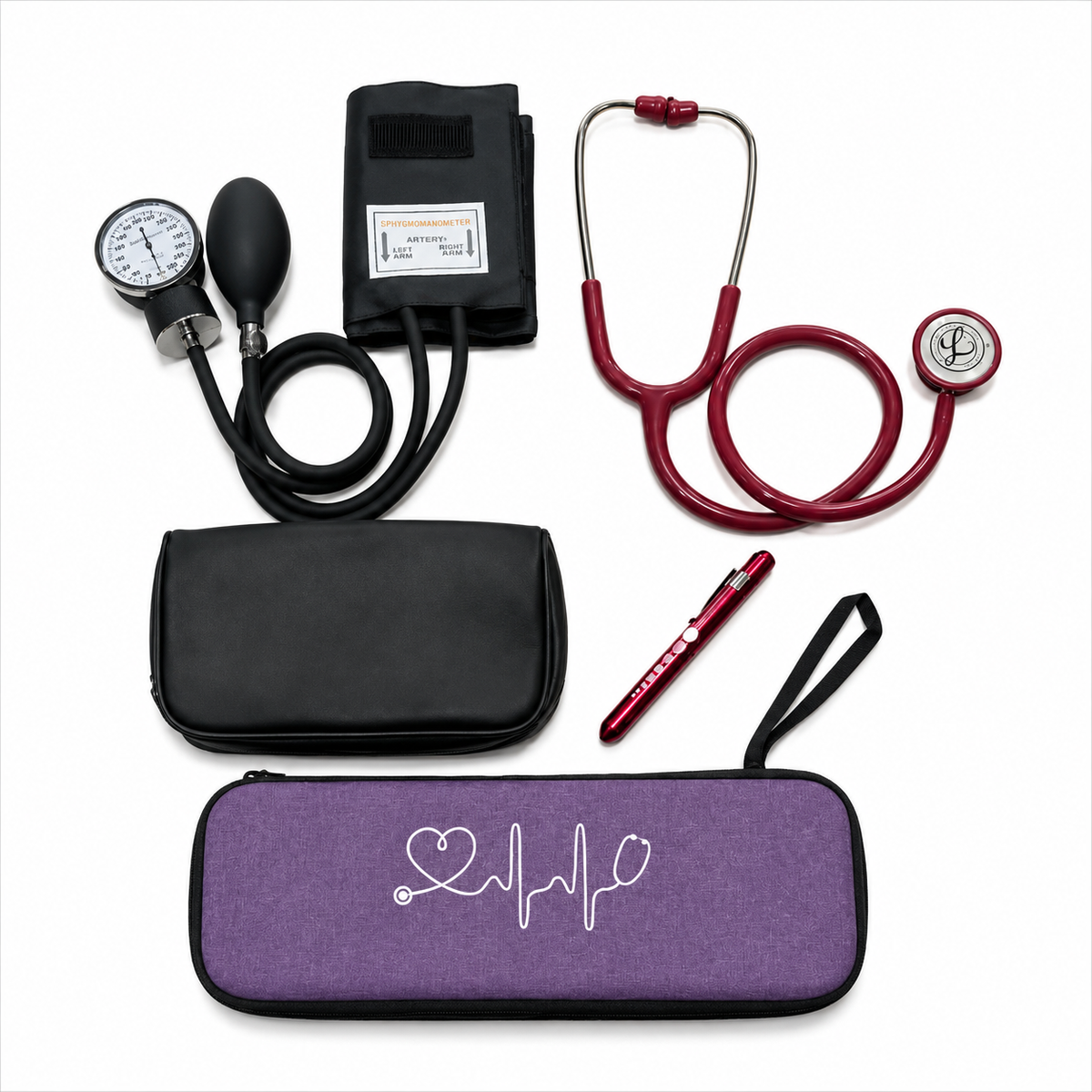
Blood Pressure Monitoring
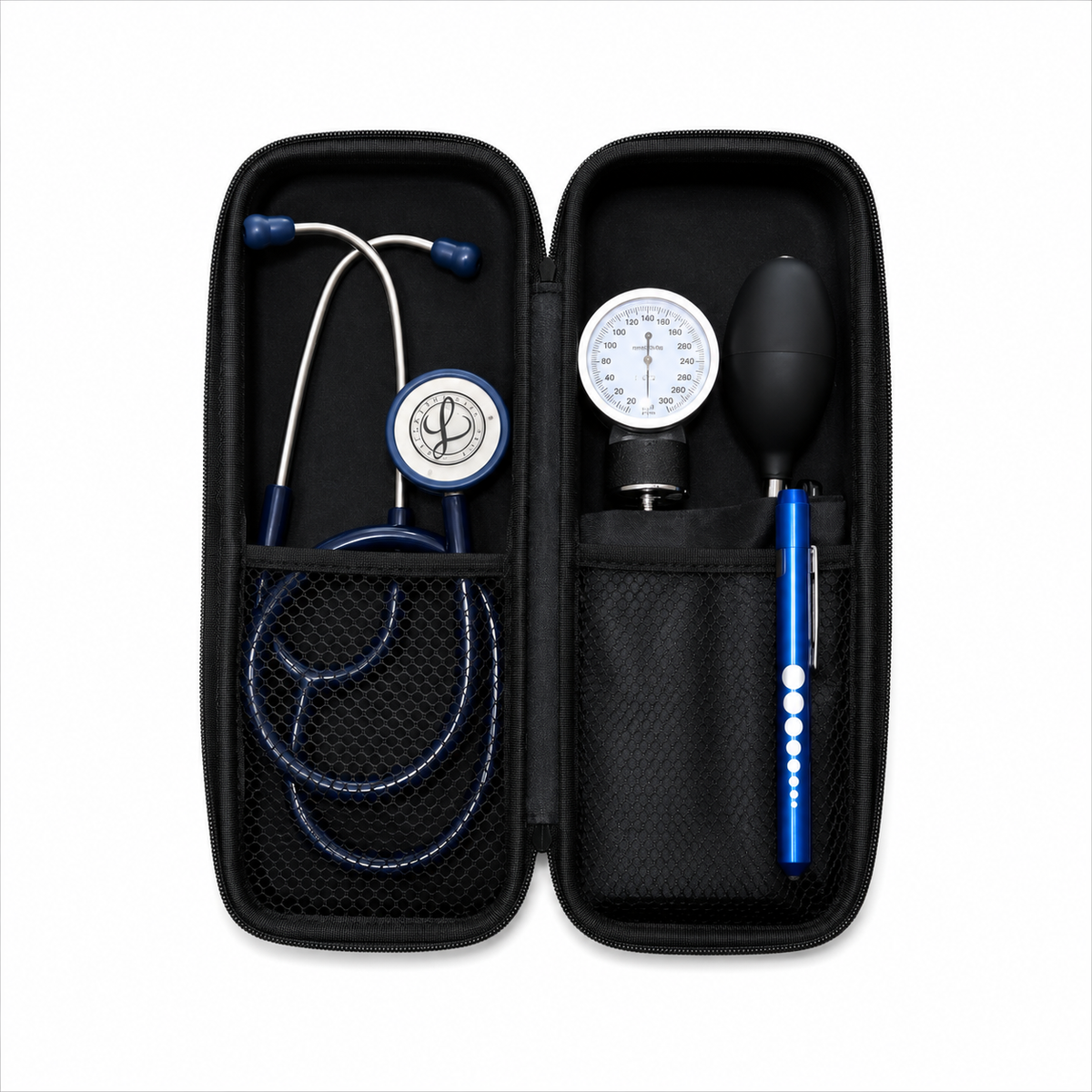
Home blood pressure monitoring can provide useful information for people who have been advised to track their blood pressure.
When choosing a monitor, consider:
• Appropriate cuff size
• Ease of use
• Memory functions
• Validation information when available
• Display readability
• Ability to record measurements over time
Proper technique matters. Position, cuff placement, recent activity, caffeine, smoking, talking, and inadequate rest can all influence readings.
A home monitor helps track blood pressure but does not independently diagnose or manage hypertension.
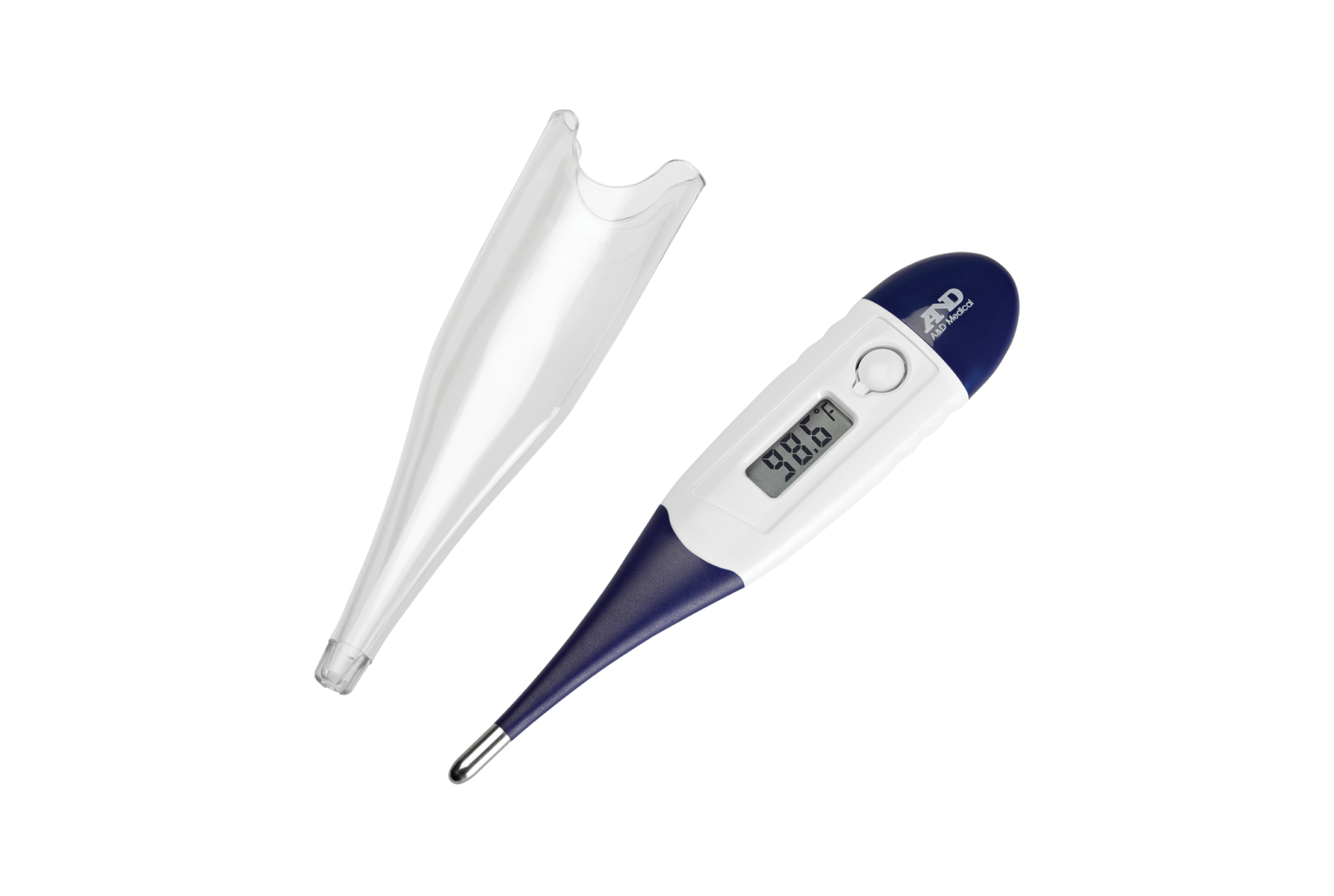
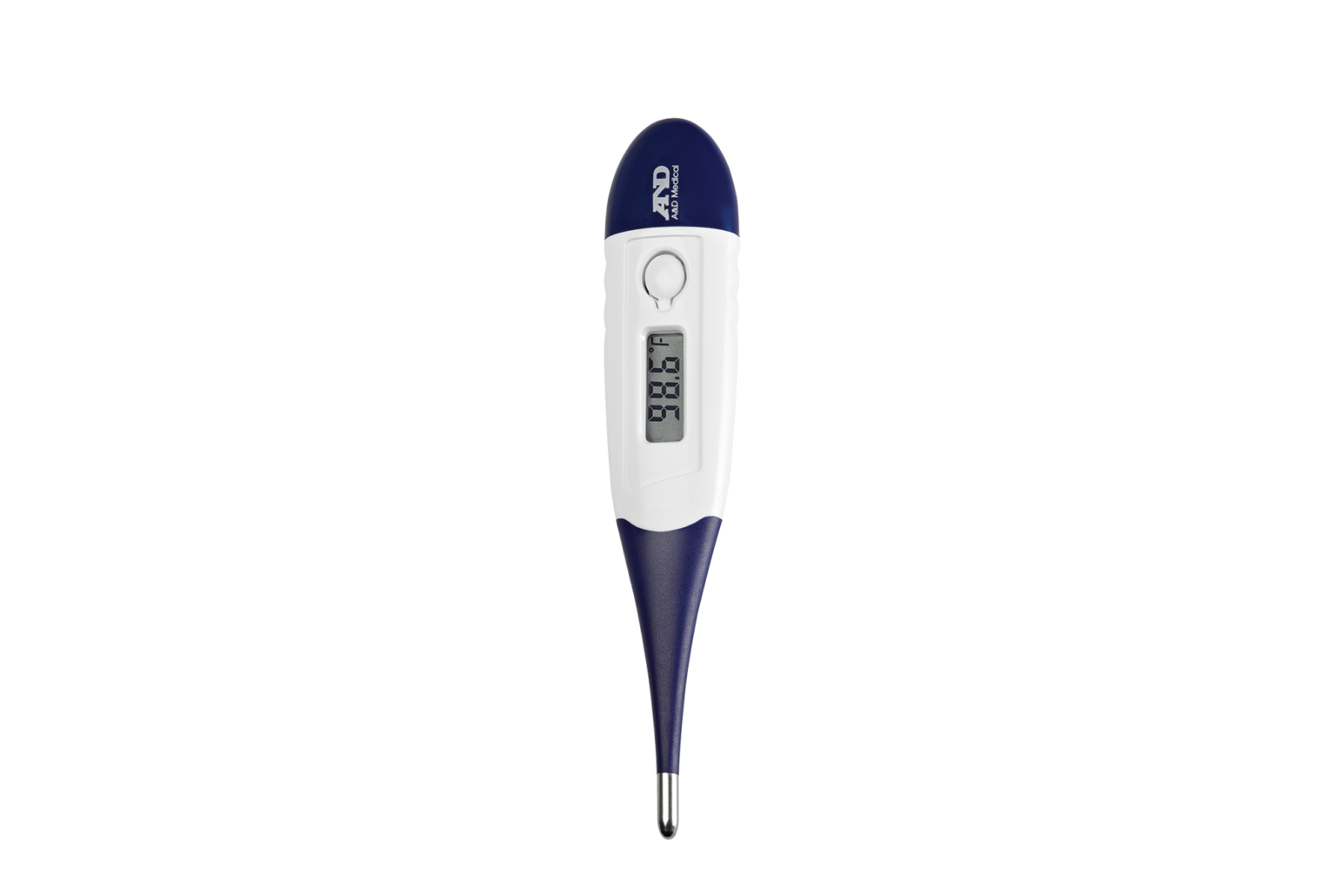
Thermometers
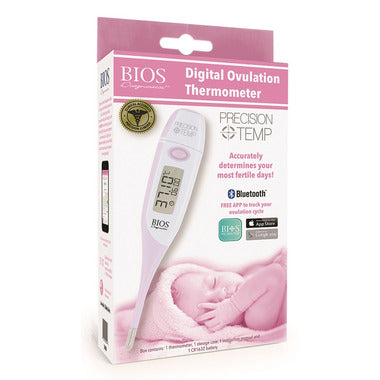
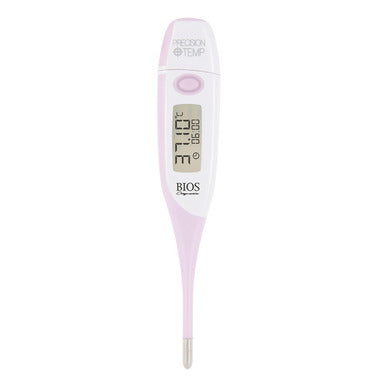
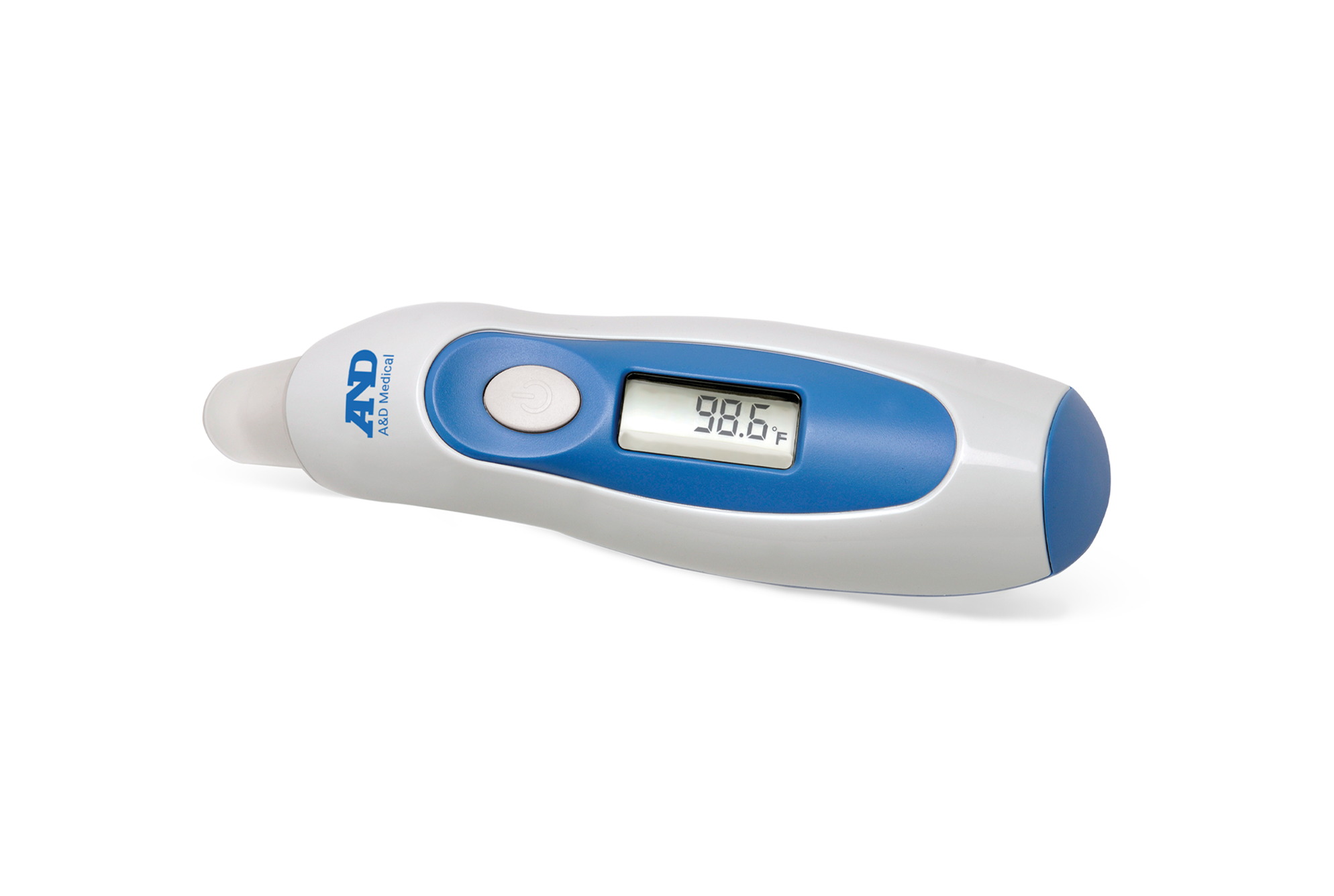
Thermometers are useful home-health essentials for monitoring body temperature.
Formats may include:
• Digital oral thermometers
• Ear thermometers
• Forehead thermometers
• Non-contact infrared thermometers
Accuracy depends on correct technique and the device being used as instructed.
Temperature should also be interpreted alongside age, symptoms, medical history, and overall condition rather than as an isolated number.
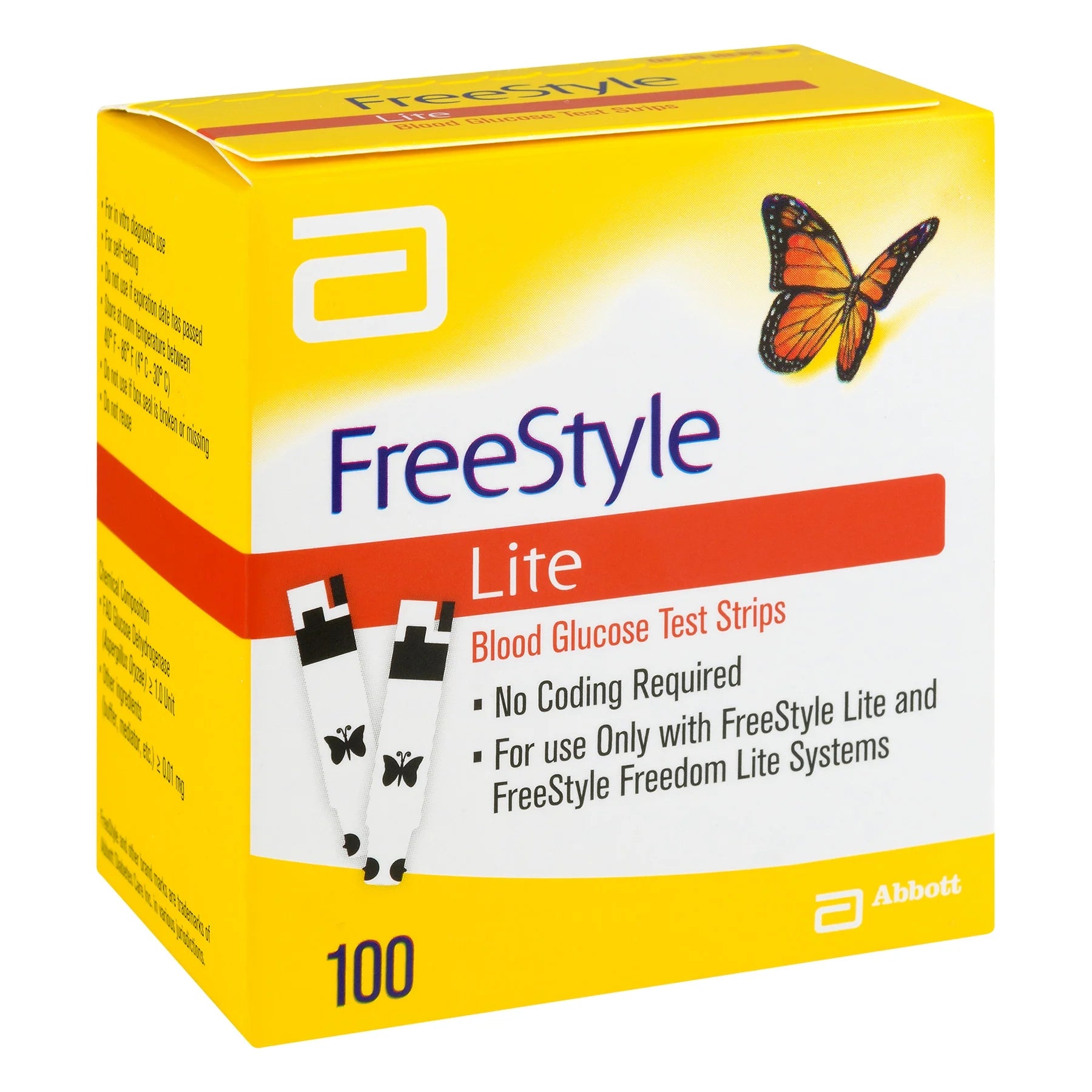
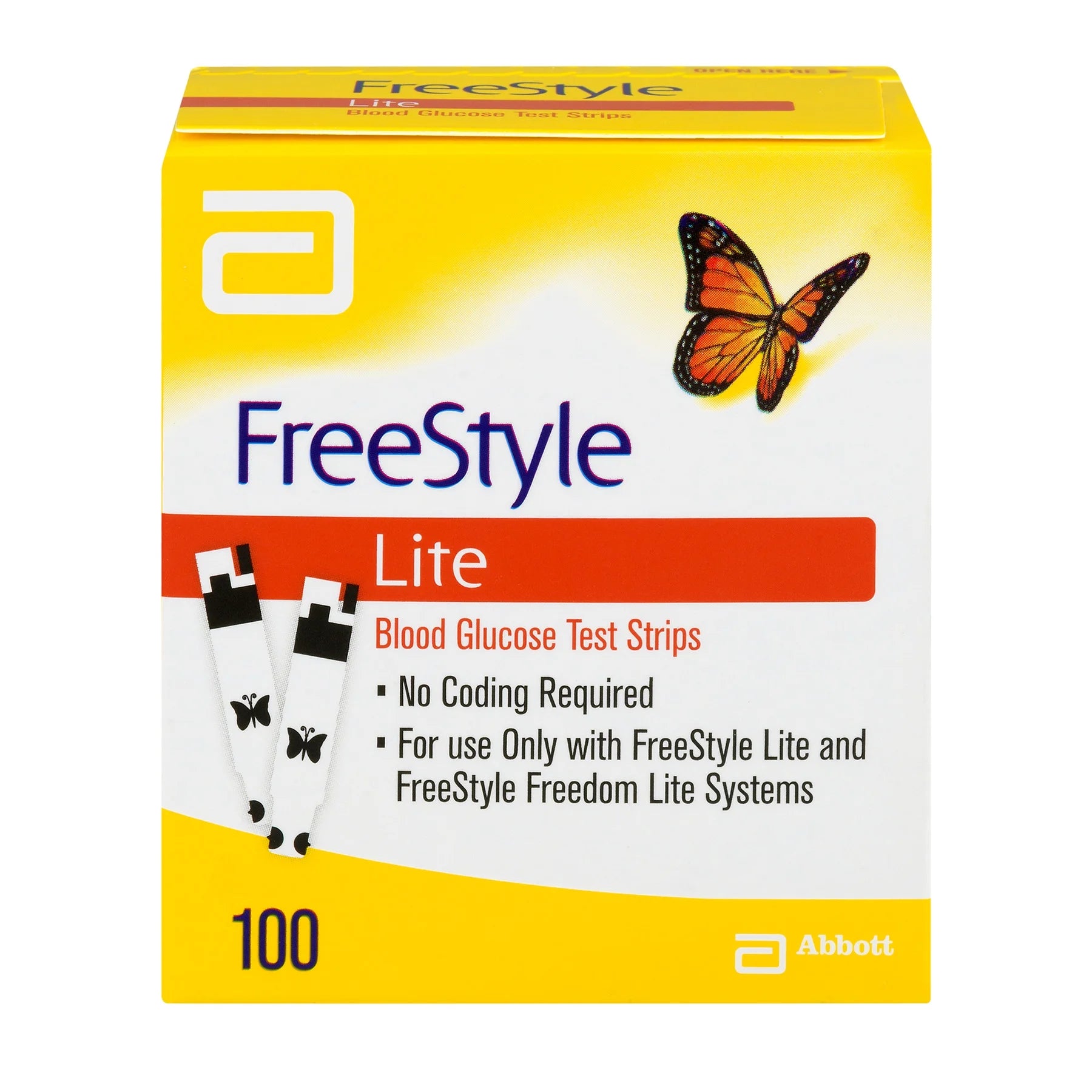
Blood Glucose Monitoring
Blood glucose monitoring products may include:
• Glucose meters
• Compatible test strips
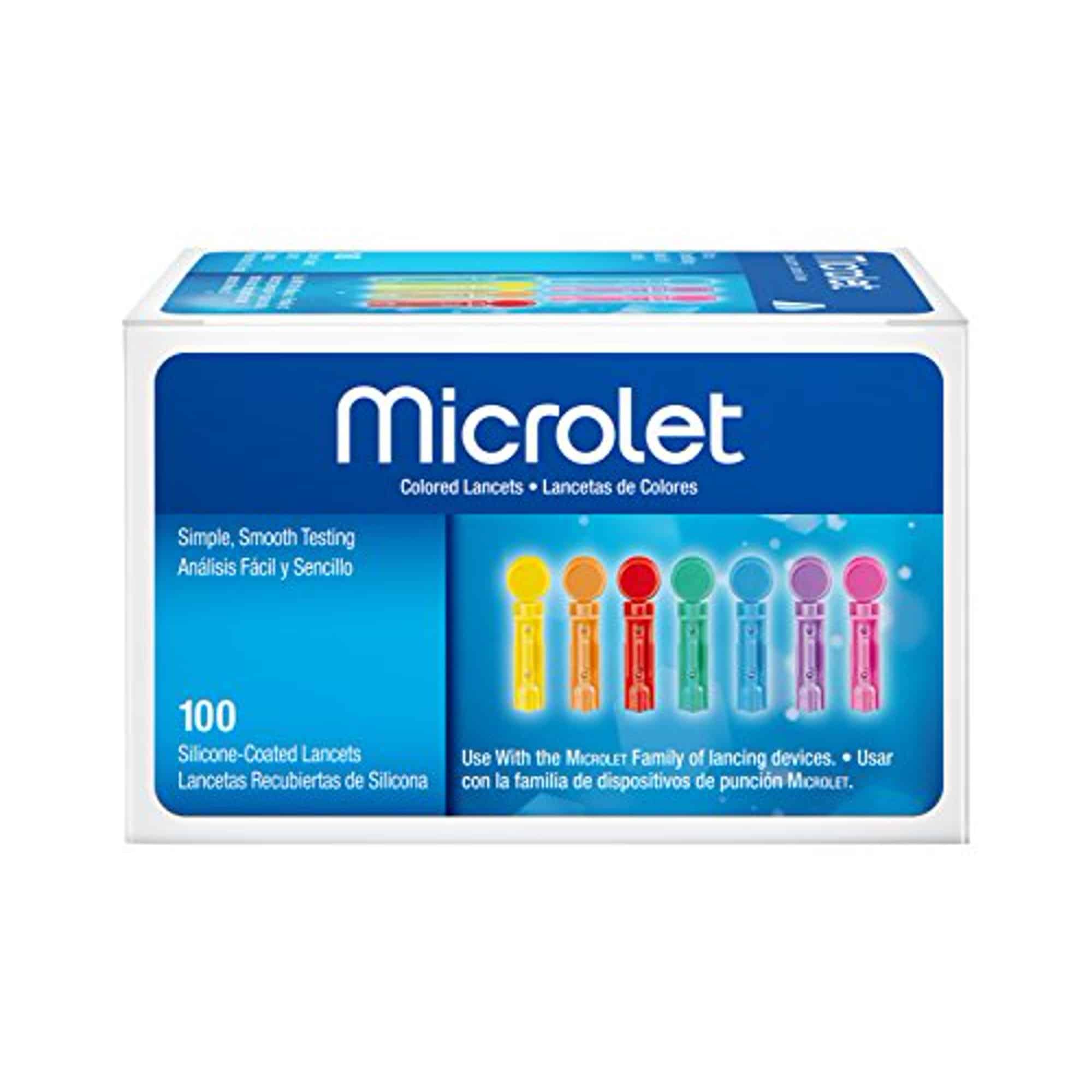
• Lancets
• Lancing devices
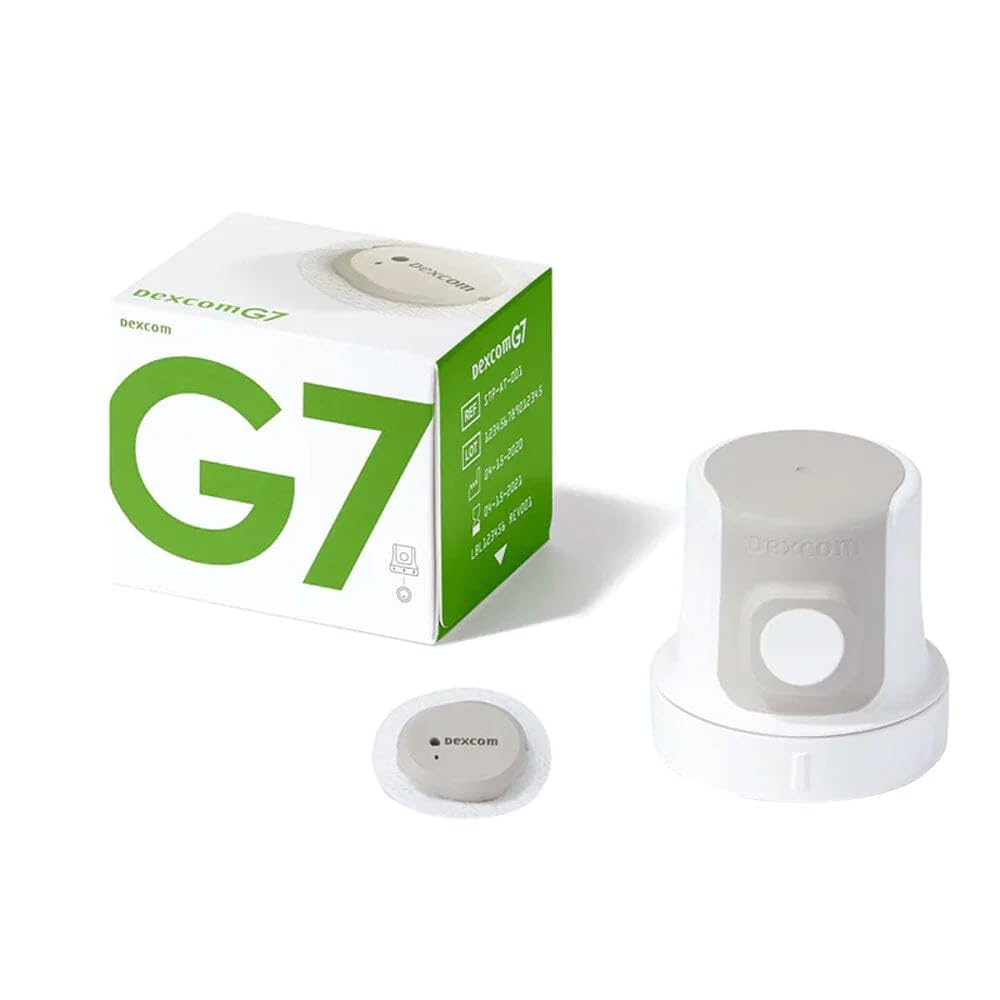
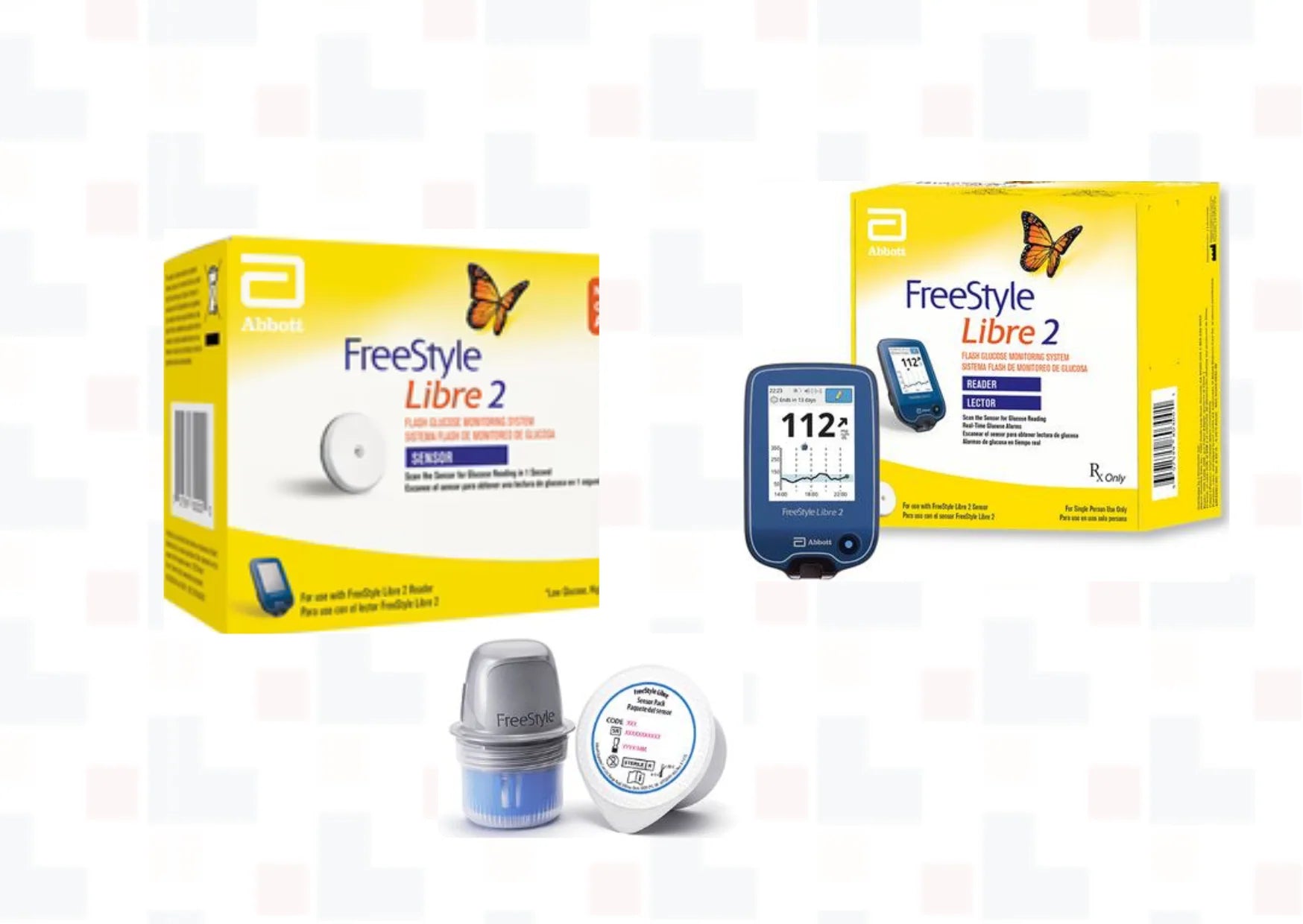
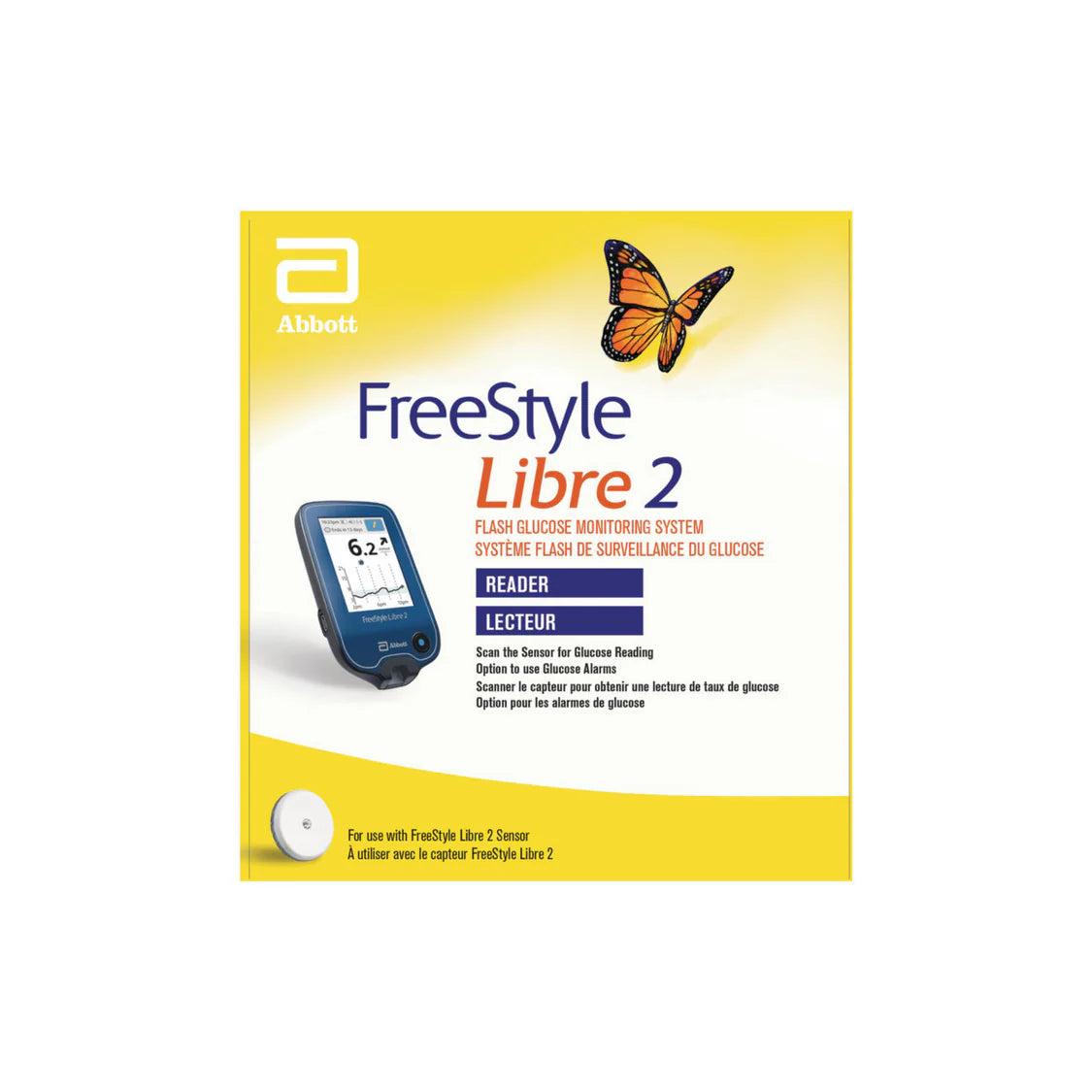
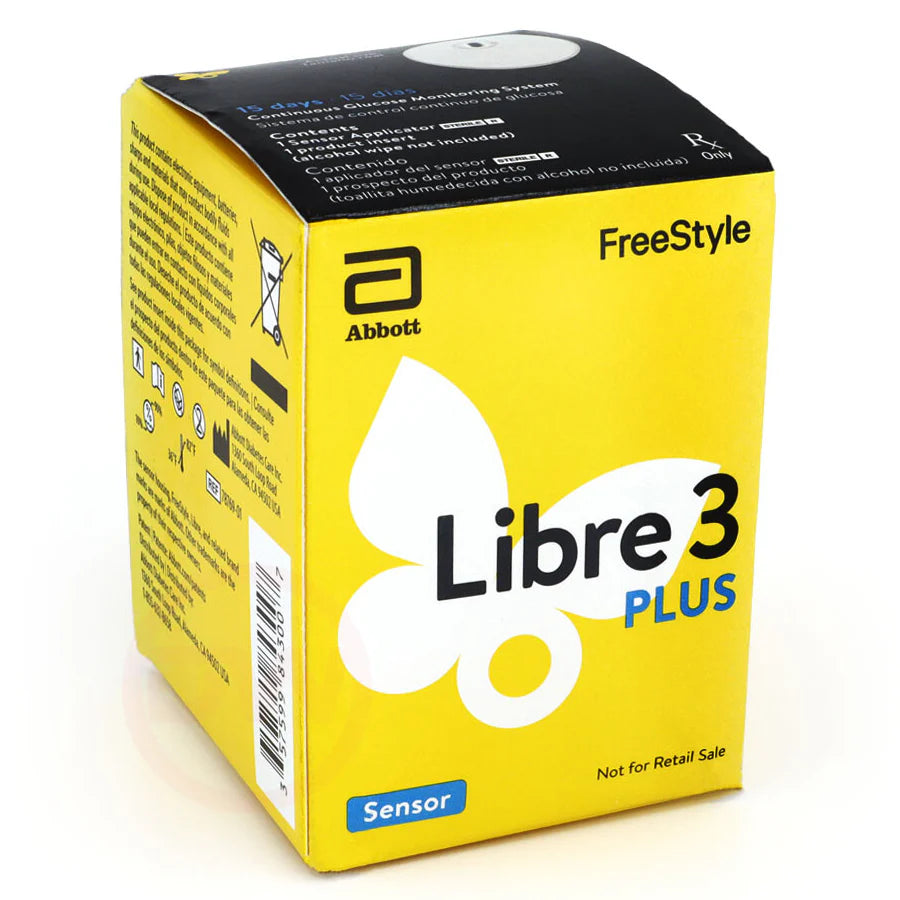
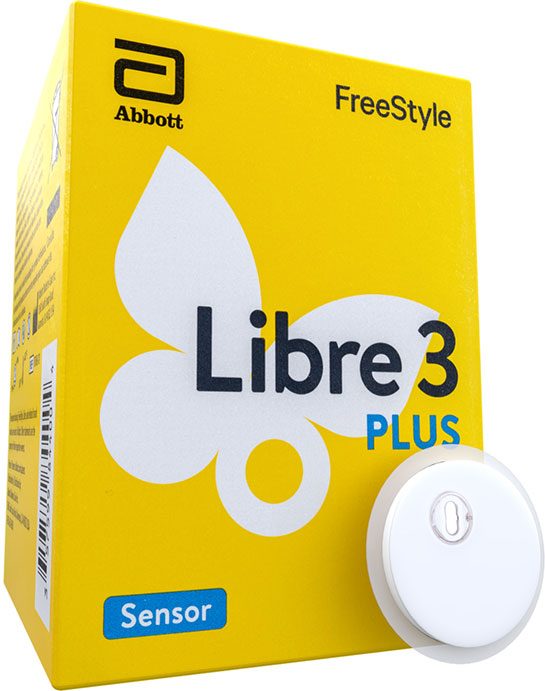
• Continuous glucose monitoring components
Compatibility is critical. Test strips and accessories must be appropriate for the specific monitoring system.
People using glucose readings to make medication or insulin decisions should follow their established diabetes-care plan and device instructions.
Pulse Oximeters
A pulse oximeter estimates peripheral oxygen saturation (SpO₂) and pulse rate.
Readings can be influenced by:
• Movement
• Poor circulation
• Cold hands
• Nail products
• Device limitations
• Positioning and technique
A pulse oximeter should not be used as the sole basis for deciding whether someone with concerning respiratory symptoms needs medical attention.
Home Testing & Health Monitoring
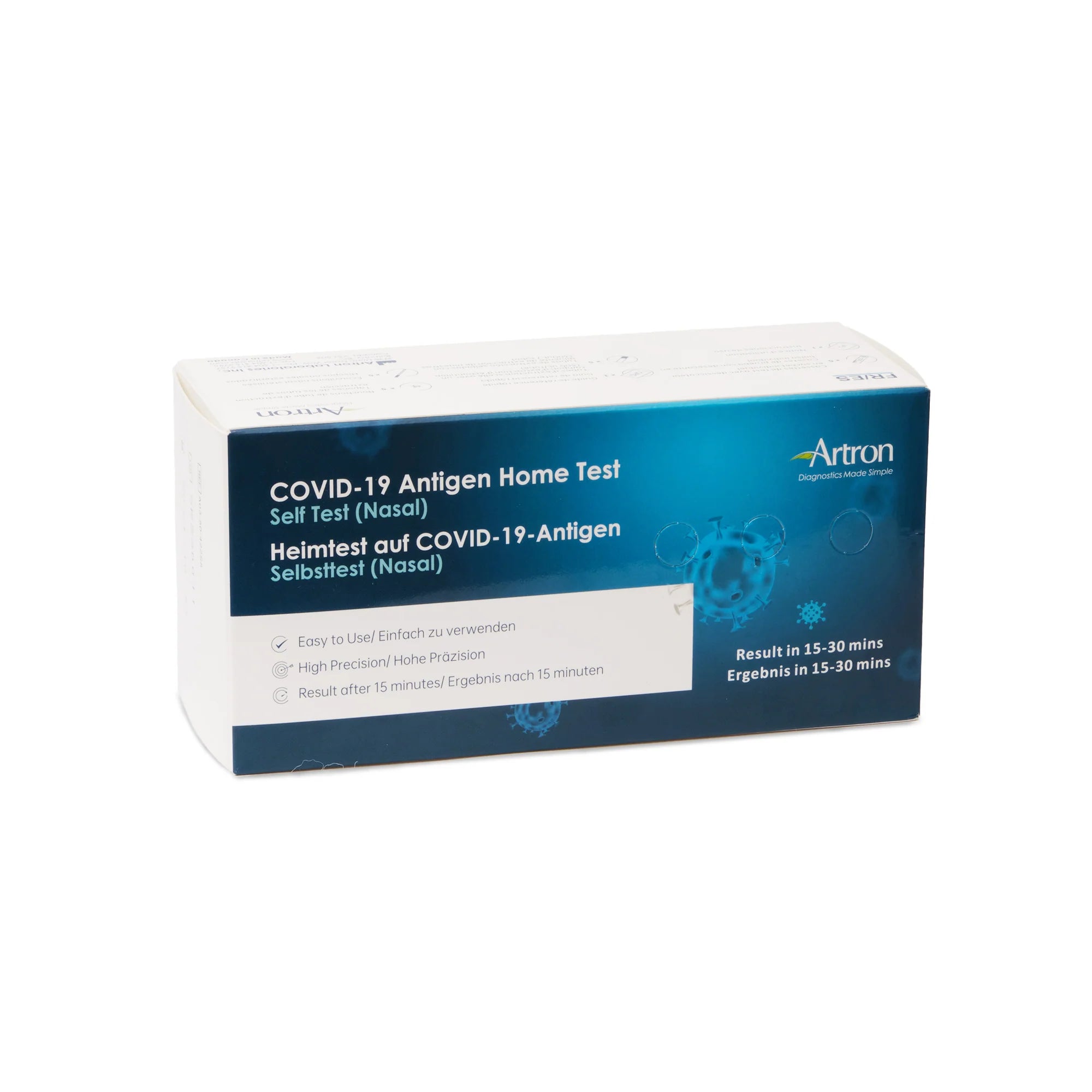
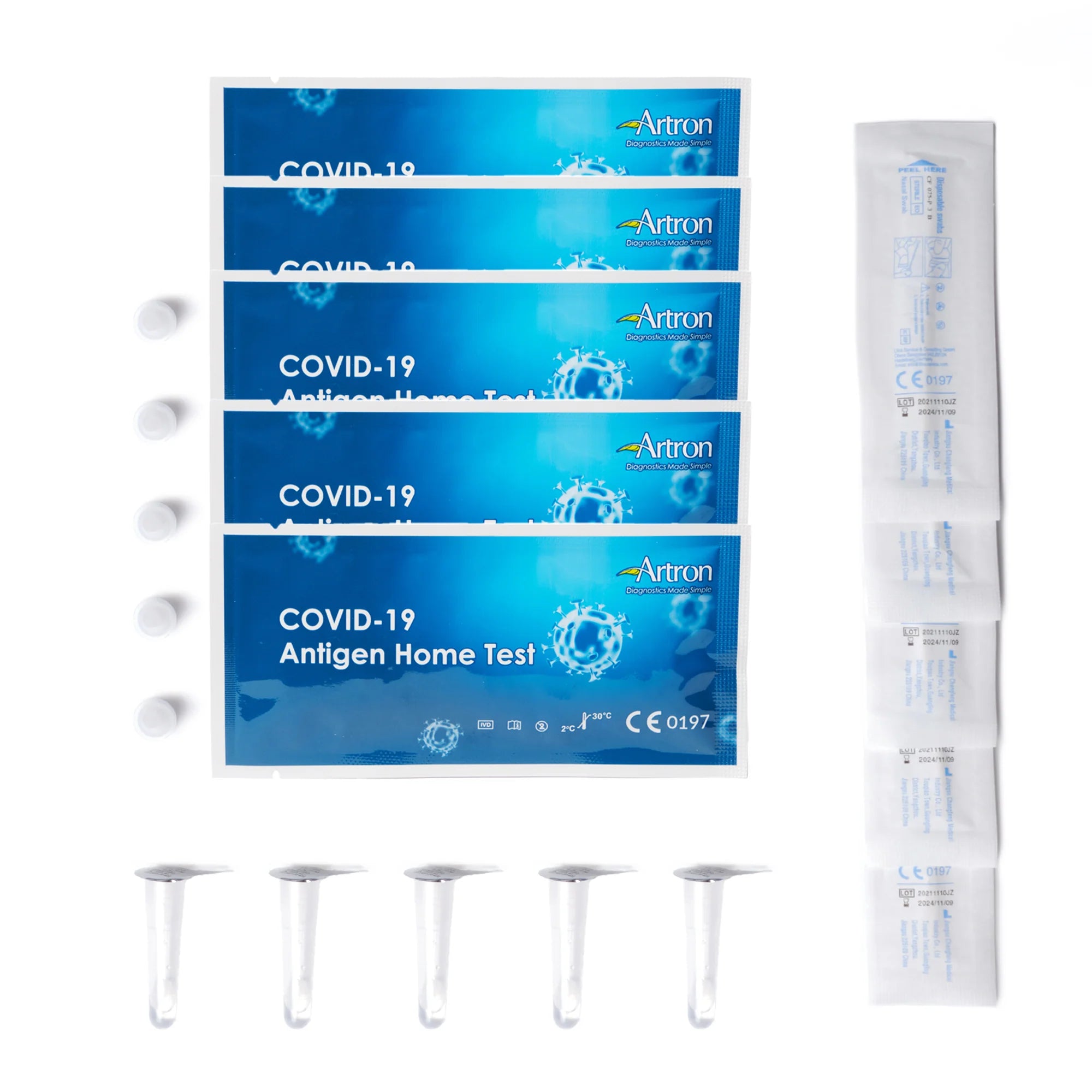
Home-health testing products can make selected measurements more accessible.
Depending on the collection, options may include tests or devices related to:
• Blood glucose
• Blood pressure
• Body temperature
• Oxygen saturation
• Pregnancy or fertility
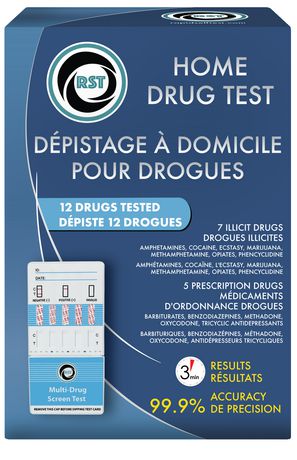
• Infectious diseases
• Other home health measurements
Each device or test has specific limitations, instructions, and interpretation requirements.
A negative home test does not always rule out a medical condition, particularly when symptoms remain concerning.
Mobility Aids
Mobility products can help improve stability, accessibility, and independence.
Options may include:
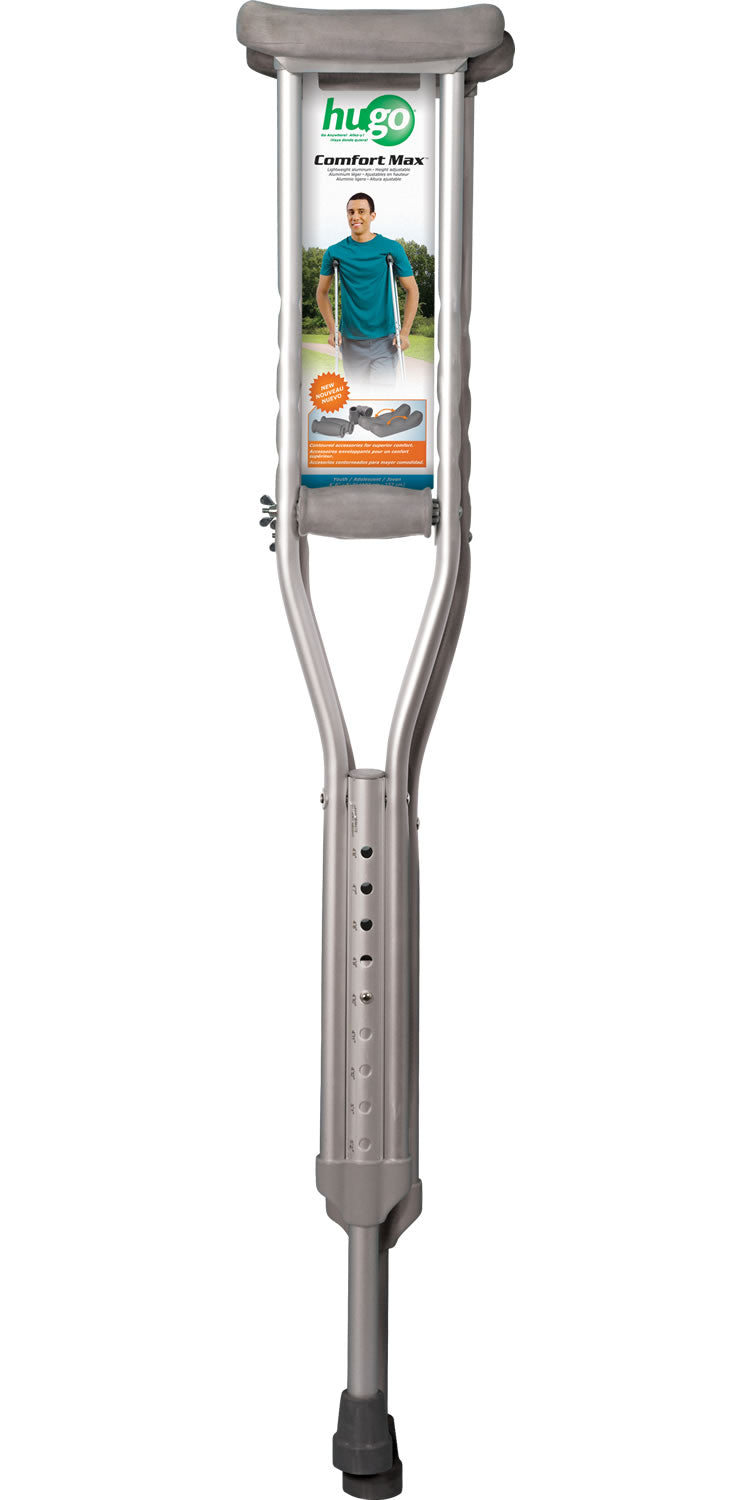
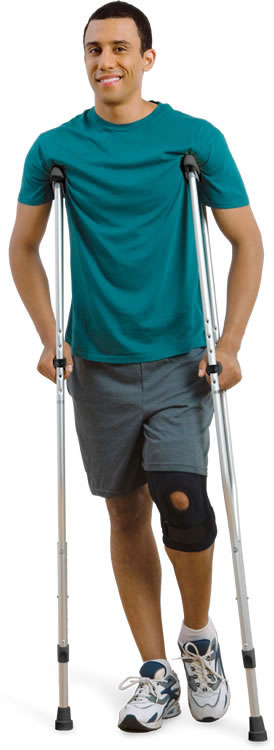
• Canes
• Crutches
• Walkers
• Rollators
• Wheelchairs
• Transfer aids
Correct sizing and adjustment are important.
An improperly fitted mobility aid can reduce effectiveness and potentially increase fall or injury risk. Professional fitting may be appropriate, particularly following surgery or significant changes in mobility.
Bathroom Safety & Daily Living Aids
Bathrooms are common locations for slips and falls, particularly for people with limited mobility or balance difficulties.
Useful products may include:
• Shower chairs
• Bath benches
• Raised toilet accessories
• Commodes
• Grab and reach aids
• Transfer equipment
• Other adaptive devices
Daily-living aids can also help people complete routine tasks with greater independence.
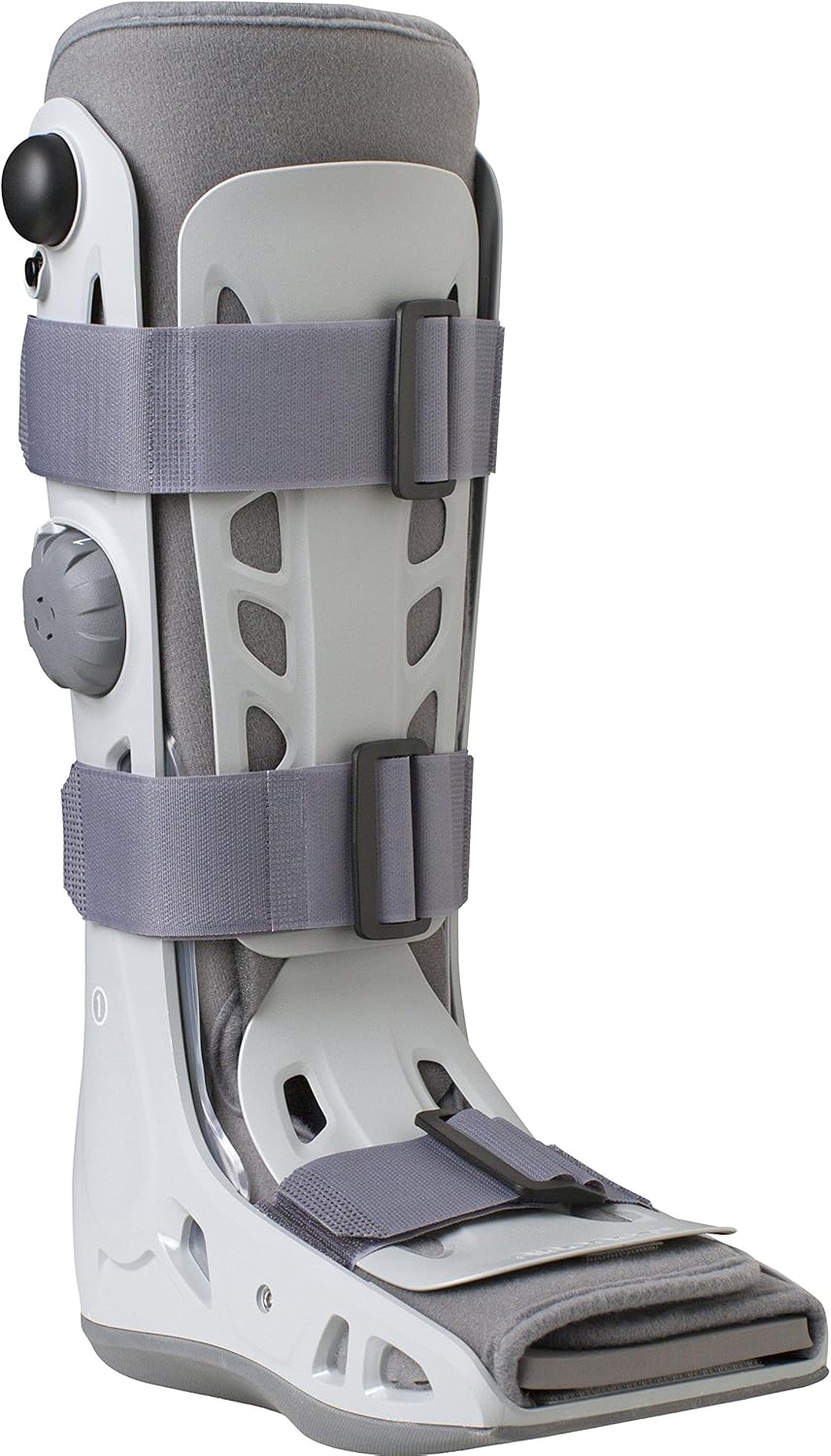
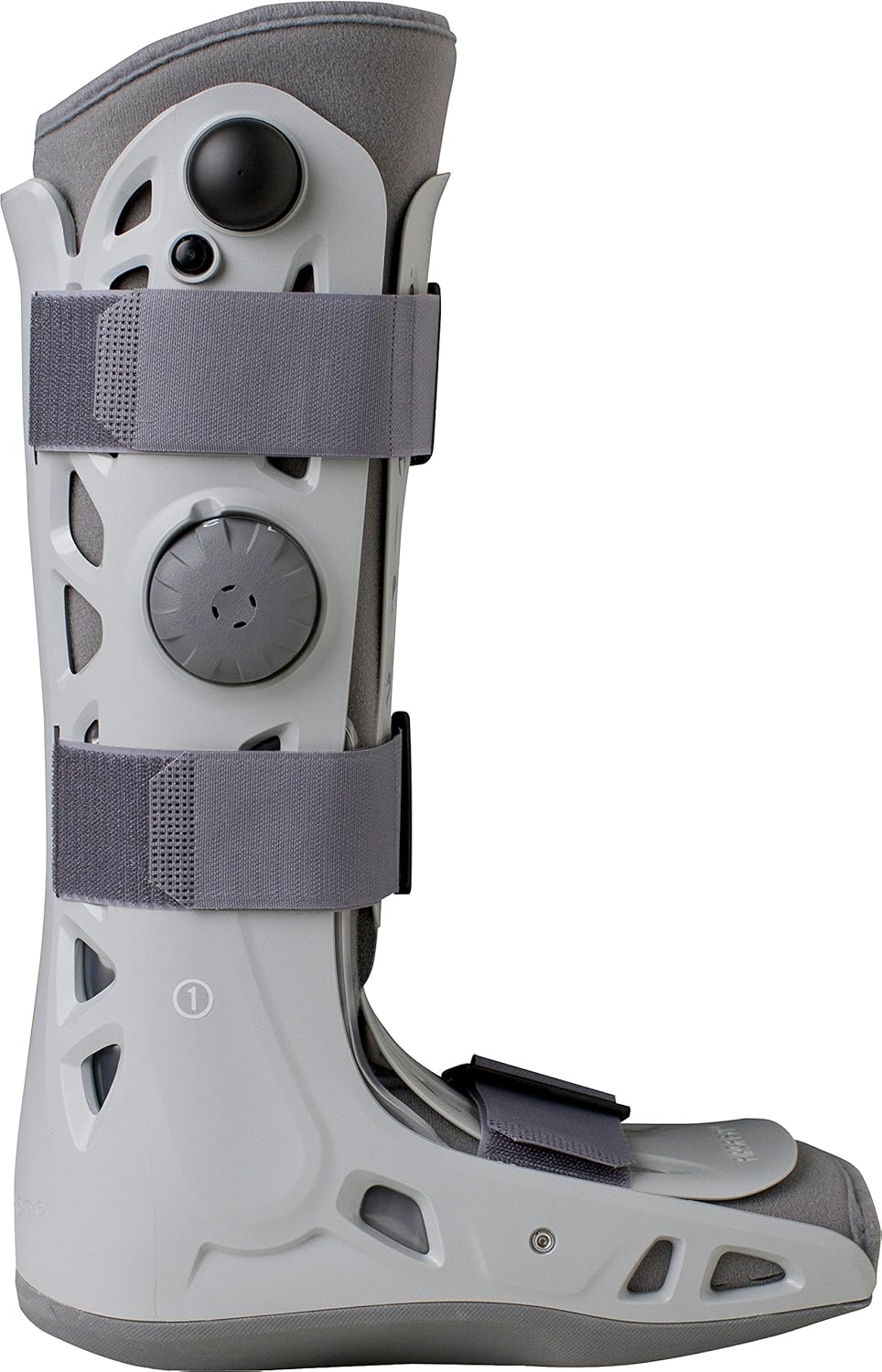
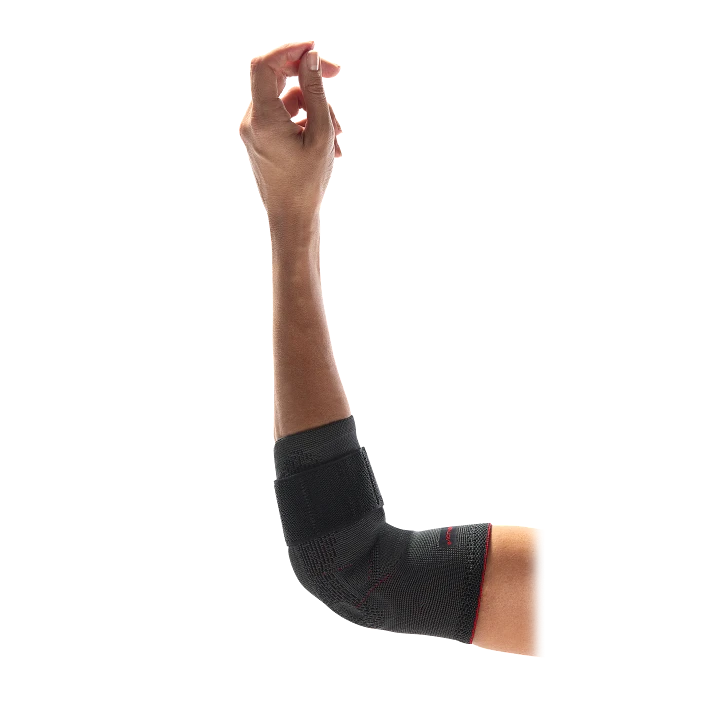
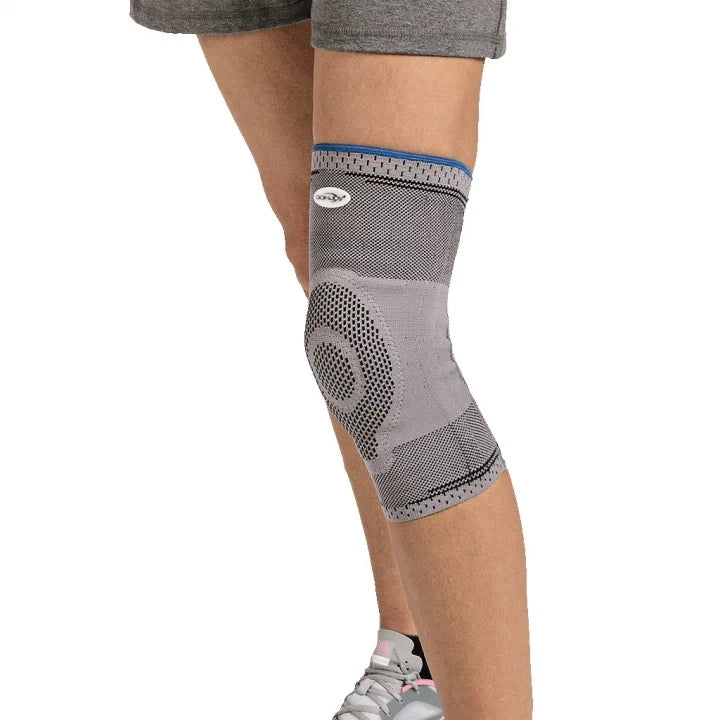
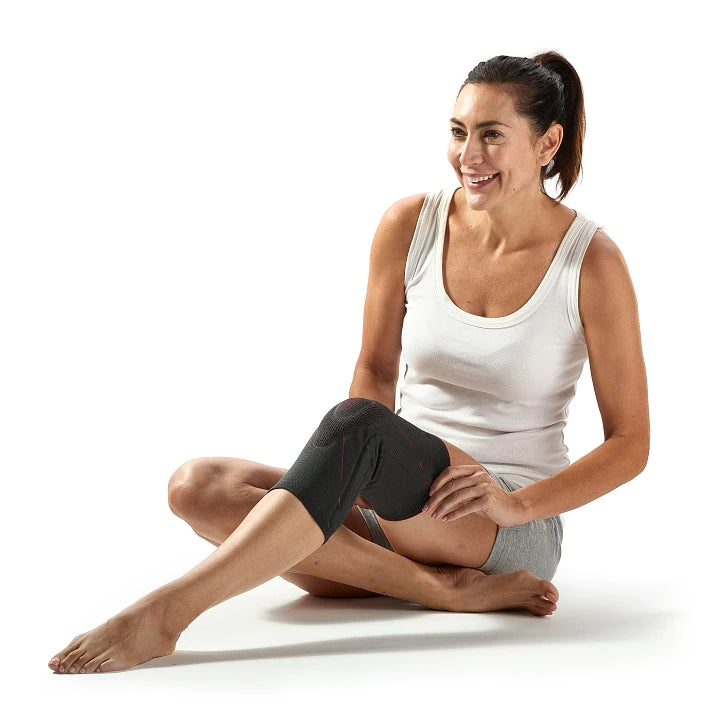
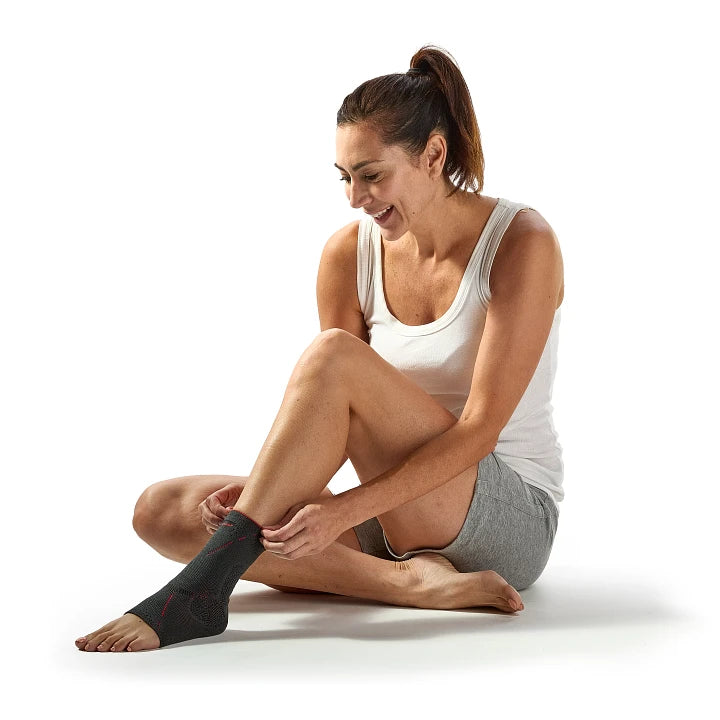
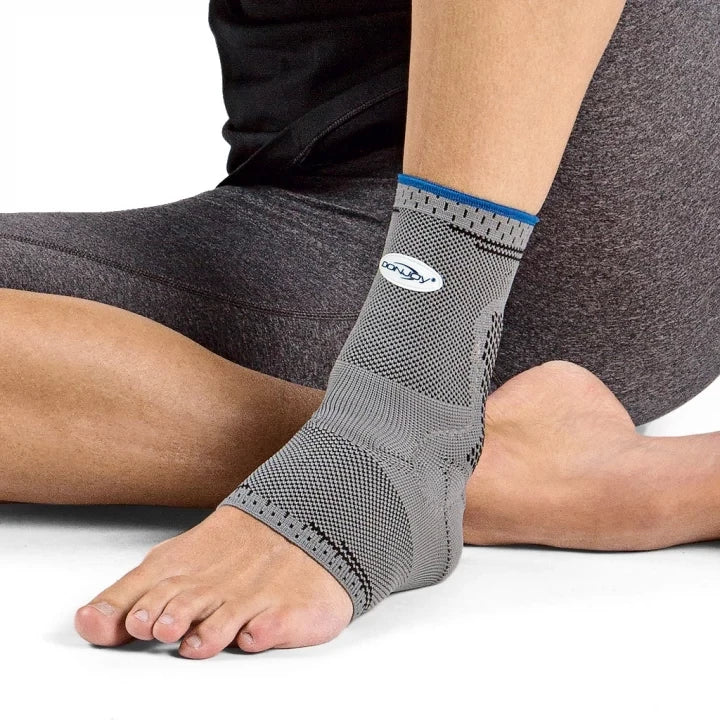
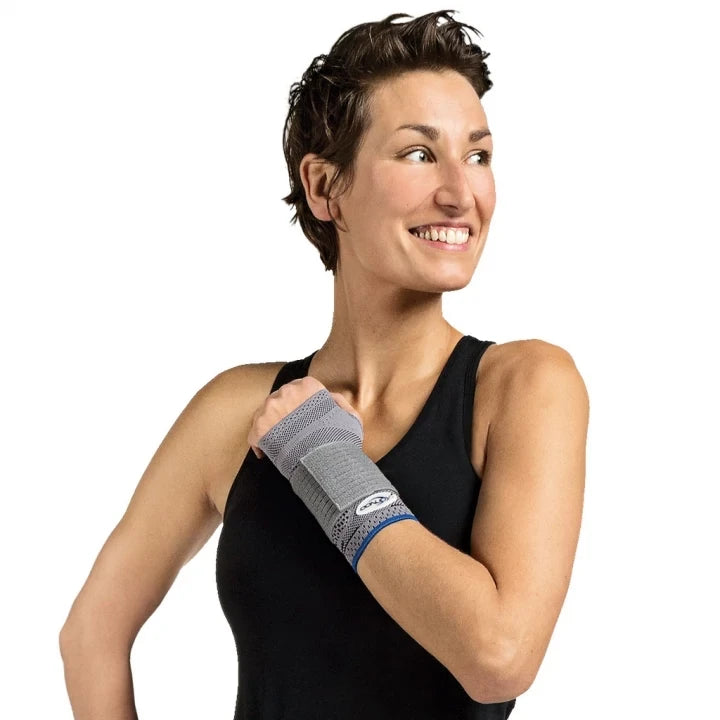
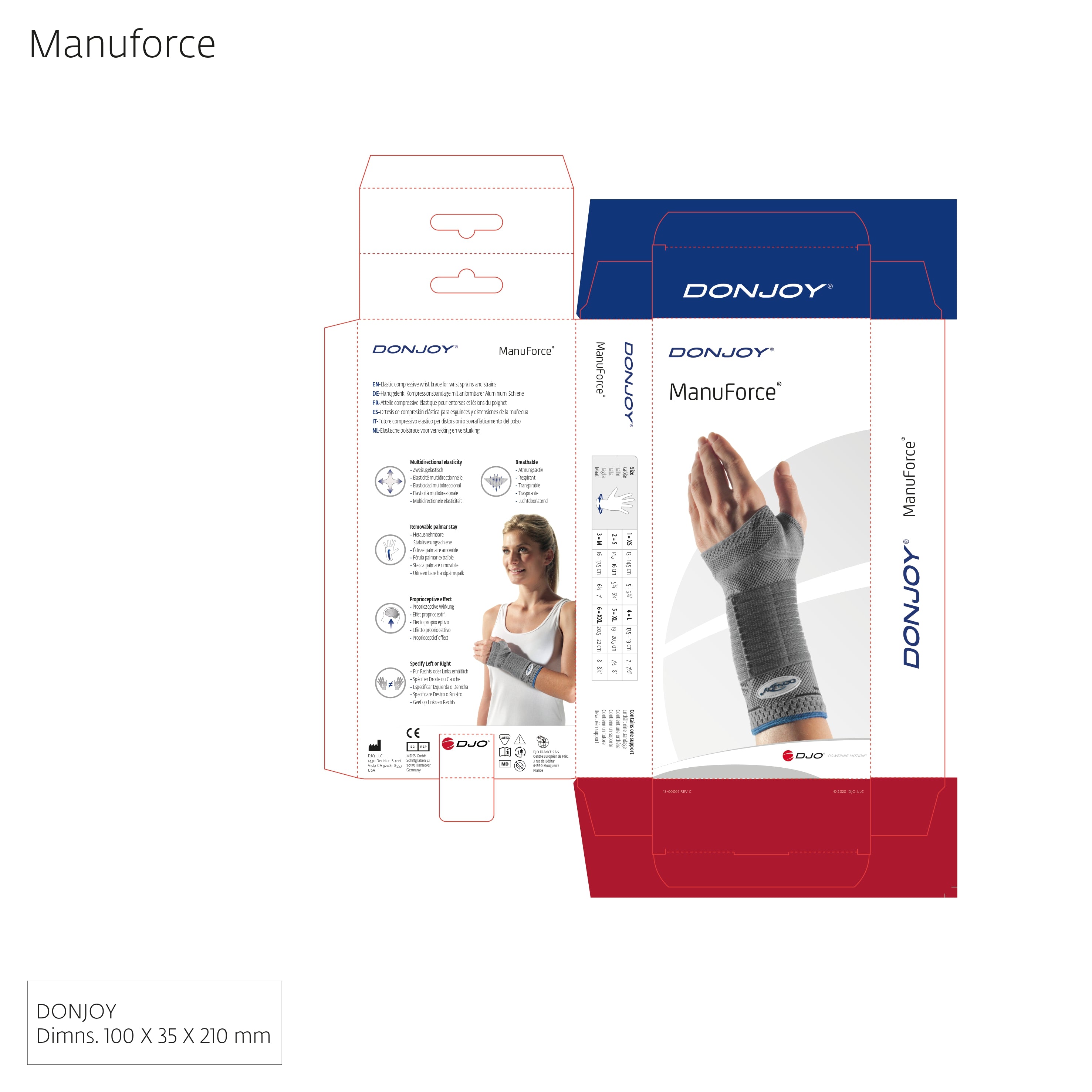
Orthopedic Supports & Braces
Braces and supports may be designed for areas such as the:
• Knee
• Ankle
• Wrist
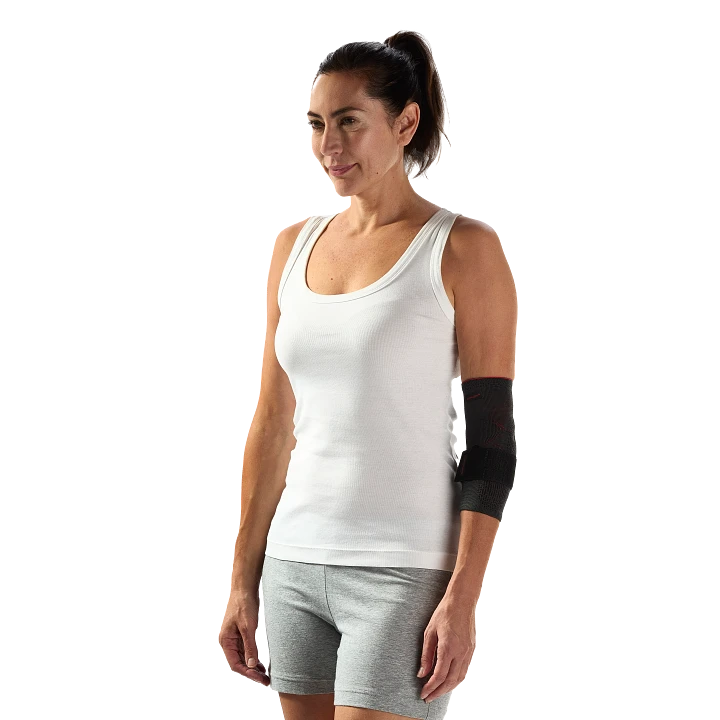
• Elbow
• Back
• Thumb
• Other joints
Depending on the product, they may provide compression, stabilization, warmth, or mechanical support.
The correct level of support depends on the condition and activity. Persistent pain, major swelling, deformity, inability to bear weight, significant trauma, or neurological symptoms require appropriate assessment.
Compression Products
Compression socks, stockings, and sleeves apply controlled pressure to selected areas of the body.
Products differ by:
• Compression level
• Length
• Size
• Intended use
• Medical indication
Higher levels of compression are not automatically better.
People with significant peripheral arterial disease, certain vascular conditions, severe swelling of uncertain cause, or other relevant medical conditions should seek guidance before using medical compression products.
Incontinence & Personal Care
Incontinence products can help maintain comfort, dignity, hygiene, and skin protection.
Options may include:
• Adult briefs
• Protective underwear
• Incontinence pads
• Bed and furniture protectors
• Underpads
• Cleansing products
• Barrier creams
• Urinals and bedside-care products
Choosing the appropriate absorbency, size, fit, and skin-care routine can help reduce leakage and moisture-related skin irritation.
New or unexplained urinary or bowel incontinence should be medically evaluated.
Respiratory Care Supplies
Depending on availability, respiratory-care supplies may include:
• Nebulizers
• Nebulizer accessories
• Masks and tubing
• Peak-flow meters
• Selected respiratory monitoring accessories
These devices should be used according to manufacturer directions and the individual’s healthcare plan.
Equipment does not replace prescribed medication or professional assessment when breathing symptoms are severe or worsening.
Home Recovery & Post-Surgical Care
Recovering at home after a procedure or injury may require products that improve comfort, accessibility, hygiene, and safety.
Depending on individual needs, useful equipment can include:
• Wound-care supplies
• Mobility aids
• Compression products when recommended
• Shower or bathroom aids
• Pill organizers
• Thermometers
• Monitoring equipment
• Bedside-care products
• Positioning or support products
Post-surgical instructions from the surgical team should take priority over general product guidance.
Medical Supplies for Caregivers
Caregivers may need supplies for:
• Personal hygiene
• Incontinence care
• Mobility assistance
• Medication organization
• Wound care
• Health monitoring
• Infection-control practices
• Bedside care
• Daily-living support
Choosing products that fit both the individual’s needs and the caregiver’s ability to use them safely can make home care more manageable.
How to Choose the Right Medical Supplies
Identify the Intended Use
Choose products for the actual health, safety, or care requirement rather than relying only on broad product categories.
Check Size & Fit
Sizing matters for braces, compression garments, masks, mobility equipment, incontinence products, and many other medical supplies.
Confirm Compatibility
Test strips, sensors, lancets, tubing, replacement components, and other accessories may be device-specific.
Review Instructions
Medical devices and supplies should be used, cleaned, stored, and replaced according to manufacturer directions.
Consider Accessibility
For older adults or people with limited dexterity, vision, strength, or mobility, ease of use can be as important as technical features.
Know When Professional Guidance Is Needed
Some products require proper fitting, interpretation, training, or integration into an established treatment plan.
Home Medical Supply Checklist
A basic household health kit may include:
• Adhesive bandages
• Sterile gauze and medical tape
• Disposable gloves
• Antiseptic or wound-cleansing products
• Thermometer
• Appropriate pain and fever-care essentials
• Personal medications
• Emergency contact information
• Any condition-specific monitoring supplies
Households with children, older adults, allergies, diabetes, mobility limitations, or other medical needs may require additional individualized supplies.
When to Seek Medical Care
Medical supplies can support home care, but they should not delay appropriate assessment.
Seek urgent or emergency care when appropriate for symptoms such as:
• Severe difficulty breathing
• Chest pain
• Uncontrolled bleeding
• Loss of consciousness
• Signs of stroke
• Severe allergic reaction
• Major trauma
• Serious burns
• Severe dehydration
• Rapidly worsening illness
• Other potentially life-threatening symptoms
FAQs
What are medical supplies?
Medical supplies are products and devices used for purposes such as first aid, wound care, monitoring, mobility, hygiene, protection, rehabilitation, and home healthcare.
Which medical supplies should I keep at home?
A basic first-aid kit, thermometer, wound-care supplies, disposable gloves, personal medications, and condition-specific supplies are useful starting points. Needs vary by household.
Can I monitor my blood pressure at home?
Yes. Home blood pressure monitoring can be useful when performed with an appropriate device and proper technique. Follow your healthcare professional’s guidance for interpreting readings.
Are all glucose test strips interchangeable?
No. Test strips are generally designed for specific meter systems. Always confirm compatibility before purchasing.
How do I choose the correct brace?
Consider the body area, intended level of support, sizing, and reason for use. Significant injuries or persistent symptoms may require professional assessment.
How do I choose compression stockings?
Compression level, length, and correct sizing all matter. Medical-grade compression may require professional guidance depending on your health and circulation.
Do I need a prescription for medical supplies?
Many everyday medical supplies are available without a prescription, although certain devices, specialized products, or insurance reimbursement arrangements may have additional requirements.
How often should medical supplies be replaced?
It depends on the product. Check expiration dates, packaging integrity, manufacturer replacement schedules, sterility, and device-specific instructions.
Can home monitoring devices replace medical appointments?
No. They can provide useful information between appointments, but measurements must be interpreted within the broader clinical context.
What should I consider when buying medical supplies for an older adult?
Prioritize safety, fit, ease of use, mobility, vision, dexterity, caregiver needs, and the individual’s healthcare recommendations.
Why Shop Medical Supplies at Coal Harbour Pharmacy?
• Pharmacist-curated home-health and medical-care essentials
• First-aid, wound-care, monitoring, mobility, and personal-care options
• Products for patients, families, caregivers, and healthcare professionals
• Trusted healthcare and medical-supply brands
• Practical options for everyday care and home recovery
• Fast Canada-wide shipping
Related Collections
• Injection & Sterile Supplies
────────────────────────────────────
Shop Medical Supplies →
Sort by
65 products




























FREE STANDARD SHIPPING
Satisfied or refunded
Top-notch support
Secure payments
Encrypted checkout processing
Offers exclude prescriptions and in-store purchases.
Subscribe & Get a First-Order Reward
Plus, earning reward points on eligible online purchases and enjoy future store credit.
We respect your inbox at Coal Harbour Pharmacy - Expect thoughtfully curated health and wellness updates, timely reminders, and exclusive online savings.