
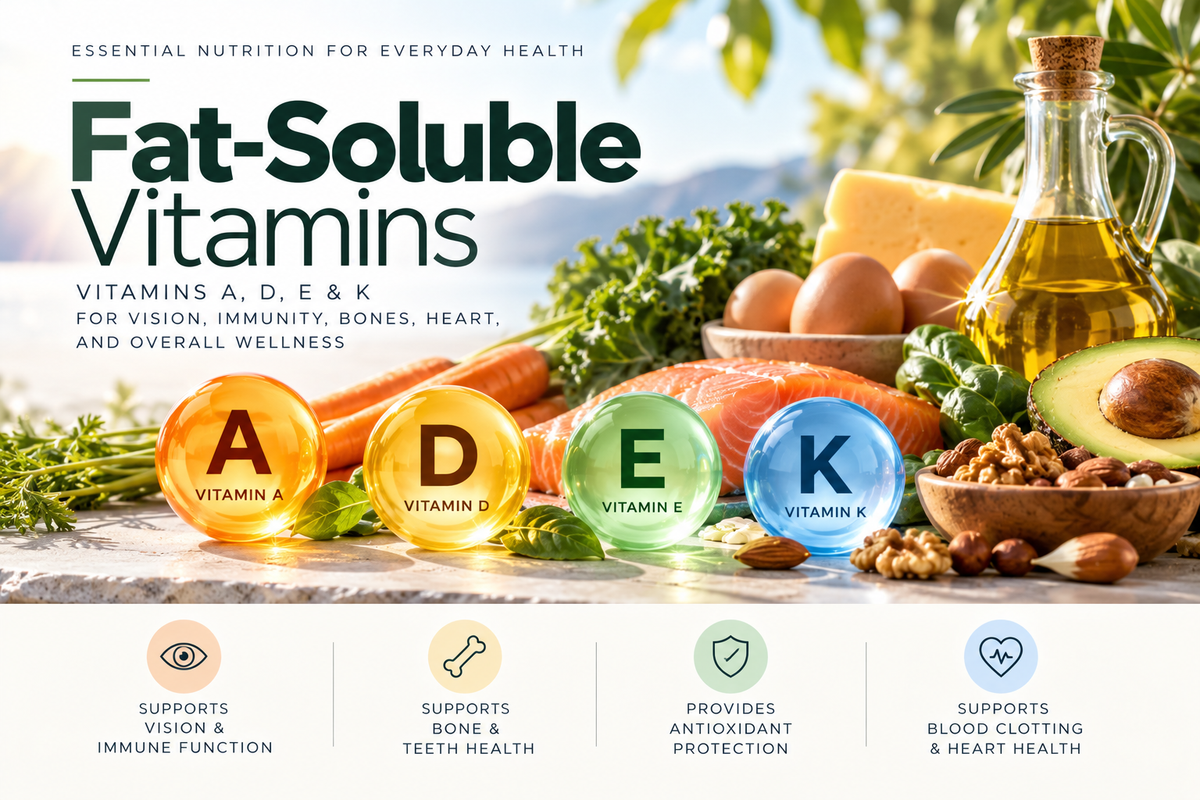
Fat-Soluble Vitamins – Vitamins A, D, E & K for Essential Nutritional Support
Explore vitamins A, D, E, and K—the four fat-soluble vitamins that support vision, immune function, bone health, antioxidant protection, blood clotting, and other essential functions throughout the body.
────────────────────────────────────
About Fat-Soluble Vitamins
Fat-soluble vitamins are a group of four essential nutrients: vitamins A, D, E, and K. Unlike water-soluble vitamins, they are absorbed along with dietary fats and can be stored in the liver and body tissues.
Each performs different physiological roles. Vitamin A contributes to normal vision and immune function, vitamin D supports calcium utilization and bone health, vitamin E provides antioxidant activity, and vitamin K contributes to normal blood clotting and bone metabolism.
The Fat-Soluble Vitamins collection at Coal Harbour Pharmacy brings together individual supplements and combination formulas to help customers find targeted nutritional support based on their diet, health needs, and healthcare recommendations.
Key Benefits
• Provides essential vitamins A, D, E, and K
• Supports normal immune function
• Supports bones and teeth
• Contributes to normal vision and skin health
• Provides antioxidant protection
• Supports normal blood clotting
• Supports calcium metabolism and utilization
• Offers individual and combination formulations
Who It’s Ideal For
Fat-soluble vitamin supplements may be relevant for:
• Adults with specific nutritional requirements
• People with limited dietary intake of particular vitamins
• Individuals seeking vitamin D support
• People following professionally recommended supplementation
• Adults looking for targeted vitamin A, E, or K products
• Customers comparing individual vitamins with combination formulas
• People with diagnosed deficiencies under appropriate healthcare guidance
Because these nutrients can be stored in the body, higher doses are not automatically better.
The Four Fat-Soluble Vitamins
|
Vitamin |
Major Roles |
Common Supplement Forms |
Important Consideration |
|---|---|---|---|
|
Vitamin A |
Vision, immune function, skin and cellular differentiation |
Retinol, retinyl palmitate, beta-carotene |
Excess preformed vitamin A can be toxic |
|
Vitamin D |
Calcium absorption, bones, teeth, muscles, immune function |
Vitamin D3, vitamin D2 |
Excessive supplementation can cause hypercalcemia |
|
Vitamin E |
Antioxidant protection of cell membranes |
Alpha-tocopherol, mixed tocopherols |
High doses may increase bleeding risk in some people |
|
Vitamin K |
Normal blood clotting and bone metabolism |
Vitamin K1, vitamin K2 (MK-4/MK-7) |
Important interaction with warfarin and related anticoagulants |
Vitamin A
Vitamin A is essential for normal vision, immune function, reproduction, cellular differentiation, and maintenance of healthy skin and mucous membranes.
It occurs in two broad nutritional forms:
Preformed Vitamin A
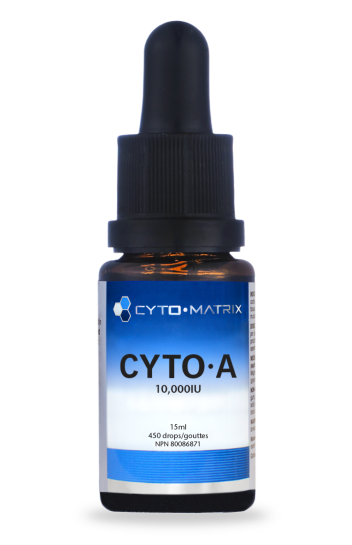
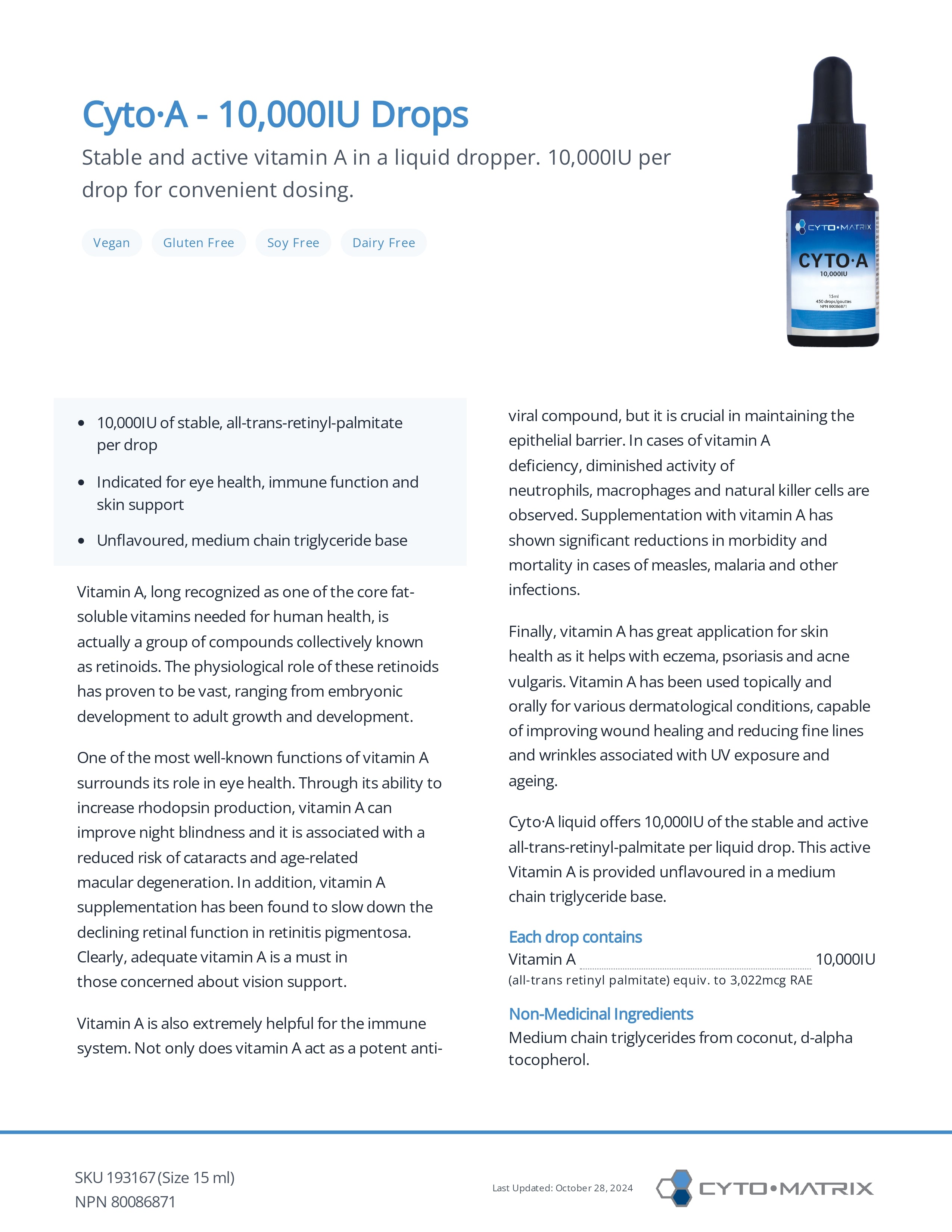
Retinol and retinyl esters occur primarily in animal-derived foods and supplements.
Provitamin A Carotenoids
Beta-carotene and selected other carotenoids can be converted by the body into vitamin A.
This distinction matters because excessive intake of preformed vitamin A carries a greater risk of toxicity than obtaining carotenoids through a normal diet.
Vitamin D
Vitamin D plays an important role in maintaining normal calcium and phosphorus metabolism.
It contributes to:
• Calcium absorption and utilization
• Healthy bones and teeth
• Normal muscle function
• Normal immune function
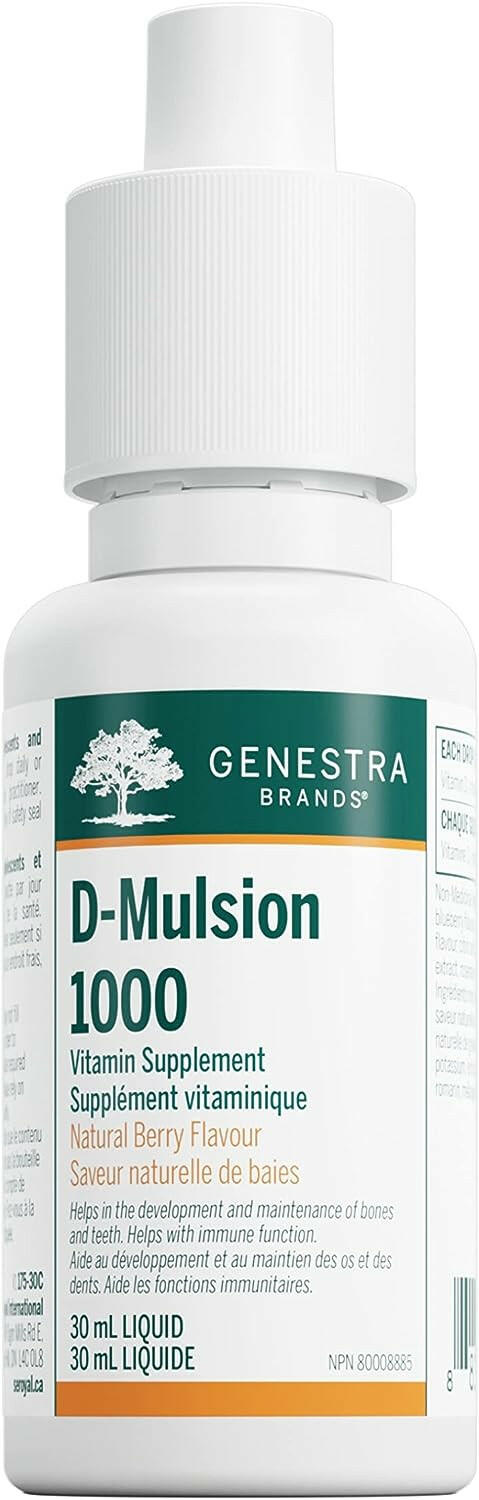
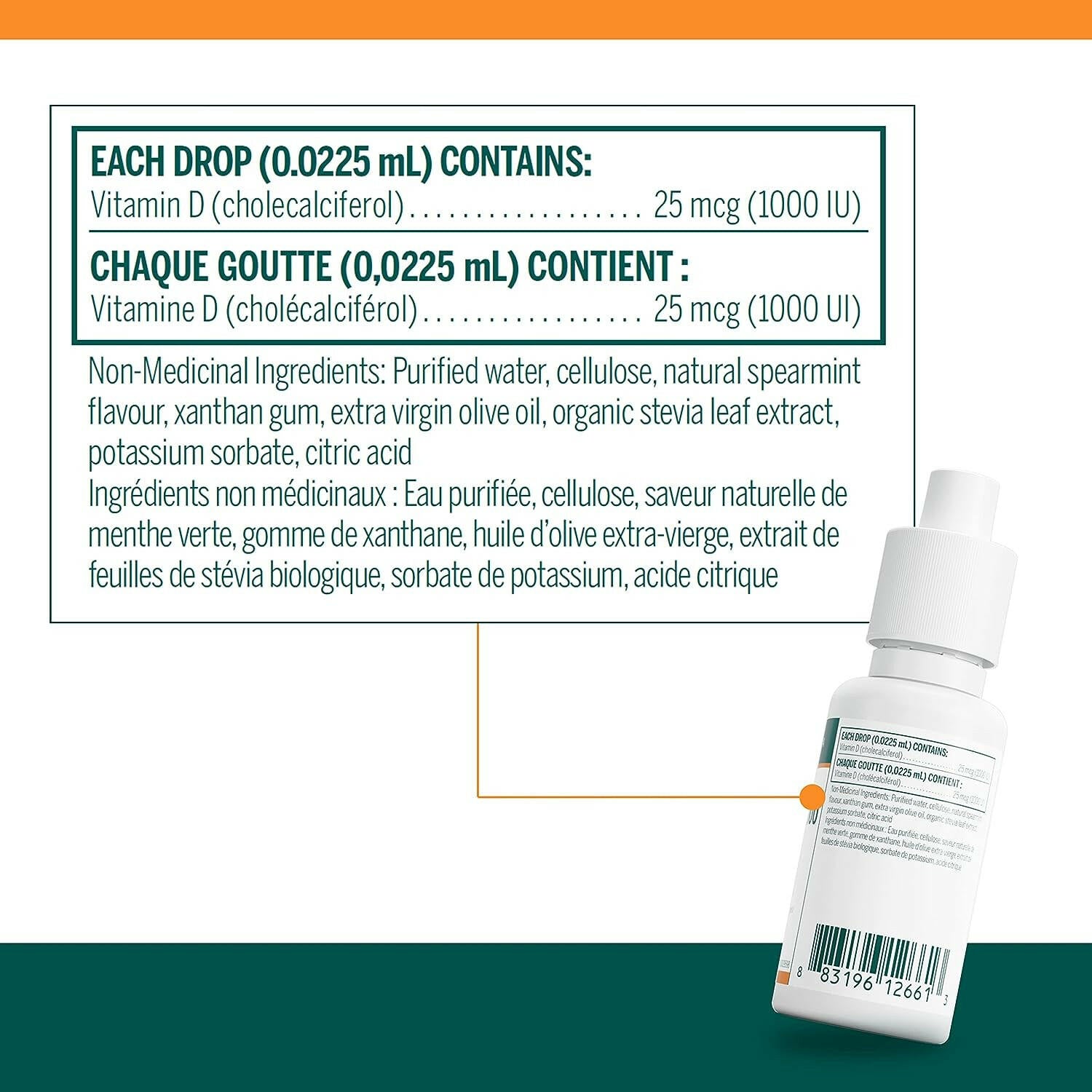
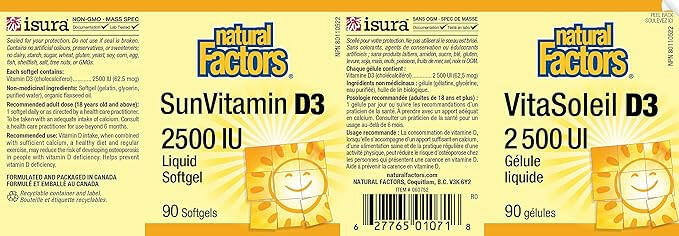
Vitamin D3 (cholecalciferol) is one of the most common supplemental forms, while vitamin D2 (ergocalciferol) is also available.
Individual requirements can vary according to age, diet, sun exposure, skin pigmentation, health status, and vitamin D levels.
Vitamin E
Vitamin E refers to a family of fat-soluble compounds with antioxidant activity.
Its best-established nutritional role is helping protect cell membranes against oxidative damage.
Supplement forms may contain:
• Alpha-tocopherol
• Natural or synthetic vitamin E
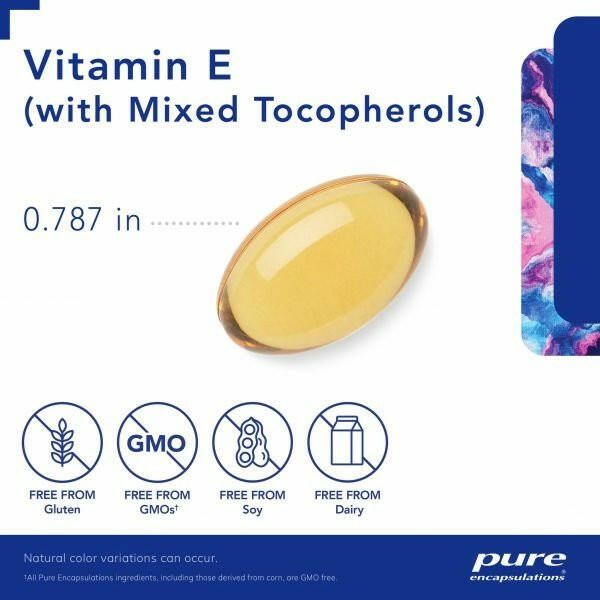
• Mixed tocopherols
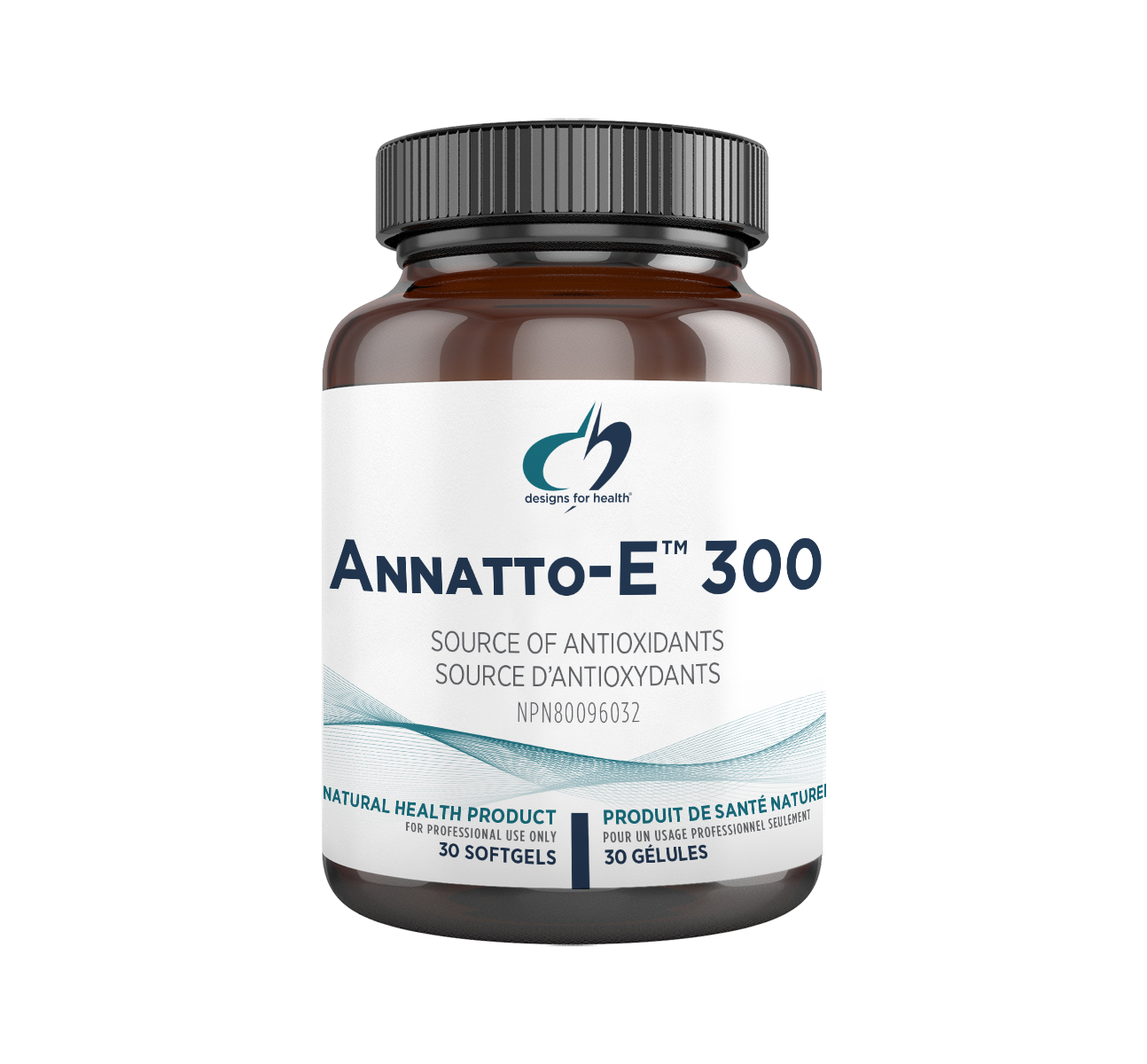
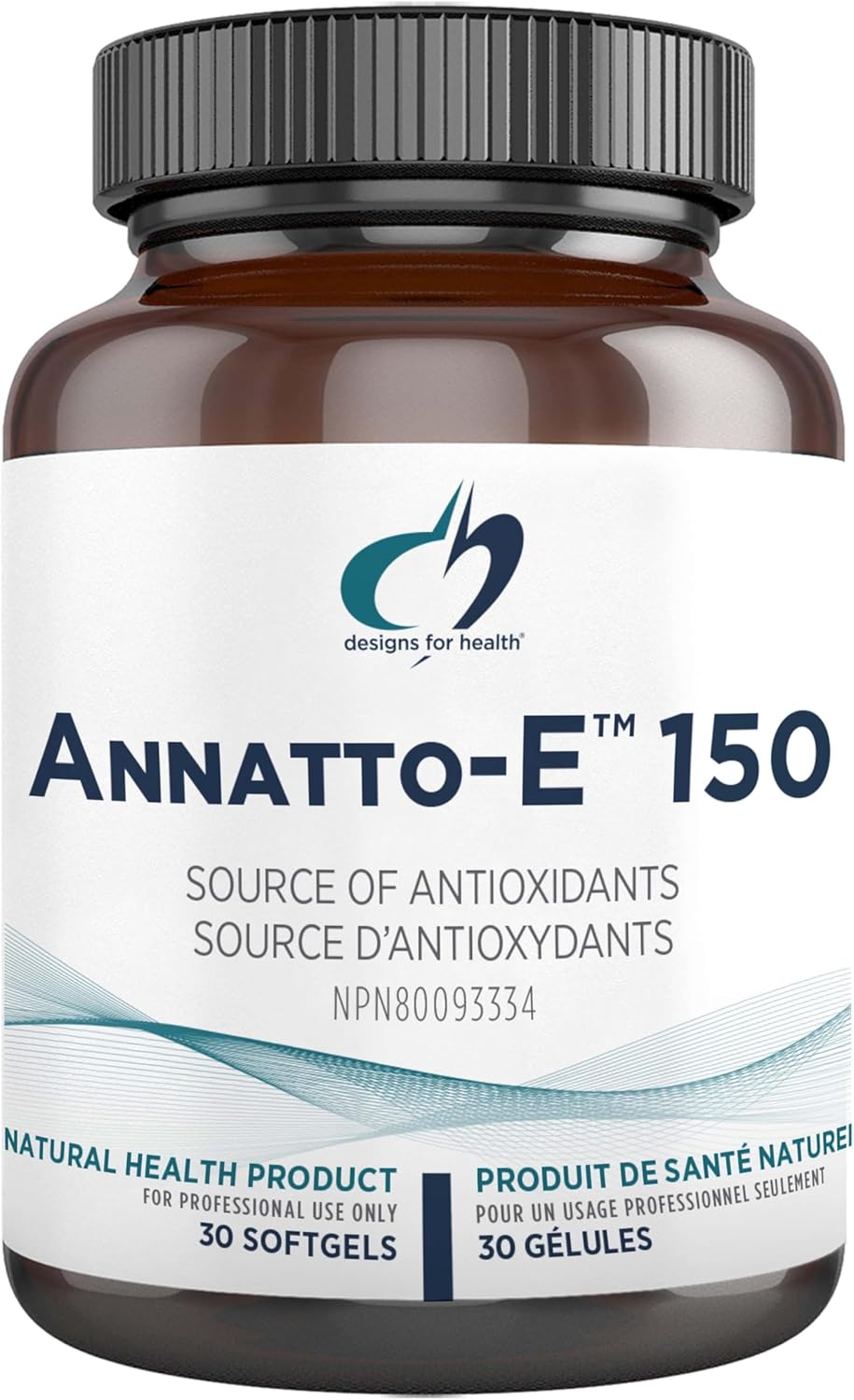
• Combination antioxidant formulas
Vitamin E is essential, but taking very high supplemental doses does not necessarily provide greater health benefits.
Vitamin K
Vitamin K is required for the normal function of proteins involved in blood coagulation and also contributes to normal bone metabolism.
Two major categories are:
Vitamin K1
Also called phylloquinone, vitamin K1 is found primarily in green leafy vegetables.
Vitamin K2
Vitamin K2 refers to a group of menaquinones, including commonly supplemented forms such as MK-4 and MK-7.
Different forms have different pharmacokinetic characteristics, but this does not mean one form is universally superior for every person.
Why Are They Called Fat-Soluble?
Vitamins A, D, E, and K dissolve in fats rather than water.
Dietary fat assists with their intestinal absorption, and once absorbed, these vitamins can be transported and stored within the body.
This differs from many water-soluble vitamins, which generally have more limited body storage.
The ability to store fat-soluble vitamins has an important consequence: excessive supplemental intake can accumulate, particularly with vitamins A and D.
Fat-Soluble vs Water-Soluble Vitamins
|
Feature |
Fat-Soluble Vitamins |
Water-Soluble Vitamins |
|---|---|---|
|
Vitamins |
A, D, E, K |
B vitamins and vitamin C |
|
Absorption |
Associated with dietary fat |
Dissolve readily in water |
|
Body storage |
Can be stored significantly |
Generally more limited |
|
Excretion |
Less readily excreted |
Excess often more readily excreted in urine |
|
Deficiency |
Can develop with poor intake or fat malabsorption |
Depends on individual vitamin and intake |
|
Excess intake |
Greater accumulation concern for some vitamins |
Toxicity still possible, but patterns differ |
“Water-soluble” should not be interpreted as meaning unlimited amounts are safe, just as “fat-soluble” does not mean these vitamins should be avoided.
Fat-Soluble Vitamin Absorption
Normal absorption depends partly on the body’s ability to digest and absorb dietary fat.
Conditions affecting the pancreas, liver, bile system, or small intestine can sometimes interfere with absorption of vitamins A, D, E, and K.
People with diagnosed fat-malabsorption disorders may require specialized supplementation and monitoring rather than simply taking standard over-the-counter multivitamins.
Food Sources of Fat-Soluble Vitamins
Vitamin A
• Liver and selected animal foods
• Eggs and dairy products
• Carrots
• Sweet potatoes
• Dark leafy vegetables
Vitamin D
• Fatty fish
• Egg yolks
• Fortified foods
• Selected mushrooms
• Vitamin D supplements
Sunlight can also contribute to vitamin D production in the skin.
Vitamin E
• Nuts and seeds
• Vegetable oils
• Avocado
• Selected leafy vegetables
Vitamin K
• Kale and other leafy greens
• Broccoli
• Brussels sprouts
• Selected fermented foods
• Other foods depending on the form of vitamin K
A varied diet can provide meaningful amounts of these nutrients, although vitamin D deserves special consideration because dietary sources are relatively limited.
Individual vs Combination Supplements
Fat-soluble vitamins are available individually or in combination formulas.
Individual Vitamins
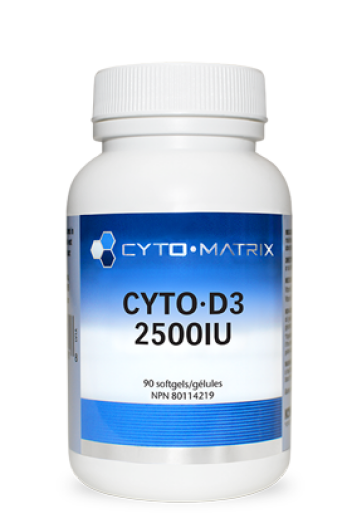
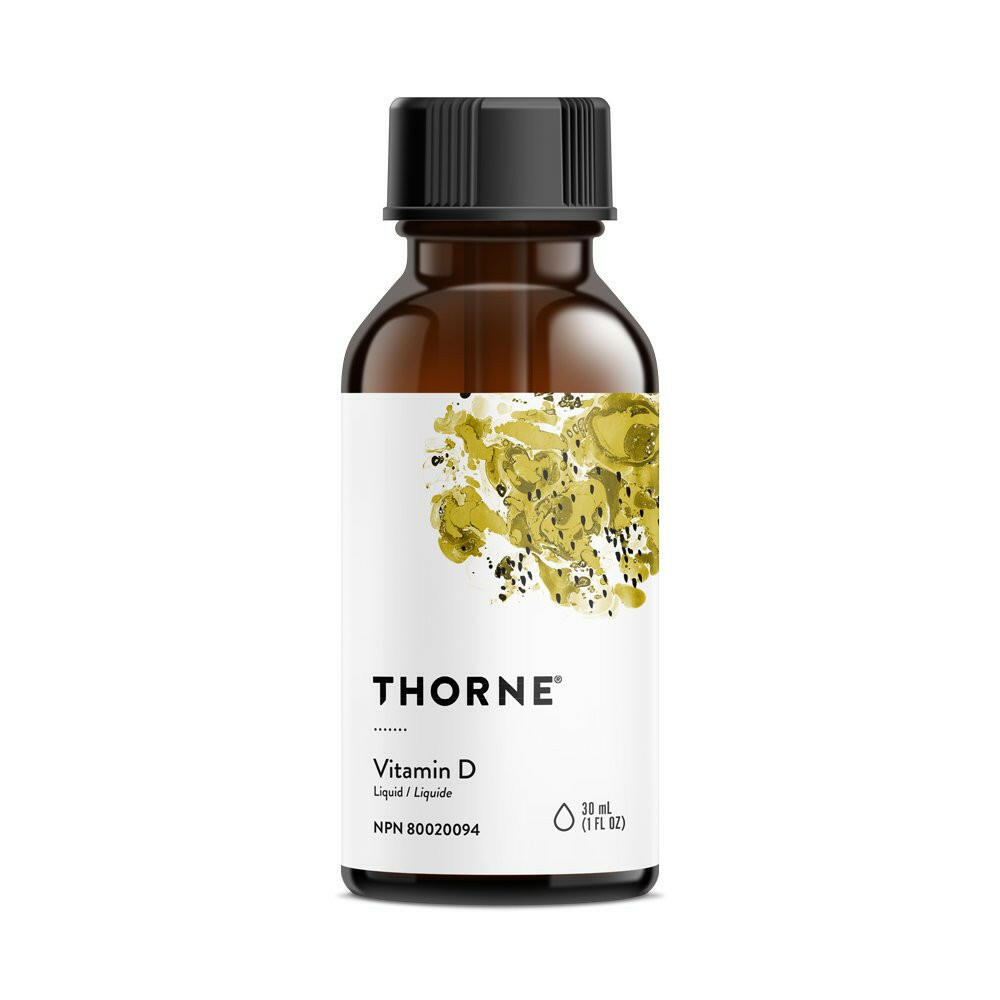
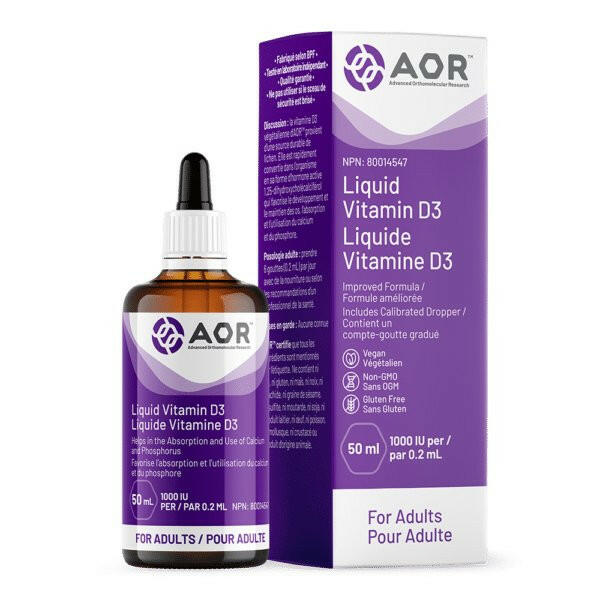
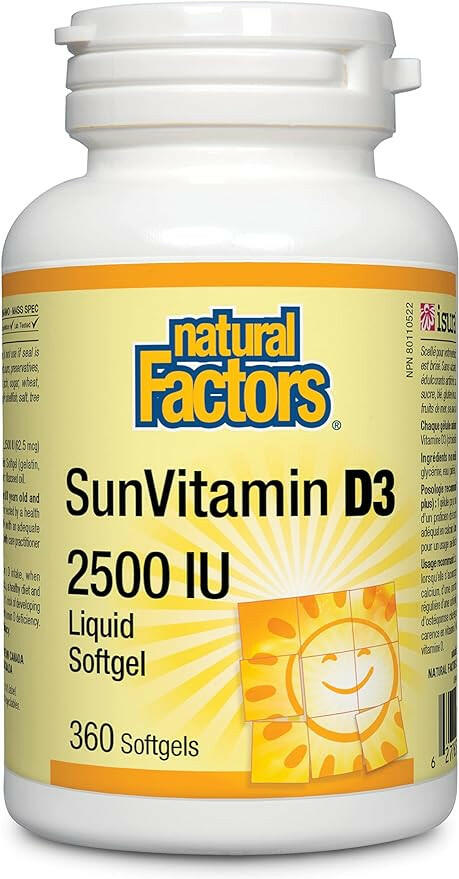
Useful when targeting a specific nutritional need—for example, vitamin D supplementation.
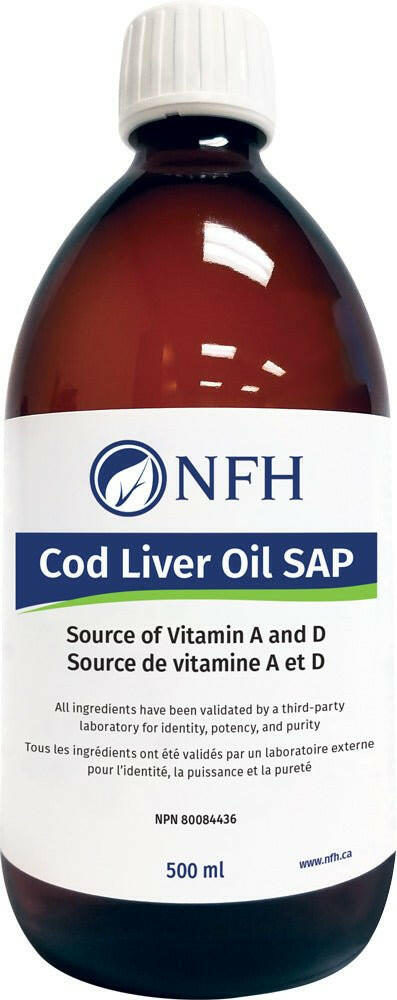
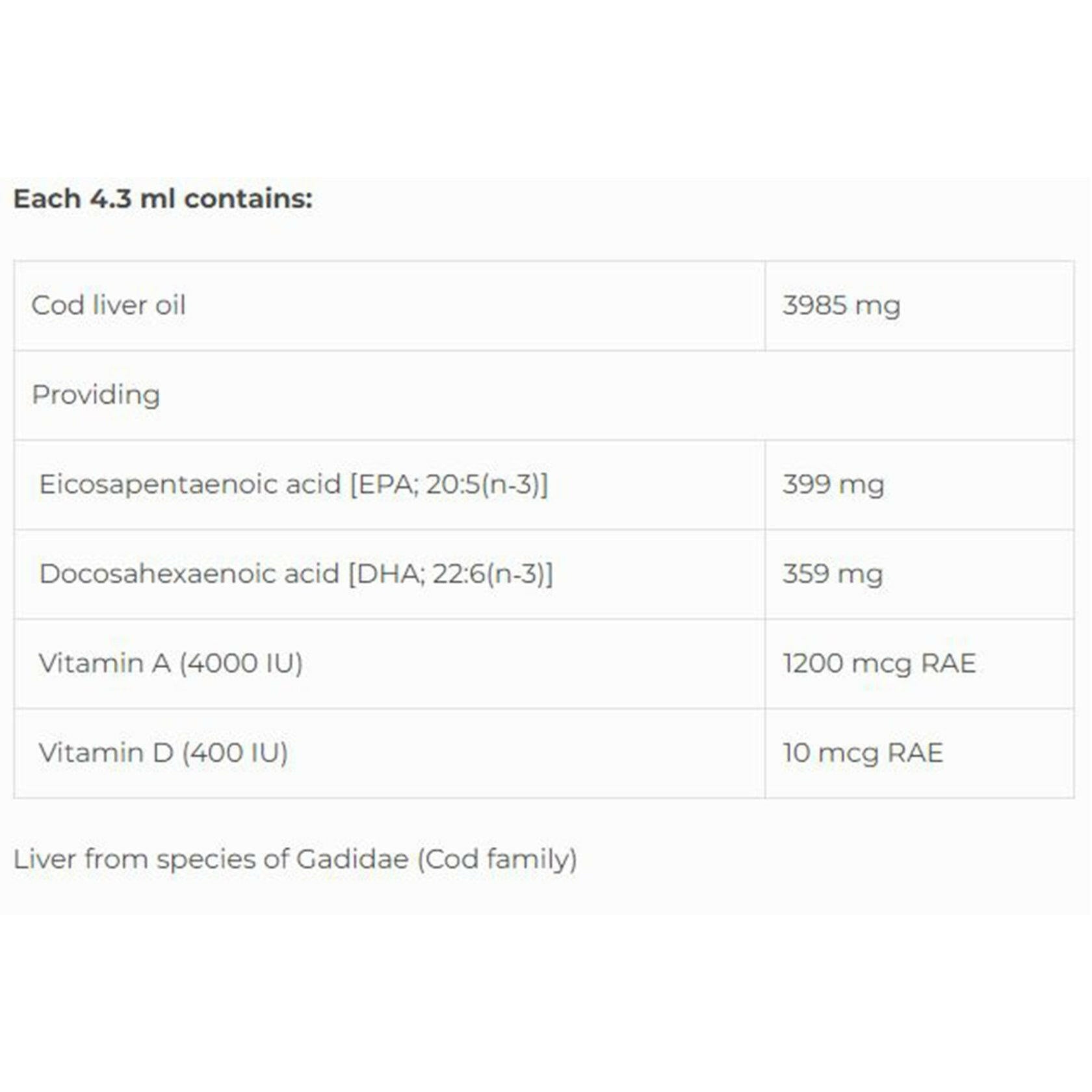
A+D Formulas
Combine two fat-soluble vitamins commonly found together in selected nutritional products.
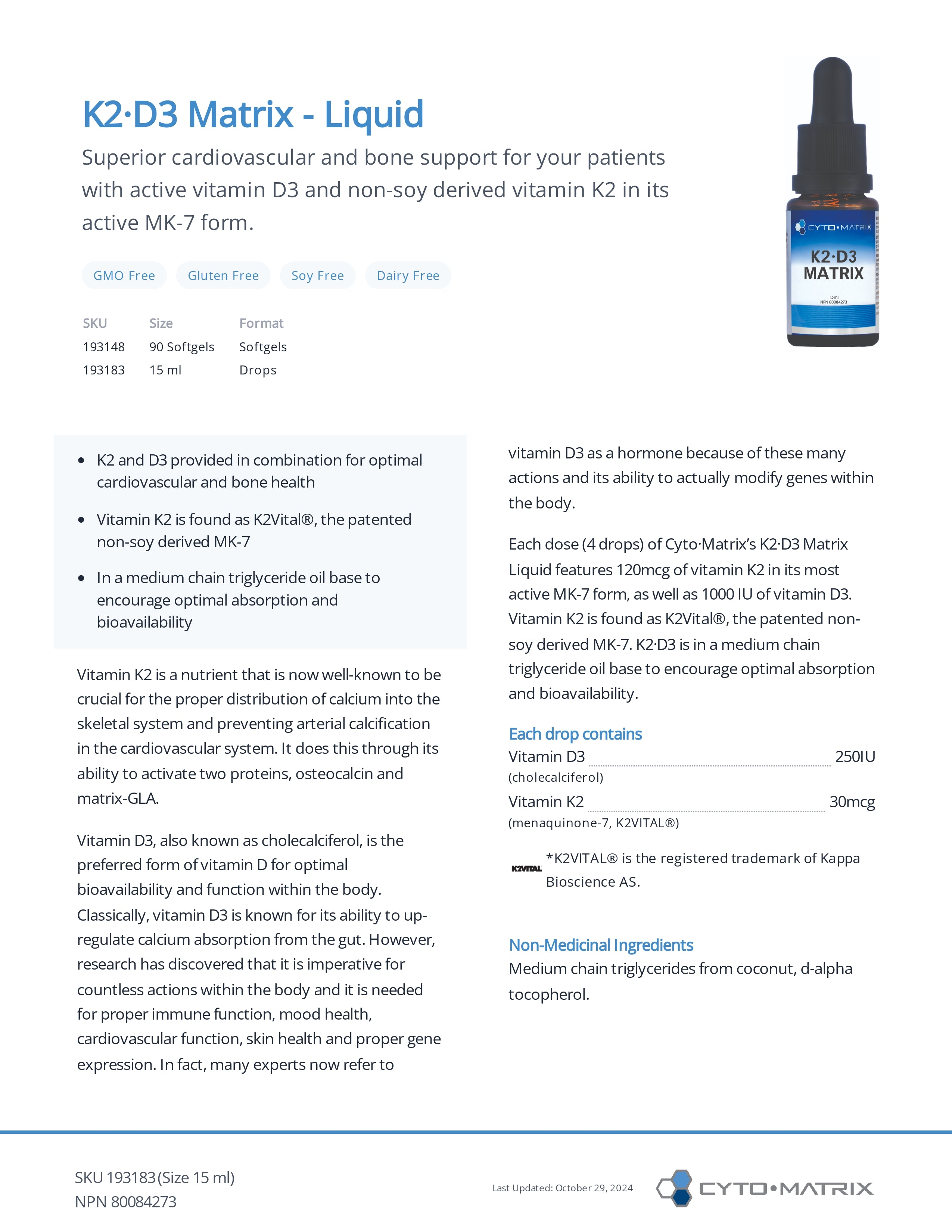
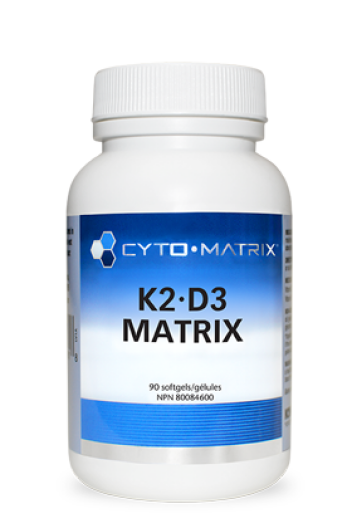
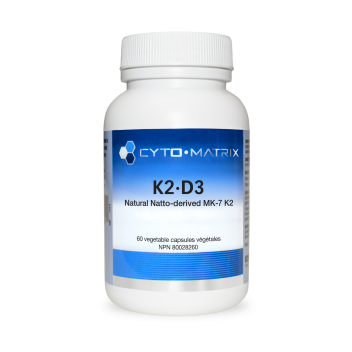
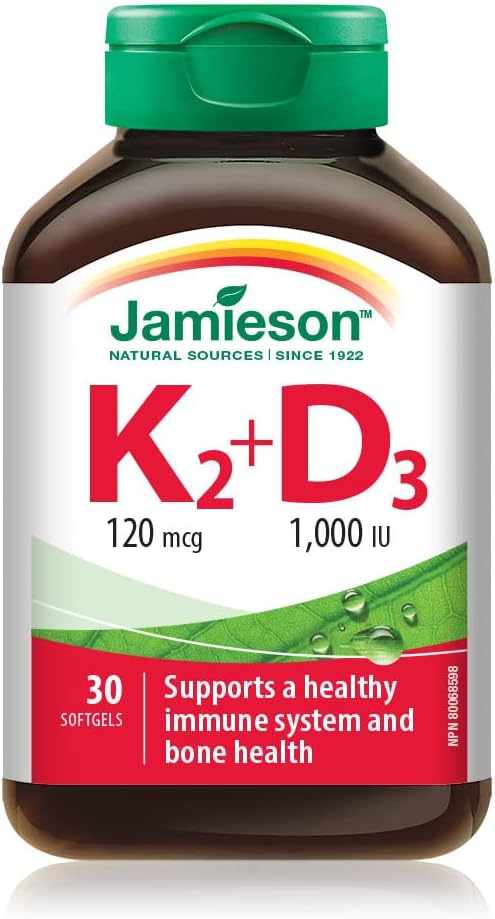
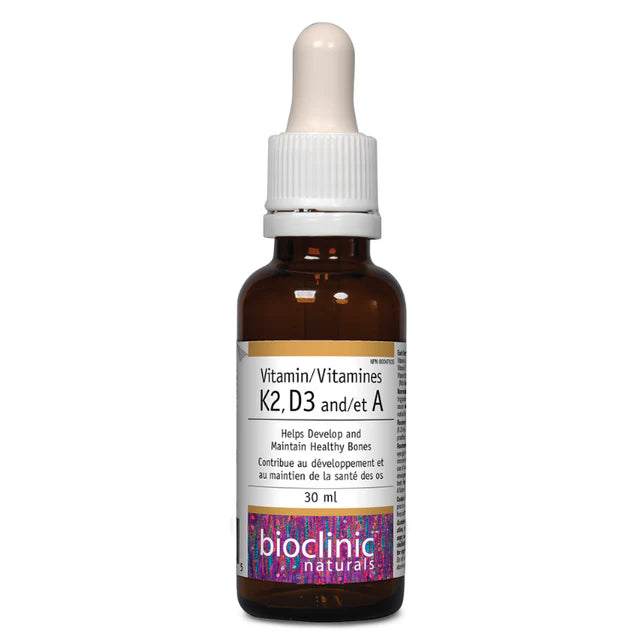
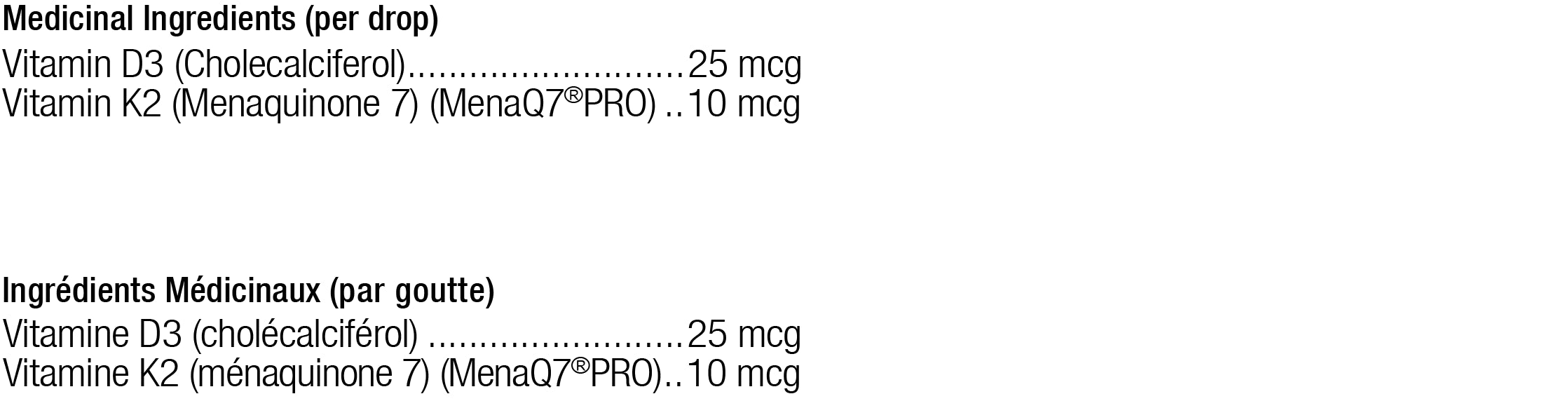
D3 + K2 Formulas
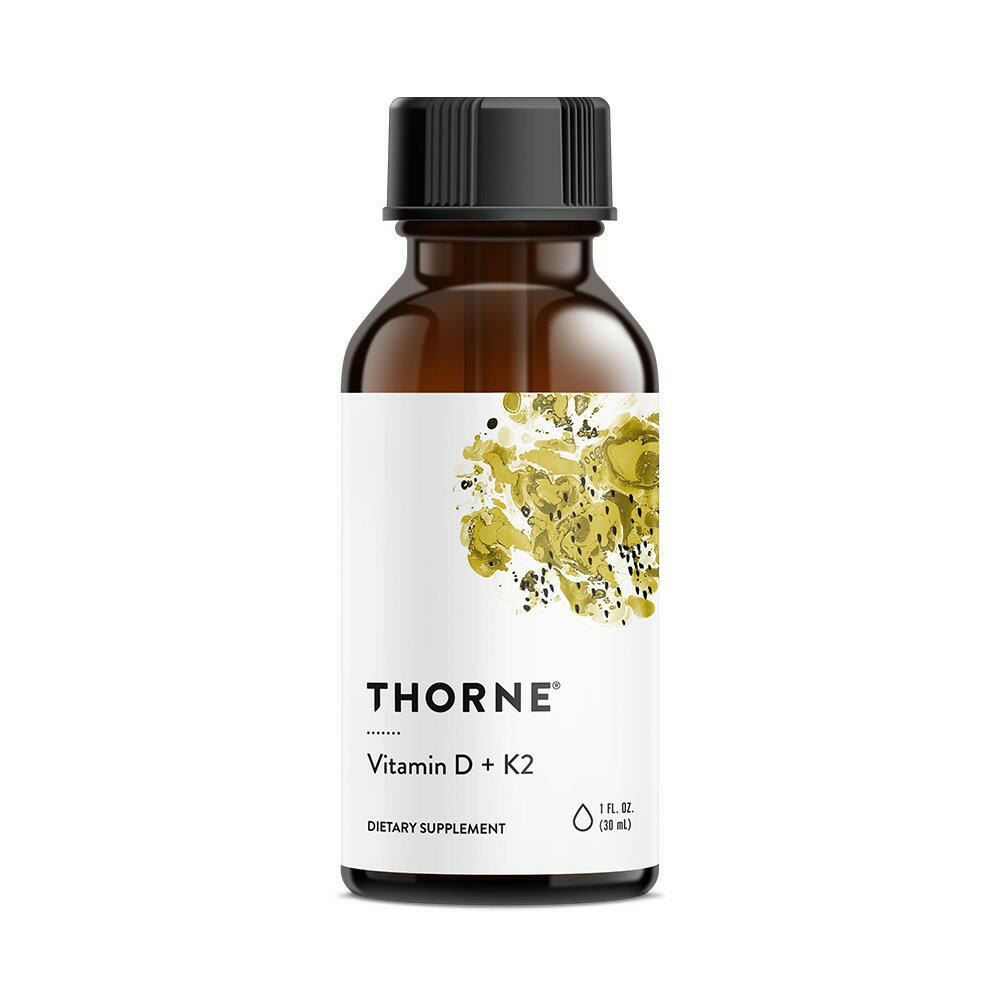
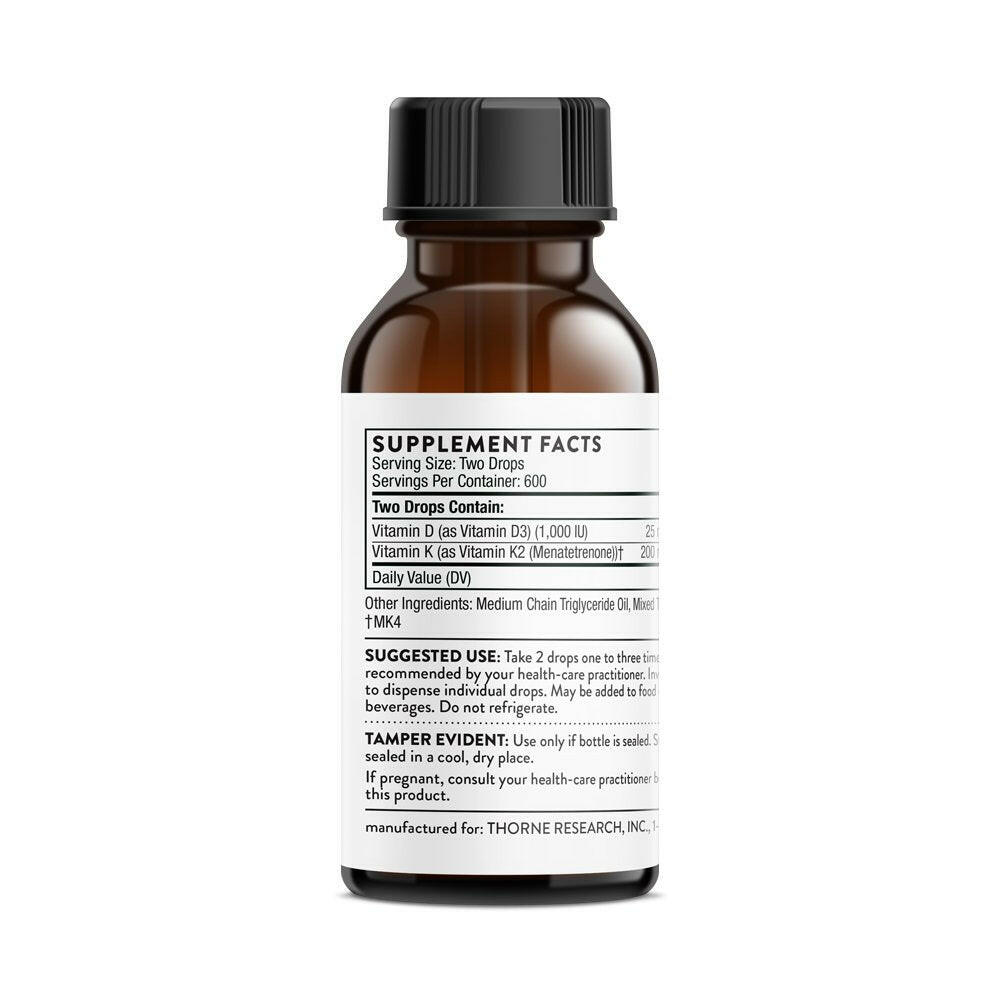
Popular combination products designed to provide both vitamin D and vitamin K.
Multivitamins
Typically provide several fat- and water-soluble vitamins together.
A combination is not automatically better. The appropriate product depends on what nutrients you actually need and what you already receive from food and other supplements.
How to Choose a Fat-Soluble Vitamin Supplement
Identify the Nutrient You Need
Avoid taking all four simply because they belong to the same vitamin category.
Check the Form
Products can contain different forms of vitamins A, D, E, and K.
Compare the Dose
Pay attention to the actual amount per serving rather than choosing the highest potency.
Review Your Multivitamin
Many multivitamins already contain these nutrients, so adding individual supplements can unintentionally increase total intake.
Consider Medications
Vitamin K and high-dose vitamin E are particularly important to review when certain anticoagulant medications are used.
Safety & Responsible Supplementation
Because fat-soluble vitamins can accumulate in the body, responsible dosing is particularly important.
Vitamin A
Excessive preformed vitamin A can cause toxicity. High-dose retinol supplementation requires particular caution during pregnancy because excessive intake can harm fetal development.
Vitamin D
Excessive vitamin D supplementation can lead to elevated calcium levels and potentially serious complications.
Vitamin E
High supplemental doses can affect bleeding risk, particularly in people taking anticoagulant or antiplatelet medications.
Vitamin K
People taking warfarin or other vitamin K antagonist anticoagulants should not make major changes to vitamin K intake without professional guidance. Consistency can be particularly important.
Professional guidance may also be appropriate for people with kidney disease, liver disease, malabsorption disorders, pregnancy, or complex medication regimens.
FAQs
What are the fat-soluble vitamins?
The four fat-soluble vitamins are vitamins A, D, E, and K.
Why are they called fat-soluble?
They dissolve in fat and their absorption is associated with dietary fat. They can also be stored within body tissues.
Should fat-soluble vitamins be taken with food?
Taking them with a meal containing some dietary fat may support absorption, although specific product directions should always be followed.
Can fat-soluble vitamins build up in the body?
Yes. Unlike many water-soluble vitamins, significant amounts of certain fat-soluble vitamins can be stored. This is one reason excessive supplementation can be harmful.
Which fat-soluble vitamin supports bone health?
Vitamin D plays an important role in calcium absorption and bone health, while vitamin K also contributes to normal bone metabolism. Vitamin A also has physiological roles in bone, although excessive intake can be undesirable.
Is vitamin D3 better than D2?
Both forms can increase vitamin D status, although D3 is commonly used and may maintain circulating vitamin D levels more effectively in some circumstances.
What is the difference between vitamin K1 and K2?
K1 is primarily associated with leafy green vegetables, while K2 refers to several menaquinones found in certain foods and supplements. Both participate in vitamin K-dependent physiological processes.
Can I take vitamin D and K2 together?
They are commonly formulated together. However, adding K2 is not automatically necessary for every person taking vitamin D, and vitamin K requires particular consideration for people taking vitamin K antagonist anticoagulants.
Can I take vitamins A, D, E, and K together?
They can occur together in multivitamins and other formulas, but whether you need all four as separate supplements depends on diet, existing supplementation, medical conditions, and individual nutritional needs.
Why Shop Fat-Soluble Vitamins at Coal Harbour Pharmacy?
• Pharmacist-curated vitamins A, D, E, and K
• Individual and combination formulas
• Multiple strengths and supplement formats
• Options for targeted and foundational nutrition
• Trusted Canadian and professional supplement brands
• Fast Canada-wide shipping
Related Collections
• Vitamins
• Vitamin D
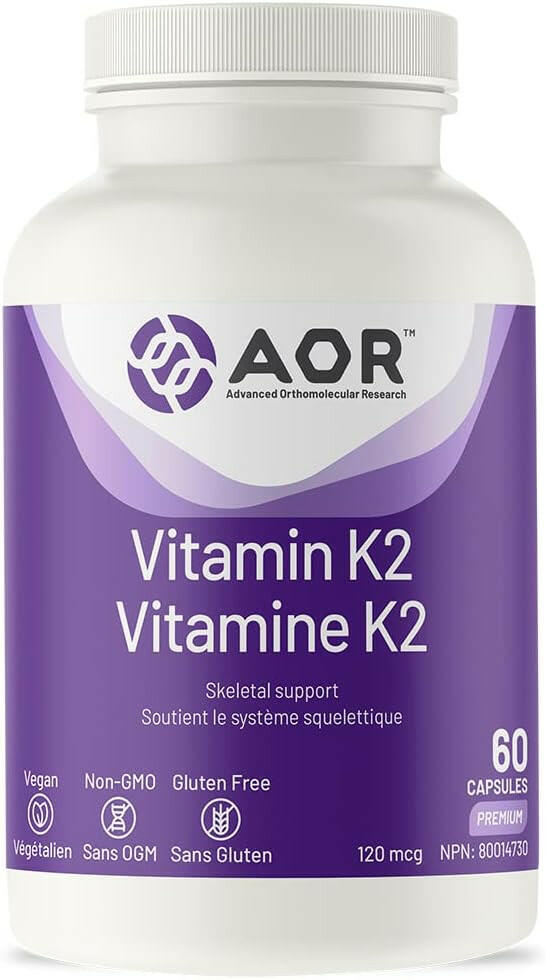
• Vitamin K
• Antioxidant Supplements
────────────────────────────────────
Shop Fat-Soluble Vitamins →
Sort by
139 products


































FREE STANDARD SHIPPING
Satisfied or refunded
Top-notch support
Secure payments
Encrypted checkout processing
Offers exclude prescriptions and in-store purchases.
Subscribe & Get a First-Order Reward
Plus, earning reward points on eligible online purchases and enjoy future store credit.
We respect your inbox at Coal Harbour Pharmacy - Expect thoughtfully curated health and wellness updates, timely reminders, and exclusive online savings.