
Aromatherapy & Essential Oils – Relaxation, Massage & Everyday Wellness
Create a calming, refreshing, or restorative self-care ritual with essential oils, aromatherapy blends, carrier oils, and massage oils selected for diffusion, appropriately diluted topical use, and everyday sensory wellness.
────────────────────────────────────
About Aromatherapy & Essential Oils
Aromatherapy uses concentrated aromatic plant extracts known as essential oils to create sensory experiences that may complement relaxation, massage, personal care, and general well-being.
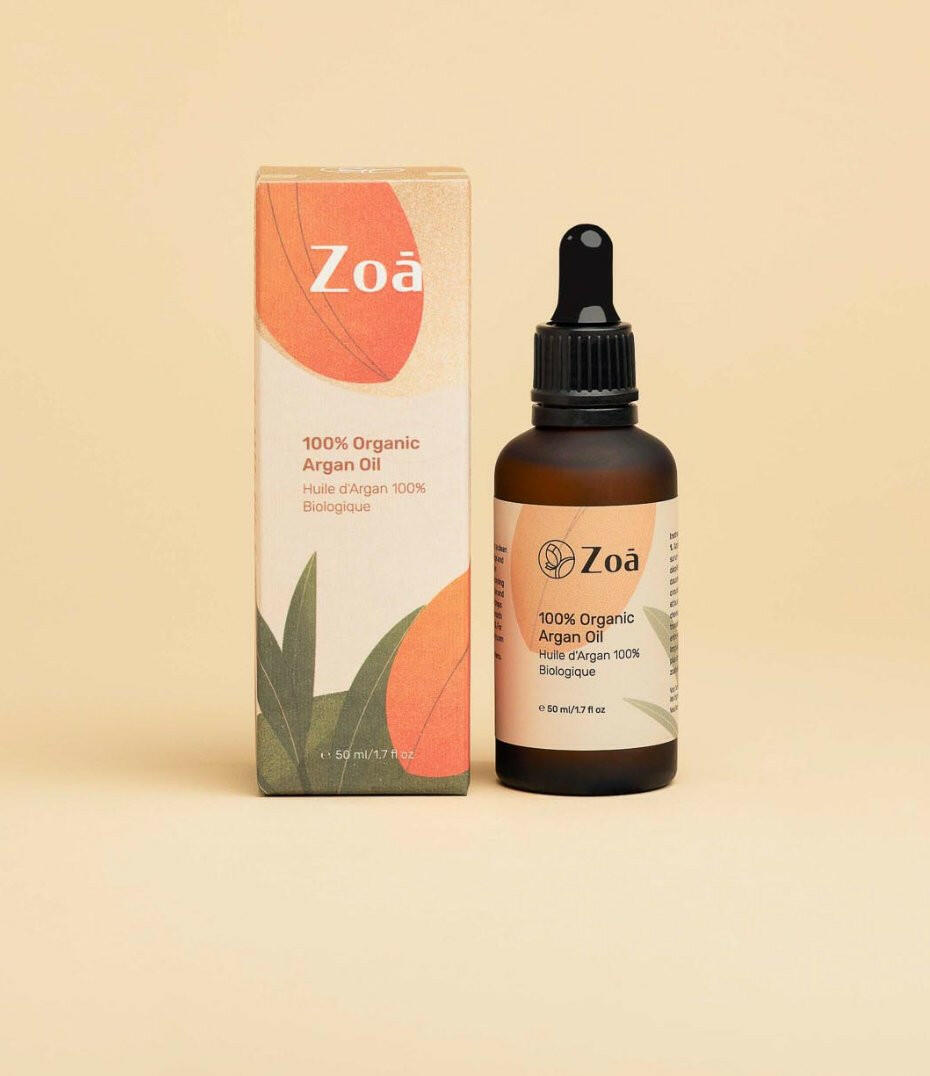
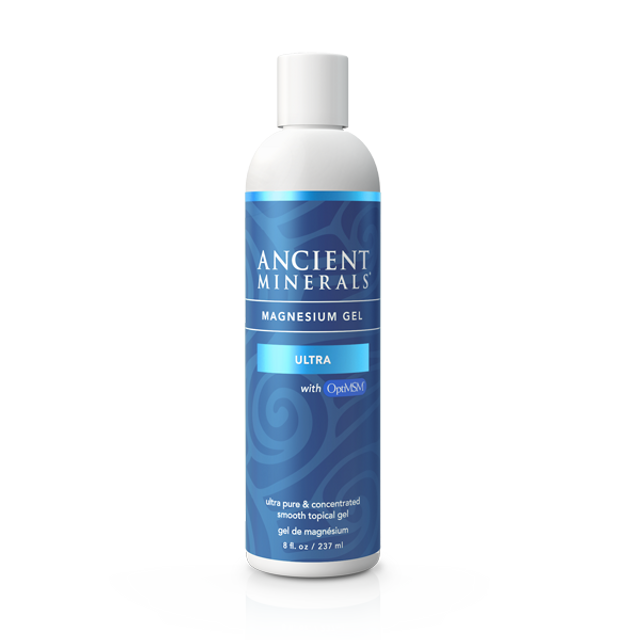
The Aromatherapy & Essential Oils collection at Coal Harbour Pharmacy brings together single essential oils, aromatic blends, carrier oils, massage oils, roll-ons, and other aromatherapy products for home and personal use.
Popular oils such as lavender, peppermint, eucalyptus, tea tree, lemon, sweet orange, and bergamot have distinctive aromatic profiles and traditional uses. Because essential oils are highly concentrated, however, natural does not automatically mean risk-free. Appropriate dilution, route of use, and individual product directions are important.
Key Benefits
• Creates calming or uplifting sensory environments
• Complements relaxation and self-care routines
• Enhances massage and at-home spa experiences
• Provides aromatic options for evening and bedtime routines
• Offers refreshing scents for daytime use
• Can be incorporated into appropriately diluted topical applications
• Available as individual oils and convenient pre-formulated blends
Who It’s Ideal For
Aromatherapy and essential oils may appeal to:
• Adults building relaxation and self-care routines
• People who enjoy natural botanical aromas
• Individuals using massage as part of their wellness routine
• People looking to create a calming evening environment
• Customers seeking refreshing or uplifting home aromas
• Yoga, meditation, and mindfulness enthusiasts
• People interested in bath and spa rituals
• Customers looking for ready-to-use aromatic blends
What Are Essential Oils?
Essential oils are highly concentrated volatile compounds extracted from plants.
Depending on the plant, oils may be produced from:
• Flowers
• Leaves
• Peels
• Bark
• Roots
• Seeds
• Resins
• Other aromatic plant material
Common extraction methods include steam distillation and, particularly for some citrus oils, mechanical expression.
Essential oils should not be confused with carrier oils such as jojoba, sweet almond, or grapeseed oil. Carrier oils are fatty oils that can help dilute essential oils for topical application.
Essential Oils for Aromatherapy
Different essential oils have different aromatic characteristics and traditional applications.
Lavender
Lavender has a soft floral-herbal aroma and is commonly incorporated into relaxation, evening, and bedtime routines.
Peppermint
Peppermint provides a strong, cooling aroma and is commonly used when a fresh, invigorating sensory experience is desired.
Eucalyptus
Eucalyptus has a distinctive fresh aroma commonly used in diffusers, shower routines, and refreshing aromatherapy blends.
Tea Tree
Tea tree has a strong herbal aroma and is frequently found in personal-care and cleansing formulations.
Lemon & Sweet Orange
Citrus oils offer bright, fresh aromas that are popular in daytime and uplifting home-aromatherapy blends.
Bergamot
Bergamot combines citrus and floral characteristics and is commonly incorporated into relaxing or mood-oriented aromatic blends.
Essential Oils at a Glance
|
Essential Oil |
Aromatic Profile |
Common Aromatherapy Use |
|---|---|---|
|
Lavender |
Floral, herbal |
Relaxation and evening routines |
|
Peppermint |
Fresh, minty |
Invigorating and refreshing environments |
|
Eucalyptus |
Crisp, botanical |
Refreshing aromatherapy |
|
Tea Tree |
Herbal, medicinal |
Cleansing-oriented personal care |
|
Lemon |
Bright, citrus |
Fresh and uplifting environments |
|
Sweet Orange |
Sweet, citrus |
Cheerful, relaxing home fragrance |
|
Bergamot |
Citrus, floral |
Calm and mood-oriented aromatherapy |
These descriptions reflect aromatic and traditional uses rather than claims that the oils treat medical or psychological conditions.
Aromatherapy for Relaxation
Scent can influence the sensory environment and may complement behaviours already associated with relaxation.
A simple evening ritual might combine:
• Lower lighting
• Reduced screen exposure
• Quiet music or reading
• Gentle stretching
• Lavender or another preferred aroma
• Consistent bedtime habits
Some essential oils—particularly lavender—have been investigated scientifically for relaxation and sleep-related outcomes. Research is promising in certain settings, but aromatherapy should not be presented as a treatment for persistent insomnia, anxiety disorders, or other medical conditions.
Essential Oils & Sleep Routines
Aromatherapy can be incorporated into a bedtime environment through an appropriate diffuser or a product specifically formulated for evening use.
The benefit may come partly from creating a consistent sensory cue associated with winding down.
Essential oils are not sedative medications, however, and persistent sleep problems warrant consideration of sleep schedule, stress, caffeine, medications, medical conditions, and sleep disorders.
Massage Oils
Massage oils provide lubrication that helps hands move comfortably across the skin during massage.
Ready-to-use products may combine carrier oils with appropriately diluted essential oils.
Common carrier oils include:
• Jojoba oil
• Sweet almond oil
• Grapeseed oil
• Coconut-derived oils
• Apricot kernel oil
• Other plant oils
Massage itself may help promote relaxation and temporarily ease feelings of muscular tension. Claims about treating injuries, inflammation, or chronic pain should be distinguished from these general wellness effects.
Essential Oils vs Carrier Oils
|
Essential Oils |
Carrier Oils |
|---|---|
|
Highly concentrated aromatic extracts |
Fatty plant-derived oils |
|
Usually used in very small quantities |
Can form the base of topical products |
|
Often require dilution before skin application |
Commonly used to dilute essential oils |
|
Provide characteristic aroma |
Usually mild or nearly neutral in aroma |
|
Examples: lavender, peppermint, eucalyptus |
Examples: jojoba, almond, grapeseed |
Understanding this distinction is particularly important when preparing topical aromatherapy products.
Ways to Use Aromatherapy Products
Diffusion
Use an essential-oil diffuser according to both the diffuser and oil manufacturer’s directions.
Personal Aromatherapy
Roll-ons, inhalers, and other purpose-made products provide convenient aromatic use without preparing your own blend.
Massage
Use a properly diluted essential-oil preparation or a ready-to-use massage oil.
Bath & Body
Choose products specifically formulated for bath use rather than adding undiluted essential oils directly to bath water.
Shower Aromatherapy
Products designed for shower use can provide an aromatic experience without direct application of concentrated oils to the skin.
Essential Oil Dilution
Many pure essential oils should not be applied undiluted directly to the skin.
Concentrated oils can cause:
• Irritation
• Burning
• Allergic contact dermatitis
• Sensitization
The appropriate dilution depends on the particular essential oil, body area, intended use, age, and product.
When possible, follow the finished product’s directions rather than assuming one dilution ratio is appropriate for every essential oil.
Essential Oils & Sensitive Skin
People with sensitive or reactive skin should introduce topical aromatherapy products carefully.
Helpful precautions include:
• Choose appropriately diluted products
• Follow label directions
• Avoid applying oils to broken or irritated skin
• Avoid the eyes and mucous membranes
• Stop use if significant irritation occurs
• Consider testing a small area when appropriate
Fragrance compounds—including those occurring naturally in essential oils—can trigger contact reactions in susceptible individuals.
Citrus Oils & Sun Exposure
Some citrus essential oils can be phototoxic, meaning certain compounds may increase the skin’s sensitivity to ultraviolet light after topical application.
This risk varies according to the specific citrus oil and how it was produced.
For topical citrus products, follow manufacturer instructions regarding sun and UV exposure rather than assuming all citrus oils have identical safety profiles.
Essential Oil Safety
Essential oils are concentrated botanical products and should be handled accordingly.
Do Not Assume They Are Safe to Swallow
Oral ingestion can create substantially different risks from inhalation or properly diluted topical use.
Do not ingest essential oils unless a specific product is intended for that route and its use is consistent with appropriate professional and product guidance.
Keep Away From Eyes
If accidental exposure occurs, follow appropriate first-aid and product guidance.
Store Safely
Keep essential oils away from children and pets.
Consider Medical Circumstances
Extra caution may be appropriate during pregnancy or breastfeeding and for people with asthma, epilepsy, allergies, or other relevant medical conditions.
Essential Oils Around Children
Children are not simply smaller adults when it comes to essential-oil exposure.
Age, concentration, route of exposure, and the specific oil all matter.
Some oils commonly used by adults may not be appropriate for young children or may require substantially different dilution and application practices.
Use age-appropriate products and follow their labelled instructions.
Essential Oils & Pets
Some essential oils can pose risks to cats, dogs, birds, and other animals, particularly through ingestion, skin exposure, or concentrated environmental exposure.
Pet owners should consider species-specific safety before using diffusers or concentrated oils around animals and ensure pets can move away from the diffused area.
Veterinary guidance is appropriate when there is uncertainty or accidental exposure.
Choosing a Quality Essential Oil
Useful information to look for can include:
• Botanical name
• Plant part used
• Extraction method
• Ingredient transparency
• Appropriate packaging
• Storage instructions
• Clear directions for use
• Batch or quality-control information when provided
Marketing terms such as “therapeutic grade” are not, by themselves, universal regulatory standards of quality.
Transparent sourcing and appropriate quality testing provide more meaningful information.
How to Choose the Right Product
For Relaxation
Consider lavender or a professionally formulated calming aromatherapy blend.
For an Invigorating Environment
Peppermint or selected citrus aromas may provide a fresh sensory experience.
For Massage
Choose a ready-to-use massage oil or appropriately dilute a suitable essential oil in a compatible carrier oil.
For Sensitive Skin
Consider fragrance sensitivity carefully and choose mild, appropriately diluted formulations.
For Convenience
Pre-diluted roll-ons and professionally formulated blends reduce the need for at-home mixing.
For Home Aromatherapy
Choose oils compatible with your diffuser and follow its instructions regarding quantity and duration.
FAQs
What is aromatherapy?
Aromatherapy is the use of aromatic plant extracts, particularly essential oils, as part of sensory, relaxation, personal-care, or general wellness practices.
Can essential oils be applied directly to the skin?
Many concentrated essential oils should be diluted before topical application. Follow the directions for the specific product and oil.
Can I put essential oils directly into bath water?
Pure essential oils do not disperse evenly in water and can contact the skin in concentrated droplets. Use products formulated for bathing or an appropriate dispersing method specified by the manufacturer.
Which essential oil is commonly used for relaxation?
Lavender is among the most commonly used and studied essential oils for relaxation-oriented aromatherapy.
Can essential oils help me sleep?
Aromatherapy—particularly lavender—has been studied for sleep and relaxation, with some promising findings. It should complement good sleep habits rather than be considered a treatment for persistent insomnia.
Are essential oils safe for children?
Not all essential oils or concentrations are appropriate for children. Use age-appropriate products and follow specific safety guidance.
Can I diffuse essential oils around pets?
Some essential oils may be harmful to animals. Consider the species, oil, concentration, ventilation, and exposure before diffusing oils around pets.
Can essential oils be swallowed?
Do not assume an oil is safe to ingest because it is natural. Oral use has different safety considerations and should only occur when the specific product is intended for that use and appropriate guidance is followed.
What is the difference between essential oil and massage oil?
Essential oils are highly concentrated aromatic extracts. Massage oils generally use carrier oils as their base and may contain small, appropriately diluted amounts of essential oils.
Why Shop Aromatherapy & Essential Oils at Coal Harbour Pharmacy?
• Pharmacist-curated aromatherapy and personal-care products
• Single essential oils and aromatic blends
• Massage and carrier oils
• Relaxation, evening, and refreshing aromatherapy options
• Trusted Canadian and international wellness brands
• Fast Canada-wide shipping
Related Collections
• Lavender
• Massage & Spa
• Bath & Body
• Sleep & Stress
────────────────────────────────────
Shop Aromatherapy & Essential Oils →
Sort by
27 products





FREE STANDARD SHIPPING
Satisfied or refunded
Top-notch support
Secure payments
Encrypted checkout processing
Offers exclude prescriptions and in-store purchases.
Subscribe & Get a First-Order Reward
Plus, earning reward points on eligible online purchases and enjoy future store credit.
We respect your inbox at Coal Harbour Pharmacy - Expect thoughtfully curated health and wellness updates, timely reminders, and exclusive online savings.