
N-Acetylcysteine (NAC) – Glutathione, Antioxidant & Respiratory Support
Explore pharmacist-curated N-acetylcysteine (NAC) supplements, a stable cysteine derivative and glutathione precursor used to support antioxidant defence, respiratory health, mucus clearance, cellular protection, and normal liver glutathione pathways.
────────────────────────────────────
About N-Acetylcysteine (NAC)
N-acetylcysteine, commonly called NAC, is a derivative of the sulfur-containing amino acid L-cysteine. It has a distinctive role in both clinical medicine and nutritional supplementation.
NAC is particularly important because it provides cysteine that can be used in the synthesis of glutathione, one of the body’s major endogenous antioxidant molecules.
It also has mucolytic properties, meaning it can reduce the viscosity of mucus by disrupting disulfide bonds within mucus proteins. This mechanism explains NAC’s established clinical use as a mucolytic agent in certain respiratory settings.
NAC also has an important medical role as an antidote for acetaminophen poisoning. That hospital use should be clearly distinguished from routine NAC supplementation for general wellness.
Key Benefits
Depending on the product, dose, and reason for use, NAC may help:
• Support glutathione synthesis
• Support the body’s endogenous antioxidant defence systems
• Help protect cells against oxidative stress
• Support respiratory health
• Help reduce mucus viscosity through its mucolytic properties
• Support normal liver antioxidant pathways
• Provide a supplemental source of cysteine
• Support cellular redox balance
NAC has also been investigated for numerous metabolic, neurological, reproductive, respiratory, and psychiatric applications, but evidence varies substantially and does not establish routine NAC supplementation as treatment for these conditions.
Who It’s Ideal For
NAC supplements may be considered by adults seeking:
• Glutathione and antioxidant support
• Respiratory and mucus-management support
• Cellular antioxidant protection
• Support during periods of increased oxidative stress
• Nutritional support for normal liver antioxidant pathways
• A supplemental source of cysteine
• NAC as part of a professionally recommended nutritional program
People using NAC for a diagnosed respiratory, liver, psychiatric, reproductive, or metabolic condition should discuss its use with an appropriate healthcare professional.
What Is N-Acetylcysteine?
NAC is the N-acetyl derivative of L-cysteine.
Cysteine is a sulfur-containing amino acid involved in protein synthesis and numerous metabolic processes.
One of NAC’s most important characteristics is its ability to contribute cysteine for the synthesis of glutathione.
This is particularly relevant because cysteine availability can influence glutathione synthesis under certain conditions.
NAC & Glutathione
Glutathione is a tripeptide composed of:
• Glutamate
• Cysteine
• Glycine
It participates in:
• Antioxidant defence
• Redox regulation
• Cellular signalling
• Enzyme reactions
• Metabolism of certain reactive compounds
• Regeneration and interaction with other antioxidant systems
NAC can support glutathione synthesis by increasing the availability of cysteine.
This is more accurate than saying NAC simply “turns into glutathione.”
Is Glutathione the “Master Antioxidant”?
Glutathione is sometimes marketed as the body’s “master antioxidant.”
While glutathione is unquestionably an important intracellular antioxidant system, the phrase can oversimplify human antioxidant physiology.
The body relies on an interconnected network that also includes:
• Superoxide dismutase
• Catalase
• Glutathione peroxidases
• Thioredoxin systems
• Vitamins C and E
• Selenium-dependent enzymes
• Numerous other protective pathways
NAC primarily supports this broader network through its relationship with cysteine and glutathione.
NAC & Oxidative Stress
Reactive oxygen species are naturally produced during:
• Cellular metabolism
• Exercise
• Immune activity
• Mitochondrial function
They are not universally harmful. They also perform normal signalling functions.
Oxidative stress occurs when reactive species and antioxidant defences become sufficiently imbalanced to contribute to cellular damage.
NAC has been widely studied because of its effects on glutathione availability and cellular redox systems.
The goal of antioxidant supplementation should not be to eliminate all oxidative activity.
NAC & Respiratory Health
NAC has well-established mucolytic properties.
Mucus contains proteins connected partly through disulfide bonds. NAC’s free sulfhydryl group can disrupt some of these bonds, reducing mucus viscosity.
This is why NAC has been used clinically in certain respiratory conditions involving thick secretions.
Supplement use for general respiratory wellness should still be distinguished from medically supervised NAC treatment for diagnosed lung disease.
NAC & Mucus Clearance
NAC is sometimes described as an “airway cleanser,” but this terminology is imprecise.
Its established mechanism is more specific:
NAC can reduce mucus viscosity, making thick mucus less tenacious and potentially easier to clear.
It does not literally cleanse the lungs or remove all pollutants and toxins from respiratory tissue.
Persistent cough, wheezing, shortness of breath, bloody sputum, or significant mucus production deserves appropriate medical assessment.
NAC & Lung Protection
NAC has been investigated extensively in respiratory medicine because oxidative stress and mucus production are involved in several pulmonary conditions.
However, general supplement claims that NAC “protects lung tissue” can imply more certainty than is appropriate.
NAC should not replace:
• Inhalers
• Antibiotics when medically indicated
• Smoking cessation
• Pulmonary rehabilitation
• Oxygen therapy
• Other prescribed respiratory treatments
NAC & Liver Health
The liver contains substantial glutathione-dependent antioxidant and metabolic systems.
NAC can support glutathione availability and therefore has biological relevance to hepatic antioxidant physiology.
However, this should not be simplified into claims that routine NAC supplementation detoxifies the liver or removes unspecified toxins.
The liver already performs sophisticated metabolic and elimination functions.
NAC & “Detox”
“Detox” is frequently used in supplement marketing but can be misleading.
The body continuously processes and eliminates compounds through organs including the:
• Liver
• Kidneys
• Gastrointestinal tract
• Lungs
NAC participates indirectly in some of these processes through glutathione-related pathways.
It does not indiscriminately flush toxins from the body.
For SEO and consumer understanding, NAC can appropriately be discussed in relation to glutathione and normal liver detoxification pathways, while avoiding claims of a general cleanse.
NAC & Acetaminophen
NAC has a particularly important medical application in acetaminophen overdose.
In overdose, acetaminophen can generate excessive amounts of a toxic metabolite called NAPQI.
Normally, glutathione helps neutralize NAPQI. During a substantial overdose, glutathione can become depleted.
Medical NAC treatment helps restore glutathione availability and can reduce severe liver injury when administered appropriately.
Suspected acetaminophen overdose is a medical emergency. Do not attempt to treat it with retail NAC supplements.
NAC & Immune Function
Glutathione and cellular redox balance participate in normal immune physiology.
NAC has therefore been investigated in various immune-related contexts.
However, NAC should not be described as universally “boosting immunity.”
Immune responses require careful regulation, and more immune activity is not always beneficial.
NAC & Environmental Exposures
NAC is sometimes marketed to people exposed to:
• Pollution
• Smoke
• Chemicals
• Other environmental stressors
Its antioxidant and glutathione-related mechanisms make this an area of scientific interest.
However, taking NAC should not be considered protection against hazardous exposures.
Reducing or eliminating the exposure remains the priority.
NAC & Exercise
Exercise temporarily increases reactive oxygen species, but this is not inherently harmful.
Some oxidative signalling contributes to normal exercise adaptation.
NAC has been studied in exercise physiology, including fatigue and redox regulation, but routine high-dose antioxidant supplementation is not necessarily advantageous for every athlete.
Training, nutrition, sleep, hydration, and recovery remain more important.
NAC & Brain Health
NAC has been investigated in neuroscience because glutathione, oxidative balance, and glutamate-related pathways are relevant to brain physiology.
Research has examined NAC in several psychiatric and neurological contexts.
Some findings are promising, but evidence varies substantially by condition.
NAC should not be marketed as a general treatment for:
• Depression
• Anxiety
• OCD
• Addiction
• ADHD
• Neurodegenerative disease
People considering NAC for a psychiatric condition should discuss it with their healthcare team.
NAC & Glutamate
NAC can influence the cystine-glutamate antiporter and has therefore attracted research interest in conditions involving glutamatergic signalling.
This mechanism is scientifically interesting but does not mean NAC simply “balances glutamate” or universally improves mood, focus, or cognition.
Clinical outcomes must be evaluated separately for each condition.
NAC & Metabolic Health
NAC has been investigated in relation to:
• Insulin sensitivity
• Glucose metabolism
• Oxidative stress
• Metabolic disorders
These areas remain context dependent.
NAC should not replace evidence-based treatment for diabetes, metabolic syndrome, or other metabolic diseases.
People taking glucose-lowering medications should discuss supplement use with an appropriate healthcare professional.
NAC & Reproductive Health
NAC has also been investigated in male and female reproductive health, including areas involving:
• Oxidative stress
• Sperm parameters
• Ovulatory physiology
• Polycystic ovary syndrome (PCOS)
Research findings do not establish NAC as a fertility treatment.
Changes in sperm parameters or metabolic markers also do not automatically translate into improved pregnancy or live-birth outcomes.
NAC vs L-Cysteine
Both NAC and L-cysteine can contribute cysteine to the body.
NAC is an acetylated derivative and has been extensively studied in clinical and supplemental contexts.
Its established pharmacological applications and mucolytic properties distinguish it from ordinary dietary cysteine supplementation.
NAC vs Glutathione Supplements
NAC and glutathione supplements use different strategies.
NAC provides a precursor that can support endogenous glutathione synthesis.
Glutathione supplements provide glutathione itself in various formulations.
Neither approach is universally superior.
Formulation, purpose, dose, health status, and evidence should guide selection.
NAC With Glycine
Glutathione contains cysteine, glycine, and glutamate.
This has led to interest in combinations of NAC and glycine, sometimes called GlyNAC.
Research has investigated GlyNAC particularly in areas related to aging, oxidative stress, and glutathione status.
Early findings are interesting, but claims that GlyNAC reverses aging or substantially extends lifespan are not established.
NAC With Selenium
Selenium is required for glutathione peroxidase enzymes, which use glutathione in antioxidant reactions.
Some formulas therefore combine NAC with selenium.
This can be nutritionally rational, but selenium requirements are small and chronic excessive intake can cause toxicity.
Check selenium from all supplements before combining products.
NAC With Vitamin C
Vitamin C and glutathione participate in interconnected antioxidant systems.
Combination formulas may provide both NAC and vitamin C.
However, combining multiple antioxidants does not automatically create greater clinical benefit.
Evaluate the complete formula and total daily intake.
NAC With Zinc
Zinc supports normal immune function and numerous enzymes.
Some immune-oriented products combine NAC and zinc.
This does not mean NAC requires zinc to work.
Long-term excessive zinc intake can also contribute to copper deficiency.
NAC Capsules & Tablets
Capsules and tablets provide convenient premeasured servings.
Product differences can include:
• NAC amount
• Number of servings
• Immediate vs sustained release
• Additional antioxidants
• Minerals or vitamins
• Capsule composition
Compare the actual medicinal ingredients rather than relying solely on terms such as “advanced” or “maximum strength.”
NAC Powder
Powdered NAC provides flexible serving options.
NAC naturally has a sulfur-like odour and taste, which can be noticeable in powdered products.
This characteristic smell does not necessarily indicate spoilage.
Measure powders carefully and follow the individual product directions.
Sustained-Release NAC
Sustained- or extended-release products are designed to release NAC more gradually.
This may change the delivery profile or dosing convenience.
However, sustained release should not automatically be interpreted as providing stronger or longer-lasting antioxidant protection.
Clinical relevance depends on the product and intended use.
What Does NAC Smell Like?
NAC contains sulfur and commonly has a distinctive odour resembling:
• Sulfur
• Eggs
• Other sulfur-containing compounds
This is normal for NAC.
However, products should still be stored according to label directions, and unusual changes in appearance or packaging integrity should be evaluated.
How Much NAC Should You Take?
There is no single NAC dose appropriate for every purpose.
Supplement products commonly provide different amounts per serving, while clinical research uses widely varying doses depending on the application.
The appropriate amount depends on:
• Intended use
• Product formulation
• Age
• Health status
• Medications
• Professional recommendations
Follow the Canadian product label or healthcare-professional instructions rather than assuming that higher doses provide greater benefit.
When Should You Take NAC?
There is no universal time of day required for all NAC products.
Directions may differ according to:
• Dose
• Formulation
• Gastrointestinal tolerance
• Other ingredients
• Intended use
Follow the individual product instructions.
If NAC causes stomach discomfort, discuss administration with food or other adjustments with a pharmacist or healthcare professional.
How Long Can You Take NAC?
NAC has been used for different durations in clinical research, ranging from short courses to substantially longer periods.
Long-term supplementation should be considered according to:
• Reason for use
• Dose
• Response
• Medications
• Medical conditions
• Ongoing need
Routine indefinite use should not be assumed necessary simply because NAC is an antioxidant.
Can NAC Cause Side Effects?
Oral NAC is generally tolerated by many adults but can cause:
• Nausea
• Vomiting
• Diarrhea
• Abdominal discomfort
• Heartburn or indigestion
• Headache in some individuals
The distinctive sulfur smell can also be unpleasant for some people.
NAC & Asthma
NAC’s mucolytic effects may be relevant in respiratory health, but individuals with asthma should use NAC appropriately and seek professional advice if they have significant respiratory disease.
Bronchospasm has been reported particularly with some inhaled NAC preparations.
New or worsening breathing difficulty requires medical attention.
NAC & Nitroglycerin
NAC can interact with nitroglycerin, potentially increasing vasodilatory effects and contributing to:
• Headache
• Dizziness
• Low blood pressure
People using nitrate medications should discuss NAC with their healthcare provider.
NAC & Blood Pressure
Because NAC may influence vascular and nitric-oxide-related pathways in certain circumstances, people taking blood-pressure medications should be aware of potential additive effects.
This is particularly relevant when NAC is combined with other supplements that can also lower blood pressure.
NAC & Blood Clotting
NAC has demonstrated effects on platelet and coagulation-related processes in some experimental and clinical contexts.
People using anticoagulant or antiplatelet medication, or preparing for surgery, should discuss NAC supplementation with their healthcare team.
Pregnancy & Breastfeeding
NAC has medical uses during pregnancy in specific clinical circumstances, but this does not mean routine supplemental use during pregnancy or breastfeeding is automatically appropriate.
Pregnant or breastfeeding individuals should use NAC under appropriate professional guidance.
How to Choose an NAC Supplement
Check the NAC Amount
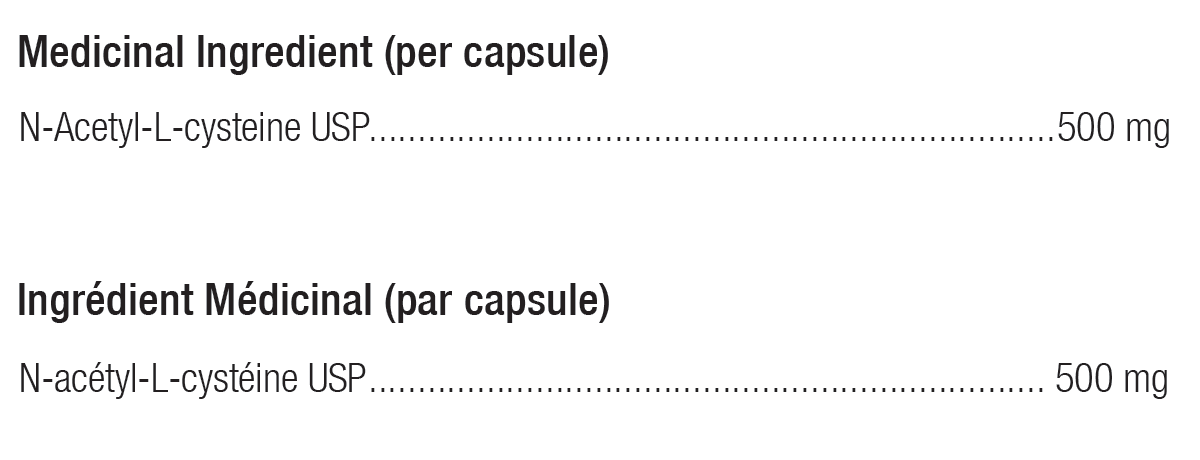
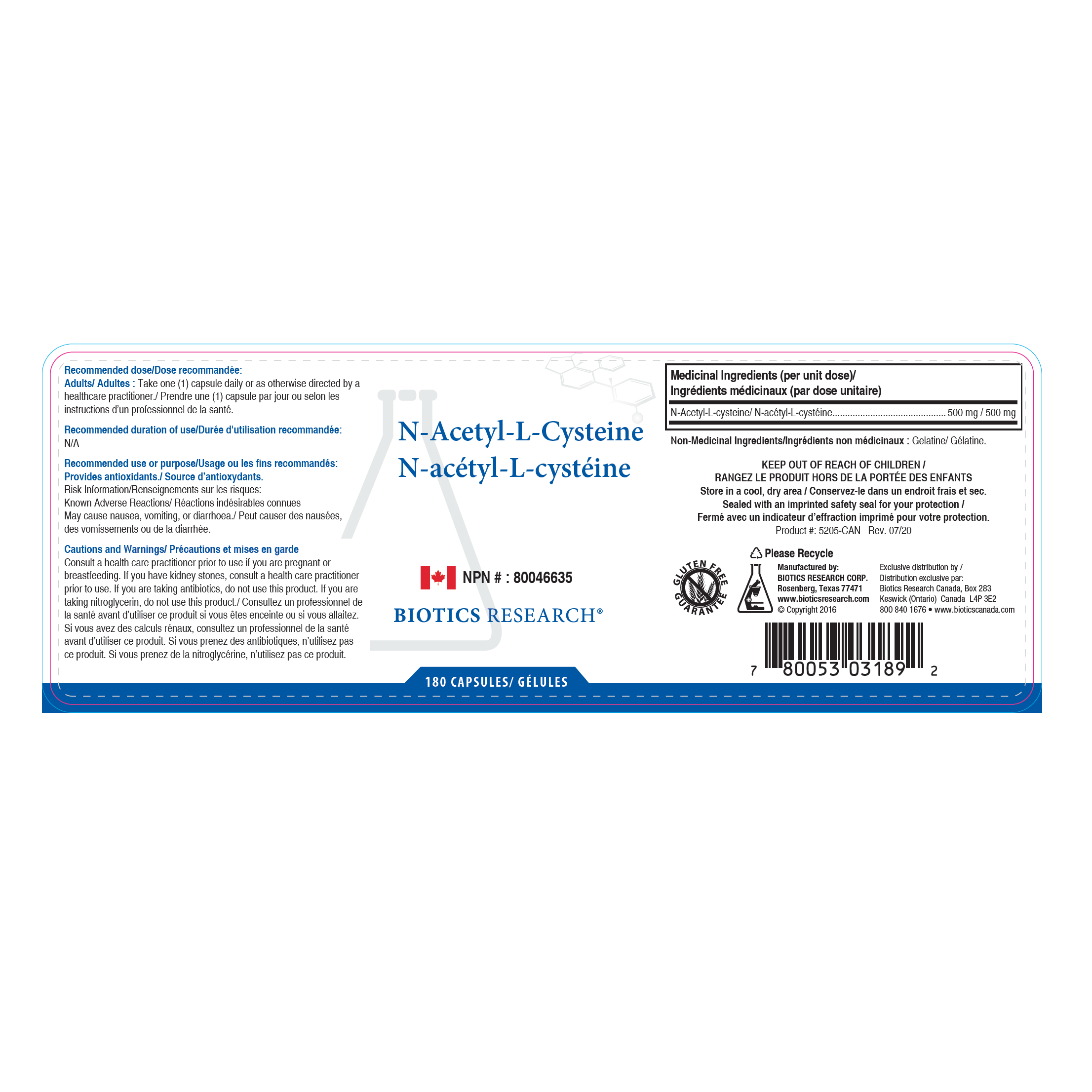
Compare the actual amount of N-acetylcysteine per serving.
Review the Format
Choose among capsules, tablets, powders, or sustained-release products according to preference and product directions.
Review Combination Ingredients
Some products include:
• Vitamin C
• Selenium
• Zinc
• Glycine
• Other antioxidants
Only choose additional ingredients when they suit your nutritional goals.
Avoid Unnecessary Megadosing
Higher NAC doses are not automatically more effective.
Review Medications
This is particularly important for people using nitrates, anticoagulants, antiplatelets, blood-pressure medications, or multiple prescription drugs.
Quality & Selection Considerations
When comparing NAC supplements, consider:
• Clearly stated NAC amount
• Appropriate Canadian product authorization where applicable
• Transparent ingredient labelling
• Manufacturing quality controls
• Independent testing where available
• Allergen information
• Appropriate storage
• Practical serving size
• Additional ingredients
Claims such as pharmaceutical-grade, professional-grade, clinically proven, detoxifying, highly bioavailable, or third-party tested should be verified for the individual product rather than assumed across the collection.
Safety & Precautions
Professional guidance is particularly appropriate for people who:
• Take nitroglycerin or other nitrate medications
• Take anticoagulant or antiplatelet medications
• Use blood-pressure medications
• Have significant asthma or respiratory disease
• Have active gastrointestinal ulcers or significant GI disease
• Have kidney or liver disease
• Are pregnant or breastfeeding
• Are preparing for surgery
• Are receiving cancer treatment
• Use NAC for a diagnosed medical or psychiatric condition
NAC supplementation should not delay assessment or treatment of persistent symptoms.
When Respiratory Symptoms Need Medical Attention
Seek appropriate medical care for:
• Significant shortness of breath
• Chest pain
• Coughing up blood
• Blue or grey lips or skin
• High fever with respiratory symptoms
• Confusion
• Severe wheezing
• Low oxygen levels
• Persistent or worsening cough
• Unexplained weight loss
NAC should not be used to self-manage potentially serious respiratory illness.
FAQs
What is NAC?
N-acetylcysteine is an acetylated derivative of the amino acid cysteine. It can provide cysteine for glutathione synthesis and also has established mucolytic properties.
Does NAC increase glutathione?
NAC can support glutathione synthesis by providing cysteine, which can be a limiting substrate for glutathione production under certain conditions.
Is NAC good for the lungs?
NAC has established mucus-thinning properties and has been used clinically in respiratory settings involving thick secretions. General supplements should not replace treatment for diagnosed lung disease.
Does NAC detox the liver?
NAC supports glutathione-related pathways important to liver physiology, but describing routine NAC supplementation as broadly “detoxing” or cleansing the liver is an oversimplification.
Why is NAC used for acetaminophen overdose?
Medical NAC helps restore glutathione availability so the body can neutralize a toxic acetaminophen metabolite. Suspected overdose requires emergency medical treatment rather than retail NAC supplementation.
Is NAC an antioxidant?
NAC primarily supports antioxidant defence through cysteine and glutathione-related mechanisms and can also participate in redox reactions.
Can NAC support immunity?
Glutathione and redox systems participate in normal immune function. NAC may support these pathways, but it should not be described as indiscriminately boosting immunity.
Why does NAC smell like sulfur?
NAC is a sulfur-containing compound and naturally has a distinctive sulfur-like odour. This is common and does not by itself indicate poor quality.
Can I take NAC every day?
Some products are intended for regular use, but appropriate duration depends on dose, purpose, medications, health status, and the specific product directions.
Does NAC help with mental health?
NAC has been studied in several psychiatric conditions, but evidence varies and it should not replace established mental-health treatment.
Why Shop N-Acetylcysteine (NAC) at Coal Harbour Pharmacy?
• Pharmacist-curated NAC supplements
• Capsules, tablets, powders, and specialized formulations where available
• Standalone NAC and combination antioxidant formulas
• Multiple strengths for different nutritional needs
• Products from established Canadian and professional supplement brands
• Transparent ingredient and dosing options
• Fast Canada-wide shipping
Related Collections
────────────────────────────────────
Shop N-Acetylcysteine (NAC) →
Sort by
16 products





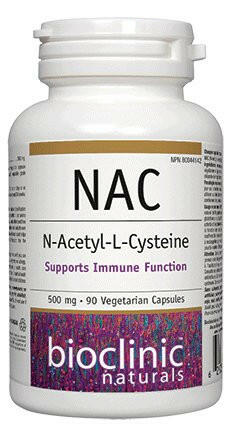
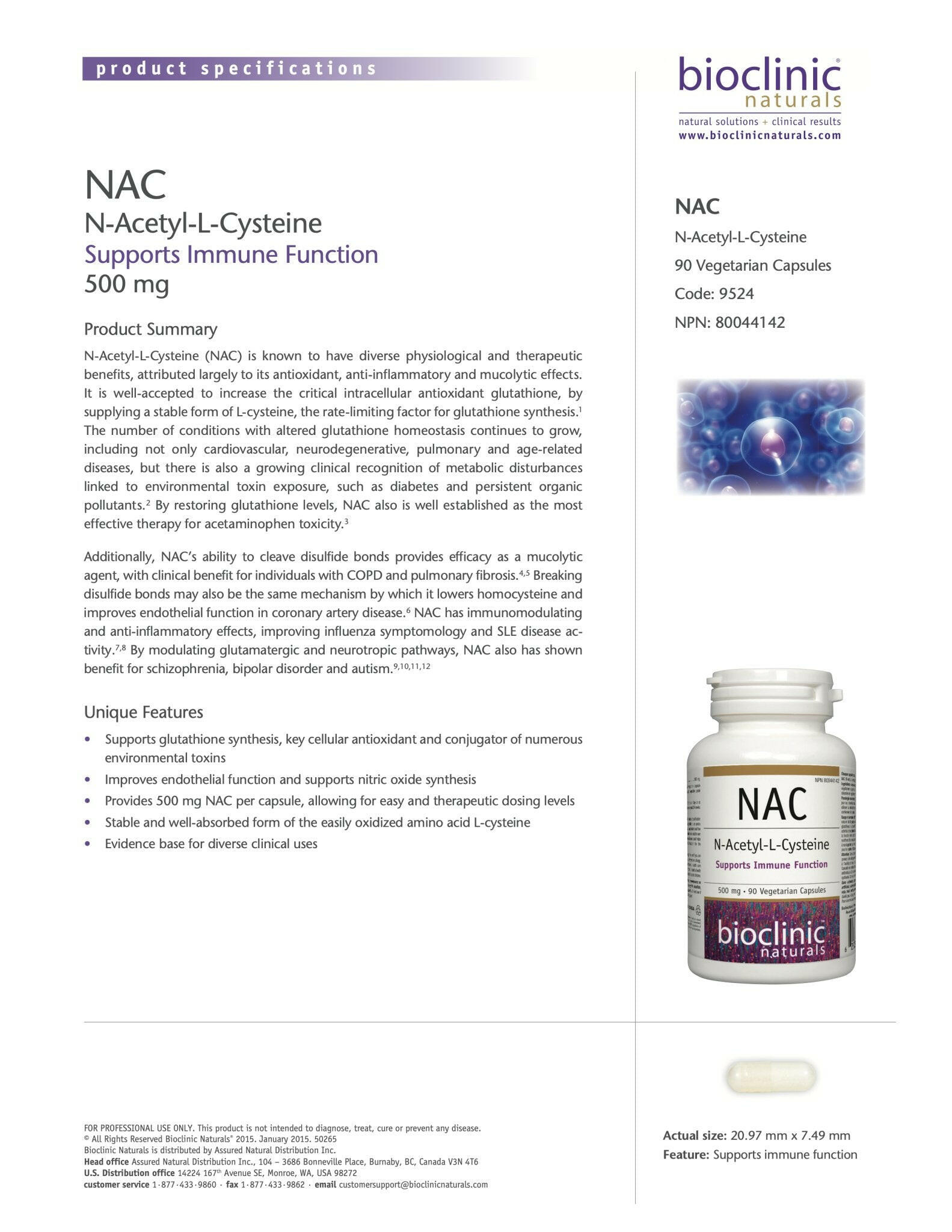
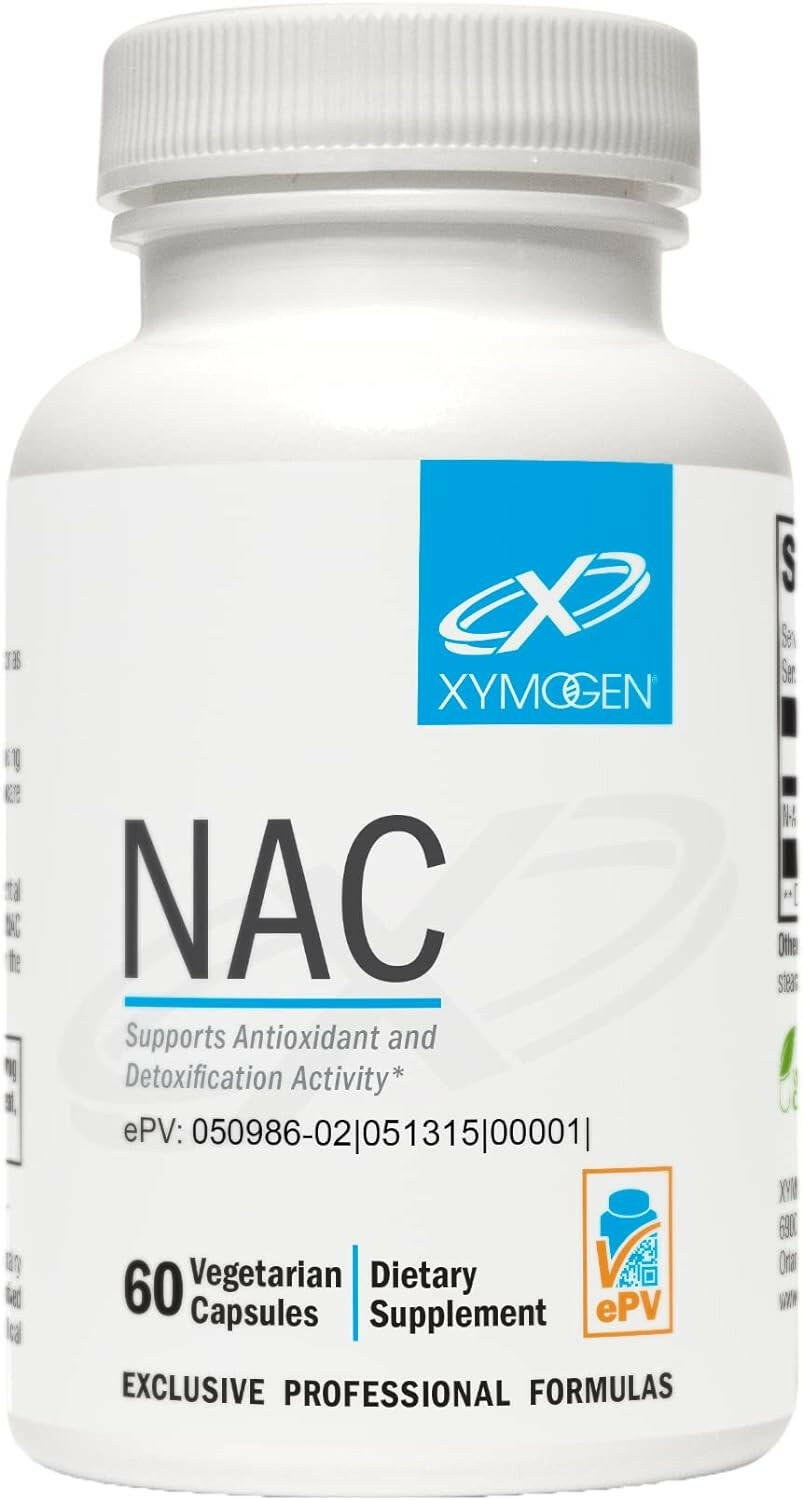
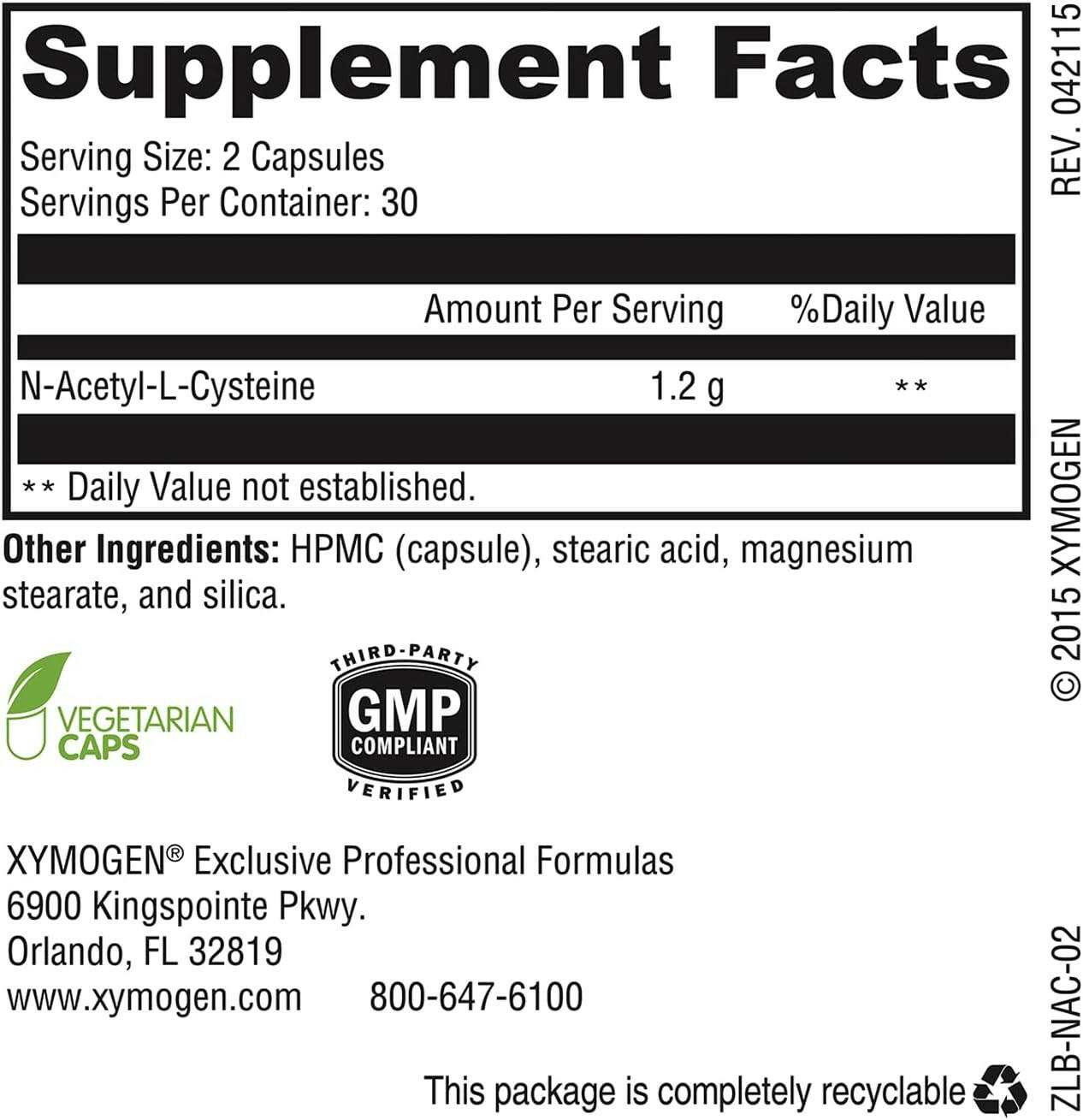
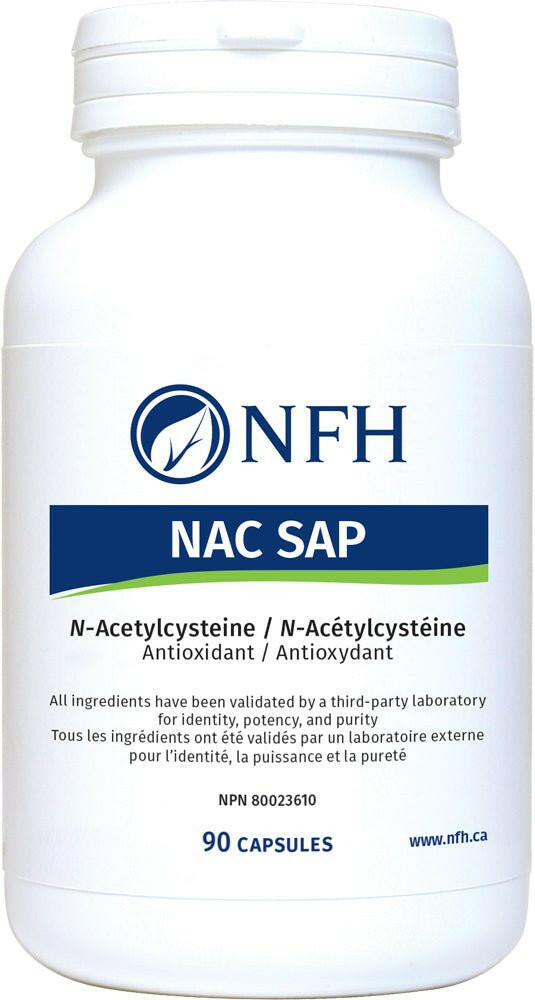
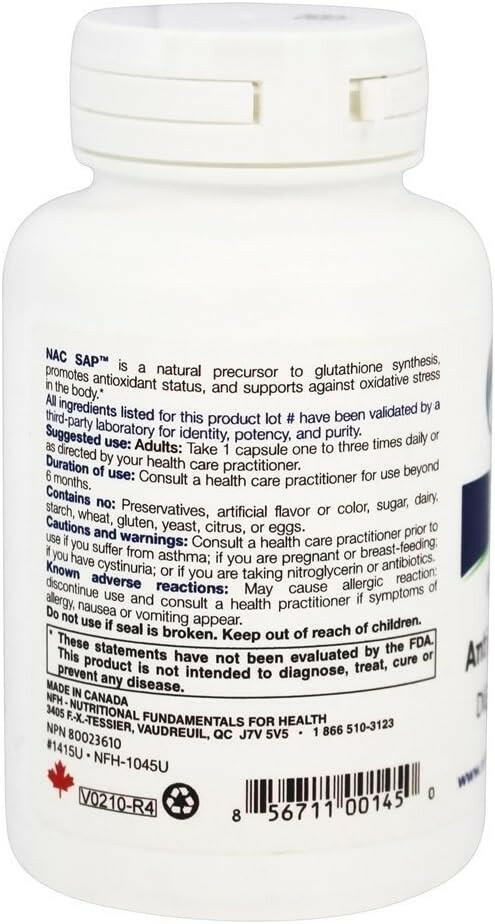
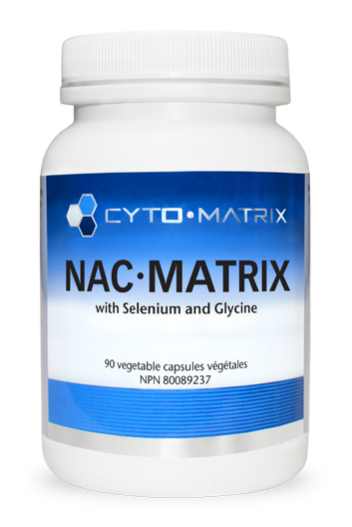
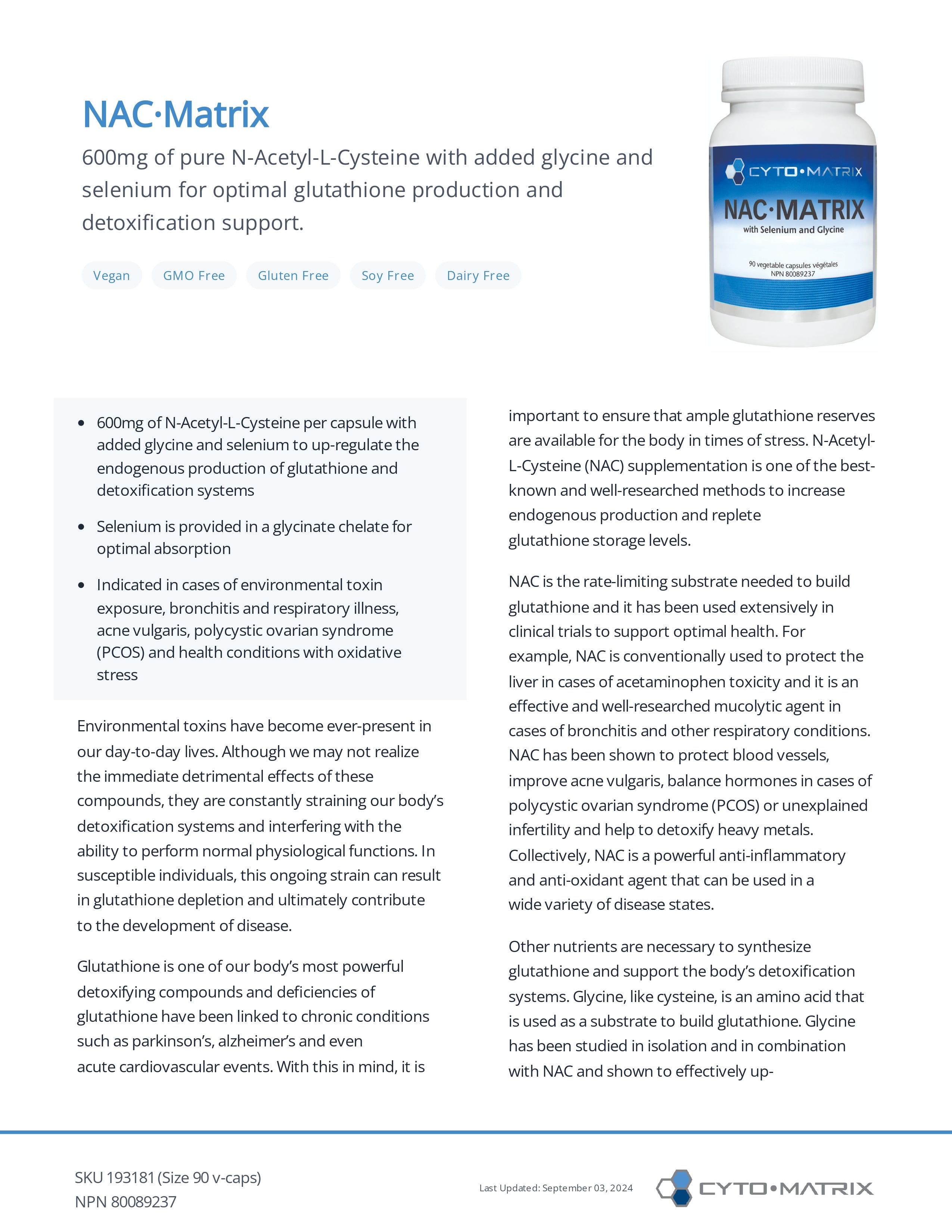


FREE STANDARD SHIPPING
Satisfied or refunded
Top-notch support
Secure payments
Encrypted checkout processing
Offers exclude prescriptions and in-store purchases.
Subscribe & Get a First-Order Reward
Plus, earning reward points on eligible online purchases and enjoy future store credit.
We respect your inbox at Coal Harbour Pharmacy - Expect thoughtfully curated health and wellness updates, timely reminders, and exclusive online savings.