
Male Fertility Health Supplements – Sperm Health & Reproductive Support
Explore evidence-informed male fertility supplements featuring antioxidants, vitamins, minerals, amino acids, and other nutrients selected to support normal sperm health, reproductive function, and preconception nutrition.
────────────────────────────────────
About Male Fertility Health Supplements
Male fertility depends on many interconnected factors, including sperm concentration, motility, morphology, DNA integrity, hormonal function, general health, and reproductive anatomy. Nutrition and lifestyle can influence some of these factors, but fertility is complex and cannot be reduced to a single nutrient or supplement.
The Male Fertility Health Supplements collection at Coal Harbour Pharmacy brings together nutritional and complementary products commonly used as part of male preconception and reproductive-health routines.
Depending on the formulation, products may contain nutrients such as zinc, selenium, CoQ10, L-carnitine, folate, vitamins C and E, omega-3 fatty acids, NAC, and other antioxidant compounds, alongside selected botanical ingredients.
These products are intended to support nutritional and reproductive wellness, not to guarantee conception or replace appropriate fertility assessment.
Key Benefits
• Supports nutritional factors involved in normal sperm production
• Provides antioxidant nutrients that help protect cells against oxidative stress
• Includes nutrients investigated for sperm motility and other semen parameters
• Supports normal energy metabolism and cellular function
• Provides nutrients involved in normal reproductive and hormonal physiology
• Supports preconception nutrition for men
• Offers single-ingredient and comprehensive fertility formulas
Who It’s Ideal For
Male fertility supplements may be relevant for:
• Men preparing for conception
• Couples taking a preconception approach to nutrition
• Men looking to support normal sperm health
• Individuals with identified nutritional gaps
• Men interested in antioxidant support during reproductive planning
• People following fertility-clinic or healthcare-professional recommendations
• Men looking for comprehensive preconception formulas rather than multiple individual supplements
Anyone experiencing difficulty conceiving should consider medical fertility evaluation rather than relying exclusively on supplements.
Understanding Male Fertility
Male-factor fertility issues can involve one or several semen or reproductive parameters.
Sperm Concentration
Refers to the number of sperm present within a given volume of semen.
Sperm Motility
Describes how effectively sperm move.
Sperm Morphology
Refers to sperm shape and structural characteristics.
Semen Volume
One component evaluated during semen analysis.
Sperm DNA Integrity
DNA fragmentation and other measures of sperm genetic integrity are increasingly studied in reproductive medicine.
Abnormalities in any one measurement do not automatically establish infertility. Results need to be interpreted within the broader clinical picture.
Oxidative Stress & Sperm Health
Sperm cells are particularly susceptible to oxidative damage, partly because their membranes contain substantial amounts of polyunsaturated fatty acids.
Reactive oxygen species also have normal physiological functions, so the objective is not to eliminate oxidation entirely.
Excessive oxidative stress, however, has been investigated as one potential contributor to impaired sperm function.
This has generated interest in nutrients and compounds such as:
• CoQ10
• Vitamins C and E
• Selenium
• Zinc
• NAC
• L-carnitine
• Other antioxidant nutrients
Although individual studies have reported improvements in certain semen parameters, evidence that antioxidant supplementation consistently improves pregnancy or live-birth rates remains less certain.
Key Nutrients for Male Fertility
Zinc
Zinc is an essential mineral involved in DNA synthesis, cell division, normal reproductive function, and maintenance of normal testosterone levels.
Adequate zinc is important, but taking excessive amounts does not automatically improve fertility and can interfere with copper status over time.
Selenium
Selenium contributes to normal antioxidant defence through selenium-containing enzymes and has physiological roles relevant to sperm development and function.
Both insufficient and excessive selenium intake can be undesirable, making appropriate dosing important.
Folate
Folate is required for normal DNA synthesis and cell division.
It is sometimes incorporated into male preconception formulas, although evidence does not support assuming that high-dose folic acid will improve fertility in every man.
Vitamin D
Vitamin D receptors are present in male reproductive tissues, and vitamin D status has been investigated in relation to reproductive health.
However, vitamin D supplementation should not be presented as a proven fertility treatment. Correcting inadequate vitamin D intake or deficiency is a separate nutritional consideration.
L-Carnitine
L-carnitine plays an important role in transporting fatty acids into mitochondria for energy metabolism.
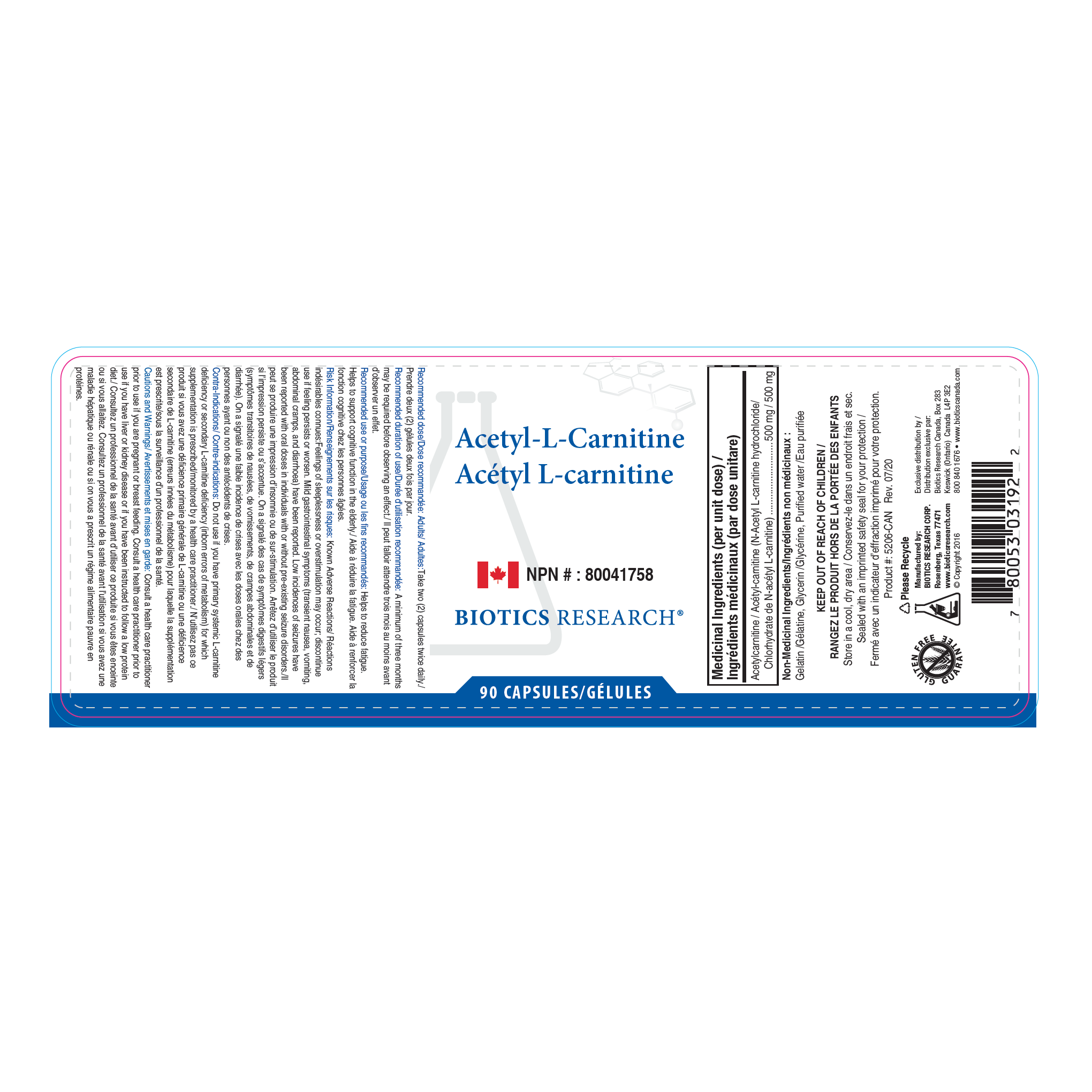
High concentrations of carnitine occur within the male reproductive tract, and L-carnitine and acetyl-L-carnitine have been studied extensively in relation to sperm motility and maturation.
Research suggests potential benefits for selected semen parameters in some men, although results vary according to population, dose, formulation, and duration.
L-carnitine should therefore be positioned as reproductive nutritional support, not as a guaranteed treatment for low sperm motility.
CoQ10
Coenzyme Q10 participates in mitochondrial energy production and also functions as an antioxidant.
Because sperm movement requires substantial cellular energy, CoQ10 has attracted considerable research interest in male fertility.
Some clinical studies have reported improvements in measures such as sperm concentration or motility following supplementation. Whether these changes consistently translate into greater pregnancy or live-birth rates remains less certain.
N-Acetyl Cysteine (NAC)
NAC provides cysteine used in the production of glutathione, an important endogenous antioxidant.
It has been investigated for its potential role in reducing oxidative stress and supporting selected semen parameters.
NAC is not a fertility medication, and evidence should be interpreted within the broader context of male reproductive health.
Omega-3 Fatty Acids
Sperm-cell membranes contain fatty acids that contribute to their structural and functional characteristics.
Omega-3 fatty acids—particularly EPA and DHA—have therefore been investigated in relation to sperm membrane composition and semen quality.
Omega-3 supplementation can complement a nutritionally balanced diet but should not be expected to correct infertility on its own.
Vitamins C & E
Vitamins C and E contribute to antioxidant protection through different physiological mechanisms.
Both are frequently included in male fertility formulas because oxidative stress has been associated with impaired semen quality.
More antioxidant supplementation is not necessarily better. Excessive intake can create unwanted effects and should be avoided.
Herbal & Botanical Ingredients
Male fertility and vitality formulas may also contain botanical ingredients.
Ashwagandha
Ashwagandha has been studied for stress, male reproductive parameters, and aspects of hormonal health. Some studies are promising, but results should not be generalized into a guarantee of increased testosterone or fertility.
Maca
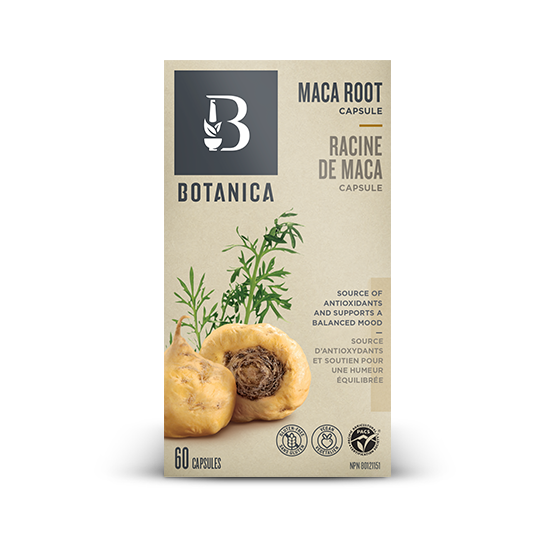
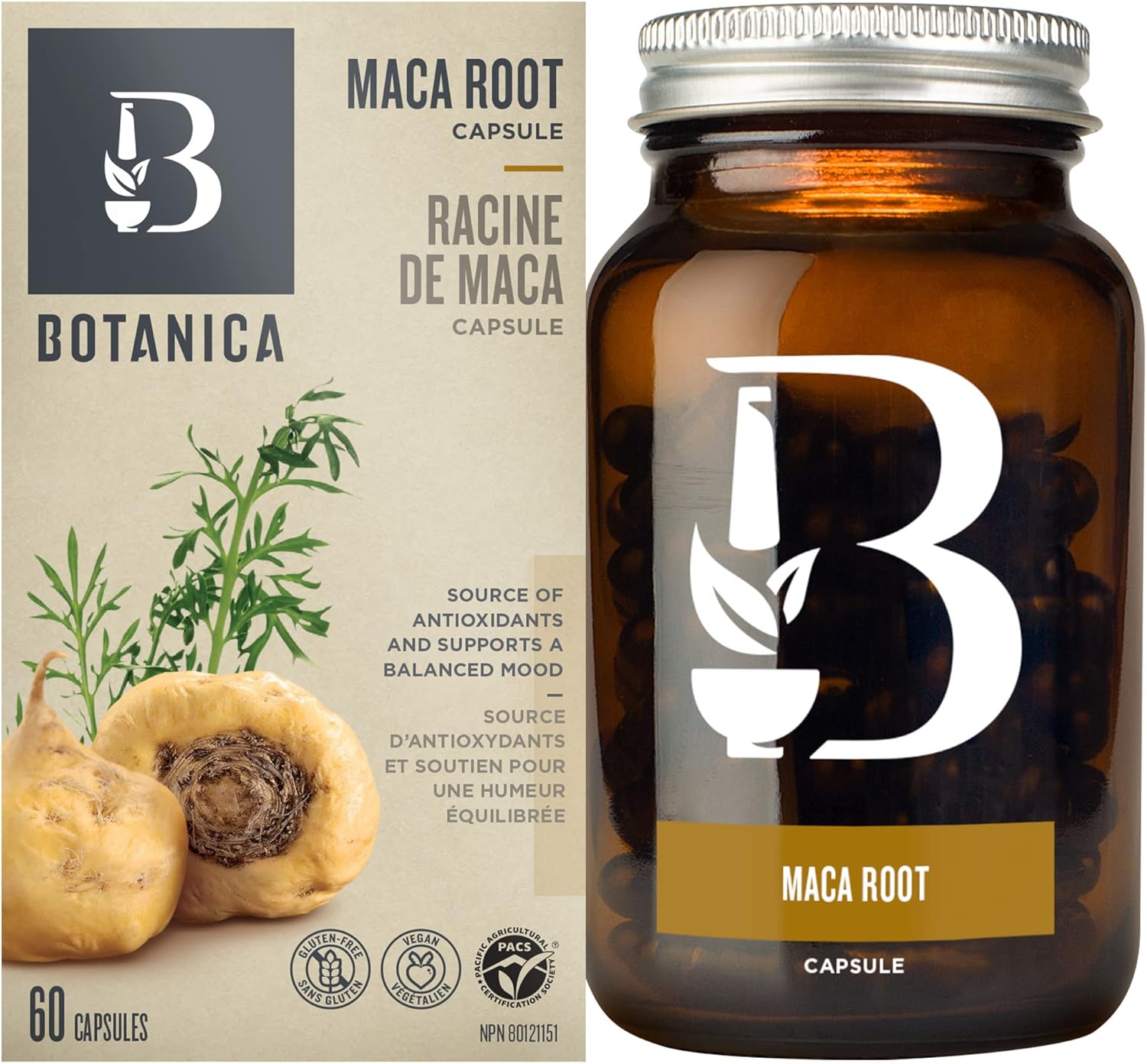
Maca has a long history of traditional use for sexual wellness and has been investigated for libido and semen parameters. Evidence remains limited and inconsistent for fertility outcomes.
Tongkat Ali
Tongkat Ali appears in men’s vitality and testosterone-support formulas. Research is evolving, but it should not be considered an established infertility treatment.
Fenugreek & Tribulus
These botanicals are common in men’s performance and hormonal formulas, but evidence supporting meaningful improvements in male fertility is limited.
Botanical ingredients can also have medication interactions and individual safety considerations.
Male Fertility Supplements Compared
|
Ingredient |
Primary Rationale |
Evidence Context |
|---|---|---|
|
L-Carnitine |
Sperm energy metabolism and motility |
Studied extensively; some positive semen-parameter findings |
|
CoQ10 |
Mitochondrial energy + antioxidant activity |
Promising research for selected semen parameters |
|
Zinc |
Reproductive physiology, DNA synthesis |
Essential nutrient; benefit depends partly on nutritional status |
|
Selenium |
Antioxidant enzymes and sperm function |
Essential nutrient with a relatively narrow appropriate intake range |
|
Folate |
DNA synthesis and cell division |
Biologically important; supplementation outcomes are mixed |
|
NAC |
Glutathione and antioxidant support |
Some promising research; evidence remains developing |
|
Omega-3s |
Sperm membrane composition |
Associations and clinical research are promising but not definitive |
|
Ashwagandha |
Stress and reproductive support |
Emerging evidence; larger high-quality trials needed |
|
Maca |
Traditional libido/reproductive use |
Limited evidence for fertility outcomes |
No single ingredient should be viewed as a universal “male fertility booster.”
Supplement Formats Available
Comprehensive Fertility Formulas
Multi-ingredient products combine several vitamins, minerals, antioxidants, and amino acids into a single daily regimen.
Capsules & Tablets
Convenient for individual nutrients and combination formulas.
Softgels
Frequently used for fat-soluble ingredients such as CoQ10 and omega-3 fatty acids.
Powders
Available for selected amino acids, antioxidants, and broader nutritional formulas.
Liquid Formulas
Available for selected nutrients and botanical extracts.
When comparing products, review the actual amounts of each active ingredient rather than choosing based only on the number of ingredients.
Lifestyle & Male Fertility
Supplements are only one component of reproductive wellness.
Male fertility may also be influenced by:
• Smoking and cannabis use
• Excessive alcohol intake
• Obesity and metabolic health
• Certain medications and anabolic steroids
• Occupational or environmental exposures
• Excessive heat exposure
• Poor sleep
• Nutritional deficiencies
• Some infections and medical conditions
• Varicocele and other reproductive conditions
A balanced diet, regular physical activity, appropriate body weight, adequate sleep, and avoidance of tobacco can support overall reproductive health.
How Long Does Sperm Development Take?
Sperm production and maturation occur over several weeks to months, rather than days.
This means changes in nutrition or lifestyle should not generally be expected to produce immediate measurable changes in semen parameters.
Clinical fertility studies commonly evaluate interventions over multiple months for this reason.
When to Consider a Fertility Assessment
Couples are generally encouraged to seek fertility evaluation when pregnancy has not occurred after an appropriate period of regular unprotected intercourse, with earlier evaluation appropriate in certain circumstances.
Male evaluation may include:
• Medical and reproductive history
• Semen analysis
• Physical examination
• Hormonal testing when indicated
• Additional testing based on individual findings
Evaluation is especially important when there is a history of testicular injury, reproductive surgery, chemotherapy, undescended testes, sexual dysfunction, known varicocele, or other relevant medical concerns.
Safety & Responsible Supplementation
Male fertility formulas can contain substantial amounts of vitamins, minerals, antioxidants, amino acids, and herbs.
Before combining multiple products, check for duplication—particularly with:
• Zinc
• Selenium
• Vitamin E
• Vitamin D
• Folate
• Other high-dose micronutrients
People taking prescription medications or managing chronic medical conditions should review complex fertility formulas with an appropriate healthcare professional.
Avoid assuming that very high antioxidant doses will produce better fertility outcomes.
FAQs
Do male fertility supplements increase sperm count?
Some nutrients and antioxidant formulas have been associated with improvements in sperm concentration or other semen parameters in selected studies. Results vary, and supplements cannot guarantee an increased sperm count.
What supplements are commonly studied for sperm motility?
L-carnitine and CoQ10 are among the ingredients frequently investigated, along with several antioxidant nutrients.
Can supplements improve sperm morphology?
Some studies report changes in morphology and other semen parameters following particular nutritional interventions, but results are inconsistent and depend on the underlying cause.
Does zinc increase testosterone?
Adequate zinc is necessary for normal physiological function, including reproductive health. Correcting zinc deficiency may be beneficial, but taking extra zinc when intake is already adequate does not guarantee higher testosterone.
Does CoQ10 improve male fertility?
CoQ10 has promising research related to selected sperm parameters, particularly motility, but evidence for improvements in pregnancy and live-birth outcomes is less definitive.
How long should male fertility supplements be taken?
Because sperm development takes several weeks to months, studies often assess supplementation over multiple months. Follow the specific product directions and professional recommendations.
Can antioxidants treat male infertility?
No. Antioxidants may support aspects of sperm health, but infertility can have many causes that require appropriate diagnosis and treatment.
Should both partners take fertility supplements?
Male and female preconception nutritional needs differ. Each partner should choose supplementation based on their own nutritional requirements and healthcare guidance rather than sharing the same fertility formula.
Can male fertility supplements guarantee pregnancy?
No. Conception depends on numerous male and female factors, and no supplement can guarantee pregnancy.
Why Shop Male Fertility Health Supplements at Coal Harbour Pharmacy?
• Pharmacist-curated male preconception and fertility-support formulas
• L-carnitine, CoQ10, zinc, selenium, antioxidants, and combination products
• Single-nutrient and comprehensive fertility options
• Trusted professional and natural-health brands
• Multiple supplement formats for different routines
• Fast Canada-wide shipping
Related Collections
• CoQ10
────────────────────────────────────
Shop Male Fertility Health Supplements →
Sort by
13 products





FREE STANDARD SHIPPING
Satisfied or refunded
Top-notch support
Secure payments
Encrypted checkout processing
Offers exclude prescriptions and in-store purchases.
Subscribe & Get a First-Order Reward
Plus, earning reward points on eligible online purchases and enjoy future store credit.
We respect your inbox at Coal Harbour Pharmacy - Expect thoughtfully curated health and wellness updates, timely reminders, and exclusive online savings.