
L-Carnitine – Energy Metabolism, Fat Utilization & Performance Support
Support cellular energy production and fat metabolism with quality L-carnitine supplements, including L-carnitine tartrate, acetyl-L-carnitine, and specialized forms for sports nutrition, healthy aging, and targeted wellness.
────────────────────────────────────
About L-Carnitine
L-carnitine is a naturally occurring compound made from the amino acids lysine and methionine. Its best-established biological role is transporting long-chain fatty acids into the mitochondria, where they can be oxidized and used in cellular energy production.
The body can normally synthesize carnitine, and it is also obtained through food—particularly meat and other animal-derived foods.
The L-Carnitine collection at Coal Harbour Pharmacy features pharmacist-curated supplements for people interested in energy metabolism, sports nutrition, exercise recovery, healthy aging, and targeted carnitine supplementation.
Different forms of carnitine have distinct characteristics, making it important to choose according to the intended use rather than treating all carnitine supplements as interchangeable.
Key Benefits
• Supports normal cellular energy metabolism
• Helps transport long-chain fatty acids into mitochondria
• Plays an essential role in normal fatty-acid oxidation
• Provides targeted nutritional support for active lifestyles
• Offers specialized forms for different nutritional applications
• May complement exercise and recovery routines
• Provides options for people with lower dietary carnitine intake
• Available in capsules, tablets, liquids, powders, and combination formulas
Who It’s Ideal For
Depending on the formulation and individual needs, L-carnitine may be considered by:
• Athletes and physically active adults
• People building a targeted sports nutrition routine
• Vegetarians and vegans with relatively low dietary carnitine intake
• Adults interested in mitochondrial and energy metabolism
• People looking for acetyl-L-carnitine (ALCAR)
• Individuals specifically advised to supplement carnitine by a healthcare professional
L-carnitine supplementation is not necessary for every healthy adult, since the body normally produces carnitine and can maintain stores under typical circumstances.
What Is L-Carnitine?
Carnitine plays an important role in the transport of long-chain fatty acids across the inner mitochondrial membrane.
Mitochondria can then use these fatty acids in beta-oxidation, contributing to cellular energy production.
Carnitine also participates in maintaining appropriate mitochondrial concentrations of certain acyl compounds.
This metabolic role explains why L-carnitine is frequently associated with energy and fat metabolism, but it does not mean that taking additional carnitine automatically causes increased fat loss.
L-Carnitine & Energy Metabolism
Fatty acids are an important energy source, particularly during lower-intensity and prolonged activity.
L-carnitine is required for the normal transport of certain fatty acids into mitochondria, making it physiologically essential to energy metabolism.
However, in people who already have adequate carnitine status, taking more does not necessarily translate into a noticeable increase in everyday energy or exercise performance.
L-Carnitine & Fat Metabolism
L-carnitine is often marketed as a “fat burner” because of its role in transporting fatty acids into mitochondria.
That description can be misleading.
Although carnitine is essential to normal fat oxidation, supplementation alone is not a reliable shortcut to fat loss. Research examining L-carnitine and body weight has produced variable results, and any effect is generally much more modest than typical fat-burning marketing suggests.
For weight management, the primary foundations remain:
• Appropriate overall calorie intake
• Nutritionally balanced food choices
• Regular physical activity
• Adequate protein
• Sleep and recovery
• Sustainable long-term habits
L-carnitine is better positioned as fat-metabolism support rather than a stand-alone weight-loss solution.
Types of L-Carnitine
L-Carnitine
The standard form provides straightforward carnitine supplementation and is commonly available in capsules, liquids, tablets, and powders.
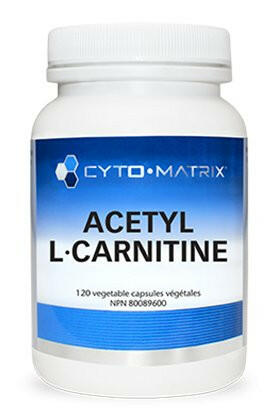
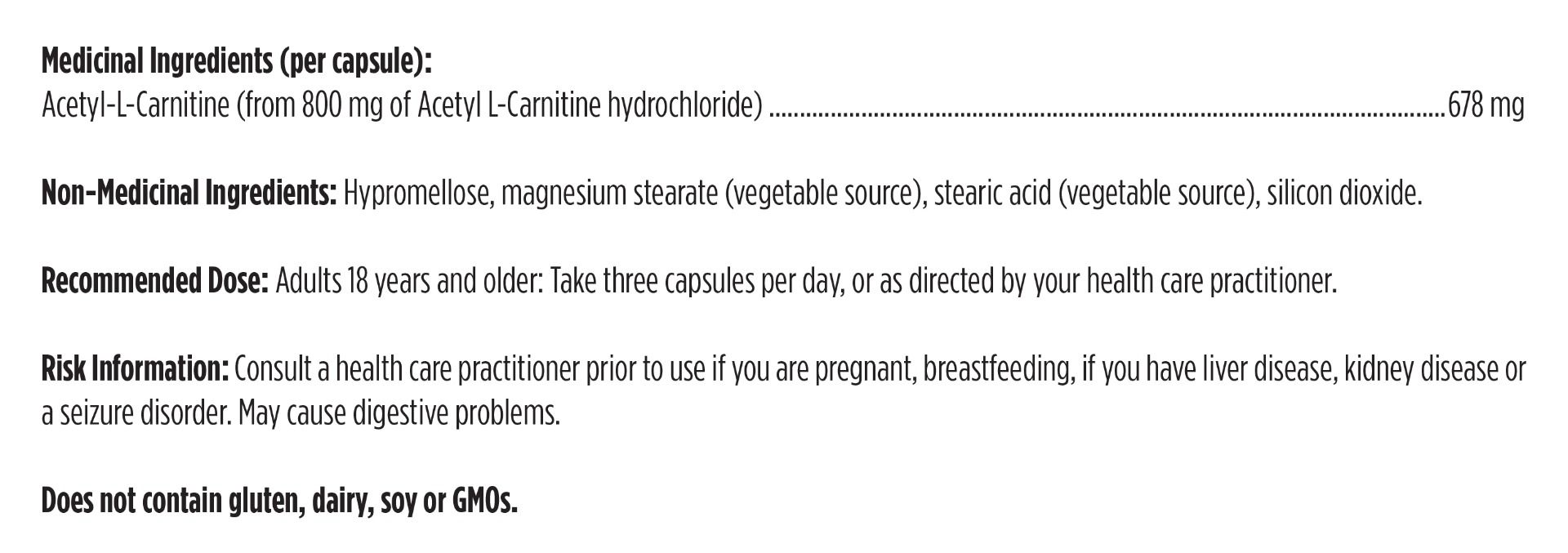
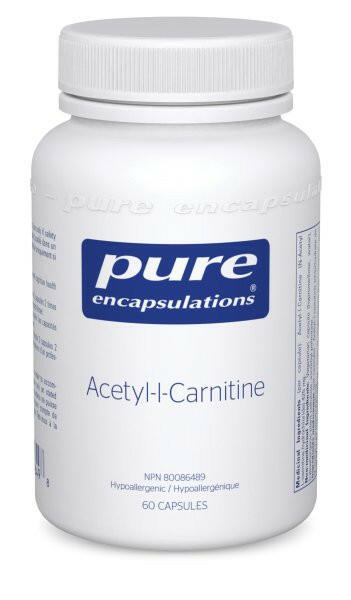
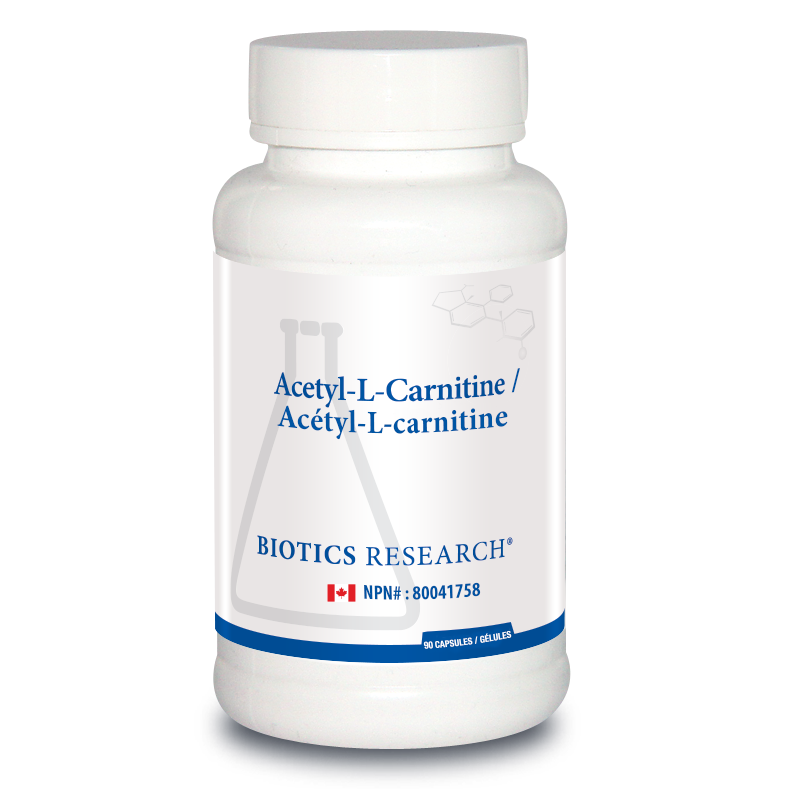
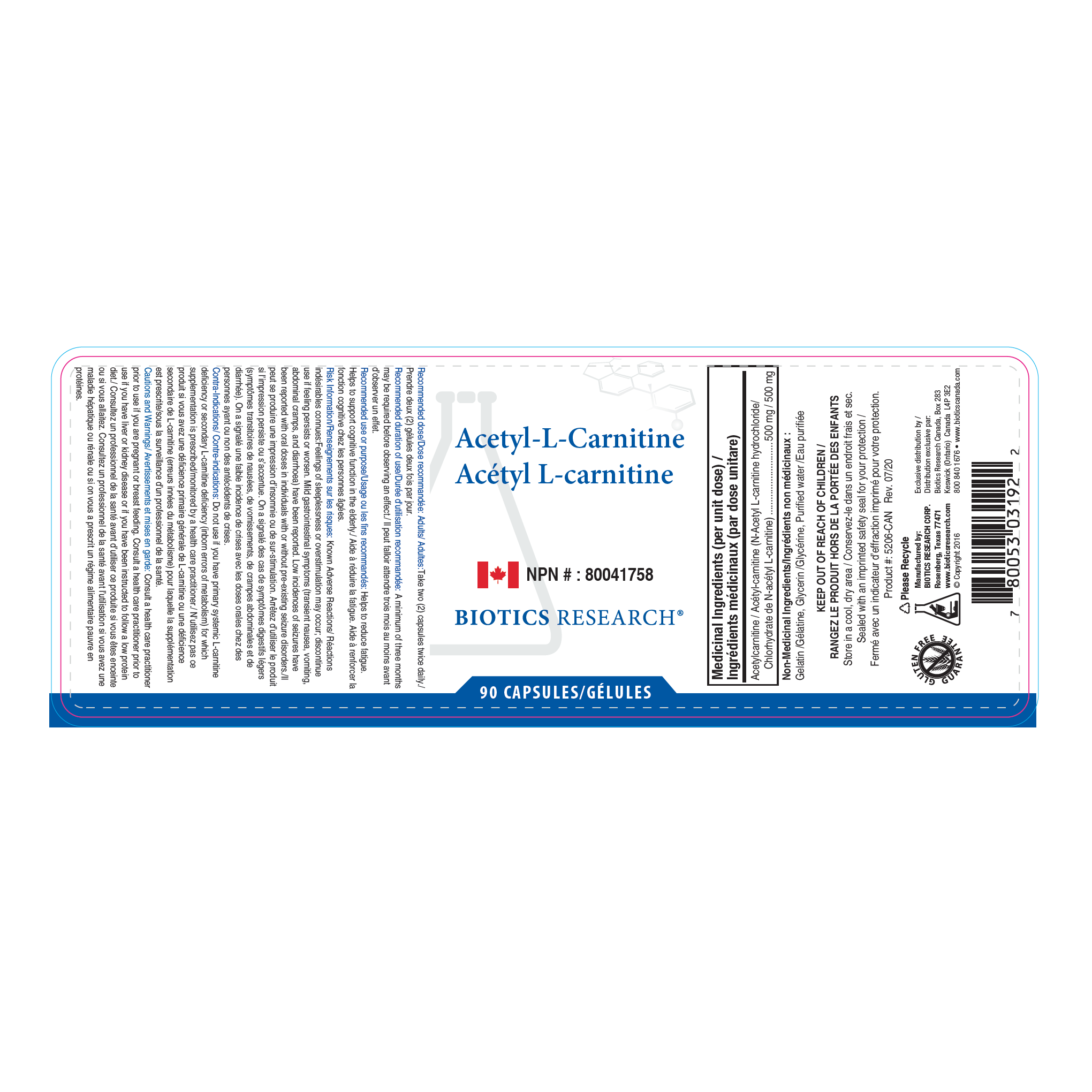
Acetyl-L-Carnitine (ALCAR)
Acetyl-L-carnitine is an acetylated form of carnitine capable of reaching the central nervous system.
It is commonly used in supplements targeting:
• Cognitive wellness
• Healthy aging
• Nervous-system support
• Cellular energy metabolism
Research has investigated ALCAR for several neurological applications, but it should not be presented as a treatment for memory loss or neurological disease without appropriate medical guidance.
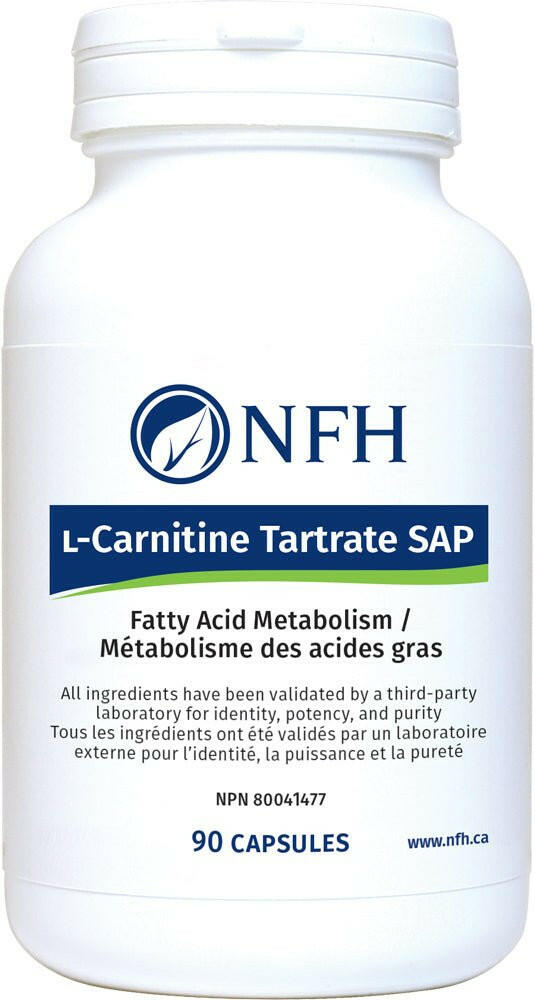
L-Carnitine L-Tartrate
L-carnitine L-tartrate is frequently used in sports nutrition and exercise-recovery formulas.
It has been studied in relation to exercise metabolism, muscle recovery, and markers associated with exercise-induced muscle stress.
Propionyl-L-Carnitine
Propionyl-L-carnitine is a specialized form that has been investigated particularly in relation to vascular and circulatory function.
It is less commonly found in general wellness supplements than standard L-carnitine or ALCAR.
L-Carnitine & Athletic Performance
L-carnitine is popular in sports nutrition because of its fundamental role in energy metabolism.
Research has investigated supplementation in relation to:
• Exercise metabolism
• Recovery
• Muscle soreness
• Training-related muscle stress
• Endurance and performance
Results vary according to the form, dose, duration, population, and exercise protocol.
L-carnitine should therefore complement—not replace—the nutritional foundations that have a more direct impact on athletic performance, including sufficient calories, carbohydrates, protein, hydration, and recovery.
L-Carnitine & Exercise Recovery
Some research, particularly involving L-carnitine L-tartrate, has explored potential effects on markers associated with recovery from exercise.
Athletes considering carnitine specifically for recovery should still prioritize:
• Adequate protein and essential amino acids
• Carbohydrate replacement when appropriate
• Hydration and electrolytes
• Sleep
• Appropriate rest between demanding training sessions
• Progressive training rather than excessive workload
Natural Sources of L-Carnitine
Carnitine is found primarily in animal-derived foods.
Higher Dietary Sources
• Beef
• Lamb
• Other red meats
Additional Sources
• Fish
• Poultry
• Milk and dairy products
Plant foods generally provide substantially less carnitine.
Vegetarians and vegans typically consume less dietary carnitine, although the body can synthesize it internally. Lower dietary intake alone does not automatically mean supplementation is required.
Available L-Carnitine Formats
Capsules & Tablets
Convenient for consistent, measured supplementation.
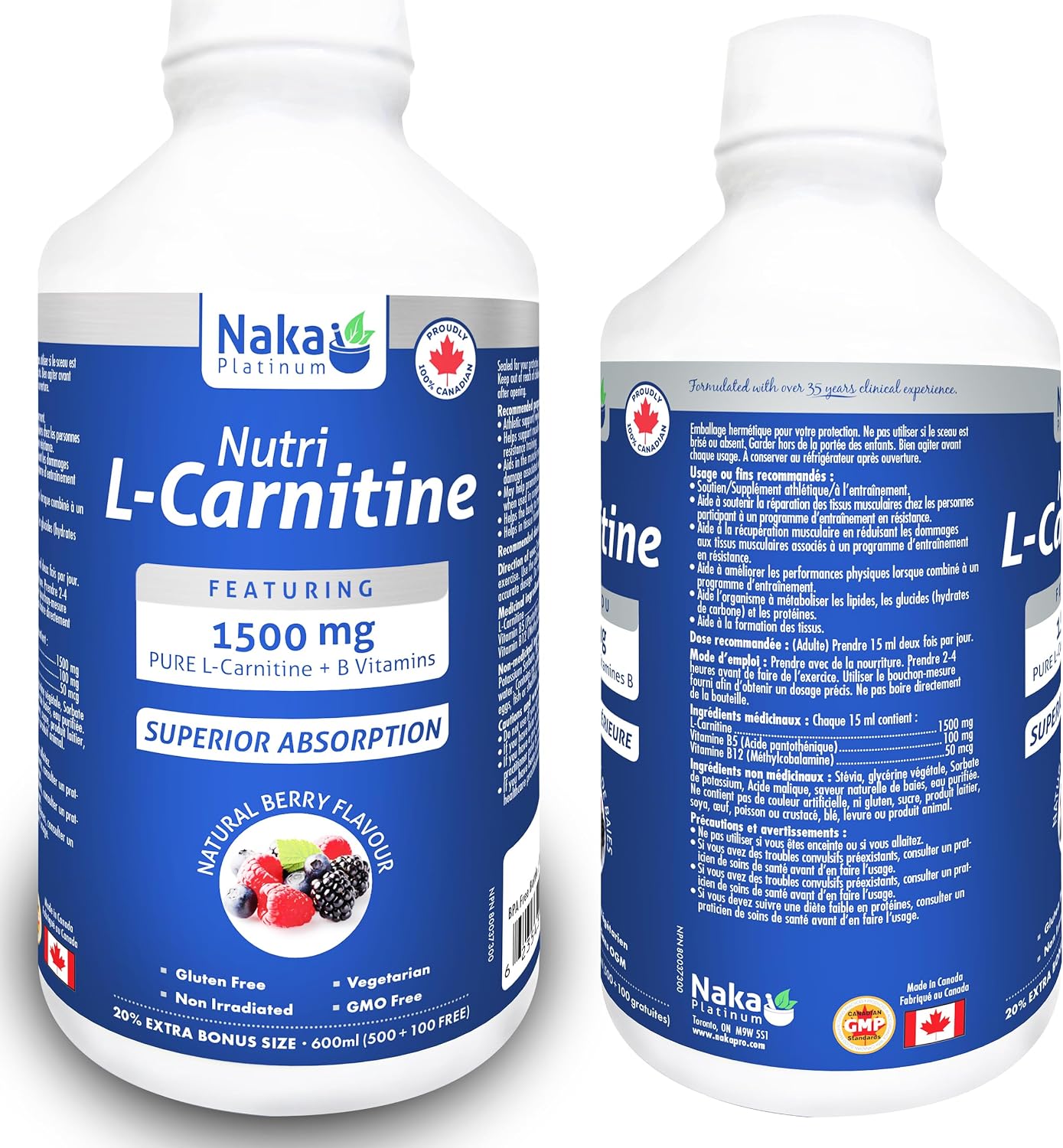
Liquid L-Carnitine
Provides an alternative for people who prefer not to swallow capsules and may offer flexible serving sizes.
Powder
Convenient for incorporating L-carnitine into shakes or sports nutrition routines.
Combination Formulas
Carnitine may also be included alongside other ingredients in performance, energy, mitochondrial, or healthy-aging formulas.
How to Choose an L-Carnitine Supplement
Consider:
Form of Carnitine
Choose standard L-carnitine, L-carnitine L-tartrate, ALCAR, or another form according to the intended nutritional purpose.
Amount per Serving
Compare the actual amount of the relevant carnitine form provided per serving.
Format
Choose capsules, liquids, tablets, or powders according to convenience and desired serving size.
Ingredient Transparency
Look for clearly labelled formulas without unnecessary complexity.
Quality Standards
Competitive athletes may also want independently sport-certified products to help manage prohibited-substance risk.
Dosage & Safety
L-carnitine products vary significantly in formulation and intended use, so there is no single dose appropriate for everyone.
Follow the directions on the individual product or recommendations from a qualified healthcare professional.
Higher supplemental amounts can cause gastrointestinal effects such as:
• Nausea
• Abdominal discomfort
• Diarrhea
• A characteristic fishy body odour in some individuals
People who are pregnant or breastfeeding, have a medical condition, take prescription medication, or require therapeutic carnitine supplementation should seek professional guidance.
FAQs
What does L-carnitine do?
Its primary physiological role is helping transport long-chain fatty acids into mitochondria, where they can be used in cellular energy metabolism.
Does L-carnitine burn fat?
L-carnitine is necessary for normal fatty-acid metabolism, but taking additional L-carnitine does not automatically make the body burn substantially more fat. It should not be treated as a stand-alone fat-loss product.
Can L-carnitine help with weight loss?
Research has found variable and generally modest effects in some populations. Diet, energy balance, physical activity, sleep, and other lifestyle factors remain substantially more important.
Which form of L-carnitine is best for sports nutrition?
L-carnitine L-tartrate is commonly used in sports nutrition and has been studied in exercise and recovery contexts. The most appropriate option depends on the intended goal and formulation.
What is acetyl-L-carnitine used for?
ALCAR is commonly selected for supplements focused on cognitive, nervous-system, mitochondrial, and healthy-aging support.
Is L-carnitine useful for vegetarians and vegans?
Plant-based diets generally provide less carnitine than diets containing meat, but the body can synthesize carnitine. Supplementation should therefore be based on individual needs rather than assumed necessary for everyone following a plant-based diet.
Does L-carnitine improve athletic performance?
Evidence is mixed and depends on the population, supplementation protocol, and outcome measured. It should not be presented as a guaranteed performance enhancer.
How long does L-carnitine take to work?
There is no reliable universal timeline such as two to four weeks. Any effect depends on carnitine status, formulation, dose, duration, diet, and the outcome being measured.
Why Shop L-Carnitine at Coal Harbour Pharmacy?
• Pharmacist-curated carnitine supplements
• L-carnitine, ALCAR, and specialized forms
• Sports nutrition and healthy-aging options
• Capsules, tablets, liquids, and powders
• Quality-focused supplement brands
• Fast Canada-wide shipping
Related Collections
• Individual Amino Acid Supplements
────────────────────────────────────
Shop L-Carnitine →
Sort by
13 products








FREE STANDARD SHIPPING
Satisfied or refunded
Top-notch support
Secure payments
Encrypted checkout processing
Offers exclude prescriptions and in-store purchases.
Subscribe & Get a First-Order Reward
Plus, earning reward points on eligible online purchases and enjoy future store credit.
We respect your inbox at Coal Harbour Pharmacy - Expect thoughtfully curated health and wellness updates, timely reminders, and exclusive online savings.