
Multiminerals – Complete Mineral Support for Daily Health
Explore pharmacist-curated multimineral supplements combining essential macro and trace minerals such as calcium, magnesium, zinc, selenium, copper, manganese, iodine, chromium, and molybdenum to support bone health, muscle and nerve function, electrolyte balance, metabolism, and everyday nutritional adequacy.
────────────────────────────────────
About Multiminerals
Minerals are essential nutrients involved in thousands of structural and biochemical processes throughout the body. Unlike vitamins, minerals are inorganic elements and must ultimately come from dietary or supplemental sources.
Multimineral supplements combine several minerals in one formula, providing a convenient option for people who want broader mineral coverage without taking numerous individual products.
Depending on the formulation, a multimineral may include calcium, magnesium, zinc, selenium, copper, manganese, iodine, chromium, molybdenum, and other trace minerals. Some products also contain iron or modest amounts of electrolyte minerals.
The goal of multimineral supplementation should be nutritional adequacy, not maximizing mineral intake. More minerals, larger doses, and higher percentages of Daily Value do not automatically make a formula better.
Key Benefits
Depending on its composition, a multimineral may help:
• Fill dietary gaps in essential mineral intake
• Support normal bone and teeth maintenance
• Maintain normal muscle function
• Support normal nervous-system function
• Contribute to electrolyte balance
• Support normal energy metabolism through mineral-dependent enzymes
• Maintain normal immune function
• Support endogenous antioxidant enzyme systems
• Support normal thyroid physiology when appropriate nutrients are provided
• Provide several essential minerals in one convenient formula
Benefits depend on the nutrients included, their amounts, dietary intake, health status, and individual requirements.
Who It’s Ideal For
Multiminerals may be useful for:
• Adults with identified or likely dietary mineral gaps
• People with limited dietary variety
• Individuals following restrictive diets
• Some vegetarian or vegan individuals
• People looking for convenient broad-spectrum mineral support
• Adults who prefer one formula rather than several individual minerals
• People seeking an iron-free mineral formula when additional iron is unnecessary
• Individuals using a professionally recommended micronutrient program
Not everyone requires a multimineral. A varied diet can provide substantial amounts of most essential minerals.
What Are Multimineral Supplements?
Multiminerals are supplements containing multiple essential or nutritionally relevant minerals within one formulation.
They can range from relatively simple combinations such as:
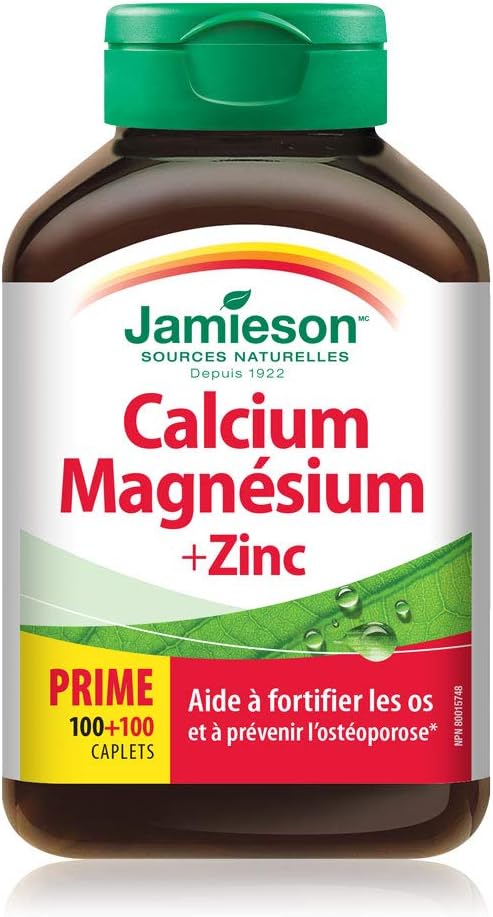
Calcium + Magnesium + Zinc
to comprehensive formulas containing a broader spectrum of macro and trace minerals.
Multiminerals should not be confused with multivitamins, although many multivitamin products also contain minerals.
Macro Minerals vs Trace Minerals
Minerals can broadly be grouped according to the quantities required by the body.
Macro Minerals
These are required in relatively larger amounts and include:
• Calcium
• Magnesium
• Potassium
• Sodium
• Chloride
• Phosphorus
Trace Minerals
These are required in much smaller quantities and include:
• Iron
• Zinc
• Copper
• Selenium
• Manganese
• Iodine
• Chromium
• Molybdenum
“Trace” does not mean unimportant. These nutrients can be essential even though requirements are small.
Do Minerals Work Synergistically?
Minerals participate in interconnected physiological systems, but describing every multimineral formula as automatically “synergistic” can be misleading.
Minerals can:
• Complement one another physiologically
• Compete for absorption
• Affect each other’s metabolism
• Have very different daily requirements
For example, chronically excessive zinc can contribute to copper deficiency.
A thoughtfully formulated multimineral should therefore consider balance and appropriate amounts, rather than simply maximizing every mineral.
Calcium
Calcium is best known for its structural role in bones and teeth, but it is also required for:
• Muscle contraction
• Nerve signalling
• Blood clotting
• Cellular communication
Supplementation can help when dietary calcium intake is insufficient.
However, more calcium is not automatically better, and total intake from food plus supplements should be considered.
Magnesium
Magnesium participates in hundreds of enzymatic reactions and contributes to:
• Normal muscle function
• Normal nervous-system function
• Energy metabolism
• Electrolyte balance
• Protein synthesis
• Bone health
Multiminerals may contain magnesium in forms such as citrate, glycinate, oxide, or other mineral salts.
The amount of elemental magnesium is more informative than the weight of the entire magnesium compound.
Potassium
Potassium is a major intracellular electrolyte involved in:
• Fluid balance
• Nerve signalling
• Muscle function
• Normal cardiovascular physiology
Most potassium should come from food.
Multiminerals often provide relatively small quantities because potassium requirements are large compared with those of many trace minerals.
People with kidney disease or those using medications that raise potassium should be particularly cautious with supplemental potassium.
Sodium & Chloride
Sodium and chloride are essential electrolytes involved in:
• Fluid balance
• Nerve impulses
• Muscle function
• Acid-base physiology
Most people obtain substantial sodium and chloride through food.
Dedicated electrolyte replacement may be more appropriate than a general multimineral when the goal is replacing significant sweat losses.
Zinc
Zinc contributes to:
• Normal immune function
• Protein and DNA synthesis
• Wound healing
• Reproductive physiology
• Numerous enzyme systems
Zinc is essential, but prolonged excessive supplementation can interfere with copper metabolism.
Check the combined zinc intake from multiminerals, immune formulas, lozenges, and other supplements.
Selenium
Selenium is required for selenoproteins involved in:
• Antioxidant defence
• Thyroid hormone metabolism
• Immune function
• Cellular processes
Selenium requirements are small.
Excessive intake can cause selenosis, so high-dose selenium should not be added unnecessarily to a comprehensive multimineral routine.
Copper
Copper contributes to:
• Iron metabolism
• Connective-tissue formation
• Normal nervous-system function
• Pigmentation
• Antioxidant enzyme activity
Copper and zinc balance can be particularly relevant when zinc is taken in substantial amounts over long periods.
People with disorders of copper metabolism, including Wilson disease, require specialized medical guidance.
Manganese
Manganese functions as a cofactor for multiple enzymes and contributes to:
• Normal connective-tissue formation
• Bone physiology
• Nutrient metabolism
• Antioxidant defence through manganese superoxide dismutase
Deficiency is uncommon, and excessive exposure can be harmful.
Higher amounts should therefore not be interpreted as superior.
Iodine
Iodine is required for the synthesis of thyroid hormones.
Adequate intake is essential, but both too little and too much iodine can adversely affect thyroid function.
Iodine supplements should not be viewed as metabolism boosters.
People with thyroid disorders should consider their total iodine intake carefully.
Chromium
Chromium is commonly included in multiminerals and products marketed for glucose metabolism.
Chromium has historically been considered relevant to normal macronutrient metabolism, although its precise essentiality and physiological role in humans continue to be discussed scientifically.
Supplemental chromium should not be presented as a treatment for diabetes or a reliable weight-loss aid.
Molybdenum
Molybdenum is an essential trace mineral required as part of a cofactor used by several specialized enzymes.
These enzymes participate in processes including:
• Sulfite metabolism
• Purine metabolism
• Processing certain metabolic compounds
Molybdenum does not broadly “detox” the body or flush toxins.
Because requirements are very small, multiminerals generally provide only trace quantities.
Iron
Some multiminerals contain iron, while others are intentionally iron-free.
Iron is required for:
• Hemoglobin formation
• Oxygen transport
• Myoglobin
• Numerous enzymes
However, iron should not automatically be included for everyone.
Requirements vary significantly according to age, sex, menstrual status, pregnancy, diet, and iron stores.
Excessive iron can be harmful.
Iron-Free Multiminerals
Iron-free formulas may be appropriate for people who:
• Already obtain sufficient iron
• Take a separate iron supplement
• Are adult men without an identified need for supplemental iron
• Are postmenopausal women without an identified need
• Have been advised to avoid additional iron
Iron status should be evaluated individually rather than assuming everyone needs—or should avoid—iron.
Calcium–Magnesium Complexes
Calcium-magnesium products are among the most common mineral combinations.
They are often selected to support:
• Bone health
• Normal muscle function
• Normal nerve function
Both minerals are essential, but there is no universal calcium-to-magnesium ratio that is optimal for every person.
Dietary intake should be considered when choosing a formula.
Trace Mineral Blends
Trace-mineral formulas may provide combinations of:
• Zinc
• Selenium
• Copper
• Manganese
• Iodine
• Chromium
• Molybdenum
Some may contain additional elements marketed as trace minerals.
Not every element found naturally in the body or environment has an established essential nutritional role in humans.
Electrolyte Multiminerals
Some mineral products emphasize electrolyte support.
Electrolytes include sodium, potassium, chloride, magnesium, and calcium.
These minerals contribute to fluid balance and normal neuromuscular function.
However, a standard multimineral may not contain sufficient sodium or other electrolytes to replace significant losses during prolonged exercise, heat exposure, vomiting, or diarrhea.
Multiminerals & Bone Health
Bone health depends on more than calcium.
Important nutritional factors include:
• Calcium
• Vitamin D
• Protein
• Magnesium
• Phosphorus
• Vitamin K
Other trace minerals participate in bone physiology as well.
Resistance and weight-bearing exercise are also important.
A multimineral can complement these foundations but cannot independently prevent all age-related bone loss.
Multiminerals & Muscle Function
Calcium, magnesium, potassium, and sodium all participate in normal muscle physiology.
However, muscle cramps, weakness, or twitching are not automatically signs of mineral deficiency.
Other causes can include:
• Neuromuscular fatigue
• Medication effects
• Training load
• Dehydration
• Circulatory or neurological conditions
• Other electrolyte disturbances
Persistent symptoms warrant appropriate assessment.
Multiminerals & Nerve Function
Minerals contribute to electrical gradients and signalling throughout the nervous system.
Sodium, potassium, calcium, and magnesium are particularly important in nerve and muscle physiology.
Meeting nutritional requirements supports normal function, but additional mineral supplementation beyond requirements does not necessarily enhance nerve performance.
Multiminerals & Energy
Minerals do not provide calories.
Instead, minerals such as magnesium, iron, copper, manganese, and others participate in enzymatic and physiological processes involved in energy metabolism.
Correcting a deficiency can be important when fatigue is related to inadequate nutrient status.
Taking additional minerals when requirements are already met does not automatically create more energy.
Multiminerals & Immune Function
Several minerals contribute to normal immune function, including:
• Zinc
• Selenium
• Copper
• Iron
Adequacy matters, but immune function does not improve indefinitely as mineral intake rises.
Both deficiency and excessive intake can create problems.
It is more accurate to describe these minerals as supporting normal immune function rather than “boosting immunity.”
Multiminerals & Antioxidant Defence
Certain trace minerals are required for endogenous antioxidant enzymes.
Examples include:
Selenium — required for glutathione peroxidase enzymes.
Copper and zinc — components of cytosolic superoxide dismutase.
Manganese — required for mitochondrial manganese superoxide dismutase.
These minerals support the body’s antioxidant defence systems but should not be taken in excessive amounts in an attempt to eliminate all oxidative stress.
Multiminerals & Thyroid Health
Iodine and selenium are particularly relevant to thyroid physiology.
However, thyroid function is tightly regulated.
A multimineral cannot be assumed to correct thyroid symptoms, and excess iodine can sometimes worsen thyroid dysfunction.
People with known thyroid disease should review iodine-containing supplements with an appropriate healthcare professional.
Multiminerals for Plant-Based Diets
Plant-based diets can provide many minerals but may require additional planning for nutrients such as:
• Iron
• Zinc
• Calcium
• Iodine
depending on food choices and fortification.
Plant compounds such as phytates can also influence mineral absorption.
A multimineral may help fill selected gaps, but the first step should be assessing the overall diet rather than assuming plant-based eating automatically creates mineral deficiency.
Multiminerals & Aging
Nutritional needs can change with age due to:
• Lower food intake
• Changes in appetite
• Medication use
• Gastrointestinal conditions
• Changes in energy requirements
• Chronic disease
Older adults may benefit from reviewing overall micronutrient adequacy.
However, a high-dose multimineral is not automatically more appropriate simply because someone is older.
Chelated Minerals
Chelated minerals are bound to organic compounds such as amino acids.
Examples may include mineral bisglycinates and other amino-acid chelates.
Chelation can influence:
• Stability
• Gastrointestinal tolerance
• Absorption characteristics
However, “chelated” does not automatically mean dramatically better absorption or superior clinical results.
The specific mineral, chemical form, dose, and individual all matter.
Citrate Mineral Forms
Mineral citrate salts are commonly used in supplements.
Examples include magnesium citrate and calcium citrate.
Citrate forms can have useful absorption or tolerability characteristics depending on the mineral.
However, the term “citrate” alone should not be interpreted as evidence that a complete multimineral is superior.
Glycinate & Bisglycinate Forms
Minerals such as magnesium, zinc, and iron may be provided as glycinate or bisglycinate complexes.
These forms can be useful for some individuals, particularly when gastrointestinal tolerance is a consideration.
Still, form should be evaluated alongside:
• Elemental mineral amount
• Total daily intake
• Intended purpose
• Evidence
• Cost
Mineral Absorption & Competition
Minerals can sometimes compete for intestinal absorption when taken in substantial amounts.
This can be particularly relevant with concentrated single-mineral supplements.
Examples of clinically relevant relationships include:
• Zinc and copper
• Calcium and iron
• Iron and zinc under certain conditions
This does not mean all minerals must always be taken separately.
Well-designed multiminerals can still be convenient and useful.
Multiminerals & Medications
Minerals can interfere with the absorption of certain medications.
Important examples include:
• Levothyroxine
• Tetracycline antibiotics
• Fluoroquinolone antibiotics
• Bisphosphonates
Calcium, magnesium, iron, and zinc are particularly relevant.
These medications may need to be separated from mineral supplements by several hours according to specific professional or prescribing guidance.
How to Choose a Multimineral
Review Your Diet
Consider which minerals may actually be low rather than automatically selecting the highest-potency formula.
Decide Whether You Need Iron
Iron-containing and iron-free products serve different needs.
Check Mineral Amounts
Compare actual amounts rather than relying on terms such as “complete” or “high potency.”
Look at the Mineral Forms
Chemical form can influence tolerability and absorption, but should not be the only selection criterion.
Review Existing Supplements
Check multivitamins, electrolyte powders, magnesium, zinc, calcium, iron, and specialty products for duplication.
Consider Medication Timing
Mineral-drug interactions can be clinically important.
Multiminerals vs Multivitamins
A multimineral primarily emphasizes minerals.
A multivitamin primarily provides vitamins, although most multivitamins also contain some minerals.
A multivitamin-mineral provides both.
Because minerals often require more physical space than vitamins, many one-tablet multivitamins contain relatively small quantities of calcium and magnesium.
Review the Supplement Facts or medicinal-ingredient panel rather than relying only on the product category.
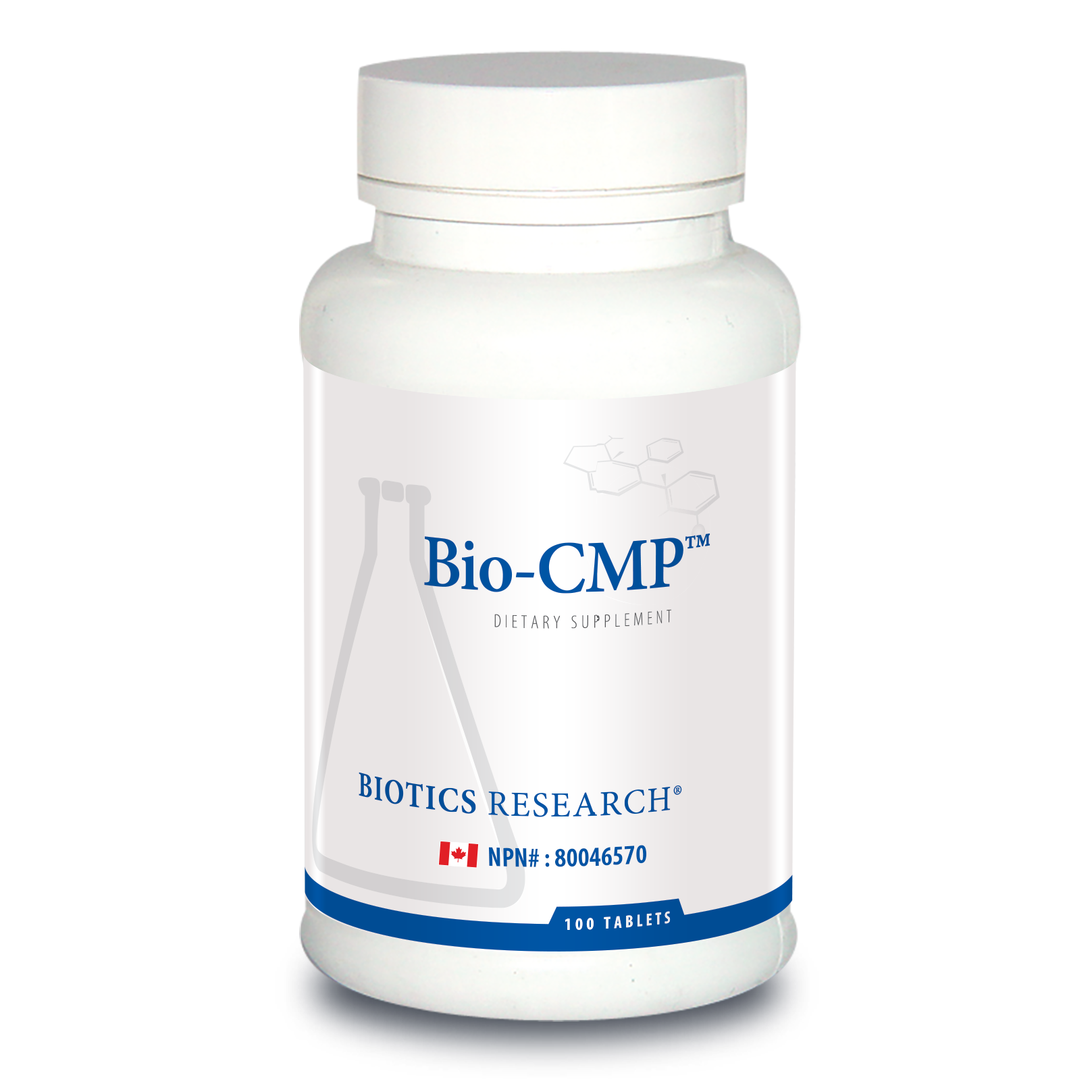
Capsules vs Tablets
Capsules and tablets provide convenient premeasured servings.
Because some minerals require relatively large amounts, comprehensive formulas may require several capsules or tablets per day.
A larger serving size does not necessarily indicate poor formulation.
Powdered Multiminerals
Powders can be useful for:
• People who dislike swallowing tablets
• Flexible serving sizes
• Combining minerals with hydration routines
• Formulas requiring larger mineral quantities
Measure powders accurately and follow the individual product directions.
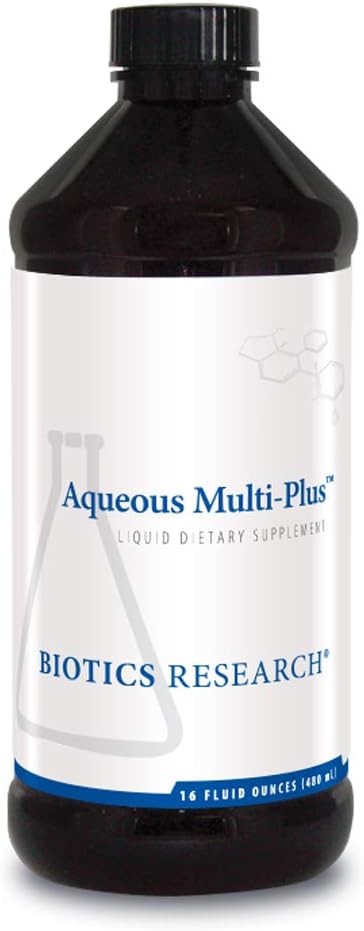
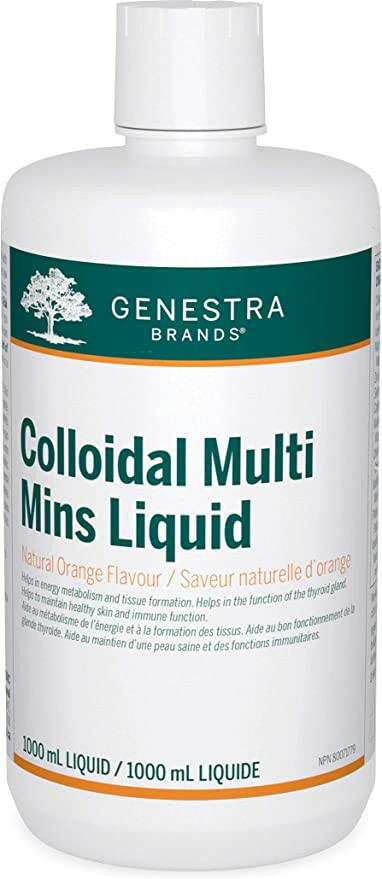
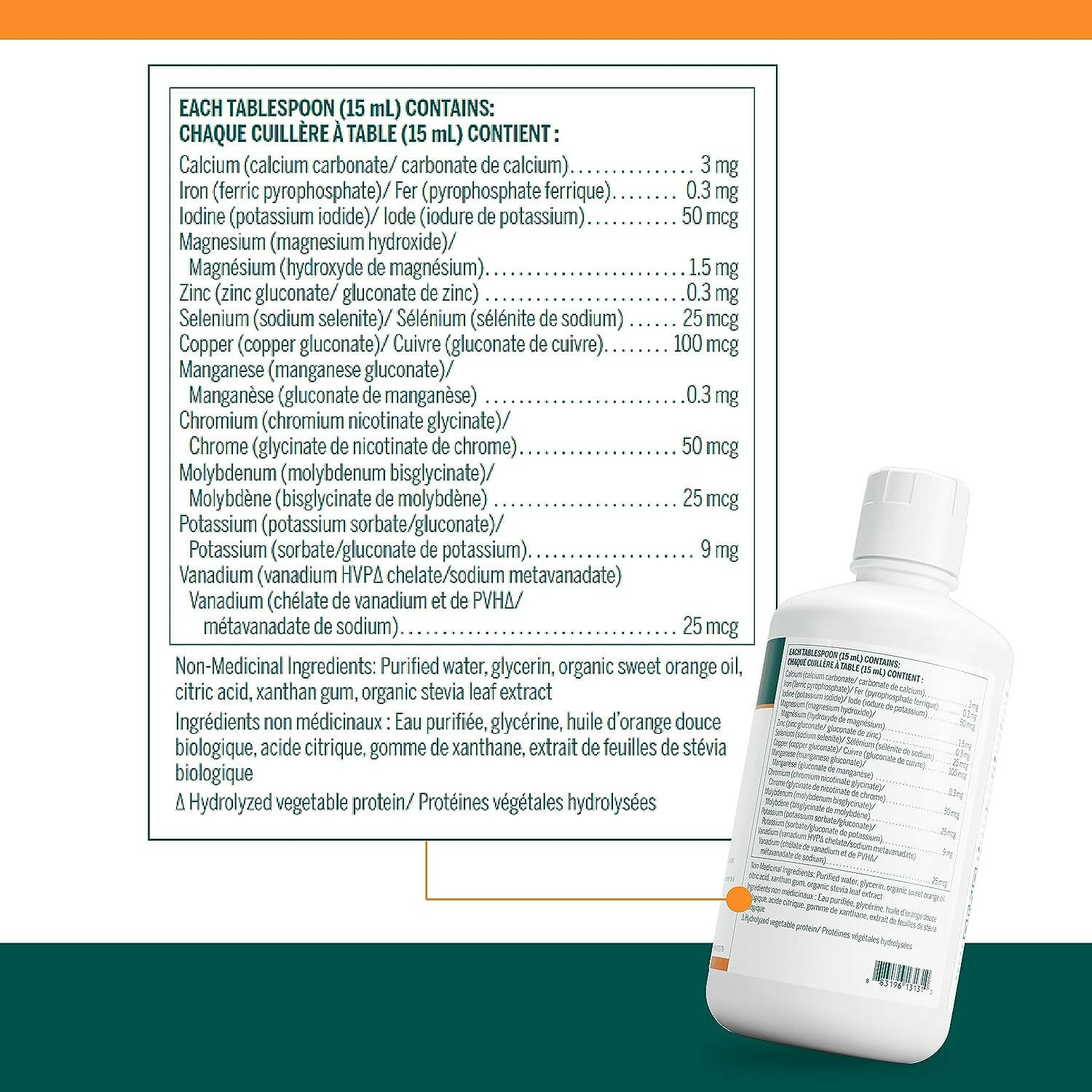
Liquid Mineral Formulas
Liquid multiminerals can be convenient for people who have difficulty swallowing capsules.
However, liquid products are not inherently better absorbed simply because they are liquid.
Evaluate:
• Mineral forms
• Amounts
• Stability
• Serving size
• Added ingredients
• Storage requirements
Do You Need a Multimineral Every Day?
Not necessarily.
Daily supplementation may be appropriate for some people, while others can meet their mineral requirements through food.
Consider:
• Dietary intake
• Health status
• Age
• Medications
• Laboratory results when relevant
• Existing supplements
• Specific nutritional goals
The objective is to meet requirements without chronically exceeding safe intake levels.
More Minerals Are Not Better
Minerals are biologically active nutrients.
Excessive intake can cause problems such as:
• Zinc-induced copper deficiency
• Selenium toxicity
• Excess iron accumulation
• Excess iodine affecting thyroid function
• High magnesium intake from supplements causing diarrhea
• Excessive calcium creating problems in susceptible individuals
• Excess manganese exposure affecting neurological health
Balanced supplementation is preferable to maximizing every mineral.
Quality & Sourcing Considerations
Useful criteria when comparing multiminerals include:
• Clearly identified mineral forms
• Transparent amounts per serving
• Appropriate Canadian product authorization where applicable
• Manufacturing quality controls
• Independent testing when available
• Allergen information
• Appropriate storage instructions
• Clear cautions and directions
Claims such as GMP-certified, third-party tested, professional-grade, clean-label, non-GMO, vegan, or highly bioavailable should be verified for each specific product rather than applied automatically across an entire collection.
Safety & Precautions
Professional guidance may be particularly useful for people who:
• Have kidney disease
• Have liver disease
• Have thyroid disorders
• Have iron-overload disorders
• Take prescription medications
• Use levothyroxine
• Take certain antibiotics
• Take bisphosphonates
• Are pregnant or breastfeeding
• Use several fortified supplements simultaneously
• Have known mineral deficiencies or excesses
Mineral requirements can differ substantially in these situations.
FAQs
What is a multimineral supplement?
A multimineral combines several essential minerals into one product, often including magnesium, calcium, zinc, selenium, copper, manganese, iodine, chromium, molybdenum, and other minerals depending on the formula.
Are multiminerals better than taking individual minerals?
Not necessarily. Multiminerals are convenient for broad nutritional coverage, while individual supplements can provide more targeted amounts when a specific need has been identified.
Can I take a multimineral every day?
Many are designed for daily use, but whether daily supplementation is appropriate depends on your diet, mineral intake, medications, health conditions, and the amounts in the product.
Should my multimineral contain iron?
That depends on individual iron requirements. Menstruating individuals may have greater iron needs, while many adult men and postmenopausal women may not require supplemental iron unless a need has been identified.
Are chelated minerals better absorbed?
Some chelated forms can offer absorption or tolerability advantages, but they are not universally superior. The specific mineral and formulation matter.
Can multiminerals help with energy?
Minerals participate in normal energy metabolism, but they do not provide energy themselves. Supplementation is most relevant when dietary intake or nutrient status is inadequate.
Can multiminerals replace electrolytes during exercise?
Usually not. A multimineral may contain electrolyte minerals, but it often does not provide enough sodium or fluid for substantial sweat replacement.
Can I take a multimineral with my multivitamin?
Possibly, but compare the labels carefully. Combining them can lead to unnecessary duplication of zinc, selenium, iron, iodine, and other nutrients.
Do multiminerals interfere with medications?
Some can. Calcium, magnesium, iron, and zinc can reduce absorption of medications such as levothyroxine and certain antibiotics. Appropriate timing may be required.
What is the best multimineral?
The best formula is one that matches your actual nutritional needs without unnecessary high doses, considers whether you need iron, minimizes duplication with other supplements, and is compatible with your medications and health status.
Why Shop Multiminerals at Coal Harbour Pharmacy?
• Pharmacist-curated multimineral supplements
• Broad-spectrum and targeted mineral combinations
• Iron-containing and iron-free options where available
• Calcium-magnesium and trace-mineral formulas
• Capsules, tablets, powders, and liquid options
• Products from established Canadian and professional supplement brands
• Fast Canada-wide shipping
Related Collections
• Minerals
────────────────────────────────────
Shop Multiminerals →
Sort by
103 products

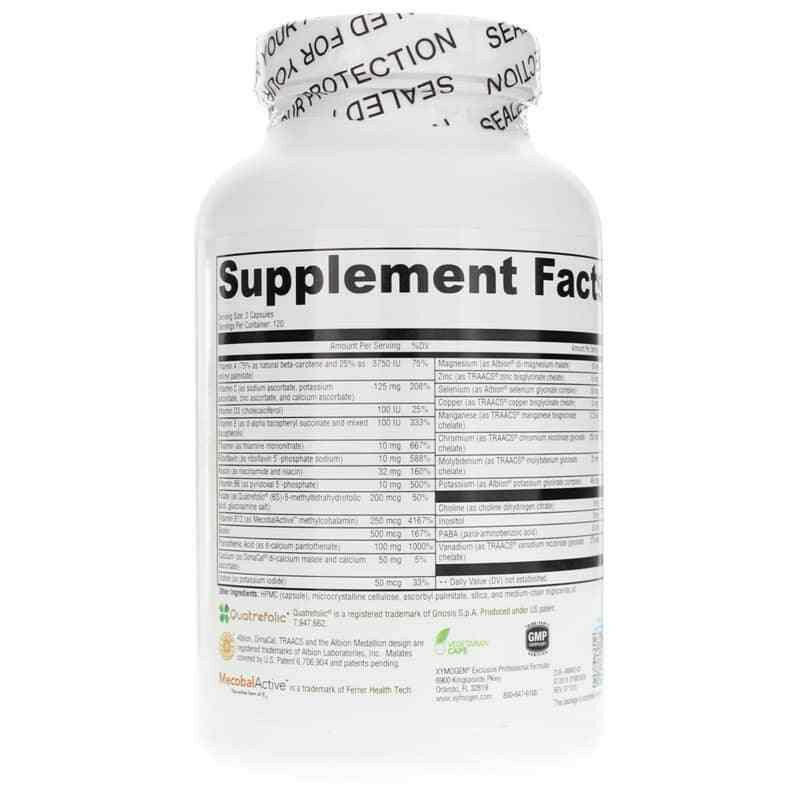
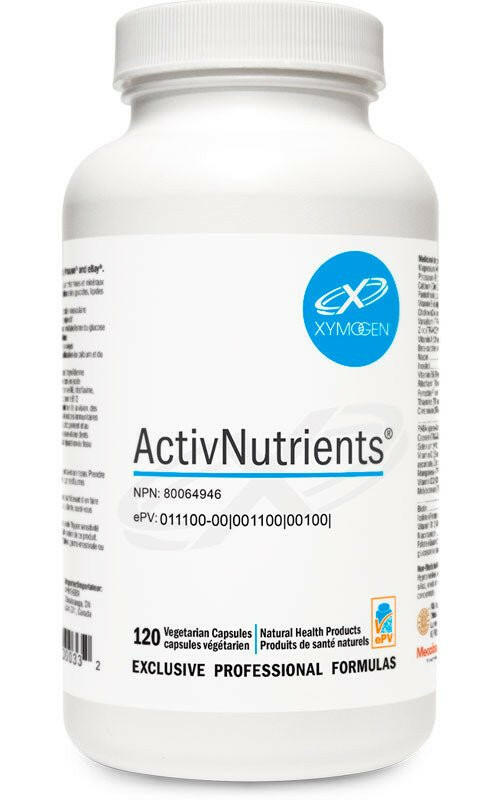
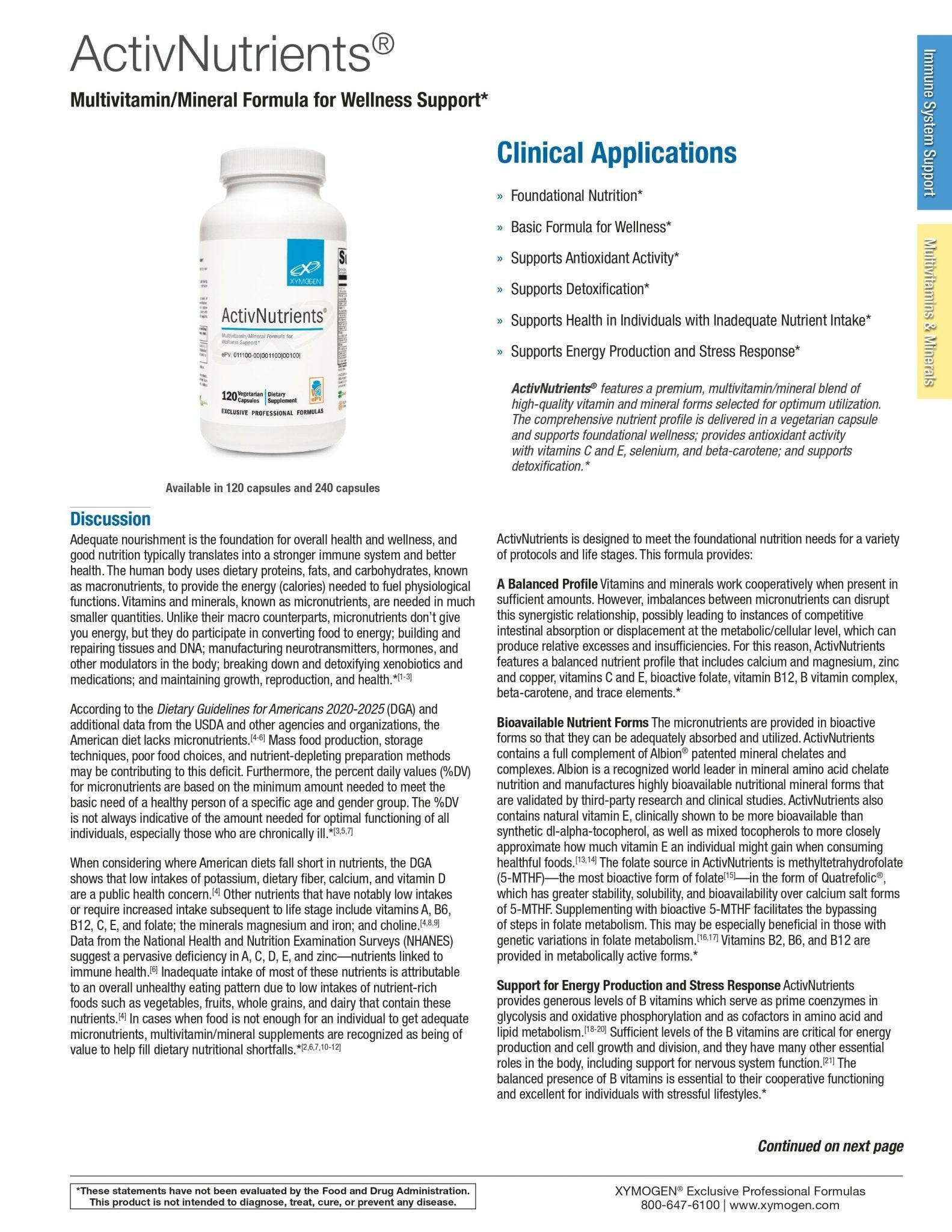
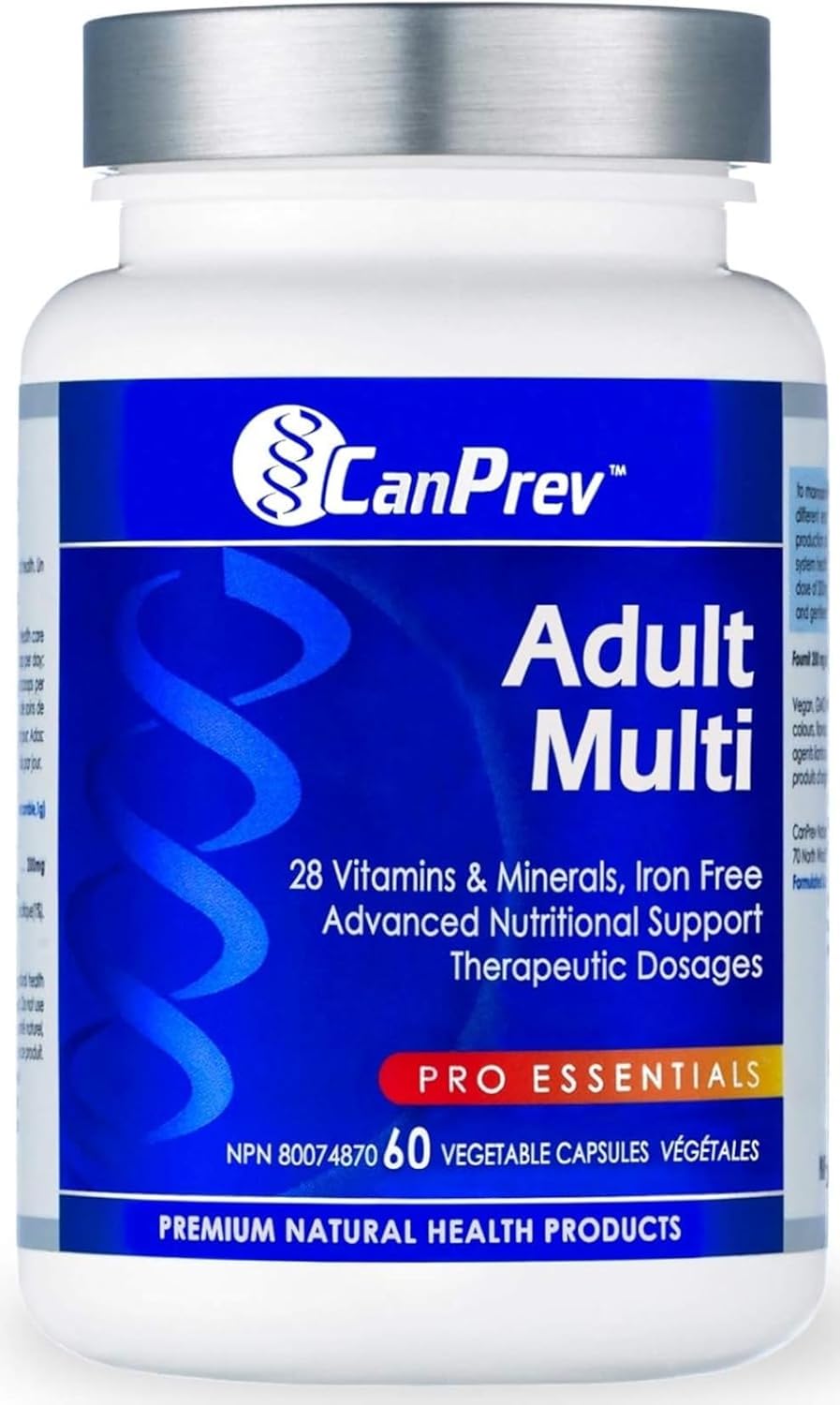






































FREE STANDARD SHIPPING
Satisfied or refunded
Top-notch support
Secure payments
Encrypted checkout processing
Offers exclude prescriptions and in-store purchases.
Subscribe & Get a First-Order Reward
Plus, earning reward points on eligible online purchases and enjoy future store credit.
We respect your inbox at Coal Harbour Pharmacy - Expect thoughtfully curated health and wellness updates, timely reminders, and exclusive online savings.