
Pain Relief Medications – Acetaminophen, Ibuprofen, Naproxen & Topical Pain Relief
Shop over-the-counter pain relief medications at Coal Harbour Pharmacy, including acetaminophen, ibuprofen, naproxen, aspirin, and topical pain relievers. Explore trusted options for headaches, menstrual cramps, muscle aches, back pain, arthritis discomfort, joint pain, and fever. Find adult and children’s pain medications in tablets, capsules, liquids, creams, gels, and patches.
About Pain Relief Medications
Pain relief medications, also known as analgesics, help manage temporary discomfort caused by headaches, muscle strains, menstrual cramps, minor injuries, and other common conditions.
Different medications work in different ways. Some primarily relieve pain and reduce fever, while others also help reduce inflammation.
At Coal Harbour Pharmacy, our Pain Relief Medications collection includes oral analgesics, nonsteroidal anti-inflammatory drugs (NSAIDs), topical pain treatments, and age-appropriate children’s formulations.
Important: Pain relievers manage symptoms but do not necessarily treat the underlying cause of pain.
Key Benefits of Pain Relief Medications
- Headache Relief: Helps manage tension headaches and certain migraine symptoms.
- Muscle & Joint Pain Relief: Reduces discomfort associated with minor strains and everyday aches.
- Anti-Inflammatory Options: NSAIDs help relieve inflammation-related pain.
- Menstrual Cramp Relief: Selected medications help manage period pain.
- Fever Reduction: Acetaminophen and certain NSAIDs reduce elevated body temperature.
- Targeted Pain Relief: Topical treatments provide localized symptom management.
Benefits depend on the active ingredient, dosage, and individual health circumstances.
Who It’s Ideal For
This collection may be suitable for:
- Adults experiencing occasional headaches or migraines.
- Individuals managing menstrual cramps.
- People with mild muscle or joint discomfort.
- Customers seeking temporary arthritis pain relief.
- Individuals experiencing minor back or neck pain.
- Parents seeking age-appropriate children’s pain relievers.
- Customers comparing oral and topical pain treatments.
Persistent, severe, or unexplained pain requires medical assessment.
Explore Pain Relief Medication Categories
Acetaminophen – Pain & Fever Relief
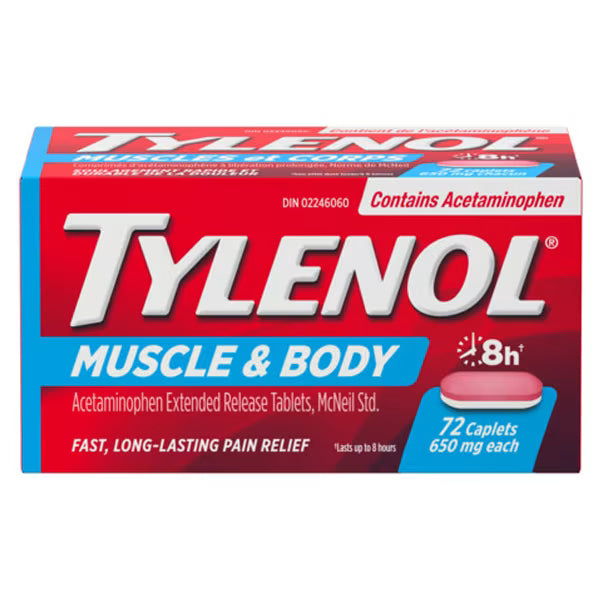
Acetaminophen, also known as paracetamol, is commonly used for mild to moderate pain and fever.
Common Uses:
- Headaches
- General muscle aches
- Backaches
- Fever
- Minor pain and discomfort
Acetaminophen does not provide significant anti-inflammatory effects.
Safety: Excessive acetaminophen can cause serious liver damage. Check cold and flu medications for duplicate acetaminophen ingredients.
Ibuprofen – Pain, Inflammation & Fever
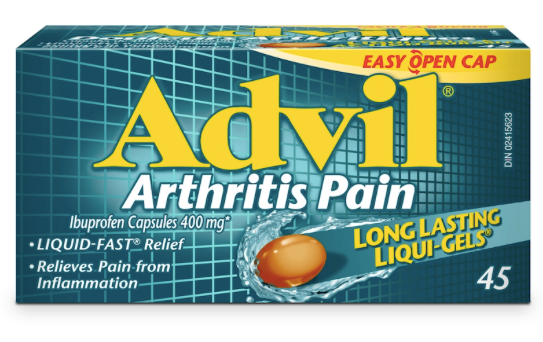
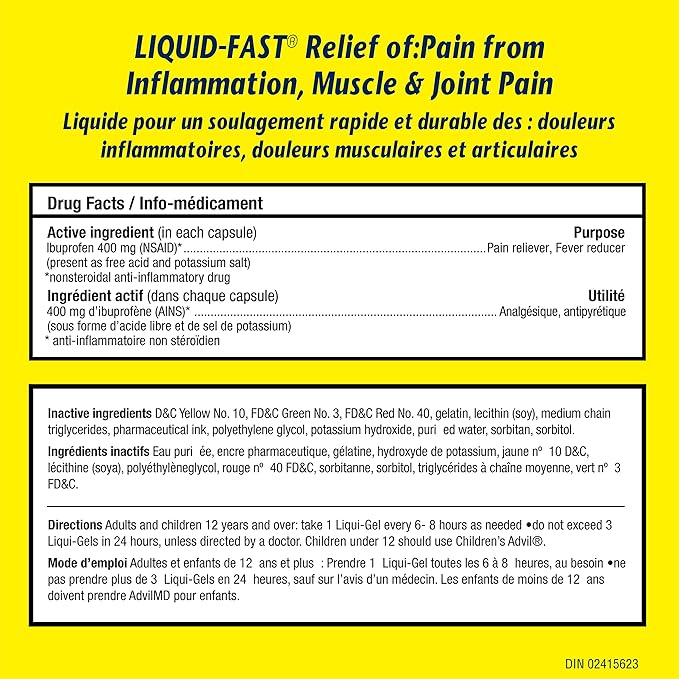
Ibuprofen belongs to the NSAID medication class.
It helps relieve pain, reduce inflammation, and lower fever.
Common Uses:
- Menstrual cramps
- Muscle strains
- Headaches
- Joint discomfort
- Minor inflammatory pain
Ibuprofen may not be suitable for individuals with certain kidney conditions, stomach ulcers, cardiovascular risks, or significant dehydration.
Naproxen Sodium – Longer-Lasting Pain Relief
Naproxen sodium is an NSAID commonly used for pain and inflammation.
Its longer duration of action may make it convenient for certain types of discomfort.
Common Uses:
- Menstrual cramps
- Muscle aches
- Back pain
- Joint pain
- Certain headaches
Important: Do not combine naproxen with ibuprofen or other NSAIDs unless directed by a healthcare professional.
Aspirin – Adult Pain Relief
Aspirin has analgesic, anti-inflammatory, and fever-reducing properties.
However, it carries gastrointestinal bleeding risks and is not appropriate for everyone.
Critical Warning: Aspirin should not be given to children or teenagers for fever or viral illnesses unless specifically directed by a healthcare professional because of the risk of Reye’s syndrome.
Topical Pain Relief – Creams, Gels & Patches
Topical analgesics are applied directly to the skin for localized discomfort.
Common ingredients include:
- Menthol: Produces a cooling sensation for temporary pain relief.
- Capsaicin: May help manage certain types of localized pain.
- Diclofenac: A topical NSAID used for specific inflammatory joint conditions.
- Methyl Salicylate: A counterirritant found in selected muscle rubs.
- Lidocaine: A local anesthetic available in certain authorized formulations.
Available formats may include creams, gels, patches, roll-ons, and sprays.
Shopping Tip: Check Canadian product authorization and approved uses, as ingredients and available strengths vary.
Children’s Pain Relief Medications
Selected pediatric formulations contain acetaminophen or ibuprofen.
Available options may include:
- Children’s Oral Suspensions
- Infant Acetaminophen Formulations
- Children’s Chewable Tablets
- Age-Appropriate Liquid Pain Relievers
Important: Children’s doses depend on weight, age, medication concentration, and product instructions.
Infants younger than three months with a temperature of 38°C (100.4°F) or higher require prompt medical assessment. Ibuprofen is generally not recommended for infants younger than six months without medical direction.
How to Choose the Right Pain Reliever
|
Your Pain Relief Need |
Medication to Explore |
|---|---|
|
Headache or general aches |
Acetaminophen or Ibuprofen |
|
Menstrual cramps |
Ibuprofen or Naproxen |
|
Muscle pain with inflammation |
Ibuprofen or Naproxen |
|
Temporary arthritis discomfort |
Appropriate Oral or Topical Analgesic |
|
Localized knee or hand joint pain |
Topical Diclofenac, if appropriate |
|
Muscle soreness |
Menthol Gel or Pain Relief Patch |
|
Fever |
Acetaminophen or Ibuprofen |
|
Children’s pain or fever |
Age-Appropriate Pediatric Formulation |
What to Look for When Shopping
1. Active Ingredient: Identify whether the medication contains acetaminophen, an NSAID, or a topical analgesic.
2. Type of Pain: Consider whether inflammation is contributing to the discomfort.
3. Strength: Compare milligrams per tablet, capsule, or millilitre.
4. Dosage Format: Choose oral or topical products according to the treatment area.
5. Medical Conditions: Consider liver disease, kidney disease, stomach ulcers, and cardiovascular conditions.
6. Medication Interactions: Review prescription medicines and other OTC products before combining treatments.
Acetaminophen vs Ibuprofen vs Naproxen
|
Feature |
Acetaminophen |
Ibuprofen |
Naproxen |
|---|---|---|---|
|
Pain Relief |
Yes |
Yes |
Yes |
|
Fever Reduction |
Yes |
Yes |
Yes, although Canadian OTC products are generally marketed for pain |
|
Anti-Inflammatory |
No significant effect |
Yes |
Yes |
|
Typical Duration |
Shorter-acting |
Shorter-acting |
Longer-acting |
|
Main Safety Concern |
Liver toxicity |
Stomach, kidney & cardiovascular risks |
Stomach, kidney & cardiovascular risks |
|
Common Uses |
Headaches, fever, general pain |
Cramps, headaches, inflammatory pain |
Cramps, muscle and joint pain |
Key Difference: NSAIDs reduce inflammation, while acetaminophen primarily relieves pain and fever. The safest choice depends on individual health factors.
Natural & Non-Medication Pain Relief Options
Customers interested in complementary approaches may also explore:
- Curcumin: Studied for selected osteoarthritis symptoms, with variable evidence.
- Glucosamine & Chondroitin: Research findings for joint discomfort are mixed.
- Boswellia: Preliminary evidence suggests possible benefits for some joint symptoms.
- Arnica Gels: Evidence for pain relief remains limited and formulation-dependent.
- Heat & Cold Therapy: May help manage muscle tension or minor injury-related discomfort.
These options are not equivalent to OTC analgesics and should not replace necessary medical treatment.
How to Use Pain Relief Medications Safely
- Follow the dosage and frequency on the product label.
- Use the lowest effective dose for the shortest necessary duration.
- Avoid combining ibuprofen, naproxen, and other NSAIDs without professional guidance.
- Check combination cold and flu products for duplicate ingredients.
- Use the supplied measuring device for children’s liquid medications.
- Apply topical products only as directed.
- Avoid using heating pads over medicated creams or patches unless explicitly permitted.
Safety & Precautions
- Acetaminophen: Excessive doses can cause severe liver injury.
- NSAIDs: Ibuprofen, naproxen, and aspirin may increase gastrointestinal bleeding, kidney, and cardiovascular risks.
- Topical Products: May cause skin irritation or other adverse effects.
- Pregnancy: Seek medical advice before using pain medications. NSAIDs are generally avoided from approximately 20 weeks of pregnancy onward unless specifically directed.
- Children: Use only age-appropriate products and follow weight-based dosing instructions.
- Frequent Headaches: Repeated use of pain medication can contribute to medication-overuse headaches.
Seek urgent medical attention for sudden severe headaches, chest pain, major injuries, new neurological symptoms, or back pain accompanied by loss of bladder or bowel control.
FAQs About Pain Relief Medications
1. What is the best OTC medication for headaches?
Acetaminophen and ibuprofen are common options for occasional headaches. The best choice depends on the headache type, medical history, and medication risks.
2. Is ibuprofen better than acetaminophen for inflammation?
Ibuprofen has anti-inflammatory properties, while acetaminophen does not provide significant anti-inflammatory effects.
3. What works best for menstrual cramps?
NSAIDs such as ibuprofen and naproxen are commonly effective for menstrual cramps because they reduce prostaglandin production.
4. Can I take ibuprofen and naproxen together?
Generally, no. Both are NSAIDs, and combining them increases the risk of adverse effects.
5. Are topical pain relief gels effective?
Certain topical medications, particularly diclofenac for selected osteoarthritis symptoms, have evidence supporting pain relief. Effectiveness varies by ingredient and condition.
6. Where can I buy OTC pain relief medications in Canada?
Coal Harbour Pharmacy offers selected acetaminophen, ibuprofen, naproxen, topical analgesics, and children’s pain medications with online ordering and Canada-wide shipping options.
Why Shop Pain Relief Medications at Coal Harbour Pharmacy?
Coal Harbour Pharmacy offers a pharmacist-curated selection of OTC pain relief medications for headaches, menstrual cramps, muscle soreness, joint discomfort, and fever.
Compare oral analgesics, anti-inflammatory medications, topical gels, pain relief patches, and pediatric formulations through our Vancouver-based pharmacy.
Enjoy convenient online ordering, Canada-wide shipping options, and access to pharmacy guidance when choosing appropriate pain relief treatments.
Related Collections
- OTC Joint & Muscle Pain Relief
- OTC Fever Reducers
- Pain Relief Devices
- Mobility Aids & Orthopaedic Supports
Shop Pain Relief Medications →
Sort by
53 products






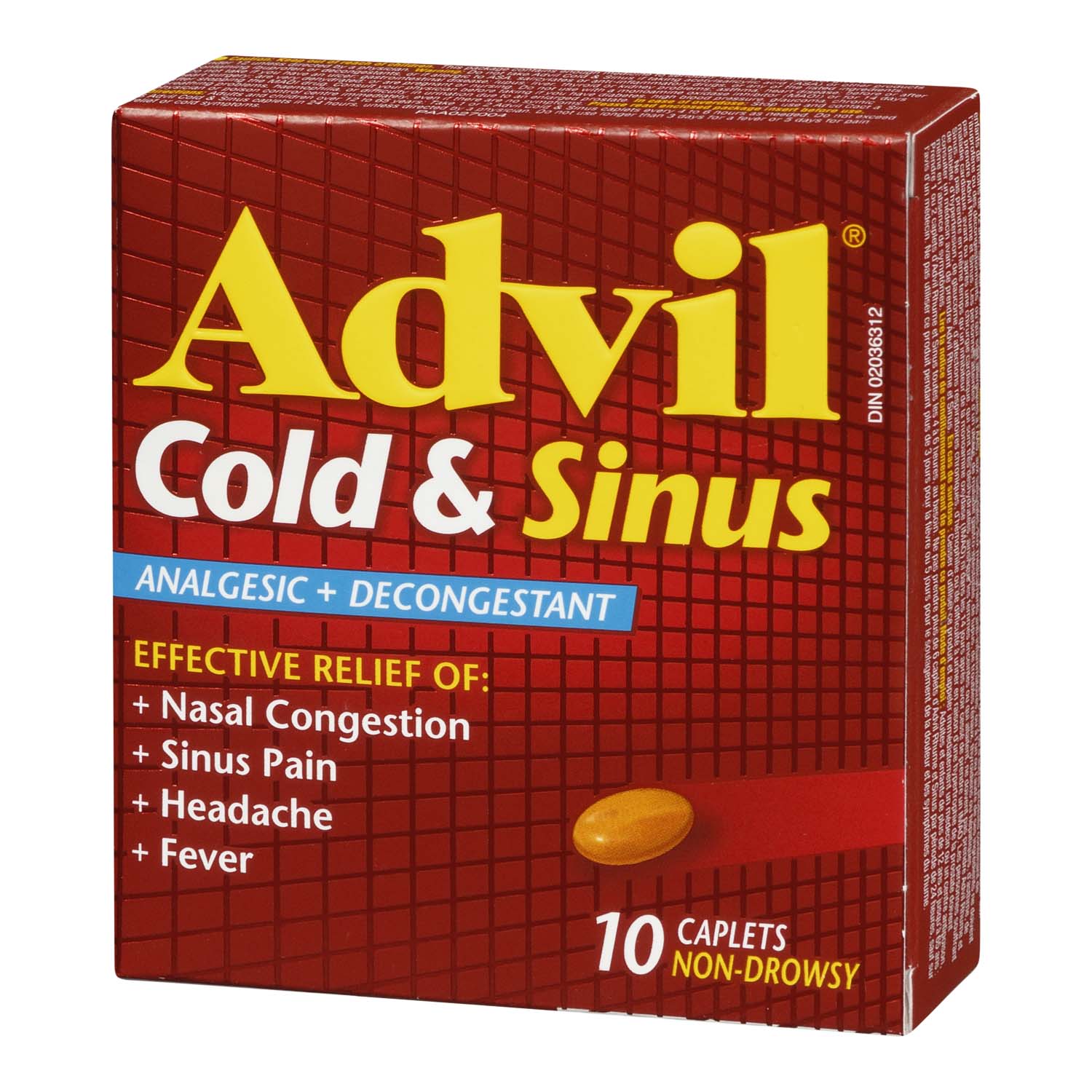


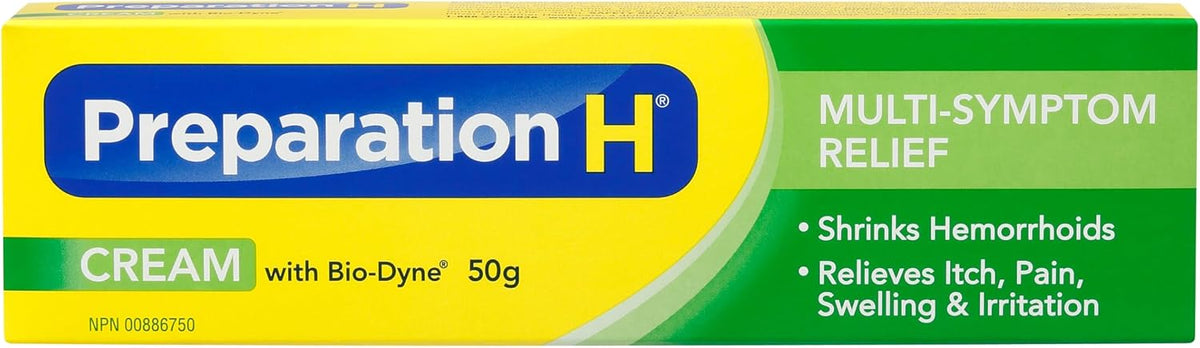
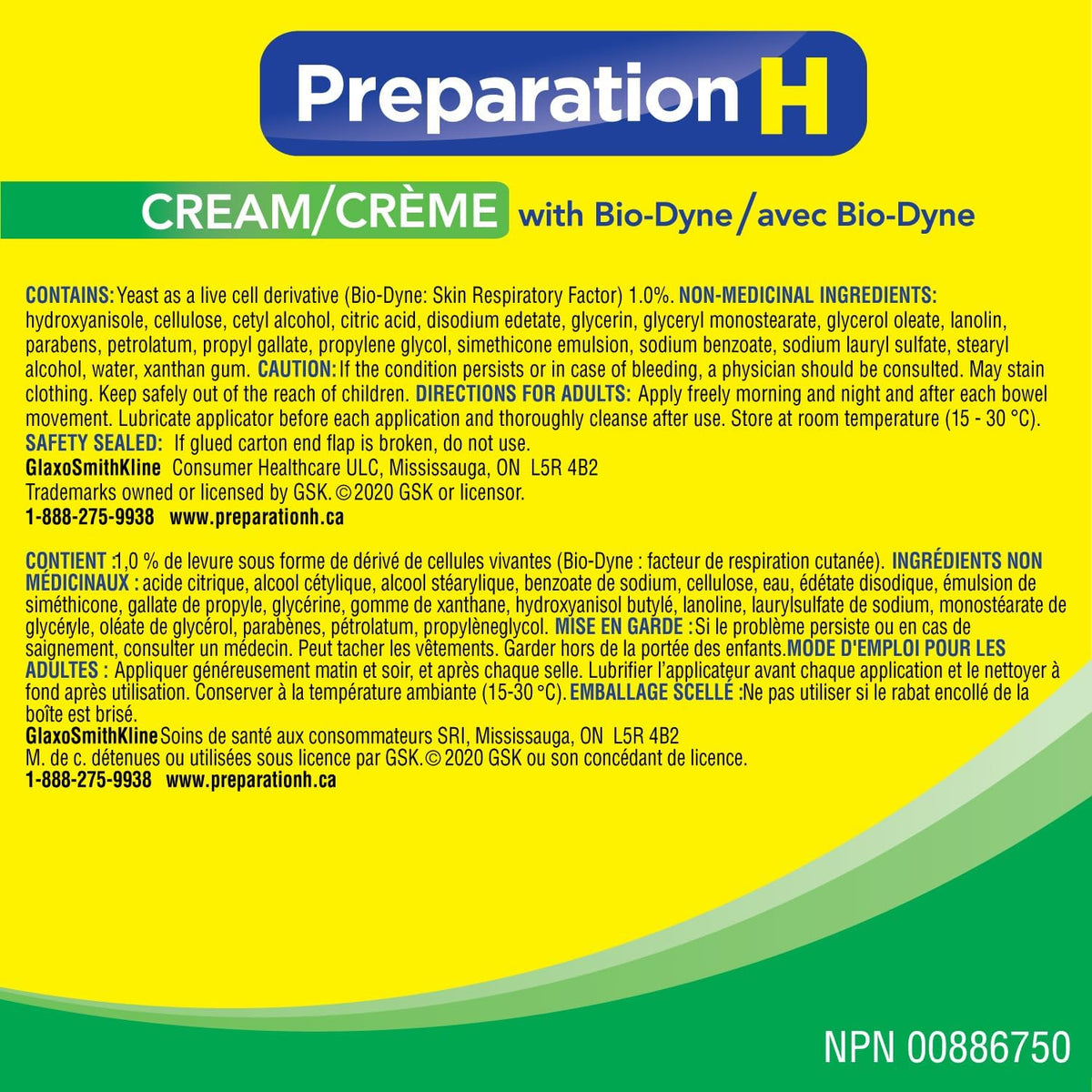


FREE STANDARD SHIPPING
Satisfied or refunded
Top-notch support
Secure payments
Encrypted checkout processing
Offers exclude prescriptions and in-store purchases.
Subscribe & Get a First-Order Reward
Plus, earning reward points on eligible online purchases and enjoy future store credit.
We respect your inbox at Coal Harbour Pharmacy - Expect thoughtfully curated health and wellness updates, timely reminders, and exclusive online savings.