
Magnesium Malate – Energy & Muscle Health Support
Support normal energy metabolism, muscle function, and everyday physical wellness with magnesium malate—a supplemental form combining essential magnesium with malic acid, a compound involved in cellular energy pathways.
────────────────────────────────────
About Magnesium Malate
Magnesium malate combines magnesium with malic acid, an organic acid naturally present in many foods and produced within the body.
Malic acid participates in the citric acid cycle (Krebs cycle), a central pathway involved in cellular energy production. Magnesium itself is essential for ATP-related reactions and contributes to normal energy metabolism, muscle and nerve function, electrolyte balance, protein synthesis, and bone health.
This biochemical connection has made magnesium malate particularly popular in supplements marketed for energy, muscles, exercise recovery, and fatigue.
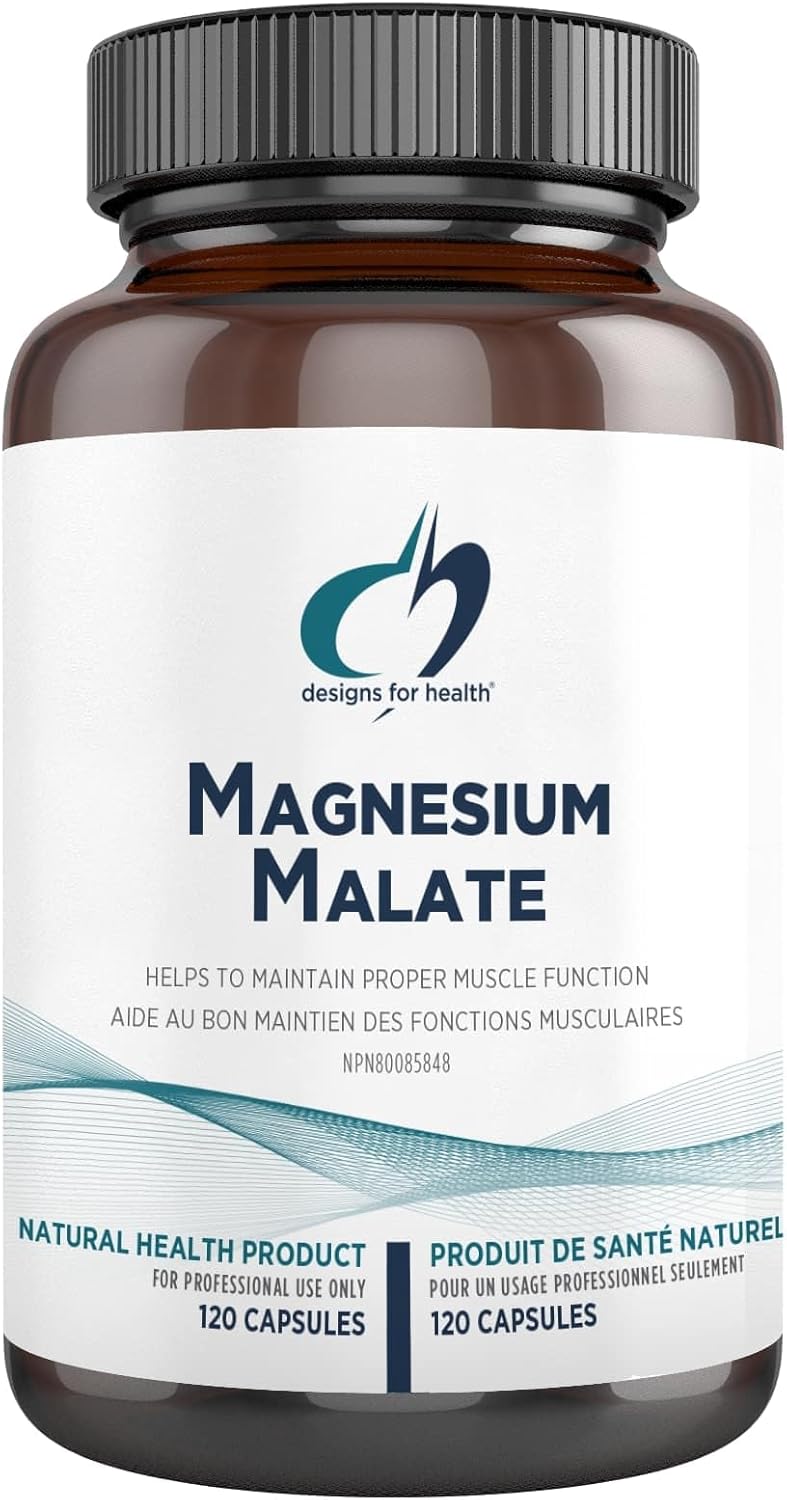
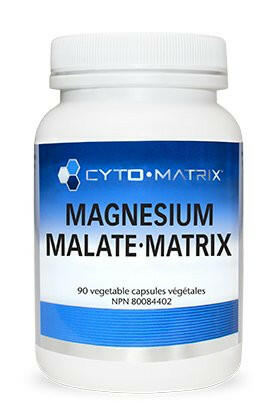
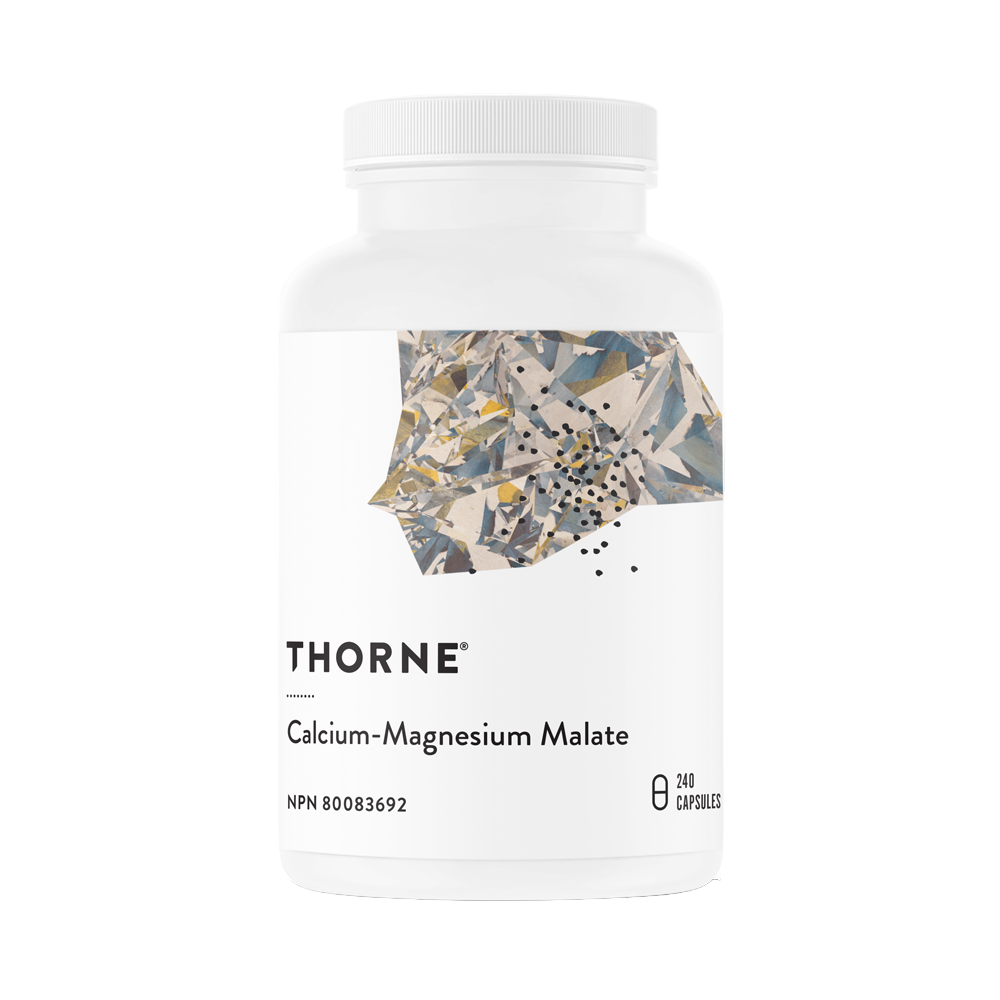
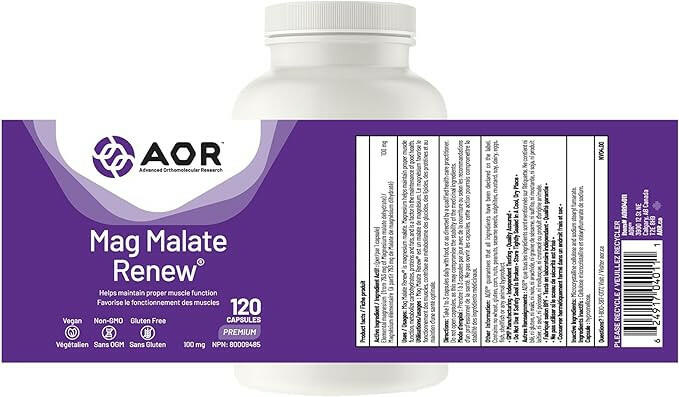
The Magnesium Malate collection at Coal Harbour Pharmacy includes capsules, tablets, powders, and selected combination formulas for convenient daily magnesium supplementation.
While the physiological rationale is interesting, claims that magnesium malate uniquely treats chronic fatigue, fibromyalgia, or muscle pain are not supported by sufficiently strong clinical evidence.
Key Benefits
• Provides a supplemental source of magnesium
• Supports normal cellular energy metabolism
• Contributes to normal muscle function
• Supports normal nerve and neuromuscular function
• Helps maintain electrolyte balance
• Contributes to normal bone and cardiovascular health
• Provides malic acid, a compound involved in cellular metabolism
• Offers an alternative to citrate, glycinate, and other magnesium forms
Who It’s Ideal For
Magnesium malate may appeal to:
• Adults looking to increase magnesium intake
• Active individuals seeking nutritional muscle support
• People interested in magnesium for normal energy metabolism
• Adults building an exercise and recovery routine
• People who prefer magnesium malate over other magnesium forms
• Individuals seeking a magnesium form without specifically wanting a laxative effect
• Adults advised by a healthcare professional to supplement magnesium
Persistent fatigue, muscle weakness, widespread pain, or recurring cramps can have many causes and should not automatically be attributed to magnesium deficiency.
What Is Magnesium Malate?
Magnesium malate is a magnesium salt formed with malic acid or malate.
Malic acid occurs naturally in foods, particularly fruits such as apples, and is also involved in human cellular metabolism.
Malate participates in the citric acid cycle, while magnesium is required for numerous enzyme reactions associated with energy metabolism.
This combination provides the biological rationale behind magnesium malate’s popularity as an energy- and muscle-focused magnesium supplement.
However, the fact that both components participate in energy metabolism does not establish that magnesium malate produces more energy than other appropriate magnesium forms.
Magnesium Malate & Cellular Energy
Cells produce ATP through interconnected metabolic pathways, including the citric acid cycle and oxidative phosphorylation.
Malate is one of the intermediates involved in this metabolism.
Magnesium is also essential because ATP commonly exists and functions biologically as a magnesium-ATP complex.
Adequate magnesium therefore contributes to normal:
• Cellular energy metabolism
• Muscle function
• Protein synthesis
• Enzyme activity
• Neuromuscular physiology
Magnesium malate is not a stimulant and should not be expected to produce an immediate caffeine-like increase in energy.
Magnesium Malate for Muscle Health
Magnesium contributes to normal muscle contraction and relaxation.
It works alongside calcium, potassium, sodium, and other electrolytes to maintain normal neuromuscular function.
Adequate magnesium can therefore support:
• Normal muscle function
• Neuromuscular signalling
• Exercise-related nutrition
• Electrolyte balance
• General physical wellness
Magnesium deficiency can contribute to muscular symptoms, but ordinary cramps, tightness, and soreness have many possible causes.
Supplementation does not reliably eliminate these symptoms when magnesium status is already adequate.
Magnesium Malate for Fatigue
Because both magnesium and malate participate in cellular metabolism, magnesium malate is frequently marketed for fatigue and low energy.
The strongest nutritional rationale exists when inadequate magnesium intake or deficiency is contributing to fatigue.
There is not enough evidence to conclude that magnesium malate itself reliably improves chronic fatigue in otherwise magnesium-replete individuals.
Persistent fatigue can also be associated with:
• Poor sleep
• Iron or vitamin B12 deficiency
• Thyroid disorders
• Medication effects
• Infection or inflammation
• Mental-health conditions
• Sleep disorders
• Other medical conditions
Long-lasting or unexplained fatigue deserves appropriate assessment rather than simply increasing magnesium intake.
Magnesium Malate & Fibromyalgia
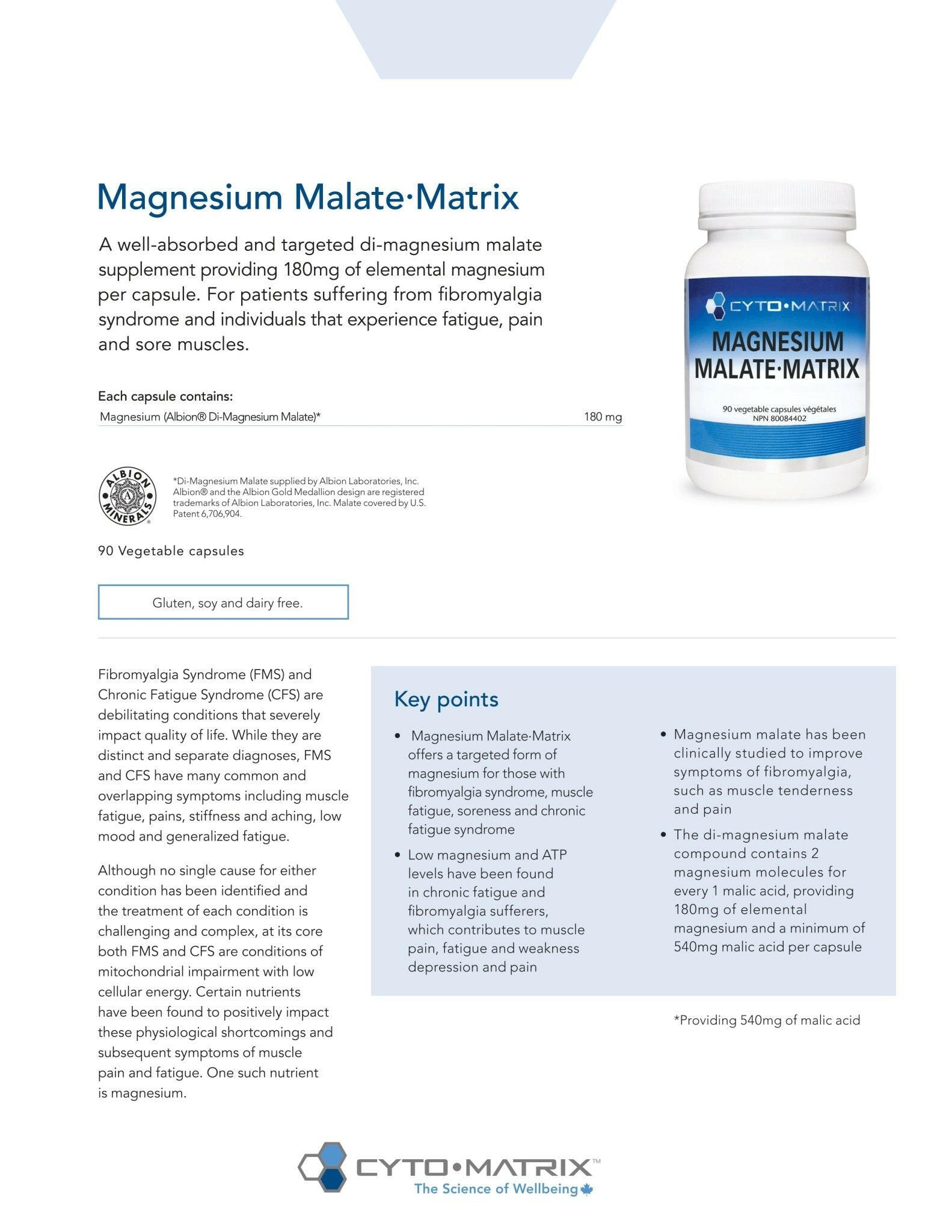
Magnesium malate has historically attracted attention for fibromyalgia because both magnesium and malic acid are involved in processes relevant to muscle and energy metabolism.
Some older and relatively small studies investigated combinations of magnesium and malic acid for fibromyalgia symptoms.
However, the available evidence is insufficient to establish magnesium malate as an effective treatment for fibromyalgia.
People with fibromyalgia may use nutritional supplements as part of a broader wellness strategy, but supplementation should not replace evidence-based symptom management and professional care.
Magnesium Malate for Exercise & Recovery
Athletes and physically active people require adequate magnesium because the mineral contributes to:
• Energy metabolism
• Normal muscle function
• Electrolyte balance
• Protein synthesis
• Normal nerve function
• Bone health
Magnesium can also be lost through sweat during physical activity.
Supplementation may be useful when dietary intake is inadequate, but magnesium malate has not been established as a direct performance enhancer or muscle-recovery treatment in people with sufficient magnesium status.
Magnesium Malate & Nervous-System Function
Magnesium contributes to normal nerve transmission, cellular signalling, and neuromuscular communication.
Magnesium malate can therefore provide magnesium for normal nervous-system function.
This should not be translated into claims that magnesium malate treats neuropathy, anxiety disorders, neurological disease, or chronic stress.
Magnesium Malate vs Magnesium Glycinate
Both can provide supplemental magnesium, but they are marketed toward somewhat different routines.
Magnesium Malate
Commonly selected for:
• General magnesium supplementation
• Energy-focused routines
• Muscle wellness
• Active lifestyles
Magnesium Glycinate / Bisglycinate
Commonly selected for:
• General magnesium supplementation
• Relaxation-focused routines
• Evening supplementation
• People seeking less bowel stimulation
Evidence does not establish either form as universally superior. The appropriate choice depends on tolerance, elemental magnesium content, intended use, and personal preference.
Magnesium Malate vs Magnesium Citrate
Magnesium Malate
Often chosen when the primary goal is general magnesium, muscle, or energy-metabolism support.
Magnesium Citrate
Commonly selected for:
• General magnesium supplementation
• Bowel regularity
• Occasional constipation support
Citrate’s osmotic effect makes it more likely to loosen stools, particularly at higher amounts.
For someone specifically seeking digestive regularity, citrate may therefore serve a different practical purpose than malate.
Magnesium Malate vs Magnesium L-Threonate
Magnesium L-threonate is primarily marketed and researched for neurological and cognitive applications.
Magnesium malate is more commonly positioned toward:
• General magnesium intake
• Energy metabolism
• Muscle function
• Active lifestyles
Neither form should be considered uniquely effective simply because of its marketing category.
Is Magnesium Malate Gentle on Digestion?
Magnesium malate is often described as well tolerated, but individual gastrointestinal responses vary.
It may produce less bowel stimulation than magnesium citrate for some people, but it is not accurate to guarantee that magnesium malate causes no digestive side effects.
Oral magnesium can cause:
• Loose stools
• Diarrhea
• Nausea
• Abdominal discomfort
particularly as supplemental intake increases.
Understanding Elemental Magnesium
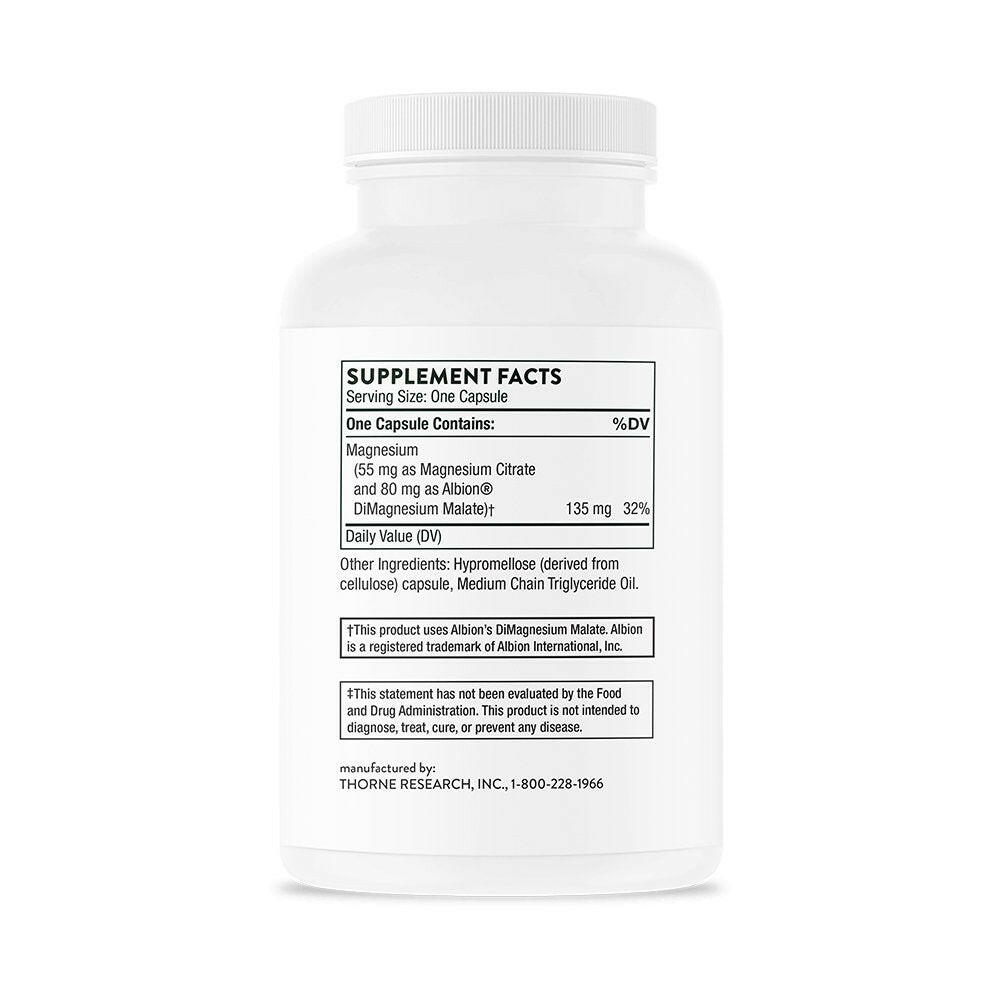
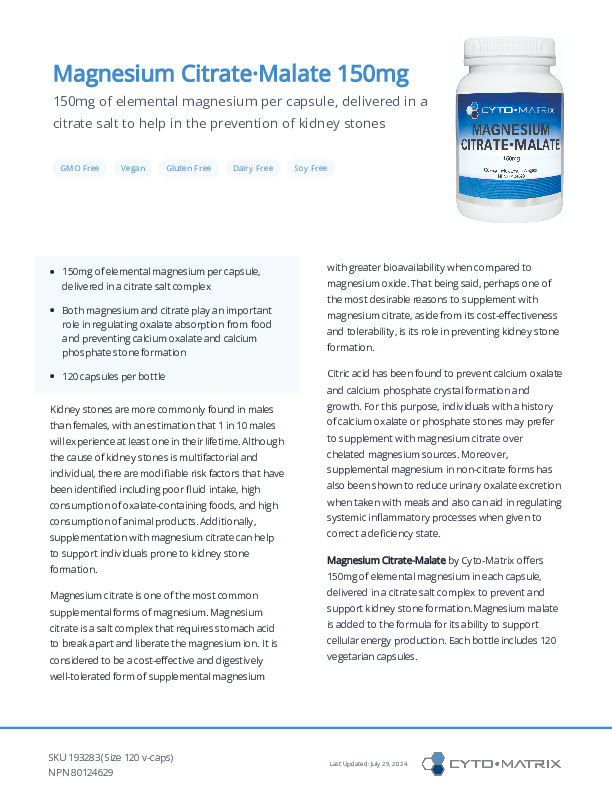
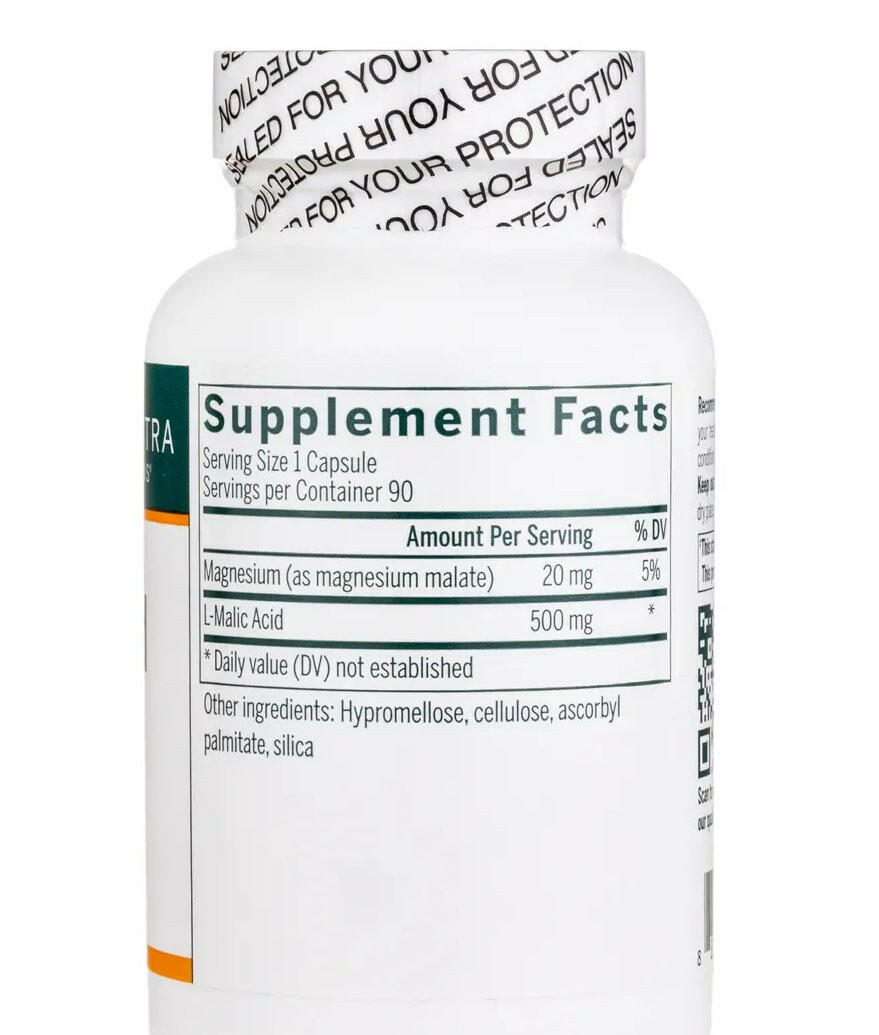
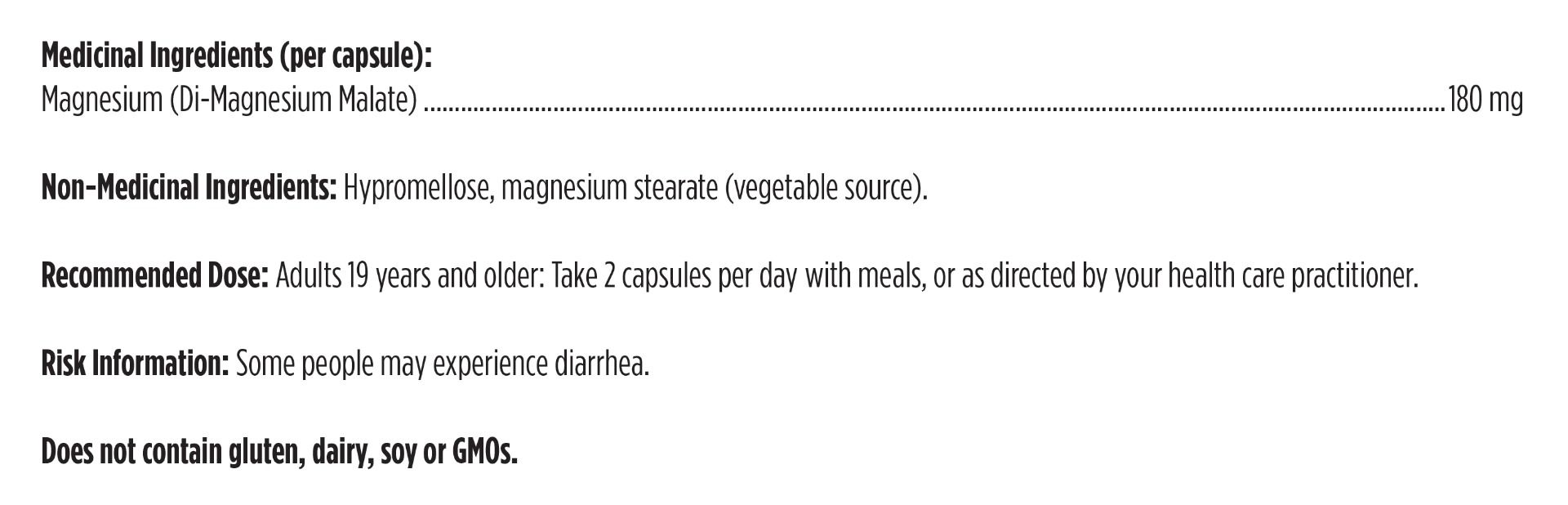
When comparing magnesium malate supplements, pay attention to elemental magnesium.
The total amount of “magnesium malate” listed for a compound may be substantially larger than the amount of actual magnesium it supplies.
For example, compare products according to:
• Elemental magnesium per serving
• Number of capsules or tablets required
• Total serving size
• Other magnesium forms included
• Additional active ingredients
This provides a more useful comparison than simply choosing the product with the largest milligram number.
Magnesium Malate Formats
Capsules & Tablets
Convenient for:
• Consistent daily supplementation
• Pre-measured servings
• Travel
• Muscle and energy-focused routines
Powders
Powdered magnesium malate may offer:
• Flexible serving sizes
• Easy mixing with beverages
• An alternative for people who dislike capsules
Follow the individual product directions rather than assuming powders should be dosed by taste.
Combination Formulas
Some products combine magnesium malate with:
• Magnesium glycinate
• Magnesium citrate
• Other magnesium salts
• Electrolytes
• Vitamins and minerals
When using a blend, check the total elemental magnesium from all sources.
Dietary Sources of Magnesium
Supplements can complement a magnesium-rich diet.
Good dietary sources include:
• Pumpkin seeds
• Almonds and other nuts
• Beans and lentils
• Spinach and leafy greens
• Whole grains
• Avocado
• Dark chocolate
• Selected fortified foods
A balanced diet provides magnesium alongside fibre, protein, healthy fats, vitamins, and other minerals.
Magnesium Malate Safety
Magnesium supplements are generally well tolerated when used appropriately.
Professional guidance is particularly important for people who:
• Have significantly impaired kidney function
• Take multiple magnesium-containing supplements
• Use medications that interact with magnesium
• Have unexplained muscle weakness or persistent fatigue
• Have significant cardiovascular or neurological conditions
Healthy kidneys normally help remove excess magnesium. Reduced kidney function can increase the risk of magnesium accumulation.
Magnesium & Medication Interactions
Magnesium can reduce the gastrointestinal absorption of certain medications when taken too closely together.
Important examples include some:
• Tetracycline antibiotics
• Fluoroquinolone antibiotics
• Bisphosphonates
• Thyroid medications such as levothyroxine
The required separation varies according to the medication.
A pharmacist can help determine appropriate timing.
FAQs
What is magnesium malate?
Magnesium malate is a supplemental form of magnesium combined with malic acid, a naturally occurring compound involved in cellular energy metabolism.
What is magnesium malate used for?
It is commonly used to support magnesium intake, normal energy metabolism, muscle function, nerve function, and electrolyte balance.
Does magnesium malate increase energy?
Magnesium and malate both participate in energy-related metabolism, but magnesium malate is not a stimulant. Benefits may be more relevant when inadequate magnesium status is contributing to fatigue.
Is magnesium malate good for muscles?
Magnesium is essential for normal muscle and neuromuscular function. Magnesium malate can provide this essential mineral, but it does not reliably eliminate muscle pain or cramps in everyone.
Does magnesium malate help fibromyalgia?
Research into magnesium and malic acid for fibromyalgia has been limited, and current evidence is insufficient to establish magnesium malate as a treatment for fibromyalgia.
Is magnesium malate good for chronic fatigue?
There is insufficient evidence to establish magnesium malate as a treatment for chronic fatigue. Persistent fatigue should be evaluated for its underlying cause.
Does magnesium malate cause diarrhea?
It can. Magnesium malate may be well tolerated by many people, but oral magnesium can still cause loose stools, diarrhea, nausea, or abdominal discomfort.
Which is better: magnesium malate or glycinate?
Neither is universally better. Malate is commonly selected for energy- and muscle-focused routines, while glycinate is popular for general magnesium and relaxation-focused supplementation.
What is the difference between magnesium malate and citrate?
Both provide magnesium. Citrate has a clearer bowel-loosening effect and is commonly used for digestive regularity, while malate is generally marketed toward muscle and energy-metabolism support.
Can I take magnesium malate every day?
Many products are designed for daily use when appropriate. Consider total elemental magnesium intake, diet, kidney function, medications, and the individual product directions.
Why Shop Magnesium Malate at Coal Harbour Pharmacy?
• Pharmacist-curated magnesium malate supplements
• Capsules, tablets, powders, and combination formulas
• Clearly labelled elemental magnesium strengths
• Options for muscle, energy, and everyday magnesium routines
• Trusted Canadian and professional wellness brands
• Fast Canada-wide shipping
Related Collections
• Magnesium
• Magnesium Glycinate
• Magnesium Citrate
• Minerals
────────────────────────────────────
Shop Magnesium Malate →
Sort by
9 products





Free Delivery
Satisfied or refunded
Top-notch support
Secure payments
Encrypted checkout processing
Offers exclude prescriptions and in-store purchases.
Subscribe & Get a First-Order Reward
Plus, earning reward points on eligible online purchases and enjoy future store credit.
We respect your inbox at Coal Harbour Pharmacy - Expect thoughtfully curated health and wellness updates, timely reminders, and exclusive online savings.