
Magnesium Citrate – Digestive Regularity, Muscle & Nutritional Support
Discover magnesium citrate supplements for magnesium intake, normal muscle and nerve function, and digestive regularity—from capsules and powders to liquids and gummies for different wellness needs.
────────────────────────────────────
About Magnesium Citrate
Magnesium citrate is a combination of magnesium and citric acid and is one of the most widely available forms of supplemental magnesium. It dissolves relatively well and is generally considered to have good oral bioavailability compared with some less soluble forms.
Magnesium is an essential mineral involved in hundreds of enzymatic reactions throughout the body. It contributes to normal muscle and nerve function, energy metabolism, electrolyte balance, bone health, and numerous other physiological processes.
Magnesium citrate also has an important characteristic that distinguishes it from many other magnesium forms: depending on the dose and formulation, it can draw water into the intestines and produce an osmotic laxative effect.
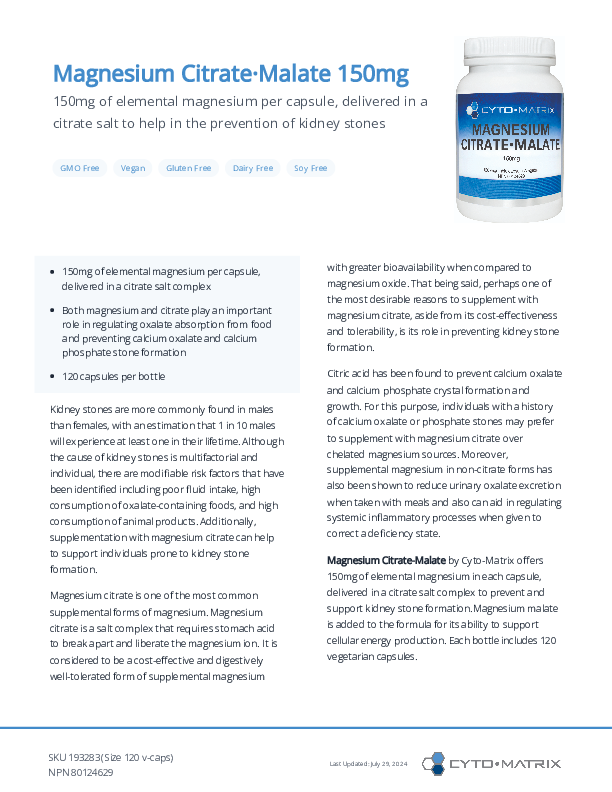
The Magnesium Citrate collection at Coal Harbour Pharmacy includes capsules, tablets, powders, liquids, and selected chewable formats for both everyday magnesium supplementation and products specifically intended for occasional constipation relief.
Key Benefits
• Provides a bioavailable source of magnesium
• Supports normal muscle function
• Supports normal nervous-system function
• Contributes to energy metabolism
• Supports bone and teeth health
• Helps maintain normal electrolyte balance
• Certain formulations support bowel regularity through an osmotic effect
• Available in multiple strengths and dosage formats
Who It’s Ideal For
Magnesium citrate may appeal to:
• Adults looking to increase dietary magnesium intake
• People specifically seeking magnesium citrate rather than another magnesium form
• Individuals looking for magnesium support for normal muscle and nerve function
• Customers who prefer powders or liquids over capsules
• People seeking a magnesium supplement that may also affect bowel regularity
• Adults looking for an osmotic laxative for occasional constipation when using a product specifically labelled for that purpose
Supplement-strength magnesium citrate and high-dose liquid magnesium citrate laxatives are not necessarily interchangeable.
What Is Magnesium Citrate?
Magnesium citrate is a magnesium salt of citric acid.
Once consumed, it supplies magnesium ions that can be absorbed and used for normal physiological functions.
Its relatively good solubility has contributed to its popularity in nutritional supplements.
Compared with some forms such as magnesium oxide, citrate generally provides better absorption, although the best form for an individual also depends on dose, tolerability, intended use, and formulation.
Magnesium Citrate for Digestive Regularity
Magnesium citrate can act as an osmotic laxative.
At appropriate laxative doses, poorly absorbed magnesium remaining in the intestine helps retain water within the bowel. This can soften stool and stimulate bowel evacuation.
This makes certain magnesium citrate products useful for occasional constipation.
However, the laxative effect is dose-dependent. A daily nutritional supplement containing magnesium citrate should not automatically be treated as equivalent to a product specifically formulated and labelled as a laxative.
Excessive intake can cause:
• Loose stools
• Diarrhea
• Abdominal cramping
• Nausea
• Dehydration
• Electrolyte disturbances in more significant cases
Magnesium Citrate for Muscle Function
Magnesium contributes to normal muscle contraction and relaxation and interacts with calcium and other electrolytes involved in neuromuscular function.
Maintaining adequate magnesium intake is therefore important for normal muscle physiology.
However, claims that magnesium citrate will reliably eliminate muscle cramps or tension in everyone are too strong. Muscle cramps can have many causes, and supplementation is most relevant when magnesium intake or status is inadequate or when there is another appropriate nutritional rationale.
Persistent, severe, or unexplained cramping should be evaluated rather than automatically attributed to magnesium deficiency.
Magnesium Citrate & the Nervous System
Magnesium plays an important role in normal nerve signalling and neuromuscular function.
For this reason, magnesium supplements are frequently incorporated into relaxation and evening wellness routines.
This physiological role does not mean magnesium citrate acts as a sedative or directly treats anxiety.
People primarily interested in a magnesium form for an evening routine may also compare citrate with forms such as magnesium glycinate, particularly if they want to minimize the potential laxative effect.
Magnesium Citrate & Sleep
Magnesium is involved in physiological processes relevant to nervous-system function and sleep regulation, and some research has investigated supplementation for sleep-related outcomes.
Evidence does not support promising that magnesium citrate will consistently produce deeper or better sleep in every person.
Sleep quality is also influenced by:
• Sleep schedule
• Light exposure
• Stress
• Caffeine and alcohol
• Physical activity
• Medications
• Sleep disorders
Magnesium may complement a healthy sleep routine when supplementation is appropriate, but it is not a substitute for evaluating persistent insomnia.
Magnesium Citrate & Bone Health
A substantial proportion of the body’s magnesium is found in bone.
Adequate magnesium contributes to the maintenance of normal bones and works within a broader nutritional framework that includes:
• Calcium
• Vitamin D
• Protein
• Phosphorus
• Other nutrients
Resistance and weight-bearing exercise are also important for long-term bone health.
Magnesium should therefore be viewed as one component of bone nutrition rather than a standalone solution for osteoporosis.
Magnesium & Cardiovascular Function
Magnesium contributes to normal muscle, nerve, and electrolyte physiology, all of which are relevant to cardiovascular function.
Adequate dietary magnesium is part of a heart-healthy nutritional pattern.
However, magnesium citrate supplements should not be presented as treatments for high blood pressure, arrhythmias, or cardiovascular disease.
People with cardiovascular conditions should follow appropriate medical treatment and discuss significant supplementation changes when necessary.
Magnesium Citrate vs Magnesium Glycinate
|
Feature |
Magnesium Citrate |
Magnesium Glycinate |
|---|---|---|
|
Magnesium combined with |
Citric acid |
Glycine |
|
Absorption |
Generally good |
Generally good |
|
Digestive effect |
More likely to loosen stools |
Usually less laxative |
|
Common use |
General magnesium + digestive regularity |
General magnesium with gentler GI profile |
|
Often chosen for constipation |
Yes |
Usually not |
|
Evening use |
Can be used |
Commonly selected |
|
Main consideration |
Diarrhea at higher intake |
Often preferred when loose stools are undesirable |
Neither form is universally “better.” The most appropriate option depends on the intended purpose and individual tolerance.
Magnesium Citrate vs Magnesium Oxide
Magnesium oxide contains a relatively high proportion of elemental magnesium by weight, but it is generally less soluble and less efficiently absorbed than magnesium citrate.
Both forms can affect bowel function.
Magnesium citrate is often selected when consumers want a well-absorbed magnesium supplement with potential digestive benefits, while magnesium oxide remains common in certain supplements and laxative products.
Available Formats
Capsules & Tablets
Convenient for measured daily magnesium supplementation.
Powders
Can be mixed with water and may allow flexible serving sizes depending on the product.
Liquid Magnesium Citrate
Liquid products vary substantially. Some are nutritional supplements, while others are specifically formulated as osmotic laxatives.
Always check the product label before use.
Gummies & Chewables
Convenient for people who prefer not to swallow capsules. Check serving size, added sugars or sweeteners, and the amount of elemental magnesium provided.
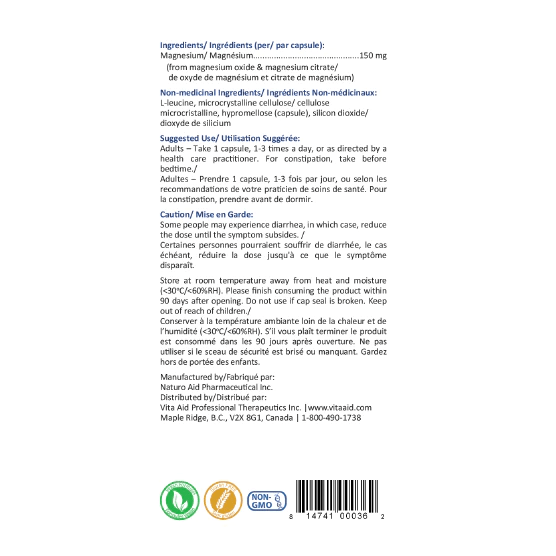
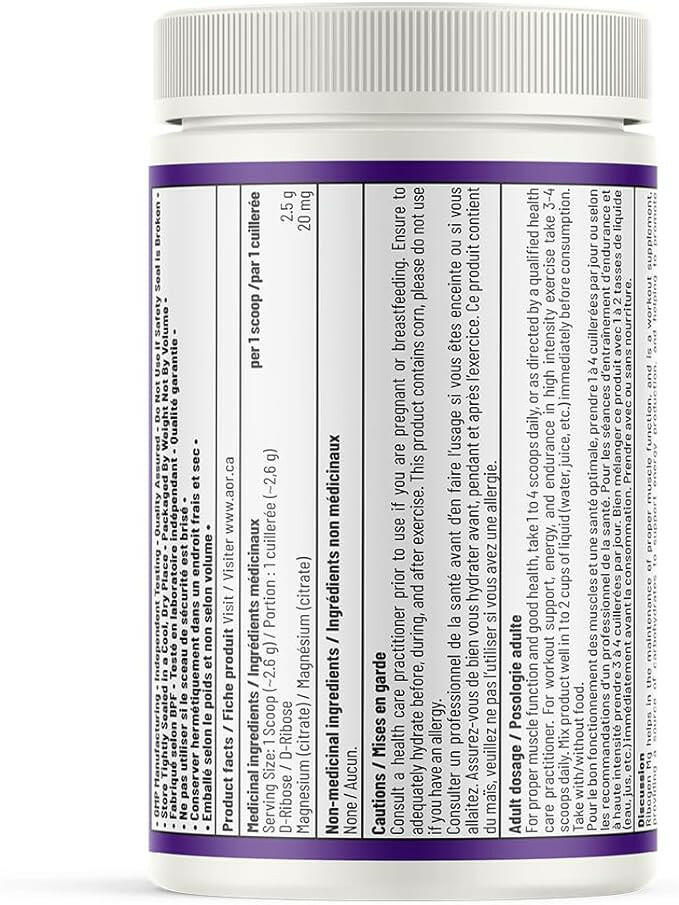
How to Read a Magnesium Supplement Label
One of the most important numbers on a magnesium product is the amount of elemental magnesium provided per serving.
The total weight of a magnesium citrate compound is not necessarily the same as the amount of magnesium your body receives.
When comparing products, check:
• Elemental magnesium per serving
• Serving size
• Recommended dose
• Medicinal ingredients
• Other magnesium forms included
• Intended use
• Laxative versus nutritional-supplement labelling
This provides a more meaningful comparison than simply comparing capsule or powder weights.
How to Choose Magnesium Citrate
For Everyday Magnesium Support
Choose a product providing an appropriate amount of elemental magnesium that fits your diet and existing supplements.
For Digestive Regularity
Magnesium citrate may be particularly useful if a mild stool-loosening effect is desirable.
For Occasional Constipation
Choose a product specifically labelled and dosed for constipation rather than simply increasing the amount of a nutritional supplement.
If You Have a Sensitive Digestive System
A lower dose or another magnesium form may be more appropriate if citrate repeatedly causes diarrhea or cramping.
If You Already Take a Multivitamin
Check the magnesium content to avoid unnecessary duplication.
Safety & Responsible Use
Magnesium obtained from food is generally well regulated in people with normal kidney function, but supplemental magnesium can cause gastrointestinal adverse effects.
The most common problem with excessive magnesium citrate supplementation is diarrhea.
Particular caution is necessary for people with kidney impairment, because reduced kidney function can interfere with the body’s ability to eliminate excess magnesium.
Magnesium can also interfere with the absorption of certain medications, including some:
• Antibiotics
• Bisphosphonates
• Thyroid medications
Spacing requirements vary by medication, so follow pharmacist or prescribing instructions.
Pregnant or breastfeeding individuals and people taking multiple medications should follow appropriate product and healthcare guidance.
When Constipation Needs Medical Assessment
Occasional constipation is common, but persistent or unexplained changes in bowel habits should not simply be managed indefinitely with laxatives.
Seek appropriate medical advice for constipation accompanied by:
• Severe or persistent abdominal pain
• Vomiting
• Blood in the stool
• Unexplained weight loss
• Significant abdominal swelling
• Fever
• Inability to pass stool or gas
• A persistent change in normal bowel habits
Frequent reliance on laxatives may also warrant assessment of diet, hydration, medications, medical conditions, and other possible causes.
FAQs
What is magnesium citrate used for?
Magnesium citrate is used as a source of supplemental magnesium and, in appropriate formulations and doses, as an osmotic laxative for occasional constipation.
Is magnesium citrate well absorbed?
Magnesium citrate is relatively soluble and is generally considered more bioavailable than less soluble forms such as magnesium oxide.
Does magnesium citrate help constipation?
Yes. At appropriate doses, magnesium citrate can draw water into the intestine and promote bowel movements. Products intended specifically as laxatives should be used according to their labelled directions.
Does magnesium citrate help muscle cramps?
Magnesium is essential for normal muscle function, but supplementation does not reliably eliminate every type of muscle cramp. Benefits may be more relevant when magnesium intake or status is inadequate.
Is magnesium citrate good for sleep?
Magnesium contributes to normal nervous-system function, and supplementation has been studied for sleep-related outcomes. It should not be expected to function as a sleeping medication or guarantee improved sleep.
What is the difference between magnesium citrate and magnesium glycinate?
Both can provide well-absorbed magnesium. Citrate is more likely to loosen stools, while glycinate is commonly selected by people wanting magnesium supplementation with less of a laxative effect.
Can magnesium citrate cause diarrhea?
Yes. Loose stools and diarrhea are among its most common dose-related effects.
Can I take magnesium citrate every day?
A magnesium citrate nutritional supplement may be appropriate for regular use when taken according to its directions and individual needs. Regular use of laxative-strength products is a different matter and may require professional guidance.
Who should be especially careful with magnesium citrate?
People with impaired kidney function, significant gastrointestinal conditions, or medications that interact with magnesium should seek appropriate healthcare guidance.
Why Shop Magnesium Citrate at Coal Harbour Pharmacy?
• Pharmacist-curated magnesium citrate supplements
• Capsules, powders, liquids, and chewable options
• Products for nutritional and digestive-support needs
• Multiple strengths and formulations
• Trusted Canadian and professional supplement brands
• Fast Canada-wide shipping
Related Collections
• Minerals
────────────────────────────────────
Shop Magnesium Citrate →
Sort by
14 products













FREE STANDARD SHIPPING
Satisfied or refunded
Top-notch support
Secure payments
Encrypted checkout processing
Offers exclude prescriptions and in-store purchases.
Subscribe & Get a First-Order Reward
Plus, earning reward points on eligible online purchases and enjoy future store credit.
We respect your inbox at Coal Harbour Pharmacy - Expect thoughtfully curated health and wellness updates, timely reminders, and exclusive online savings.