
Non-Heme Iron Supplements – Plant-Based Iron & Gentle Iron Formulas
Explore non-heme iron supplements at Coal Harbour Pharmacy, featuring plant-based iron, ferrous bisglycinate, ferrous fumarate, ferrous gluconate, and other iron formulations. Discover pharmacist-curated iron supplements designed to support healthy red blood cell formation, hemoglobin production, oxygen transport, and normal energy metabolism. Shop vegetarian-friendly iron capsules, tablets, liquids, and combination formulas with vitamin C, folate, and vitamin B12 for targeted nutritional support.
────────────────────────────────────
About Non-Heme Iron
Non-heme iron is a form of dietary iron naturally found in plant-based foods, fortified foods, and many iron supplements.
Unlike heme iron, which is associated with hemoglobin and myoglobin in animal tissues, non-heme iron is present in a variety of dietary and supplemental forms.
Iron is an essential mineral required for several important physiological functions, including:
- Hemoglobin production
- Red blood cell formation
- Oxygen transport
- Normal energy metabolism
- Cognitive development
- Immune function
- Muscle metabolism
- Cellular processes
At Coal Harbour Pharmacy, our Non-Heme Iron collection features selected iron supplements for customers seeking vegetarian-friendly options, alternative iron formulations, or targeted nutritional support.
Our selection may include:
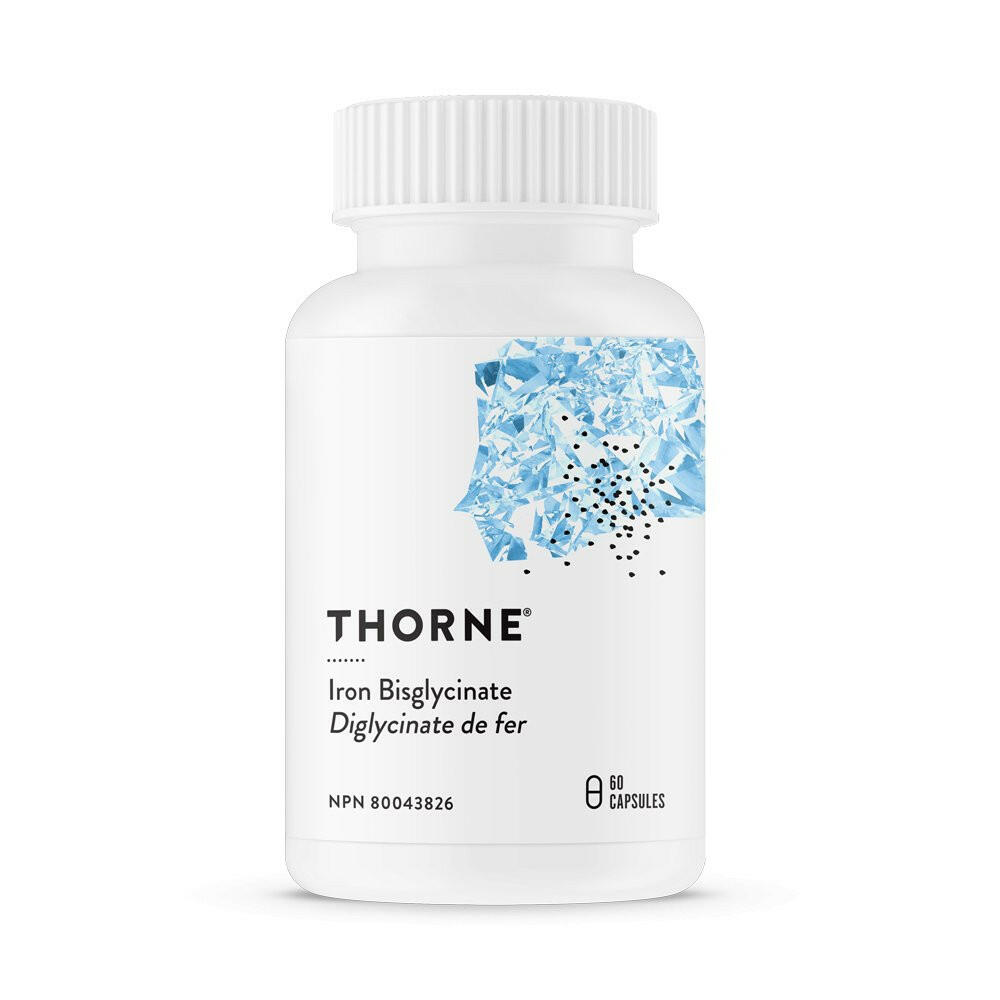
- Iron Bisglycinate: A chelated iron formulation often marketed for digestive tolerability.
- Ferrous Fumarate: A concentrated iron salt commonly used in oral iron supplements.
- Ferrous Gluconate: An iron salt providing a relatively lower proportion of elemental iron by weight.
- Ferrous Sulfate: A widely used oral iron formulation.
- Ferric Iron Complexes: Alternative iron preparations with formulation-specific absorption characteristics.
- Plant-Based Iron: Supplements containing iron derived from or combined with plant-based ingredients.
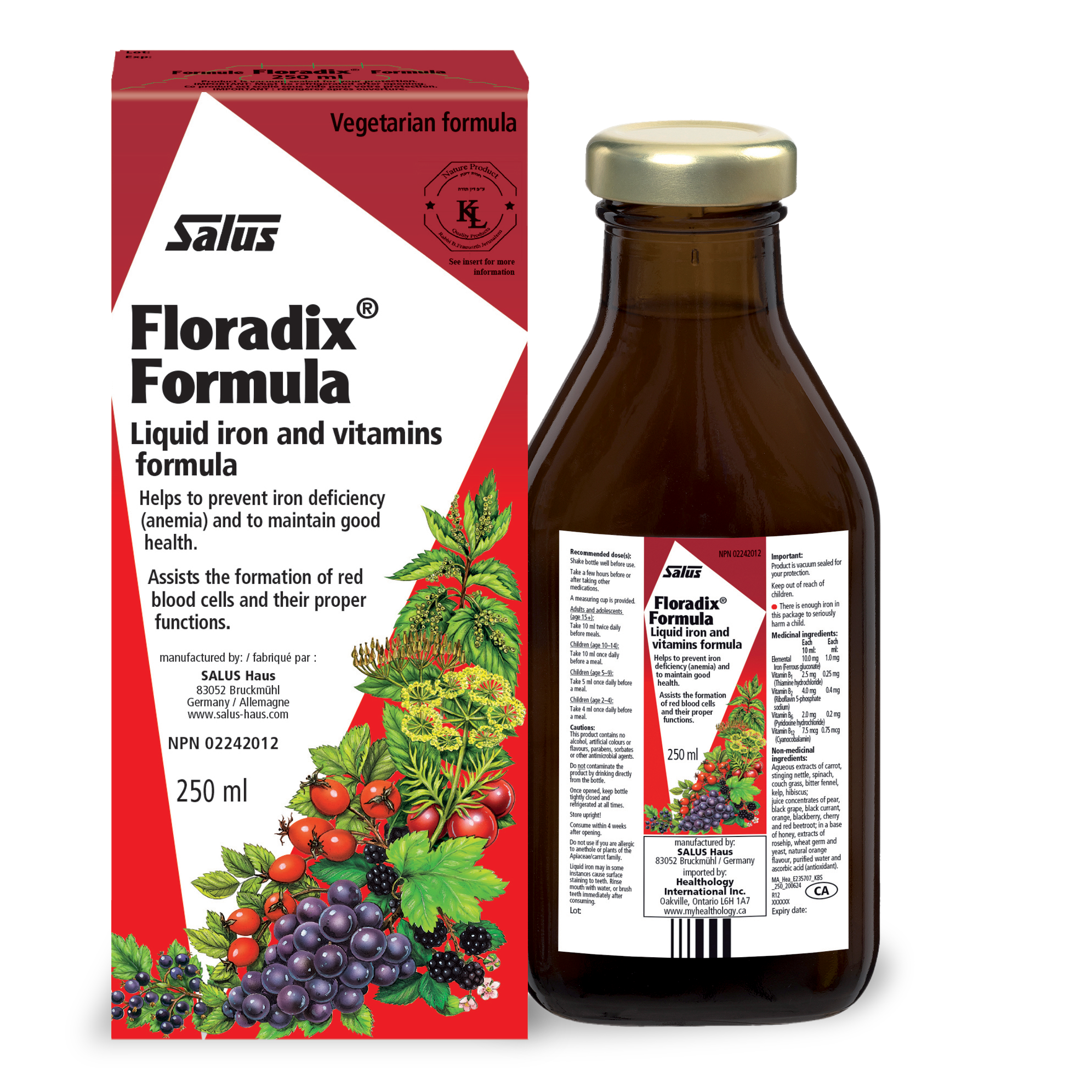
- Liquid Iron: Oral iron formulations for customers who prefer liquids.
- Iron + Vitamin C: Combination products designed to provide iron alongside a nutrient that can enhance non-heme iron absorption.
- Iron + Folate & Vitamin B12: Nutritional formulas containing nutrients involved in normal red blood cell production.
Iron supplementation is most appropriate when there is a demonstrated deficiency, increased requirement, inadequate dietary intake, or another clinically appropriate indication. Excess iron can be harmful.
Key Benefits
When used appropriately, non-heme iron supplements may help:
- Support Hemoglobin Production: Iron is required to produce hemoglobin, the oxygen-carrying protein in red blood cells.
- Maintain Red Blood Cell Formation: Adequate iron contributes to normal erythropoiesis.
- Support Oxygen Transport: Hemoglobin carries oxygen from the lungs to body tissues.
- Address Iron Deficiency: Appropriate supplementation can replenish depleted iron stores.
- Support Normal Energy Metabolism: Iron participates in cellular energy-related processes.
- Support Cognitive Function: Adequate iron is important for normal neurological function.
- Maintain Immune Function: Iron contributes to normal immune-cell development and activity.
- Support Pregnancy Nutrition: Iron requirements increase during pregnancy.
- Complement Plant-Based Diets: Supplements may help individuals who cannot meet their iron needs through food alone.
- Provide Alternative Iron Formulations: Different preparations offer choices in dose, format, and gastrointestinal tolerability.
Benefits depend on individual iron status and the amount of iron absorbed.
Who It’s Ideal For
Non-heme iron supplements may be appropriate for:
- Adults with confirmed iron deficiency
- Individuals diagnosed with iron-deficiency anemia
- Vegetarians and vegans with inadequate iron intake
- Women experiencing heavy menstrual bleeding
- Pregnant individuals with increased iron requirements
- People with low ferritin levels requiring supplementation
- Individuals with increased iron needs
- Customers seeking alternatives to heme iron supplements
- People comparing different oral iron formulations
- Adults who prefer vegetarian-friendly capsules
- Individuals requiring iron supplementation under medical guidance
Not everyone experiencing fatigue or weakness needs iron supplementation. These symptoms can have many causes, and unnecessary iron intake may be harmful.
What Is Non-Heme Iron?
Non-heme iron refers to iron that is not incorporated into a heme structure.
It is found naturally in plant foods and is the form of iron used in many conventional oral iron supplements.
Natural Sources of Non-Heme Iron
Common dietary sources include:
- Lentils
- Beans
- Chickpeas
- Tofu
- Spinach
- Pumpkin seeds
- Fortified cereals
- Whole grains
- Nuts
- Seeds
Supplemental Sources
Non-heme iron supplements may contain:
- Ferrous sulfate
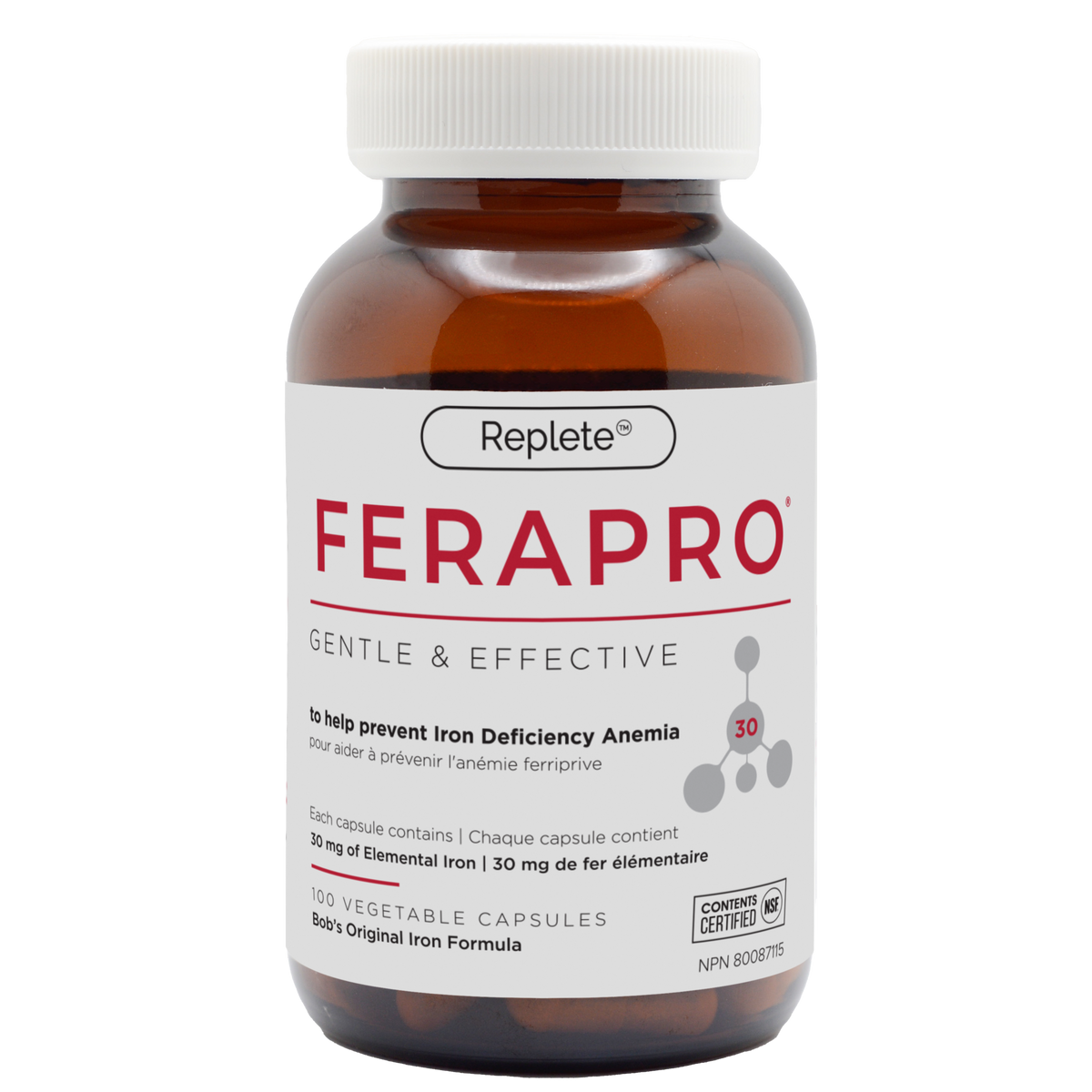
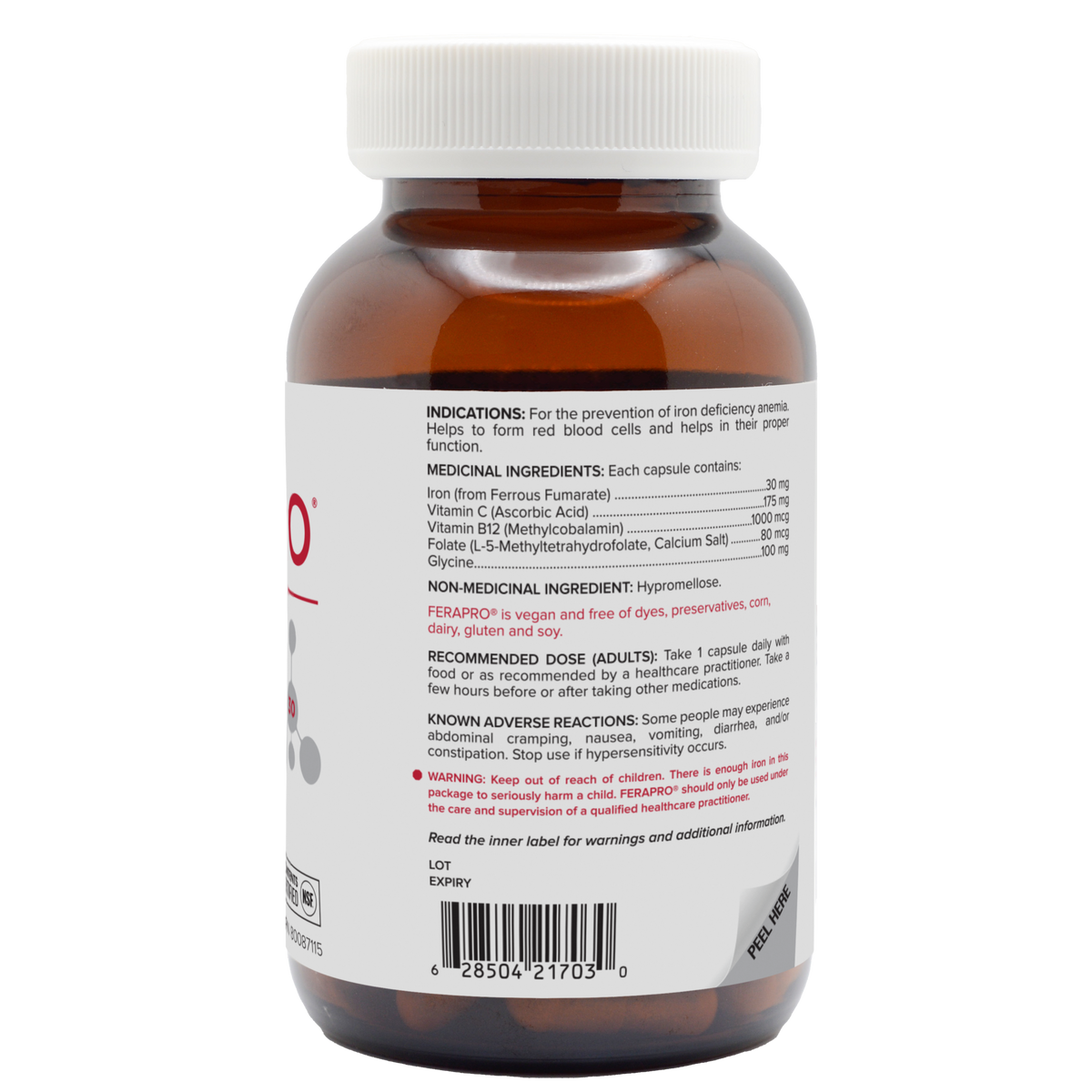
- Ferrous fumarate
- Ferrous gluconate
- Ferrous bisglycinate
- Ferric iron complexes
- Other iron compounds
The chemical form influences the amount of elemental iron supplied and may affect absorption and tolerability.
Heme Iron vs Non-Heme Iron
Dietary iron exists in two principal categories.
Heme Iron
Heme iron is found in animal-derived foods, particularly meat, poultry, and fish.
It is generally more readily absorbed than non-heme dietary iron.
Non-Heme Iron
Non-heme iron is found in plant foods, fortified foods, and many supplements.
Its absorption is influenced by factors including iron status, food composition, and interactions with other nutrients.
Comparison
|
Feature |
Heme Iron |
Non-Heme Iron |
|---|---|---|
|
Main dietary sources |
Meat, poultry, fish |
Legumes, grains, vegetables, fortified foods |
|
Common supplement sources |
Animal-derived heme iron products |
Ferrous salts, chelates, ferric complexes |
|
Dietary absorption |
Generally higher |
More variable |
|
Suitable for vegetarians |
Usually no |
Often yes |
|
Influenced by vitamin C |
Less dependent |
Absorption may improve |
|
Influenced by phytates |
Generally less affected |
Absorption may decrease |
|
Supplement options |
More limited |
Wide variety |
Non-heme iron can effectively treat iron deficiency when an appropriate formulation and dose are used.
Why Is Iron Important?
Iron participates in several essential physiological processes.
Hemoglobin Production
Hemoglobin is a protein in red blood cells that binds and transports oxygen.
Iron is a central component of hemoglobin.
Myoglobin Function
Myoglobin is an oxygen-binding protein found in muscle tissue.
Energy Metabolism
Iron is involved in enzymes and proteins that participate in cellular energy production.
Brain Development
Adequate iron is particularly important during periods of rapid neurological development.
Immune Function
Iron contributes to normal immune function, although both iron deficiency and excess iron can negatively affect health.
Non-Heme Iron & Iron Deficiency
Iron deficiency occurs when the body’s available iron becomes insufficient to meet physiological requirements.
Common contributing factors include:
- Inadequate dietary intake
- Heavy menstrual bleeding
- Pregnancy
- Gastrointestinal blood loss
- Impaired iron absorption
- Increased physiological requirements
Common Symptoms
Iron deficiency may be associated with:
- Fatigue
- Weakness
- Reduced exercise tolerance
- Difficulty concentrating
- Headaches
- Restless legs
- Hair shedding
- Shortness of breath
Symptoms vary, and some people with low iron stores experience few noticeable symptoms.
Important Consideration
These symptoms are not specific to iron deficiency.
Blood testing and clinical evaluation help determine whether iron supplementation is appropriate.
Understanding Ferritin & Iron Stores
Ferritin is a protein involved in iron storage.
Blood ferritin testing is commonly used to help evaluate iron stores.
What Does Low Ferritin Mean?
Low ferritin often indicates depleted iron stores.
However, ferritin levels must be interpreted alongside clinical circumstances and other laboratory findings.
Can Ferritin Be High Despite Iron Deficiency?
Yes.
Ferritin may increase during inflammation or certain illnesses, potentially complicating interpretation.
Healthcare professionals may also consider:
- Complete blood count (CBC)
- Hemoglobin
- Transferrin saturation
- Serum iron
- Other relevant tests
Should Everyone With Low Ferritin Take Iron?
Treatment decisions depend on the degree of deficiency, symptoms, underlying cause, and clinical circumstances.
Non-Heme Iron & Iron-Deficiency Anemia
Iron-deficiency anemia occurs when insufficient iron contributes to reduced hemoglobin production.
Potential Symptoms
These may include:
- Significant fatigue
- Weakness
- Dizziness
- Shortness of breath
- Reduced exercise capacity
- Palpitations
Treatment
Oral iron supplements are commonly used to treat iron-deficiency anemia.
However, the underlying cause of iron loss or deficiency should also be identified and addressed.
Important Consideration
Iron supplements are not appropriate for every type of anemia.
For example, anemia caused primarily by vitamin B12 deficiency requires a different treatment approach.
Iron Bisglycinate – Chelated Iron Supplements
Iron bisglycinate is an iron compound in which iron is associated with glycine molecules.
It is commonly marketed as a chelated iron supplement.
Potential Advantages
Depending on the formulation, iron bisglycinate may offer:
- Convenient oral dosing
- Vegetarian-friendly options
- Alternative gastrointestinal tolerability
- Different elemental iron amounts
Is Iron Bisglycinate Easier on the Stomach?
Some studies suggest iron bisglycinate may be better tolerated than certain conventional iron salts in selected populations.
However, gastrointestinal effects remain possible, and individual responses vary.
Who Might Consider It?
Iron bisglycinate may appeal to people who have difficulty tolerating certain traditional oral iron products.
The appropriate dose should be determined according to individual iron requirements.
Ferrous Fumarate – Concentrated Oral Iron
Ferrous fumarate is a commonly used iron salt.
It contains a relatively high proportion of elemental iron by weight.
Key Characteristics
- Widely used in iron supplements
- Available in different strengths
- Often supplied as tablets or capsules
- Suitable for many oral iron treatment regimens
Important Consideration
Ferrous fumarate can cause gastrointestinal effects such as constipation, nausea, or abdominal discomfort.
The amount of elemental iron should be checked rather than relying only on the total compound weight.
Ferrous Gluconate – Alternative Iron Salt
Ferrous gluconate is another oral iron formulation.
It contains a lower percentage of elemental iron by weight than ferrous fumarate or ferrous sulfate.
Potential Advantages
- Alternative dosing options
- Widely used in oral iron products
- Available in different formulations
Is Ferrous Gluconate Gentler?
Some individuals tolerate ferrous gluconate better than other iron salts.
However, tolerability depends on the elemental iron dose, formulation, and individual response.
It is not automatically free from gastrointestinal side effects.
Ferrous Sulfate – Conventional Iron Supplement
Ferrous sulfate is one of the most widely used oral iron preparations.
It has a long history of clinical use.
Key Characteristics
- Commonly used for iron deficiency
- Available in different strengths
- Often cost-effective
- Well-established clinical applications
Common Side Effects
Potential effects include:
- Constipation
- Nausea
- Abdominal discomfort
- Diarrhea
- Dark stools
Dark stools can occur with oral iron, but black tarry stools accompanied by concerning symptoms require medical evaluation.
Ferric Iron & Alternative Iron Complexes
Some oral supplements contain ferric iron or specialized iron complexes.
These may include:
- Ferric polysaccharide complexes
- Other complexed iron formulations
- Specialty iron delivery systems
How Are They Different?
Iron complexes vary in:
- Chemical structure
- Elemental iron content
- Dissolution
- Absorption
- Tolerability
- Clinical evidence
Are Newer Iron Complexes Better?
Not necessarily.
Some formulations may offer advantages for particular individuals, but superiority should not be assumed without appropriate comparative evidence.
Comparing Common Non-Heme Iron Forms
|
Iron Form |
Main Characteristics |
Important Consideration |
|---|---|---|
|
Ferrous Bisglycinate |
Chelated iron |
May offer tolerability advantages |
|
Ferrous Fumarate |
High elemental iron proportion |
Gastrointestinal effects possible |
|
Ferrous Gluconate |
Lower elemental iron proportion |
May require different tablet amounts |
|
Ferrous Sulfate |
Widely used conventional iron |
Effective but may cause digestive effects |
|
Ferric Iron Complexes |
Specialized formulations |
Absorption and evidence vary |
|
Plant-Derived Iron |
Iron supplied through plant-based ingredients or complexes |
Elemental iron and bioavailability vary |
The best iron supplement depends on the required elemental iron dose, tolerability, absorption, and clinical indication—not simply the form’s marketing description.
What Is Elemental Iron?
Elemental iron refers to the actual amount of iron supplied by an iron-containing compound.
This is one of the most important details when comparing supplements.
Example
A product may contain a larger amount of an iron compound but provide a smaller amount of elemental iron.
Why Does This Matter?
The body’s iron intake is determined by the elemental iron amount, not the total weight of the compound.
What to Look For
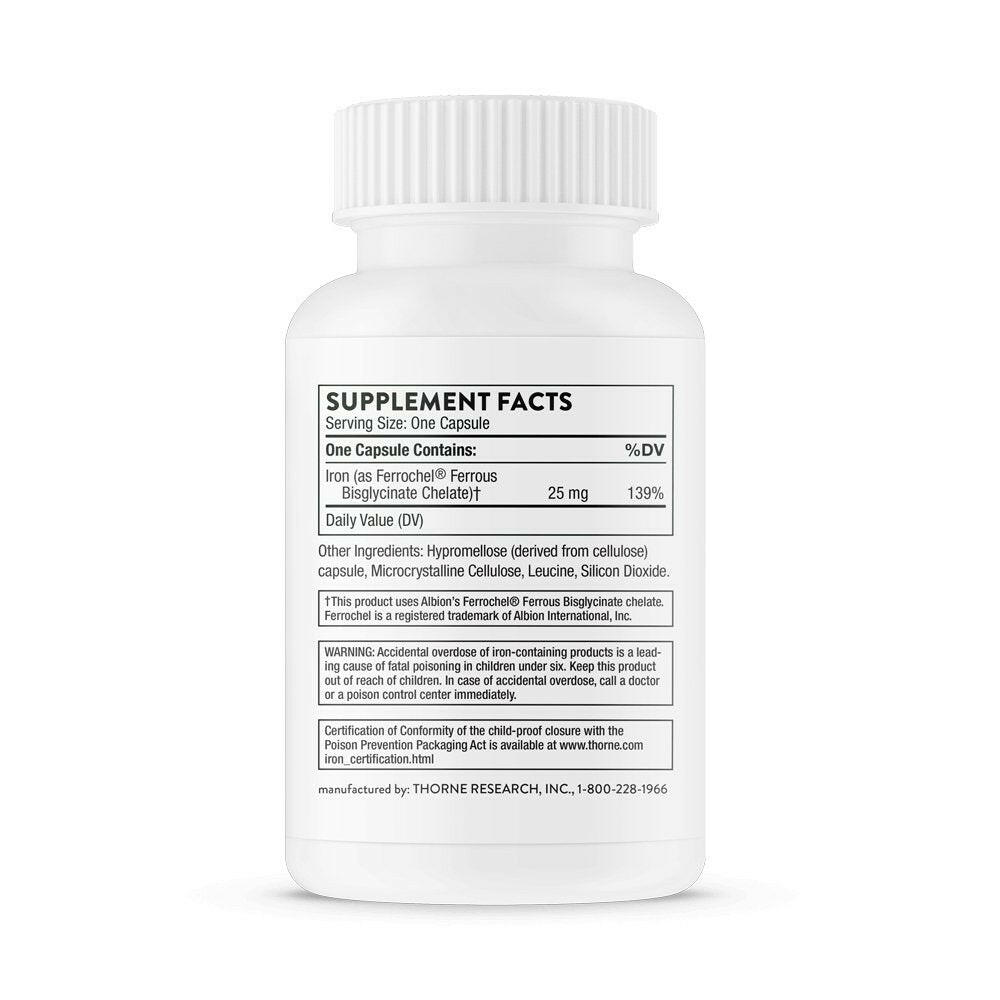
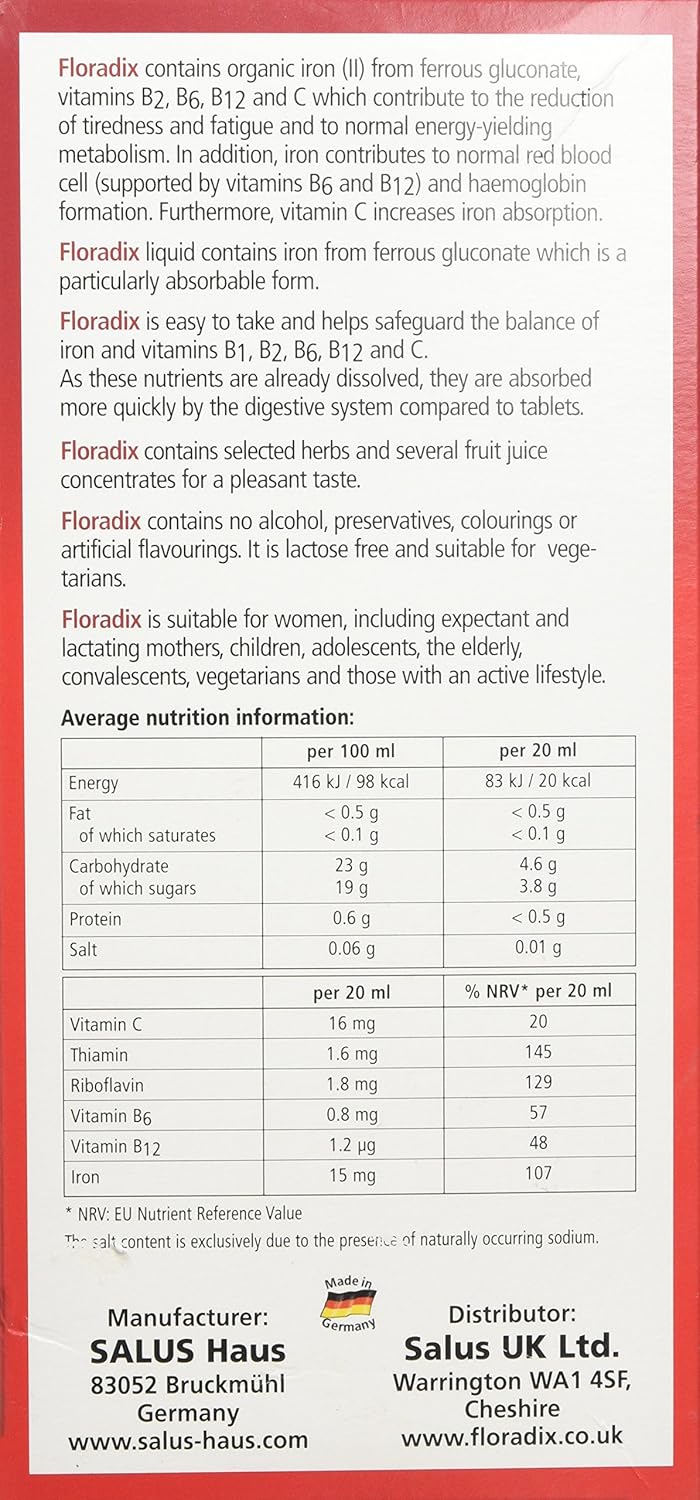
Review the label for:
- Elemental iron per serving
- Iron compound
- Recommended dose
- Number of tablets or capsules
- Additional nutrients
Avoid comparing iron products based only on the milligram amount displayed in the product name.
Non-Heme Iron & Vitamin C
Vitamin C can enhance the absorption of non-heme iron.
It helps maintain iron in a form that is more readily absorbed under certain conditions.
Dietary Vitamin C Sources
Examples include:
- Oranges
- Kiwi
- Strawberries
- Bell peppers
- Broccoli
- Citrus fruits
Iron + Vitamin C Supplements
Some formulas combine iron with vitamin C.
Is Vitamin C Supplementation Always Necessary?
No.
Although vitamin C can enhance non-heme iron absorption, studies have not consistently demonstrated that additional vitamin C supplements improve treatment outcomes when taken with oral iron.
A vitamin C-rich diet may be sufficient for many people.
Non-Heme Iron & Vitamin B12
Iron and vitamin B12 both contribute to normal red blood cell production, but they perform different functions.
Iron
Required for hemoglobin synthesis.
Vitamin B12
Required for normal DNA synthesis and red blood cell development.
Should They Be Taken Together?
Combination supplementation may be appropriate when both nutrients are needed.
However, vitamin B12 does not automatically improve iron absorption.
Non-Heme Iron & Folate
Folate is essential for normal cell division and red blood cell formation.
Why Is Folate Important?
Folate contributes to:
- DNA synthesis
- Normal cell division
- Red blood cell development
- Fetal neural tube development
Iron + Folate Supplements
Combination products are commonly used in certain prenatal and nutritional settings.
However, the appropriate amounts depend on individual needs and clinical recommendations.
Non-Heme Iron for Vegetarians & Vegans
Vegetarian and vegan diets can provide adequate iron when appropriately planned.
However, plant-based diets contain predominantly non-heme iron.
Common Plant-Based Iron Sources
- Lentils
- Chickpeas
- Kidney beans
- Tofu
- Tempeh
- Pumpkin seeds
- Quinoa
- Fortified breakfast cereals
- Leafy green vegetables
Improving Dietary Iron Absorption
Pair iron-containing plant foods with vitamin C-rich foods.
For example:
- Lentils with bell peppers
- Tofu with broccoli
- Chickpeas with tomatoes
- Fortified cereal with strawberries
Are Supplements Necessary?
Not everyone following a plant-based diet needs iron supplements.
Supplementation should be based on dietary intake, individual requirements, and iron status.
Non-Heme Iron for Women’s Health
Iron requirements are influenced by age, menstrual status, and reproductive circumstances.
Menstruation
Menstrual blood loss contributes to iron requirements.
Heavy Menstrual Bleeding
People experiencing heavy menstrual bleeding may be at increased risk of iron deficiency.
Pregnancy
Iron requirements increase during pregnancy.
Postpartum Recovery
Some individuals may require iron supplementation following childbirth, particularly when iron deficiency or significant blood loss has occurred.
Important Consideration
Iron needs should be assessed individually.
Heavy or prolonged menstrual bleeding warrants appropriate medical evaluation.
Non-Heme Iron During Pregnancy
Iron is important during pregnancy because maternal blood volume expands and iron is required for fetal development.
Why Do Requirements Increase?
Iron supports:
- Maternal red blood cell production
- Fetal growth
- Placental development
- Oxygen transport
Prenatal Iron Supplements
Many prenatal multivitamins contain iron.
However, the amount varies by product.
Important Precautions
Pregnant individuals should follow the recommendations of their prenatal healthcare provider.
Taking additional iron on top of a prenatal supplement may result in excessive intake.
Non-Heme Iron & Energy Metabolism
Iron is involved in normal cellular energy production.
Can Iron Supplements Reduce Fatigue?
Iron supplementation may improve fatigue when iron deficiency contributes to symptoms.
However, taking additional iron does not necessarily improve energy levels in individuals with adequate iron stores.
Other Causes of Fatigue
Fatigue may also be associated with:
- Poor sleep
- Thyroid disorders
- Vitamin B12 deficiency
- Stress
- Medication effects
- Chronic illness
Appropriate assessment is important before assuming low iron is the cause.
Non-Heme Iron & Cognitive Function
Iron is important for normal neurological development and function.
Iron deficiency may affect attention, concentration, and cognitive performance in certain populations.
Does Iron Improve Focus?
Correcting iron deficiency may help address associated symptoms.
However, supplementation has not been established as a general cognitive enhancer for individuals with normal iron status.
Non-Heme Iron & Hair Health
Iron deficiency can contribute to certain forms of hair shedding.
Why Is Iron Important for Hair?
Iron is involved in normal cellular metabolism and oxygen transport.
Does Iron Regrow Hair?
Correcting an iron deficiency may be appropriate when deficiency contributes to hair-related concerns.
However, iron supplements do not reliably treat all forms of hair loss.
Important Consideration
Hair shedding may be caused by:
- Genetics
- Hormonal changes
- Thyroid disorders
- Nutritional deficiencies
- Stress
- Medical conditions
Persistent hair loss should be evaluated appropriately.
Non-Heme Iron & Exercise Performance
Iron is essential for oxygen transport and normal muscle metabolism.
Iron Deficiency in Athletes
Some athletes may be at increased risk of iron deficiency due to factors including:
- Inadequate dietary intake
- Menstrual blood loss
- Training-related physiological demands
- Other individual factors
Can Iron Improve Endurance?
Correcting iron deficiency may improve exercise-related outcomes when low iron contributes to reduced performance.
However, iron supplementation does not reliably improve endurance in iron-replete athletes.
What Affects Non-Heme Iron Absorption?
Non-heme iron absorption is influenced by several dietary and physiological factors.
Factors That May Improve Absorption
- Vitamin C-containing foods
- Adequate stomach acidity
- Appropriate iron dosing
- Low iron stores, which can increase absorption efficiency
Factors That May Reduce Absorption
- Phytates in certain grains and legumes
- Polyphenols in tea and coffee
- Calcium when consumed at the same time
- Certain medications
- Some gastrointestinal conditions
Important Consideration
The overall nutritional value of foods should not be reduced to their effects on iron absorption.
Whole grains, legumes, and calcium-rich foods remain important parts of a balanced diet.
Iron Supplements & Coffee or Tea
Tea and coffee contain compounds that can reduce non-heme iron absorption when consumed together with iron-containing meals or supplements.
Practical Approach
If iron absorption is a concern, consider separating iron supplements from tea and coffee.
The appropriate timing depends on the product and individual circumstances.
Iron Supplements & Calcium
Calcium can reduce iron absorption when taken at the same time.
Should They Be Separated?
Separating iron and calcium supplements may be helpful when optimizing iron absorption.
However, the appropriate schedule should account for the specific products and treatment plan.
Iron Supplements & Medication Interactions
Oral iron can interact with several medications.
Examples include:
- Levothyroxine
- Certain antibiotics
- Bisphosphonates
- Some other mineral-sensitive medications
Why Do Interactions Occur?
Iron may bind to certain medications in the digestive tract, reducing their absorption.
Important Consideration
Some medications require specific separation intervals.
Follow pharmacist or prescriber guidance rather than applying one universal timing rule.
How to Take Non-Heme Iron Supplements
The best approach depends on the iron formulation, dose, tolerability, and clinical indication.
Follow the Product Directions
Review the recommended serving size and any instructions provided by your healthcare professional.
Empty Stomach vs With Food
Iron is often absorbed more efficiently on an empty stomach.
However, taking iron with food may improve gastrointestinal tolerability.
Avoid Unnecessary Interactions
Consider the timing of:
- Calcium supplements
- Antacids
- Coffee
- Tea
- Certain medications
Do Not Automatically Increase the Dose
Higher doses can increase side effects and do not necessarily produce proportionally greater absorption.
Daily vs Alternate-Day Iron Supplementation
Oral iron dosing strategies have evolved as research has improved understanding of iron absorption.
Daily Supplementation
Traditional regimens often involve daily iron administration.
Alternate-Day Supplementation
Some studies suggest alternate-day dosing may improve fractional iron absorption and tolerability in selected individuals.
Which Is Better?
The optimal schedule depends on:
- Severity of deficiency
- Presence of anemia
- Elemental iron dose
- Gastrointestinal tolerance
- Treatment goals
- Clinical recommendations
Do not change a prescribed iron treatment schedule without appropriate guidance.
Non-Heme Iron & Digestive Tolerability
Gastrointestinal side effects are among the most common reasons people discontinue oral iron.
Common Side Effects
- Constipation
- Nausea
- Abdominal discomfort
- Diarrhea
- Dark stools
Ways to Improve Tolerability
Depending on the situation, a healthcare professional may recommend:
- A different iron formulation
- A lower elemental iron dose
- An adjusted dosing schedule
- Taking iron with food
- A liquid formulation
Important Consideration
Products described as gentle iron may still cause gastrointestinal side effects.
Gentle Iron vs Standard Iron Supplements
The term gentle iron is commonly used in supplement marketing.
It generally refers to formulations intended to improve digestive tolerability.
Gentle Iron
Often includes chelated iron or specialized iron complexes.
Standard Iron
Commonly includes conventional ferrous salts.
Is Gentle Iron More Effective?
Not necessarily.
Clinical effectiveness depends on the elemental iron dose, absorption, adherence, and individual response.
Liquid Iron vs Iron Capsules
Different supplement formats may suit different preferences.
|
Feature |
Liquid Iron |
Capsules & Tablets |
|---|---|---|
|
Dosing |
May allow flexible measured servings |
Usually fixed per unit |
|
Convenience |
Requires measuring |
Easy to carry |
|
Taste |
May be noticeable |
Usually avoids direct taste |
|
Swallowing |
Useful for people who dislike pills |
Requires swallowing |
|
Storage |
Product-specific |
Product-specific |
|
Dental staining |
Possible with some liquids |
Generally less direct contact |
|
Best choice |
Individual preference and requirements |
Individual preference and requirements |
Liquid iron is not automatically better absorbed than capsules.
Non-Heme Iron Supplement Formats
Our collection may include:
Capsules
Convenient for daily supplementation.
Tablets
Available in different iron strengths and formulations.
Liquid Iron
An alternative for people who prefer measured liquid servings.
Iron Powders
May be available in selected nutritional formulations.
Iron Combination Supplements
May contain:
- Vitamin C
- Folate
- Vitamin B12
- Other nutrients
Vegetarian-Friendly Formulas
Many non-heme iron supplements are available in vegetarian or vegan-compatible formats.
Always check the full ingredient list.
How to Choose the Right Non-Heme Iron Supplement
1. Confirm Your Iron Needs
Consider relevant blood tests and healthcare recommendations.
2. Check the Elemental Iron Amount
Compare products based on elemental iron per serving.
3. Select the Appropriate Iron Form
Options may include:
- Ferrous bisglycinate
- Ferrous fumarate
- Ferrous gluconate
- Ferrous sulfate
- Other iron complexes
4. Consider Digestive Tolerability
A different formulation may be useful if a previous product caused side effects.
5. Review Additional Ingredients
Check for:
- Vitamin C
- Folate
- Vitamin B12
- Other vitamins or minerals
6. Check Dietary Suitability
Look for vegetarian or vegan labelling where relevant.
7. Review Medication Interactions
Iron can interfere with the absorption of certain medications.
8. Follow an Appropriate Treatment Plan
Iron deficiency treatment may require monitoring and adjustment over time.
Shop Non-Heme Iron by Wellness Goal
|
Wellness Goal |
Iron Product Type |
Main Consideration |
|---|---|---|
|
General iron supplementation |
Standard oral iron |
Confirm appropriate need |
|
Vegetarian iron support |
Non-heme iron capsules |
Check ingredients and elemental iron |
|
Digestive tolerability |
Iron bisglycinate or alternative complexes |
Individual response varies |
|
Higher elemental iron per unit |
Ferrous fumarate |
Side effects may occur |
|
Alternative oral iron |
Ferrous gluconate |
Compare elemental iron amounts |
|
Liquid supplementation |
Liquid iron |
Measure doses accurately |
|
Prenatal nutrition |
Iron-containing prenatal formulas |
Avoid unnecessary duplicate iron |
|
Iron + additional nutrients |
Iron with vitamin C, B12, or folate |
Confirm each nutrient is appropriate |
Building an Iron-Supportive Nutrition Routine
A balanced approach combines appropriate dietary intake with supplementation when needed.
Breakfast
Include iron-containing foods such as fortified cereals or other suitable sources.
Pair with vitamin C-rich fruit when practical.
Lunch
Consider meals containing:
- Lentils
- Chickpeas
- Tofu
- Leafy vegetables
- Vitamin C-rich vegetables
Dinner
Include varied protein sources and iron-containing foods.
Supplement Timing
Take iron according to the product label or healthcare instructions.
Important Consideration
Avoid adding multiple iron-containing supplements without checking total elemental iron intake.
How Long Does It Take to Replenish Iron Stores?
The response to iron supplementation depends on:
- Severity of deficiency
- Elemental iron dose
- Absorption
- Ongoing blood loss
- Treatment adherence
- Underlying medical conditions
Hemoglobin Improvement
In iron-deficiency anemia, hemoglobin may begin improving within several weeks when treatment is effective.
Replenishing Iron Stores
Restoring depleted iron stores may take several months.
Follow-Up Testing
Healthcare professionals may recommend repeat blood testing to assess response and determine treatment duration.
Non-Heme Iron & Long-Term Supplementation
Long-term iron supplementation may be appropriate for some individuals.
However, unnecessary long-term use can lead to excessive iron intake.
When Might Ongoing Supplementation Be Considered?
Examples include:
- Persistent increased iron requirements
- Certain dietary limitations
- Ongoing iron loss
- Specific medical conditions
Important Consideration
The underlying cause of recurrent iron deficiency should be investigated rather than relying indefinitely on supplements without assessment.
Iron Supplement Quality & Ingredient Transparency
When comparing products, consider:
- Elemental iron amount
- Iron compound
- Ingredient transparency
- Manufacturing information
- Allergen declarations
- Additional nutrients
- Serving size
- Product-specific quality testing
- Storage instructions
- Canadian regulatory authorization
A higher price or more complex formulation does not automatically indicate superior effectiveness.
Canadian Natural Health Product Regulations
Many non-heme iron supplements sold in Canada are regulated as natural health products.
Authorized products generally display an eight-digit Natural Product Number (NPN).
Some iron-containing products may instead be regulated as drugs and display a Drug Identification Number (DIN).
What Does an NPN Mean?
An NPN indicates that Health Canada has authorized the natural health product under the applicable regulatory framework.
The authorization relates to the product’s approved ingredients, uses, and conditions of use.
Always review the individual product label.
Safety & Precautions
Iron supplements require particular care because excessive iron intake can be harmful.
Iron Overload
People with conditions such as hereditary hemochromatosis may accumulate excessive iron.
Iron supplementation may be inappropriate unless specifically recommended by a healthcare professional.
Gastrointestinal Side Effects
Oral iron may cause constipation, nausea, abdominal discomfort, or diarrhea.
Medication Interactions
Iron may interfere with the absorption of certain medications.
Pregnancy
Iron needs increase during pregnancy, but supplementation should follow appropriate prenatal guidance.
Children
Iron overdose can be life-threatening in children.
Keep all iron supplements securely stored and out of children’s reach.
Unexplained Anemia
Not all anemia is caused by iron deficiency.
Taking iron without confirming the cause may delay appropriate diagnosis.
Excessive Supplementation
Avoid combining multiple iron products without checking total elemental iron intake.
Suspected Overdose
If iron overdose is suspected, seek urgent medical assistance or contact a poison control centre immediately.
Iron supplementation should be based on an appropriate nutritional or medical indication, particularly when using higher-dose products.
When to Seek Medical Advice
Professional evaluation may be appropriate for:
- Persistent fatigue or weakness
- Unexplained shortness of breath
- Low hemoglobin
- Low ferritin
- Heavy menstrual bleeding
- Recurrent iron deficiency
- Persistent gastrointestinal symptoms
- Poor response to iron supplementation
- Suspected gastrointestinal blood loss
- Symptoms suggesting iron overload
Severe shortness of breath, chest pain, fainting, or suspected iron overdose requires urgent medical attention.
FAQs
What is non-heme iron?
Non-heme iron is iron that is not incorporated into a heme structure. It is found in plant foods, fortified foods, and many conventional iron supplements.
What is the difference between heme and non-heme iron?
Heme iron is found primarily in animal-derived foods and is generally more readily absorbed. Non-heme iron is found in plant foods and many supplements, with absorption influenced by dietary and physiological factors.
Is non-heme iron effective for iron deficiency?
Yes. Appropriate non-heme iron formulations are widely used to treat iron deficiency and iron-deficiency anemia.
Is non-heme iron suitable for vegans?
Many non-heme iron supplements are suitable for vegans, but the full ingredient list and capsule materials should be checked.
What is the best form of non-heme iron?
There is no universally best form. The appropriate choice depends on elemental iron requirements, absorption, tolerability, and individual circumstances.
What is iron bisglycinate?
Iron bisglycinate is a chelated iron compound commonly used in supplements and often marketed for digestive tolerability.
Is iron bisglycinate better than ferrous sulfate?
Some studies suggest tolerability advantages in certain populations, but effectiveness depends on dose, absorption, and individual response.
What is the difference between ferrous fumarate and ferrous gluconate?
They are different iron salts with different proportions of elemental iron. Product doses should be compared using elemental iron amounts.
What does elemental iron mean?
Elemental iron is the actual amount of iron supplied by an iron compound.
Does vitamin C improve non-heme iron absorption?
Vitamin C can enhance non-heme iron absorption, although additional vitamin C supplementation is not always necessary.
Can I take non-heme iron with coffee?
Coffee may reduce non-heme iron absorption when consumed at the same time. Separating iron supplementation from coffee may be helpful.
Can I take iron with calcium?
Calcium may reduce iron absorption when taken together. Separation may be appropriate depending on the products and treatment plan.
Should I take iron on an empty stomach?
Iron is often absorbed more efficiently on an empty stomach, but taking it with food may improve tolerability.
Does non-heme iron cause constipation?
Yes. Constipation is a possible side effect of many oral iron supplements.
Is liquid iron better than capsules?
Not necessarily. Effectiveness depends on the formulation, elemental iron dose, absorption, and adherence.
Can non-heme iron help with fatigue?
Iron supplementation may help when iron deficiency contributes to fatigue. It does not necessarily improve energy in individuals with adequate iron stores.
Can non-heme iron help with hair loss?
Correcting iron deficiency may be appropriate when deficiency contributes to hair shedding, but iron does not treat every form of hair loss.
Can I take iron every day?
Daily supplementation may be appropriate for some individuals. Others may be advised to use different dosing schedules.
Is alternate-day iron supplementation effective?
Alternate-day dosing may be useful in selected circumstances, but the appropriate schedule depends on individual treatment needs.
How long does it take for iron supplements to work?
Hemoglobin may begin improving within several weeks, while replenishing iron stores can take several months.
Can too much iron be harmful?
Yes. Excessive iron intake can cause toxicity and may contribute to iron overload.
Do I need blood tests before taking iron?
Blood testing is often useful to determine whether iron deficiency is present and whether supplementation is appropriate.
Can pregnant women take non-heme iron?
Yes, when appropriate. Iron is important during pregnancy, but supplementation should follow prenatal healthcare recommendations.
Where can I buy non-heme iron supplements in Canada?
Coal Harbour Pharmacy offers a pharmacist-curated selection of non-heme iron capsules, tablets, liquids, and combination formulas with Canada-wide shipping options.
Why Shop Non-Heme Iron at Coal Harbour Pharmacy?
- Pharmacist-curated non-heme iron supplements
- Vegetarian-friendly and plant-based iron options
- Iron bisglycinate and chelated iron formulas
- Ferrous fumarate, ferrous gluconate, and other iron salts
- Gentle iron formulations
- Liquid iron, capsules, and tablets
- Iron with vitamin C, folate, and vitamin B12
- Products from established Canadian and international supplement brands
- Options for different elemental iron requirements
- Convenient online ordering
- Canada-wide shipping options
- Vancouver-based pharmacy support
Related Collections
────────────────────────────────────
Shop Non-Heme Iron →
Sort by
35 products






FREE STANDARD SHIPPING
Satisfied or refunded
Top-notch support
Secure payments
Encrypted checkout processing
Offers exclude prescriptions and in-store purchases.
Subscribe & Get a First-Order Reward
Plus, earning reward points on eligible online purchases and enjoy future store credit.
We respect your inbox at Coal Harbour Pharmacy - Expect thoughtfully curated health and wellness updates, timely reminders, and exclusive online savings.