
Heme Iron – Highly Absorbable Iron Support for Healthy Hemoglobin, Energy & Iron Levels
Support healthy iron status, hemoglobin production, energy metabolism, and red blood cell formation with heme iron supplements—a highly bioavailable form of iron designed for efficient absorption and convenient daily supplementation.
────────────────────────────────────
ABOUT THIS COLLECTION
Maintain healthy iron levels with our Heme Iron collection at Coal Harbour Pharmacy. Heme iron is an animal-derived form of iron that is generally absorbed more efficiently than non-heme iron and is less influenced by many dietary factors that can interfere with iron absorption.
Iron is an essential mineral required for hemoglobin formation, oxygen transport, red blood cell production, energy metabolism, and normal immune function. When iron intake or absorption is inadequate, iron stores can decline and may eventually contribute to iron deficiency.
Our pharmacist-curated collection includes heme iron supplements and combination formulas from trusted professional and natural health brands, with options designed for individuals who require targeted iron supplementation.
KEY BENEFITS
• Provides a highly bioavailable form of iron
• Helps prevent iron deficiency when dietary intake is inadequate
• Supports healthy hemoglobin and red blood cell formation
• Supports oxygen transport throughout the body
• Helps support normal energy metabolism
• May be easier for some individuals to incorporate into their routine than conventional iron salts
• Absorption is generally less affected by certain dietary inhibitors than non-heme iron
WHO IT’S IDEAL FOR
• Individuals with increased iron requirements
• Adults with inadequate dietary iron intake
• People with low iron intake who have been advised to supplement
• Individuals who have difficulty maintaining adequate iron stores
• People who do not tolerate certain conventional iron supplements well
• Women with increased iron requirements due to menstruation
• Individuals seeking an alternative to non-heme iron formulations
• People using iron under the guidance of a healthcare professional
WHAT IS HEME IRON?
Heme iron is a form of iron naturally associated with hemoglobin and myoglobin in animal tissues.
Dietary iron occurs primarily in two forms:
Heme iron — found in animal-derived foods and certain supplements.
Non-heme iron — found in plant foods, fortified foods, and many conventional iron supplements.
The body absorbs these forms through different mechanisms. Heme iron generally has greater and more consistent bioavailability, while non-heme iron absorption is more strongly affected by other components of a meal.
HEME IRON VS. NON-HEME IRON
Heme Iron
• Animal-derived
• Generally more efficiently absorbed
• Less affected by phytates and certain other dietary inhibitors
• Available in specialized iron supplements
• May be useful when a highly bioavailable iron source is desired
Non-Heme Iron
Includes supplemental forms such as:
• Ferrous sulfate
• Ferrous fumarate
• Ferrous gluconate
• Iron bisglycinate
Non-heme products remain effective and appropriate options for many people, particularly when correctly dosed and tolerated.
The best iron supplement is not simply the form with the highest theoretical absorption—it is the product that provides the appropriate amount of elemental iron, is well tolerated, and effectively corrects the individual’s iron status.
WHY IRON IS IMPORTANT
Iron is required for several fundamental biological processes.
Hemoglobin Production
Iron is an essential component of hemoglobin, the protein in red blood cells responsible for transporting oxygen.
Red Blood Cell Formation
Adequate iron is necessary for normal production and function of red blood cells.
Energy Metabolism
Iron contributes to enzymes involved in cellular energy production.
Oxygen Transport
Hemoglobin carries oxygen from the lungs to tissues throughout the body, while myoglobin helps supply oxygen to muscle.
Normal Cognitive & Immune Function
Adequate iron status also contributes to normal neurological and immune-system function.
SIGNS THAT MAY BE ASSOCIATED WITH LOW IRON
Iron deficiency can develop gradually.
Possible symptoms may include:
• Fatigue or low energy
• Weakness
• Reduced exercise tolerance
• Shortness of breath with activity
• Headaches
• Dizziness or light-headedness
• Pale skin
• Difficulty concentrating
• Feeling unusually cold
• Restless legs
• Increased hair shedding in some individuals
These symptoms are not specific to iron deficiency and can have many other causes. Appropriate testing is important rather than assuming iron is the underlying problem.
COMMON REASONS FOR LOW IRON
Iron status may be affected by:
• Heavy menstrual bleeding
• Pregnancy and increased physiological requirements
• Insufficient dietary iron
• Gastrointestinal blood loss
• Reduced iron absorption
• Certain gastrointestinal conditions
• Frequent blood donation
• Increased requirements during particular life stages
• Other underlying medical conditions
Unexplained or recurring iron deficiency should be medically assessed to determine its cause.
TYPES OF HEME IRON PRODUCTS
Heme Iron Supplements
Targeted products providing heme-derived iron for individuals seeking a highly bioavailable iron source.
Heme & Non-Heme Combination Formulas
Some products combine heme iron with another iron form to provide complementary absorption characteristics.
Iron Plus Cofactor Formulas
Iron may be combined with nutrients involved in normal blood formation, depending on the formulation.
These may include:
• Vitamin B12
• Folate
• Vitamin C
• Other supportive vitamins and minerals
Check the individual product’s medicinal ingredient panel because iron content and accompanying nutrients vary significantly.
AVAILABLE FORMATS
• Capsules
• Tablets
• Combination iron formulas
• Multi-nutrient blood-building formulas
Individual products may provide different amounts of elemental iron, so products should not be compared solely by capsule or tablet count.
HOW TO CHOOSE THE RIGHT OPTION
• For a highly bioavailable iron source: Consider a heme iron formulation
• For previous digestive intolerance: Compare heme iron with other well-tolerated iron forms
• For confirmed low iron: Choose the dose recommended by your healthcare professional based on laboratory results
• For additional blood-forming nutrients: Consider an appropriate combination formula
• For vegetarian or vegan supplementation: Choose a non-heme iron product, as heme iron is animal-derived
• For pregnancy: Use an iron product and dose appropriate for prenatal needs under healthcare guidance
• For persistent low ferritin or anemia: Seek medical assessment rather than increasing iron independently
HOW TO TAKE IRON SUPPLEMENTS
Always follow the directions on the individual product or those provided by your healthcare professional.
Depending on the formulation:
• Take the recommended amount consistently
• Avoid exceeding the recommended dose
• Follow any specific instructions regarding food
• Check whether other medications or supplements need to be separated from iron
• Keep track of all iron-containing products to avoid accidental duplication
Iron supplementation may need to continue after hemoglobin improves in order to replenish iron stores, but treatment duration should be individualized.
MONITORING IRON STATUS
Laboratory testing can help determine whether iron supplementation is necessary and whether treatment is working.
Depending on the situation, healthcare professionals may assess:
• Hemoglobin
• Ferritin
• Complete blood count (CBC)
• Transferrin saturation
• Serum iron and related markers
Ferritin reflects stored iron but can also be influenced by inflammation and other medical factors, so laboratory results should be interpreted in clinical context.
COMMON CONCERNS
Digestive Tolerance
Some conventional iron supplements can cause:
• Constipation
• Nausea
• Abdominal discomfort
• Diarrhea
• Dark stools
Tolerance varies significantly by formulation and individual.
Absorption
Heme iron is generally less affected by dietary inhibitors than non-heme iron. However, always follow the instructions for the specific supplement being used.
Vegetarian & Vegan Diets
Heme iron supplements are derived from animal sources and are therefore not suitable for vegetarian or vegan diets.
Non-heme options such as iron bisglycinate may be more appropriate.
CAUTIONS & WARNINGS
Iron should not be taken unnecessarily.
Excessive iron accumulation can be harmful, particularly in individuals with conditions affecting iron metabolism.
Consult a healthcare professional before taking therapeutic iron if you:
• Have not established whether you are iron deficient
• Have hemochromatosis or another iron-storage disorder
• Have unexplained anemia
• Have gastrointestinal disease or unexplained gastrointestinal bleeding
• Take prescription medications that may interact with iron
• Are pregnant or breastfeeding
• Have persistent or recurring low iron despite supplementation
Iron can interfere with the absorption of certain medications, including some thyroid medications and antibiotics. Appropriate spacing may be necessary.
Keep all iron-containing products out of the reach of children. Accidental iron overdose can be extremely dangerous.
FAQ
What is heme iron?
Heme iron is an animal-derived form of iron naturally associated with hemoglobin and myoglobin. It is generally absorbed more efficiently than non-heme iron.
Is heme iron better absorbed than regular iron?
Heme iron generally has higher and more consistent bioavailability than many non-heme iron sources. However, the best supplement depends on dose, tolerance, laboratory results, dietary preferences, and individual medical needs.
Is heme iron easier on the stomach?
Some people may tolerate certain heme iron formulations better than conventional iron salts, but digestive tolerance varies by individual and product.
Is heme iron suitable for vegetarians or vegans?
No. Heme iron supplements are derived from animal sources. Vegetarian and vegan users should choose an appropriate non-heme iron supplement.
Should I take iron if I feel tired?
Not automatically. Fatigue has many possible causes. Iron supplementation is most appropriate when dietary intake is inadequate, iron deficiency is established, or supplementation has been recommended by a healthcare professional.
What is ferritin?
Ferritin is a protein that stores iron and is commonly measured to help assess the body’s iron reserves. Results need to be interpreted alongside other clinical and laboratory information.
How long does it take to restore iron levels?
The timeline varies according to the severity and cause of deficiency, iron dose, absorption, and individual response. Restoring iron stores can take longer than improving hemoglobin or symptoms.
Can I take heme iron with other supplements or medications?
Possibly, but iron can interact with certain medications and nutrients. Review your complete medication and supplement routine with a pharmacist when necessary.
WHY SHOP AT COAL HARBOUR PHARMACY
• Pharmacist-curated iron supplements
• Heme and non-heme iron options
• Trusted professional and natural health brands
• Multiple strengths and formulations
• Options for different tolerance and dietary needs
• Fast, secure Canada-wide shipping
• Vancouver-based pharmacy with personalized guidance
RELATED COLLECTIONS
You may also be interested in:
• Minerals
• Folate
────────────────────────────────────
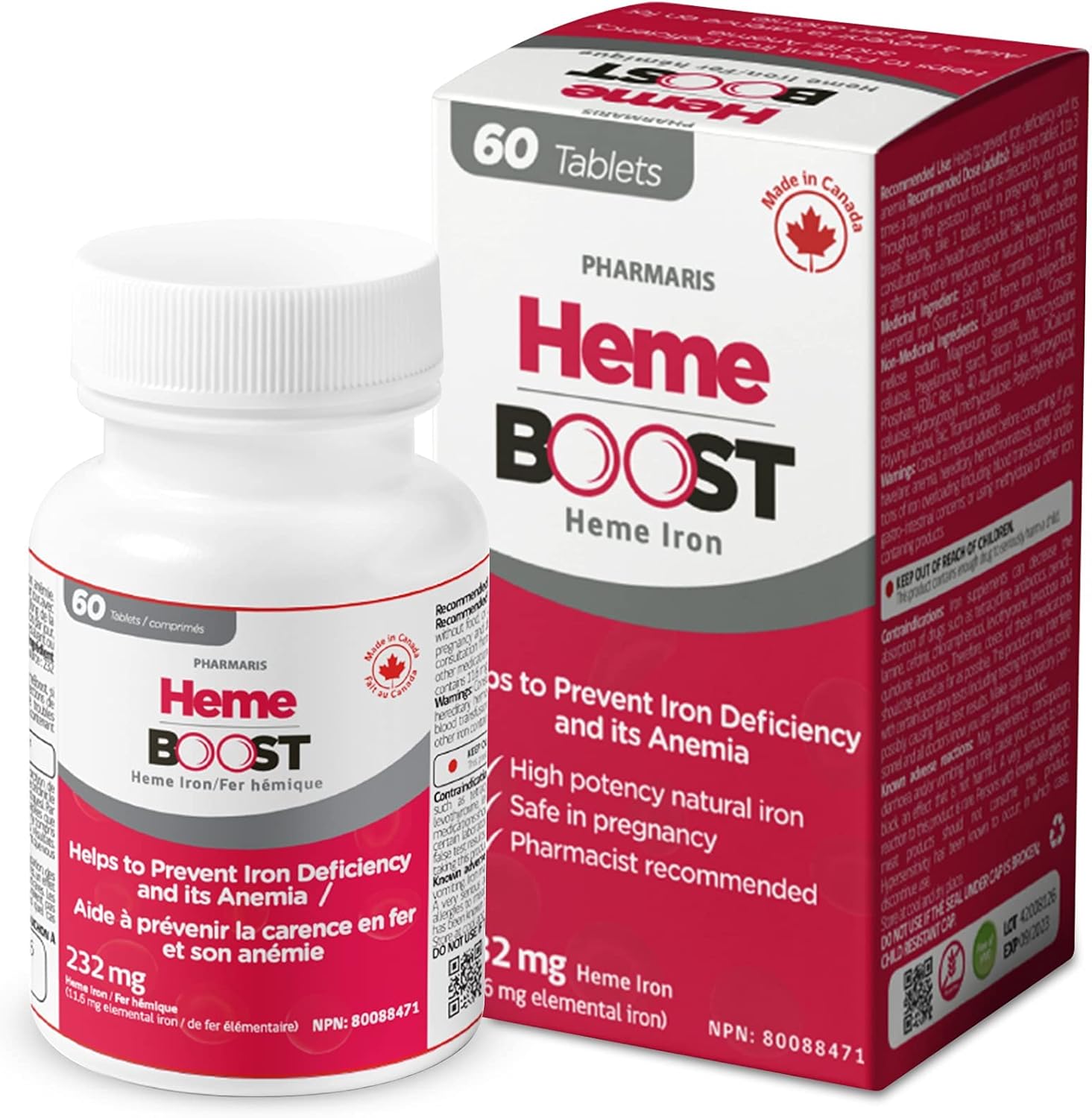
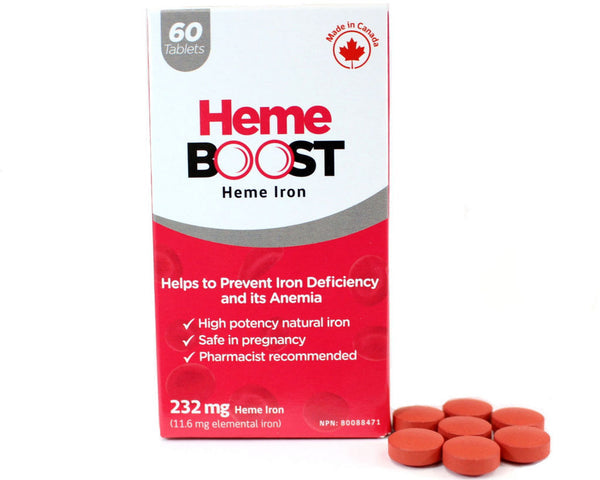
Shop Heme Iron Supplements →
Sort by
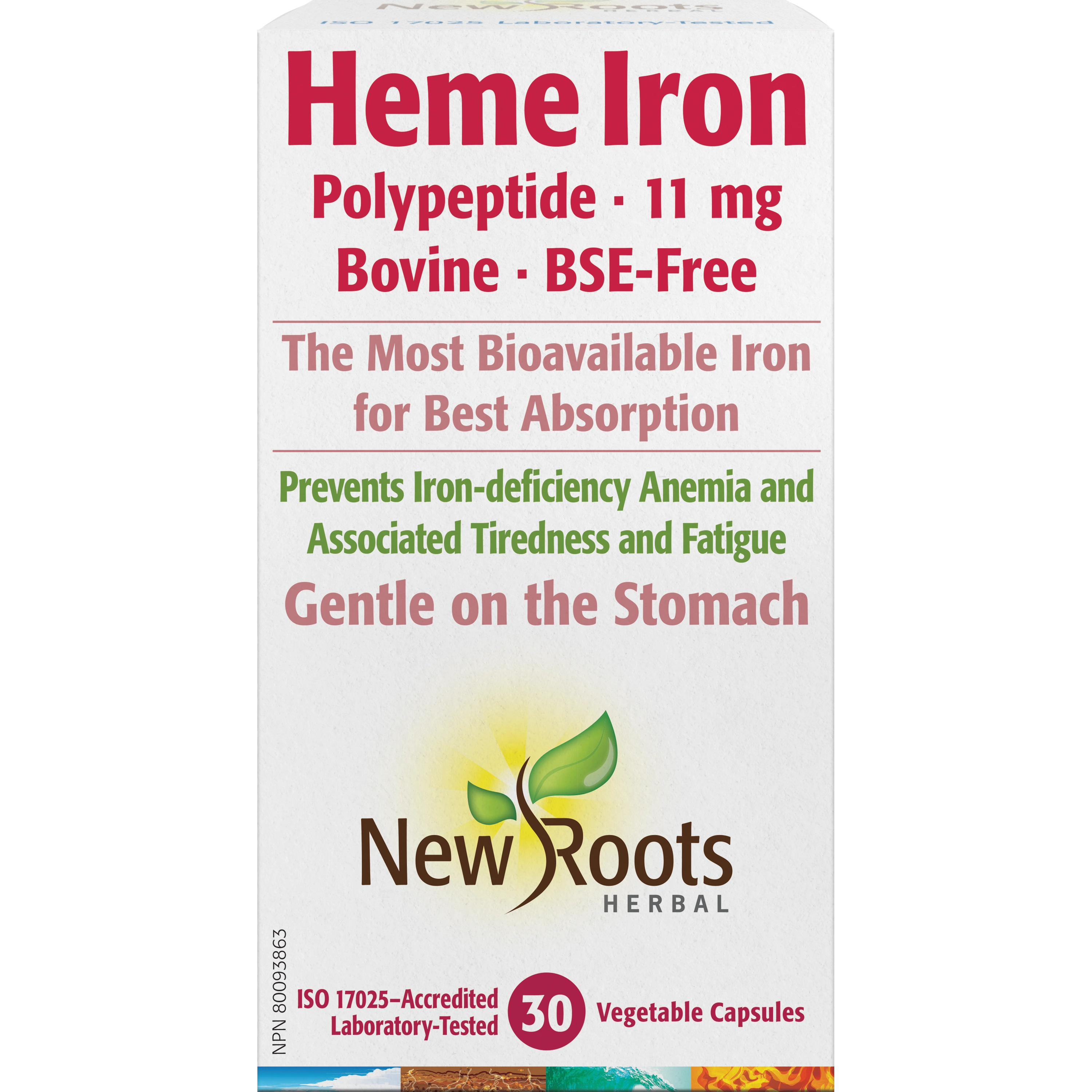
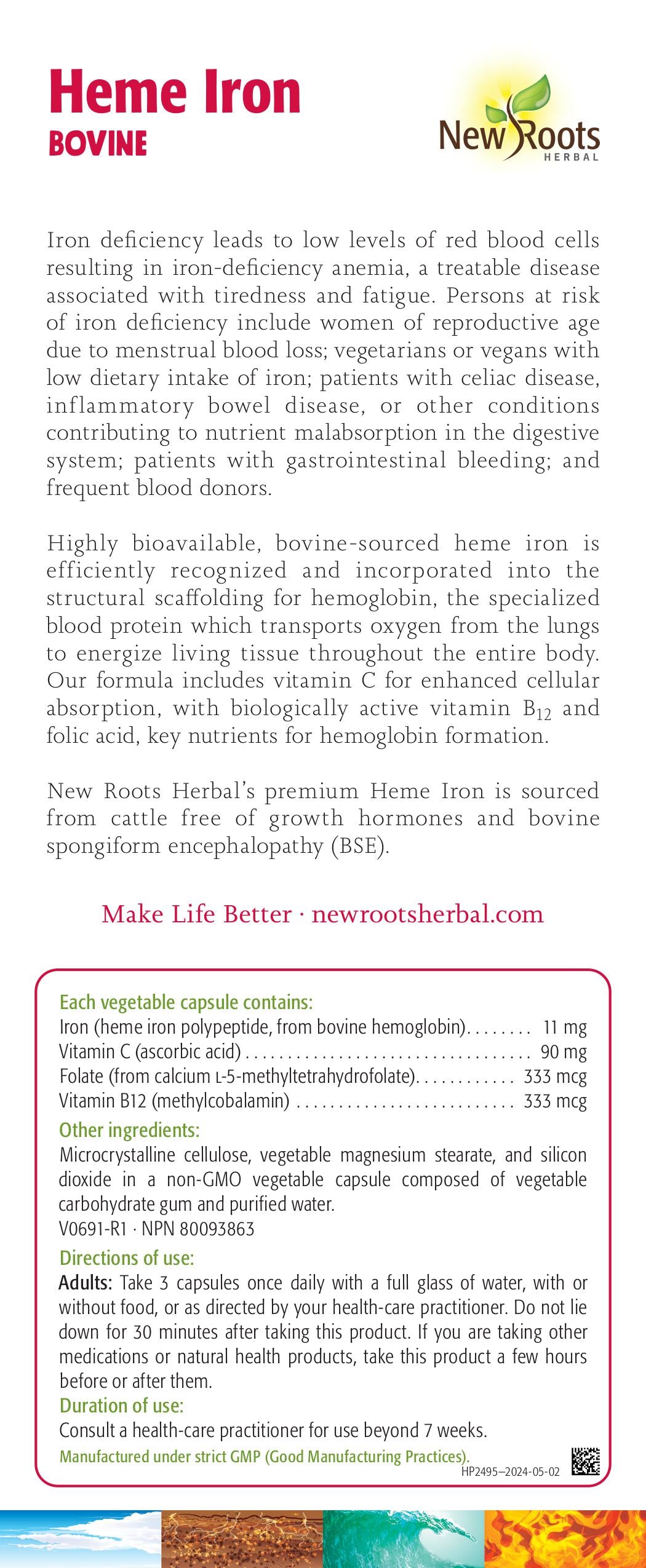
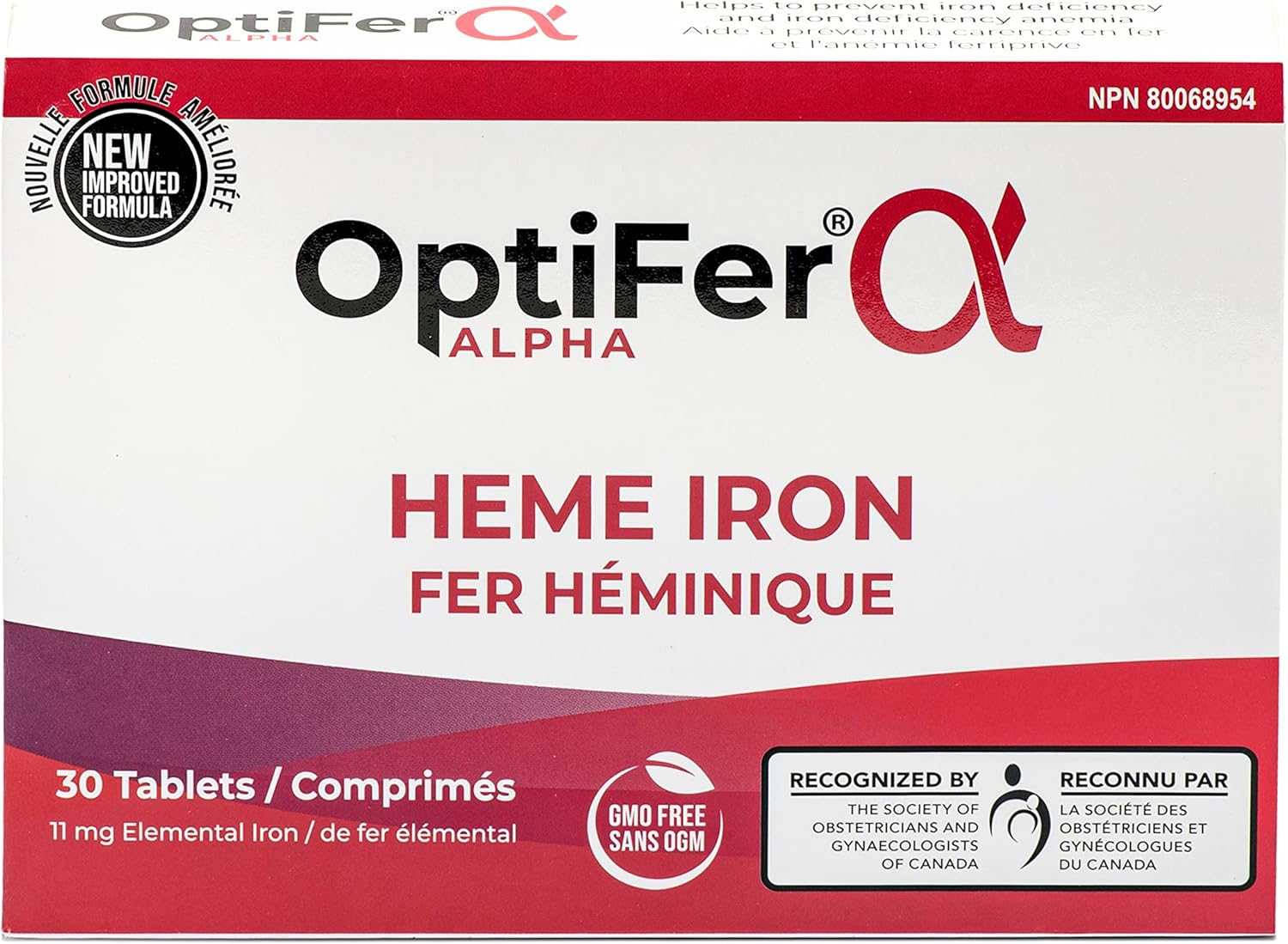
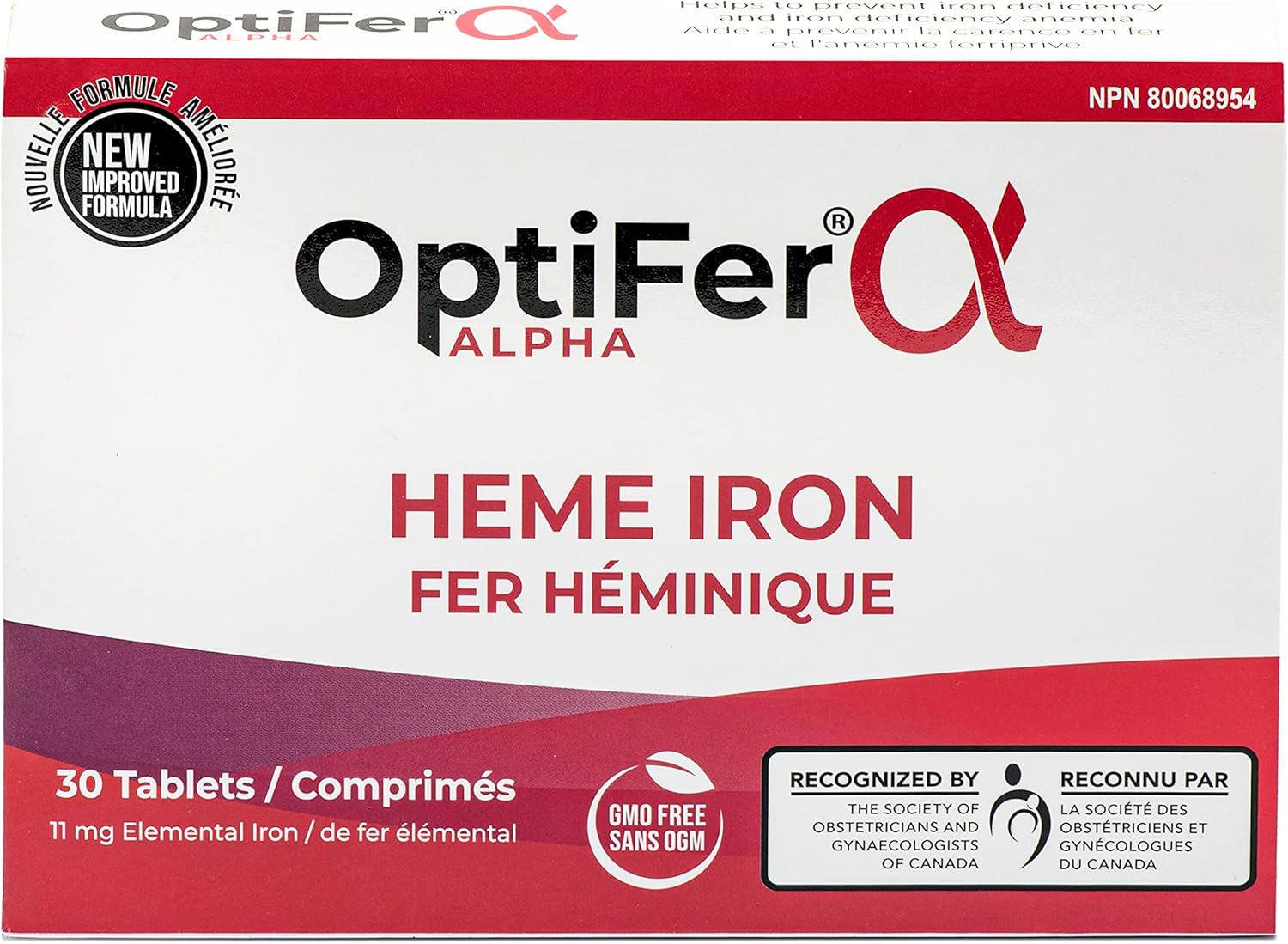
5 products
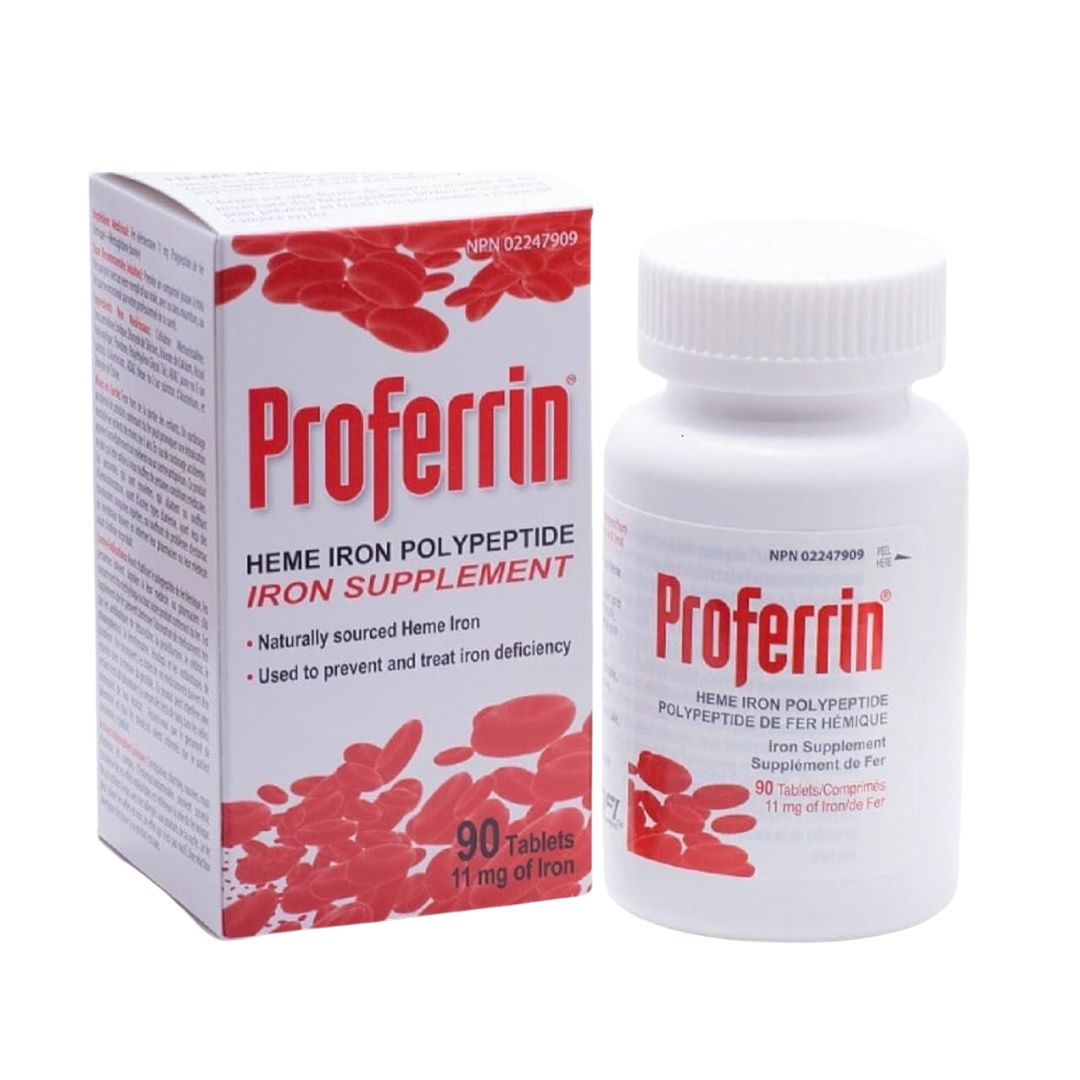
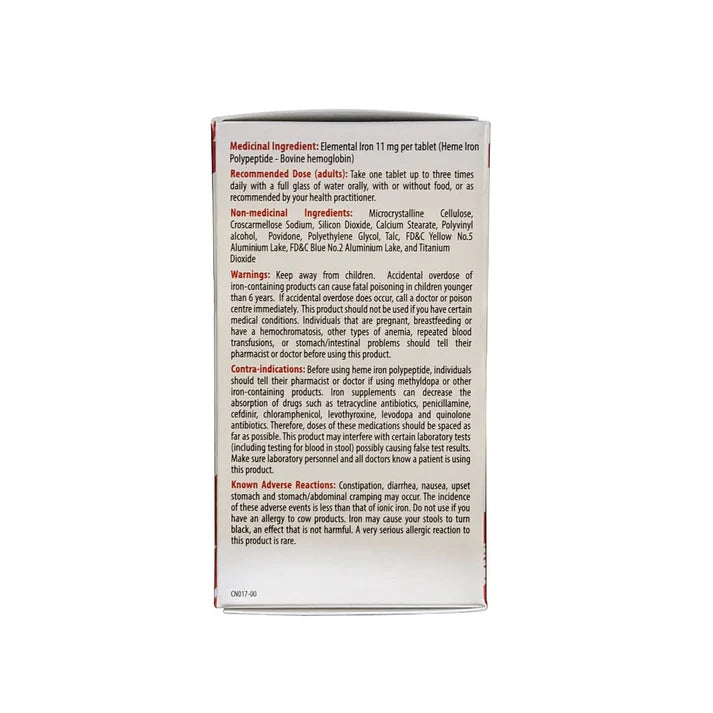
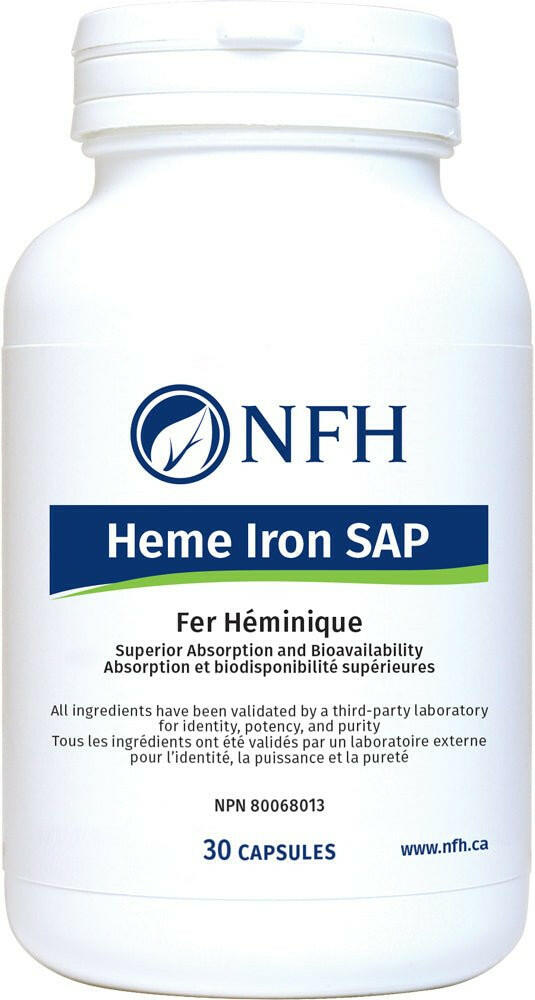
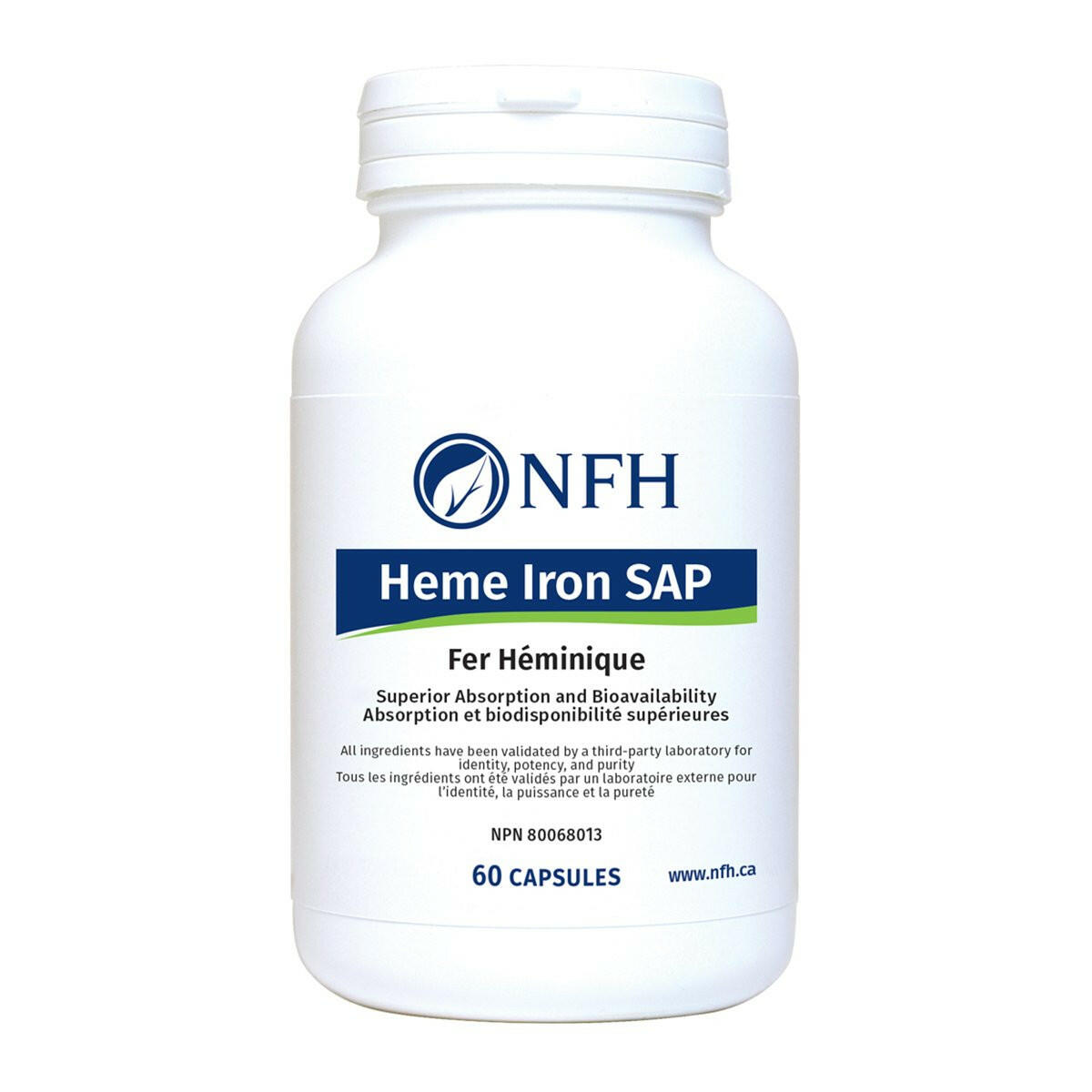
FREE STANDARD SHIPPING
Satisfied or refunded
Top-notch support
Secure payments
Encrypted checkout processing
Offers exclude prescriptions and in-store purchases.
Subscribe & Get a First-Order Reward
Plus, earning reward points on eligible online purchases and enjoy future store credit.
We respect your inbox at Coal Harbour Pharmacy - Expect thoughtfully curated health and wellness updates, timely reminders, and exclusive online savings.