
Massage & Spa Essentials – Relaxation, Aromatherapy & Recovery
Create a restorative self-care routine with massage oils, essential oils, bath soaks, body-care products, and relaxation tools selected to support comfort, post-activity recovery, skin conditioning, and everyday relaxation.
────────────────────────────────────
About Massage & Spa Essentials
Massage and spa rituals can provide a practical way to incorporate relaxation, body care, sensory wellness, and physical recovery into an everyday routine.
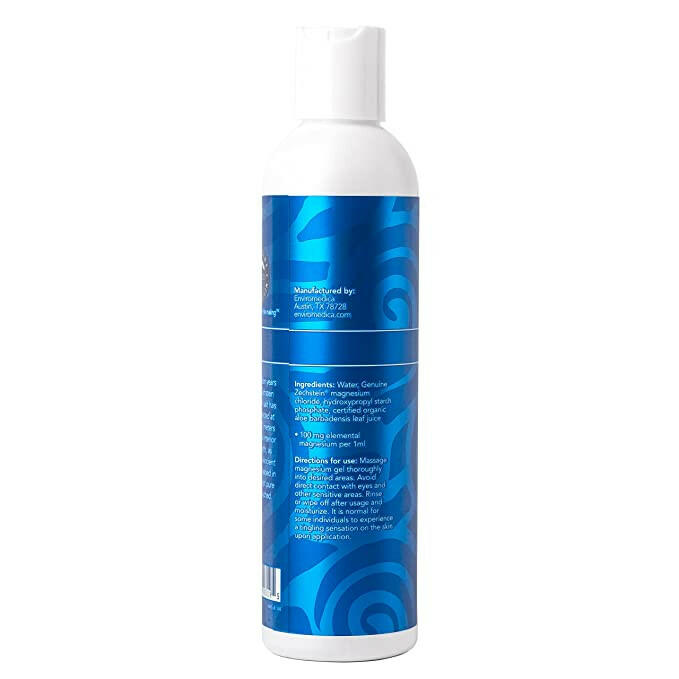
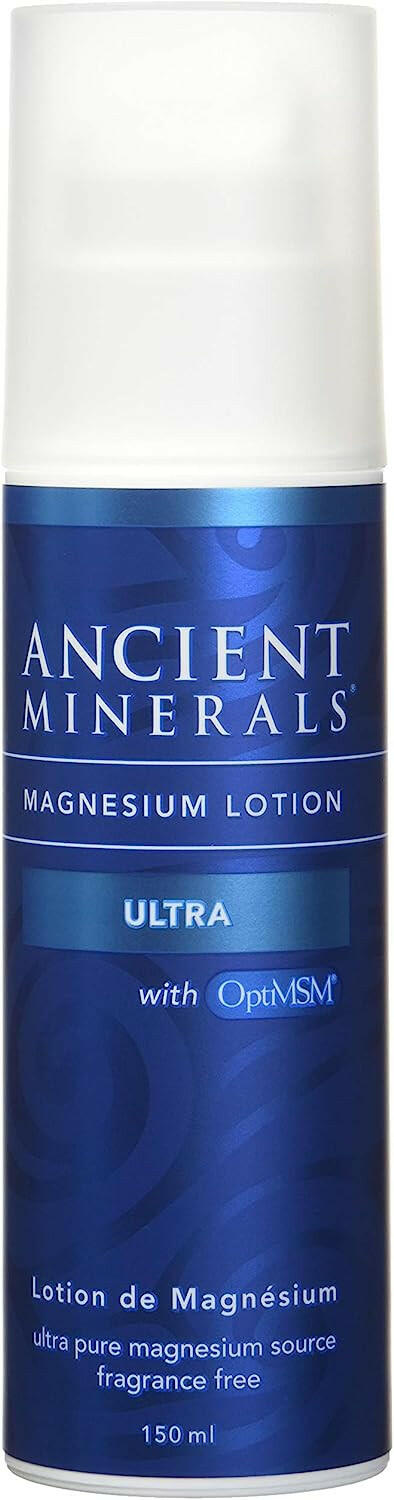
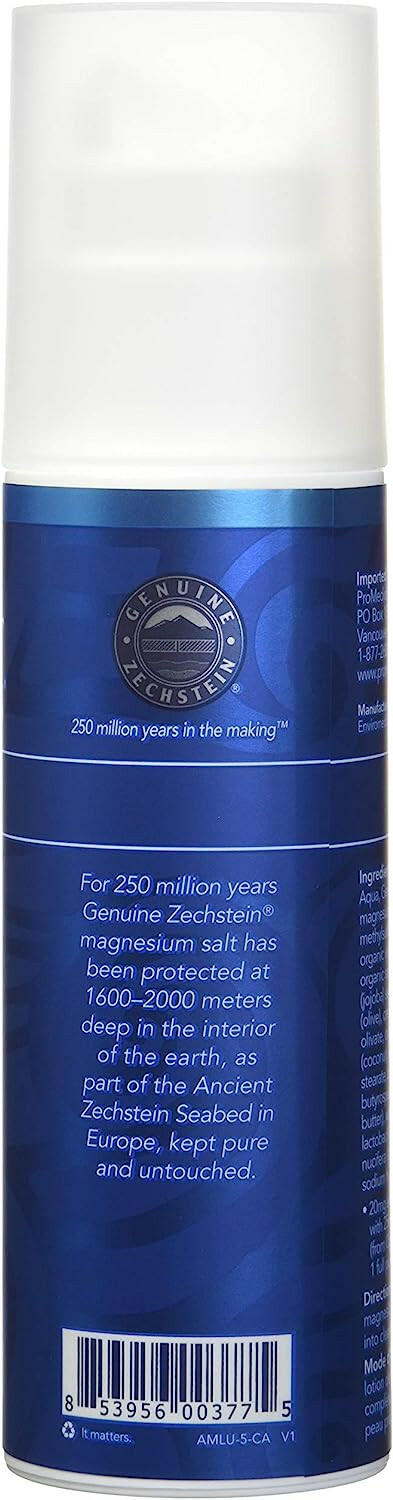
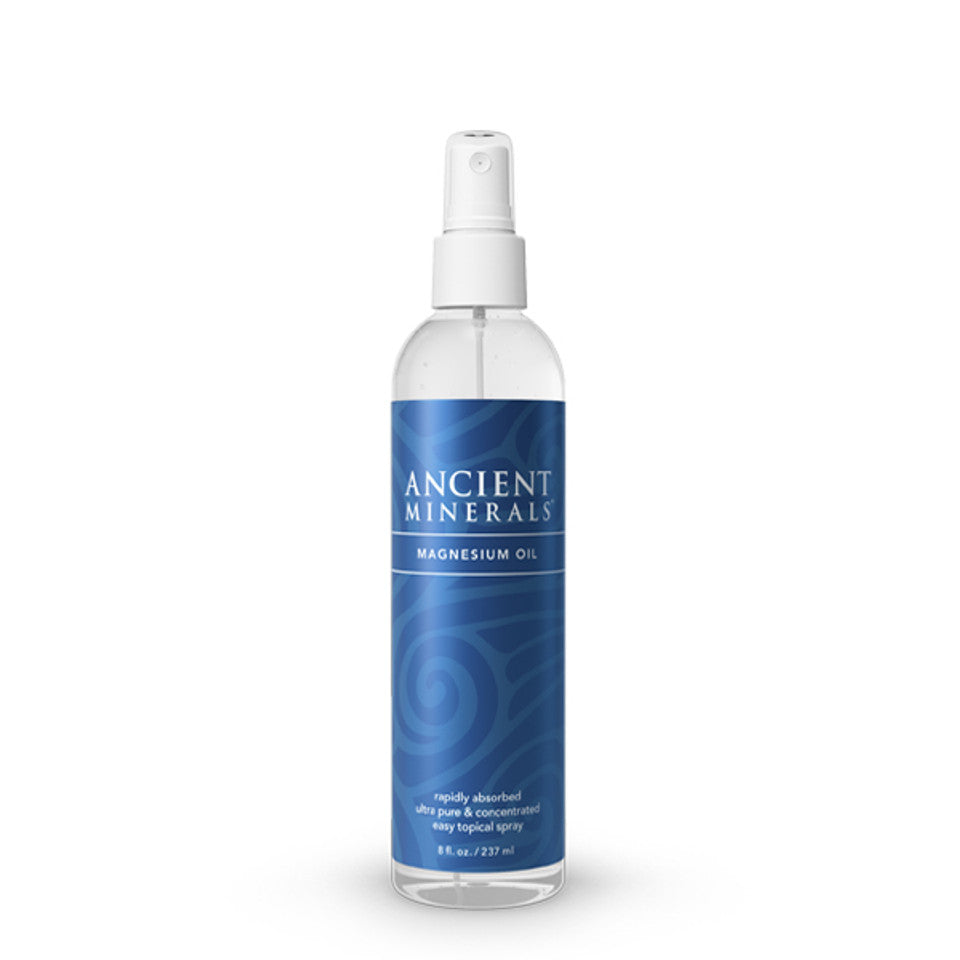
The Massage & Spa collection at Coal Harbour Pharmacy brings together massage oils, botanical balms, essential oils, aromatherapy blends, mineral bath salts, magnesium soaks, and self-massage accessories for use at home or as part of a broader wellness routine.
These products may help create a relaxing environment, provide temporary comfort for tired muscles, reduce friction during massage, and condition the skin. Their benefits should be distinguished from medical treatment for persistent pain, injury, circulatory disorders, or sleep conditions.
Key Benefits
Depending on the individual product and how it is used, massage and spa essentials may:
• Promote relaxation and sensory comfort
• Help temporarily ease feelings of muscle tension
• Support post-activity relaxation and recovery routines
• Provide glide and lubrication during massage
• Help moisturize and condition the skin
• Complement evening wind-down routines
• Provide warming or cooling sensory effects
• Enhance bath and aromatherapy rituals
• Encourage regular periods of rest and self-care
Massage can temporarily influence local blood flow, but spa products should not be assumed to treat poor circulation or cardiovascular conditions.
Who It’s Ideal For
This collection may appeal to:
• People building an at-home spa routine
• Adults experiencing everyday muscle tension after work or activity
• Athletes and active individuals incorporating massage into recovery
• People looking for massage oils, balms, or body-care products
• Individuals interested in aromatherapy and essential oils
• Those creating a relaxing evening or bath routine
• People seeking self-massage tools for targeted areas
• Gift-givers looking for wellness and self-care products
Persistent, severe, or unexplained pain should be assessed rather than repeatedly managed with topical or massage products.
Massage Oils
Massage oils help reduce friction between the hands and skin, making massage movements smoother and more comfortable.
Common base or carrier oils can include:
• Jojoba oil
• Sweet almond oil
• Coconut-derived oils
• Grapeseed oil
• Apricot kernel oil
• Other botanical oils
Some formulas also contain essential oils or botanical extracts to provide fragrance, warming, cooling, or other sensory qualities.
The best option depends on skin type, fragrance preference, intended massage area, allergies, and the desired texture.
Carrier Oils
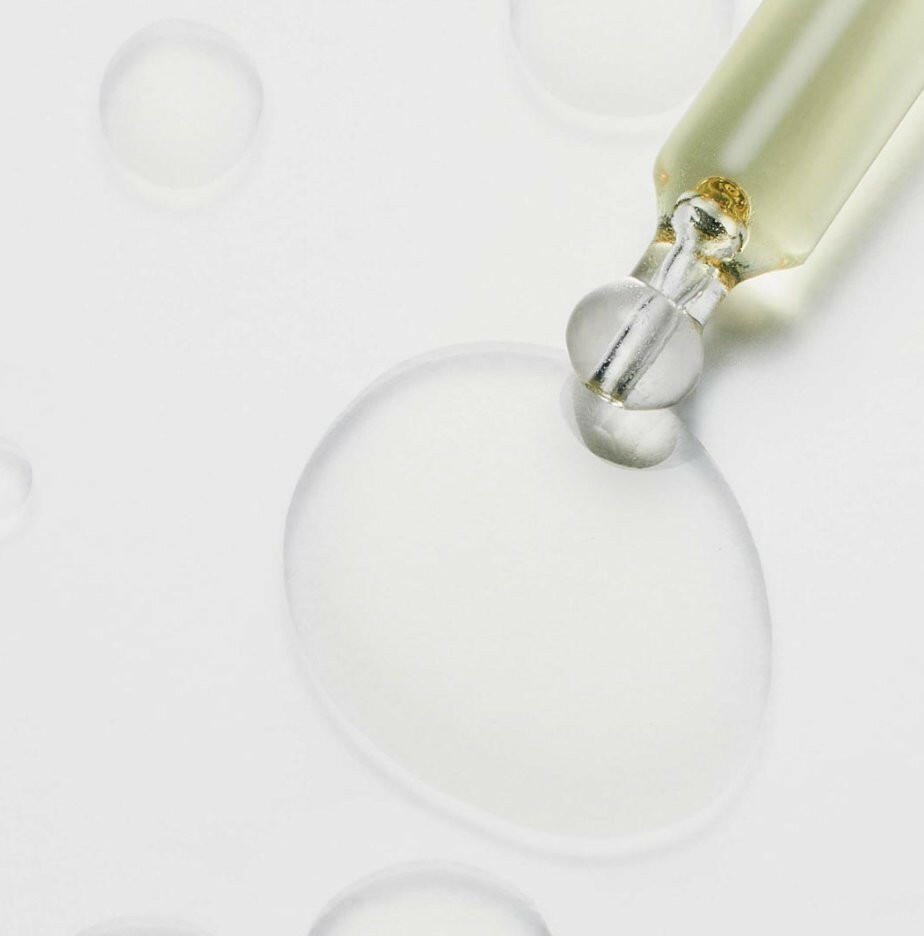
Carrier oils are vegetable-derived oils commonly used alone for massage or to dilute concentrated essential oils before topical application.
They can help:
• Provide massage glide
• Reduce friction
• Condition dry skin
• Dilute concentrated aromatic ingredients
Different carrier oils vary in texture, absorption rate, scent, and potential allergenicity.
People with nut allergies should carefully review the source of oils such as sweet almond oil.
Therapeutic Balms & Salves
Topical balms and salves may contain ingredients such as:
• Menthol
• Camphor
• Peppermint
• Eucalyptus
• Arnica
• Botanical extracts
• Essential oils
• Moisturizing oils and waxes
Depending on the formulation, they may provide warming, cooling, soothing, or conditioning sensations.
These products can complement massage and recovery routines but should not automatically be described as treating inflammation, injury, arthritis, or chronic pain.
Warming & Cooling Products
Some massage products create a warming or cooling sensation through ingredients such as menthol, camphor, peppermint, or other botanical components.
These sensory effects can provide temporary comfort but do not necessarily indicate that deeper tissues are being heated, cooled, or healed.
Follow the product directions carefully and avoid inappropriate use with heating pads, tightly occlusive coverings, or damaged skin unless specifically directed.
Essential Oils
Essential oils are concentrated volatile extracts obtained from aromatic plants.
Common oils used in massage and spa routines include:
• Lavender
• Peppermint
• Eucalyptus
• Chamomile
• Lemon
• Sweet orange
• Bergamot
• Tea tree
Each has a different aroma and chemical composition.
Essential oils should be viewed primarily as concentrated aromatic ingredients, not as universal treatments for stress, pain, insomnia, or medical conditions.
Aromatherapy for Relaxation
Aromatherapy uses scent as part of a sensory wellness experience.
Depending on personal preference, aromas may feel:
• Calming
• Refreshing
• Invigorating
• Grounding
• Comforting
Lavender is particularly popular in evening relaxation routines, while citrus aromas are often perceived as bright or refreshing and peppermint or eucalyptus as cooling or invigorating.
Individual responses to aroma vary considerably.
Lavender
Lavender essential oil is commonly associated with relaxation and evening routines.
Research into lavender and relaxation or sleep-related outcomes is promising in some settings, but aromatherapy should not be presented as a treatment for chronic insomnia or anxiety disorders.
For topical use, concentrated lavender oil should be used according to product directions and appropriately diluted when required.
Peppermint & Eucalyptus
Peppermint and eucalyptus oils are frequently used in massage, bath, and aromatherapy products because of their distinctive cooling and refreshing aromas.
Peppermint may produce a noticeable cooling sensation on the skin.
Eucalyptus is often used for a fresh, spa-like aromatic experience.
Concentrated essential oils should be kept away from the eyes and other sensitive areas and used cautiously around children and pets.
Bath Salts & Mineral Soaks
Bath salts can transform a regular bath into a more relaxing sensory ritual.
Products may contain:
• Epsom salts
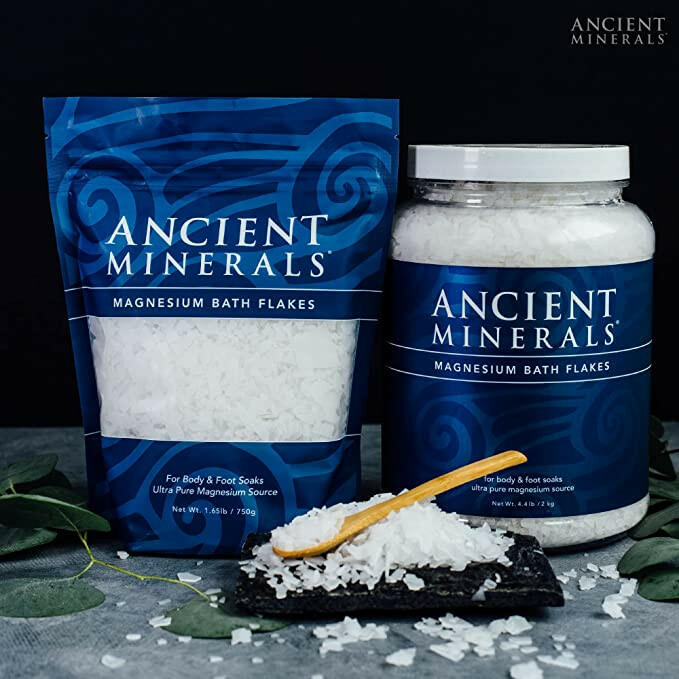
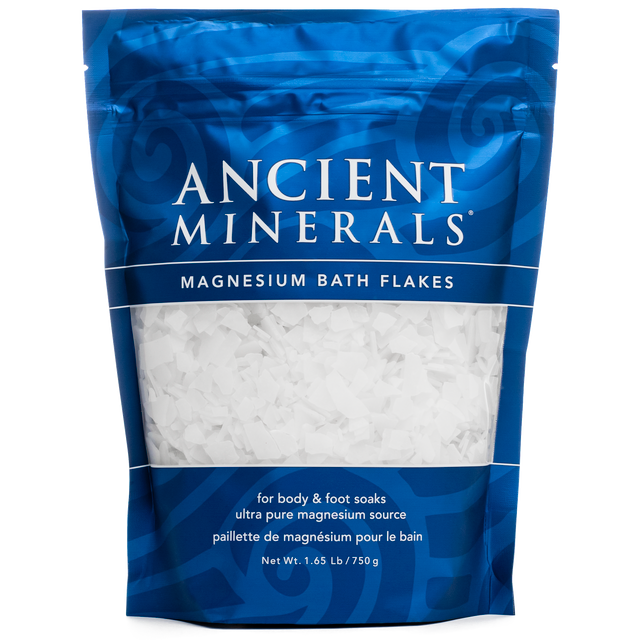
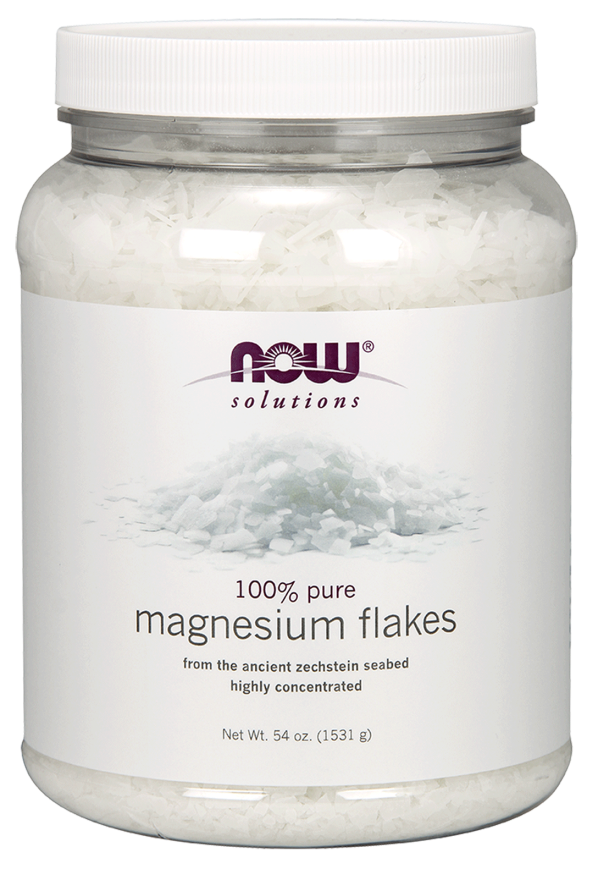
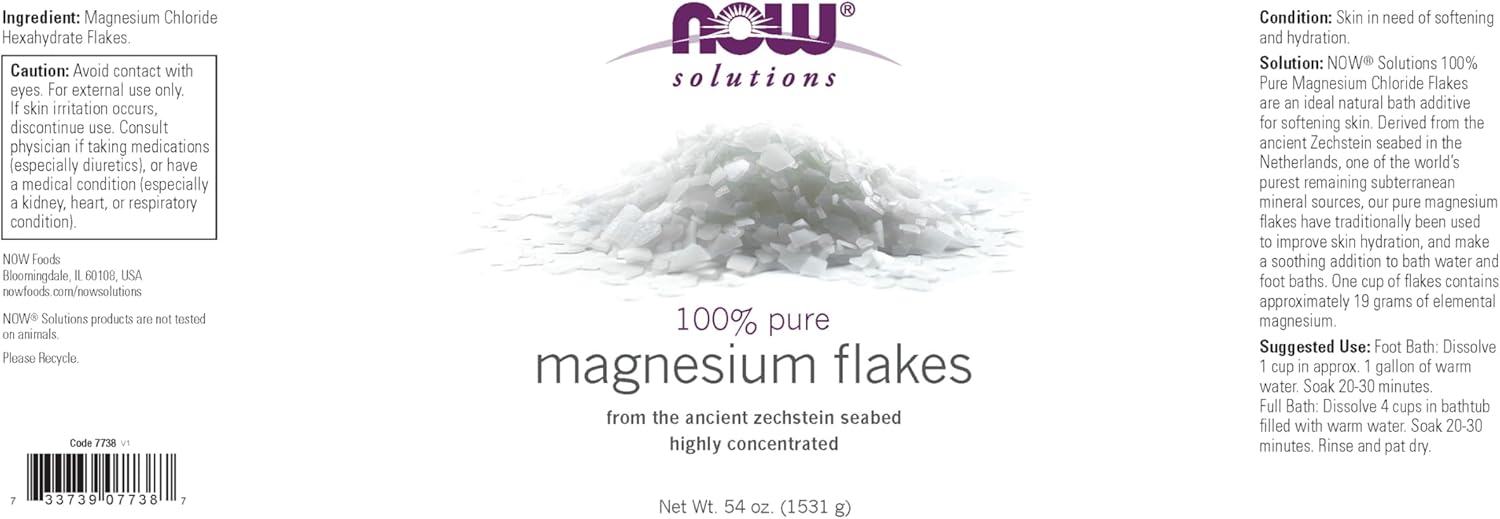
• Magnesium salts
• Sea salts
• Essential oils
• Botanical ingredients
• Fragrance
• Skin-conditioning ingredients
Warm-water bathing itself can promote relaxation and temporarily ease feelings of muscle tension.
Claims that bath salts “detoxify” the body or draw toxins through the skin are not well supported.
Epsom Salt & Magnesium Baths
Epsom salt is magnesium sulfate and is commonly used in bath and soaking products.
Many people enjoy Epsom salt baths for relaxation and temporary muscle comfort.
However, claims that meaningful amounts of magnesium are reliably absorbed through intact skin are not well established.
The relaxing effects of an Epsom salt bath may also come substantially from the warm water, rest, and overall bathing ritual.
Massage & Exercise Recovery
Massage may be incorporated into a broader post-exercise recovery routine.
Recovery still depends primarily on:
• Appropriate rest
• Adequate sleep
• Protein and overall nutrition
• Carbohydrate replenishment when needed
• Hydration
• Appropriate training progression
• Management of injuries
Massage can complement these foundations but cannot compensate for excessive training or inadequate recovery.
Massage Tools
Self-massage accessories can provide a convenient way to apply pressure to specific areas.
Depending on the collection, options may include:
• Handheld massage tools
• Rollers
• Massage balls
• Other targeted self-care accessories
Pressure should remain comfortable rather than painful.
Aggressive massage over an acute injury, unexplained swelling, bruising, inflamed tissue, or suspected vascular problem may be inappropriate.
Massage & Circulation
Massage can produce temporary changes in local blood flow and can feel warming or invigorating.
However, claims that massage products “improve circulation” should be interpreted carefully.
People experiencing persistent swelling, cold or discoloured limbs, unexplained leg pain, or other suspected circulatory symptoms should seek assessment rather than relying on massage.
Massage for Muscle Tension
Gentle massage can help some people feel more relaxed and may temporarily reduce the perception of muscle tightness or soreness.
It can be particularly useful after:
• Prolonged sitting
• Routine physical activity
• Exercise
• Everyday physical demands
• Periods of stress
Sharp pain, weakness, numbness, significant swelling, or pain following a serious injury should not simply be massaged away.
Building an Evening Relaxation Routine
A spa-inspired evening routine might include:
• A warm bath or shower
• Gentle stretching
• A short self-massage
• A calming aromatic product
• Moisturizing body care
• Reduced evening light exposure
• A quiet wind-down period
The value of the routine comes partly from creating consistent behavioural cues for relaxation—not simply from any one oil, mineral, or fragrance.
Skin Hydration & Body Care
Massage oils and spa products can also support the skin barrier by reducing dryness and improving surface softness.
For dry or sensitive skin, look for:
• Simple formulations
• Fragrance-free options when needed
• Gentle carrier oils
• Moisturizing ingredients
• Products appropriate for the intended body area
Highly fragranced or essential-oil-rich products may not be appropriate for very sensitive or reactive skin.
Essential Oil Dilution
Pure essential oils are highly concentrated and often require dilution before direct skin application.
Appropriate dilution depends on:
• The essential oil
• Intended body area
• User’s age
• Skin sensitivity
• Product instructions
• Intended frequency of use
Do not assume that because an oil is natural it can safely be applied undiluted.
Essential Oils in the Bath
Oil and water do not naturally mix.
Adding undiluted essential oil directly to bathwater can allow concentrated droplets to contact the skin and potentially cause irritation.
Use products specifically formulated for bathing or follow appropriate dilution and dispersion instructions.
Citrus Oils & Sun Exposure
Certain citrus essential oils can be phototoxic, meaning topical application followed by ultraviolet exposure may increase the risk of skin reactions.
Risk varies by the specific oil and extraction method.
Follow individual product instructions regarding sun and UV exposure after topical use.
Essential Oil Safety
Essential oils should generally:
• Be used according to label directions
• Be appropriately diluted when required
• Be kept away from the eyes
• Not be applied to broken or irritated skin unless specifically indicated
• Be stored safely away from children
• Not be assumed safe for ingestion
Extra care may be required during pregnancy, around young children, and around pets.
Aromatherapy Around Pets
Some concentrated essential oils may be inappropriate around cats, dogs, birds, or other animals.
Risk depends on the oil, concentration, exposure route, ventilation, and animal species.
Pet owners should not assume that an essential oil diffuser is safe simply because the product is natural.
Natural Does Not Mean Non-Irritating
Botanical oils, fragrances, and essential oils can cause:
• Skin irritation
• Allergic contact dermatitis
• Photosensitivity
• Respiratory irritation
• Headaches or scent sensitivity
People with eczema, fragrance allergies, asthma, or sensitive skin may prefer simpler or fragrance-free spa products.
How to Choose Massage & Spa Products
For General Massage
Choose a massage or carrier oil with appropriate glide and a texture you enjoy.
For Post-Activity Comfort
Consider massage oils, topical balms, or self-massage tools designed for the intended body area.
For an Evening Routine
Lavender or other calming aromatic blends may complement a wind-down ritual.
For Bathing
Choose bath salts, mineral soaks, or properly formulated aromatic bath products.
For Sensitive Skin
Look for minimal ingredients and avoid unnecessary fragrance or concentrated essential oils.
For Aromatherapy
Choose scents according to personal preference and use them according to diffuser or product instructions.
When Massage May Not Be Appropriate
Seek professional guidance before massage over areas affected by:
• Acute injury
• Suspected fracture
• Severe inflammation
• Open wounds
• Active skin infection
• Unexplained swelling
• Suspected blood clot
• Significant vascular disease
• Severe unexplained pain
Sudden one-sided leg swelling, warmth, redness, or pain—particularly with shortness of breath or chest pain—requires urgent medical assessment and should not be massaged.
FAQs
What products are included in a Massage & Spa collection?
The collection may include massage oils, carrier oils, essential oils, aromatherapy blends, topical balms, bath salts, mineral soaks, and self-massage accessories.
Which oil is best for massage?
There is no single best oil. Jojoba, sweet almond, grapeseed, coconut-derived, and other carrier oils differ in texture, absorption, scent, and suitability for sensitive skin.
Do essential oils need to be diluted for massage?
Concentrated essential oils commonly require dilution in an appropriate carrier before topical use. Follow the directions for the specific product.
Can massage help sore muscles after exercise?
Massage may temporarily improve comfort and perceived soreness and can complement a recovery routine. Nutrition, hydration, sleep, rest, and appropriate training remain important.
Does Epsom salt absorb magnesium through the skin?
Reliable clinically meaningful transdermal magnesium absorption from Epsom salt baths has not been firmly established. Warm bathing itself can still provide a relaxing experience.
Can bath salts detox the body?
There is not good evidence that bath salts draw toxins out of the body. The liver, kidneys, gastrointestinal system, and other physiological systems handle normal elimination processes.
Is lavender good for relaxation?
Lavender is widely used in relaxation and nighttime aromatherapy, and some research is supportive. Individual responses vary, and it should not be considered a treatment for chronic insomnia or anxiety.
Can I put pure essential oil directly into bathwater?
Generally, undiluted essential oils should not simply be dropped into bathwater because oil does not disperse evenly and concentrated droplets can contact the skin.
Are natural massage products safe for sensitive skin?
Not automatically. Essential oils, fragrances, and botanical ingredients can cause irritation or allergic reactions. Sensitive skin may benefit from simpler, fragrance-free products.
Can I massage an injured or swollen area?
Not always. Acute injury, unexplained swelling, significant bruising, severe pain, or suspected circulatory problems should be assessed before vigorous massage.
Why Shop Massage & Spa Essentials at Coal Harbour Pharmacy?
• Pharmacist-curated massage, bath, aromatherapy, and self-care products
• Massage oils, carrier oils, balms, essential oils, and mineral soaks
• Options for relaxation, post-activity comfort, and body care
• Products for home spa and evening wellness routines
• Established personal-care and natural wellness brands
• Fast Canada-wide shipping
Related Collections
• Aromatherapy & Essential Oils
• Lavender
────────────────────────────────────
Shop Massage & Spa Essentials →
Sort by
36 products






FREE STANDARD SHIPPING
Satisfied or refunded
Top-notch support
Secure payments
Encrypted checkout processing
Offers exclude prescriptions and in-store purchases.
Subscribe & Get a First-Order Reward
Plus, earning reward points on eligible online purchases and enjoy future store credit.
We respect your inbox at Coal Harbour Pharmacy - Expect thoughtfully curated health and wellness updates, timely reminders, and exclusive online savings.