
Magnesium – Supplements for Muscle, Sleep & Stress Support
Support normal muscle function, nervous-system health, energy metabolism, bone health, and relaxation with magnesium supplements in glycinate, citrate, malate, threonate, oxide, chloride, and other specialized forms.
────────────────────────────────────
About Magnesium Supplements
Magnesium is an essential mineral and electrolyte involved in hundreds of enzymatic reactions throughout the body. It contributes to normal muscle and nerve function, energy metabolism, protein synthesis, bone health, electrolyte balance, and cardiovascular function.
The Magnesium collection at Coal Harbour Pharmacy includes a broad range of forms for different nutritional goals and preferences, including magnesium glycinate/bisglycinate, citrate, malate, L-threonate, taurate, oxide, chloride, orotate, sulfate, and aspartate.
Products are available as capsules, tablets, powders, liquids, topical preparations, and bath salts, making it easier to select a format that fits your daily wellness routine.
Key Benefits
• Supports normal muscle function and relaxation
• Contributes to normal nervous-system function
• Supports energy production and metabolism
• Helps maintain strong bones and teeth
• Contributes to normal electrolyte balance
• Supports normal cardiovascular function
• May support relaxation and sleep in some individuals
• Certain forms can support bowel regularity
• Has evidence for migraine prevention in selected individuals
Who It’s Ideal For
Magnesium supplementation may be relevant for:
• Adults with inadequate dietary magnesium intake
• People looking for muscle and exercise-recovery support
• Individuals interested in relaxation and sleep support
• People seeking nutritional support during periods of stress
• Adults looking for bone-health support alongside appropriate calcium and vitamin D intake
• People seeking specific forms for digestive or bowel support
• Individuals advised by a healthcare professional to increase magnesium intake
Persistent muscle cramps, severe fatigue, sleep problems, palpitations, or neurological symptoms can have many causes and should not automatically be assumed to indicate magnesium deficiency.
Why Magnesium Is Important
Magnesium participates in numerous biological processes throughout the body.
It contributes to:
• ATP-dependent energy metabolism
• Normal muscle contraction and relaxation
• Nerve signalling
• Protein synthesis
• DNA and RNA processes
• Electrolyte balance
• Bone mineralization
• Normal heart function
• Glucose metabolism
Because magnesium is involved in so many physiological pathways, adequate intake is an important foundation of general nutrition.
Magnesium for Muscle Function
Magnesium contributes to normal neuromuscular function and works alongside minerals such as calcium and potassium in muscle contraction and relaxation.
Low magnesium status can be associated with muscle weakness, tremor, or cramping.
However, common muscle cramps are not always caused by magnesium deficiency, and supplementation does not consistently eliminate cramps in everyone.
People experiencing persistent or severe cramping should consider other potential causes, including medications, hydration status, exercise, circulation, and underlying medical conditions.
Magnesium for Sleep & Relaxation
Magnesium is involved in nervous-system signalling and is widely used in supplements marketed for relaxation and sleep support.
Some research suggests supplementation may improve certain sleep outcomes, particularly in people with inadequate magnesium status, but evidence for treating insomnia remains mixed.
Magnesium should therefore be positioned as nutritional support for relaxation and normal nervous-system function, rather than as a guaranteed sleep aid.
There is also no universal requirement to take magnesium one or two hours before bed. Timing can be based on the product directions, digestive tolerance, and individual routine.
Magnesium & Stress
Magnesium participates in multiple physiological pathways involved in the body’s response to stress.
This has led to widespread use of magnesium—particularly magnesium bisglycinate—in stress and relaxation formulas.
However, describing magnesium as directly treating anxiety or “regulating an overloaded nervous system” goes beyond established evidence.
People experiencing persistent or significant anxiety should seek appropriate care rather than relying solely on supplementation.
Magnesium & Energy
Magnesium is required for many reactions involved in cellular energy production.
A true magnesium deficiency can therefore affect normal energy metabolism.
Supplementation, however, should not be expected to act as a stimulant or automatically increase energy in someone whose magnesium status is already adequate.
Magnesium & Bone Health
A substantial proportion of the body’s magnesium is associated with bone.
Magnesium contributes to normal bone structure and works within a broader nutritional framework that includes:
• Calcium
• Vitamin D
• Protein
• Vitamin K
• Appropriate physical activity
Magnesium can complement a bone-health routine but should not be considered a standalone treatment for osteoporosis.
Magnesium & Cardiovascular Health
Magnesium contributes to normal:
• Heart muscle function
• Electrolyte balance
• Vascular physiology
• Blood-pressure regulation
Research has investigated magnesium intake in relation to cardiovascular health and blood pressure.
Supplementation may have modest effects on blood pressure in some populations, but magnesium supplements should not replace prescribed antihypertensive or cardiovascular medications.
Magnesium for Migraine
Magnesium has been studied more substantially for migraine prevention than for many other commonly marketed uses.
Some clinical guidelines and research support oral magnesium as a preventive option for certain people with migraine.
This does not mean magnesium reliably stops an acute migraine once it begins, and the appropriate form and amount may differ from general nutritional supplementation.
People with frequent or severe migraines should discuss preventive strategies with a healthcare professional.
Choosing the Right Type of Magnesium
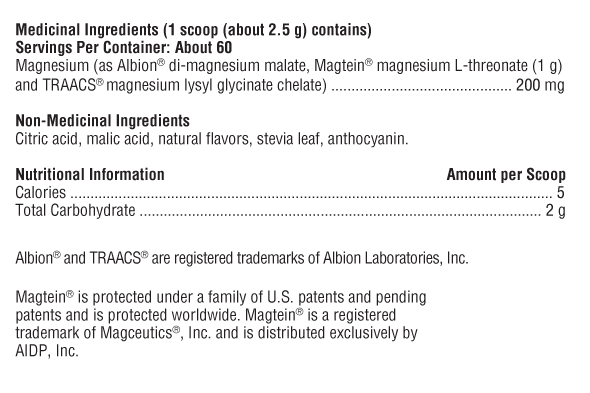
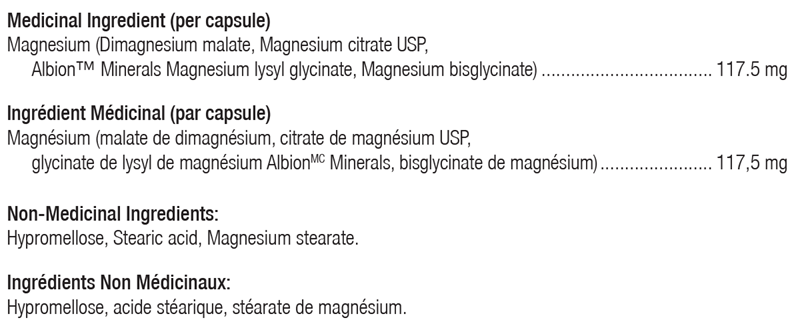
Different magnesium salts vary in elemental magnesium content, gastrointestinal tolerance, solubility, and the amount of research supporting particular uses.
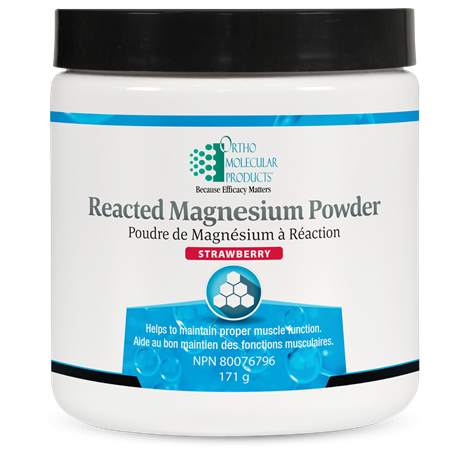
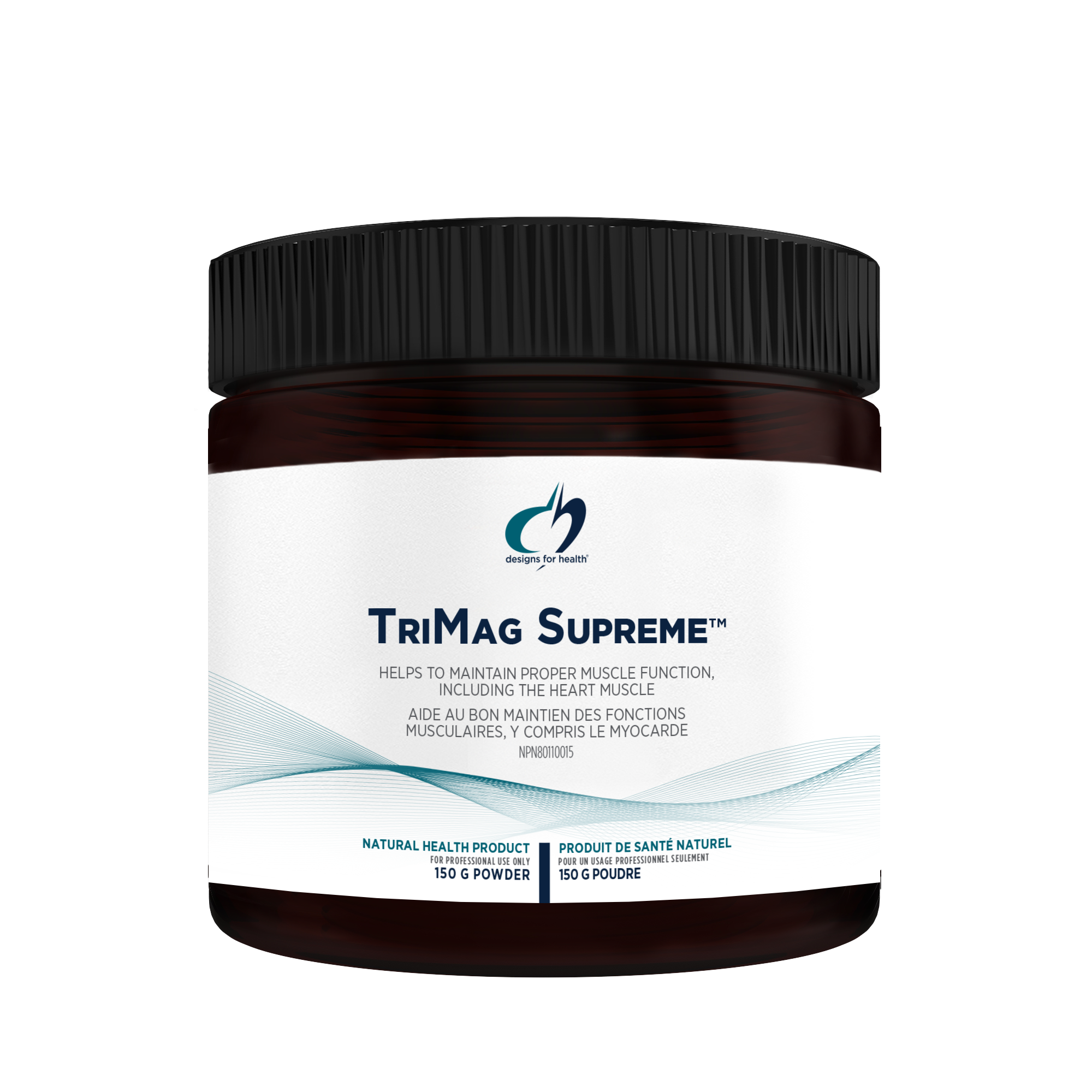
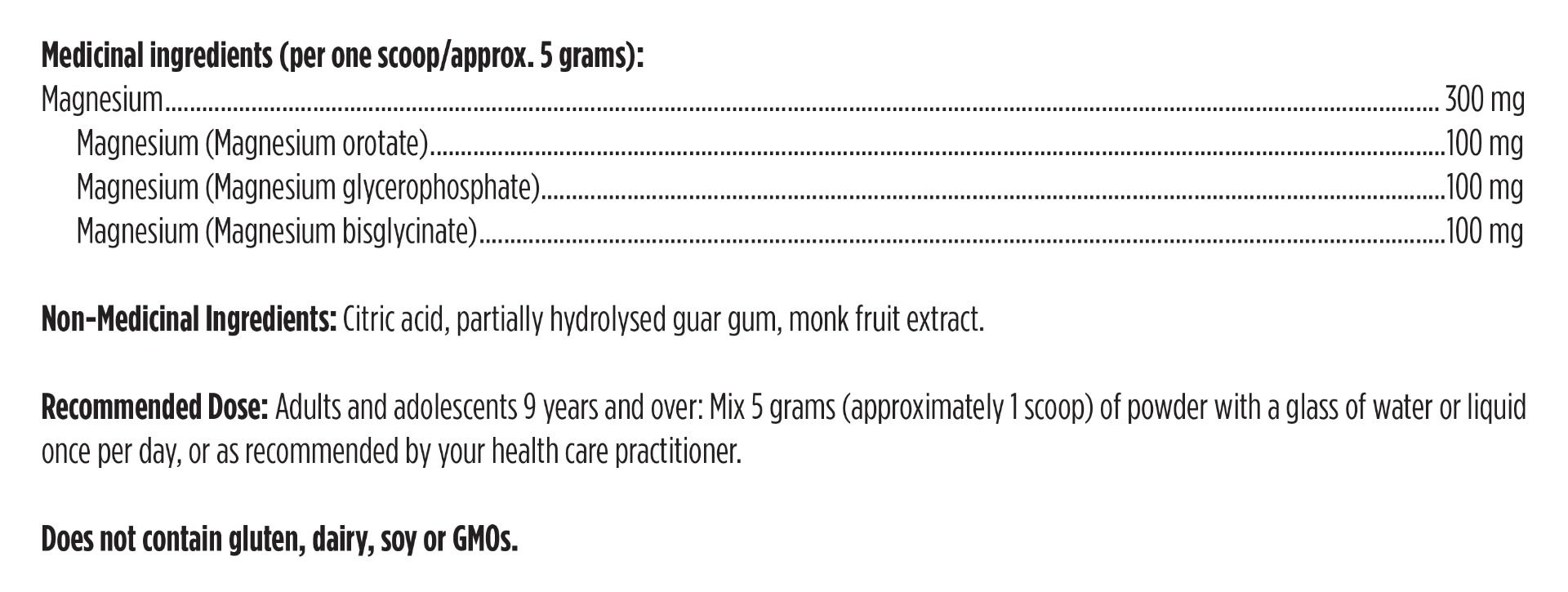
Magnesium Glycinate / Bisglycinate
Magnesium bound to the amino acid glycine.
It is popular for:
• General magnesium supplementation
• Relaxation-focused routines
• Evening use
• People who want a form that is often well tolerated gastrointestinally
Although widely promoted as the “best magnesium for sleep and anxiety,” evidence does not establish it as universally superior for these purposes.
Magnesium Citrate
A well-absorbed and widely available form.
It is commonly chosen for:
• General magnesium supplementation
• People who also want bowel-regularity support
Magnesium citrate can have a laxative effect, particularly at larger amounts.
Magnesium Malate
Magnesium combined with malic acid.
It is commonly marketed for:
• General magnesium supplementation
• Muscle support
• Energy-focused routines
Malate participates in cellular metabolism, but claims that magnesium malate specifically treats chronic fatigue or muscle pain are not firmly established.
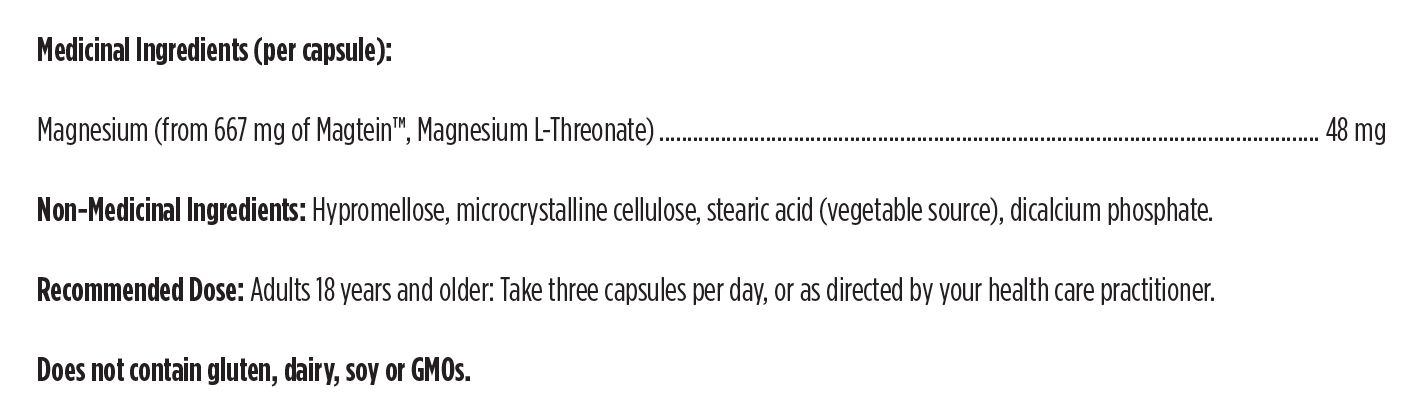
Magnesium L-Threonate
A specialized magnesium compound that has attracted interest because of research into magnesium delivery to the nervous system.
It is frequently marketed for:
• Cognitive wellness
• Memory support
• Brain health
Early research is interesting, but claims that it uniquely or substantially increases human brain magnesium or improves cognition remain less established than marketing sometimes suggests.
Magnesium Taurate
Combines magnesium with taurine.
It is commonly included in cardiovascular-focused supplement routines.
Both magnesium and taurine have physiological roles relevant to cardiovascular function, but strong evidence that magnesium taurate is uniquely superior for heart health is limited.
Magnesium Oxide
Magnesium oxide provides a relatively high percentage of elemental magnesium by weight but has lower fractional absorption than several organic magnesium salts.
It is commonly used in:
• General magnesium products
• Antacid products
• Bowel-support products
A high elemental-magnesium number on the label does not necessarily mean more magnesium will ultimately be absorbed.
Magnesium Chloride
Magnesium chloride is used in oral supplements as well as topical products.
Oral forms can provide magnesium supplementation, while topical forms are commonly marketed for muscles and relaxation.
Evidence that meaningful amounts of magnesium are reliably absorbed through intact skin is limited, so topical magnesium should not be considered equivalent to oral supplementation for correcting magnesium deficiency.
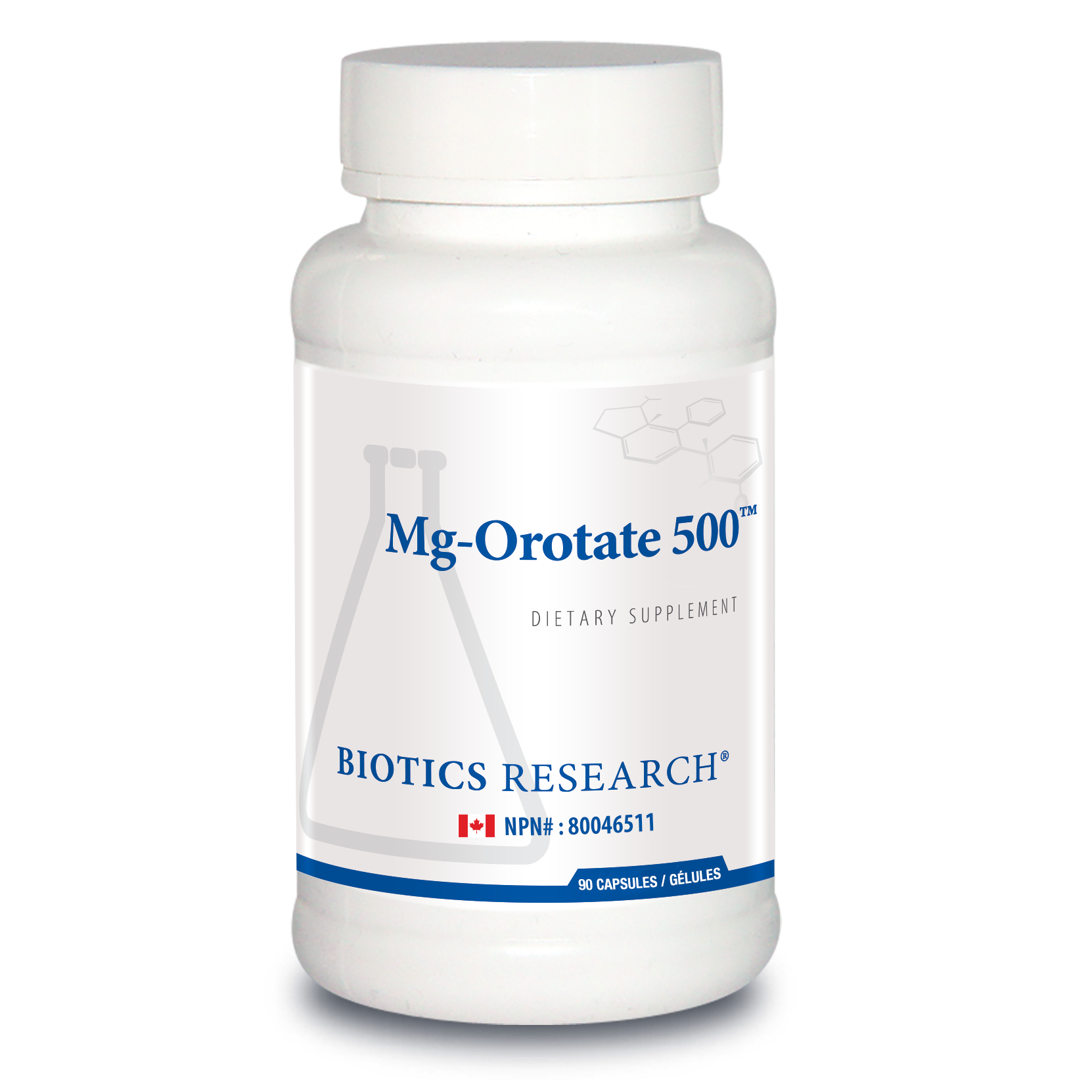
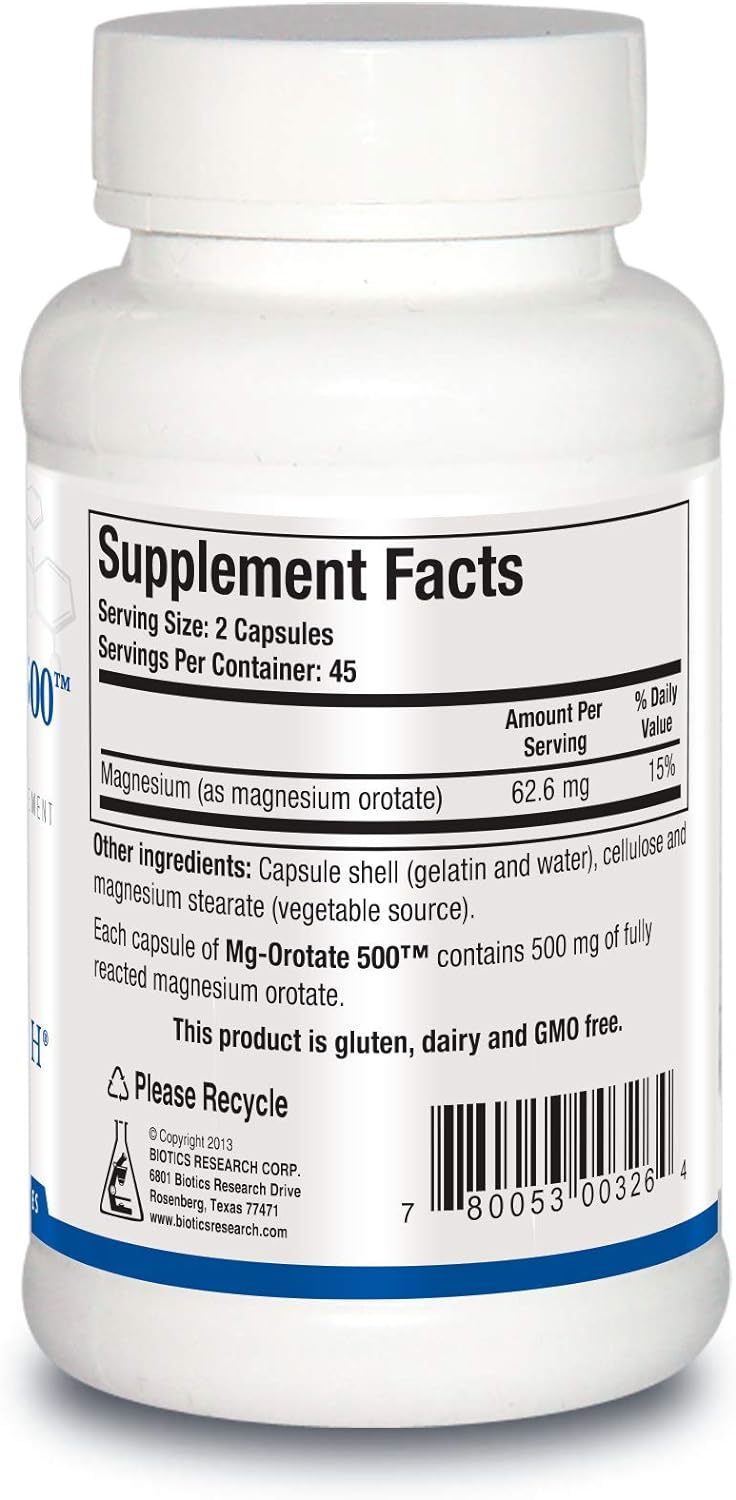
Magnesium Orotate
Magnesium bound to orotic acid.
It is sometimes marketed for:
• Cardiovascular wellness
• Cellular energy
• Athletic performance
Evidence establishing meaningful advantages over more common magnesium forms remains limited.
Magnesium Sulfate / Epsom Salt
Magnesium sulfate is commonly known as Epsom salt.
It is frequently added to warm baths for:
• Relaxation
• Soaking tired muscles
• General self-care
The warm bath itself can be soothing, while evidence that enough magnesium is absorbed through the skin to correct deficiency or produce systemic effects remains limited.
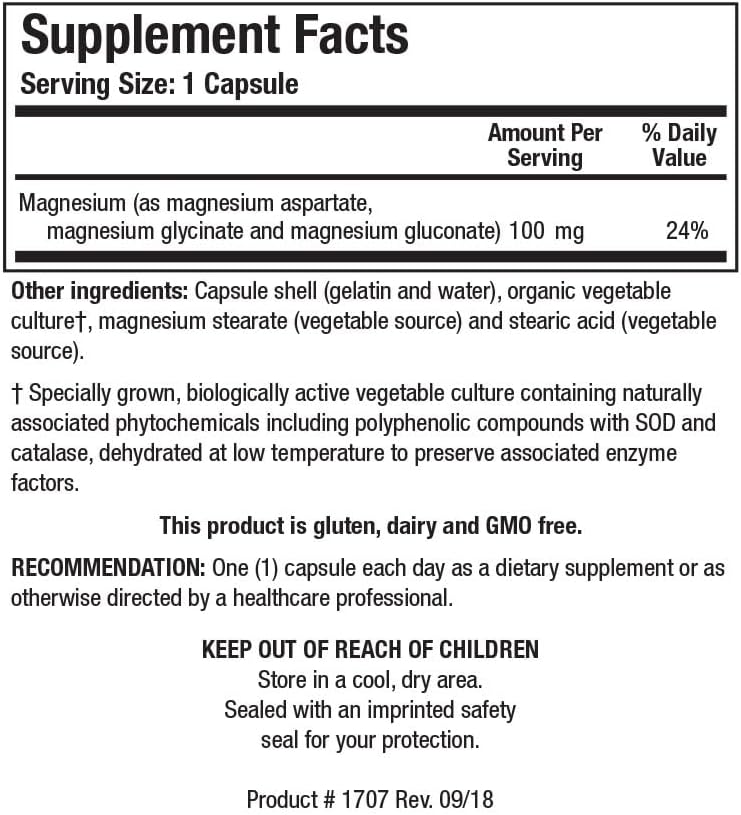
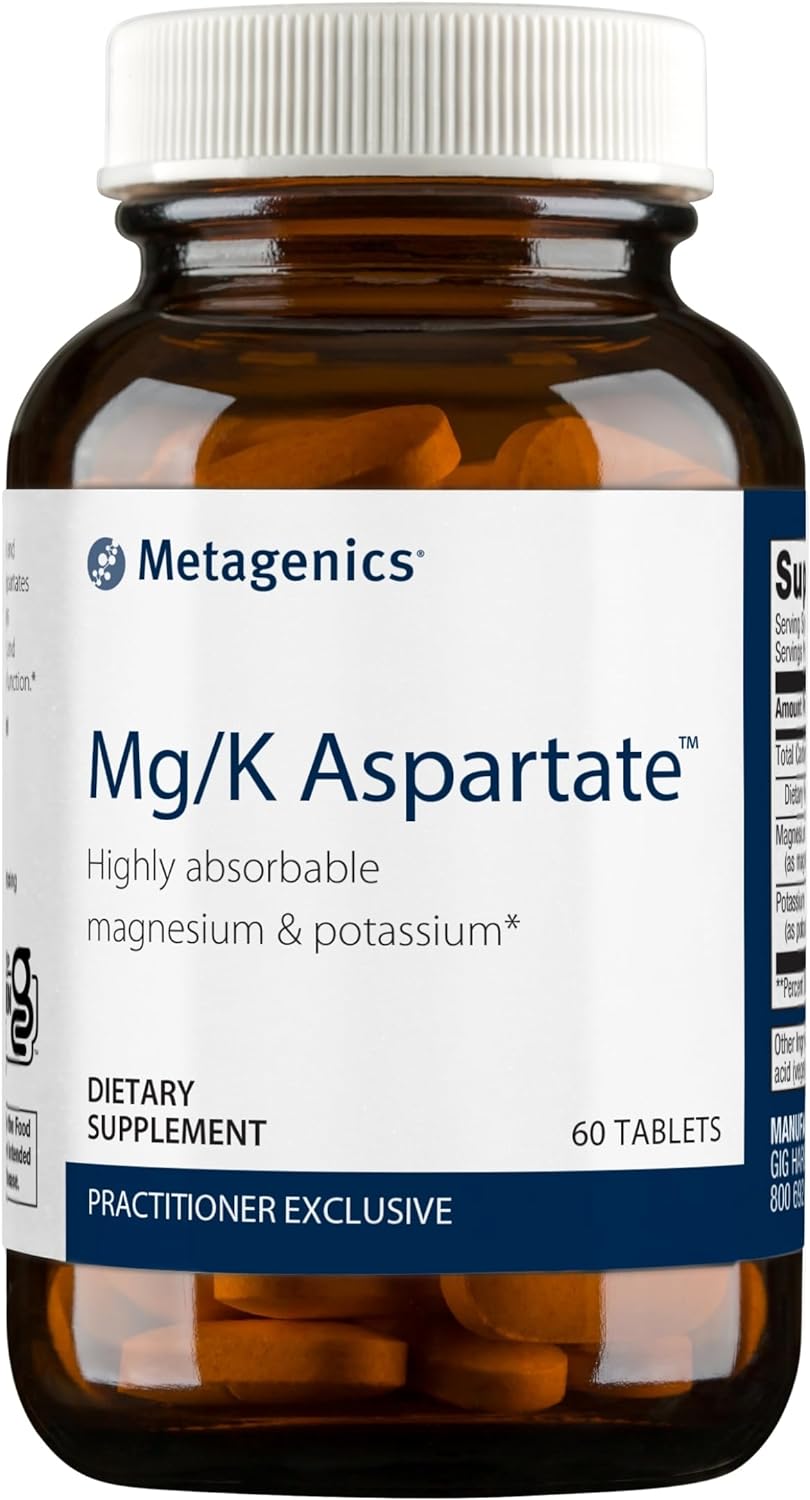
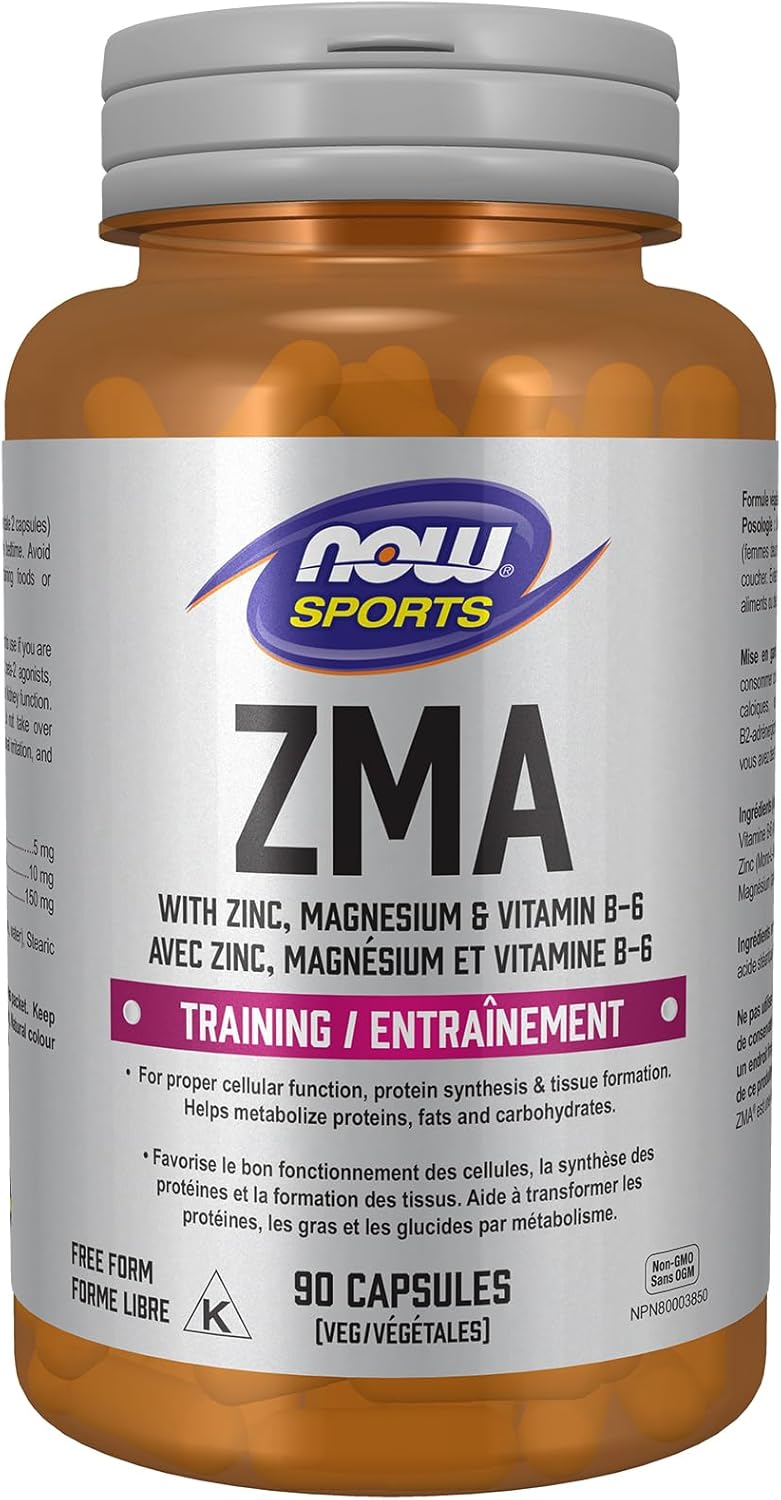
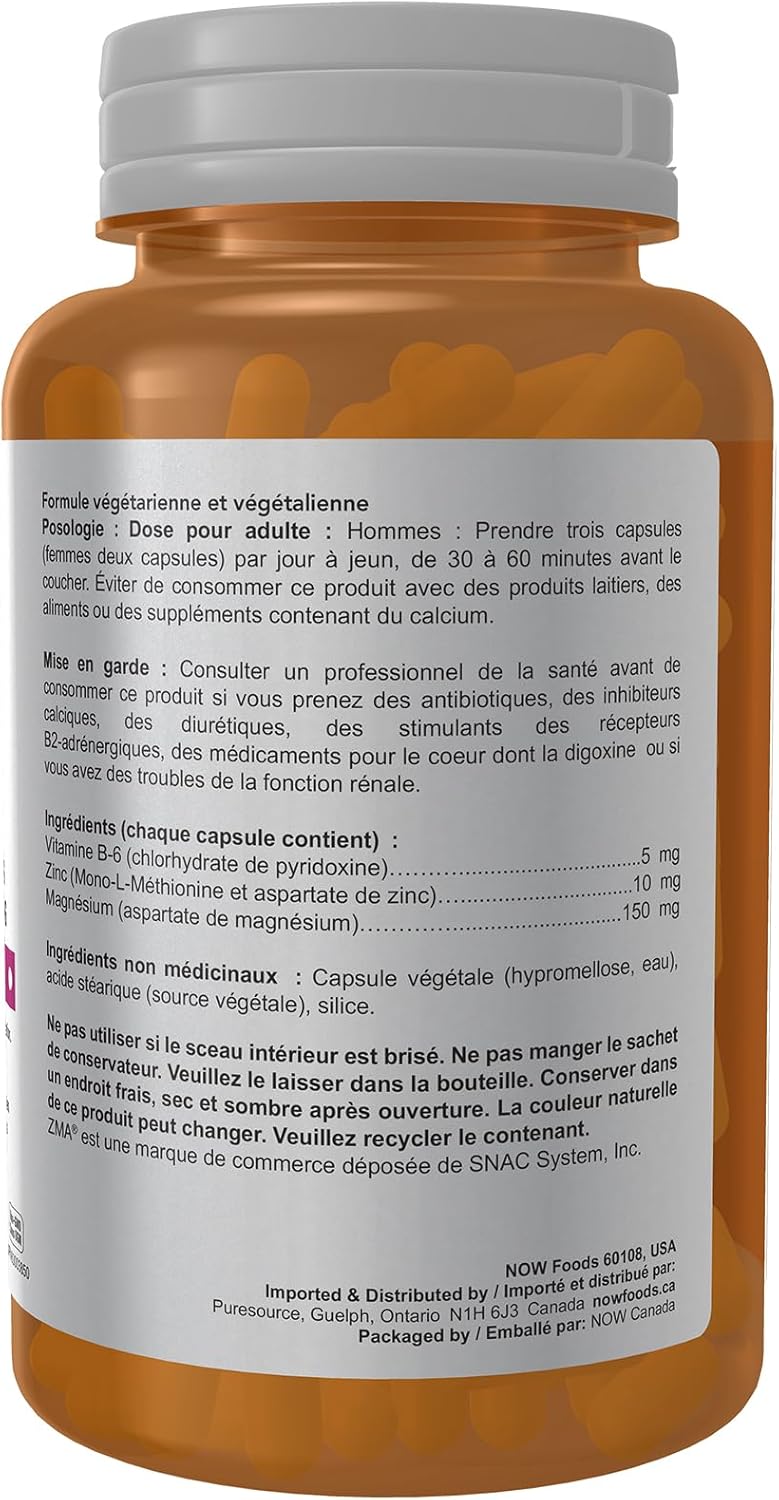
Magnesium Aspartate
Magnesium combined with aspartic acid.
It can serve as a source of supplemental magnesium and is sometimes included in mineral and sports-nutrition formulations.
Claims that magnesium aspartate specifically enhances athletic performance or energy beyond correcting inadequate magnesium intake are not firmly established.
Magnesium Absorption: What Matters?
Choosing magnesium based solely on claims such as “maximum absorption” can be misleading.
Several factors affect how much magnesium the body obtains from a supplement:
• Magnesium salt used
• Amount of elemental magnesium
• Dose per serving
• Solubility
• Gastrointestinal tolerance
• Individual magnesium status
• Other foods and supplements
A form that is well tolerated and taken consistently may be more practical than choosing solely according to theoretical absorption differences.
Understanding Elemental Magnesium
One of the most important details on a magnesium supplement is the amount of elemental magnesium.
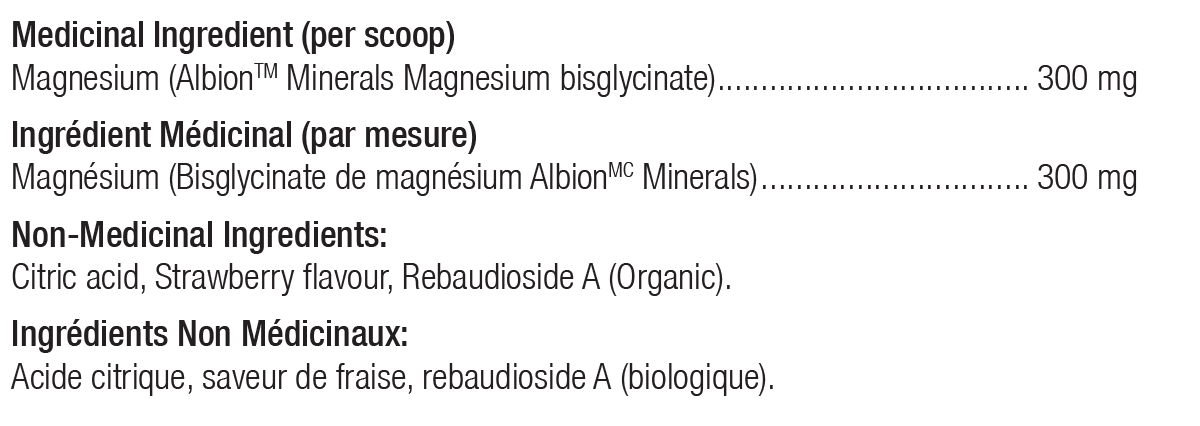
For example, a label may list a much larger amount of “magnesium citrate” or “magnesium bisglycinate,” but only a portion of that compound is magnesium itself.
When comparing products, look for the actual amount of magnesium supplied per serving rather than comparing only the total compound weight.
Magnesium from Food
Supplements can complement—but should not automatically replace—a magnesium-rich diet.
Dietary sources include:
• Pumpkin and other seeds
• Almonds and other nuts
• Beans and lentils
• Whole grains
• Spinach and leafy greens
• Avocado
• Dark chocolate
• Some fortified foods
A varied diet can provide magnesium along with fibre, protein, healthy fats, and other micronutrients.
Magnesium Safety
Magnesium from food is generally well regulated by healthy kidneys.
Supplemental magnesium can cause gastrointestinal effects, particularly at higher amounts.
Common effects include:
• Loose stools
• Diarrhea
• Abdominal cramping
• Nausea
People with significantly impaired kidney function require particular caution because the kidneys are responsible for eliminating excess magnesium.
Very high magnesium exposure can become medically serious.
Magnesium & Medication Interactions
Magnesium can interfere with the absorption of some medications when taken too close together.
Important examples include certain:
• Antibiotics, including tetracyclines and fluoroquinolones
• Thyroid medications such as levothyroxine
• Bisphosphonates
Timing requirements vary by medication, so a pharmacist can help determine appropriate separation.
FAQs
What is magnesium used for?
Magnesium supports normal muscle and nerve function, energy metabolism, bone health, electrolyte balance, and cardiovascular function.
Which magnesium is best for sleep?
Magnesium glycinate/bisglycinate is commonly selected for relaxation-focused routines because it is generally well tolerated, but evidence does not establish one magnesium form as universally best for sleep.
Which magnesium is best for constipation?
Magnesium citrate is commonly used when both magnesium supplementation and bowel regularity are desired. Some other magnesium salts also have laxative effects.
Does magnesium help muscle cramps?
Magnesium is necessary for normal muscle function, and deficiency can contribute to muscular symptoms. However, supplementation does not consistently prevent ordinary muscle cramps in people who are not deficient.
Can magnesium help migraines?
Magnesium has evidence as a preventive strategy for certain people with migraine. People with frequent migraines should discuss the appropriate dose and overall treatment strategy with a healthcare professional.
What is the difference between magnesium glycinate and citrate?
Both provide magnesium. Glycinate is commonly chosen for general supplementation and good gastrointestinal tolerance, while citrate is also commonly used when bowel-regularity support is desired.
Is magnesium L-threonate better for the brain?
Magnesium L-threonate is being studied for neurological and cognitive applications, but evidence is not yet sufficient to conclude that it is universally superior for brain health.
Does topical magnesium work?
Topical magnesium products can be incorporated into massage or bathing routines, but evidence for substantial magnesium absorption through intact skin remains limited.
When should I take magnesium?
Magnesium can generally be taken at a time that fits the individual product directions and your routine. People using it as part of an evening relaxation routine often take it later in the day, but bedtime dosing is not required.
Can I take magnesium every day?
Many magnesium supplements are designed for daily use. The appropriate amount depends on dietary intake, product strength, medical conditions, medications, and individual needs.
Why Shop Magnesium at Coal Harbour Pharmacy?
• Pharmacist-curated magnesium supplements
• Glycinate, citrate, malate, threonate, taurate, oxide, chloride, and specialized forms
• Capsules, tablets, powders, liquids, and topical options
• Multiple strengths for individualized supplementation
• Trusted Canadian and professional wellness brands
• Fast Canada-wide shipping
Related Collections
• Magnesium Glycinate
• Magnesium Citrate
• Sleep & Stress
• Minerals
────────────────────────────────────
Shop Magnesium →
Sort by
115 products
















Free Delivery
Satisfied or refunded
Top-notch support
Secure payments
Encrypted checkout processing
Offers exclude prescriptions and in-store purchases.
Subscribe & Get a First-Order Reward
Plus, earning reward points on eligible online purchases and enjoy future store credit.
We respect your inbox at Coal Harbour Pharmacy - Expect thoughtfully curated health and wellness updates, timely reminders, and exclusive online savings.