
Magnesium Salt – Bath Salts for Relaxation & Muscle Care
Transform your bath or foot soak into a restorative self-care ritual with magnesium salts, including Epsom salt and magnesium chloride flakes for warm-water soaking, post-activity relaxation, and everyday body care.
────────────────────────────────────
About Magnesium Salt
Magnesium salts are mineral compounds commonly used in bath and body-care products. The two forms most often found in magnesium bath products are magnesium sulfate (Epsom salt) and magnesium chloride.
Dissolved in warm water, these salts are popular for relaxing baths, post-exercise soaking, tired feet, and general muscle-care routines.
The Magnesium Salt collection at Coal Harbour Pharmacy includes Epsom salts, magnesium chloride flakes, scented bath salts, fragrance-free options, and products designed for full-body baths or foot soaks.
Magnesium baths are often promoted for “detoxification” and rapid transdermal magnesium replenishment. However, current human evidence does not establish bathing as a reliable method for substantially increasing systemic magnesium levels or removing toxins from the body. Their strongest practical role is as part of a relaxing warm-water bathing and self-care routine.
Key Benefits
• Complements warm baths for relaxation and self-care
• Popular for soaking tired or overworked muscles
• Useful after exercise or prolonged physical activity
• Provides a soothing option for tired feet
• Available as magnesium sulfate and magnesium chloride
• Offers scented and fragrance-free options
• Can complement evening wind-down routines
• Provides an easy addition to massage, stretching, and recovery routines
Who It’s Ideal For
Magnesium bath salts may appeal to:
• Athletes and physically active individuals
• People looking for a relaxing post-workout soak
• Adults experiencing everyday muscle tiredness or tension
• People building an evening relaxation routine
• Individuals who enjoy mineral baths and spa-style self-care
• People looking for foot-soak products
• Customers who prefer fragrance-free bath products
• Anyone comparing Epsom salt with magnesium chloride flakes
Magnesium salts should not be relied upon to treat persistent pain, significant muscle cramping, magnesium deficiency, or a medical sleep disorder.
What Are Magnesium Bath Salts?
Magnesium bath salts are water-soluble magnesium compounds designed to dissolve in bath or foot-soak water.
The two principal forms are:
Magnesium Sulfate
Commonly known as Epsom salt, magnesium sulfate has a long history of use in baths and soaking routines.
Magnesium Chloride
Often sold as magnesium bath flakes, magnesium chloride dissolves readily in water and is also found in topical magnesium sprays, gels, and concentrated brines.
Both contain magnesium, but their chemical compositions and uses differ.
Epsom Salt – Magnesium Sulfate
Epsom salt is magnesium sulfate, not ordinary table salt.
It is commonly added to warm bath water for:
• Relaxation
• Post-exercise soaking
• Tired muscles
• Foot baths
• General body care
• Spa-style bathing
Many people find an Epsom salt bath soothing, but it is important to distinguish the benefits of warm-water immersion and relaxation from claims that large amounts of magnesium are absorbed through the skin.
Magnesium Chloride Bath Flakes
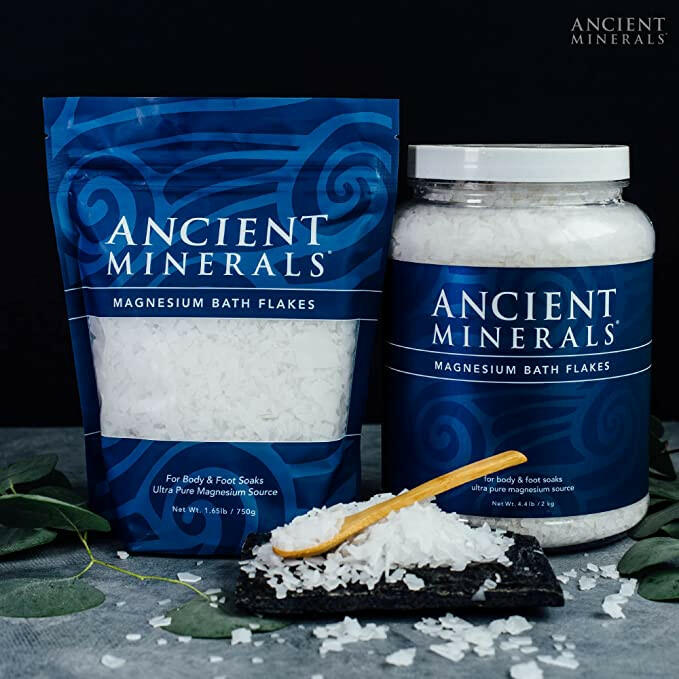
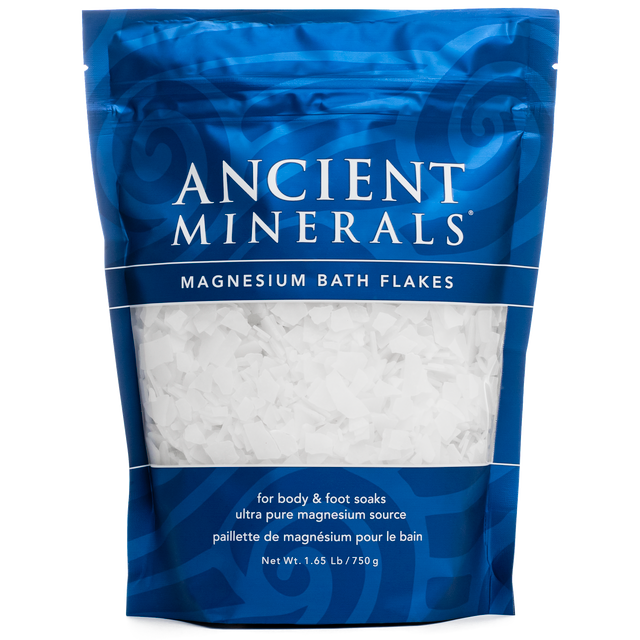
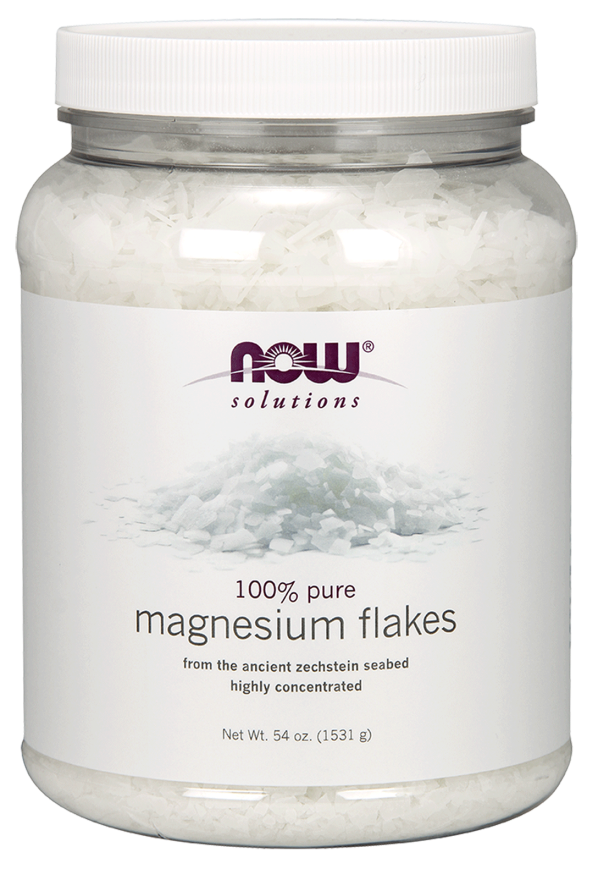
Magnesium chloride flakes are another popular option for mineral baths.
They dissolve readily in warm water and are frequently marketed for:
• Muscle-care routines
• Relaxation
• Post-exercise soaking
• Evening baths
• Foot soaks
Magnesium chloride is also used in products marketed as “magnesium oil.”
Despite the name, magnesium oil is generally a concentrated water-based magnesium chloride solution, not an actual oil.
Magnesium Chloride vs Epsom Salt
Both can be incorporated into relaxing baths, but they contain different magnesium salts.
Magnesium Chloride
Often supplied as flakes or concentrated brine and widely used in topical magnesium products.
Epsom Salt / Magnesium Sulfate
A traditional and widely available bath salt containing magnesium and sulfate.
Claims that magnesium chloride is dramatically more effective than Epsom salt because it is absorbed better through the skin should be interpreted cautiously. Human evidence comparing meaningful systemic absorption from these baths remains limited.
The practical choice can instead depend on:
• Product format
• Skin tolerance
• Fragrance preferences
• Bathing experience
• Manufacturer directions
• Price and availability
Do Magnesium Salts Absorb Through the Skin?
This is one of the most common questions surrounding magnesium baths.
The skin is designed to act as an effective barrier. Although small amounts of substances can penetrate it under certain circumstances, available evidence does not establish magnesium baths as a reliable way to significantly increase whole-body magnesium levels.
Therefore, magnesium salt baths should not be promoted as a substitute for appropriate dietary or oral magnesium intake when magnesium supplementation is actually required.
Their value is better framed around bathing, relaxation, and topical self-care.
Magnesium Salt Baths for Sore Muscles
Warm-water immersion itself can feel soothing after exercise or a physically demanding day.
A magnesium salt bath can complement:
• Rest
• Gentle stretching
• Hydration
• Massage
• Appropriate nutrition
• Recovery routines
However, evidence does not establish that magnesium absorbed from bath salts directly treats muscle injury, inflammation, chronic muscle pain, or persistent cramping.
Significant or unexplained muscle pain should be appropriately assessed.
Magnesium Salts for Post-Workout Recovery
Magnesium salts are popular among athletes because soaking provides a convenient way to relax after exercise.
A warm bath may help people feel:
• Relaxed
• Less physically tense
• Comfortable after activity
• Ready for an evening wind-down
This should not be confused with evidence that magnesium baths accelerate muscle repair, remove lactic acid, or substantially replenish magnesium lost during exercise.
Adequate hydration, nutrition, sleep, and appropriate recovery remain more important foundations.
Magnesium Salt Baths for Relaxation
A warm bath can be a useful behavioural cue for slowing down and transitioning into an evening routine.
Adding magnesium salts can enhance the sensory experience, particularly when combined with:
• Comfortable water temperature
• Quiet surroundings
• Reduced evening screen exposure
• Gentle stretching
• Calming fragrances when tolerated
• Consistent sleep habits
The relaxation experience is real for many people even though it cannot necessarily be attributed to magnesium entering the bloodstream.
Magnesium Salts & Sleep
Magnesium salts are commonly incorporated into bedtime routines.
A warm bath taken before bed may help some people relax and prepare for sleep, partly because of the physiological effects of warm-water bathing and subsequent changes in body temperature.
Magnesium bath salts can complement this routine, but they should not be presented as a proven transdermal magnesium treatment for insomnia.
Persistent sleep difficulties deserve assessment of sleep habits, medications, stress, sleep disorders, and other potential causes.
Do Magnesium Salt Baths Detox the Body?
Claims that magnesium baths “pull toxins from the body” or detoxify tissues through the skin are not supported by convincing clinical evidence.
The body’s primary systems for processing and eliminating metabolic waste include the:
• Liver
• Kidneys
• Gastrointestinal tract
• Lungs
Magnesium salt baths can still be valuable as a relaxing wellness ritual, without relying on unsupported detoxification claims.
Scented Magnesium Bath Salts
Some bath products combine magnesium salts with ingredients such as:
• Lavender
• Eucalyptus
• Chamomile
• Essential oils
• Botanical extracts
• Natural or synthetic fragrances
These ingredients can enhance the sensory bathing experience but are not appropriate for everyone.
People with sensitive, reactive, or eczema-prone skin may prefer unscented formulations.
Fragrance-Free Magnesium Salts
Simple, fragrance-free magnesium salts may be preferable for:
• Sensitive skin
• Fragrance sensitivity
• People avoiding essential oils
• Families seeking simpler formulations
• Customers who want to add their own bath products separately
“Natural” fragrances and essential oils can still cause irritation or allergic contact dermatitis in susceptible individuals.
Magnesium Salt Foot Soaks
Magnesium salts can also be used in foot baths when permitted by the individual product directions.
A warm foot soak may be particularly appealing after:
• Long periods of standing
• Walking
• Exercise
• Work shifts
• Travel
• Wearing restrictive footwear
Foot soaks can provide comfort and relaxation but should not be expected to treat circulation disorders, neuropathy, infections, significant swelling, or persistent foot pain.
People with diabetes, reduced sensation, poor circulation, or open wounds should be especially careful with water temperature and foot-care practices.
How to Use Magnesium Bath Salts
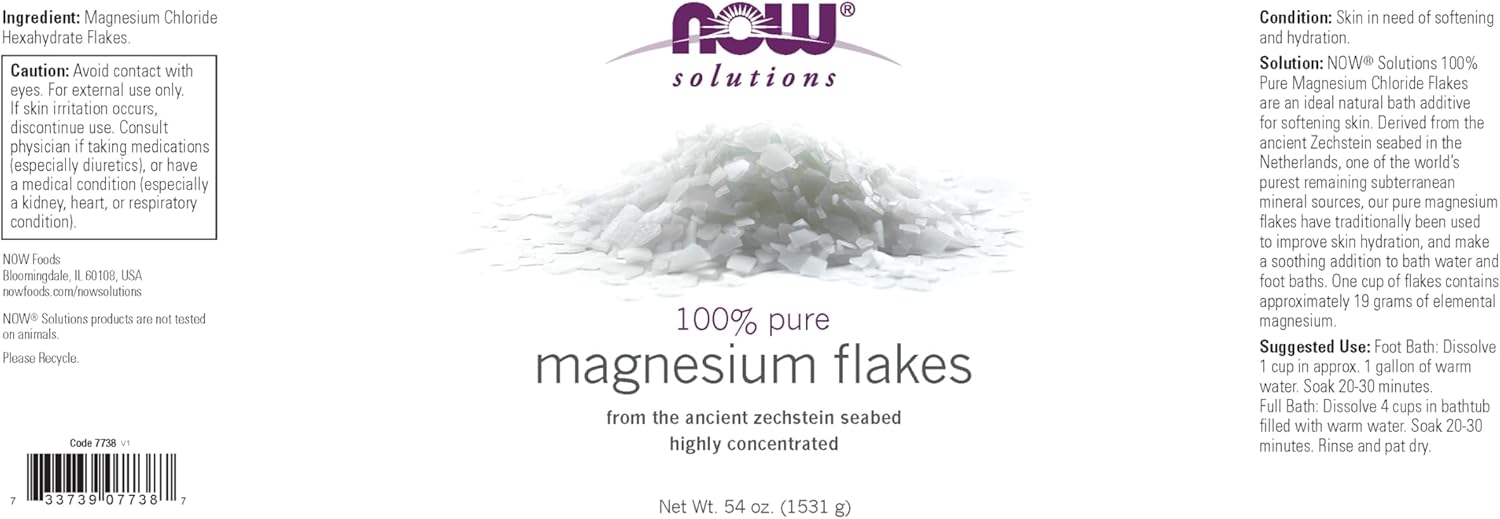
Always follow the directions on the individual product because recommended quantities vary substantially.
In general:
- Fill the bath with comfortably warm—not excessively hot—water.
- Add the amount of magnesium salt specified on the label.
- Allow the salts to dissolve.
- Soak according to the product directions and personal tolerance.
- Carefully exit the bath, as wet surfaces can become slippery.
- Rinse or moisturize afterward if appropriate for your skin.
There is no evidence-based universal requirement to use exactly 1–2 cups for 20–30 minutes, two or three times per week. Product-specific directions are more appropriate.
Magnesium Salt Safety
Bath salts are generally straightforward to use, but some precautions are important.
Stop use if you experience:
• Significant burning
• Rash
• Persistent itching
• Increasing redness
• Other signs of skin irritation
Avoid using bath products on significant open wounds, infected skin, or severely irritated areas unless specifically advised by a healthcare professional.
Very hot baths can also cause dizziness or light-headedness, particularly in susceptible individuals.
FAQs
What are magnesium bath salts?
They are magnesium-containing mineral salts designed for bathing or soaking. Common examples include magnesium sulfate (Epsom salt) and magnesium chloride flakes.
Is Epsom salt magnesium?
Epsom salt is magnesium sulfate, a compound containing magnesium, sulfate, and water depending on its form.
What is the difference between Epsom salt and magnesium chloride flakes?
They contain different magnesium salts. Both are widely used for bathing, but strong claims that one produces substantially greater systemic magnesium absorption through the skin are not well established.
Do magnesium baths relieve sore muscles?
Warm-water soaking can feel soothing and relaxing after physical activity. Evidence is insufficient to conclude that magnesium absorption through the bath specifically treats muscle soreness.
Does magnesium absorb through the skin?
Current evidence does not establish magnesium baths as a reliable method of significantly increasing systemic magnesium levels.
Can magnesium salt baths correct magnesium deficiency?
They should not be relied upon for this purpose. Dietary intake, appropriate oral supplementation, and medical management have a clearer role when magnesium deficiency is present.
Do magnesium baths detox your body?
There is no convincing evidence that magnesium baths draw toxins from the body. Detoxification and waste elimination are primarily handled by organs such as the liver and kidneys.
Can magnesium salt baths help with sleep?
A warm bath can be a useful part of an evening relaxation routine and may support sleep preparation. Magnesium bath salts themselves have not been established as a treatment for insomnia.
Are scented magnesium salts suitable for sensitive skin?
Not always. Fragrances, essential oils, and botanical ingredients can irritate sensitive skin. Unscented products may be preferable.
Can I use magnesium salts in a foot bath?
Many products can be used for foot soaks when their directions permit it. People with diabetes, poor circulation, reduced sensation, or foot wounds should use additional caution.
Why Shop Magnesium Salt at Coal Harbour Pharmacy?
• Pharmacist-curated magnesium bath and body-care products
• Epsom salt and magnesium chloride options
• Full-body bath and foot-soak formats
• Scented and fragrance-free choices
• Products from trusted wellness brands
• Fast Canada-wide shipping
Related Collections
• Magnesium
• Magnesium Chloride
• Magnesium Epsom Salts
• Massage & Spa
────────────────────────────────────
Shop Magnesium Salt →
Sort by
2 products
Free Delivery
Satisfied or refunded
Top-notch support
Secure payments
Encrypted checkout processing
Offers exclude prescriptions and in-store purchases.
Subscribe & Get a First-Order Reward
Plus, earning reward points on eligible online purchases and enjoy future store credit.
We respect your inbox at Coal Harbour Pharmacy - Expect thoughtfully curated health and wellness updates, timely reminders, and exclusive online savings.