
Magnesium Chloride – Topical & Oral Magnesium Support
Support normal muscle and nerve function, electrolyte balance, energy metabolism, and everyday relaxation with magnesium chloride in oral supplements, sprays, gels, oils, and bath preparations.
────────────────────────────────────
About Magnesium Chloride
Magnesium chloride is a magnesium salt used in both oral supplements and topical wellness products. It dissolves readily in water and provides magnesium, an essential mineral involved in muscle function, nerve signalling, energy metabolism, electrolyte balance, bone health, and cardiovascular physiology.
The Magnesium Chloride collection at Coal Harbour Pharmacy includes oral liquids, capsules, tablets, concentrated solutions, topical sprays and gels, and magnesium bath products.
One important distinction is necessary: oral magnesium chloride is an established way of supplying magnesium, while claims that topical magnesium rapidly raises whole-body magnesium levels through the skin remain insufficiently supported by clinical evidence. Topical products can still be enjoyable additions to massage, bathing, and muscle-care routines, but they should not automatically be considered equivalent to oral supplementation.
Key Benefits
• Provides an oral source of essential magnesium
• Supports normal muscle function
• Contributes to normal nerve function
• Supports electrolyte balance
• Contributes to normal energy metabolism
• Supports normal cardiovascular and bone function
• Available in oral and convenient topical formats
• Topical products complement massage, bathing, and relaxation routines
Who It’s Ideal For
Magnesium chloride products may appeal to:
• Adults looking to increase dietary magnesium intake
• People seeking muscle and neuromuscular support
• Active individuals focused on electrolyte nutrition
• Adults building a relaxation-focused wellness routine
• People who prefer liquid magnesium supplements
• Customers looking for magnesium sprays, gels, or bath products
• People who prefer magnesium chloride over other supplemental forms
People with significant kidney impairment or suspected magnesium deficiency should seek professional guidance before relying on supplementation.
What Is Magnesium Chloride?
Magnesium chloride consists of magnesium and chloride ions and is commonly represented chemically as MgCl₂.
It is highly soluble in water, making it useful in:
• Oral magnesium solutions
• Liquid mineral supplements
• Capsules and tablets
• Concentrated magnesium brines
• Topical sprays and gels
• Bath flakes
Magnesium chloride may be produced from mineral-rich brines, seawater-derived sources, or other purified mineral sources.
Source alone does not determine quality. Purification, contaminant testing, magnesium concentration, manufacturing standards, and final-product quality are more meaningful considerations.
Magnesium Chloride for Muscle Function
Magnesium contributes to normal muscle contraction and relaxation.
It works alongside calcium, potassium, sodium, and other electrolytes to support neuromuscular function.
Low magnesium status can contribute to muscular symptoms, but cramps, spasms, tightness, and soreness can also result from:
• Exercise
• Dehydration
• Medication effects
• Circulatory problems
• Electrolyte disturbances
• Neurological conditions
• Other medical causes
Magnesium supplementation may be particularly relevant when magnesium intake is inadequate, but it does not consistently eliminate ordinary muscle cramps in everyone.
Magnesium Chloride & Nerve Function
Magnesium participates in normal nerve signalling and helps regulate multiple ion channels and cellular processes involved in neuromuscular communication.
Adequate magnesium therefore contributes to normal nervous-system function.
Magnesium chloride should not, however, be presented as a treatment for neuropathy, anxiety disorders, nerve damage, or other neurological conditions.
Magnesium Chloride for Relaxation & Sleep
Magnesium is widely incorporated into evening wellness routines because of its role in normal nervous-system and muscle function.
Some research suggests magnesium supplementation may support certain sleep outcomes, particularly when magnesium intake or status is inadequate, but evidence for treating insomnia remains mixed.
Magnesium chloride can therefore complement a relaxation or sleep-support routine, but it should not be expected to work as a sedative or guaranteed sleep aid.
Oral Magnesium Chloride
Oral magnesium chloride provides magnesium that can be absorbed through the gastrointestinal tract.
Formats may include:
• Liquid drops or solutions
• Capsules
• Tablets
• Powders or mineral blends
Magnesium chloride’s good water solubility makes it a practical supplemental magnesium source.
However, terms such as “fastest absorbing” or “most bioavailable magnesium” should be avoided unless supported by direct comparative evidence.
Individual absorption also depends on dose, formulation, gastrointestinal physiology, magnesium status, and other factors.
Topical Magnesium Chloride
Topical magnesium chloride is commonly sold as:
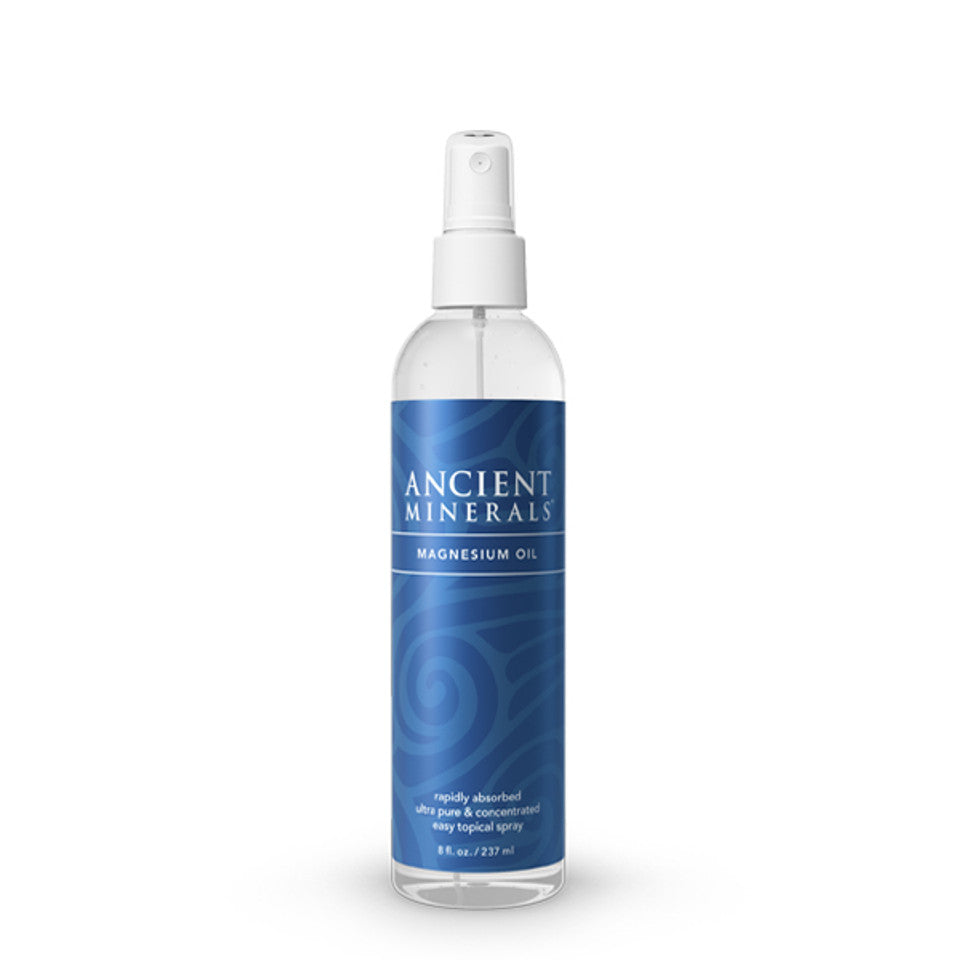
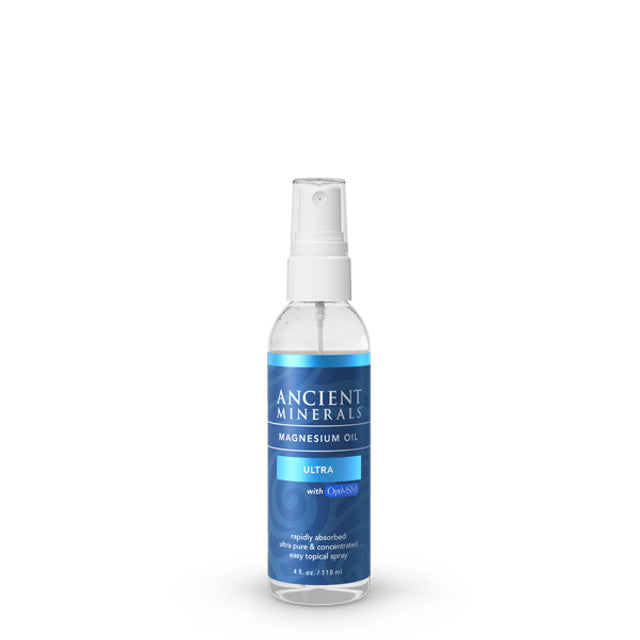
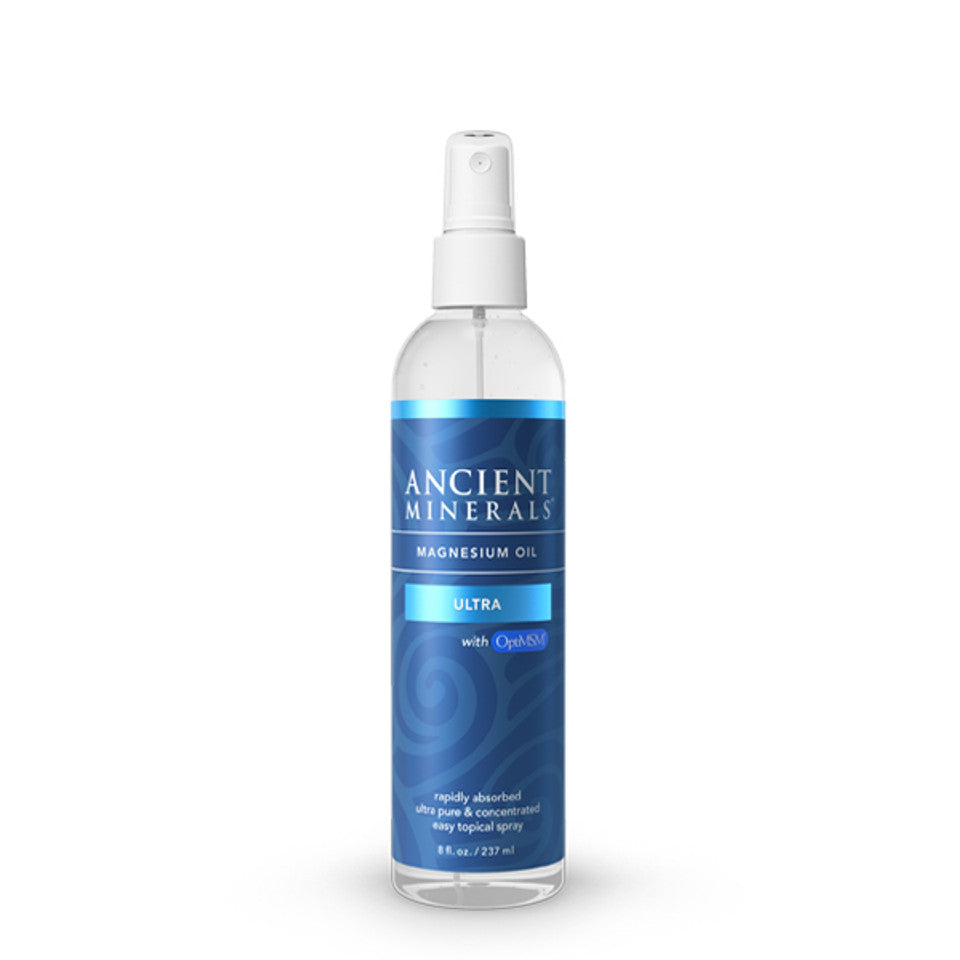
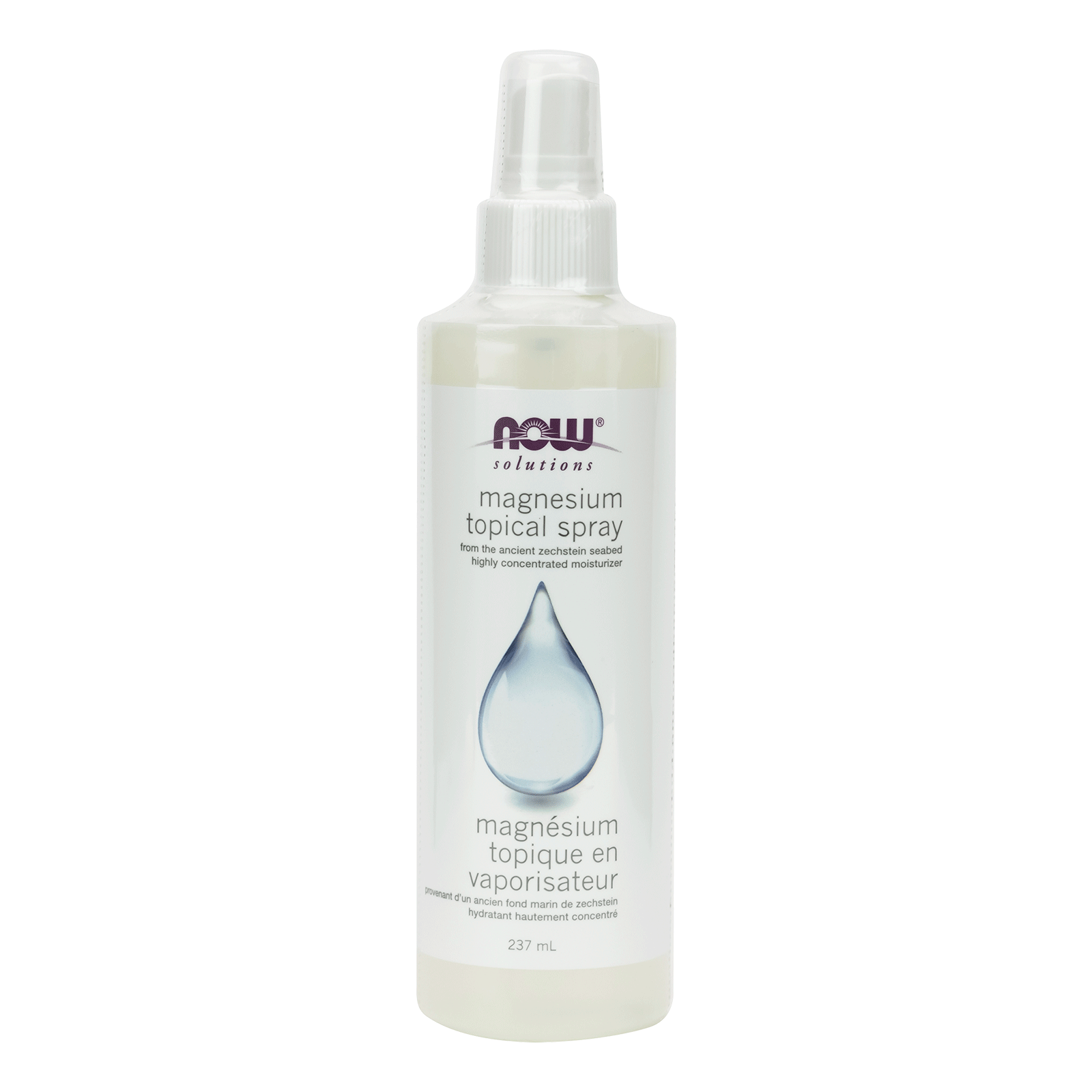
• Magnesium oil sprays
• Body sprays
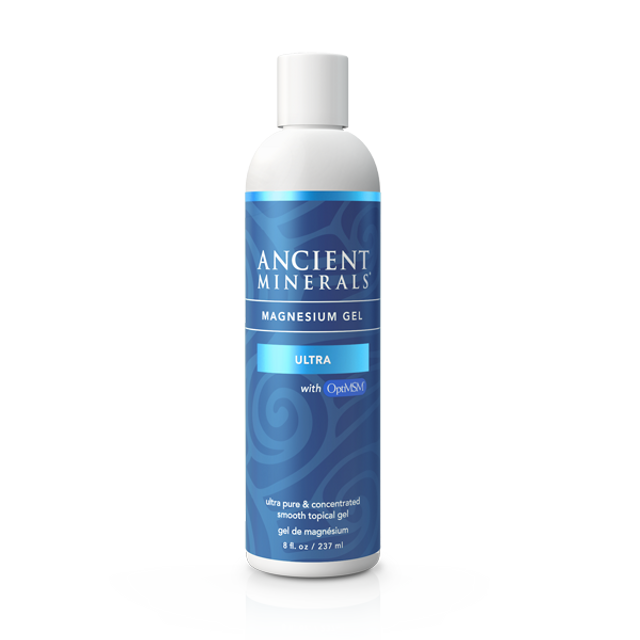
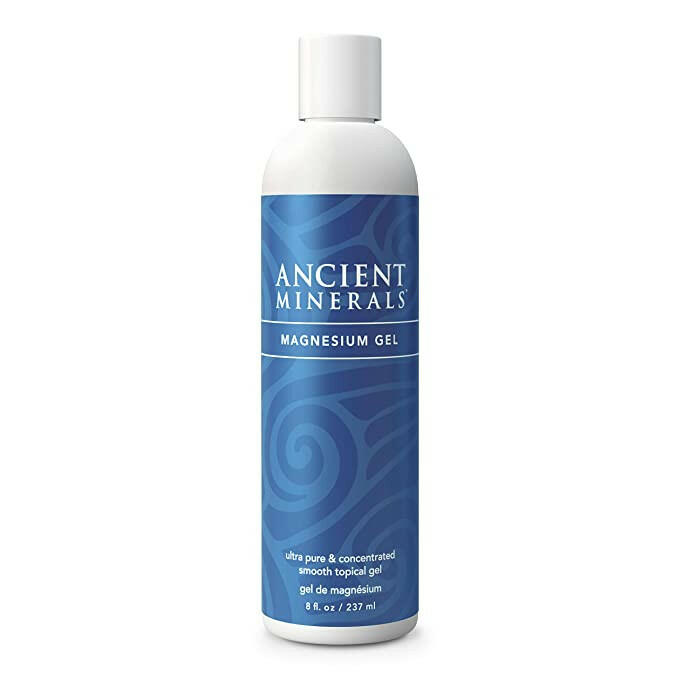
• Gels
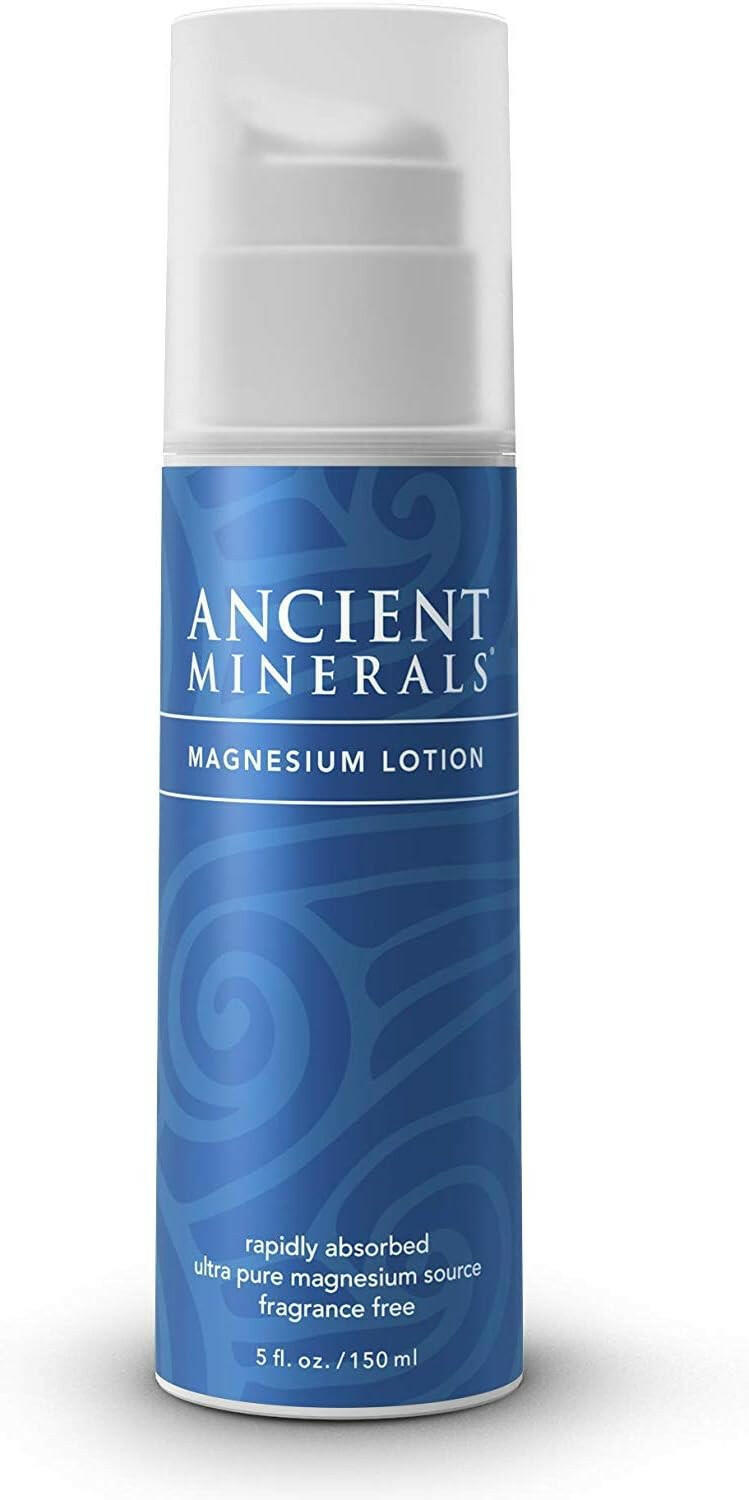
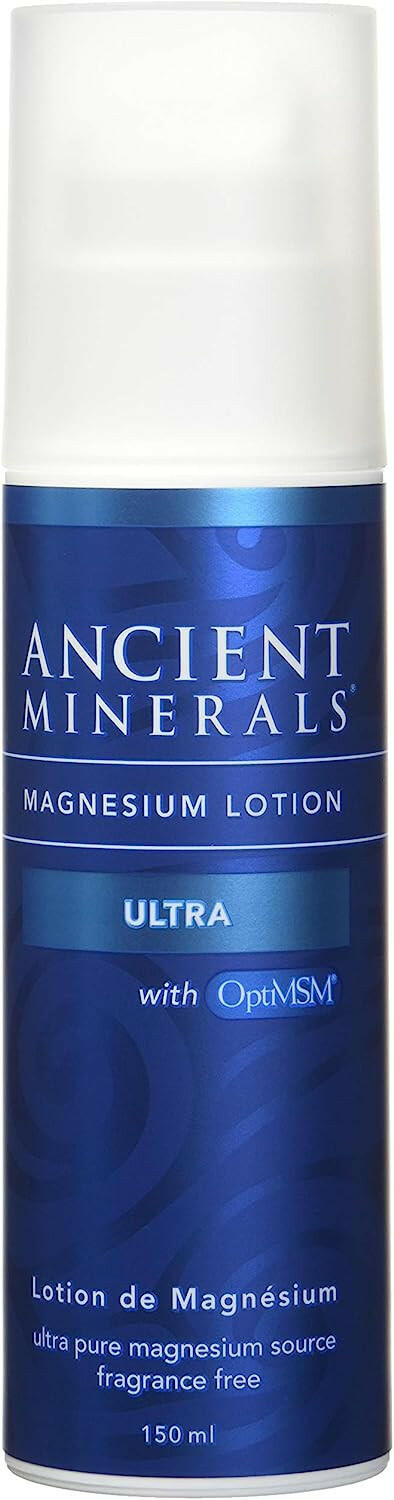
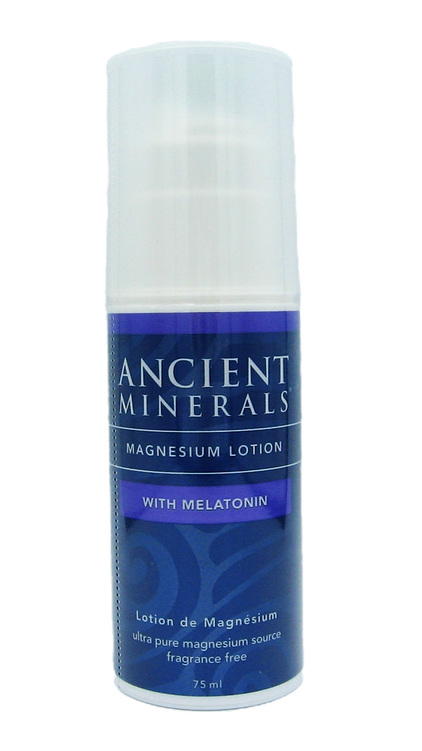
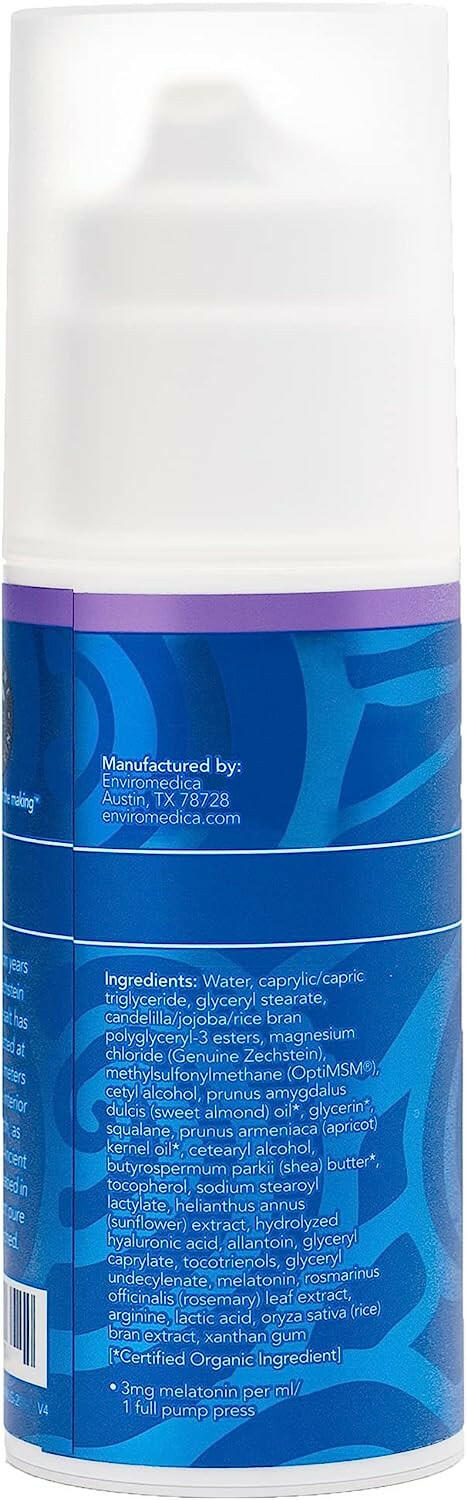
• Lotions
• Roll-ons
• Concentrated brines
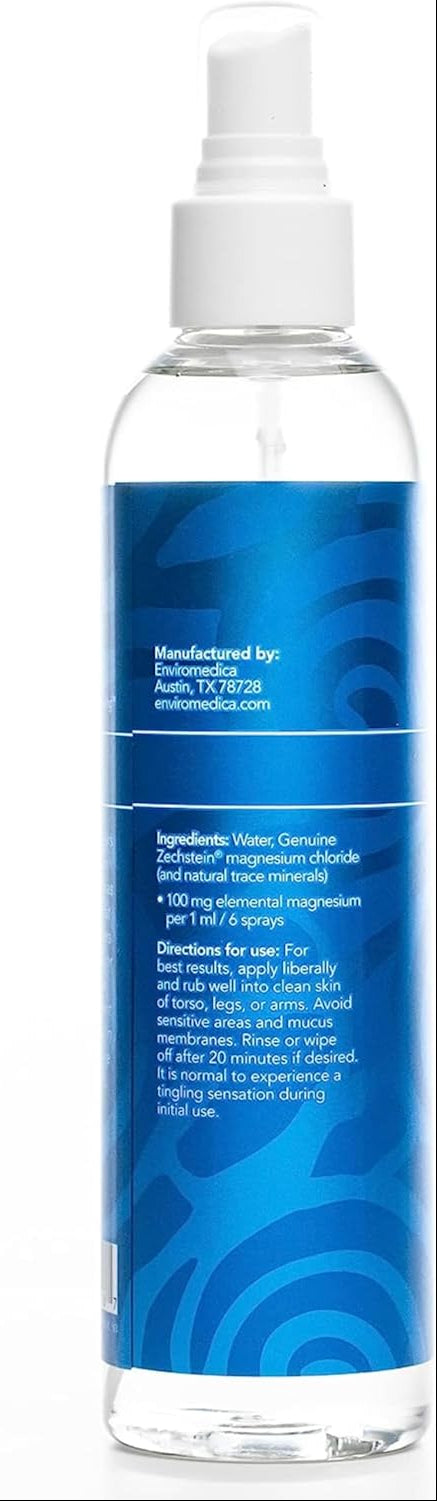
Despite the name, “magnesium oil” is not actually an oil. It is typically a concentrated magnesium chloride solution that feels somewhat oily when applied to the skin.
These products are popular for massage and localized wellness routines, particularly after physical activity.
Does Topical Magnesium Absorb Through the Skin?
Claims that magnesium chloride is rapidly or efficiently absorbed through intact skin into the bloodstream are common in marketing.
Current human evidence is not strong enough to establish topical magnesium as a reliable method of correcting magnesium deficiency or substantially increasing systemic magnesium status.
The skin is an effective biological barrier.
For people who need to increase magnesium intake, an appropriate oral source generally has a much clearer evidence base.
Topical magnesium can still be used as part of a massage, bathing, or relaxation routine when tolerated.
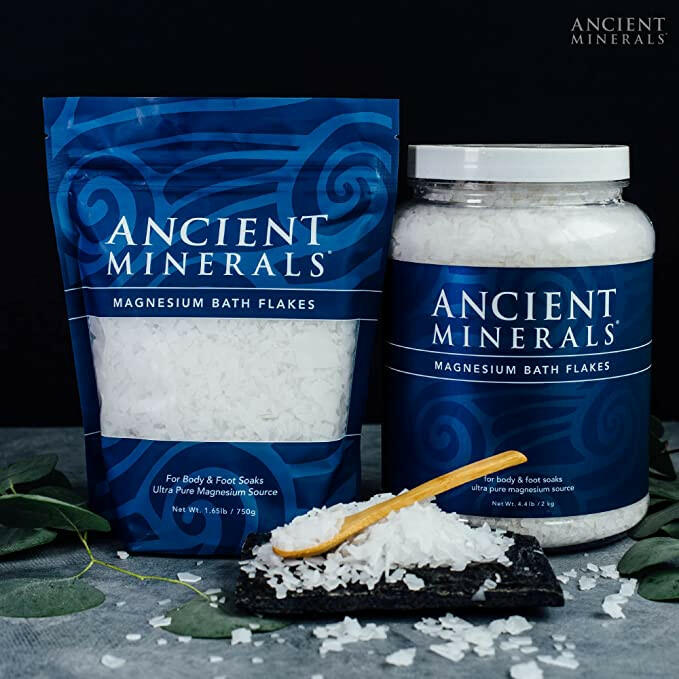
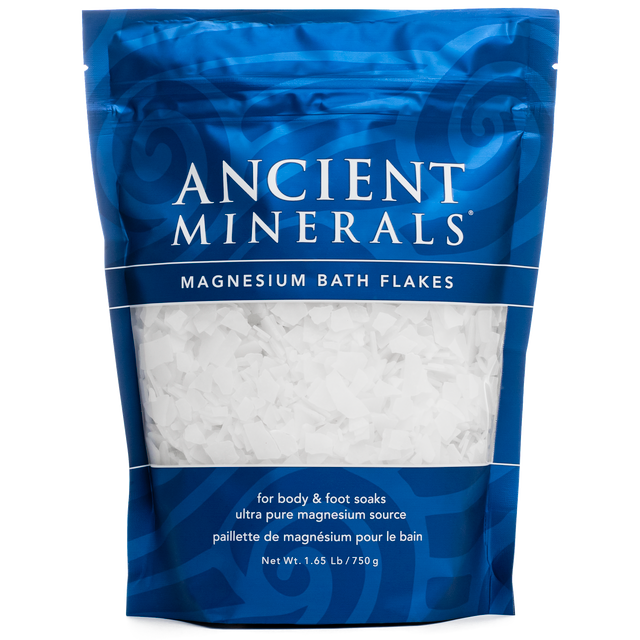
Magnesium Chloride Bath Flakes
Magnesium chloride flakes dissolve in warm bath water and are commonly used for:
• Relaxing baths
• Post-exercise soaking
• Muscle-care routines
• General self-care
• Foot baths
Warm-water immersion itself can help people feel relaxed and may temporarily soothe tired muscles.
It is therefore difficult to separate these effects from claims attributed specifically to magnesium absorption through the skin.
Bath products should be positioned primarily as topical wellness and relaxation products, not as a proven method for correcting magnesium deficiency.
Magnesium Chloride vs Epsom Salt
These products are sometimes confused.
Magnesium Chloride
Contains magnesium combined with chloride and is commonly available as flakes, concentrated brines, sprays, and oral supplements.
Epsom Salt
Is magnesium sulfate, a different magnesium salt commonly used in bath products.
Both are popular for bathing and relaxation, but neither should automatically be assumed to provide significant systemic magnesium through the skin.
Magnesium Chloride vs Magnesium Glycinate
Magnesium glycinate combines magnesium with glycine and is commonly chosen for oral daily supplementation, particularly in relaxation-focused routines.
Magnesium chloride is highly water-soluble and particularly useful for liquid formulations and topical products, in addition to oral supplementation.
Neither form is universally best. The appropriate choice depends on:
• Intended use
• Elemental magnesium amount
• Gastrointestinal tolerance
• Preferred format
• Individual needs
Magnesium Chloride vs Magnesium Citrate
Both can provide supplemental magnesium.
Magnesium citrate is widely used orally and may have a more noticeable laxative effect, making it useful in some bowel-support products.
Magnesium chloride is also water-soluble and is particularly common in liquids, concentrated mineral solutions, and topical preparations.
When comparing oral products, consider the actual elemental magnesium per serving rather than simply comparing the compound names.
Understanding Elemental Magnesium
The amount of magnesium chloride in a product is not the same as its amount of elemental magnesium.
For oral supplementation, look at the label for the amount of magnesium actually supplied per serving.
This makes comparisons between magnesium chloride, citrate, glycinate, oxide, and other forms considerably more meaningful.
Natural Sources & Manufacturing
Commercial magnesium chloride can originate from:
• Seawater
• Underground mineral deposits
• Salt lakes
• Mineral-rich brines
The raw source can be interesting, but it does not automatically establish greater purity, absorption, or therapeutic effectiveness.
High-quality products should emphasize appropriate purification, manufacturing controls, accurate mineral concentration, and contaminant testing.
Magnesium Chloride Safety
Oral magnesium supplements can cause gastrointestinal effects, particularly at higher amounts.
These may include:
• Diarrhea
• Loose stools
• Nausea
• Abdominal discomfort
Topical magnesium chloride may cause:
• Stinging
• Burning sensations
• Dryness
• Skin irritation
Avoid applying concentrated magnesium chloride to broken, freshly shaved, or significantly irritated skin unless the product directions specifically indicate otherwise.
Kidney Function & Magnesium
Healthy kidneys help regulate magnesium concentrations by eliminating excess magnesium.
People with significantly reduced kidney function can have difficulty clearing supplemental magnesium, increasing the risk of excessive blood magnesium levels.
Professional guidance is therefore particularly important before magnesium supplementation in people with kidney disease.
Magnesium & Medication Interactions
Oral magnesium can interfere with the absorption of certain medications.
Examples include some:
• Tetracycline antibiotics
• Fluoroquinolone antibiotics
• Bisphosphonates
• Thyroid medications such as levothyroxine
These products may need to be separated from magnesium by several hours depending on the medication.
A pharmacist can help determine appropriate timing.
FAQs
What is magnesium chloride used for?
Oral magnesium chloride provides magnesium needed for normal muscle and nerve function, energy metabolism, electrolyte balance, and bone and cardiovascular health. Topical versions are commonly incorporated into massage and relaxation routines.
Is magnesium chloride well absorbed orally?
Magnesium chloride is water-soluble and can provide absorbable magnesium. It should not, however, automatically be described as the most bioavailable magnesium form.
Does magnesium chloride help muscle cramps?
Magnesium is necessary for normal muscle function, and deficiency can contribute to muscular symptoms. Supplementation does not consistently eliminate ordinary cramps when magnesium status is already adequate.
Does magnesium chloride help with sleep?
Adequate magnesium supports normal nervous-system function, and supplementation may support sleep in some people, particularly when magnesium status is inadequate. It is not a conventional sedative or treatment for insomnia.
Does magnesium oil absorb through the skin?
Current evidence is insufficient to establish that topical magnesium reliably delivers enough magnesium through intact skin to correct systemic deficiency.
What is magnesium oil?
Magnesium oil is usually concentrated magnesium chloride dissolved in water. Despite its name and texture, it does not generally contain an actual oil.
Are magnesium chloride baths good for sore muscles?
Warm baths can be relaxing and soothing for tired muscles. Magnesium chloride flakes can complement the experience, but evidence that their effects result from substantial magnesium absorption through the skin remains limited.
Is magnesium chloride better than magnesium glycinate?
Neither is universally better. Magnesium glycinate is popular for oral daily supplementation, while magnesium chloride is particularly versatile because it is available in oral, liquid, topical, and bath formats.
Can topical magnesium replace oral magnesium?
Topical magnesium should not be relied upon as an equivalent substitute when the goal is to correct inadequate magnesium intake or deficiency.
Can I use magnesium chloride every day?
Many oral and topical products are designed for regular use when appropriate. Follow the individual product directions and consider total magnesium intake, kidney function, medications, and skin tolerance.
Why Shop Magnesium Chloride at Coal Harbour Pharmacy?
• Pharmacist-curated magnesium chloride products
• Oral, liquid, spray, gel, and bath formats
• Clearly labelled magnesium strengths
• Options from trusted Canadian and professional wellness brands
• Topical and oral products for different wellness routines
• Fast Canada-wide shipping
Related Collections
• Magnesium
• Magnesium Glycinate
• Magnesium Citrate
• Minerals
────────────────────────────────────
Shop Magnesium Chloride →
Sort by
9 products




Free Delivery
Satisfied or refunded
Top-notch support
Secure payments
Encrypted checkout processing
Offers exclude prescriptions and in-store purchases.
Subscribe & Get a First-Order Reward
Plus, earning reward points on eligible online purchases and enjoy future store credit.
We respect your inbox at Coal Harbour Pharmacy - Expect thoughtfully curated health and wellness updates, timely reminders, and exclusive online savings.